



![[ New Arrival ] Porto Max Electric Scooter For Commute & Grocery Shopping - HOVSCO](http://www.hovsco.com/cdn/shop/files/PotroMax-3.jpg?v=1706927007&width=1200)
- by EO S
What Makes Electric Delivery Bikes So Efficient?
- by EO S
E-Bikes
Accessories
 Free Shipping
 15-Day Returns
 2-Year Warranty
Free Shipping
15-Day Returns
2-Year Warranty
2-Year Warranty
Free Shipping
15-Day Returns
2-Year Warranty
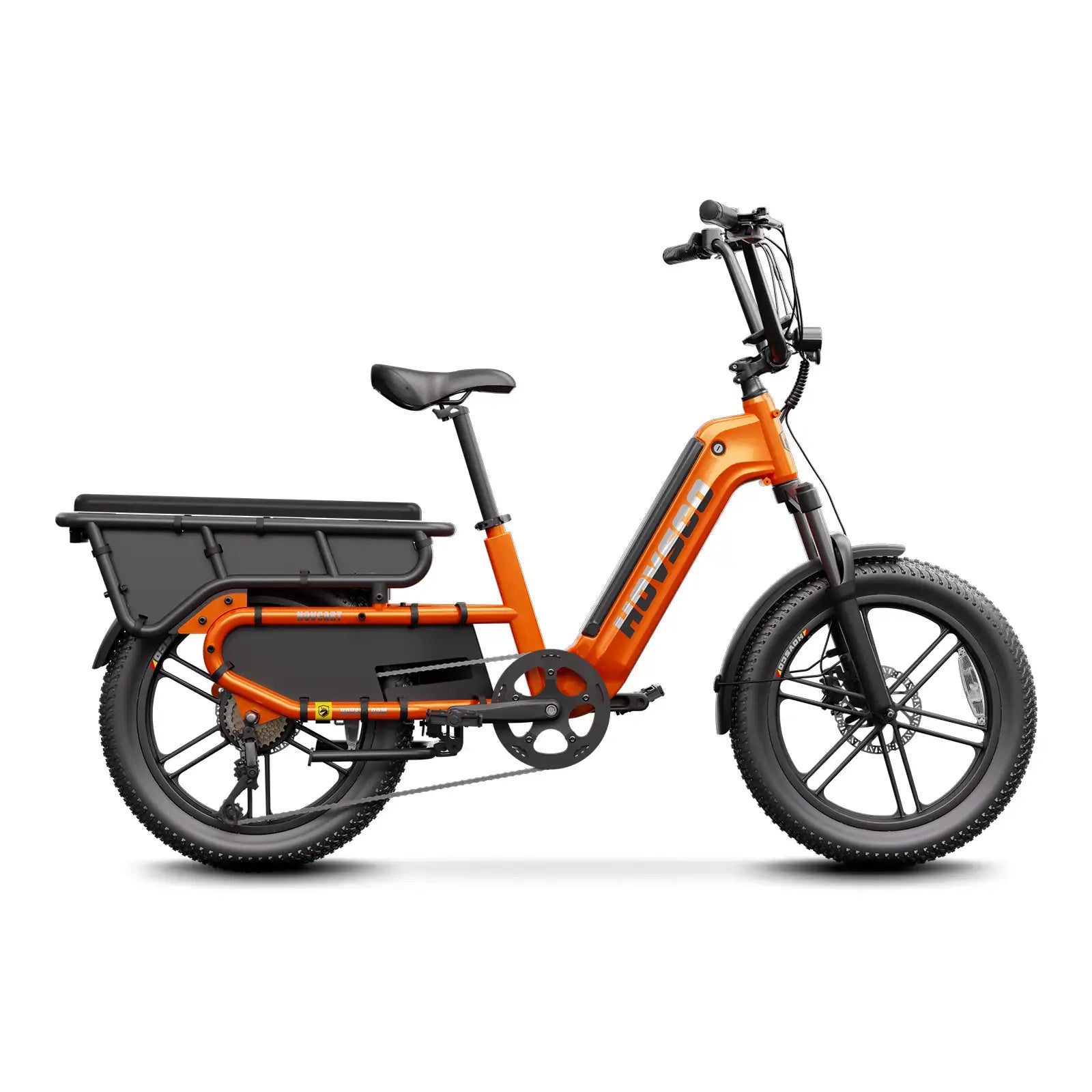
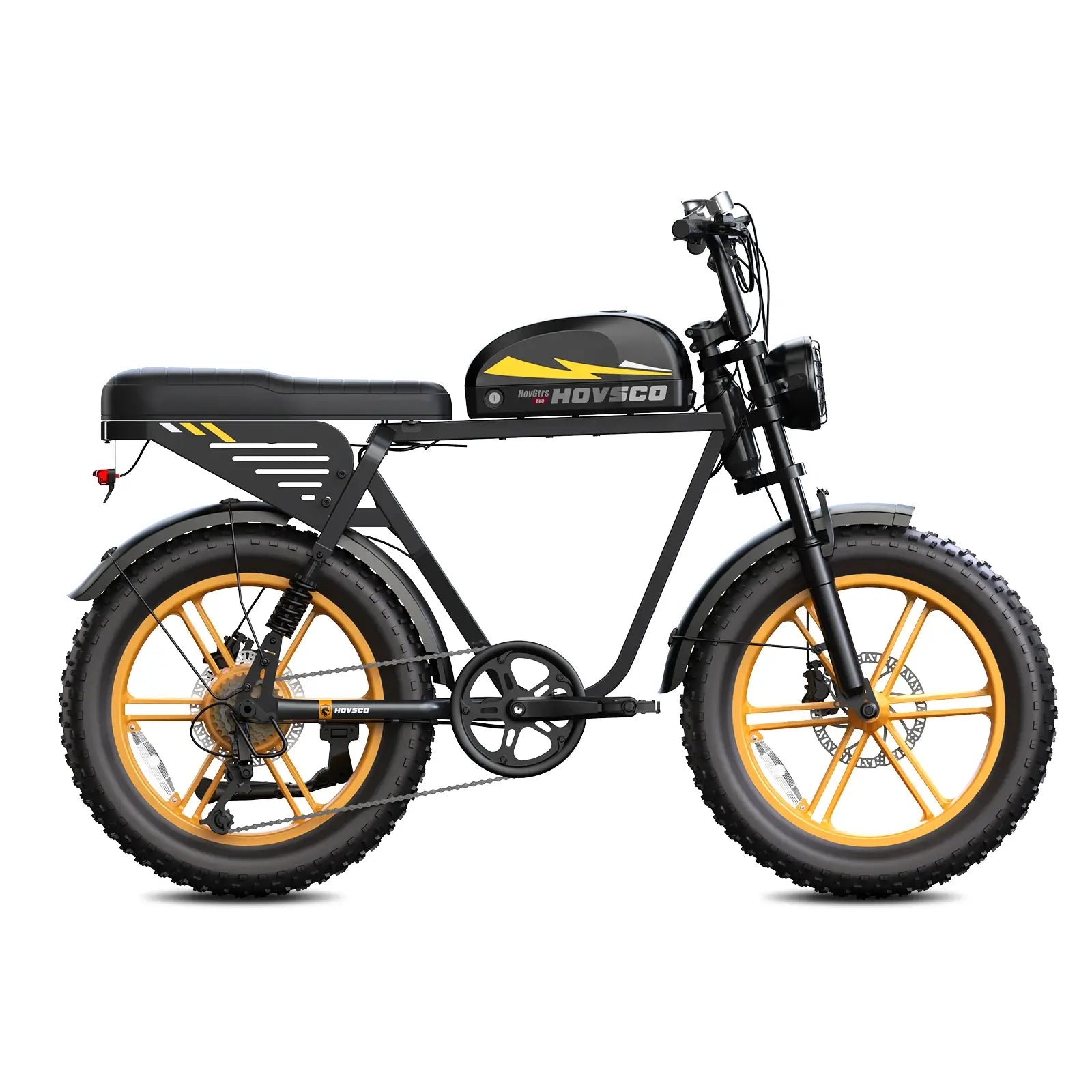
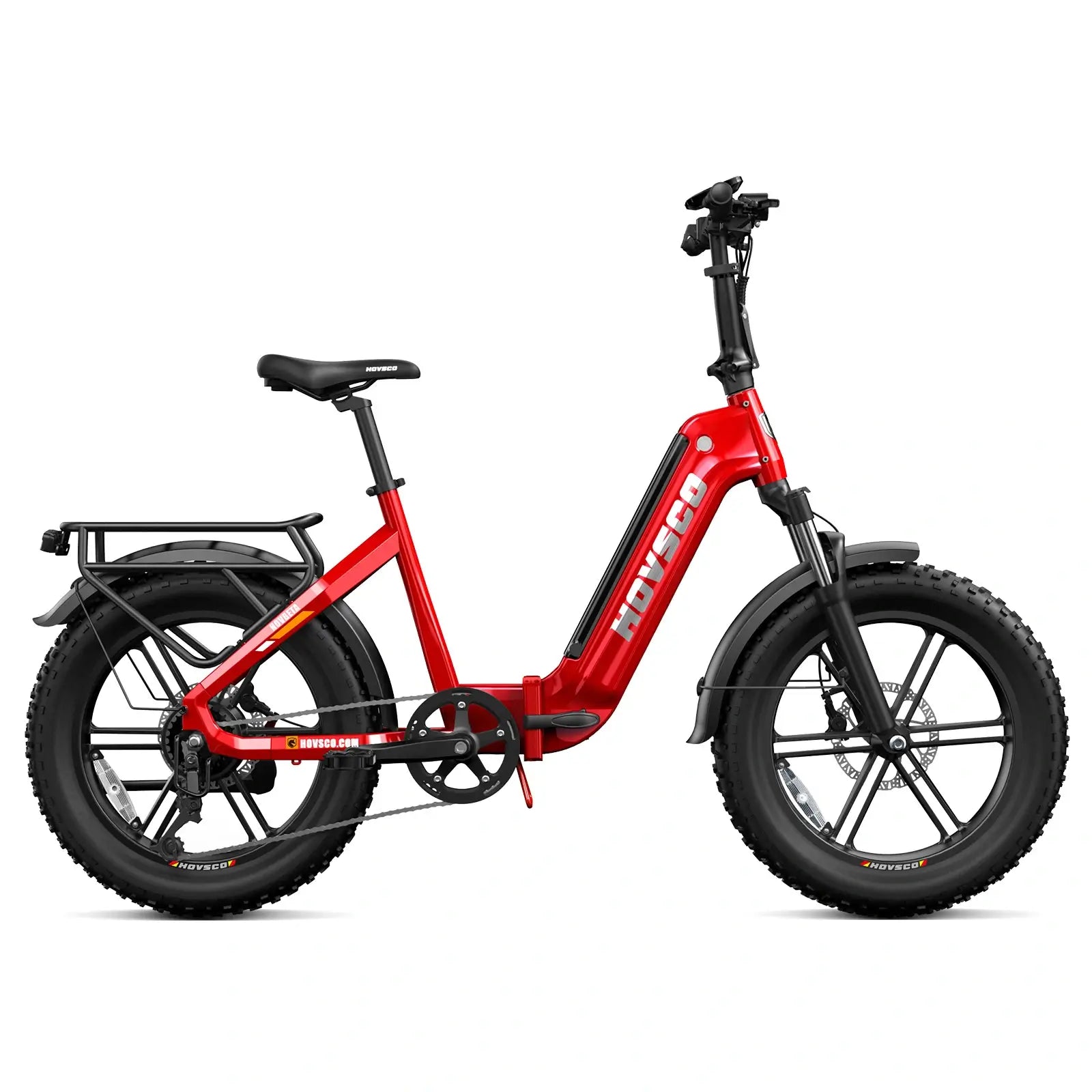
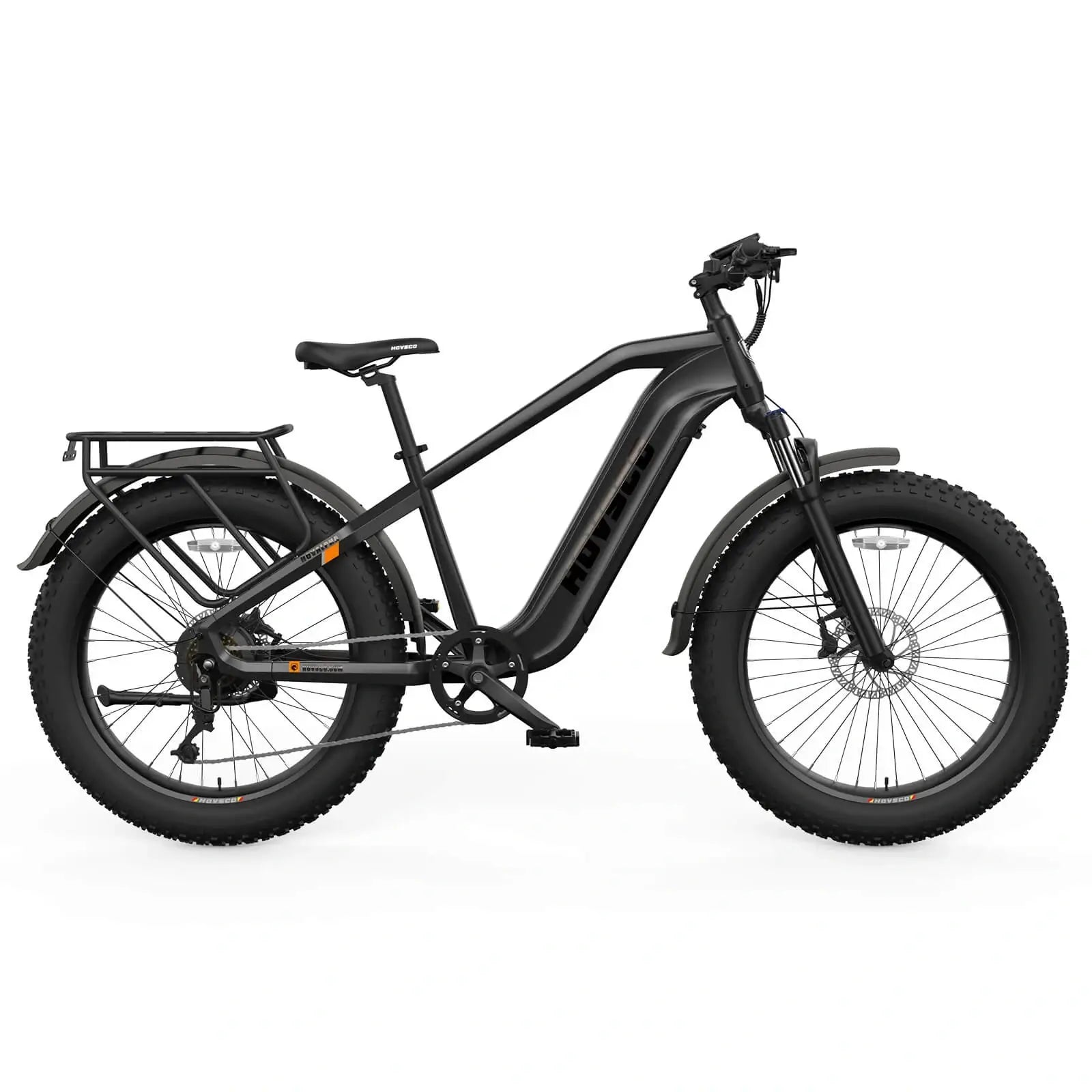
Electric delivery bikes offer fast, sustainable, and cost-effective solutions for last-mile logistics. They run on battery-assisted systems, allowing riders to deliver goods quickly without heavy fuel costs or emissions. Their combination of speed, maneuverability, and eco-efficiency helps companies streamline delivery operations while protecting the environment and improving urban mobility.
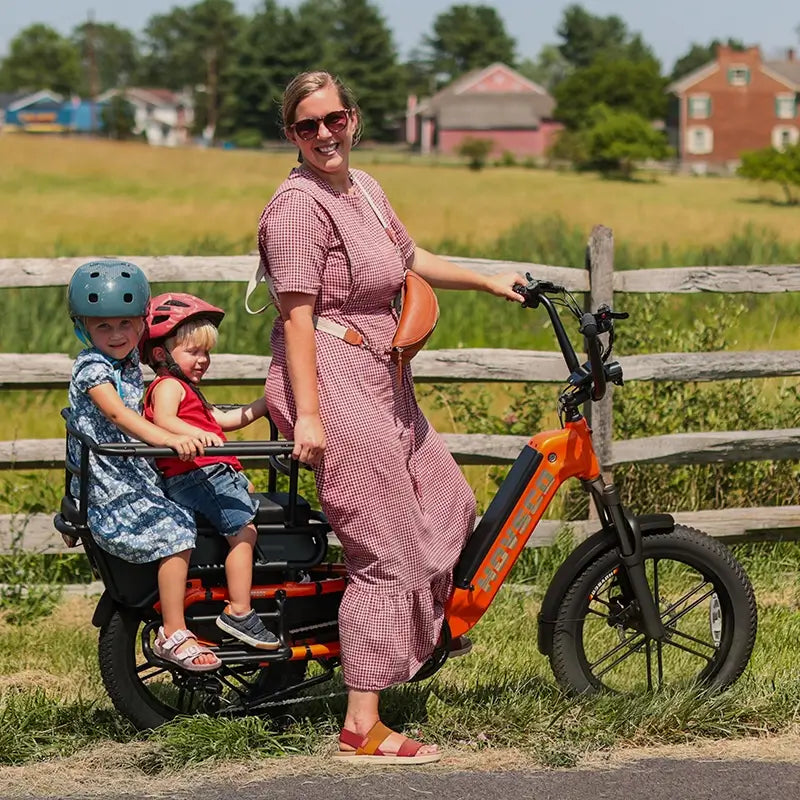
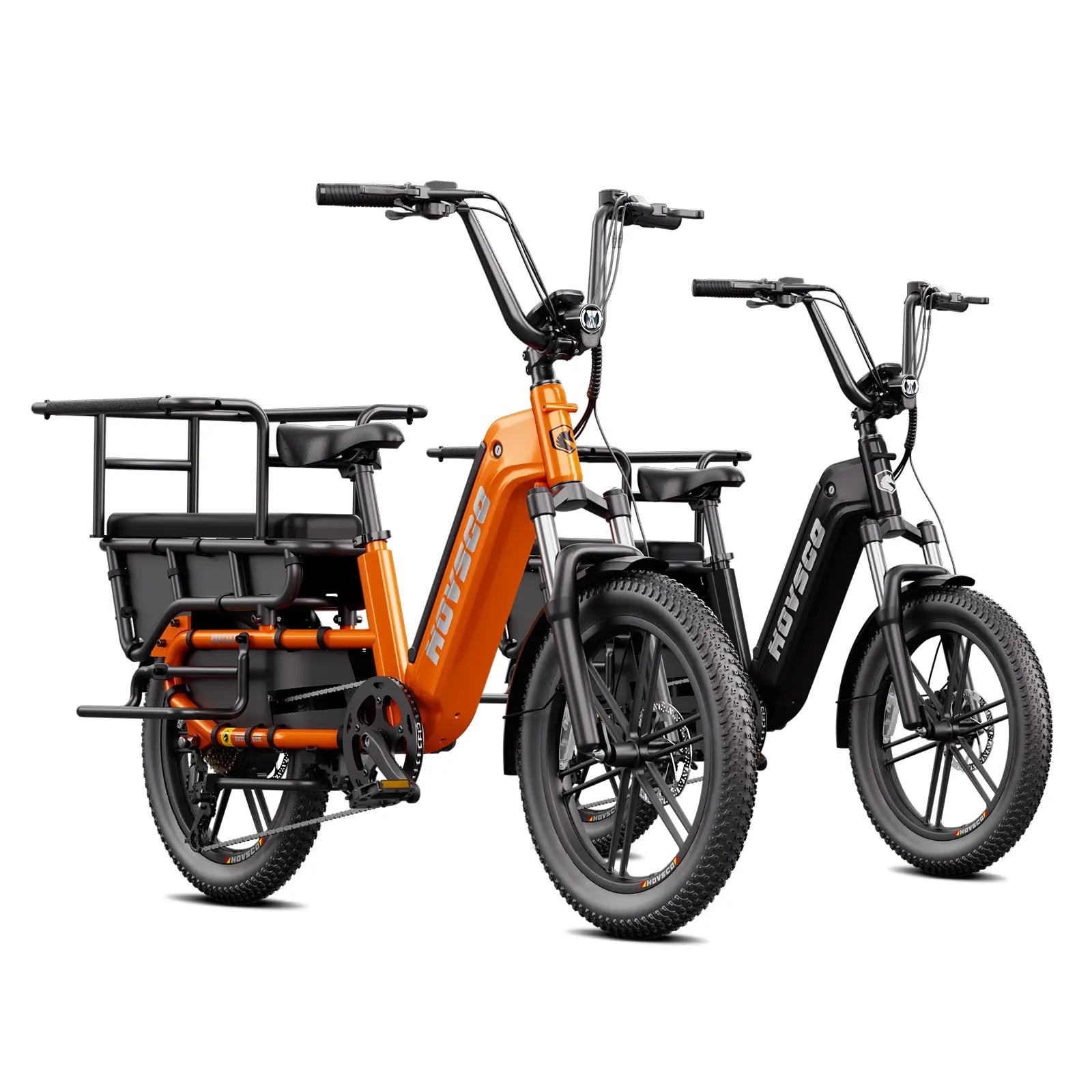
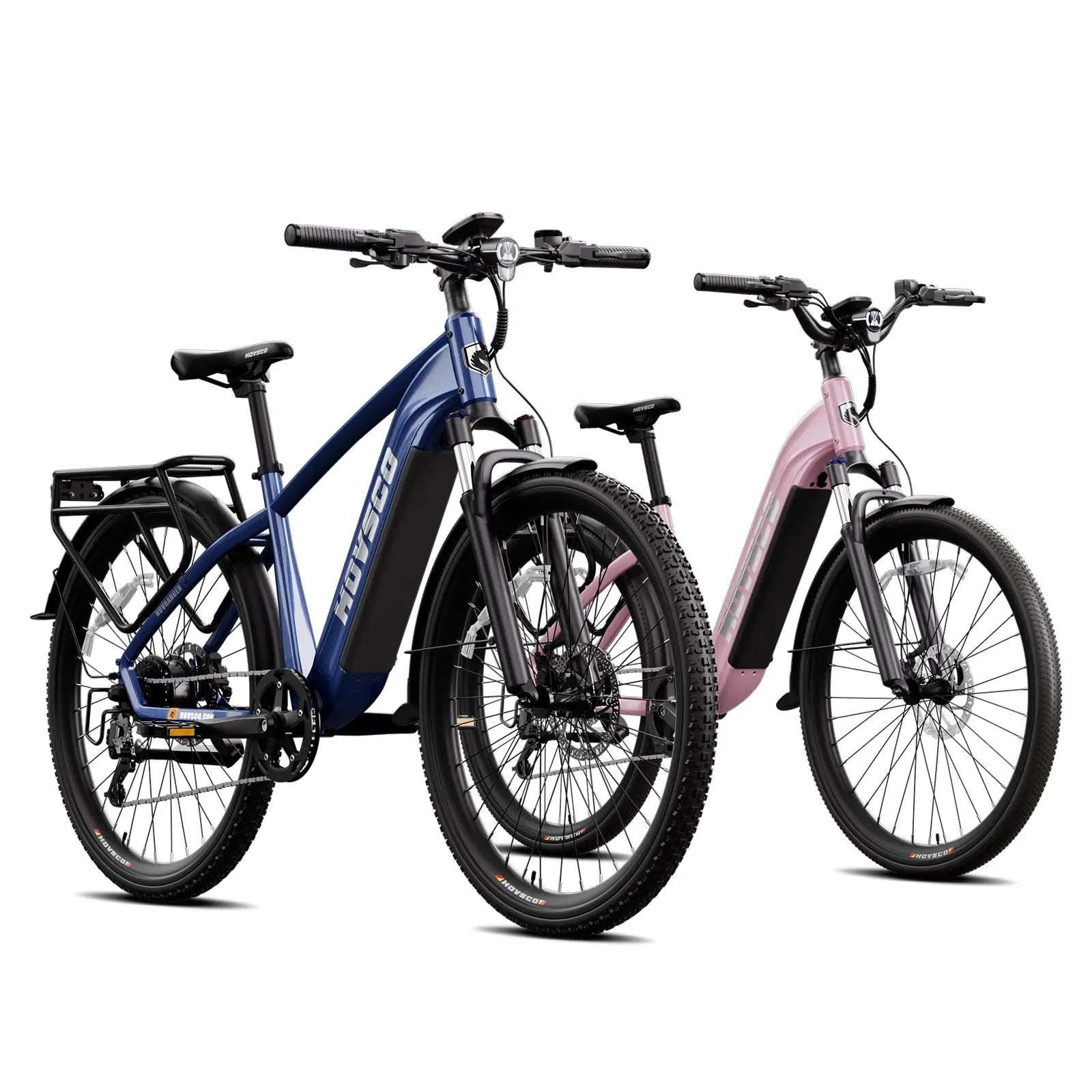
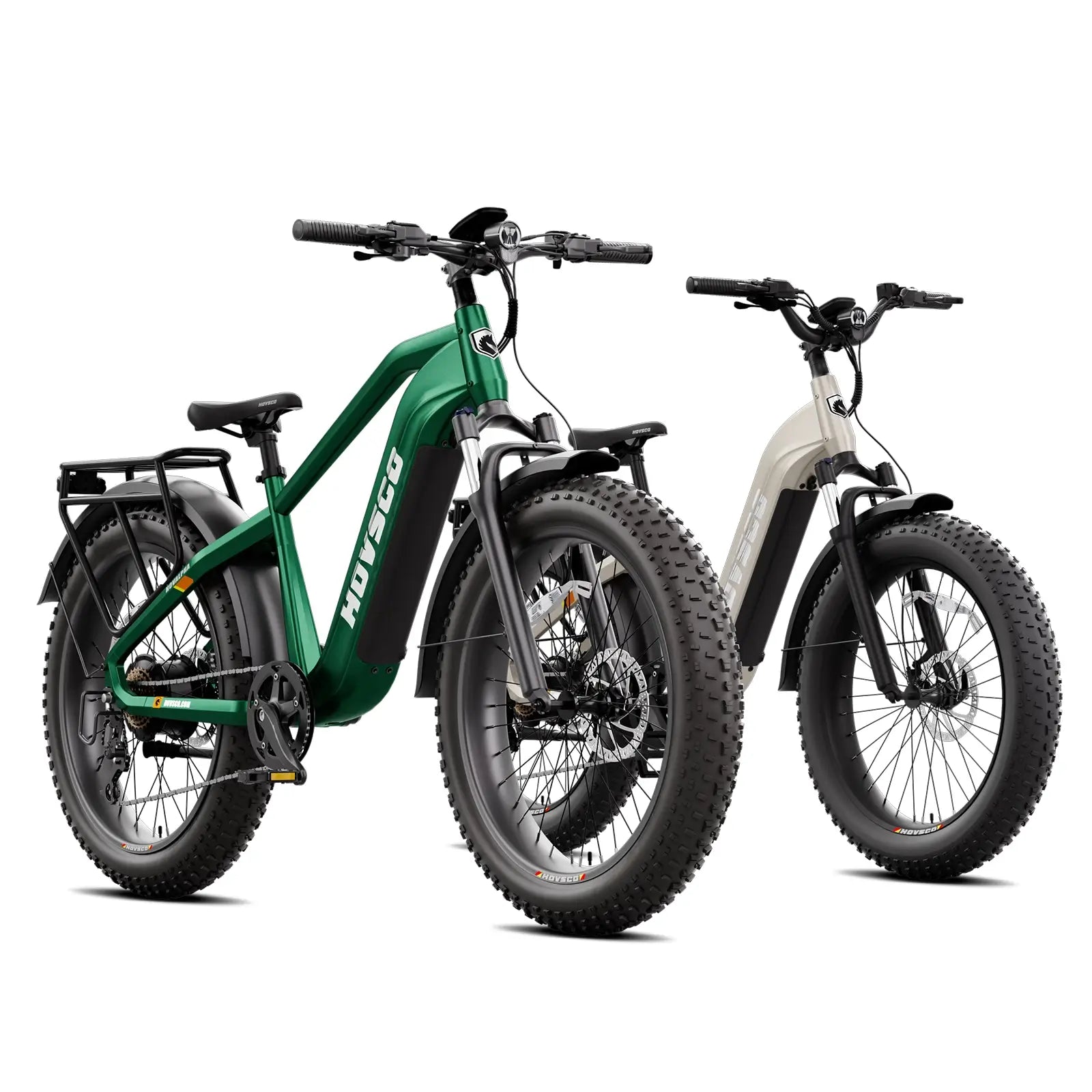
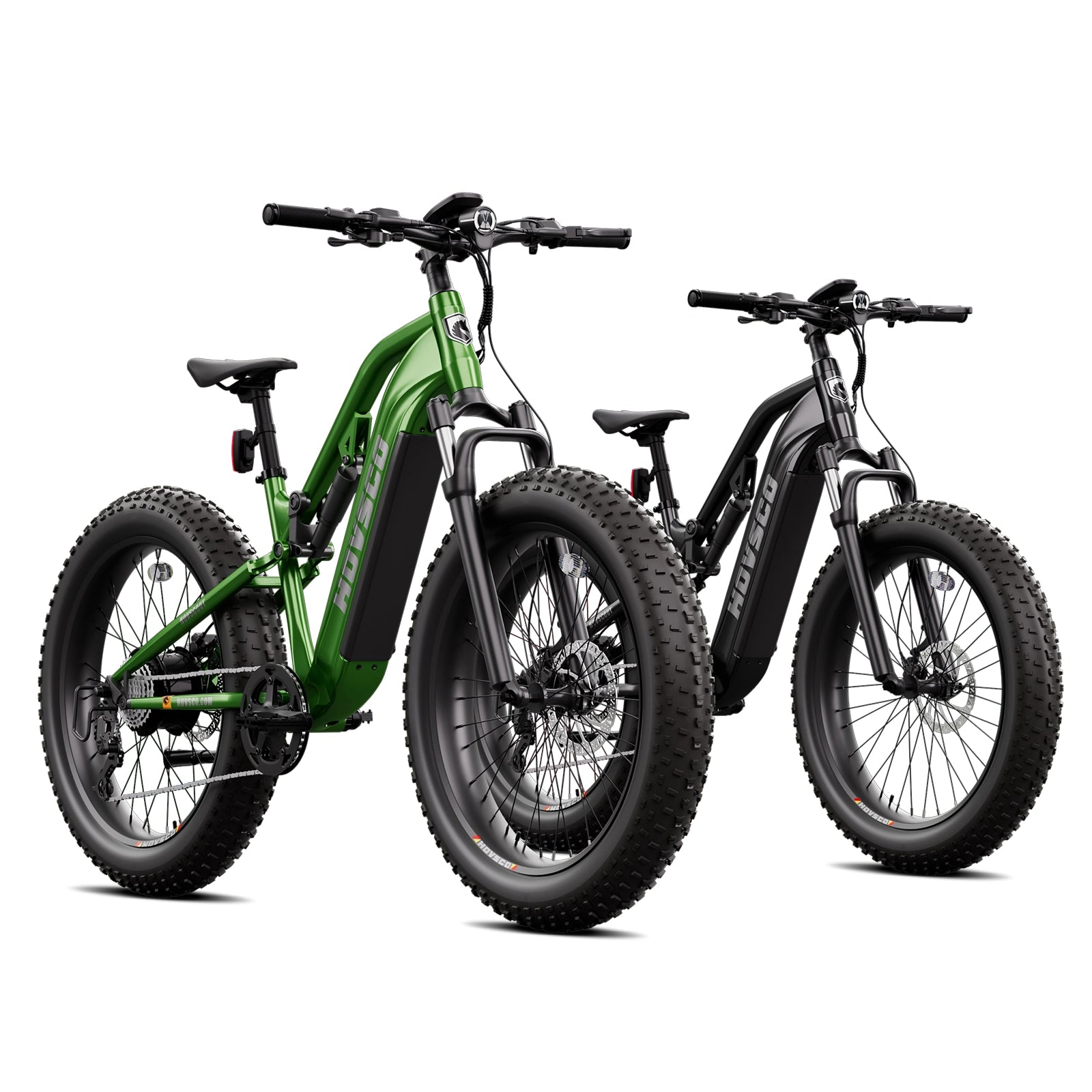
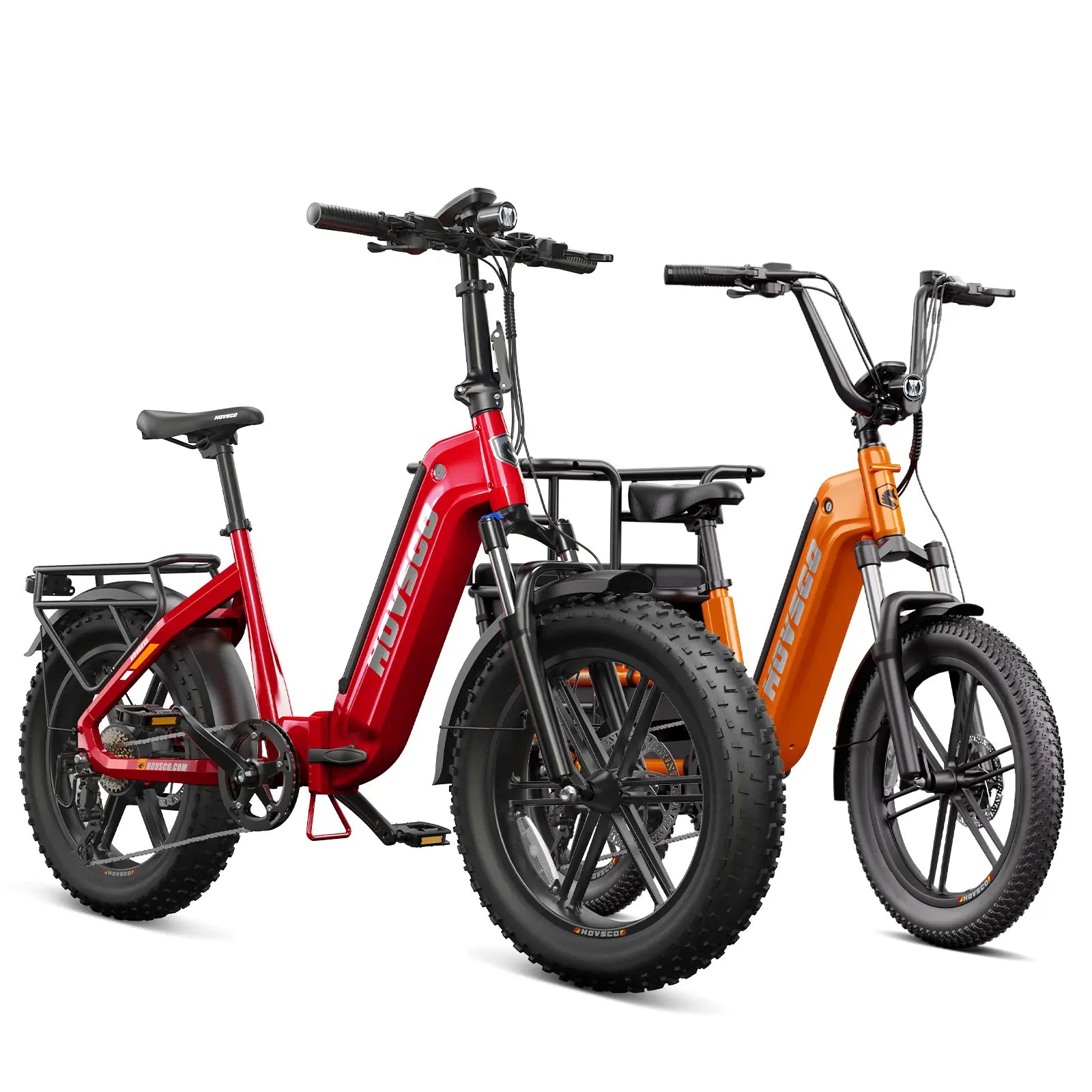
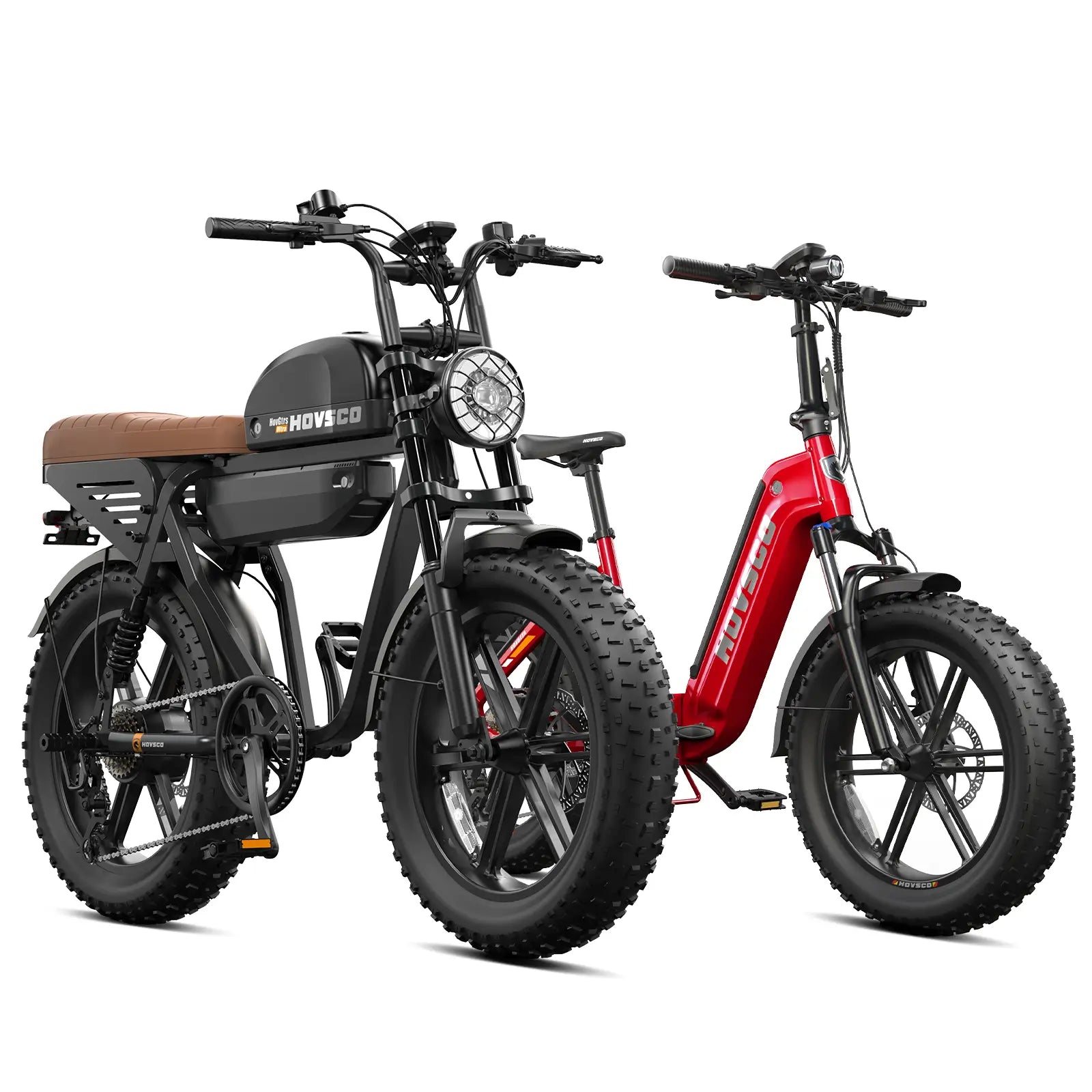
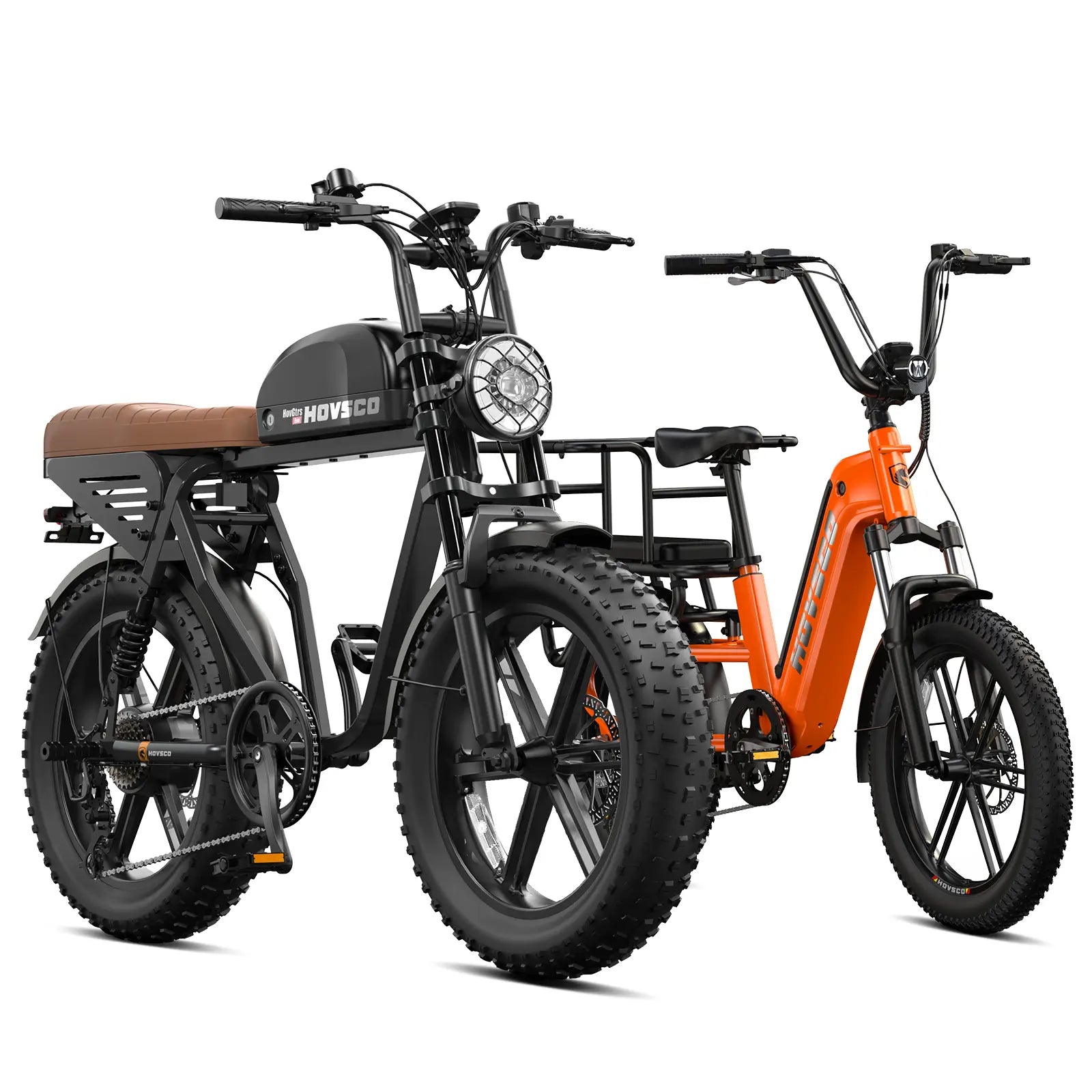
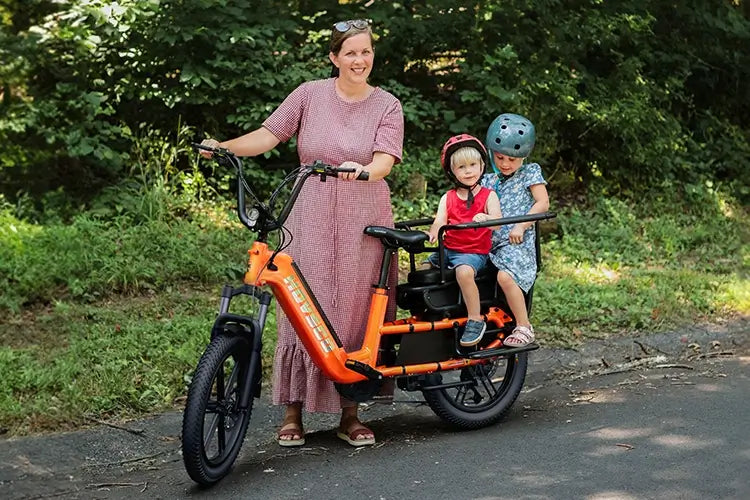
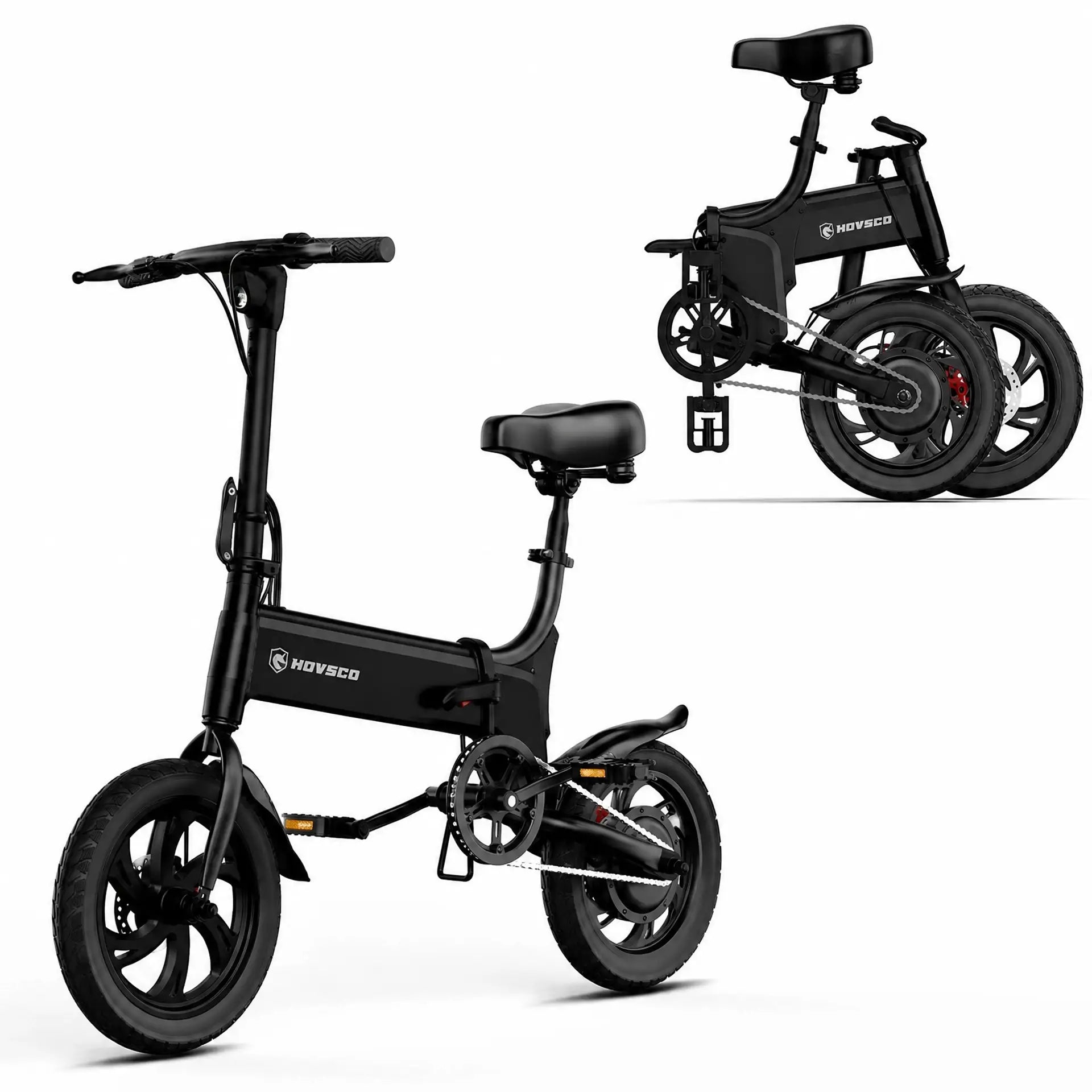
Electric delivery bikes are powered by rechargeable batteries that assist pedaling through an electric motor. Riders can switch between pedal-assist and throttle modes depending on terrain and load. These bikes typically feature durable frames, cargo racks, and long-range batteries to manage multiple deliveries efficiently.
In simple terms, they blend traditional cycling with electric drive, offering effortless handling even when carrying heavy packages or climbing hills.
The main benefits include lower operating costs, faster navigation through traffic, and zero emissions. Businesses save significantly on fuel and maintenance while maintaining consistent delivery speeds. Delivery riders also experience less fatigue and greater safety with electric assistance.
Here’s how these benefits compare to traditional delivery vehicles:
| Feature | Traditional Scooter | Electric Delivery Bike |
|---|---|---|
| Fuel Cost | High | Minimal |
| Maintenance | Frequent | Low |
| Carbon Emissions | High | None |
| Maneuverability | Moderate | Excellent |
| Annual Operating Cost | $1,800+ | $300–$500 |
The table shows why this switch is both economically and environmentally smart.
Cities are embracing electric delivery bikes because they reduce congestion, improve sustainability, and save time in dense traffic environments. Couriers using them can access roads and alleys where larger vans struggle. These bikes also meet eco-regulations as urban areas impose stricter emissions standards.
Businesses adopting them benefit from improved delivery reliability, reduced environmental impact, and growing brand reputation for sustainability.
Food delivery services, grocery retailers, and parcel couriers gain the most from using electric delivery bikes. Restaurants reach customers faster while preserving food freshness. Local stores handle more deliveries per shift, and logistics firms manage urban routes efficiently.
Even independent couriers and small shops embrace them to cut transportation expenses and attract eco-conscious consumers, strengthening both revenue and responsibility.
Urban business owners, courier operators, and eco-driven entrepreneurs should consider investing. Startups can lower their delivery overhead and scale efficiently. Larger organizations use them to meet sustainability goals without sacrificing performance.
Individuals offering personal courier services or eco-deliveries also find electric bikes ideal for daily urban mobility with minimal maintenance demands.
The best time is now—when e-mobility incentives, supportive policies, and battery technology are at their peak. Governments in many cities offer subsidies or tax breaks for switching to electric vehicles. Seasonal campaigns from manufacturers, like promotional periods offered by HOVSCO, make adoption even more cost-effective.
Starting early positions companies ahead of regulations and competition, ensuring long-term efficiency and brand value.
Reliable electric delivery bikes can be purchased directly from manufacturer websites or certified dealers. Brands that maintain online platforms with transparent warranties and after-sales support offer the safest path.
HOVSCO, known for its expertise and attention to detail, provides a smooth purchasing process with excellent customer support. Buyers can also explore local bike dealers offering assembly and maintenance services for convenience.
Yes, especially in high-density urban zones. Electric delivery bikes excel at covering short to medium distances, typically 5–20 miles per route. Their speed and cargo capacity rival small vans while costing a fraction to operate.
By reducing emissions, avoiding parking fees, and bypassing congested streets, they help delivery services cut expenses by as much as 80% annually.
Absolutely. Sustainability extends beyond reduced emissions—these bikes sustain low lifecycle costs, quiet operation, and minimal material waste. Batteries now last longer than ever, with modern lithium cells lasting 700–1,000 charge cycles.
By choosing strong frames and replaceable components, companies reduce e-waste while promoting circular use in supply chains.
HOVSCO has developed advanced electric mobility solutions centered on durable design and smart performance. Their engineering prioritizes comfort and balance, ensuring a safe, steady ride even under heavy loads.
With its U.S.-based operation and global supply network, HOVSCO integrates innovation with affordability—unlocking access to professional-level e-mobility for small and large delivery operations alike.
HOVSCO’s experience in electric vehicle development, from hoverboards to urban e-bikes, gives them unmatched insight into reliability and safety. They design e-bikes that handle real-world challenges, from harsh weather to extended daily usage.
Their service philosophy highlights customer empowerment—backed by warranty security, accessible parts, and responsive support across growing international markets.
“At HOVSCO, our vision is to empower cities with smarter logistics. Electric delivery bikes represent the harmony between performance and sustainability. We engineer them not just for function, but for freedom—helping modern businesses deliver more, earn more, and do more for the planet.”
— HOVSCO Engineering Team, 2025
The main challenges involve upfront costs, charging management, and limited carrying space compared to vans. However, advancements in quick-charging batteries and modular storage racks are solving these limitations fast.
Delivery platforms now include smart tracking and route planning, enhancing efficiency and extending per-charge operations for busy urban riders.
Yes, electric delivery bikes mark a major shift toward cleaner, smarter, and more flexible logistics. As battery technology improves, they’ll replace many small vehicles for last-mile delivery and daily commuting. Businesses that transition early will benefit from savings, emissions compliance, and reputation gains that shape the next era of urban movement.
| Metric | Electric Delivery Bike | Small Van |
|---|---|---|
| Average Speed | 15–20 mph | 20–25 mph |
| Load Range | Up to 200 lbs | 500+ lbs |
| Annual Energy Cost | ~$70 | ~$1,500 |
| CO₂ Emissions | 0 kg | 2,000+ kg |
| Best Use Case | Urban, short trips | Regional deliveries |
The data clearly illustrates that electric delivery bikes are more efficient and economical for inner-city logistics.
Electric delivery bikes deliver the perfect balance of economy, performance, and sustainability. They reduce operating costs, improve delivery efficiency, and help businesses fulfill green commitments. Leading brands like HOVSCO continue to drive innovation, transforming urban logistics into a sustainable, profitable sector. For companies seeking cleaner and faster delivery solutions, the future is electric.
1. How far can electric delivery bikes travel on one charge?
Most can cover 30 to 60 miles, depending on motor power, battery size, and terrain.
2. Do electric delivery bikes require a license?
No. Most are classified as bicycles, though local regulations can vary slightly.
3. What maintenance do these bikes need?
Basic tune-ups, chain lubrication, and battery care every few months ensure reliability.
4. How much weight can they handle?
Typically between 150 and 250 pounds, with some commercial-grade bikes carrying up to 400 pounds.
5. Are electric delivery bikes environmentally friendly?
Yes. They produce zero direct emissions and significantly reduce carbon impact in dense city environments.
Share:
Is a lightweight cargo bike the smarter choice for everyday hauling?
Why Are Electric Cargo Tricycles for Adults Gaining Popularity?