



![[ New Arrival ] Porto Max Electric Scooter For Commute & Grocery Shopping - HOVSCO](http://www.hovsco.com/cdn/shop/files/PotroMax-3.jpg?v=1706927007&width=1200)
- by EO S
Is a lightweight cargo bike the smarter choice for everyday hauling?
- by EO S
E-Bikes
Accessories
 Free Shipping
 15-Day Returns
 2-Year Warranty
Free Shipping
15-Day Returns
2-Year Warranty
2-Year Warranty
Free Shipping
15-Day Returns
2-Year Warranty
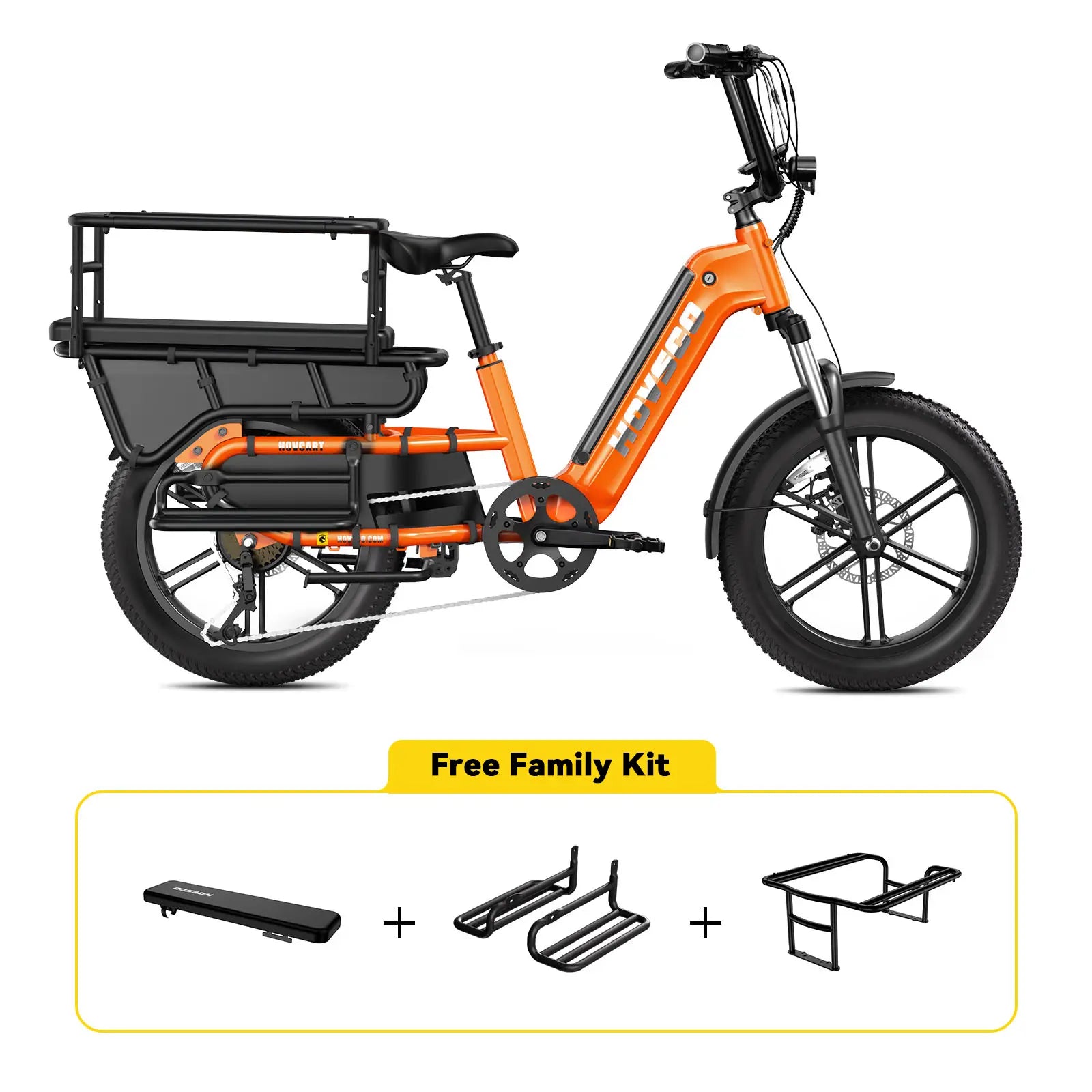
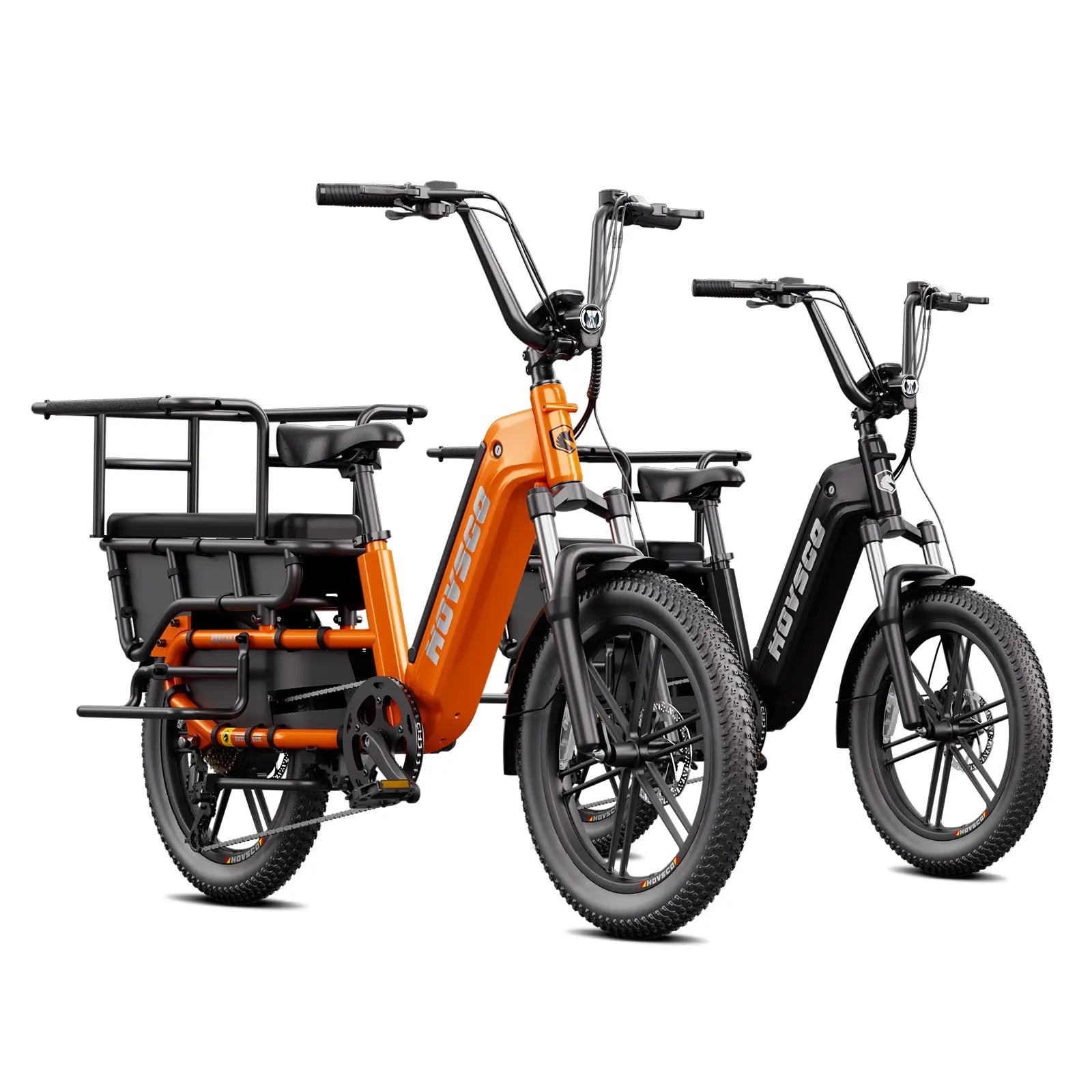
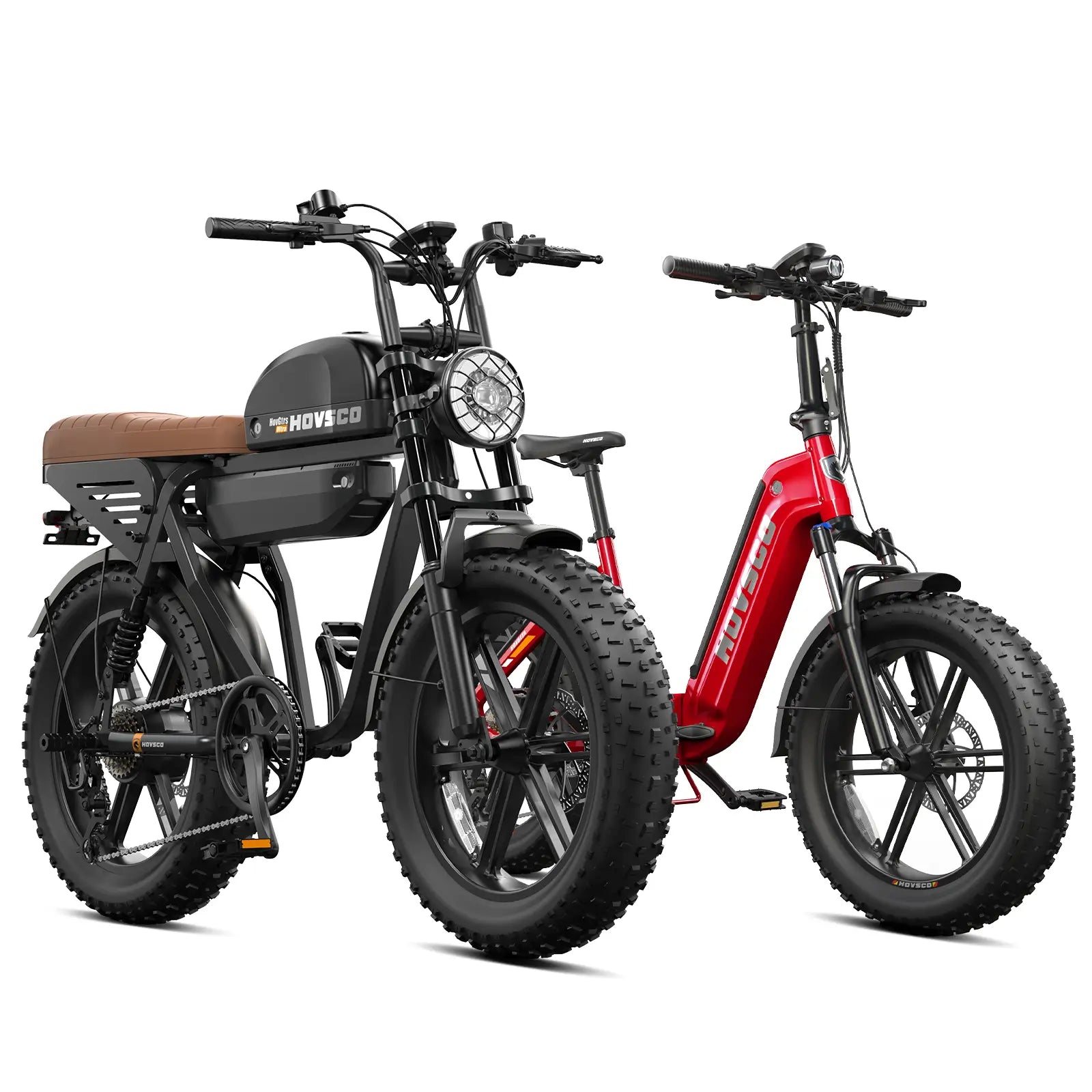
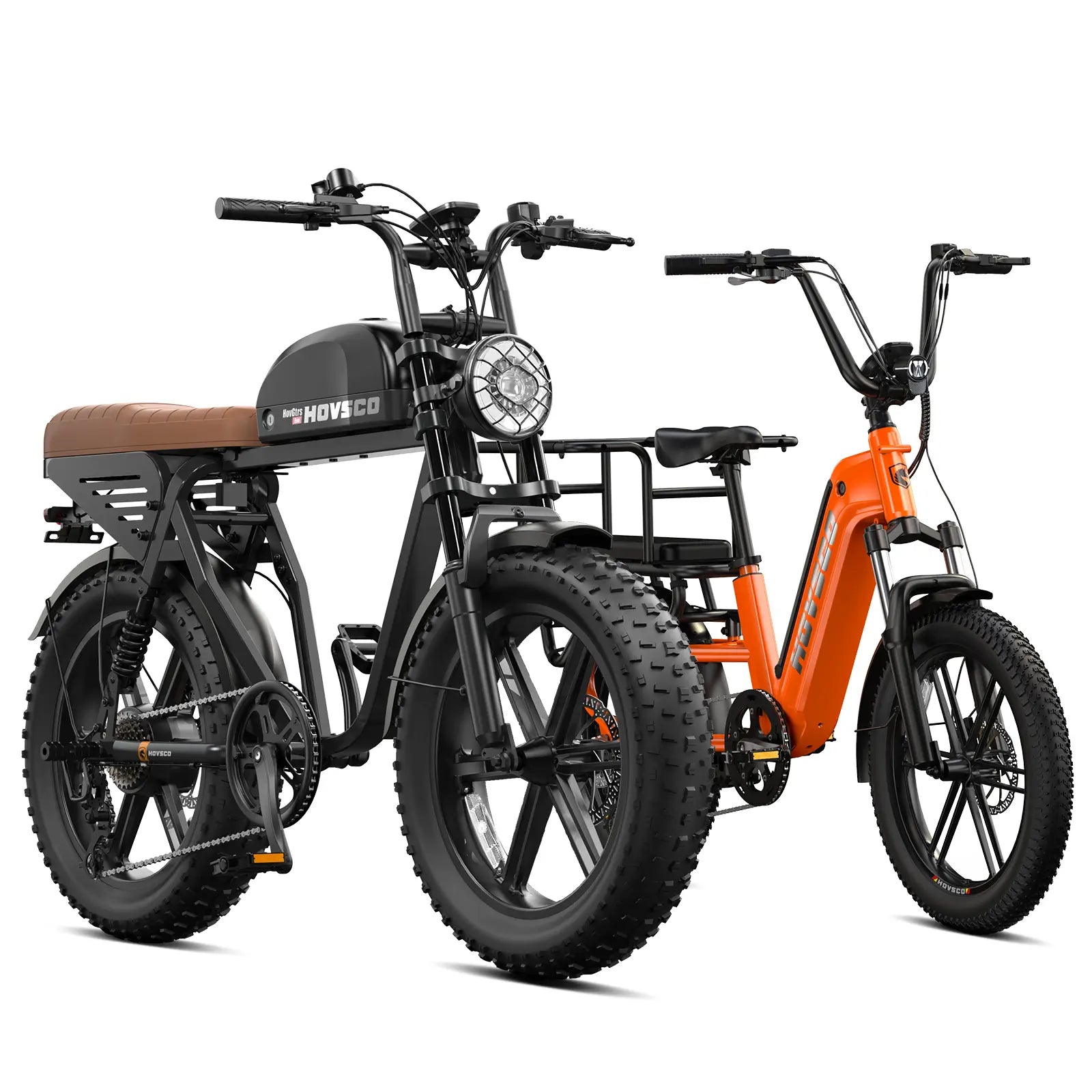
A lightweight cargo bike combines the carrying capacity of a traditional cargo bike with the agility and efficiency of a city commuter. By reducing frame weight, optimizing geometry, and using modern components, it becomes easier to maneuver, faster off the line, and more practical for riders who need to haul kids, groceries, or gear without driving a car every day.
A lightweight cargo bike differs from a standard cargo bike primarily in frame materials, component choices, and total system weight. It uses butted aluminum, advanced steel, or even composite parts to reduce mass while maintaining stiffness. Lighter wheels, forks, and accessories are selected to keep the bike nimble without sacrificing core carrying capacity and safety-critical strength.
Beyond raw kilograms, balance and handling are key distinctions. A lightweight cargo bike typically has refined geometry that makes it easier to steer at low speeds and more stable when loaded. Shorter wheelbases, carefully tuned trail, and optimized rack placement ensure predictable handling. This combination helps riders feel confident, especially in tight urban environments and during frequent stop‑and‑go riding.
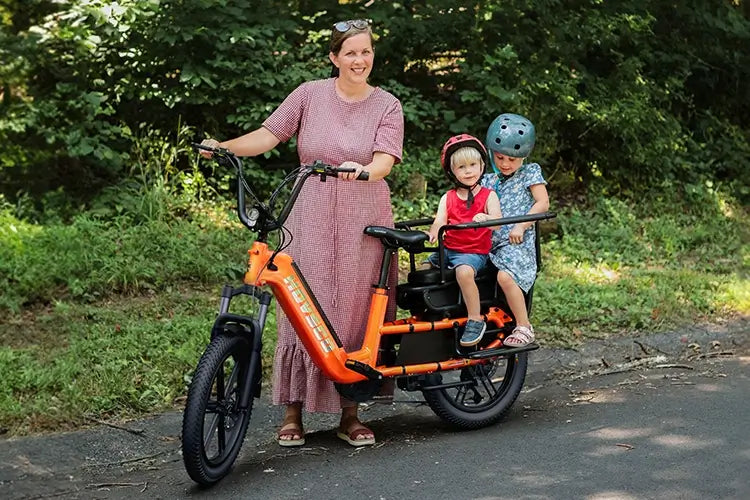
Choosing the right lightweight cargo bike starts with clarifying what and whom you will carry most often. If your main cargo is kids and school bags, look for built-in seating, safety bars, and easy step-through frames. For groceries or work gear, prioritize modular racks, pannier mounts, and front or rear platforms that match your load shapes and weights.
Next, consider your route profile and storage constraints. Hilly terrain benefits from lighter frames and efficient drivetrains, while flat-city riders can focus more on capacity and comfort. If you live in an apartment, a lightweight cargo bike with narrower bars, folding features, or reduced overall length will be easier to store and carry through doorways or up ramps. Brand support, warranty, and spare-part availability should also factor heavily in your decision.
A truly lightweight cargo bike is defined by several core features working together rather than a single number on a scale. Typical hallmarks include a high-quality aluminum or double-butted chromoly frame, strong yet minimalistic racks, and wheelsets with lighter rims and spokes. These elements keep overall mass low while ensuring durability for heavy everyday use.
Other defining features often include:
Optimized geometry that centers the load without making the bike feel sluggish.
Disc brakes sized appropriately for both rider and cargo weight.
Drivetrains with wide-range gearing or mid-drive motors on e‑cargo versions for effortless climbing.
Many modern designs integrate internal cable routing and clean mounting points to avoid unnecessary hardware and clutter, further supporting the goal of a responsive, lightweight cargo platform.
A lightweight cargo bike can replace a second car because it dramatically lowers operating costs while remaining fast and practical for most local trips. Riders can easily carry children, shopping, or work equipment without fighting traffic or paying for fuel, parking, and insurance. Over time, the cost savings typically offset the initial purchase price, especially for frequent users.
By being lighter than many traditional cargo designs, this type of bike feels quicker off the line and less exhausting to ride, even with moderate loads. That ease-of-use turns short errands into pleasant habits rather than chores. With the right accessories—weatherproof bags, lights, and child seats—a lightweight cargo bike covers school runs, grocery missions, gym visits, and many commuting needs in a single, low-impact solution.
A lightweight cargo bike improves handling by reducing rotational and frame mass, making steering more responsive and predictable. Less weight means riders can correct balance more easily at low speeds, which is crucial when starting from a stop with children or groceries on board. The bike feels less top-heavy, reducing the risk of wobble during slow turns and tight maneuvers.
Safety also benefits from shorter braking distances and better acceleration away from intersections. Lighter bikes allow braking systems to work more effectively under the same lever force, and riders can reach safe cruising speed more quickly. Combined with upright riding positions, wide handlebars, and bright lights, these traits help riders see and be seen, which is especially important in busy urban environments.
Materials and component choices are central to keeping a cargo bike lightweight without compromising strength. Many frames use aluminum alloys that offer excellent stiffness-to-weight ratios and natural corrosion resistance. Butted tubing, where walls are thicker at stress points and thinner elsewhere, removes unnecessary material while retaining durability where it matters most.
On the component side, lighter double-wall rims, quality hubs, and high-thread-count tires reduce rotating weight, improving acceleration and climbing efficiency. Thoughtful use of alloy or composite parts for stems, seatposts, and racks further trims mass. Reliable hydraulic disc brakes and wide-range drivetrains add performance without excessive bulk, provided they are chosen and sized appropriately for the bike’s cargo capacity and intended use.
| Component area | Weight impact | Optimization focus |
|---|---|---|
| Frame & fork | High | Material choice, butted tubing, design |
| Wheels & tires | Very high (rotational) | Rim material, tire width, casing quality |
| Racks & mounts | Medium | Minimal hardware, integrated designs |
| Drivetrain & motor | Medium to high | Efficient units, correct sizing |
| Accessories | Variable | Only essentials, multi-purpose solutions |
A lightweight cargo bike performs best in dense urban and suburban environments where trips are frequent, distances are moderate, and parking is limited. In city centers, its agility and efficient stop‑and‑go behavior make it ideal for grocery runs, daycare drop-offs, and commuting. Riders can weave through traffic, park near destinations, and avoid congestion charges or parking fees.
Suburban riders benefit from the bike’s versatility on mixed-use paths and residential streets. With the right gearing or electric assist, lightweight cargo designs handle rolling terrain without feeling sluggish. They excel on routes that combine errands, school runs, and leisure rides, allowing families to consolidate multiple daily tasks into a single, efficient loop without switching vehicles.
Several groups benefit significantly from choosing a lightweight cargo bike:
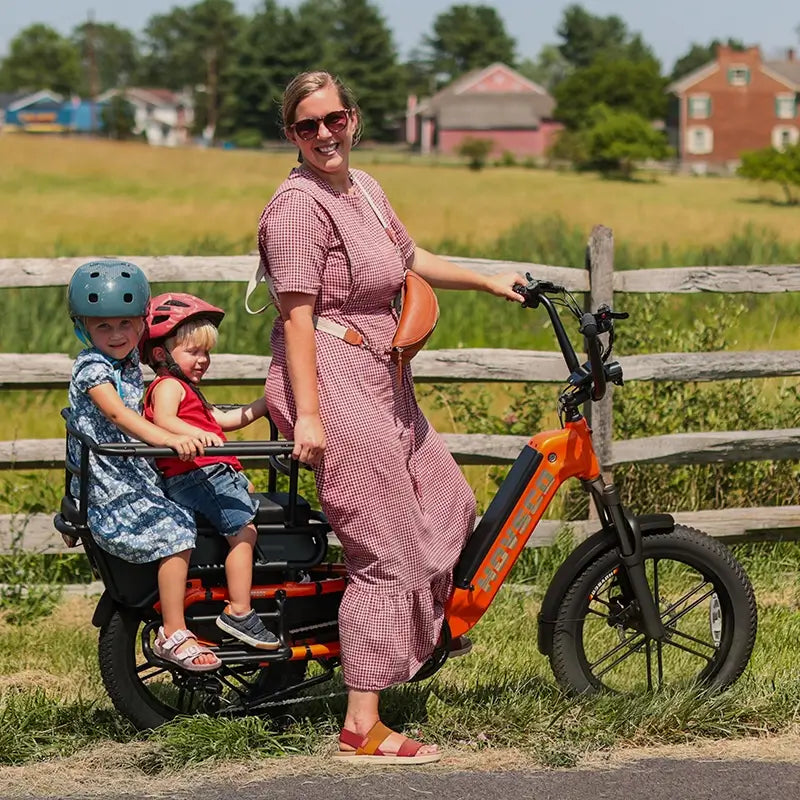
Families needing to transport children and gear but wanting to avoid owning a second car.
City dwellers who run frequent short errands and value quick, low-effort maneuvering.
Small business owners and couriers delivering goods across compact service areas.
Older riders or those returning to cycling after a long break also gain from reduced overall weight, which lowers physical strain and increases confidence. A brand like HOVSCO, with its focus on health, fitness, and accessibility, often designs cargo and utility e‑bikes with these users in mind, prioritizing stable geometry, intuitive controls, and secure load-handling.
“A well-designed lightweight cargo bike changes how people think about distance and daily errands. Once a rider experiences the stability of a cargo platform with the responsiveness of a lighter frame, car dependency starts to feel optional. At HOVSCO, the goal is to give riders that ‘e-bike smile’ every time they load up and roll out, not just on special occasions.”
HOVSCO has influenced expectations for lightweight cargo e-bikes by applying its electric mobility experience from hoverboards and e‑scooters to the cargo category. That background delivers mature battery management, motor integration, and safety-focused design, all packed into utility platforms that feel approachable rather than intimidating. The result is cargo e‑bikes that remain manageable even for riders new to electric cycling.
The brand’s mission to promote health, fitness, and active lifestyles shows up in geometry choices and component spec. HOVSCO tends to favor balanced weight distribution, stable handling, and user-friendly features that support daily, real-world riding. When these e‑cargo designs are kept reasonably light for their segment, they encourage riders to use them not just on weekends, but every day for commuting and errands.
A lightweight cargo bike can absolutely carry serious loads when engineered correctly. Design focus shifts from simply adding material to strategically reinforcing high-stress zones such as head tubes, bottom brackets, and rack junctions. Proper load rating and testing ensure that even with less overall mass, the frame and racks safely handle kids, groceries, or commercial cargo.
Engineering attention also goes into wheel and tire selection. Strong, well-tensioned wheels with appropriate spoke counts and quality rims support heavy payloads without undue flex. Combined with wider tires at suitable pressures, the bike can absorb bumps and distribute forces more evenly. Riders get the advantage of a nimbler, lighter bike that still feels rock‑solid when fully loaded.
Electric options are often the best choice for a lightweight cargo bike when riders face hills, longer distances, or frequent heavy loads. An efficient mid-drive or hub motor boosts acceleration and climbing ability, reducing physical strain and expanding the radius of practical trips. Even with the added mass of a battery and motor, careful design can keep total weight competitive.
For many urban families, an electric lightweight cargo bike replaces car trips over 5–15 kilometers with ease. The added power helps manage headwinds, bridges, and repeated stoplights without feeling exhausted. Brands like HOVSCO emphasize dependable, safety-conscious electric systems that integrate cleanly into frames, so riders enjoy smooth power delivery, intuitive controls, and minimal visual clutter.
| Consideration | What to assess |
|---|---|
| Motor type & power | Adequate torque for hills and cargo loads |
| Battery capacity | Range for round-trip errands and commutes |
| Total system weight | Balance between assist benefits and maneuvering |
| Charging options | Home charging convenience, removable batteries |
| Brand support | Warranty, service network, software updates |
A lightweight cargo bike aligns strongly with health and sustainability goals by turning everyday tasks into low-impact exercise. Riders naturally accumulate active minutes while running errands or commuting, improving cardiovascular health and overall fitness. Because the bike is lighter, more of the rider’s energy goes into forward motion instead of overcoming dead weight, making movement feel rewarding rather than exhausting.
On the sustainability front, replacing short car trips with bike journeys significantly reduces emissions, noise, and congestion. Over a year, consistent use of a lightweight cargo bike can displace hundreds of kilometers of driving. When paired with an efficient electric system powered by clean energy, riders can dramatically cut their transportation footprint while still enjoying convenience and comfort.
Deciding if a lightweight cargo bike is right for you starts with analyzing your weekly trips: school runs, groceries, work commutes, and leisure outings. If most of these fall within a reasonable radius and you want to cut costs, improve health, and reduce car dependency, a lightweight cargo platform is a compelling solution. The improved maneuverability makes daily riding genuinely enjoyable.
Focus on frame design, load capacity, weight, and support from a reputable manufacturer when making your choice. A brand like HOVSCO, rooted in electric mobility and cycling enthusiasm, shows how thoughtful engineering and rider-first design can turn a practical cargo hauler into an everyday adventure machine. Test-ride different options, check how they feel with real loads, and choose the one that makes you eager to ride more often.
A good weight range for a lightweight cargo bike typically falls between roughly 20–30 kg for non-electric models and 28–38 kg for electric versions, depending on capacity and features. The important factor is how the weight feels in motion and when loaded, not just the number on the scale. Test rides provide the clearest sense of suitability.
Many lightweight cargo bikes are rated to carry total system weights (rider plus cargo plus bike) of 150–200 kg, though exact numbers vary by model and brand. Checking the manufacturer’s load ratings is essential. Riders should distribute weight evenly, secure cargo properly, and ensure tires and wheels are appropriate for the expected loads.
Yes, a lightweight cargo bike can handle hills, especially when equipped with low gearing or electric assist. Reduced frame and component weight make climbs easier to tackle even without a motor. For very hilly areas or if regularly carrying heavy passengers or goods, an e‑cargo configuration with a capable motor provides the most consistent and comfortable performance.
A standard, heavier cargo bike can be the better choice when maximum capacity and extreme robustness outweigh the benefits of lighter handling. If you routinely carry very heavy loads over short distances, prioritize bombproof strength over nimbleness. Riders who park outdoors full-time or face very rough surfaces may also value extra material and mass for long-term durability.
Ideally, store a lightweight cargo bike in a dry, secure indoor or covered location such as a garage, bike room, or sheltered courtyard. Keeping it away from rain and direct sun protects the frame finish, components, and, for e‑bikes, the electrical system. Good locks and, where possible, fixed anchors or ground racks further enhance security.
Share:
Why Are Electric Cargo Tricycles for Adults Gaining Popularity?
What Makes Electric Delivery Bikes So Efficient?