


- by EO S
What is a Non Electric Cargo Bike and Why Choose One?
- by EO S
E-Bikes
 Free Shipping
 15-Day Returns
 2-Year Warranty
Shop By Models
Shop By Style
A non electric cargo bike is a human-powered bicycle designed to carry heavy or bulky loads without relying on a motor. It provides a cost-effective, low-maintenance, and eco-friendly solution for urban commuting, family transport, and small deliveries. Choosing one encourages physical activity while ensuring reliable cargo transport, making it ideal for city dwellers and environmentally conscious riders.
Non electric cargo bikes operate solely on pedaling power, eliminating the need for batteries and motors. This results in simpler mechanics, reduced maintenance, and lower overall costs. While electric cargo bikes reduce physical effort and extend range, non electric models promote fitness and independence from charging infrastructure. Performance largely depends on rider strength, terrain, and gear efficiency.
Non electric cargo bikes come in several designs:
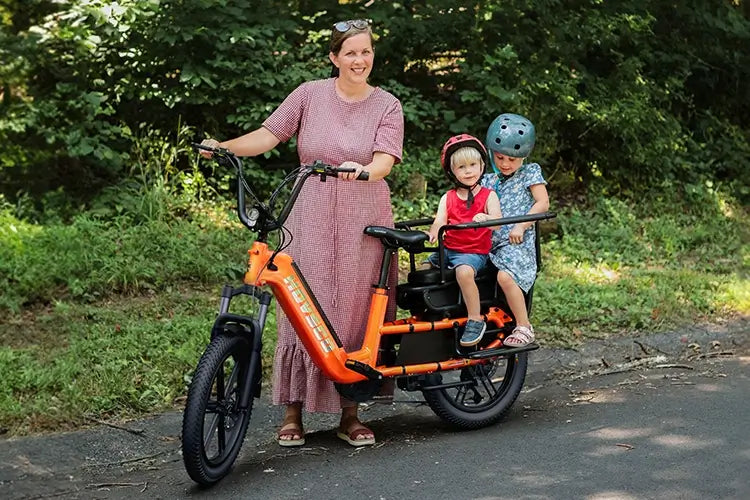
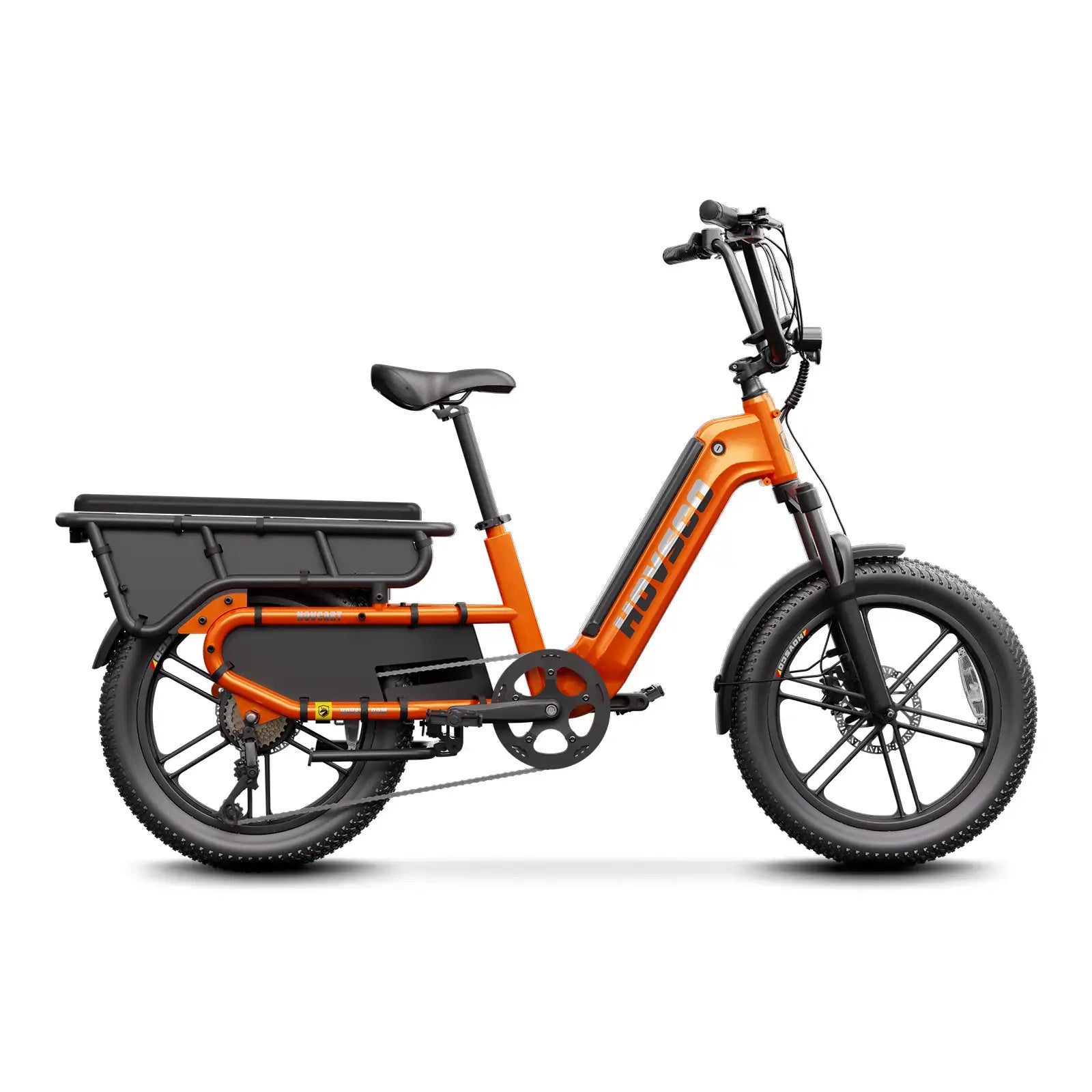
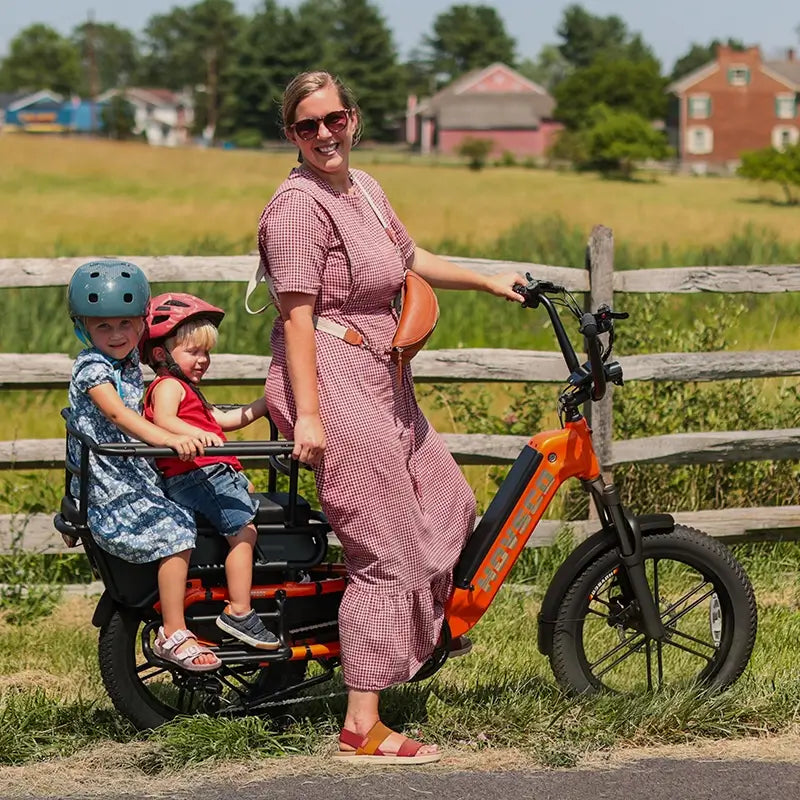
Longtail bikes with extended rear racks for passengers or cargo.
Front loaders (Long John) with a large front cargo box for bulky items.
Box bikes featuring a front or rear enclosed cargo area, ideal for families or commercial use.
Each type offers distinct cargo capacity and maneuverability, allowing riders to choose based on their transportation needs.
Top-rated models in 2025 include Bakfiets XL (box bike), Yuba Mundo (longtail), Surly Big Dummy (longtail), Bullitt (Long John), and Xtracycle Edgerunner (longtail). These bikes are valued for durability, cargo capacities ranging from 150 to 350+ pounds, and versatility for both urban commuting and family transport.
Cargo capacity varies by design and frame strength. Box bikes like the Bakfiets XL can hold over 330 pounds, while longtail bikes such as Yuba Mundo and Surly Big Dummy support 350+ pounds. This range is sufficient for transporting multiple passengers, groceries, or commercial items, making these bikes suitable for a wide range of applications.
Non electric cargo bikes are more affordable upfront and incur fewer maintenance costs compared to electric versions. They eliminate charging expenses and reduce reliance on battery replacement, providing a budget-friendly, sustainable transport option. Riders benefit from simplicity, reliability, and long-term operational savings.
Frame materials influence weight, durability, and ride comfort. Steel frames absorb vibrations effectively, withstand heavy loads, and are preferred for robust hauling. Aluminum frames are lighter and more agile but offer less shock absorption. Selecting the right material ensures a balance between strength, comfort, and riding efficiency.
Yes, these bikes can be outfitted with child seats, cargo racks, weather covers, and lighting. Customizations enhance safety, convenience, and usability for families, couriers, and commercial riders. HOVSCO emphasizes adaptable design, allowing customers to tailor their cargo bikes for diverse riding and cargo scenarios.
Maintenance focuses on chain lubrication, brake checks, tire pressure, and drivetrain adjustments. With fewer mechanical components than electric bikes, non electric cargo bikes require simpler upkeep. Routine care ensures safety and longevity, especially when the bike frequently carries heavy or bulky loads.
They are highly practical in urban and suburban areas for short- to medium-distance travel. Ideal for families, small businesses, and environmentally conscious riders, non electric cargo bikes provide flexible, reliable transport without dependence on electricity. Their maneuverability and cargo capacity make them excellent for city streets and tight spaces.
HOVSCO leverages expertise in cycling and supply chain efficiency to develop durable, user-friendly non electric cargo bikes. By integrating ergonomic design, strong frames, and versatile cargo options, HOVSCO creates reliable bikes for active lifestyles. Continuous innovation ensures that riders receive bikes that are safe, practical, and suited to modern urban transport demands.
Essential safety features include strong disc or drum brakes, reflective elements and lights, stable frames, and secure cargo areas. Proper training for handling heavy or long bikes enhances rider safety. HOVSCO emphasizes both design and rider education to ensure dependable and secure transport.
Longtails are best for transporting multiple passengers or elongated cargo due to extended rear racks. Box bikes excel at carrying bulky or protected items in large front boxes, shielding cargo from weather. Selection depends on cargo type, passenger needs, and urban maneuverability requirements.
“At HOVSCO, we see non electric cargo bikes as a cornerstone for sustainable urban mobility. By combining strength, ergonomics, and customizable features, our bikes enable riders to transport goods or family members confidently while enjoying a healthy, active lifestyle. Our focus on innovation and quality ensures every ride is safe, efficient, and rewarding. Non electric cargo bikes embody simplicity, reliability, and responsible transport solutions.”
| Model | Type | Max Cargo Capacity (lbs) | Frame Material | Weight (lbs) |
|---|---|---|---|---|
| Bakfiets XL | Box bike | 330+ | Steel | 145 |
| Yuba Mundo | Longtail | 350 | Steel | 60-70 |
| Surly Big Dummy | Longtail | 350+ | Steel | 70 |
| Bullitt | Long John | 220 | Aluminum | 50-55 |
| Xtracycle Edgerunner | Longtail | 180-200 | Aluminum | 55 |
Non electric cargo bikes provide an affordable, environmentally friendly, and fitness-oriented solution for transporting goods and passengers. With diverse models and customization options, they suit urban families, businesses, and commuters. Brands like HOVSCO enhance rider experience with durable designs, safety features, and community support, ensuring sustainable and reliable urban transport.
Are non electric cargo bikes difficult to pedal with heavy loads?
They require more effort than electric bikes, but gear systems and frame design help manage weight efficiently.
Can non electric cargo bikes carry children safely?
Yes, many models include child-specific seats and safety features for secure passenger transport.
Do non electric cargo bikes require a special license?
No special license is typically required, as they operate like standard bicycles.
How do I choose between a longtail and box cargo bike?
Longtails are better for passengers or elongated cargo; box bikes are ideal for bulky or weather-sensitive items.
Is HOVSCO expanding its non electric cargo bike offerings?
Yes, HOVSCO continues to innovate, offering new designs focused on safety, strength, and rider comfort.
Share:
What Is a Longtail Bike?
What Is a Cargo Bike Frame and Which Material Is Best?