










- by EO S
What Is a Cargo Bike Frame and Which Material Is Best?
- by EO S
E-Bikes
 Free Shipping
 15-Day Returns
 2-Year Warranty
Shop By Models
Shop By Style
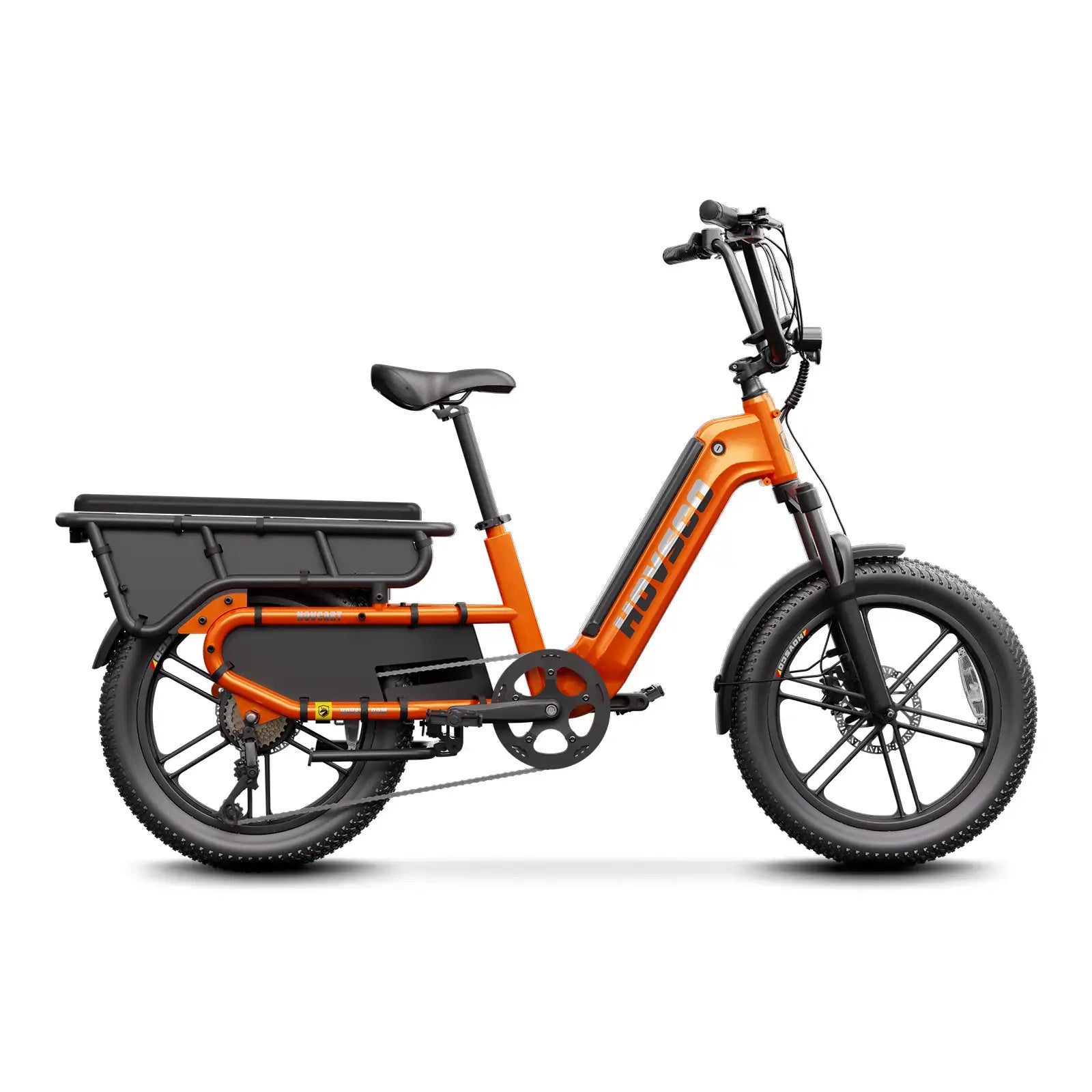
A cargo bike frame is the core structure that supports riders, passengers, and cargo. It must handle heavy loads while ensuring stability, durability, and comfort. Common materials include steel, aluminum, chromoly, carbon fiber, and titanium, each offering unique strength, weight, and ride characteristics. Choosing the right frame ensures safety, performance, and longevity, especially for urban commuting and delivery tasks.
A cargo bike frame is the metal framework connecting all components, engineered to handle extra weight from cargo or multiple passengers. It provides stability, durability, and a smooth ride under heavy loads. Properly designed frames enhance balance, handling, and rider comfort, critical for city commuting, family transport, or delivery services. Reinforced construction ensures safety while carrying diverse loads over varied terrain.
Cargo bike frames are made from steel, chromoly steel, aluminum, carbon fiber, and titanium.
Steel: Strong, durable, vibration-absorbing, but heavier.
Chromoly Steel: Lightweight, tough alloy offering a balance between weight and durability.
Aluminum: Light, corrosion-resistant, and stiff; may feel harsher on rough roads.
Carbon Fiber: Extremely light and stiff, ideal for performance bikes; expensive and less common.
Titanium: Light, strong, corrosion-resistant, and smooth-riding; premium-priced.
Material choice affects weight, ride quality, and lifespan. Steel frames endure rough surfaces and provide comfort. Aluminum frames reduce weight and improve nimble handling but can transmit more road vibrations. Chromoly steel offers a balance of strength and lightness, while carbon fiber delivers stiffness and shock absorption at higher costs. Titanium frames combine lightness, long-term durability, and natural vibration dampening, ideal for premium urban bikes.
Frame geometry determines stability, handling, and cargo capacity. Extended wheelbases support heavier loads and improve balance, while lower bottom brackets enhance stability. Geometry affects turning radius, ride comfort, and integration with electric-assist systems. Proper design ensures the bike carries cargo safely without compromising maneuverability in tight urban environments.
Choose steel or chromoly for heavy-duty use, long rides, and comfort on rough roads. Aluminum suits riders prioritizing lightweight agility in urban commuting. Carbon fiber or titanium frames target high-performance or luxury needs. Geometry decisions depend on cargo size and storage limitations; extended frames increase load capacity but require careful consideration of urban maneuvering.
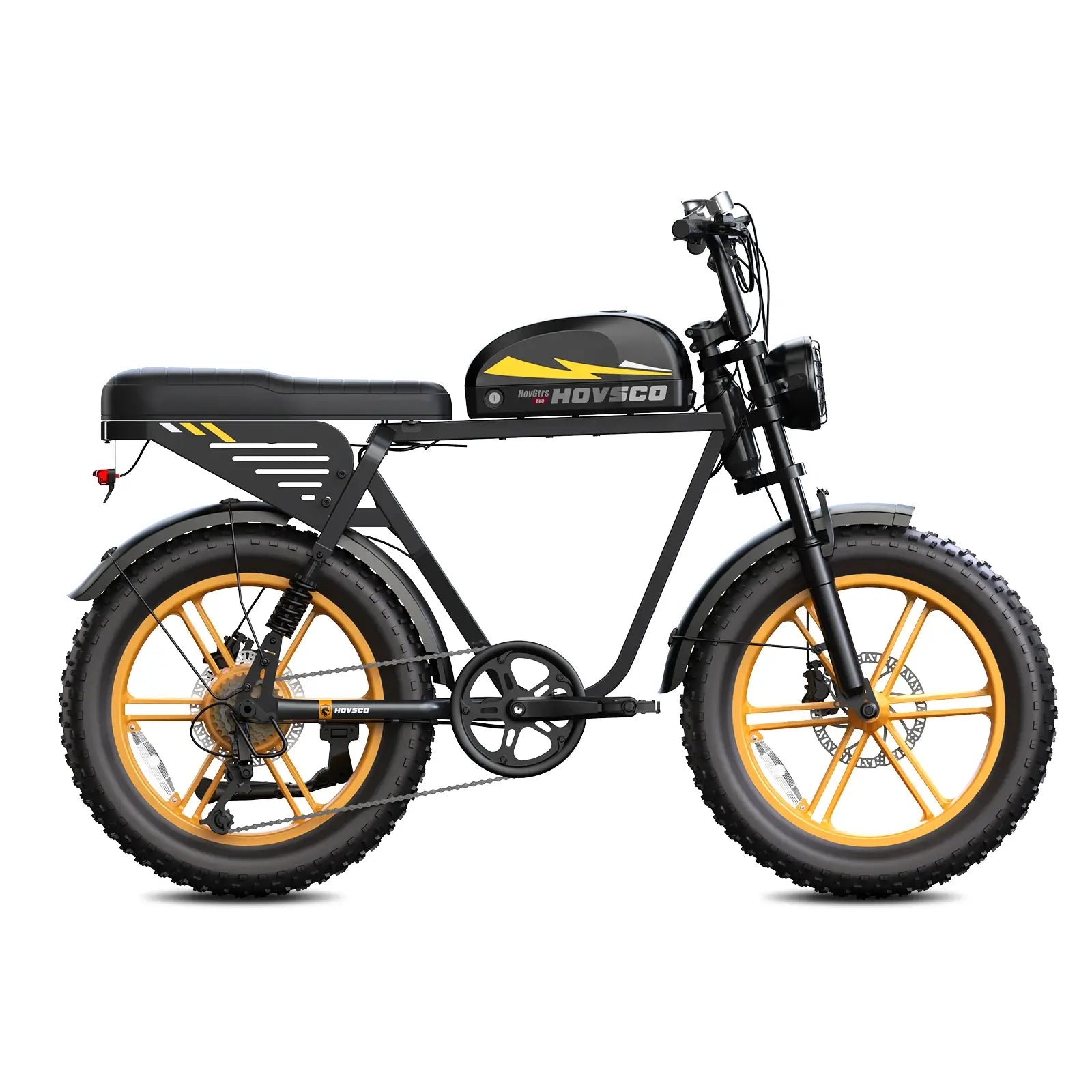
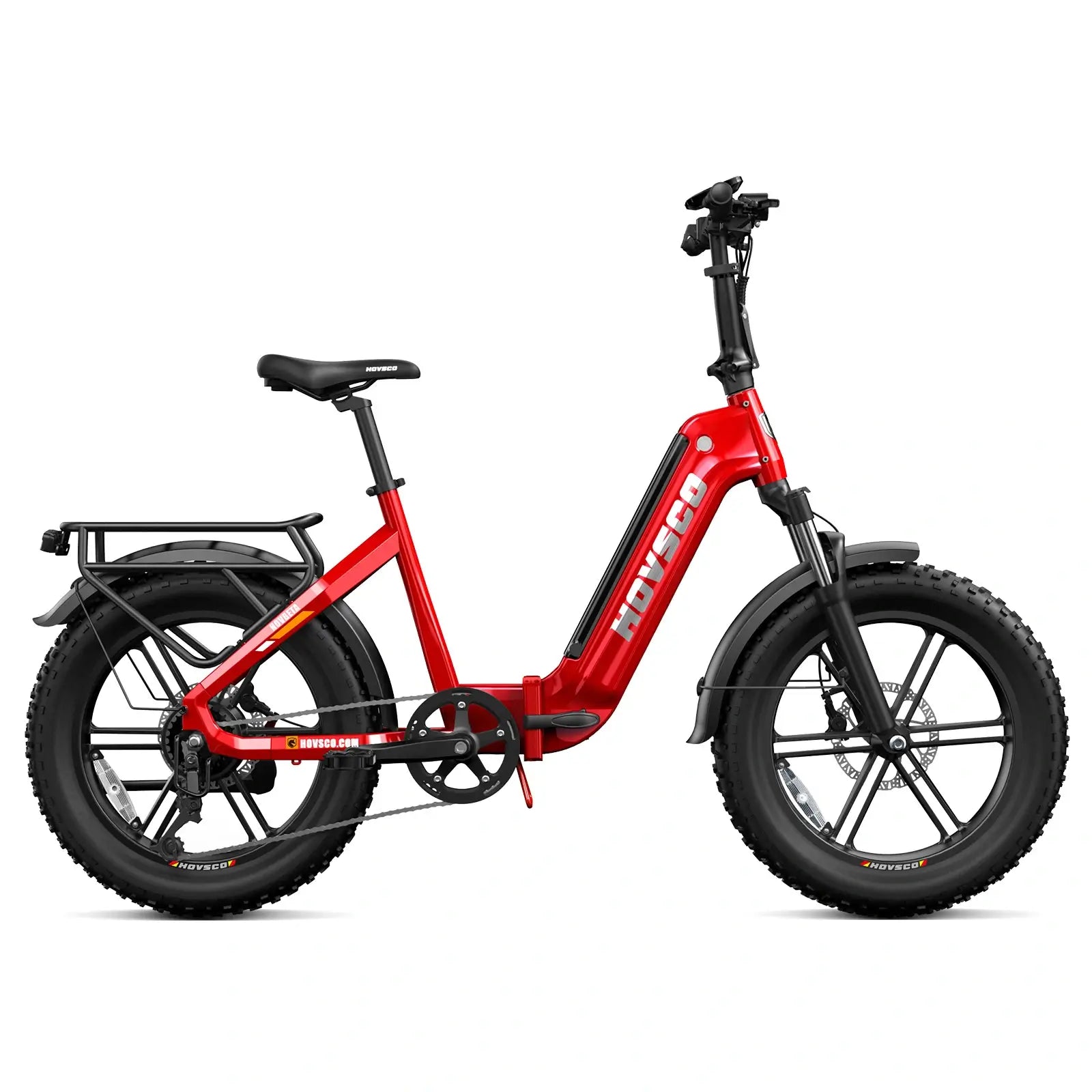
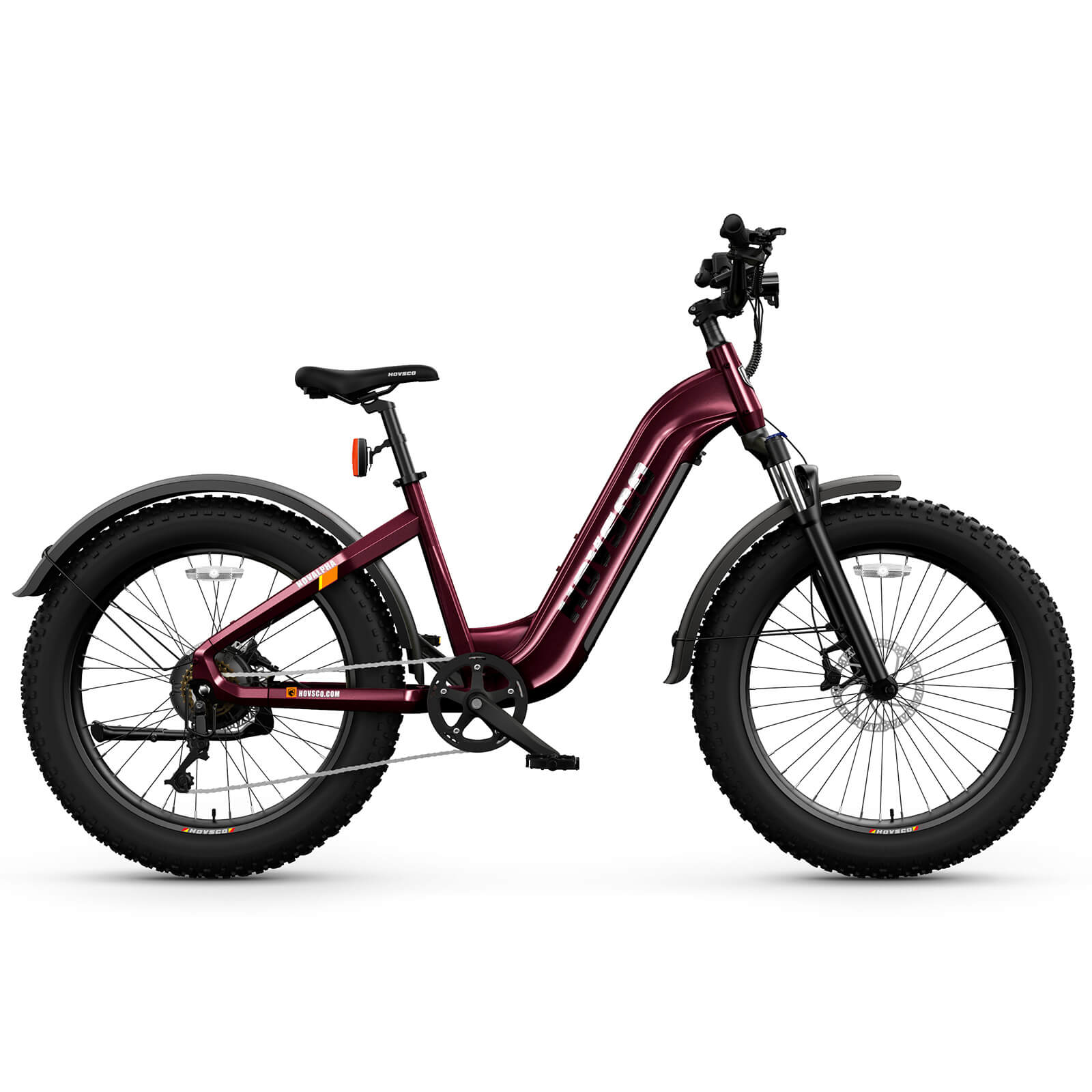
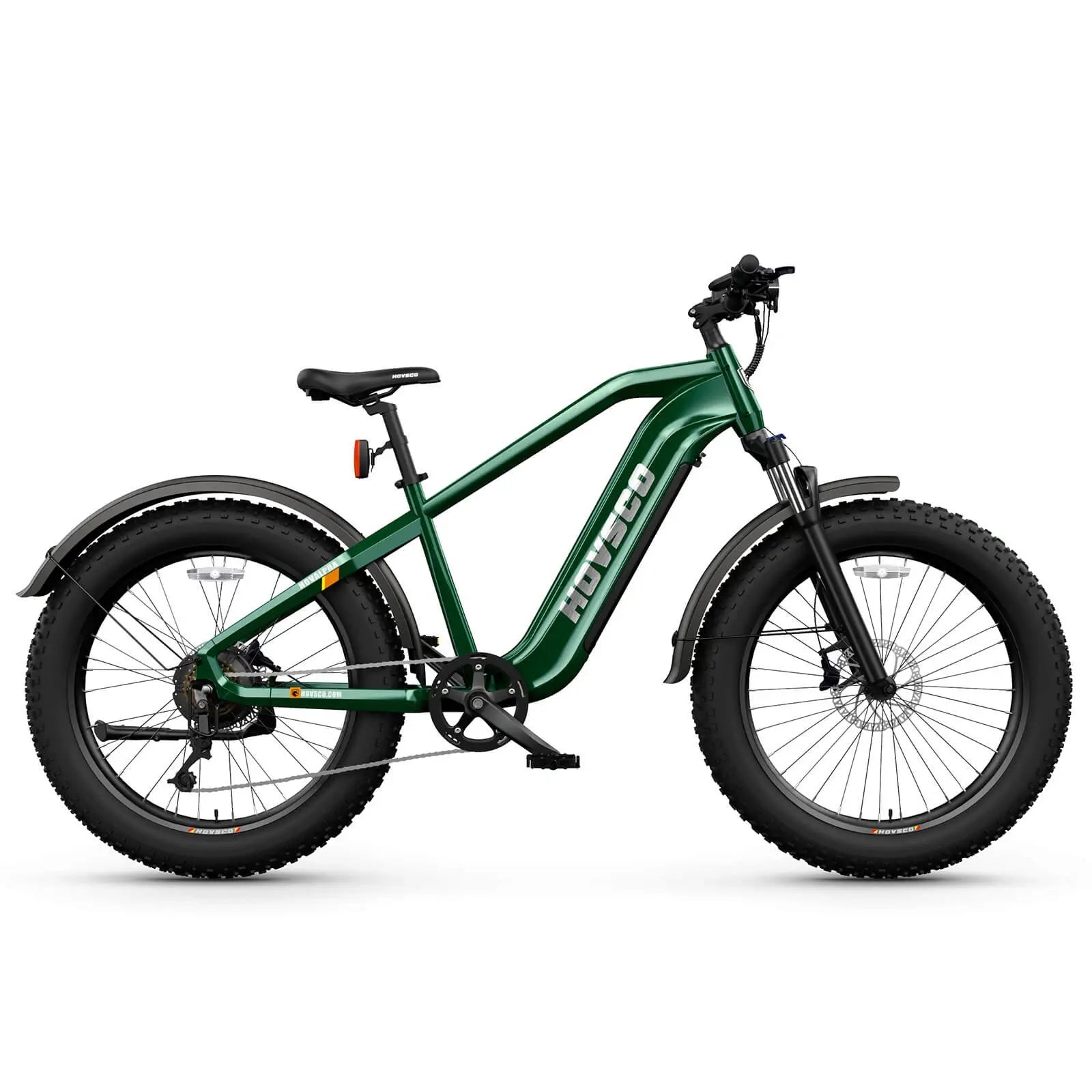
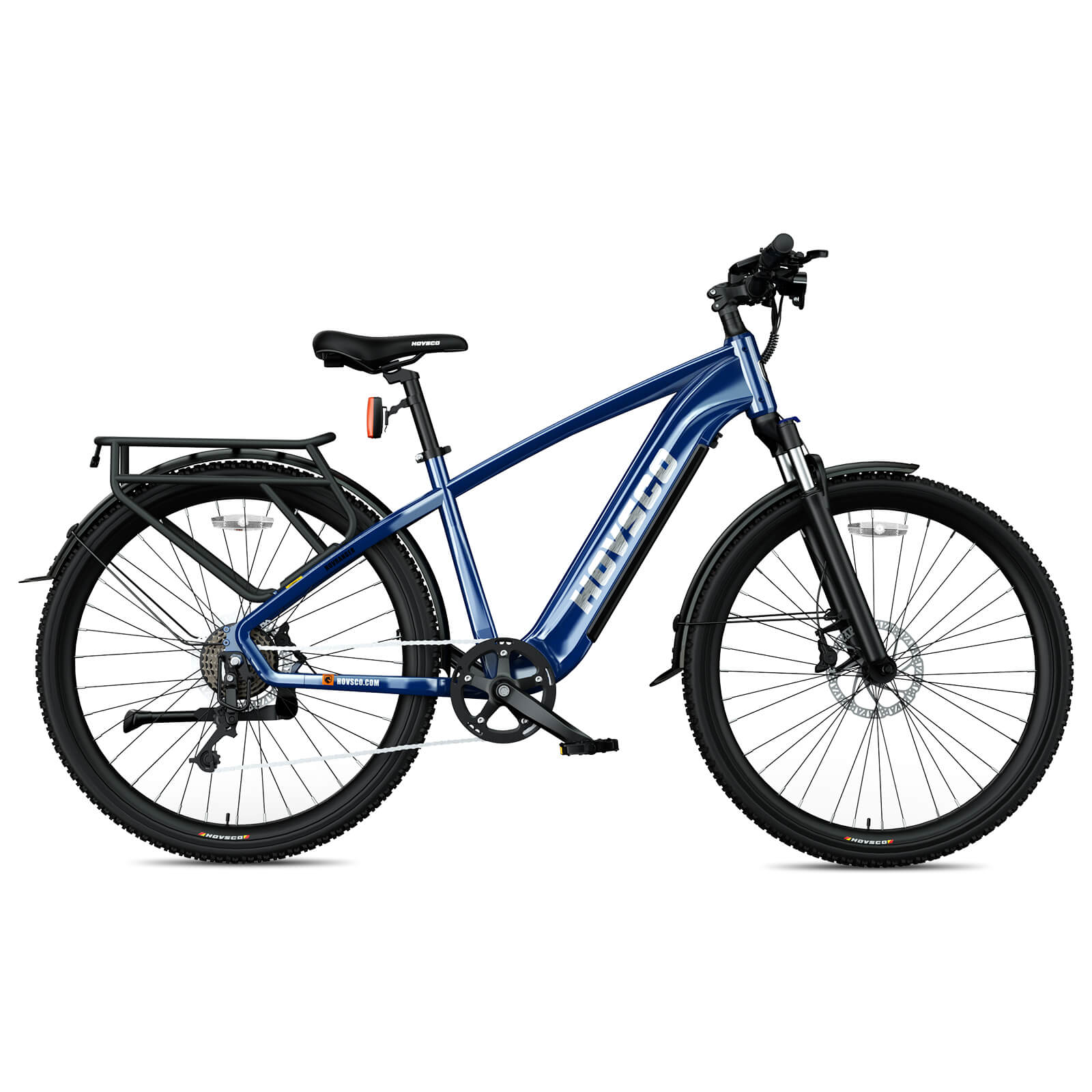
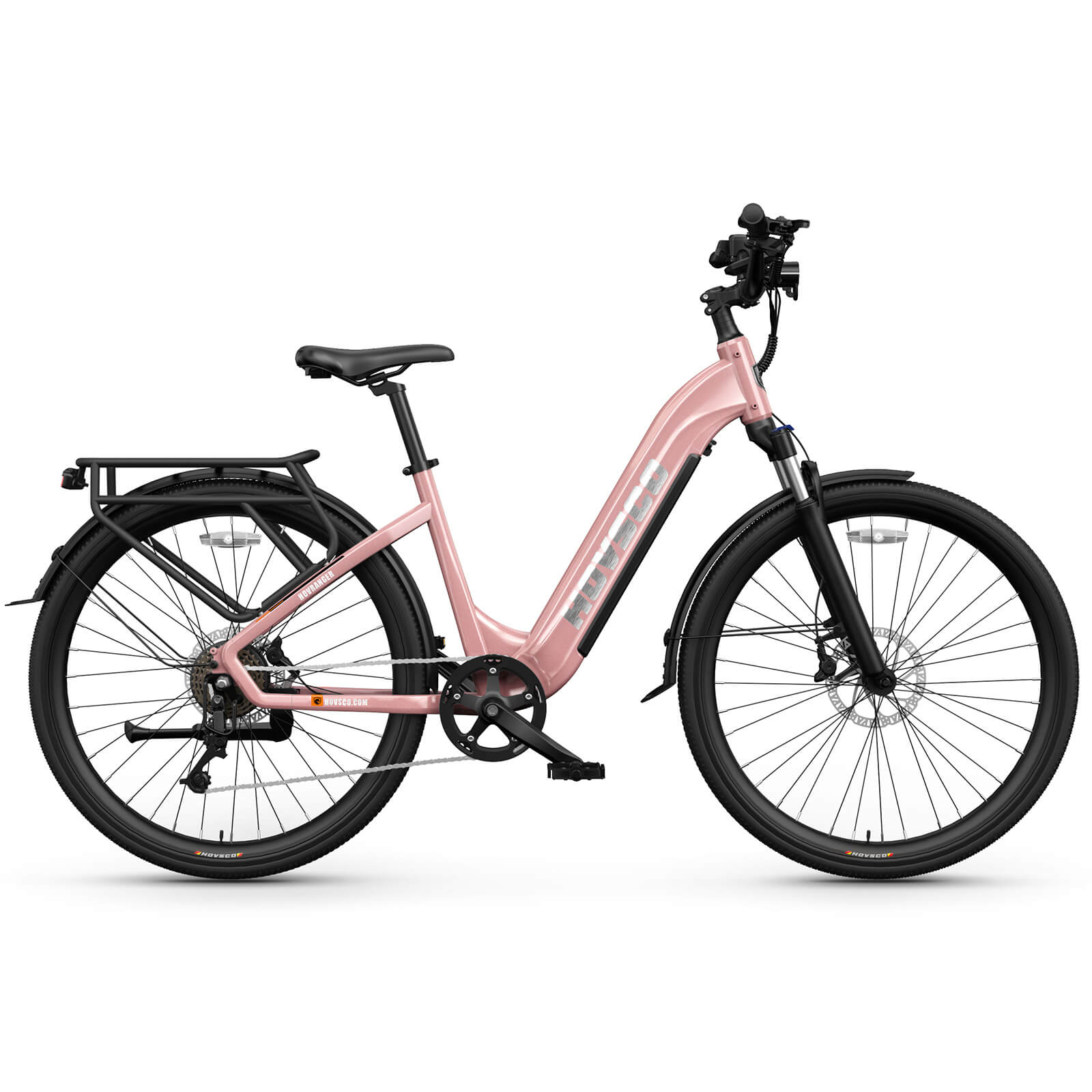
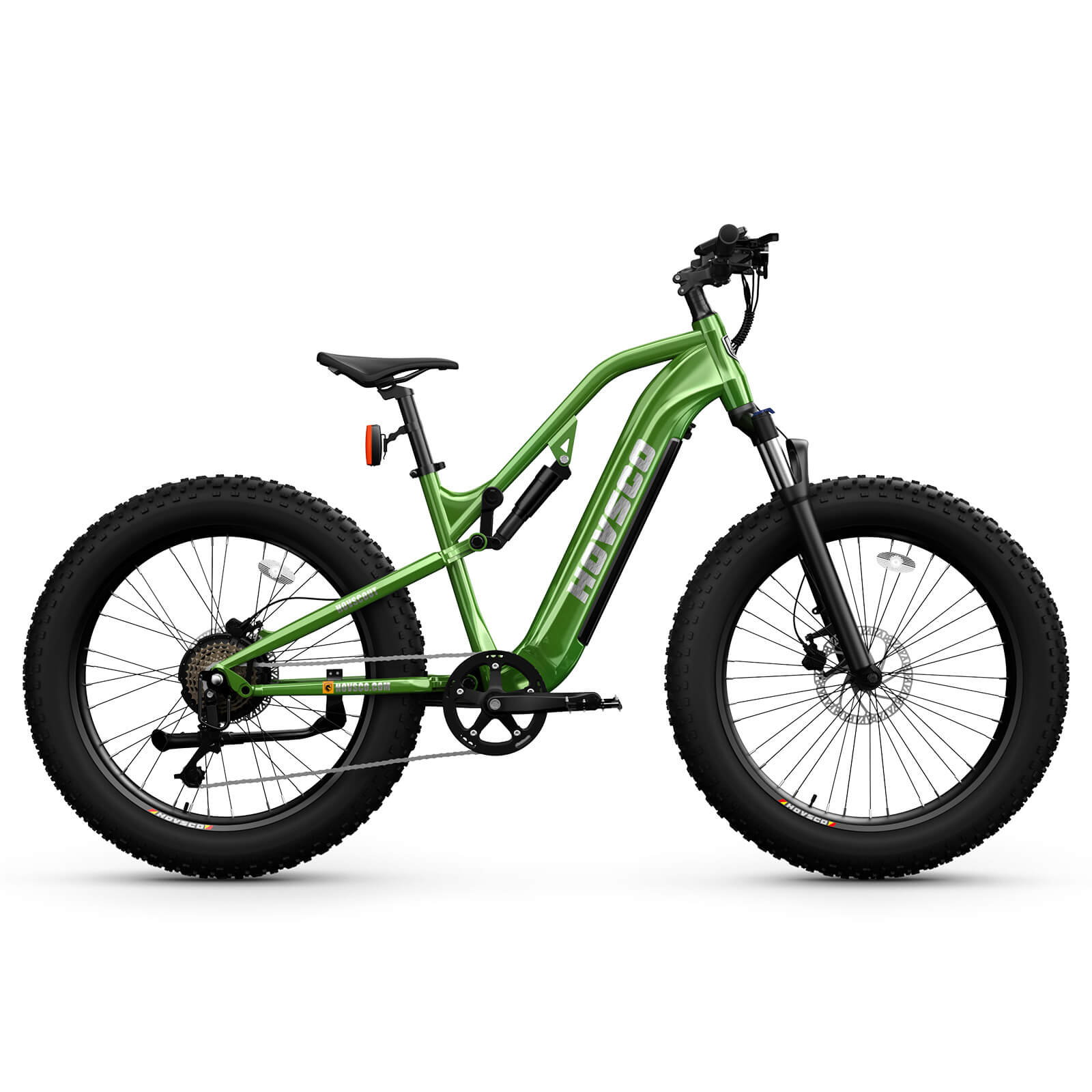
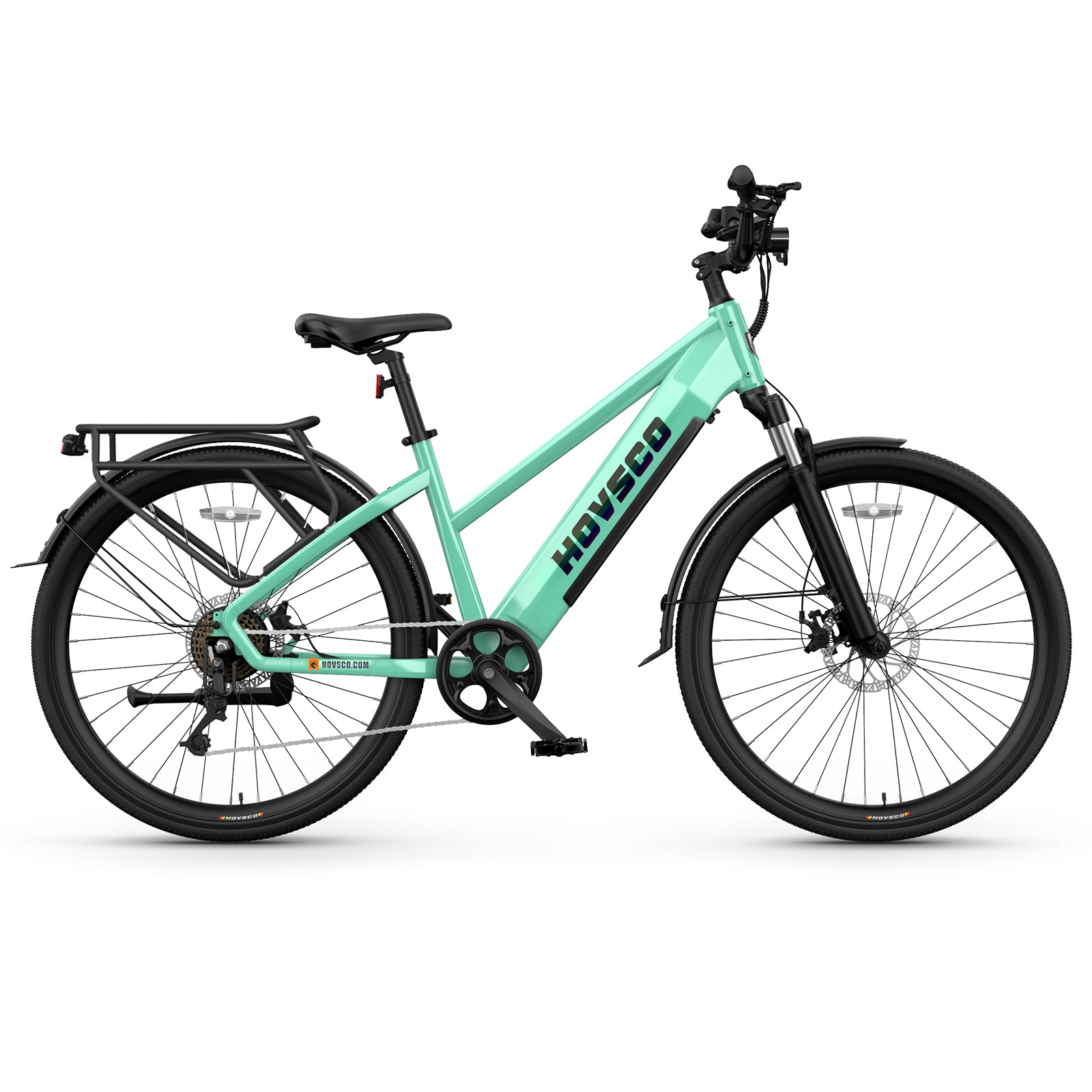
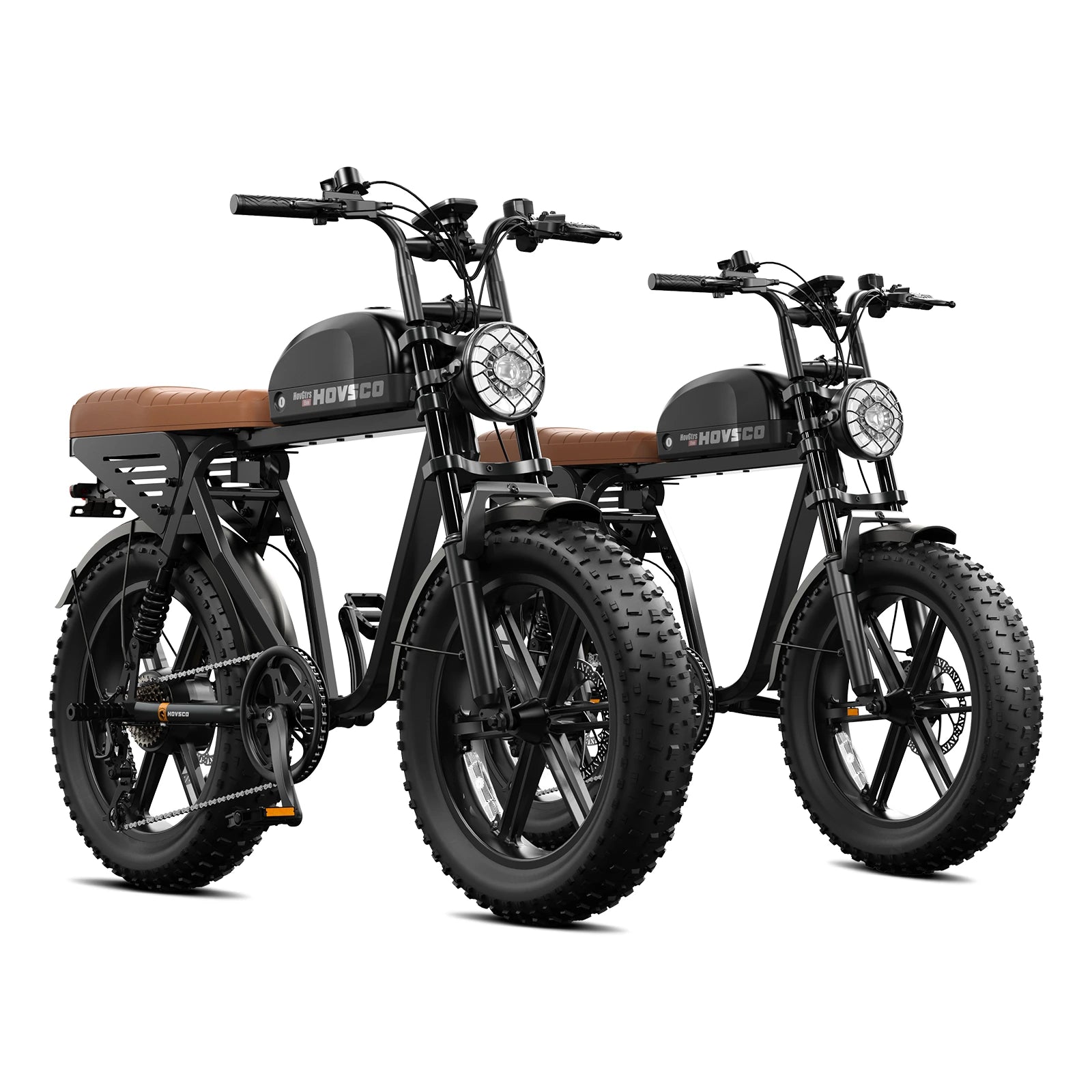
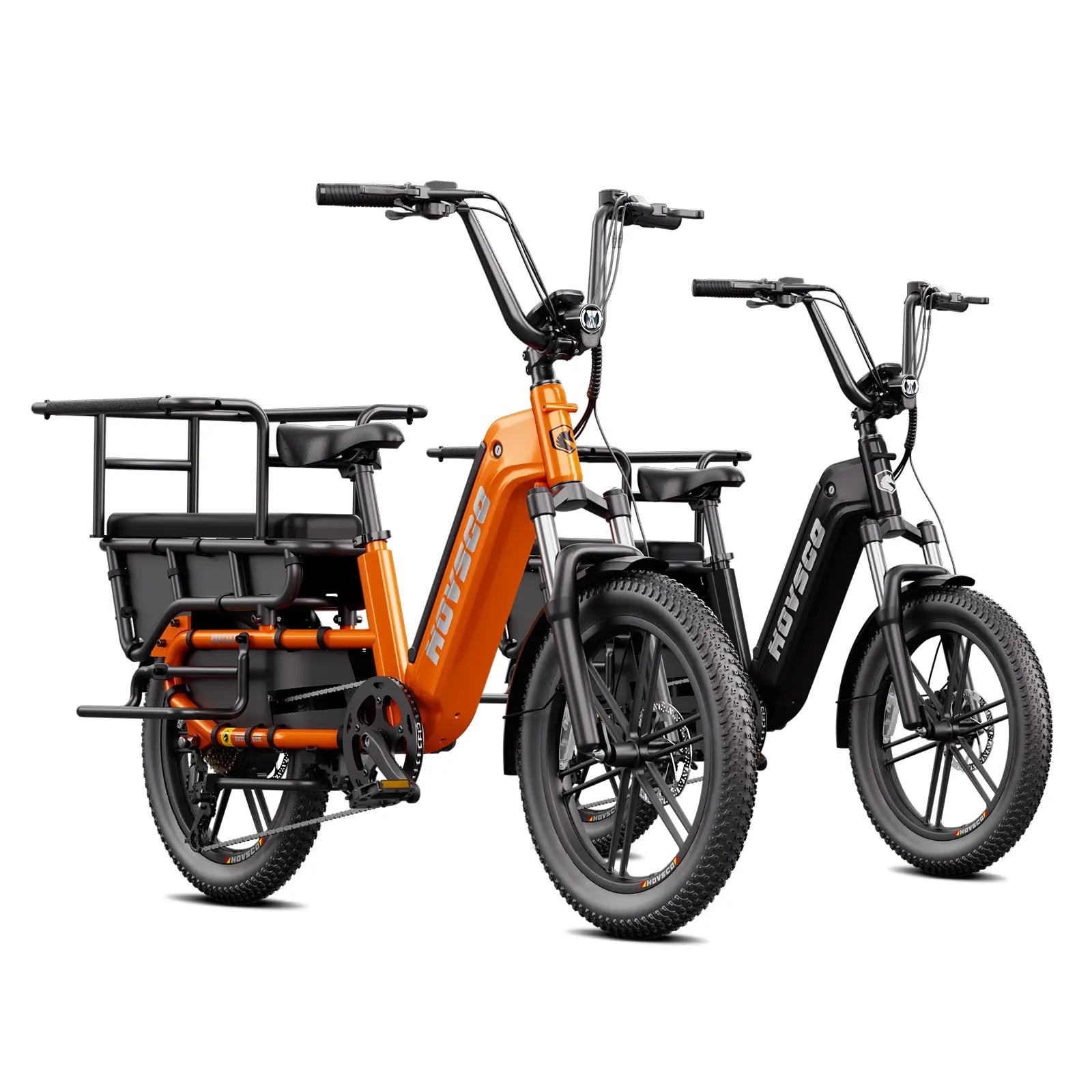
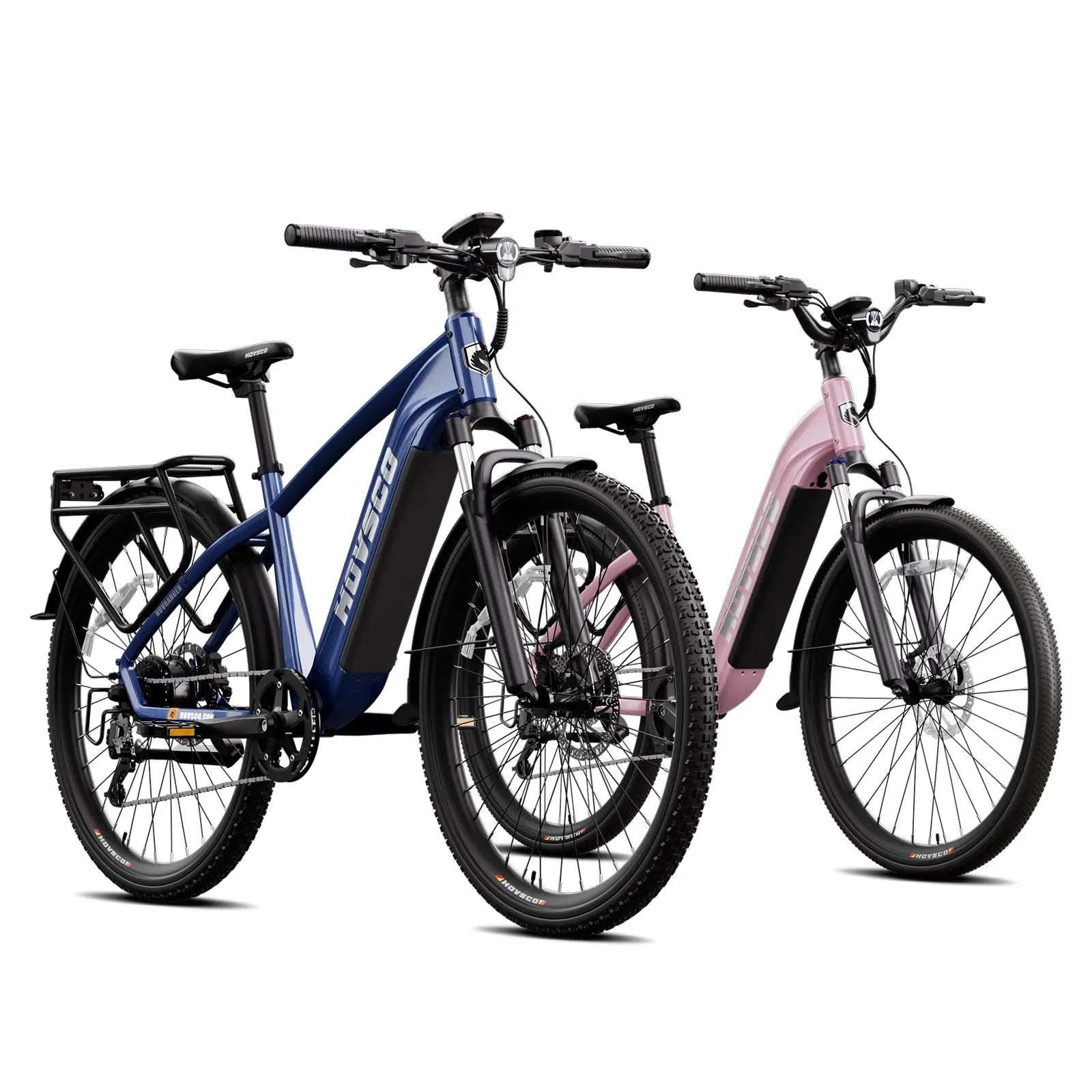
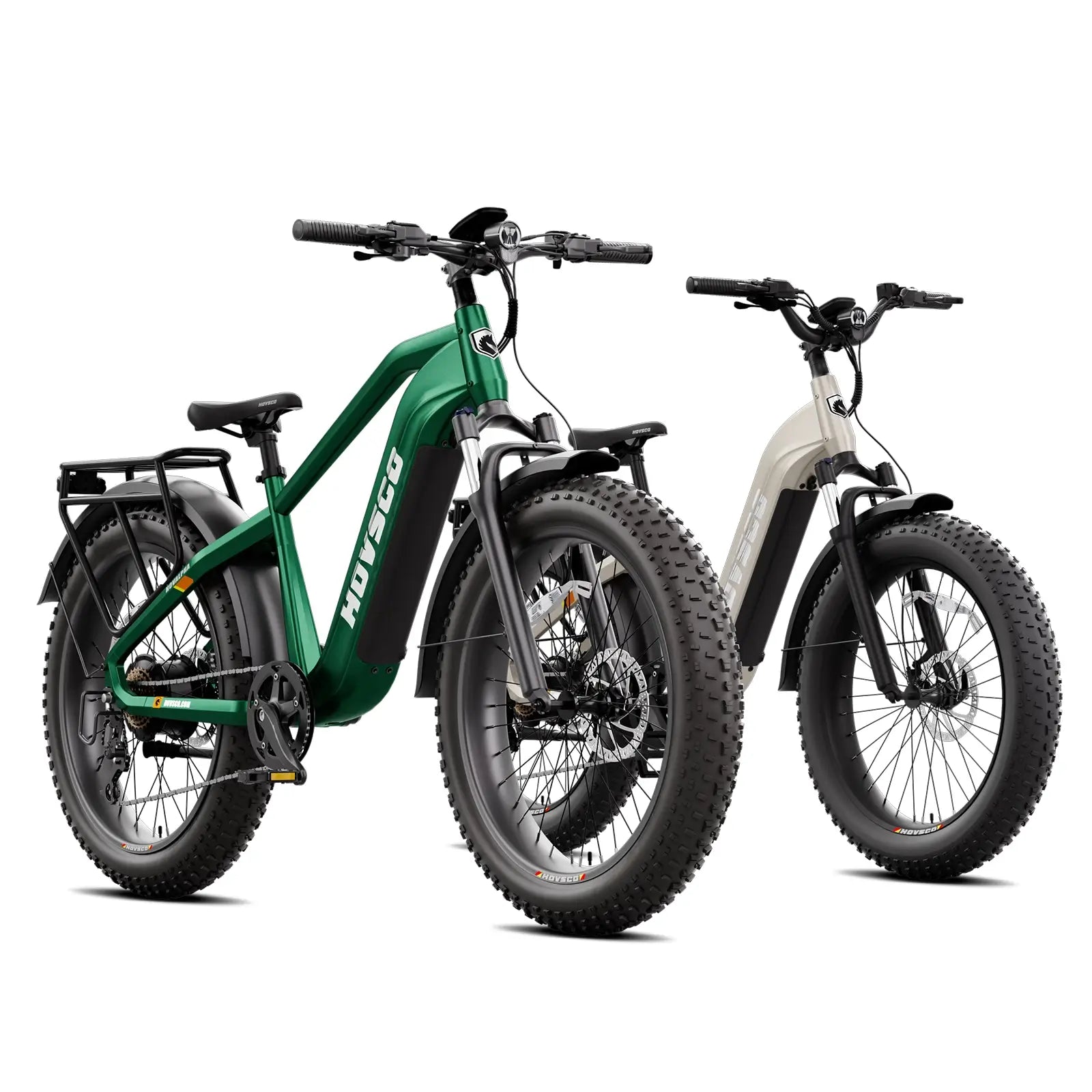
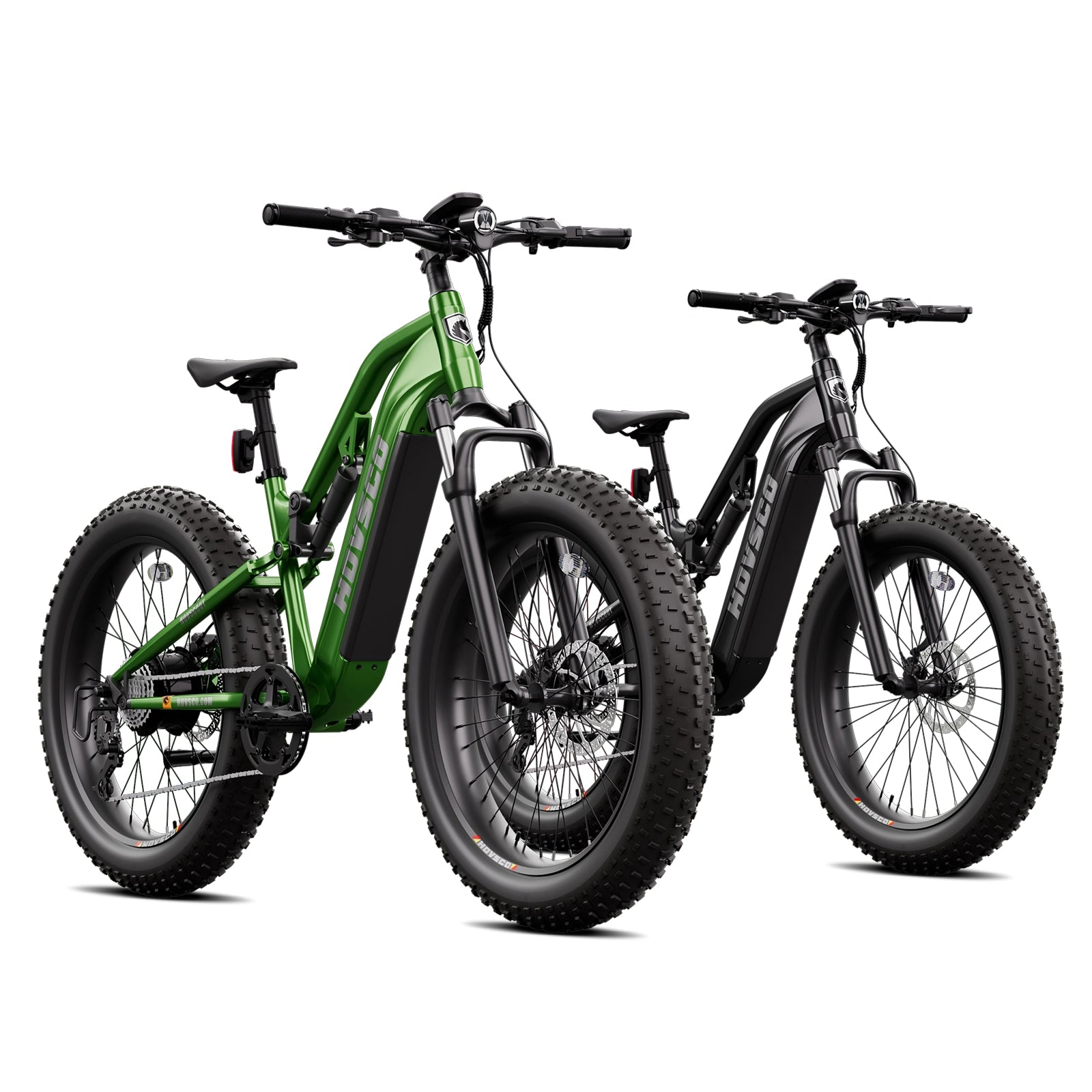
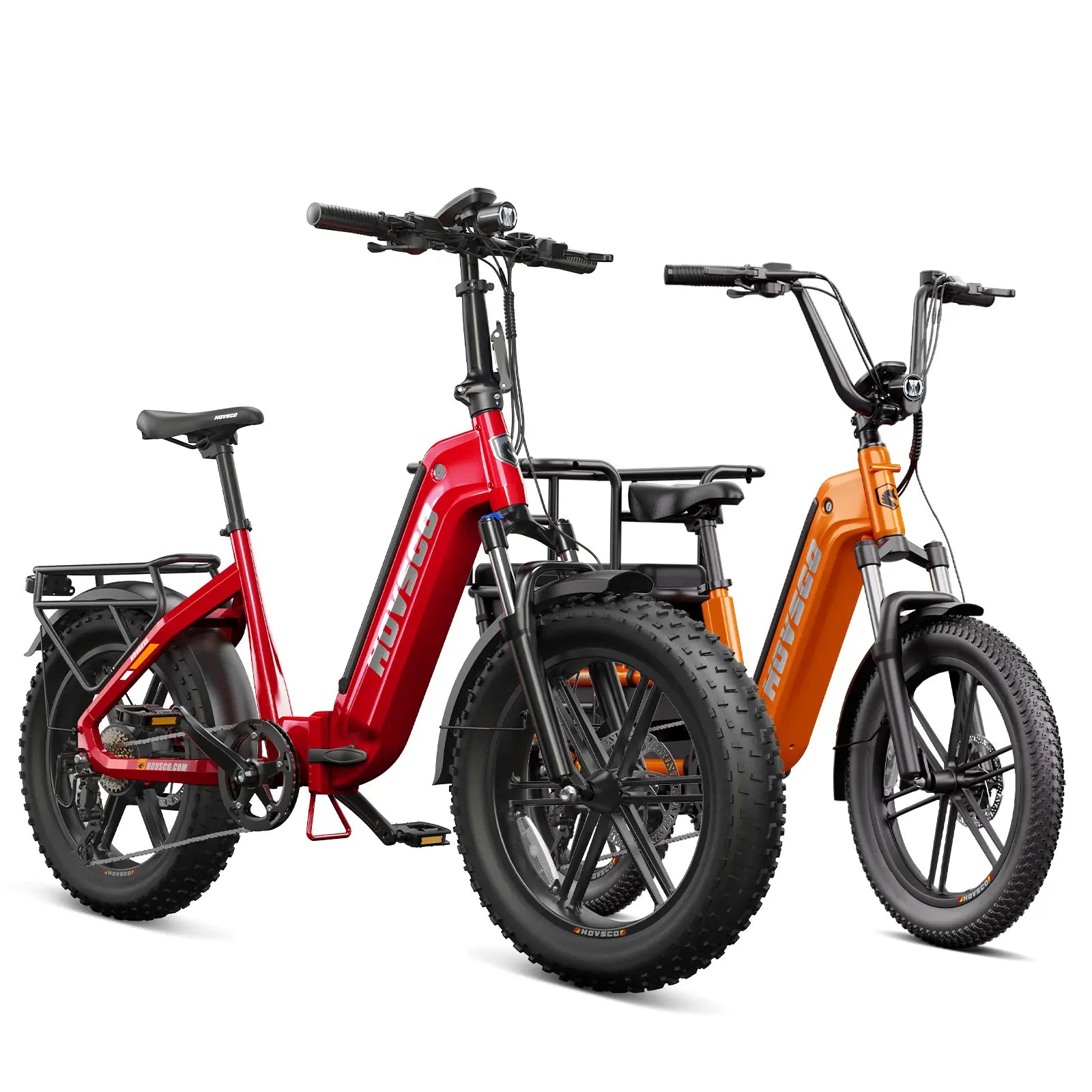
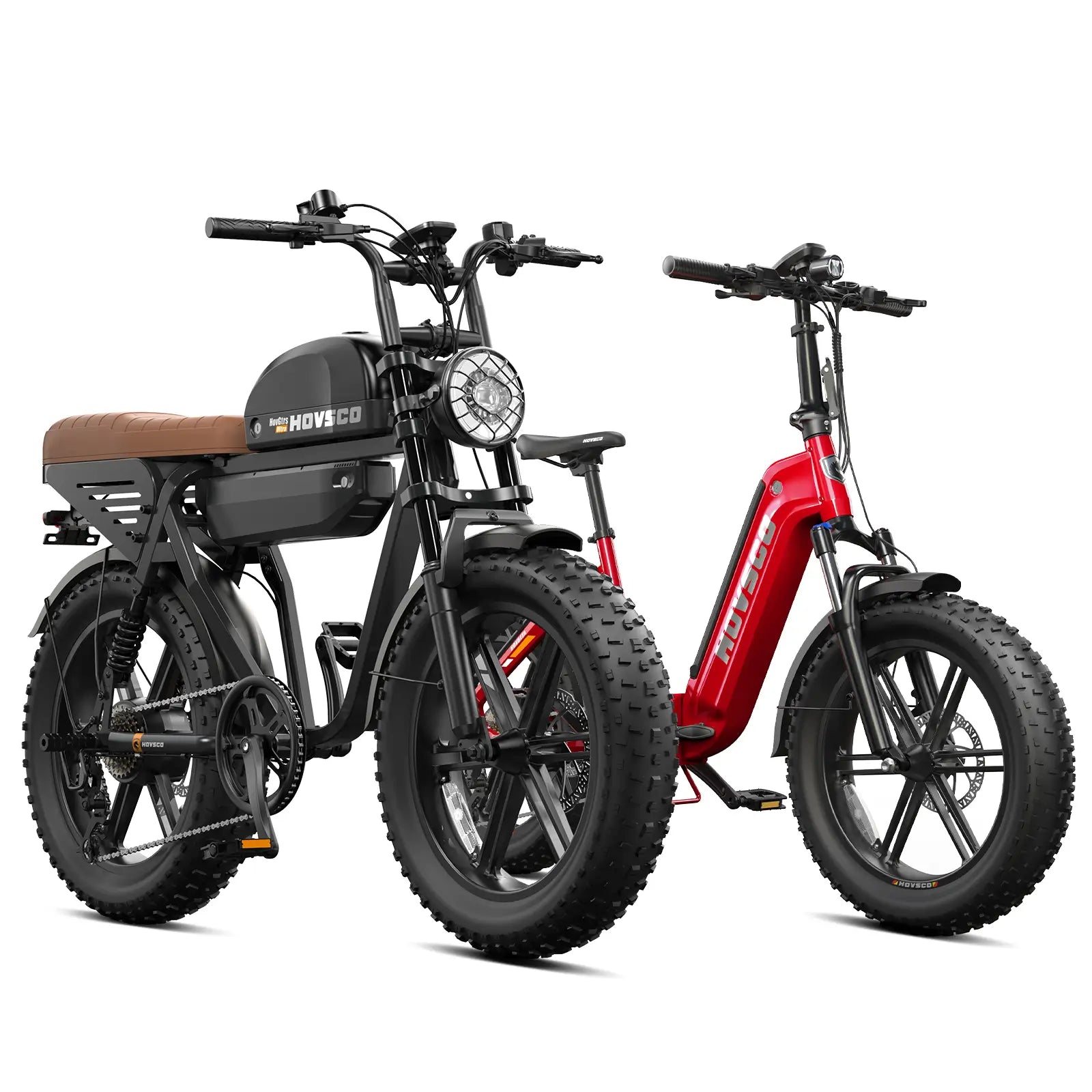
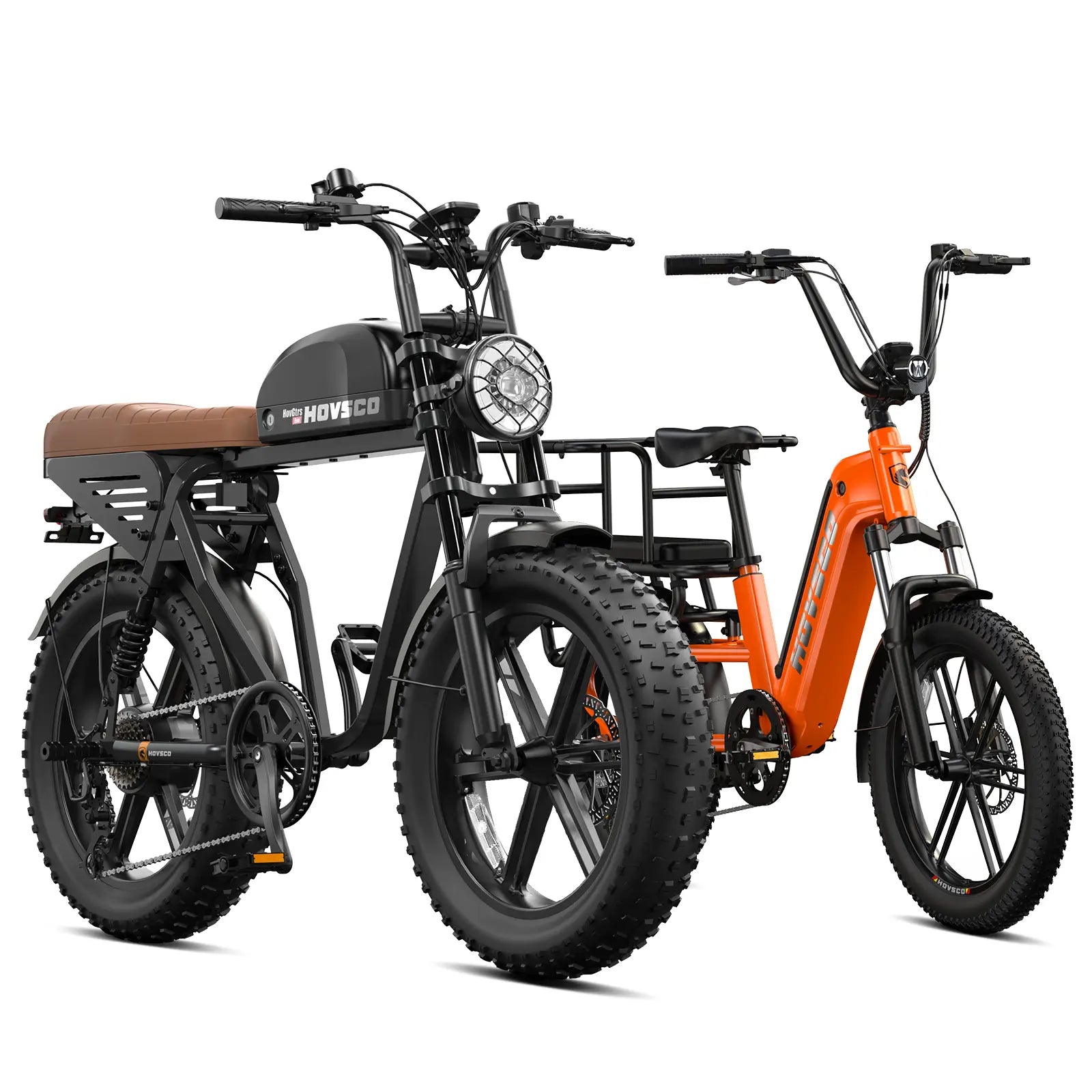
HOVSCO combines chromoly steel and aluminum alloys with precise geometry to create lightweight, durable frames. Their designs integrate electric-assist systems efficiently while maintaining stability and comfort. HOVSCO focuses on practical urban riding solutions, ensuring frames withstand heavy loads while retaining sleek aesthetics and rider-friendly handling for families, commuters, and delivery riders.
Inspect frames regularly for cracks, corrosion, or weld damage. Steel frames require rust prevention, especially in wet climates, while aluminum needs monitoring for dents or fatigue. Clean frames, avoid impacts, and store indoors to extend life. For electric cargo bikes, check motor mounts and battery compartments for secure attachment and absence of wear.
Durable frames reduce waste and the need for frequent replacements. Using corrosion-resistant metals like aluminum or titanium minimizes chemical treatments and extends lifespan. Long-lasting, well-designed frames encourage sustainable urban transportation, decreasing reliance on cars and lowering carbon emissions while supporting an active lifestyle.
Reinforced tubing at stress points, wider bottom brackets, and high-quality welds improve frame strength. Suspension systems or carbon forks absorb shocks for smoother rides. Adjustable geometry and integrated mounting points for lights, fenders, and racks increase usability and rider safety, allowing secure cargo transport without compromising comfort.
“At HOVSCO, we prioritize building cargo bike frames that combine strength, durability, and rider comfort. Our engineering blends chromoly steel and advanced aluminum alloys to deliver bikes that handle heavy loads and urban challenges safely. Integrating electric-assist technology and optimized geometry ensures every ride is stable, comfortable, and enjoyable. HOVSCO remains committed to innovation, reliability, and cultivating a passionate cycling community.” — HOVSCO Frame Engineering Team
Selecting a cargo bike frame requires evaluating load needs, riding conditions, and comfort preferences. Steel and chromoly frames are durable and comfortable for heavy use, aluminum provides lightweight maneuverability, and premium carbon fiber or titanium suits performance-focused riders. HOVSCO frames exemplify the balance of strength, weight, and electric-assist integration. Regular maintenance and informed material selection ensure safety, longevity, and an enjoyable riding experience.
Q1: What is the strongest material for cargo bike frames?
Chromoly steel offers excellent strength-to-weight ratio and durability for heavy cargo use.
Q2: Are aluminum frames suitable for heavy loads?
Yes, aluminum frames are strong and lightweight but may feel firmer than steel on rough surfaces.
Q3: How often should cargo bike frames be inspected?
Inspect frames every few months or after heavy use, focusing on welds, joints, and potential cracks.
Q4: Can carbon fiber be used for cargo bikes?
It is possible but less common due to cost and lower impact resistance compared to metal frames.
Q5: How does frame geometry affect handling?
Longer wheelbases increase stability under load, while tighter geometry enhances maneuverability in urban spaces.
Share:
What is a Deck Bike and How Does It Stand Out?
What is a Deck Bike and How Does It Stand Out?