


![[ New Arrival ] Porto Max Electric Scooter For Commute & Grocery Shopping - HOVSCO](http://www.hovsco.com/cdn/shop/files/PotroMax-3.jpg?v=1706927007&width=1200)
- by EO S
Why choose cargo bikes non electric for daily hauls?
- by EO S
E-Bikes
Accessories
 Free Shipping
 15-Day Returns
 2-Year Warranty
Free Shipping
15-Day Returns
2-Year Warranty
2-Year Warranty
Free Shipping
15-Day Returns
2-Year Warranty
Cargo bikes non electric are pedal-powered bicycles built for heavy loads, offering reinforced frames, extended racks, and stable handling without relying on motors. They provide simplicity, affordability, and full exercise benefits, making them ideal for flat urban routes, fitness-focused riders, and families seeking sustainable, low-maintenance alternatives to short car trips while maintaining versatility and practicality.
A cargo bike non electric is a human-powered bicycle engineered for carrying substantial weight with reinforced frames, long wheelbases, and integrated cargo platforms. Unlike electric models, it relies solely on rider effort for propulsion, providing similar hauling capability at lower weight and cost.
These bikes typically feature steel or aluminum frames with rear racks, front boxes, or longtail extensions rated for 100–350 pounds. Designs include longtails for passengers, box bikes for bulky items, and front loaders for stability. Their mechanical simplicity appeals to riders valuing reliability without the need for charging or electronic maintenance, while supporting panniers, crates, and child seats efficiently.
Cargo bikes non electric are lighter, more affordable, and mechanically simpler than electric counterparts. They excel on flat terrain and offer full pedaling exercise, while electric bikes provide motorized assistance for hilly or demanding routes. Maintenance is minimal, and they avoid battery degradation or motor failure.
| Feature | Cargo bikes non electric | Electric cargo bikes |
|---|---|---|
| Weight | 40–70 lbs | 60–100+ lbs |
| Load capacity | 100–350 lbs | 150–400+ lbs |
| Price range | $800–$3,000 | $2,000–$6,000+ |
| Maintenance | Basic mechanical | Electronics + mechanical |
| Best for | Flat urban, fitness | Hills, heavy daily use |
Non electric designs offer longevity and predictable performance. For budget-conscious families or riders prioritizing simplicity and health benefits, cargo bikes non electric provide unmatched value.
Cargo bikes non electric come in longtail, box, and front-loader styles, each optimized for specific cargo types. Longtails accommodate kids and gear, box bikes handle bulky family loads, and front loaders stabilize heavy crates in front of the rider. Selection depends on cargo shape, route length, and storage constraints.
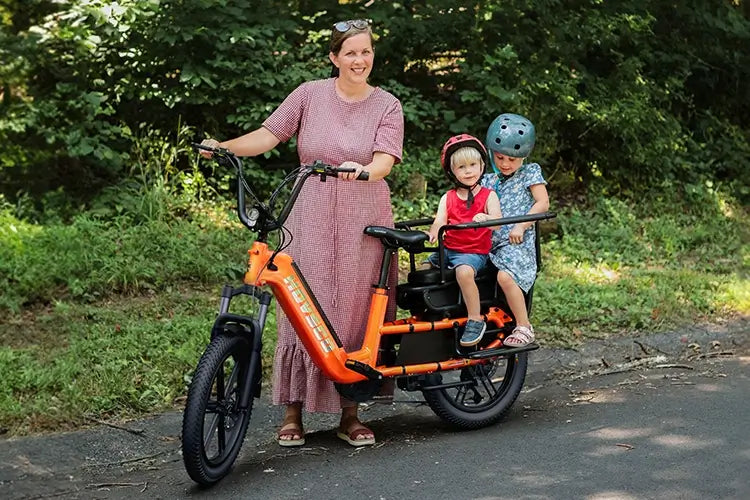
Longtails extend the rear frame for two child seats plus panniers, preserving regular handling. Box bikes offer large enclosures with low centers of gravity, ideal for groceries or toddlers. Front loaders balance heavy items ahead for predictable steering. Compact longtails suit apartment dwellers, while businesses may prefer rugged box models. Testing geometry ensures comfort under full loads.
Cargo bikes non electric replace cars for short trips by transporting comparable loads without fuel, emissions, or parking struggles. Riders enjoy exercise, stress-free navigation, and lower maintenance costs compared to vehicles. Daily tasks like school runs or shopping become efficient workouts, reducing congestion and environmental impact while saving money.
Cargo bikes non electric safely carry 100–350 pounds, depending on frame rating, bike design, and terrain. Evenly distributing weight preserves stability and braking efficiency. Longtails often support 200–350 pounds via reinforced racks, while box bikes handle over 300 pounds with low-slung platforms. Straps or cargo nets prevent shifting, and regular inspections of bolts, welds, and wheels ensure durability.
Essential features include reliable disc or V-brakes, wide puncture-resistant tires, sturdy kickstands, and cargo restraints. Low gearing, reflective elements, and child guards enhance control and visibility. Balanced loading, proper lighting, and helmet use complete safe operation.
Yes, longtails and box bikes accommodate one to three children with harnessed seats, footrests, and protective rails. Accessories like rain hoods and insulated bags extend usability year-round. Stable geometry and wide platforms improve safety and handling, making family outings easier without car dependency.
Routine maintenance includes weekly chain cleaning, monthly brake and tire checks, and annual professional tune-ups. Inspect racks, hubs, and frames for cracks or looseness. Lubricate chains, maintain proper tire pressure, tighten bolts, and store indoors or covered. Simple habits extend the lifespan of cargo bikes non electric for decades.
Steel frames provide strength, vibration damping, and repairability under heavy loads. Aluminum offers lighter weight and corrosion resistance but is less forgiving on rough roads. Hybrid frames combine benefits for riders seeking both durability and lighter handling.
| Material | Strength | Weight | Ride comfort | Cost | Durability |
|---|---|---|---|---|---|
| Steel | Excellent | Heavier | Smooth, forgiving | Moderate | High, repairable |
| Aluminum | Good | Lighter | Firmer | Higher | Good, non-corrosive |
HOVSCO sees cargo bikes non electric as essential for sustainable urban mobility, combining health benefits with low-maintenance reliability. Their cycling expertise supports diverse riding preferences, and their community-driven approach helps riders maximize cargo and exercise potential without relying on electric assist.
Urban families, fitness enthusiasts, and budget-conscious riders should choose HOVSCO for advice and support. HOVSCO provides safety expertise, product recommendations, and a rider community sharing practical tips for hauling, route planning, and maintenance.
"Cargo bikes non electric capture the essence of human-powered mobility. Riders gain health, sustainability, and independence while hauling daily necessities. We emphasize strong geometry, versatile racks, and practical accessories. HOVSCO fosters communities where riders share experiences, insights, and solutions, proving that pedal power can meet urban demands efficiently and sustainably." — HOVSCO Cycling Team
Panniers, child seats, fenders, cargo nets, and baskets enhance versatility. Panniers balance side loads; fenders protect from splashes; trailers expand carrying capacity; lights improve visibility; and locks secure cargo. Tailor accessories to commuting, shopping, or family transport needs.
They perform well on mild hills with strong riders and wide-range gearing but struggle on steep grades fully loaded. Low granny gears, lightweight frames, and moderate cargo optimize climbs. Flat urban environments maximize benefits and minimize fatigue.
Cargo bikes non electric offer affordable, healthy, and sustainable alternatives to cars for daily errands. Prioritize load-rated designs, safe accessories, proper fit, and diligent maintenance. Mapping routes, test riding, and joining communities like HOVSCO’s ensure riders maximize utility and enjoy long-term reliability. Pedal-powered cargo bikes remain an eco-friendly, versatile solution for urban transport.
On flat terrain with proper gears, pedaling is manageable and promotes fitness. Steep hills require more effort, so lighter loads are recommended for challenging routes.
Steel frames last decades with care. Regularly inspect welds, bolts, and racks for wear under heavy use.
Yes, for most short urban trips, they reduce costs, emissions, and parking needs significantly.
9–11-speed systems with a low granny gear suit heavy loads. Internal hub gears offer low maintenance options.
Compact longtails or folding designs can fit indoor spaces; measure doorways and storage areas in advance.
Share:
What Is a Family Tricycle and How Can It Be Used for Daily Transport?
What Is a Family Tricycle and How Can It Be Used for Daily Transport?