




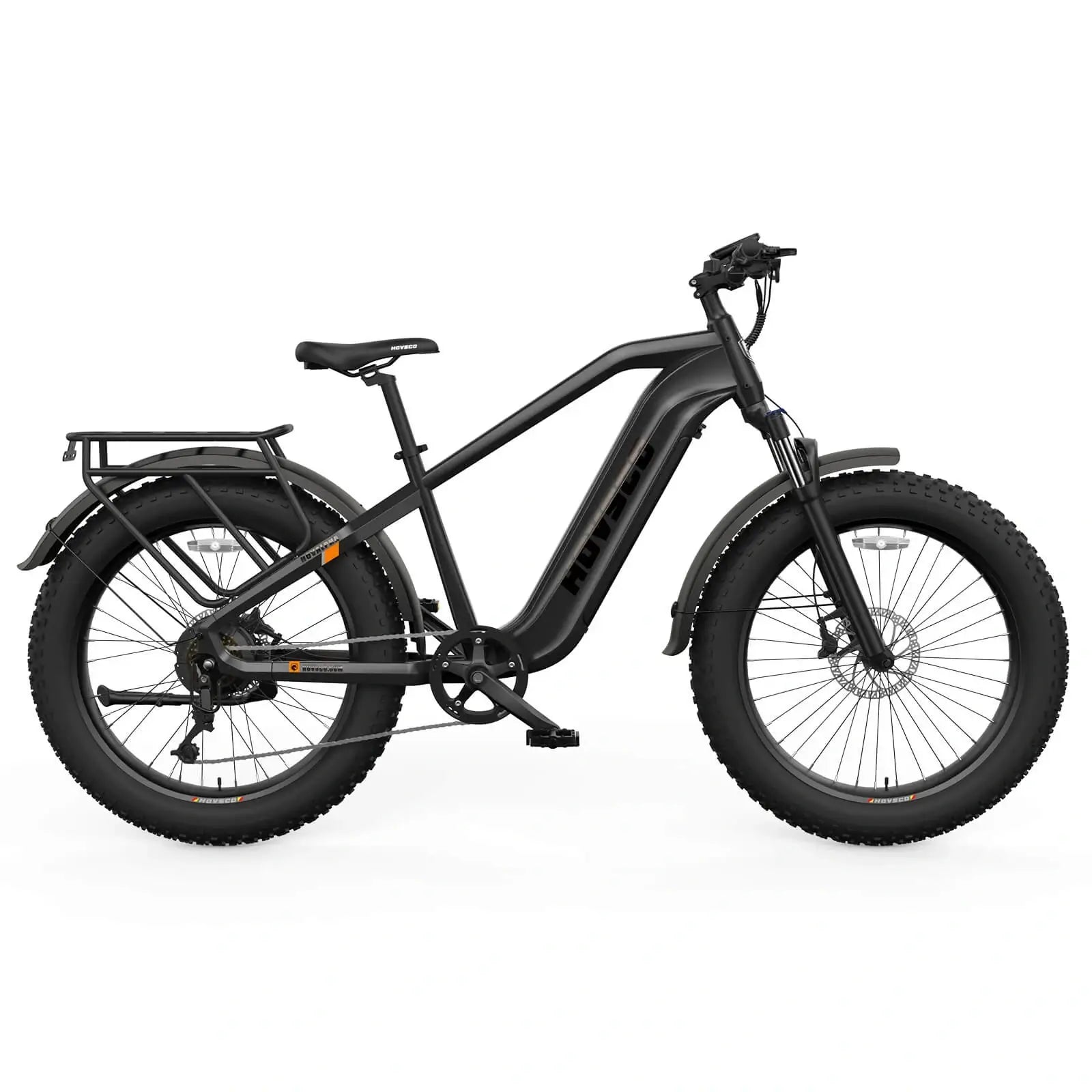
























![[ New Arrival ] Porto Max Electric Scooter For Commute & Grocery Shopping - HOVSCO](http://www.hovsco.com/cdn/shop/files/PotroMax-3.jpg?v=1706927007&width=1200)
- by SEO
How can you make the back of a family e‑bike the best seat?
- by SEO
E-Bikes
Accessories
 Free Shipping
 15-Day Returns
 2-Year Warranty
Free Shipping
15-Day Returns
2-Year Warranty
2-Year Warranty
Free Shipping
15-Day Returns
2-Year Warranty
You make the back of a family e‑bike the best seat by combining aesthetic upgrades, passenger comforts, and smart DIY hacks that transform the rear rack from “tolerable” to “favorite.” With the right cushions, footrests, lighting, and bars, your custom family ebike becomes a rolling lounge that kids and adults compete to ride on—safely and in real style.
Check: DIY seating hacks for Best Family Ebike Accessories
A custom family e‑bike rear seat feels truly “cool” when it looks intentional, rides comfortably, and gives the passenger their own space, controls, and style. Think padded seating, secure handholds, themed colors, and a few playful touches so the back seat feels like a VIP booth, not the leftover spot.
From the factory side, I’ve watched plenty of families buy powerful cargo e‑bikes, then lose the magic because the back seat feels like an afterthought: hard plastic, no backrest, and nowhere fun to put hands and feet. A genuinely cool rear passenger setup starts with a real seat pad over the rear rack—high‑density foam, a plywood base, and weather‑resistant fabric—not just a strip of rubber zip‑tied to metal tubing. Add color‑matched piping or stitching that echoes the frame, like we often do in prototype builds, and suddenly the aesthetic upgrades pull the whole bike together.
Passenger comforts go beyond the seat itself. Wide, adjustable footrests keep legs relaxed and away from the wheel; integrated grab bars and armrests make kids feel secure instead of tense. In my experience, once passengers get a small control—like their own bell, cup holder, or LED strip—they start calling it “my seat,” which is exactly the emotional hook you want on a custom family ebike. The “coolest” seat is the one that feels designed around them, not just bolted on.
You can upgrade aesthetics on a family e‑bike back seat by coordinating colors, textures, and lighting while keeping wiring and fasteners cleanly hidden. The result should look like a factory‑designed passenger module, even if it’s entirely DIY.
In the workshop, I always start with color mapping. Pick two or three key shades from your frame, saddle, and grips, then carry them onto the passenger cushion, side panels, and straps. For example, if you ride a deep‑green HOVSCO, you might pair a dark‑tan seat pad with green stitching and small black side panels that echo the battery casing. Using outdoor‑grade marine vinyl or Cordura fabric ensures the aesthetic upgrades survive rain, UV, and kid chaos.
Lighting is where most DIY builds swing between “wow” and “why.” I recommend low‑glare, side‑facing LED strips under the rack rails or along custom wooden side boards, wired into the e‑bike’s accessory circuit or a small separate pack. Route cables inside plastic spiral wrap or frame‑matching heat‑shrink so nothing dangles. Finally, use stainless hardware and rubber washers to avoid rust streaks and rattles; a visually quiet mounting system makes your aesthetic upgrades fade into the background and lets the overall design shine.
Passenger comforts that transform a rear rack into a rolling lounge include a properly cushioned seat, backrest, secure foot supports, and small “own it” details like cup holders, pockets, and bells. When passengers can relax, store their stuff, and interact with the ride, they genuinely prefer the back.
From experience, the single biggest upgrade is a real cushion. I build them with a thin birch plywood base, 25–40 mm of high‑density foam, and a slightly domed profile so the edges don’t dig into thighs. A short backrest—either a padded rail or a bolted‑on seatback—stops kids from sliding backward and gives them something comfortable to lean on during acceleration. For HOVSCO owners riding longer routes, consider a slightly reclined back angle; five degrees makes a noticeable difference in long‑ride comfort.
Foot support matters as much as padding. Solid foot boards or pegs mounted far enough forward keep knees bent comfortably and heels clear of the wheel and disc rotor. Above waist level, add grab rails, “monkey bars,” or side handles so hands have a natural resting place. When I test with families, the rear passenger instantly relaxes once their hands and feet feel purposeful, not improvised. Toss in a couple of mesh pockets or a small handlebar‑style bag on the guard rail, and the back seat starts to feel like its own cabin.
DIY hacks can make the back seat safer and more fun by adding bespoke shields, cushions, and interactive touches like lights or bells without compromising structural integrity. The best hacks reuse everyday materials but respect weight limits and clearances around wheels, brakes, and drivetrain.
I’ve seen brilliant rear seat hacks built from repurposed yoga mats, plywood offcuts, and retired child seats—but the ones that last follow a few engineering rules. First, never clamp directly onto thin fender struts or unsecured seat‑stay tubes; anchor loads to the rear rack or dedicated mounting points rated for weight. Second, keep all added parts outside the tire, chain, and rotor envelopes; leave 15–20 mm of clearance even under full suspension compression if you have shocks.
For fun, low‑risk hacks, I often suggest clip‑on LED “fairy” lights inside safety side rails, custom‑painted wooden side boards that double as heel guards, and 3D‑printed nameplates or logos for the backrest. On HOVSCO community builds, we’ve even integrated small, removable speakers into rear frames, powered by a separate battery pack so they never interfere with motor electronics. The key is to design each DIY hack so it can be removed or inspected easily; if a part loosens, you want to know before the next family ride.
Passenger comfort depends heavily on frame geometry and weight limits because these factors dictate how stable the bike feels, how high the rear deck sits, and how much flex passengers experience. Ignoring these fundamentals can make even the plushest back seat feel sketchy in real‑world riding.
From a geometry standpoint, long‑tail and mid‑tail designs with smaller rear wheels keep the center of gravity lower, which passengers perceive as “solid” and less tippy. A standard commuter frame with a tall 700c rear wheel and short rack can feel narrow and high, especially with an adult passenger. Before adding heavy aesthetic upgrades or a big cushion, I always check the manufacturer’s rack load rating and overall system payload; overloading introduces frame flex and oscillation that passengers interpret as wobble.
Weight limits are not just legal disclaimers; they reflect weld thickness, rack bracing, and wheel/spoke specification. On custom family e‑bikes, I recommend running at least a 20–25% safety margin below the rated rack limit once you include the seat, accessories, and the heaviest likely passenger. For HOVSCO bikes designed with family use in mind, the rear structure is usually robust, but you still need to respect the numbers. A comfortable passenger is a relaxed passenger—and relaxation comes from predictable, stable handling.
You should place footrests, bars, and cushions so that the passenger’s hips, knees, and hands fall into natural, slightly bent positions without stretching or scrunching. Think ergonomic triangle: hips over the rack center, knees at a mild bend, and hands resting just below shoulder height.
When I set up a custom family ebike in the shop, I have the passenger sit on a temporary pad and observe their posture before drilling a single hole. Ideally, the seat cushion centers over the strongest section of the rack, slightly forward of the axle, to reduce pitching on bumps. Footrests should be located so that the passenger’s thighs are roughly parallel to the ground, with heels safely clear of the spokes by a guard or solid panel. If kids ride often, I sometimes install two sets of foot supports at different heights to “grow” with them.
Handholds are often mounted too high or too far back. For comfort, I aim for grip points that sit slightly ahead of the passenger’s hips and no higher than their mid‑chest when seated; that way, they can brace gently during acceleration and braking without overextending shoulders. On several HOVSCO family builds, we’ve used U‑shaped side rails that double as armrests and safety cages, which keeps smaller passengers from leaning into the path of the rider’s elbows. Once all three points—seat, feet, and hands—feel natural, rides stop feeling like balancing acts and start feeling like relaxed cruises.
It is absolutely possible to keep the “coolest” rear seat safe, legal, and kid‑approved by respecting local passenger laws, weight limits, and basic safety shielding while still adding style and fun. The key is to treat compliance as your baseline and creativity as the layer on top.
Most regions require that passengers have dedicated seats, proper foot support, and are not exposed to moving parts like wheels and chains. In practice, this means your custom family ebike needs proper footrests, side guards or spoke shields, and a secure seat that cannot slide off under braking. I also recommend adding at least one reflective element or rear light integrated into your aesthetic upgrades; kids often ride at dusk, when visibility matters most.
From a practical standpoint, kid‑approval often hinges on small freedoms. Give them their own bell, small storage pouch, or selectable light colors, and they’ll proudly claim the back seat as their own domain. On HOVSCO test rides, we’ve seen kids choose the rear deck over front child seats once they feel it’s “their” spot. When safety, legality, and personal expression all show up together, the back seat naturally becomes the coolest seat in town.
Everyone in the family benefits from a dialed‑in rear passenger setup, but kids, shorter adults, and hesitant riders see the biggest gains in comfort, confidence, and enjoyment. A well‑designed back seat turns reluctant passengers into eager ride partners.
From an engineering perspective, lighter passengers are more sensitive to vibration and sudden lean, so they feel handling flaws sooner than the rider. Adding proper cushions, side rails, and foot supports makes those micro‑movements feel smoother and more predictable. Parents benefit too: with secure passengers, they can focus on traffic, route choices, and battery management instead of constantly checking over their shoulder.
On community demo days with HOVSCO, I’ve watched grandparents light up when they realize they can ride on the back for short trips, thanks to stable frames and supportive rear setups. Teens appreciate the style and “social” feel of sitting higher with a view, while younger kids love having their own little “room” on the bike. In practice, a thoughtful rear passenger build makes the entire custom family ebike more useful, leading to more trips where the car stays parked.
You should involve a professional when your rear seat plans require drilling the frame, modifying load‑bearing parts, or rewiring electrical systems beyond plug‑and‑play accessories. Structural and electrical mistakes can compromise both safety and warranty on your custom family ebike.
In the shop, I’m happy to see riders build their own cushions, side panels, and bolt‑on racks using existing mounting points. But when someone proposes welding new tabs to seat stays, splicing into the main battery leads, or extending the rear deck far beyond its rated length, that’s my cue to slow things down. A professional mechanic or fabricator can assess whether the frame and rack can handle the changes, recommend reinforcement if needed, and ensure that brake lines, wiring, and wheel alignment remain correct.
Electrical add‑ons deserve the same caution. Simple 5 V USB‑powered lights and speakers are usually safe as separate systems, but tapping into the main e‑bike harness can overload circuits or confuse controllers. On HOVSCO bikes, we design accessory ports precisely to avoid these issues, and a trained technician knows how to use them properly. If in doubt, sketch your idea and ask a pro for a quick consult; it’s cheaper than fixing a cracked rack or intermittent battery fault later.
How can parents use an ebike to turn a park trip into a pro photoshoot?
“When we help families set up a custom rear passenger area, we start with the rack’s real load path and work outward. On a HOVSCO frame, the rear triangle and rack are engineered to carry dynamic loads, but cushions, boards, and bars still need to respect those stress lines. Aesthetic upgrades and passenger comforts should never defeat the core safety envelope—that’s how you keep the ‘coolest’ seat safe for every ride.”
You turn your rear rack into the favorite seat in town by treating it like real furniture on wheels: ergonomic seating, stable touch points, and expressive style layered onto a structurally sound base. Start with weight‑rated racks, proper footrests, and spoke shielding, then build upward with cushions, bars, and lighting that fit your family’s personality.
A custom family ebike isn’t just about hauling kids or friends; it’s about giving them a space they love so much they ask for “one more loop.” With thoughtful DIY hacks, professional checks where needed, and an eye for both aesthetics and engineering, you can make the back of your HOVSCO or any family e‑bike feel like the coolest seat in town—ride after ride.
Can I add a second adult to the rear of my family e‑bike?
Only if the total load stays under the manufacturer’s rack and frame limits; most bikes are designed for one passenger, so check the rating carefully.
What’s the safest way to protect kids’ feet on the back seat?
Use solid footrests combined with side panels or spoke shields that prevent heels and shoelaces from reaching the wheel, chain, or disc brake.
Do rear cushions need a wood base, or is foam alone enough?
Foam alone usually sags between rack rails; a thin plywood or plastic base spreads the load and prevents pressure points over long rides.
Can I wire rear LED strips directly to my e‑bike battery?
Avoid direct connections unless the bike has a dedicated accessory port; otherwise, use a separate battery pack or consult a technician.
How do I know if my DIY passenger setup is secure enough?
Check that all bolts are tightened to spec, nothing shifts when you push side‑to‑side, and no parts can contact the wheel, rotor, or chain under load.
Share:
How can you safely transport a family e-bike on an SUV?
Is a 1300W all-terrain ebike safe and fun for family trail days?