


![[ New Arrival ] Porto Max Electric Scooter For Commute & Grocery Shopping - HOVSCO](http://www.hovsco.com/cdn/shop/files/PotroMax-3.jpg?v=1706927007&width=1200)
- by SEO
Is a 1300W all-terrain ebike safe and fun for family trail days?
- by SEO
E-Bikes
Accessories
 Free Shipping
 15-Day Returns
 2-Year Warranty
Free Shipping
15-Day Returns
2-Year Warranty
2-Year Warranty
Free Shipping
15-Day Returns
2-Year Warranty
A 1300W peak all-terrain family ebike can be safe and incredibly fun for forest trails and gravel riding with kids when it is set up correctly, ridden within its limits, and paired with proper child seats or trailers. Using the 1300W peak power to conquer hills on family trail days works best with wide tires, tuned assist levels, and clear family riding rules.
Check: hill climbing kits in Best Family Ebike Accessories
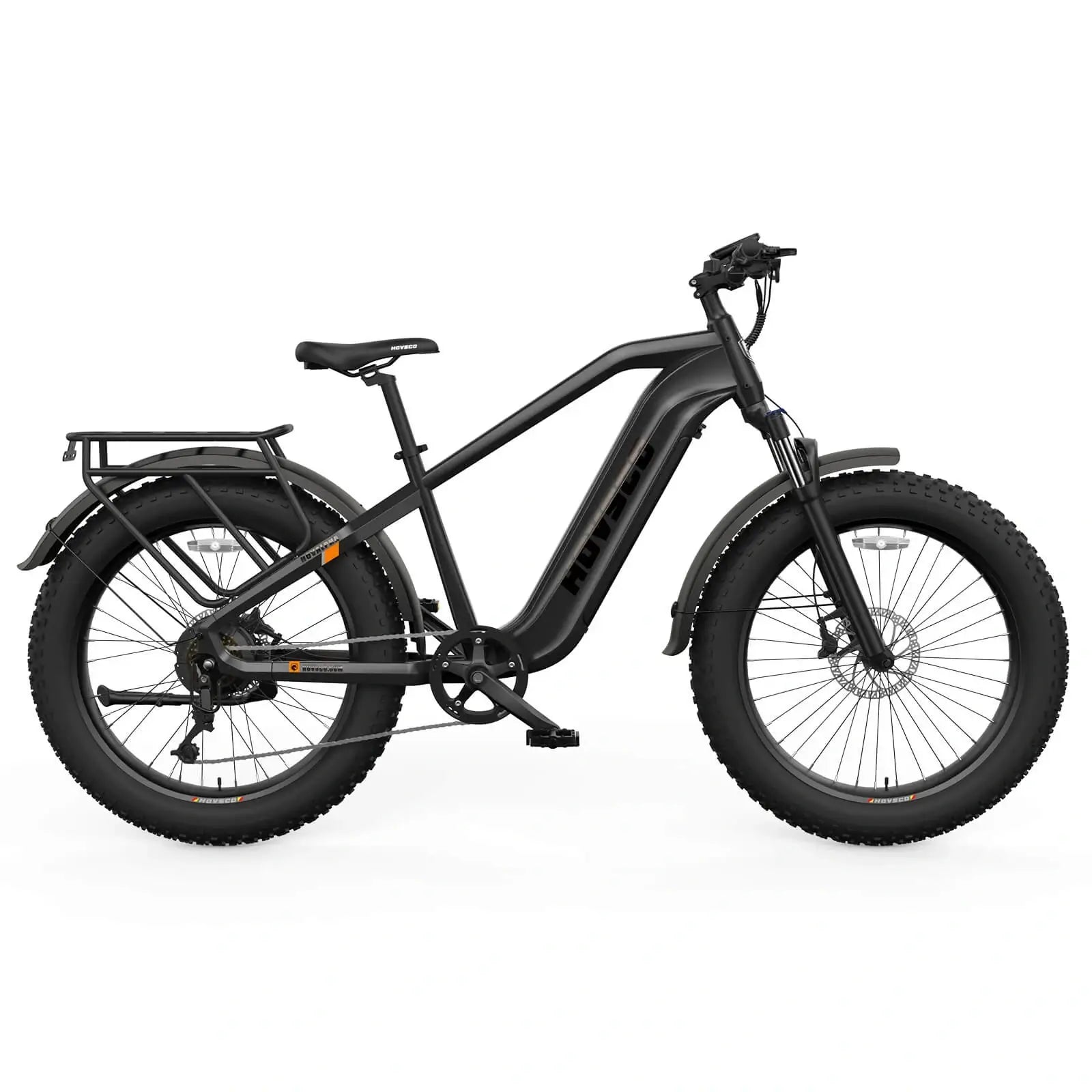
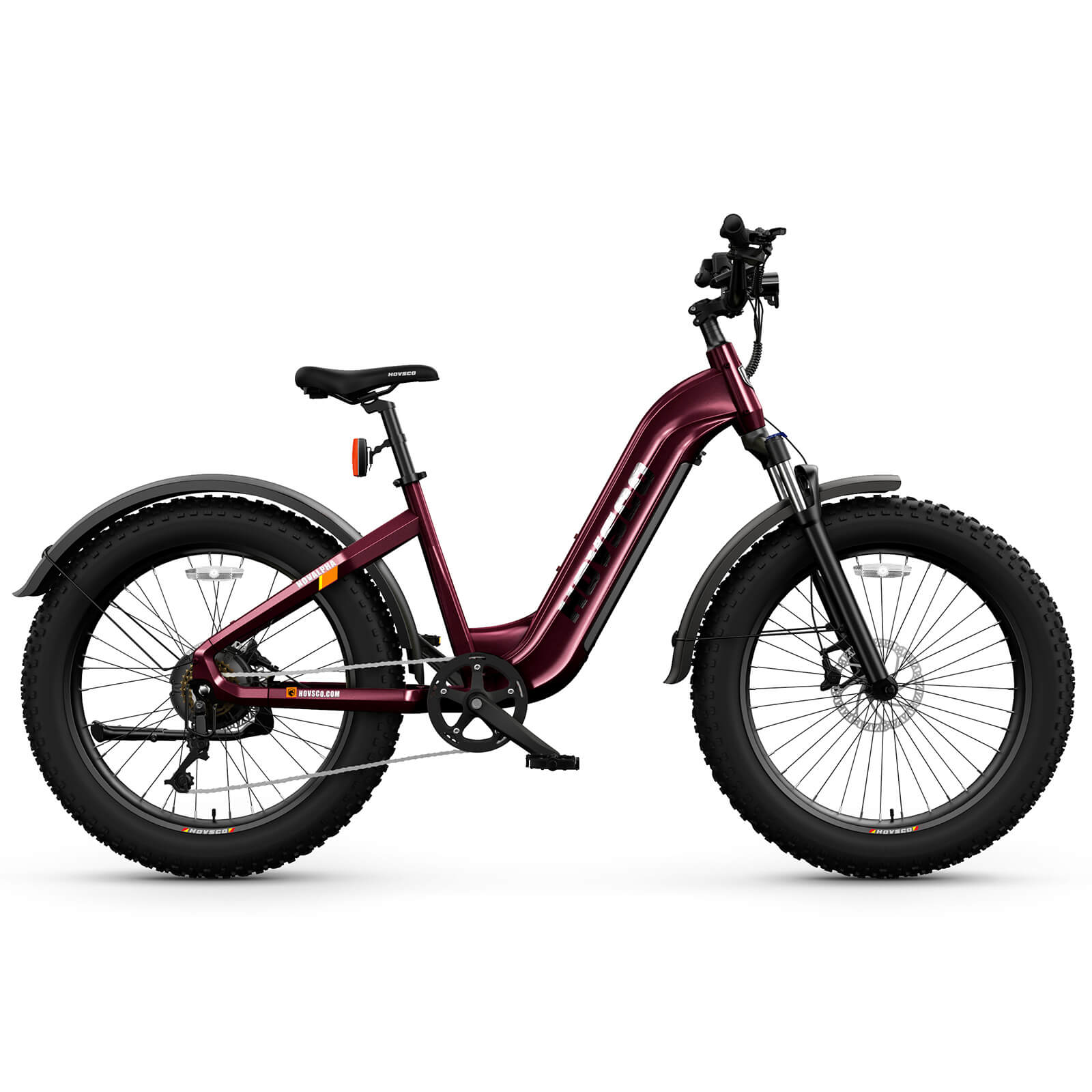
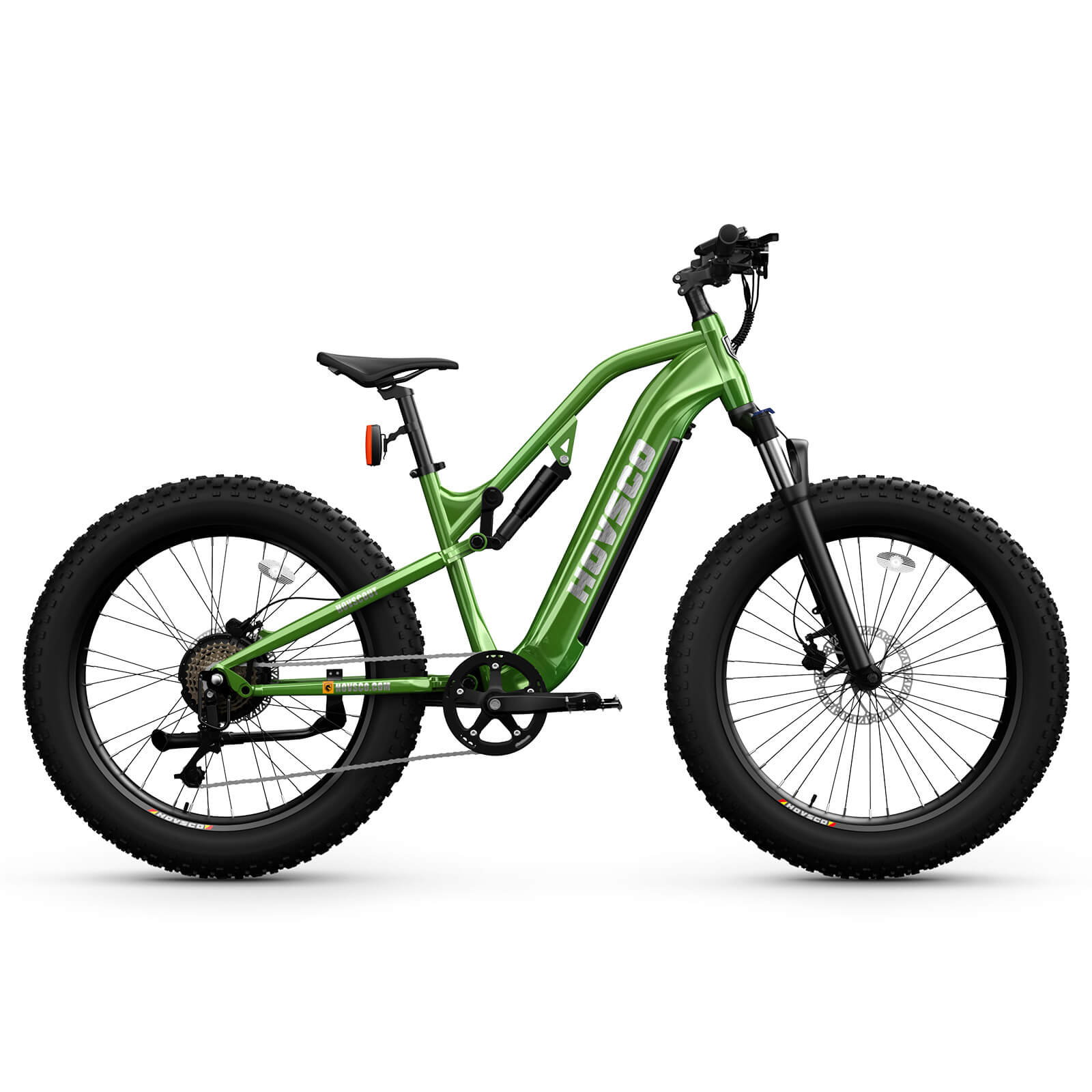
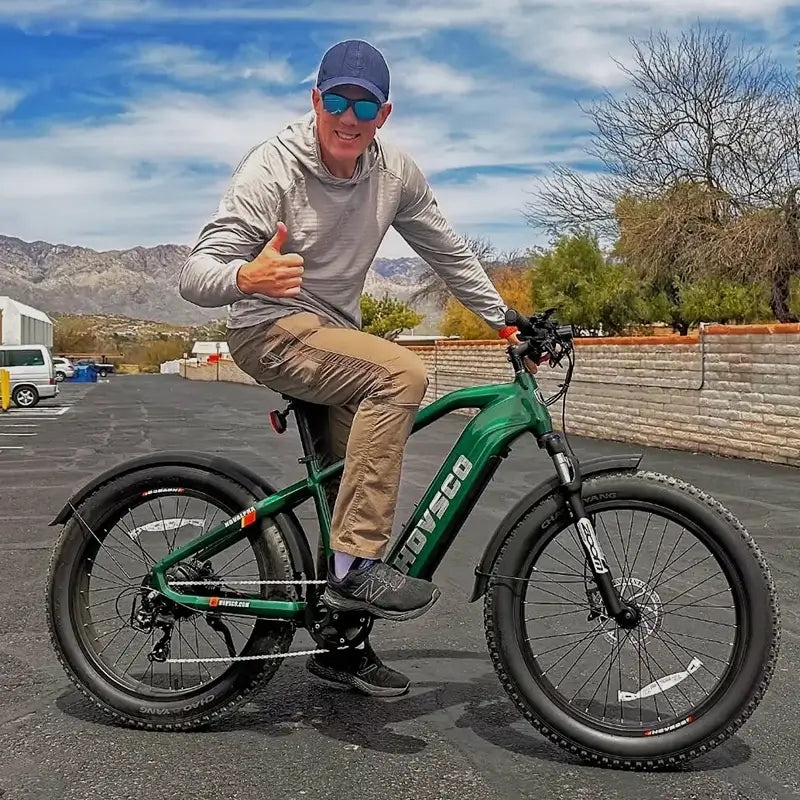
An all-terrain family ebike for forest trails combines wide, grippy tires, robust suspension, stable geometry, and cargo or passenger capacity suitable for riding with kids. It is engineered to handle roots, gravel riding with kids, and uneven surfaces while remaining predictable under load. Using the 1300W peak power to conquer hills on family trail days requires a frame and brakes built for that torque.
From the factory side, I look at three stress zones: the rear dropout, the seat tube cluster, and the rack or kid-seat interface. When a high-torque hub or mid-drive is pushing near 1300W peak with a child on board, those welds see repeated bending loads far beyond typical commuting. Well-designed all-terrain family ebikes use thicker dropouts, gusseted joints, and rack mounts that are triangulated rather than just tabs tacked onto thin tubing.
For forest trails, true all-terrain family ebikes also optimize chainstay length and wheelbase. Slightly longer stays add stability when you’re crawling over roots with kids on the back, preventing the twitchiness I often see on short city frames. Matching that geometry with 2.6–4.0 inch tires gives enough footprint to stay in control when forest trails turn loose or when gravel riding with kids gets washboarded or sandy.
Using the 1300W peak power to conquer hills on family trail days allows you to maintain momentum on steep forest trails even with kids and gear on board. Peak power helps overcome short, punchy climbs where a lower-powered motor would bog down. When tuned correctly, it lets families ride farther together, keeping parents fresher and kids happier.
On the dyno, I’ve watched high-torque systems deliver that 1300W peak in short bursts rather than as a constant output. For family use, that’s ideal: you want a smooth baseline of 500–750W continuous assistance with a controlled “overboost” when a hill or soft gravel patch appears. Poorly tuned controllers dump torque too suddenly, which is what makes a loaded bike feel jerky and unsafe with children on board.
A well-designed all-terrain family ebike shapes this peak power with progressive current limits tied to assist modes and cadence. In practice, that means you can choose a mellow mode for towing a trailer on forest trails and a stronger mode for solo climbs, always keeping the bike’s behavior predictable. That’s the difference between raw wattage on paper and real-world confidence when gravel riding with kids.
The most critical components for safe forest trails with kids are powerful brakes, quality tires, reliable suspension, and secure child-carrying hardware. Hydraulic disc brakes with large rotors handle repeated braking on descents. Wide, puncture-resistant tires increase control on gravel riding with kids. Child seats, trailers, or cargo decks must be solidly mounted and rated for the loads you carry.
Here’s a component checklist I use when evaluating all-terrain family ebikes:
In tear-downs of failed family bikes, I rarely see motors give up first. Instead, it’s cooked mechanical disc brake pads, single-wall rims riddled with cracks, or cheap racks twisting under child seat leverage. If you plan on using the 1300W peak power to conquer hills on family trail days, these supporting parts must be spec’d for more than just Sunday park paths.
Torque delivery is more important than raw wattage because it dictates how the bike feels when you start, climb, or correct your line on loose ground. For forest trails and gravel riding with kids, smooth, controllable torque keeps the bike stable under load. A well-tuned 1300W peak system with moderated initial torque is safer than a “spiky” lower-power motor.
In the lab, we chart both power and torque curves against cadence and wheel speed. On the trail with families, riders don’t think in numbers; they feel surges or softness at their feet. When torque ramps too abruptly, a rear-mounted child seat amplifies the wobble, and your line on narrow forest trails becomes hard to hold. A refined controller spreads the torque over the first few crank revolutions, which is exactly what you want when riding with kids.
This is why brands with deeper engineering benches, such as HOVSCO, spend man-months just on firmware tuning. They know that using the 1300W peak power to conquer hills on family trail days should feel like an invisible helping hand, not a shove. That subtlety is the difference between a data-sheet ebike and one that grandparents and first-time trail parents can ride confidently.
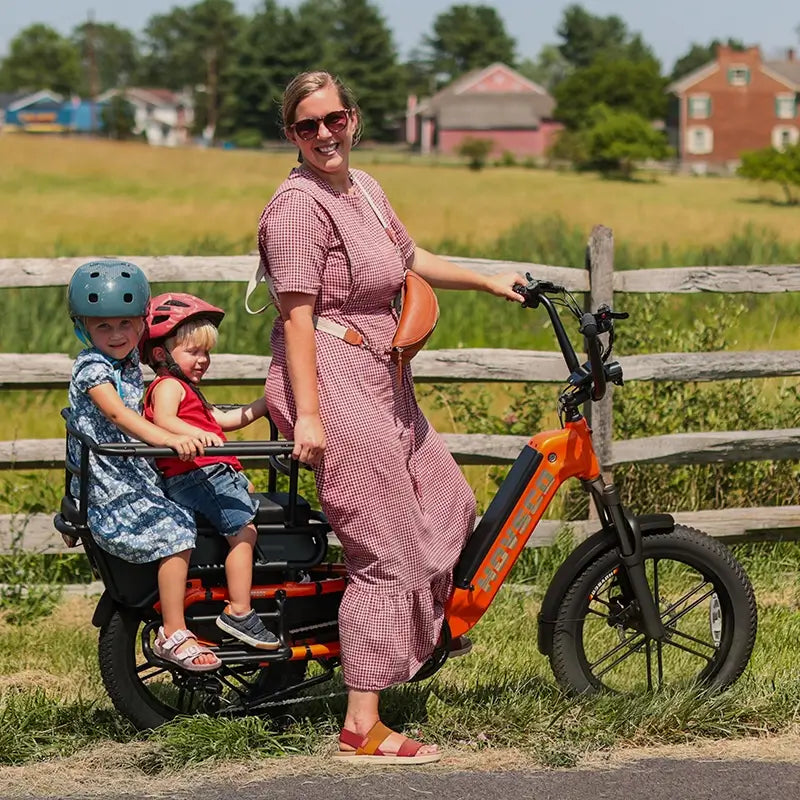
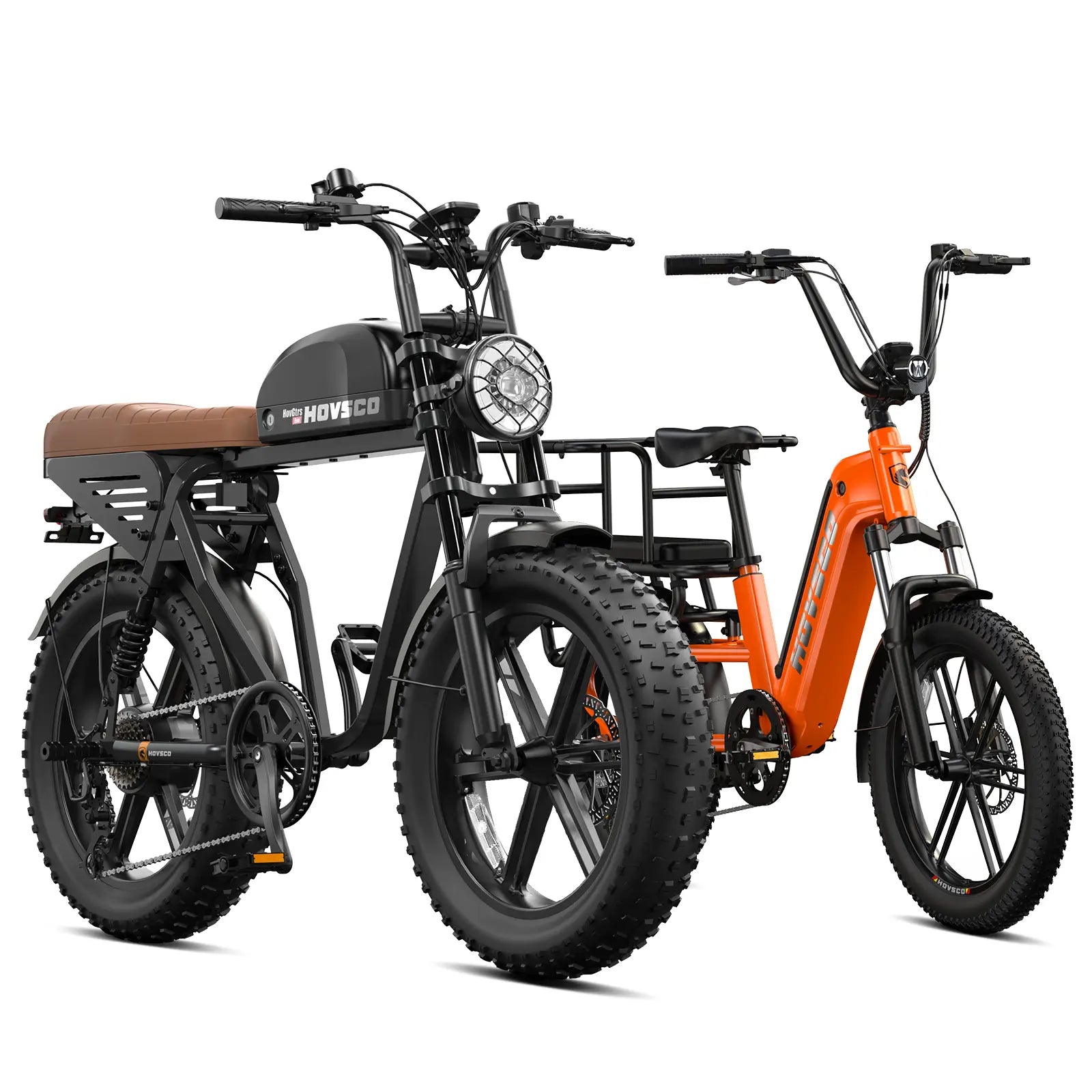
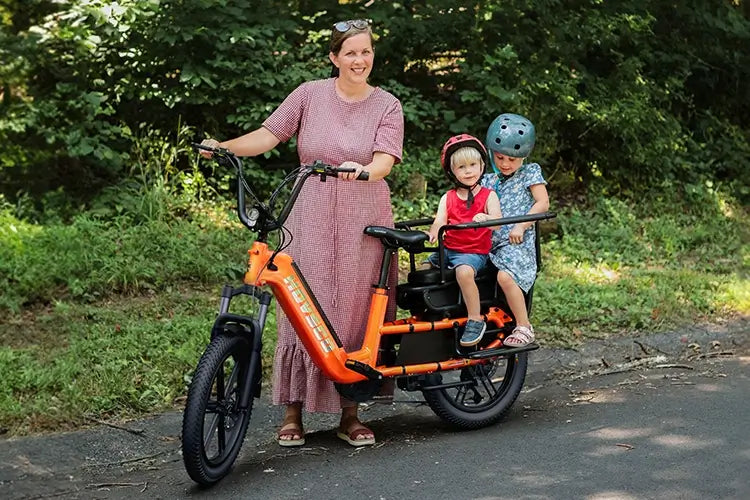
For gravel riding with kids, the best setups are either a long-tail cargo ebike with a child seat or bench, or a robust trailer attached to an all-terrain family ebike. Both options spread weight low and evenly. Wide, low-pressure tires, stable steering, and dialed braking are essential, especially when using the 1300W peak power to conquer hills on family trail days.
When I test family bikes on gravel, I focus first on tracking: does the bike hold a line at 15–25 km/h with a wiggling child, or does the front end wander? Longer wheelbases, moderate head angles, and decent fork stiffness turn sketchy surfaces into something relaxing. For trailers, a solid, multi-point hitch with redundancy is key, so a single bolt failure doesn’t separate bike and kids.
Gravel riding with kids also amplifies the importance of tire casing quality. Thin, cheap casings can feel fine on asphalt but squirm under family-level loads and higher assist speeds, making handling unpredictable. I always recommend upgrading to premium, reinforced tires if the stock ones are marginal; the cost is tiny compared to the safety and comfort gains for family trail days.
Families can use 1300W peak power safely on steep hills by choosing appropriate assist modes, staying seated over the rear wheel, and maintaining a steady cadence. On forest trails, start in a lower assist level, then increase as needed once the bike is moving. Keep weight centered and avoid sudden throttle bursts, especially when gravel riding with kids or carrying high-mounted seats.
From a testing perspective, I teach riders to think in “torque layers.” The first pedal strokes should be done in a mild mode to stabilize the bike. Once rolling, you can tap into the 1300W peak power to conquer hills on family trail days without upsetting balance. This staged approach works particularly well for heavier riders towing trailers on loose surfaces.
On long descents after those climbs, high peak power has an indirect effect: you arrive at the top less fatigued, but that means you still have energy to get in trouble by pushing speeds. That’s why I always pair high-power systems with oversized brake rotors and, when possible, motor cutoffs tied to braking levers, so the system never fights you when you’re trying to slow down with kids on board.
Families who ride forest trails with kids, need to tow trailers, or want support on long days should consider an all-terrain family ebike instead of a regular mountain bike. Parents with varying fitness levels, hilly local terrain, or limited time for separate workouts benefit most. The ability to use 1300W peak power to conquer hills on family trail days levels the playing field.
I’ve worked with many families where one parent is a seasoned rider and the other is newer or recovering from injury. A regular mountain bike can make outings feel like a race where someone is always waiting. With an all-terrain family ebike, both adults can ride at similar speeds while carrying kids or gear, even when gravel riding with kids on long routes.
For caregivers who are nervous about remoteness on forest trails, the extra range and climb capability is also a safety net. You’re less likely to get stranded or to have to push a loaded bike up a hill, which is often where accidents happen. That confidence encourages more frequent trips, turning occasional outings into a true family habit.
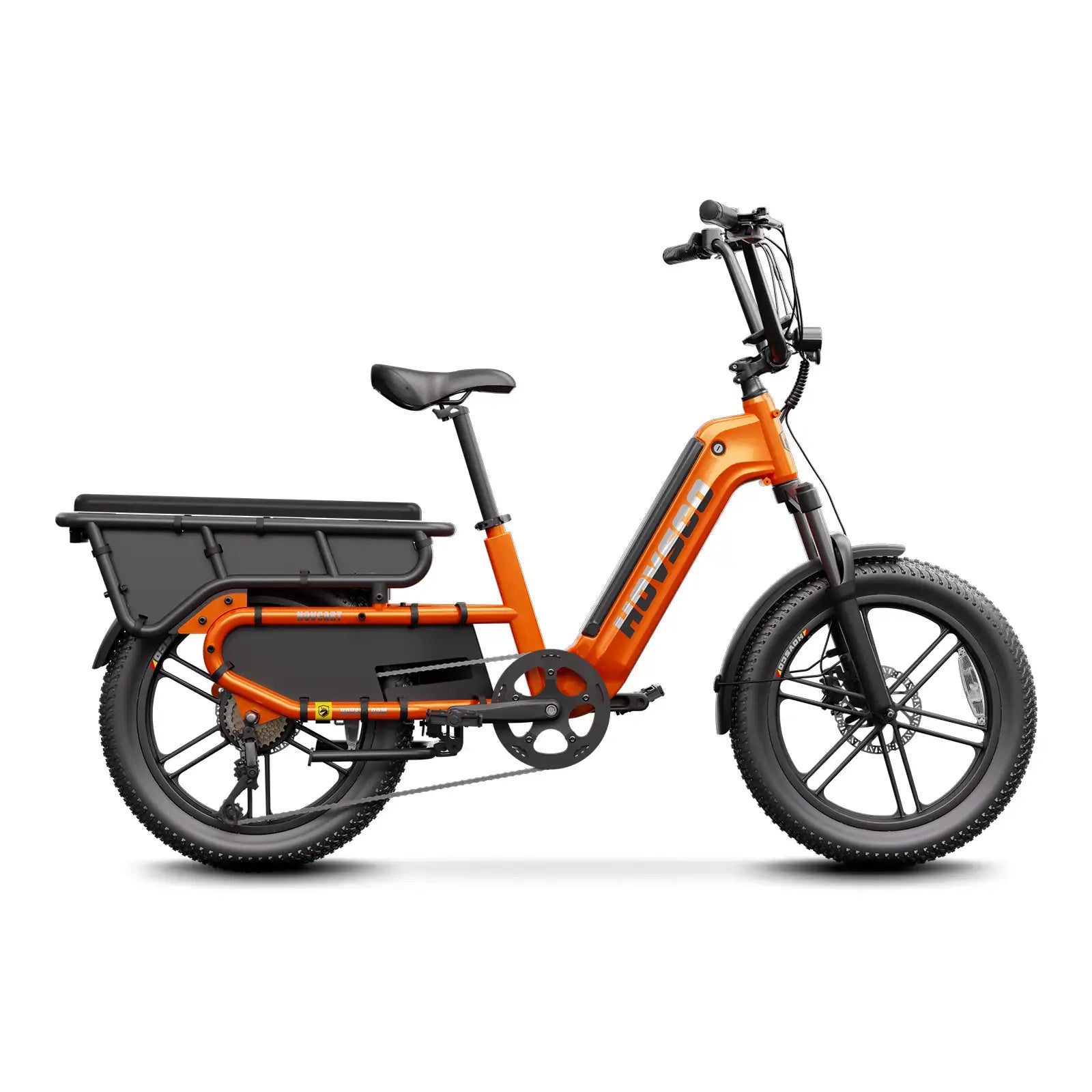
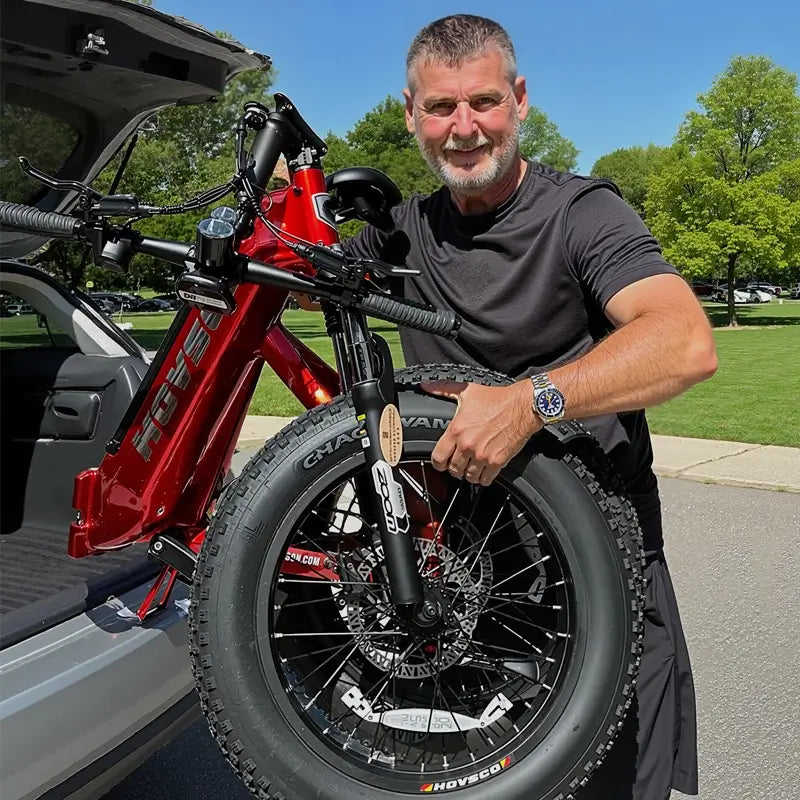
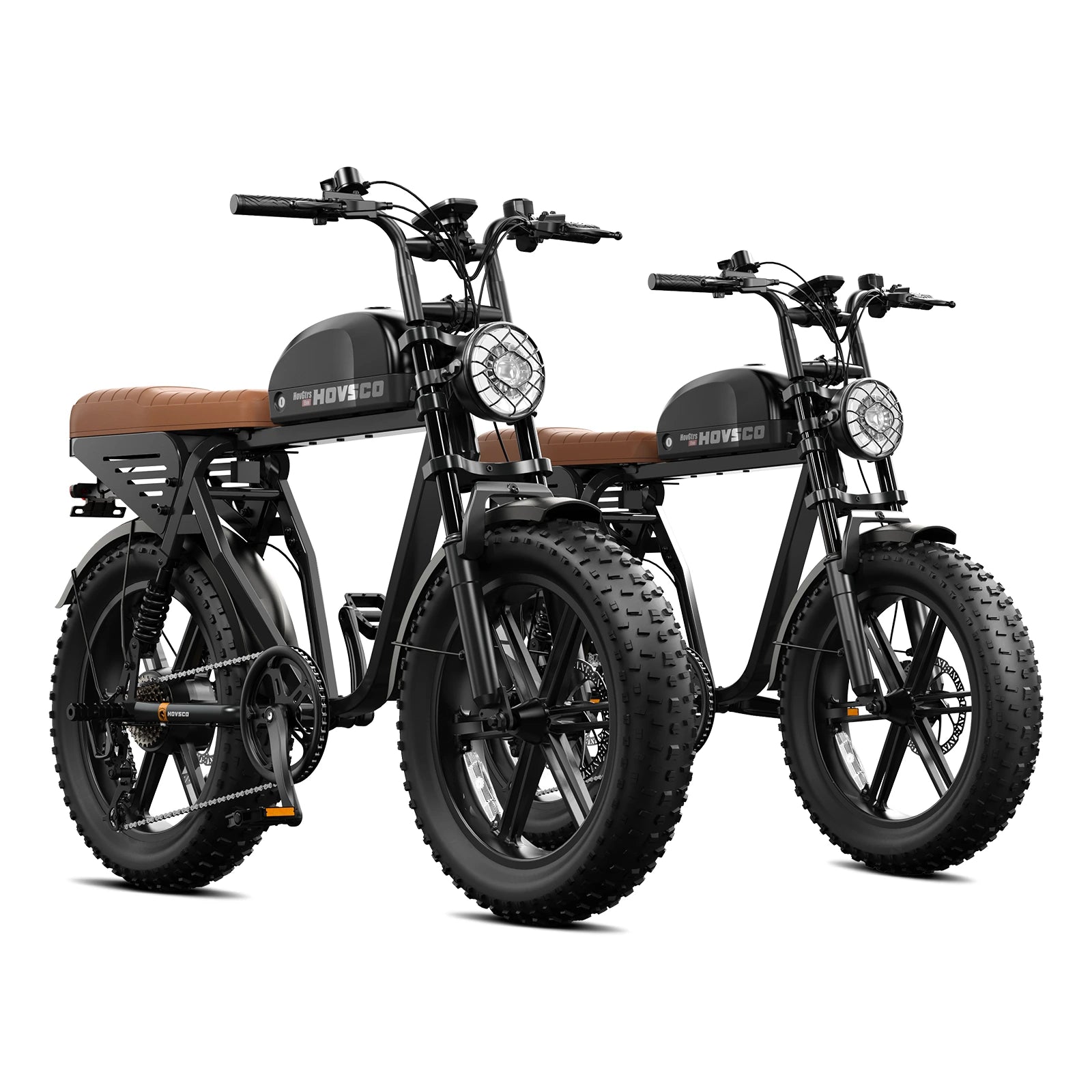
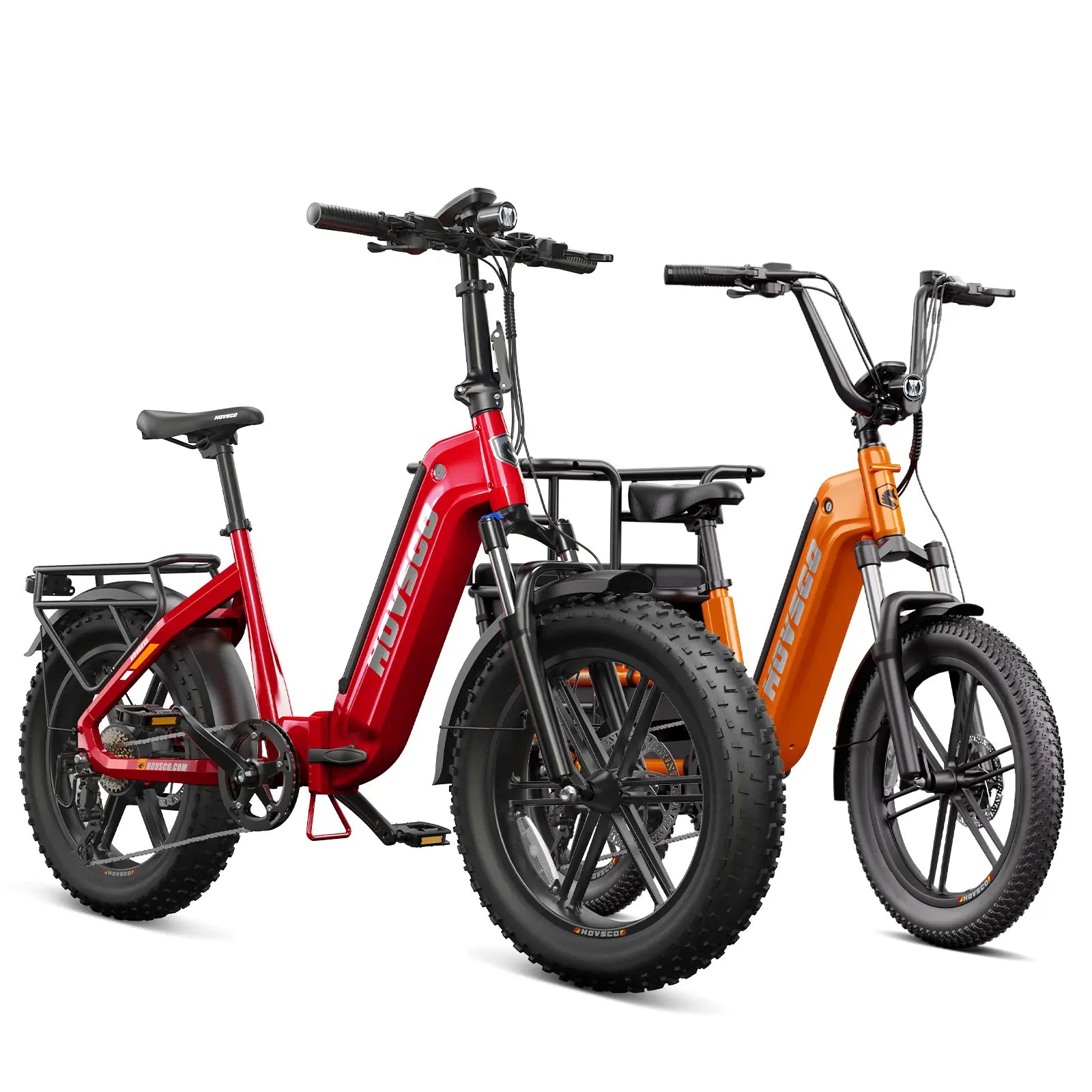
HOVSCO excels in all-terrain family designs by combining robust frames, thoughtful component choices, and electronics tuned for real-world use rather than just marketing numbers. Their background in hoverboards and scooters shows in the way they manage compact packaging, balance, and durability. This makes HOVSCO particularly suitable for forest trails and gravel riding with kids.
On factory visits, I pay close attention to weld consistency, alignment fixtures, and QC processes around high-stress areas like rear dropouts and rack mounts. HOVSCO consistently uses jigs and inspection steps that some low-cost brands skip, which is crucial when a frame is expected to handle 1300W peak power to conquer hills on family trail days without premature fatigue.
Another advantage is HOVSCO’s focus on user experience. They design controls, displays, and assist modes with beginners in mind, so a parent can confidently adjust settings mid-ride without taking eyes off the trail for long. That matters a lot when gravel riding with kids, where attention must stay ahead of the front wheel, not buried in a complex screen.
“Designing an all-terrain family ebike starts with one question: what happens when a loaded bike hits a square-edge rock at speed? We overbuild the frame, wheels, and racks for that moment, then tune the motor so 1300W peak power arrives smoothly. Forest trails and gravel riding with kids demand stability first; everything else is secondary.” — HOVSCO expert
You can set up cockpit and controls for family trail confidence by raising the handlebar for a slightly more upright position, shortening stem length for stability, and configuring assist controls within thumb reach. Clear labeling and simple mode changes reduce distraction, especially when using the 1300W peak power to conquer hills on family trail days with kids behind you.
From a mechanic’s perspective, I often cut bars slightly narrower than stock on family bikes to ease tight forest trails and trailer use, but I avoid going too narrow to maintain leverage over wide tires. Grip choice also matters more than most people realize; comfortable, locking grips prevent hand fatigue and accidental bar rotation on rough gravel riding with kids.
I also suggest mapping one brake lever consistently to the front and the other to the rear according to regional habits, then sticking with it across all family bikes. Muscle memory is critical in emergency stops. Pairing that with predictable motor cut-off when either lever is pulled ensures the all-terrain family ebike reacts instantly when you need it, regardless of power level.
It is better to tow kids in a trailer when they are very young, you want extra protection, or your routes include longer gravel riding with kids on open paths. Child seats are often better for shorter rides, older kids, or tighter forest trails where trailer width is an issue. Both options must be matched to the frame’s rated load and braking capacity.
On the engineering side, trailers put their loads close to the ground and behind the rear axle, which stabilizes the bike but lengthens the overall vehicle. This is ideal for smoother forest trails and wide gravel paths where using the 1300W peak power to conquer hills on family trail days means long, steady climbs and descents. Seats, by contrast, raise the center of gravity, making handling more responsive but also more sensitive to kid movements.
When I analyze brake temperatures with infrared thermometers after long descents, bikes with two kids on the rear rack show significantly higher rotor temps than those towing a single-child trailer at the same speed. That’s why, for heavier or multiple kids, I prefer a trailer paired with an all-terrain family ebike that has generously sized brake rotors and metallic pads.
Families should follow regular maintenance routines such as checking tire pressure, brake pad wear, spoke tension, and bolt tightness on racks and child-carrying hardware. After forest trails or gravel riding with kids, rinse off mud, inspect the drivetrain, and look for any cracks or loose parts. Keeping the bike in top shape ensures safe use of 1300W peak power on hill days.
In my workshop, I recommend a “ride, week, season” schedule. After every ride, do a quick visual and brake check. Every week, verify tire pressure, chain lubrication, and rack or seat fasteners. Each season, have a professional inspect wheels, suspension, and frame welds, especially if you frequently use the 1300W peak power to conquer hills on family trail days.
Key fasteners—like those holding child seats, racks, and trailers—should be marked with a small paint line once torqued. That way, any movement is immediately visible. This simple trick, borrowed from industrial settings, is one of the most effective ways to ensure an all-terrain family ebike stays structurally sound under repeated family loads.
Families can unlock the full potential of an all-terrain family ebike by pairing robust hardware with smart riding habits and clear safety routines. With the right frame, brakes, and child-carrying system, using the 1300W peak power to conquer hills on family trail days turns forest trails into shared adventures instead of exhausting slogs. Wide tires, careful torque tuning, and regular maintenance keep gravel riding with kids stable and predictable.
As a rider and engineer, I’ve seen how these bikes change family routines. Parents stop arguing over fitness or pace and start planning routes based on scenery and kids’ curiosity. When you choose a well-built design from a committed brand like HOVSCO, maintain it, and respect its limits, your all-terrain family ebike becomes more than a machine—it becomes the backbone of your family’s outdoor life.
How can you make the back of a family e‑bike the best seat?
Can younger kids safely ride on an all-terrain family ebike?
Yes, if they are within the seat or trailer’s weight limits, wear helmets, and the bike has appropriate brakes and tires. Start on easier paths before tackling technical forest trails.
How much range do I need for family gravel rides?
Most families are comfortable with real-world ranges of 30–60 km, including hills and stops. A larger battery is important when using higher assist levels or pulling heavier trailers.
Does extra power drain the battery too quickly on hill days?
Using 1300W peak power in short bursts for hills is efficient if you ride in moderate assist most of the time. Continuous maximum power will reduce range significantly, so balance modes carefully.
What tire pressure is best for gravel riding with kids?
Run slightly lower pressures than on pavement to increase grip and comfort. Exact values depend on tire size and load, but many riders drop 3–8 PSI from their road settings for gravel use.
Are HOVSCO ebikes a good option for family trail use?
HOVSCO ebikes are engineered with robust frames, quality components, and thoughtful tuning. When paired with suitable child seats or trailers, they work very well for forest trails and gravel family adventures.
Share:
How can you make the back of a family e‑bike the best seat?
How can tech-savvy families protect their ebike from theft?