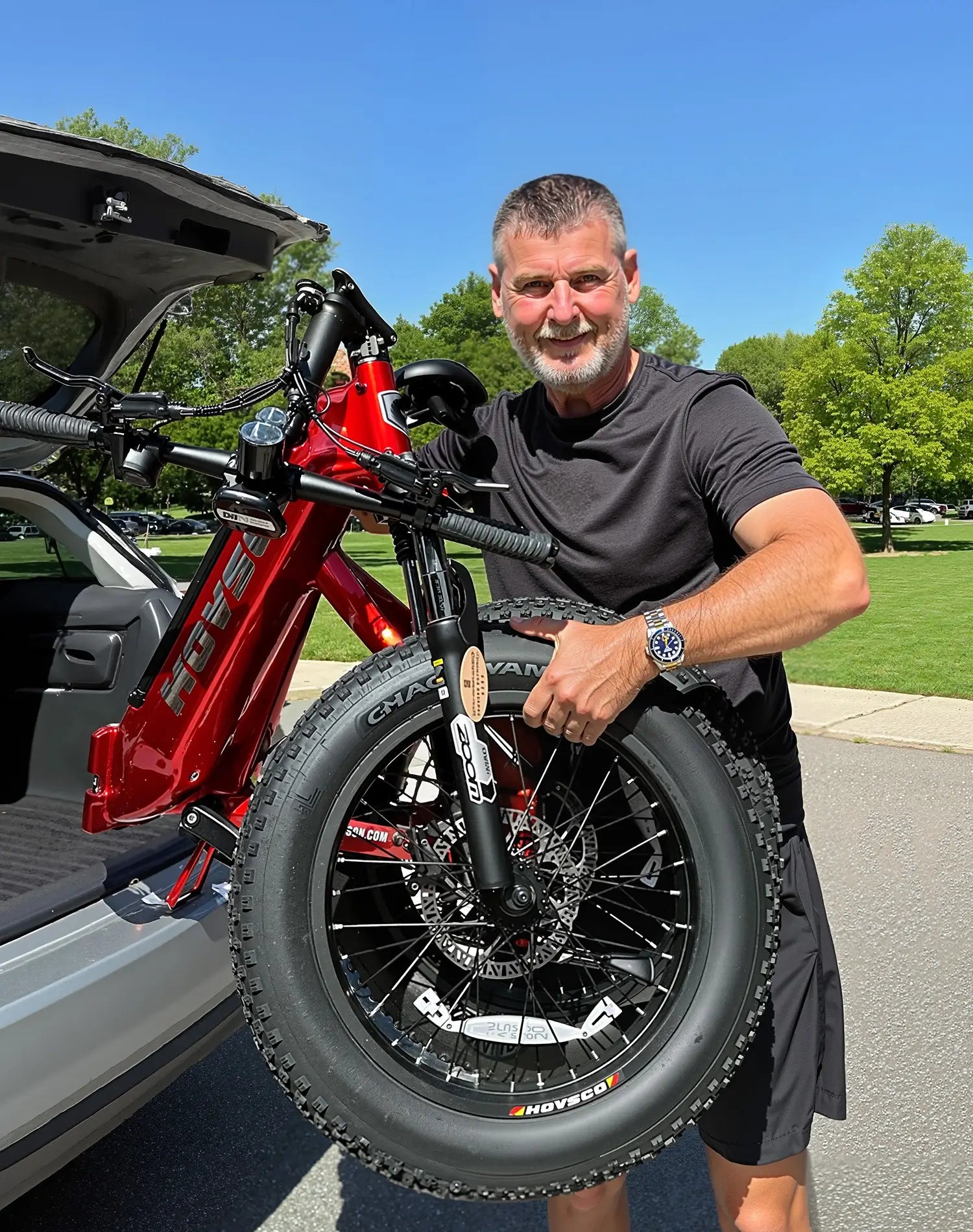


HovBeta
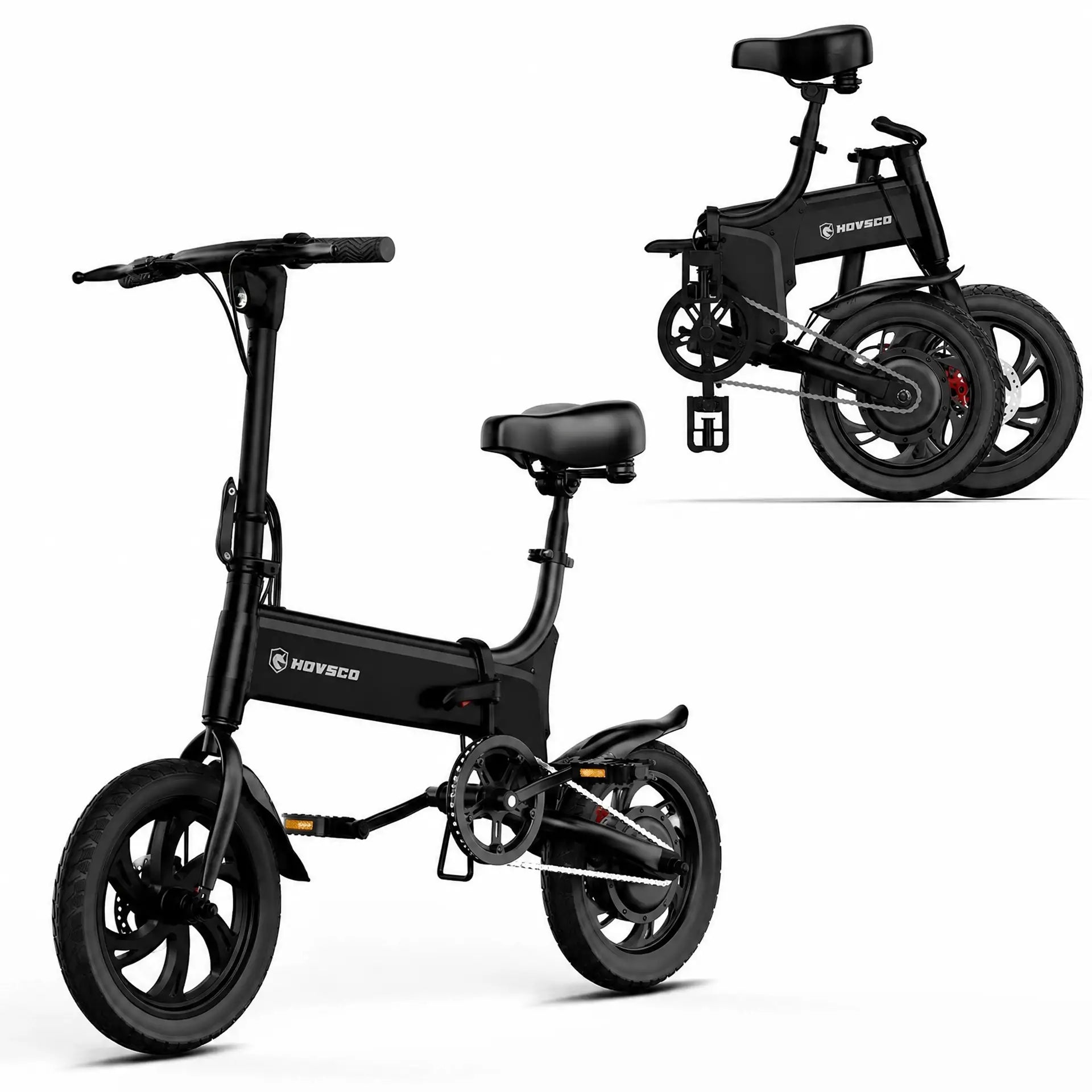
Short winter trips and storageCompare the folding format only after confirming cold-range reserve, tire guidance and a dry storage routine.
View HovBeta →E-Bikes
Accessories
 Free Shipping
 15-Day Returns
 2-Year Warranty
Free Shipping
15-Day Returns
2-Year Warranty
Winter traction is a complete system
 Snow requires more than tire widthHovAlpha · verify tire, temperature and maintenance guidance
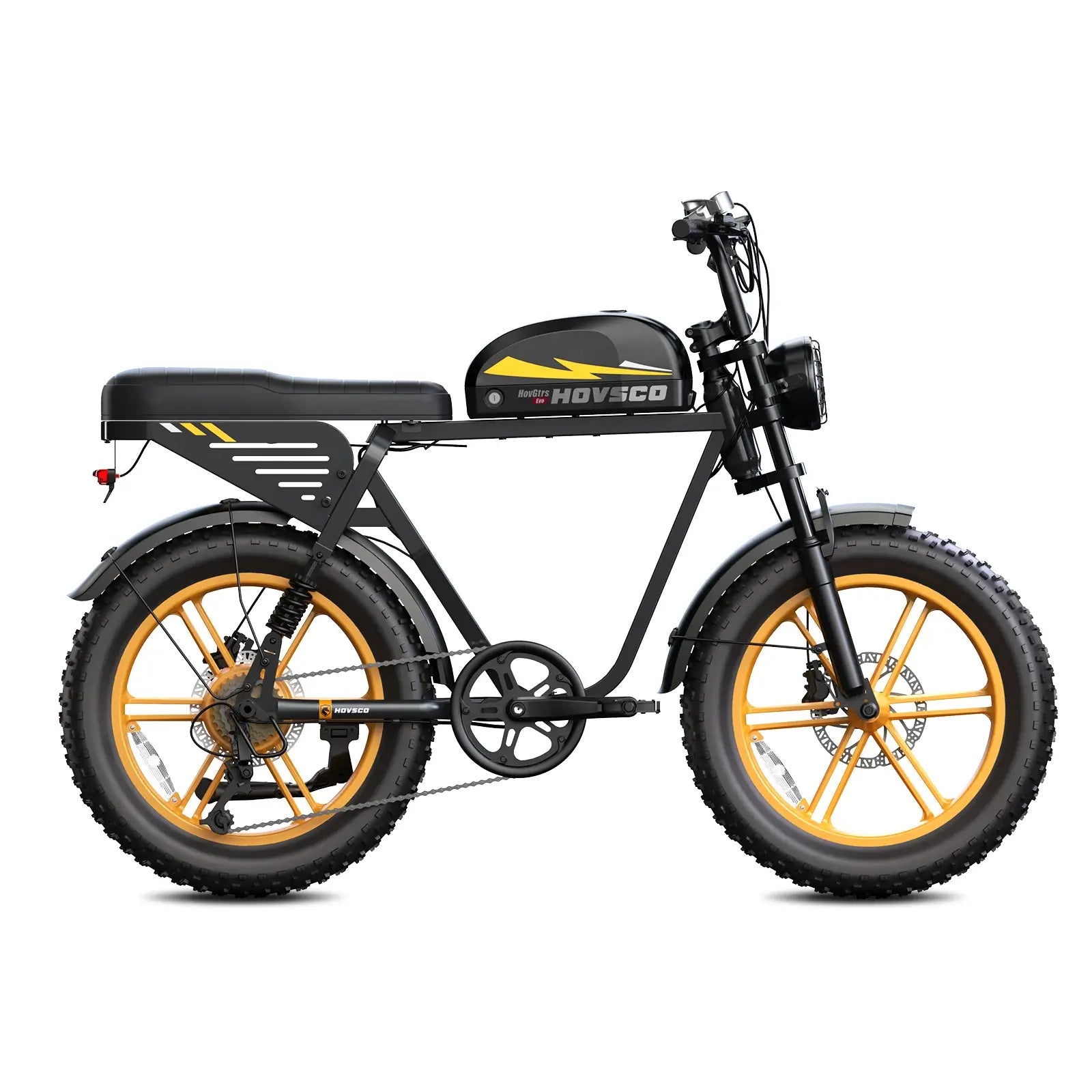
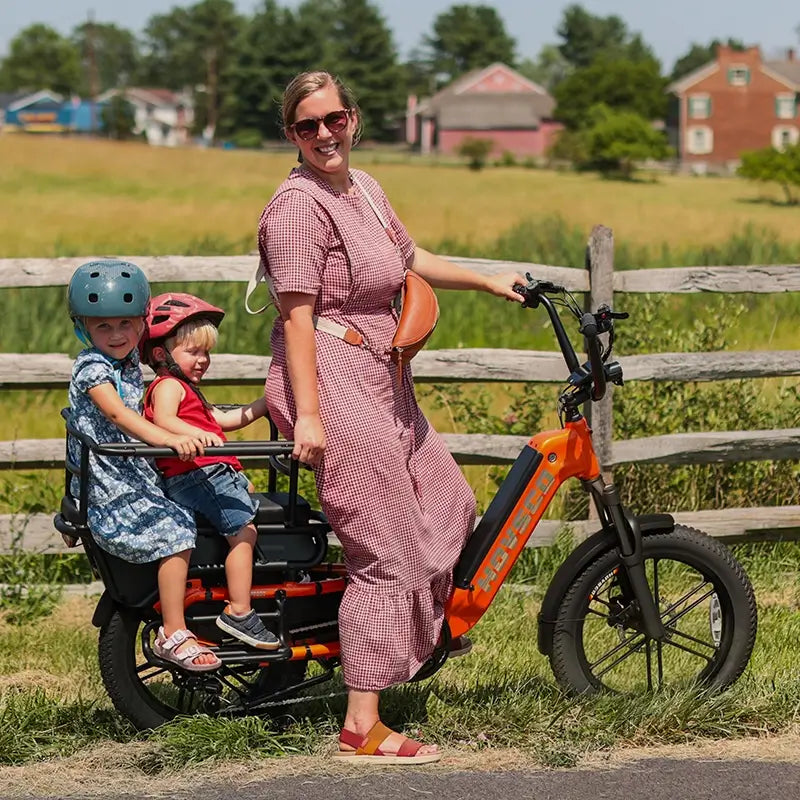
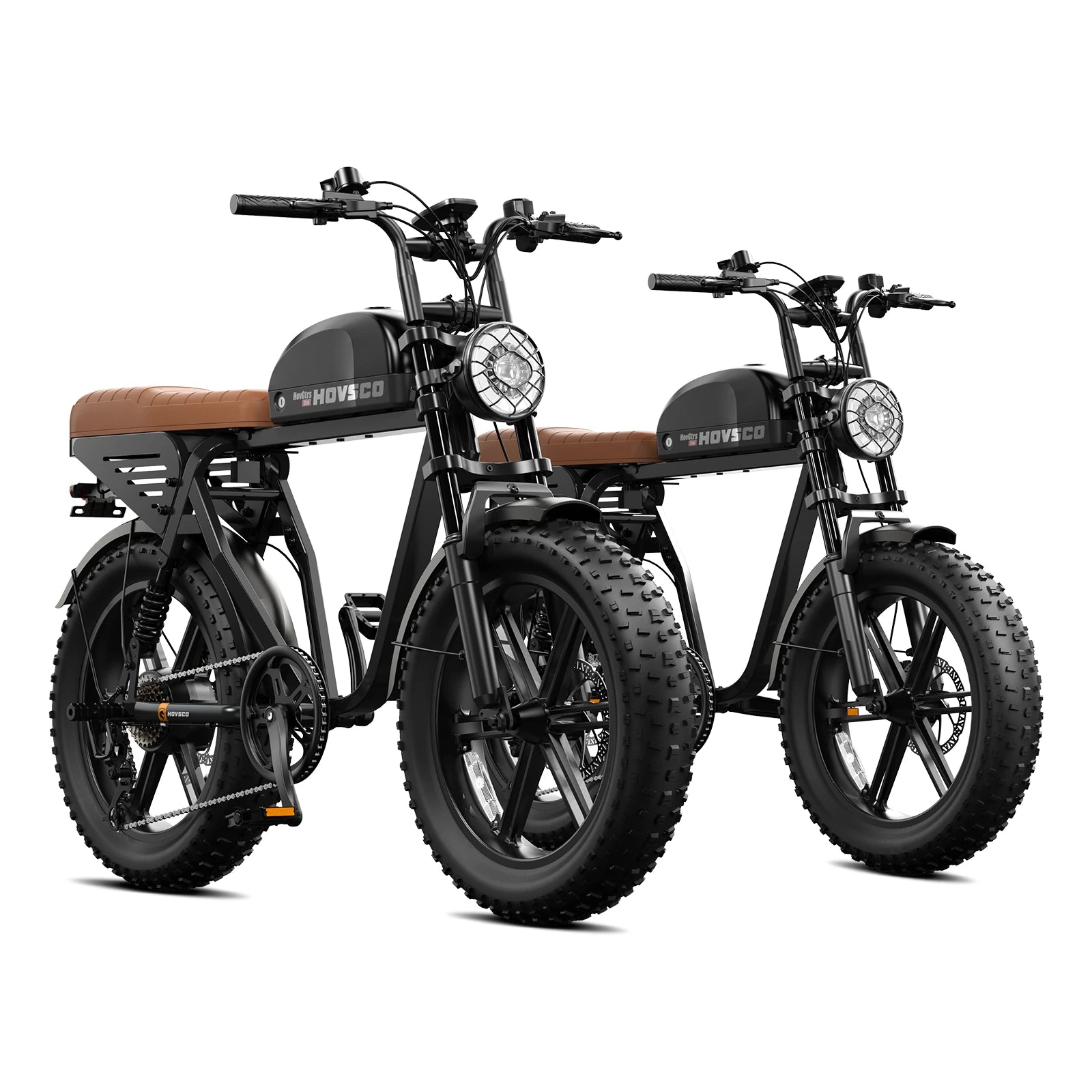
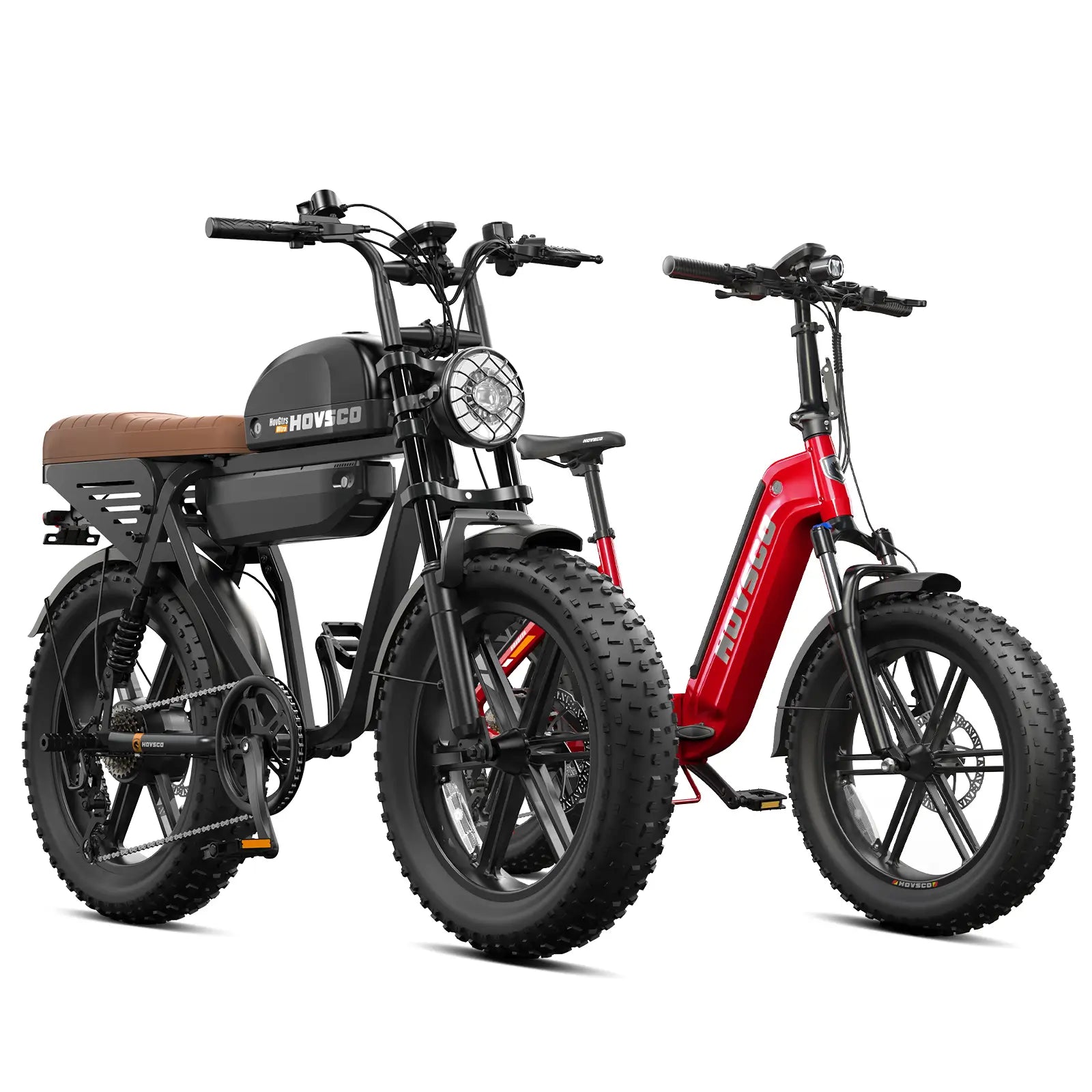
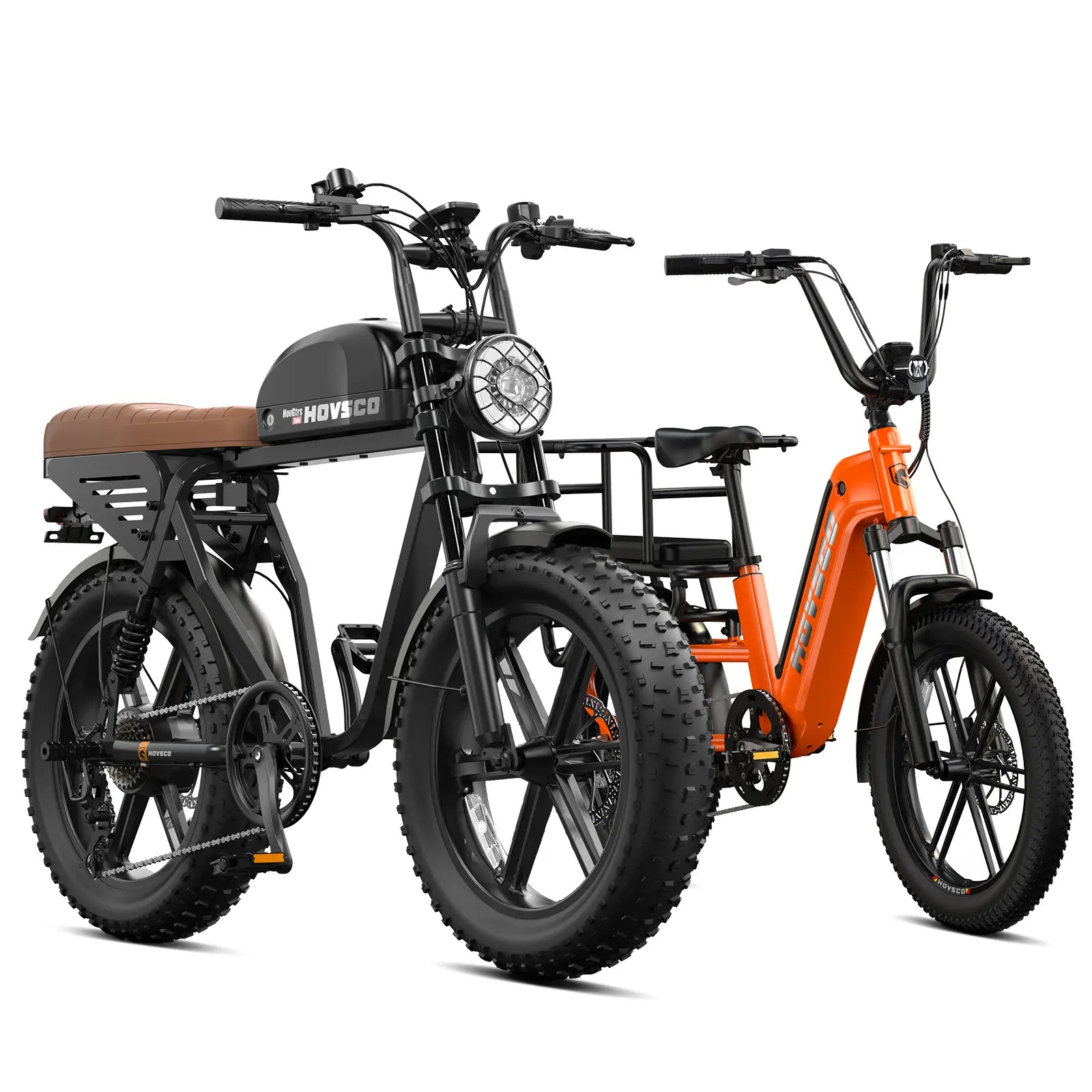
HOVSCO HovGtrs Moped-style E-Bike

MOTOR POWER

TOP SPEED

Payload Capacity

Range
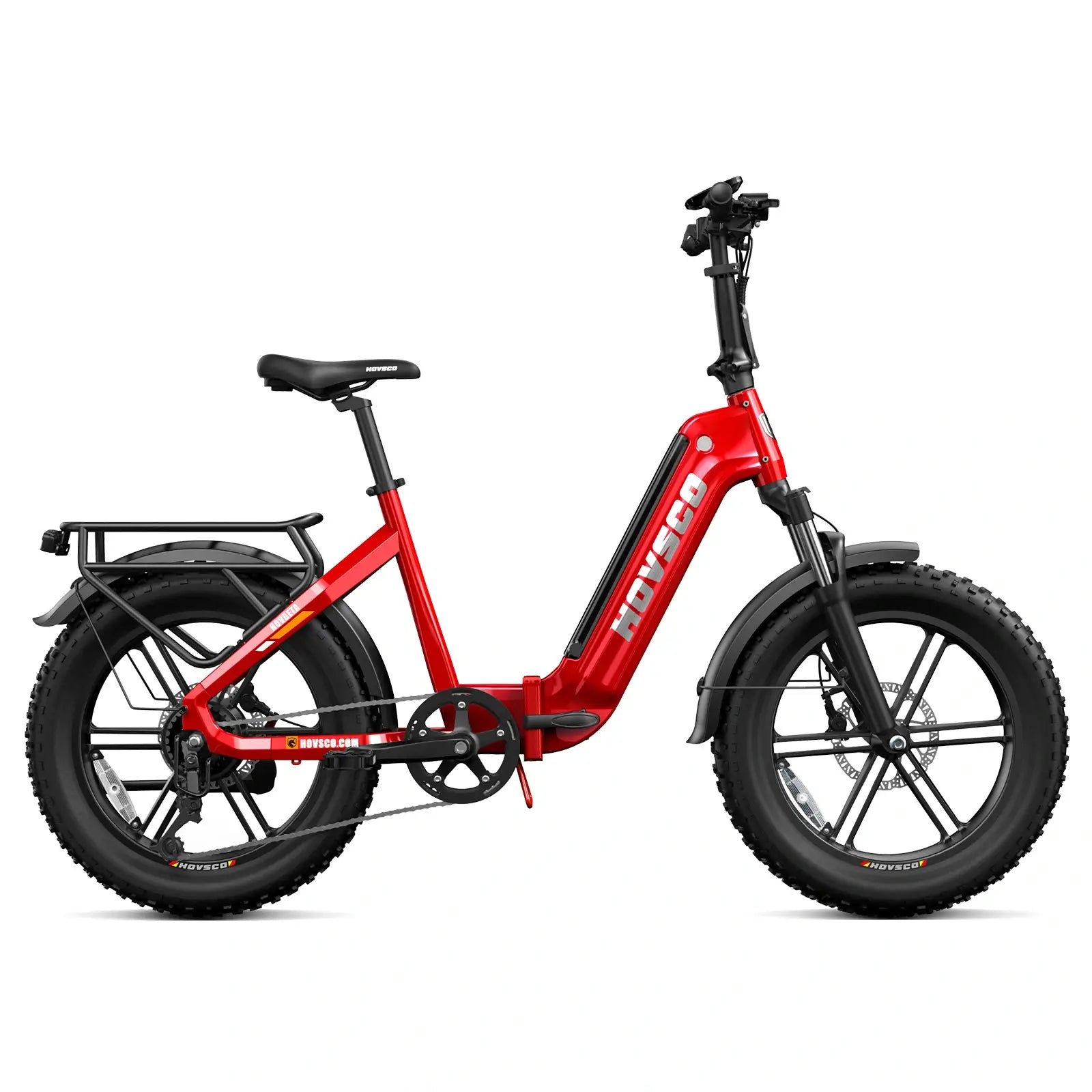
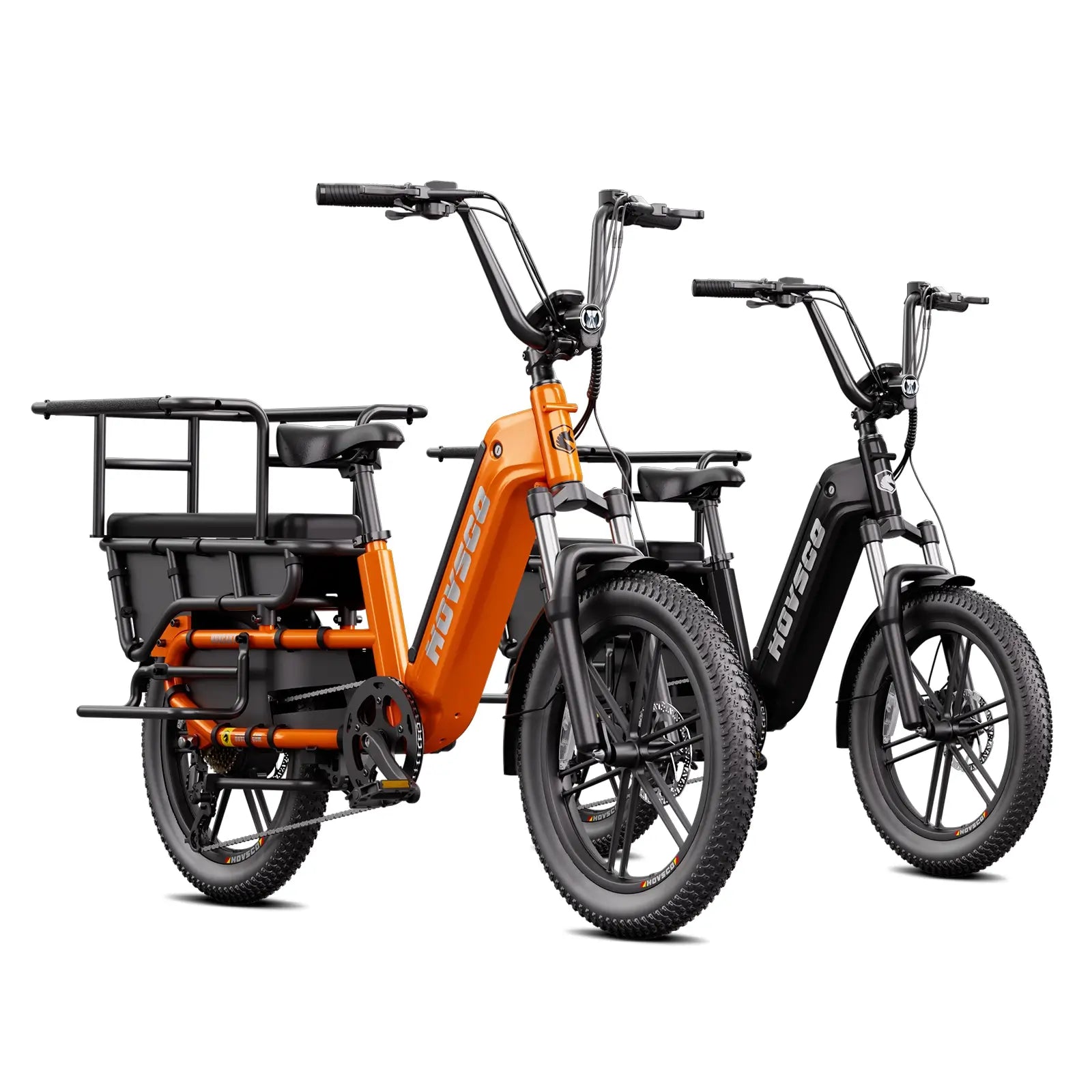
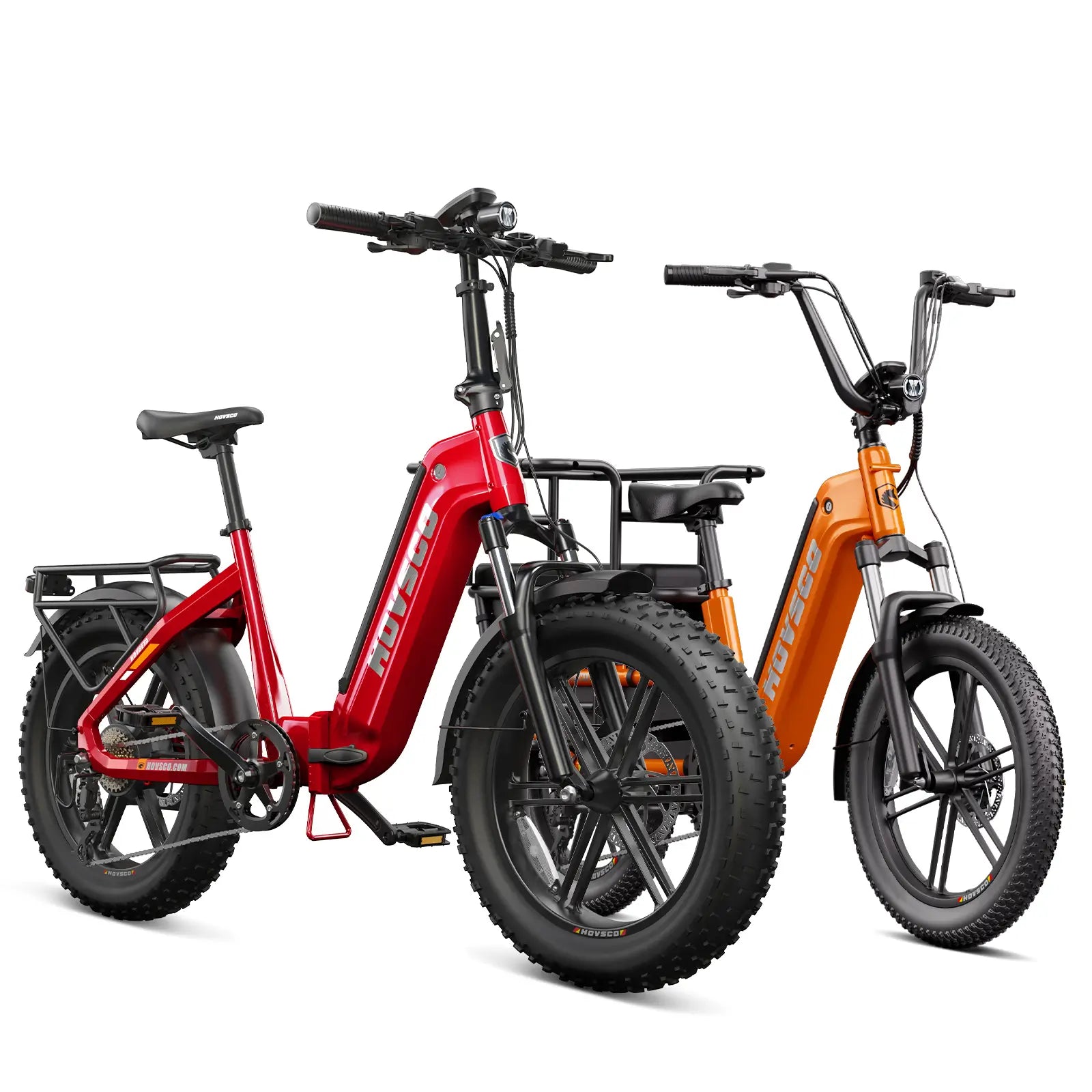
HOVSCO HovBeta Foldable E-Bike
Motor Power
Top Speed
Payload Capacity
Range
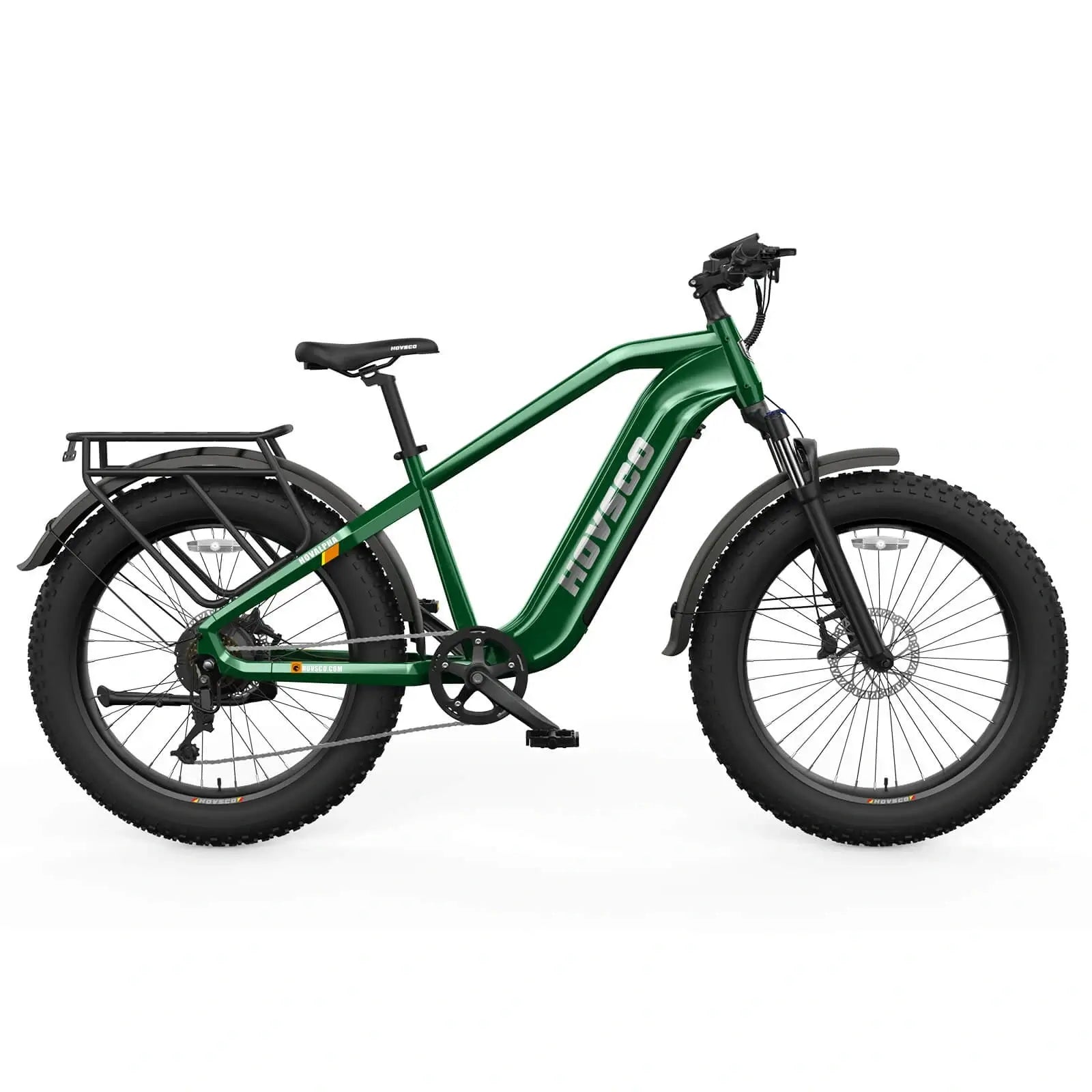
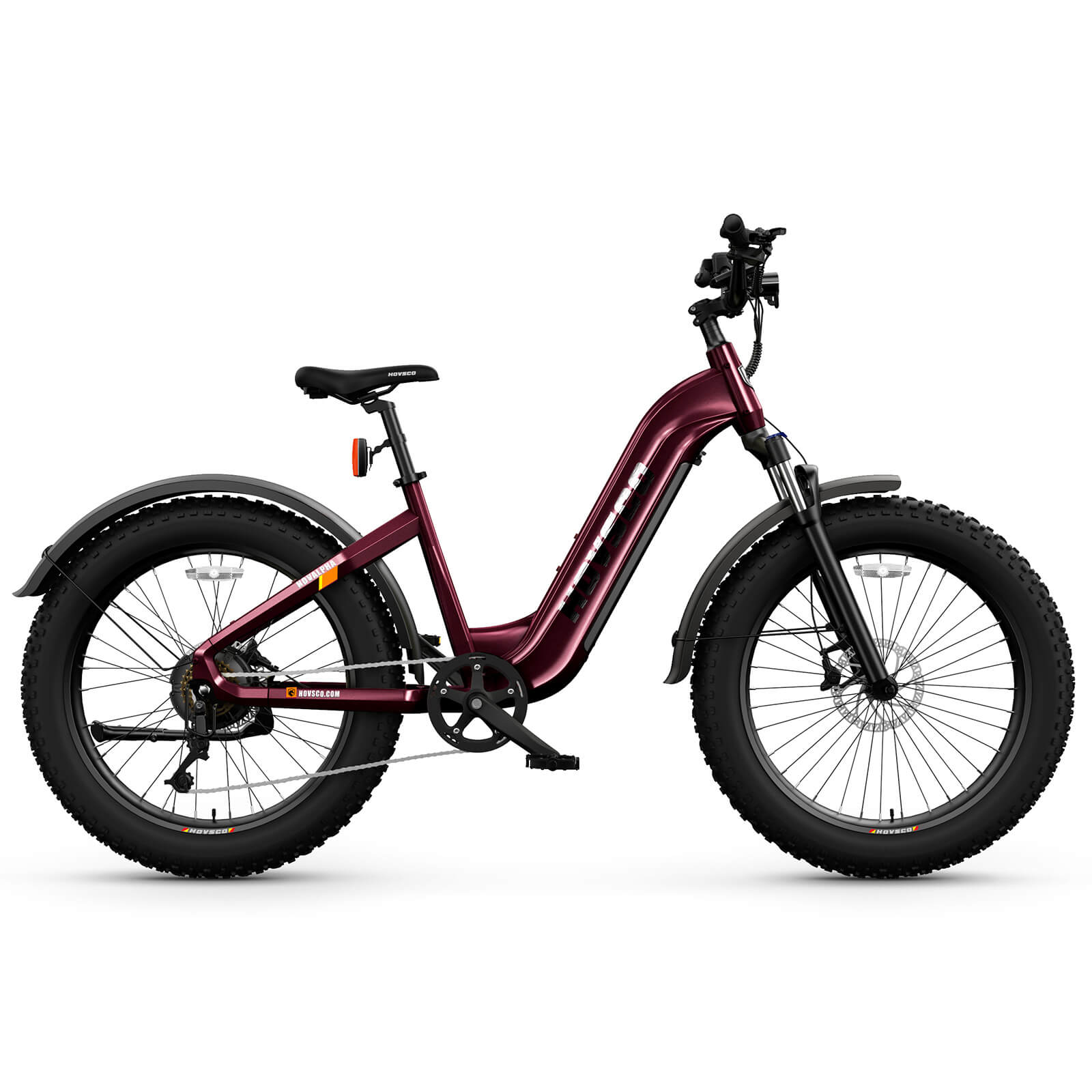
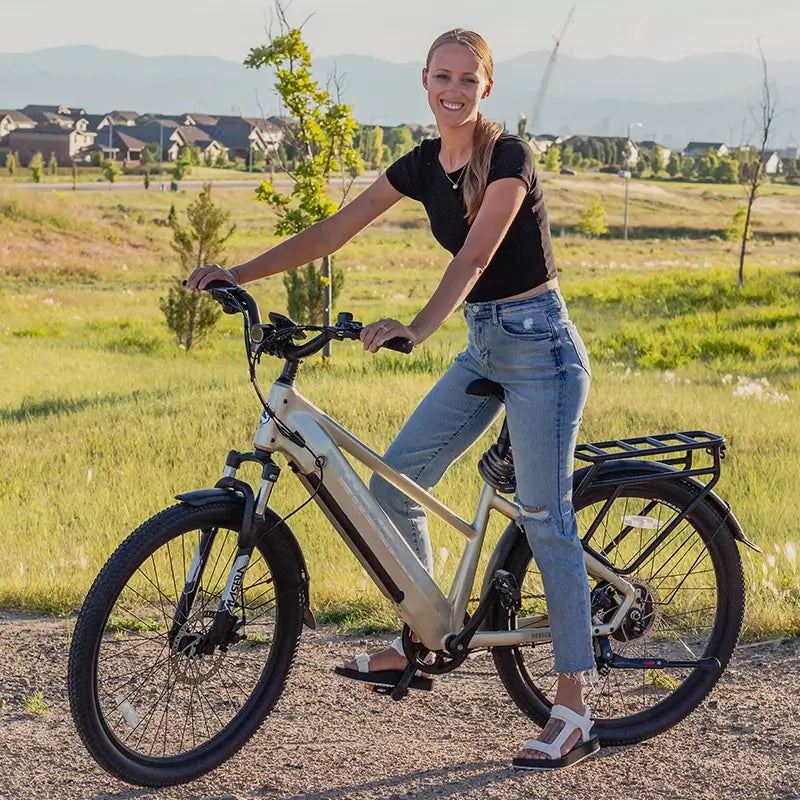
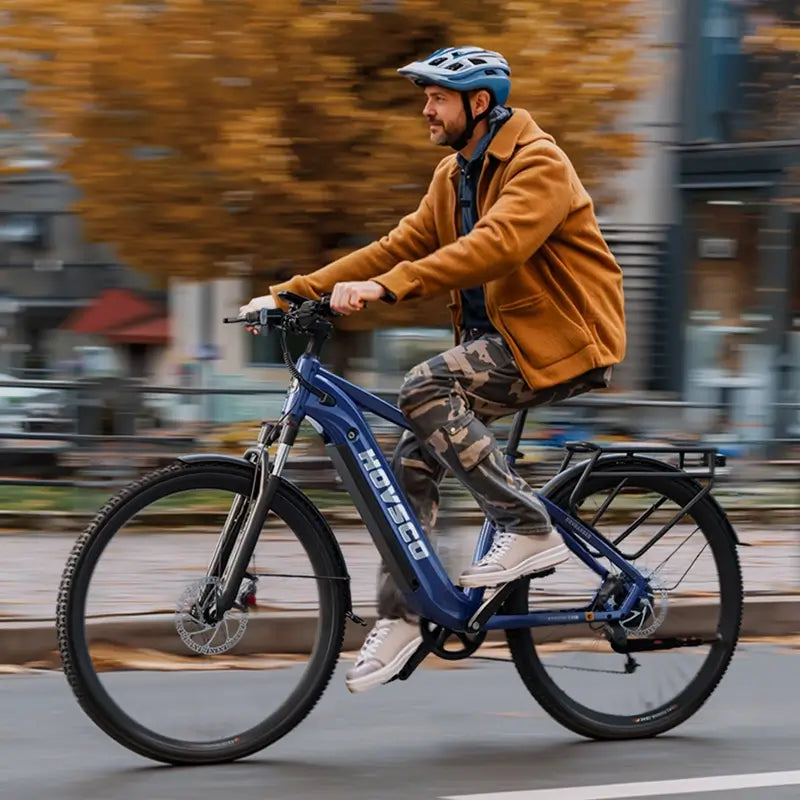
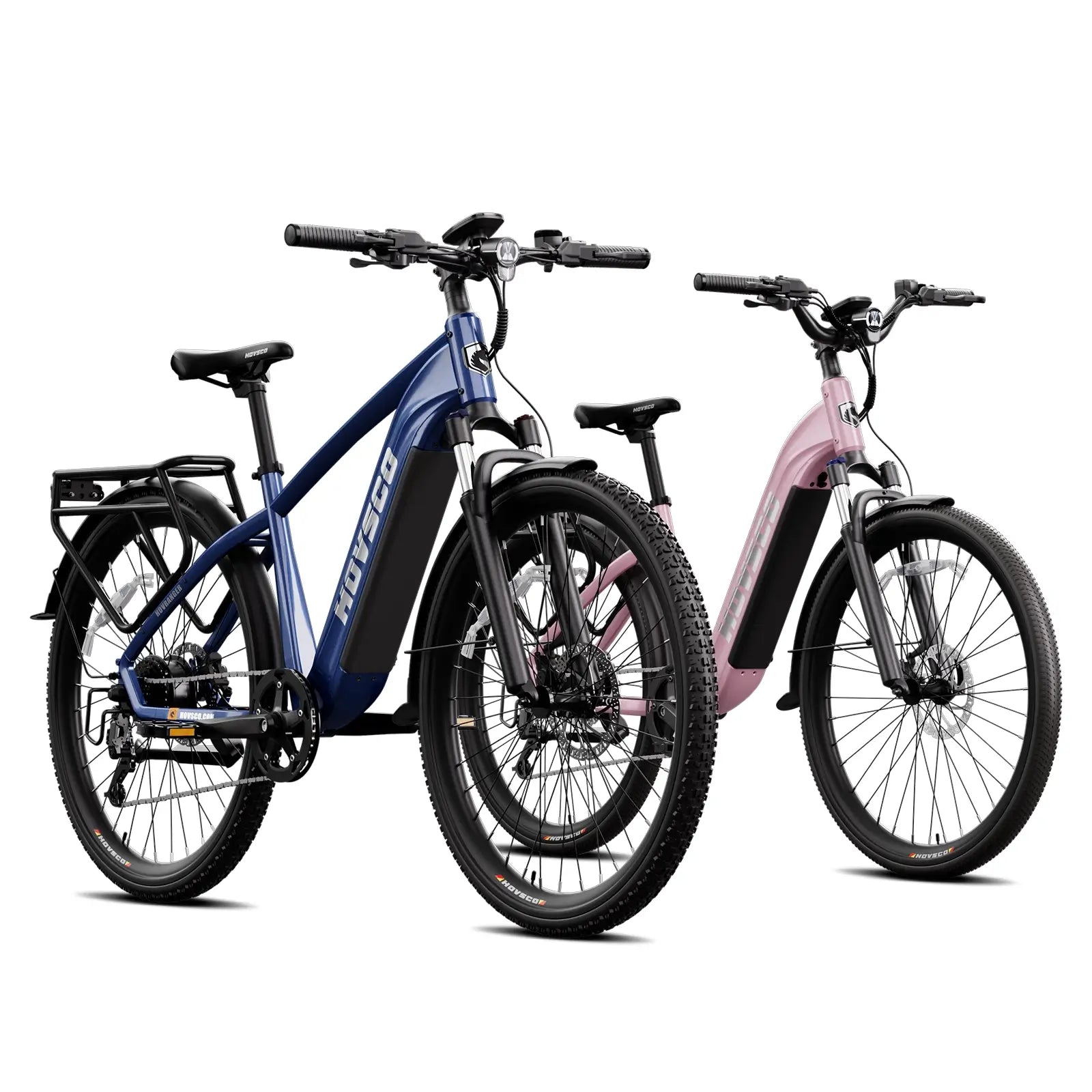
HOVSCO HovAlpha Long-Range E-Bike
1300W Peak
Top Speed
Payload Capacity
Range
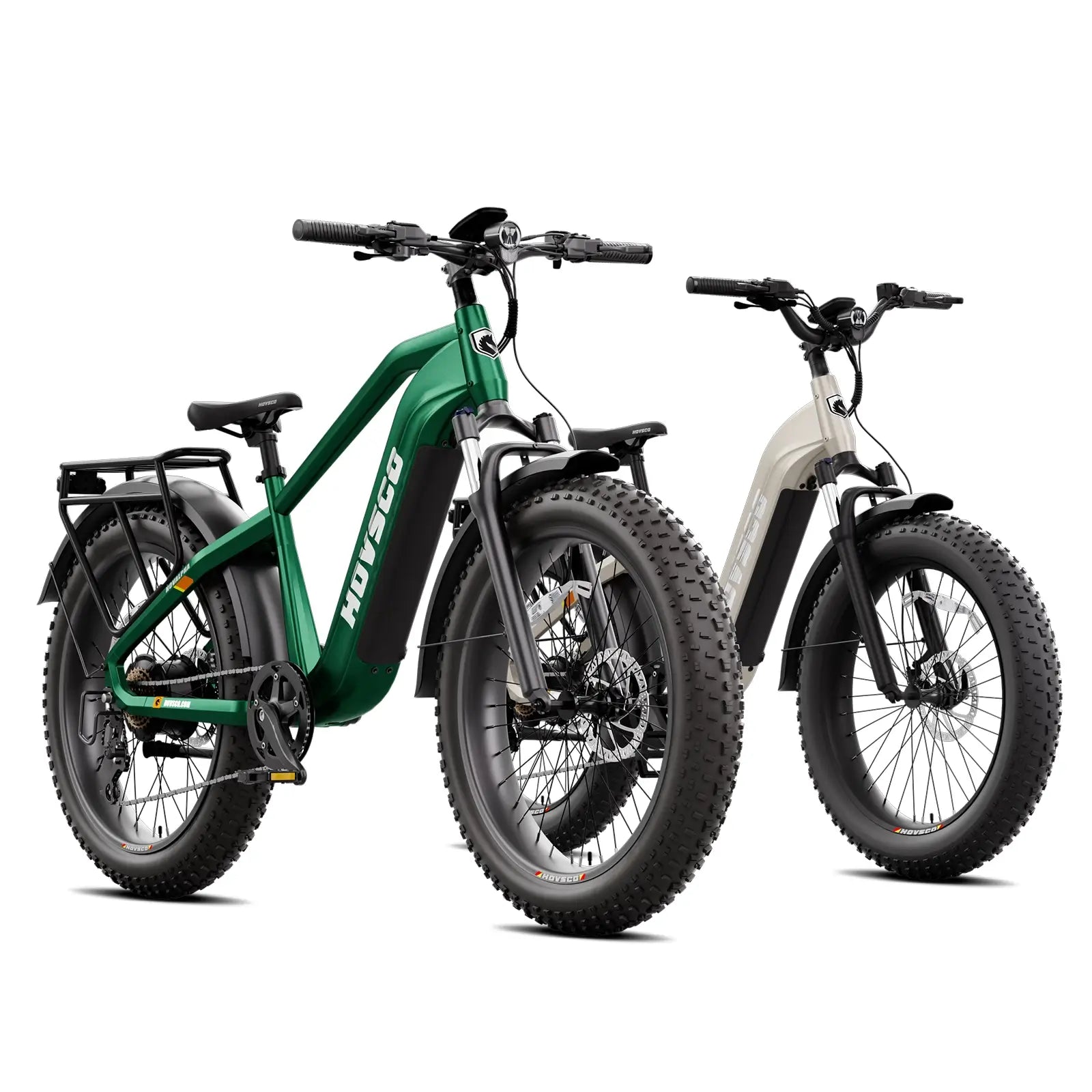
HOVSCO HovAlpha Long-Range E-Bike
1300W Peak
Top Speed
Payload Capacity
Range
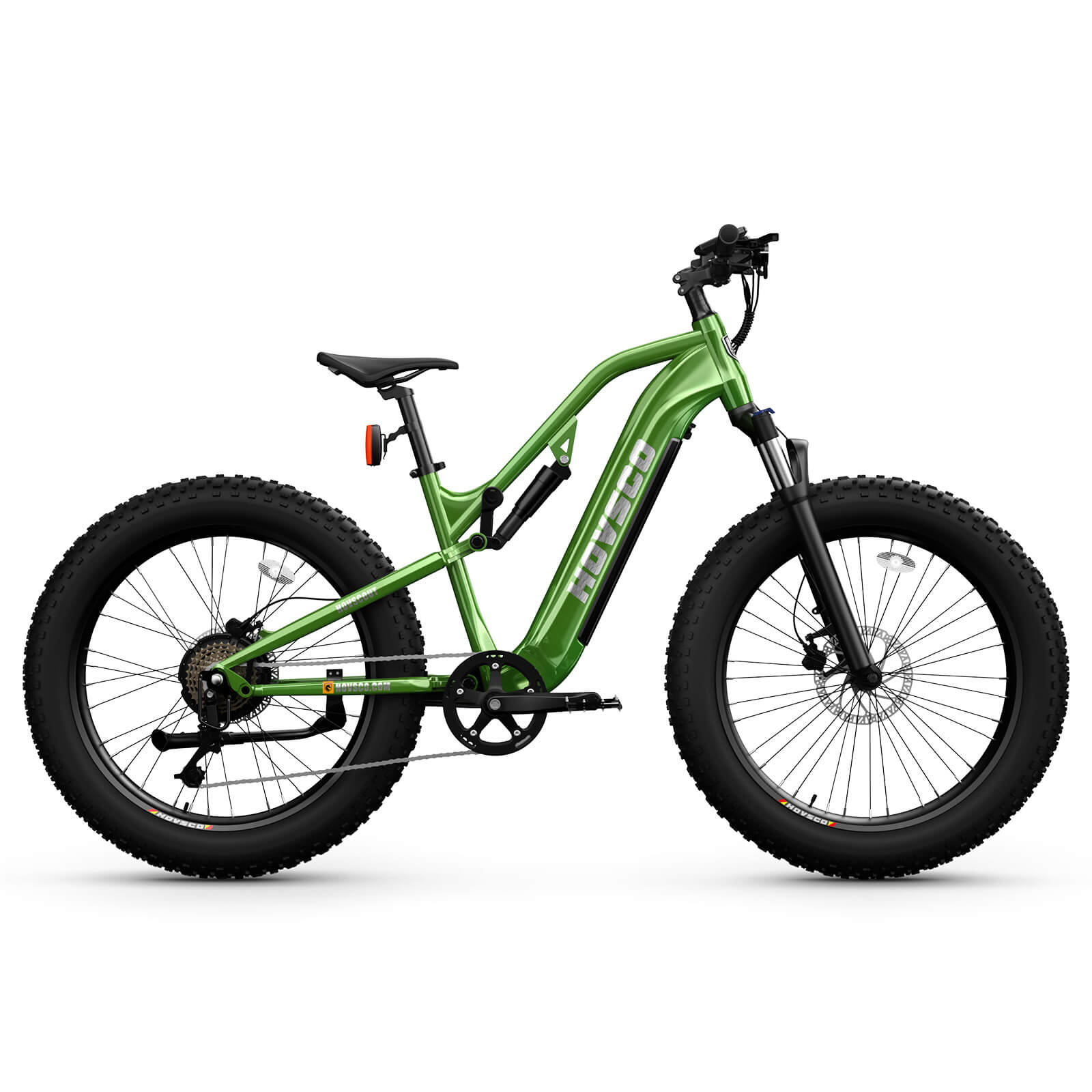
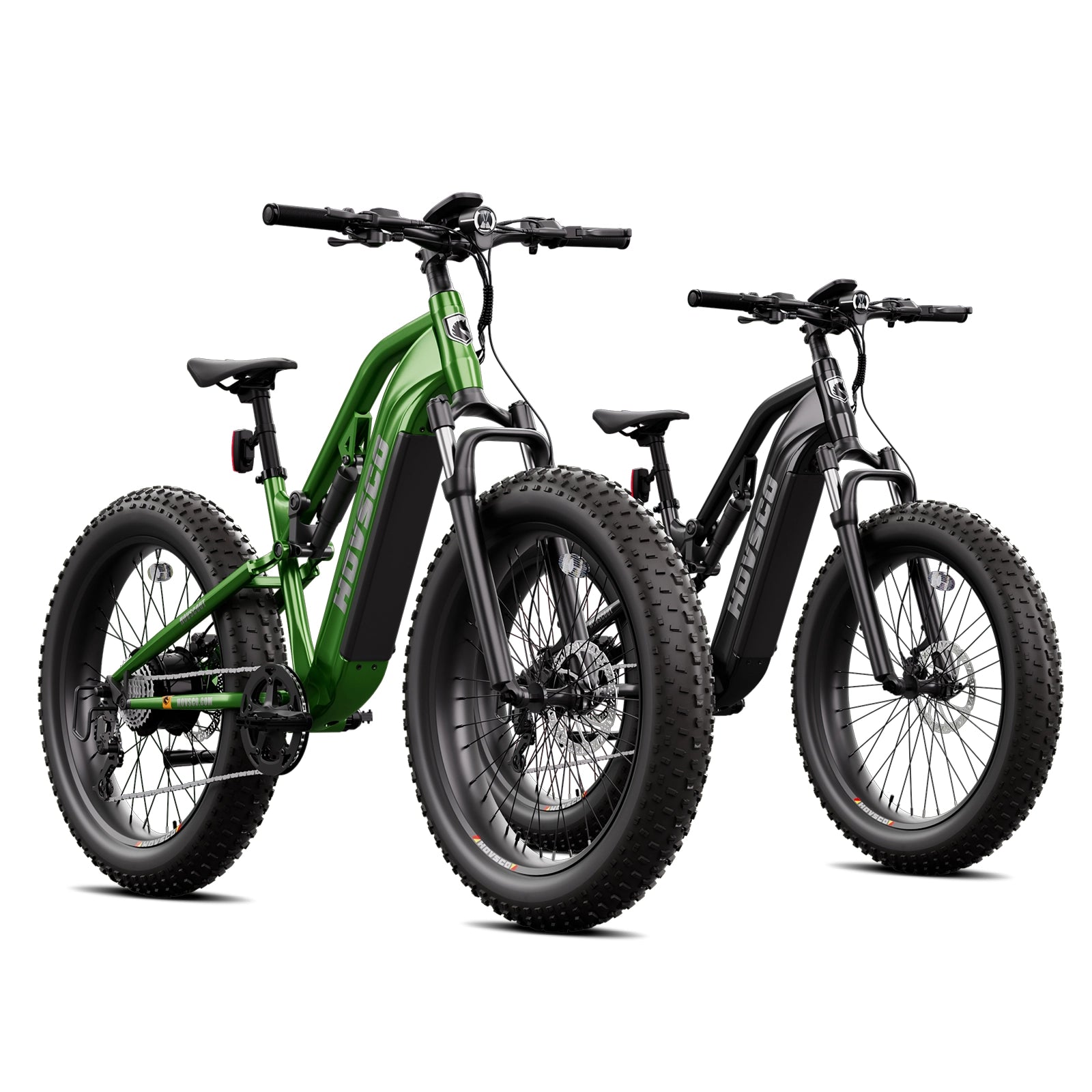
HOVSCO HovScout Full Suspension E-bike
1300W Peak
Top Speed
Payload Capacity
Range
Choose for the winter surface
Compare the folding format only after confirming cold-range reserve, tire guidance and a dry storage routine.
View HovBeta →Compare frame access and tire setup for packed snow and rutted routes. Do not treat the duplicated cards as separate model families.
View HovAlpha →Compare legal route access, low-speed steering, battery configuration and recovery from uneven winter surfaces.
Compare platforms →Separate snow traction from ice risk, then plan braking, range and maintenance.
An electric bike for snow should be selected for a defined winter surface, not simply because it has wide tires. Tire construction, approved pressure, rider technique, braking, temperature and route maintenance all affect control.
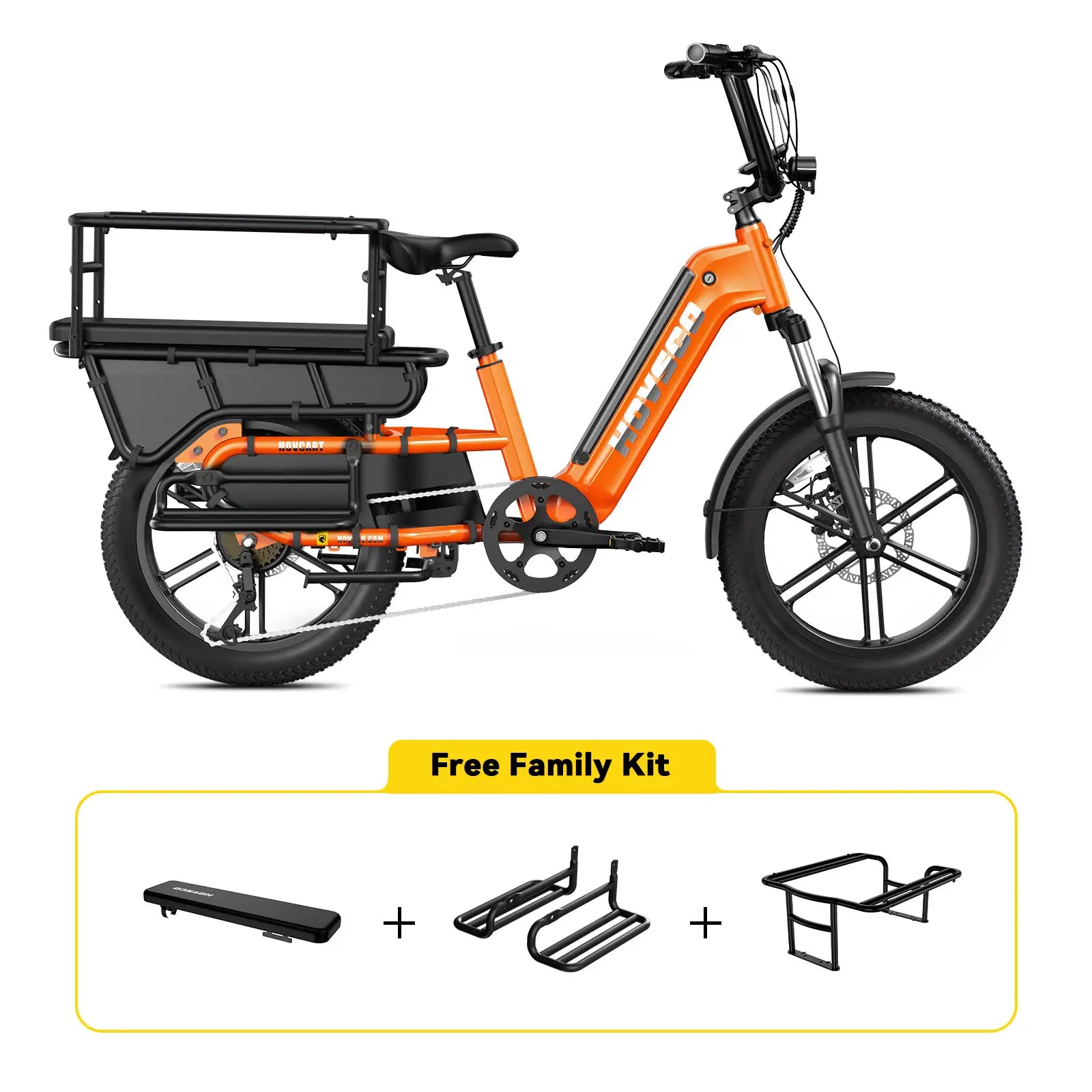
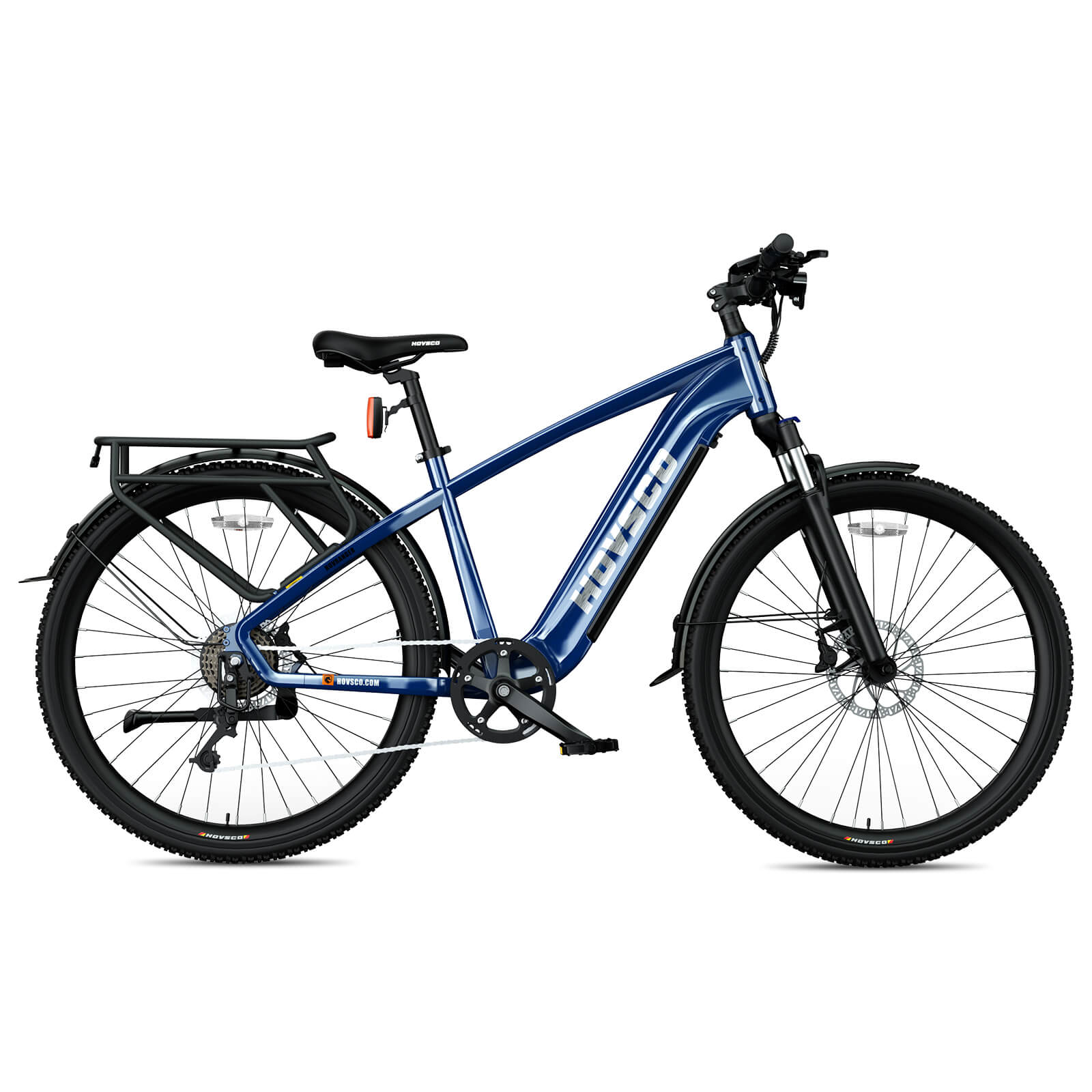
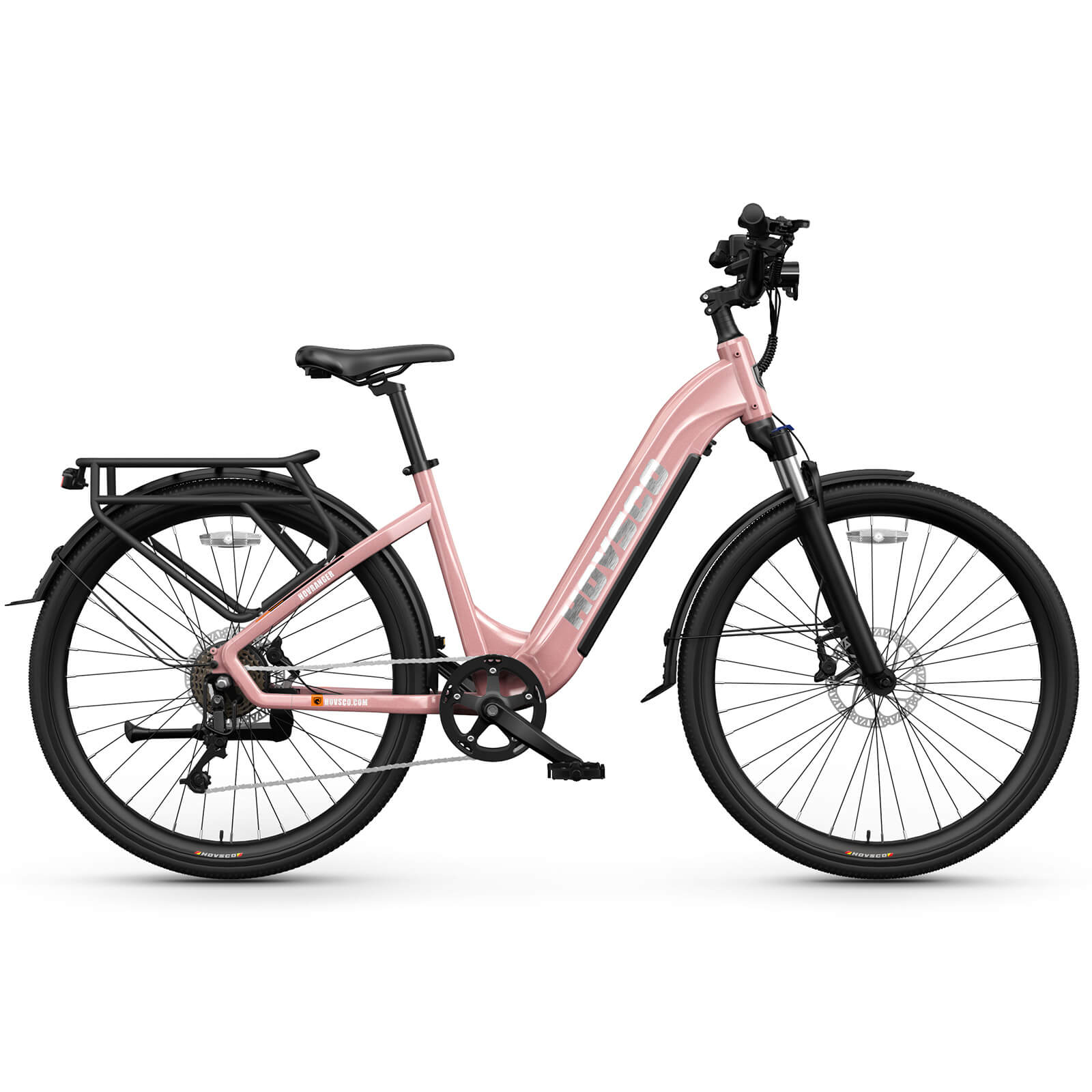
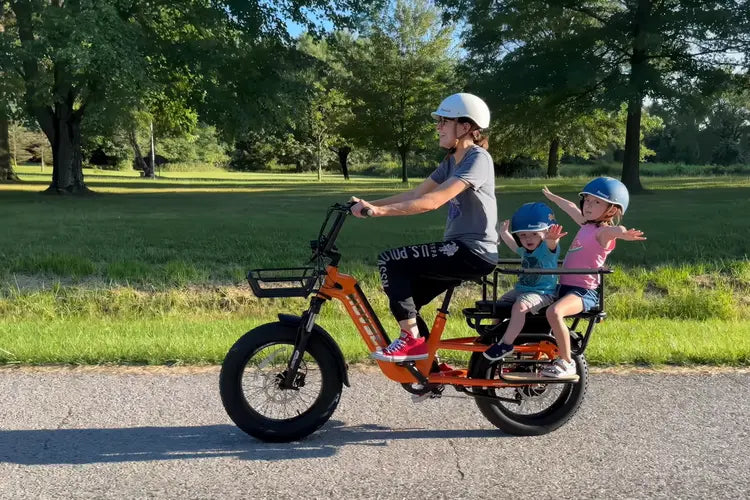
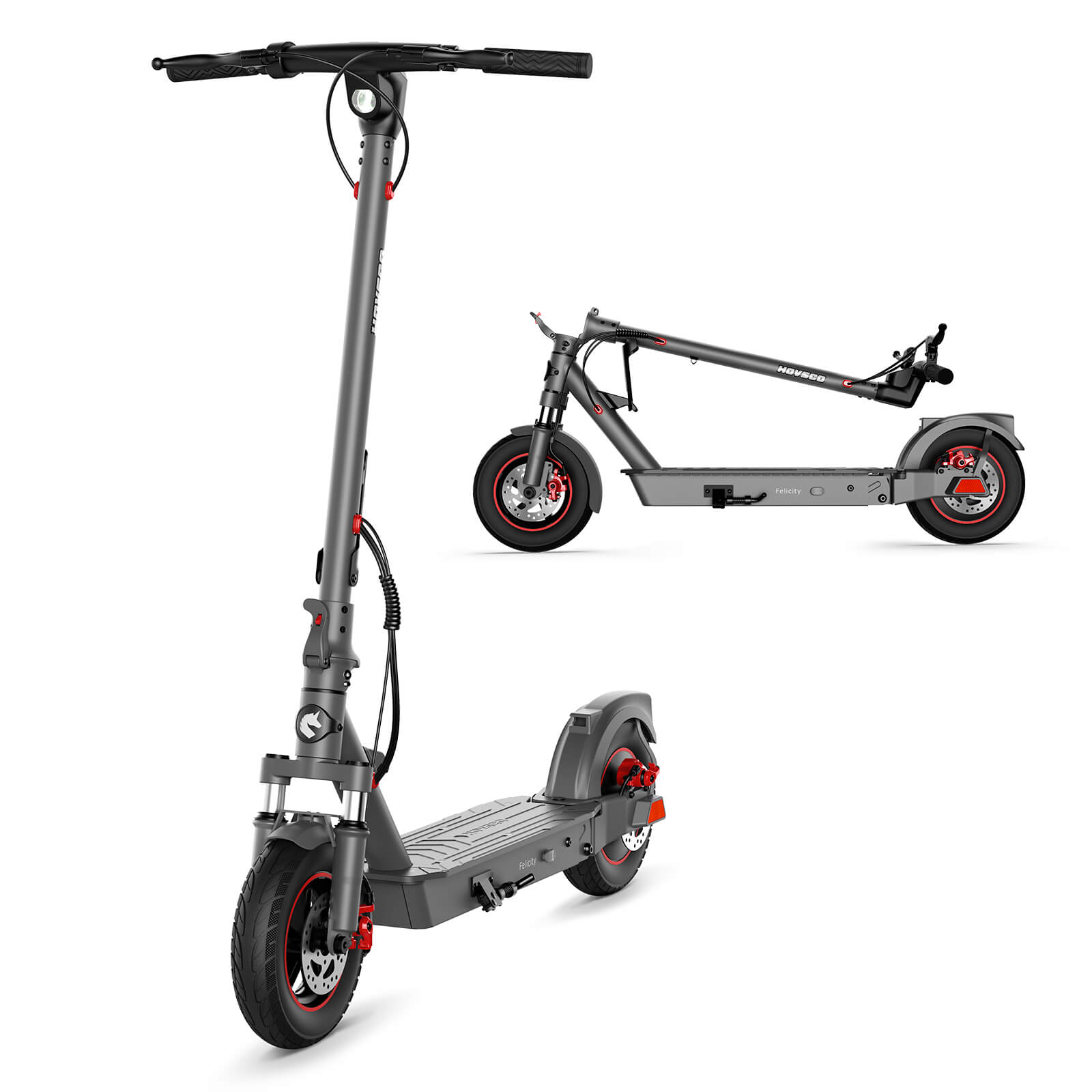
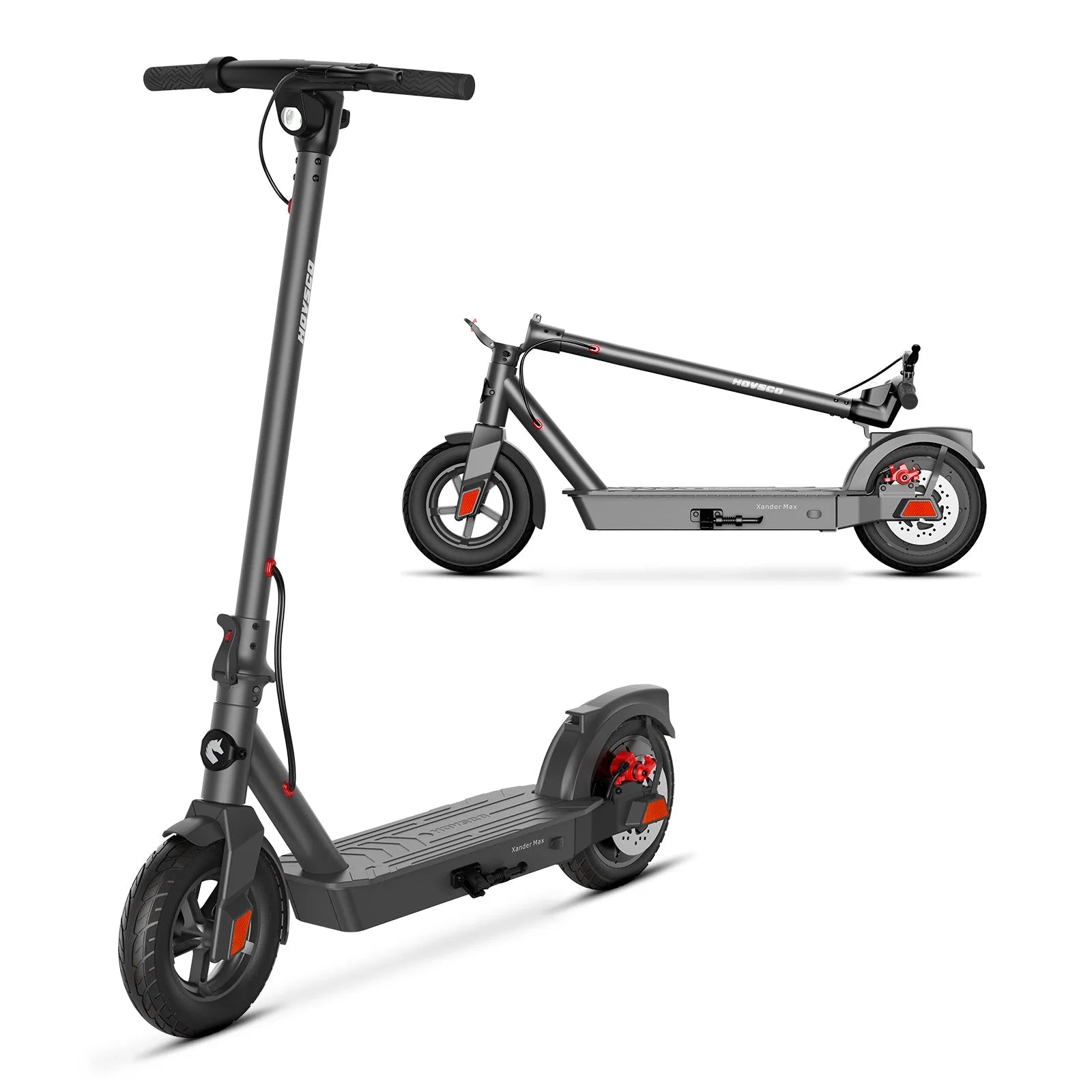
The current collection includes HovBeta, HovAlpha, HovGtrs and HovScout across five cards. This guide owns winter use; it does not replace the general long-range fat tire or sand-riding decisions.
Packed snow can provide a more consistent track than churned slush, but hidden ice and ruts still change steering and stopping. If the route is uncontrolled ice, postpone the ride or use equipment and access rules specifically approved for that condition.
Do not claim that fat tires eliminate slipping. Reduce speed, avoid abrupt steering and braking, and leave substantially more stopping room.
Lower pressure can change the contact patch, but it also changes handling and can risk rim or tire damage. Stay within the current tire and bike guidance for load and temperature.
Studded tires or other winter equipment must be compatible with the exact wheel, frame and local rules. Appearance alone does not prove compatibility.
Low temperature can reduce available battery energy and increase voltage sag. Begin with a healthy charged battery, shorten the planned route and keep a larger return reserve.
Store and charge the battery only within the manual's temperature limits. Never charge a battery that is wet, damaged or outside the approved charging temperature.
Use smooth inputs, keep the bicycle upright through uncertain patches and avoid hard acceleration while turning. Test braking at low speed in a controlled area before joining traffic.
For the brake component itself, visit hydraulic disc brake e-bikes; this page remains focused on winter conditions.
After the ride, follow current cleaning instructions, dry the bike and inspect brakes, drivetrain, connectors and fasteners. Road salt and dirty meltwater should not remain on components.
Do not spray high-pressure water at bearings or electrical areas. Have damage or abnormal battery behavior inspected before the next ride.
A bike that can physically cross snow may still be prohibited on a trail, road or seasonal route. Check the land manager and current local rules before departure.
Published range and product capability are not permission to enter closed winter areas.
Questions before you choose
They can provide a useful contact patch on some packed or loose snow, but tire width does not guarantee grip. Surface, pressure guidance, speed, braking and rider control still matter.
Uncontrolled ice creates a high fall risk. Postpone the ride or use only compatible equipment and techniques approved for the exact conditions, bike and local access rules.
Yes. Low temperature can reduce available battery energy. Shorten the planned route, keep a larger return reserve and follow the manual's storage and charging temperature limits.
Only within the current manufacturer and tire guidance for the rider, load and conditions. Excessively low pressure can damage the tire or rim and alter control.
Follow the current cleaning instructions, remove salt and dirty meltwater gently, dry the bike and inspect brakes, drivetrain, connectors and fasteners. Avoid high-pressure water.
The collection currently contains HovBeta, HovAlpha, HovGtrs and HovScout across five product cards. HovAlpha appears through multiple frame entries.