






![[ New Arrival ] Porto Max Electric Scooter For Commute & Grocery Shopping - HOVSCO](http://www.hovsco.com/cdn/shop/files/PotroMax-3.jpg?v=1706927007&width=1200)
- by SEO
Why is 2026 the Pivotal Year for E‑Bike Battery Safety?
- by SEO
E-Bikes
Accessories
 Free Shipping
 15-Day Returns
 2-Year Warranty
Free Shipping
15-Day Returns
2-Year Warranty
2-Year Warranty
Free Shipping
15-Day Returns
2-Year Warranty
Global e‑bike brands face a permanent shift in May 2026 as regulators enforce strict new “Battery Safety & Certification” mandates in major markets. With reported lithium‑ion battery fires up 147% over the past three years, the UK, US, and EU now require all e‑bikes sold online to use certified “Fire‑Safe” battery management systems (BMS) and properly tested lithium‑ion packs. Non‑compliant models are being delisted from major marketplaces, and standards like UL 2849 have become the new baseline for legal sales instead of optional marketing flair.
Over the past three years, lithium‑ion battery fires have risen 147%, with e‑bikes now linked to roughly one‑third of all incidents in the UK and other major cities. This trend has pushed fire departments, insurers, and regulators to tighten oversight, treating uncertified or poorly protected lithium‑ion batteries as a serious fire‑prevention risk rather than a niche technical issue.
In response, national and local authorities now demand certified batteries and Fire‑Safe BMS systems, especially for e‑bikes sold through online platforms. Brands that fail to meet these fire‑prevention regulations can expect product recalls, delisting from marketplaces, and exclusion from safety‑focused rebate programs.
In 2026, Battery Safety & Certification means every e‑bike battery must pass rigorous third‑party tests for lithium‑ion safety, including resistance to overcharge, short circuits, impact, and extreme temperatures. Buyers should look for clear labels such as UL 2849, UL 2271, or equivalent regional certifications on the battery, charger, or packaging.
Certification also implies that the battery management system (BMS) has been validated for thermal runaway prevention, cell‑balancing, and automatic shutdown during faults. When shopping, checking these certified batteries and Fire‑Safe BMS claims helps distinguish genuinely safe e‑bikes from unregulated models that may carry hidden lithium‑ion safety risks.
UL 2849 is the primary fire‑prevention regulation standard for e‑bike electrical systems in the US and increasingly in other markets. It covers the full electrical chain—battery, BMS, motor, charger, wiring—evaluating risks of electric shock, overheating, and fire during real‑world use.
In 2026, many jurisdictions now require UL 2849 certification for all new e‑bike batteries sold online, with some cities accepting related standards like UL 2271 or UL 62133 as alternatives. Compliance is verified by an accredited lab, and the brand must display the certification logo on the battery, e‑bike, or at point‑of‑sale documentation.
A Fire‑Safe BMS monitors cell voltages, temperature, and current in real time and can cut power before a lithium‑ion cell enters thermal runaway. After a sharp rise in lithium‑ion battery fires, regulators see certified BMS technology as the most effective fire‑prevention layer built into the battery itself.
New fire‑prevention regulations in the UK and US now treat a robust BMS as a non‑negotiable requirement, especially for integrated or removable lithium batteries. Without a Fire‑Safe BMS, e‑bike batteries are considered high‑risk and may be blocked from sale on major platforms or in public‑housing and rental programs.
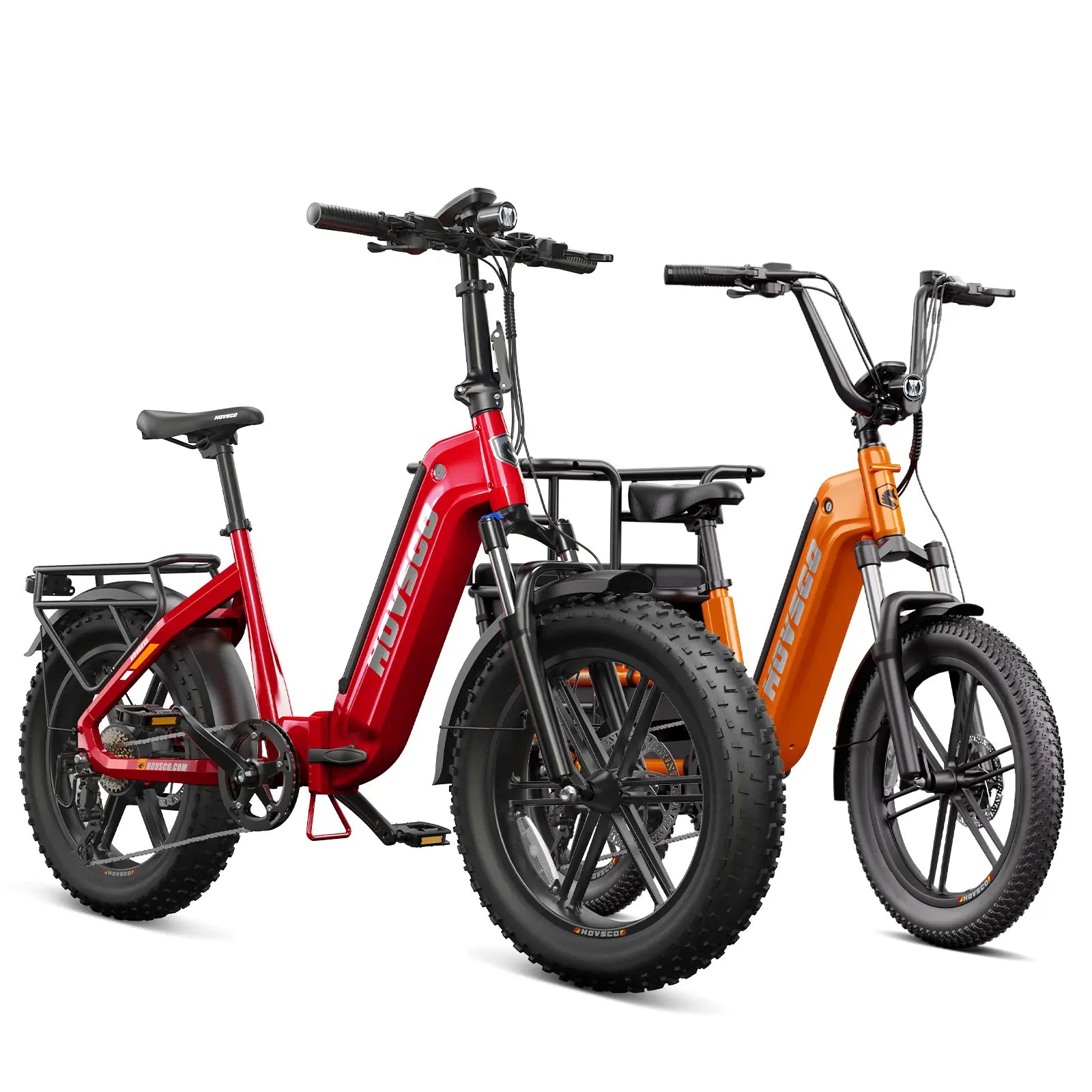
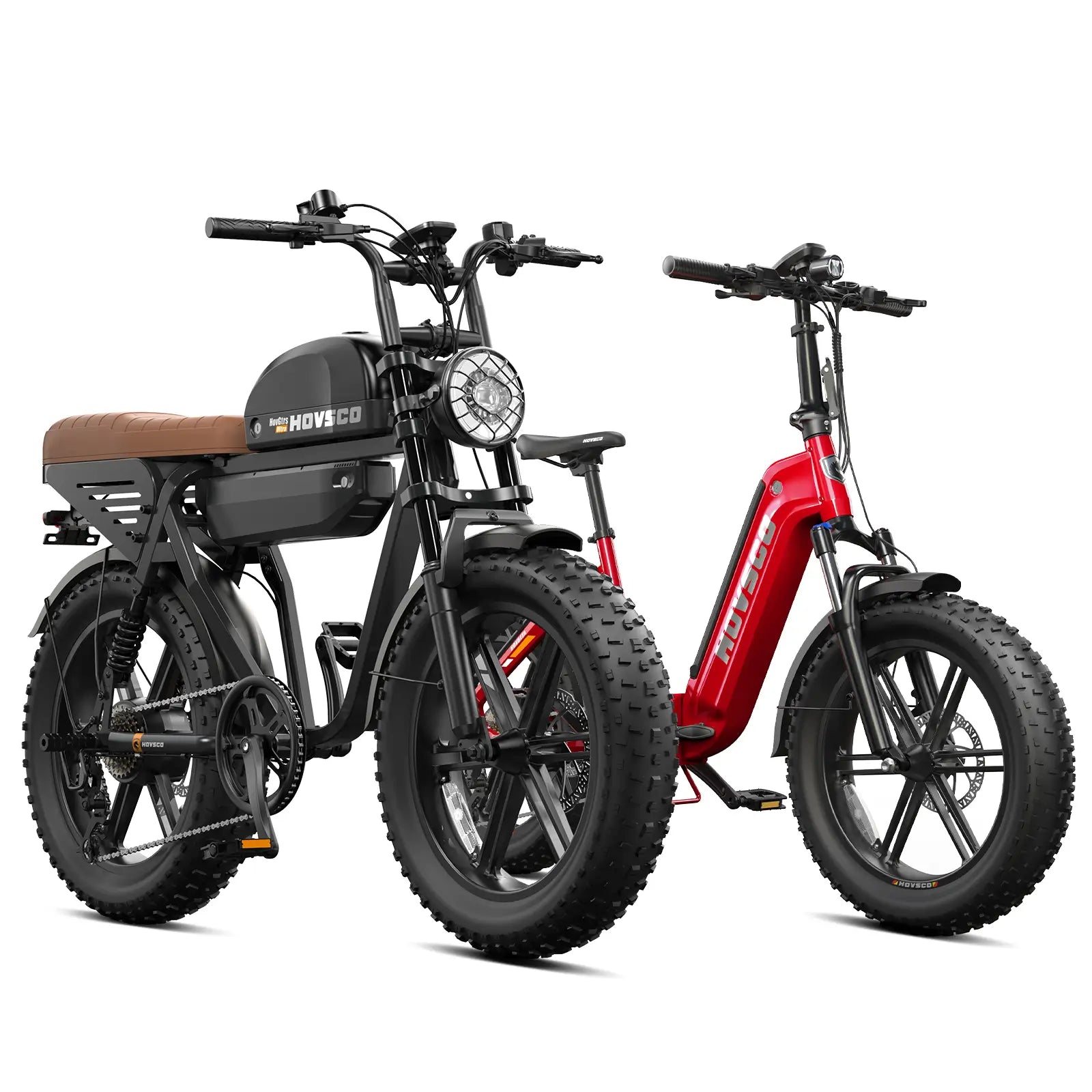
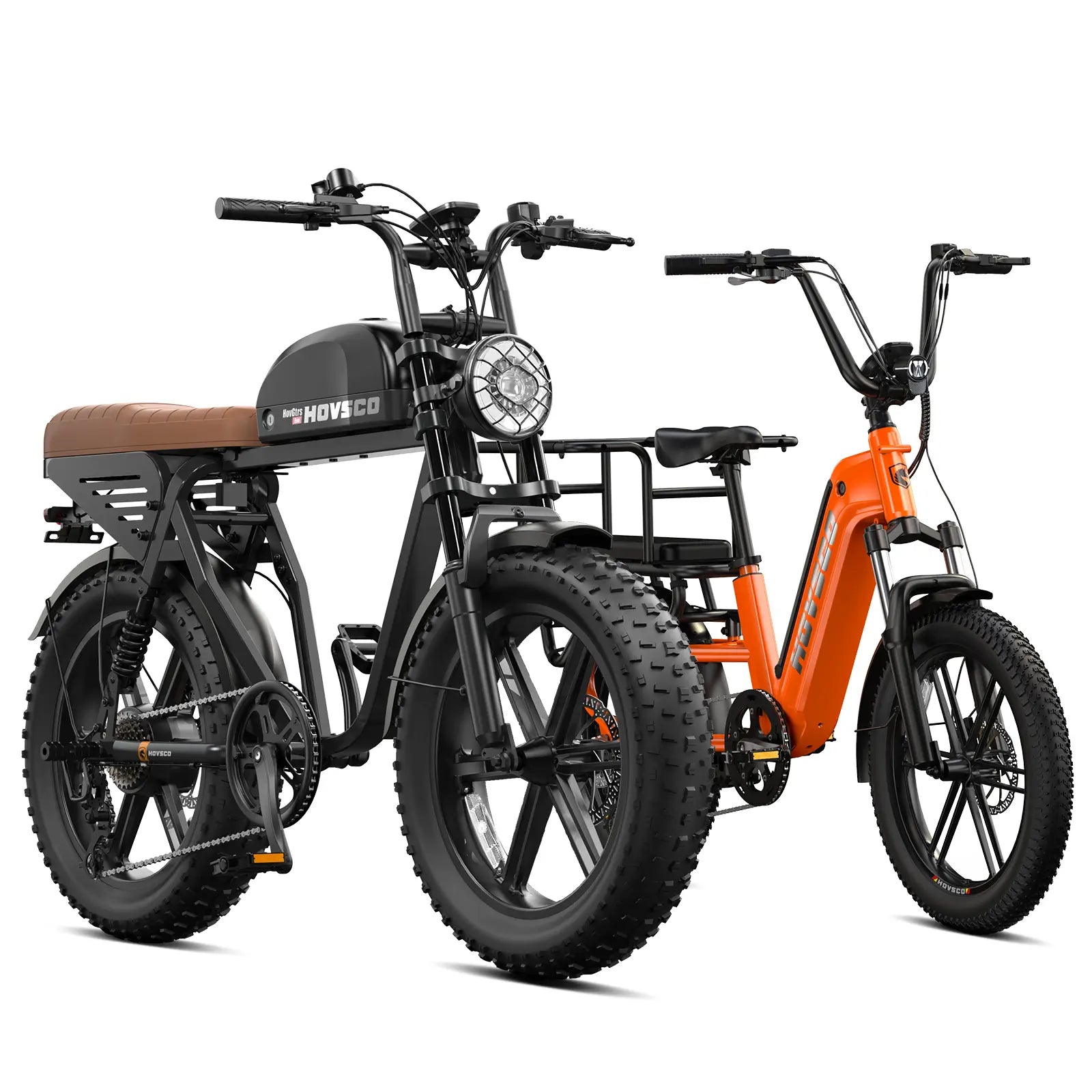
HOVSCO has long prioritized lithium‑ion safety by designing foldable and integrated‑battery e‑bikes with removable, high‑grade lithium‑ion packs and advanced BMS architecture. In 2026, the brand is aligning its battery systems with UL 2849‑style testing and clearly labeling certified batteries on models sold in the US and EU markets.
HOVSCO’s approach ensures that its Fire‑Safe BMS covers overcharge, over‑discharge, short‑circuit, and temperature thresholds, while also meeting evolving fire‑prevention regulations in California and similar regions. This strategy helps the brand maintain strong presence on major marketplaces and qualify for local safety‑linked incentives.
To confirm a Fire‑Safe BMS, riders should first check for a UL 2849, UL 2271, or equivalent certification mark on the battery, charger, or in the product specs. The brand’s website or manual should explicitly state that the battery system is “certified” or “complies with UL 2849 fire‑prevention regulations.”
Second, look for language about multi‑stage BMS protection, such as cell‑voltage monitoring, temperature sensors, and automatic shutdown during faults. If a seller only mentions “high‑quality lithium‑ion” without clear certified batteries labels or UL‑style approvals, it may fall short of the latest lithium‑ion safety mandates.
Uncertified lithium‑ion batteries often lack proper BMS logic, robust cell grading, or protection against overcharge, short circuits, and mechanical abuse. This raises the odds of thermal runaway, which can cause fast‑spreading fires that are difficult to extinguish and especially dangerous in homes or apartments.
In 2026, riders using uncertified packs may also face rental bans, insurance issues, and even liability if a battery fire is traced back to a non‑compliant unit. Choosing certified batteries and Fire‑Safe BMS‑equipped e‑bikes significantly reduces these lithium‑ion safety and fire‑prevention risks.
Major online marketplaces are now delisting e‑bikes that lack Fire‑Safe BMS or clear UL 2849‑style battery certifications amid the global surge in lithium‑ion battery fires. Sellers must upload test reports or certification labels as part of their compliance checklist, or risk being flagged for non‑compliance with fire‑prevention regulations.
Platforms also increasingly favor brands that proactively showcase certified batteries and integrated safety features in product descriptions and images. For brands like HOVSCO, this enforcement wave reinforces the need to highlight UL 2849‑aligned systems and safety‑focused design on every product page.
In 2026, UL 2849 is no longer a marketing “bonus” but a legal necessity for selling e‑bikes in key markets like the US and EU. By prominently displaying UL 2849 certification on product pages, brands signal compliance with fire‑prevention regulations and reassure both regulators and consumers that their lithium‑ion safety claims are independently verified.
Clear labeling also helps buyers filter listings by certified batteries and Fire‑Safe BMS, which impacts conversion rates on platforms that now prioritize safety‑compliant models. For fast‑growing brands like HOVSCO, integrating UL 2849 badges and safety‑feature summaries into every product template is essential for maintaining market share.
Even with certified batteries, riders should follow simple lithium‑ion safety habits such as charging on hard, non‑flammable surfaces, avoiding overcharging, and never leaving a battery unattended overnight. Using the manufacturer’s original charger and not modifying the battery or BMS also greatly reduces the risk of thermal runaway and lithium‑ion battery fires.
Regularly inspecting the battery for dents, swelling, or overheating, and storing it at room temperature away from direct sunlight, further supports long‑term fire‑prevention. When a brand like HOVSCO clearly outlines these practices alongside its Fire‑Safe BMS features, riders gain both technical and behavioral layers of protection.
UL 2849 is a system‑level standard that evaluates the entire e‑bike electrical setup—battery, BMS, motor, charger, and wiring—against fire, shock, and mechanical hazards. UL 2271, by contrast, focuses only on the battery pack itself, testing its response to abuse conditions such as overcharge, impact, and short circuits.
Some 2026 fire‑prevention regulations accept UL 2271 as a minimum, but others require the broader UL 2849 system certification. For consumers, UL 2849‑certified e‑bikes generally offer deeper lithium‑ion safety assurance because the whole electrical system has been tested together.
HOVSCO was founded in 2019 by a team of cycling enthusiasts with prior experience in hoverboards and e‑scooters, giving the brand deep firsthand knowledge of lithium‑ion safety and battery management systems. Today that background informs its shift toward UL 2849‑aligned testing, robust Fire‑Safe BMS designs, and transparent communication of certified batteries on product pages.
The brand is also investing in user‑friendly safety guides and community content that teach riders how to charge, store, and inspect their batteries properly. This blend of technical rigor and rider education positions HOVSCO as a safety‑first option in a market where fire‑prevention regulations are rapidly reshaping product choices.
“At HOVSCO, safety is ride one. Our removable lithium‑ion batteries undergo rigorous testing aligned with UL 2849 standards, featuring advanced BMS for overcharge protection and thermal stability. Models with integrated foldable designs deliver long‑range performance while still meeting the latest fire‑prevention regulations in the US and EU. As 2026’s global surge in lithium‑ion battery fires continues, clear labeling of certified batteries and transparent safety disclosures will separate trusted brands from the rest of the market.”
Prioritize UL 2849‑style certification when buying an e‑bike or battery, and verify that the brand displays certified batteries labels.
Choose models with a Fire‑Safe BMS that includes overcharge, over‑discharge, short‑circuit, and temperature protection.
Avoid discount or no‑name e‑bikes that lack clear lithium‑ion safety documentation or BMS details.
Follow safe charging and storage habits to reduce fire‑prevention risks, even on certified systems.
Support brands like HOVSCO that publish safety‑focused content and openly highlight their UL 2849 and Fire‑Safe BMS credentials.
Does every 2026 e‑bike need UL 2849?
Most US jurisdictions now require UL 2849 or an equivalent standard for new e‑bike batteries sold online, though some accept related battery‑only certifications like UL 2271. Riders should still look for UL 2849‑style labels wherever possible for maximum lithium‑ion safety assurance.
How can I tell if my current e‑bike is compliant?
Check the battery label, charger, or manual for a UL 2849, UL 2271, or similar certification mark and confirm the brand lists certified batteries in its product specs. If there is no clear logo or safety‑standard reference, the bike may not meet 2026 fire‑prevention regulations in stronger‑enforcement markets.
Are HOVSCO batteries Fire‑Safe BMS‑equipped?
HOVSCO designs its lithium‑ion packs with multi‑layer BMS logic that includes voltage monitoring, temperature sensors, and automatic shutdowns to limit thermal runaway risk. The brand is also aligning its battery systems with UL 2849‑style testing and clearly communicating Fire‑Safe BMS features on product pages.
Share:
How Zhang Xue Motorcycle Racing Spirit Inspires All-Terrain Adventures With the HovAlpha Fat Tire E-Bike
Can You Thrive With a Car-Free Lifestyle in US Cities in 2026?