
























![[ New Arrival ] Porto Max Electric Scooter For Commute & Grocery Shopping - HOVSCO](http://www.hovsco.com/cdn/shop/files/PotroMax-3.jpg?v=1706927007&width=1200)
- by SEO
Can You Thrive With a Car-Free Lifestyle in US Cities in 2026?
- by SEO
E-Bikes
Accessories
 Free Shipping
 15-Day Returns
 2-Year Warranty
Free Shipping
15-Day Returns
2-Year Warranty
2-Year Warranty
Free Shipping
15-Day Returns
2-Year Warranty
New May 2026 data reveals record Americans in New York and San Francisco embracing car-free lifestyle through last-mile transit solutions like foldable e-bikes, boosted by urban mobility grants for intermodal commuting. This shift subsidizes foldable electric transport for public transit integration, slashing congestion. HOVSCO's folding series perfectly fits this trend.
Car-free lifestyle means ditching personal cars for walking, cycling, public transit, and micromobility in urban areas.
In Spring 2026, this trend surges in dense cities as last-mile transit options like foldable e-bikes bridge public transport gaps. Urban mobility grants fund intermodal commuting, making car-free living viable without owning a vehicle. New York and San Francisco lead with policies reclaiming streets for pedestrians and bikes, reducing pollution and costs. HOVSCO supports this with compact folding e-bikes ideal for small apartments and trains.
Residents save thousands yearly on gas, insurance, and parking while enjoying healthier commutes. Last-mile transit enhances connectivity, turning cities into livable spaces.
High costs, congestion, and climate concerns drive Americans to car-free lifestyle in 2026.
Spring 2026 data shows record adoption in urban centers, fueled by urban mobility grants for last-mile transit. Intermodal commuting via foldable electric transport avoids gridlock, with subsidies covering e-bike purchases. In New York and San Francisco, 18% of car owners express strong interest in going car-free. HOVSCO's folding series aligns with this, folding small for subway carry-on.
This pivot promises financial freedom and sustainability. Cities incentivize it through grants, making last-mile connectivity seamless.
Urban mobility grants subsidize sustainable transport like foldable e-bikes for last-mile transit in 2026.
May 2026 programs target car-free lifestyle adopters in cities like New York and San Francisco. These funds support intermodal commuting by covering foldable electric transport costs for public transit users. HOVSCO benefits as its bikes qualify for such urban mobility grants, boosting accessibility.
Grants range from $2.5M for startups to regional allocations, prioritizing zero-emission last-mile solutions.
Last-mile transit grants fund foldable e-bikes and micromobility to connect transit hubs to homes.
In 2026, municipalities offer subsidies for car-free lifestyle enablers, focusing on urban mobility grants. Riders buy qualifying gear like HOVSCO folders, reimbursed via intermodal commuting programs. New York and San Francisco lead with Spring allocations for congested lane avoidance.
Applications require proof of public transit use, yielding quick approvals.
New York and San Francisco top U.S. car-free lifestyle rankings in 2026.
These urban centers report record adopters using last-mile transit amid urban mobility grants. Intermodal commuting thrives with foldable electric transport on subways. HOVSCO's compact designs suit tiny apartments here.
Others like Seattle and Boston follow, with policies mirroring this pivot.
Foldable e-bikes provide seamless last-mile transit for car-free lifestyle.
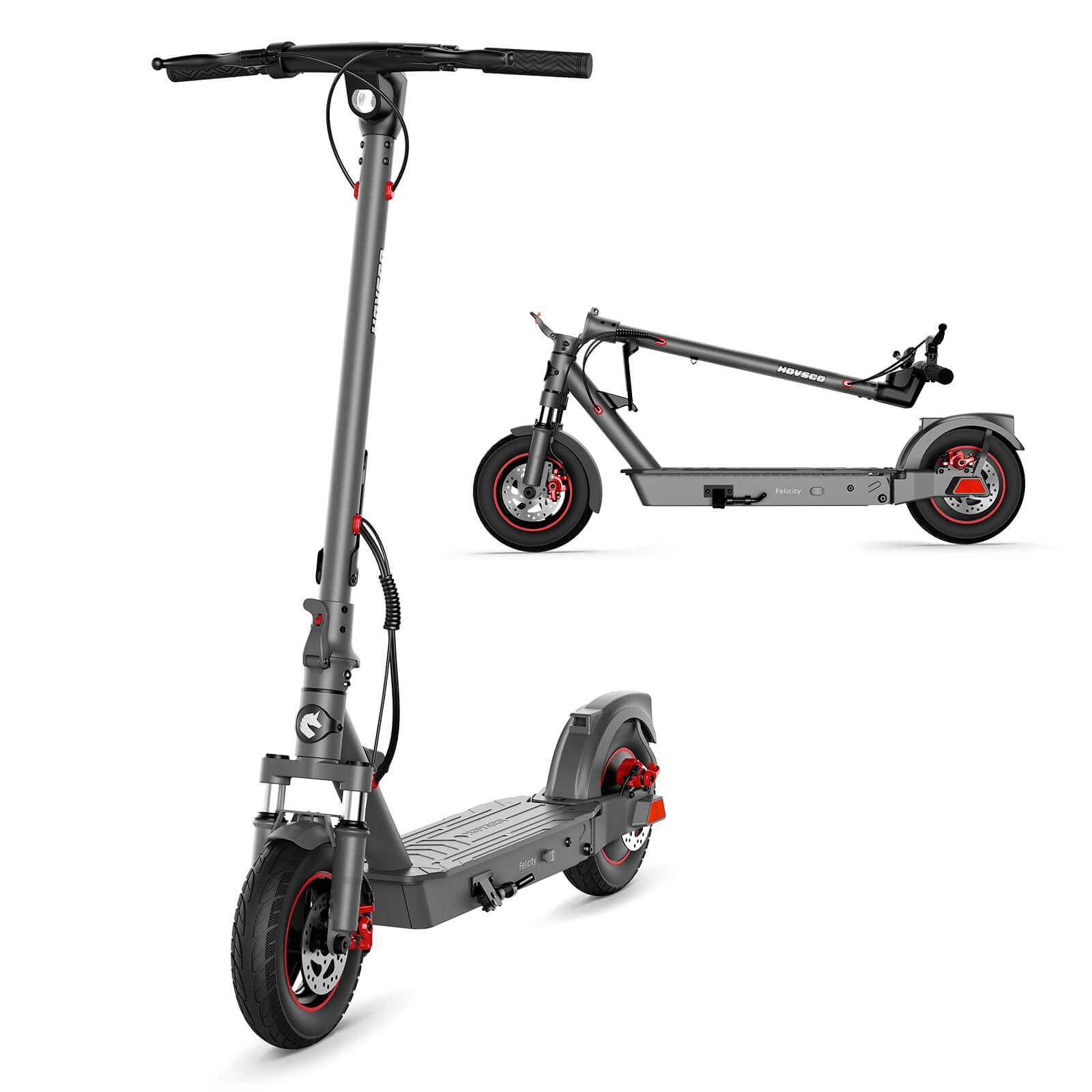
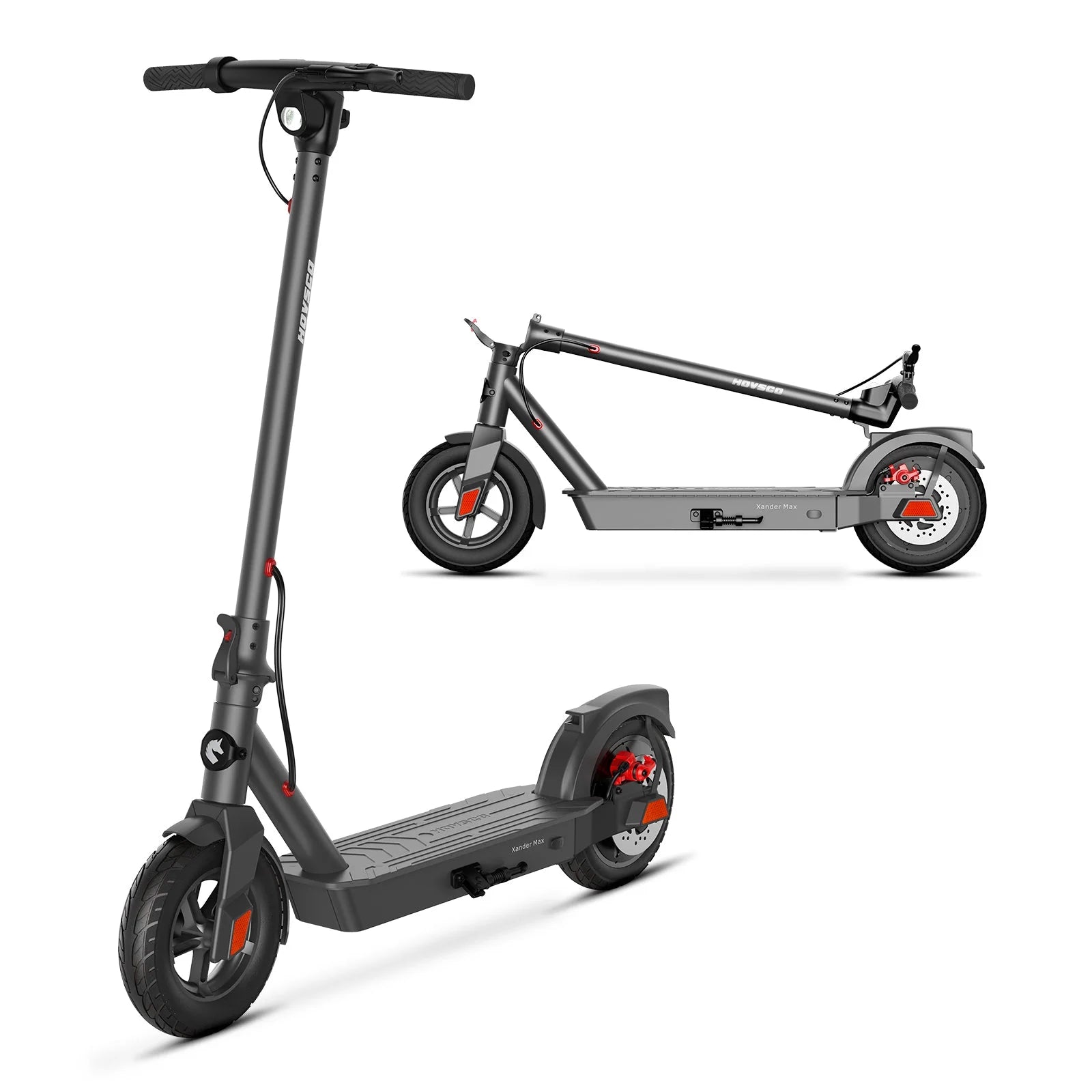
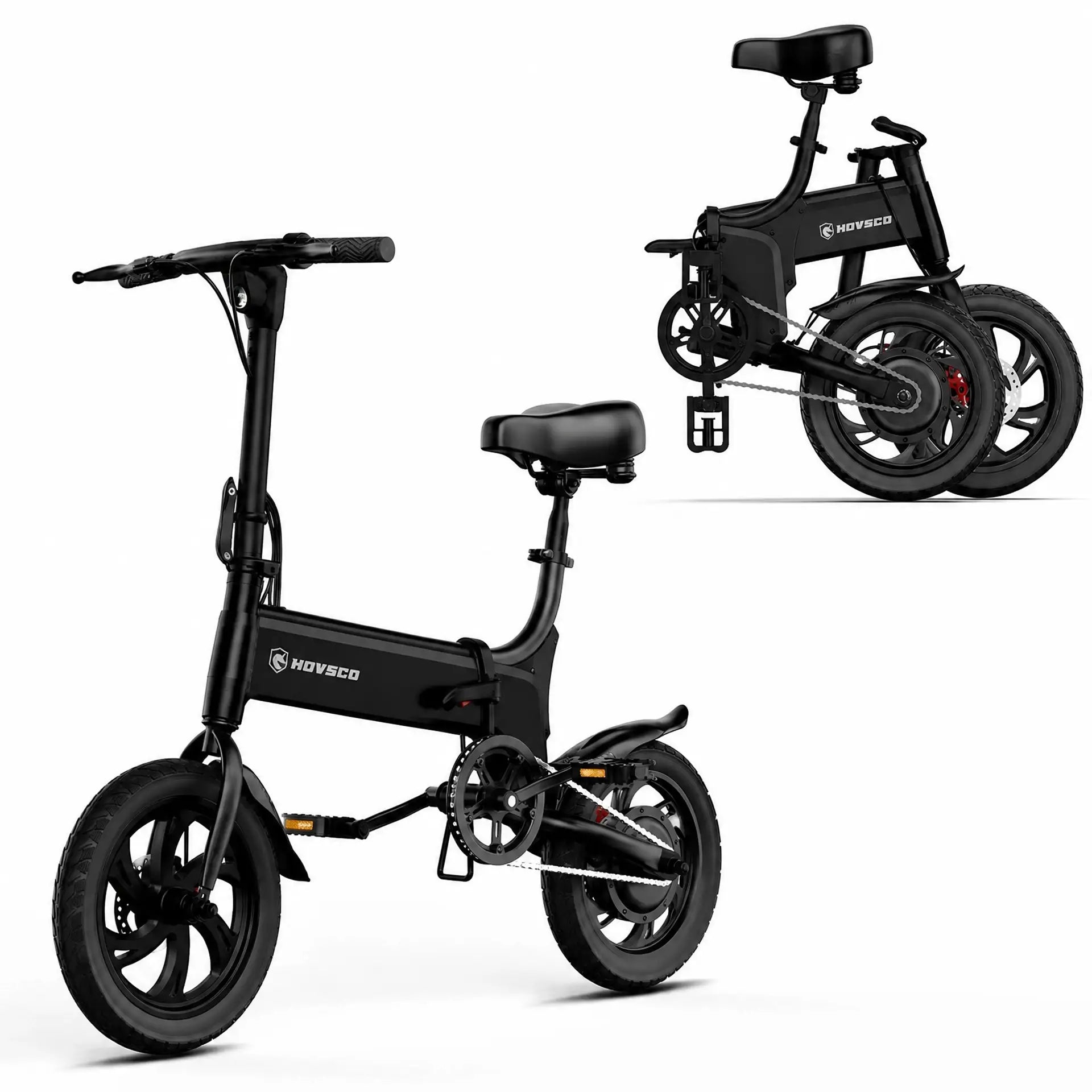
They fold for train carry-on, dodging city congestion via intermodal commuting. 2026 urban mobility grants subsidize them, elevating HOVSCO's series from recreation to essential. Perfect for New York stairs and San Francisco hills.
Brands like HOVSCO innovate lightweight, powerful folders for daily use.
Intermodal commuting mixes transit and micromobility like foldable e-bikes.
Car-free lifestyle adopters use urban mobility grants for last-mile transit gear. HOVSCO bikes fold to board buses/trains effortlessly. In 2026, subsidies cover 50% costs in key cities.
This hybrid approach cuts commute times by 40%.
"The Spring 2026 car-free lifestyle pivot marks a turning point for urban mobility. With record Americans in New York and San Francisco opting out of cars, last-mile transit via foldable e-bikes is key. Our HOVSCO folding series, designed for intermodal commuting, fits tiny spaces and public transit perfectly. Urban mobility grants make them subsidized essentials, transforming recreation into daily necessity. We're passionate about sustainable rides that promote health and adventure."
— HOVSCO Urban Mobility Specialist
This insight underscores HOVSCO's alignment with 2026 trends.
Parking scarcity and weather pose hurdles, but last-mile transit solves them.
Overcome via urban mobility grants for foldable gear. Intermodal commuting builds resilience in rainy San Francisco.
Assess transit access, apply for urban mobility grants, buy foldable e-bike.
Test intermodal commuting routes. HOVSCO offers reliable starters.
Key Takeaways
Embrace car-free lifestyle with last-mile transit for savings and health.
Leverage 2026 urban mobility grants for foldable electric transport.
Choose intermodal commuting in New York/San Francisco.
Actionable Advice
Check local grants today.
Test HOVSCO folding e-bike.
Join car-free communities for tips. Enjoy sustainable rides!
What qualifies for last-mile transit grants?
Foldable e-bikes for public transit users in urban areas. Subsidies up to 50% via 2026 programs.
Are urban mobility grants nationwide?
Primarily in high-density cities like New York and San Francisco, expanding via federal funds.
Can HOVSCO bikes use intermodal commuting?
Yes, they fold compactly for trains/buses, ideal for car-free lifestyle.
Is car-free lifestyle cheaper?
Saves $9,000/year on average through last-mile transit efficiencies.
When apply for urban mobility grants?
Share:
Why is 2026 the Pivotal Year for E‑Bike Battery Safety?
Is Your E-Bike Legal Under 2026 Battery Laws?