


![[ New Arrival ] Porto Max Electric Scooter For Commute & Grocery Shopping - HOVSCO](http://www.hovsco.com/cdn/shop/files/PotroMax-3.jpg?v=1706927007&width=1200)
- by EO S
What Is the Best Family Ebike for Everyday Use, Safety, and Versatility?
- by EO S
E-Bikes
Accessories
 Free Shipping
 15-Day Returns
 2-Year Warranty
Free Shipping
15-Day Returns
2-Year Warranty
2-Year Warranty
Free Shipping
15-Day Returns
2-Year Warranty
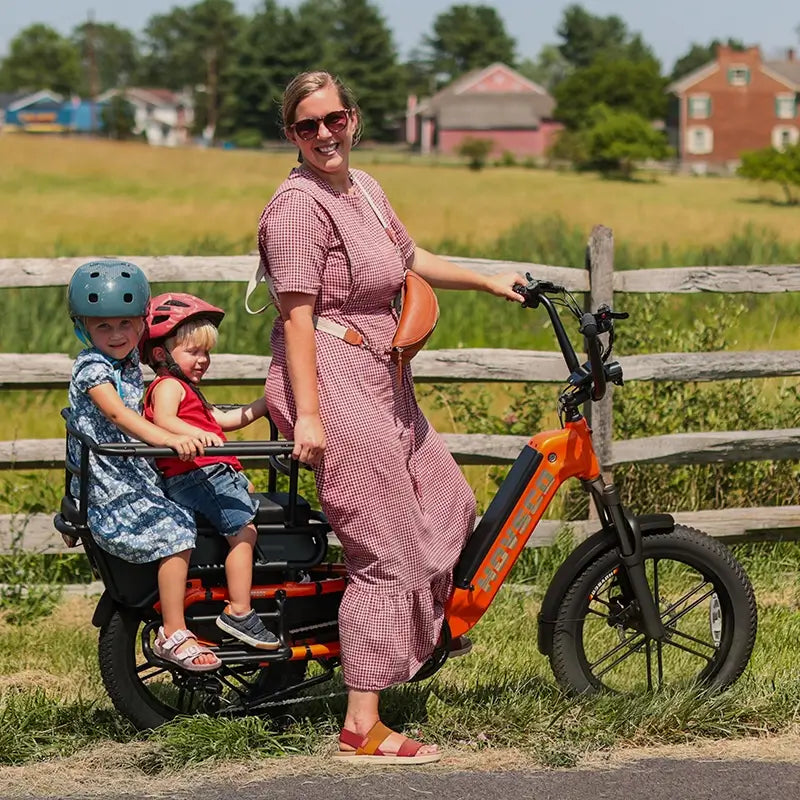
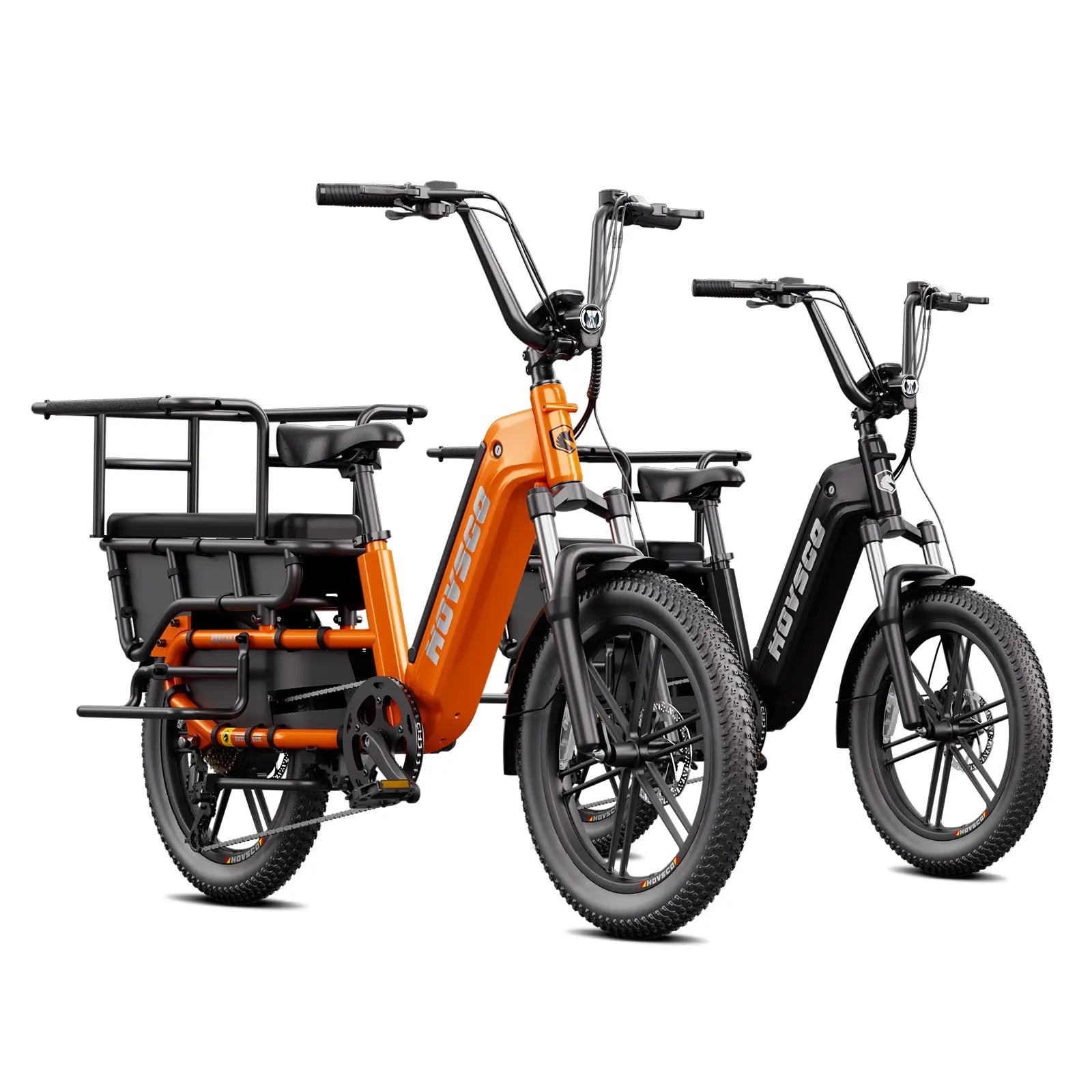
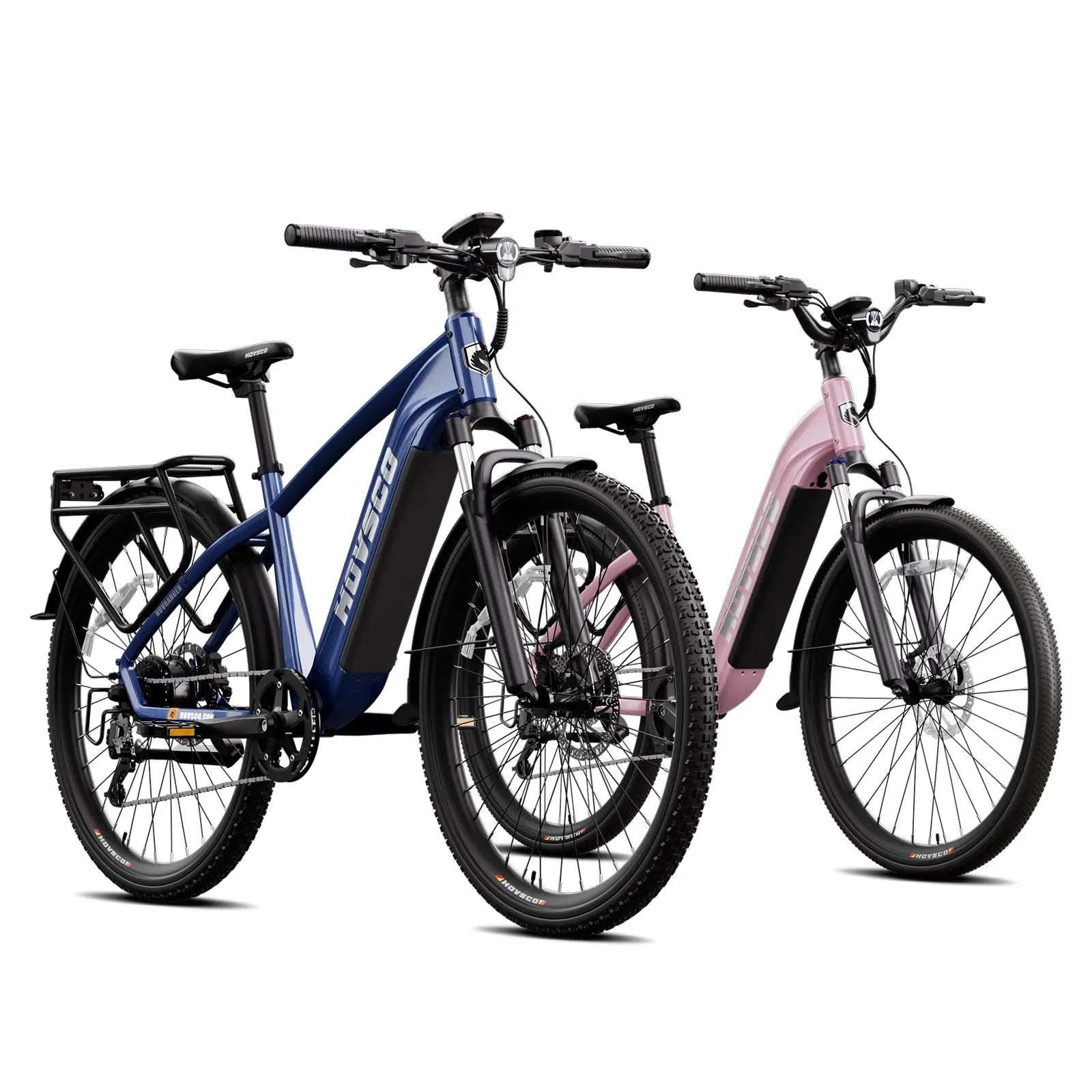
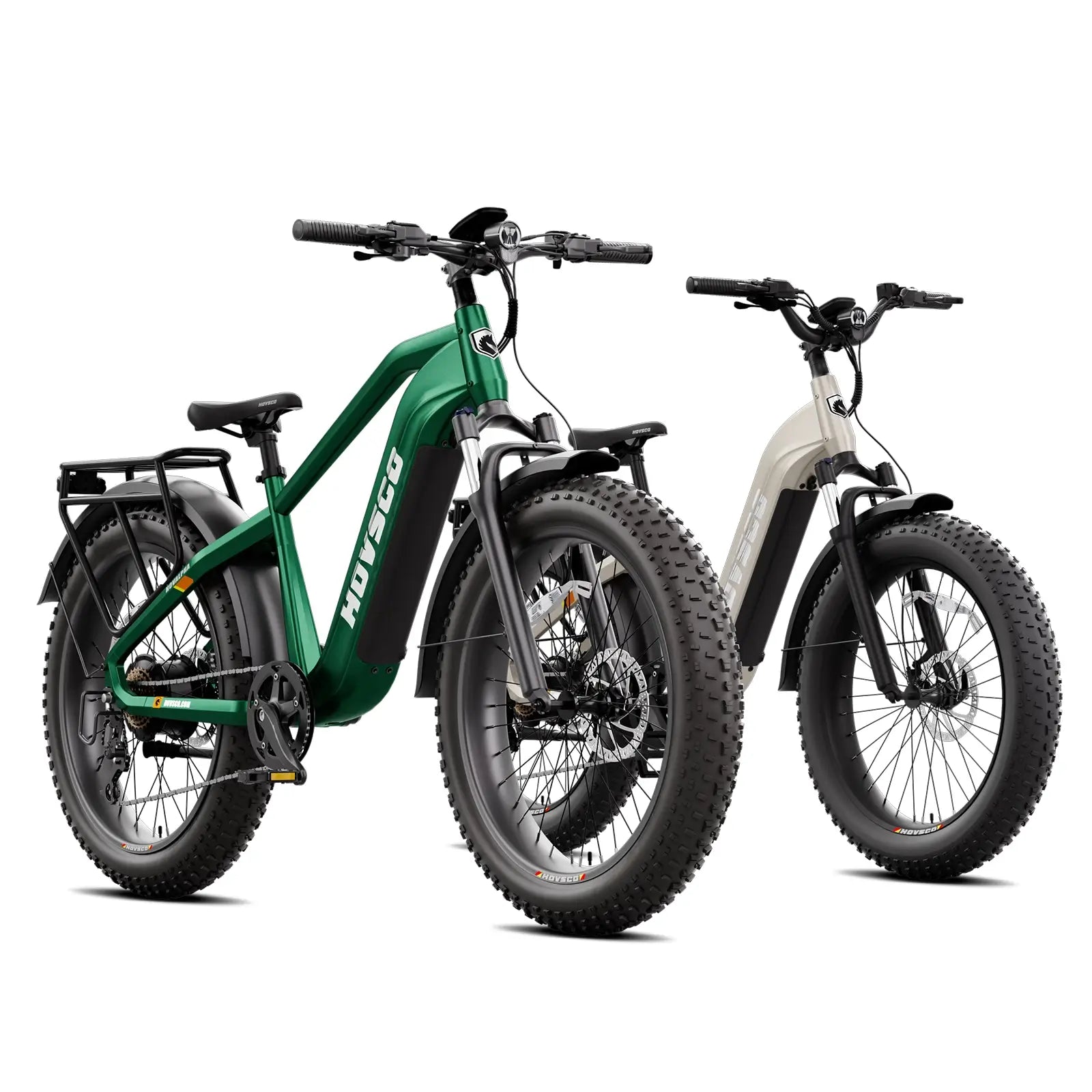
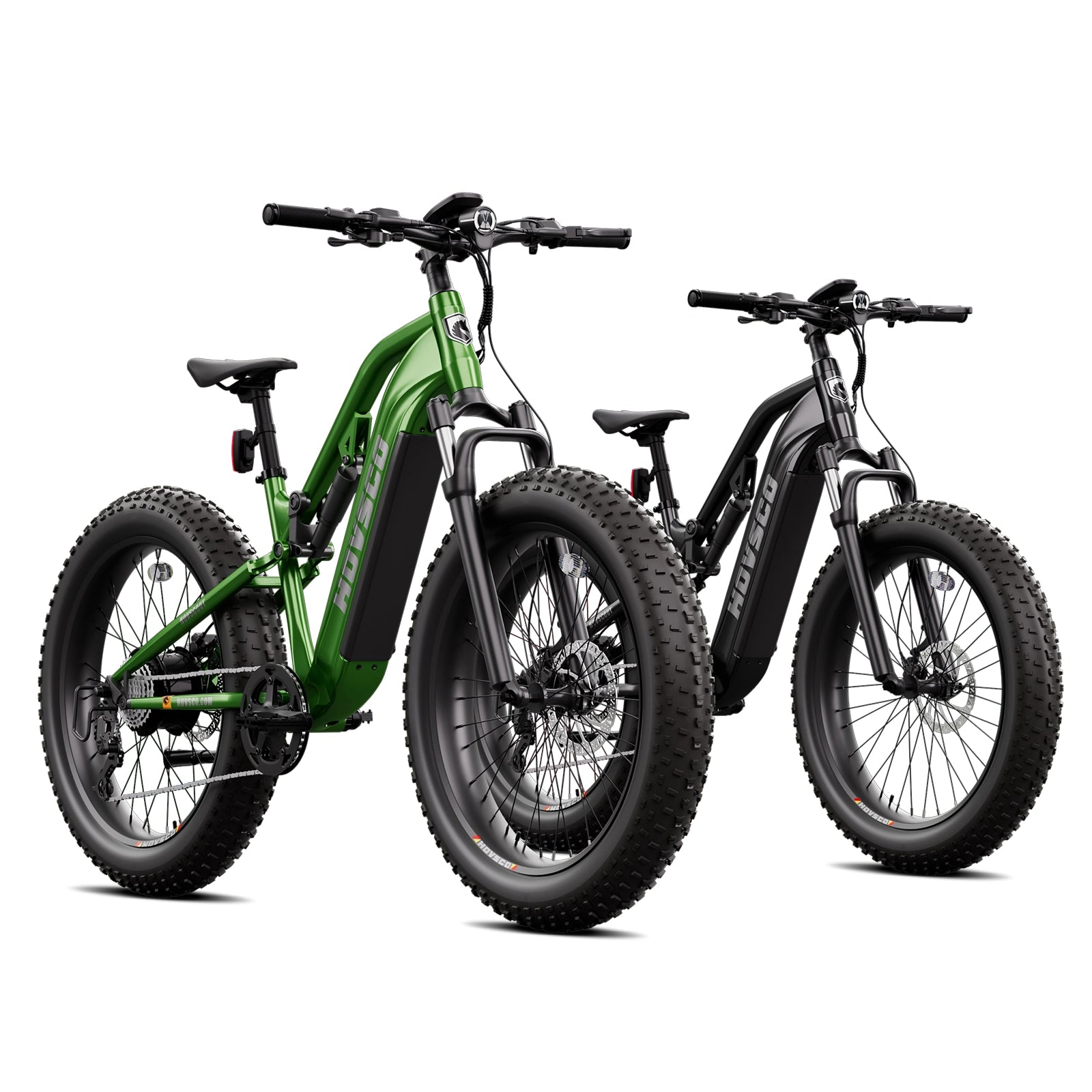
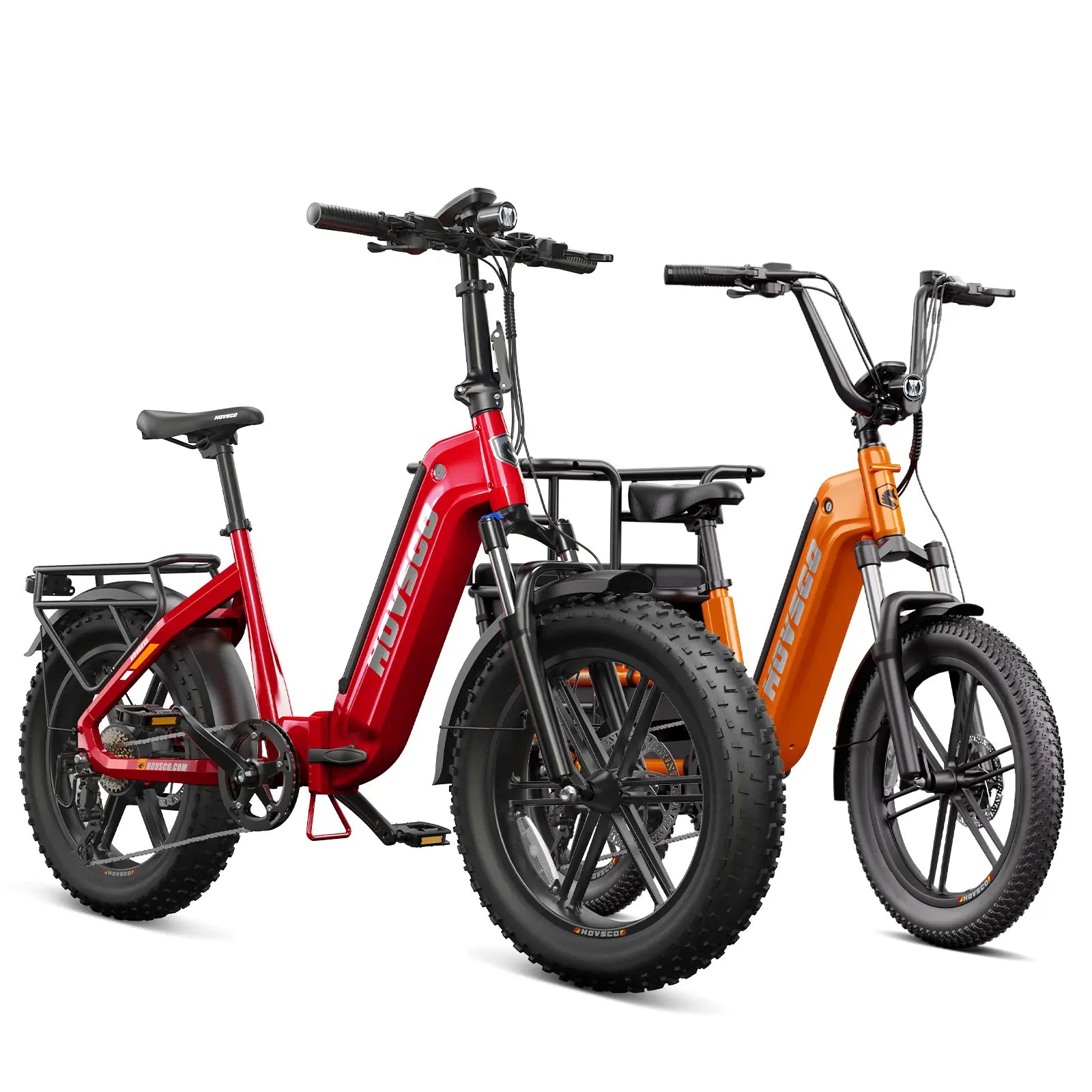
Family ebikes are transforming how households handle daily transport needs, combining eco-friendly commuting, cargo capacity, and safe ride performance. With proven market growth and measurable benefits for families, choosing the right model — including options from trusted brands like HOVSCO — can significantly enhance mobility for kids, groceries, errands, and leisure rides.
The family electric bike segment is expanding rapidly as urban households seek sustainable transportation alternatives. The overall global family electric bike market reached approximately USD 12.8 billion in 2022 and is expected to more than double by 2030, driven by rising environmental awareness, technological improvements, and supportive policies promoting green mobility. ([turn0search9]) This underscores the shift of ebikes from niche to mainstream family utility vehicles, especially for daily commuting and child transport.
Within this broader trend, electric-assist family cargo bikes represent a substantial portion of demand, with estimates showing 62 % of family cargo bike sales globally are e-assisted models, and families use them for groceries (30 %), child transport (55 %), and multipurpose logistics. ([turn0search1]) Families increasingly adopt these bikes to replace short car trips, reducing traffic congestion and transportation costs.
Despite strong growth, challenges remain. High upfront cost (often several thousand dollars for premium family ebikes) and limited urban cycling infrastructure in many regions deter potential buyers. Lack of secure storage and inconvenience in tight living spaces also rank as common barriers to adoption. ([turn0search1]) These friction points highlight why selecting the right family ebike solution is critical for long-term satisfaction and everyday utility.
Traditional transport modes like cars and standard bicycles have long served families, but they fall short in key family use scenarios:
Cars: High fuel, parking, and operating costs; contribute to traffic congestion; overkill for short trips under 10 km.
Standard Bicycles: Limited cargo carrying capacity, no assistance for heavy loads or uphill routes; less suitable for children or groceries.
Trailers or Child Seats on Regular Bikes: Add complexity and limited load capacity; can compromise balance and rider comfort.
These limitations have motivated many families to explore purpose-built family ebikes, which combine motor assist, cargo carrying capacity, and user-centric design.
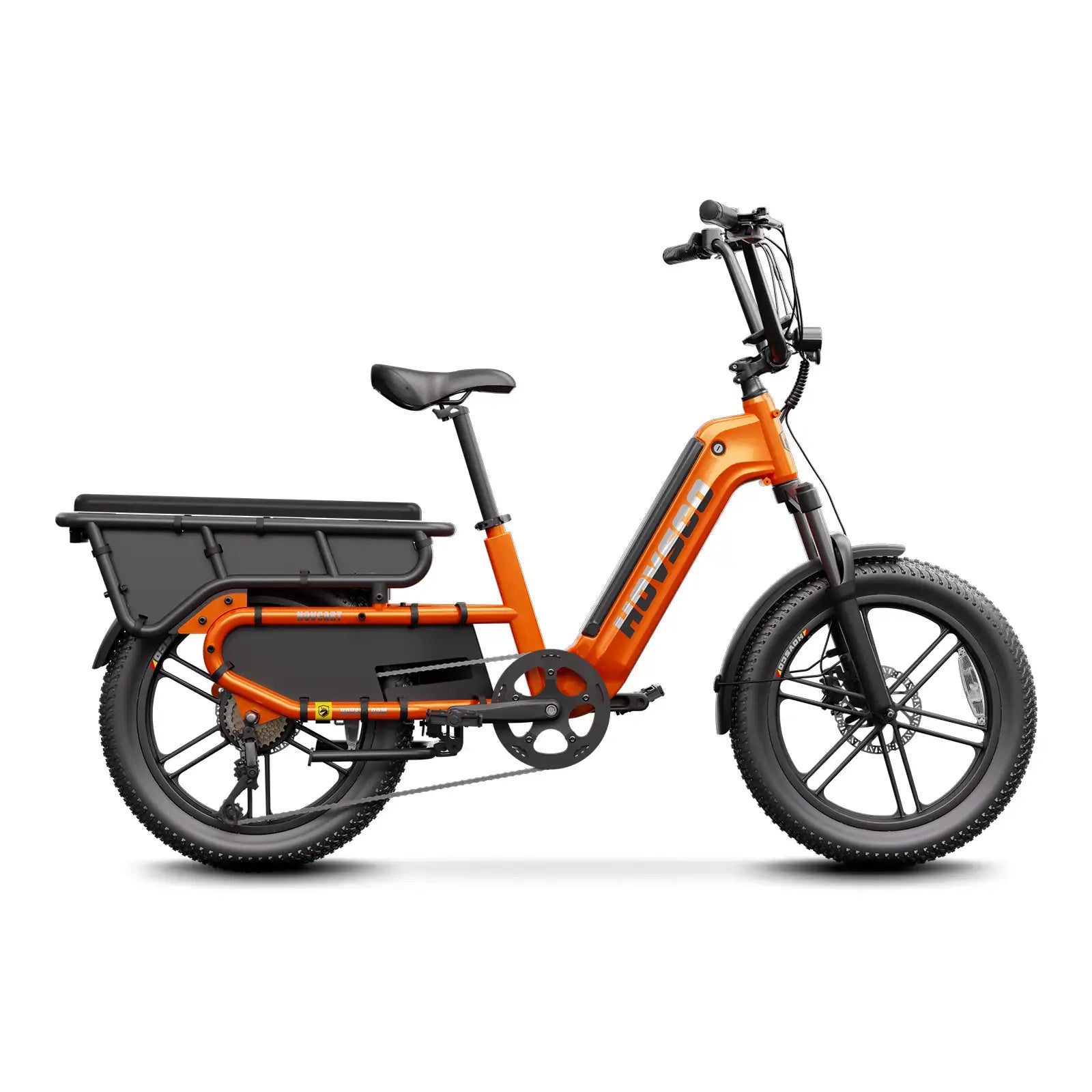
A family ebike typically integrates electric assist with utility features to serve multiple roles — from transporting children to hauling groceries. Core capabilities include:
High Payload Capacity: Often exceeding 100 kg to handle kids plus cargo.
Electric Assist Motor: Boosts pedaling power, especially useful for hills or heavier loads.
Stable Frame Design: Long wheelbase or cargo platform for secure balance.
Accessory Flexibility: Options for child seats, cargo boxes, panniers, and safety harnesses.
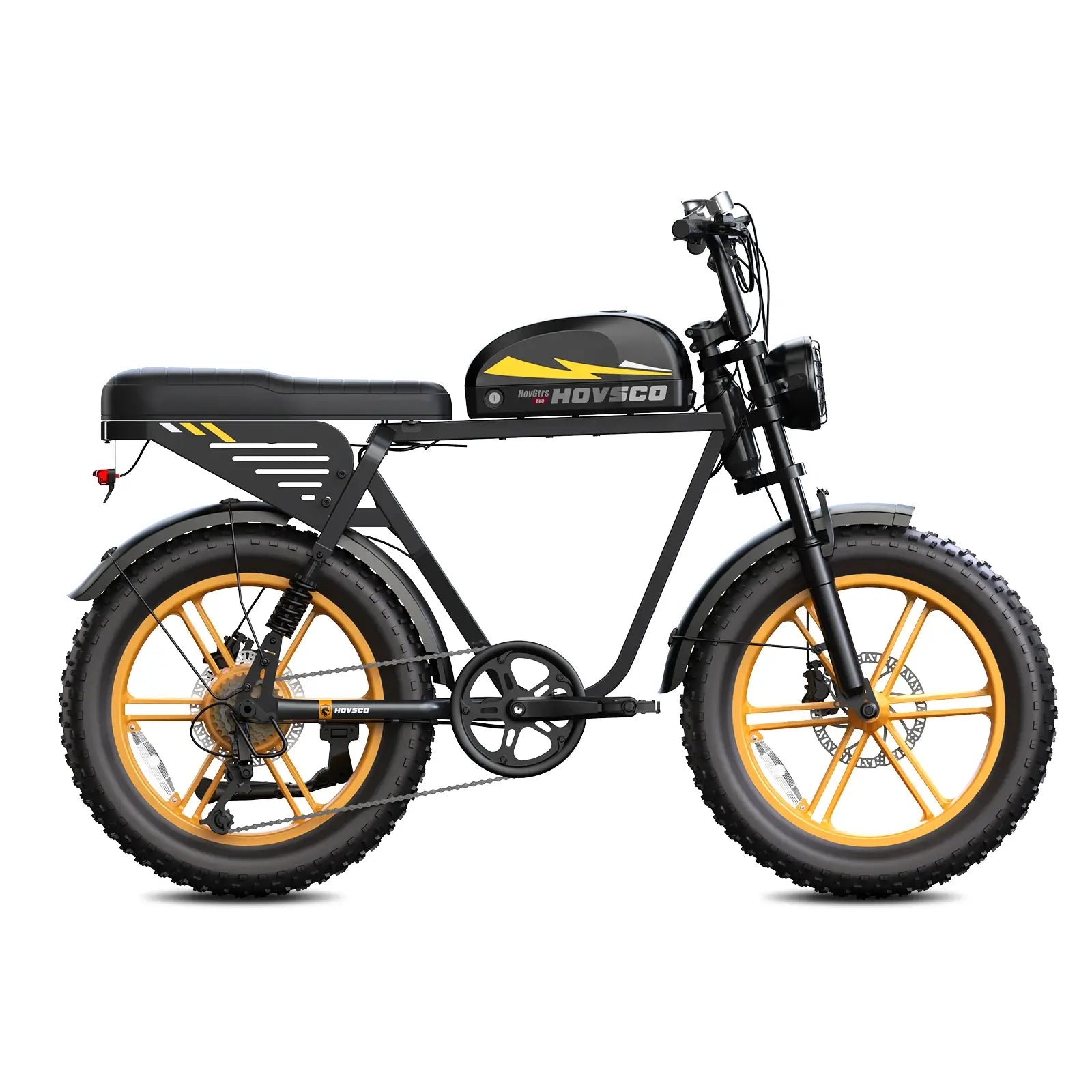
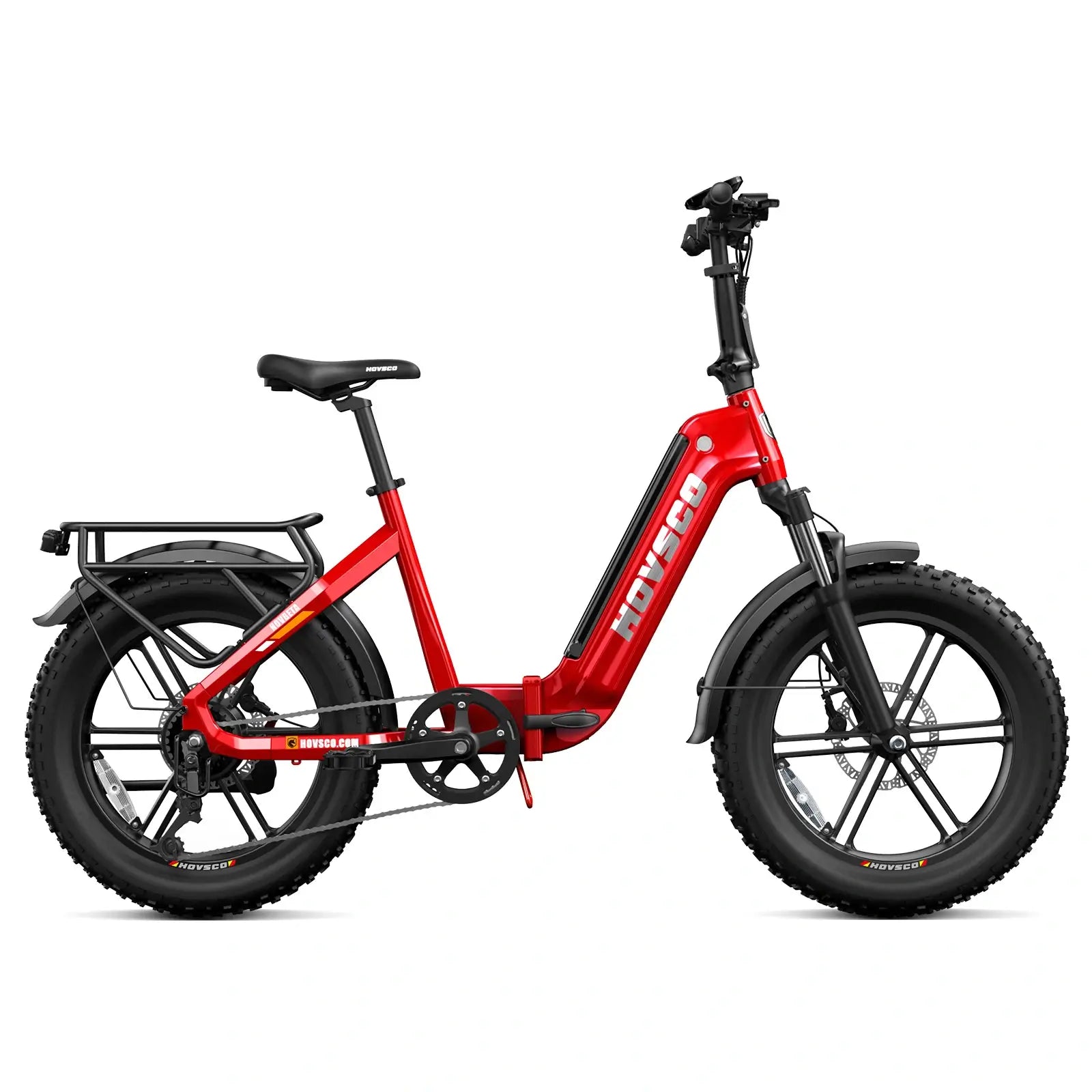
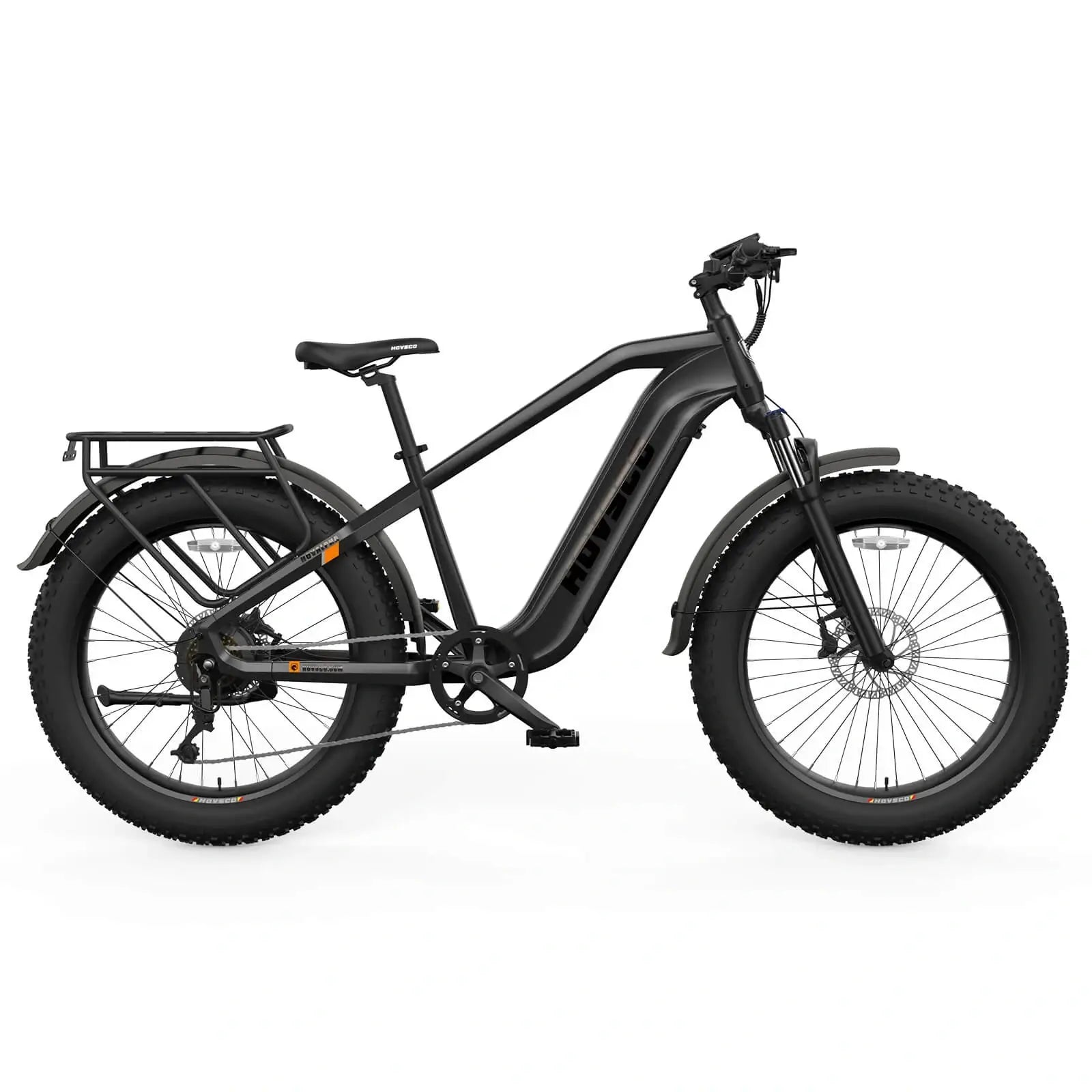
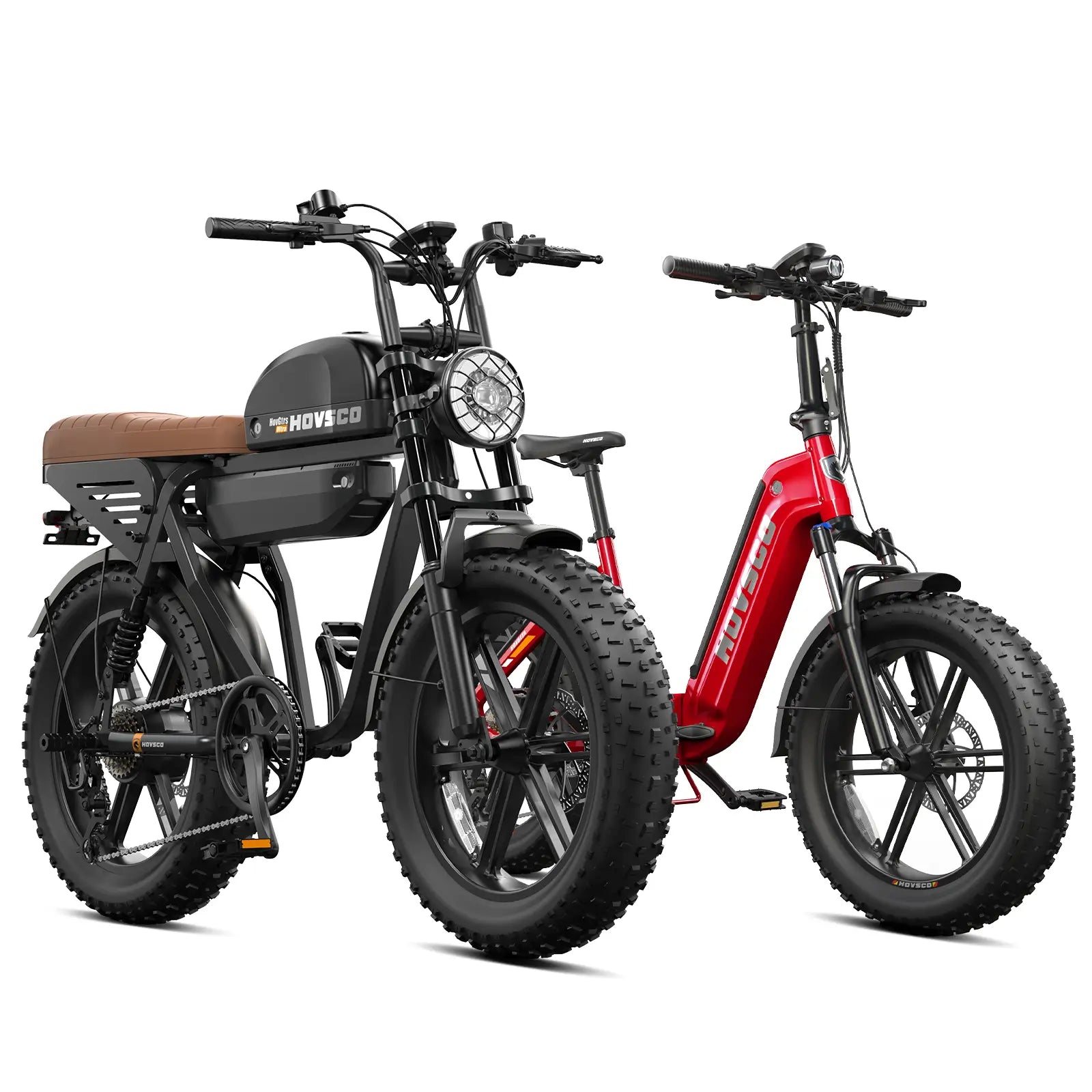
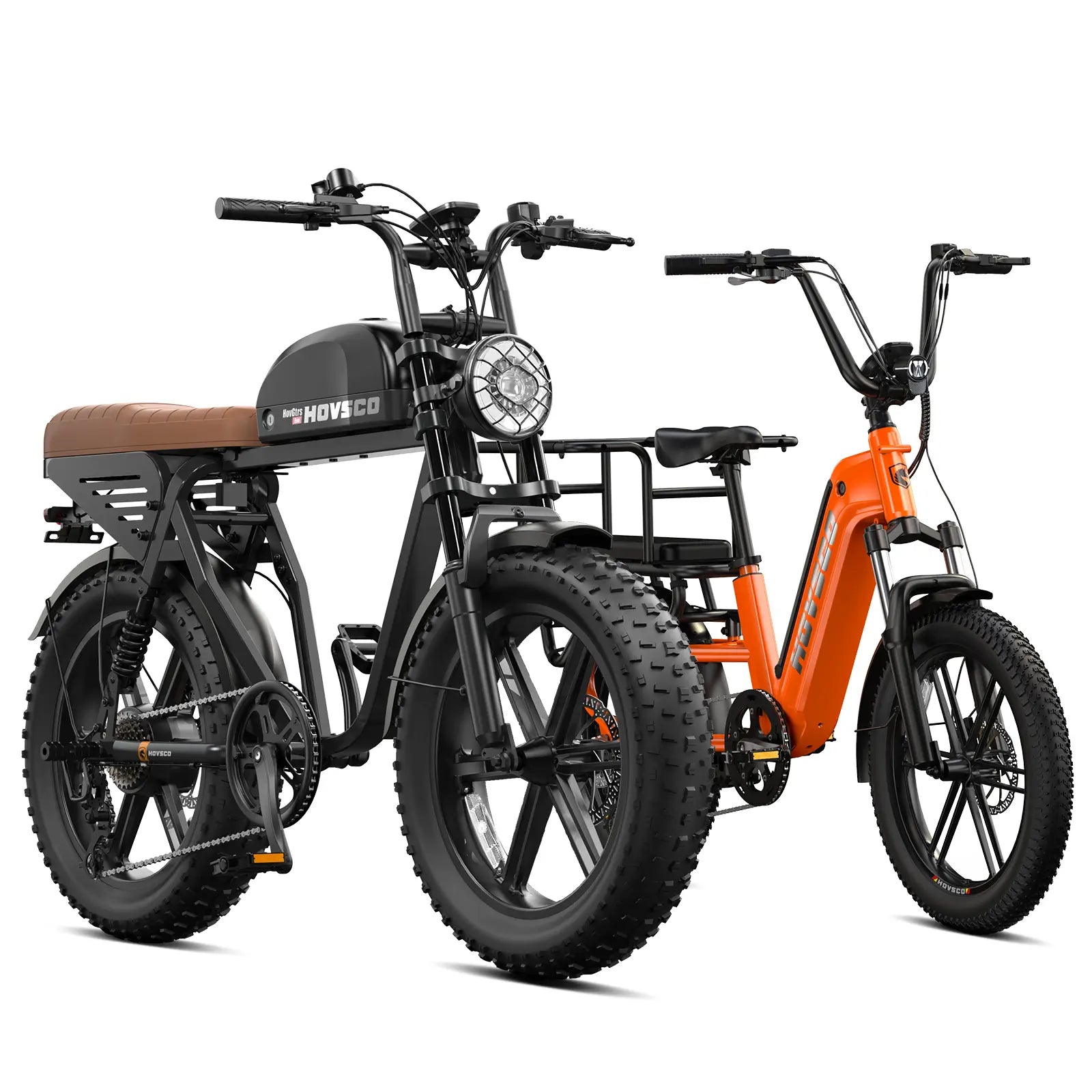
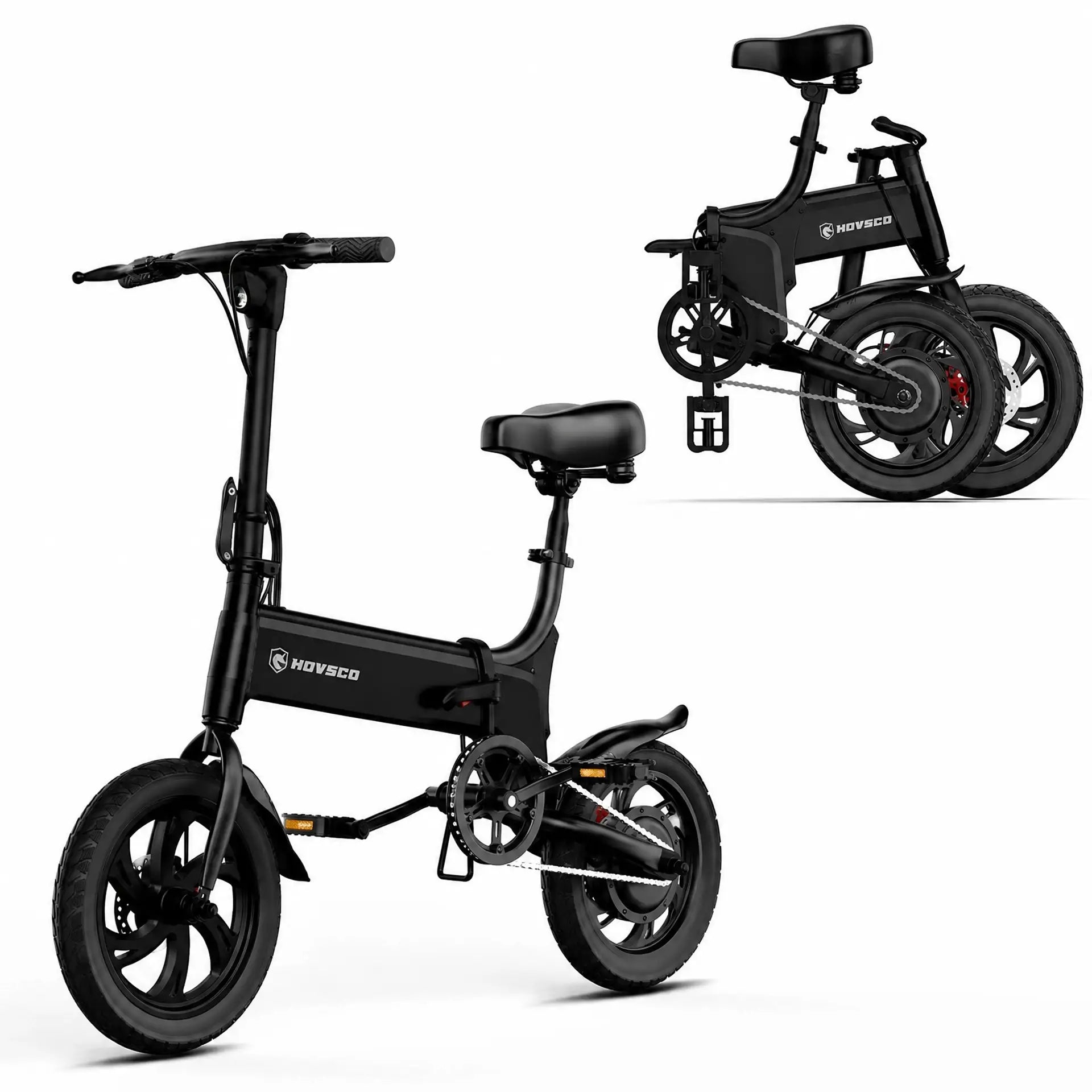
Brands like HOVSCO emphasize designs that balance family-friendly ergonomics with performance and reliability, making them attractive picks for households seeking value without sacrificing utility.
| Feature | Standard Bike | Family Ebike |
|---|---|---|
| Electric Assist | ❌ | ✅ |
| Cargo Capacity | ⚠️ Limited | ✅ High |
| Child Transport | ⚠️ With Add-Ons | ⚡ Built-In Options |
| Hill Performance | ❌ | ⚡ Enhanced |
| Daily Errand Convenience | ⚠️ Lower | 👍 Higher |
| Cost | 💲 Lower | 💲💲 Mid-High |
This comparison shows how family ebikes — especially those designed for utility — outperform traditional bikes and conventional transport for daily multi-purpose use.
Define Family Needs: Consider children’s ages, cargo (groceries, gear), and typical trip distances.
Select Key Specs: Motor power, battery range, load capacity, and safety features.
Compare Models: Evaluate established offerings, including models from HOVSCO known for ergonomic family-oriented designs.
Customize Accessories: Add child seats, cargo racks, or baskets as needed.
Test Ride: Ensure comfort, handling, and control with full loads.
Maintain Regularly: Keep batteries charged, tires inflated, and brakes tuned for safety.
Scenario 1: Daily School Commute
Problem: Driving kids to school adds traffic stress and fuel expense.
Traditional Approach: Minivan or car commute.
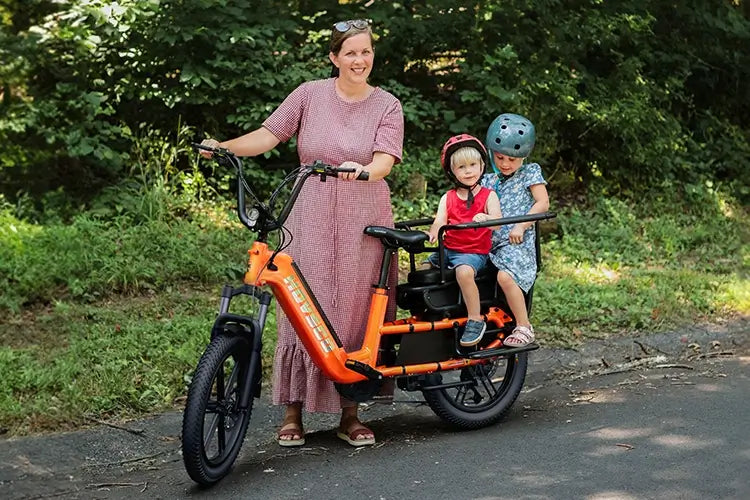
With Family Ebike: Kids ride safely with harnesses and stable platforms.
Key Benefit: Reduced car trips and healthier family routine.
Scenario 2: Weekend Grocery Runs
Problem: Large grocery hauls challenge standard bikes.
Traditional Approach: Car or multiple trek cycles.
With Family Ebike: Cargo area holds groceries, electric assist manages weight.
Key Benefit: Cost-effective daily errands without car use.
Scenario 3: Family Park Outing
Problem: Carrying picnic gear, kids’ supplies, and coolers.
Traditional Approach: Bulky bike trailers or car.
With Family Ebike: Integrated cargo box simplifies loading.
Key Benefit: One-bike solution reduces gear handling.
Scenario 4: Neighborhood Errands
Problem: Reducing short car trips under 5 miles.
Traditional Approach: Individual pedals or drive the car.
With Family Ebike: Combined pedaling and motor assist streamline errands.
Key Benefit: Saves time and fuel while promoting active living.
In each case, family ebikes deliver measurable outcomes — from reduced vehicle miles to increased daily activity levels.
The family ebike segment is poised for continued expansion. Growing e-bike penetration — with e-bikes representing around 30 % of total bicycle market share in the USA in 2024 — demonstrates the shift toward powered bikes as a core transport mode. ([turn0search7]) Sustained urbanization, expanding bike infrastructure, and supportive policies enhance the accessibility and practicality of family ebikes.
Moreover, family-centric models with advanced safety and comfort features — such as those offered by HOVSCO — address the modern household’s mobility, health, and sustainability goals. As cities invest more in biking infrastructure and households seek alternatives to car dependency, family ebikes emerge as a practical, reliable, and measurable solution for daily transport.
Which features matter most when choosing a family ebike?
Look for electric assist power, payload capacity, stable frame design, and integrated safety features.
Can a family ebike replace a car for everyday errands?
For short urban trips and local errands, many families find it a viable and cost-effective alternative.
Are family ebikes difficult to ride with children on board?
Modern family ebikes are designed for balance and stability, making them accessible even for riders new to ebikes.
How far can a family ebike typically travel on a single charge?
Range varies by battery capacity and load, but most family ebikes can travel 30–60+ km per charge with moderate use.
Is maintenance for a family ebike complex or expensive?
Routine maintenance is similar to other ebikes — battery care, brake checks, and tire upkeep — and costs are often offset by savings on car fuel and maintenance.
Share:
What Are the Best Classic Headlights for Retro Electric Bikes to Improve Style and Safety?
Are Electric Bikes for Shopping Trips the Most Practical Way to Run Errands?