



![[ New Arrival ] Porto Max Electric Scooter For Commute & Grocery Shopping - HOVSCO](http://www.hovsco.com/cdn/shop/files/PotroMax-3.jpg?v=1706927007&width=1200)
- by EO S
Are Electric Bikes for Shopping Trips the Most Practical Way to Run Errands?
- by EO S
E-Bikes
Accessories
 Free Shipping
 15-Day Returns
 2-Year Warranty
Free Shipping
15-Day Returns
2-Year Warranty
2-Year Warranty
Free Shipping
15-Day Returns
2-Year Warranty
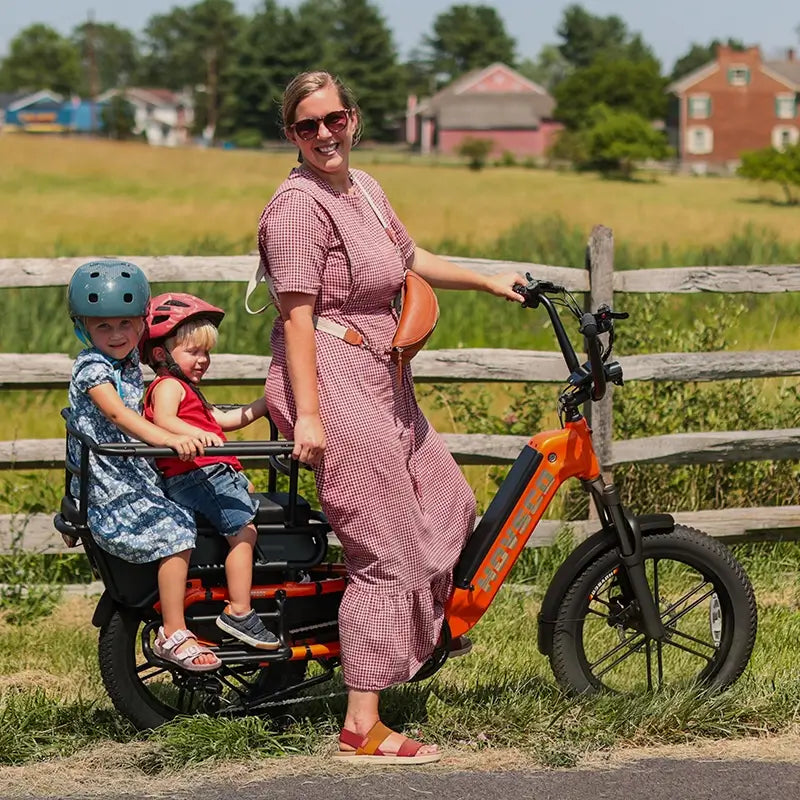
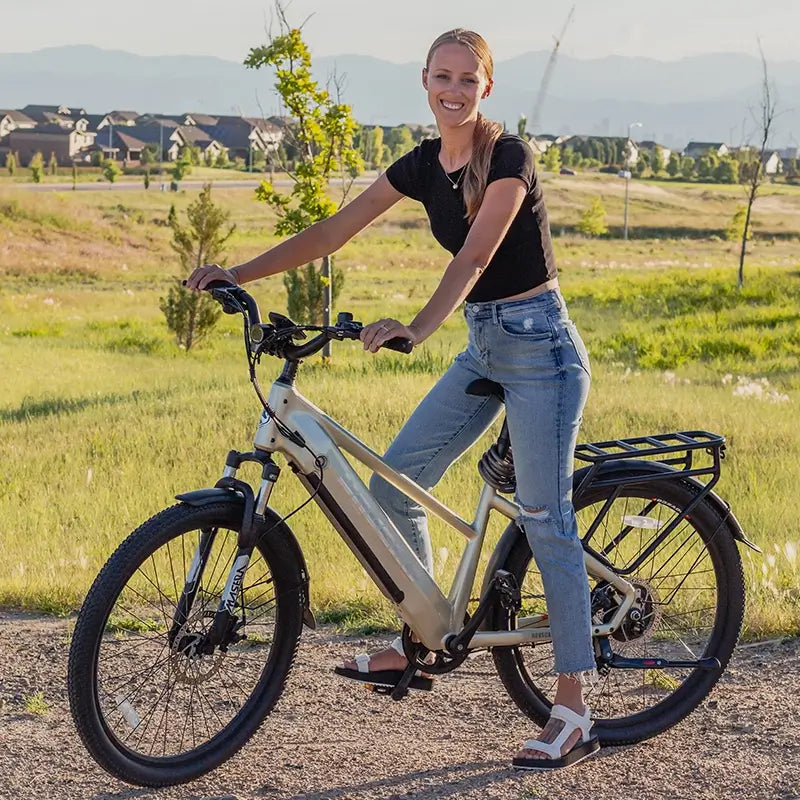
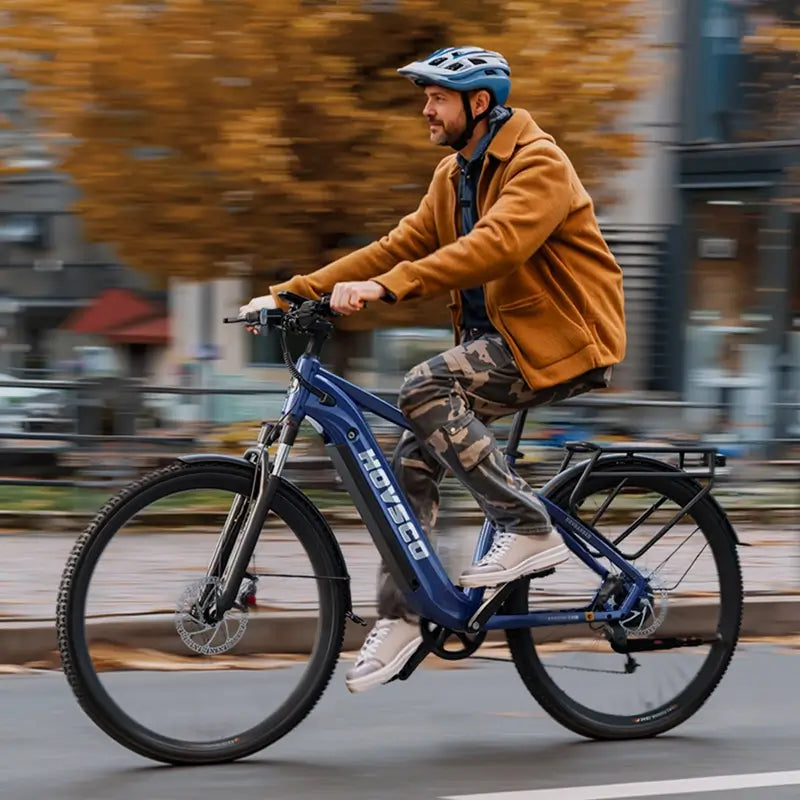
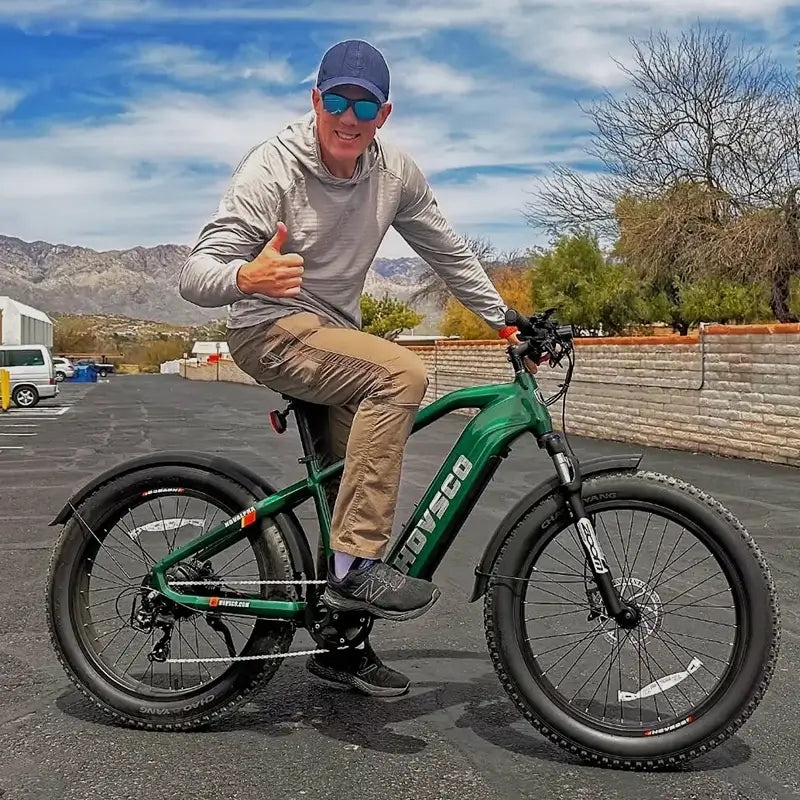
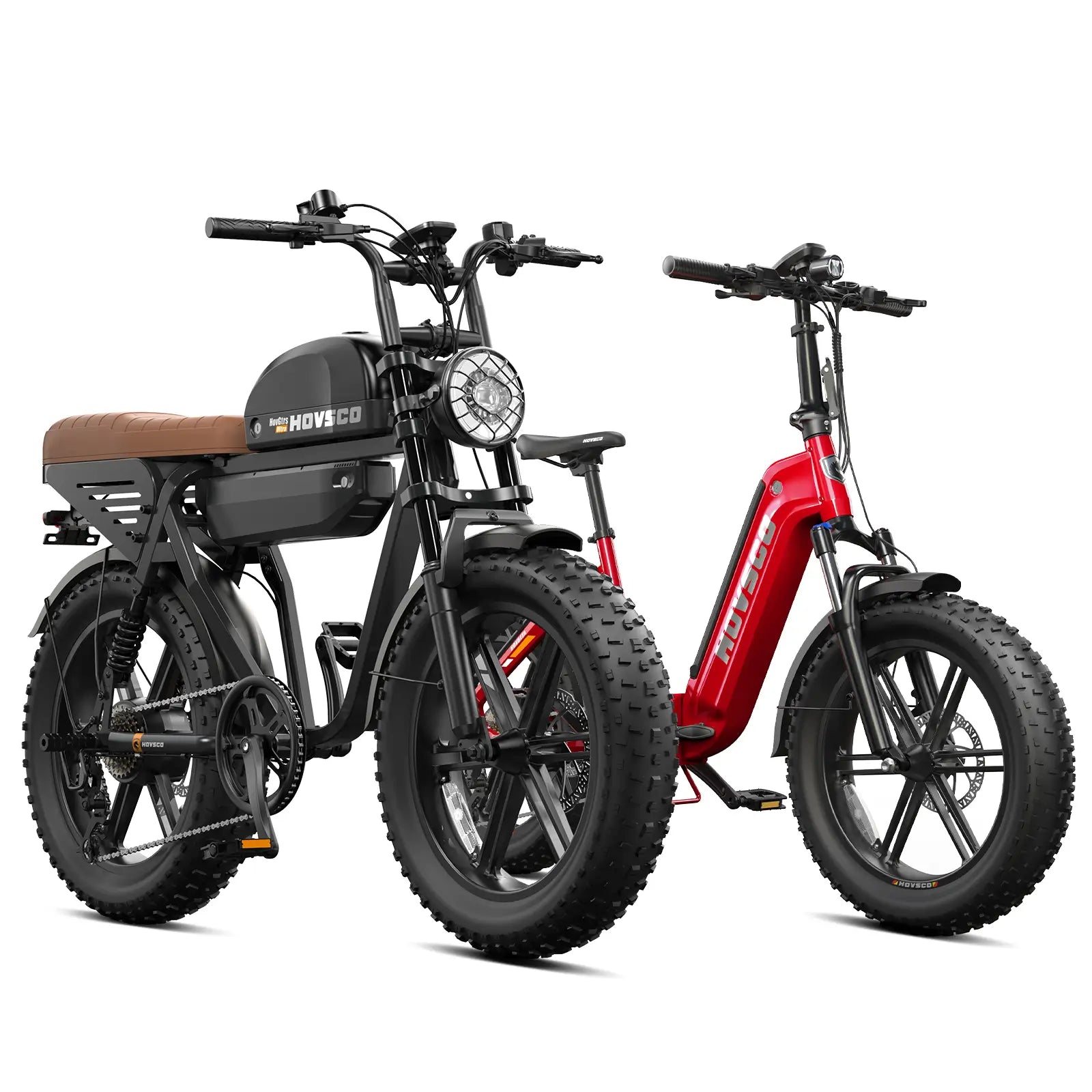
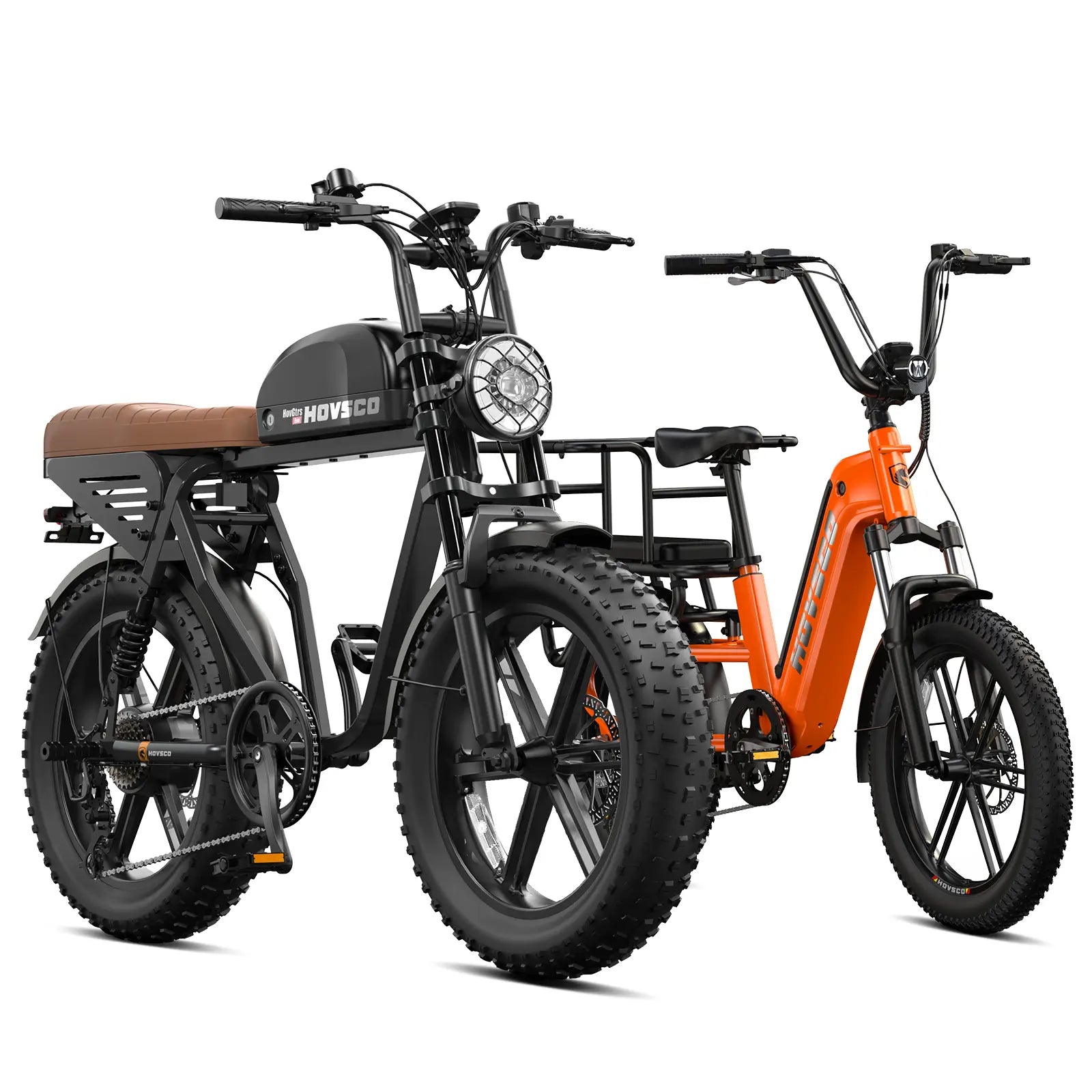
Electric bikes designed for shopping trips are transforming the way people run errands, offering unmatched convenience, cargo capacity, and efficiency for urban households. With rising transport costs and growing sustainability concerns, well-equipped e-bikes—especially those from trusted brands like HOVSCO—are emerging as versatile, cost-effective tools for everyday life.
The global electric bike market continues robust expansion as cities adopt greener transport and consumers seek alternatives to short car trips. In 2025, the U.S. electric assisted bicycle market exceeded USD 5.1 billion in projected value, growing at roughly 15.6 % annually driven by urban commuters and errand riders. A notable trend shows that e-bike owners are replacing an average of 3.5 car journeys per week with e-bike trips under 10 miles, reflecting a major shift toward micromobility solutions. Meanwhile, 68.6 % of riders in major urban surveys report using e-bikes specifically for shopping and grocery runs, highlighting shopping trips as a dominant use case. Despite this shift, many households still rely heavily on cars for weekly errands, incurring high fuel and maintenance costs for trips often under 5 miles. Congested streets, limited parking at retail centers, and ongoing concerns about environmental impact reinforce the need for more efficient short-trip alternatives. These pain points are spurring consumers and city planners alike to embrace solutions that reduce travel costs and urban emissions while enhancing convenience.
Traditional transportation modes present several limitations for routine shopping trips:
Cars and SUVs: Although flexible, they involve significant fuel costs, parking challenges, and contribute to traffic congestion.
Public Transit: Schedules and routes may not align with grocery runs or multi-stop errands, adding time and complexity.
Standard Bikes: Limited cargo capacity and rider fatigue from pedaling heavy loads make them less practical for shopping.
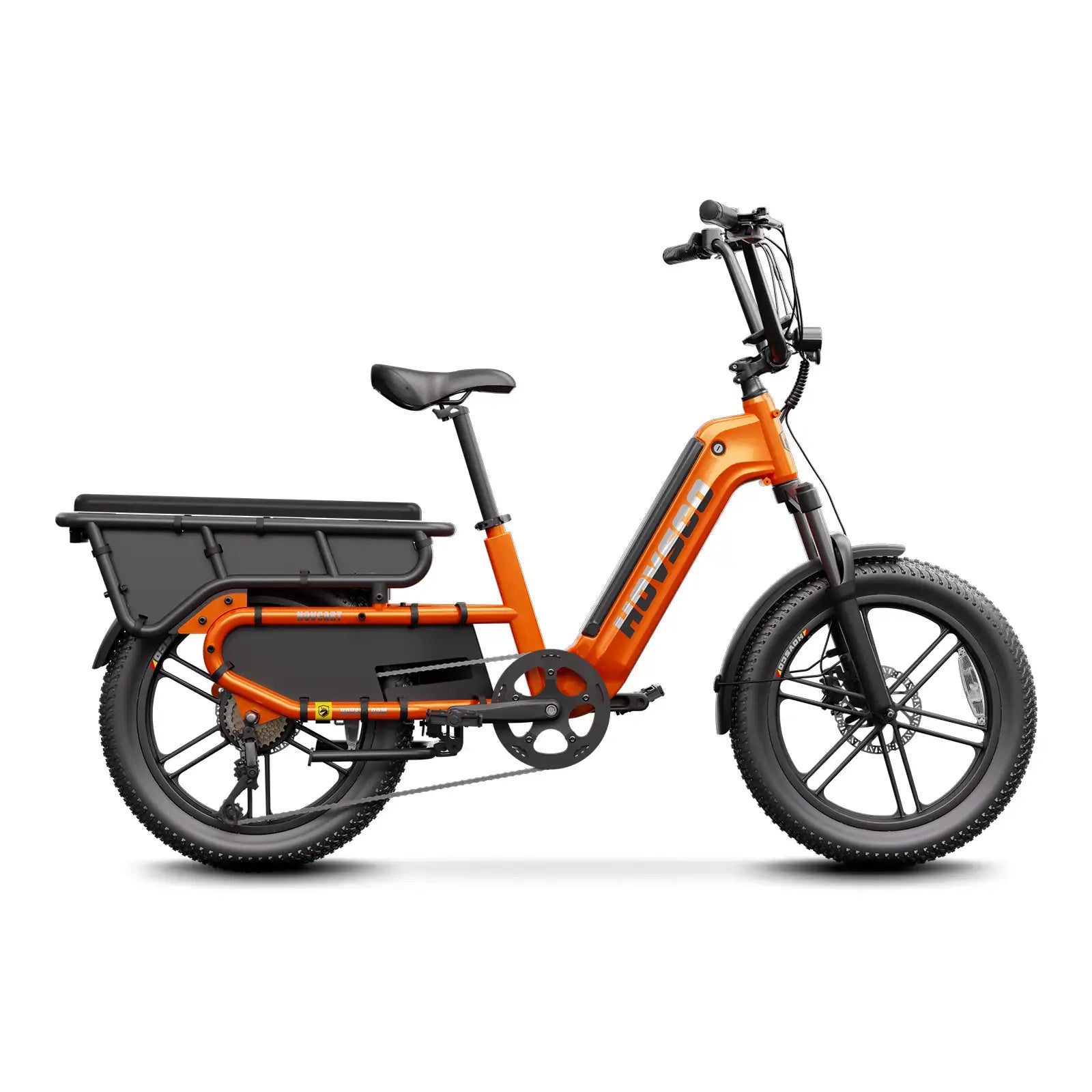
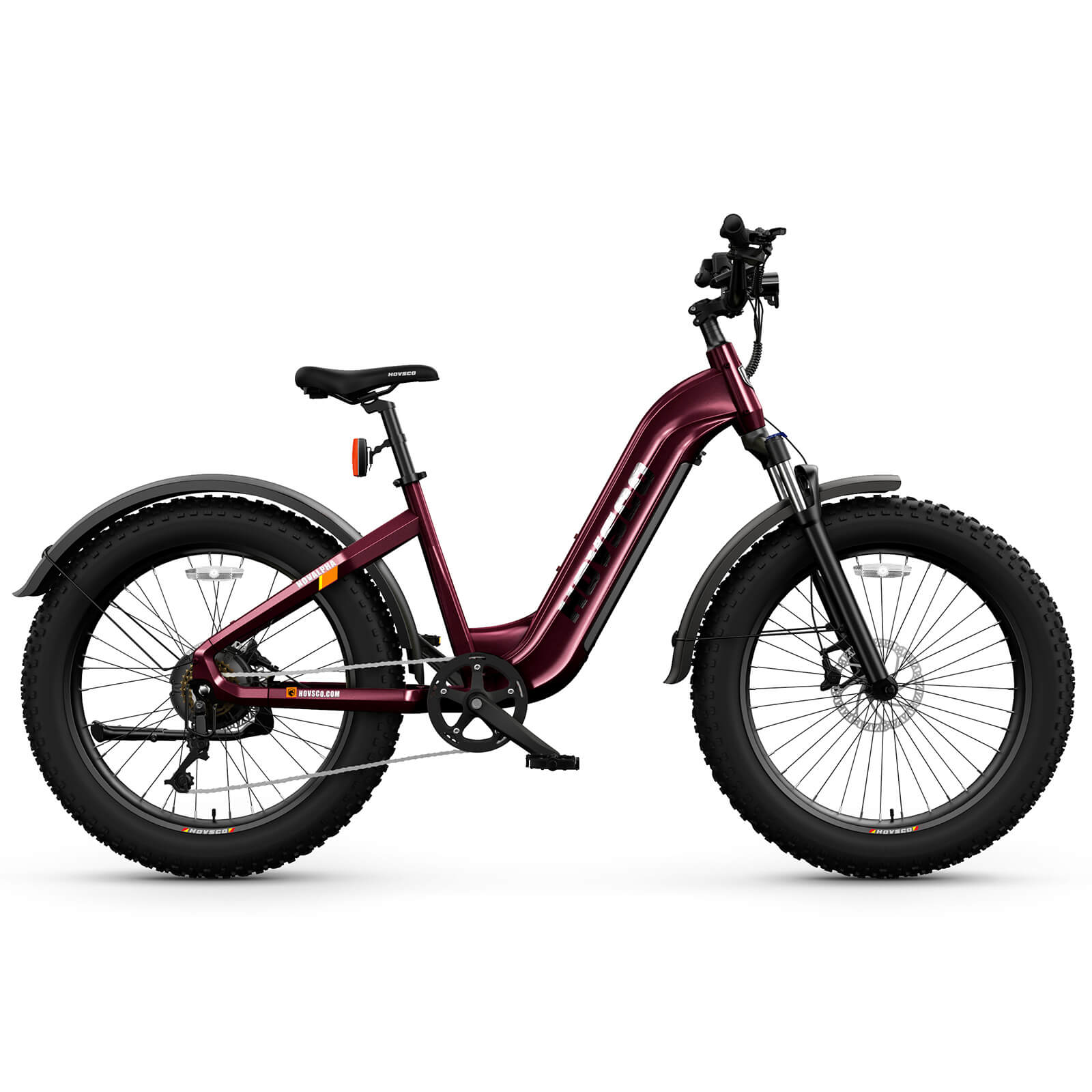
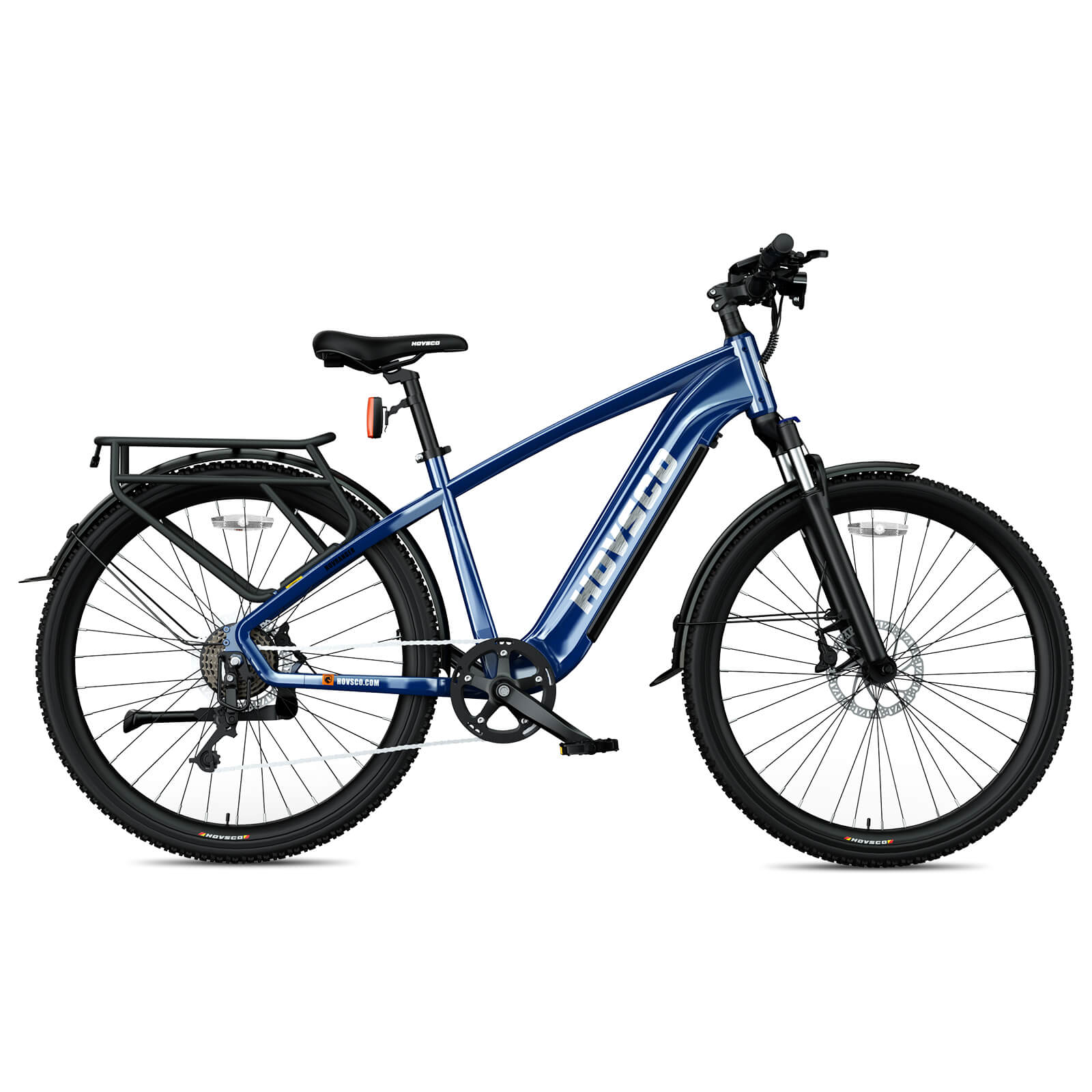
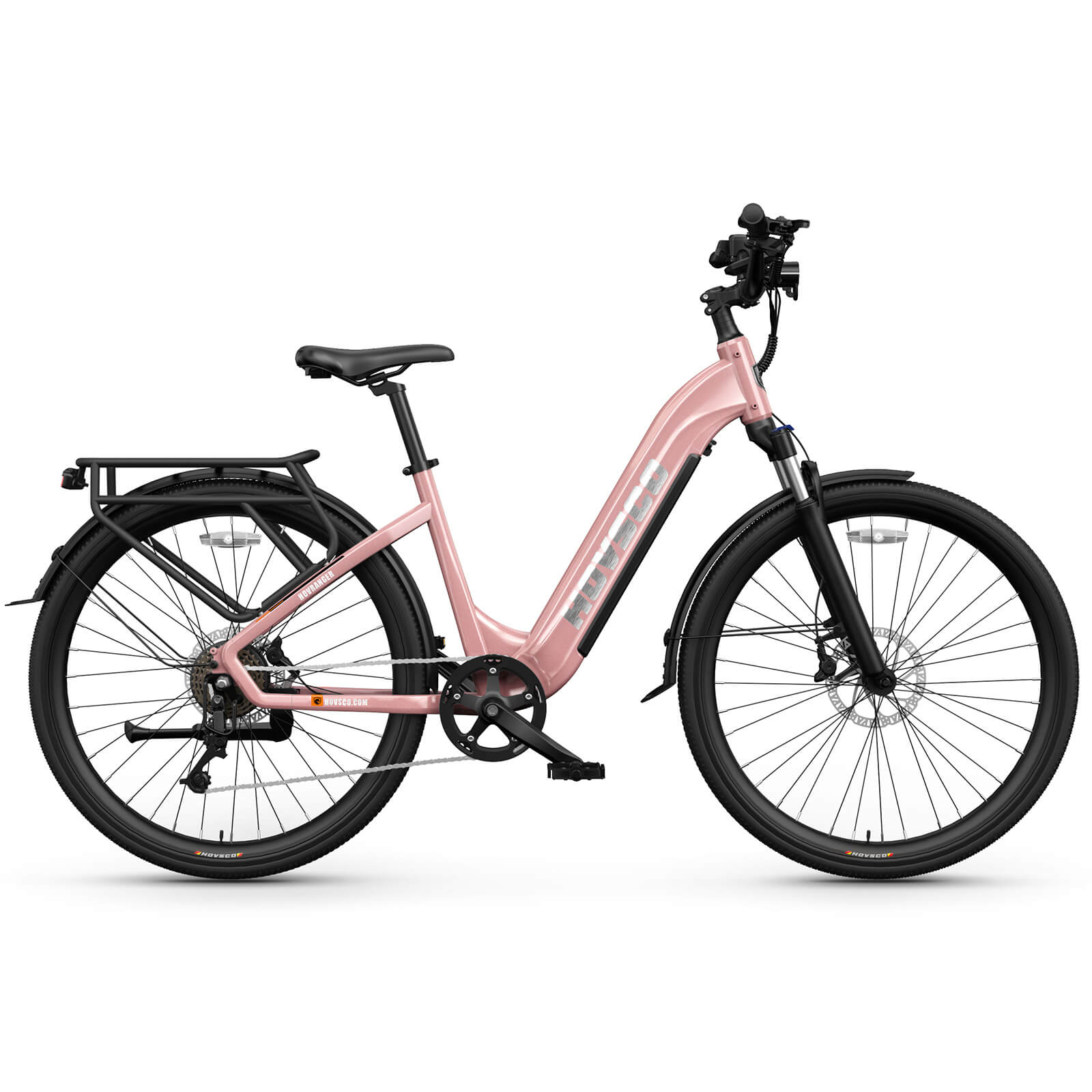
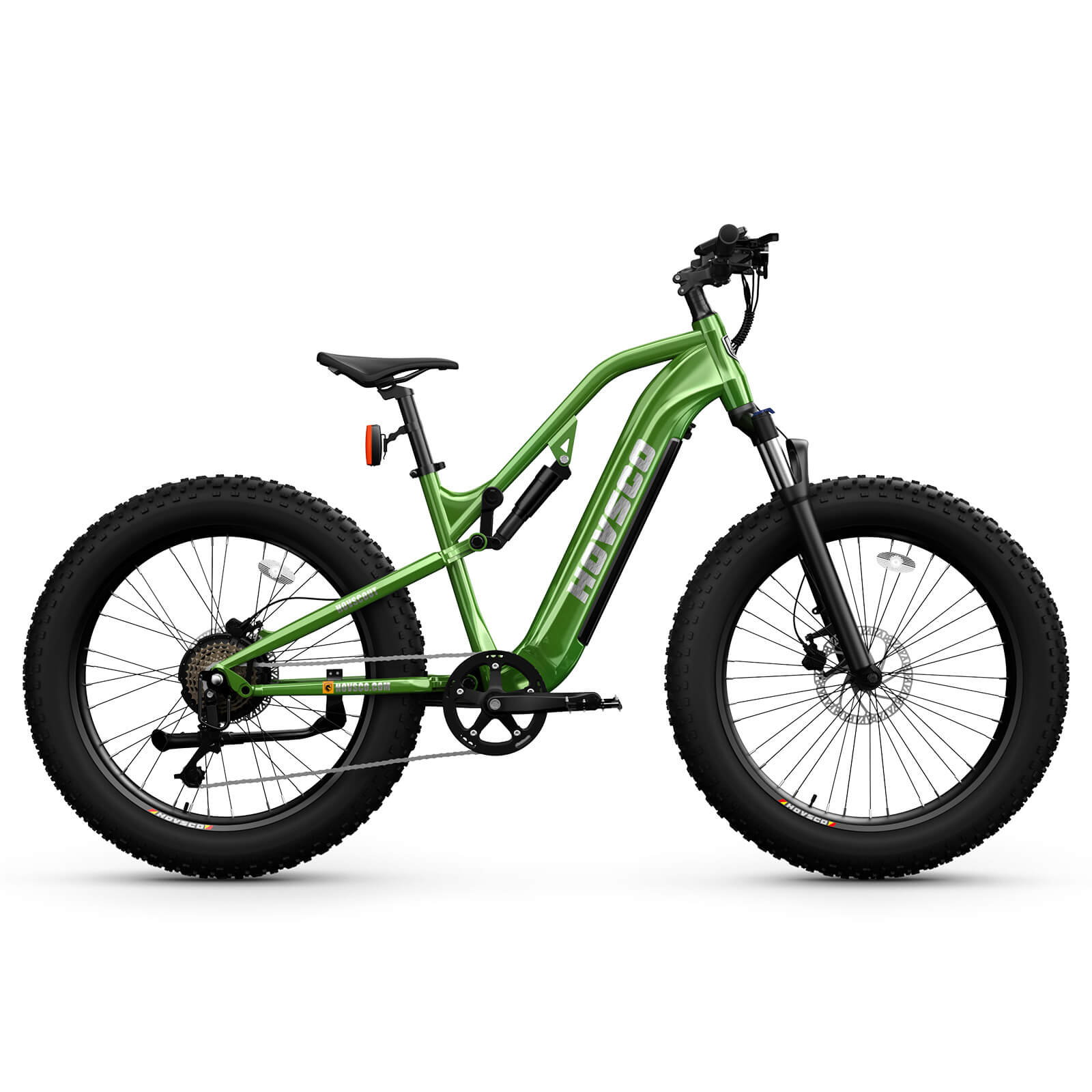
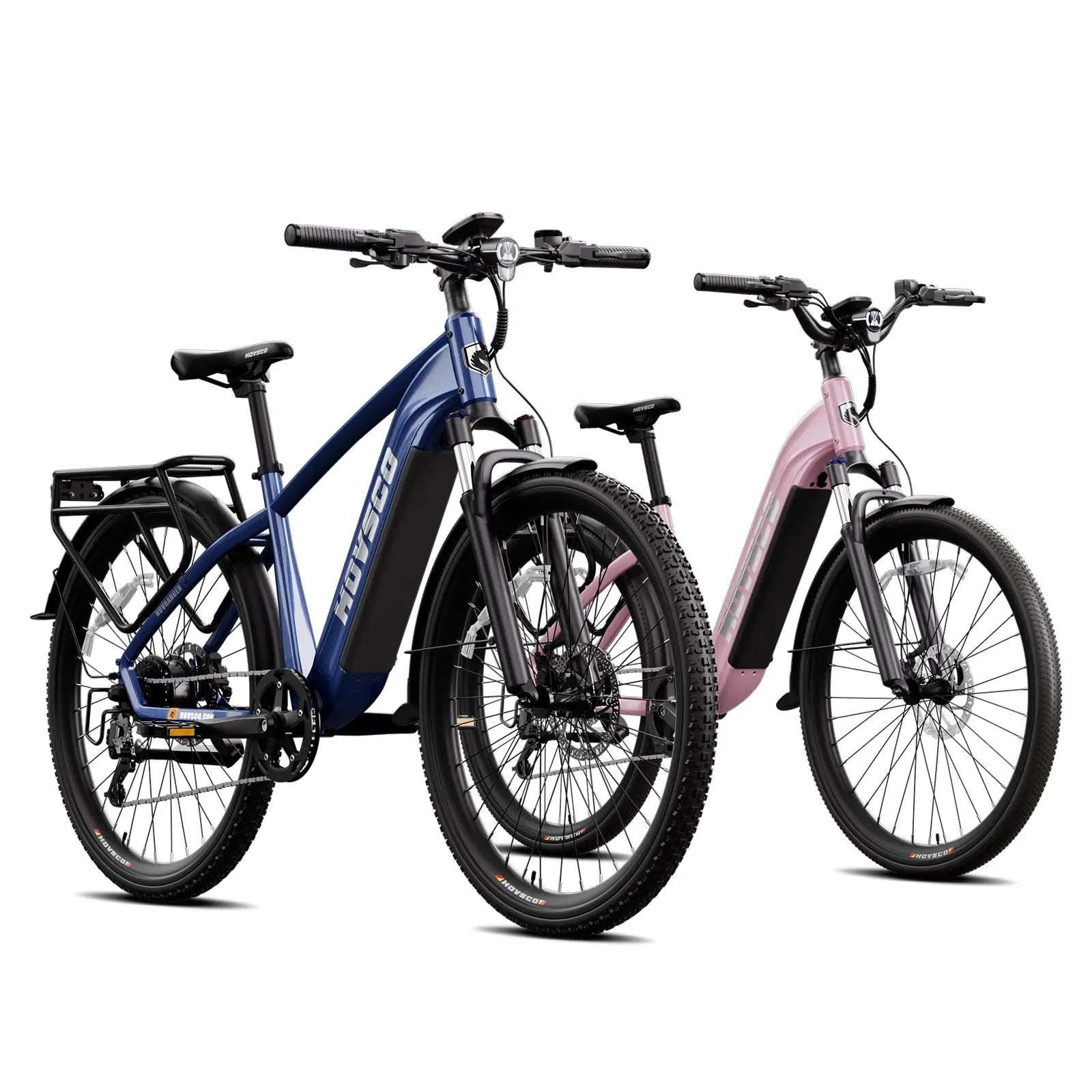
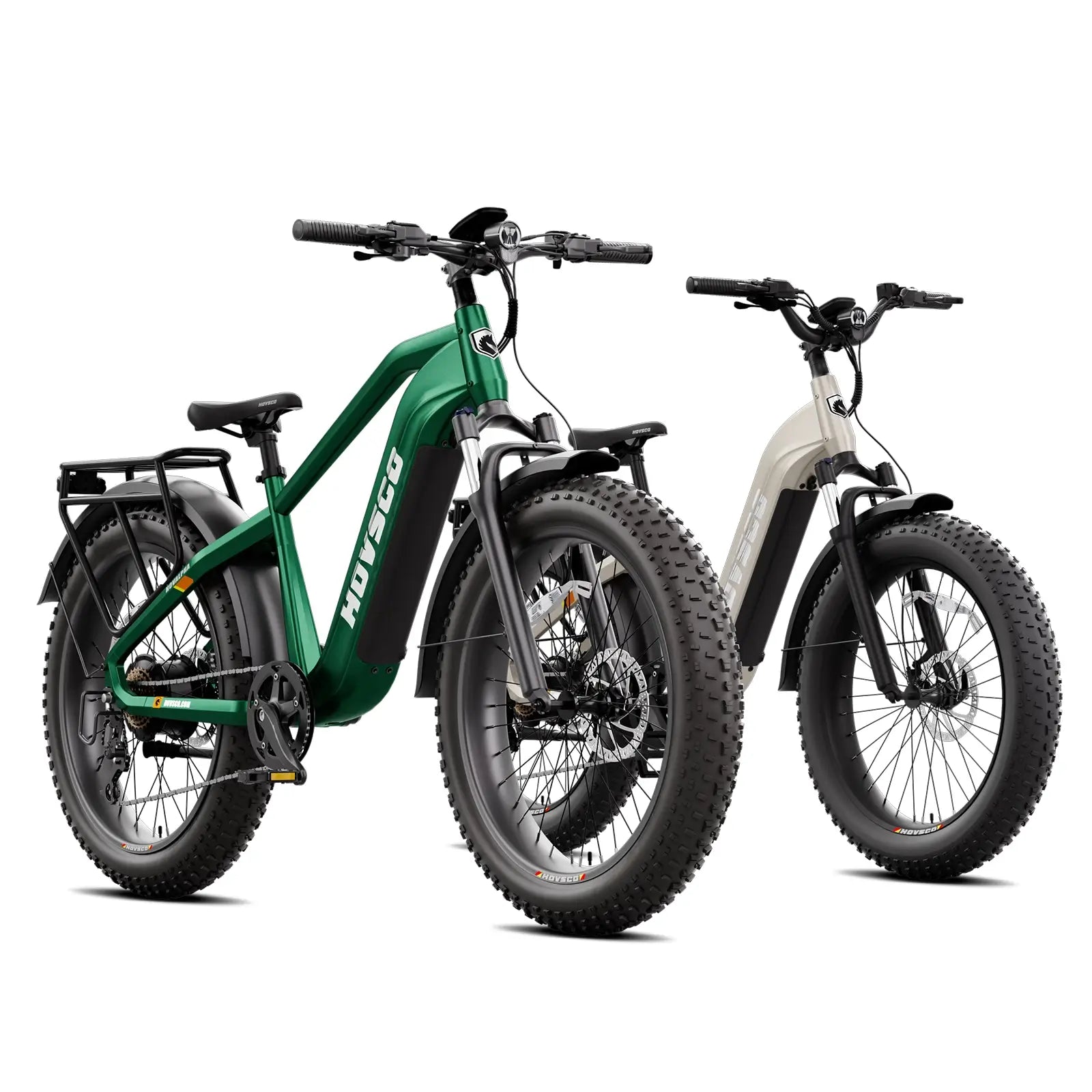
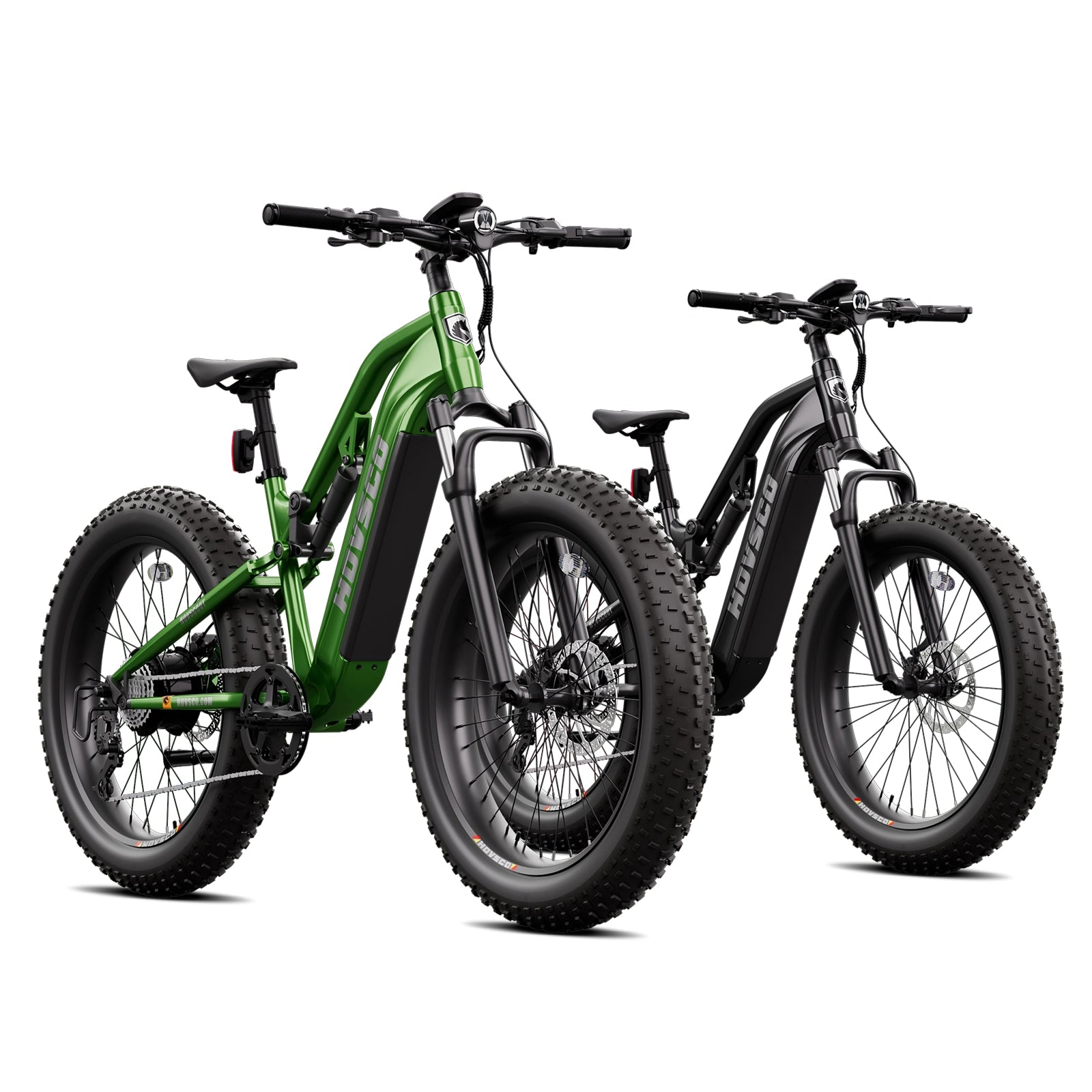
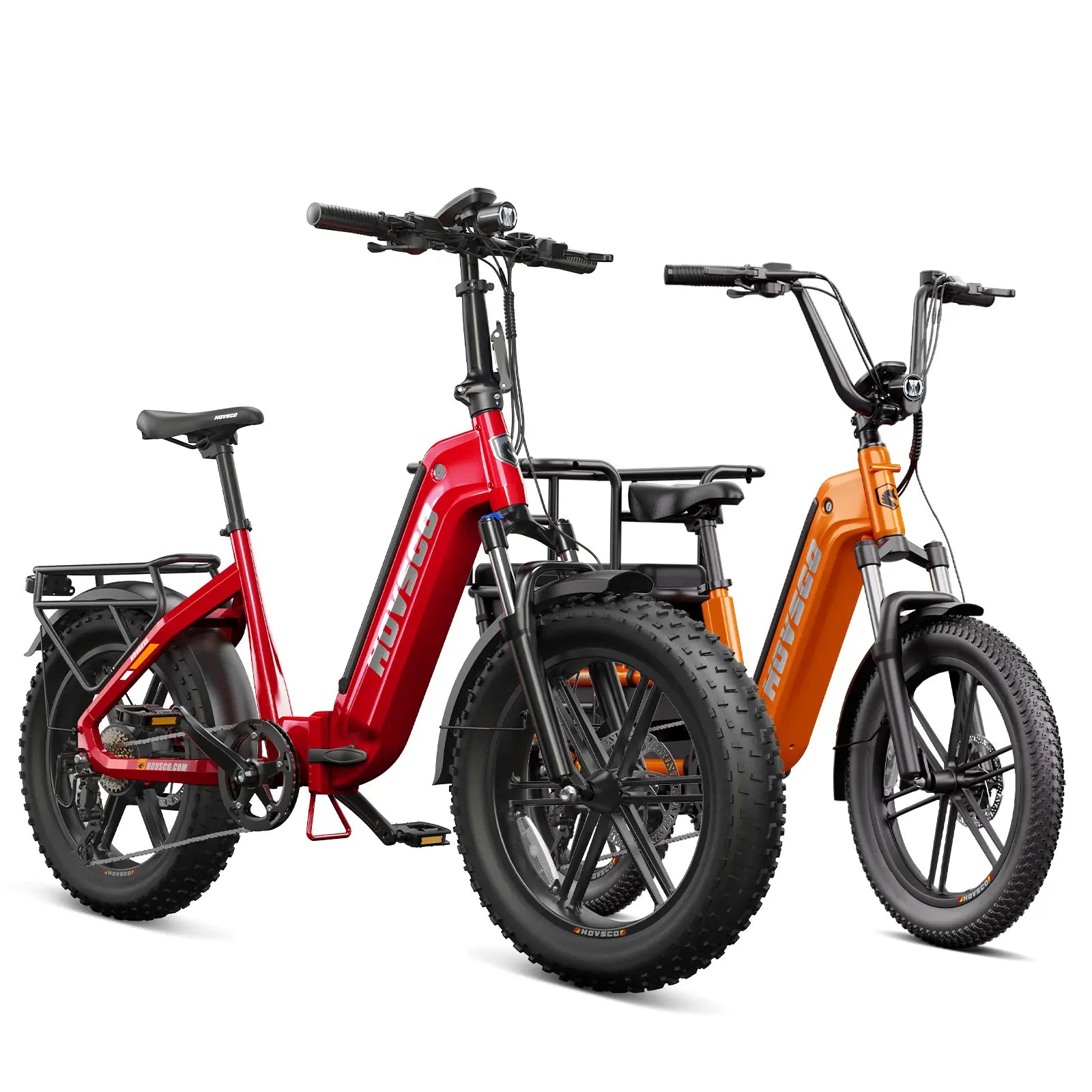
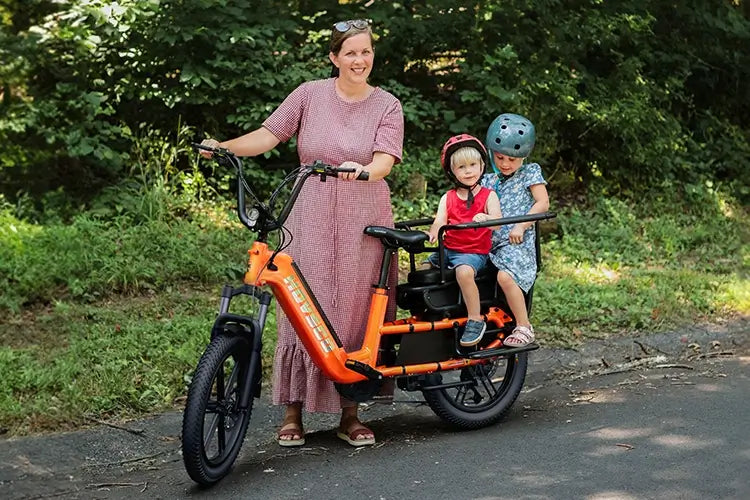
Electric bikes designed for errands—particularly those with cargo capacity and durability like many HOVSCO models—effectively bridge the gap between convenience and sustainability.
Electric bikes for shopping trips are e-bikes equipped with features tailored for errands:
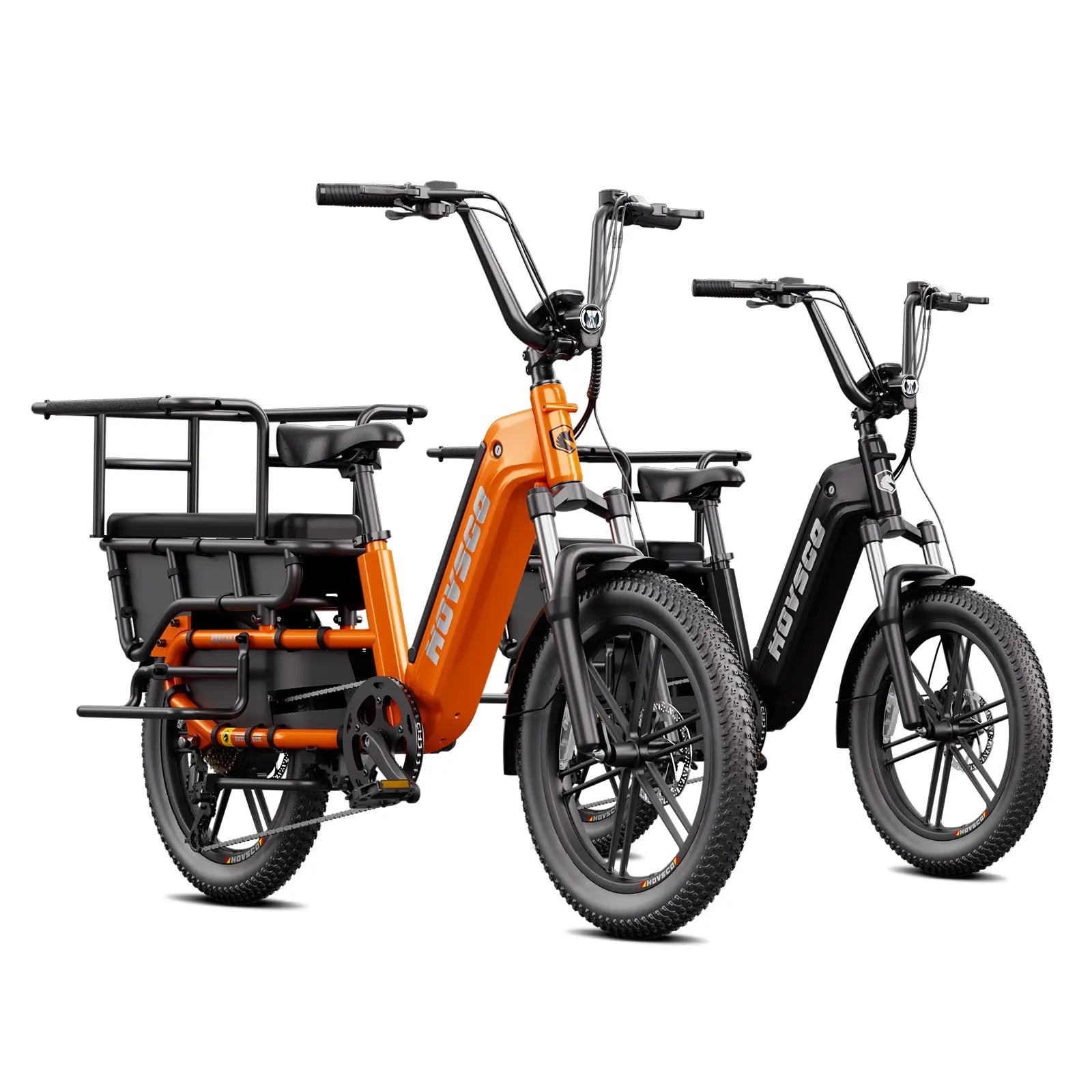
Cargo capacity: Rear racks, panniers, or large baskets tailored to groceries and bags.
Electric assistance: Motors that reduce pedaling effort, especially when loaded with goods.
Stability: Frames and wheelbases engineered to handle weight without compromising control.
Range: Battery systems capable of supporting multiple short trips across a day.
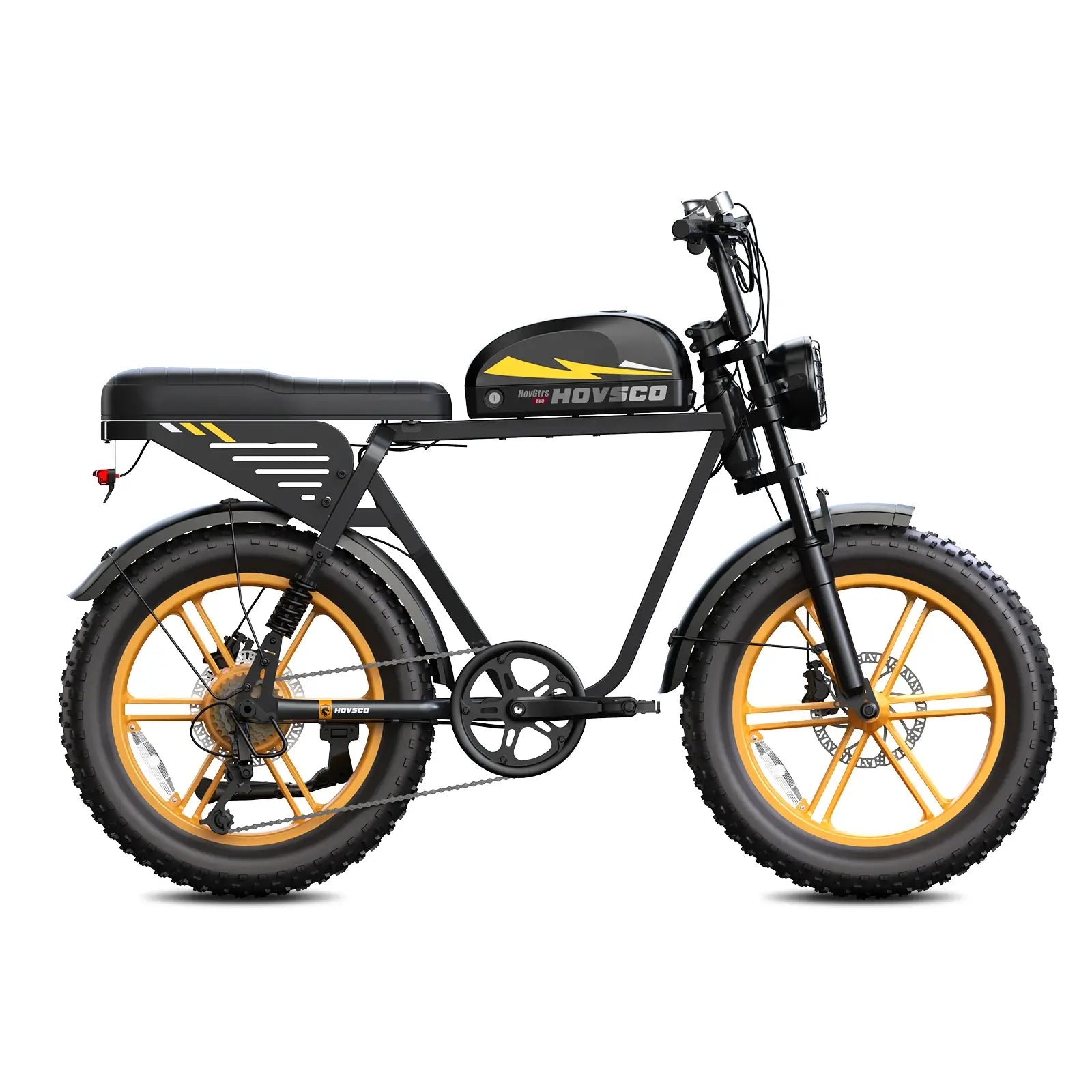
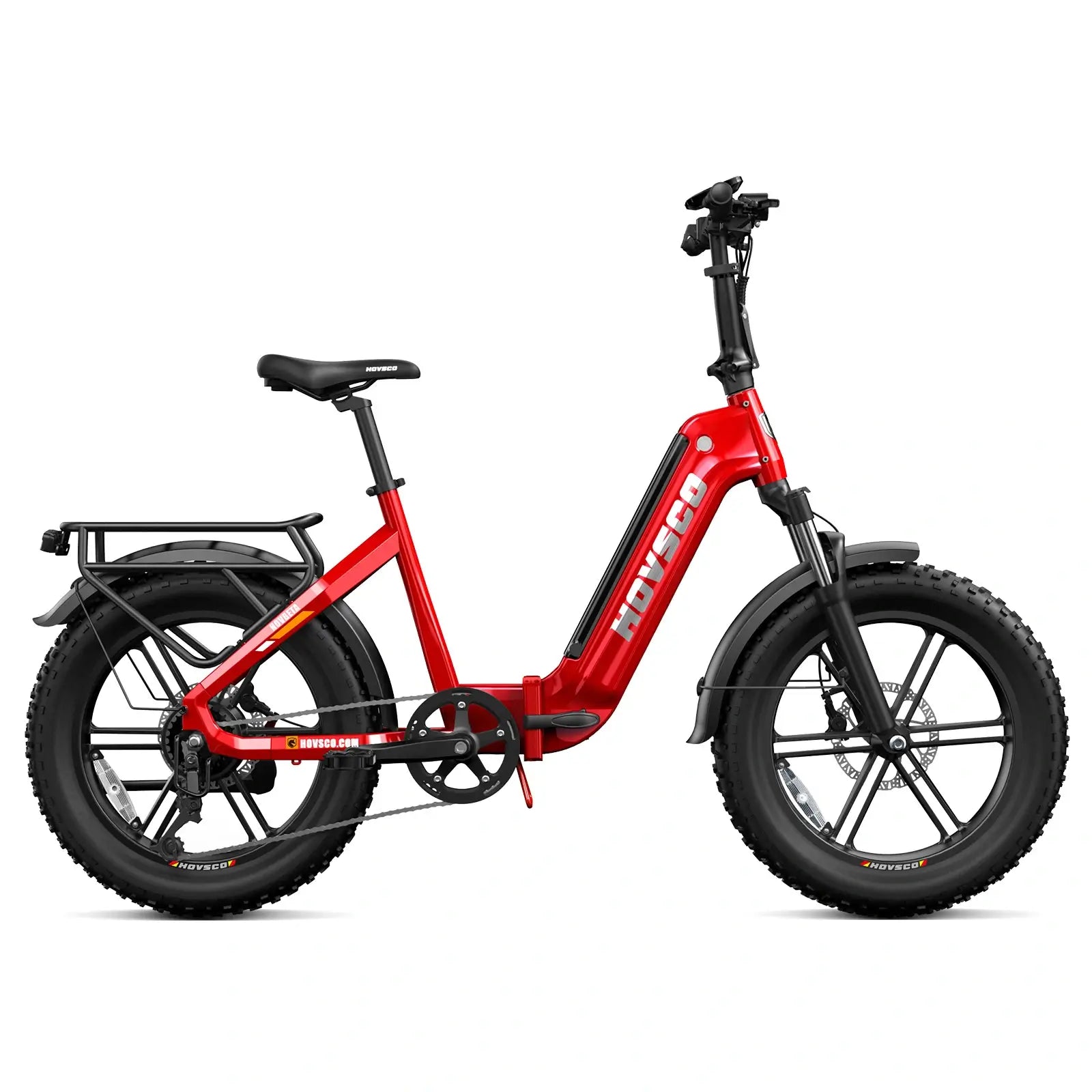
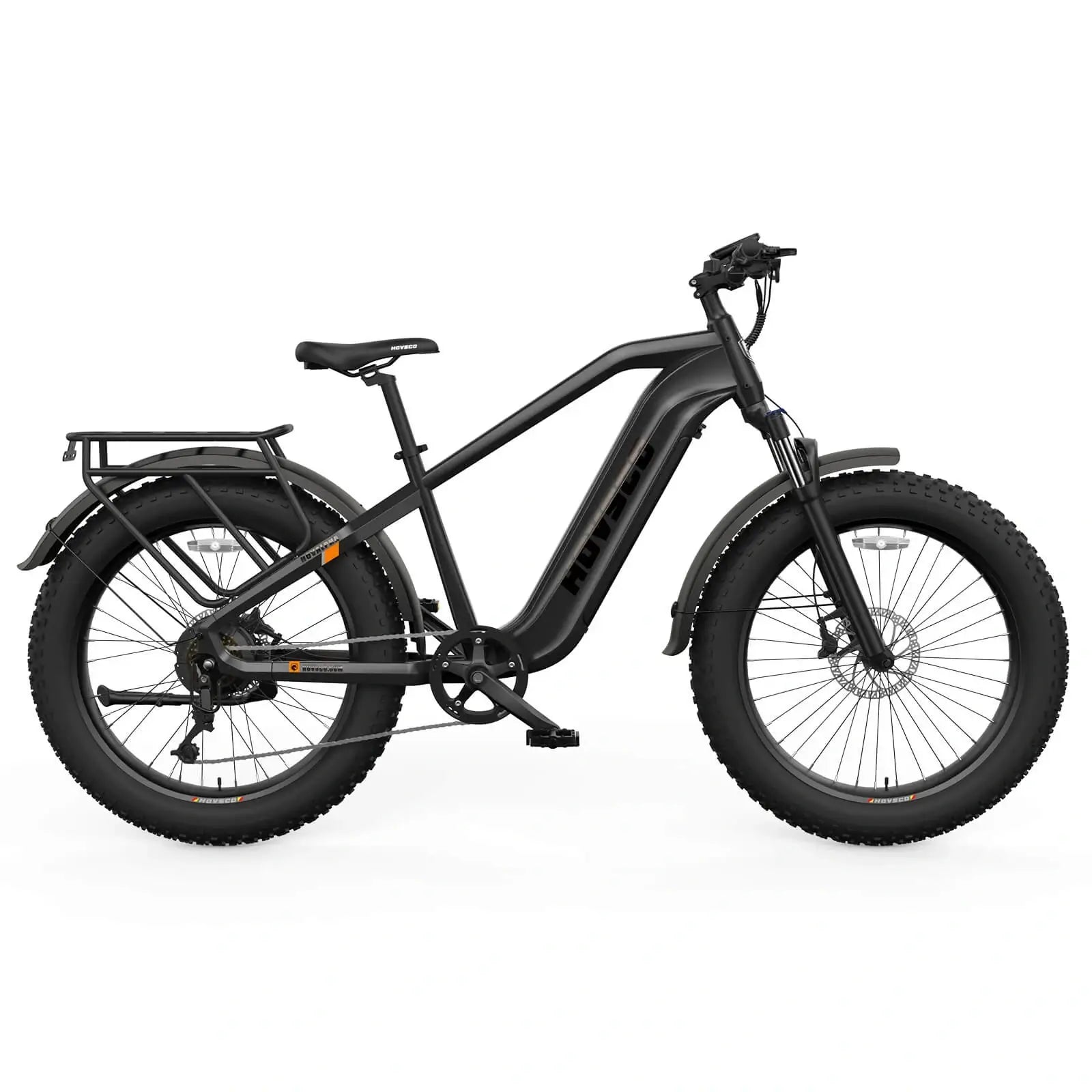
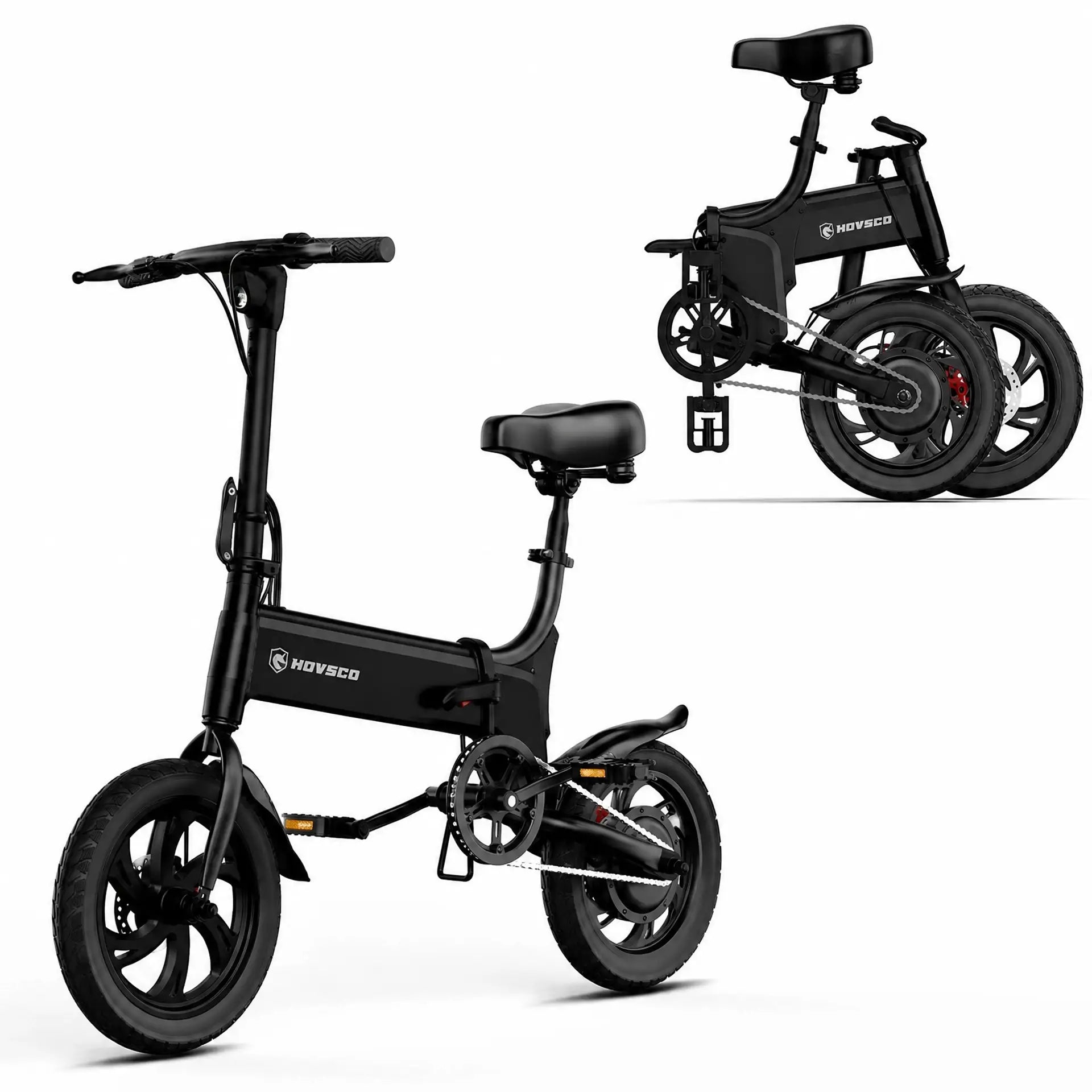
Brands like HOVSCO incorporate these design principles to deliver e-bikes that handle weekly shopping needs while remaining enjoyable for city riding and errands.
| Feature | Car | Standard Bicycle | Electric Shopping E-Bike |
|---|---|---|---|
| Operating Cost | High | Very Low | Low |
| Cargo Capability | High | Low | Moderate–High |
| Parking Convenience | Poor | Excellent | Excellent |
| Urban Traffic Efficiency | Poor | Good | Very Good |
| Environmental Impact | High | Zero | Near Zero |
| Ease of Use (with Load) | Medium | Low | High |
Assess Needs: Estimate average cargo weight and trip distance for your shopping habits.
Select Features: Prioritize cargo racks, basket size, motor power, and battery range. Look for reliable brands such as HOVSCO for balanced performance and support.
Check Local Rules: Understand electric bike classification and speed limits in your area.
Plan Routes: Identify bike lanes and lower-traffic streets for safer and more efficient rides.
Enhance Storage: Add panniers, baskets, or insulation totes for organized shopping loads.
Routine Care: Keep tires, brakes, and battery charged for consistent performance.
Problem: Frequent car use for groceries leads to fuel cost and parking hassles.
Traditional Approach: Drive to supermarket weekly.
After E-Bike Adoption: Load groceries into a large basket or panniers and complete trip without parking issues.
Key Benefit: Lower transportation costs and greater convenience.
Problem: Visiting multiple stores requires multiple short car trips.
Traditional Approach: Use car to navigate stores with limited walkability.
After E-Bike Adoption: Plan a loop route, stop easily, and carry purchases on-bike.
Key Benefit: Saves time and reduces overall travel stress.
Problem: Carrying fresh produce and goods over uneven terrain.
Traditional Approach: Use car or physically demanding conventional bike.
After E-Bike Adoption: Electric assist makes hilly or longer routes manageable with heavy loads.
Key Benefit: More enjoyable ride and reduced physical strain.
Problem: Short local errands within a neighborhood still require car or taxi.
Traditional Approach: Reserve car even for short distances.
After E-Bike Adoption: Use a city-friendly e-bike with cargo to run local errands efficiently.
Key Benefit: Reduces car dependency and supports active lifestyle.
Global e-bike market forecasts project sustained growth through the end of the decade as urbanization and sustainability goals accelerate, with expanded segments covering cargo and utility use. With increasing numbers of trips under 5 miles in urban settings, electric bikes are uniquely positioned to replace a significant share of short car journeys. As governments and cities strengthen micromobility and cycling infrastructure, e-bikes—especially those designed for errands with cargo capacity—will become a mainstream solution for everyday transport. Brands like HOVSCO are meeting this demand with well-designed bikes that balance practicality, reliability, and rider experience.
What makes an electric bike ideal for shopping trips?
The combination of motor assist and dedicated cargo features like baskets or panniers makes carrying goods easy and practical.
Can electric bikes carry heavy grocery loads?
Yes, many models support moderate to high cargo weights when equipped with appropriate racks and storage.
How far can I ride my e-bike for errands on a single charge?
Range varies by battery size, but many commuter e-bikes cover 30–60+ miles per charge under typical urban use.
Are electric bikes safe to use in city traffic?
When ridden with proper gear and awareness of local traffic laws, electric bikes are safe for urban shopping trips.
Do electric shopping bikes require special licensing?
Regulations differ by region, but most e-bikes operate under standard bicycle classifications without special licensing requirements.
United States Electric Assisted Bicycles Market Growth Analysis – GlobeNewswire / Astute Analytica
Global E-Bike Market Forecast to 2029 – Data Bridge Market Research
Electric Bike Consumer Usage for Shopping Trips – iiMedia Research Report
E-Bike Usage Trends and Trip Growth – Lyft Urban Solutions Report
Share:
What Is the Best Family Ebike for Everyday Use, Safety, and Versatility?
What Are the Best Locks and Security Solutions for Moped Style E-Bikes?