



![[ New Arrival ] Porto Max Electric Scooter For Commute & Grocery Shopping - HOVSCO](http://www.hovsco.com/cdn/shop/files/PotroMax-3.jpg?v=1706927007&width=1200)
- by EO S
What Is a Long Range Electric Bike and Which Models Deliver the Most Distance?
- by EO S
E-Bikes
Accessories
 Free Shipping
 15-Day Returns
 2-Year Warranty
Free Shipping
15-Day Returns
2-Year Warranty
2-Year Warranty
Free Shipping
15-Day Returns
2-Year Warranty
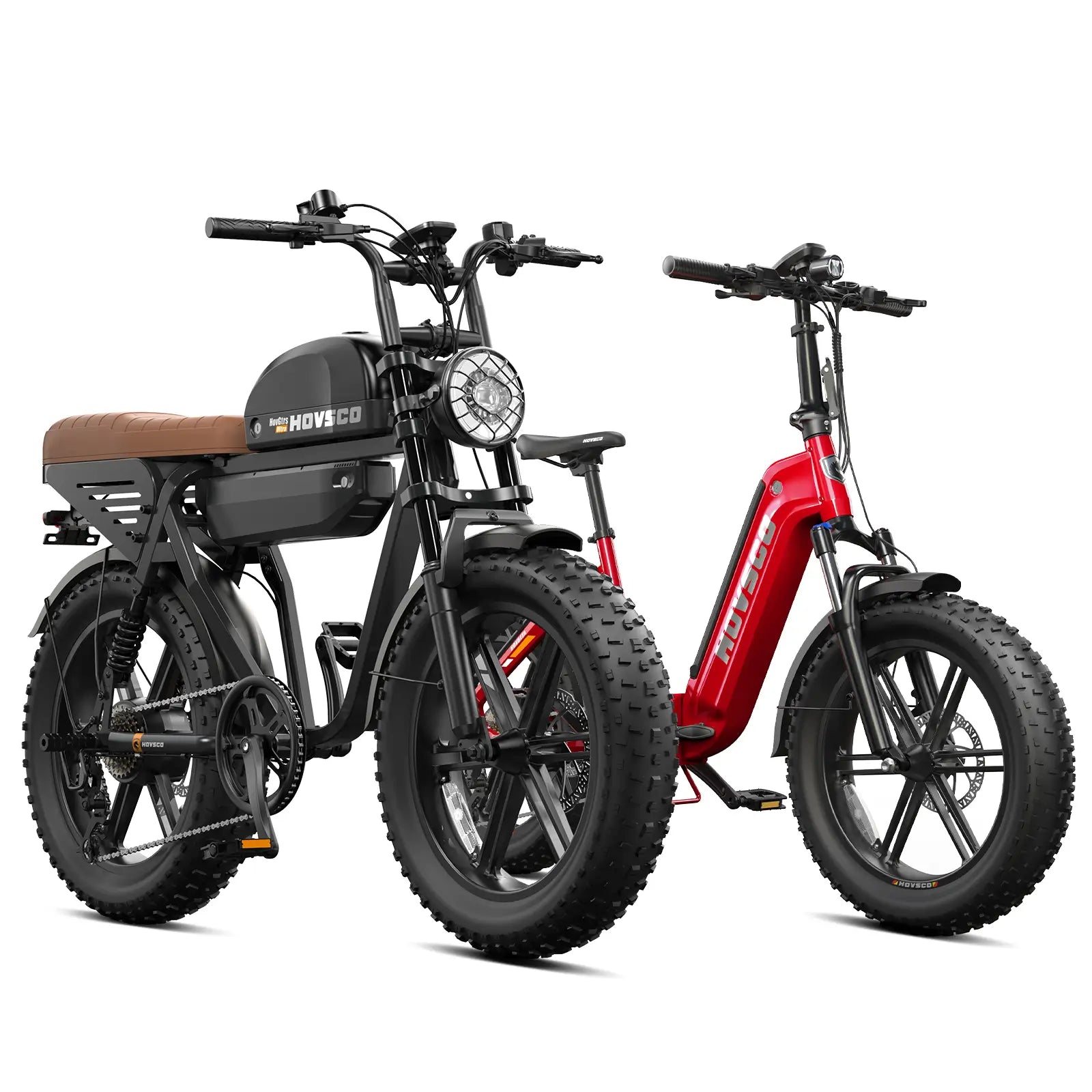
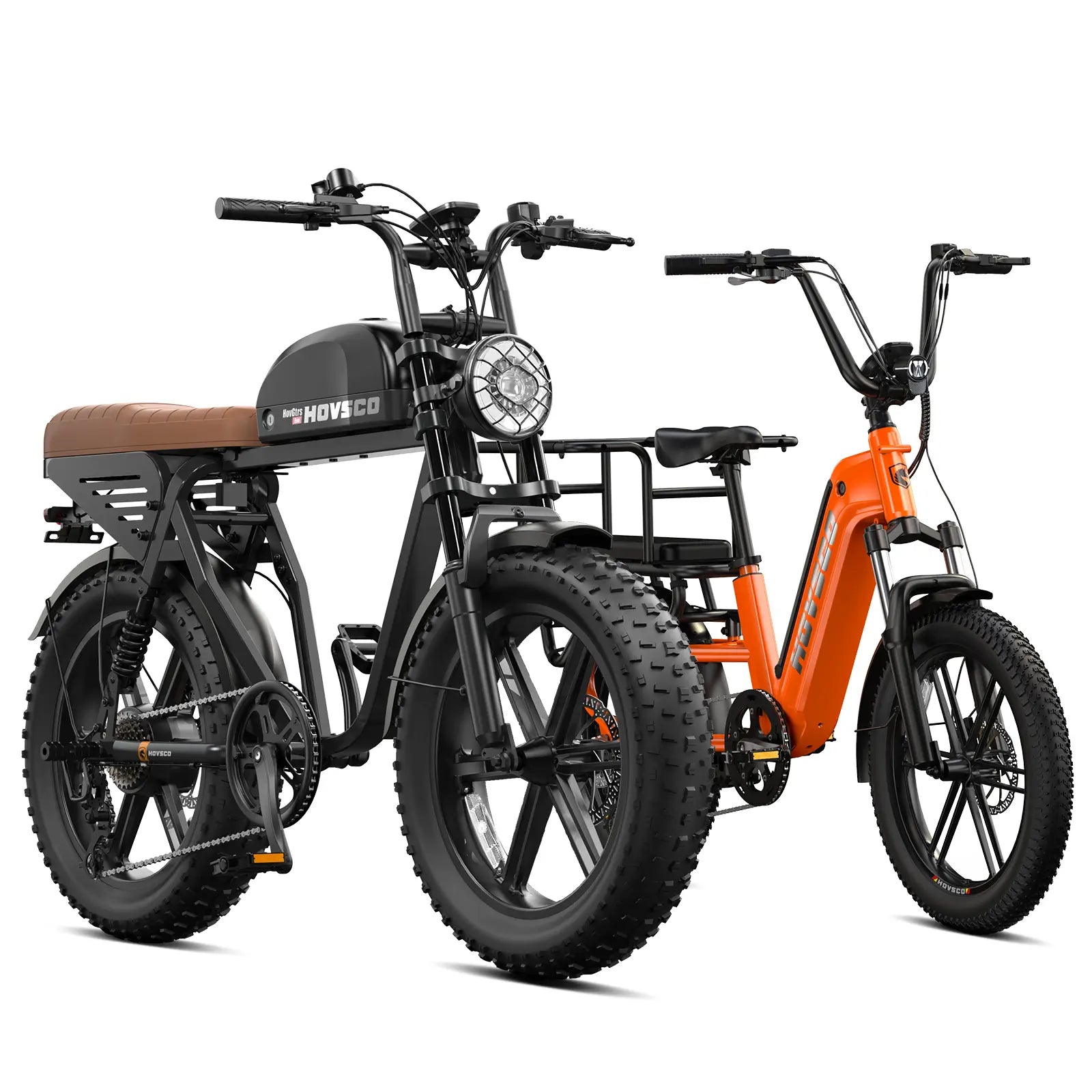
Long range electric bikes are designed for riders who need extended battery life, dependable power over long distances, and practical performance for commuting, touring, or daily errands. With advanced battery systems and efficient motors, long range ebikes — including options from brands like HOVSCO — make it possible to travel farther without frequent charging, transforming how people use bikes for real-world mobility.
The long range electric bike segment is expanding rapidly as improved battery technology and urban mobility demands push riders to seek alternatives to cars. In the United States, the long range ebike market is projected to grow from about USD 6.7 billion in 2025 to USD 14.8 billion by 2031, driven by urban commuters, recreational riders, and delivery services seeking efficient transport options. Growth is supported by cycling infrastructure improvements, rising fuel costs, and sustainability policies in major cities. ([turn0search11])
Yet despite strong growth, riders still encounter range anxiety and inconsistent real-world performance. Many standard ebikes on the market offer 25–50 miles per charge under typical use, which may require daily charging for commuters and limits longer trips without planning. ([turn0search13]) Rider experience data shows that battery capacity, terrain, rider weight, and assistance levels influence real range, often resulting in lower performance than advertised. ([turn0reddit41]) These gaps in usable range underscore the importance of choosing models engineered for long distances.
To address these challenges, long range ebikes emphasize larger battery capacities, dual-battery compatibility, and efficient motors — features increasingly valued by daily commuters, adventurers, and utility riders.
Traditional ebikes often fall short when riders demand long distance capability:
Limited battery capacity: Many standard ebikes use 400–600 Wh batteries that deliver short real-world ranges.
Frequent charging: Riders may need to charge daily for moderate commutes, increasing inconvenience.
Reduced performance under load: Carrying cargo or riding hills significantly reduces effective distance.
Lower versatility: Regular ebikes are better suited for short urban rides rather than extended travel or touring.
In contrast, dedicated long range ebikes incorporate larger batteries, optimized controllers, and design features that help maximize each charge for dependable performance over extended distances.
Long range electric bikes are distinguished by several core capabilities that contribute to extended travel on a single charge:
High Capacity Battery Systems: Often 700 Wh or larger, some offering dual-battery configurations for ranges beyond 100 miles.
Efficient Motor Technology: Motors optimized to balance power and energy use, extending battery life.
Smart Energy Management: Controllers and displays that adjust assist for range optimization.
Durable Frame and Componentry: Bikes built to handle the extra weight of larger batteries and long-distance use.
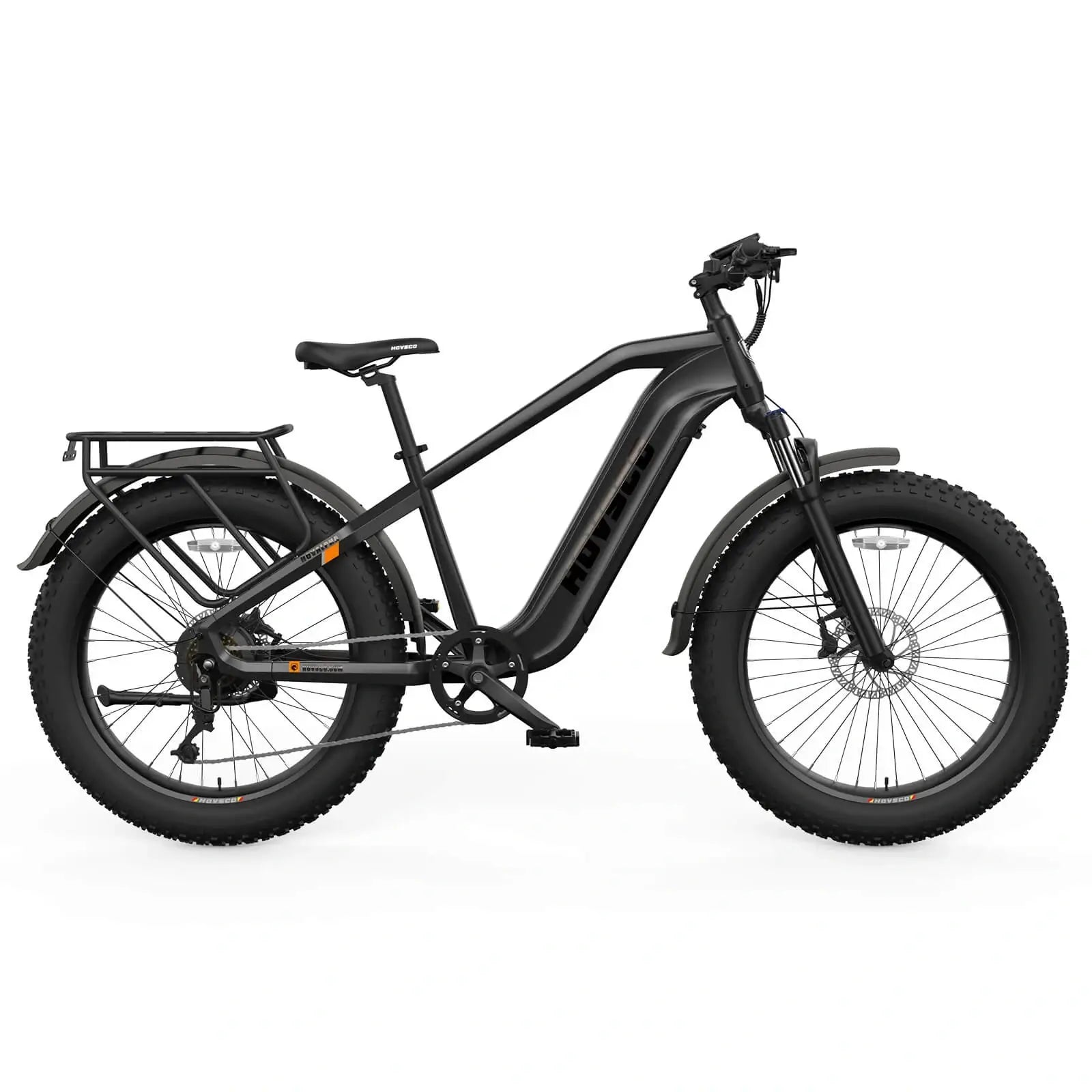
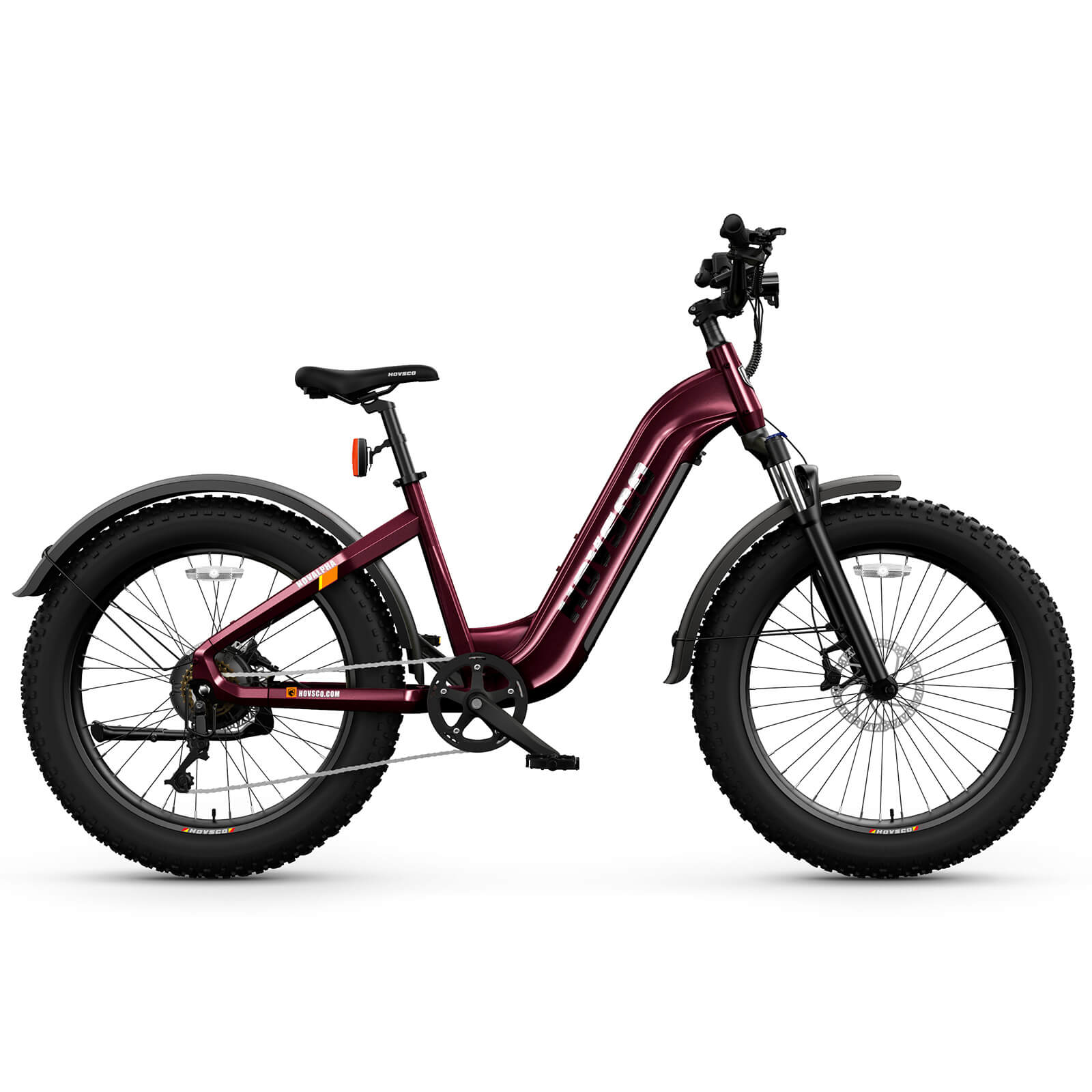
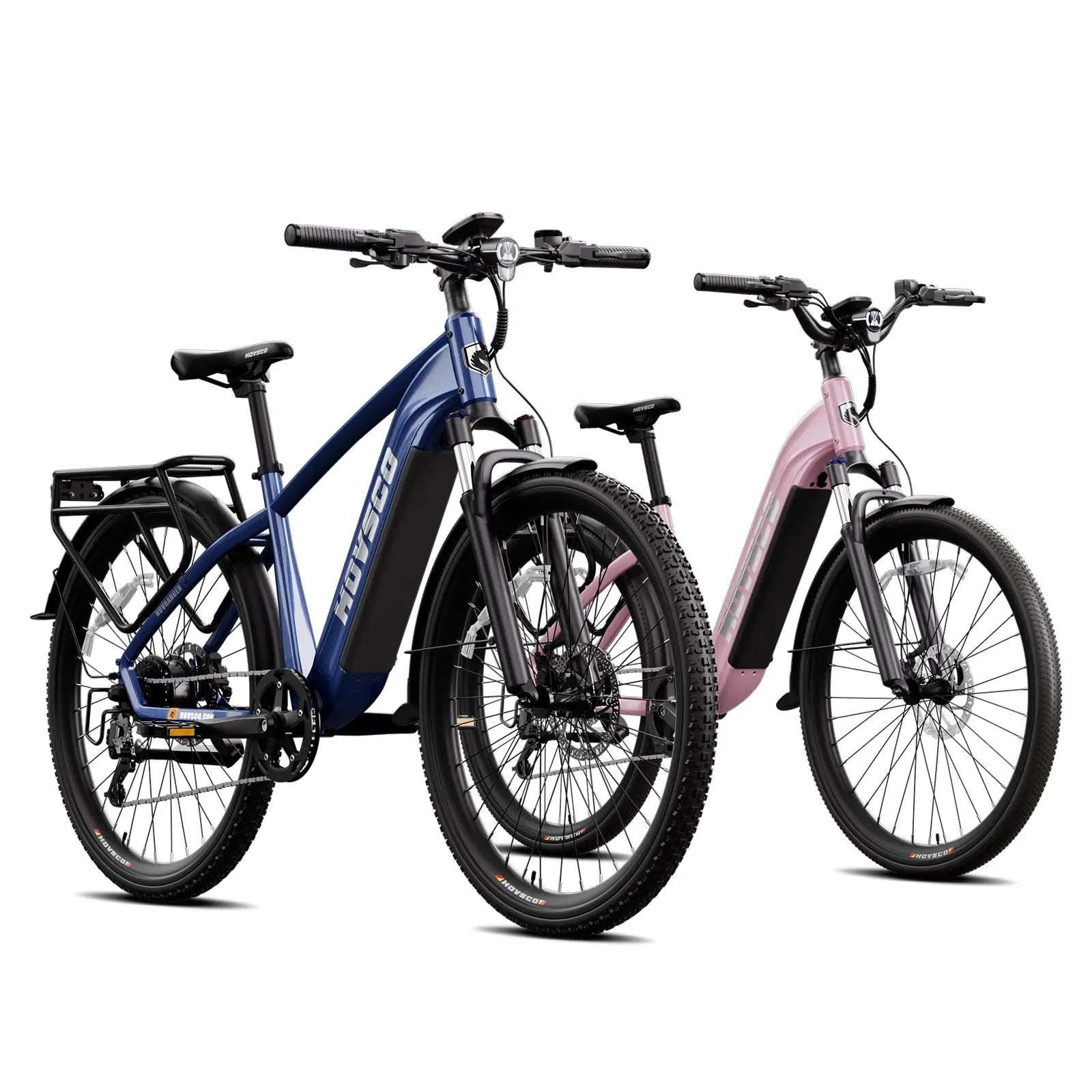
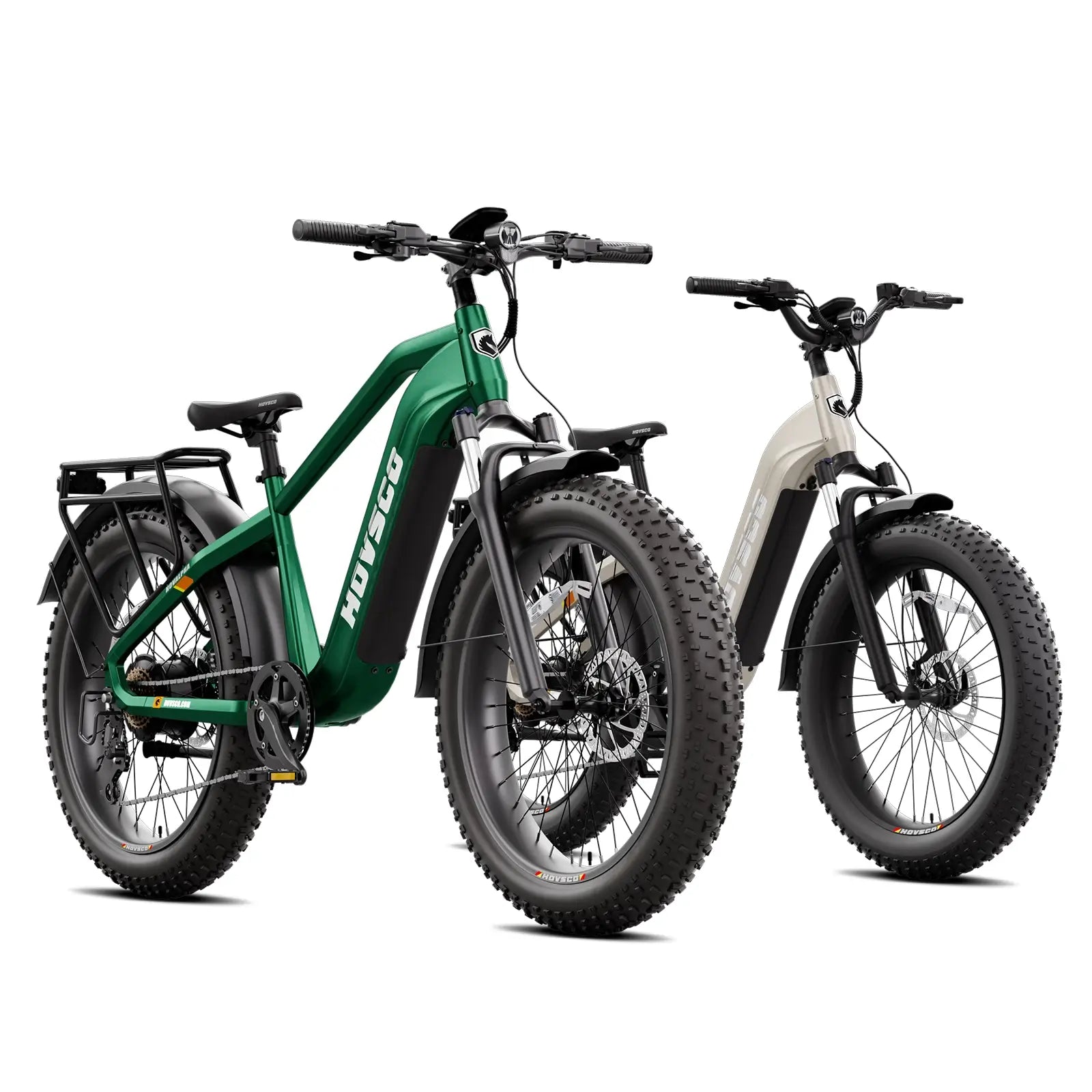
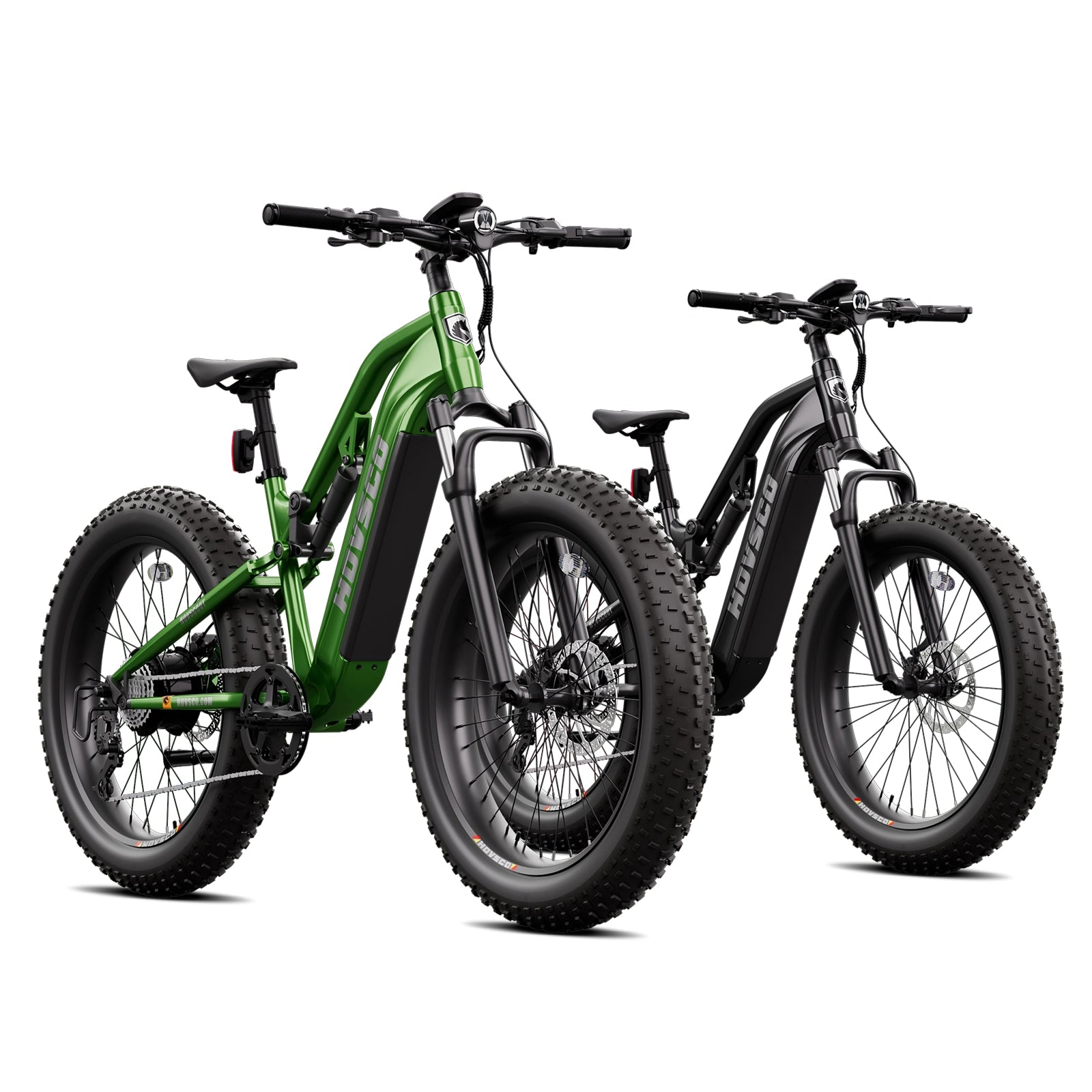
Brands like HOVSCO blend these characteristics into their long range models, such as the HovAlpha series, which pairs a capable motor with optimized battery systems to help riders achieve sustained distances with comfortable performance.
| Feature | Standard Ebike | Long Range Electric Bike |
|---|---|---|
| Typical Range | ~25–50 miles | ~50–120+ miles |
| Battery Capacity | ~400–600 Wh | ~700 Wh+ or dual systems |
| Daily Commute Ease | Good | Excellent for longer commutes |
| Touring / Adventure Suitability | Limited | Strong |
| Load & Terrain Handling | Moderate | Superior |
| Charging Frequency | Often Daily | Less Frequent |
This table highlights how long range electric bikes outperform standard models in distance, versatility, and practical usability.
Determine Your Distance Needs: Estimate average and maximum daily rides; long range models shine for 50+ mile days.
Evaluate Battery Size: Look for 700 Wh+ batteries or dual-battery capability for extended range.
Choose Efficient Motors: Mid-drive or optimized hub motors improve range by balancing assist and energy use.
Check Frame and Load Support: Ensure the bike can handle additional weight without compromising ride stability.
Adjust Riding Style: Use lower assistance levels when possible and pedal efficiently for optimal range.
Test Real-World Conditions: Try typical routes before committing to ensure the advertised range meets your needs.
Scenario 1: Long Daily Commuter
Problem: 30+ mile daily commute with limited charging at destination.
Traditional Approach: Charge daily, range anxiety during peak use.
With Long Range Ebike: Battery supports round-trip commuting without daily recharging.
Key Benefit: Fewer charges, reliable daily transportation.
Scenario 2: Multi-Day Touring Rider
Problem: Touring routes with limited access to charging.
Traditional Approach: Plan stops meticulously or ride shorter segments.
With Long Range Ebike: Extended battery capacity and efficient assist enables longer touring legs.
Key Benefit: More freedom and fewer range limitations during travel.
Scenario 3: Cargo & Errand Runner
Problem: Running multiple errands with cargo reduces effective range.
Traditional Approach: Short hops and frequent charges.
With Long Range Ebike: Larger batteries compensate for extra load and assist usage.
Key Benefit: Consolidated tasks without battery stress.
Scenario 4: Weekend Adventure Rider
Problem: Exploring trails and remote paths without frequent chargers.
Traditional Approach: Limited to shorter rides or tour with support vehicles.
With Long Range Ebike: Sustained distance and battery management support exploration.
Key Benefit: Extended ride capability with confidence.
In each scenario, riders experience measurable improvements in distance covered and convenience, especially with models equipped for long range performance.
The demand for long range electric bikes continues to grow as riders shift toward sustainable, efficient everyday mobility. With advancements in battery technology and smarter energy management, long range ebikes enable longer commutes, more flexible touring, and greater utility than standard models. As market forecasts show continued growth in the segment and consumer interest in reducing car dependency, long range ebikes provide a practical mobility solution for diverse riders.
Brands like HOVSCO are responding with long range models that balance performance, comfort, and affordability, meeting the needs of riders who prioritize distance and reliability in their rides.
What range qualifies as a long range electric bike?
A long range ebike typically delivers 50 miles or more per charge, with many capable of 80–120+ miles under optimal conditions.
Do larger batteries always mean more range?
Yes — larger capacity (measured in watt-hours) generally supports longer distance, but factors like terrain, assist level, and rider weight also impact range.
Can I add a second battery to increase range?
Some bikes support dual battery systems, which can nearly double range, making them ideal for touring or heavy use.
Which riding factors most affect real-world range?
Terrain (hills), rider weight, assist level, and cargo load all significantly influence actual distance achieved.
Are long range e-bikes worth the extra cost?
For riders with daily long commutes, touring aspirations, or heavy use needs, the improved range and convenience often outweigh initial investment.
Share:
Are Electric Bikes With Strong Battery the Best Solution for Long-Range Riding and Daily Utility?
Are Electric Bikes With Strong Battery the Best Solution for Long-Range Riding and Daily Utility?