Electric bikes with strong batteries are essential for riders who demand reliable range, robust performance, and consistent daily usability. With industry-leading brands like HOVSCO integrating high-capacity power systems into their e-bike designs, riders are now enjoying extended travel distances and confidence in every journey.
How Is the Electric Bike Battery Market Growing and What Pain Points Do Riders Face?
The electric bike battery market continues to expand rapidly as consumers prioritize longer range, greater power, and extended daily usability. In 2024, the global electric bike batteries market was valued at USD 6.38 billion and is projected to grow to USD 7.31 billion by 2025, with forecasts showing escalation to USD 22.18 billion by 2033 at a compound annual growth rate (CAGR) of 14.6 %. This growth reflects the rapid adoption of e-bikes for commuting, cargo transport, and recreational use, where longer battery life directly translates to better user satisfaction. Around 53 % of e-bike battery systems in 2025 fall within the 400–700 Wh category, offering practical balance between capacity and weight, but demand for above-750 Wh systems—supporting extended range—is increasing quickly. Despite this growth, many riders still report anxiety over limited range, “range-fear,” and insufficient battery life on longer rides or multi-purpose trips. Standard battery systems can fall short under load, steep terrain, or with repeated start-stop urban use, leaving riders concerned about reliability and return journeys. These pain points underscore the need for stronger battery solutions in everyday e-bikes, especially for commuters, adventurers, and utility riders.
Why Do Traditional E-Bike Battery Solutions Fall Short?
Traditional electric bike batteries often lack the capacity, power output, and longevity required for extended use:
-
Limited capacity: Standard batteries around 300–500 Wh may only deliver 30–60 km of range under real-world conditions, especially with heavier riders or cargo.
-
Inconsistent performance: Power drop-off on hills and under load can leave riders struggling to reach destinations on a single charge.
-
Short lifecycle: Lower quality battery packs may degrade faster, reducing available range over time.
Compared to these, strong battery electric bikes—such as those from HOVSCO—are engineered with higher-capacity cells, advanced battery management systems, and optimized power delivery to support longer rides, heavier loads, and everyday dependability.
What Defines a Strong Battery Electric Bike and What Core Capabilities Does It Offer?
An electric bike with strong battery typically includes:
-
High-capacity battery packs: Often exceeding 750 Wh, delivering extended range for long commutes and weekend excursions.
-
Advanced battery management systems (BMS): Ensuring safety, longevity, and efficient charge/discharge cycles.
-
Powerful motors paired with robust batteries: Delivering consistent torque and support even under load and varied terrain.
-
Removable and modular design: Allowing convenient charging and future upgrades.
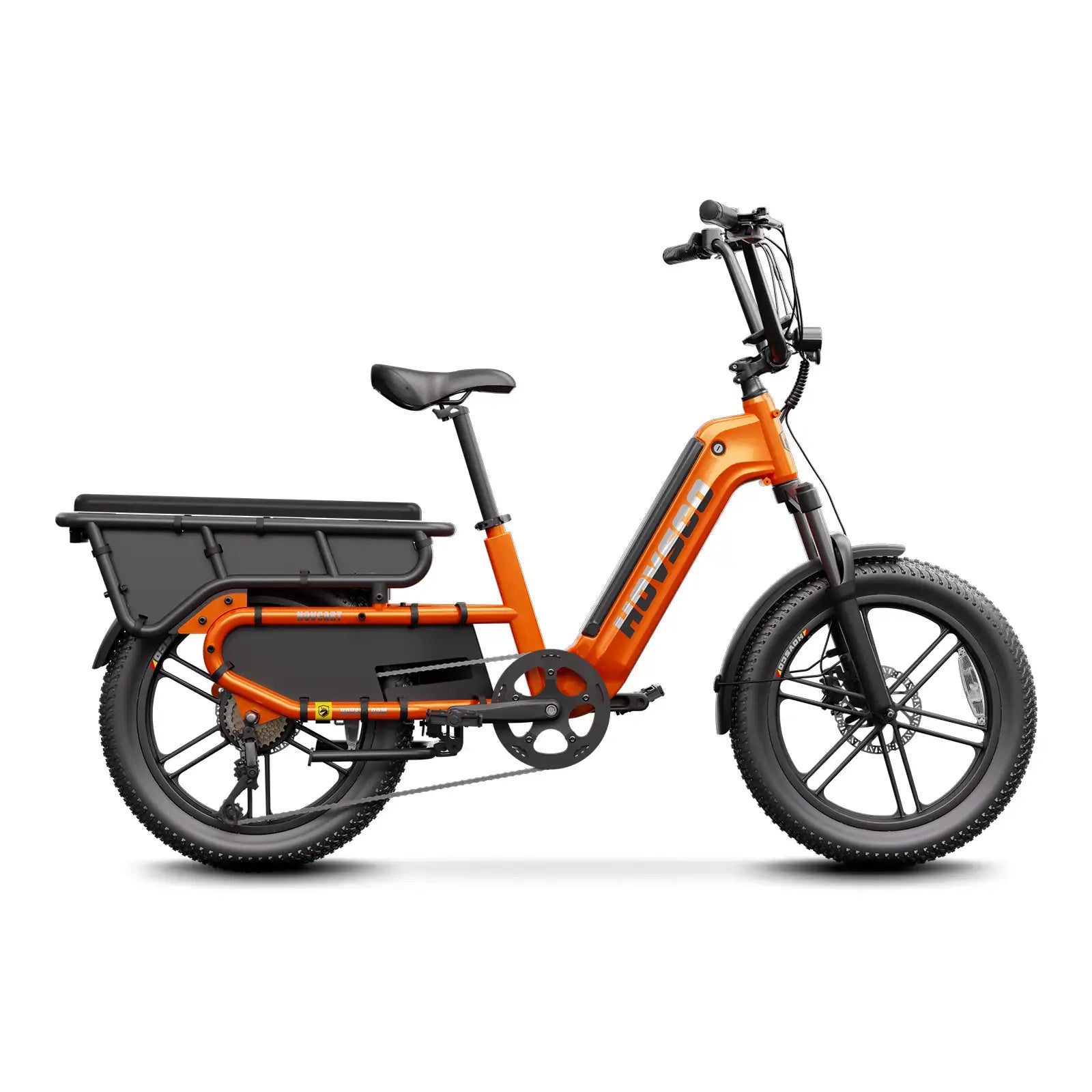
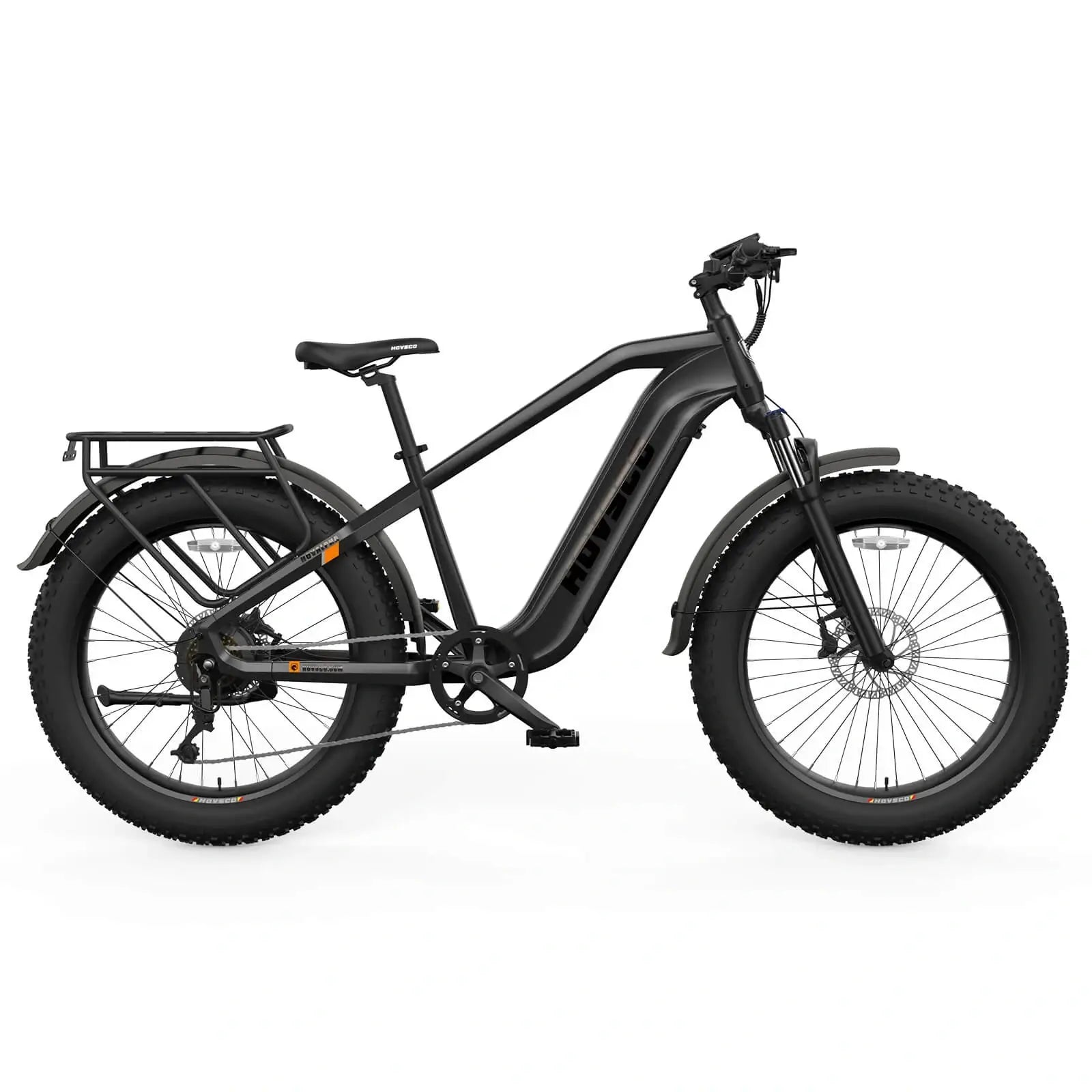
Brands like HOVSCO leverage these capabilities to produce e-bikes that handle daily demands with ease while maintaining reliable performance over time.
How Do Strong Battery E-Bikes Compare to Traditional Alternatives?
| Feature |
Standard E-Bike |
E-Bike with Strong Battery (e.g., HOVSCO) |
| Battery Capacity |
~300–500 Wh |
~750 Wh and above |
| Practical Range |
~30–60 km |
~60–120+ km |
| Power Under Load |
Limited |
Strong & consistent |
| Daily Reliability |
Moderate |
High |
| Suitability for Cargo/Commuting |
Basic |
High |
| Battery Lifespan |
Moderate |
Enhanced (with BMS) |
How Do You Choose and Use an Electric Bike With a Strong Battery?
-
Determine Ride Needs: Estimate typical daily distance and terrain; higher capacity batteries are vital for longer trips and cargo use.
-
Compare Capacities: Look for battery ratings (Wh) that align with expected range goals; batteries over 750 Wh are ideal for extended use.
-
Evaluate Battery Management: Check for advanced BMS features, thermal protection, and safety certifications.
-
Check Removability: Removable battery packs offer ease of charging and secure storage.
-
Plan Charging: Establish a convenient routine to keep the battery topped up and healthy.
-
Perform Routine Maintenance: Monitor battery health and charger performance to maximize longevity.
What Are 4 Typical Use Cases for Strong Battery Electric Bikes?
Scenario 1: Long Commute Riders
Problem: Commuters face daily rides that exceed standard battery range.
Traditional Approach: Frequent charging breaks or hybrid transport.
After Adoption: Strong battery e-bikes complete round trips with ample reserve power.
Key Benefit: Reliable daily commuting without range anxiety.
Scenario 2: Cargo and Utility Use
Problem: Carrying loads reduces range on standard bikes.
Traditional Approach: Use cargo vans or frequent recharges.
After Adoption: High-capacity batteries maintain performance even with loads.
Key Benefit: Efficient cargo transport with electric support.
Scenario 3: Weekend and Touring Adventures
Problem: Standard batteries limit recreational rides.
Traditional Approach: Shorter routes or multiple batteries.
After Adoption: Extended rides with minimal recharge stops.
Key Benefit: Freedom to explore longer distances reliably.
Scenario 4: Hilly or Mixed Terrain Riding
Problem: Terrain drains battery faster on climbs.
Traditional Approach: Manual pedal effort or bus transport.
After Adoption: Strong batteries provide sustained power up hills.
Key Benefit: Consistent performance across varied landscapes.
Why Is the Future Bright for Strong Battery Electric Bikes?
As the electric bike battery market continues its upward trajectory—with market values rising and consumer preference shifting toward longer range and power—strong battery e-bikes will play an increasingly central role in personal mobility. Innovations in battery chemistry, pack design, and management systems are pushing capacity and efficiency forward, enabling riders to do more with every charge. With brands like HOVSCO prioritizing robust battery solutions and versatile performance, strong battery e-bikes are becoming practical alternatives to cars and traditional bikes for commuting, cargo, and adventure lifestyles.
Frequently Asked Questions
What does “strong battery” mean in an electric bike?
It refers to a battery with higher capacity (measured in watt-hours) that delivers longer range and consistent power output.
How far can strong battery e-bikes typically travel on a single charge?
Ranges vary by battery size and conditions, but high-capacity batteries often support 60–120 km or more.
Does a larger battery significantly increase e-bike weight?
Yes, higher capacity often increases weight, but modern designs balance energy and portability.
Do strong battery e-bikes charge slower than standard ones?
Charging speed depends on the charger and battery chemistry; many support fast charge options.
How long do e-bike batteries last before replacement?
Typical lithium-ion batteries last 500–1,000 charge cycles, often translating to 3–5+ years depending on use and care.
Sources
Electric Bike Battery Market Size and Growth Report – GlobalGrowthInsights
E-Bike Battery Pack Market Size & Trends – Mordor Intelligence
E-Bike Battery Market Size & Share – Fundamental Business Insights
E-Bike Battery Pack Market Segment Analysis – Emergen Research
Electric Bicycles Market Trends and Consumer Priorities – 360 Research Reports

























![[ New Arrival ] Porto Max Electric Scooter For Commute & Grocery Shopping - HOVSCO](http://www.hovsco.com/cdn/shop/files/PotroMax-3.jpg?v=1706927007&width=1200)
Share:
What Is a Long Range Electric Bike and Which Models Deliver the Most Distance?
What Is a Long Range Electric Bike and Which Models Deliver the Most Distance?