


![[ New Arrival ] Porto Max Electric Scooter For Commute & Grocery Shopping - HOVSCO](http://www.hovsco.com/cdn/shop/files/PotroMax-3.jpg?v=1706927007&width=1200)
- by EO S
What Is a Fat Tire Bike and Why Choose One in 2026?
- by EO S
E-Bikes
Accessories
 Free Shipping
 15-Day Returns
 2-Year Warranty
Free Shipping
15-Day Returns
2-Year Warranty
2-Year Warranty
Free Shipping
15-Day Returns
2-Year Warranty
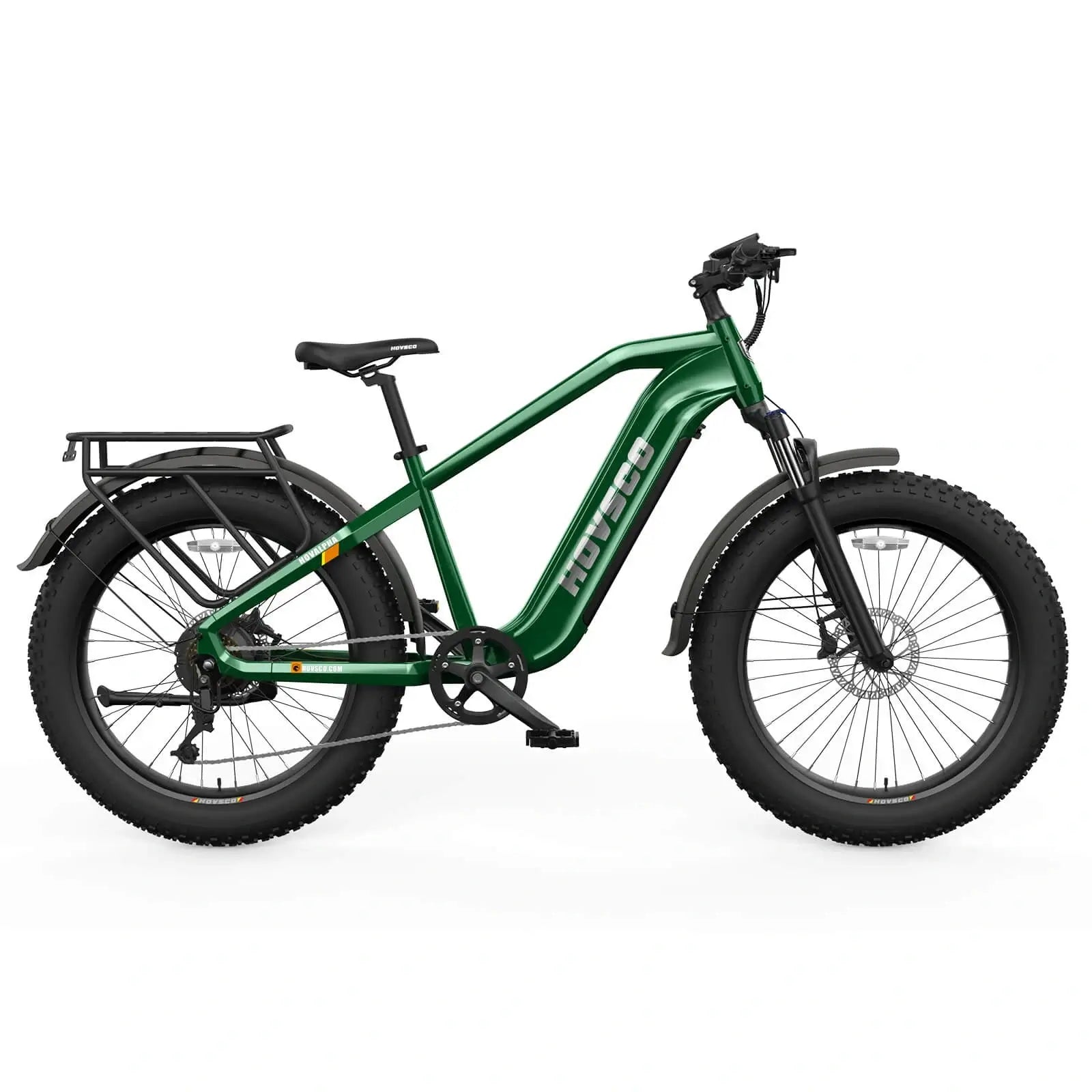
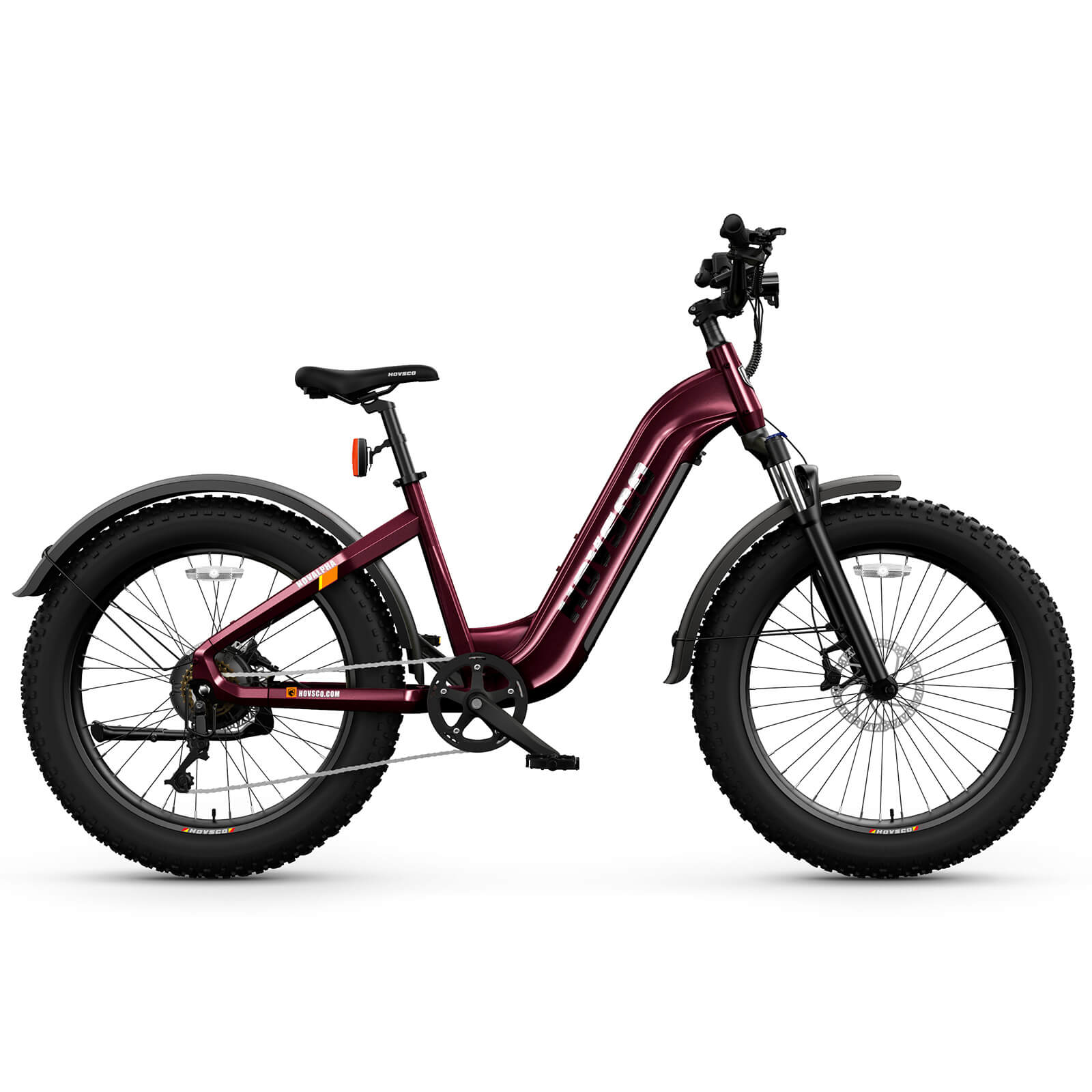
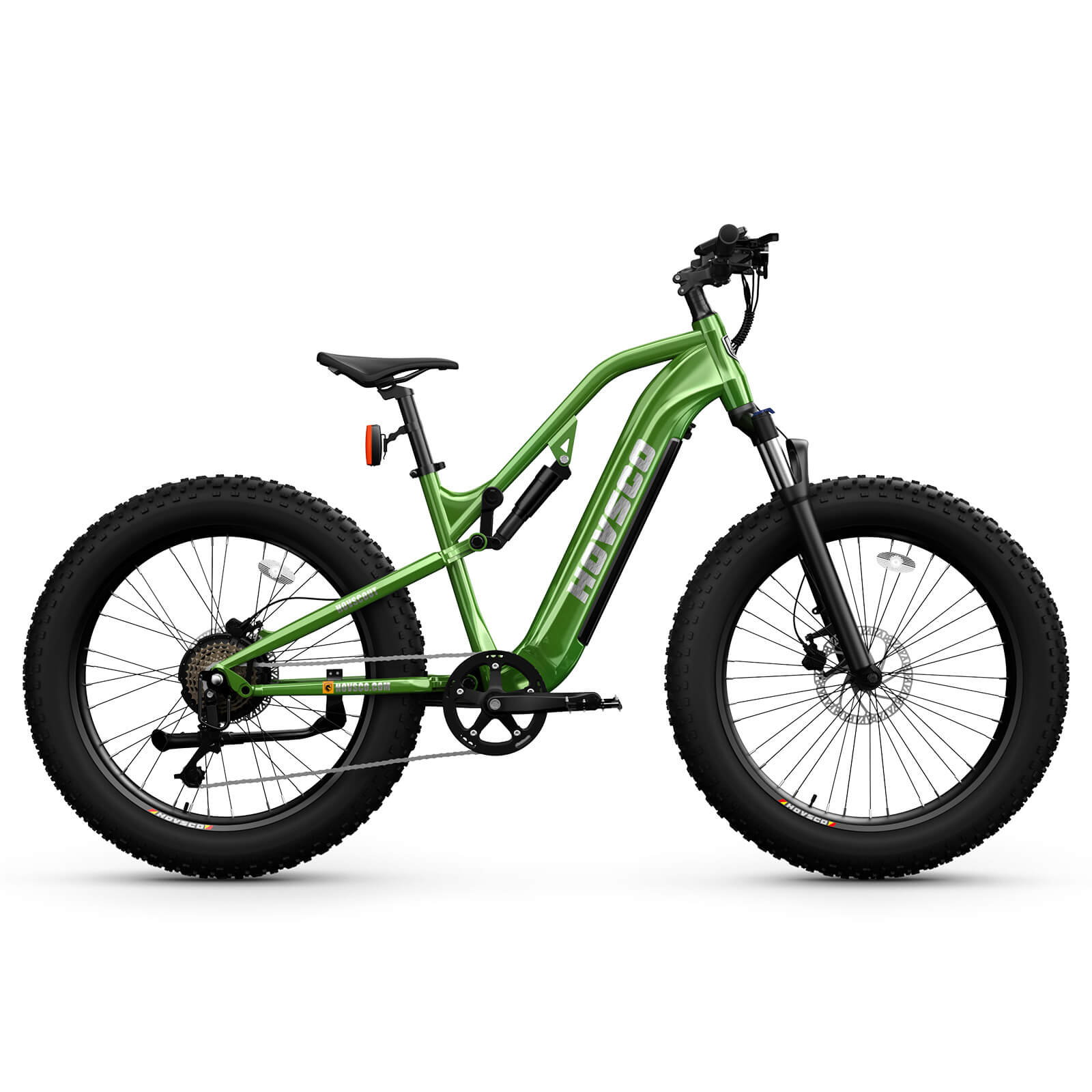
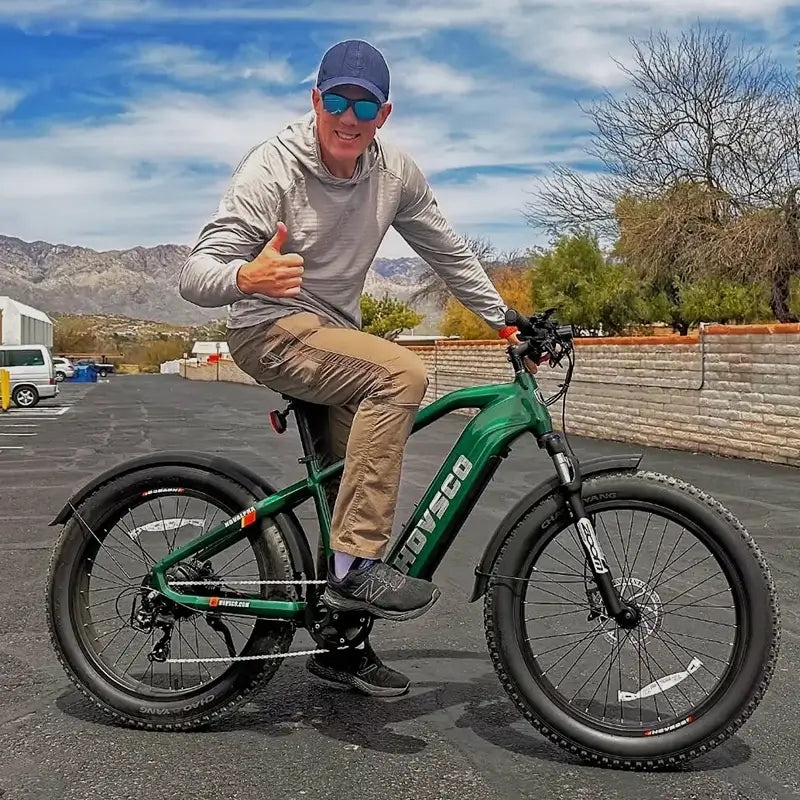
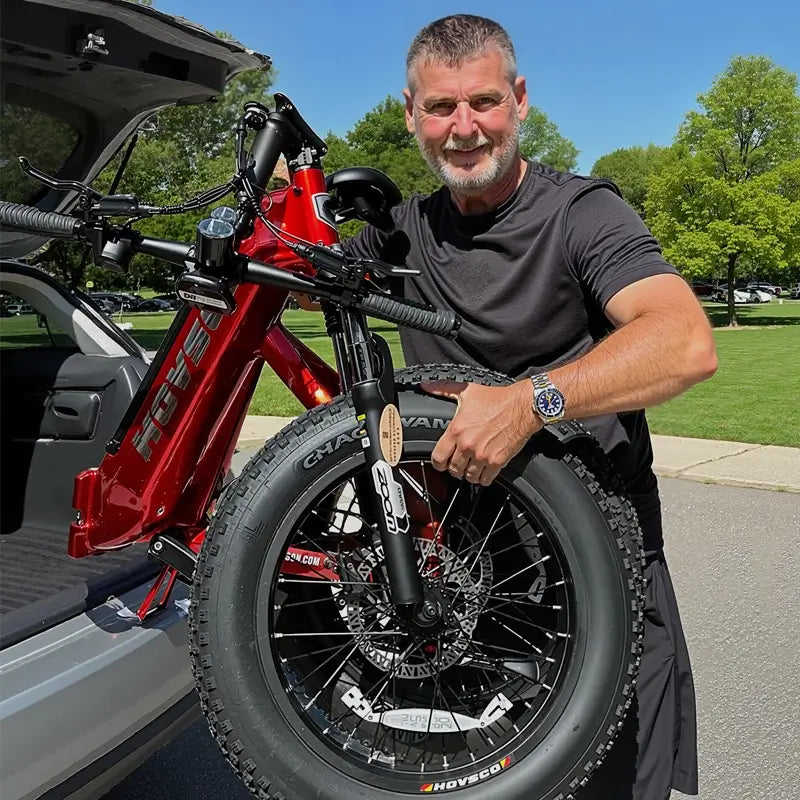
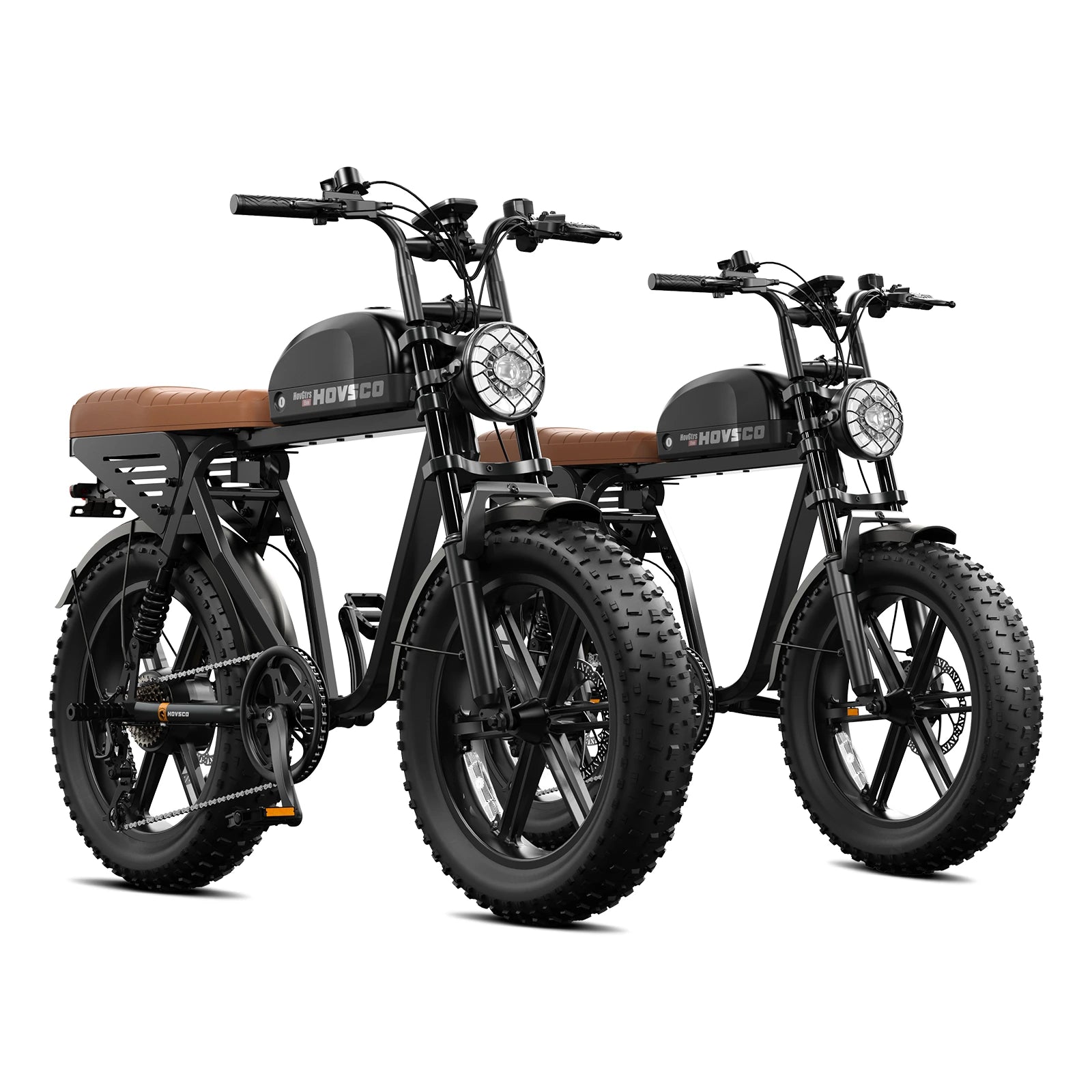
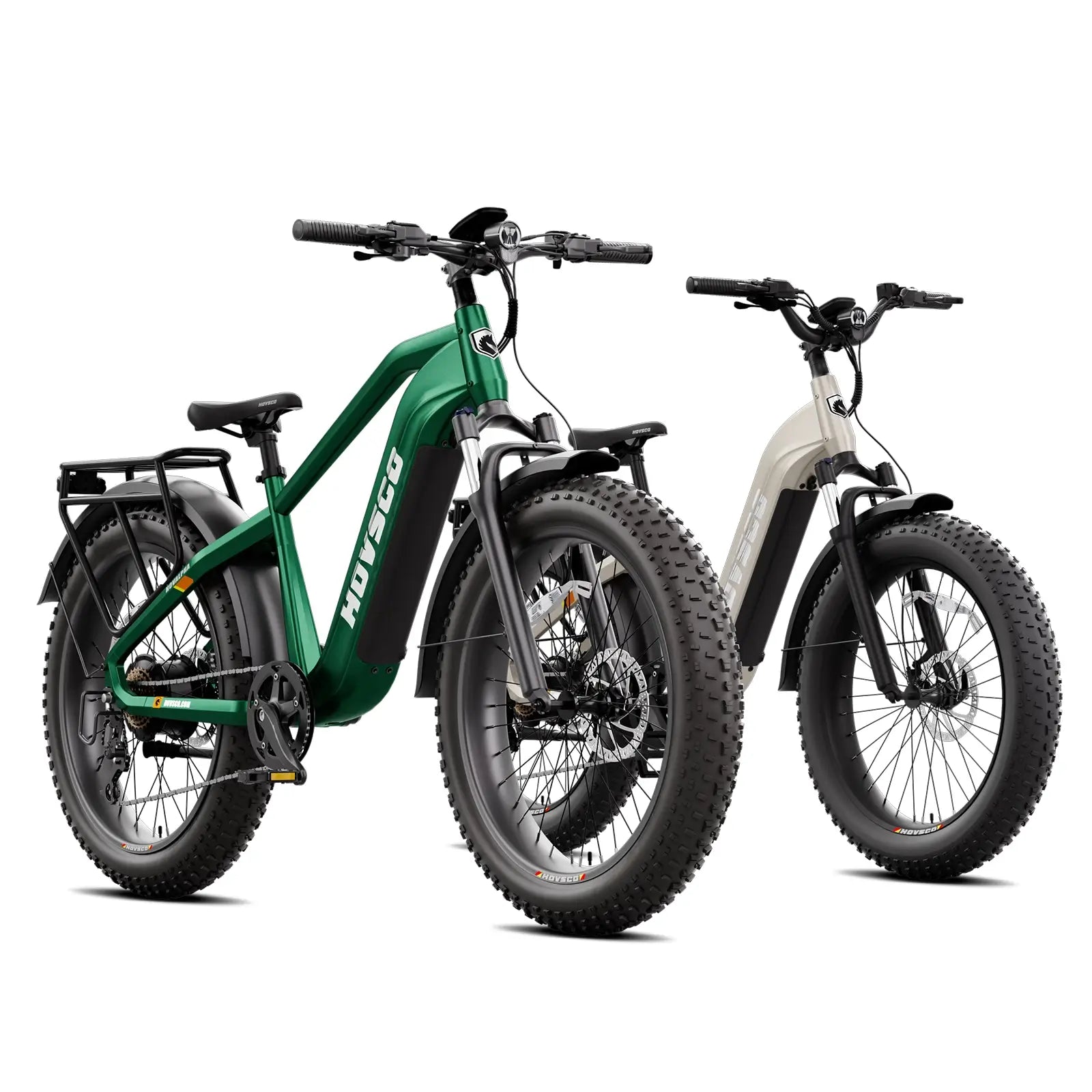
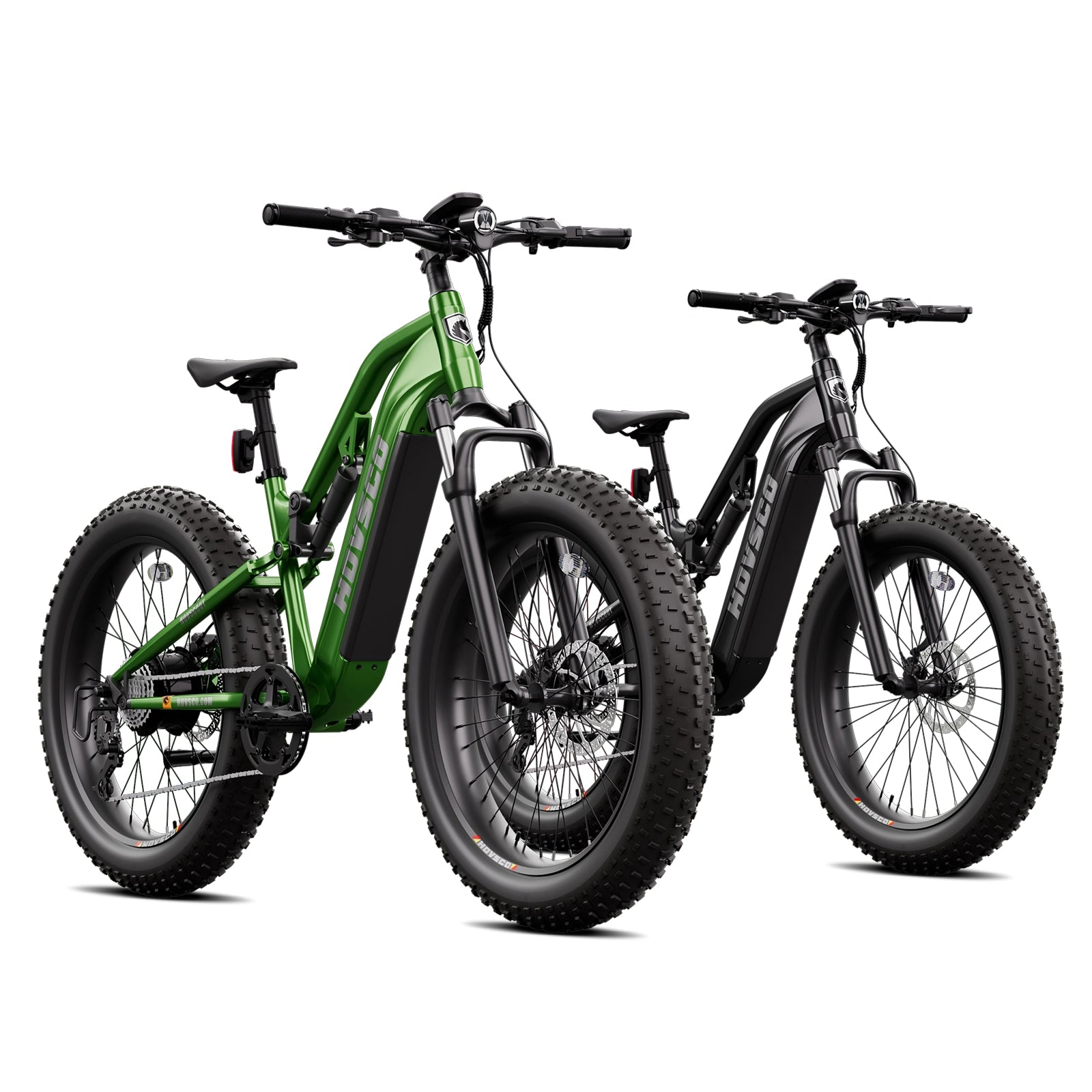
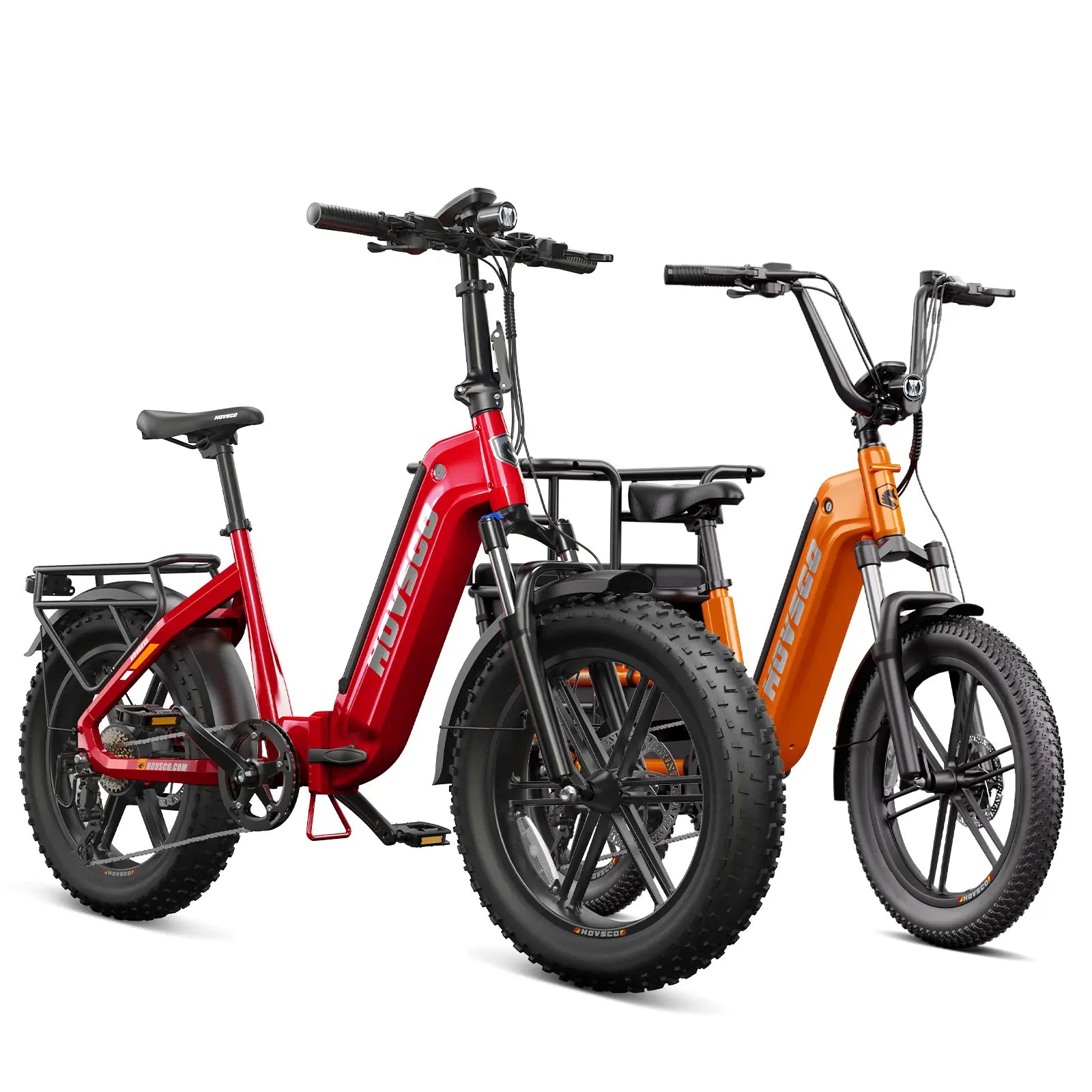
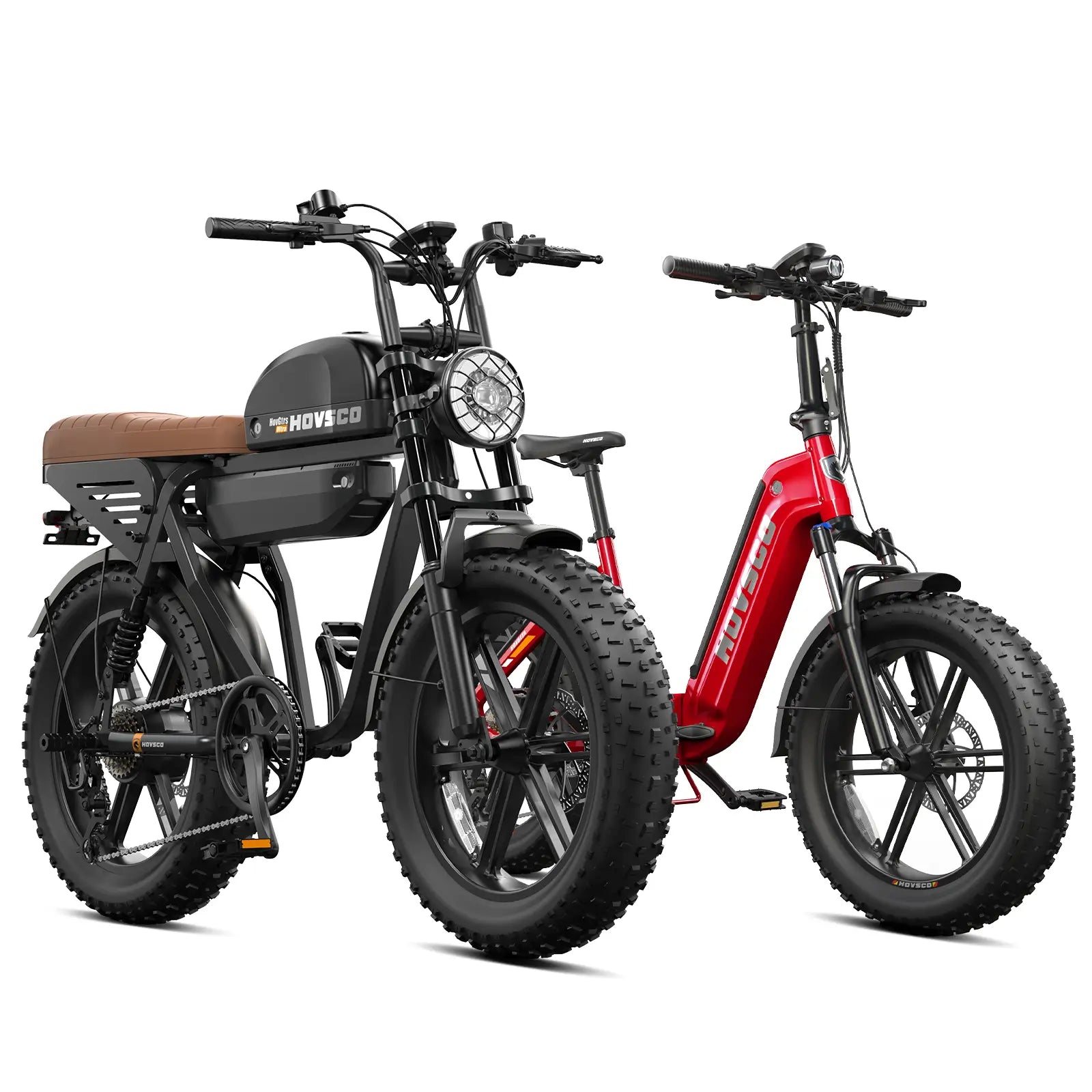
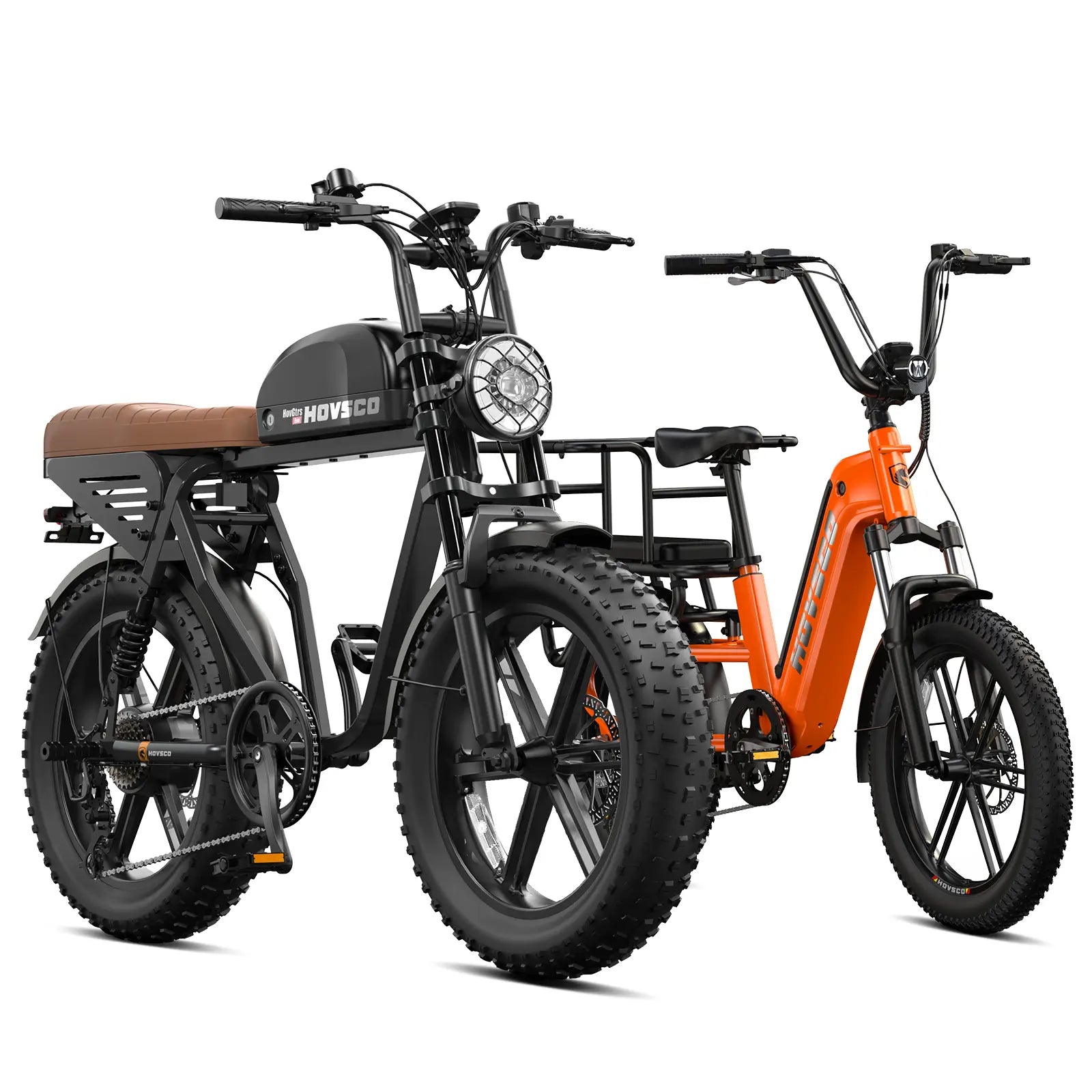
A fat tire bike features oversized tires, typically 4 inches or wider, designed to provide exceptional traction and stability on soft or uneven surfaces like sand, snow, mud, and gravel. In 2025, fat tire bikes combine wide tires with powerful motors and long-lasting batteries in electric models, delivering versatile performance for off-road adventures and all-season riding.
Fat tire bikes stand out due to their extremely wide tires (4 inches or greater), low tire pressure (8–20 PSI) for flotation, and large contact patches that improve grip and comfort. They often include powerful motors ranging from 500W to 1300W peak output in electric versions, hydraulic disc brakes, and front or full suspension to absorb shocks. Typical fat tires allow riders to traverse challenging terrains with reduced sinking and increased control.
Chart title: Key Features of Fat Tire Bikes in 2025
| Feature | Specification Range | Benefits |
|---|---|---|
| Tire Width | 4 inches and above | Better flotation and grip |
| Motor Power | 500W to 750W (peak up to 1300W) | Strong off-road performance |
| Battery Capacity | 600Wh to 720Wh+ | 40 to 65 miles per charge |
| Brakes | Hydraulic disc brakes | Reliable stopping power |
| Weight | 60 to 80 lbs | Stable, durable build |
| Payload Capacity | Up to 450 lbs | Suitable for heavy loads or riders |
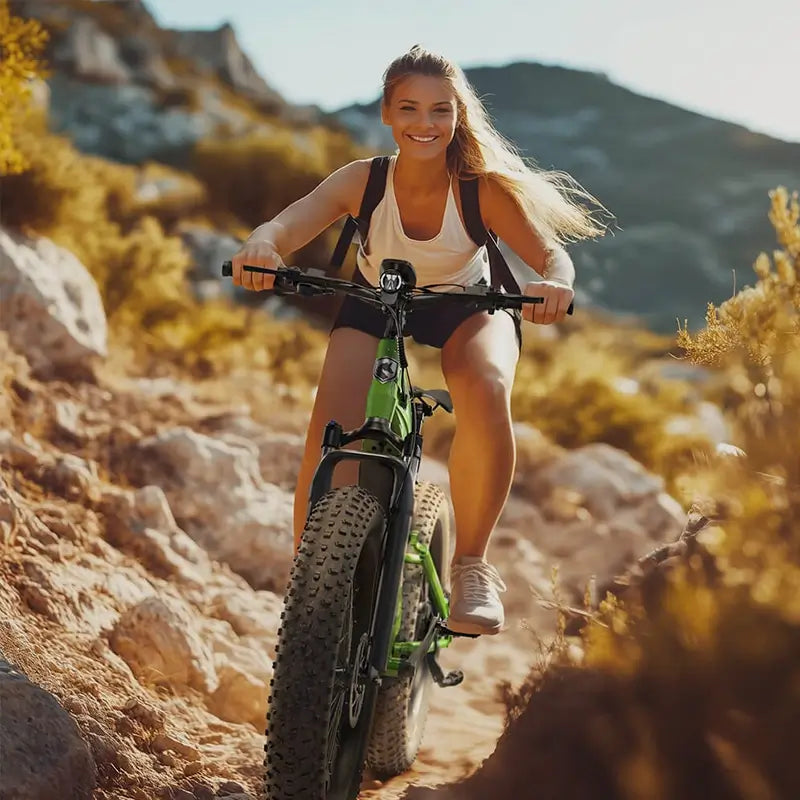
The wider tires of fat tire bikes distribute rider weight over more surface area, preventing the tire from sinking in soft terrain like snow or sand. Low tire pressures enhance shock absorption and grip, allowing riders to maintain momentum and control on loose or rough surfaces. Fat tire bikes excel in environments that challenge standard mountain or road bikes.
On pavement, fat tire bikes experience increased rolling resistance and drag due to their wide tires and heavier frames, requiring more effort compared to standard bikes with narrow tires. However, on rough or soft terrain, the improved traction and stability often make pedaling easier and more efficient by preventing wheel slip and sinking.
Top fat tire bikes include models with advanced features like the Trek Farley 9.6 with a lightweight carbon frame and 4.5-inch tires, SRAM GX Eagle 12-speed drivetrain, and hydraulic brakes. Electric fat tire bikes from brands like T EBike offer robust motors, wide tires, and durable frames designed for varied trail use, combining fun and reliability.
High motor power, typically between 500W and 750W in standard use and up to 1300W peak, provides necessary torque for climbing steep hills and powering through soft or technical trails. Paired with torque sensors, these motors deliver smooth, responsive pedal assistance that adjusts to rider effort and terrain demands.
Fat tire bikes are available at specialized bike shops, outdoor retailers, and online stores. Authorized dealers provide expert advice, test rides, and maintenance services. Accessories such as studded tires for icy conditions and tubeless tire setups are popular for enhancing performance.
Spring and early summer align with peak riding seasons and new model releases. Off-season months may offer discounts but can limit selection. It’s advisable to plan purchases to allow time for test rides and customizations before active use.
Yes, riders can customize fat tire bikes with tubeless tires, studded tires for ice, different suspension setups, and gearing options. Adjusting tire pressure and swapping components allows tailoring to preferred terrain and riding style.
When purchasing a fat tire bike, consider your primary riding environment to select tire width and suspension type. For mixed terrains, 4–4.5 inch tires with front suspension suit well; extreme conditions may require wider tires and full suspension. Evaluate motor power and battery range for e-bikes. Test ride to find the best fit and balance of comfort and control, and ensure after-sales support.
“HOVSCO sees fat tire bikes as gateways to exploring previously inaccessible terrain with confidence and excitement,” states a HOVSCO cycling specialist. “Their combination of stability, traction, and power aligns closely with our e-bike innovation efforts to deliver safe, exhilarating, and versatile rides to all cyclist levels.”
What Is a Fat Tire Bike and Why Are They Trending in 2026?
A fat tire bike features extra-wide tires designed for superior stability and traction on all terrains—snow, sand, mud, or trails. In 2026, they’re trending for their ability to deliver a smooth, comfortable ride and all-season adventure, making them a favorite for outdoor enthusiasts seeking both fun and fitness.
Why Choose a Fat Tire Bike in 2026: Top Advantages Explained?
Fat tire bikes offer exceptional comfort, better balance, and unmatched grip on diverse surfaces. Riders in 2026 love them for their versatility, reliable performance, and adventure-ready design. Ideal for commuting or off-road exploration, they blend durability with excitement for a truly go-anywhere experience.
How to Choose the Best Fat Tire Bike in 2026?
To pick the right fat tire bike, consider tire width, frame material, motor power (for e-bikes), and terrain type. Comfort, suspension, and battery life are key if you ride often. A balanced design from a trusted brand like HOVSCO ensures both performance and long-lasting enjoyment on every ride.
What Are the Best Fat Tire Bike Brands in 2026?
Top brands in 2026 focus on quality, innovation, and rider satisfaction. Look for brands known for advanced designs, strong motors, and sleek aesthetics. HOVSCO stands out for its durable electric fat bikes that expertly combine style, safety, and reliability for all kinds of cycling adventures.
Are Electric Fat Tire Bikes Worth It in 2026?
Yes—electric fat tire bikes are worth it for riders wanting power with comfort. They handle hills, trails, and long commutes easily while reducing effort. Their electric assistance makes cycling accessible to more people, combining the freedom of biking with smart, eco-friendly technology.
How to Maintain and Care for Your Fat Tire Bike?
Keep your fat tire bike in top shape by cleaning it regularly, checking tire pressure, lubricating the chain, and tightening bolts. Store it in a dry place and charge the battery correctly if it’s electric. Routine care ensures lasting performance and a safe, smooth ride.
What Accessories Elevate Your Fat Tire Bike Experience?
Enhance your ride with high-quality lights, racks, fenders, and insulated handlebar grips. Upgrade to puncture-resistant tires or add smart displays and suspension seats for extra comfort. The right accessories boost convenience, safety, and style—perfect for daily riders and adventure seekers alike.
How Fat Tire Biking Is Transforming Outdoor Adventure in 2026?
In 2026, fat tire biking redefines outdoor exploration, letting riders conquer terrains once off-limits. Its rise fosters fitness, sustainability, and connection with nature. Whether on snow trails or coastal paths, cyclists are embracing new ways to experience freedom, challenge, and community through fat tire riding.
Share:
How to Choose the Best Electric Trike in 2026?
What Is a 3 Wheel Electric Bike and How to Choose the Best One in 2026?