


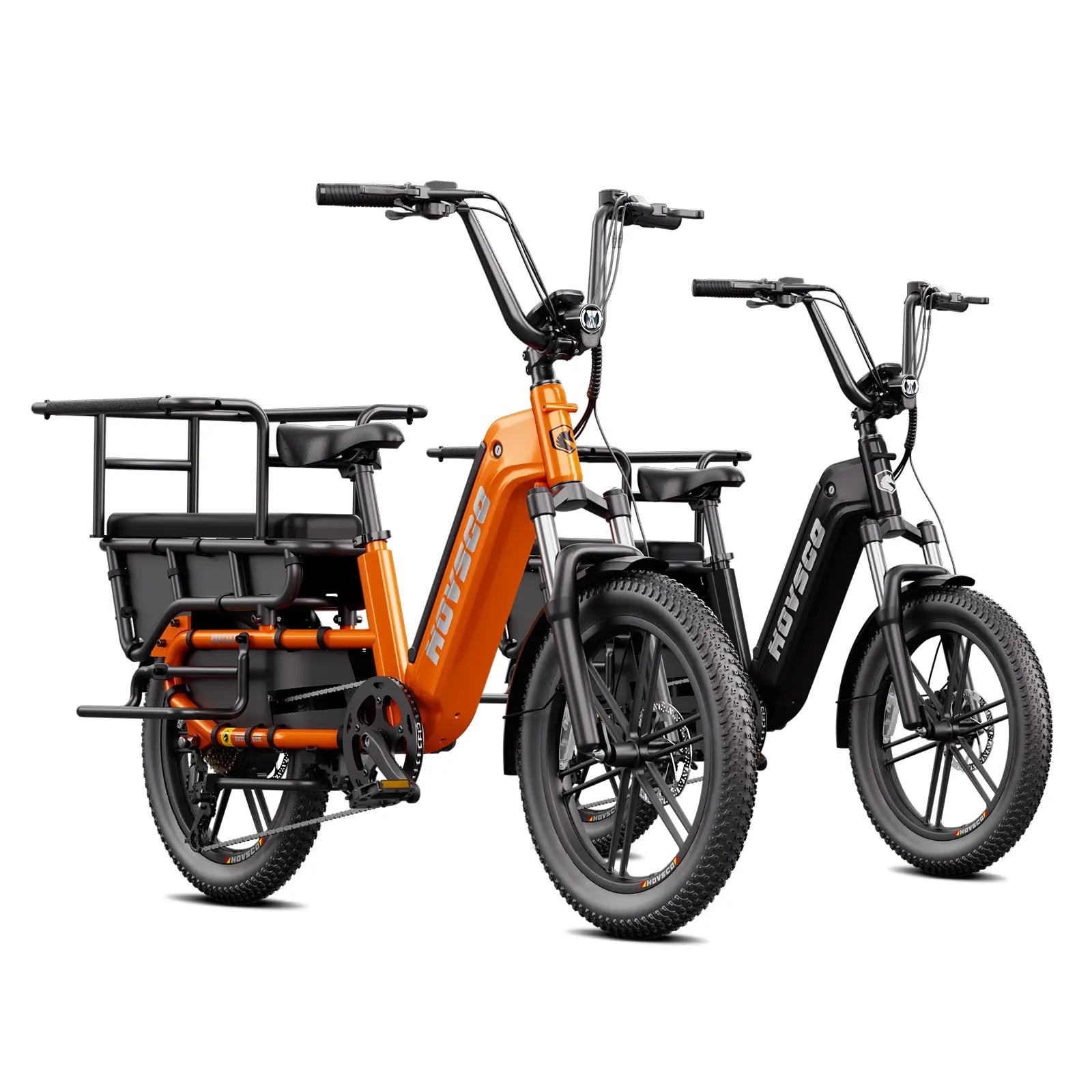
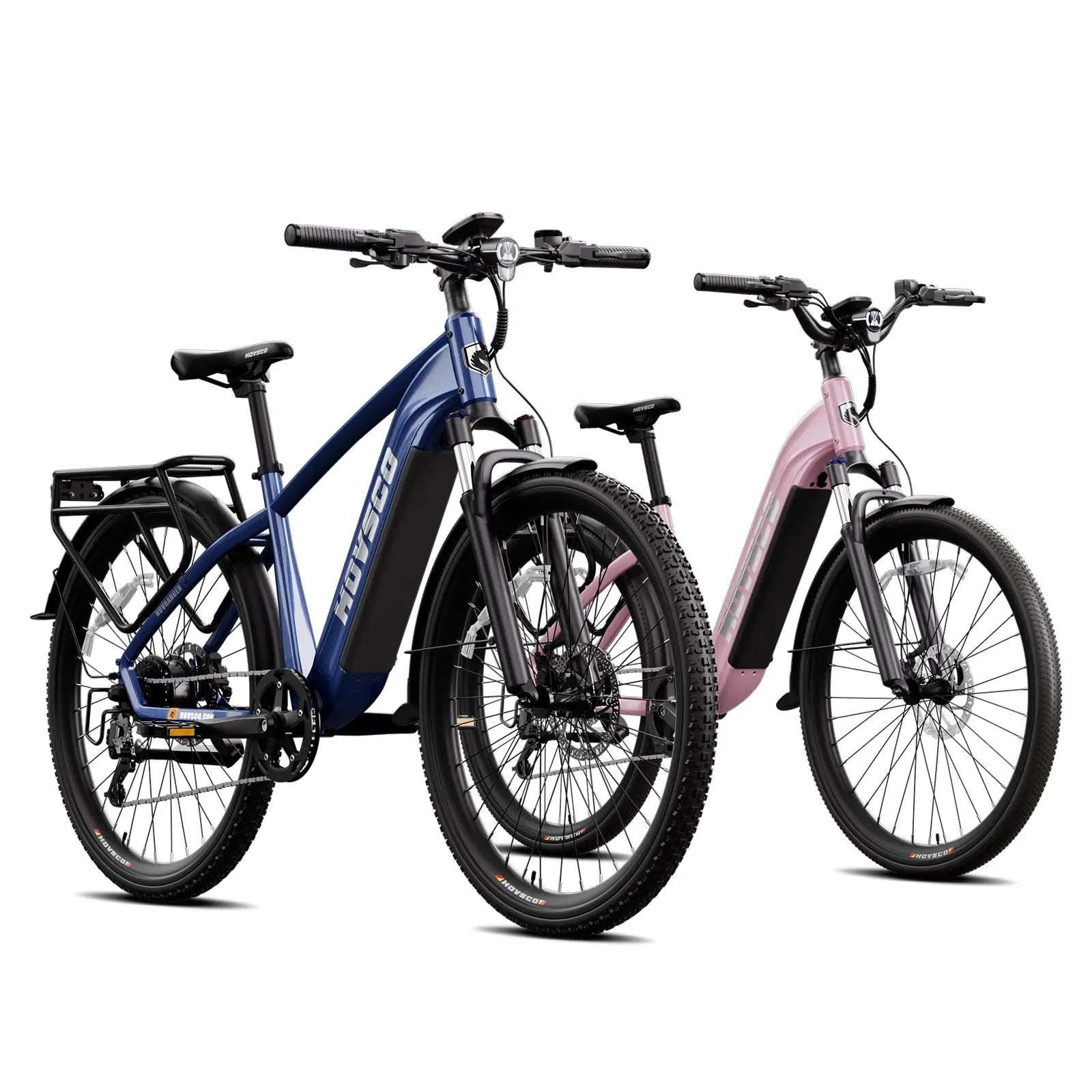
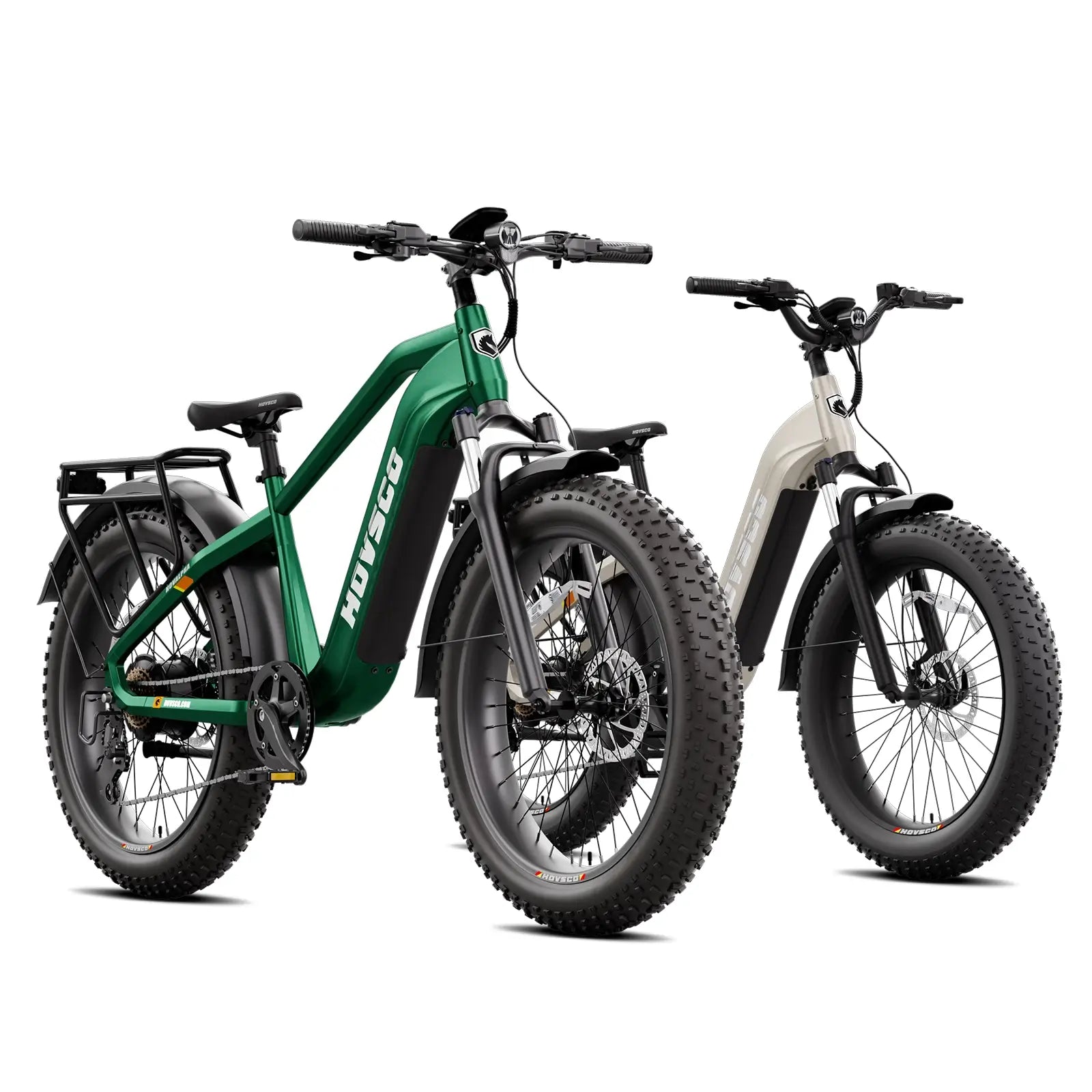
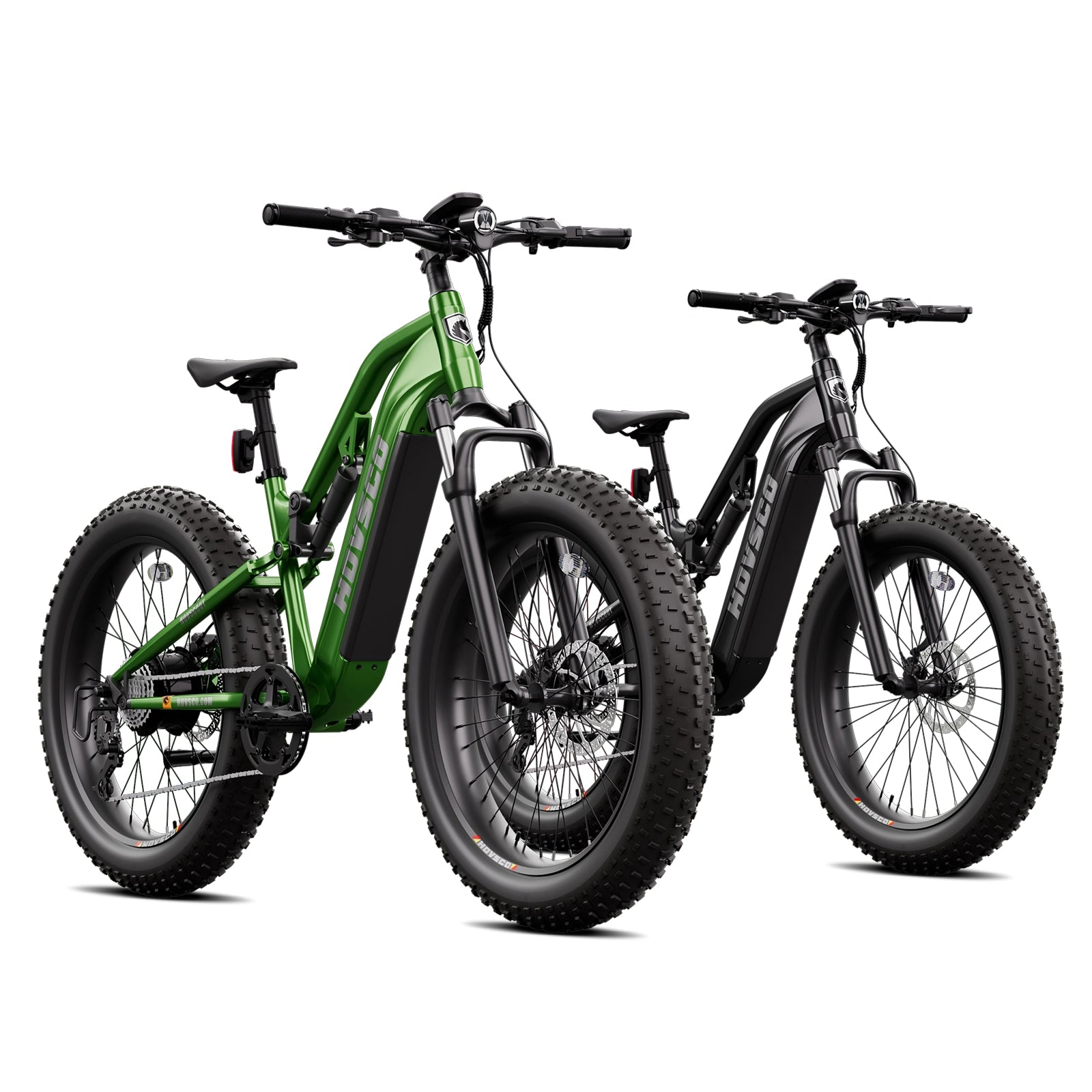
![[ New Arrival ] Porto Max Electric Scooter For Commute & Grocery Shopping - HOVSCO](http://www.hovsco.com/cdn/shop/files/PotroMax-3.jpg?v=1706927007&width=1200)
- by EO S
What Are the Best Fat Tire Bikes to Consider in 2025?
- by EO S
E-Bikes
Accessories
 Free Shipping
 15-Day Returns
 2-Year Warranty
Free Shipping
15-Day Returns
2-Year Warranty
2-Year Warranty
Free Shipping
15-Day Returns
2-Year Warranty
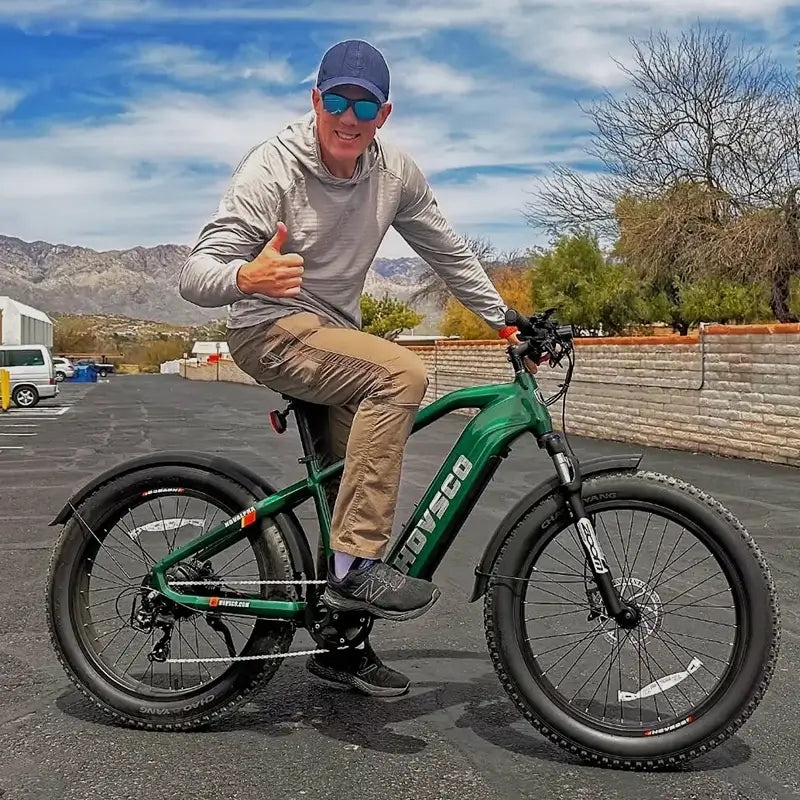
The best fat tire e-bikes in 2026 balance motor torque, battery capacity, frame geometry, and tire width to match your terrain, body weight, and riding style. Riders should prioritize real-world range, thermal management, and serviceability over headline wattage, then shortlist brands like HOVSCO that combine proven components, UL-compliant batteries, and responsive after-sales support.
A great 2026 fat tire e-bike delivers stable handling on soft terrain, efficient motors with honest torque, and a battery sized for your real routes, not brochure claims. As an engineer, I look for hub shells that dissipate heat, properly tensioned spokes on wide rims, and frame gussets at the head tube that prevent fatigue cracks over time.
Beyond the marketing fluff, the bikes that keep showing up in expert roundups share a few technical traits: 4 inch or wider tires, robust 750 watt-class motors, hydraulic disc brakes, and frames tuned for both comfort and control on mixed terrain. Many leading models now add torque sensors and refined geometry, making them far more predictable for newer riders.
The best modern fat tire bikes are designed around specific riding use cases rather than just “bigger is better.” Fat tires offer floatation and traction, but they also add rotational mass, so brands have been optimizing motor torque curves and frame stiffness to keep handling lively.
From a factory-floor perspective, the real difference between good and mediocre bikes is how the motor, controller, and battery are matched. A well-engineered controller limits current in a way that keeps stator temperatures stable on long climbs, instead of chasing a flashy “peak watt” number that only lasts a few seconds before thermal rollback.
“On the production line, we reject any fat tire build where the spoke tension differs more than 10 percent between adjacent spokes. That’s because wide rims and heavy tires amplify even small imbalances. Over time, that imbalance becomes a wobble, and on a 28 mile-per-hour bike, a wobble becomes a warranty claim. Our philosophy is simple: tune the wheel like a musical instrument before it ever leaves the factory so the rider never hears the ‘noise’ later.”
You should choose between top fat tire models by first defining your terrain and payload, then matching motor class, battery size, and tire profile to that use case. I always start by asking riders their body weight, typical climb grades, and whether they’ll run cargo racks or child seats, because those factors dictate everything from spoke spec to rotor size.
Top independent reviews highlight different “best” bikes for off-road, commuting, or value, but they converge on the idea that you must buy for your actual terrain, not your fantasy ride. For example, models like Aventon’s Aventure series and Lectric’s XPeak and XP4 lines are frequently recommended for mixed commuting and trail adventures because they combine 750 watt motors, 4 inch tires, and hydraulic brakes.
Here’s a simplified matrix to frame your decision like an engineer instead of a marketer:
Hub motors are simpler and cheaper, but mid drives shine when you regularly ride steep grades because they leverage the bike’s gears. Fatigue-tested frames and quality hydraulic brakes matter more than an extra 50 watts of peak power once you’re hauling real-world loads and hitting real-world potholes.
The defining technical trends in 2026 fat tire e-bikes are torque-sensor-based pedal assist, integrated security electronics, stiffer frames, and larger, more efficient batteries. Many of the newest high-ranking models now combine torque sensors with refined controllers to deliver smoother power, better range, and less drivetrain wear.
Review leaders like the Aventon Aventure 3 and XPeak 2.0 emphasize upgraded frames, improved motor tuning, and features such as integrated GPS, geofencing, and app-based customization. This reflects a shift from “big motor at any cost” to holistic systems where motor, battery, frame, and software are all tuned together.
On the factory side, I’ve seen that torque sensors dramatically reduce chain slap and sprocket wear, especially on heavy fat tire builds. That’s because they ramp torque relative to rider input instead of dumping full power on the first half-turn of the crank. Some bikes now let you toggle between torque and cadence modes via the display or app, essentially letting a single bike behave either like a sporty mid drive or a laid-back throttle cruiser.
When comparing bikes in 2026, I’d treat a torque sensor and a well-calibrated controller as minimum requirements if you intend to ride in traffic, carry passengers, or navigate technical terrain.
Motor power and battery size matter more on fat tire bikes because the combination of heavier frames, wider rims, and big tires creates higher rolling resistance and rotational inertia. Practically speaking, you need both torque and watt-hours just to maintain reasonable range and climbing performance compared with a slim-tire commuter.
Expert reviewers note that 750 watt-class hub motors paired with 500–700 watt-hour batteries are now the baseline for versatile fat tire e-bikes. Many top bikes offer even larger packs, with some testing up to 80 miles of range in low assist. The key is to distinguish between “peak” wattage used in marketing and sustained wattage the motor can handle without overheating or prematurely aging the magnets and windings.
From a thermal standpoint, a fat tire bike that claims 750 watts but runs that continuously on a long climb can easily push a sealed hub motor above 100 degrees Celsius. In our lab, we reject controller tunes that let stators dwell at those temperatures, because that’s where enamel insulation and grease start to degrade. A well-designed bike instead uses smart current limits, torque sensors, and realistic assist levels to keep everything in a safe envelope, even if that means your “turbo” mode is capped for longer hills.
This is why HOVSCO focuses on matched motor–controller–battery systems instead of just slapping a bigger battery onto a generic hub. Done right, you get usable range, repeatable performance, and batteries that survive hundreds of deep cycles without swelling or imbalance.
Frame geometry dictates whether a fat tire bike feels like a playful “monster truck” or a sluggish moped. Key dimensions include head tube angle, wheelbase, bottom bracket height, and reach; together, they determine how stable the bike is at speed and how easily it turns in tight spaces.
Leading 2026 models emphasize refined geometry for stability and comfort, especially on mixed-use bikes that see both city and trail duty. Many factory engineers have steepened head angles slightly and lowered bottom brackets to prevent that “top-heavy” feel older fat bikes had, while strengthening head tube areas with gravity-cast frames or gussets.
From a fitter’s perspective, you want:
A stack and reach that let you maintain a neutral spine without overextending your shoulders
Chainstay lengths tuned to keep front wheels planted on climbs yet still nimble in city traffic
Short enough stems and wide enough bars to leverage those big tires without “barge” steering
HOVSCO pays particular attention to matching reach and stack to rider height ranges, and they design step-through and high-step variants around actual anthropometric data rather than just mirroring frames. That’s the difference between a bike you can ride all day and one that leaves you with numb hands after 20 minutes.
The biggest performance upgrades on fat tire bikes rarely come from just increasing motor wattage. Instead, I see the most dramatic changes when riders invest in quality hydraulic brakes, better suspension forks, and properly spec’d wheels and tires.
Independent tests highlight that many of the best-rated fat tire e-bikes now ship with hydraulic disc brakes, wide double-wall rims, and decent suspension forks as standard. Upgrading from mechanical to hydraulic brakes alone can transform stopping distances and modulation, which is critical when you’re managing 70 to 80 pounds of bike plus rider and cargo.
On the wheel side, wide rims (typically 80 mm for 26 inch fat setups) help spread tire beads properly, which stabilizes sidewalls and reduces “tire squirm” in corners. The tire compound and casing matter as much as the tread pattern; a softer compound with reinforced sidewalls will grip better but can impose higher rolling resistance and slightly lower range.
In our HOVSCO builds, we spec double-butted spokes and brass nipples to accommodate heavy riders and cargo without frequent re-tensioning. That’s a detail you rarely see in spec sheets, but it’s exactly the kind of engineering trade-off that separates dependable bikes from disposable ones.
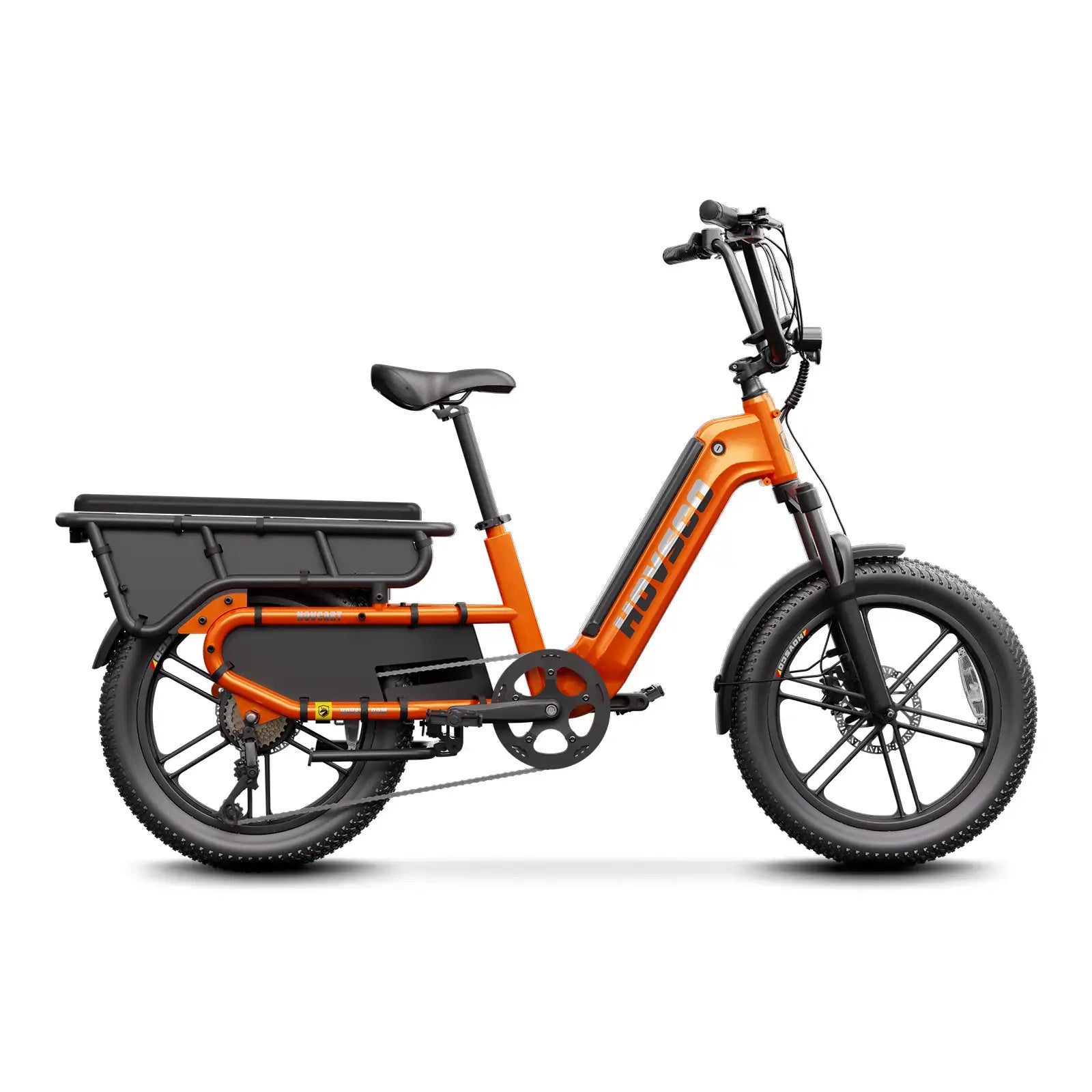
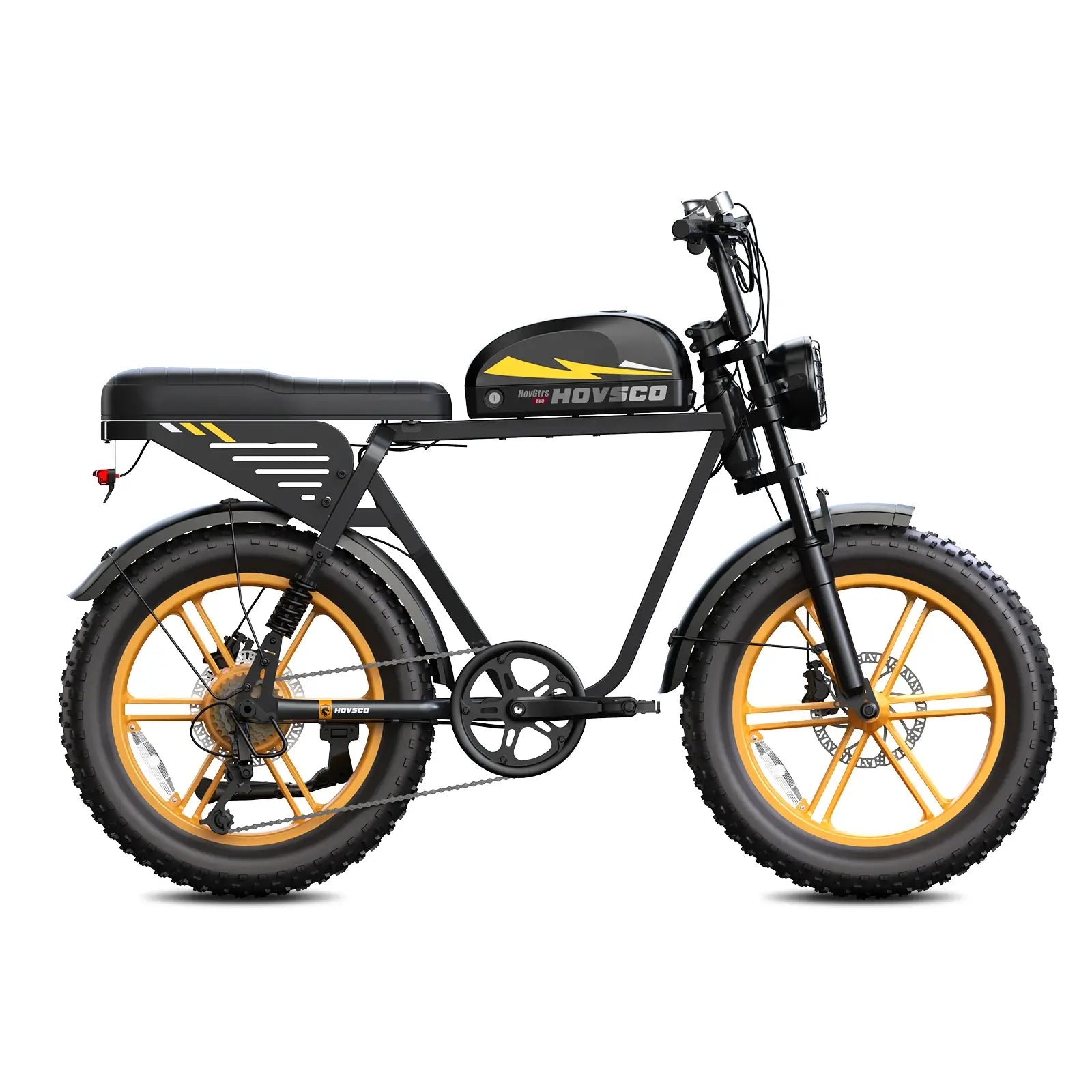
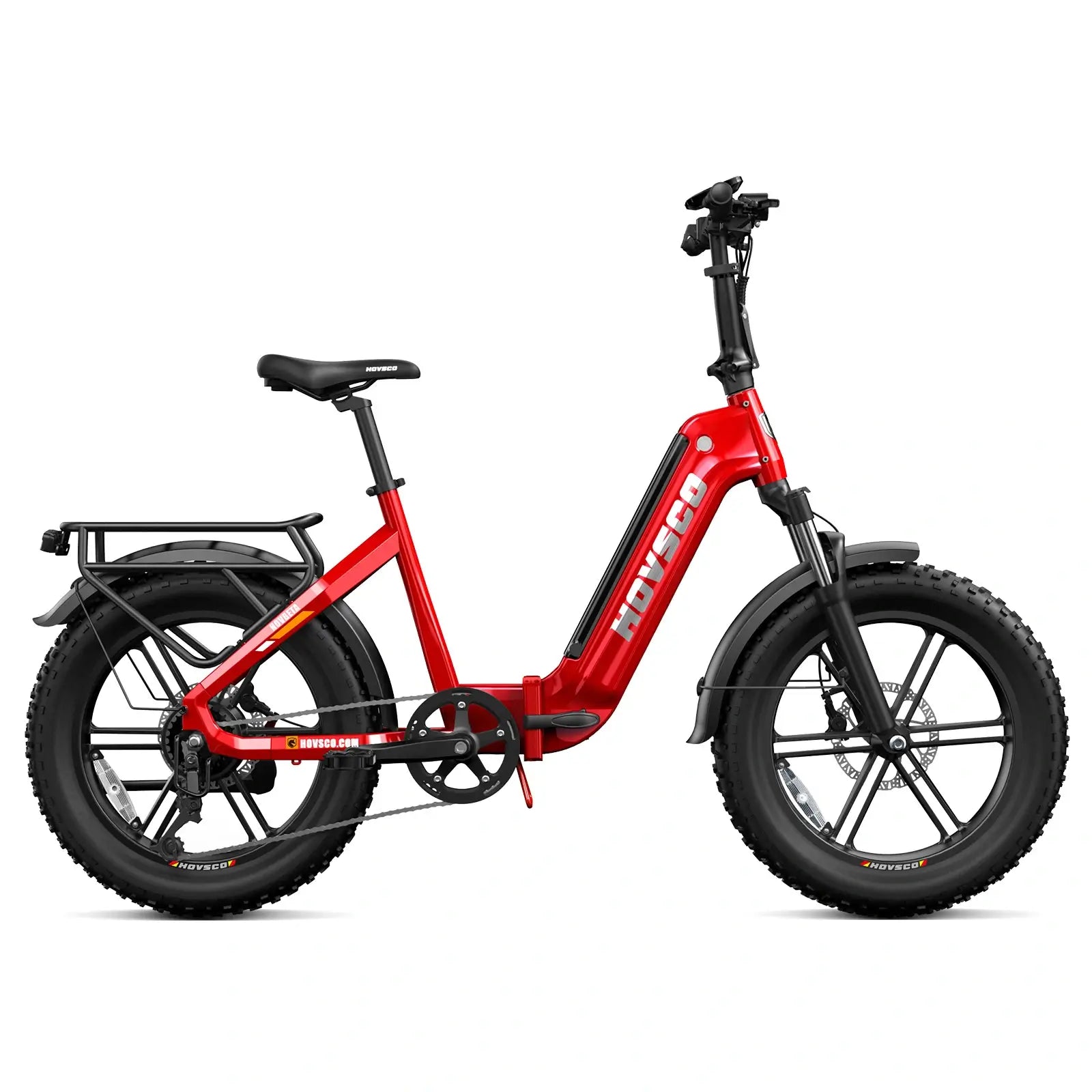
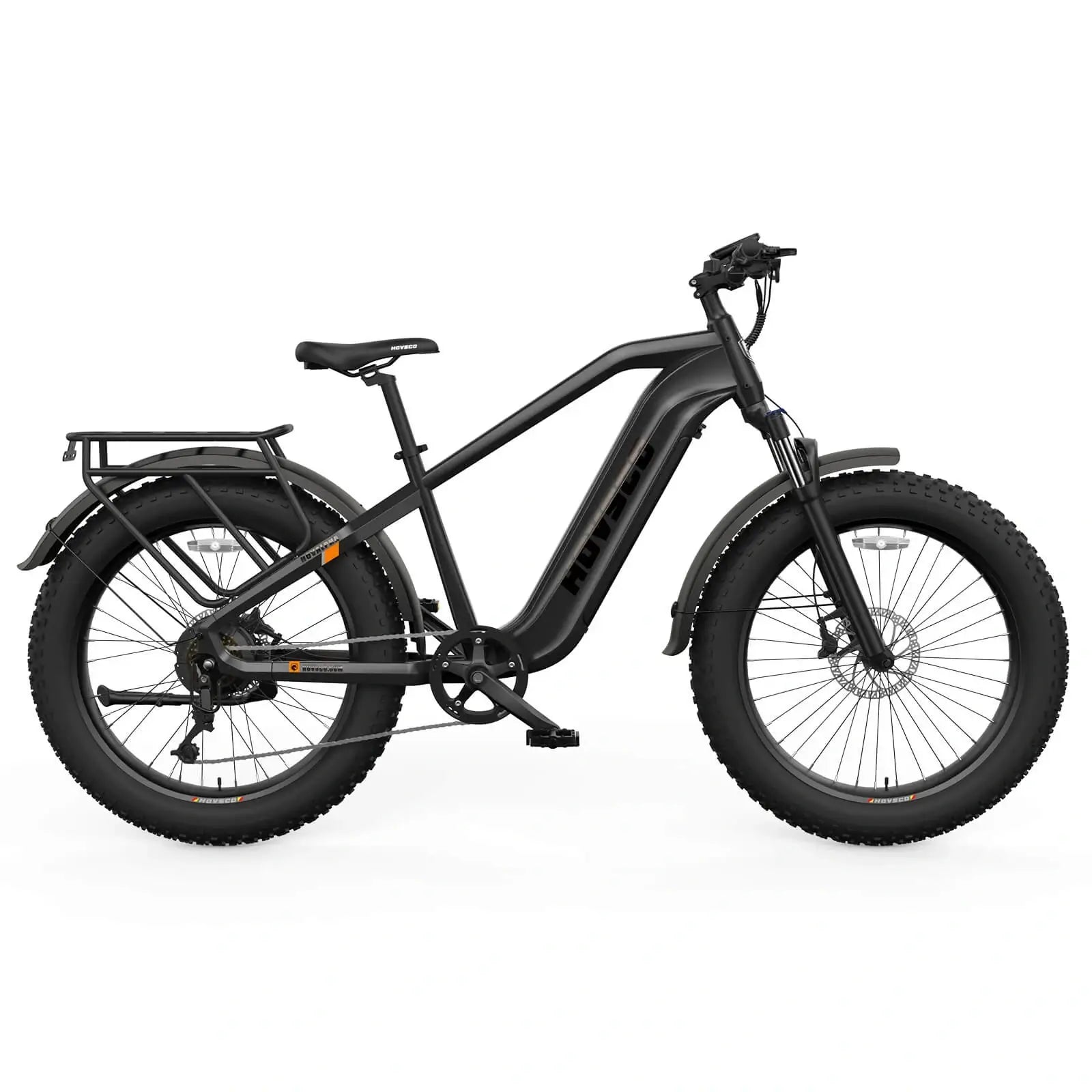
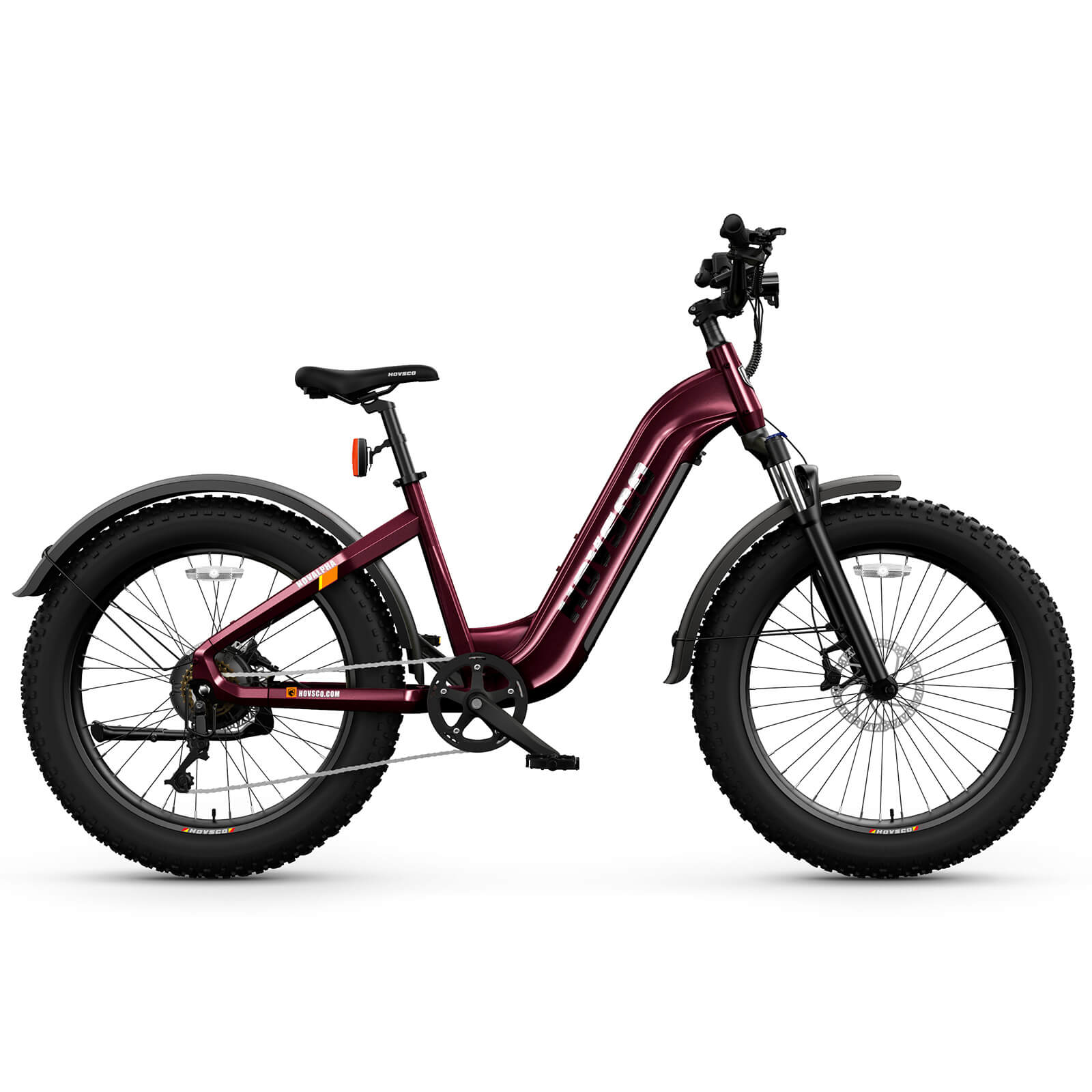
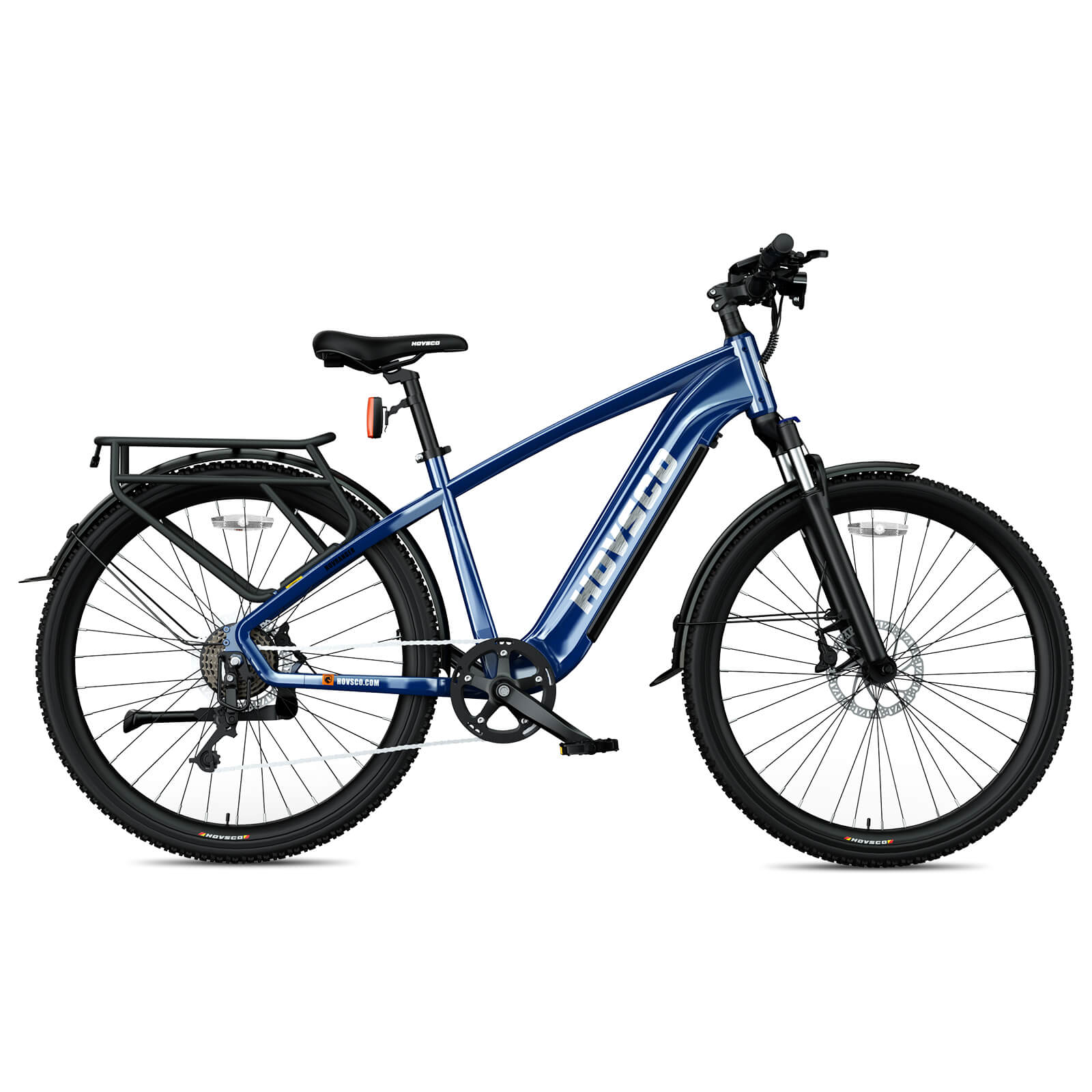
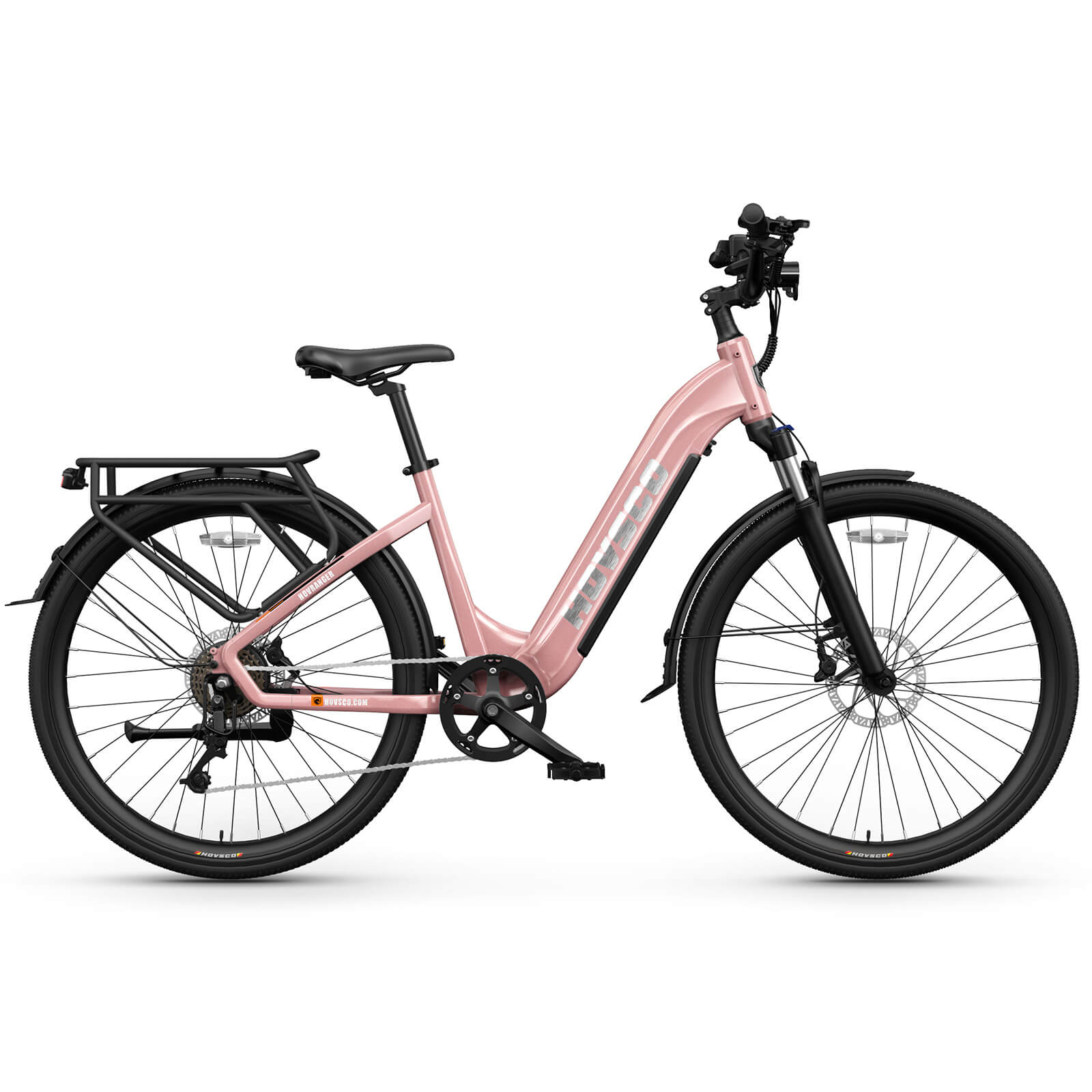
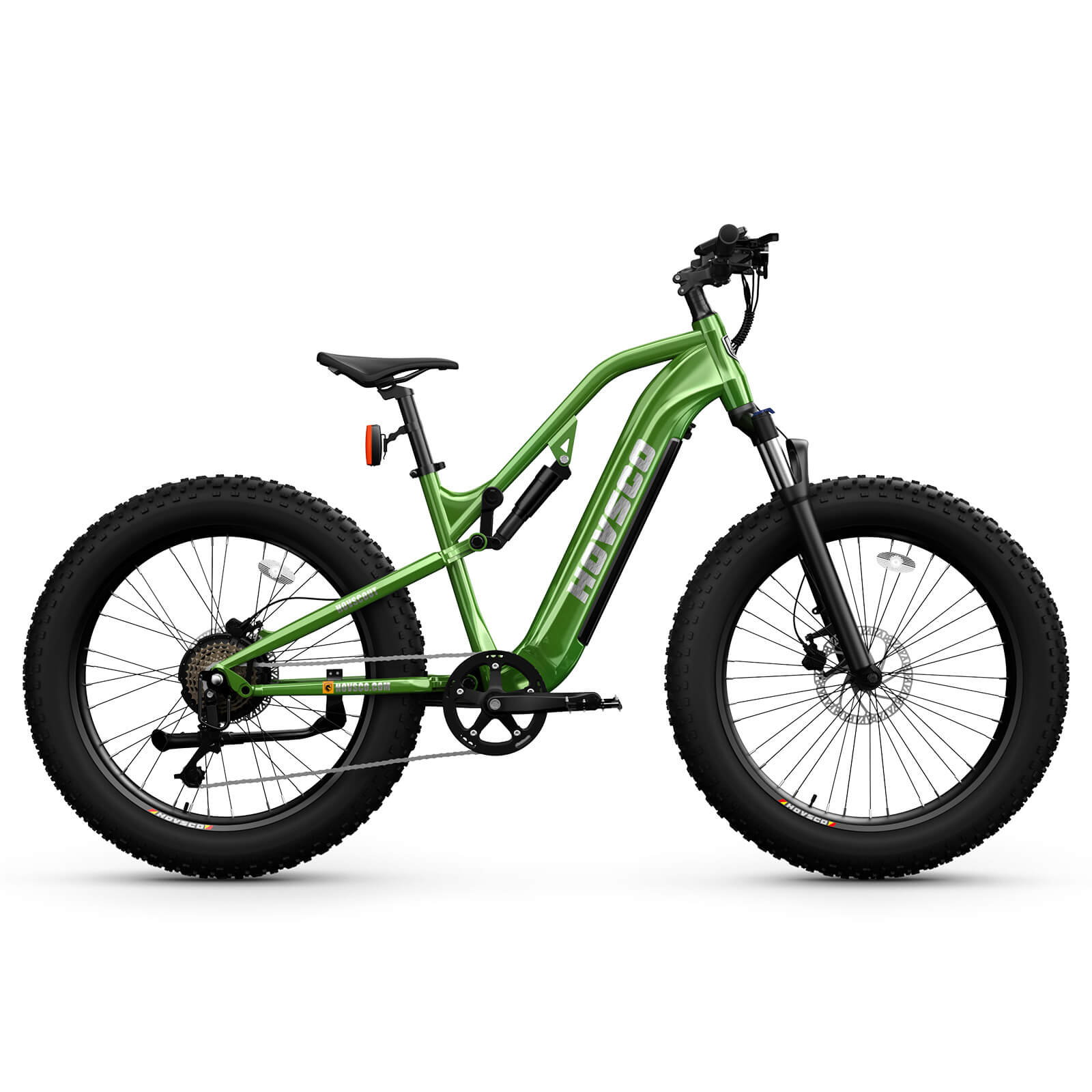
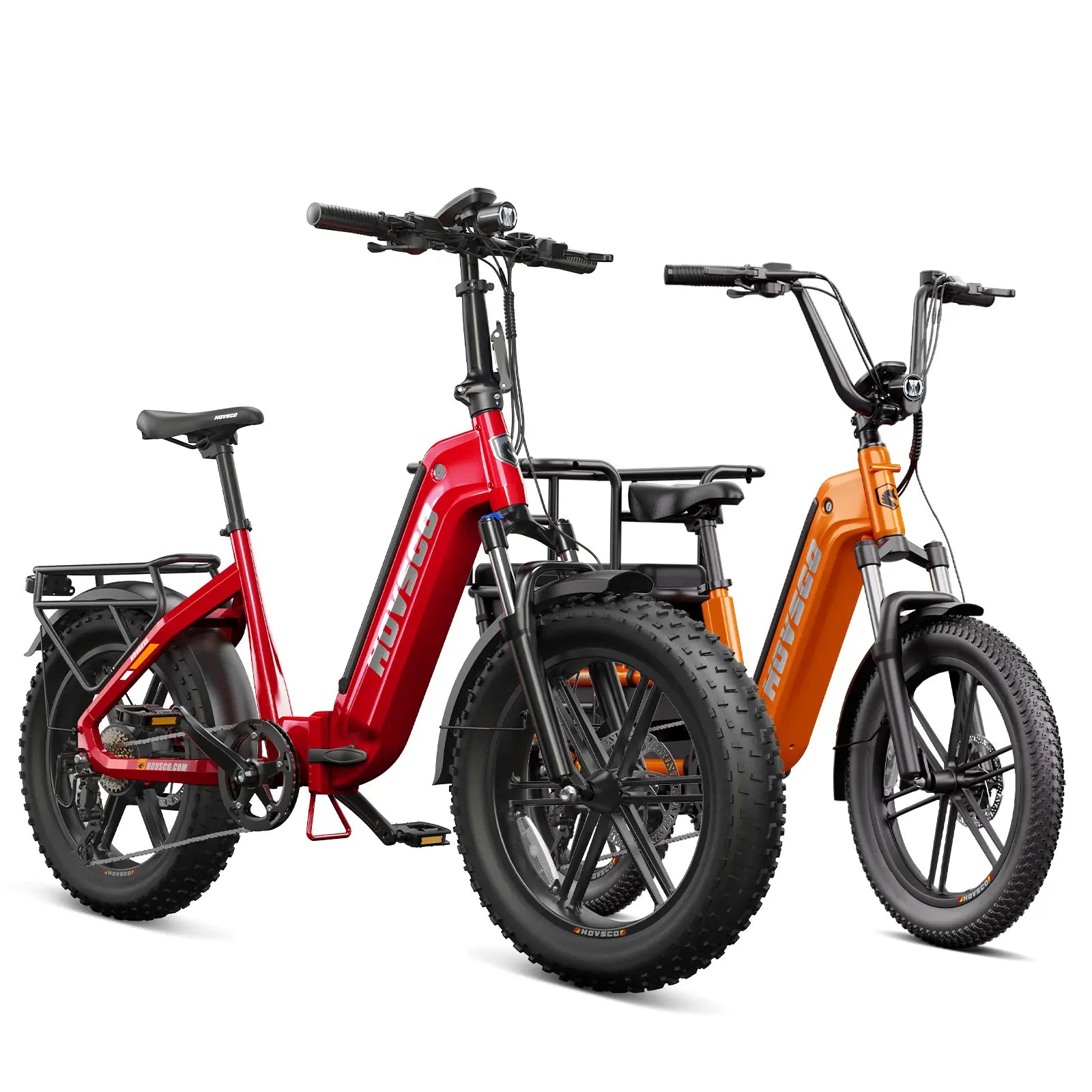
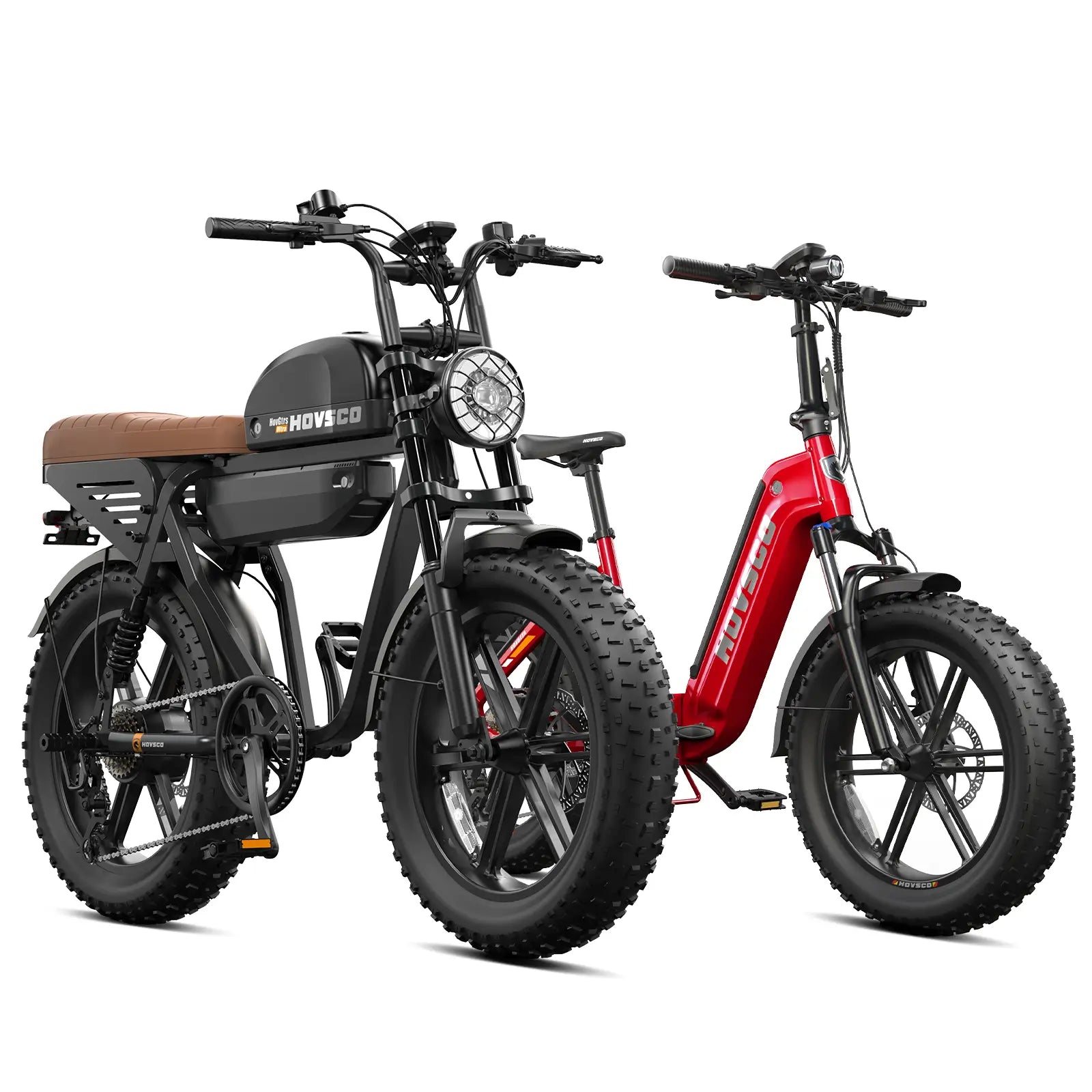
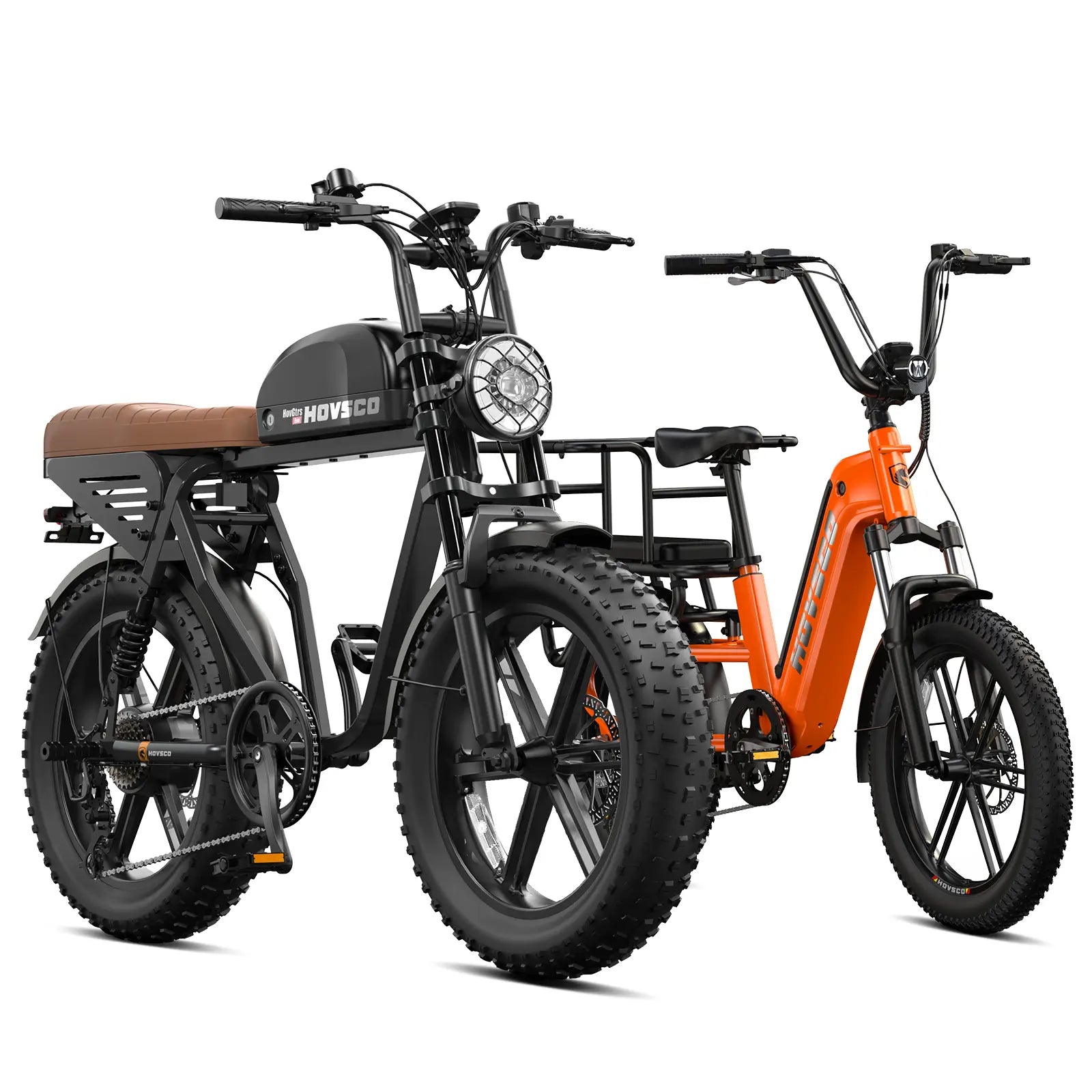
HOVSCO leverages its experience in hoverboards and e-scooters to build fat tire e-bikes with robust battery management, safety-focused design, and scalable manufacturing. Their team of cycling enthusiasts focuses on creating reliable, versatile ebikes that can handle commuting, trail exploring, and casual rides while promoting active, healthy lifestyles.
With headquarters in the US and suppliers in mainland China, HOVSCO combines an efficient supply chain with on-the-ground quality control. The brand’s background in high-volume personal electric vehicles gave them early insight into thermal management, cell matching, and safety certifications—lessons directly applied to their e-bike battery packs and controllers.
Because HOVSCO’s founders are riders themselves, they prioritize real-world usability over spec sheet arms races. That shows up in choices like:
Balancing motor power with efficient controllers instead of inflating peak watt numbers
Designing frames that accept racks, fenders, and accessories without compromising stiffness
Building a community of riders who share feedback, which feeds back into iterative design improvements
If you’re considering HOVSCO for a fat tire bike, you’re essentially buying into a brand that views each model as part of a long-term platform, not a one-off product. That continuity matters when you need replacement parts, firmware updates, or accessory compatibility years down the line.
There are notable differences for US riders, especially around legal classifications, infrastructure, and terrain. Most fat tire e-bikes in the US are sold as Class 2 or Class 3, meaning they have throttle and/or pedal assist up to 20–28 miles per hour, and local regulations determine where you can ride them.
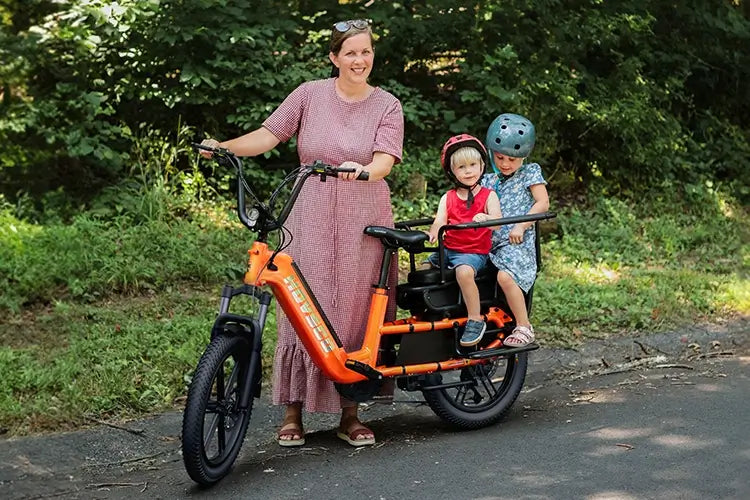
For American riders, many fat tire bikes double as both adventure rigs and daily commuters. Top US-focused guides emphasize that fat tire e-bikes are good choices for taller or heavier riders who want a sturdier platform than a traditional narrow-tire bike. This is particularly relevant in cities like Santa Clara, where riders may mix suburban streets, dedicated bike lanes, and occasional gravel trails in a single ride.
On US roads, you should consider:
Whether your local trails allow Class 3 bikes or restrict them to streets
The availability of service centers for your chosen brand
How often you’ll carry cargo or passengers, which influences weight ratings and brake specs
Brands like HOVSCO design with these realities in mind, aiming for reliable braking, generous weight limits, and stable handling that keep riders safer in mixed traffic.
Buyers should compare motor type and torque, battery capacity, bike weight, tire size, and brake type before purchasing. I also recommend checking frame size range, payload capacity, and whether the bike ships as Class 2 or Class 3, since reclassification via software updates is becoming more common.
Many top review sites now provide comparison tables listing motor output, torque, battery watt-hours, range, and class designation for leading fat tire models. These tables make it easier to spot bikes that balance components rather than just max out one spec at the expense of others.
Below is a simplified example of how you might compare three fat tire e-bikes on paper:
When evaluating comparable HOVSCO fat tire bikes, you’d look for similar balances: enough battery for your daily routes plus a margin, hydraulic brakes, and geometry that fits your height and riding style.
A HOVSCO fat tire e-bike can be a smart choice in 2026 because it combines the company’s established electric mobility expertise with thoughtful bicycle engineering, community support, and a safety-first mindset. Their history in hoverboards and e-scooters means they’ve already navigated the challenges of mass-producing safe, reliable electric vehicles at scale.
For riders who value long-term brand stability and a growing community, HOVSCO offers more than just a bike; they offer an ongoing relationship. Their goal is to help cyclists live active, healthy, and sustainable lifestyles while enjoying the “e-bike smile” that comes from effortless exploration. HOVSCO encourages riders to join a community where they can share ride stories, maintenance tips, and adventures, reinforcing the idea that a fat tire e-bike is not just a product but a gateway to a more engaged cycling life.
HOVSCO is actively building a community around its e-bikes, including fat tire models, to help riders of all disciplines enjoy quality electric bikes together. They invite customers to share life stories on and off the bike, fostering a culture of support and shared experience rather than just transactional sales.
This community focus shows up in how they communicate, how they support riders post-purchase, and how they iterate future designs. For a fat tire rider, that means access to a network of enthusiasts who ride in similar conditions and can share real-world insights into tire pressures, cargo setups, and route choices. It also means HOVSCO can feed these insights back into the design and production process, creating better bikes with each generation.
A fat tire e-bike could be the right choice if you ride mixed terrain, value stability and comfort, or need a bike that handles heavier loads and variable surfaces. For many riders, especially taller or heavier ones, fat tires provide a sense of security and control that thin-tire bikes just can’t match.
If you live in or around Santa Clara, you’re likely dealing with a mix of suburban streets, occasional gravel, and potentially some coastal or park paths. A fat tire e-bike gives you the flexibility to handle all those environments without constantly worrying about traction or pinch flats. Combined with a well-engineered motor and battery system, it can turn everyday trips into reliable, fun, and sustainable rides.
Are fat tire e-bikes good for daily commuting?
Yes, fat tire e-bikes can be excellent for commuting, especially if your routes include potholes, gravel, or occasional dirt paths. Their wide tires add comfort and grip, while modern motors keep speed and effort in check.
Do fat tire e-bikes handle rain and snow well?
Fat tire e-bikes handle rain and snow better than narrow-tire bikes because their wider footprint improves traction. You still need to brake earlier and avoid sudden turns, but the extra rubber gives you more margin on slippery surfaces.
How much maintenance do fat tire e-bikes require?
Fat tire e-bikes require regular chain lubrication, brake checks, and tire pressure adjustments, just like other e-bikes. The main difference is checking spoke tension and tire condition more often because of the extra weight and forces involved.
Can I use a fat tire e-bike for fitness, not just transport?
Yes, you can use fat tire e-bikes for fitness by lowering assist levels or riding in eco modes. The extra rolling resistance means you can still get a solid workout while enjoying the safety and confidence of a more stable platform.
What tire pressure should I run on a fat tire e-bike?
Typical fat tire e-bike pressures range from about 8 to 20 psi, with lower pressures for sand and snow and higher pressures for pavement. Start around 12–15 psi and fine-tune based on your weight, terrain, and comfort preferences.
Which type of riding will you do most often—urban commuting, off-road exploring, or mixed city and trail use?
Share:
Is a blue e-bike the smart choice for your next ride?
How can parents use an ebike to turn a park trip into a pro photoshoot?