



![[ New Arrival ] Porto Max Electric Scooter For Commute & Grocery Shopping - HOVSCO](http://www.hovsco.com/cdn/shop/files/PotroMax-3.jpg?v=1706927007&width=1200)
- by EO S
What Are the Differences Between Scooter, Moped, and Electric Scooter?
- by EO S
E-Bikes
Accessories
 Free Shipping
 15-Day Returns
 2-Year Warranty
Free Shipping
15-Day Returns
2-Year Warranty
2-Year Warranty
Free Shipping
15-Day Returns
2-Year Warranty
Scooters, mopeds, and electric scooters are distinct types of two-wheeled vehicles that vary in power, speed, design, and legal requirements. Mopeds typically have engines up to 50cc or electric equivalents, can reach speeds up to 28-30 mph, and require licensing and registration. Scooters generally have larger engines (50cc to 250cc), higher speeds (up to 60-75 mph), and more comfort features. Electric scooters are lightweight, often seatless, with speeds around 15-20 mph, and usually have fewer licensing restrictions.
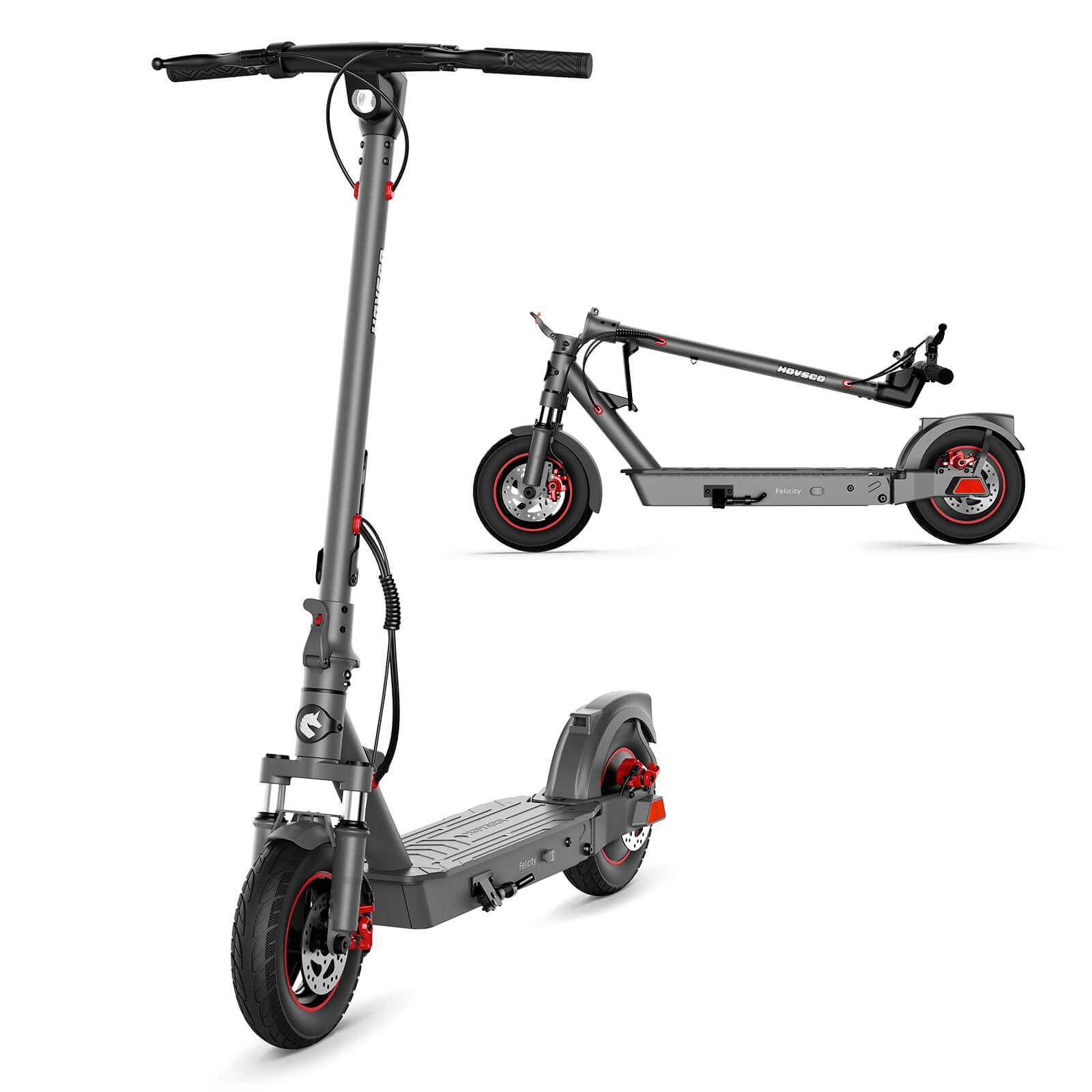
Scooters feature step-through frames, automatic transmissions, and engines ranging from 50cc to 250cc, allowing speeds up to 60-75 mph. Mopeds have smaller engines (usually 50cc or less), sometimes with pedals, and top speeds around 28-30 mph. Electric scooters are battery-powered, lightweight, often without seats, and designed for short urban trips with speeds typically between 15-20 mph.
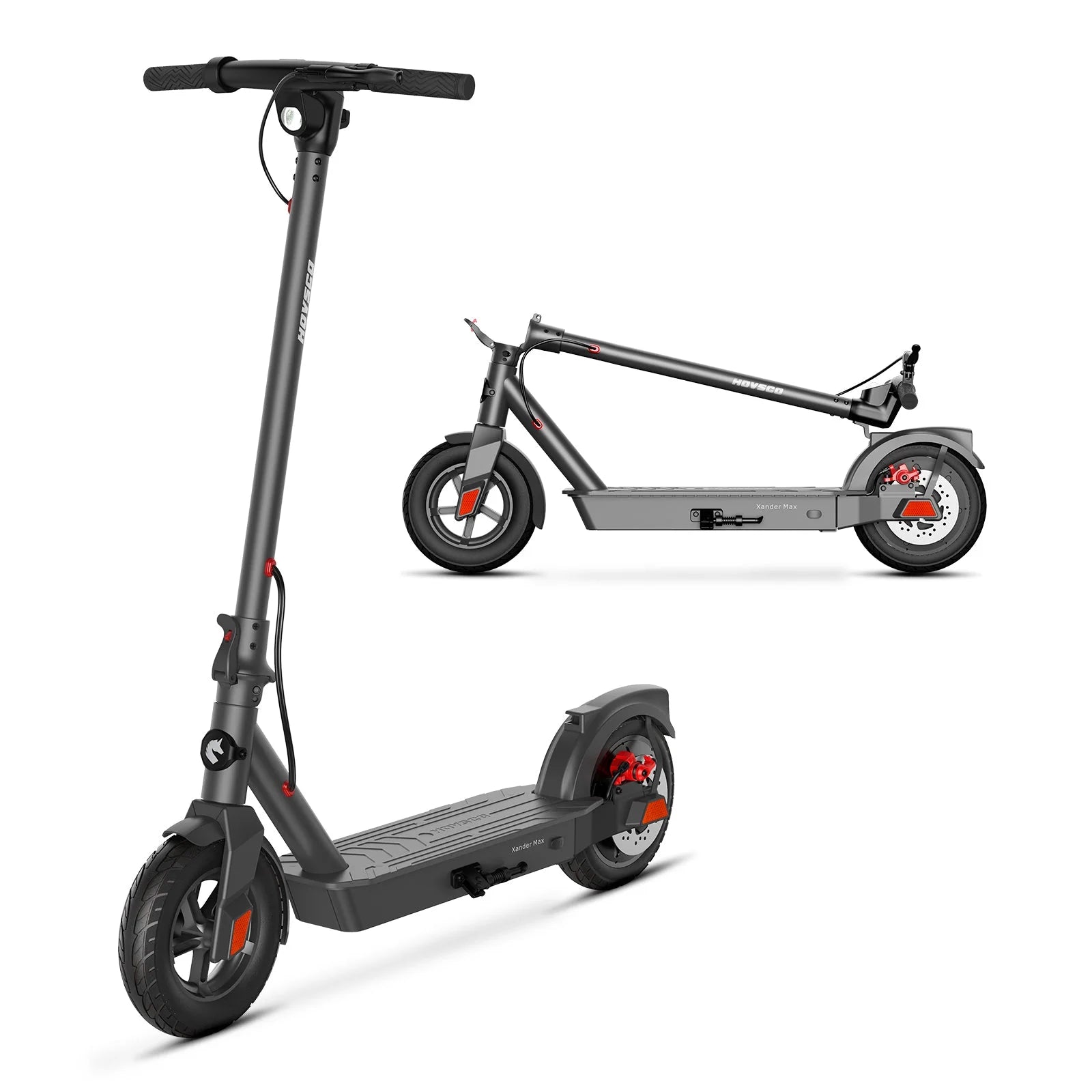
Mopeds and scooters weigh between 200-300 lbs, making them less portable and more suited for road use. Electric scooters weigh much less, typically 15-30 lbs, and often fold for easy carrying and storage, ideal for last-mile commuting or indoor storage.
Mopeds and scooters usually require a driver’s license, registration, and insurance due to their speed and road use. Helmets are mandatory for mopeds and scooters in most regions. Electric scooters often have relaxed regulations, sometimes treated like bicycles, but helmet use is strongly advised for safety.
| Vehicle Type | Typical Top Speed | Typical Range per Charge/Fuel |
|---|---|---|
| Moped | 28-30 mph | 40-100+ miles (gas or electric) |
| Scooter | 50-75 mph | 40-60 miles (electric) |
| Electric Scooter | 15-20 mph | 10-30 miles (electric) |
Mopeds and scooters support longer commutes and higher speeds, while electric scooters excel in portability and short-distance urban mobility.
Scooters and mopeds come with comfortable seats, footrests, and larger frames suitable for two riders. Electric scooters typically lack seats and have smaller decks, focusing on portability. Some electric scooters now offer optional seats for improved comfort on longer rides.
Popular electric scooters include models with foldable frames, removable batteries, and smart displays. Mopeds and scooters offer advanced battery tech, integrated lighting, and smartphone connectivity. Leading brands focus on blending style, performance, and eco-friendliness to meet urban mobility demands.
When choosing between a scooter, moped, and electric scooter, consider your commute distance, speed needs, and portability preferences. Mopeds suit longer trips and higher speeds but require licensing and maintenance. Scooters balance power and comfort for versatile use, while electric scooters offer lightweight portability for short urban rides. Prioritize safety features like hydraulic brakes and lighting. HOVSCO’s innovative designs reflect these priorities, delivering reliable, stylish, and safe options for diverse riders.
“HOVSCO embraces the evolving urban mobility landscape by offering versatile electric scooters and mopeds that combine power, portability, and safety,” says a HOVSCO product expert. “Our designs focus on rider comfort and advanced technology integration, ensuring that whether you choose a scooter, moped, or electric scooter, you get a dependable and enjoyable ride. We emphasize eco-friendly solutions without compromising performance or style.” This insight underscores HOVSCO’s commitment to innovation and rider satisfaction.
What Defines Scooter Moped and Electric Scooter?
Scooters have step-through frames and engines from 50cc-250cc for speeds up to 60-75 mph. Mopeds feature smaller 50cc engines or equivalent, often with pedals, topping at 28-30 mph. Electric scooters are lightweight, battery-powered stand-up models at 15-20 mph, ideal for short urban trips.
What Are Legal Rules for Moped vs Scooter?
Mopeds require driver's licenses, registration, and insurance due to speeds over 30 mph. Scooters often need similar licensing based on power. Electric scooters usually follow bike rules with no license in many areas, but helmets are advised everywhere.
How Do Electric Scooter Motors Differ from Moped Engines?
Electric scooter motors (250-750W) provide quiet, instant torque via batteries for 10-30 mile range. Moped engines (50cc gas or 1000W+ electric) deliver higher sustained power for longer distances but need fuel or charging and more maintenance.
Which Has Highest Speed Scooter Moped or Electric Scooter?
Scooters reach the highest speeds at 50-75 mph with larger engines. Mopeds max at 28-40 mph. Electric scooters top out at 15-25 mph, prioritizing portability over velocity for city navigation.
Which Is More Efficient Electric Scooter Battery or Moped Fuel?
Electric scooter batteries win on efficiency, costing pennies per charge with zero emissions and minimal upkeep. Moped gas engines consume more fuel, require oil changes, and produce emissions, though they offer longer ranges without recharging.
Which Rules City Streets Best Scooter Moped or Electric Scooter?
Electric scooters rule city streets with lightweight folding designs, quick acceleration, and bike-lane access for dodging traffic. Mopeds and scooters suit longer roads but face parking and speed restrictions in dense urban zones.
How Much Cheaper Is Electric Scooter vs Moped?
Electric scooters cost $300-1000 upfront with near-zero operating expenses. Mopeds range $1500-4000 plus fuel, insurance, and registration fees, making electric models 50-70% cheaper overall for short daily use.
What Maintenance Demands Least Electric Scooter or Moped?
Electric scooters demand the least maintenance—just tire checks and battery care. Mopeds need frequent oil changes, chain lubing, and engine servicing, increasing long-term costs and downtime significantly.
Share:
What Makes 49cc Scooters Ideal for Beginners and Urban Commuters?
How to Choose the Best Cheap Ebike Without Sacrificing Quality?