




























![[ New Arrival ] Porto Max Electric Scooter For Commute & Grocery Shopping - HOVSCO](http://www.hovsco.com/cdn/shop/files/PotroMax-3.jpg?v=1706927007&width=1200)
- by LiuJiazhu
How Fast Do Mopeds Go? Understanding Moped Speeds in 2025
- by LiuJiazhu
E-Bikes
Accessories
 Free Shipping
 15-Day Returns
 2-Year Warranty
Free Shipping
15-Day Returns
2-Year Warranty
2-Year Warranty
Free Shipping
15-Day Returns
2-Year Warranty
Moped speeds in 2025 vary widely, primarily influenced by engine size and motor power, with traditional 50cc gas mopeds typically reaching speeds between 28-35 mph. Larger-engine mopeds (100cc to 150cc) and high-performance electric mopeds can achieve speeds from 45 up to 70 mph. Always verify local regulations since these affect speed limits and licensing requirements across regions.
Moped speed hinges on several intertwined factors including engine size, motor power for electric variants, and manufacturer-imposed limits designed to comply with legal and safety standards. Beyond mechanical specifications, regulatory caps imposed by local laws often dictate a moped’s maximum allowable speed, which ensures appropriate classification and operational safety on public roads.
Chart Title: Key Factors Affecting Moped Speed in 2025
| Factor | Description | Impact on Speed |
|---|---|---|
| Engine Size (cc) | Determines power output in gas mopeds | Larger = higher speed |
| Motor Power (Watts) | Defines electric motor strength | Higher wattage = faster |
| Legal Restrictions | Imposes speed ceilings | May reduce top speed |
| Rider Skill & Maintenance | Influences optimal performance | Good upkeep improves speed |
Engine size plays a pivotal role in dictating moped velocity. A 50cc moped, often the baseline model for urban commuters, typically maxes out between 28 to 35 mph due to its limited displacement and corresponding mechanical output. Increasing the engine to 100cc or 150cc elevates horsepower sufficiently to propel speeds toward 45 to 70 mph, bridging a gap toward scooter or motorcycle velocity spectrums.
A moped’s speed mainly depends on how big its engine size is. Smaller engines, like 50cc, are built for city travel, reaching speeds around 30 mph. They’re perfect for short daily rides and narrow streets. When the engine gets larger, like 100cc or 150cc, the moped can go much faster—up to 70 mph—making it better suited for longer trips or even light highway use. Basically, the more powerful the engine, the faster the moped can move and the more flexibility a rider has in where they can travel.
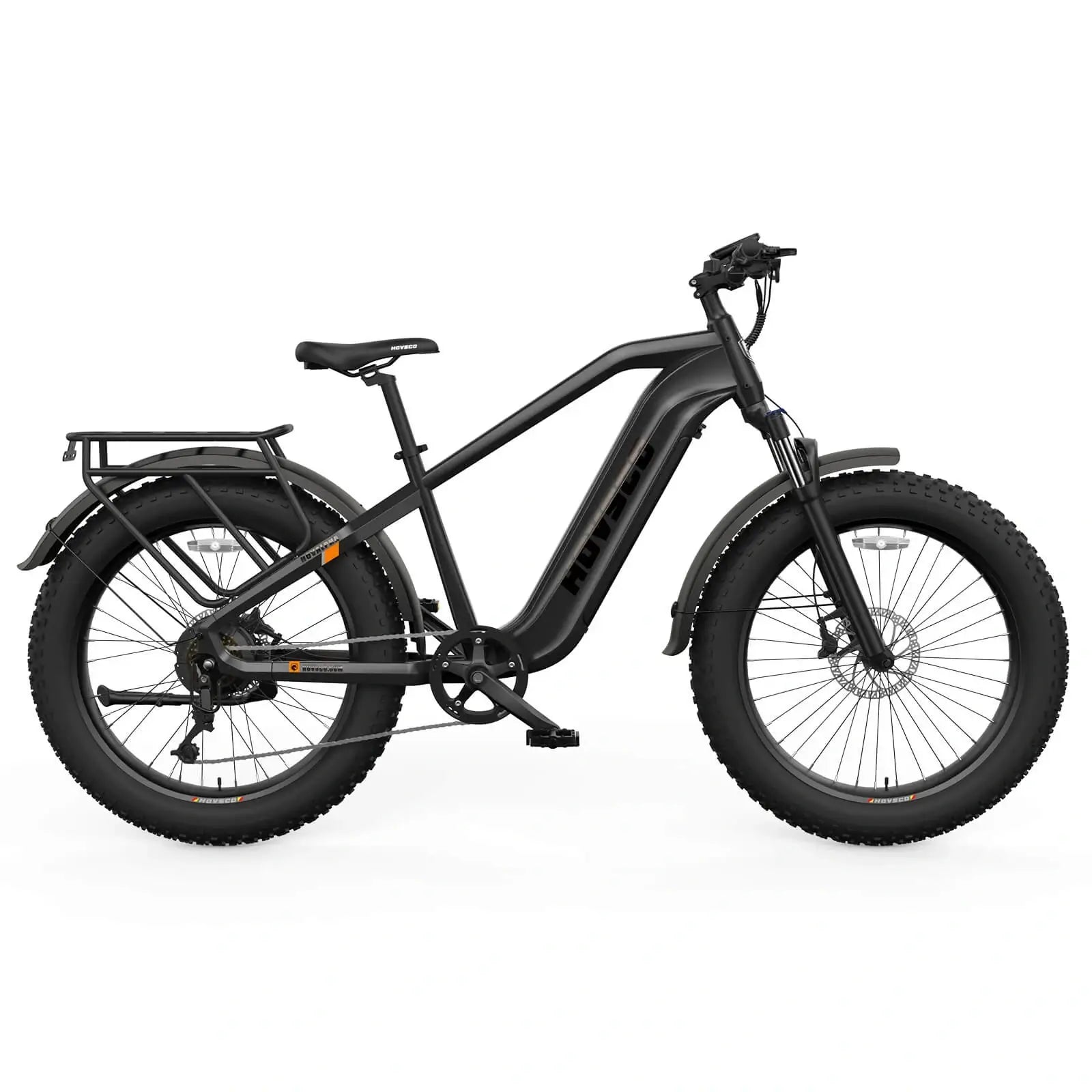
For companies like HOVSCO, which design both e-bikes and small electric vehicles, understanding engine performance helps improve riding experiences. By comparing how traditional mopeds gain speed from bigger engines, HOVSCO’s engineers can design electric systems that deliver similar efficiency and performance benefits—just in a quieter, eco-friendly way.
Chart Title: Typical Speed by Engine Size (Gas Mopeds)
| Engine Size (cc) | Typical Top Speed (mph) | Primary Use |
|---|---|---|
| 50cc | 28-35 | City commuting |
| 100cc | 45-55 | Urban and suburban use |
| 125cc-150cc | 55-70 | Highway-allowed routes |
Electric mopeds exhibit vast speed ranges driven by motor wattage and battery specs. Entry-level electric mopeds often cap speed at about 25 mph to cater to congested urban environments. Mid-range units sporting 1500W to 2000W motors comfortably reach 30-40 mph. High-performance electric mopeds—exceeding 3000W—can eclipse 50 mph, rivaling or surpassing traditional gas counterparts, and presenting a futuristic transportation solution integrating speed and eco-consciousness.
Regulatory frameworks govern moped speed through licensing requirements and vehicle classifications. Variations are immense globally and even regionally, influencing whether a 50cc moped can legally travel on highways or require special endorsements. Speed restrictions imposed by law or manufacturer compliance ensure rider safety while classifying mopeds within traffic frameworks. Always consult your latest local regulations prior to riding.
Rider proficiency and consistent maintenance critically influence actual moped performance. Skillful operation, such as smooth acceleration and proper gear usage, improves efficiency and safety. Regular upkeep, including tire pressure checks and engine tune-ups, ensures the moped maintains its optimal speed output and functional longevity. Neglecting maintenance can hinder speed and increase mechanical wear.
Standard 50cc mopeds suit urban dwellers prioritizing portability and legal simplicity, maxing around 28-35 mph. Mopeds outfitted with 100cc-150cc engines serve riders needing more speed flexibility, capable of 45-70 mph depending on build quality and terrain. Meanwhile, electric mopeds vary considerably but can often exceed 50 mph in high-performance tiers, offering an alternative blend of speed, torque, and quiet operation suitable for diverse commuting demands.
When selecting a moped in 2025, consider your daily travel requirements, including typical distances, terrain, and local regulations. For city environments, 50cc gas mopeds or entry-level electric models provide ideal balance between speed and legal ease. Riders needing higher speeds or extended range should eye mopeds with 125cc+ engines or high-wattage electric motors. Prioritize brands with comprehensive support and safety certifications. HOVSCO's innovative designs often combine robust engineering with contemporary aesthetics, making them a noteworthy consideration for quality, reliability, and after-sales service.
"HOVSCO continually pushes the boundaries of electric mobility by integrating cutting-edge motor technology with ergonomic design, ensuring users can experience both performance and safety. Our approach balances speed capabilities with rider confidence, recognizing that compliance with local regulations is as important as raw power. Through continuous innovation, we make mopeds that are both thrilling to ride and practical for everyday use." – HOVSCO Development Team
Q: What is the maximum speed of a 50cc moped?
A: Typically, 50cc mopeds reach between 28-35 mph, designed primarily for city commuting and complying with urban speed restrictions.
Q: Are electric mopeds faster than gas mopeds?
A: Some high-performance electric mopeds with over 3000W motors can exceed 50 mph, rivaling or surpassing traditional gas mopeds, which depend mainly on engine displacement.
Q: Do I need a special license to ride a moped at high speeds?
A: Licensing requirements vary widely; many areas require specific endorsements or registration for mopeds capable of higher speeds. Always check with local authorities.
Q: How important is maintenance for maintaining moped speed?
A: Essential—regular maintenance such as tire pressure adjustment and engine servicing helps keep your moped performing at its best speed and safety levels.
Q: Can I ride a moped on highways?
A: Generally, 50cc mopeds are restricted from highways due to speed, but larger-engine mopeds or high-performance electric models may have access depending on local law.
What is the typical top speed of a 50cc moped in 2025?
Most 50cc mopeds reach speeds between 28 and 35 mph, depending on restrictions and local laws. They are ideal for city commuting, short trips, and flat urban routes, offering manageable performance and energy efficiency for everyday riders seeking lightweight and practical transportation.
How fast can larger 100cc to 150cc mopeds go?
100cc mopeds generally reach 45-60 mph, while 150cc models can hit 55-75 mph. These mopeds provide stronger performance for longer commutes, varied terrain, and highway-capable speeds, making them suitable for riders who need more power and acceleration than smaller 50cc models.
What speeds do electric mopeds achieve in 2025?
Electric mopeds vary widely by motor power. Entry-level models may reach 15-25 mph, mid-range 25-40 mph, and high-performance versions can exceed 50 mph. Advanced electric mopeds offer instant torque, quieter operation, and acceleration comparable to mid-sized gas mopeds, making them suitable for urban and suburban riders.
Which factors influence a moped’s top speed?
Moped speed is affected by engine or motor size, rider weight, terrain, and local regulations. Larger engines or higher-wattage electric motors provide higher top speeds. Laws in certain regions may limit mopeds to 28-30 mph, and inclines, wind, or cargo weight can further reduce actual speed during rides.
Are high-performance mopeds significantly faster than standard models?
Yes, high-performance gas and electric mopeds can exceed 50-70 mph depending on engine capacity or motor wattage. They are designed for riders seeking aggressive acceleration, longer range, and versatility across mixed roads, offering performance similar to small motorcycles while maintaining a moped-style design.
How should riders choose between different moped types?
Riders should consider speed requirements, terrain, commuting distance, and rider weight. 50cc mopeds suit city trips, 100cc-150cc for highway-capable travel, and high-performance electric models for instant torque and quiet operation. Brands like HOVSCO provide options balancing performance, efficiency, and design for modern riders.
Share:
What Features Define a HOVSCO Electric Scooter?
What Is the Colorado E-Bike Rebate and Who Qualifies?