



![[ New Arrival ] Porto Max Electric Scooter For Commute & Grocery Shopping - HOVSCO](http://www.hovsco.com/cdn/shop/files/PotroMax-3.jpg?v=1706927007&width=1200)
- by SEO
Torque Sensor Technology in E-Bikes: Why It Matters for Real-World Riding (June 2026)
- by SEO
E-Bikes
Accessories
 Free Shipping
 15-Day Returns
 2-Year Warranty
Free Shipping
15-Day Returns
2-Year Warranty
2-Year Warranty
Free Shipping
15-Day Returns
2-Year Warranty
Torque sensor technology has rapidly become one of the defining features of premium e-bikes, reshaping how riders experience power, control, and comfort on every ride. For brands like HOVSCO, which has made torque sensors standard on core cargo, fat-tire, and city models, this technology is no longer a niche add-on but a central pillar of the riding experience.
Torque sensor technology gives e-bikes natural, responsive pedal assist and better efficiency. Learn how torque sensors work and how HOVSCO applies them to real-life riding in 2026.
The global e-bike market was valued at around USD 28.08 billion in 2025 and is projected to reach USD 48.60 billion by 2034, reflecting strong long-term demand for higher-performance, safer models. Within this growth, torque sensor systems have become a key upgrade path, with recent market analysis noting that 41% of new e-bike models launched in 2024 integrated advanced torque sensing and related performance features.
At the same time, the dedicated e-bike torque sensor market itself reached an estimated USD 1.14 billion in 2024, underlining how central this component has become in the industry’s value chain. In parallel, safety standards such as UL 2849, which certifies complete e-bike electrical systems, have moved from optional to expected in leading markets, especially for higher-powered models and family-focused cargo bikes.
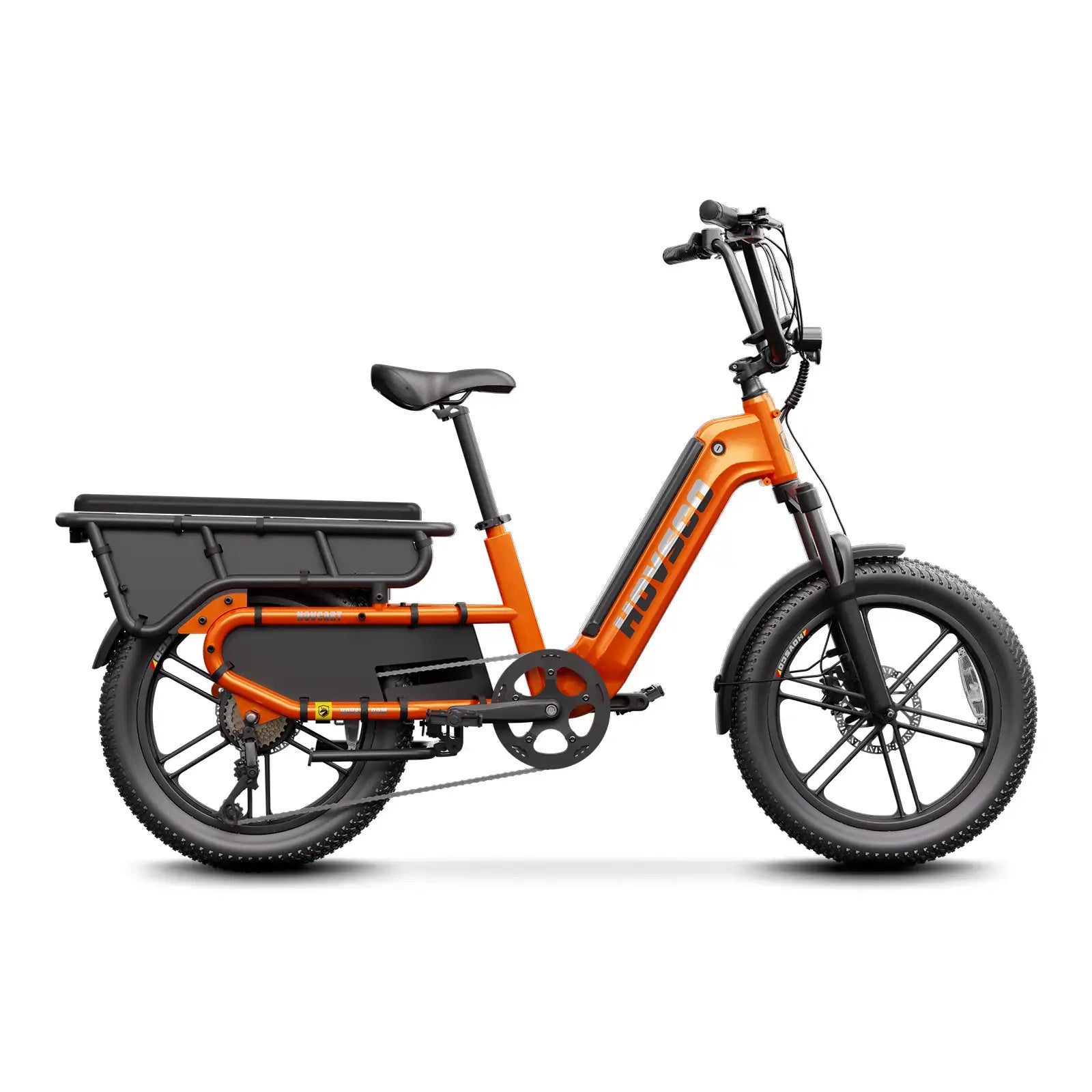
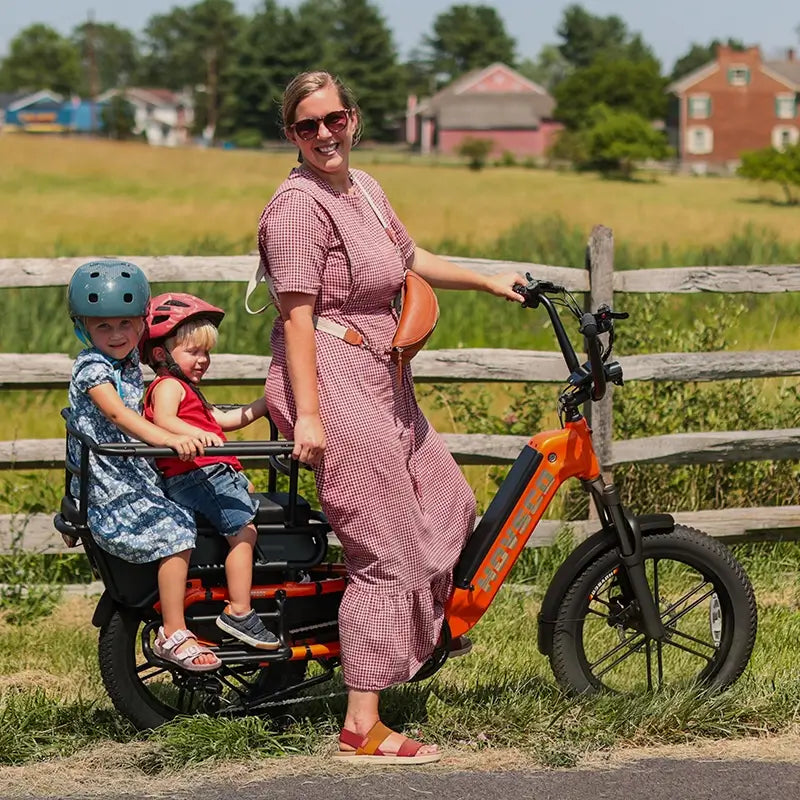
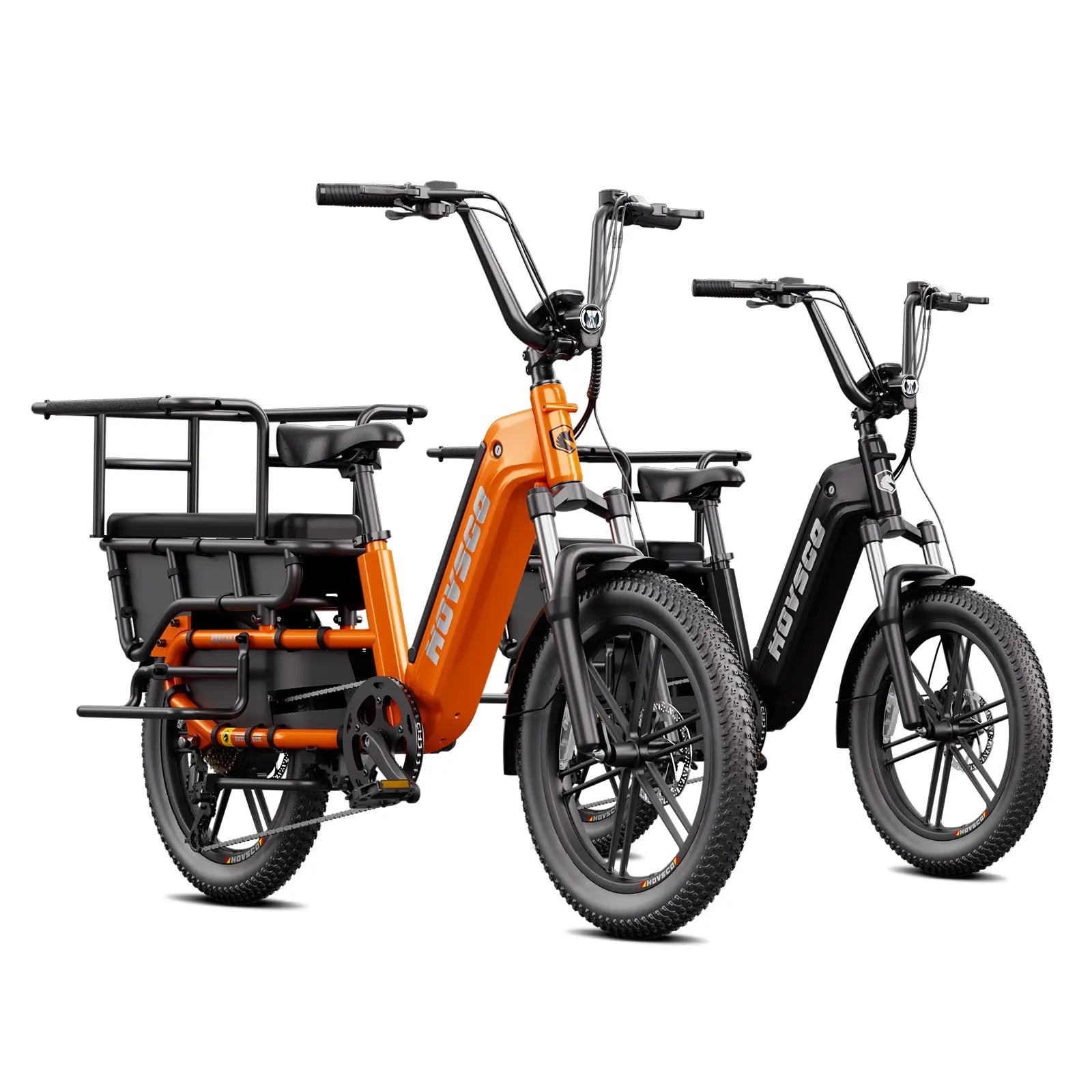
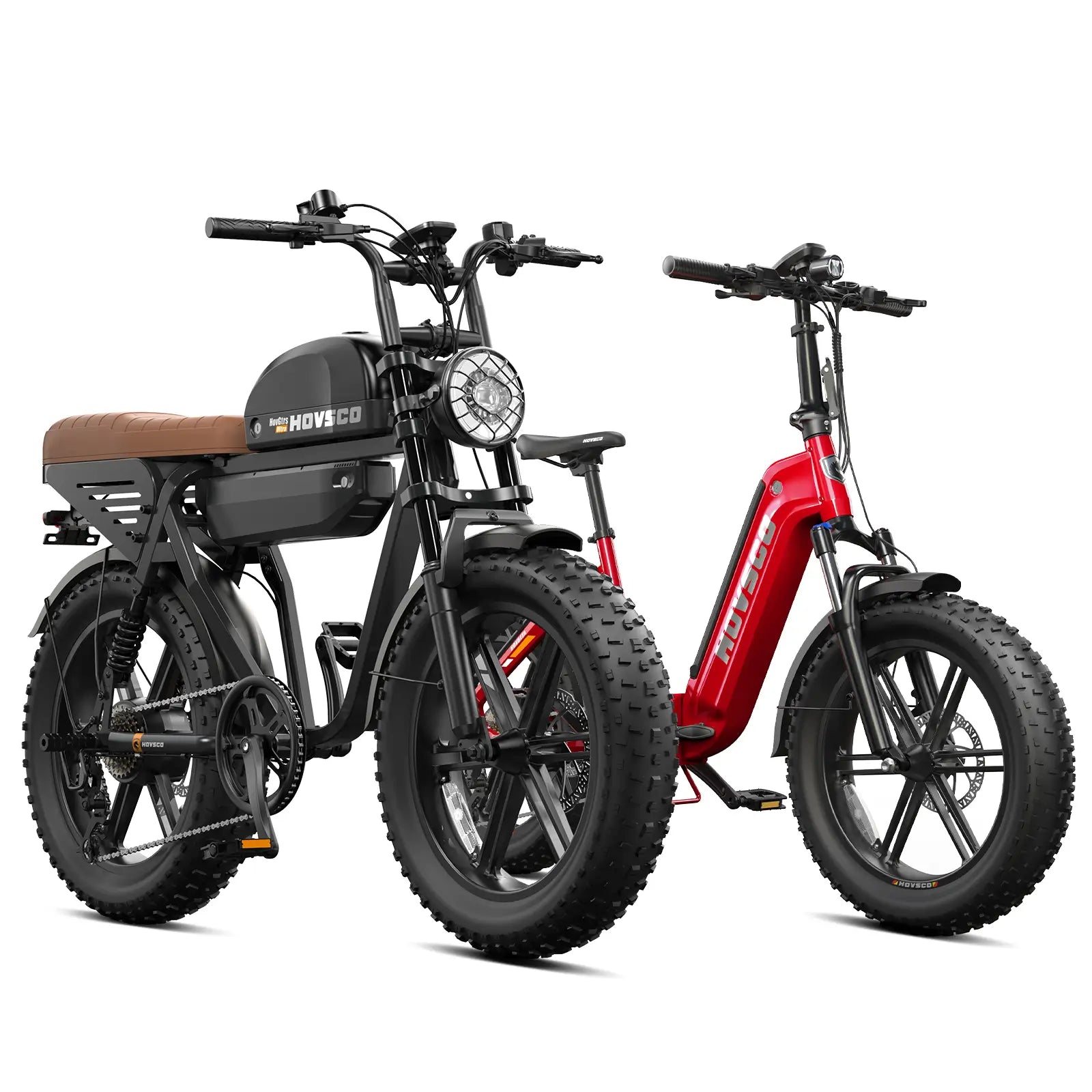
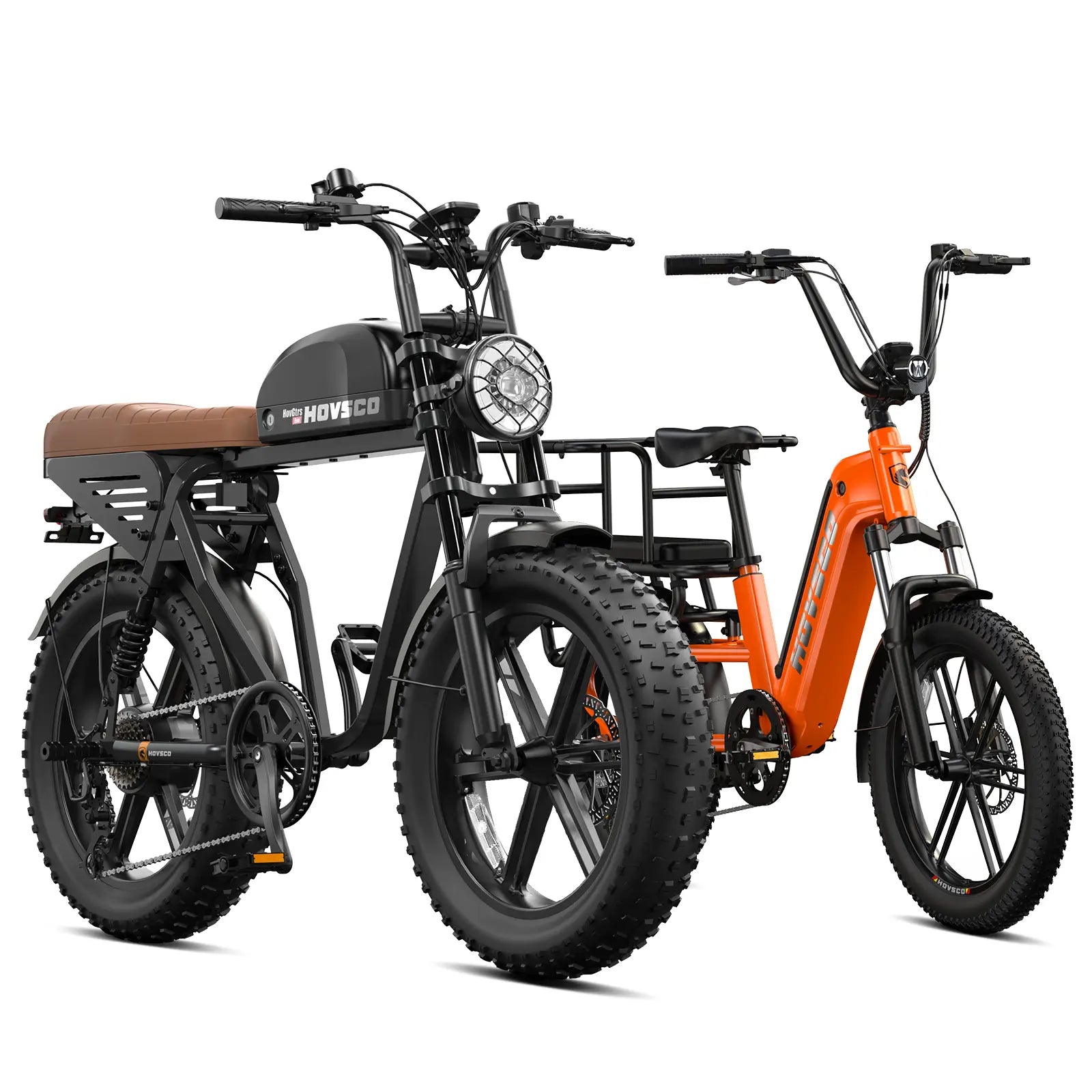
HOVSCO is a US-based e-bike brand specializing in cargo, fat-tire, foldable, moped-style, and city e-bikes designed for families, commuters, and outdoor riders. Many of its flagship models incorporate torque sensor pedal assist, including the HovCart Family E-Bike, which pairs a 750W (1300W peak) rear hub motor with a 90 N·m torque sensor for smooth, powerful assistance up to 28 mph.
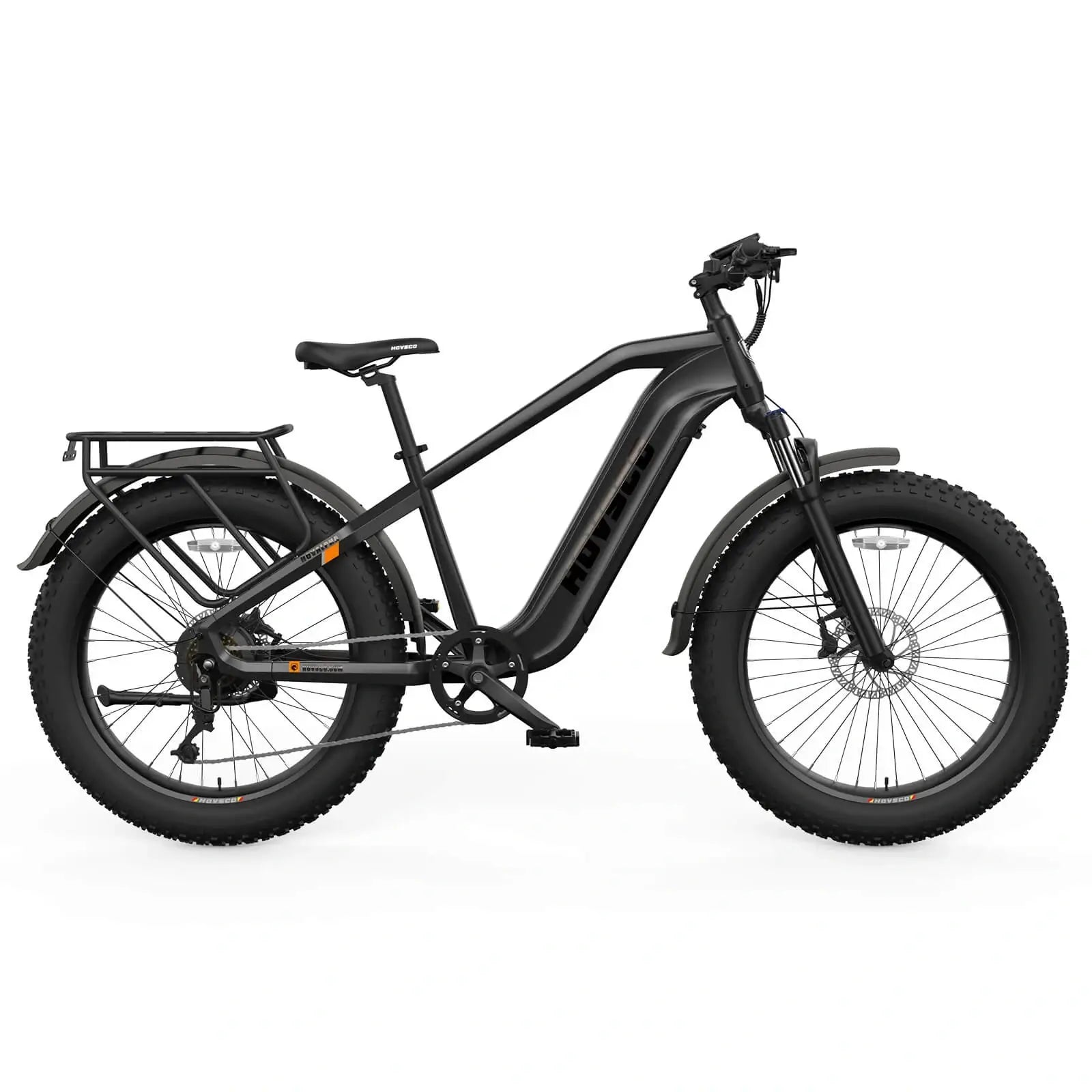
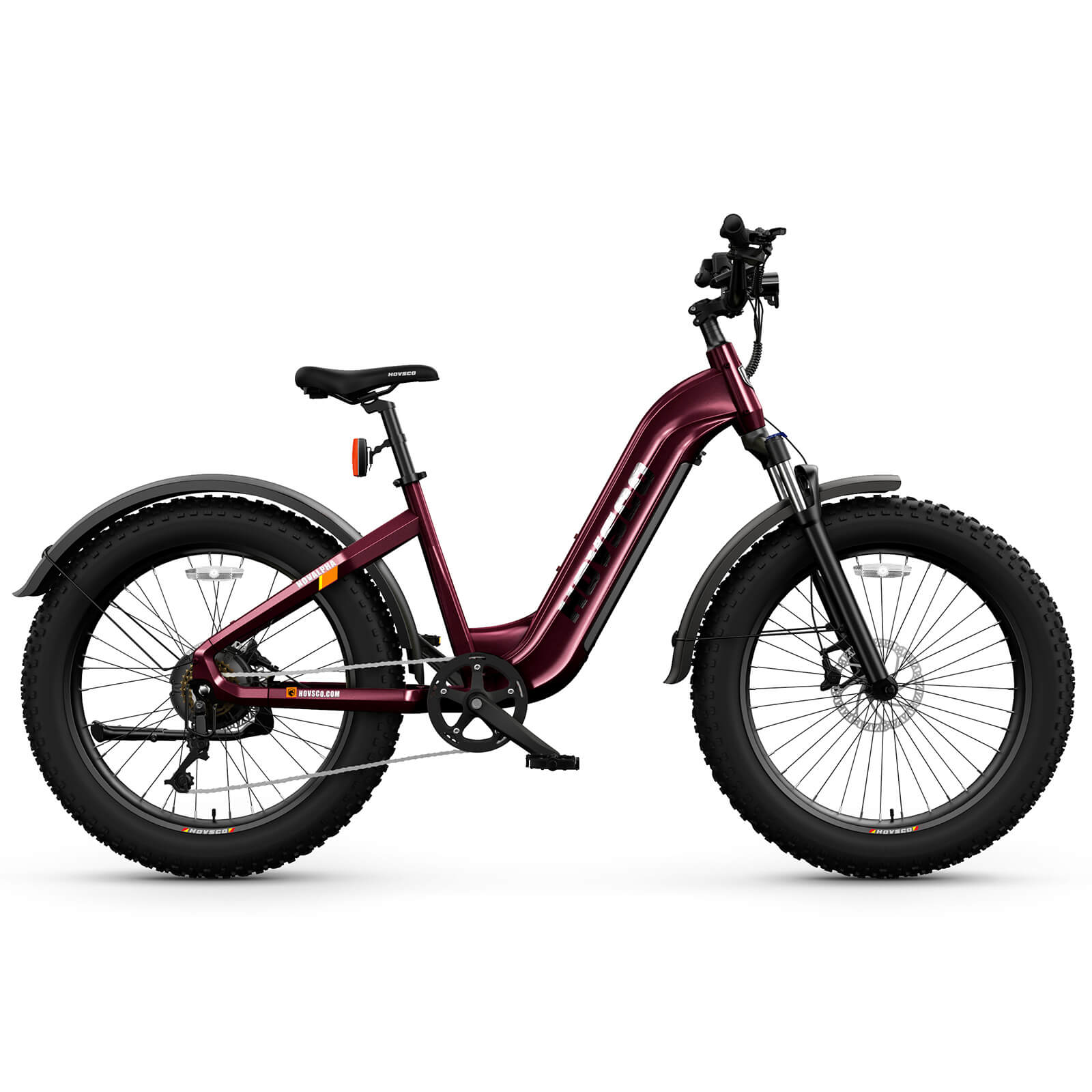
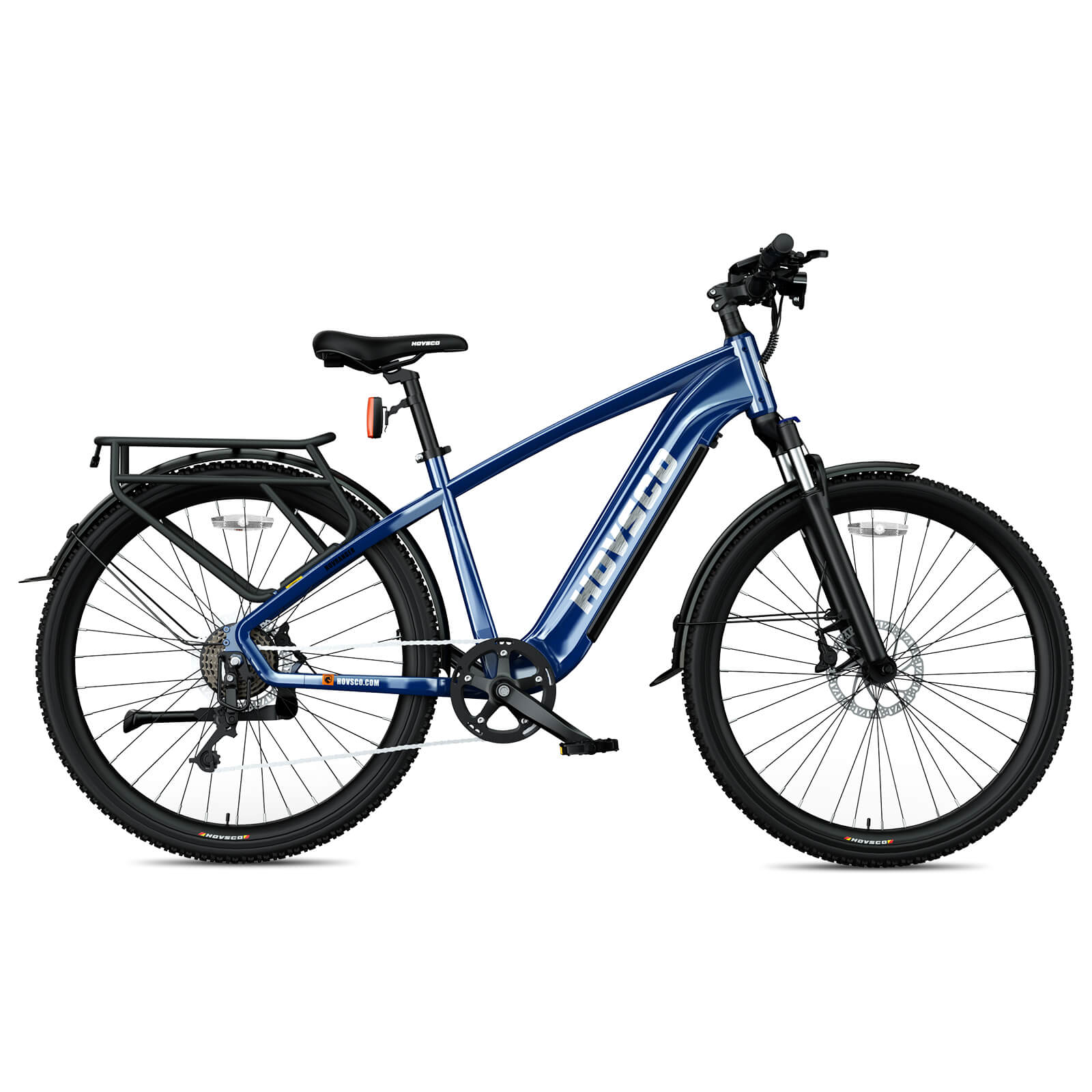
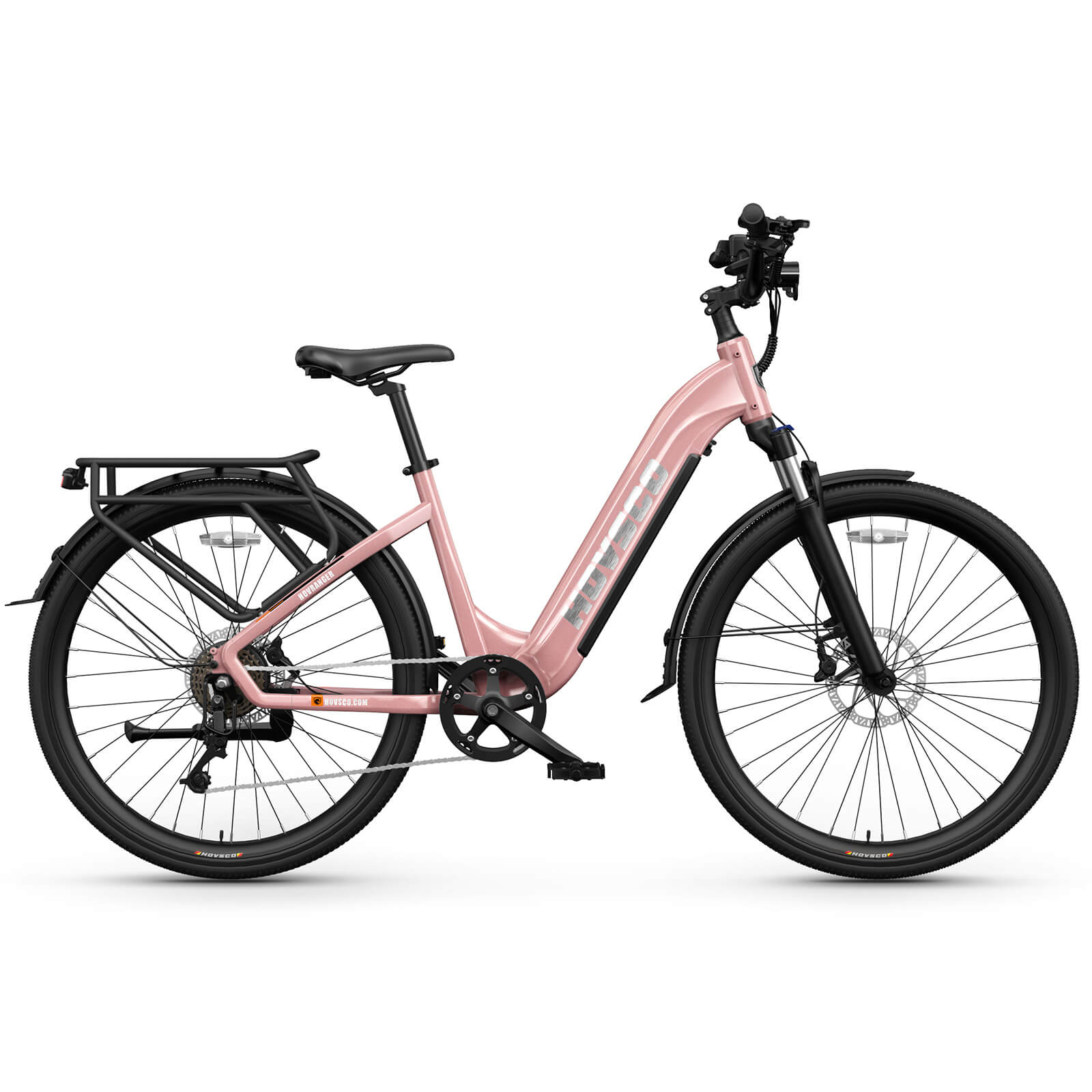
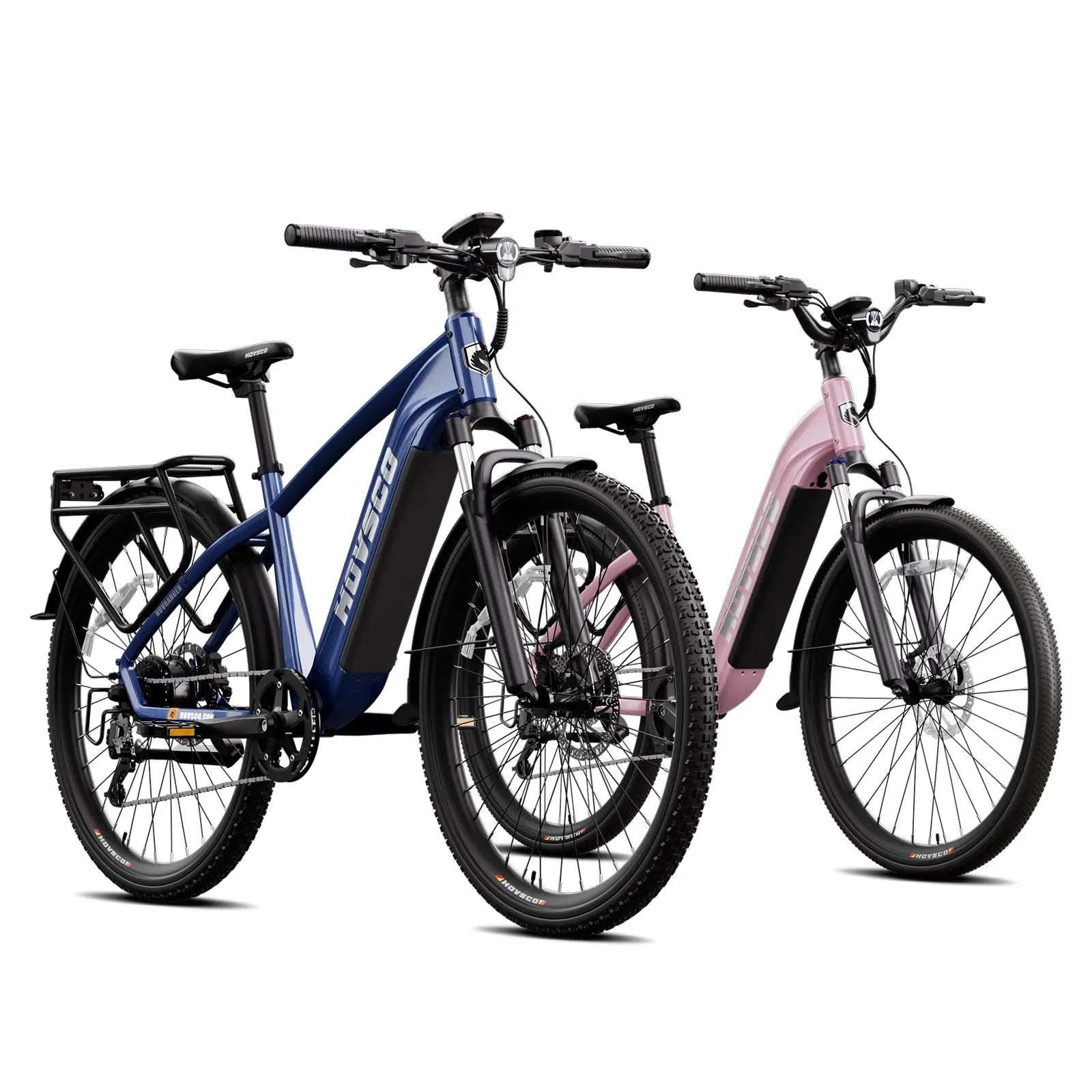
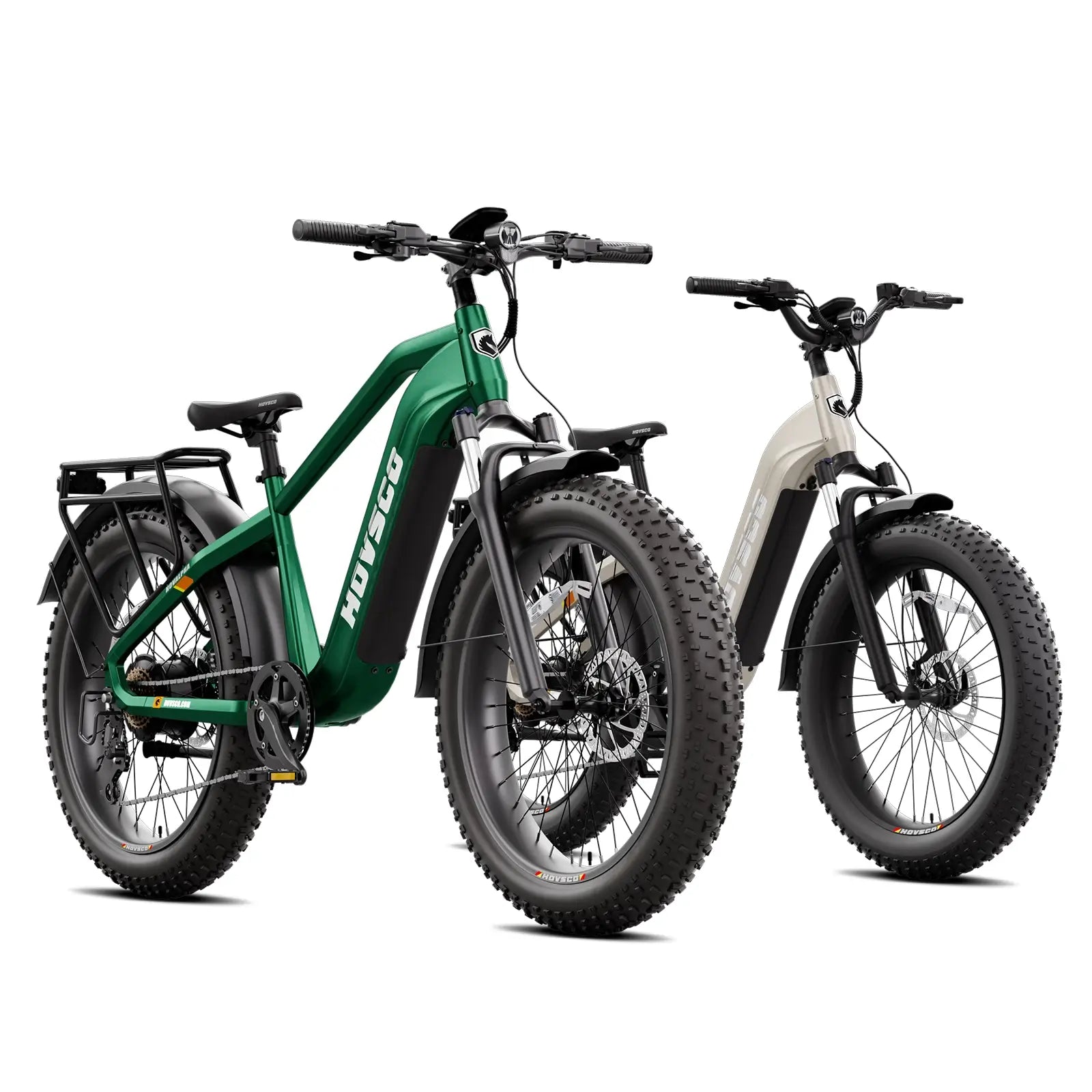
Other lines such as the HovAlpha long-range fat-tire e-bike and HovRanger 27.5" city e-bike also feature high-torque motors and torque-sensing assist, creating a consistent, natural ride feel across the brand’s non-moped platforms. This makes HOVSCO an illustrative example of how torque sensor technology can be applied across different formats, from foldable bikes to full-suspension off-road machines.
Torque sensor technology in e-bikes refers to a system that measures how hard the rider is pressing on the pedals and then adjusts motor output in real time based on that force. Instead of simply detecting whether the pedals are turning, a torque sensor uses strain gauges or similar components in the drivetrain to quantify pedaling effort and translate it into proportional assistance.
In contrast to basic cadence sensors, which supply a fixed power level once pedaling is detected, torque sensors modulate assistance continuously, so the harder you pedal, the more help the motor provides, and when you ease off, the motor responds by reducing power.
Riders who come from traditional bicycles or who want to replace car trips often encounter three recurring problems with basic e-bike setups: unnaturally abrupt power delivery, inefficient battery use, and limited control in challenging terrain.
First, cadence-based assistance can feel on–off and jerky, as the motor often waits for a fraction of a pedal rotation before engaging and then delivers a preset surge of power. This can make low-speed maneuvers, starts in traffic, and tight cornering feel less precise, especially for new riders or those carrying children or cargo. Torque sensors address this by reacting to pedal pressure in 10–50 milliseconds, bringing the motor in smoothly and in sync with the rider’s intentions.
Second, riders who use their e-bikes for longer commutes or multi-errand days need range predictability, but constant high-output assist from cadence systems can drain batteries faster than anticipated. Because torque sensors down-regulate power when less assistance is needed, controlled tests have shown they can improve battery efficiency by roughly 19–27% compared with comparable cadence-only setups. This is particularly relevant on models like the HovCart, which offers an average range of 40–60 miles from its 48V 15Ah (720Wh) battery, where users want each charge to cover a full week of school runs and errands.
Third, hills and mixed terrain are often where e-bikes either excel or disappoint. A cadence system delivers the same motor effort regardless of how steep the climb is or how much the rider is contributing, which can cause either underpowered climbs or overpowered, less controllable acceleration. With a torque sensor and a high-torque motor—such as the HovCart’s 90 N·m system—assist ramps up automatically as the rider pushes harder, keeping momentum on climbs while preserving a controlled, bike-like feel.
“Laboratory tests have shown that torque-equipped e-bikes can achieve approximately 19–27% greater battery efficiency than comparable cadence models, thanks to dynamic power modulation based on rider effort.”
Below is an illustrative table contrasting a HOVSCO torque-sensor cargo/fat-tire setup with two common alternatives: a cadence-sensor commuter e-bike and a basic low-cost cadence-sensor city bike. (Specifications for HOVSCO models are drawn from the HovCart and broader line-up; competitor profiles represent typical configurations in the same market segment rather than specific brands.)
Real-time force measurement
A torque sensor sits in the drivetrain—often in the bottom bracket or crank area—and uses strain gauges to measure the twisting force applied when a rider pedals. These signals are converted into digital data and fed to the motor controller dozens of times per second, giving the system a live view of rider effort.
Dynamic power modulation
Based on a chosen assist level (for example, one of five levels on the HovCart), the controller multiplies the rider’s effort by a predefined factor and sends the appropriate current to the motor. This allows light assistance for fitness-focused rides at low levels, or strong, quick support for loaded hill climbs at higher levels, while always syncing motor output with pedal pressure.
Battery optimization and thermal control
Because the motor is only delivering as much power as needed at any given moment, overall energy usage tends to drop, translating into more miles per charge. On a UL 2849 certified system like the HovCart’s 48V 15Ah battery and electronics, this controlled draw also supports safer thermal behavior under stress, complementing protections tested under UL 2849 and UL 2271.
“Starting from a stop with a loaded cargo bike in city traffic, the torque sensor senses the extra pressure on the pedals and brings the motor in smoothly, letting the rider accelerate with control rather than a sudden jolt.”
“On rolling terrain, a torque-sensor e-bike will automatically provide more power on uphill segments and ease off on downhills, without the rider constantly adjusting assist levels.”
“In fitness-oriented riding, riders can lower assist and rely more on their legs, with the torque sensor acting as a ‘multiplier’ for effort instead of replacing it entirely.”
HOVSCO positions torque sensor technology as a unifying thread across much of its range, rather than a single high-end option. Riders who start with a cargo-focused bike like the HovCart Family E-Bike can expect a similar responsive assist feel when moving to a fat-tire adventure platform like the HovAlpha, which pairs a 1300W motor and 80-mile range with a 90 N·m torque sensor for off-road use.
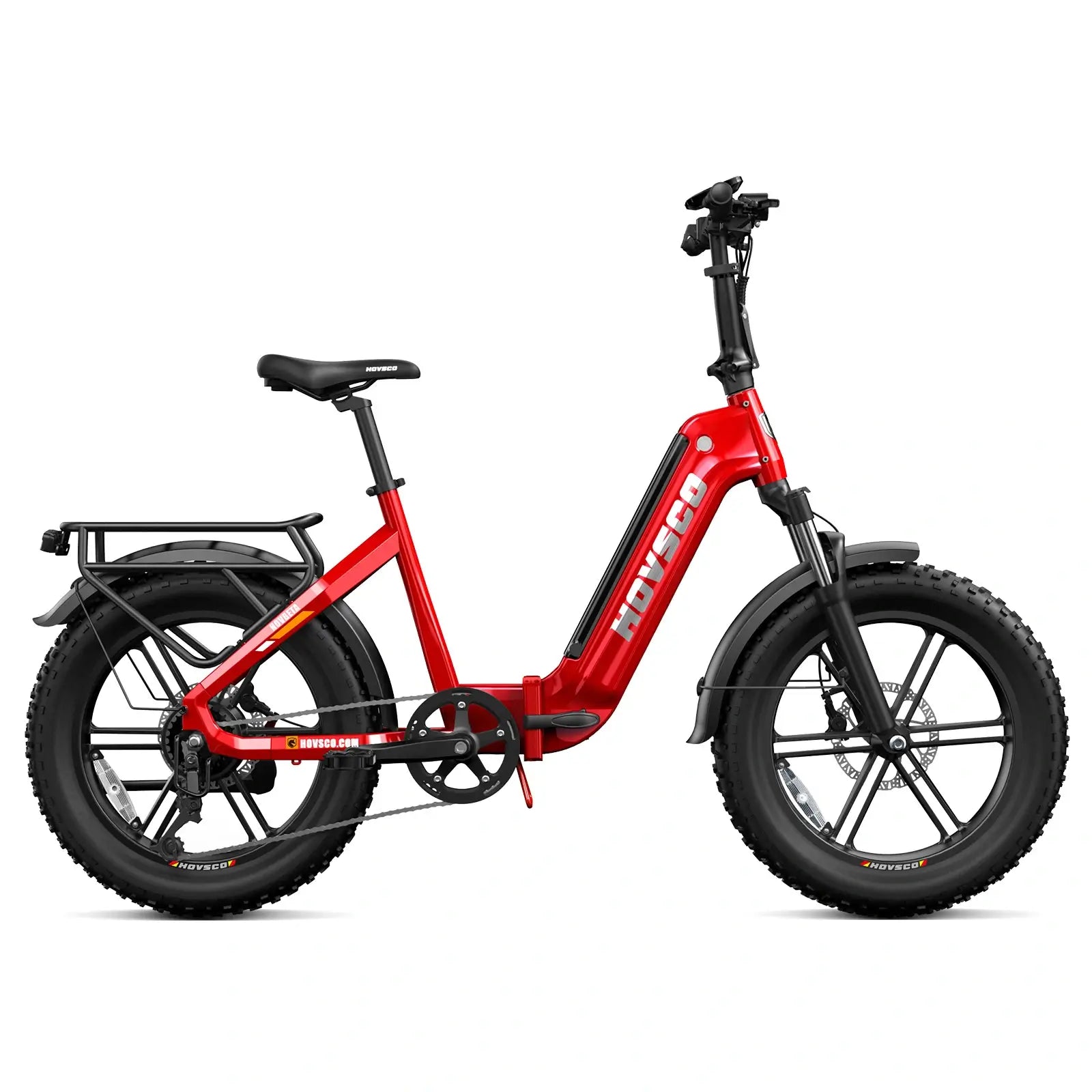
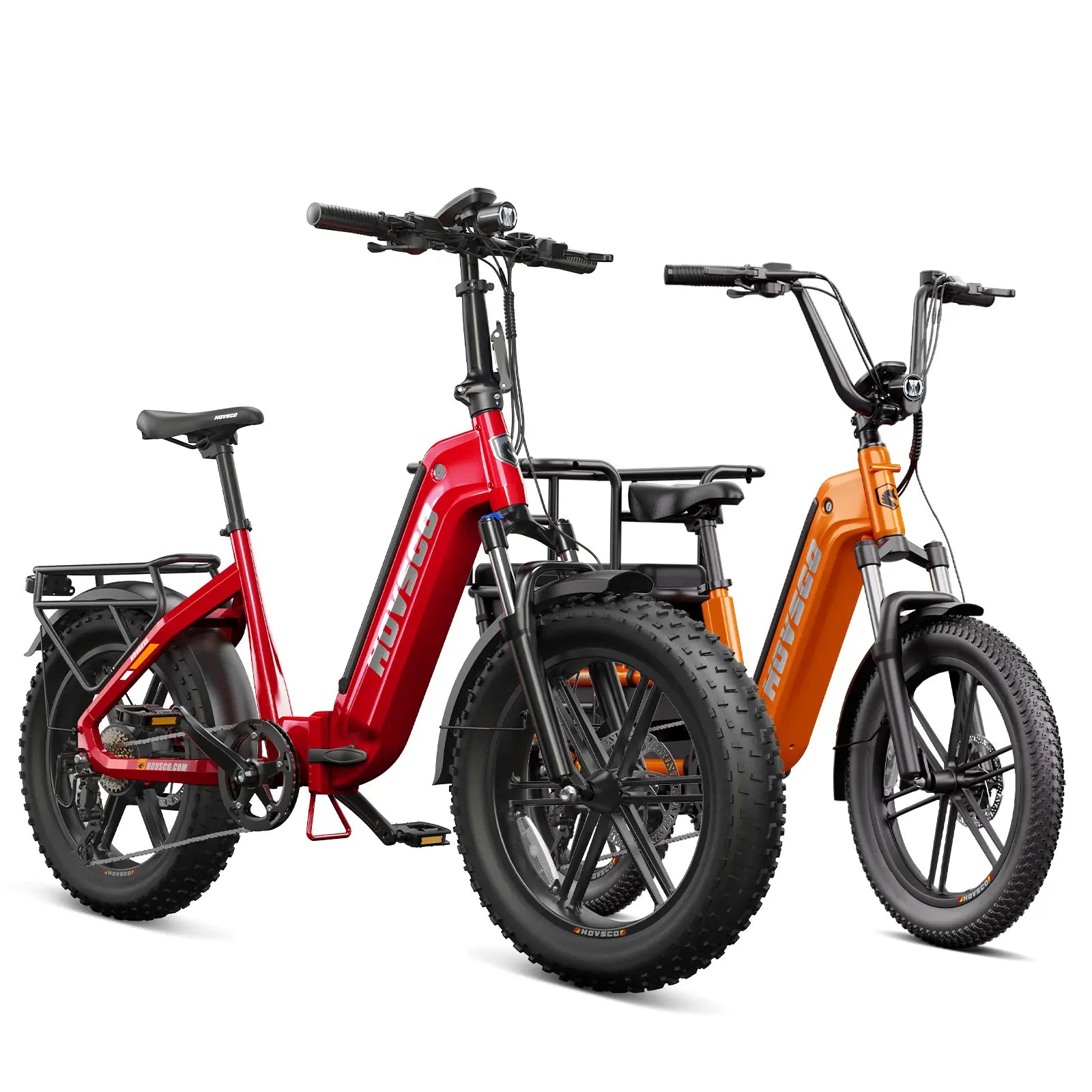
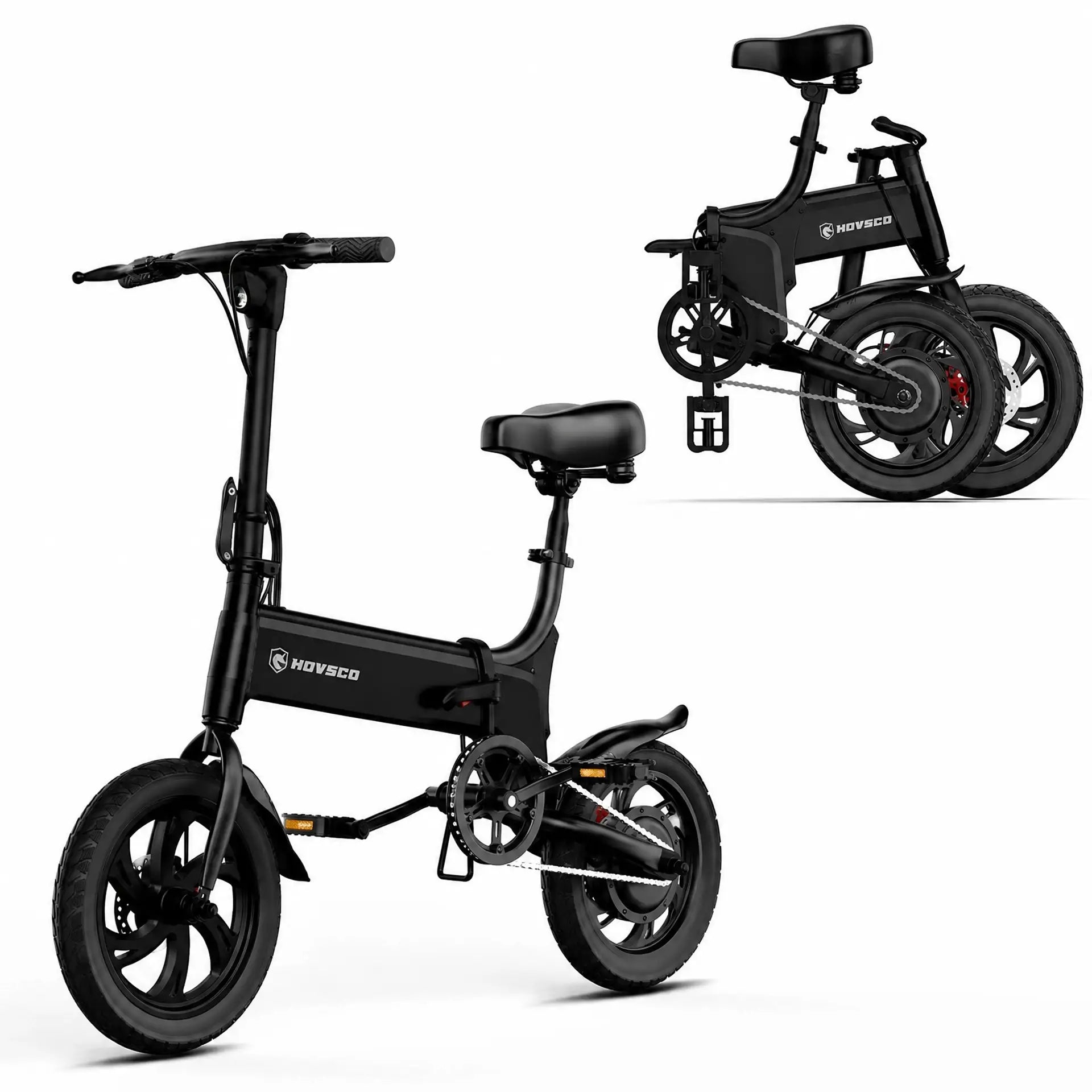
For riders who prioritize portability, the HovBeta foldable fat-tire e-bike offers 1300W peak power, 20x4" all-terrain tires, and torque-sensing assist in a compact frame that fits smaller cars and apartments. And for daily city commuting, the HovRanger 27.5" e-bike combines a 970W motor, 60-mile range, and torque sensor support, targeting riders who want a more traditional bike geometry with modern assistance.
This ecosystem approach makes it easier for households to mix and match different models—cargo for school runs, foldable for travel, fat-tire for trails—without having to re-learn how pedal assist behaves on each bike.
Select the right assist level for your route
Start low for flat, familiar routes and move up a level when facing hills, heavy cargo, or headwinds, letting the torque sensor scale power with your leg effort.
Use your gears in combination with assist
Shifting appropriately on models with 7-speed drivetrains, such as the HovCart’s 14–28T cassette and rear derailleur, helps the torque sensor operate in an efficient cadence range and keeps climbs smooth.
Leverage throttle strategically, not constantly
On HOVSCO bikes with thumb throttle, using throttle briefly for starts or short relief segments while relying on torque-based pedal assist for most of the ride can preserve range and keep control precise.
Monitor range via the display and app
HOVSCO’s BC280 LCD and companion app give real-time insight into speed, battery level, and assist usage, making it easier to understand how riding style influences energy consumption.
Stay within the certified system’s limits
Respecting payload ratings—such as the HovCart’s 450 lbs capacity—and avoiding unauthorized modifications protects both ride quality and the integrity of UL 2849 certified safety systems.
Maintain sensor and drivetrain health
Regular chain lubrication, correct tire inflation, and periodic checks at a service partner help ensure the torque sensor receives clean input and can respond accurately over thousands of miles.
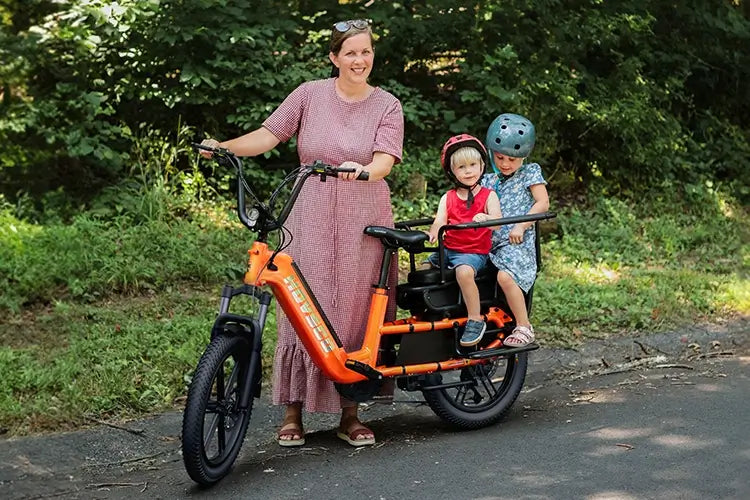
Scenario 1 – Family cargo commuting
Traditional approach: A parent using a non-assisted cargo bike faces challenging starts from traffic lights, slow uphill progress with children and groceries, and frequent fatigue that limits how often the bike replaces a car.
With HOVSCO torque sensor: On a HovCart, the 90 N·m torque sensor and 750W motor amplify each pedal stroke, making loaded starts smoother and hill climbs manageable while staying within 40–60 miles of real-world range per charge. The UL 2849 certified system gives additional peace of mind when carrying kids, thanks to tested electrical safety and battery stability.
Scenario 2 – Mixed-terrain fitness and adventure
Traditional approach: A fitness rider on a basic cadence-sensor e-bike sees abrupt engagement when trails steepen, making technical sections harder to manage and draining the battery quickly at high assist levels.
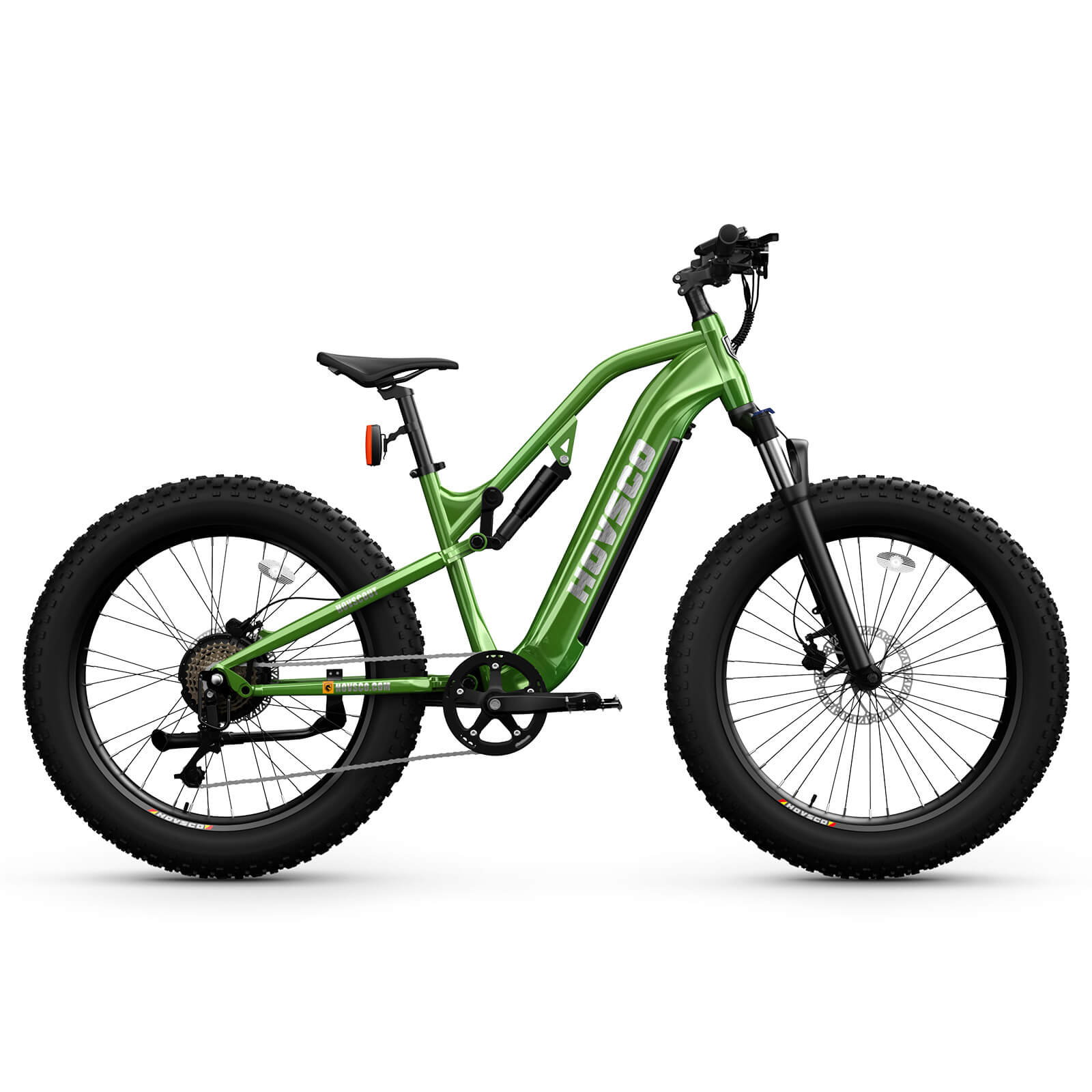
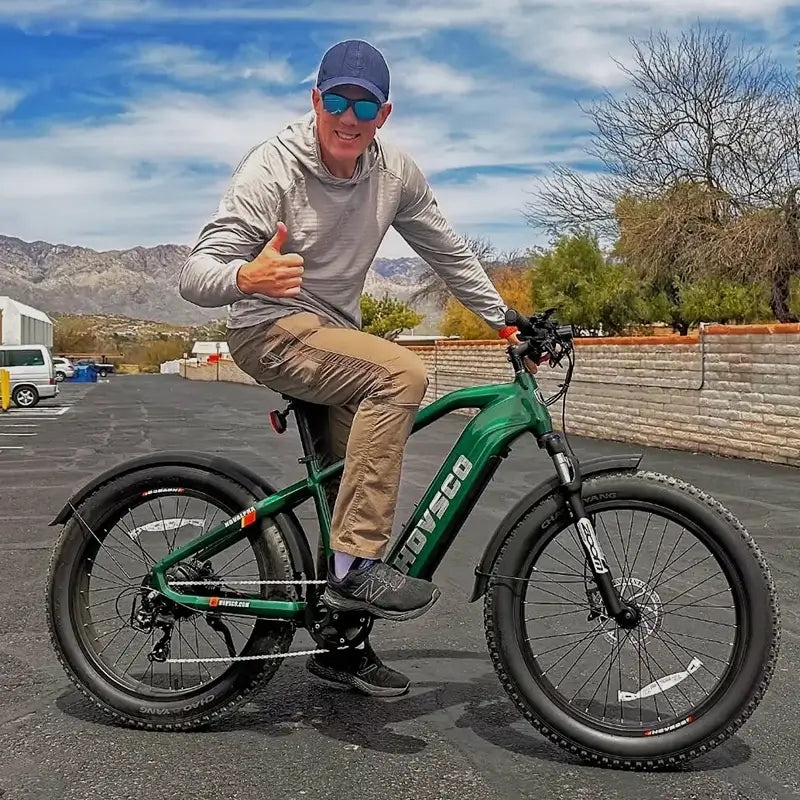
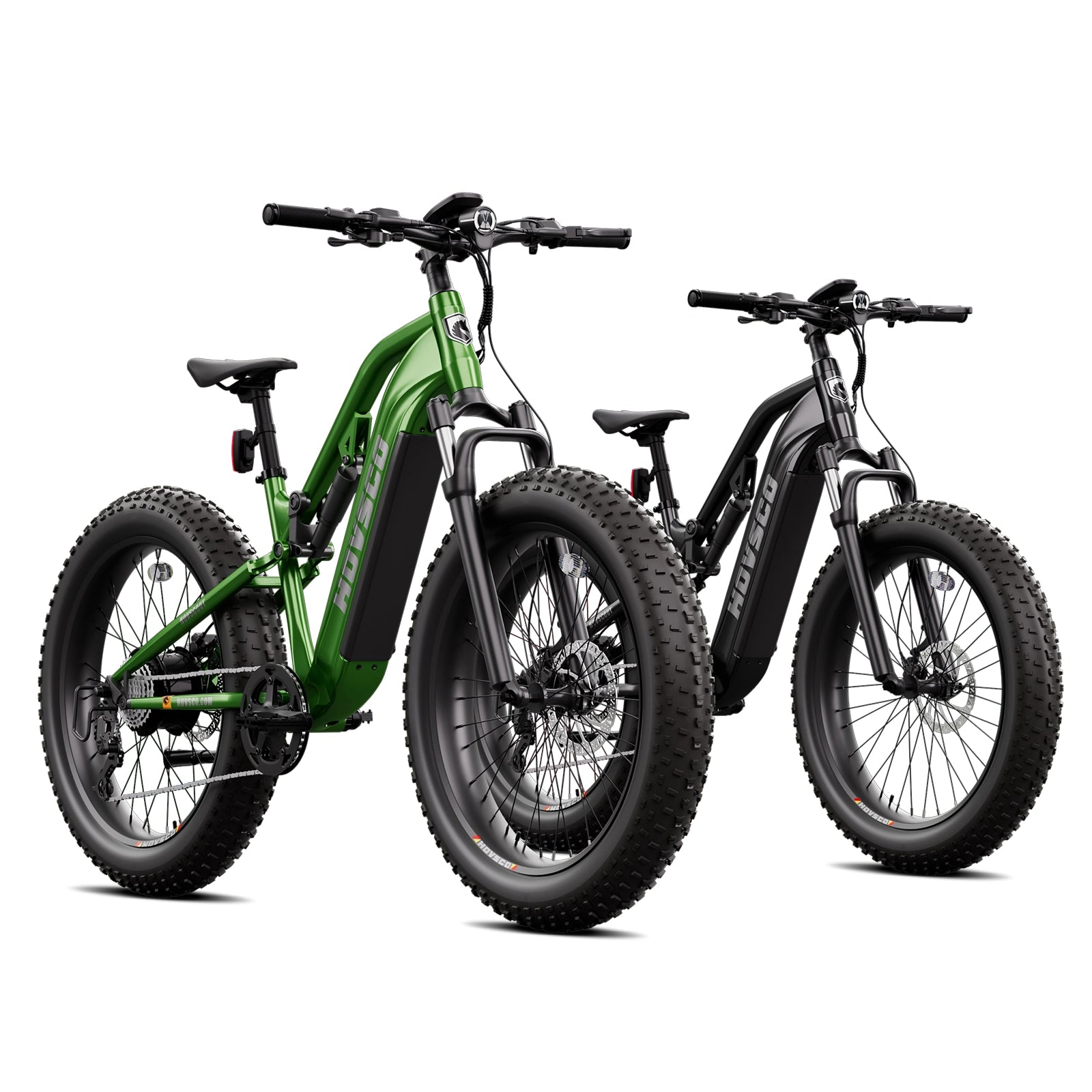
With HOVSCO torque sensor: On a torque-equipped fat-tire or full-suspension model like HovAlpha or HovScout, assist increases as the rider pushes harder on climbs and backs off when terrain relaxes, preserving a natural workout and stretching 60–80 miles of range across a day’s ride. Riders describe the effect as feeling like having “bionic legs” while still doing real work.
Scenario 3 – Urban commuting and car replacement
Traditional approach: An urban commuter uses a basic cadence-sensor city bike and often experiences ghost pedaling at higher speeds, where the motor is working but the pedals spin with little resistance, reducing engagement and coasting control.
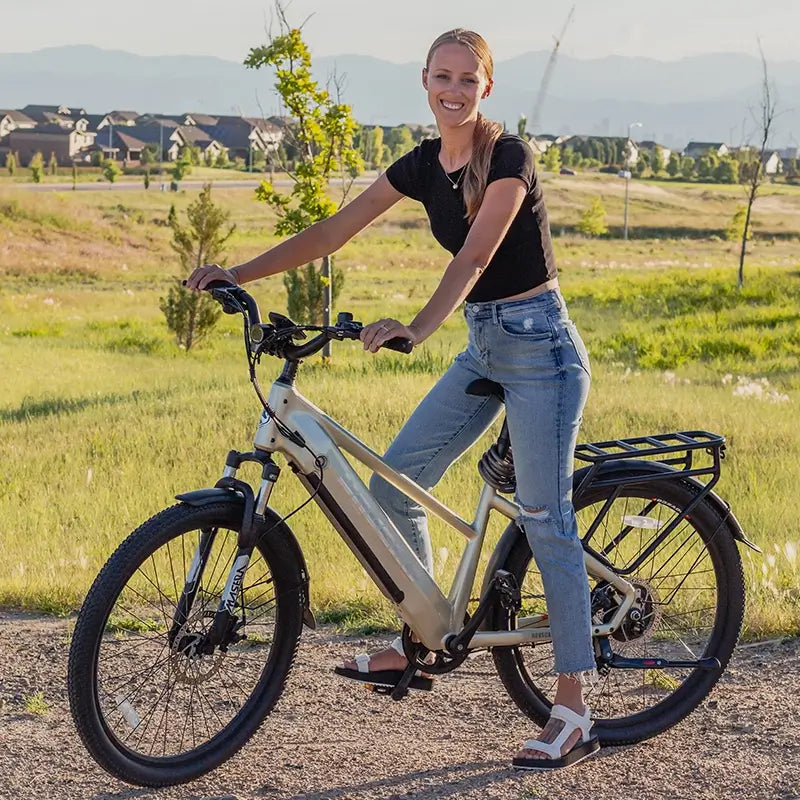
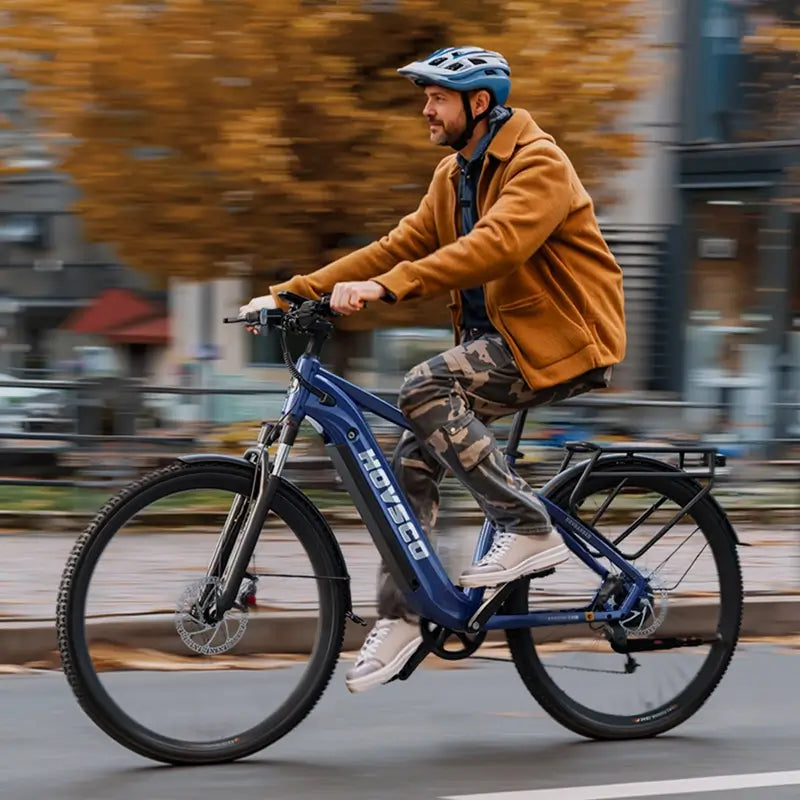
With HOVSCO torque sensor: On a HovRanger or HovCity with torque assist, the bike responds directly to pedaling intensity, allowing riders to fine-tune speed in bike lanes and traffic flows, and use the 60-mile range to cover several days of commuting without overnight charging. Combined with rising urban safety standards, UL 2849 certification ensures the bike’s electrical system is tested for fire and shock risks, which is increasingly relevant in dense residential buildings.
What is a torque sensor on an e-bike and how is it different from a cadence sensor?
A torque sensor measures the force you apply to the pedals and adjusts motor assistance proportionally, while a cadence sensor simply detects pedal rotation and delivers a preset power level regardless of how hard you push. This makes torque systems feel more natural and responsive, especially in varied terrain.
Does a torque sensor really improve e-bike range in daily use?
Controlled evaluations have shown torque-equipped e-bikes achieving roughly 19–27% greater battery efficiency than comparable cadence-based systems, because they reduce power output when full support is unnecessary. In practice, this can help riders on HOVSCO models such as the HovCart stay within the advertised 40–60 mile range even when carrying loads and encountering hills.
Is torque sensor technology worth it for short city commutes?
Even on relatively short commutes, torque sensors can improve low-speed control in traffic, reduce abrupt power surges when starting, and provide a more predictable feel at intersections and in bike lanes. Riders who value a traditional pedaling feel often report that torque-equipped city e-bikes are easier to integrate into their daily routine.
How does UL 2849 certification relate to torque sensor e-bikes like HOVSCO’s HovCart?
UL 2849 covers the whole e-bike electrical system, including motor, battery, wiring, and charger, to reduce risks of fire, electric shock, and overcharge, incorporating UL 2271 battery testing as part of the process. HOVSCO highlights the HovCart as UL 2849 certified, meaning its torque sensor-based drive system has passed these third-party safety benchmarks, which have become a baseline expectation in markets like California and New York in 2026.
Do torque-sensor e-bikes like HOVSCO models still support throttle-only riding?
Many torque-equipped HOVSCO models, such as the HovCart, include a thumb throttle that can be used from a complete stop for quick acceleration or short, no-pedal segments. However, their core design is optimized for pedal assist, where the torque sensor can deliver the most efficient and natural ride.
Which types of riders benefit most from torque sensor technology on HOVSCO e-bikes?
Riders who frequently tackle hills, carry children or cargo, ride mixed terrain, or simply prefer a traditional cycling feel with electric enhancement gain the most from torque systems. For these users, HOVSCO’s torque-equipped lines—cargo-focused HovCart, long-range HovAlpha, foldable HovBeta, and city-oriented HovRanger—offer graduated options tailored to commuting, family transport, and adventure use.
Torque sensor technology has moved from premium novelty to practical baseline for riders who want their e-bike to feel like an extension of their own effort rather than a simple on–off motor. When combined with strong motors, generous battery capacity, and modern safety certification, torque systems allow bikes like the HOVSCO HovCart, HovAlpha, HovBeta, and HovRanger to support genuine car replacement, extended adventures, and inclusive family rides without sacrificing control or confidence.
As regulatory frameworks emphasize certified systems and urban riders demand both performance and safety, brands that treat torque sensors as core technology rather than a luxury add-on are likely to be the ones that define the next decade of e-bike adoption.
If you want to experience how torque sensor technology can change your rides—from school runs and city commuting to weekend trails—explore HOVSCO’s torque-equipped lineup, starting with the HovCart Family E-Bike and related fat-tire and city models on the official HOVSCO site.
HOVSCO builds UL-certified, torque-sensor e-bikes designed to replace car miles with safer, more natural, and more enjoyable rides for families, commuters, and adventurers alike.
Share:
All-Terrain Electric Biking: How HOVSCO Elevates Every Ride (June 2026)
E-Bike Motor Efficiency: How HOVSCO Helps You Go Further With Less Energy (June 2026)