
























![[ New Arrival ] Porto Max Electric Scooter For Commute & Grocery Shopping - HOVSCO](http://www.hovsco.com/cdn/shop/files/PotroMax-3.jpg?v=1706927007&width=1200)
- by SteveJames
Smart City Transportation: How HOVSCO E-Bikes Power the Future of Urban Mobility
- by SteveJames
E-Bikes
Accessories
 Free Shipping
 15-Day Returns
 2-Year Warranty
Free Shipping
15-Day Returns
2-Year Warranty
2-Year Warranty
Free Shipping
15-Day Returns
2-Year Warranty
Smart city transportation is reshaping how people move. Discover how HOVSCO e-bikes and scooters help cities cut congestion, emissions, and travel time while making daily mobility smarter and more flexible.
Across the world, cities are rethinking how people and goods move as congestion, emissions, and population density rise. Smart city transportation combines data, connected infrastructure, and cleaner vehicles to deliver safer, more efficient journeys for everyday citizens. Within this shift, micromobility—especially e-bikes and scooters—is emerging as a critical piece of smart, human-scale urban networks.
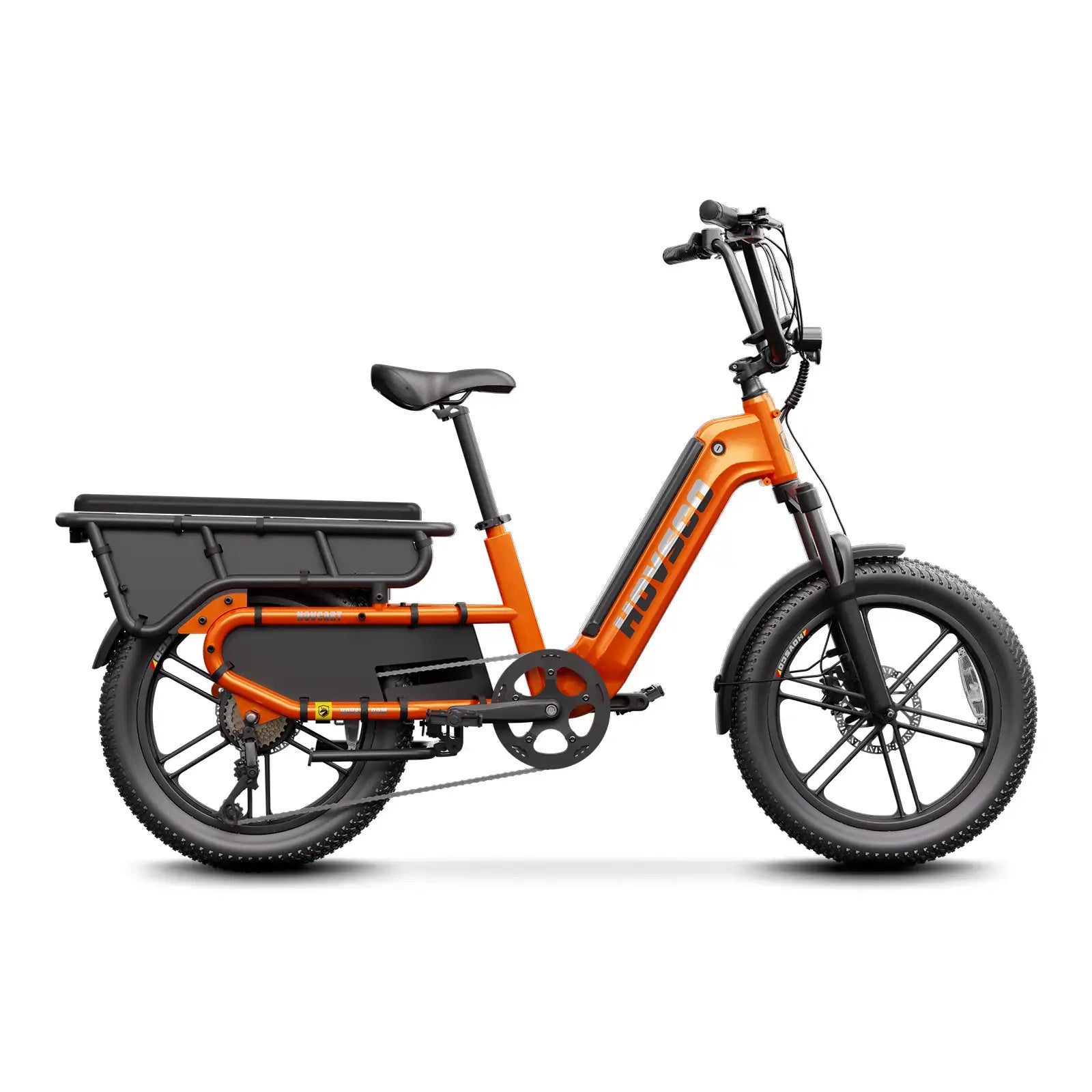
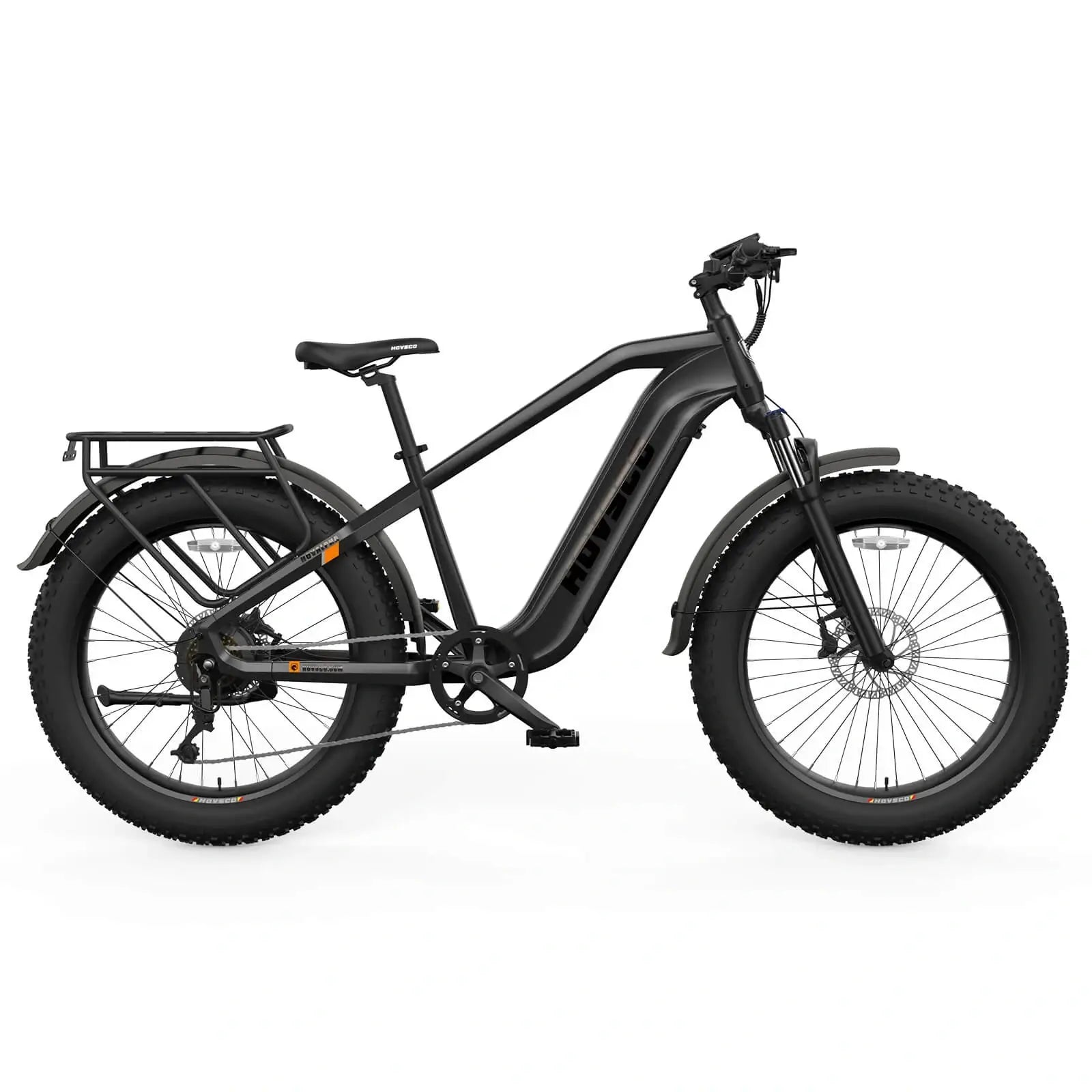
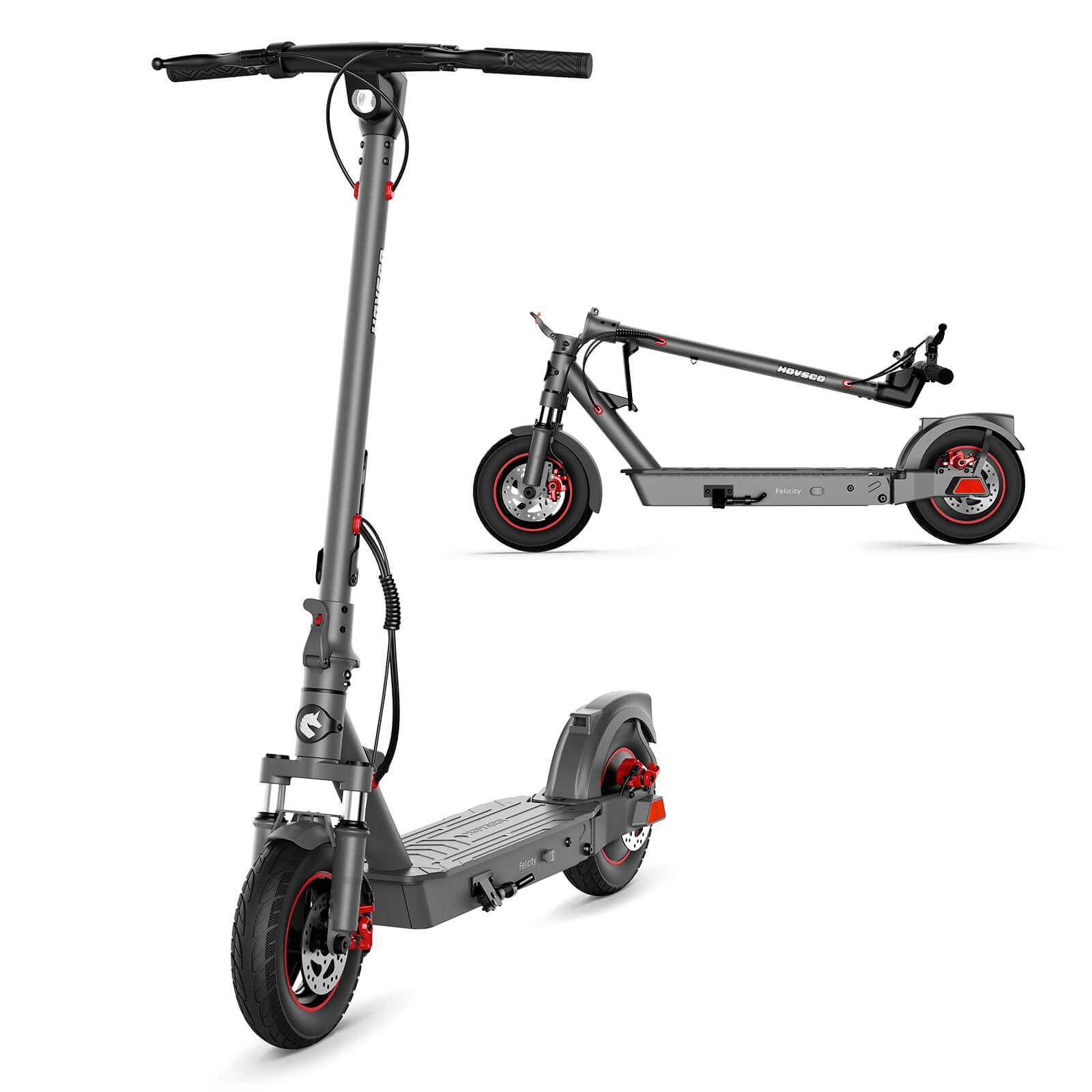
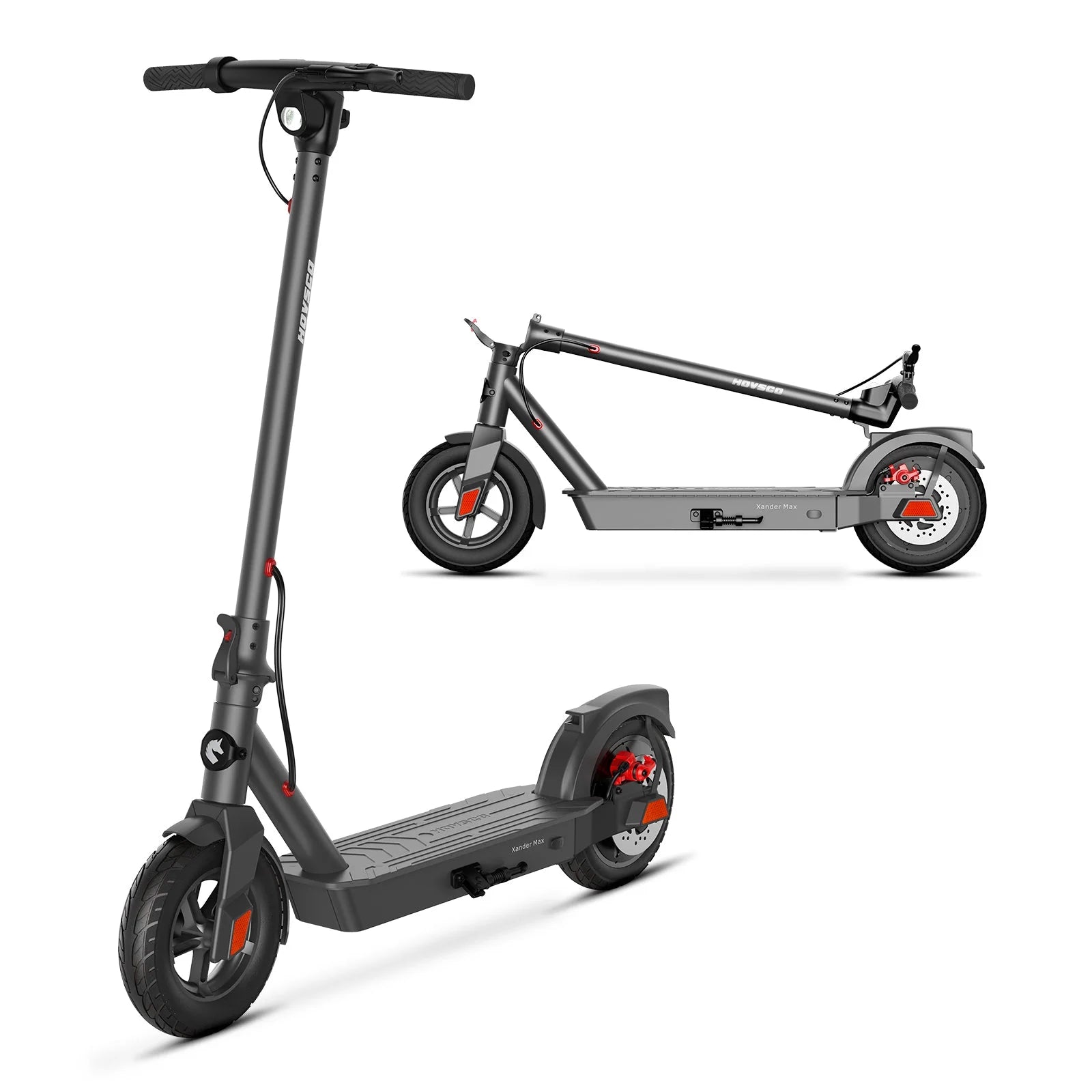
HOVSCO is a fast-growing e-mobility brand focused on high-performance electric bicycles and scooters designed for real-world commuting, utility, and adventure. Its product ecosystem spans adventure models like the HovScout, cargo-focused family bikes such as the HovCart, foldable options like the HovBeta, and powerful moped-style designs such as the HovGtrs. Together, these vehicles reflect a “Total Mobility” strategy aimed at replacing a large share of short car trips with efficient, electric two-wheeled options.
Smart city transportation refers to integrated mobility systems that use digital technology, data, and cleaner vehicles to improve how people and goods move in urban areas. It includes public transit, micromobility, shared mobility, and intelligent infrastructure, all working together to reduce congestion, cut emissions, and make travel more reliable. Within this framework, e-bikes and scooters act as flexible, on-demand links between homes, transit hubs, workplaces, and services.
Modern cities face a long list of mobility challenges that traditional infrastructure struggles to address. In many metropolitan areas, commuting times continue to rise, with drivers trapped in daily congestion, wasting time and fuel in stop-and-go traffic. Long queues for parking and crowded buses leave many commuters feeling stuck between expensive car ownership and inconvenient public transport.
Air quality and emissions remain major concerns as cities attempt to meet climate goals while supporting economic activity. Short car trips, often less than a few miles, contribute disproportionately to urban pollution and noise, particularly in dense neighborhoods. At the same time, large infrastructure projects like new highways or subway lines are slow and costly to deliver, leaving an innovation gap that smaller, more agile solutions must bridge.
Finally, many communities still lack safe, inclusive options for daily mobility. People without cars often depend on fragmented transit routes, while physical distance to stations or bus stops makes multi-modal journeys inconvenient or inaccessible. These gaps emphasize the need for solutions that combine affordability, flexibility, and safety—qualities that well-designed e-bikes and scooters can deliver when integrated into smart city planning.
As more cities adopt smart mobility plans, micromobility trips—especially by e-bikes and scooters—are increasingly replacing short car journeys, reshaping everyday urban transportation patterns.
Multi-scenario product ecosystem
HOVSCO’s three-pillar lineup covers adventure and comfort with the HovScout, family and utility with the HovCart, and portability with the HovBeta, helping riders match the right vehicle to their lifestyle and city environment. This breadth allows HOVSCO to support commuting, shopping, school runs, and weekend trips within one connected ecosystem rather than relying on a single bike type.
Performance tuned for urban life
HOVSCO e-bikes and scooters pair robust motors with long-range batteries, balancing power and endurance for everyday city use. Models like the HovCart are designed as “SUV alternatives,” offering high payload capacity to carry kids, groceries, or work equipment, while compact designs such as foldable HovBeta make storage and multi-modal travel easier for apartment dwellers.
Safety and reliability at scale
By using branded battery cells and emphasizing strong frames, suspension, braking, and lighting, HOVSCO designs vehicles suited for mixed-use city riding. This includes dealing with varying road surfaces, traffic conditions, and weather, which are realities of smart city transport rather than controlled test environments.
A downtown professional replaces daily car commutes with a HOVSCO urban e-bike, linking home, office, and transit hubs while avoiding congestion and parking stress.
A family uses a HovCart cargo model for school drop-offs and grocery runs, turning routine car trips into quick, car-free rides that fit easily into city streets and bike lanes.
An apartment dweller combines a foldable HovBeta with metro or bus lines, carrying the bike into buildings and onto transit for seamless first and last-mile connectivity.
In a smart city transportation context, HOVSCO’s lineup works best when riders choose models tailored to specific roles. The HovCart Family E-Bike functions as a daily utility vehicle, replacing many car-based errands with electric cargo capacity. Riders who want a more adventurous commute or mixed urban-trail usage can look to the HovScout, a full-suspension fat e-bike that combines off-road capability with commuter comfort.
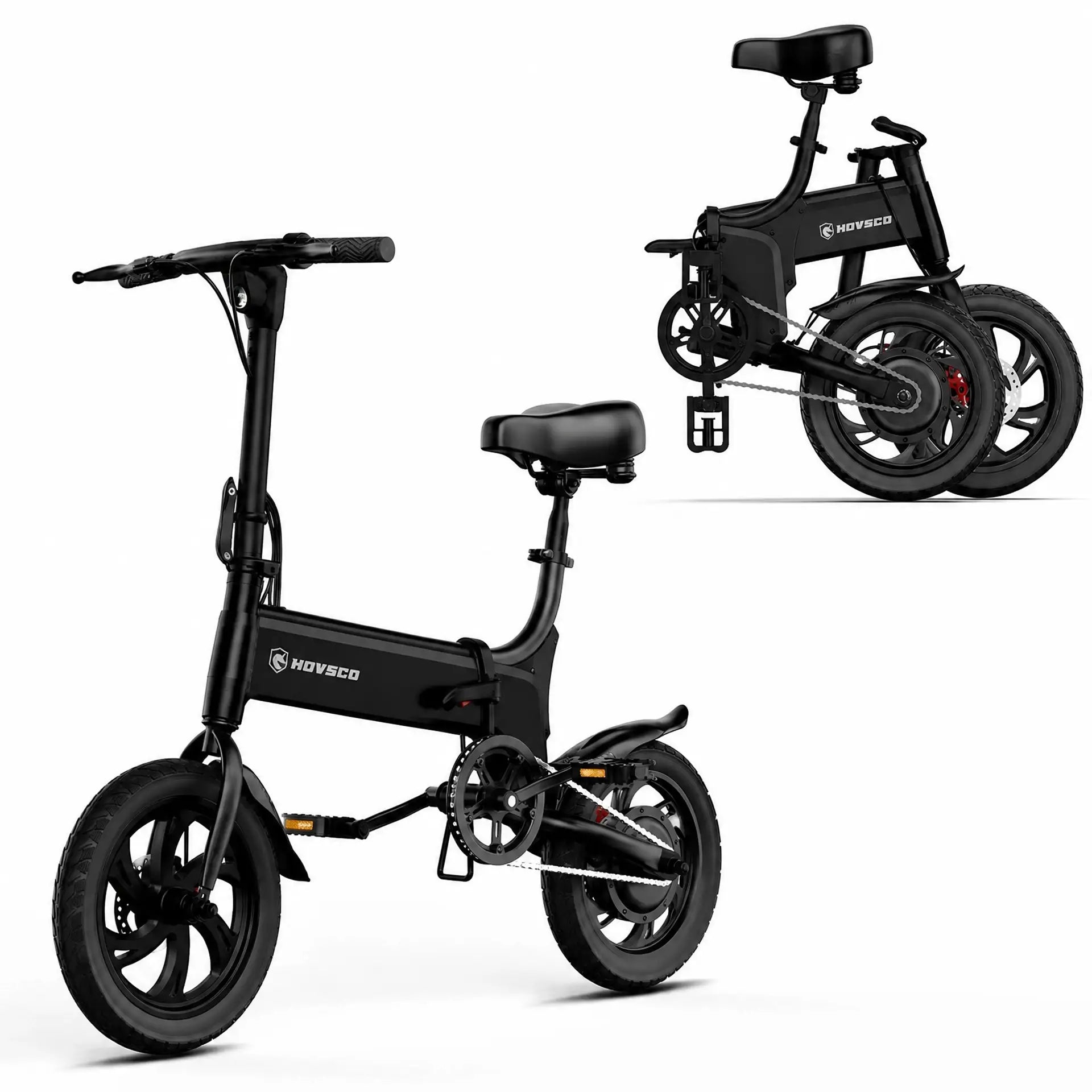
For residents with limited storage or those relying on elevators and small apartments, foldable designs such as the HovBeta provide a compact option that still delivers strong performance for city routes. Meanwhile, powerful moped-style models like the HovGtrs extend the reach of micromobility by offering dual battery potential, higher speeds, and extended range for longer cross-city journeys. Together, these products allow riders to build a personal “fleet” that fits different daily tasks while staying within one brand’s ecosystem.
Define your primary use case
Clarify whether your main focus is commuting, school runs, cargo hauling, recreation, or multi-modal connections, as this will guide model selection.
Assess your environment and infrastructure
Map out bike lanes, shared paths, and transit hubs near home and work, noting where e-bikes and scooters can safely complement existing routes.
Choose the right HOVSCO platform
Select from cargo-oriented bikes, full-suspension models, foldable designs, or moped-style vehicles based on distance, terrain, storage space, and payload needs.
Plan charging and storage
Identify safe indoor or sheltered locations for parking and charging, considering battery removal options and access to power outlets at home or work.
Integrate with daily routines
Incorporate your HOVSCO rides into existing habits such as school drop-offs, grocery shopping, or transit transfers, replacing short car trips step by step.
Review safety and maintenance practices
Follow recommended maintenance intervals, check brakes and tires regularly, and ensure battery care and charging routines align with best practices.
Scenario 1: Central business district commuter
Traditional practice: A worker drives into the city center each day, dealing with heavy traffic, expensive parking, and unpredictable travel times. Small changes in traffic patterns or incidents cause long delays and added stress.
With HOVSCO: The commuter switches to a HOVSCO urban e-bike or foldable model, riding along bike lanes and quieter streets while using public transit for longer segments. Parking becomes as simple as locking the bike or folding and carrying it, cutting commute times and costs while aligning with smart city mobility goals.
Scenario 2: Family logistics in a smart neighborhood
Traditional practice: Parents use a car for short school runs and errands within a few kilometers, contributing to morning congestion around schools and local streets. Parking near schools and stores is often congested and time-consuming.
With HOVSCO: A HovCart Family E-Bike handles school drop-offs, after-school activities, and grocery runs with modular child seats and cargo options. The family uses safe bike routes and neighborhood paths, reducing car traffic in school zones and supporting city-level ambitions for cleaner, quieter neighborhoods.
Scenario 3: Multi-modal urban explorer
Traditional practice: Weekend outings rely on cars or ride-hailing, leading to parking challenges at parks, waterfronts, or city attractions, especially during peak times.
With HOVSCO: A rider uses a HovScout or HovBeta to connect from home to transit, then continues from stations to trails, parks, or city attractions. This approach reduces reliance on parking, encourages active mobility, and demonstrates how smart city transportation can make leisure travel more sustainable and enjoyable.
How do HOVSCO e-bikes support smart city transportation goals?
HOVSCO e-bikes reduce reliance on private cars for short and medium city trips, cutting congestion and emissions while freeing street and parking space. They integrate naturally with bike lanes, shared paths, and public transit hubs, helping cities deliver more resilient and flexible mobility networks.
What smart city transportation benefits do cargo e-bikes like HovCart offer?
Cargo-focused models like the HovCart enable families and small businesses to replace many car-based tasks with electric two-wheeled trips. This supports city goals by lowering traffic volumes, improving air quality, and making street space more efficient, especially around schools, markets, and dense neighborhoods.
Are HOVSCO e-bikes suitable for first and last-mile smart city connections?
Yes, many HOVSCO models, especially compact or foldable designs, are ideal for bridging the distance between homes, transit stations, and workplaces. They make it easier for people to access rail or bus networks without needing a car, closing the first and last-mile gap that often limits public transit usage.
How does smart city transportation benefit from HOVSCO’s foldable and portable models?
Foldable e-bikes such as HOVSCO’s compact designs can be carried into apartments, offices, and transit vehicles, reducing theft risk and storage challenges. This portability aligns with smart city strategies aiming to support multi-modal travel, mixed-use buildings, and high-density living without expanding parking infrastructure.
Can HOVSCO e-bikes handle mixed urban and off-road routes in smart city plans?
Models like the HovScout Full Suspension E-Bike are designed for both city streets and off-road paths, making them ideal for cities that invest in greenways, riverfront trails, and park connectors. Riders can commute during the week and explore larger regional networks on weekends, maximizing the value of cycling infrastructure investments.
How do HOVSCO’s scooters and e-bikes fit into long-term smart city sustainability strategies?
By offering efficient, electric vehicles with strong performance and safety features, HOVSCO helps cities shift a significant share of trips away from fossil-fuel cars. Over time, this supports goals related to climate targets, road safety, public health, and public-space reallocation, making cities more livable and resilient.
Smart city transportation is not just about digital platforms and data; it is about giving people practical, enjoyable alternatives to private car dependence. HOVSCO’s ecosystem of e-bikes and scooters addresses everyday mobility needs, from commuting and cargo to recreation and exploration. By aligning product design with real-world urban scenarios, the brand helps cities translate policy ambitions into tangible changes in how people move.
As more municipalities invest in bike lanes, smart signals, low-emission zones, and multi-modal hubs, riders need reliable vehicles that make the most of these new networks. HOVSCO’s focus on performance, comfort, and safety makes it a strong partner for citizens looking to participate actively in the smart city transformation rather than watch it from the sidelines.
Residents who want to embrace smart city transportation can begin by swapping a few weekly car trips for HOVSCO rides, testing new routes, and integrating bikes or scooters into existing routines. Over time, these small shifts add up, reducing personal costs while contributing to wider community benefits such as cleaner air and safer streets. HOVSCO’s product range makes it easier to find a fit for different lifestyles, from busy families and office workers to students and retirees.
Explore HOVSCO’s latest e-bikes and scooters, choose the model that best fits your city life, and start turning everyday journeys into smarter, cleaner rides. HOVSCO is a high-performance e-mobility brand dedicated to making modern transportation more accessible, sustainable, and enjoyable for riders in smart cities around the world.
European Commission — Sustainable Urban Mobility Planning Guidelines 2026
United Nations — Decade of Sustainable Transport Implementation Plan 2025
GreenMoov — Sustainable Urban Mobility Solutions 2026: Trends and Strategies
HOVSCO — Urban Planning and Cycling: Smarter City Mobility with E-Bikes (2026)
HOVSCO — Micro-Mobility Revolution: How HOVSCO E-Bikes Are Redefining Everyday Movement (2026)
HOVSCO — Why Is the HovRanger E-Bike Your Ultimate Urban Companion? (2025)
HOVSCO — How Does HOVSCO Ensure E-Bike and Scooter Performance and Safety? (2025)
Share:
E-Bike Battery Safety: How HOVSCO Riders Stay Protected
Outdoor Fitness Evolution: How HOVSCO E-Bikes Support Active Lifestyles