



![[ New Arrival ] Porto Max Electric Scooter For Commute & Grocery Shopping - HOVSCO](http://www.hovsco.com/cdn/shop/files/PotroMax-3.jpg?v=1706927007&width=1200)
- by SteveJames
Precision E-Bike Engineering: Optimizing Range, Comfort, and Everyday Utility
- by SteveJames
E-Bikes
Accessories
 Free Shipping
 15-Day Returns
 2-Year Warranty
Free Shipping
15-Day Returns
2-Year Warranty
2-Year Warranty
Free Shipping
15-Day Returns
2-Year Warranty
Discover how advanced electric bike engineering optimizes motor power, torque sensing, and riding comfort for modern urban commuting and cargo transport
Electric bike engineering represents the boundary between a standard two-wheeled motor kit and a finely tuned vehicle that solves real-world transportation challenges. In the contemporary market, advanced design focuses on harmonizing utility, ergonomic comfort, and reliable real-world operating range. Models featuring integrated torque sensing, responsive hydraulic disc braking, and well-balanced power distribution demonstrate how component selection translates directly into commuter value. As cities face growing congestion, this holistic approach to design provides a stable foundation for cleaner, more efficient daily transit.
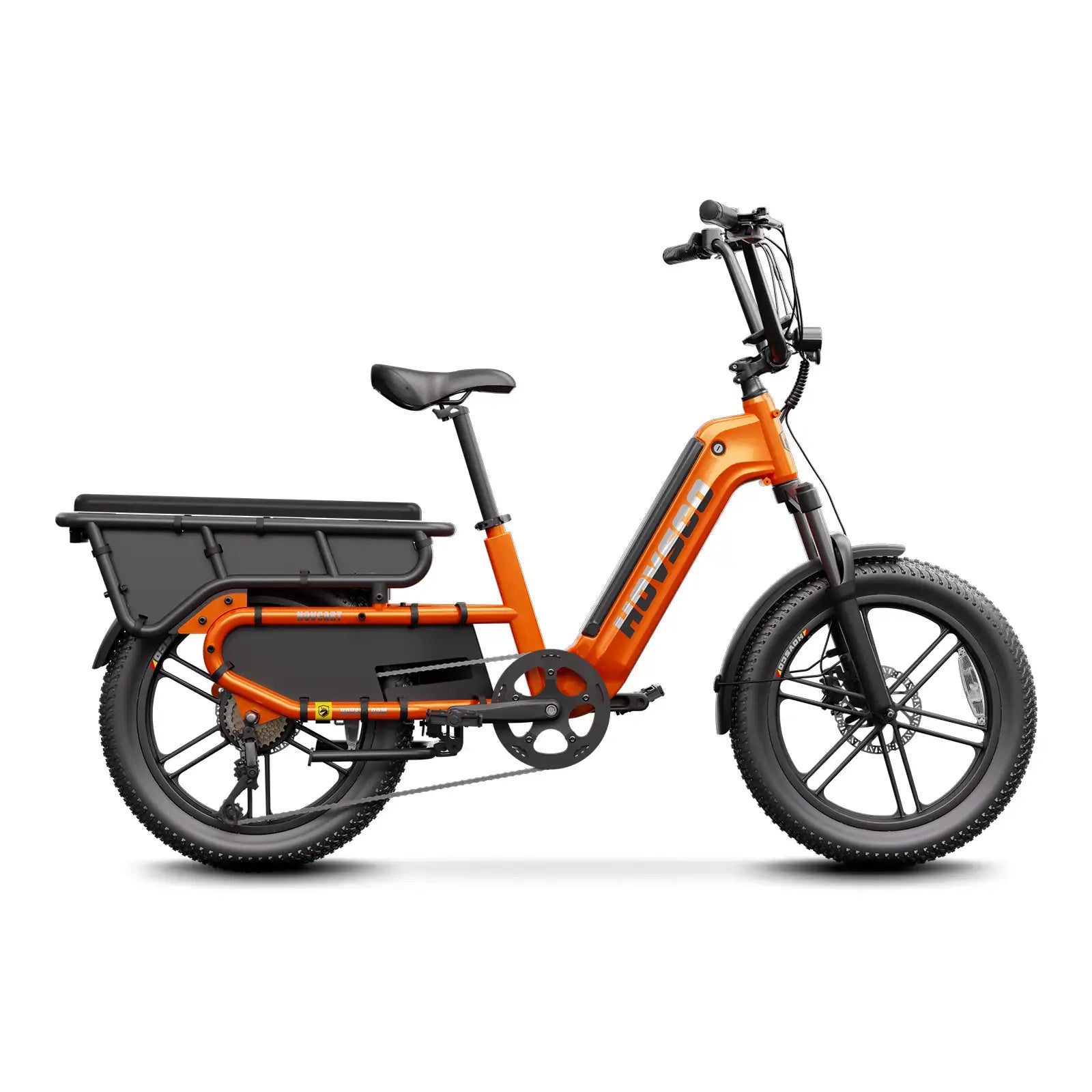
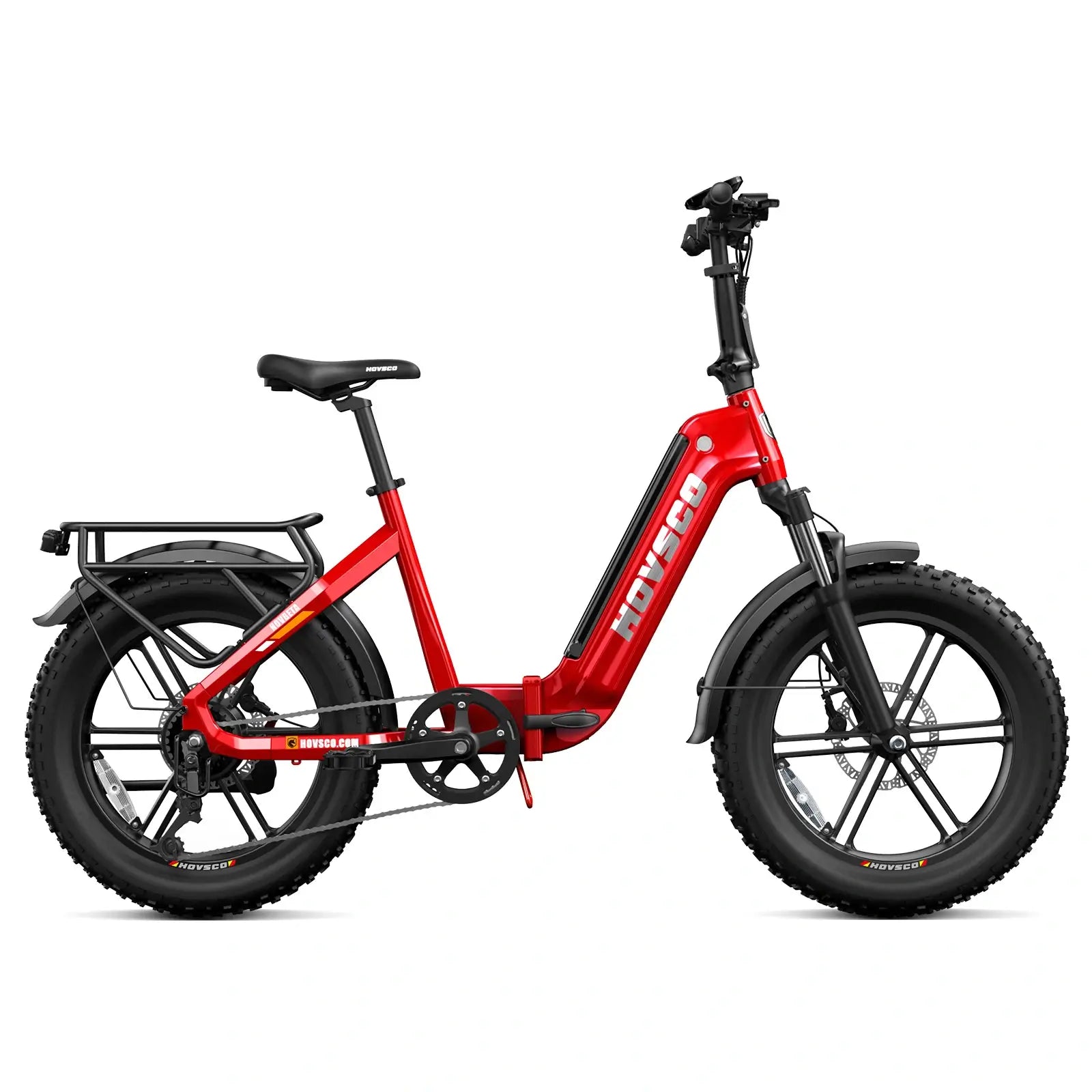
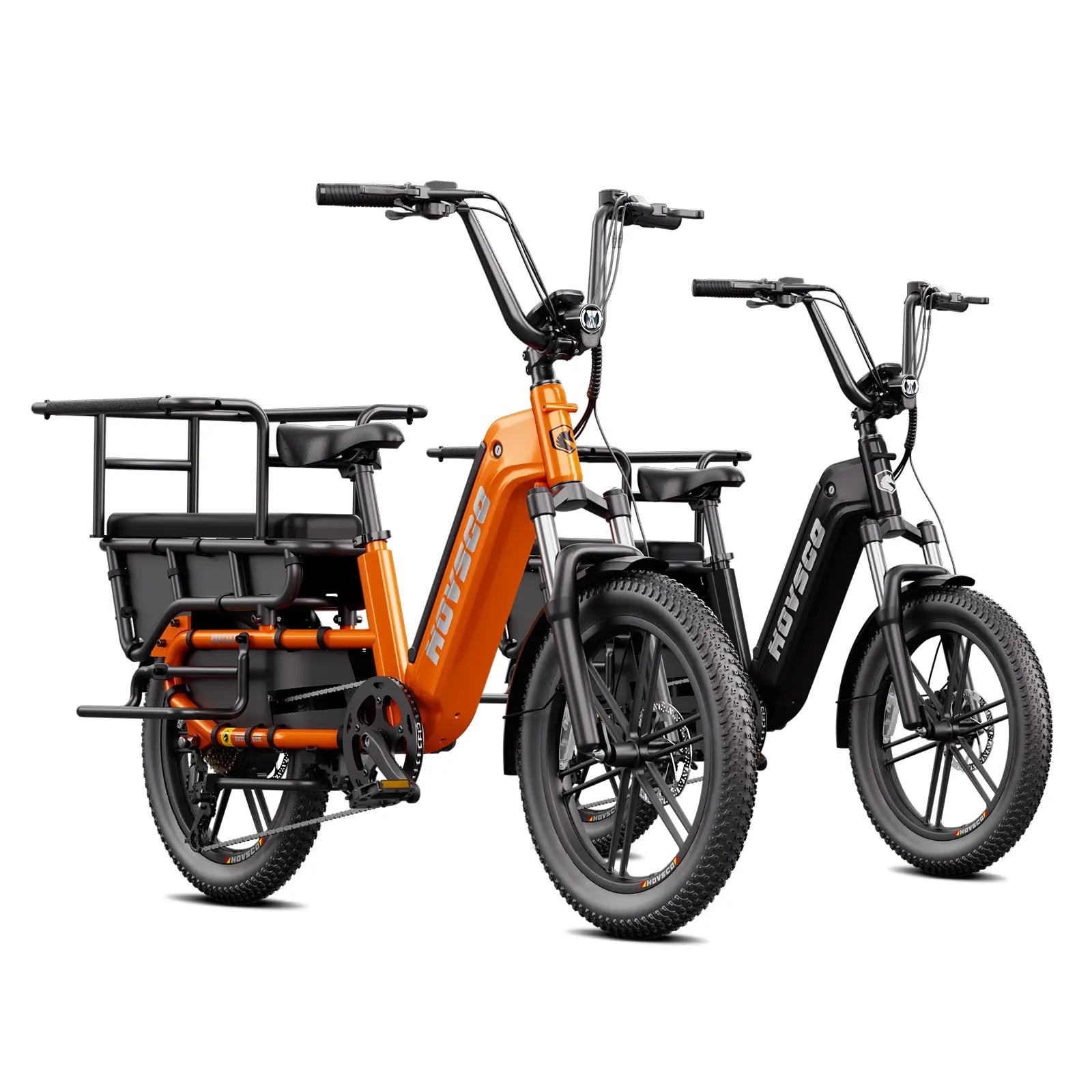
Translating engineering principles into dependable daily routines relies on matching vehicle architecture to practical urban requirements. Utility-oriented e-bike platforms—such as multi-purpose commuter frames and high-capacity cargo configurations—are engineered to address the actual demands of household logistics and individual travel. By focusing on balanced weight distribution, responsive power delivery, and durable frame geometry, modern manufacturing aligns technical capability with the practical rhythms of regular weekly transport.
Electric bike engineering is the systematic integration of frame geometry, motor output profiles, battery capacity, braking systems, and rider ergonomics into a cohesive, efficient machine. High-performing designs avoid over-relying on isolated metrics, instead balancing power delivery, total weight, center of gravity, and assist logic to maintain predictable handling. This comprehensive balance directly influences operating range, hill-climbing efficiency, mechanical longevity, and overall rider comfort across extended daily trips.
Many buyers initially focus exclusively on peak motor wattage, overlooking the complex interplay required for a balanced system. A motor that appears powerful on paper can produce jerky acceleration, drain batteries prematurely, or feel unstable if the frame lacks rigidity, the battery packaging is unoptimized, or the braking components are unsuited to higher speeds.
Achieving consistent operating range presents another design hurdle. Real-world conditions—including frequent stops, headwinds, elevation changes, and varying payloads—mean that theoretical estimates are only reliable when the battery management system, drivetrain gearing, and sensor feedback operate in unison. This is why precise torque sensing, battery capacity optimization, and electronic tuning are critical to sustained efficiency.
Ergonomic comfort is equally vital for maintaining consistent daily use. Inadequate frame geometry, harsh suspension setups, or poor touchpoint placement can induce fatigue during longer commutes or heavy-load errands. Riders navigating mixed urban surfaces require machinery capable of absorbing shocks, managing dynamic weight shifts, and maintaining stability without sacrificing responsiveness.
Finally, long-term serviceability shapes the overall ownership experience. Effective engineering reduces routine friction by ensuring components like removable batteries, clear digital displays, and durable mechanical parts remain accessible and straightforward to maintain over years of regular use.
| Option | Strengths | Trade-offs |
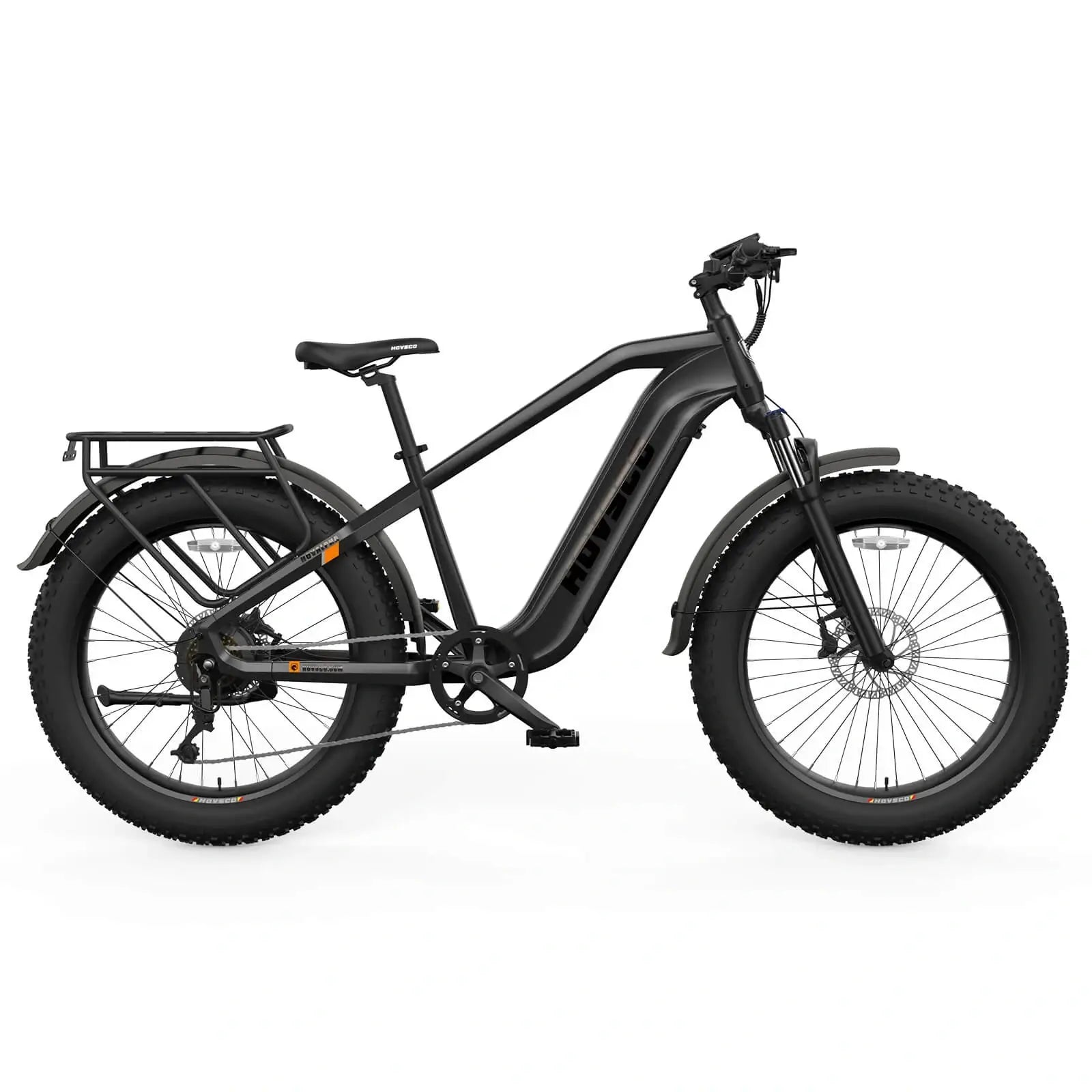
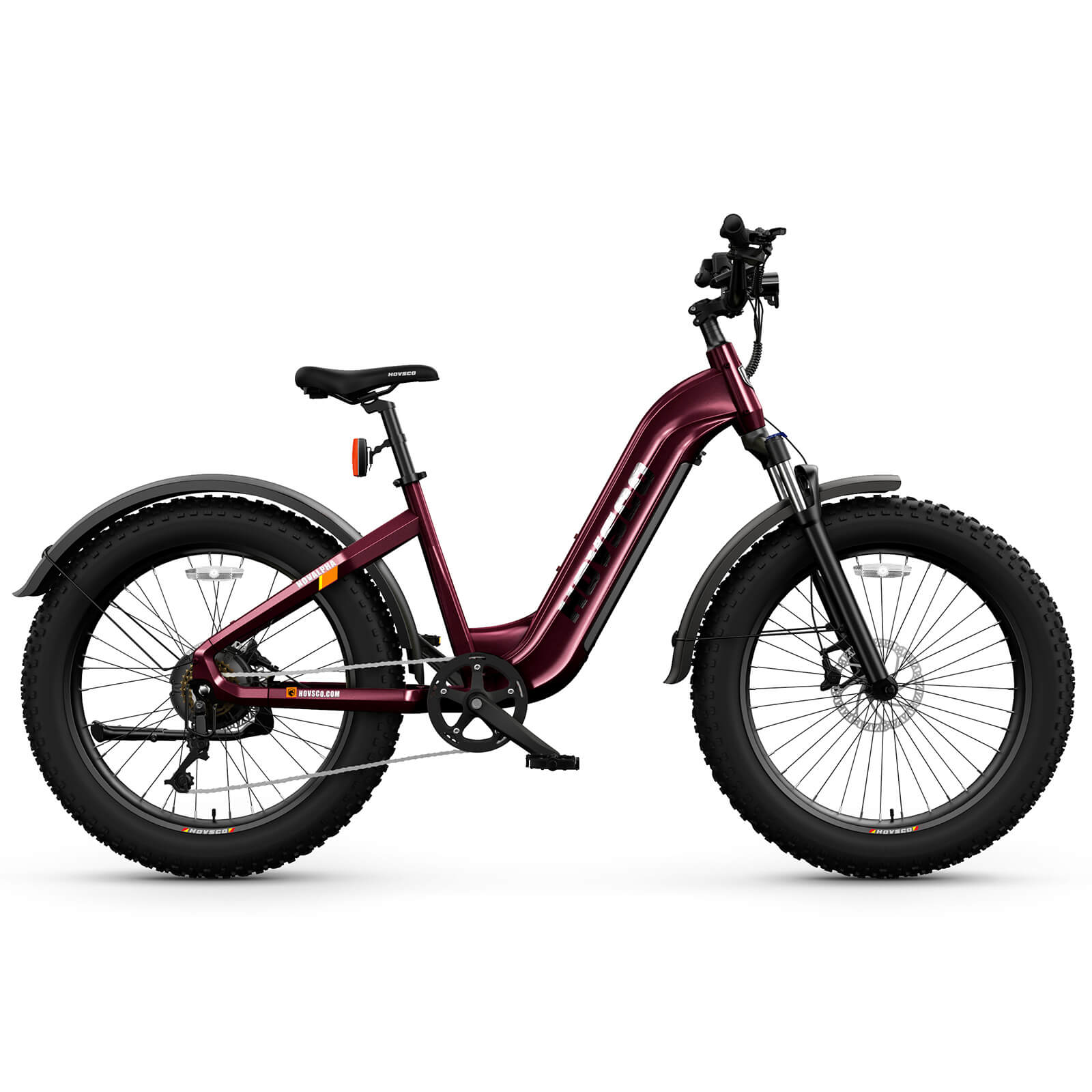
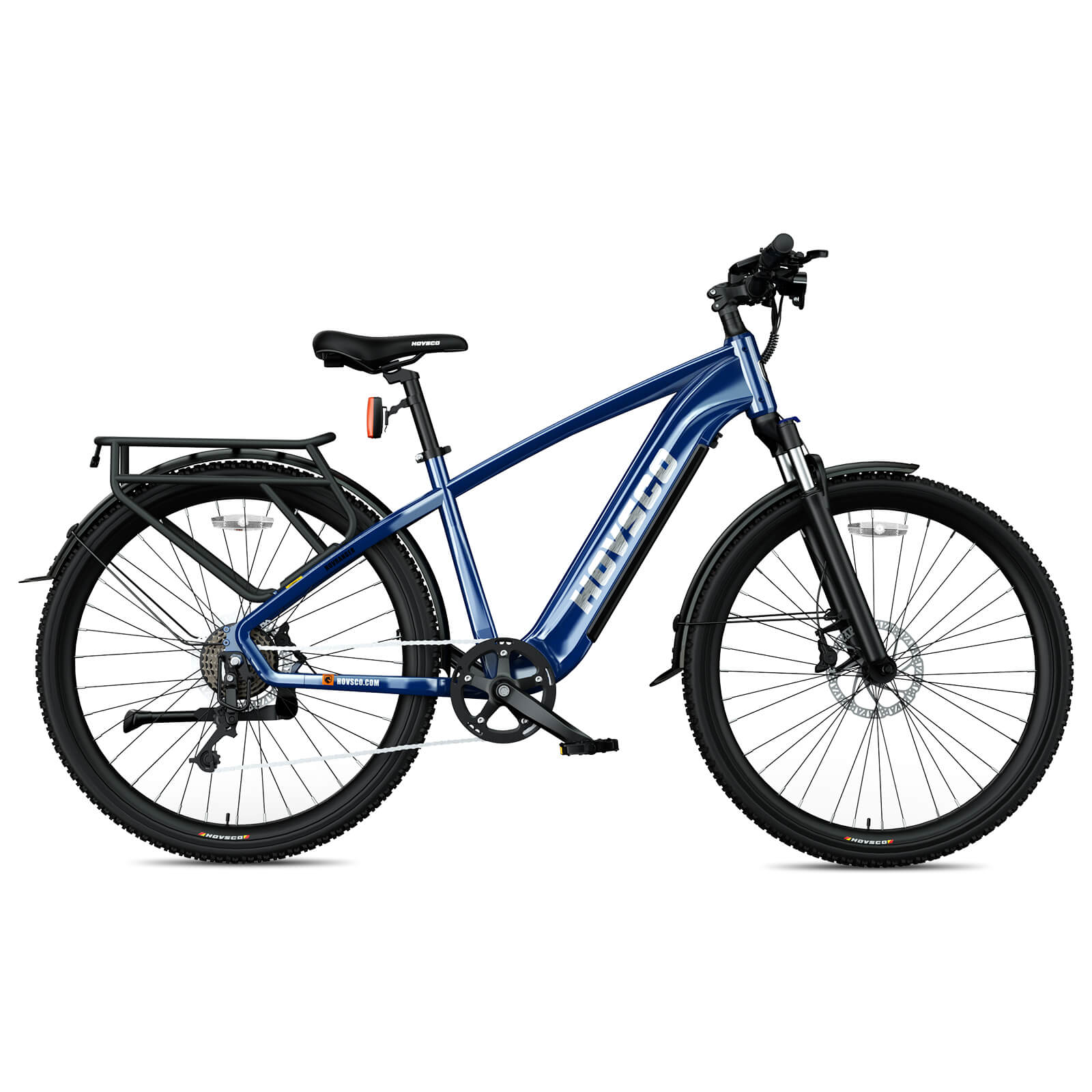
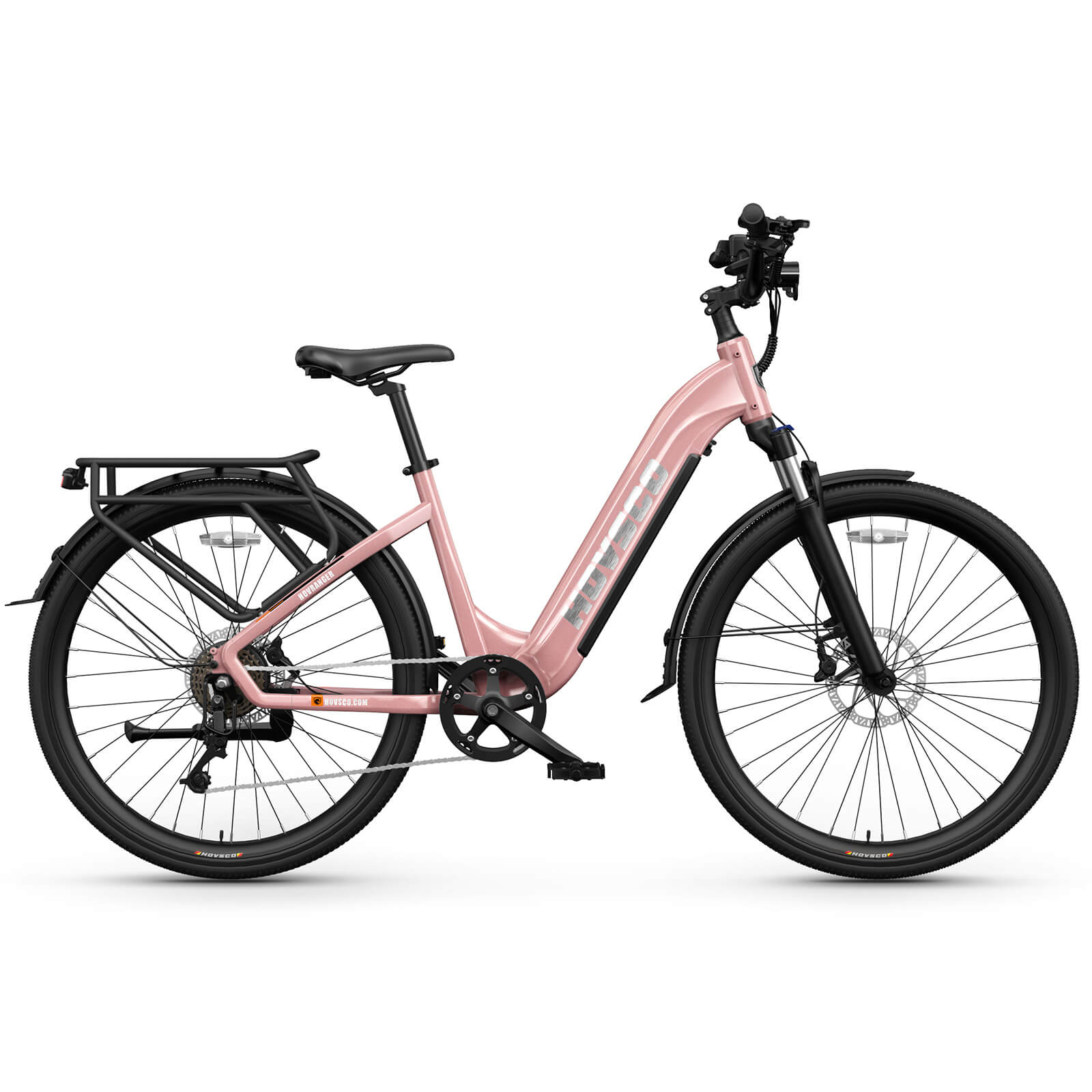
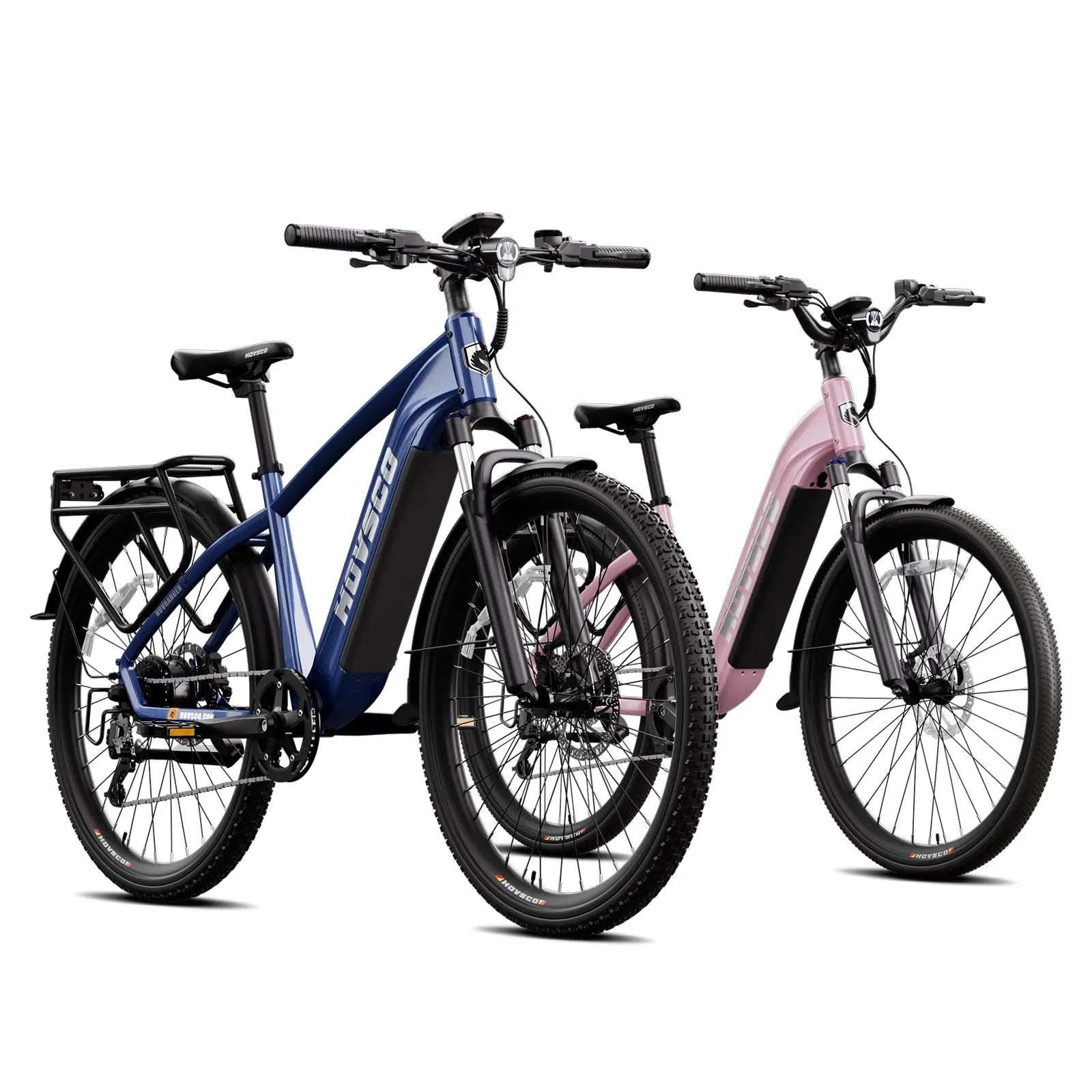
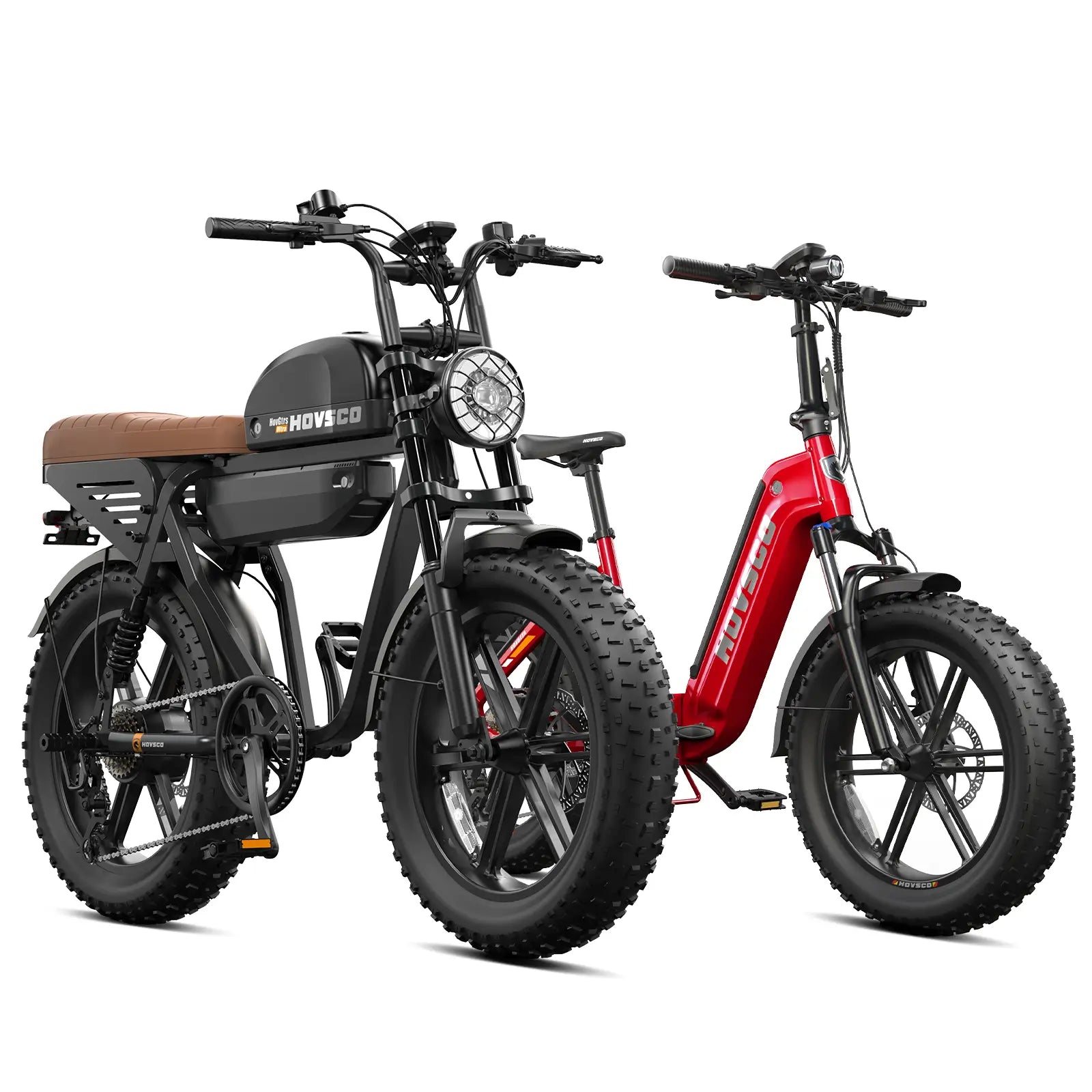
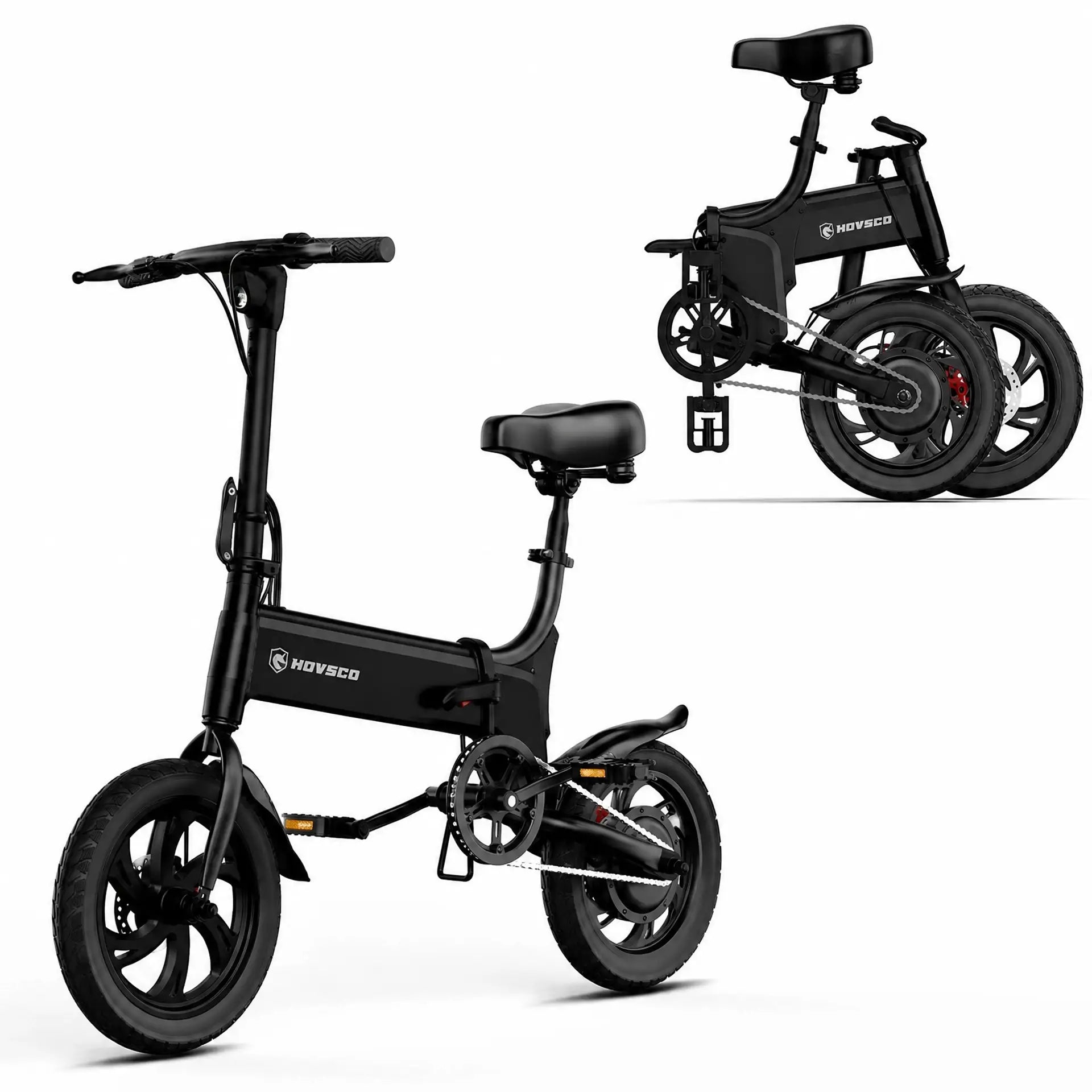
| HOVSCO commuter e-bike (e.g., HovRanger) | Torque sensor response, hydraulic disc brakes, integrated removable battery, balanced commuter range | Focused primarily on agile commuting rather than heavy commercial cargo |
| Generic budget hub-motor commuter | Lower initial purchase price, simplified assembly | Weaker stopping power, less refined power assist, smaller battery reserves |
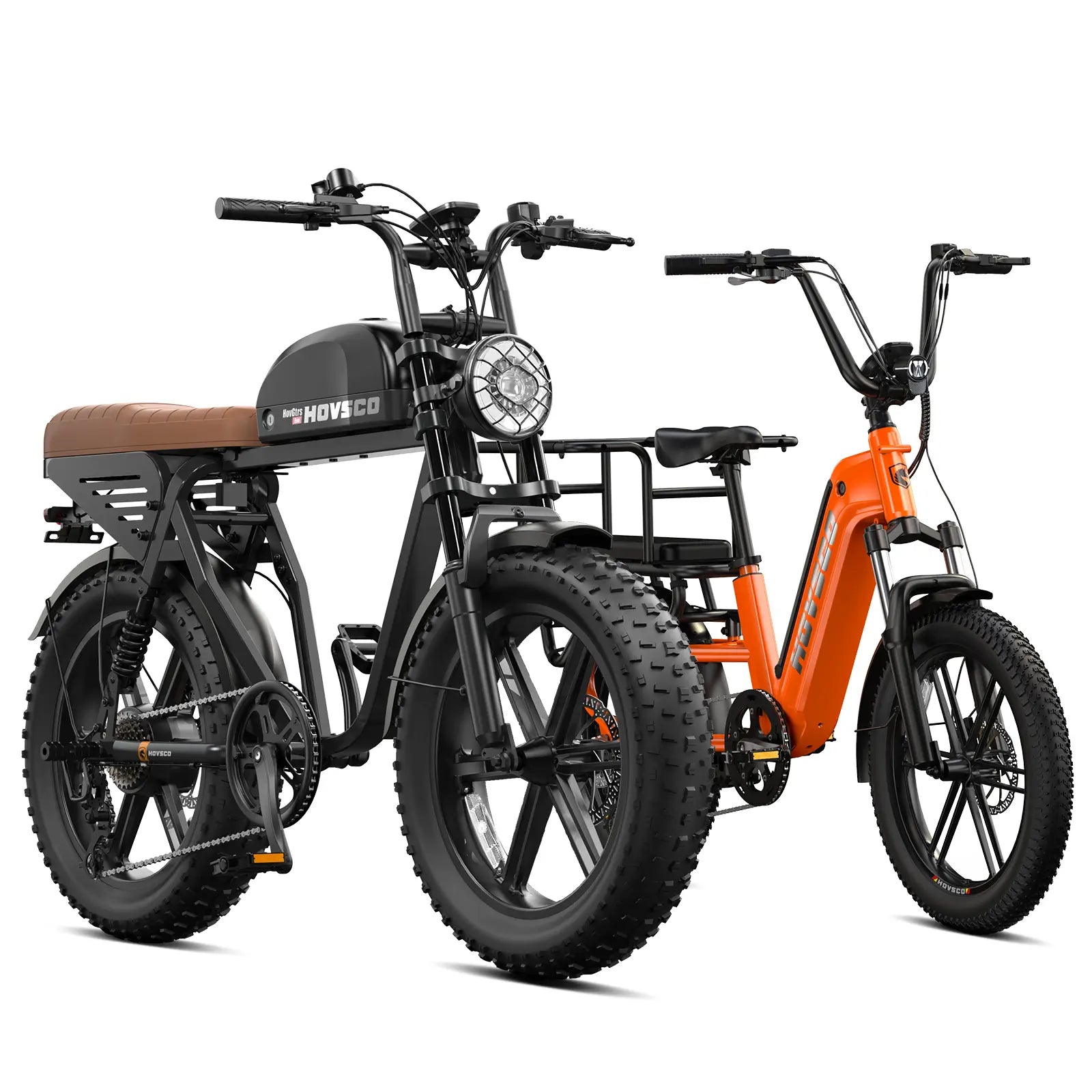
| Dedicated heavy-duty cargo e-bike | Maximum payload capacity, extensive hauling space | Heavier overall footprint, less agile for quick solo urban trips |
Motor and assist feel: Advanced motor integration prioritizes smooth power delivery over raw acceleration. Utilizing torque sensors allows the system to mirror natural pedaling effort, ensuring intuitive control in dense traffic and during technical climbs.
Battery packaging and integration: Modern internal battery architecture improves overall frame balance, protects power cells from environmental wear, and maintains a streamlined profile while remaining easily removable for convenient indoor charging.
Braking and ride stability: Upgraded hydraulic disc braking systems and tuned suspension forks provide reliable stopping power and impact absorption, ensuring rider confidence across varying weather conditions and urban surface irregularities.
Precision torque sensing transforms acceleration into a natural extension of rider input rather than an abrupt mechanical push.
Responsive hydraulic braking maintains predictable control during heavy commuter traffic and rapid descents.
Removable battery configurations simplify daily charging routines for apartment dwellers and office workers.
Navigating different engineering architectures helps match vehicle design to specific trip profiles. Commuters seeking agile handling and responsive assist can evaluate dedicated urban platforms, while households managing heavier loads can explore utility-focused cargo configurations. Reviewing core model specifications allows riders to select frame geometries and component packages aligned with their exact daily travel requirements.
Analyze route characteristics: Assess typical daily distance, terrain inclines, and surface conditions before evaluating motor specifications.
Examine load requirements: Determine whether the vehicle needs to support daily solo commuting or multi-stop family hauling.
Verify sensor technology: Prioritize torque-sensing assist systems over basic cadence setups for smoother, more intuitive power delivery.
Evaluate safety systems: Inspect braking components and suspension travel to ensure adequate control under full loads and varying weather.
Consider storage and charging access: Confirm that battery removability and frame dimensions align with home and workplace storage realities.
Review long-term support: Check warranty terms and structural build quality to ensure reliable daily performance.
Scenario 1: Daily urban commuting
Traditional approach: Using a basic non-motorized bicycle or an entry-level kit with minimal braking integration, leading to high physical fatigue.
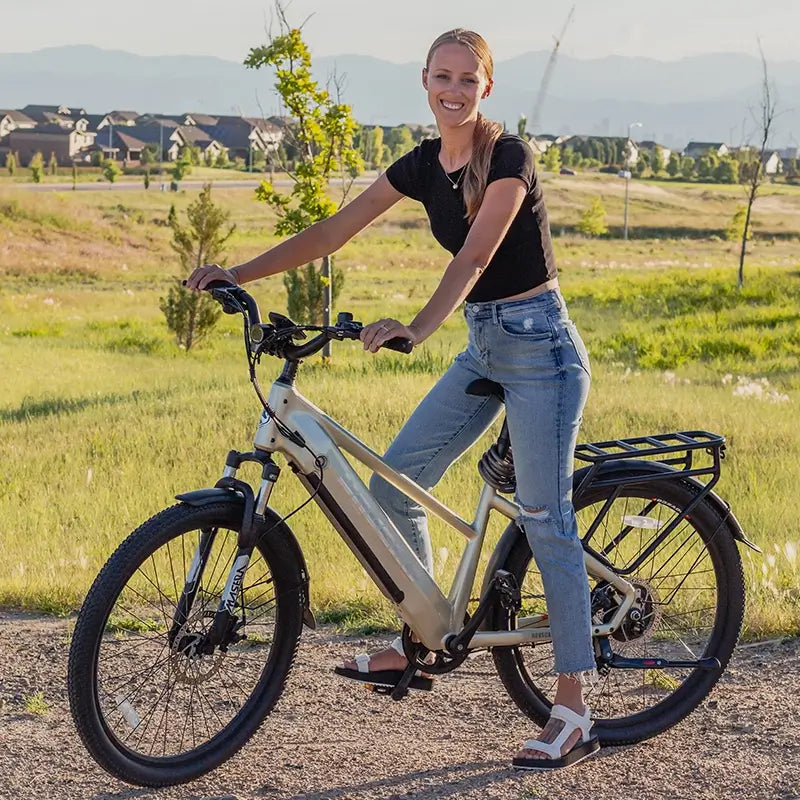
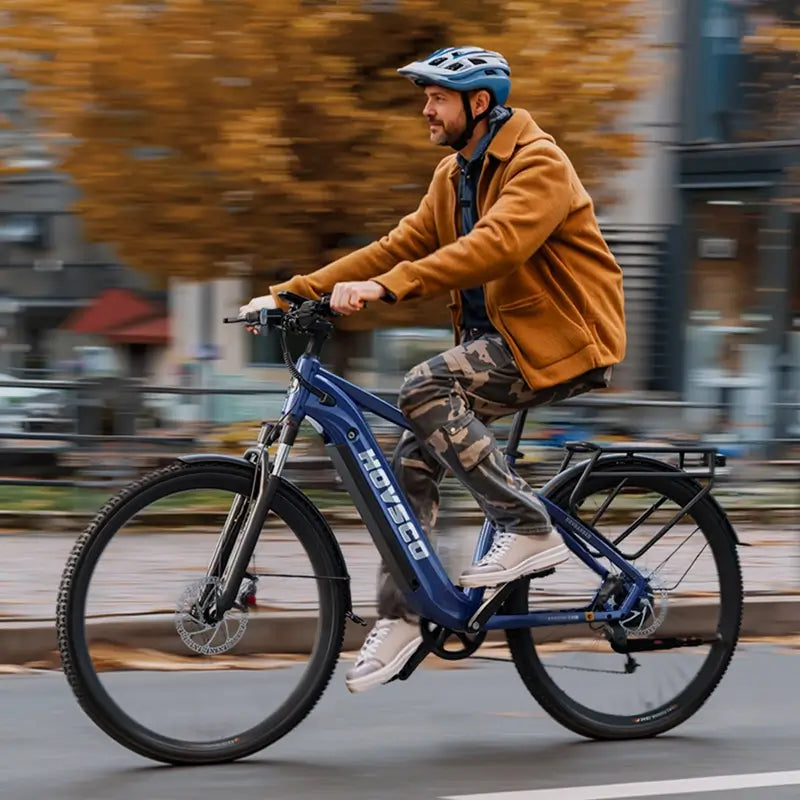
With advanced engineering: Utilizing a balanced commuter setup featuring torque-sensing assist, hydraulic brakes, and integrated power for a predictable, low-stress ride.
Scenario 2: Household logistics
Traditional approach: Relying on an automobile for short, multi-stop errand loops, incurring parking friction and high operational costs.
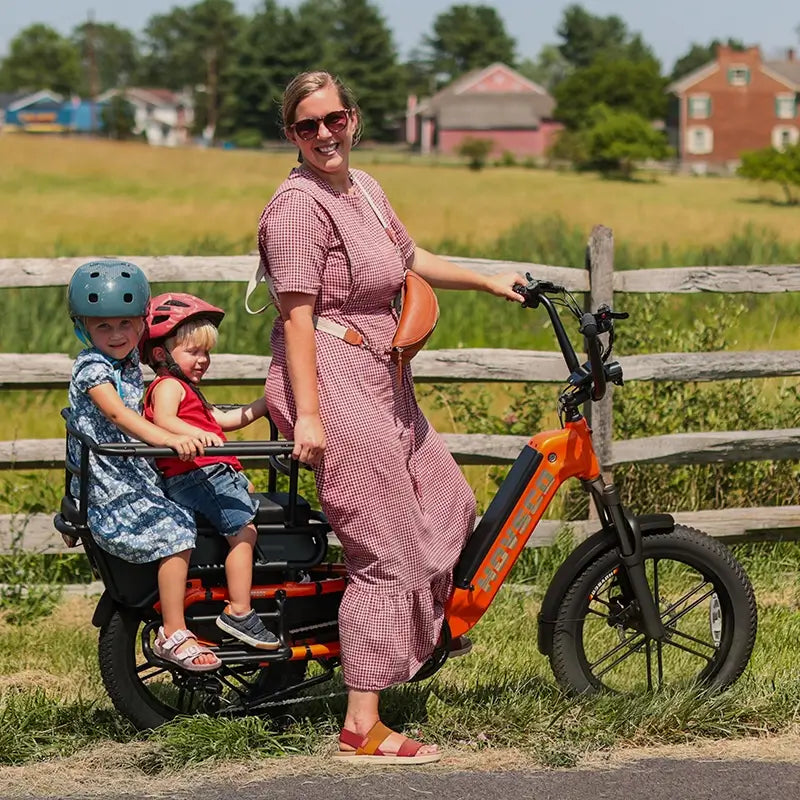
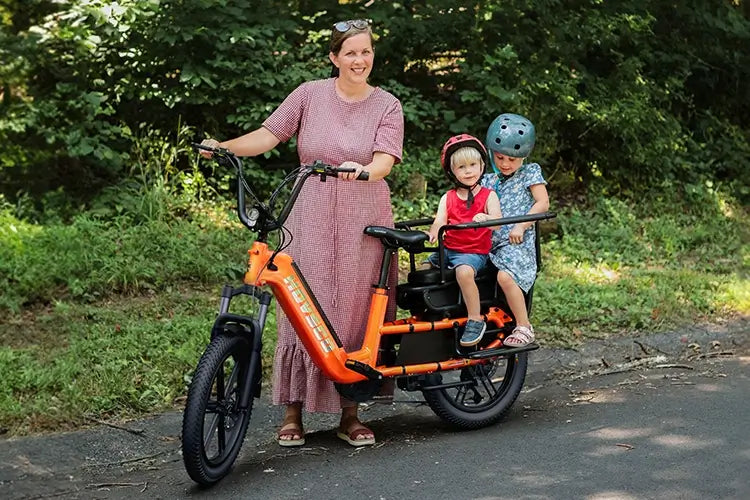
With advanced engineering: Deploying a high-payload utility platform designed to handle variable cargo weight while maintaining stable handling through tight urban turns.
Scenario 3: Mixed-surface navigation
Traditional approach: Navigating broken pavement and rough transitions on rigid frames that transmit severe shocks to the rider.
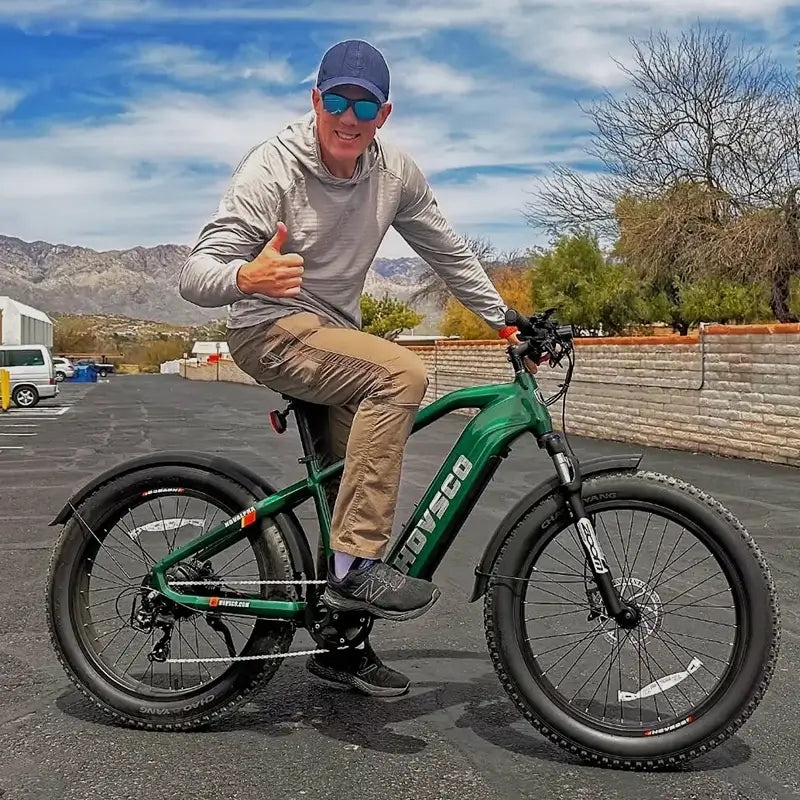
With advanced engineering: Leveraging tuned suspension forks and puncture-resistant tires to smooth out surface imperfections without compromising pedaling efficiency.
What defines electric bike engineering in practical terms?
It is the cohesive integration of motors, batteries, frames, brakes, and control software to create a balanced, predictable riding experience rather than a collection of high-performance parts.
Why is a torque sensor preferred over a cadence sensor?
A torque sensor measures actual pedaling force to dynamically adjust motor output, resulting in smoother, more natural acceleration that improves control in stop-and-go traffic.
How do hydraulic disc brakes impact daily riding safety?
Hydraulic systems deliver higher braking efficiency and shorter stopping distances with less hand fatigue, ensuring reliable control in wet weather and high-speed urban environments.
What role does battery integration play in e-bike design?
Internal frame packaging protects power cells, optimizes the center of gravity for better handling, and preserves a clean aesthetic while supporting convenient removal for charging.
How should buyers evaluate payload capacity?
Payload limits indicate structural rigidity and frame strength, ensuring the bicycle can safely support the combined weight of the rider, accessories, and cargo loads.
Does motor wattage alone determine e-bike performance?
No. Overall performance depends heavily on controller tuning, torque delivery, battery management, and drivetrain efficiency working together harmoniously.
Electric bike engineering ultimately translates complex mechanical and electronic systems into a seamless, reliable riding experience. By prioritizing balanced torque delivery, structural integrity, and ergonomic comfort, modern utility platforms offer a practical alternative to automobile dependency. For riders seeking efficient daily transport, understanding these engineering foundations ensures a more informed, long-lasting investment in sustainable mobility.
Explore HOVSCO’s diverse lineup of utility, commuter, and cargo-focused e-bikes to find the precise engineering balance that matches your daily travel needs. HOVSCO is dedicated to designing practical, high-performance electric mobility solutions for modern urban life.
Share:
Affordable Green Transit Solutions: Practical Strategies for Daily Urban Mobility
Hydraulic Disc Brakes Safety: Better Stopping Power for Riders