









![[ New Arrival ] Porto Max Electric Scooter For Commute & Grocery Shopping - HOVSCO](http://www.hovsco.com/cdn/shop/files/PotroMax-3.jpg?v=1706927007&width=1200)
- by SteveJames
Hydraulic Disc Brakes Safety: Better Stopping Power for Riders
- by SteveJames
E-Bikes
Accessories
 Free Shipping
 15-Day Returns
 2-Year Warranty
Free Shipping
15-Day Returns
2-Year Warranty
2-Year Warranty
Free Shipping
15-Day Returns
2-Year Warranty
Hydraulic disc brakes safety explained: why they improve control, reduce fade, and support safer e-bike riding in 2026.
Hydraulic disc brakes have become a core safety feature in e-bikes because modern riders expect stronger stopping power, better wet-weather control, and more predictable braking under load. HOVSCO says its electric bikes come equipped with hydraulic disc brakes to support safety and performance across different riding conditions, which positions the system as a standard safety choice rather than an optional upgrade. The brand also provides brake service guidance, including a fluid-and-bleed tutorial and a dedicated brake replacement part page, which reinforces that safe braking depends on both product design and maintenance.
Hydraulic disc brakes safety refers to how a fluid-powered brake system helps a rider stop more smoothly, more consistently, and with less hand effort than a basic mechanical setup. In practical terms, that means better modulation, stronger control in wet conditions, and lower fatigue on long rides or steep descents. On e-bikes, this matters even more because higher speeds and heavier frames raise braking demands.
The first pain point is not just whether a bike can stop, but whether it can stop repeatedly under pressure without feeling vague. Hydraulic systems transfer force through sealed fluid instead of relying on cable stretch, which helps create a more immediate and consistent braking response.
The second issue is control on mixed terrain. When roads are wet, dirty, or steep, braking performance can feel unpredictable, and riders may over-squeeze the lever or brake too late. Hydraulic systems reduce that uncertainty by giving the rider a steadier feel at the lever, which supports earlier and more confident slowing.
The third concern is rider fatigue. On commutes, delivery routes, or long weekend rides, repeated hard braking can wear out the hands quickly. Because hydraulic brakes typically require less squeeze force, they help the rider maintain control later in a ride when reaction quality matters most.
The final issue is maintenance confidence. Riders often worry about air in the system, contaminated pads, or inconsistent setup. HOVSCO’s bleeding tutorial shows that service is part of safe use, not an afterthought, and that supports a more realistic view of brake safety: it depends on the product and the upkeep.
Hydraulic disc brakes are valued because they combine strong stopping power with fine control, which is exactly what riders need when conditions change fast.
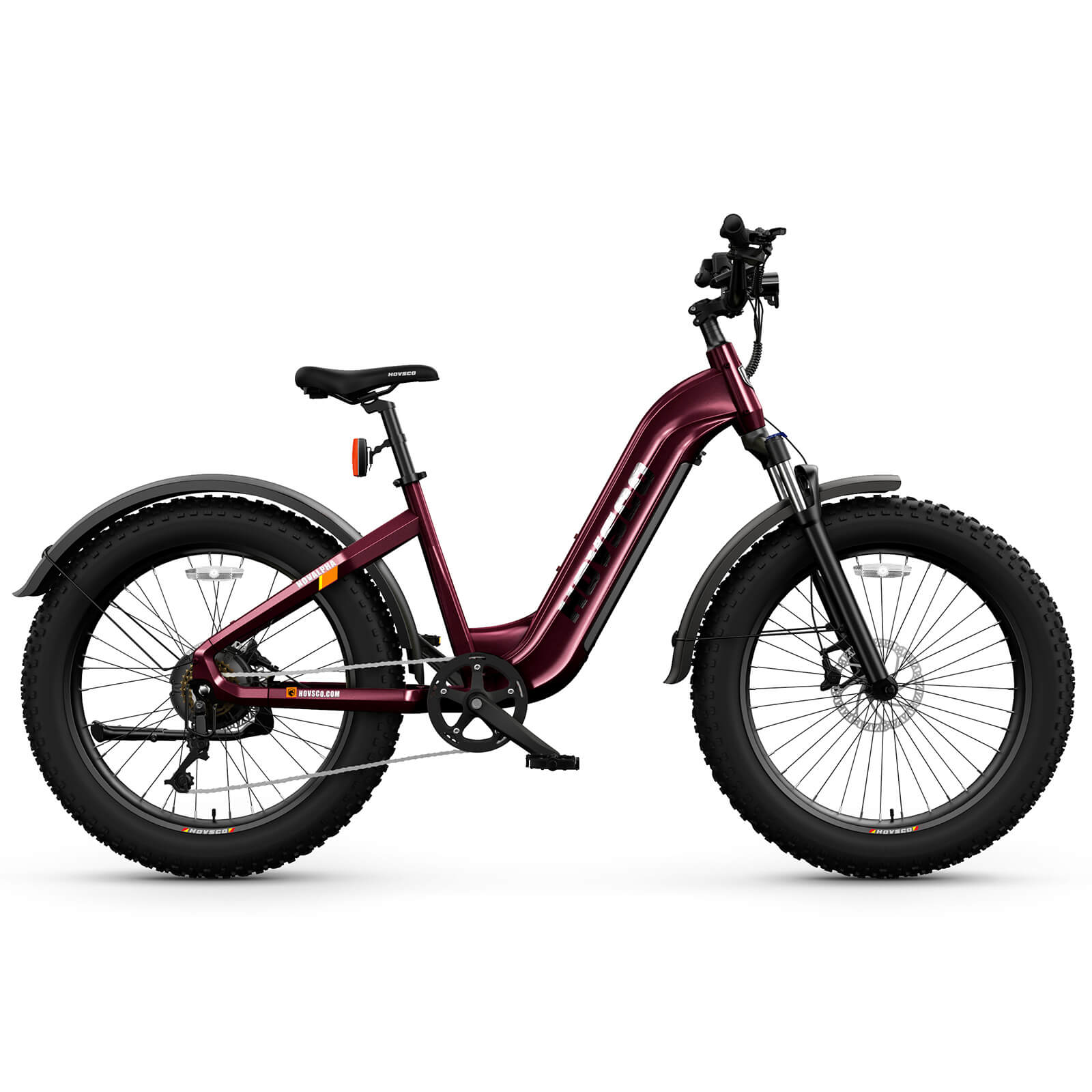
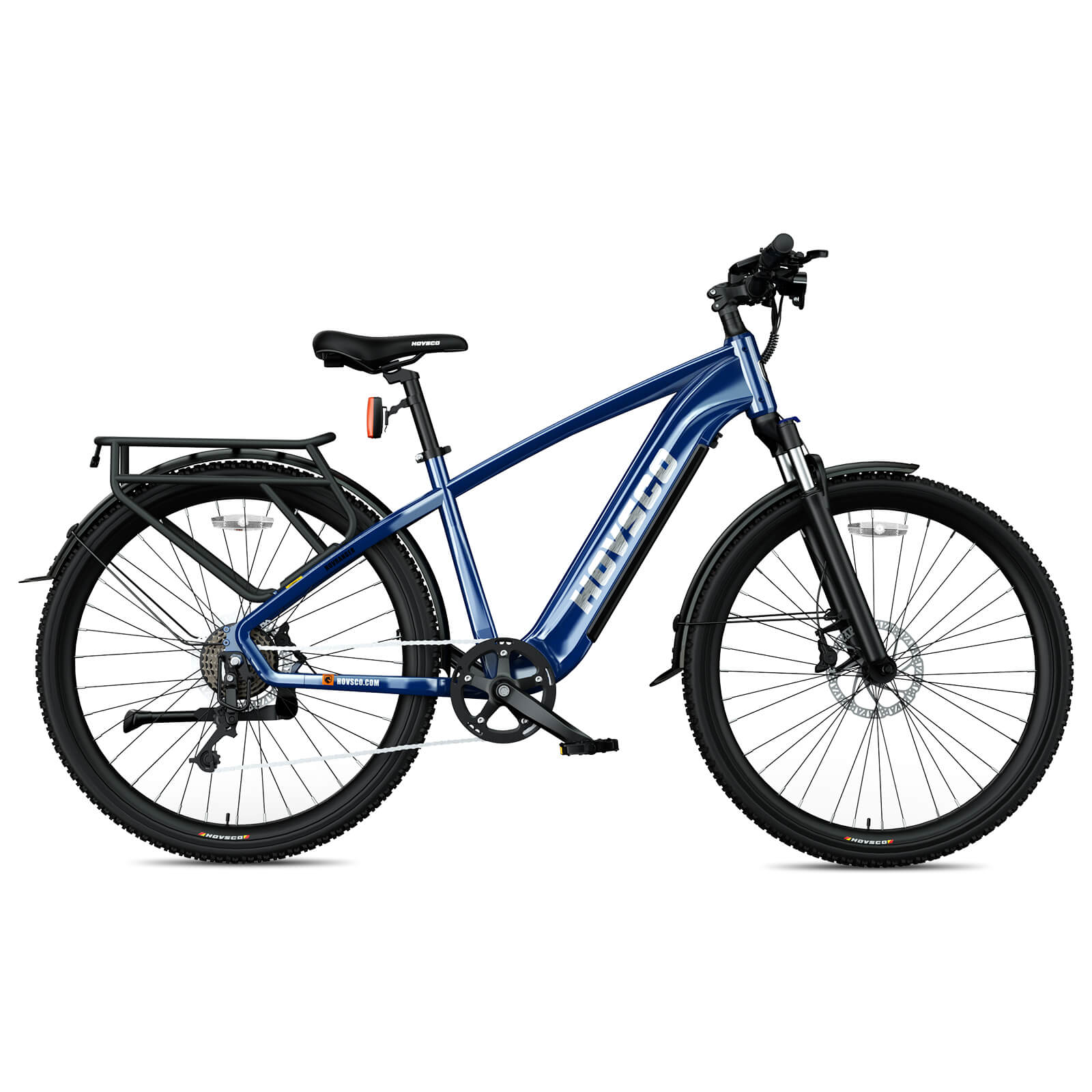
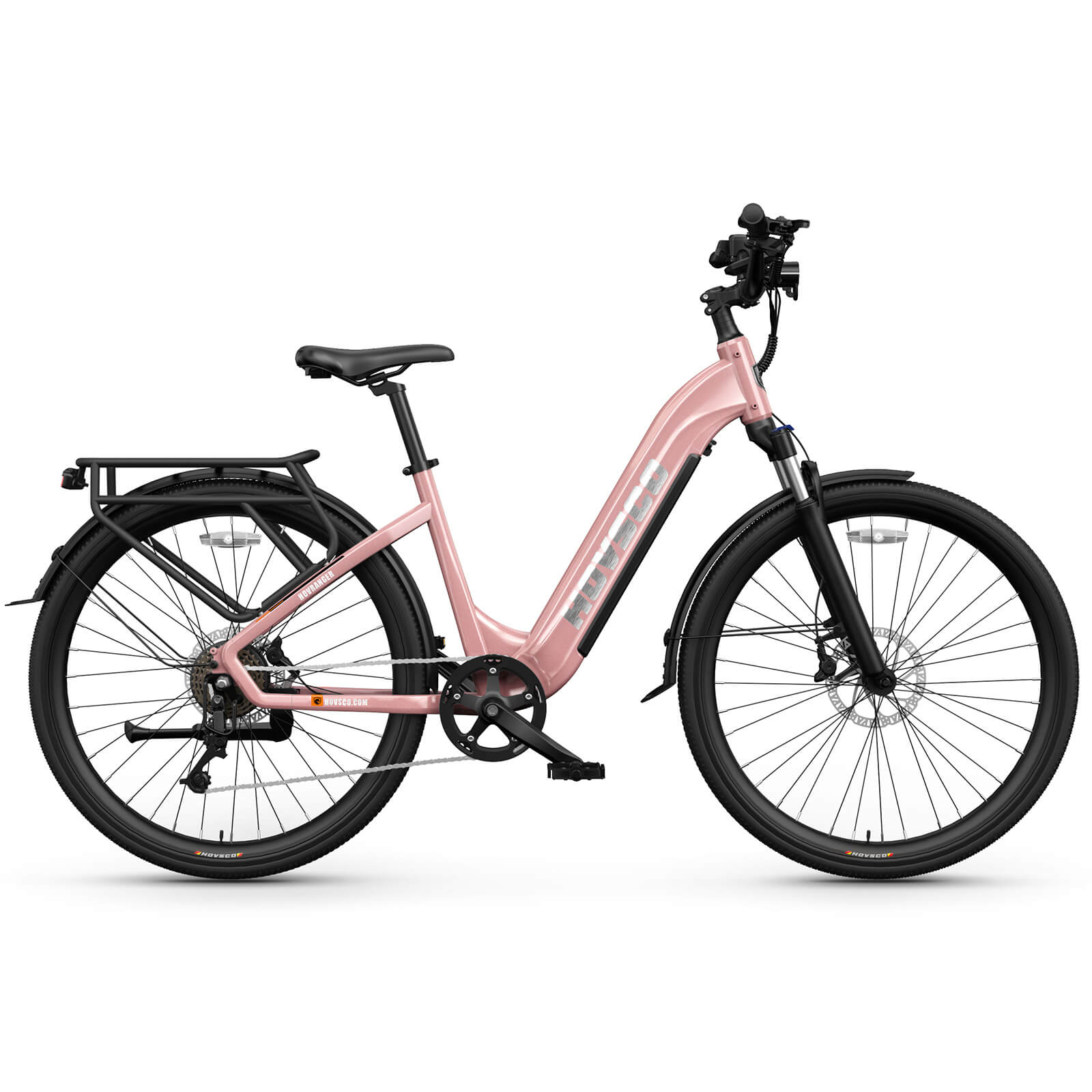
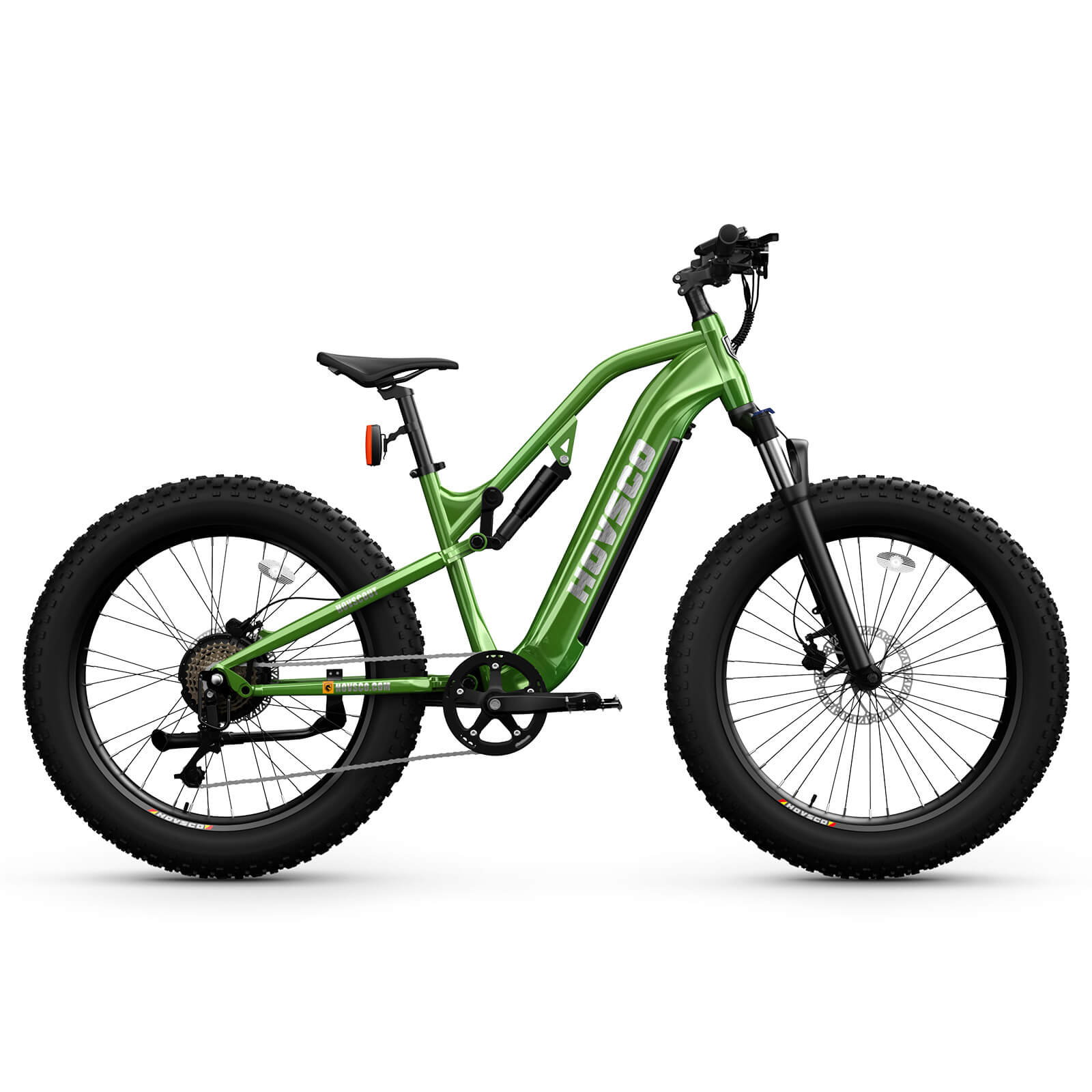
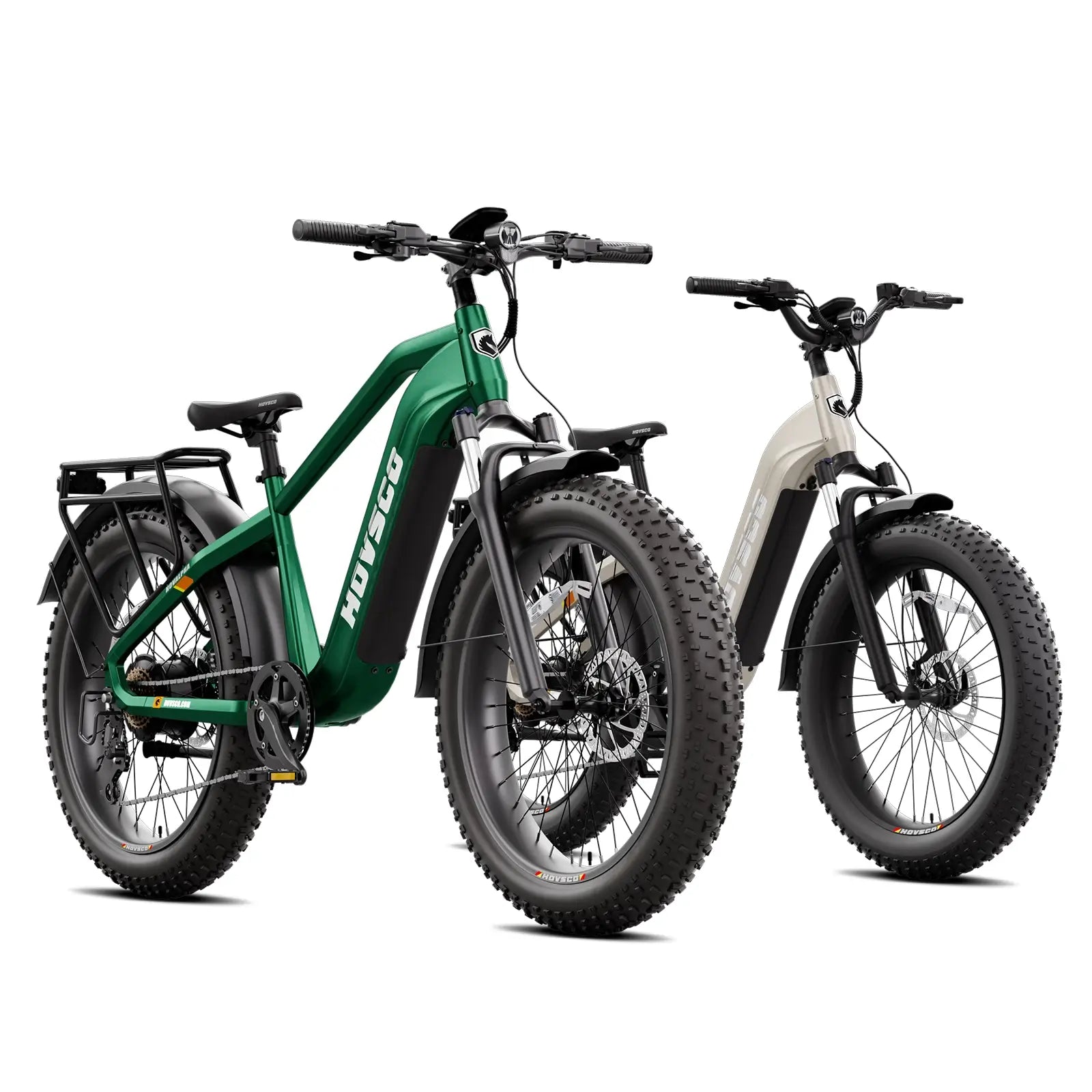
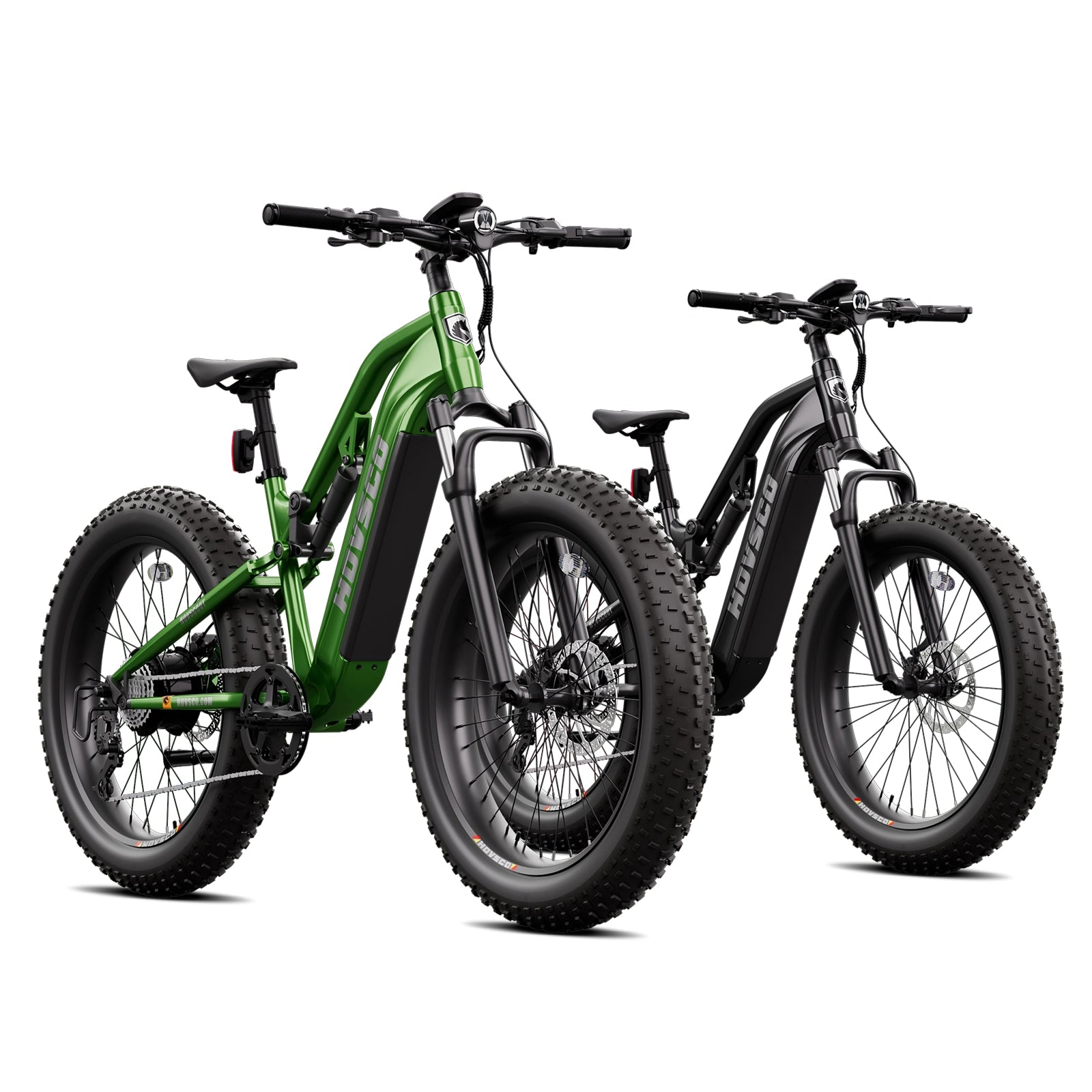
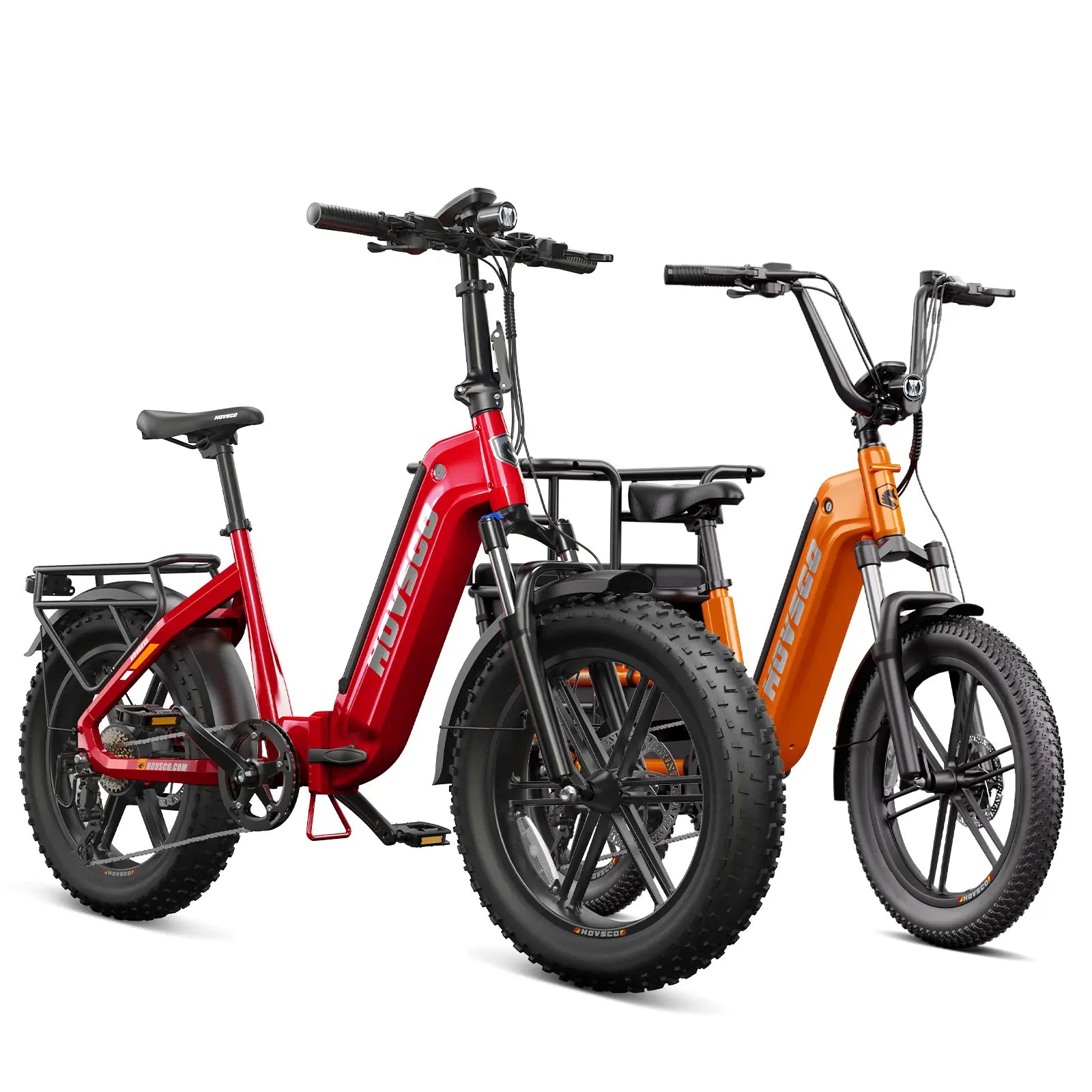
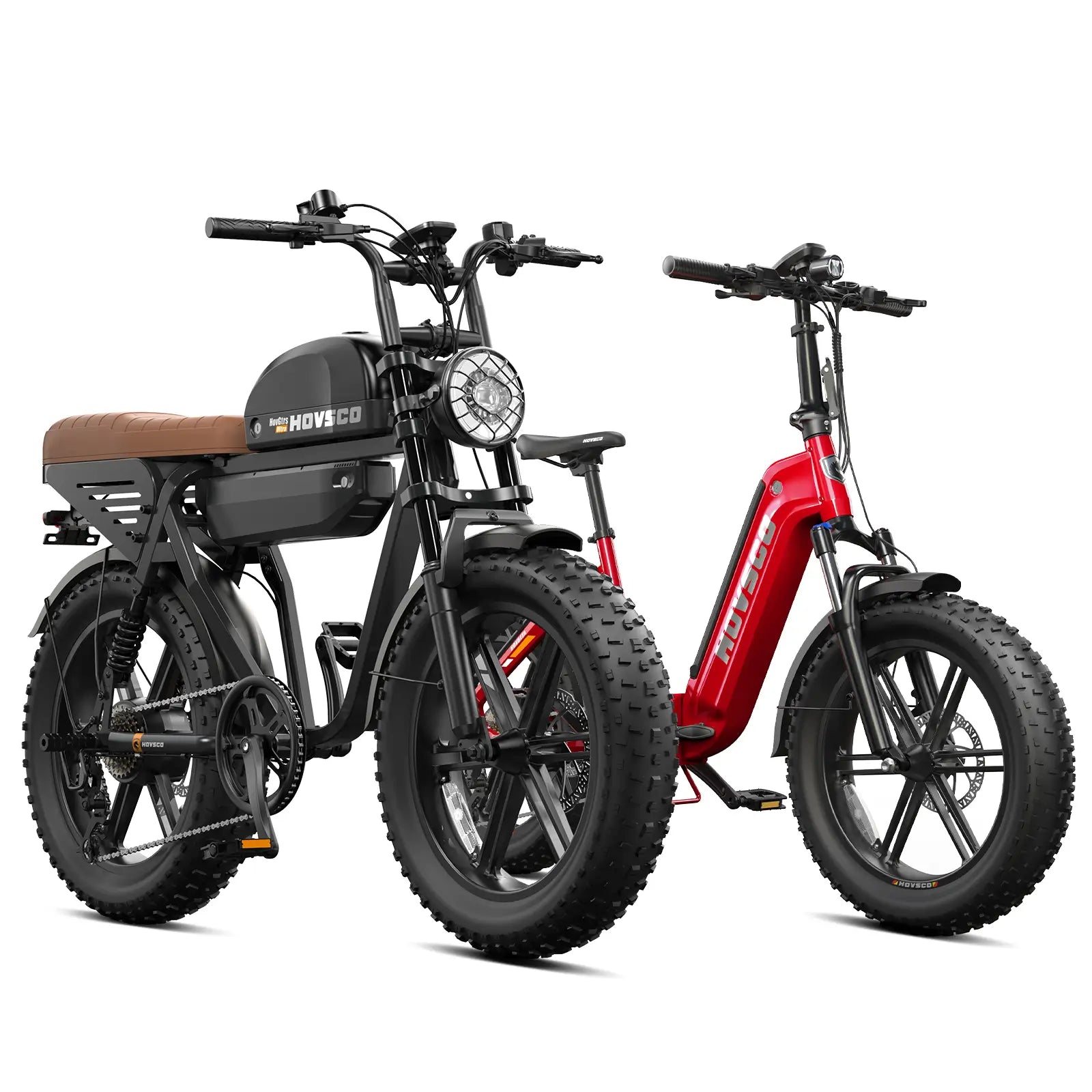
HOVSCO’s hydraulic brake positioning is strongest when paired with its e-bike lineup, where the brakes are presented as a standard safety feature across the brand’s bikes. The brand also sells a Right-Hand Brake replacement part, which is useful for service planning and repair workflows.
For internal linking on a brand blog, the most relevant HOVSCO pages are the main hydraulic-disc-brake article, the right-hand brake part page, and the electric bike category pages that feature this brake setup. These links help readers move from education into purchase or maintenance without leaving the site.
Strong lever-to-wheel response
Hydraulic force transfer gives a more direct braking feel, which helps riders react faster when traffic, debris, or a sudden downhill appears.
Better wet-condition confidence
Sealed hydraulic systems are widely valued because they maintain braking consistency when the road surface is damp, muddy, or dusty.
Self-adjusting performance
As pads wear, hydraulic brakes generally keep a more consistent feel than cable systems, which helps preserve predictable stopping behavior over time.
A commuter hits a wet intersection and needs to stop without skidding. Hydraulic disc brakes help make that stop smoother and more predictable.
A rider descends a hill with cargo on the bike. The brake system’s stronger modulation makes it easier to slow down in stages instead of grabbing too much at once.
A weekend rider stores the bike vertically and then returns to ride later. A properly maintained hydraulic system is designed to remain dependable when serviced correctly.
Hydraulic braking safety is only one part of the broader riding experience. Riders who want a safer, more confident setup often look at the rest of the bike ecosystem too, including the brand’s electric bikes, brake replacements, and maintenance content.
That matters because braking performance is connected to frame weight, riding style, and tire choice. A heavier commuter bike, for example, benefits more from hydraulic brakes than a lightweight casual bike. HOVSCO’s product lineup makes it easier to keep the same safety logic across purchase and service decisions.
Inspect the rotor and pads before every ride, especially after transport or storage.
Keep oils, chain lube, and greasy hands away from the braking surfaces.
Squeeze the lever firmly and progressively rather than snapping it shut in panic stops.
Check brake feel regularly; a spongy lever can signal air or service needs.
Follow a bleeding or fluid-top-off routine only when needed and according to the correct procedure.
Replace worn pads and service the system before braking performance drops noticeably.
Scenario: city commuting in rain
Traditional setup: Riders on cable brakes may feel delayed bite or uneven performance when the road is wet.
Used with hydraulic disc brakes: The stop feels more consistent, and the rider can brake earlier with greater confidence.
Scenario: steep neighborhood hills
Traditional setup: Riders often overuse the rear brake and lose control on descents.
Used with hydraulic disc brakes: Stronger modulation helps distribute braking more smoothly and reduces hand strain.
Scenario: e-bike delivery or daily errands
Traditional setup: Repeated stop-and-go riding can make weaker systems feel tired and inconsistent.
Used with hydraulic disc brakes: The lever effort stays lower, so control remains more stable over a longer shift.
What makes hydraulic disc brakes safer than mechanical brakes?
Hydraulic systems use fluid to transfer force, which usually creates stronger and more consistent braking with less hand effort. That improves control in emergency stops and in changing weather.
Are hydraulic disc brakes good for e-bike safety?
Yes. HOVSCO presents hydraulic disc brakes as a standard feature on its e-bikes, which reflects how important braking performance is on heavier, faster electric bikes.
Do hydraulic disc brakes work well in rain?
They are generally preferred for wet riding because the sealed system and strong modulation help maintain predictable braking when the surface is slick.
How often should hydraulic disc brakes be bled?
There is no universal interval in the available HOVSCO material, but the brand’s own bleeding tutorial shows that maintenance is part of safe brake ownership. Riders should service the system when lever feel changes or after contamination concerns.
Can contaminated pads affect hydraulic disc brake safety?
Yes. Oils or grease on pads or rotors can reduce braking power and create noise, so clean handling around the braking surfaces is essential.
What HOVSCO brake parts are available for maintenance?
HOVSCO lists a right-hand brake part on its site, showing that brake maintenance and replacement are supported through the brand’s store.
Hydraulic disc brakes safety is really about control: stronger stopping, steadier feel, and better confidence when the ride gets wet, steep, or busy. HOVSCO’s positioning makes sense because its e-bikes ship with hydraulic disc brakes and the brand supports brake maintenance through service content and parts. For riders who want a safer brake setup without overcomplicating the buying decision, hydraulic braking remains one of the clearest value upgrades.
Explore HOVSCO’s e-bike lineup and brake-support pages to compare models, service parts, and maintenance guidance before choosing your next ride. HOVSCO is an e-bike brand that emphasizes rider safety, practical performance, and accessible brake maintenance.
Share:
Precision E-Bike Engineering: Optimizing Range, Comfort, and Everyday Utility
E-Bike Suspension Systems for Better Comfort and Control