




![[ New Arrival ] Porto Max Electric Scooter For Commute & Grocery Shopping - HOVSCO](http://www.hovsco.com/cdn/shop/files/PotroMax-3.jpg?v=1706927007&width=1200)
- by SteveJames
Lithium Battery Safety: Charge with Confidence and Ride Safer
- by SteveJames
E-Bikes
Accessories
 Free Shipping
 15-Day Returns
 2-Year Warranty
Free Shipping
15-Day Returns
2-Year Warranty
2-Year Warranty
Free Shipping
15-Day Returns
2-Year Warranty
Learn lithium battery safety for e-bikes, including safe charging, storage, inspection, battery care, and responsible disposal practices.
Lithium battery safety has become a central consideration for e-bike owners, families, commuters, and delivery riders. The NFPA reports that e-bike and e-scooter batteries have been involved in fires, while the U.S. Consumer Product Safety Commission has issued warnings about specific lithium-ion batteries that may unexpectedly ignite or explode. Fire-safety organizations increasingly emphasize approved chargers, supervised charging, careful inspection, and safe storage rather than relying on battery capacity or riding range alone.
The growing focus on battery safety means that buyers should examine more than motor power and advertised range. They should review the charger supplied with the bike, replacement-part compatibility, battery access, warranty coverage, service availability, and the manufacturer’s instructions for charging and storage.
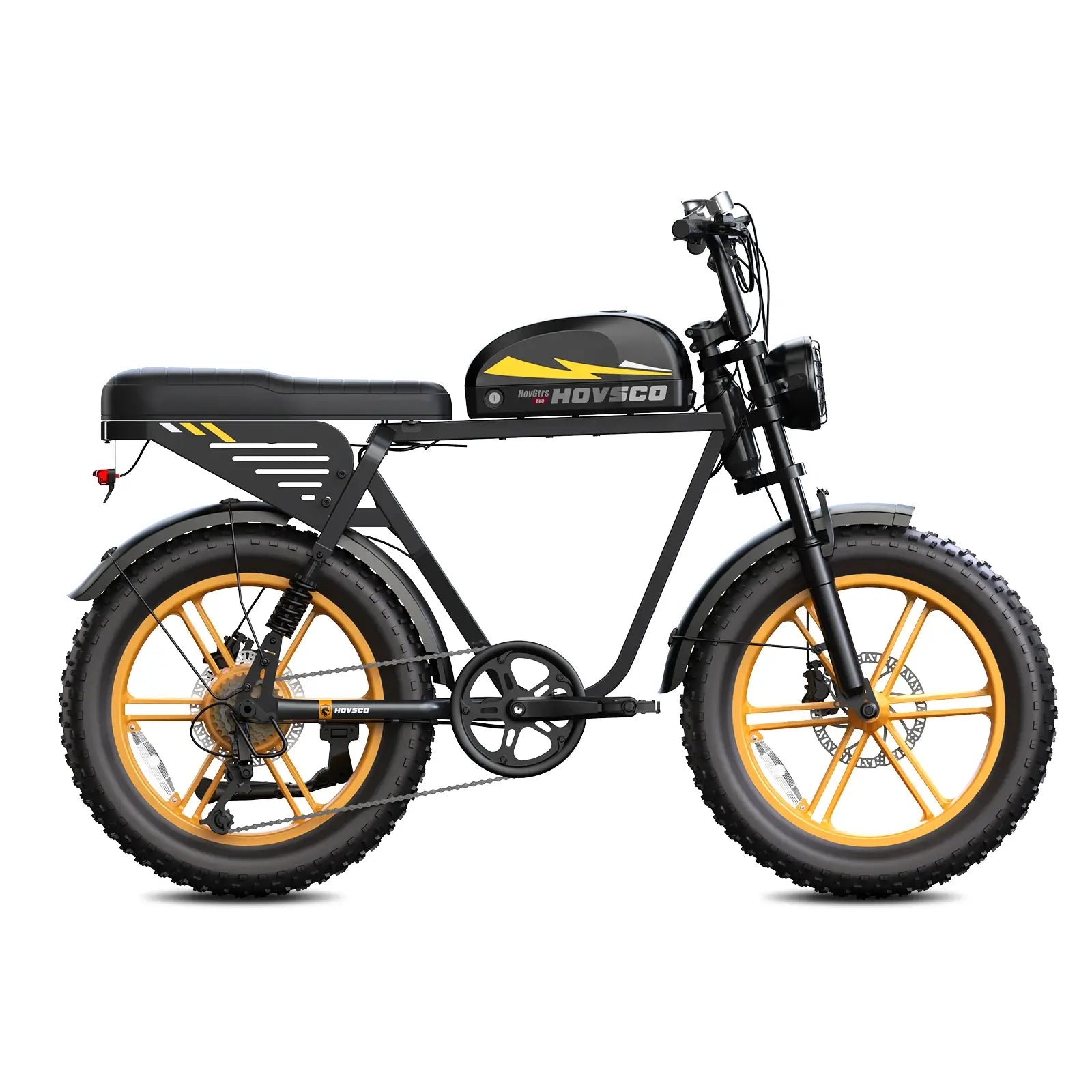
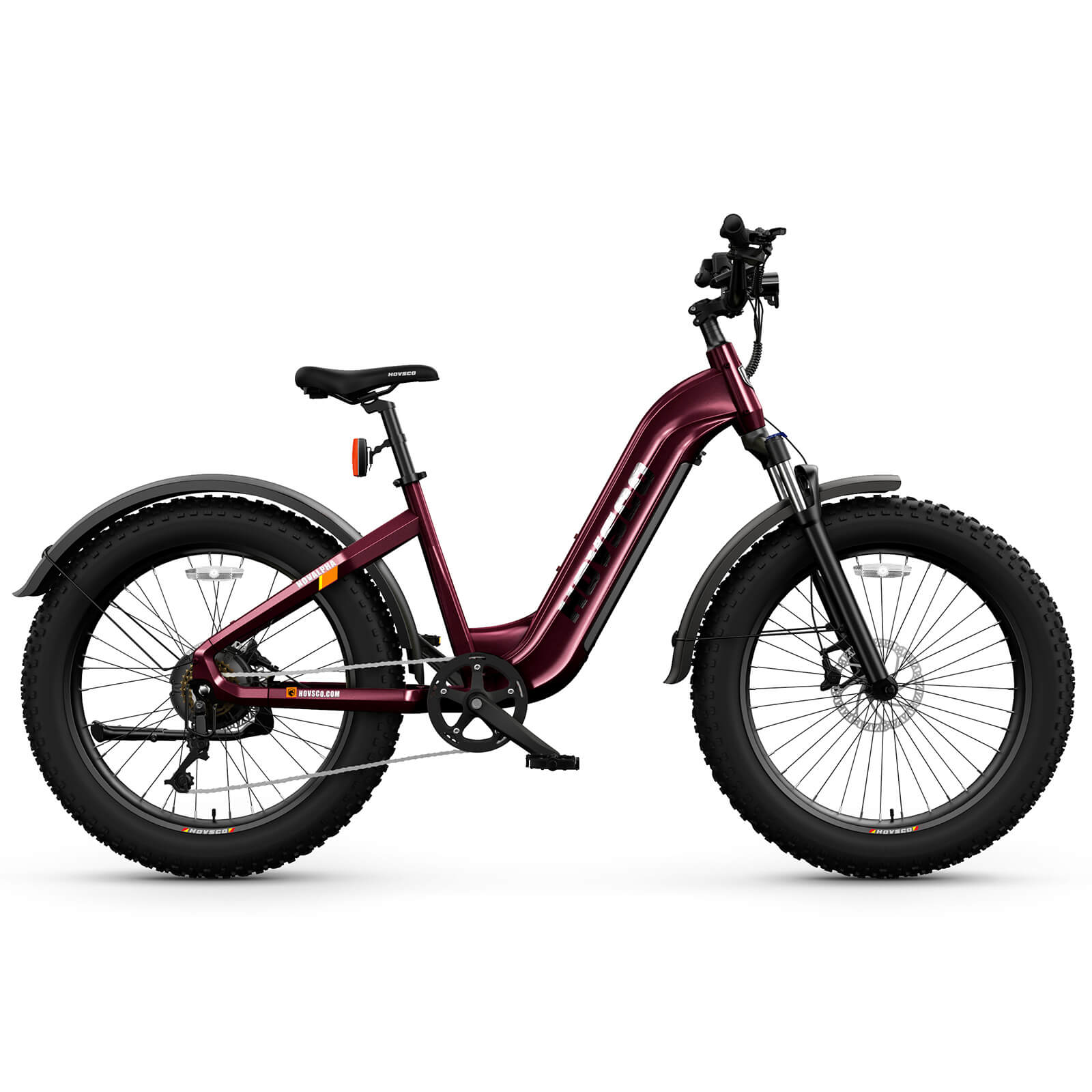
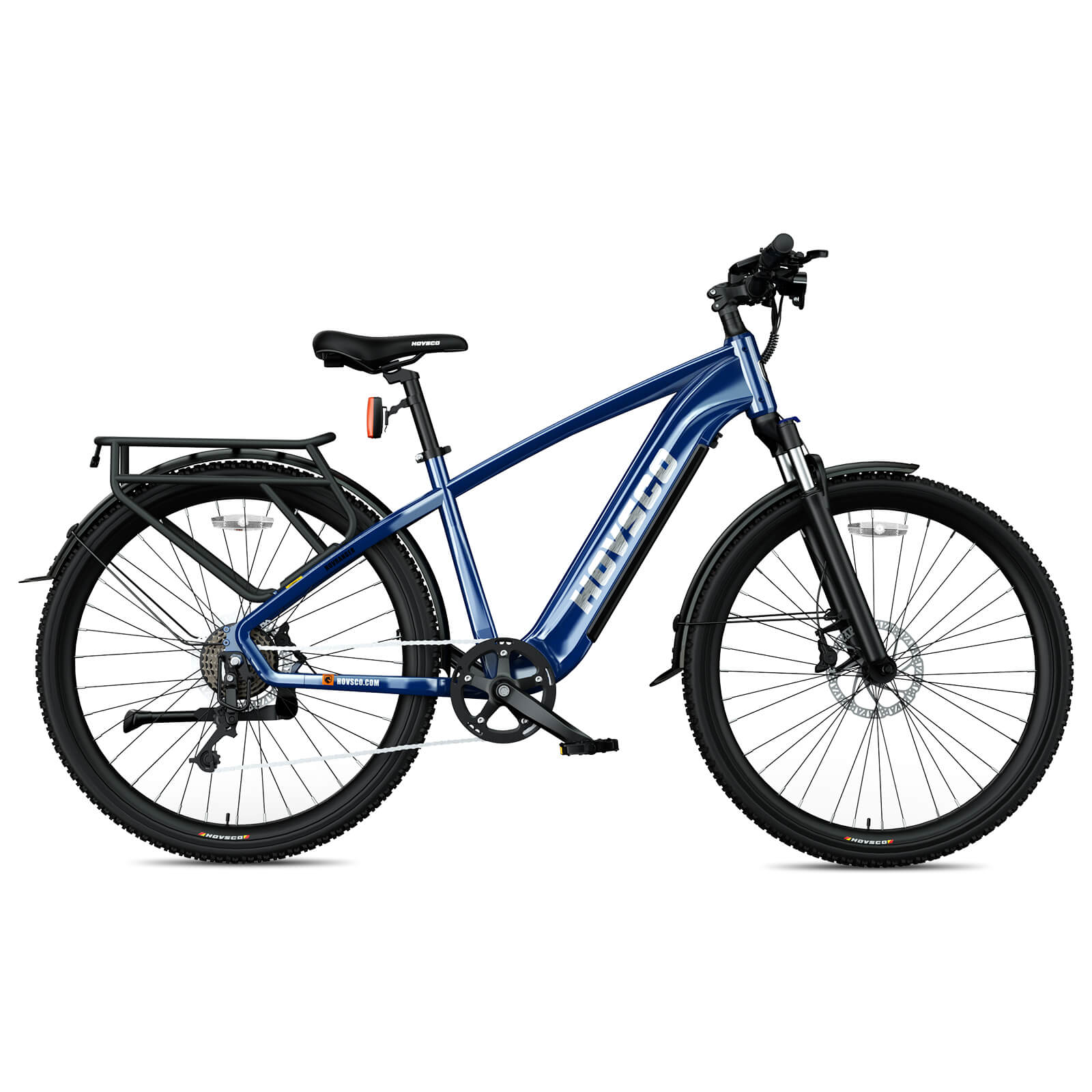
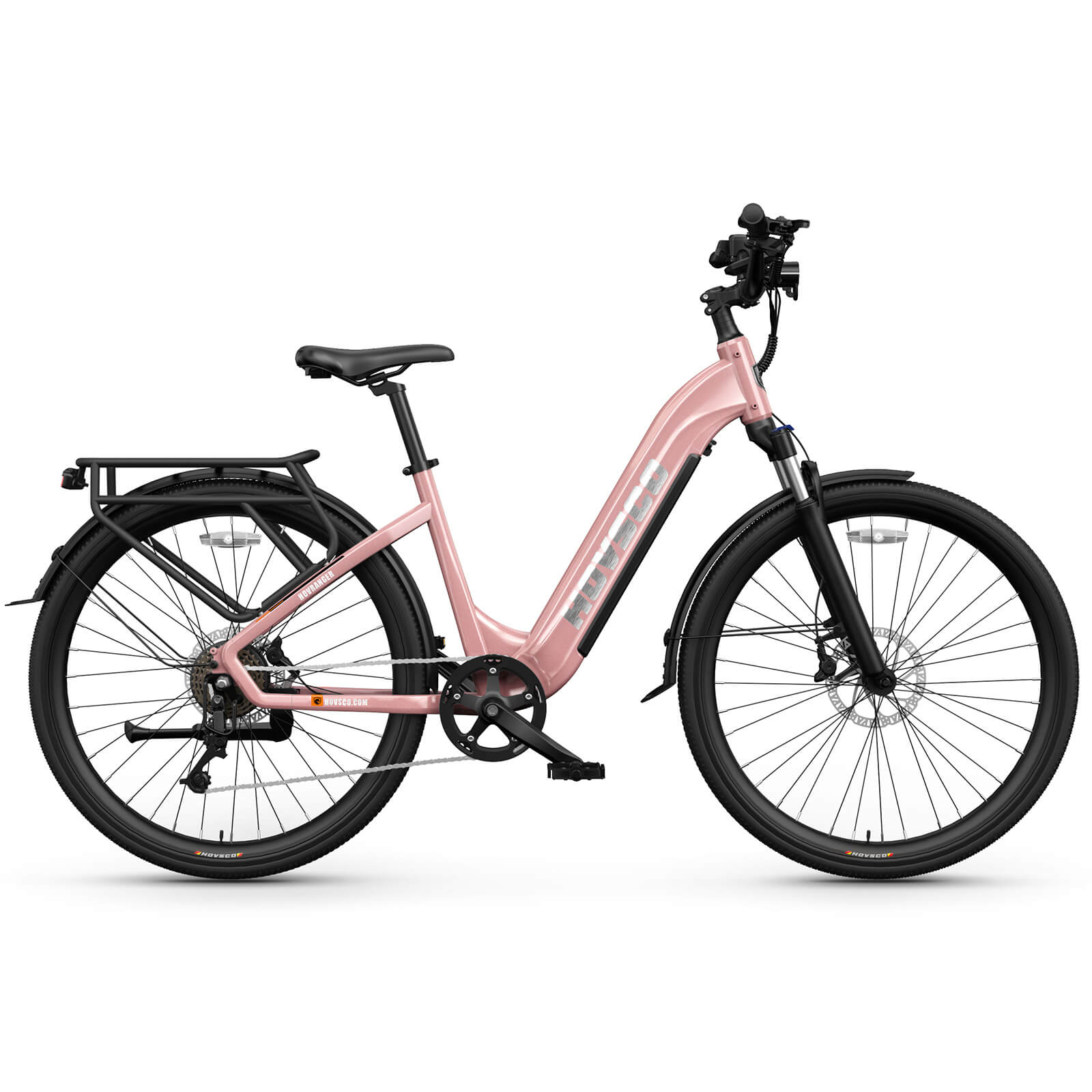
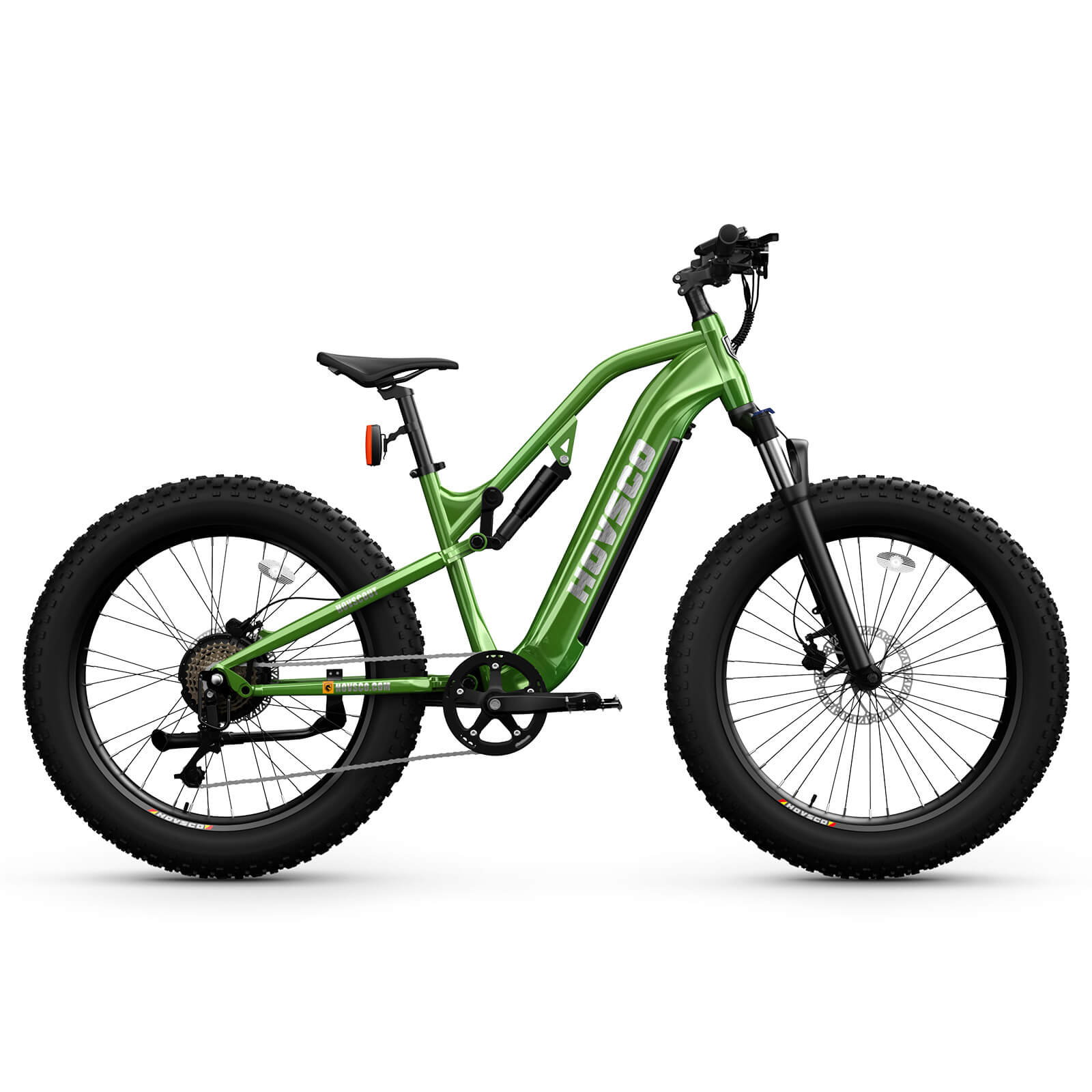
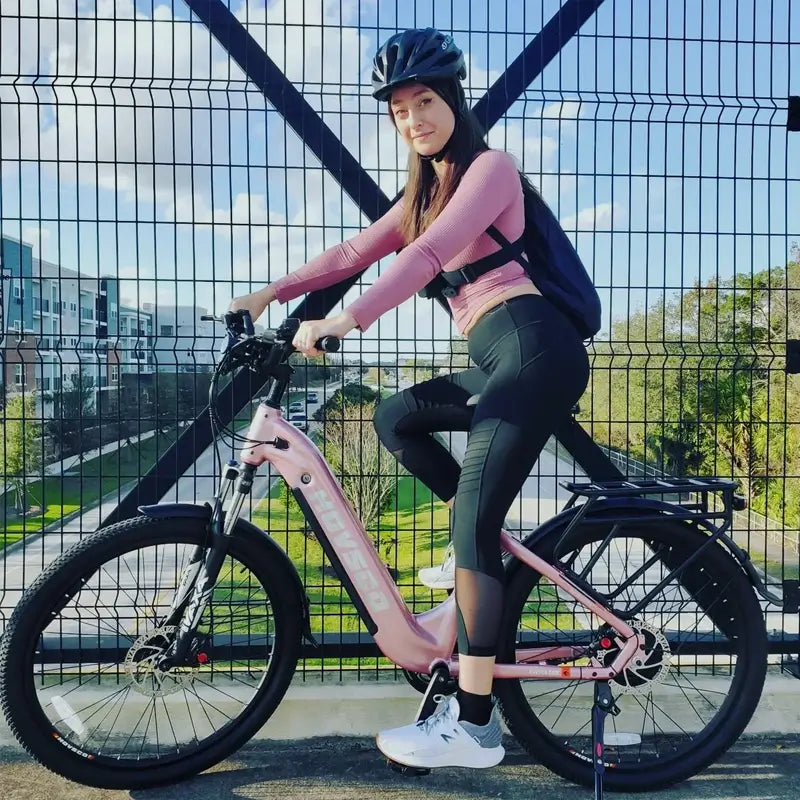
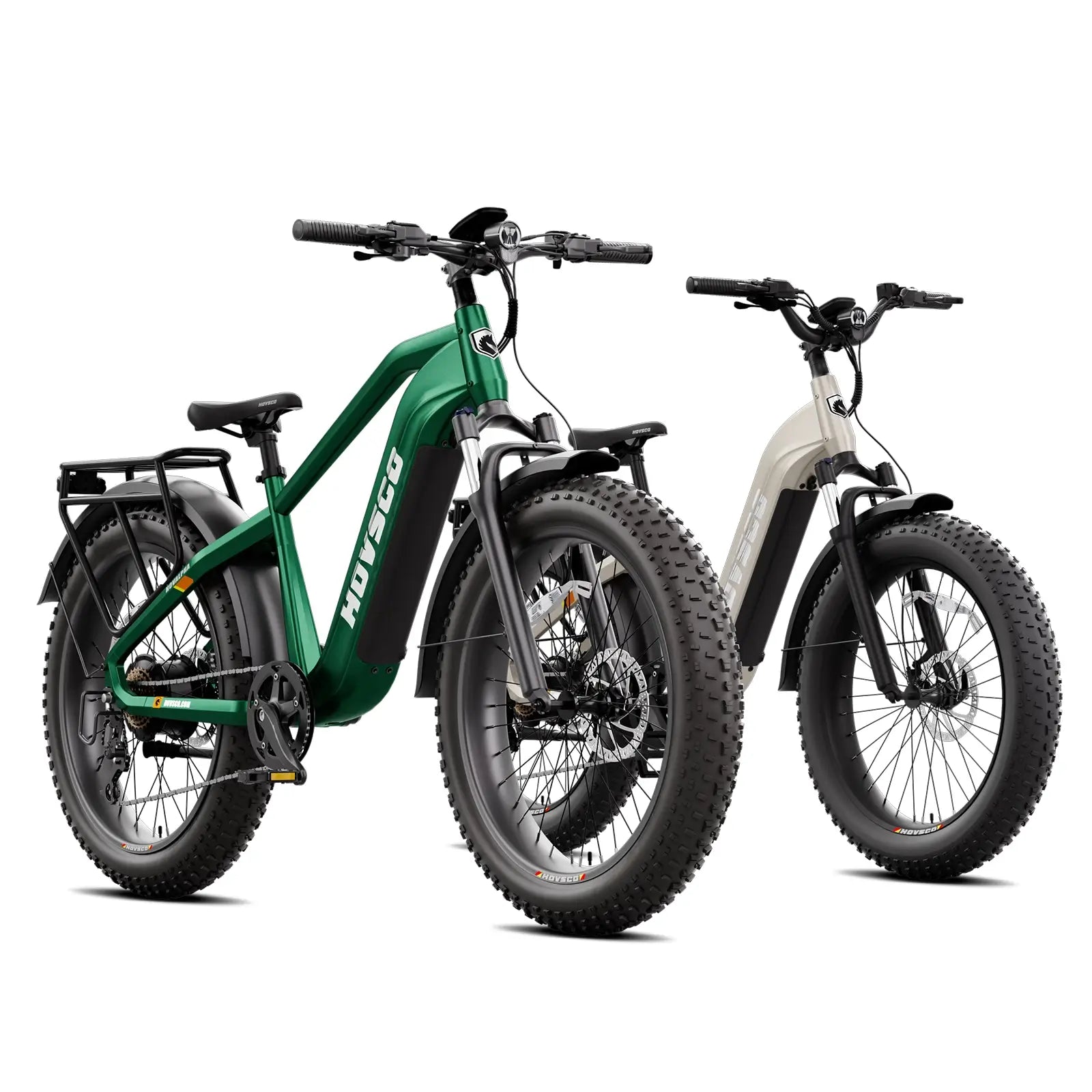
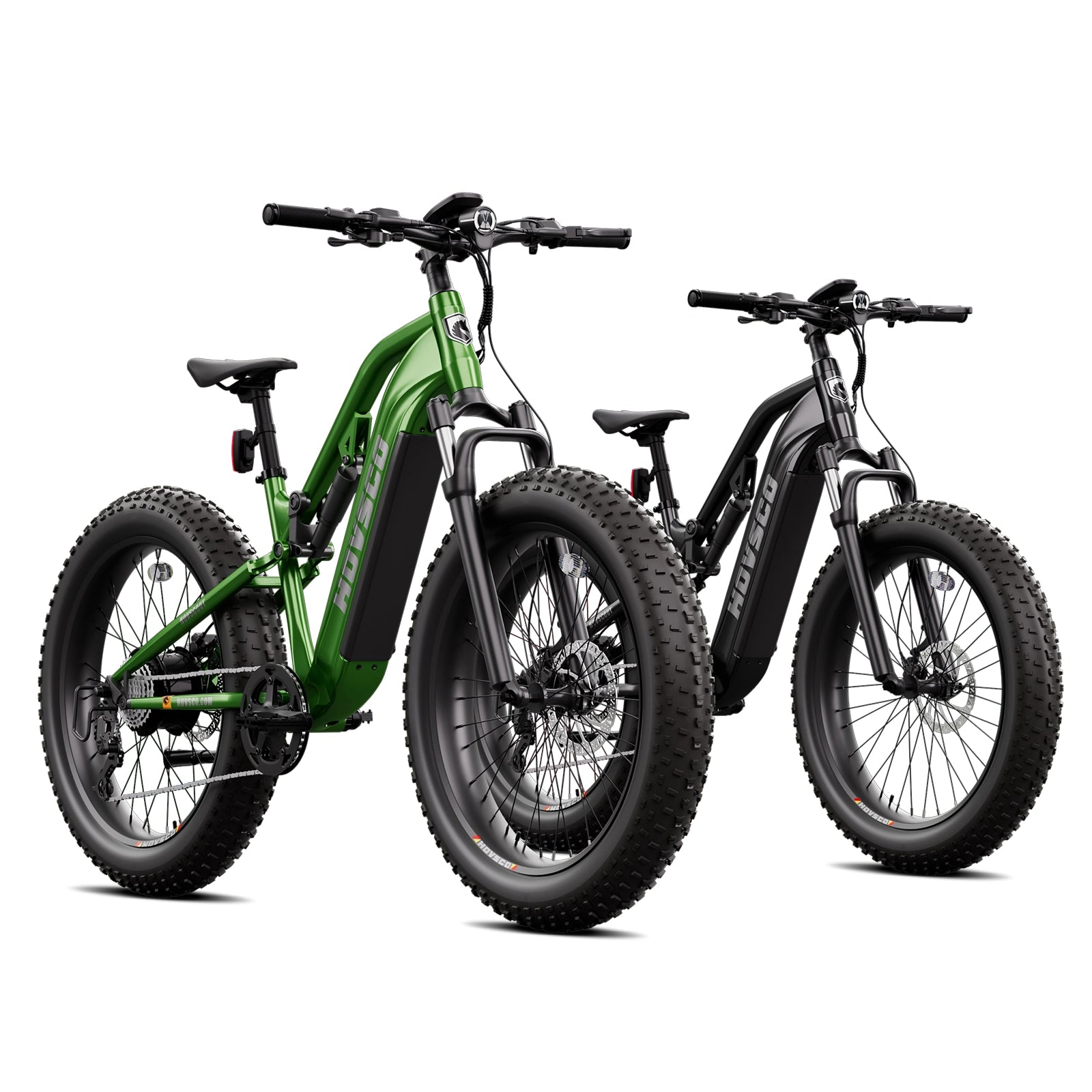
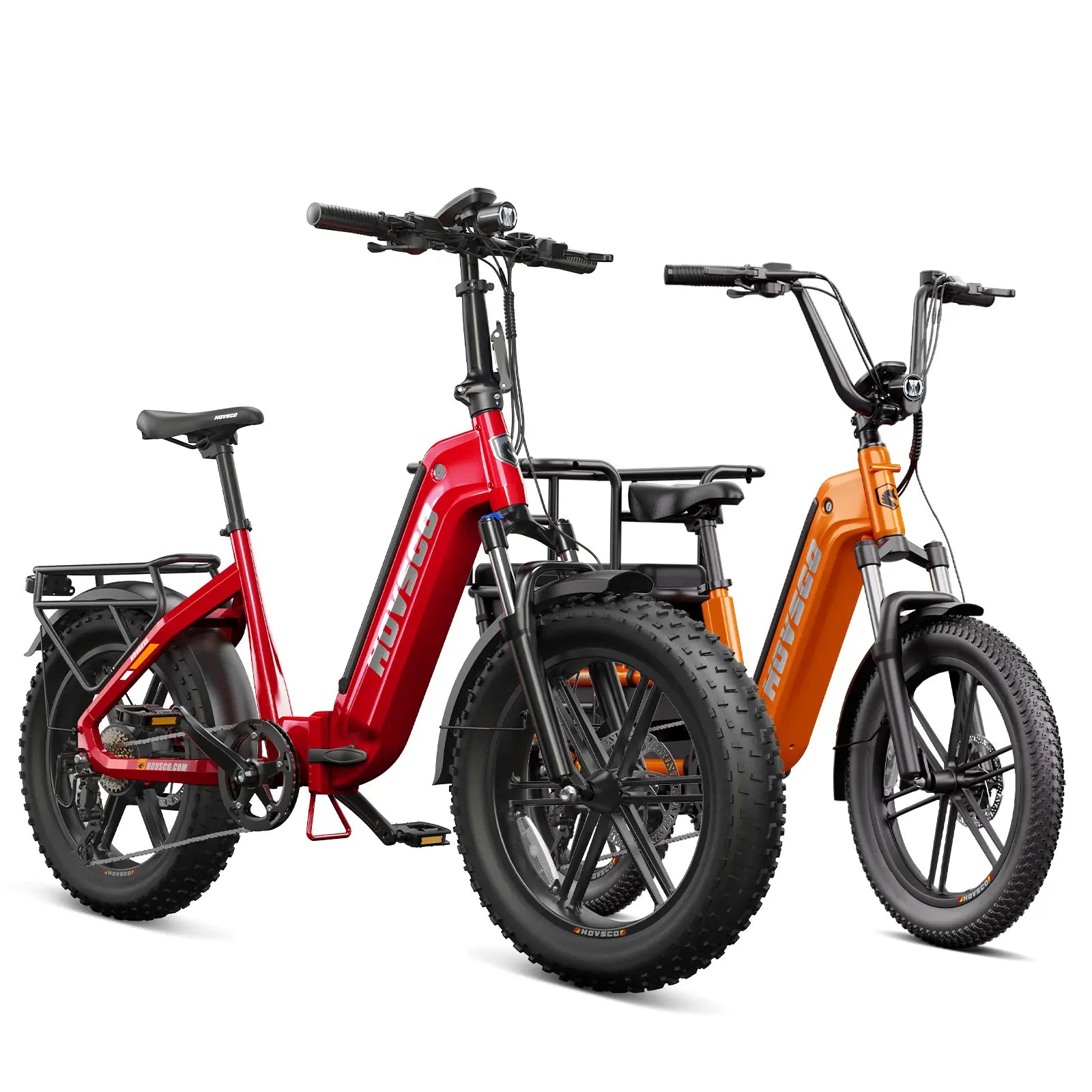
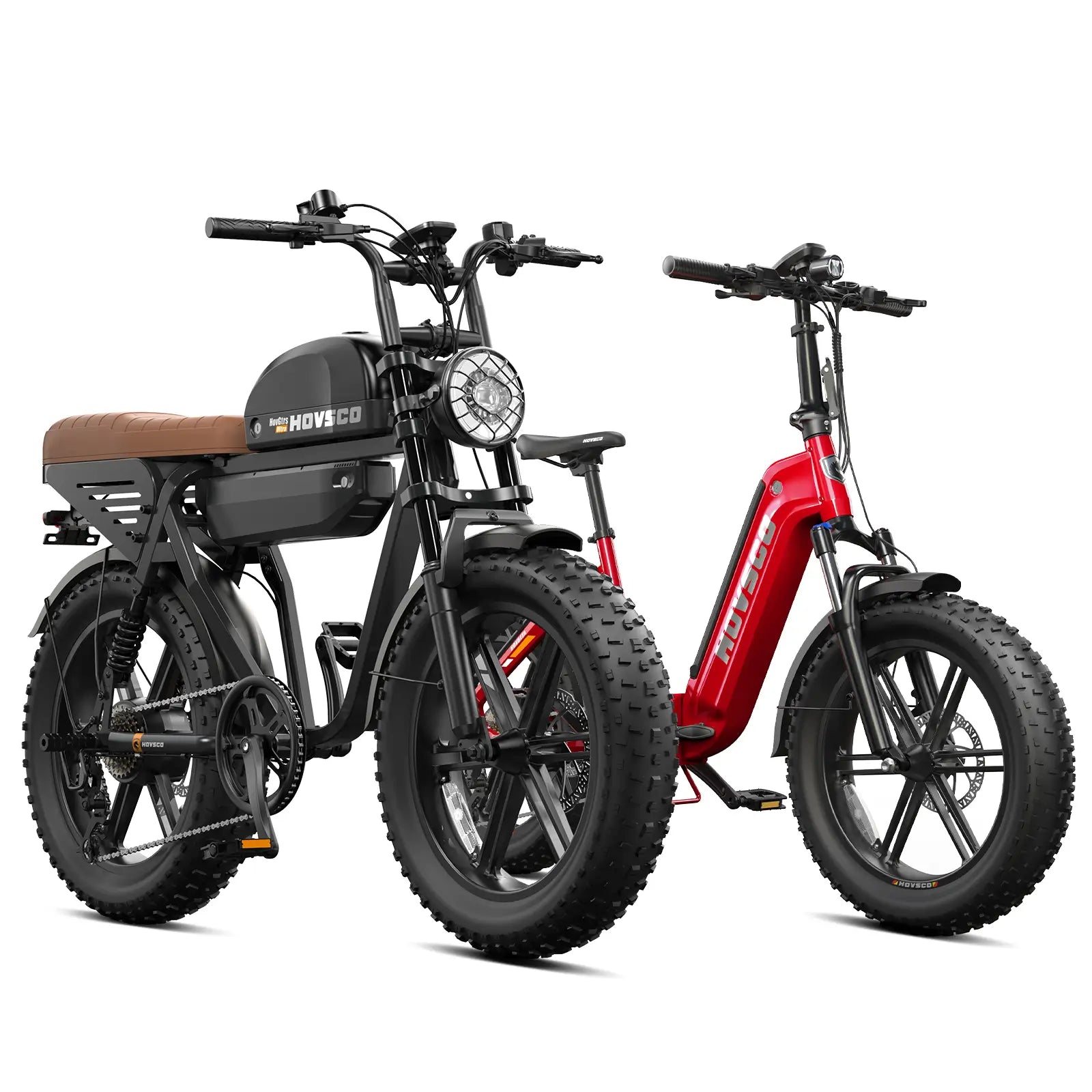
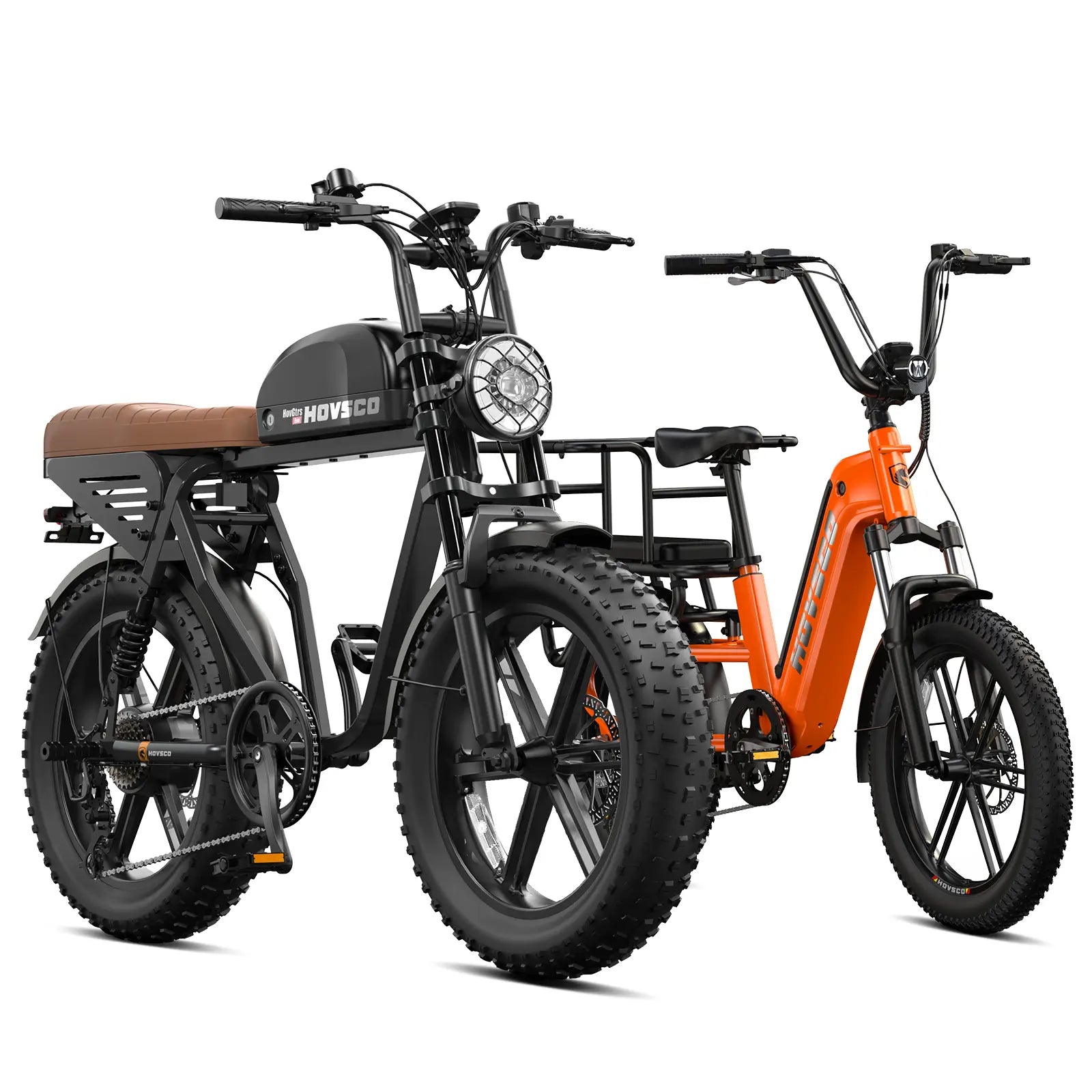
For riders choosing an e-bike, safety is not only about battery capacity or range. It also involves charger compatibility, inspection, storage, and daily charging habits. HOVSCO offers models such as the HovCart, HovAlpha, HovBeta, HovRanger, HovScout, and HovGTRS, along with features such as removable batteries, hydraulic disc brakes, product support, and a 2-year warranty.
Lithium battery safety is the combination of responsible product use, battery-management protection, correct charging, careful storage, regular inspection, and responsible end-of-life disposal. Together, these measures help reduce the likelihood of overheating, short circuits, thermal runaway, fire, and injury.
Lithium-ion batteries store considerable energy in a compact package. That makes them practical for e-bikes, but it also means a damaged, defective, modified, or incorrectly charged battery can release energy rapidly.
Charging is only one part of the risk.
Many riders assume that a battery is dangerous only while plugged in. However, safety agencies have reported fires involving batteries that were not charging and were simply stored. This is why inspection and storage matter just as much as charger selection.
Damage can be difficult to see.
A battery may be affected by a crash, water intrusion, impact, crushed wiring, corrosion, or an internal fault without immediately showing dramatic external damage. Unusual heat, odor, swelling, discoloration, smoke, leaking, or strange noises should be treated as warning signs.
Improvised charging creates avoidable hazards.
Aftermarket chargers, incompatible replacement batteries, power strips, extension cords, and modified wiring can undermine the protective features built into an e-bike system. The safest approach is to use the supplied charging equipment and have repairs completed by a qualified professional.
The home environment matters.
A battery charging near an exit, bed, curtain, cardboard, gasoline, or other combustible material can turn a technical failure into a life-safety emergency. Fire departments advise keeping charging areas clear and never blocking escape routes.
HOVSCO’s removable battery designs can make it easier for riders to inspect and store the battery separately when the manufacturer’s instructions permit it. Features such as hydraulic disc brakes, a smart LCD display, and access to customer support can also contribute to a more controlled ownership experience, although none of these features replaces safe charging habits.
“Safe charging is not a single feature; it is a chain of decisions made before, during, and after every ride.”
The following comparison focuses on practical safety and ownership considerations rather than suggesting that any product or setup is completely risk-free.
Battery management protection
A battery-management system can monitor conditions such as voltage, current, and temperature and may disconnect the system when operating limits are exceeded. Riders should review the manufacturer’s documentation and avoid modified battery packs or unapproved electrical components.
Removable battery design
A removable battery may allow the rider to inspect labels, charge in an appropriate location, and keep the bike outside while bringing only the battery to an approved charging area. Removal does not make a battery automatically safe; it simply supports more flexible handling when the manufacturer’s instructions permit it.
Braking and rider information
Hydraulic disc brakes can provide responsive braking control, while a smart LCD display can help riders monitor key ride information. These features are relevant to the overall riding experience, but battery condition and charging behavior remain separate safety responsibilities.
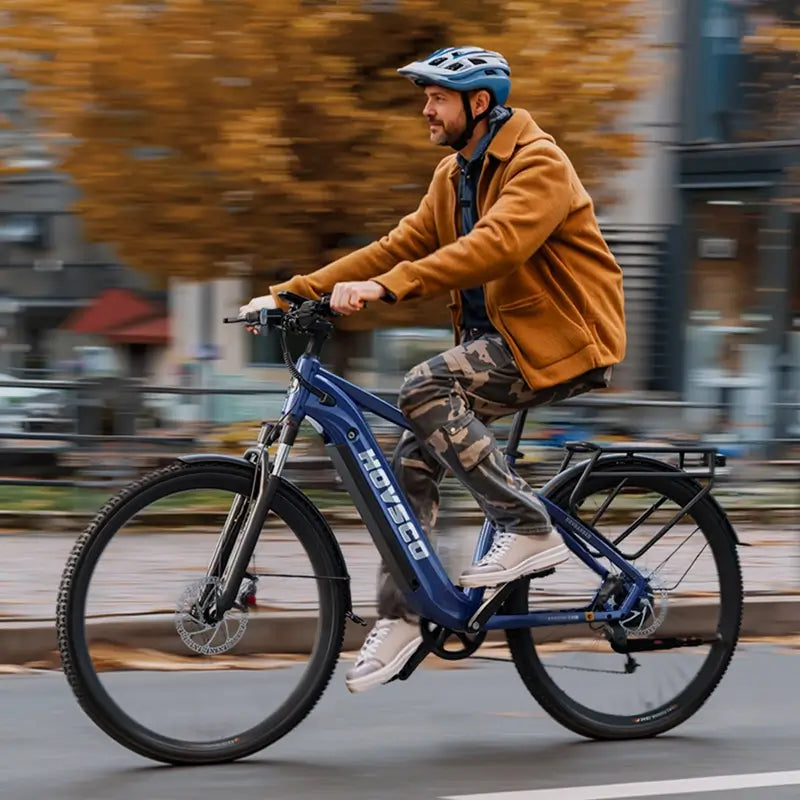
A commuter checks the battery casing after a wet ride and postpones charging when corrosion appears near the connector.
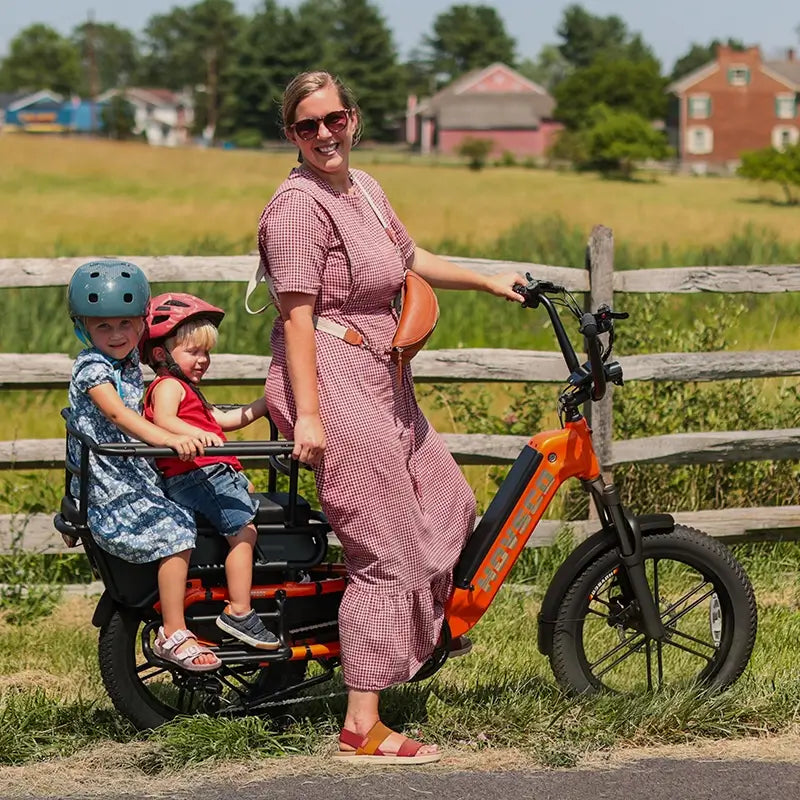
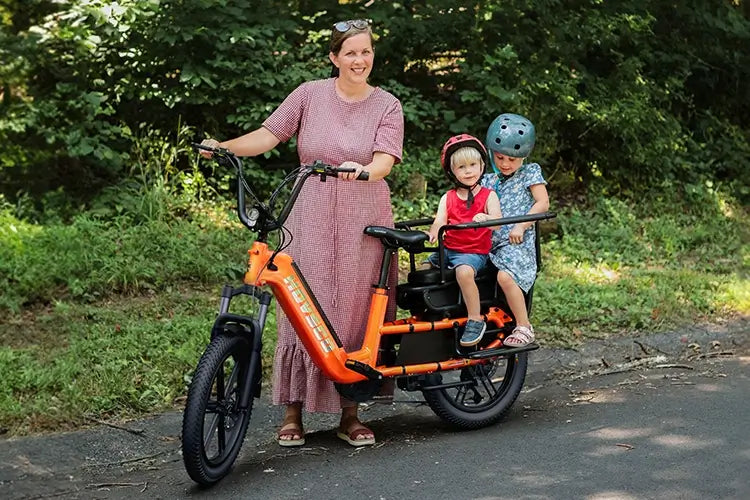
A family parks the HovCart away from the main doorway, uses the supplied charger, and remains present while the battery charges.
A rider notices swelling and an unusual odor, stops using the battery, keeps away from it, and contacts the manufacturer or local emergency services for guidance.
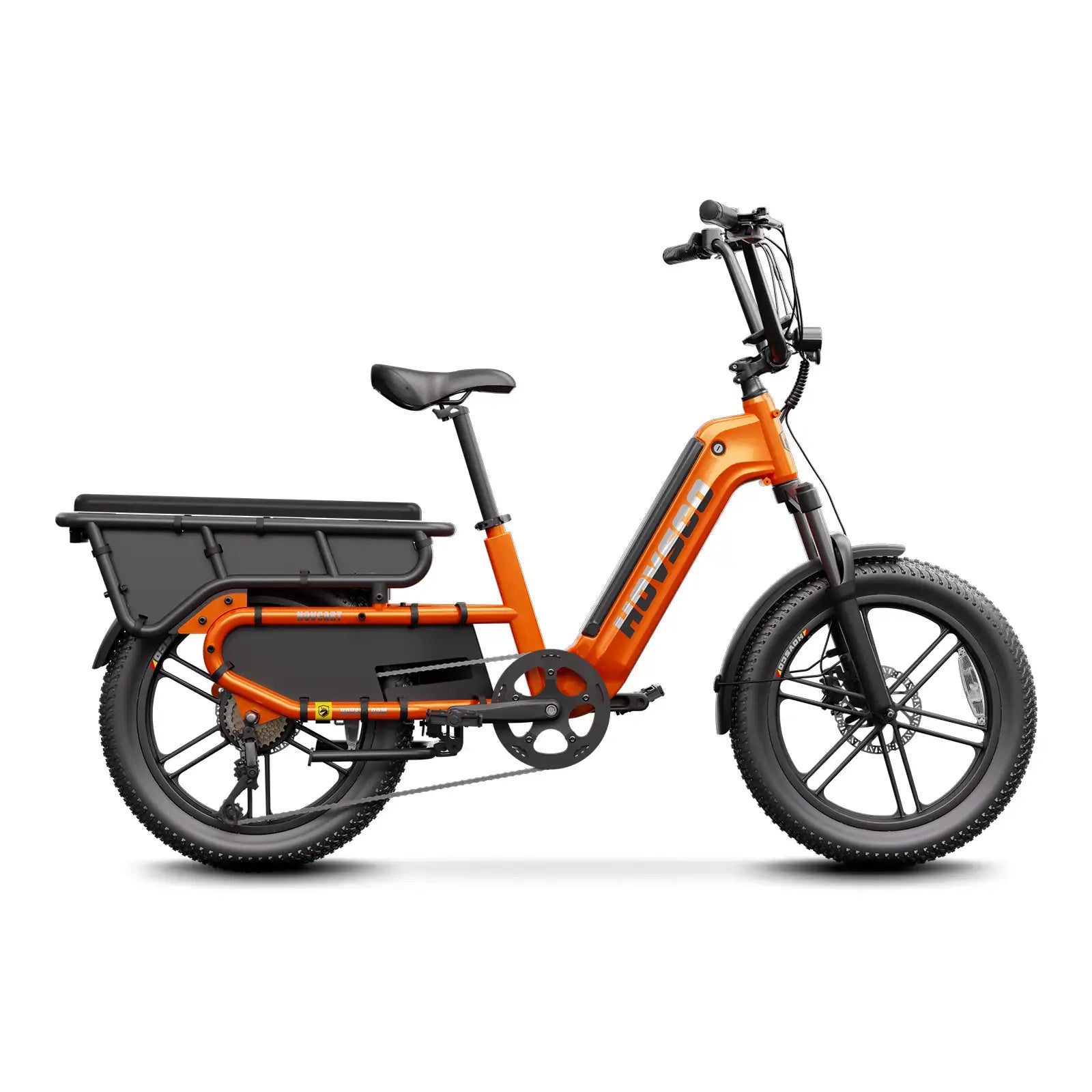
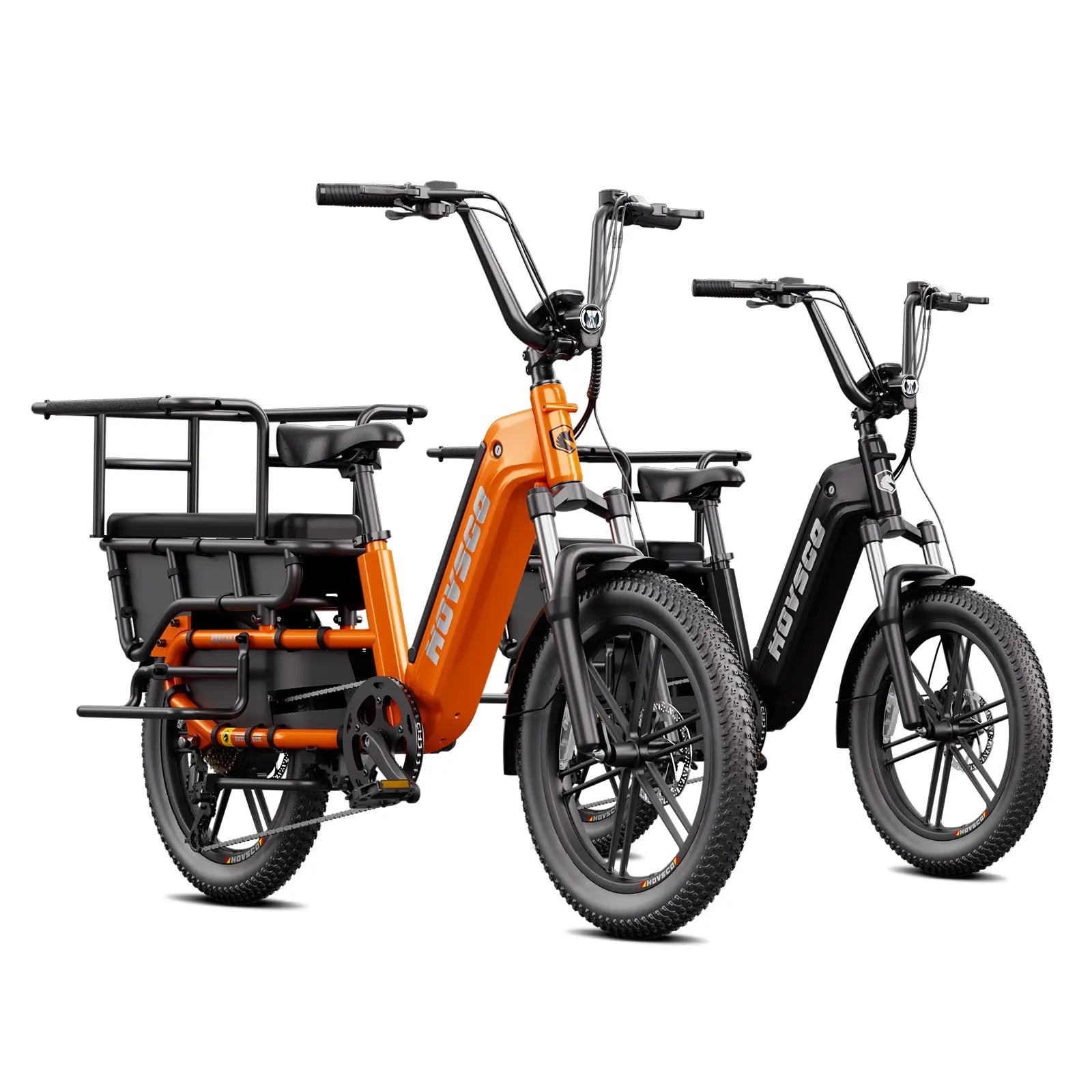
Battery safety works best as part of a complete riding system. A cargo rider may consider the HovCart Cargo E-Bike, which HOVSCO lists with a removable 48V, 15Ah lithium-ion battery, a 720Wh capacity, a supplied 54.6V 3A charger, hydraulic disc brakes, and a stated average range of 40–60 miles.
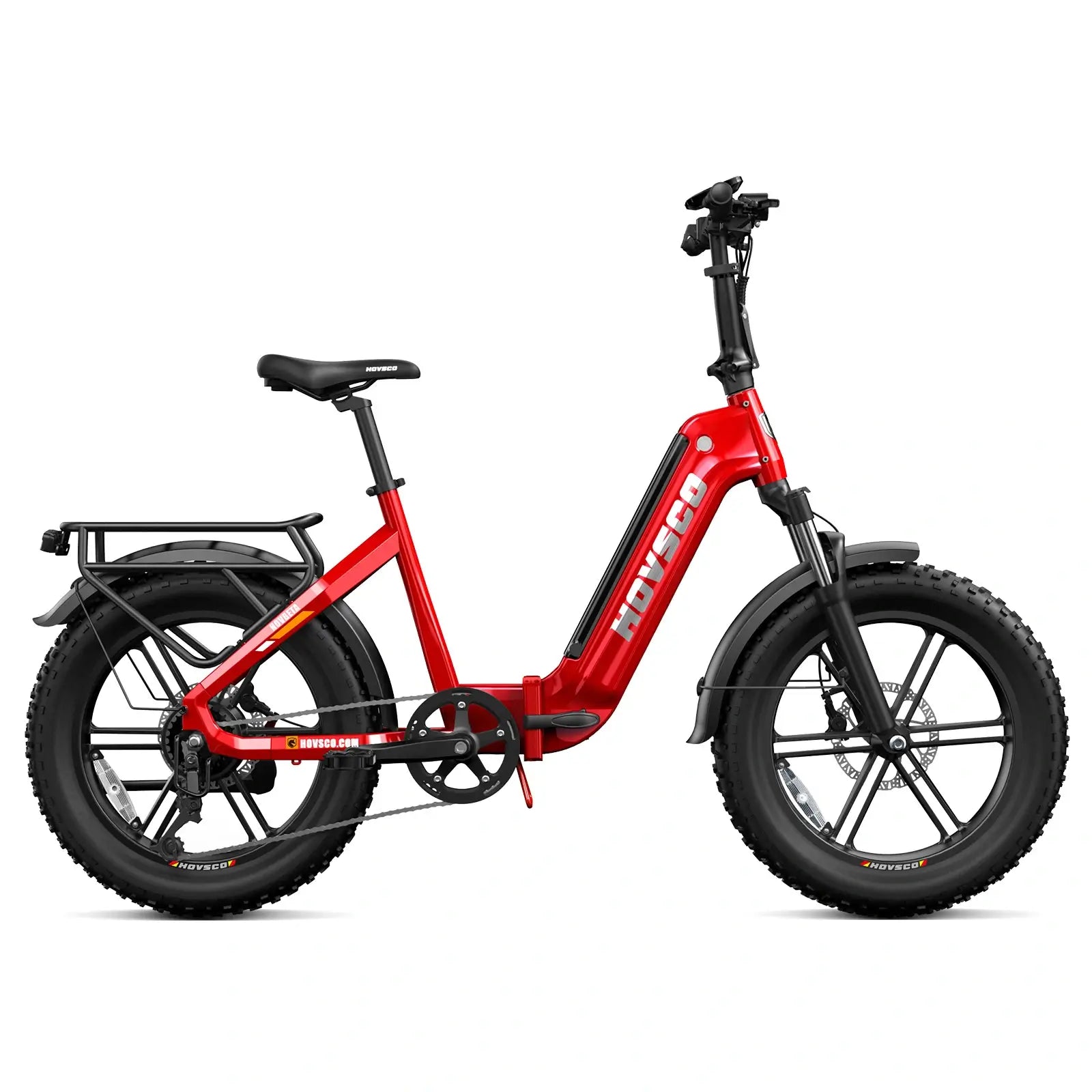
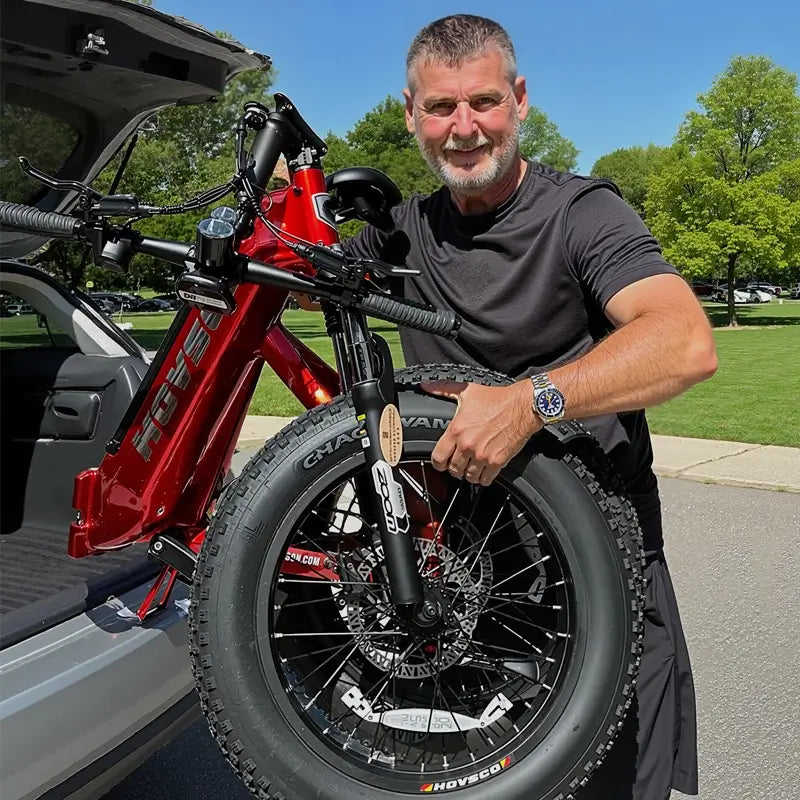
For riders who prioritize portability, the HovBeta Foldable E-Bike combines a removable 48V, 15Ah battery with 20-by-4-inch tires, a 45mm suspension fork, hydraulic disc brakes, and a stated average range of 40–60 miles. Its foldable design can simplify storage for commuters and apartment residents, provided the chosen storage area is dry, ventilated, and away from combustible materials.
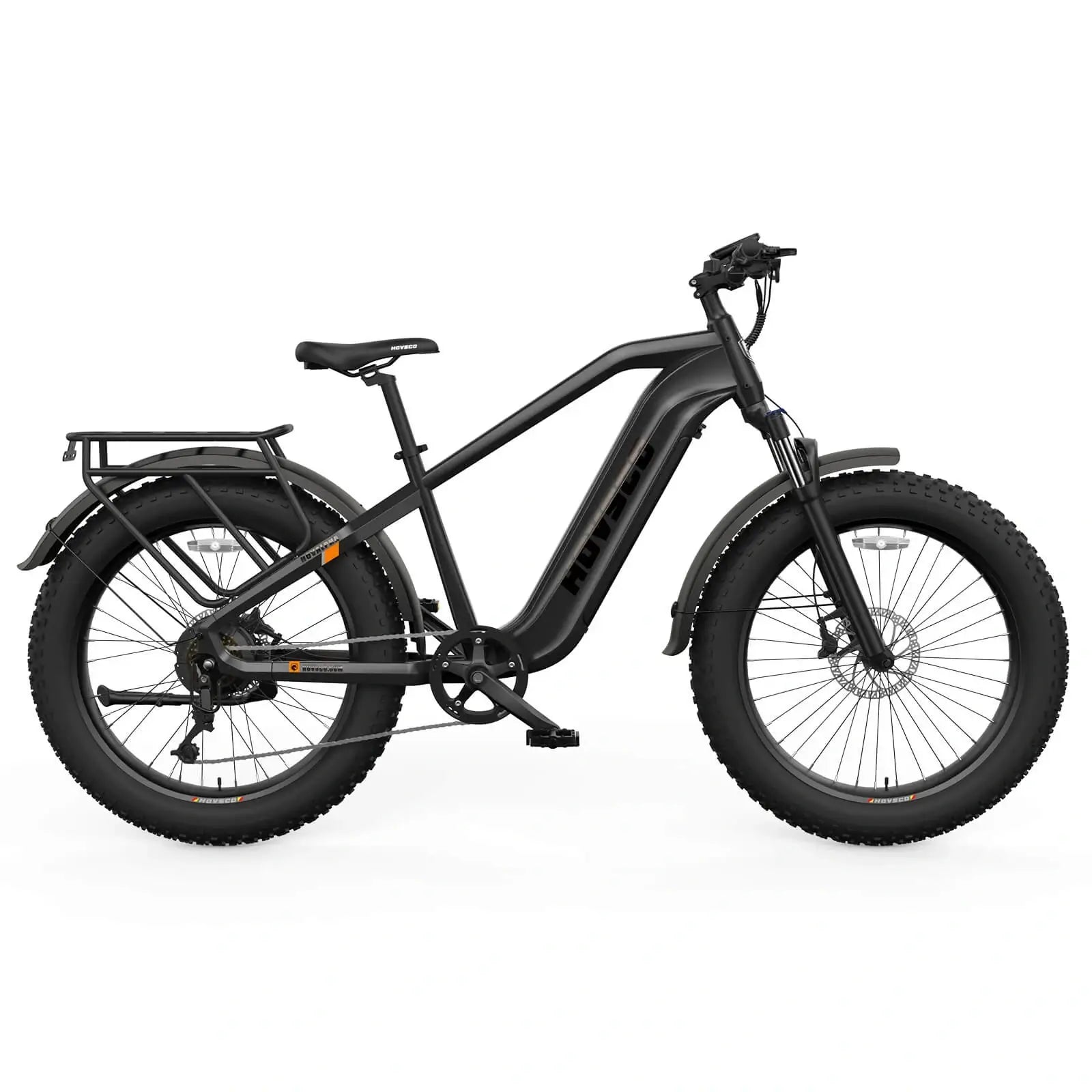
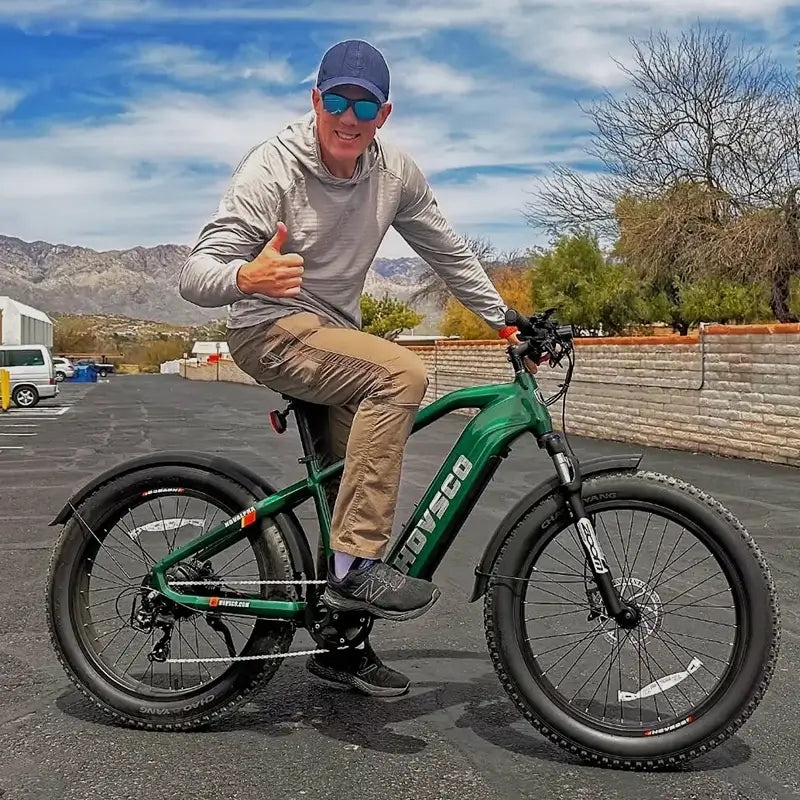
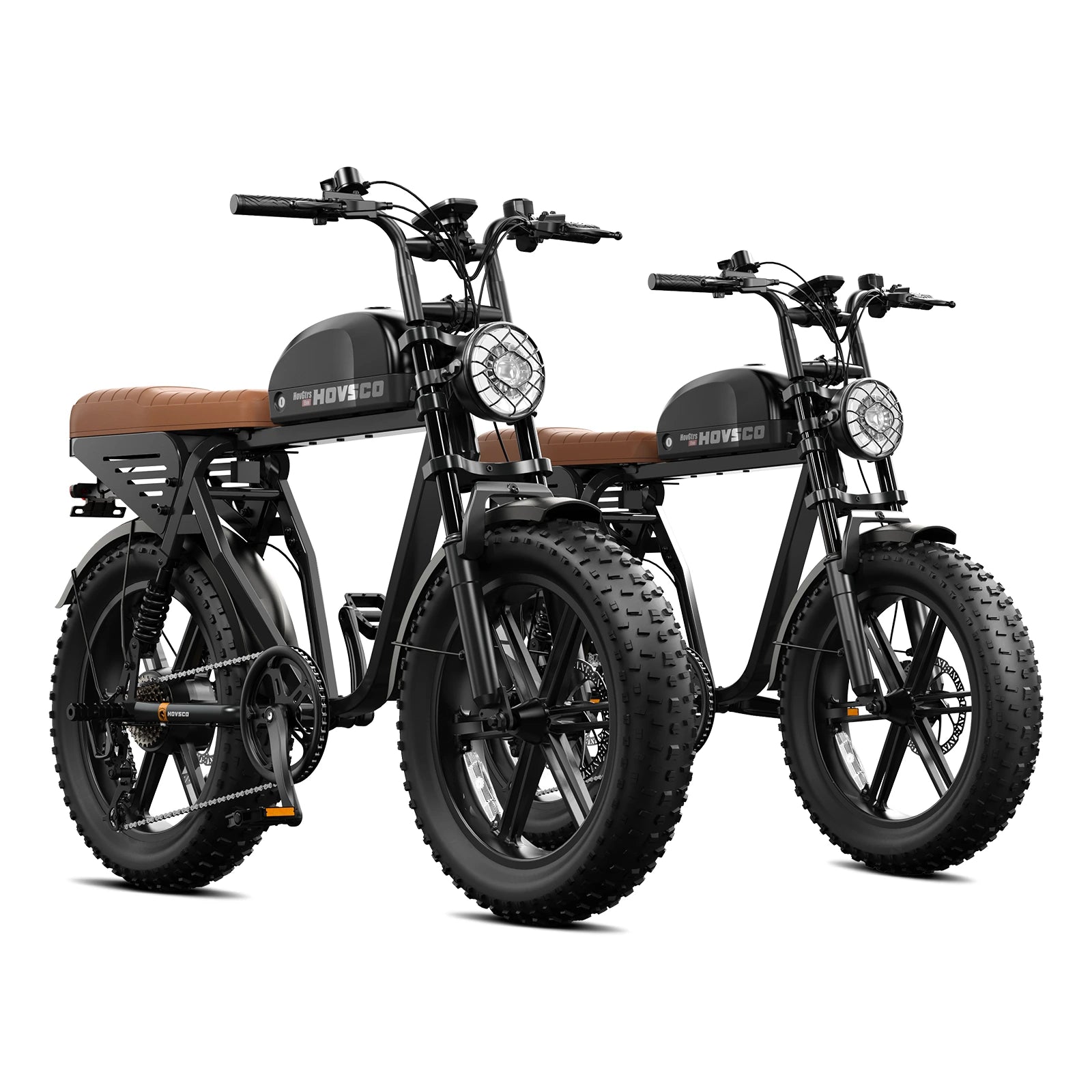
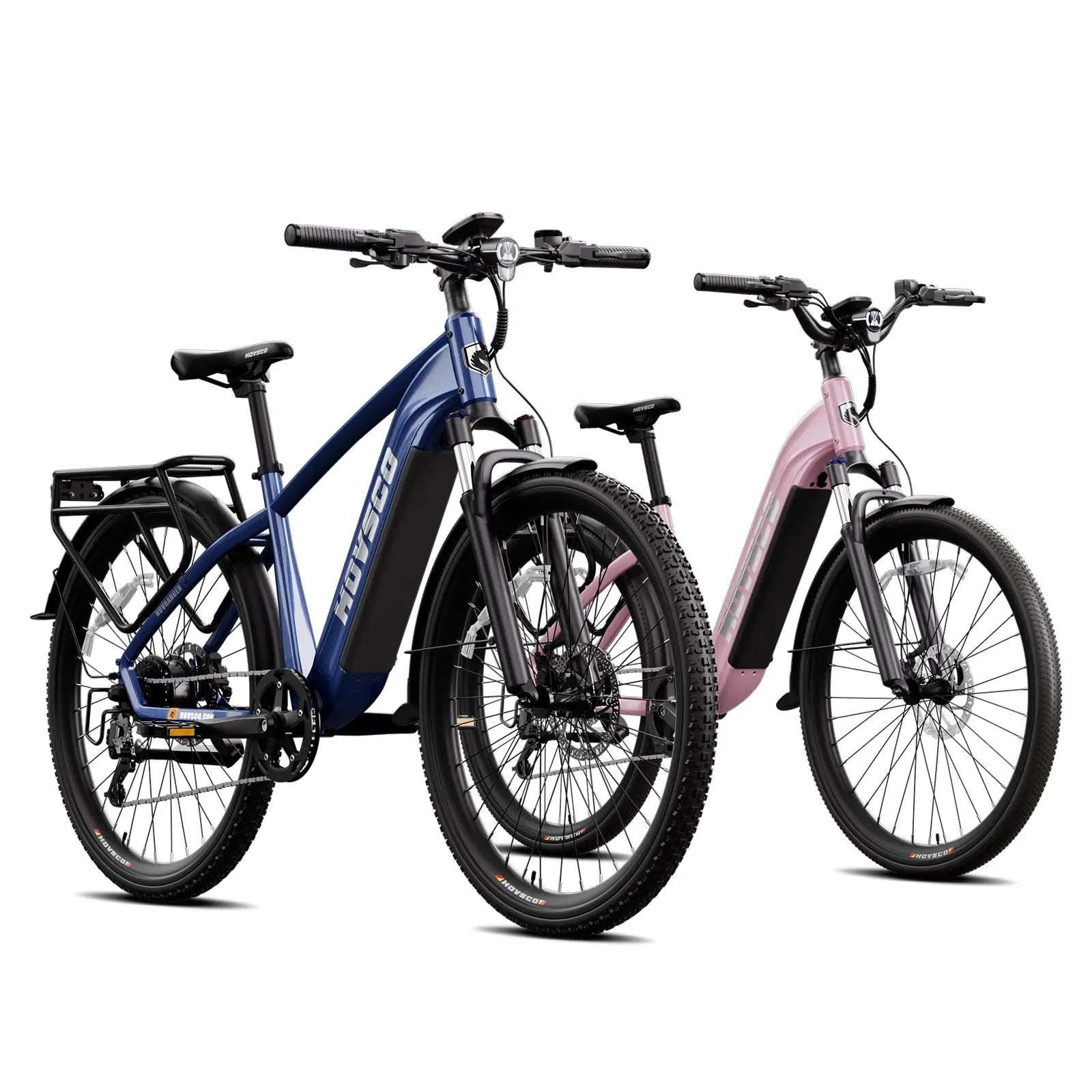
Riders seeking long-distance fat-tire utility can review the HovAlpha Long-Range E-Bike, while urban and trail-oriented riders can explore the HovRanger City E-Bike. Depending on the model, HOVSCO’s lineup includes stated ranges of approximately 60–80 miles, 450-pound maximum payload capacity, hydraulic disc brakes, torque sensors, and removable batteries.
Any accessory, replacement charger, rack, bag, child seat, or electrical component should be verified for compatibility with the exact e-bike model. HOVSCO provides 24/7 customer support and access to more than 500 partner bike shops, which can help owners address fitment and service questions before installing unfamiliar parts.
Read the model-specific instructions. Confirm the approved charger, charging location, battery orientation, and recommended operating conditions.
Inspect before connecting. Look for swelling, dents, cracks, exposed wires, corrosion, liquid, unusual odor, or excessive heat. Do not charge a battery that appears damaged.
Use the original or manufacturer-approved charger. Do not substitute a charger merely because the connector fits. Electrical specifications must match.
Choose a safe location. Charge on a stable, non-combustible surface away from beds, curtains, paper, fuel, heat sources, and exits. Follow local fire-code requirements.
Stay present while charging. Do not charge overnight or while away from home. Disconnect according to the manufacturer’s instructions once charging is complete.
Store and dispose of it correctly. Keep the battery in a cool, dry place away from direct sunlight. If it is damaged, recalled, swollen, or at the end of its useful life, contact the manufacturer or local household hazardous-waste program. Never place a lithium-ion battery in household trash or curbside recycling.
Scenario: Apartment commuting
Traditional approach: A rider brings the entire e-bike into a hallway or bedroom and charges it beside furniture because the nearest outlet is convenient.
With a safer HOVSCO routine: The rider parks the e-bike in an appropriate, well-ventilated location, removes the battery only when permitted, keeps charging away from exits and combustible materials, and remains present throughout charging. A removable system can make this routine easier, while a foldable model can simplify storage. Local building rules always take priority.
Scenario: Family cargo riding
Traditional approach: After returning from a school run, the battery is immediately connected without checking for impact, moisture, or dirt around the terminals.
With a safer HOVSCO routine: The rider allows the battery and connectors to dry, checks the casing and mounting points, confirms that the charger is the correct one, and keeps the HovCart away from children while charging. The HovCart’s 450-pound maximum payload capacity supports practical family and cargo use, but it does not change the need for careful battery handling.
Scenario: Long-distance or trail riding
Traditional approach: A rider carries a battery with visible damage because the bike still powers on and the trip is already planned.
With a safer HOVSCO routine: The rider treats physical damage, excessive heat, odor, swelling, or water intrusion as a stop-use condition. The battery is isolated from combustible materials only if doing so is safe, and professional or emergency guidance is requested. A stated 60–80-mile range can support longer rides, but range does not indicate that a damaged battery is safe to use.
What are the most important lithium battery safety rules for e-bikes?
Use the charger supplied or approved for the exact e-bike, do not charge while asleep or away, keep the charging area clear, inspect the battery regularly, and stop using it if it is damaged, swollen, unusually hot, discolored, leaking, smoking, or emitting an unusual odor. Professional repairs are preferable to DIY battery work. HOVSCO owners can also use 24/7 customer support or contact one of the brand’s 500+ partner bike shops for assistance.
How can riders charge an e-bike battery safely at home?
Place the battery or e-bike on a stable, non-combustible surface away from flammable materials and exits. Use the supplied charger, connect it directly to an appropriate wall outlet when permitted, and stay present while it charges. Never use a damaged battery, an unapproved charger, or a charging setup that conflicts with local building or fire regulations.
Are removable e-bike batteries safer than integrated batteries?
Removability can make inspection, storage, and charging logistics more convenient, particularly for riders who cannot safely bring an entire e-bike indoors. However, a removable battery is not automatically safer than an integrated one. The condition of the battery, charger, wiring, enclosure, and user behavior all matter. HOVSCO’s removable battery designs should be handled according to the instructions for the specific model.
What should someone do if an e-bike battery is swollen, hot, smoking, or damaged?
Stop using and charging it. Keep people away and do not attempt to open, repair, puncture, compress, or transport it casually. If there is smoke, fire, rapid heating, leaking, or a strong unusual odor, leave the area and call emergency services. For a non-emergency damaged battery, contact the manufacturer and local household hazardous-waste authority for handling instructions. Do not place it in household garbage or a standard recycling bin.
How should an old lithium-ion e-bike battery be disposed of?
Do not throw it in the trash, curbside recycling, or a general battery collection box unless the program specifically accepts that battery type and condition. The U.S. Environmental Protection Agency notes that many lithium-ion batteries may be hazardous waste because they can ignite or explode if mishandled. Contact the battery manufacturer, an approved battery recycler, or your local household hazardous-waste program before transporting it.
What e-bike features can support safer everyday ownership?
A removable battery can simplify inspection and storage, while hydraulic disc brakes can support controlled stopping. A torque sensor can provide more responsive motor assistance, and a smart LCD display can make ride information easier to monitor. These features do not eliminate battery risks, so riders still need to use the correct charger, inspect the battery, supervise charging, and follow storage instructions. HOVSCO also offers a 2-year warranty, 15-day returns, U.S. free shipping, and 24/7 customer support, giving buyers additional access to product assistance.
Lithium battery safety depends on both the product and the rider. A properly matched charger, battery-management protection, careful storage, inspection, and responsible disposal form a practical safety framework. HOVSCO’s removable battery designs, hydraulic disc brakes, torque-sensor options, 2-year warranty, and customer-service resources give riders a structured ownership experience, while daily charging habits remain essential. Buyers should verify the exact model documentation and follow the instructions supplied with their e-bike.
Explore HOVSCO’s e-bike lineup and choose a format that fits commuting, family transport, folding storage, trail riding, or long-distance use. HOVSCO supports customers with California warehouse shipping, local pickup options, 1–3 business-day dispatch, 15-day returns, U.S. free shipping, and 24/7 customer service.
National Fire Protection Association — E-Bike and E-Scooter Safety, 2026
U.S. Consumer Product Safety Commission — Lithium-Ion Battery Safety Warning, 2026
U.S. Environmental Protection Agency — Lithium-Ion Battery Recycling, 2023
New York City Fire Department — Lithium-Ion Battery Safety PSA, 2025
New York City Mayor’s Office — Safe Charging Accelerator, 2024
U.S. Environmental Protection Agency — Battery Collection Best Practices Toolkit, 2025
HOVSCO — Why Is 2026 the Pivotal Year for E-Bike Battery Safety?, 2026
HOVSCO — 2026 E-Bike Battery Safety Standards in California, 2026
Share:
Electric Bike Brand Competition: Choose the Right E-Bike for Commuting, Family & Adventure
Are Higo Waterproof Connectors Ending O‑Ring Failures in E‑Bikes?