



![[ New Arrival ] Porto Max Electric Scooter For Commute & Grocery Shopping - HOVSCO](http://www.hovsco.com/cdn/shop/files/PotroMax-3.jpg?v=1706927007&width=1200)
- by SteveJames
Lightweight EV Materials: Smarter E-Bike Design for Everyday Range and Control
- by SteveJames
E-Bikes
Accessories
 Free Shipping
 15-Day Returns
 2-Year Warranty
Free Shipping
15-Day Returns
2-Year Warranty
2-Year Warranty
Free Shipping
15-Day Returns
2-Year Warranty
Explore lightweight EV materials, their impact on e-bike range and handling, and how HOVSCO designs practical electric rides for daily life.
Lightweight EV materials matter because every pound affects how efficiently an electric vehicle moves, brakes, carries loads, and uses battery energy. In 2024, more than 17 million electric cars were sold worldwide, exceeding 20% of total new-car sales. U.S. bike-shop e-bike unit sales also rose 13% in the first four months of 2024 compared with the same period in 2023.
For e-bikes, lightweighting is not simply a race for the lowest possible scale weight. It is a design decision that affects frame durability, battery capacity, rider control, cargo capability, storage, and comfort. The strongest results come from reducing unnecessary weight without removing the structure and equipment real riders depend on.
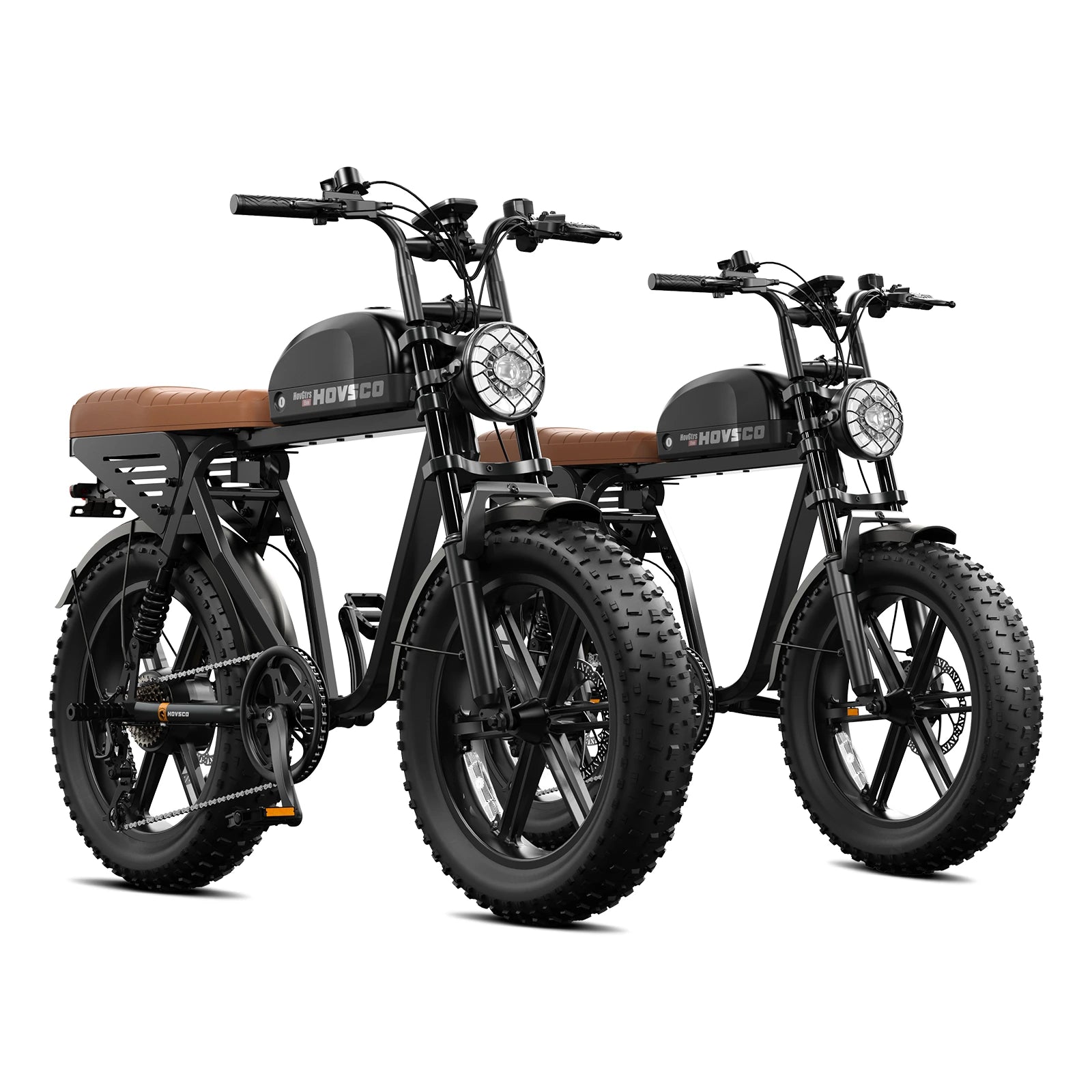
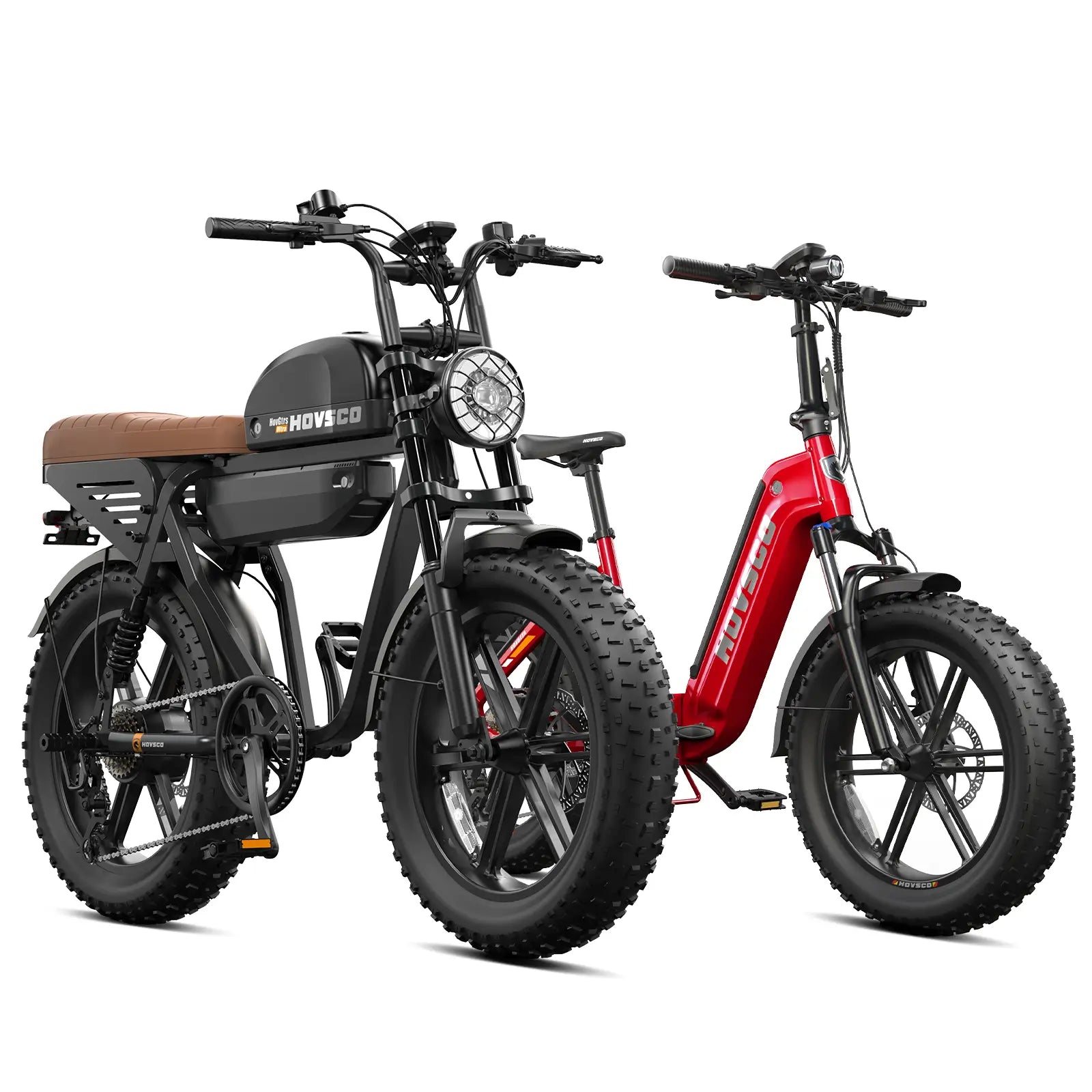
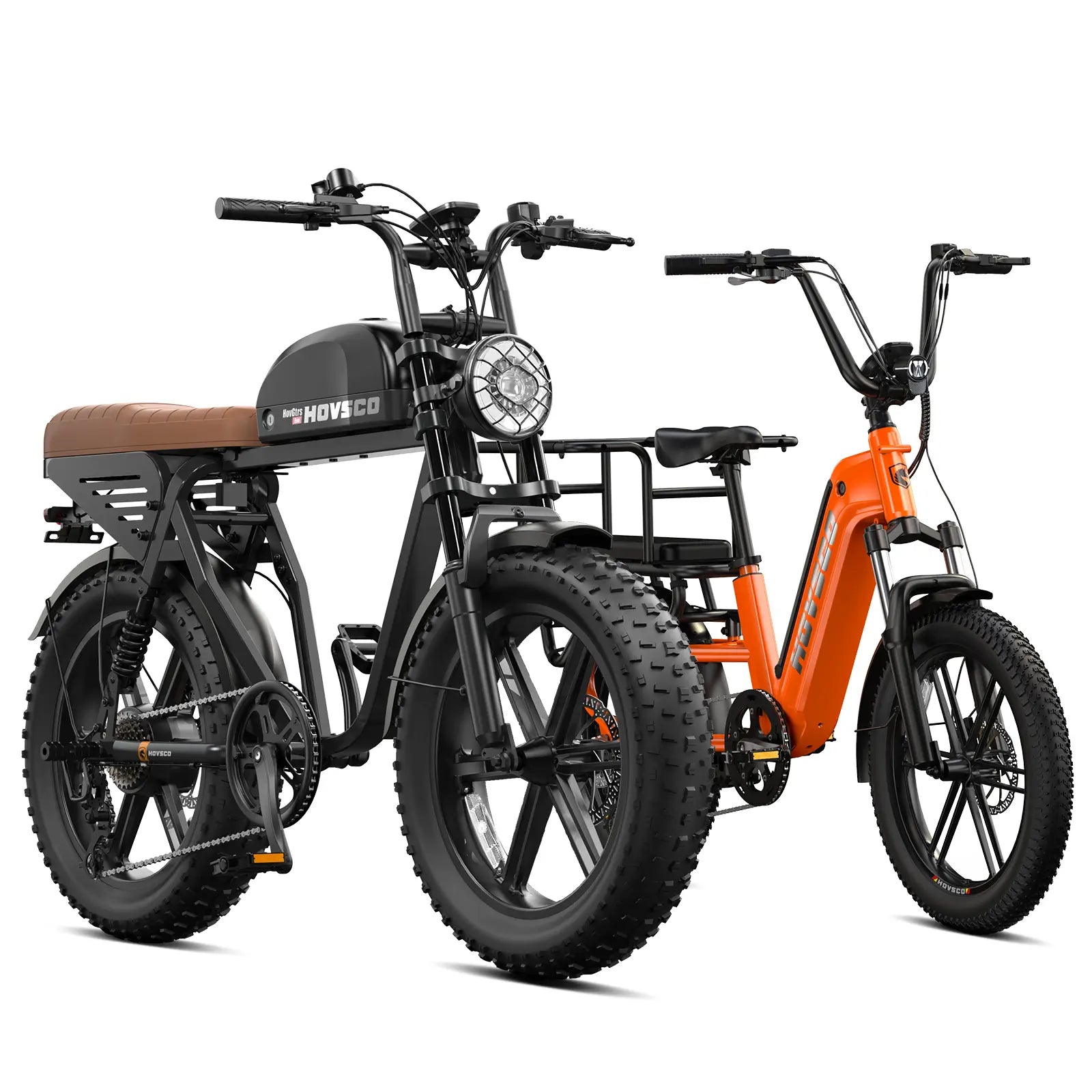
HOVSCO offers cargo, folding, fat-tire, city, full-suspension, and moped-style e-bikes for riders with different mobility needs. Its range includes compact models for limited storage, cargo-oriented models for family errands, and all-terrain options for riders who value comfort and extended distance.
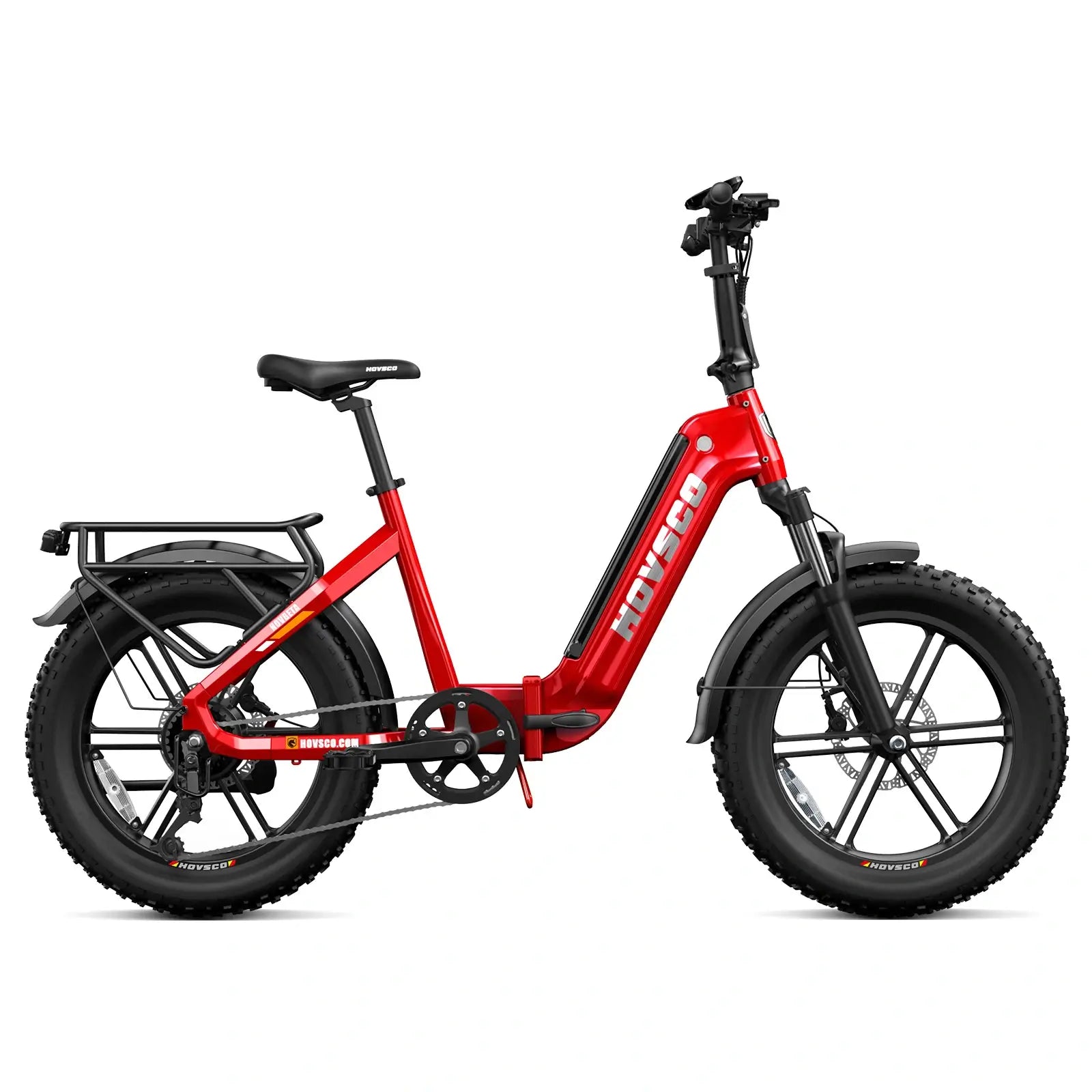
For example, the HovBeta Foldable Fat Tire E-Bike brings foldability and fat-tire versatility together for riders who need practical storage without giving up electric assistance. The key is not to buy the lightest e-bike on paper, but to choose the format that removes friction from the rider’s own routine.
Lightweight EV materials are metals, composites, polymers, and engineered parts selected to reduce unnecessary mass while maintaining the strength, stiffness, fatigue resistance, safety, and service life an electric vehicle requires.
For electric bikes, these materials affect the frame, fork, wheels, battery housing, motor system, cargo structure, and accessories. A lightweight electric bike should not be confused with a minimally equipped or less durable one.
A battery makes riding easier, but it does not eliminate the practical effects of excess weight. Riders still need to roll a bike out of storage, guide it through doorways, lift it over curbs, secure it at a rack, or move it into an elevator. Those small moments determine whether a bike becomes part of everyday transportation or remains unused.
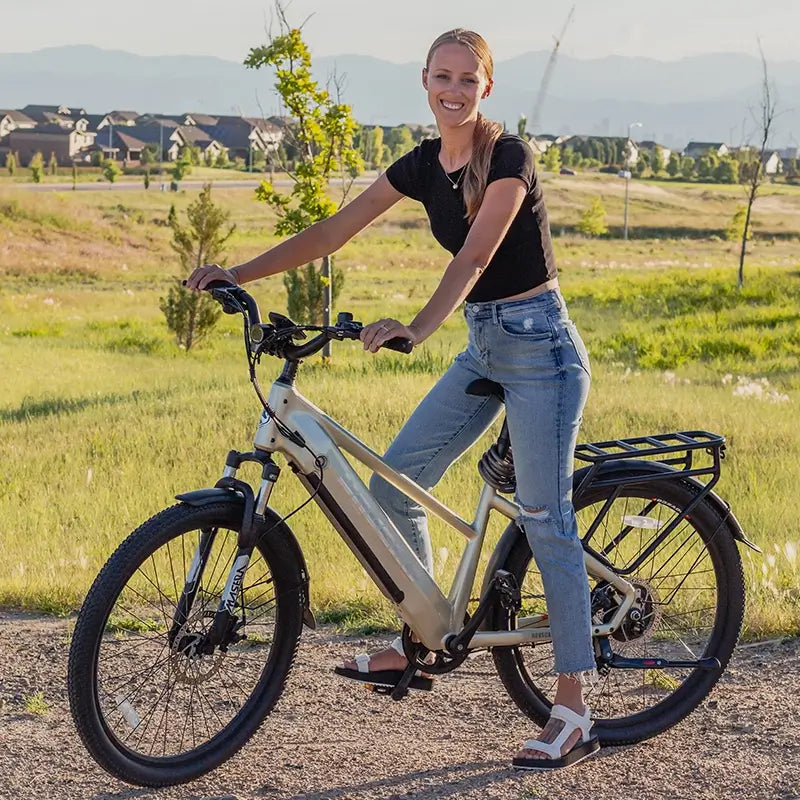
Weight distribution matters as much as total weight. A well-balanced e-bike can be easier to maneuver at low speed than a lighter-looking model with an awkward battery location or unstable steering feel. This is particularly important for new e-bike riders, apartment residents, shorter riders, and people who make frequent stops.
Battery capacity introduces another trade-off. A larger battery can extend potential range, but it also adds mass. Cargo e-bikes may use stronger frames, larger wheels, more substantial racks, and heavier-duty brakes to carry everyday loads safely. Those features may increase the bike’s total weight while making it more useful than an ultra-light commuter model.
Durability matters, too. City streets, potholes, wet weather, uneven paths, curbs, and cargo all create repeated loads on the bike. Effective lightweight EV design removes unnecessary material while retaining strength where a frame, fork, wheel, battery enclosure, or cargo mount needs it most.
Lightweighting is not about using the least material possible. It is about placing the right material in the right place so the vehicle uses energy efficiently without sacrificing dependable everyday performance.
Strength where loads concentrate
An e-bike needs adequate strength around the head tube, bottom bracket, rear triangle, cargo mounting points, folding mechanisms, and battery interface. Good design does not mean using less material everywhere. It means reinforcing the locations that handle repeated stress.
Battery protection without needless bulk
Battery packs need protection from vibration, moisture, road debris, temperature changes, and everyday impacts. The battery enclosure should support safe operation while remaining practical for service, charging, and ownership.
Components matched to the ride
Wide tires, suspension, hydraulic brakes, racks, and reinforced wheels can add mass. Yet these parts can be the better choice for riders who travel on rough pavement, carry groceries, ride longer distances, or need more confidence in changing conditions.
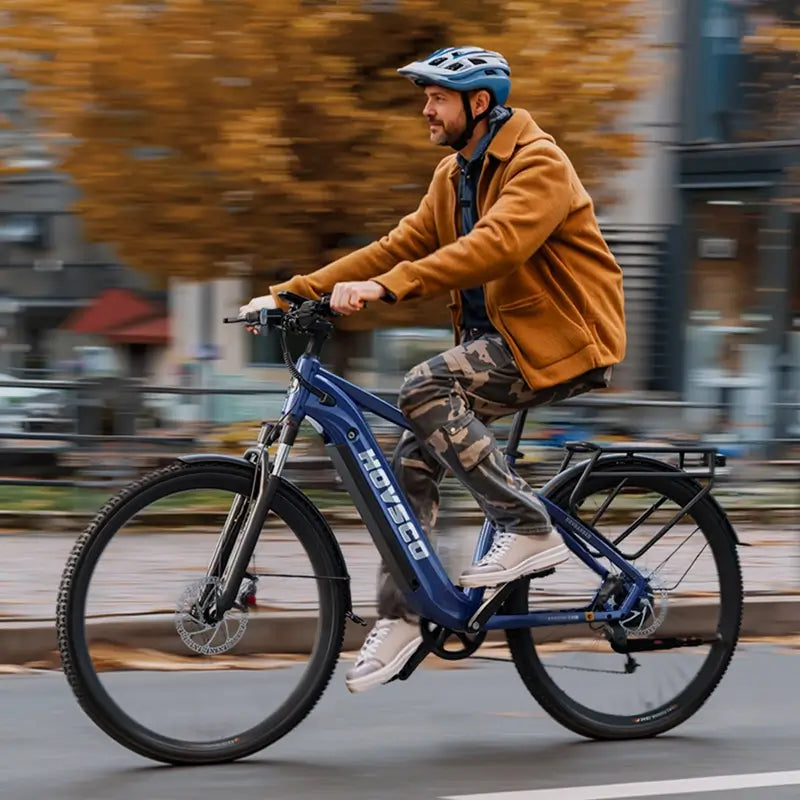
“A commuter carries the bike up one flight of stairs after work.”
“A parent balances a child seat, groceries, and changing weather.”
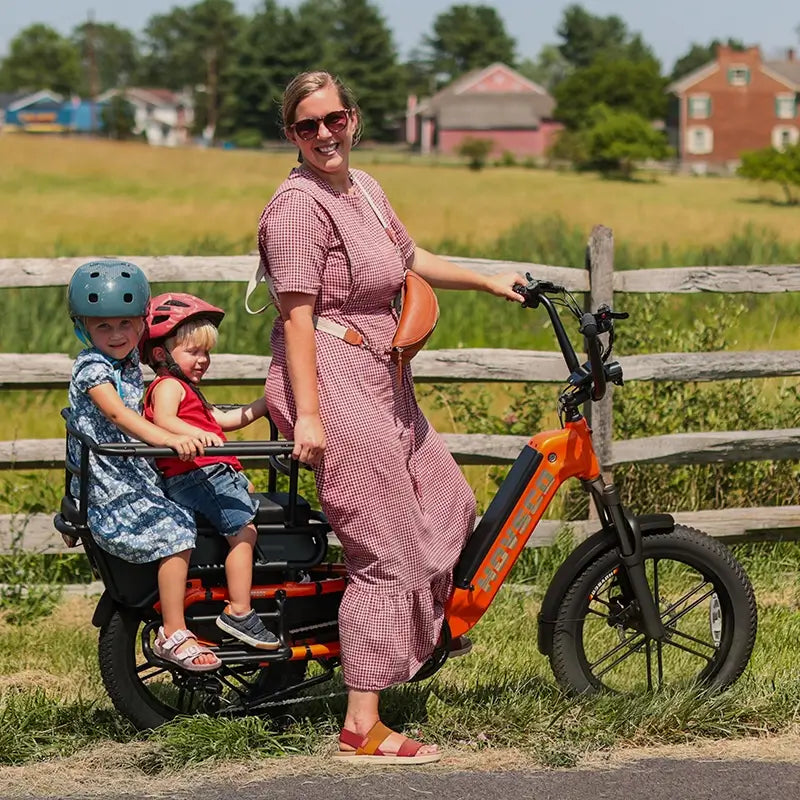
“A weekend rider leaves pavement for gravel, loose terrain, and uneven paths.”
Each situation asks a different question of lightweight EV materials: easy handling, structural capacity, or controlled durability. A single design cannot optimize every use case equally, which is why riders should select an e-bike by routine rather than by one headline specification.
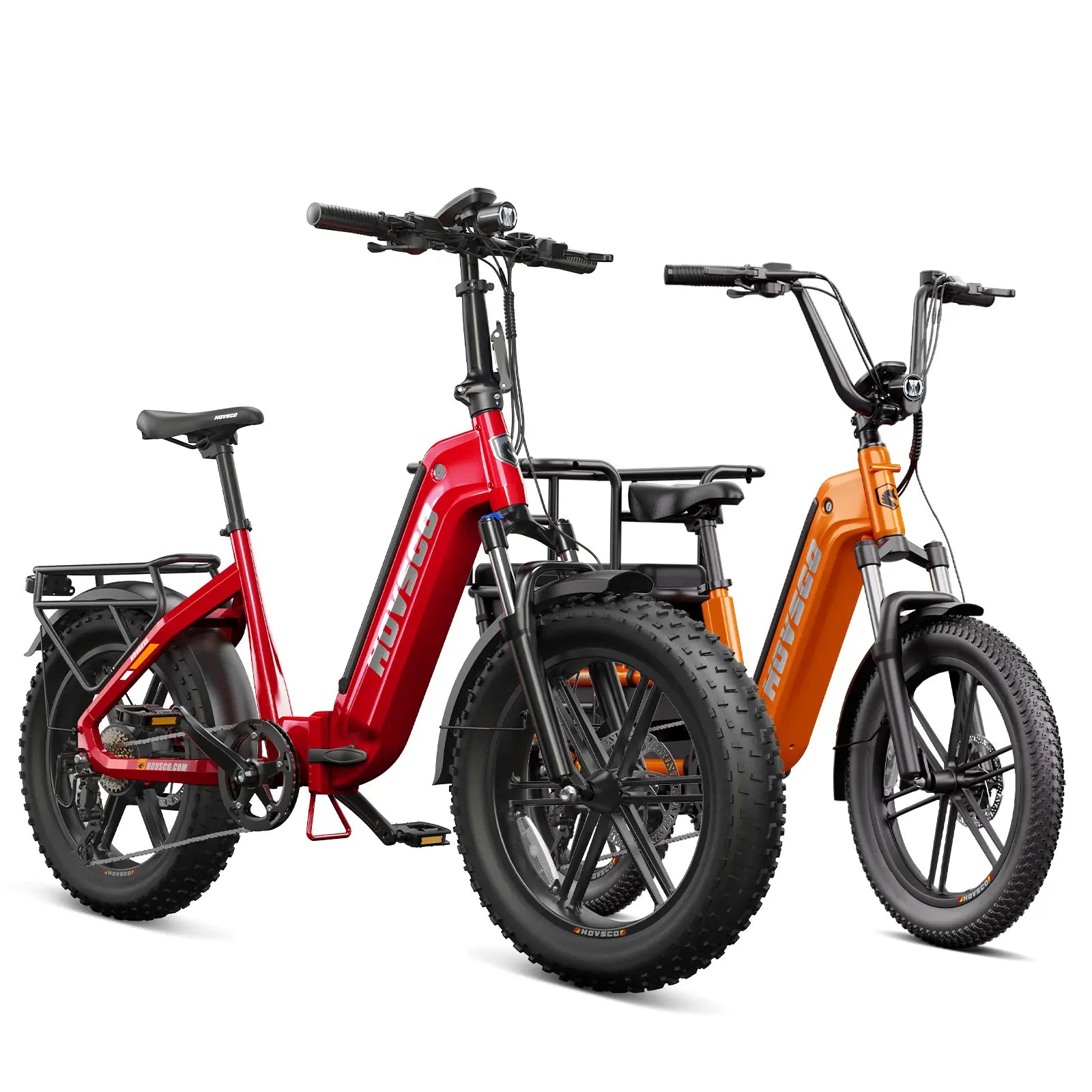
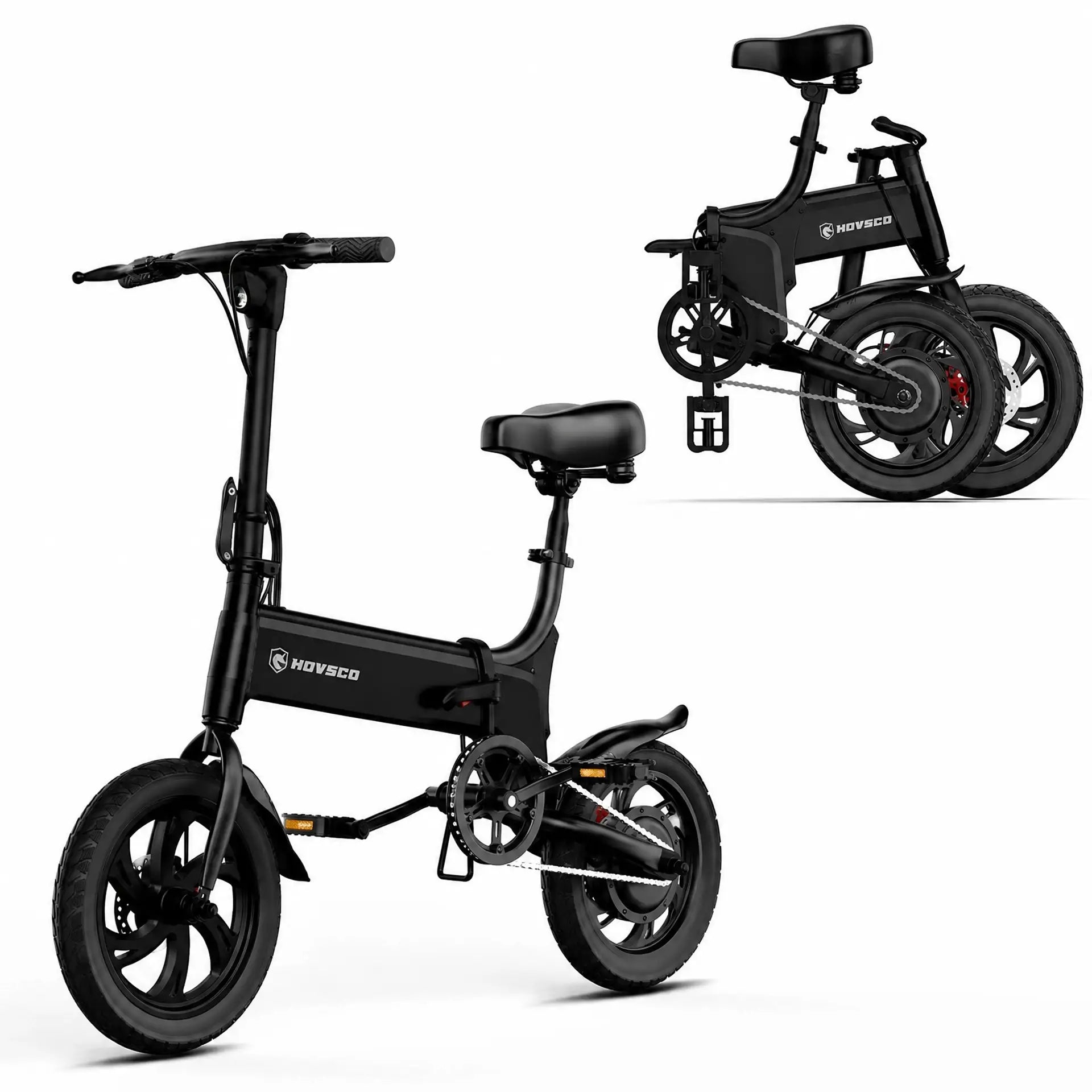
A folding e-bike is most useful when storage and transport are part of the daily route. The HovBeta Foldable Fat Tire E-Bike features a quick-fold design, 20-by-4-inch tires, a listed 450 lb payload capacity, and an advertised range of up to 60 miles.
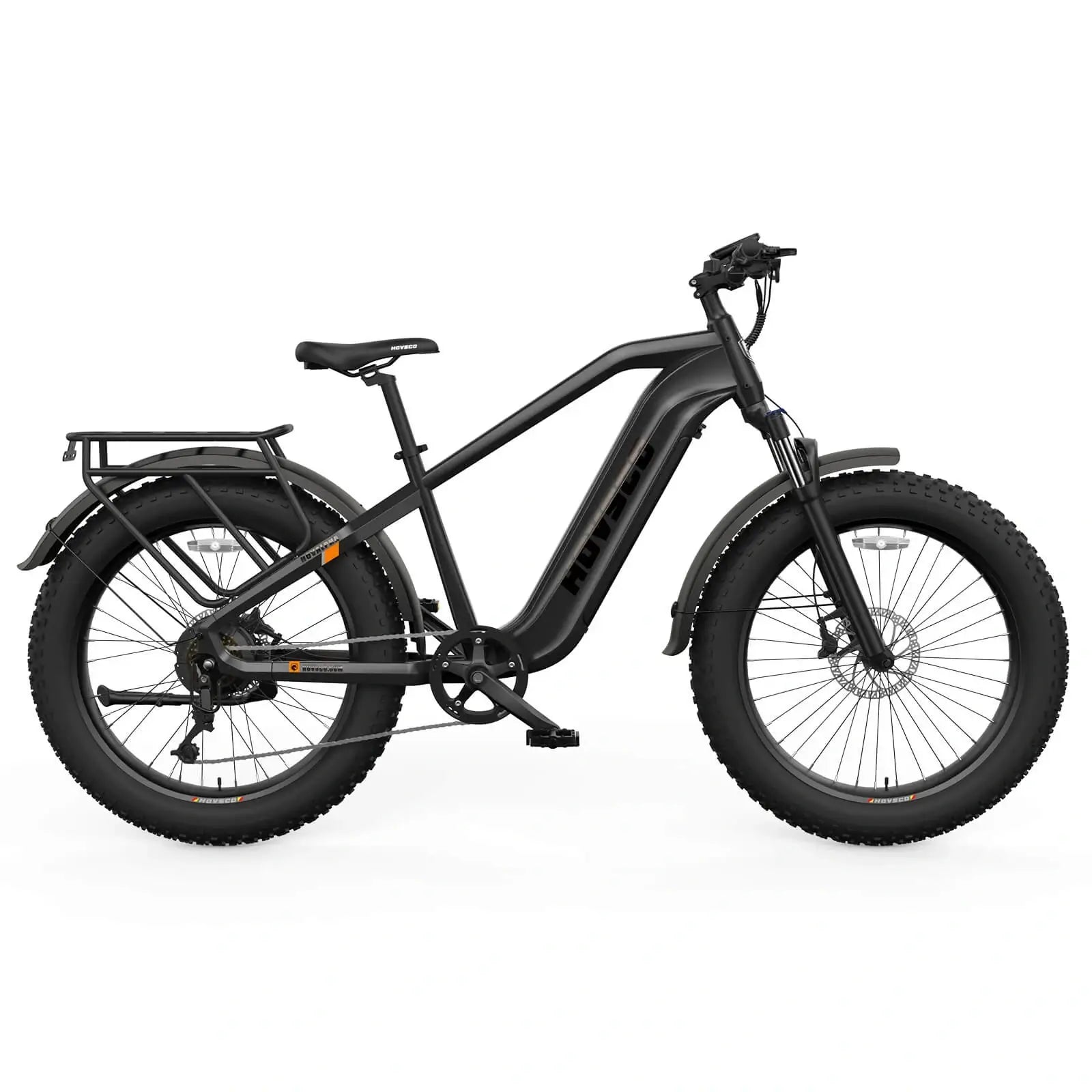
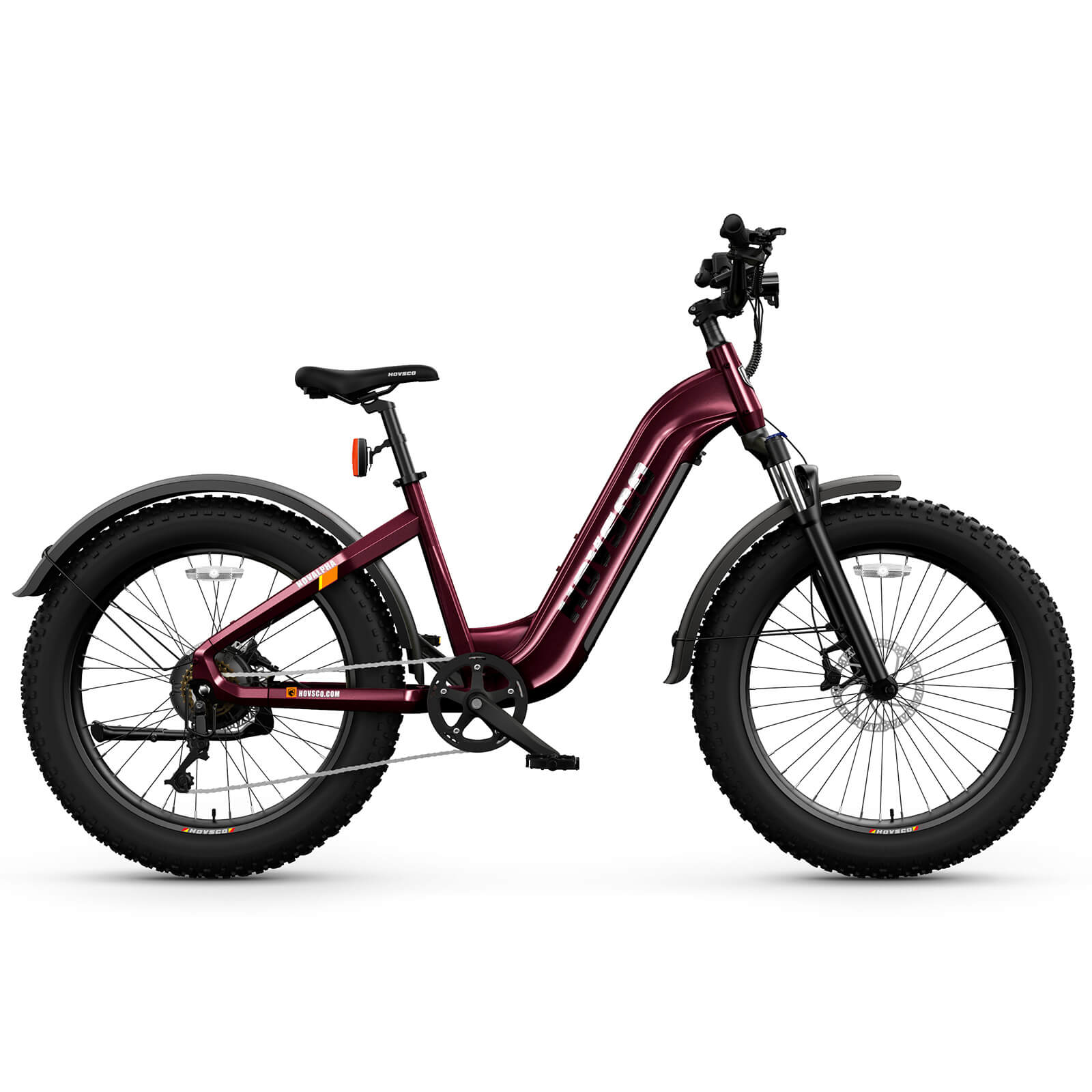
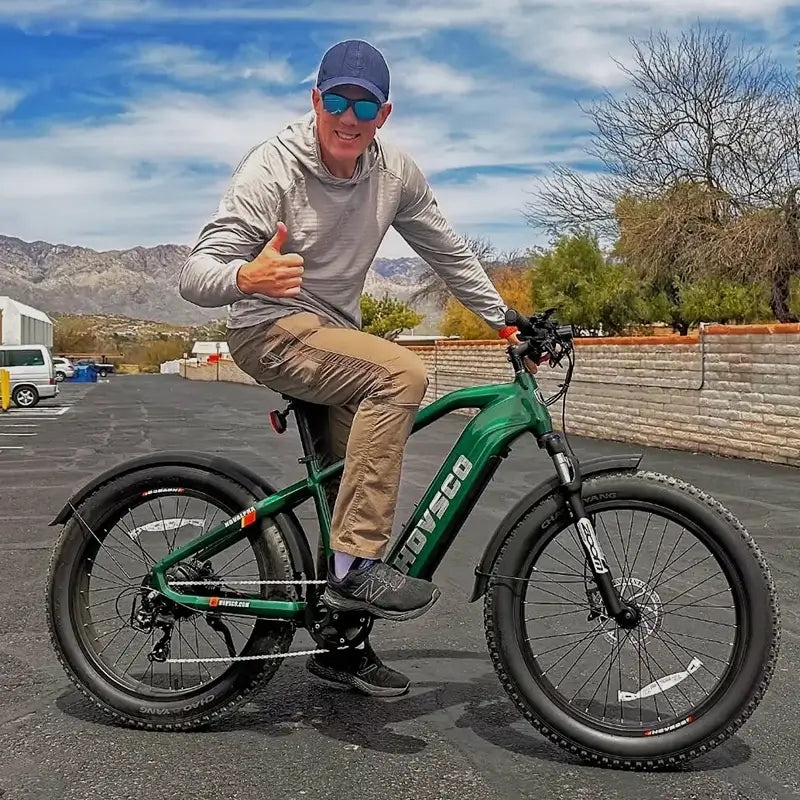
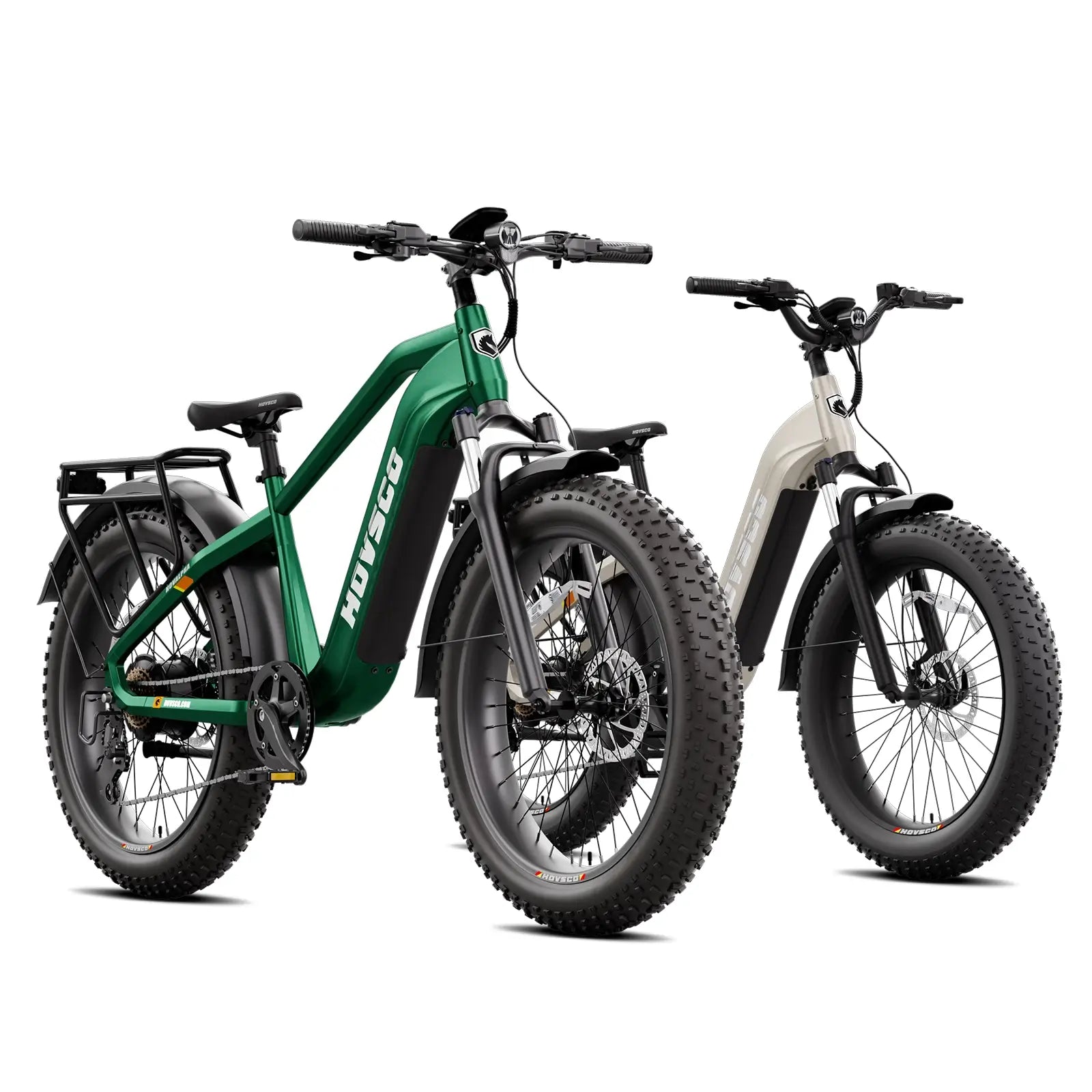
Riders who prioritize longer rides and mixed terrain may prefer a fat-tire configuration. The HovAlpha Long-Range E-Bike is listed with up to 80 miles of range, a 1,300W peak motor rating, a torque sensor, a 28 mph top speed, and a 450 lb payload capacity.
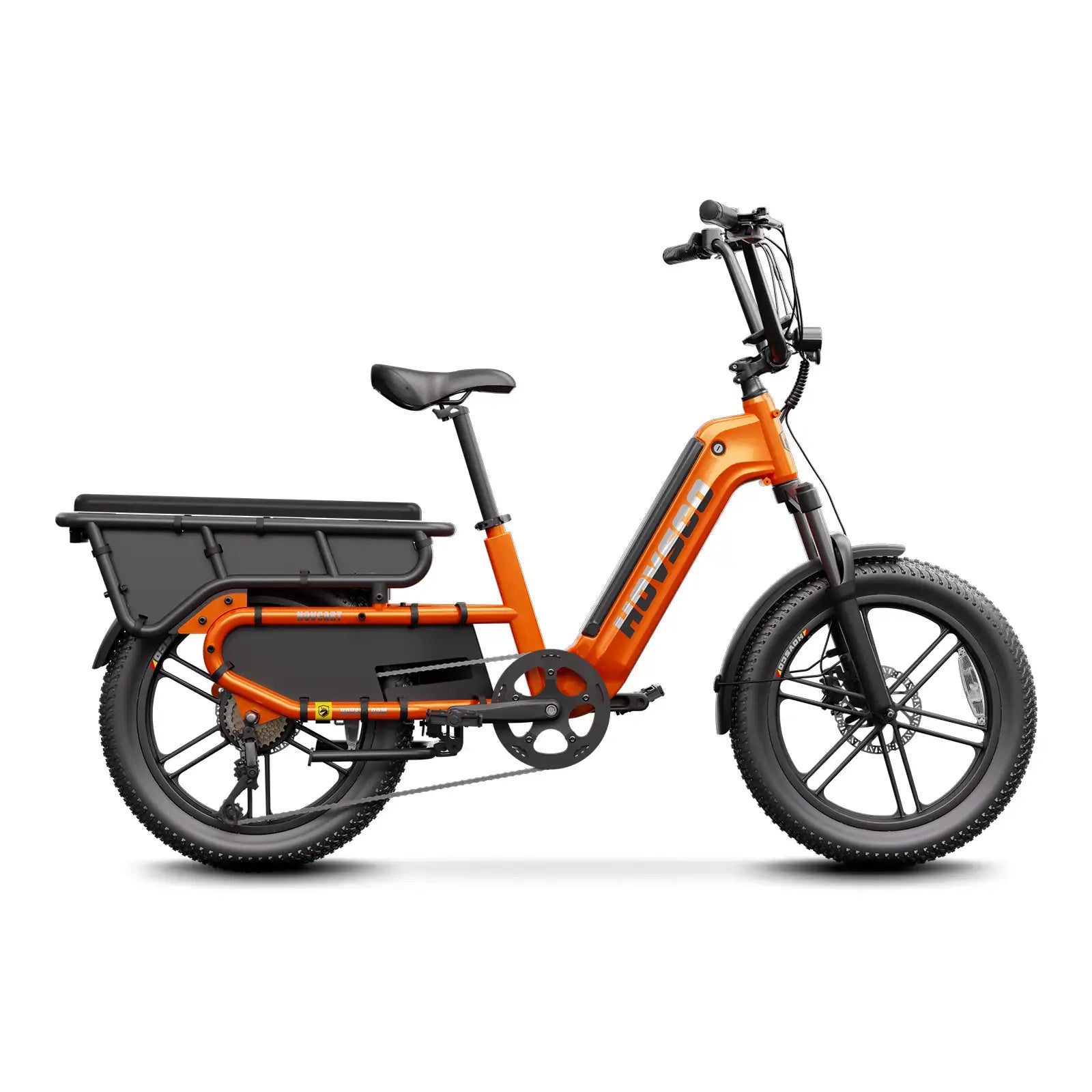
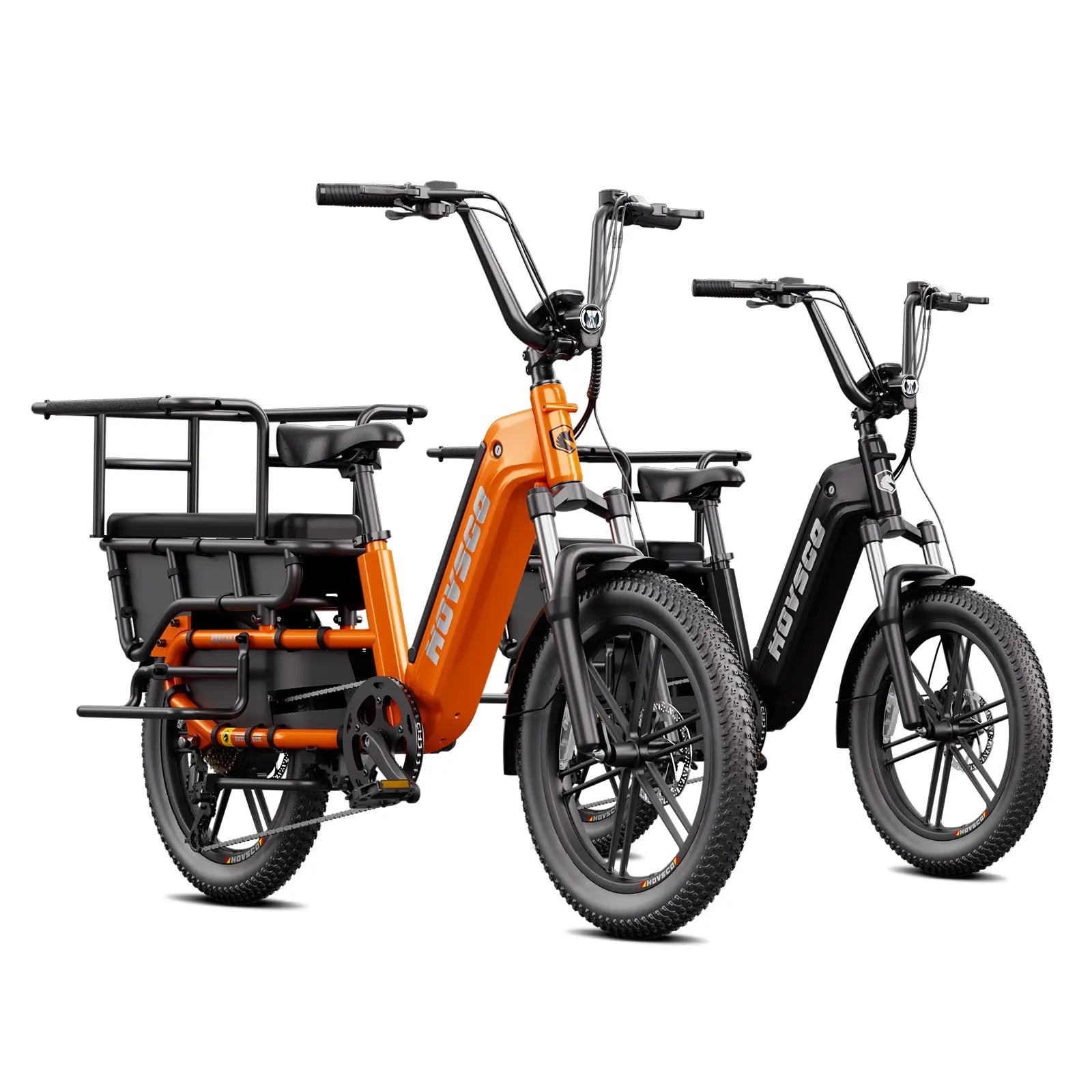
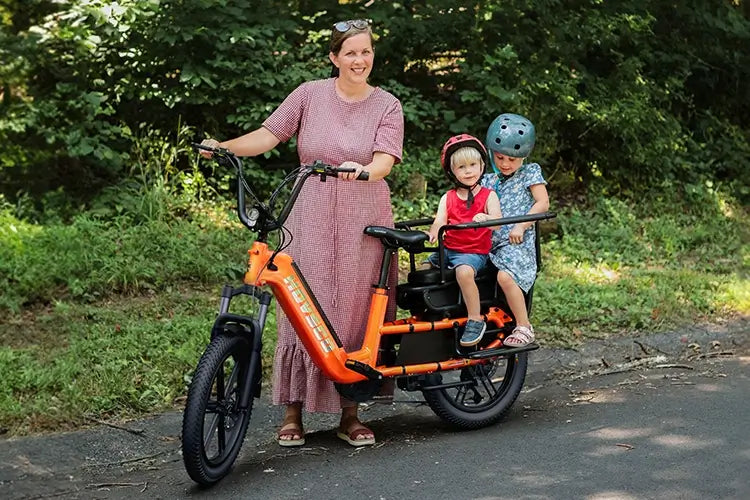
For school runs, groceries, and family transportation, the HovCart Family Cargo E-Bike uses a 6061 single-butted aluminum-alloy frame and a removable 48V, 15Ah lithium-ion battery. HOVSCO lists a 750W sustained, 1,300W peak rear hub motor, 180 mm hydraulic disc brakes, and a 450 lb maximum payload.
Start with the real route. Consider stairs, elevators, transit connections, bike-room access, storage space, road conditions, hills, and the frequency of lifting.
Separate weight from handling. Battery position, wheel size, handlebar geometry, and low-speed balance can influence day-to-day usability as much as the bike’s total listed weight.
Set a complete payload requirement. Include the rider, helmet, lock, bags, child-seat system, groceries, work equipment, and other regular cargo.
Choose the right structural format. Folding bikes, cargo bikes, fat-tire bikes, and city commuters have different strengths. Portability may be more important for one rider, while cargo stability may be essential for another.
Review the electrical system. Look for a complete system that includes the battery, charger, motor, controls, and wiring.
Plan for ownership. Use the supplied or manufacturer-approved charger, follow the charging instructions, inspect the bike periodically, and review return and warranty conditions. HOVSCO lists a two-year limited warranty for eligible bikes and a 15-day return policy subject to published terms.
Scenario: The apartment commuter
Traditional approach: A rider buys an extremely light conventional bike, then faces a demanding trip in headwinds, hills, or hot weather.
With HOVSCO: A foldable model such as HovBeta can make sense when compact storage and electric assistance both matter. It is not the same as a minimal-weight conventional bike, but it can reduce storage and riding barriers for an urban routine.
Scenario: The weekly family errand
Traditional approach: Several short car trips are used for groceries, school pickups, small deliveries, or daily supplies.
With HOVSCO: The HovCart is designed for family cargo use and lists a 450 lb payload capacity. In this setting, a stronger frame and suitable braking system may be more valuable than pursuing the lowest possible vehicle weight.
Scenario: The mixed-surface explorer
Traditional approach: A road-oriented bicycle loses comfort and confidence when pavement becomes uneven, loose, or broken.
With HOVSCO: A fat-tire e-bike such as HovAlpha prioritizes stability, front suspension, and range. Its advertised range of up to 80 miles offers route flexibility, although actual range varies with rider weight, terrain, temperature, speed, tire pressure, cargo, and assist level.
The best lightweight electric bike materials strategy depends on intended use. A person who carries a bike upstairs may prioritize foldability, compact dimensions, and manageable handling. A rider who transports children, equipment, or groceries should prioritize payload rating, braking, stable geometry, and compatible cargo accessories.
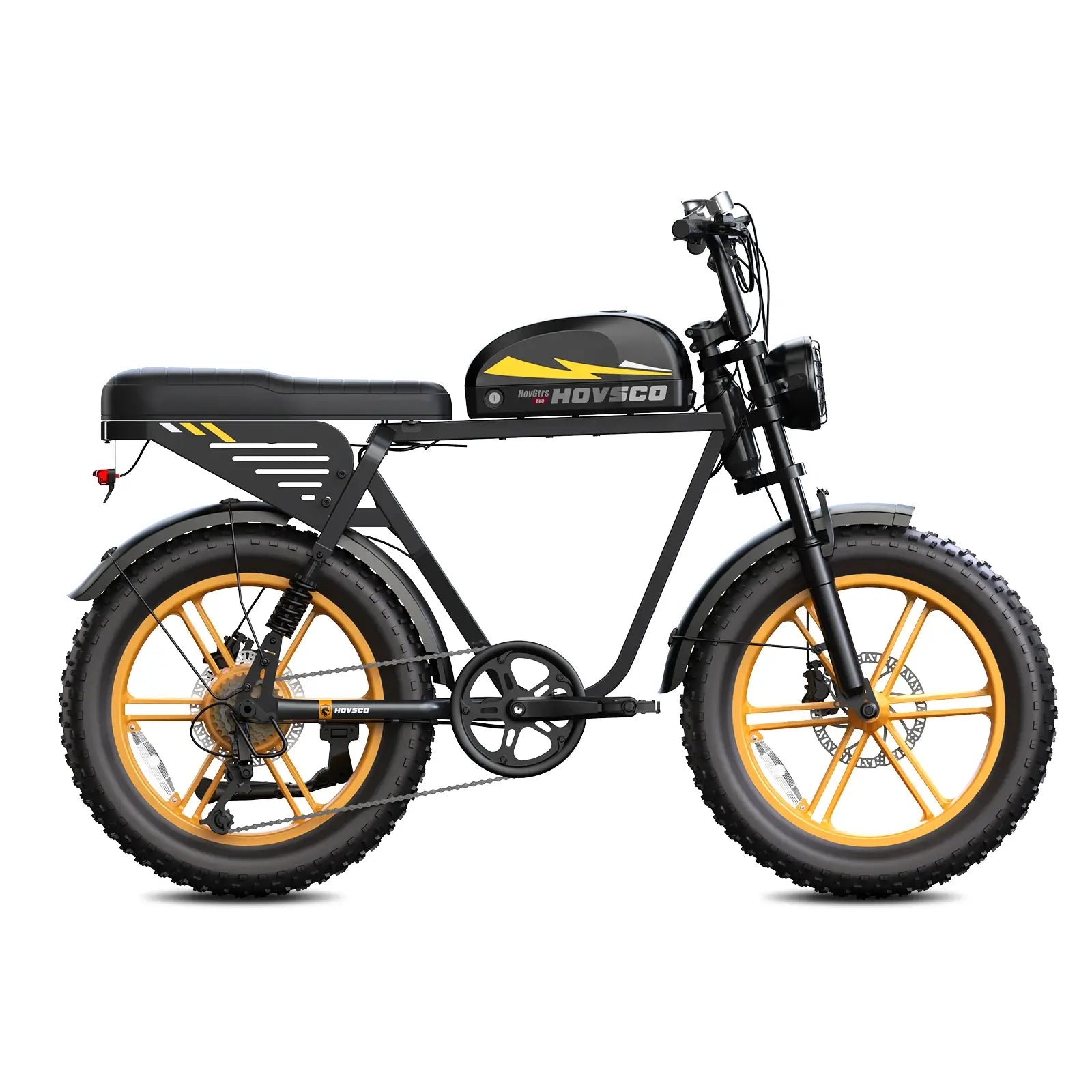
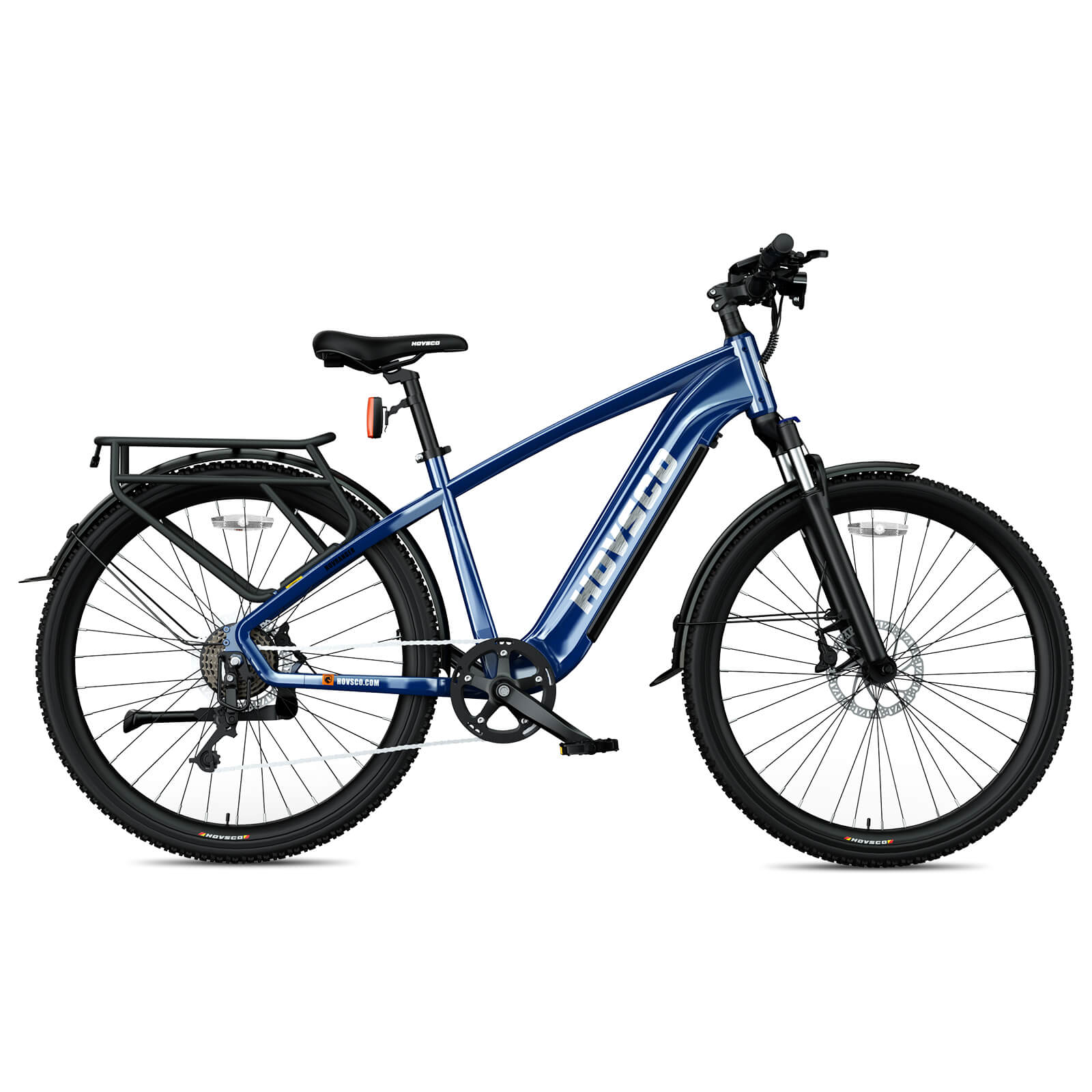
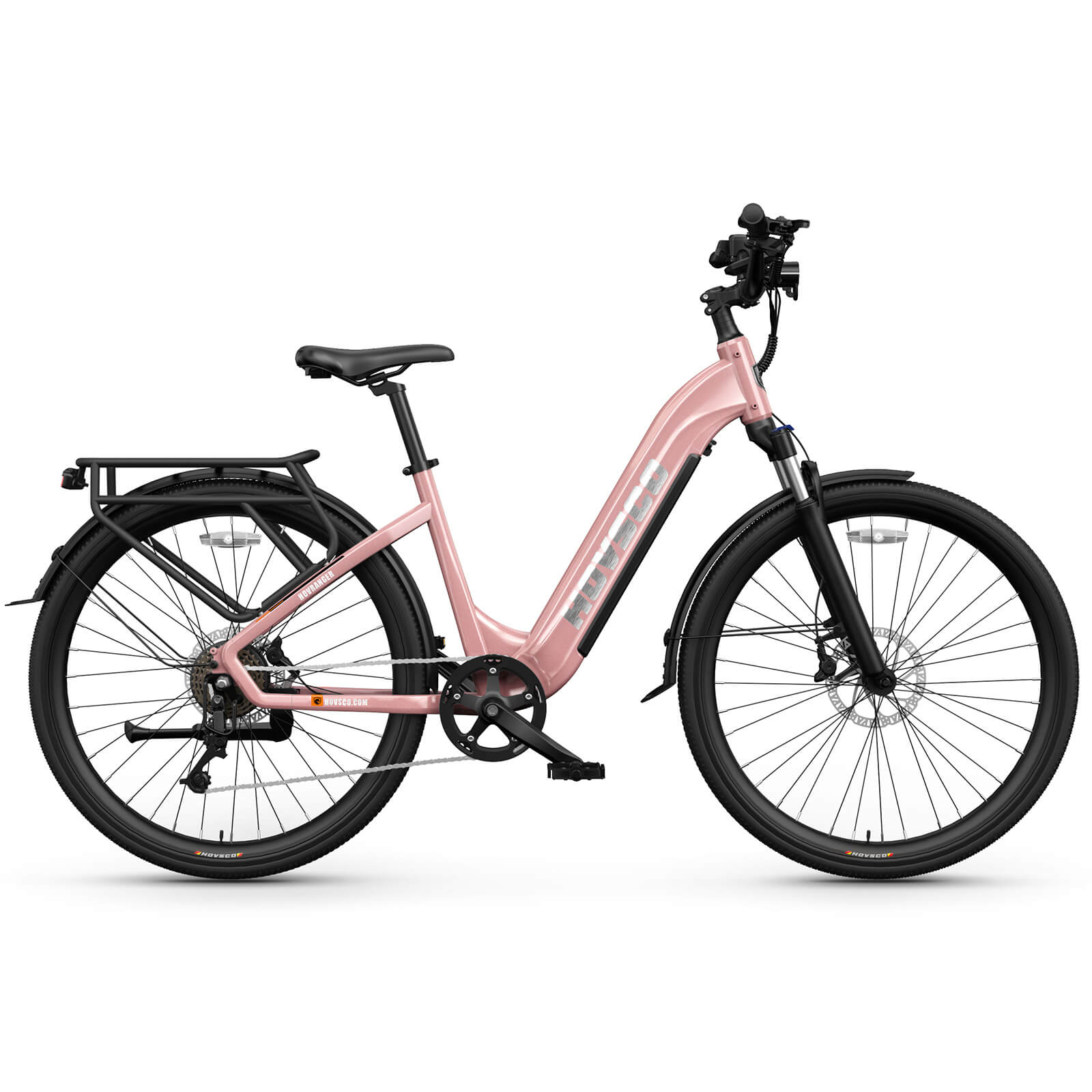
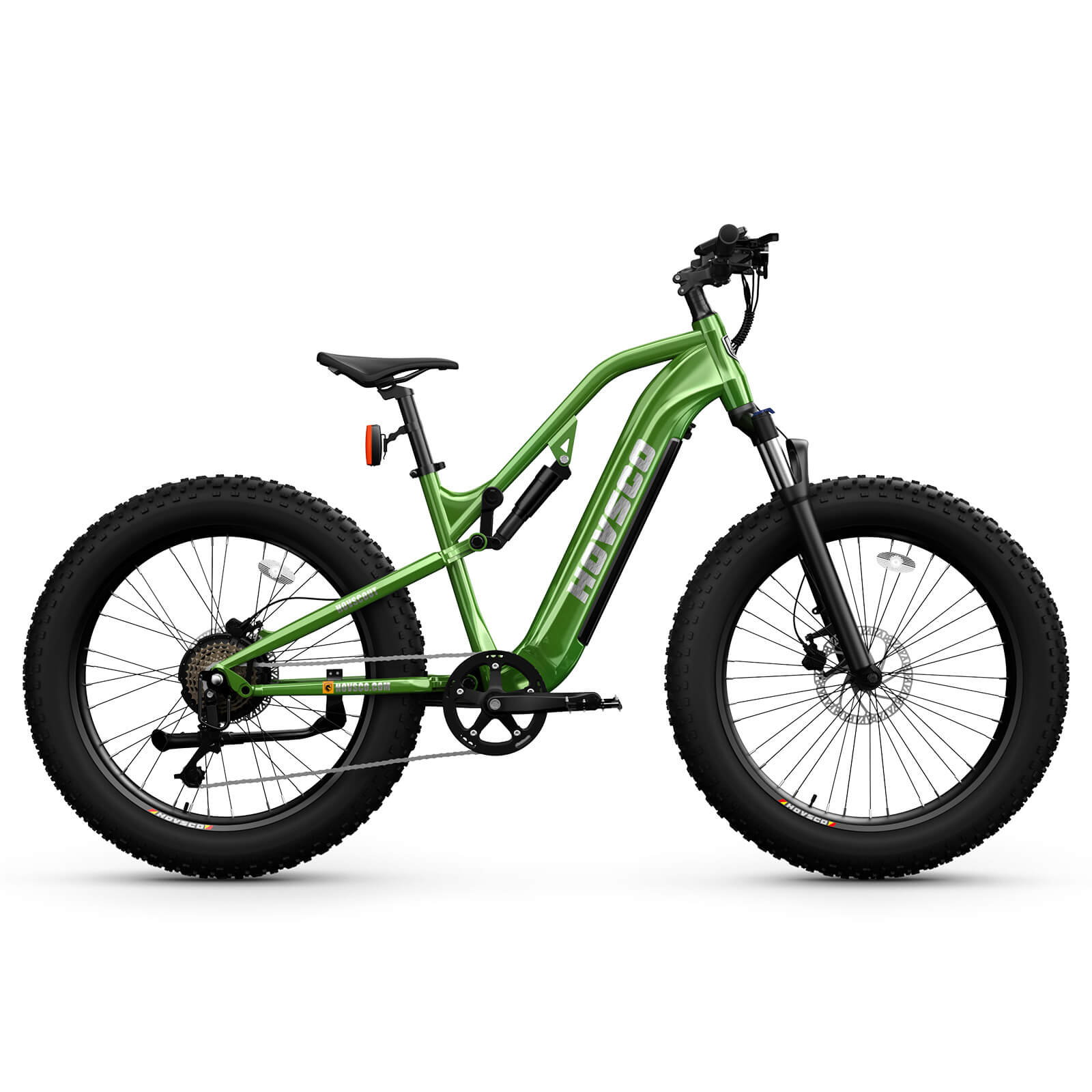
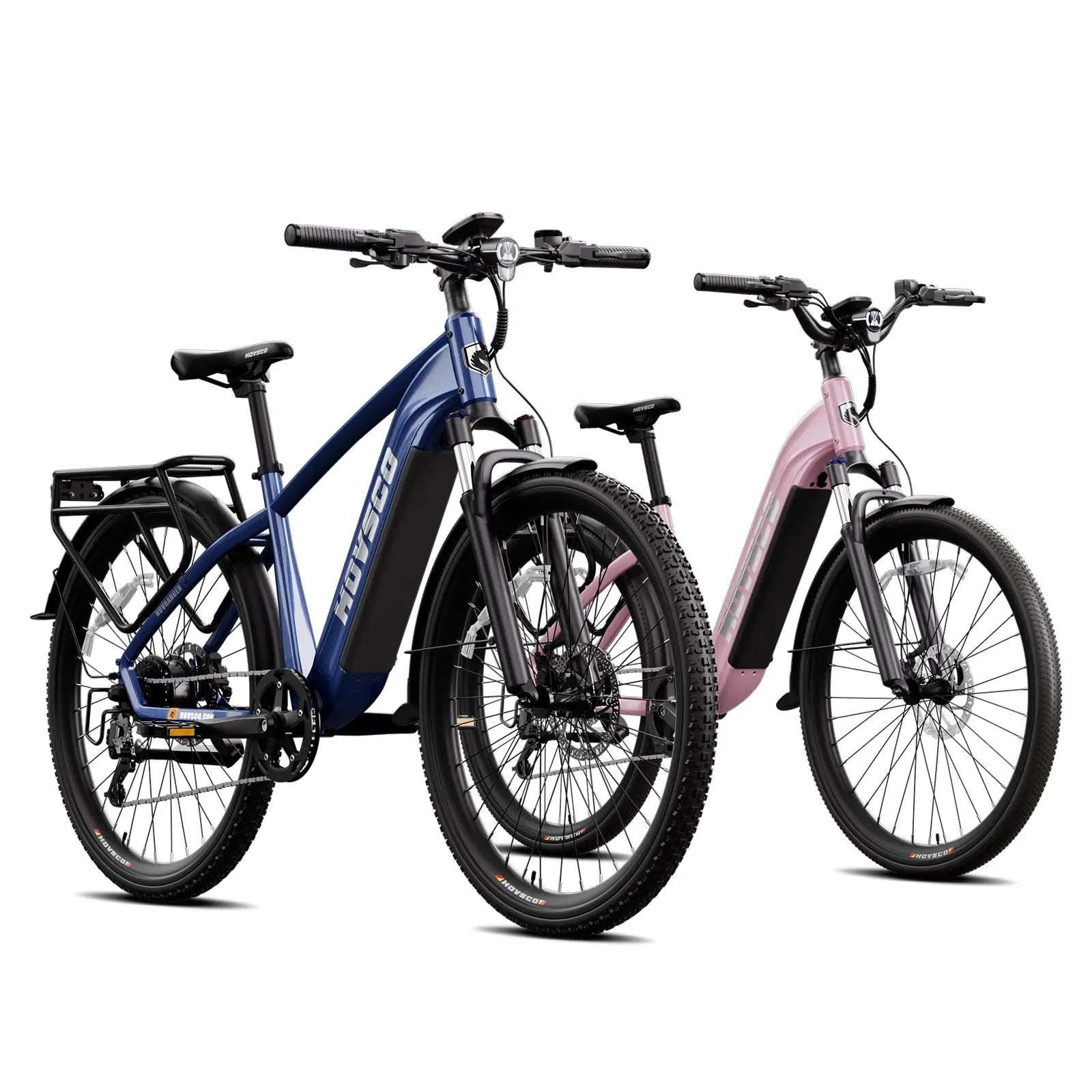
HOVSCO’s lineup shows why a single “best e-bike weight” does not exist. The HovRanger lists a 300 lb payload capacity and up to 60 miles of range, while HovAlpha, HovBeta, HovCart, and HovScout models list 450 lb payload capacities. These distinctions are more useful than generic lightweight marketing claims.
Before purchasing, riders should compare exact specifications on the applicable product page, measure their storage route, and check local e-bike rules governing speed, classes, helmets, passengers, and trail access.
Material decisions go beyond the bicycle frame. Lithium-ion cells, connectors, battery-management systems, protective enclosures, chargers, and electrical wiring all contribute to the safety profile of an e-bike.
UL 2849 is a system-level electrical and fire-safety standard that evaluates the electrical drive train, battery, and charger combination. It is not a guarantee that a product is risk-free, but it helps consumers assess whether the electrical system has been evaluated as a coordinated whole.
Owners should charge with the supplied or manufacturer-approved charger, avoid charging damaged batteries, remain present while charging, and avoid charging overnight or while asleep. Never use modified, rebuilt, incompatible, or questionable battery packs. Damaged lithium-ion batteries should be handled through appropriate local recycling or hazardous-waste programs.
What are lightweight EV materials in an e-bike?
They are materials and engineered components used to reduce unnecessary mass while maintaining the durability, stiffness, braking performance, battery protection, and riding stability that an electric bicycle needs. They may include aluminum alloys, advanced steels, polymers, composites, and optimized battery enclosures.
Do lightweight electric bike materials improve range?
They can help because a lighter vehicle usually requires less energy to accelerate and climb. However, actual e-bike range also depends on battery capacity, assist level, terrain, rider input, wind, temperature, tire pressure, cargo, and riding speed.
Is an aluminum e-bike frame always better for lightweight EV design?
No. Aluminum can offer a practical mix of weight, corrosion resistance, manufacturing efficiency, and strength. However, frame geometry, weld quality, wheel design, component selection, intended load, and overall system integration are equally important.
What is the best lightweight e-bike for apartment living?
The best choice depends on stair access, elevator dimensions, storage space, and whether the bike needs to be carried or only rolled. A folding e-bike such as HOVSCO’s HovBeta can be a useful option when compact storage is important, but riders should confirm total weight, folded dimensions, and their ability to move it safely.
Are lightweight cargo e-bikes safe for groceries and family use?
They can be when the manufacturer’s listed payload capacity, brakes, tires, accessories, and passenger setup match the intended use. Riders should never exceed the stated weight limit and should use only compatible accessories installed according to their instructions.
The most useful lightweight EV design is not necessarily the bike with the smallest advertised weight. It is the bike that reduces unnecessary mass while keeping the durability, stability, range, payload capacity, and electrical safety appropriate for the rider’s actual routine.
For apartment commuters, a compact folding format can simplify storage and daily transitions. For families, a reinforced cargo e-bike may create more transportation value because it can replace repeated car trips. For mixed-terrain riders, stability and battery capacity may matter more than an ultra-low weight figure.
HOVSCO is a U.S.-based e-bike brand offering cargo, folding, fat-tire, city, full-suspension, and moped-style electric bicycles. Explore the current HOVSCO collection to compare range, payload capacity, riding position, terrain capability, and practical features against the needs of an everyday route.
U.S. Consumer Product Safety Commission — Micromobility Safety Center 2024
U.S. Consumer Product Safety Commission — Lithium-Ion Battery and Micromobility Proposed Rule 2025
UL Solutions — E-Bike and Micromobility Product Certification 2023
PeopleForBikes — U.S. E-Bike Market Direct-to-Consumer Data 2026
Share:
Electric Moped Revival: More Freedom for Everyday Rides
E-Bike Winter Riding: Safer, More Reliable Cold-Weather Miles