



- by EO S
How Can an Electric Bike With Cargo Rack Improve Your Daily Rides and Errands?
- by EO S
E-Bikes
 Free Shipping
 15-Day Returns
 2-Year Warranty
Shop By Models
Shop By Style
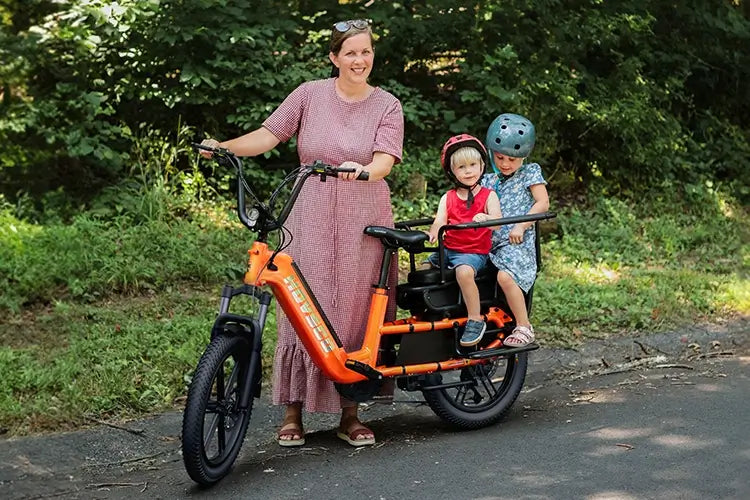
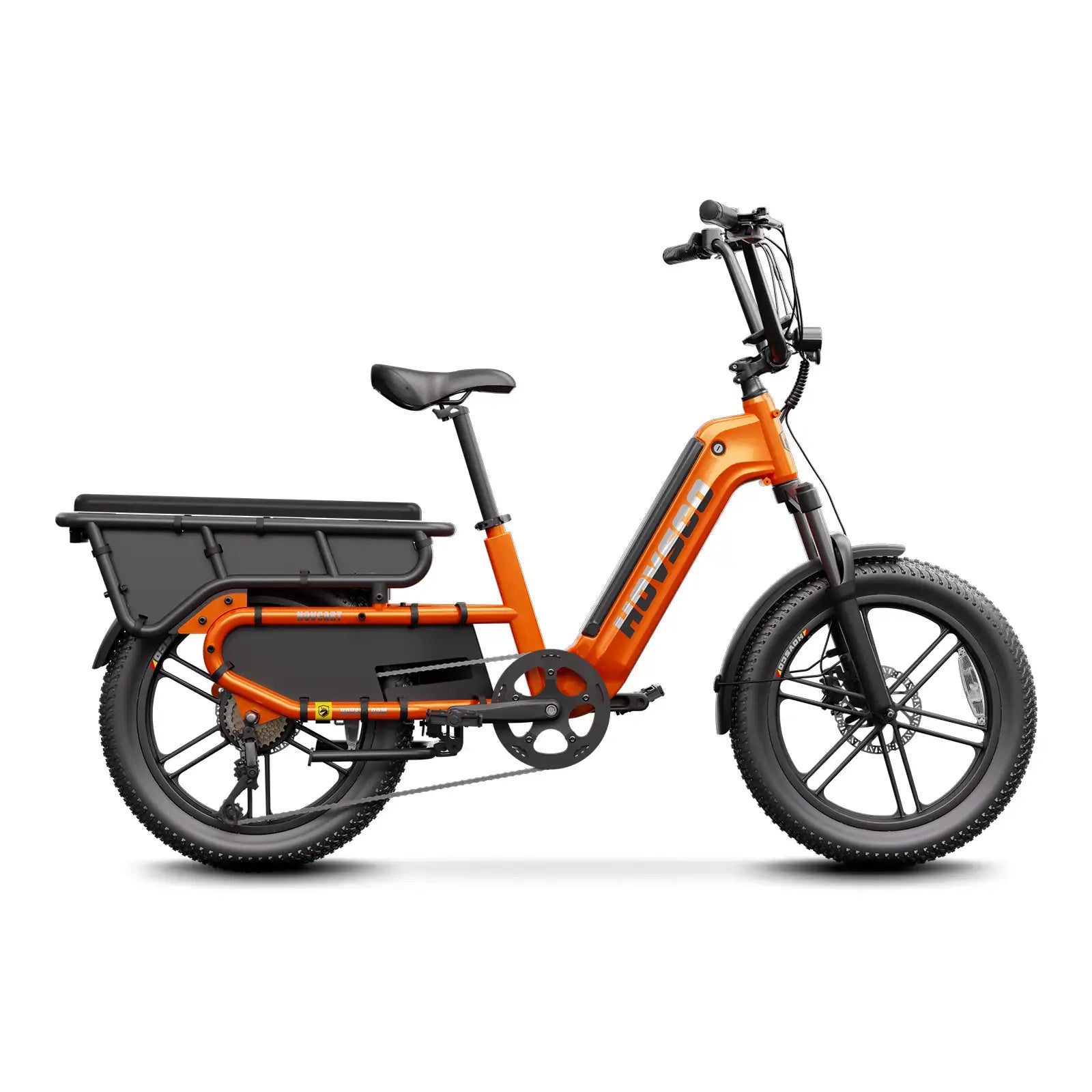
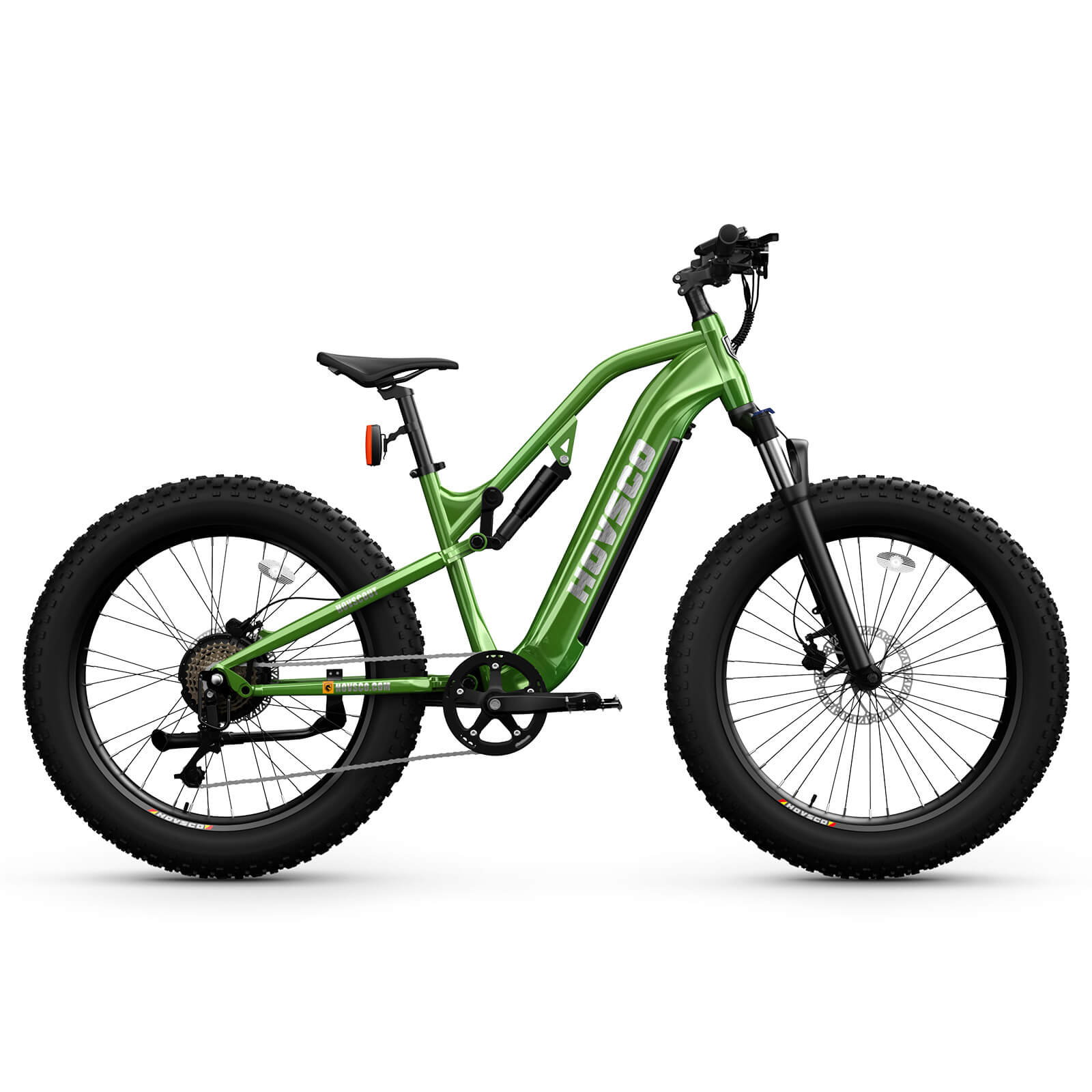
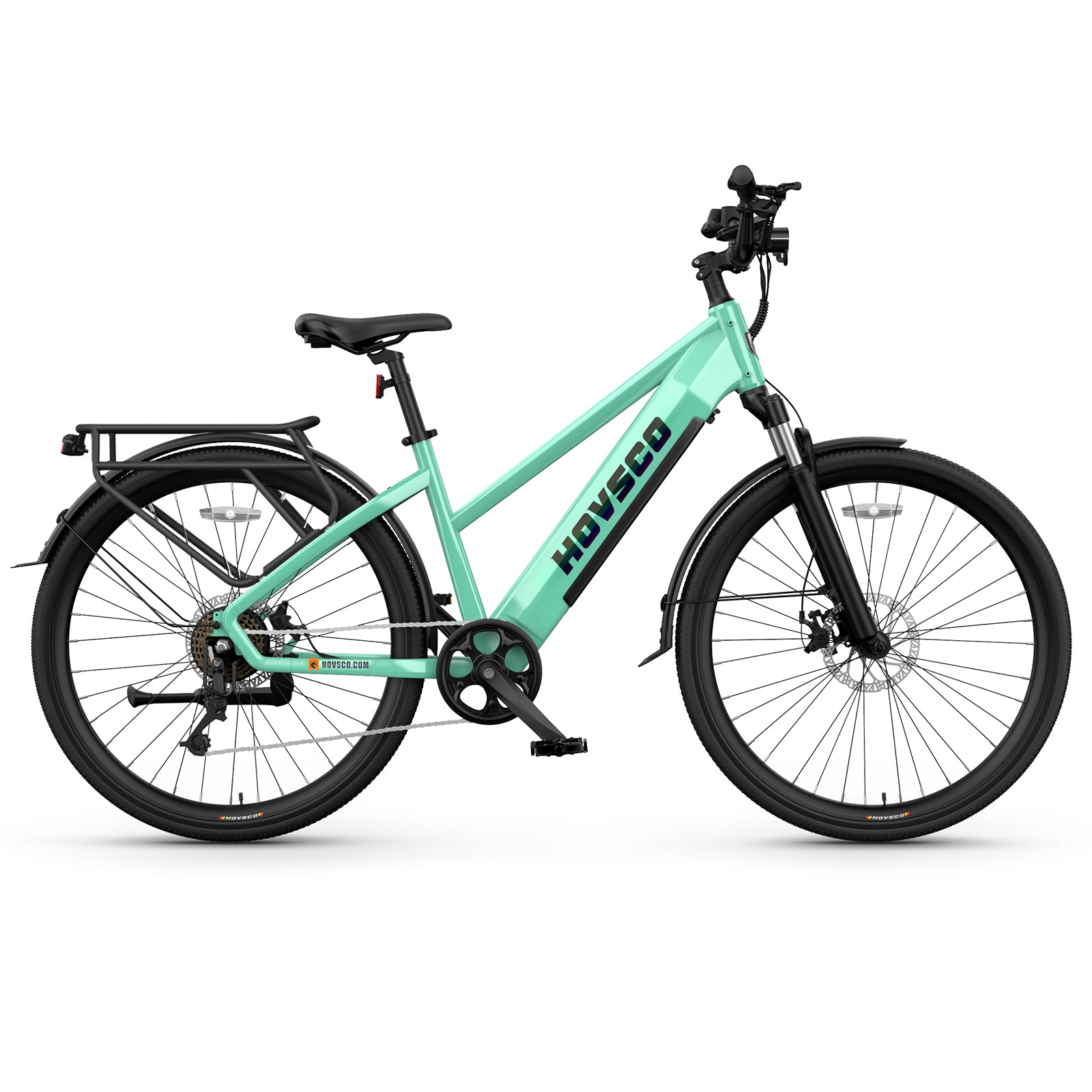
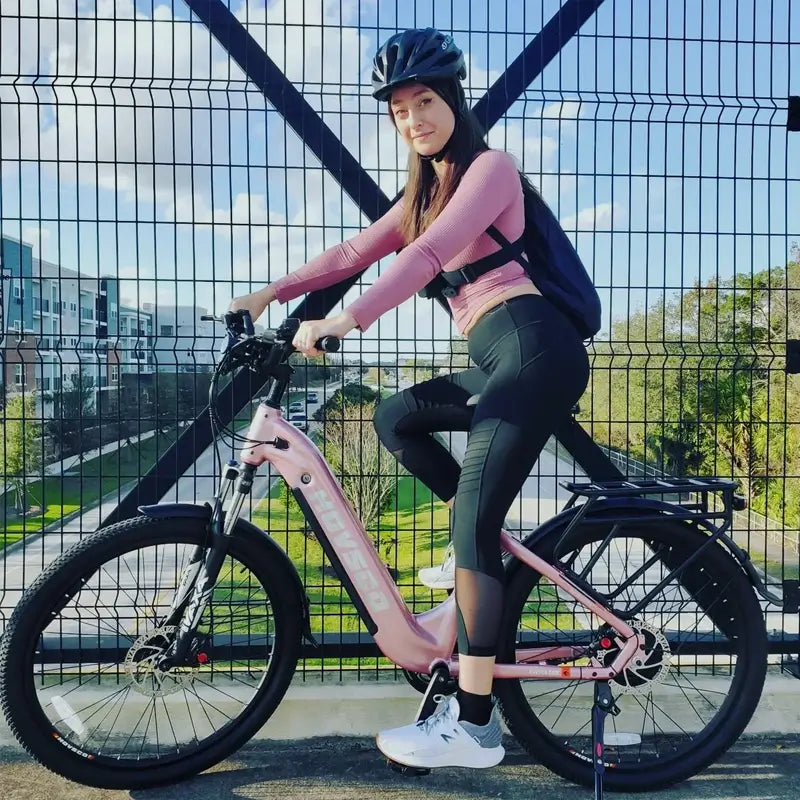
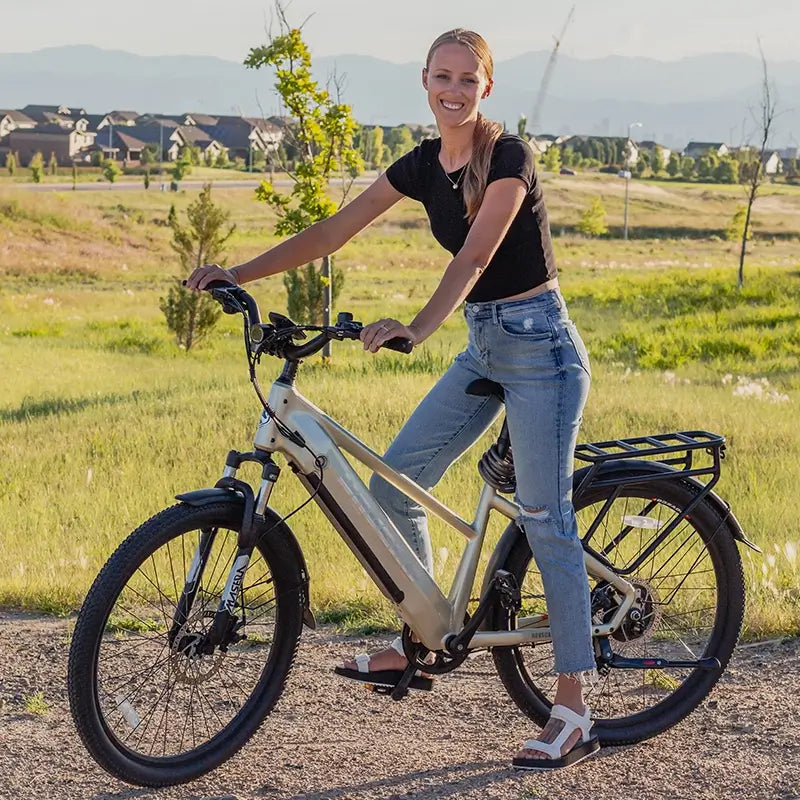
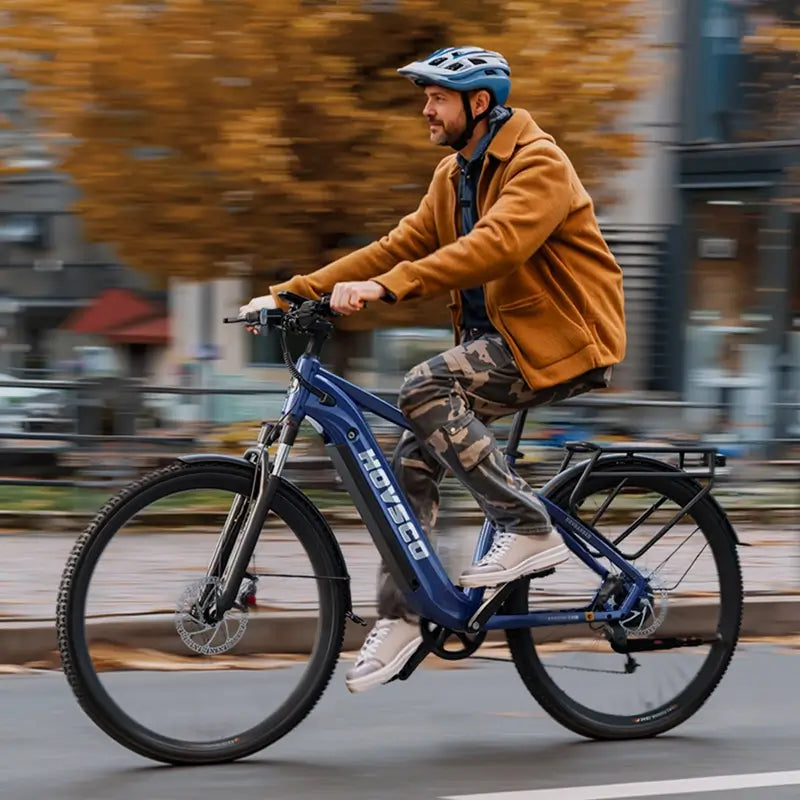
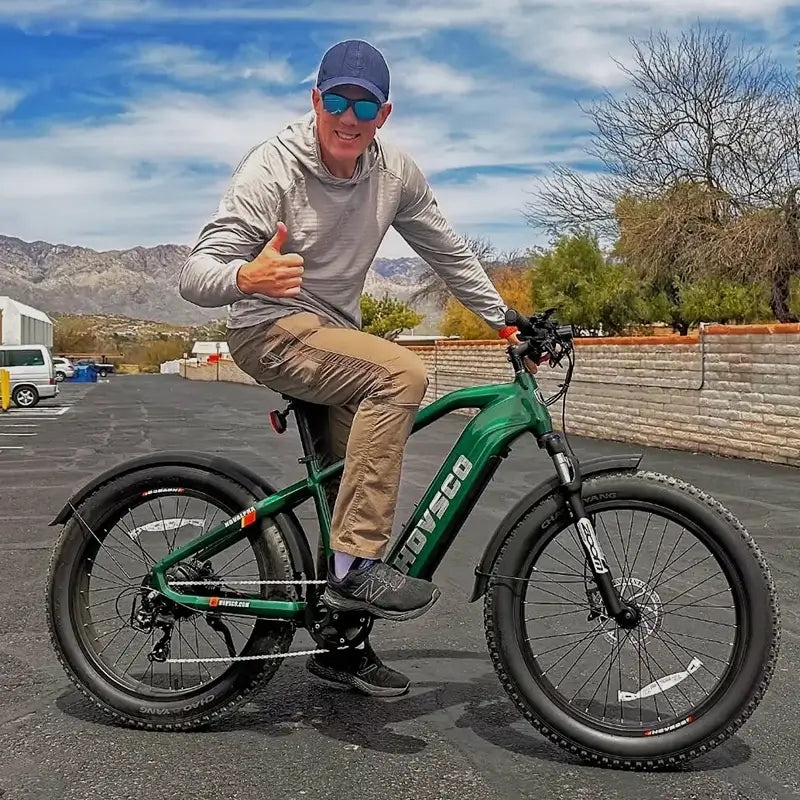
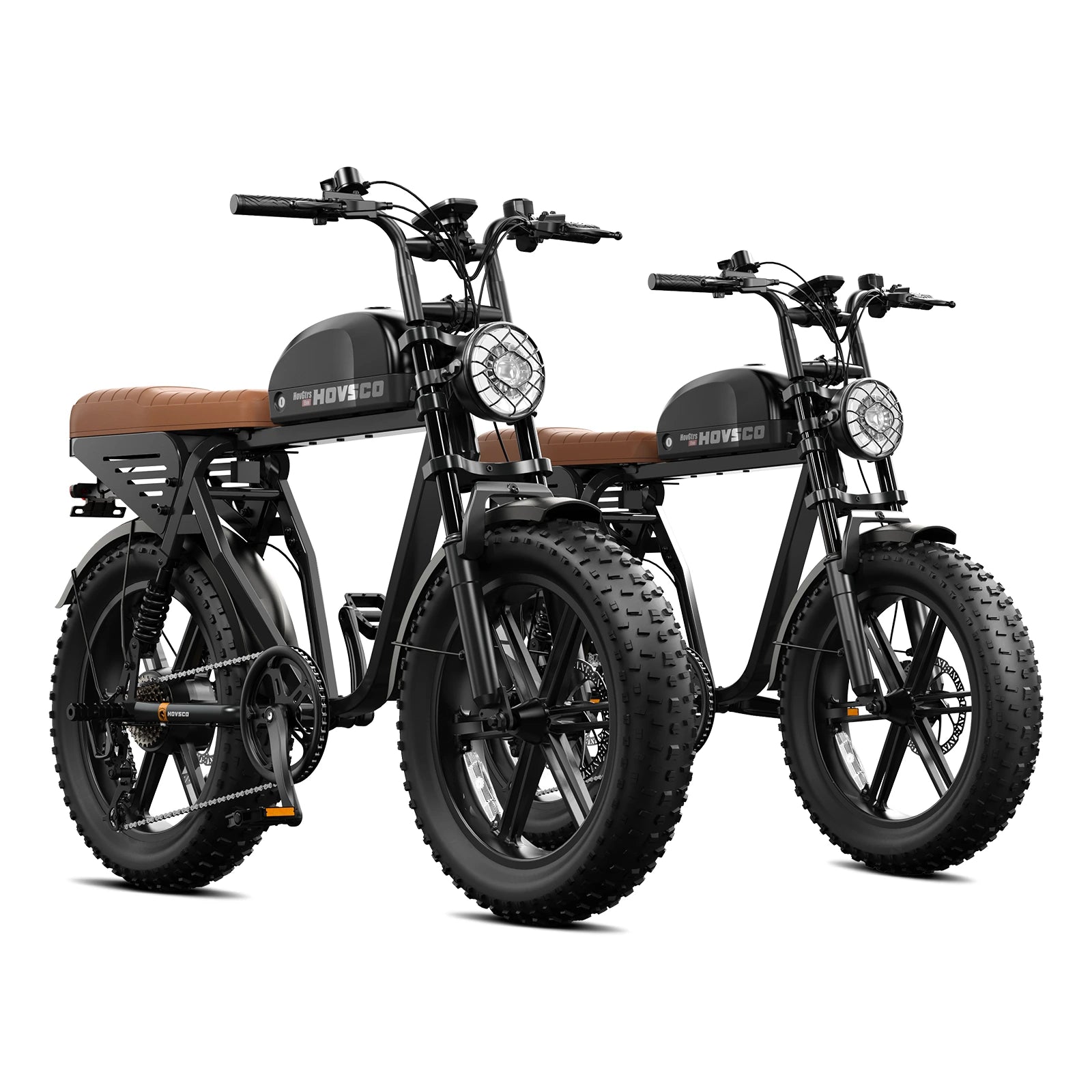
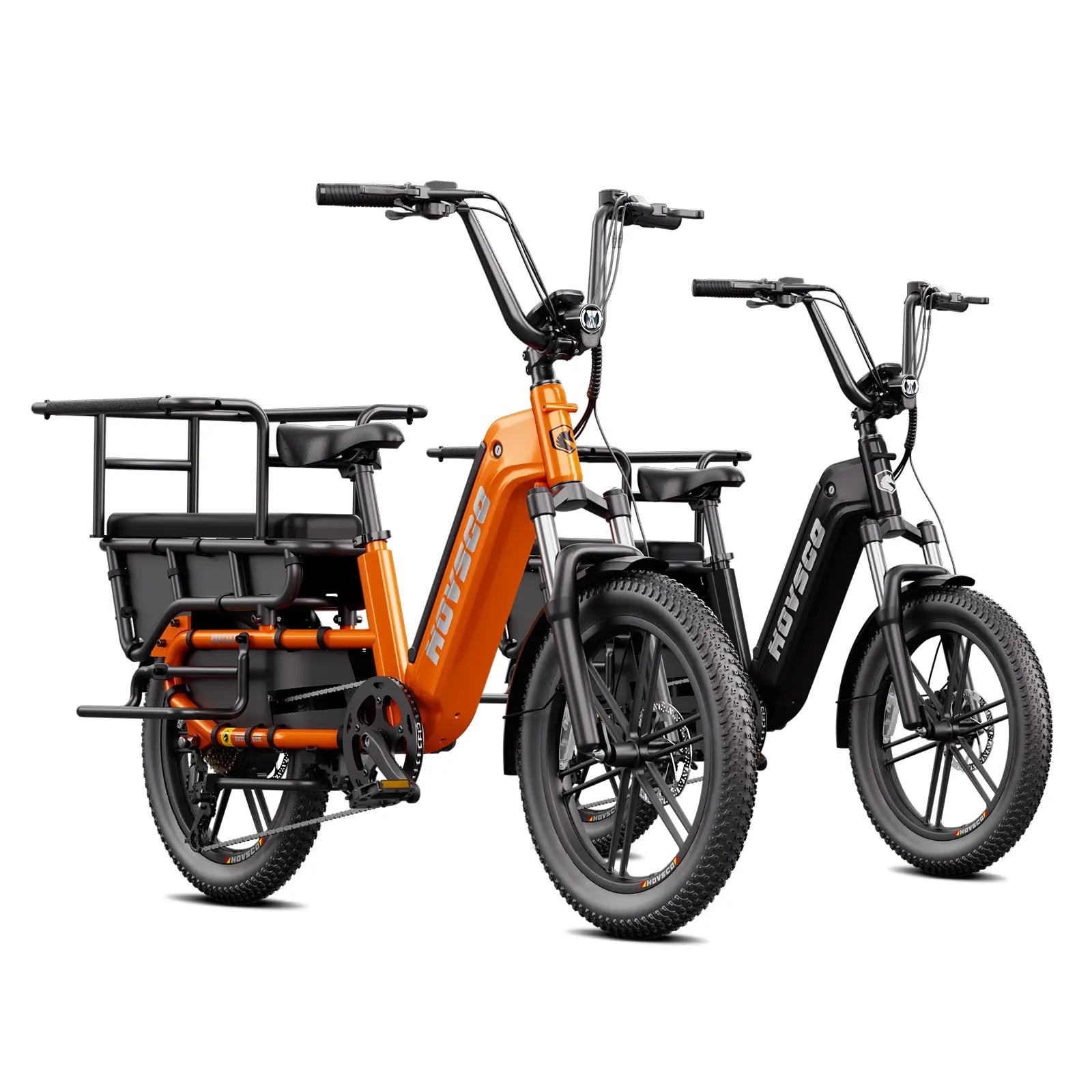
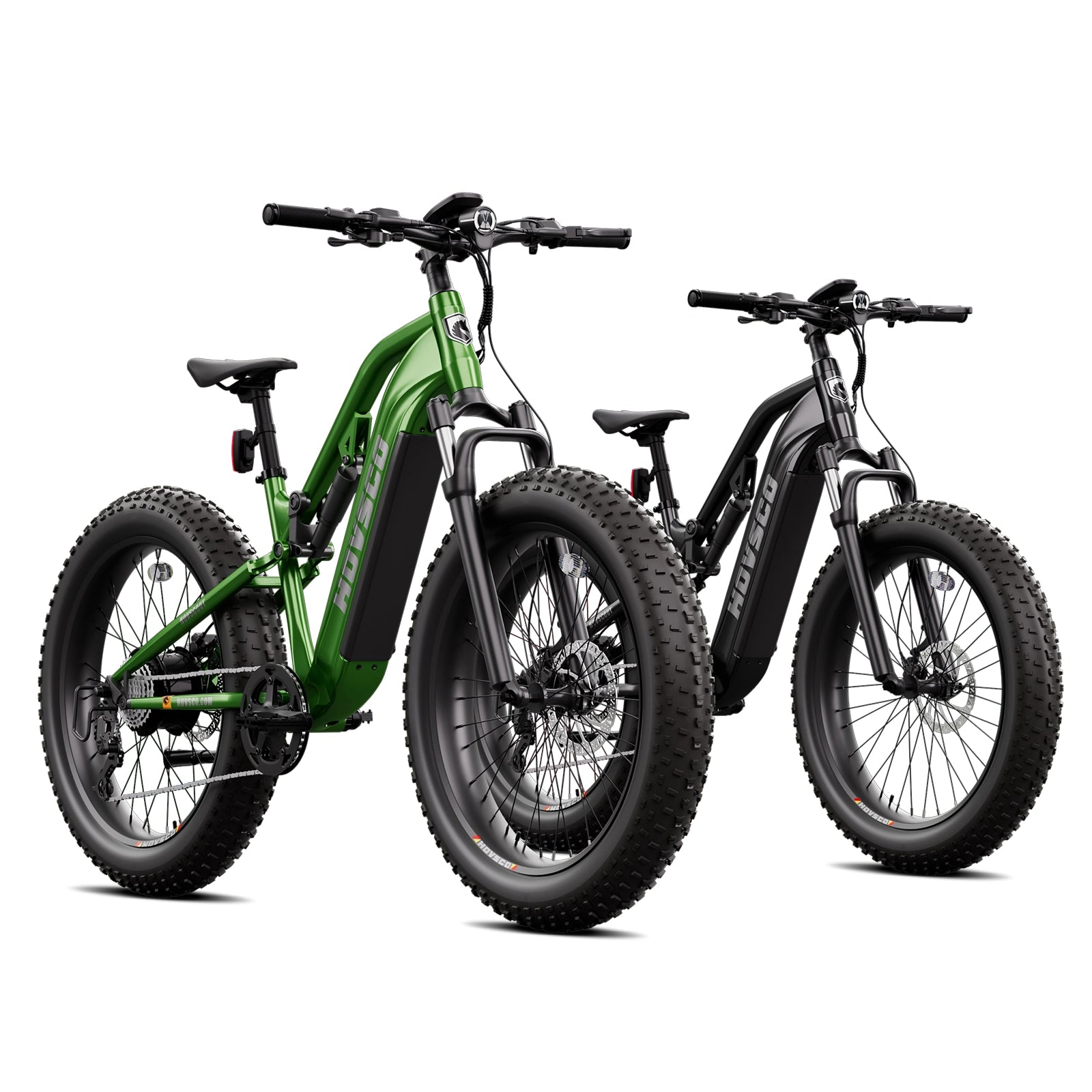
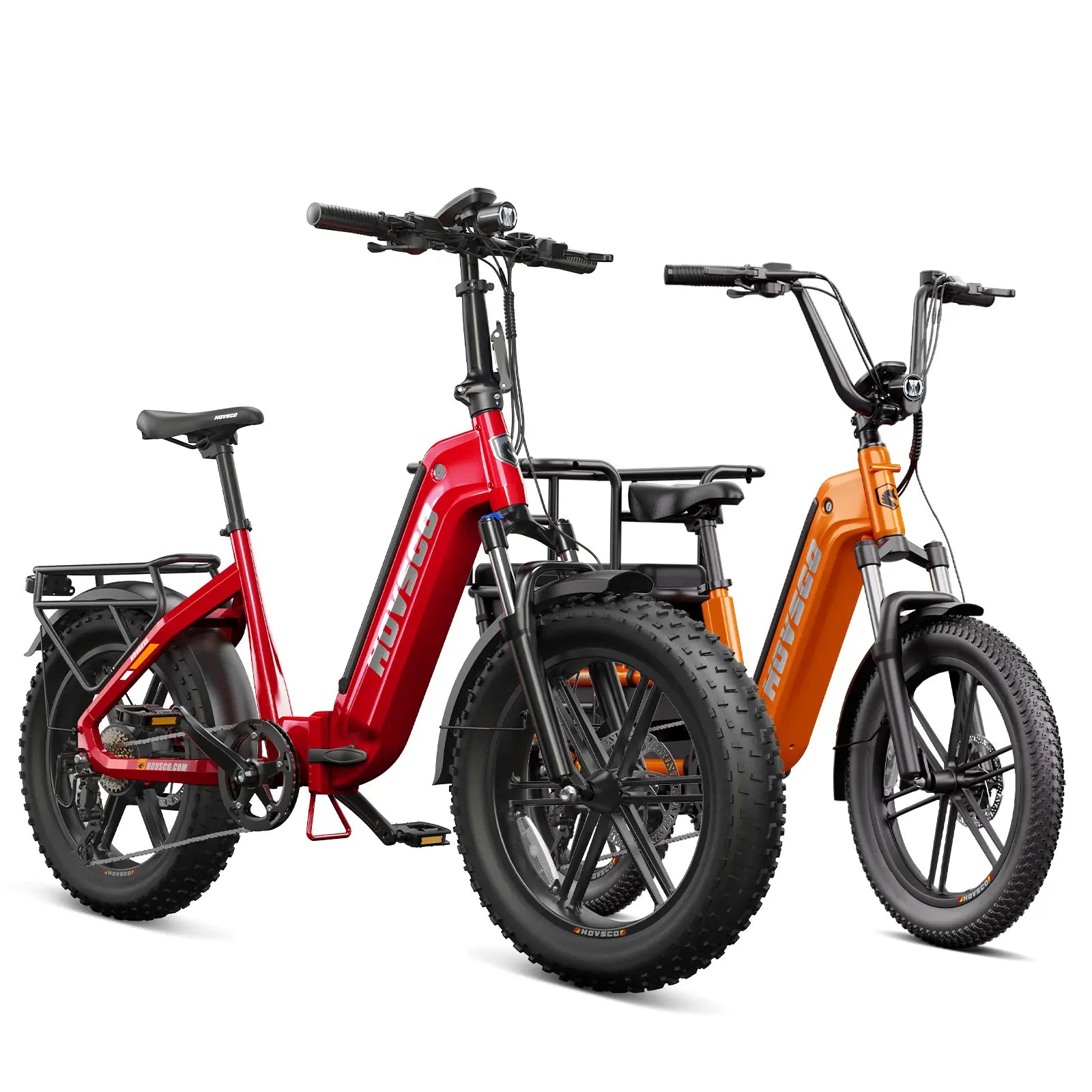
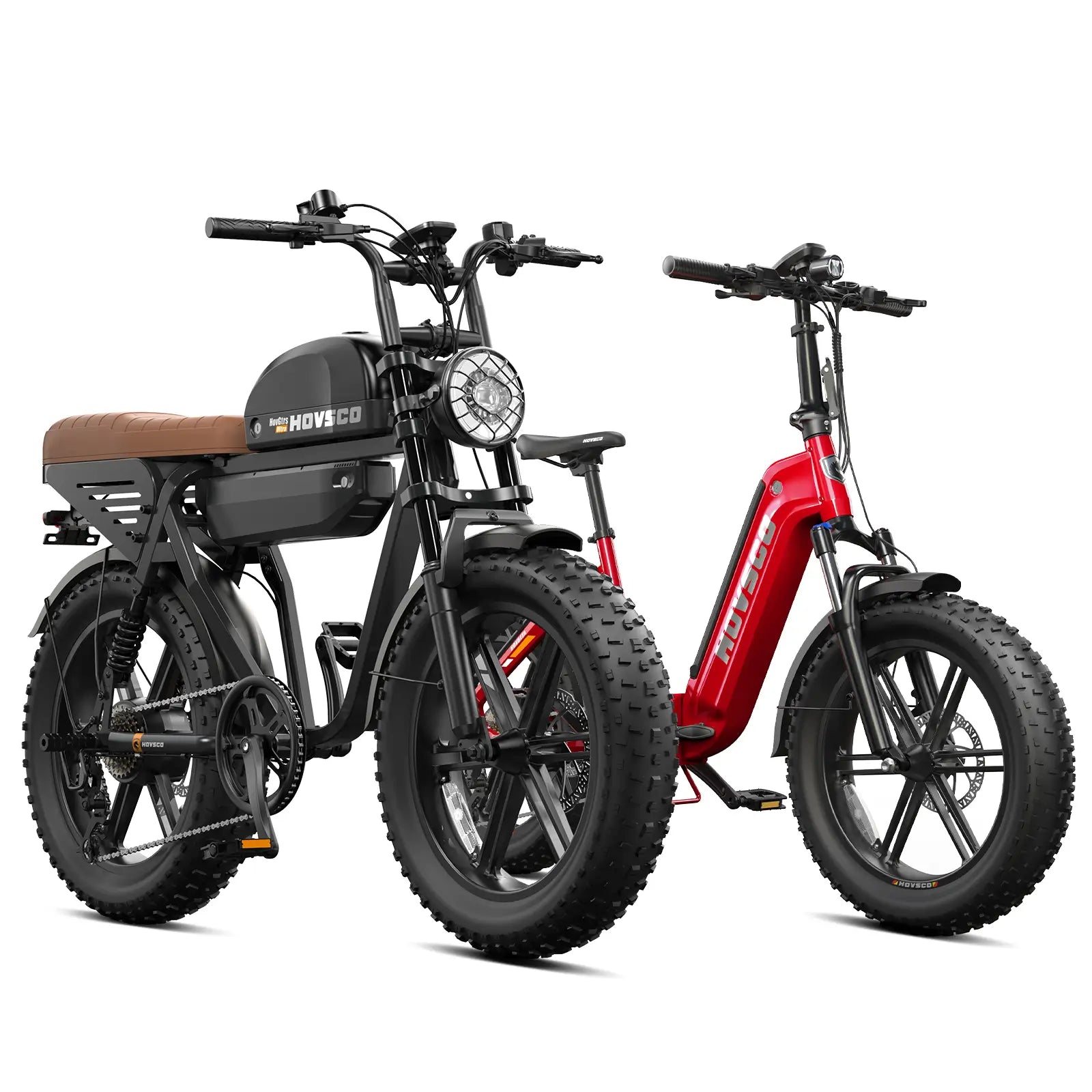
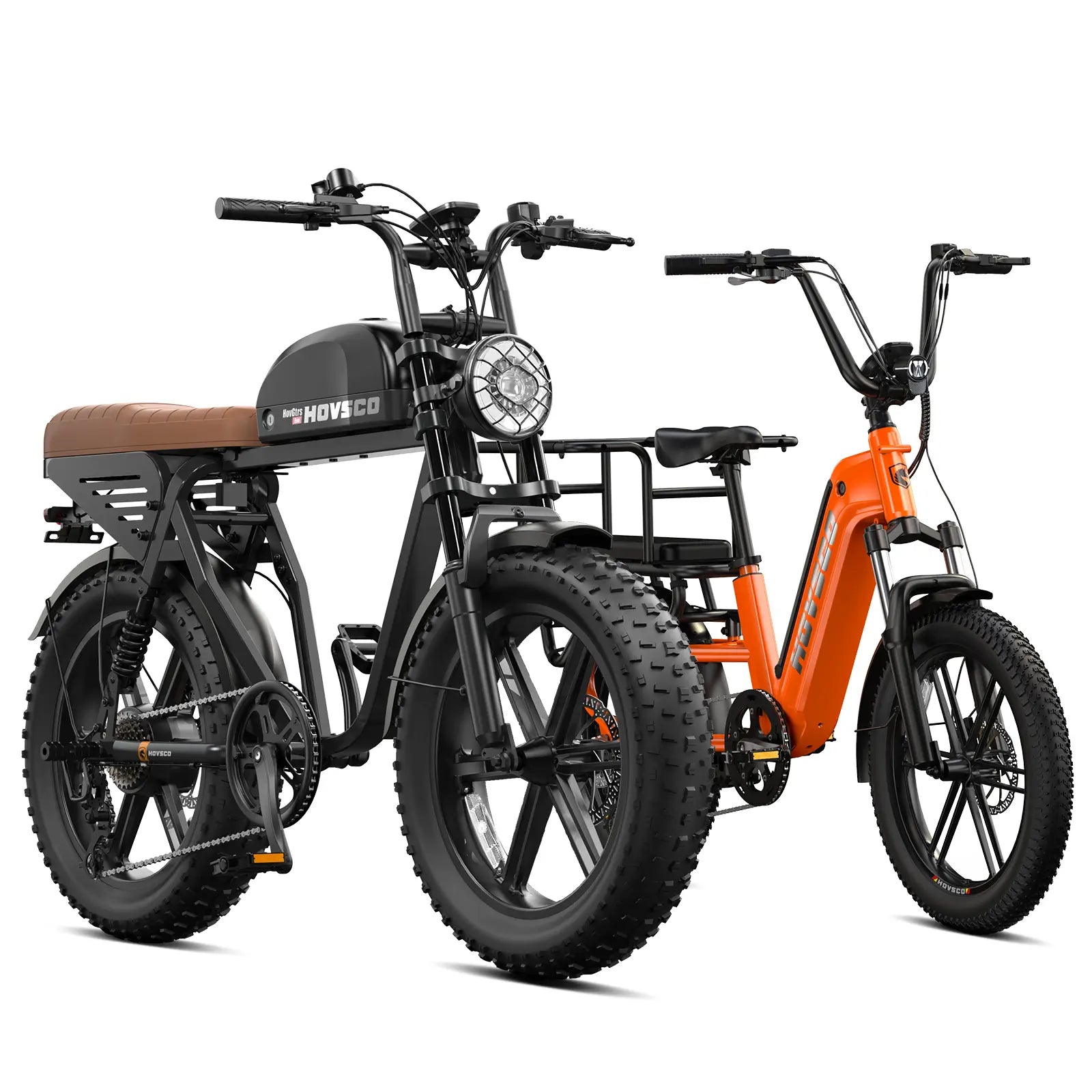
An electric bike equipped with a cargo rack transforms ordinary cycling into a versatile transport solution for groceries, gear, or daily necessities, combining extended range and powered pedaling with practical load-carrying capacity. Models from trusted brands like HOVSCO integrate sturdy cargo racks with reliable motor systems and thoughtful ergonomic design to deliver easier hauling, safer operation, and broader real-world utility than traditional bikes.
The global electric cargo bike segment — which includes bikes with rear or front cargo racks — is expanding rapidly as urban commuters, families, and businesses look for low-emission transport alternatives. Market analysis projects the electric cargo bike sector to grow at a double-digit compound annual growth rate through 2032, with the total global market potentially exceeding several billion U.S. dollars in value as sustainable solutions gain traction. Cargo e-bikes accounted for a significant share of new e-bike sales and are increasingly adopted for urban logistics, reducing delivery times and operational costs. Despite this growth, several pain points remain — high upfront costs limit households’ ability to purchase premium models, and a lack of cycling infrastructure in many cities reduces usability and perceived safety. Additionally, many traditional electric bikes lack dedicated cargo features such as integrated racks or load-rated frames, pushing riders toward aftermarket add-ons that may compromise stability or reliability. HOVSCO responds to these market needs by offering electric bikes with integrated cargo racks and optimized load support, bridging the gap between recreational e-bikes and practical utility vehicles.
Electric bikes overall are becoming more dominant in the bicycle market, with urban and utility segments leading growth. Cargo bikes — especially those with electric assist and racks — are among the fastest-growing niches, driven by both commercial and personal use cases. Riders are shifting away from short car trips to micromobility options, which accelerate adoption but also spotlight limitations in current products.
Limited Load Capacity on Standard Bikes
Many commuter ebikes do not include sturdy cargo racks, forcing users to retrofit with aftermarket solutions that can affect balance or frame integrity.
Infrastructure and Safety Barriers
In regions with inadequate bike lanes, riders carrying cargo feel less secure, decreasing confidence and regular usage.
Cost vs. Value Perception
Although electric bikes provide operational savings over cars, some cargo-ready models still carry high price tags, discouraging mid-income buyers.
A standard electric bike may serve basic commuting but lacks dedicated cargo space and reinforced racks needed for repeated hauling of groceries, work tools, or bulky items. This results in sub-optimal utility compared with purpose-built cargo E-bikes.
| Traditional Option | Limitation |
|---|---|
| Standard Ebike Without Rack | No built-in cargo support; aftermarket racks may compromise balance |
| Rear Bike Trailer | Adds weight and complexity; can reduce maneuverability |
| Car for Short Trips | Higher costs, emissions, parking hassles |
| Utility Ebike Without Cargo Rack | Less organized load space; reduced safety for heavy cargo |
Traditional transport modes either miss efficiency or lack dedicated load-handling design, limiting real-world convenience.
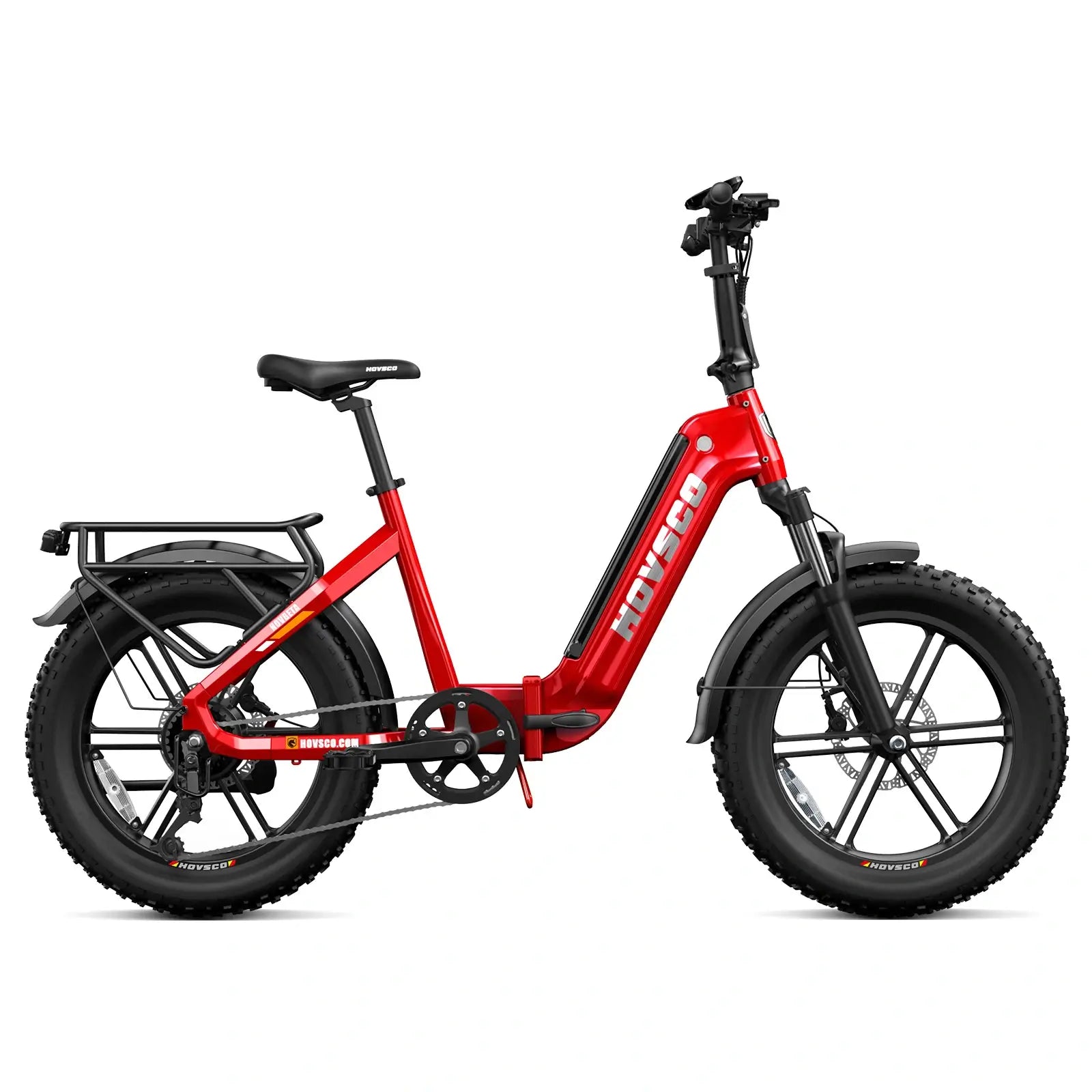
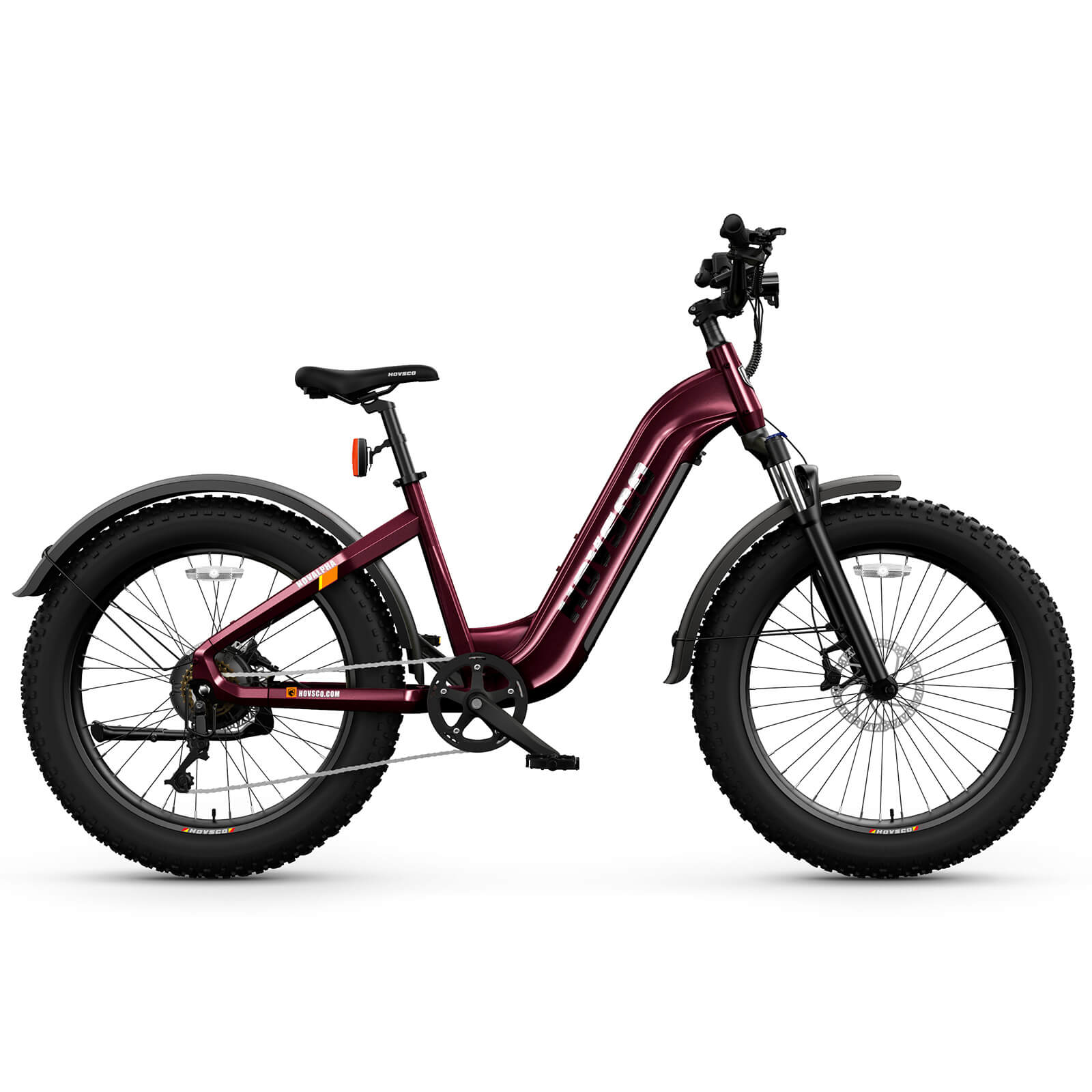
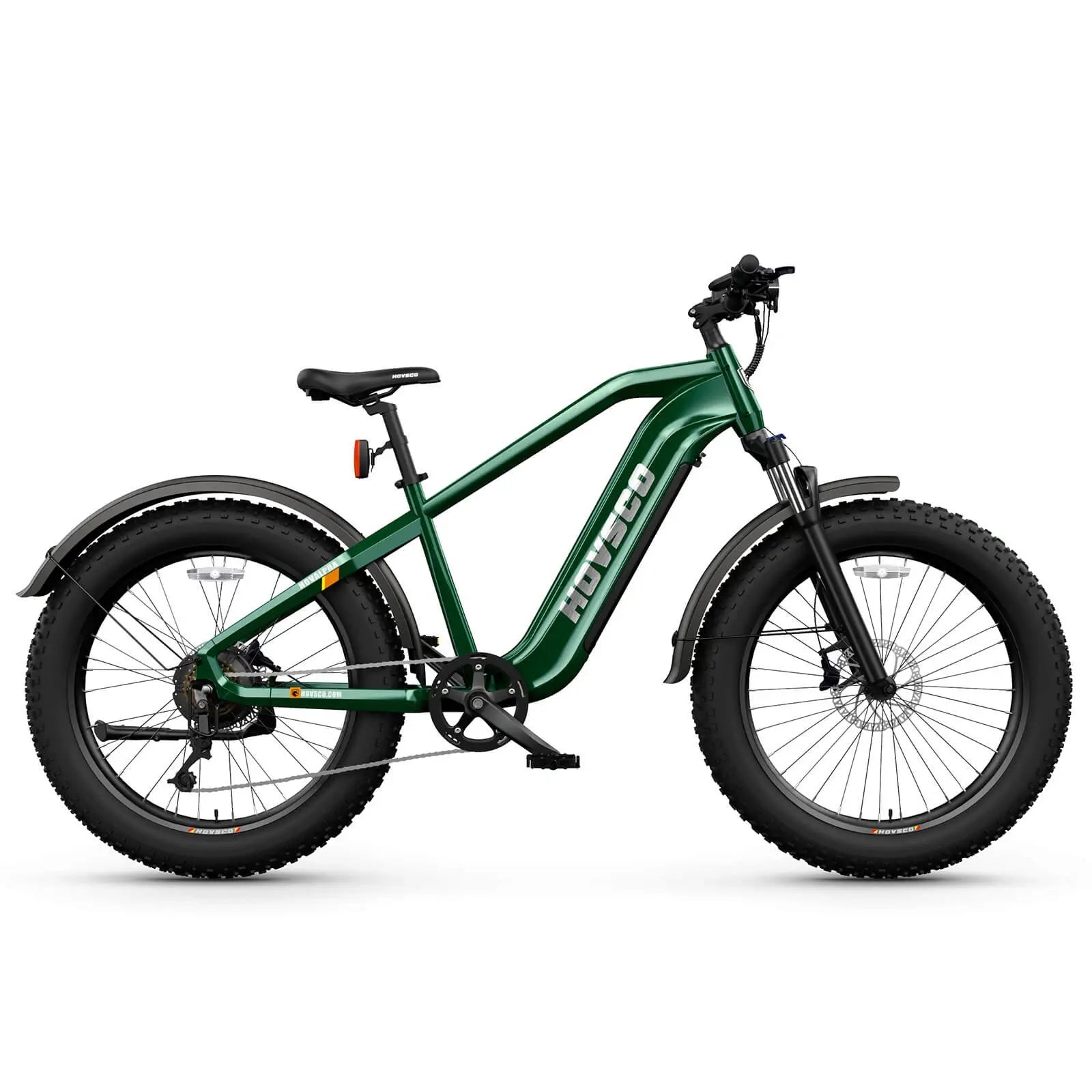
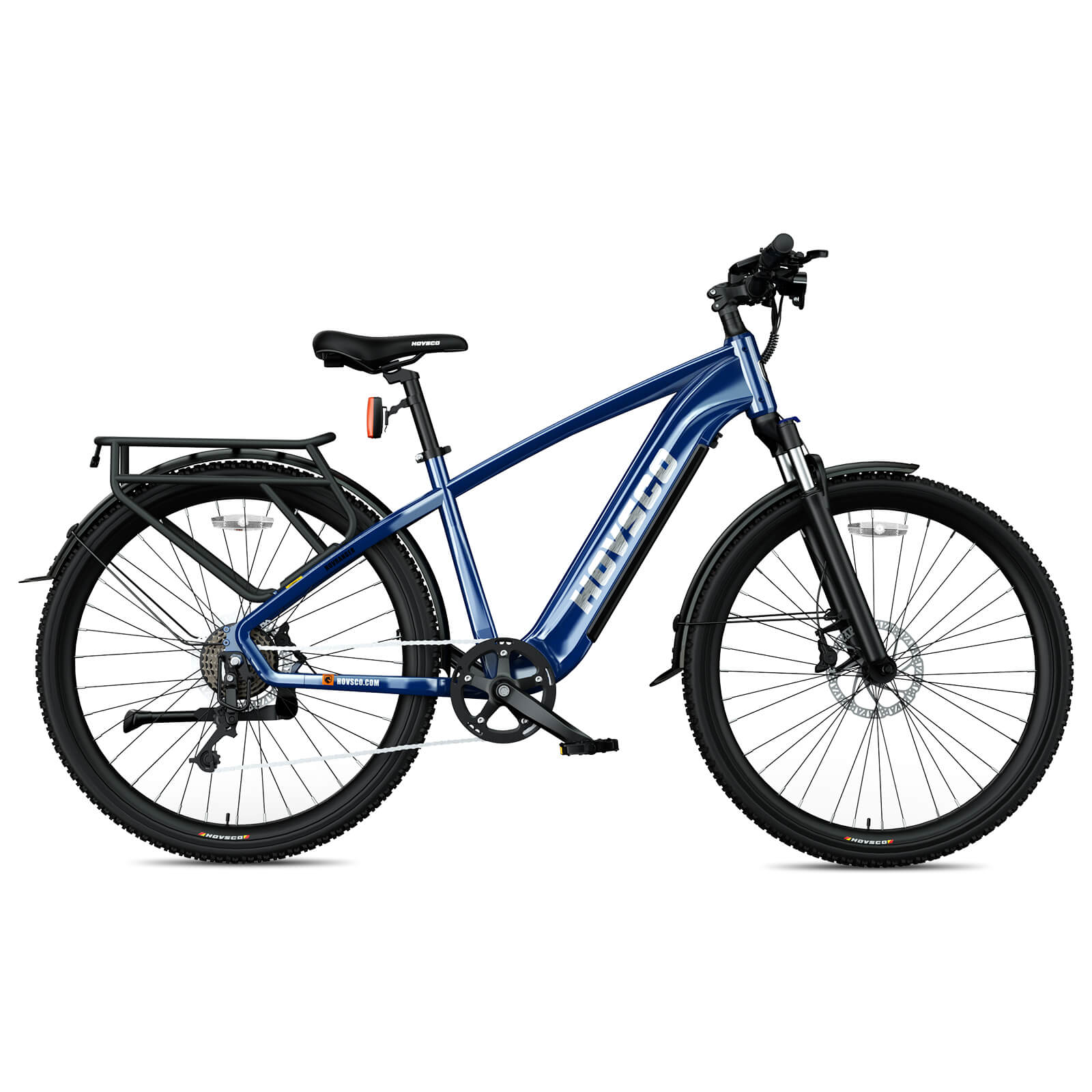
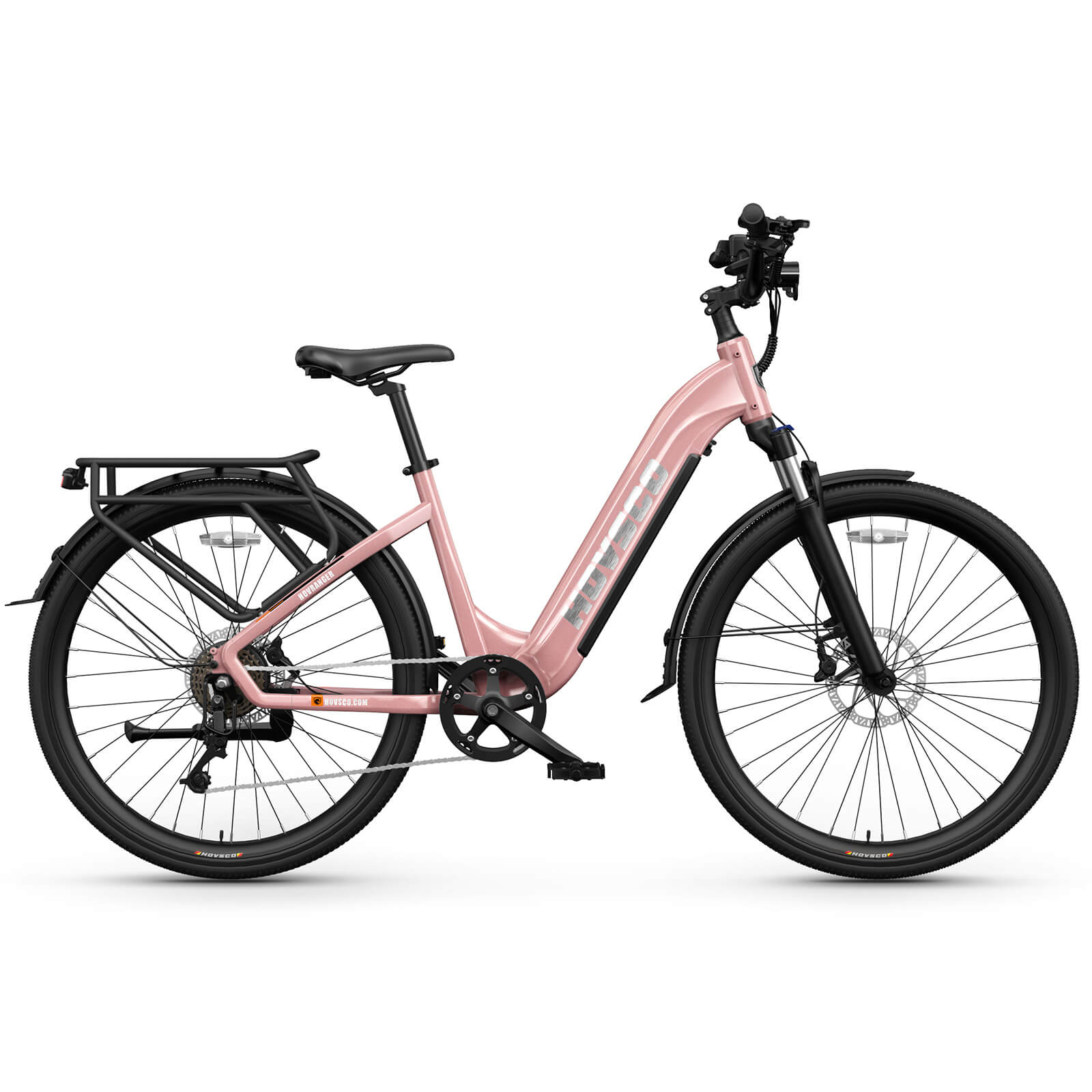
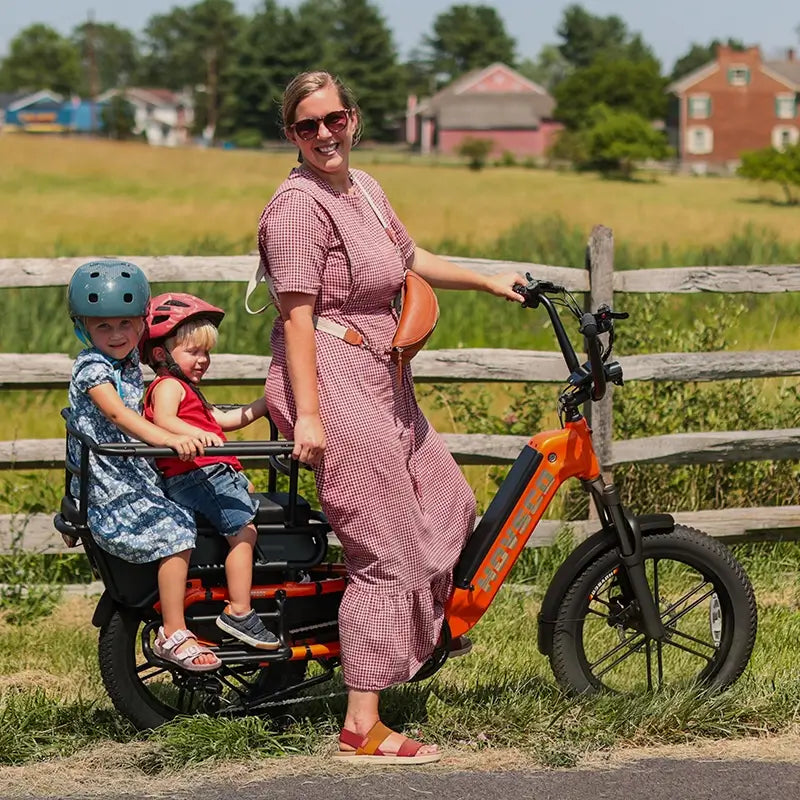
Electric bikes with cargo racks — including rear deck racks or integrated front carriers — are designed to carry heavier loads than standard ebikes while maintaining stability and safety. HOVSCO’s cargo-ready electric bikes include features such as reinforced frames, proper weight distribution for racks, powerful electric assist for laden rides, and ergonomic handles and seating for longer commuting or errand cycles. These bikes enable riders to carry bags, tools, or equipment securely without resorting to bulky trailers or cars.
Integrated rear or front cargo rack with defined load capacities
Electric assist motor for reduced effort under load
Sturdy frame geometry optimized for balance with cargo
Adjustable accessory mounts for baskets, panniers, or boxes
| Feature | Standard Ebike | Ebike With Cargo Rack |
|---|---|---|
| Load Capacity | Limited | High (designed for cargo) |
| Stability Under Load | Moderate | Enhanced with frame design |
| Electric Assist Efficiency | Standard | Tuned for load conditions |
| Accessory Integration | Add-on racks | Built-in modular racks |
| Best Use | Commuting | Errands, hauling, multi-purpose transport |
Identify Your Load Requirements
Estimate typical cargo weights and choose a model with appropriate rack capacity.
Evaluate Rack and Frame Integration
Prefer bikes where racks are part of the design — tested for load and balance.
Check Motor and Battery Specs
Choose a motor and battery capable of sustained performance under load.
Inspect Safety and Braking Systems
Ensure brakes and wheel size support heavier weight for safe stops.
Add Accessories as Needed
Use baskets, panniers, straps, or dedicated cargo bags compatible with the rack.
Problem: Need to carry groceries and household items without a car
Traditional Practice: Multiple store runs by car
After Using Cargo Rack Ebike: One trip with secure load
Key Benefit: Time and fuel savings, reduced carbon footprint
Problem: Carry briefcase, backpack, or work tools
Traditional Practice: Rely on backpack only
After Using Cargo Rack Ebike: Comfortable transport without extra back strain
Key Benefit: Better posture and utility
Problem: Hauling camping or picnic gear
Traditional Practice: Car usage or trailers
After Using Cargo Rack Ebike: Pack gear snugly on rack and ride
Key Benefit: Lower costs and outdoor mobility
Problem: Transport goods locally for business
Traditional Practice: Use car or courier service
After Using Cargo Rack Ebike: Local deliveries with electric assist
Key Benefit: Reduced delivery costs, green credentials
The electric bike market overall is expanding swiftly, with urban commuters and cargo segments growing at strong rates, and cargo models gaining wider acceptance among families and commercial users alike. With infrastructure improvements in many cities and rising demand for sustainable, low-cost transport, electric bikes equipped with cargo racks solve real daily needs and offer measurable benefits over cars and traditional bikes. HOVSCO’s cargo-ready ebikes exemplify this shift by combining dependable motors, well-engineered racks, and user-focused design to make hauling effortless and safe for a wide range of riders.
How much weight can a cargo rack on an e-bike carry?
Load capacity varies by design but many cargo ebikes support over 100 pounds safely with integrated racks.
Which types of cargo are best suited for electric bikes with racks?
Groceries, equipment, backpacks, business supplies, or small children’s gear when paired with proper accessories.
Can I retrofit a cargo rack on any electric bike?
Some standard ebikes support after-market racks, but integrated rack designs provide better balance and safety.
Are electric bikes with cargo racks suitable for hilly terrain?
Yes — with powerful motors and low-gear assist, they handle inclines better than non-electric cargo bikes.
Does having a cargo rack affect ebike range?
Carrying heavier loads increases energy use, so range may decrease compared to solo riding; choose bigger batteries for frequent heavy hauling.
https://www.globenewswire.com/news-release/2024/01/09/2806514/0/en/Electric-Cargo-Bike-Market-Size-to-Reach-US-2-14-Billion-by-2032-Growing-at-a-CAGR-of-11-9-Market-Analysis-Share-Forecasts-and-Trends-Report-by-Persistence-Market-Research.html
https://www.mordorintelligence.com/industry-reports/e-cargo-bike-market
https://www.industryresearch.biz/market-reports/family-cargo-bikes-market-102843
https://www.marketsandata.com/industry-reports/electric-cargo-bikes-market
https://wifitalents.com/ebike-statistics/
Share:
Which Electric Bike Best Fits City Life Demands?
What Are the Best Moped Style Ebike Models to Buy in 2026?