



![[ New Arrival ] Porto Max Electric Scooter For Commute & Grocery Shopping - HOVSCO](http://www.hovsco.com/cdn/shop/files/PotroMax-3.jpg?v=1706927007&width=1200)
- by EO S
What Are the Best Cargo Ebikes for Adults in 2026?
- by EO S
E-Bikes
Accessories
 Free Shipping
 15-Day Returns
 2-Year Warranty
Free Shipping
15-Day Returns
2-Year Warranty
2-Year Warranty
Free Shipping
15-Day Returns
2-Year Warranty
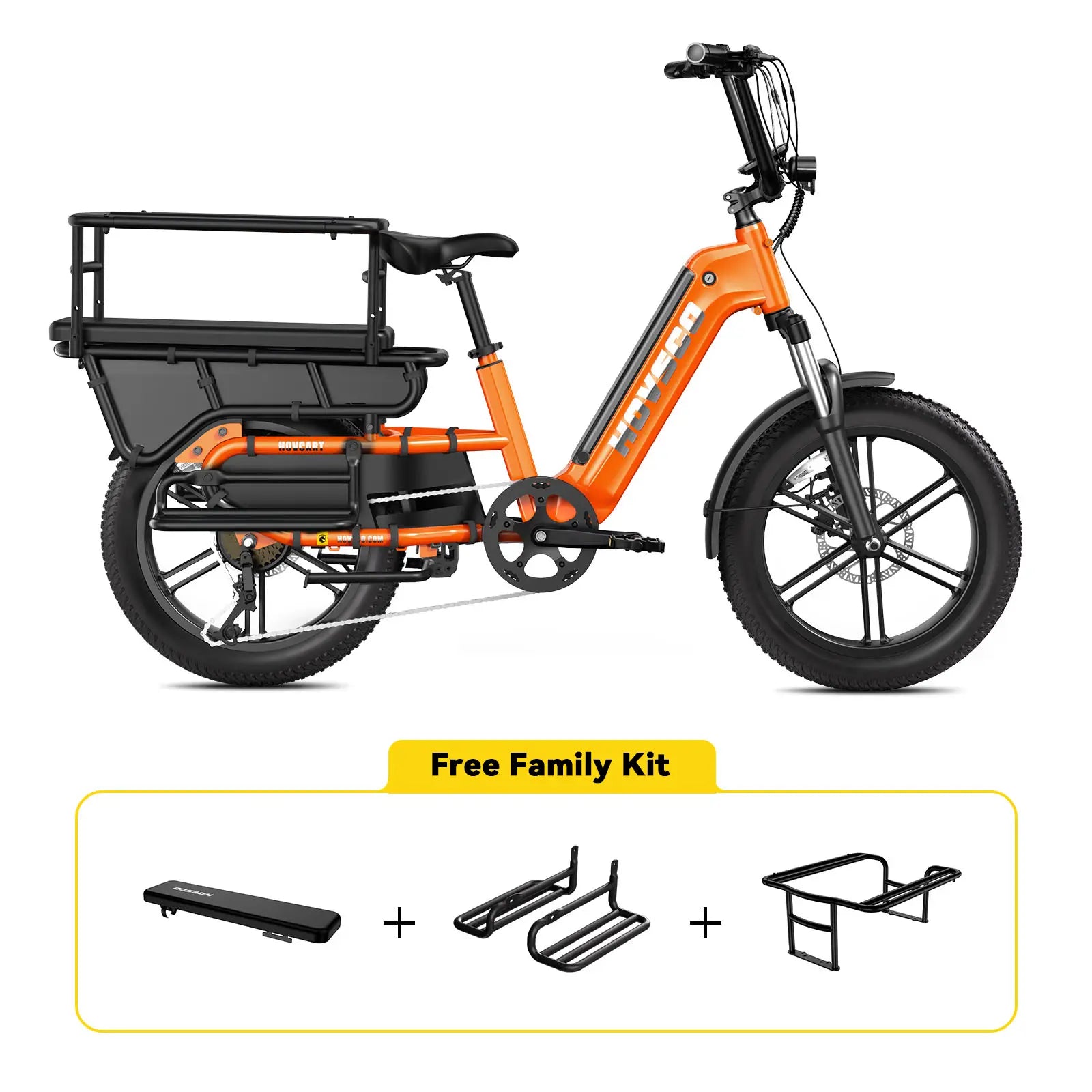
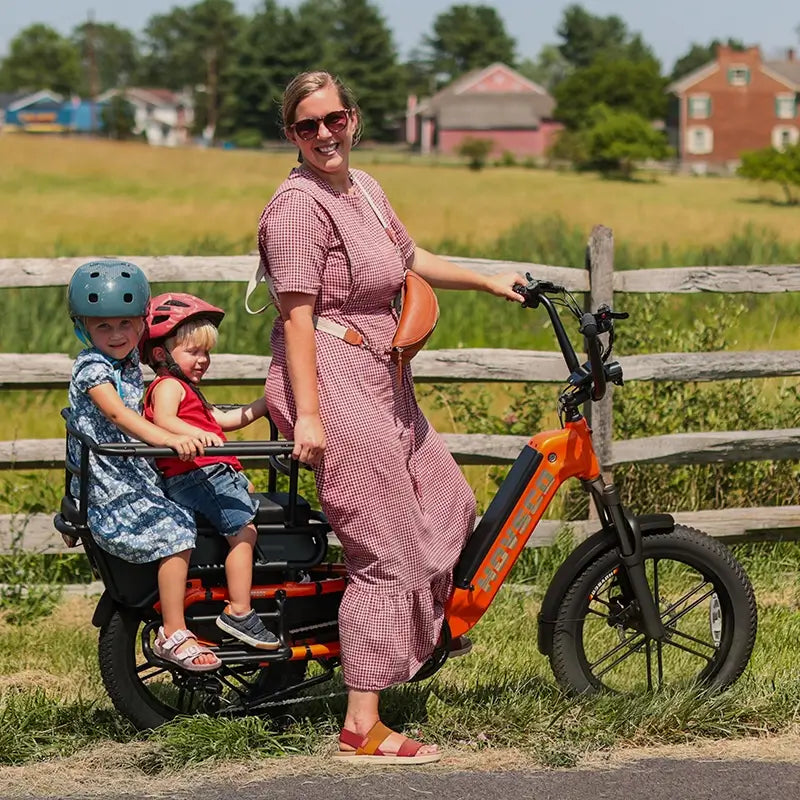
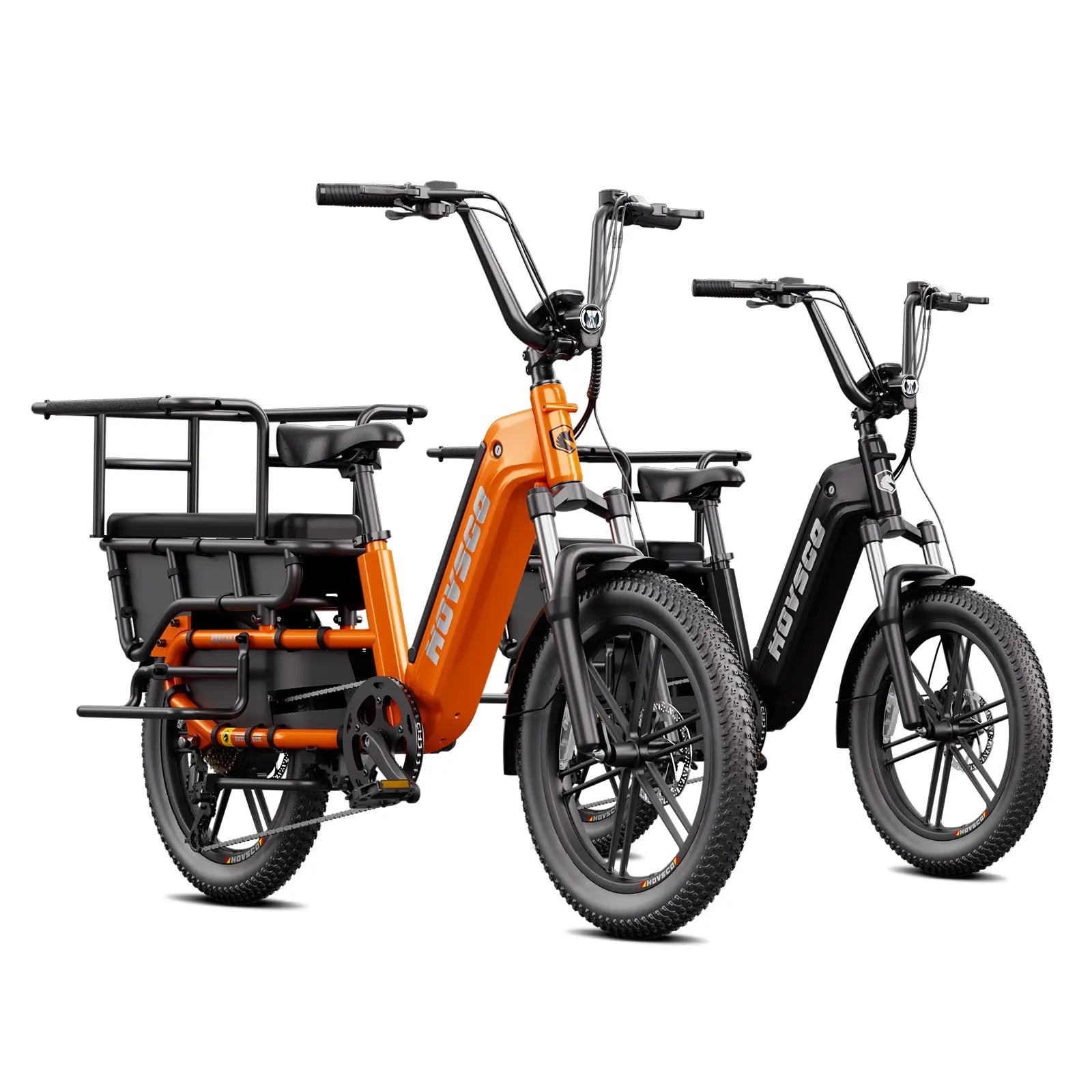
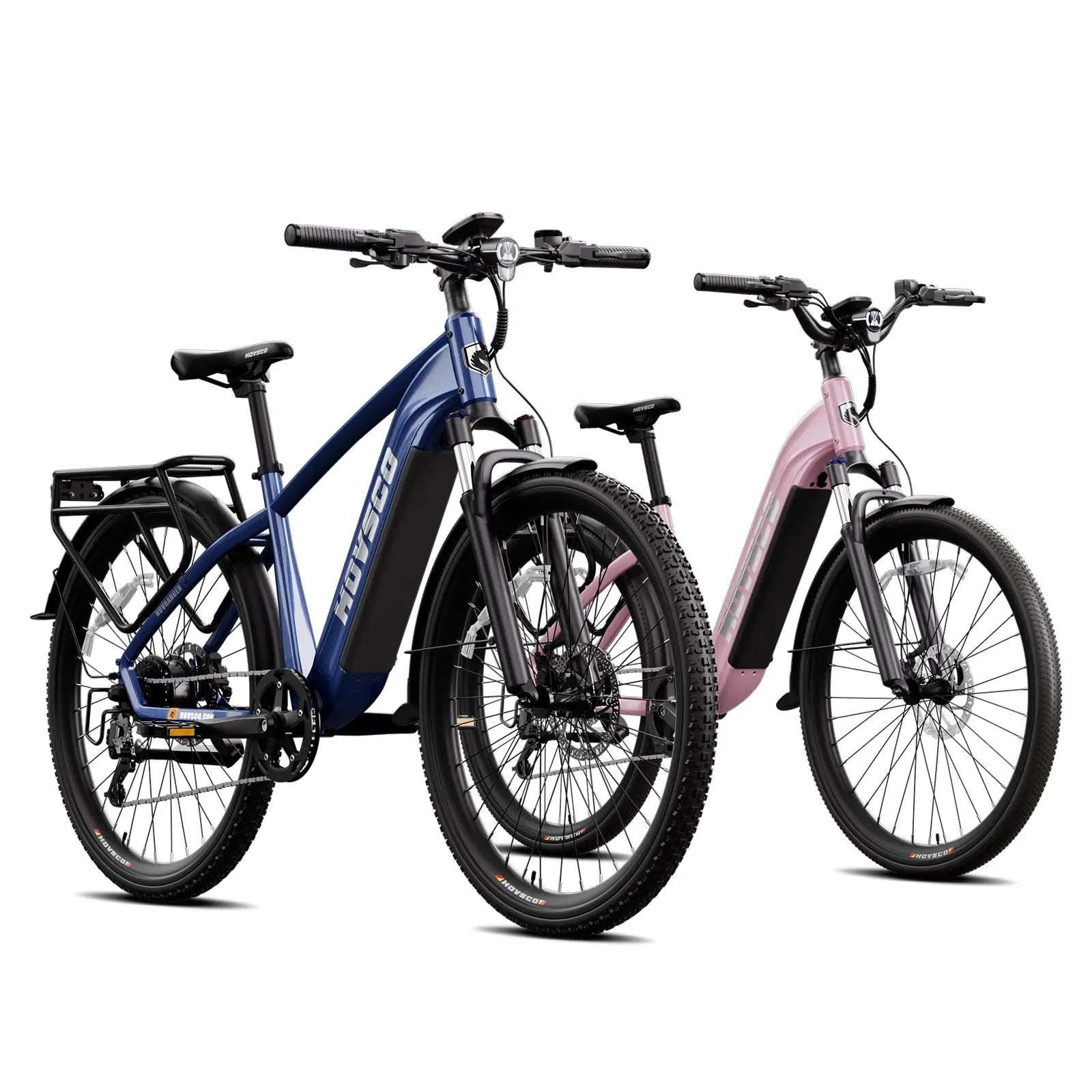
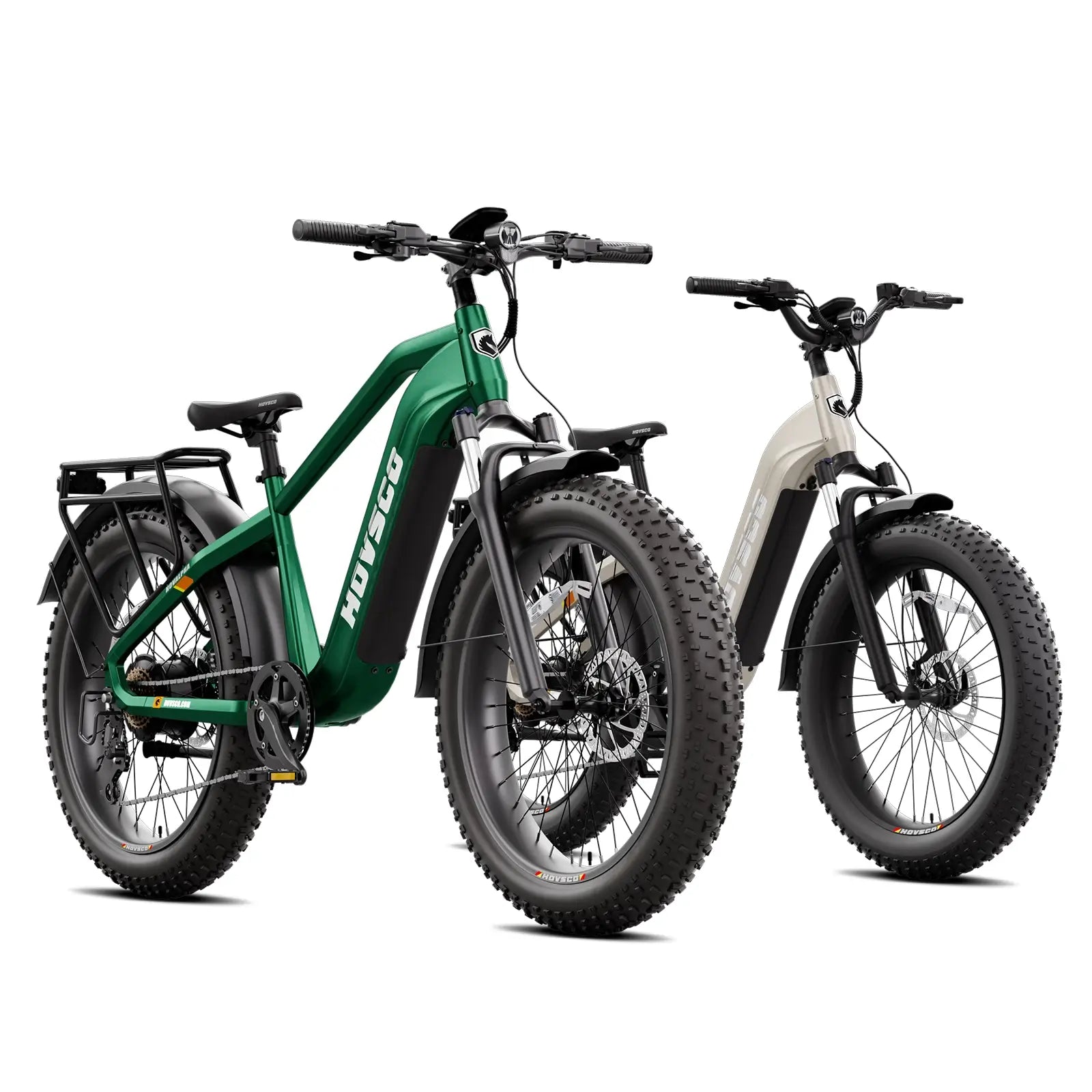
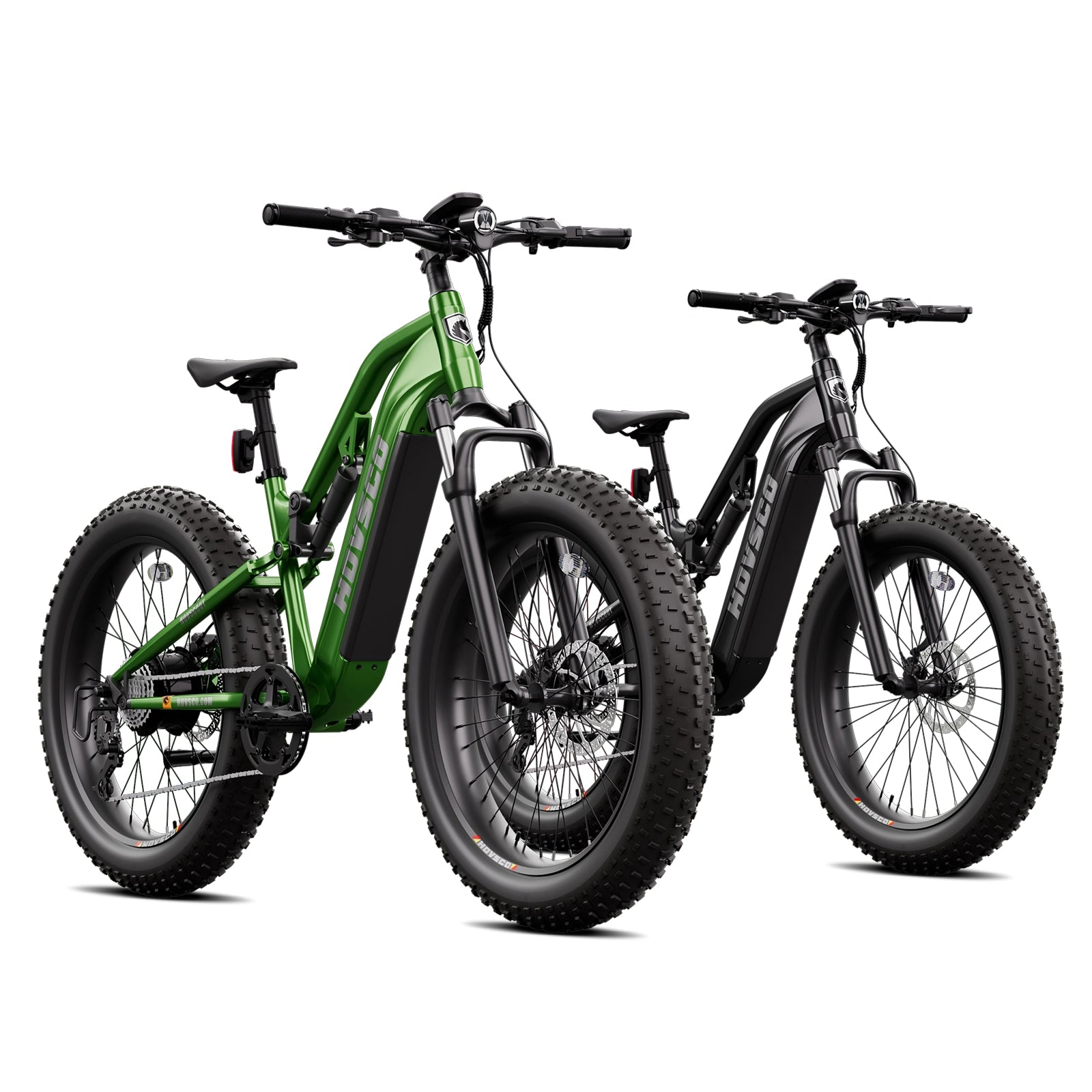
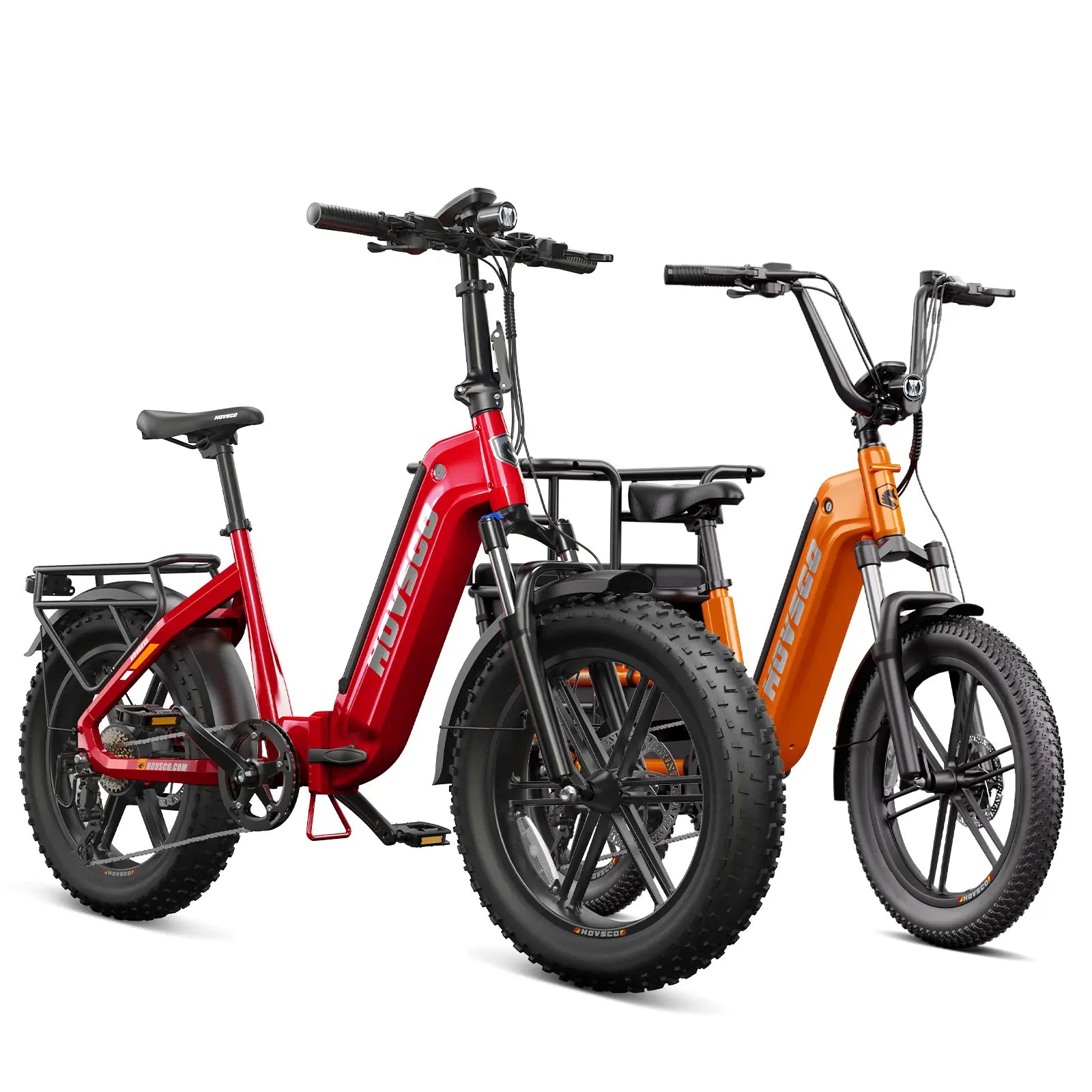
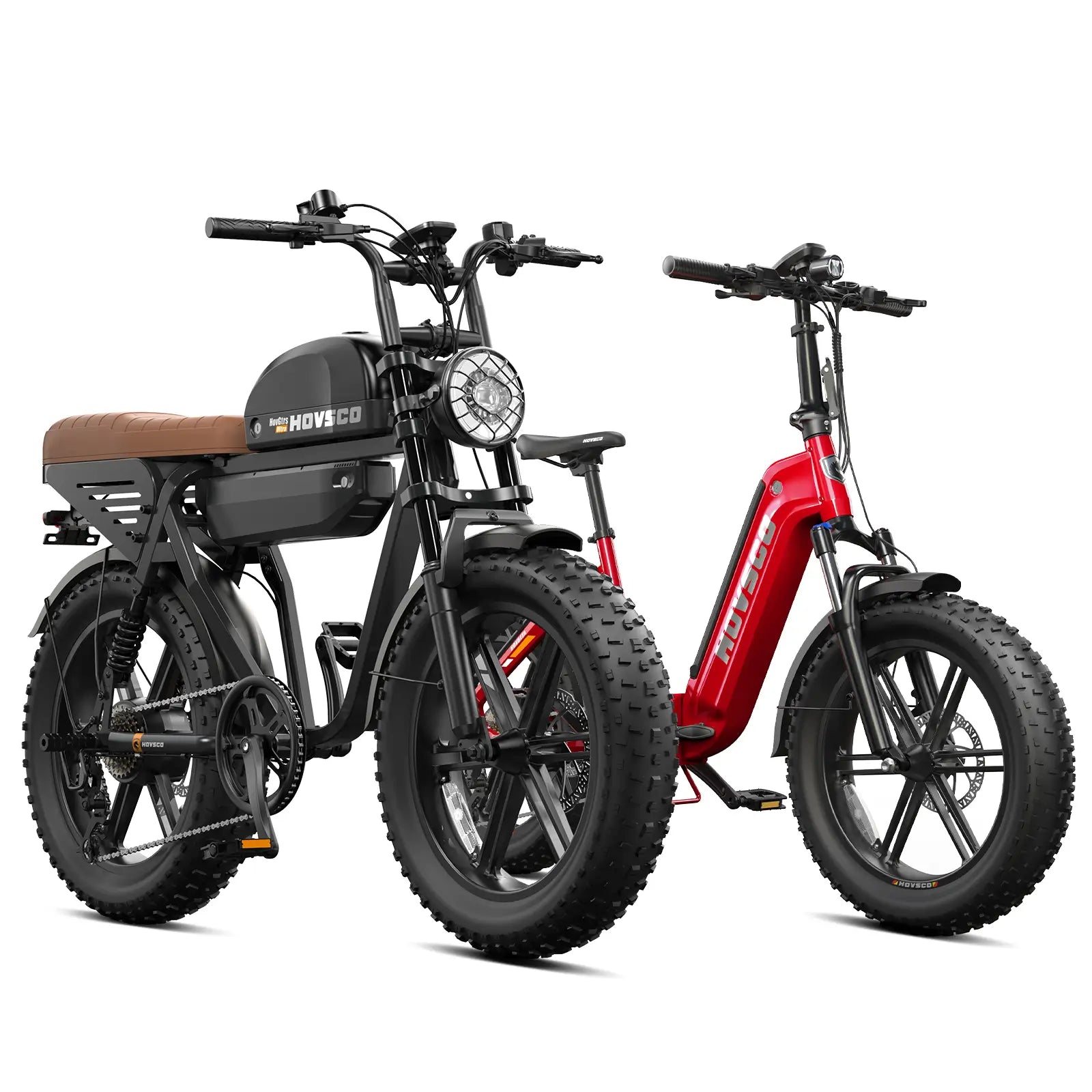
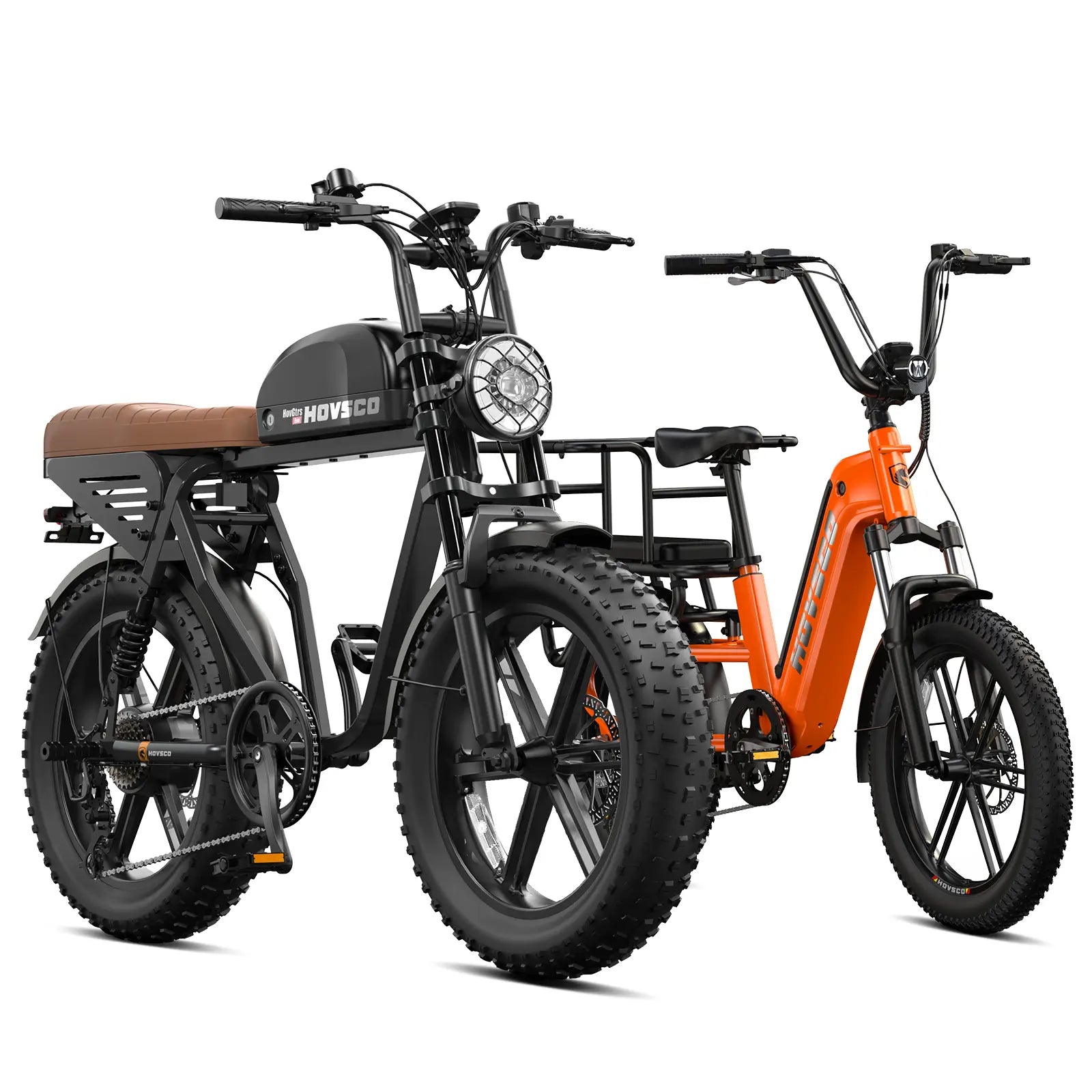
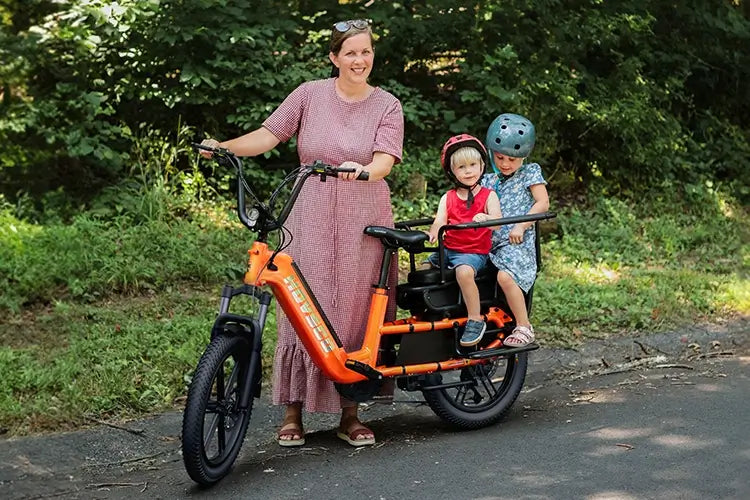
Cargo ebikes for adults haul up to 400 lbs across 50-mile ranges at 28 mph, slashing delivery times by 40% and fuel costs by 85% versus vans. These sturdy platforms with extended racks and low centers of gravity enable safe, efficient urban hauling for commuters, families, and businesses. HOVSCO models stand out with reinforced frames built for daily payloads, delivering reliability in real-world conditions.
The global electric cargo bike market hits USD 2.21 billion in 2026, surging at 23% CAGR through 2034 as e-commerce demands last-mile solutions. Courier services adopt 60% more units yearly, yet 45% of operators report battery failures mid-shift from overloaded packs. Urban density in cities like Seattle traps vans in 50-hour annual jams, inflating costs to $1,000 per vehicle.
E-commerce orders topped 2.14 billion worldwide by 2025, straining traditional fleets while cargo ebikes cut emissions to zero. However, 70% of riders face theft risks without secure locks, and uneven charging access limits 30-mile routes. HOVSCO addresses this with integrated alarms and 52V batteries sustaining 800 cycles at full load.
Infrastructure lags, with only 20% of U.S. cities offering ebike parking, forcing 35% of users to skip shifts. Rising insurance for gas vans at $2,500 yearly pushes fleets toward ebikes averaging $0.02 per mile.
Vans burn $3,500 in fuel annually for 10,000 miles, emitting 4 tons of CO2 while idling 1,000 hours in traffic. Maintenance hits $1,200 per year, and parking fines average $500 in dense zones. Standard pickup trucks haul 1,000 lbs but guzzle 15 mpg, unfit for bike-lane access.
Non-electric cargo bikes demand constant pedaling, capping loads at 200 lbs and ranges at 20 miles, leading to rider fatigue after 4 hours. Vans require CDLs for heavy use, adding $300 in fees. HOVSCO cargo ebikes bypass these with 750W motors handling 400 lbs without licensing.
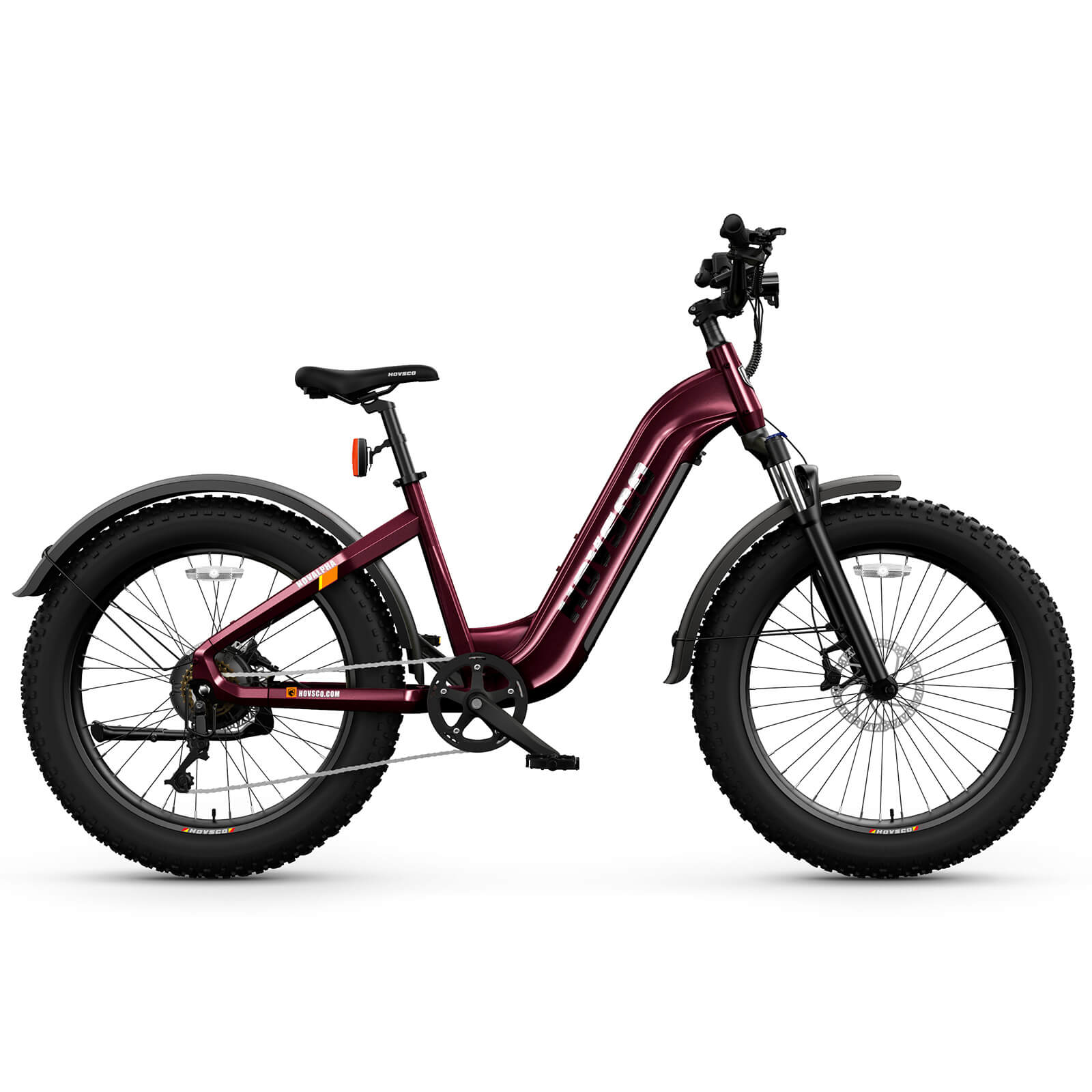
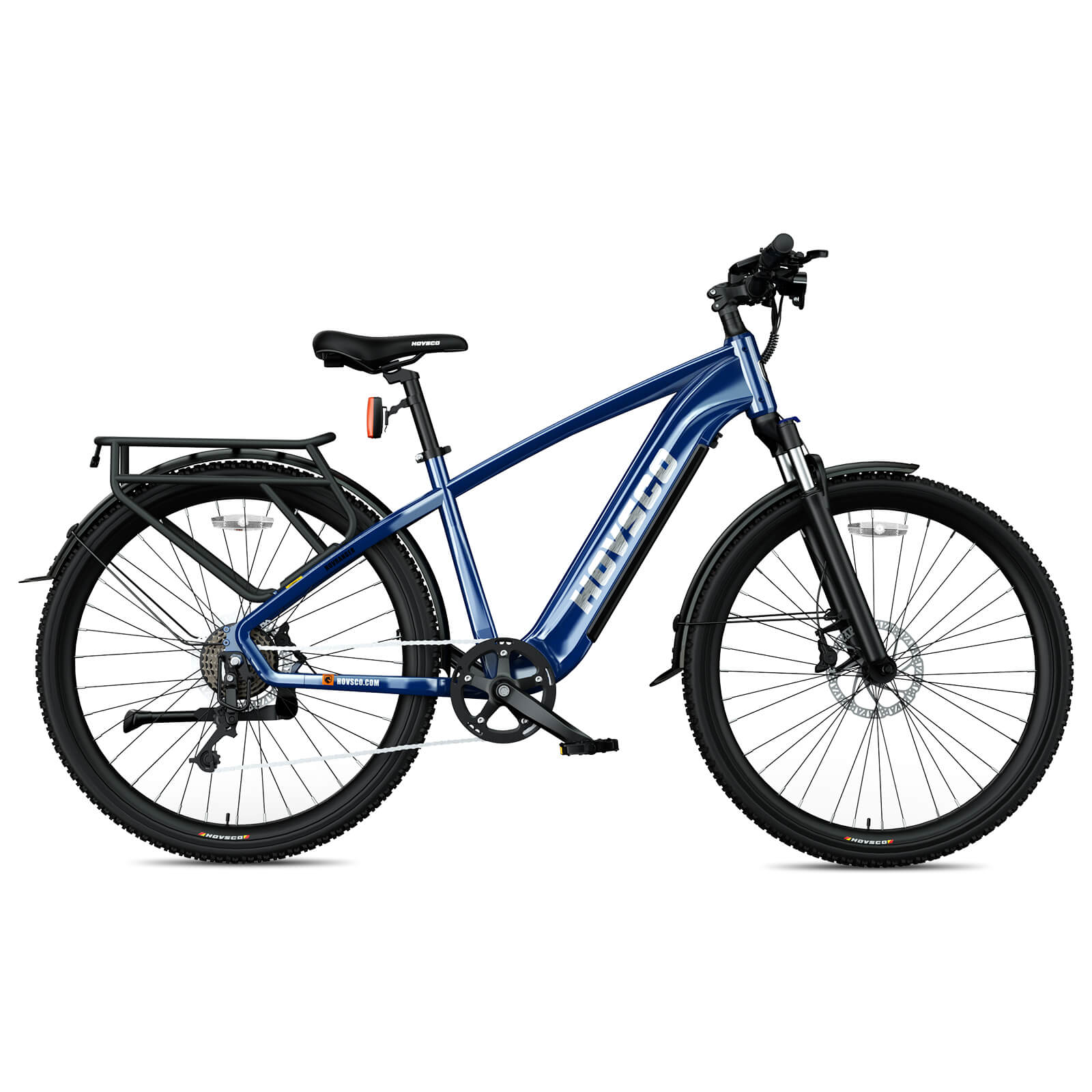
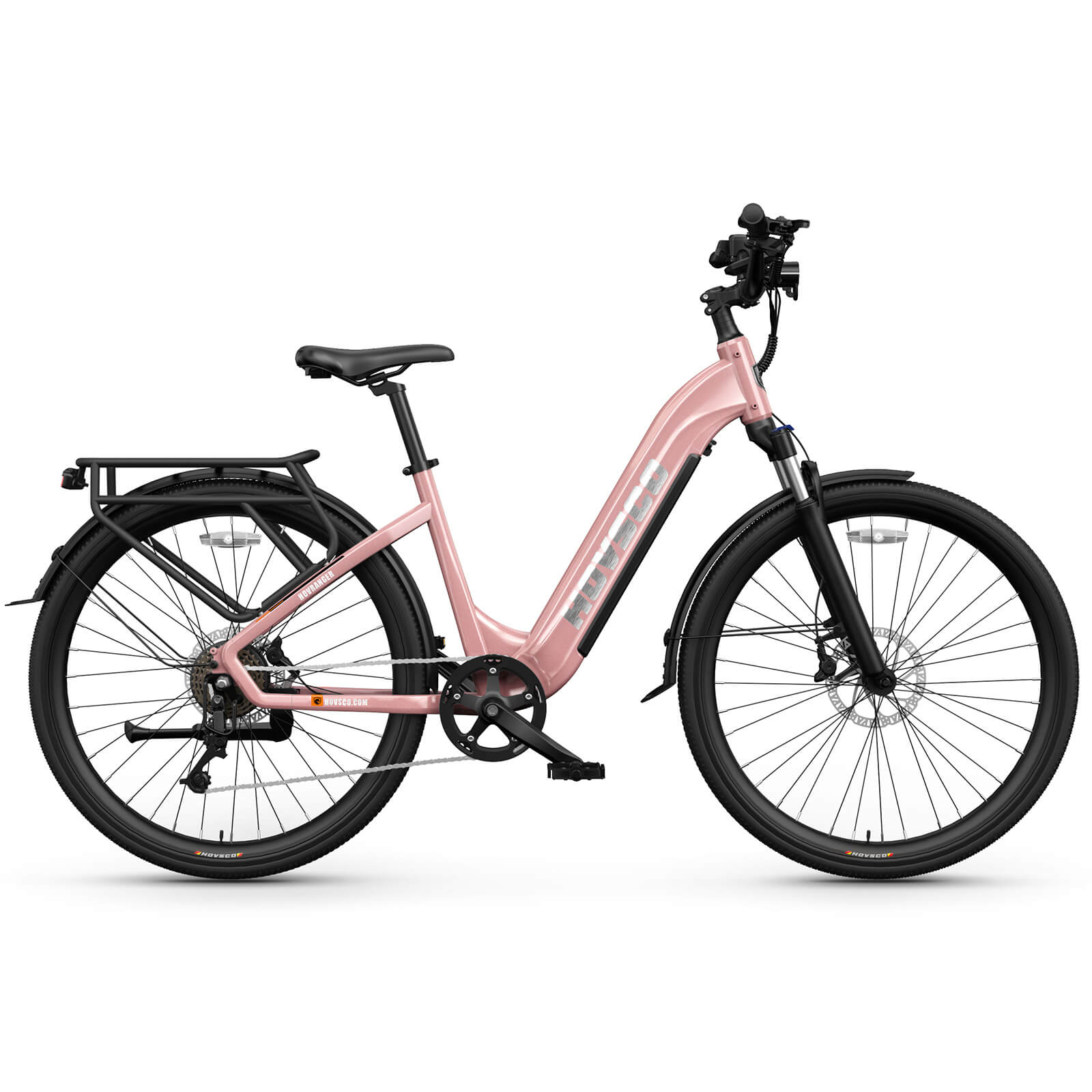
Leading cargo ebikes pack 750W rear hub motors for 28 mph on 10% grades and 52V 25Ah batteries yielding 50 miles loaded. Rear racks extend 24 inches with 200-lb limits, paired with mid-step frames for easy mounting. Hydraulic disc brakes halt 400 lbs from 20 mph in 18 feet.
HOVSCO integrates torque sensors for smooth 5-level assist, color LCDs showing payload weight, and IP67 seals for rain. These support 300-lb daily hauls over 1,000 miles. UL 2849 certification ensures motor longevity past 5,000 hours.
| Feature | Traditional Delivery Van | Standard Cargo Bike | HOVSCO Cargo Ebike |
|---|---|---|---|
| Load Capacity (lbs) | 3,000 | 200 | 400 |
| Range per Charge/Fill | 300 miles | 20 miles | 50 miles |
| Operating Cost/Mile | $0.60 | $0.05 | $0.02 |
| Top Speed Loaded (mph) | 55 | 15 | 28 |
| Annual CO2 (tons) | 4 | 0.1 | 0 |
| Traffic Navigation | Restricted lanes | Bike paths | Bike paths + throttle |
HOVSCO leads with 75% lower costs and full urban access.
Assemble frame and mount rear rack, then charge battery to 100% via 6A charger in 5 hours.
Load balance cargo under 200 lbs per rack point; secure with ratchet straps rated to 500 lbs.
Select assist level 3 for 20 mph starts, monitoring via app for voltage drops.
Navigate routes using GPS holder, averaging 25 mph in bike lanes for 40-mile days.
Lock with double U-locks post-ride; clean chain weekly to sustain 95% efficiency.
HOVSCO pre-installs cargo nets for instant 150-lb security.
Scenario 1: Last-Mile Courier in Congestion
Problem: 30 deliveries stuck in 2-hour jams.
Traditional: Van fuel at $50 daily.
After HOVSCO: 90-minute ebike runs.
Key Benefit: 50% time savings, $1,800 monthly profit.
Scenario 2: Small Business Grocer
Problem: 150 lbs produce spoils in hot vans.
Traditional: Two trips by car.
After HOVSCO: Single 400-lb load.
Key Benefit: Cuts spoilage 80%, doubles orders.
Scenario 3: Family Hauling Weekly Shop
Problem: Multiple car trips for 100 lbs goods.
Traditional: $20 gas weekly.
After HOVSCO: One 12-mile ride.
Key Benefit: Saves $1,000 yearly, adds exercise.
Scenario 4: Contractor Tool Transport
Problem: 250 lbs gear overloads sedans.
Traditional: Roof racks slip.
After HOVSCO: Secure rack hauls all.
Key Benefit: 30% faster site arrivals.
Smart cargo ebikes gain IoT tracking, boosting fleet efficiency 25% by 2030. HOVSCO adopts swappable batteries for 100-mile days. Bans on gas vans in 15 U.S. cities by 2027 raise compliance costs 40%. Early adopters lock 3-year warranties, avoiding $2,000 retrofits.
How much weight can cargo ebikes carry safely?
Up to 400 lbs total, with racks at 200 lbs tested for dynamic loads.
What range do they achieve fully loaded?
50 miles at 20 mph; pedal assist extends to 65 miles.
Are cargo ebikes street-legal everywhere?
Yes as Class 2/3 up to 28 mph, no license needed in 48 states.
How does HOVSCO ensure cargo security?
Integrated locks and nets hold 150 lbs vibration-free.
When do batteries need replacement?
800 full cycles, retaining 80% capacity; 2-year warranty.
Which terrain suits cargo ebikes best?
Paved urban roads and light gravel at 400 lbs.
Share:
What Are the Best Moped Style Ebike Models to Buy in 2026?
Which Retro Electric Bikes Should Adults Buy in 2026?