Fat tire e-bike dynamics are redefining how riders experience traction, stability, and comfort on everything from city streets to sand, snow, and rugged singletrack. For riders who want one bike to do it all, wide 4.0–4.8 inch tires paired with capable motors and suspension unlock a level of versatility that traditional e-bikes struggle to match—and brands like HOVSCO are leaning into this trend with dedicated fat tire platforms.
Fat Tire E-Bike Dynamics explained: learn how fat tires affect traction, control, comfort, and range, and why HOVSCO fat tire e-bikes are a smart choice for all-terrain riding in 2026.
Fat tire e-bike dynamics in a fast‑growing market
Global fat tire e-bikes sit inside a booming e-bike segment, with the wider e-bike market projected to grow at around 15–16% annually through 2033 as riders seek eco‑friendly, car‑replacing mobility. In 2023, North America alone generated roughly 2.89 billion USD in e-bike market value, driven by urban congestion, sustainability goals, and demand for adventure‑capable bikes.
Shared micromobility data echoes this shift: in 2023, at least 172 million trips were taken on shared micromobility in North America, with 64% of those rides on electric devices—a signal that electric two‑wheelers are becoming mainstream transportation, not just weekend toys. For riders who want one electric bike that can handle city mileage during the week and off‑road exploring on weekends, fat tire e-bikes deliver a compelling answer.
Early look at HOVSCO fat tire e-bikes
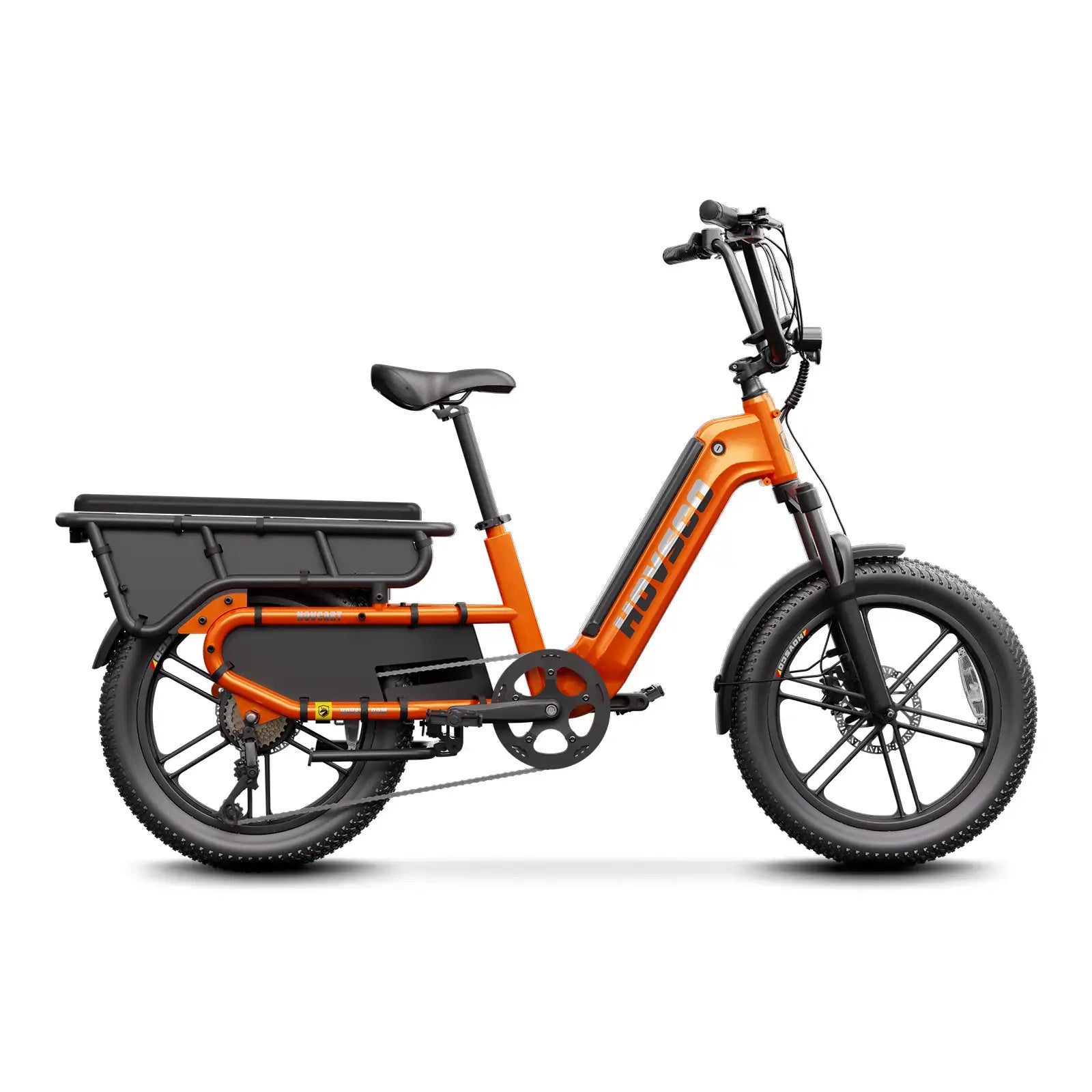
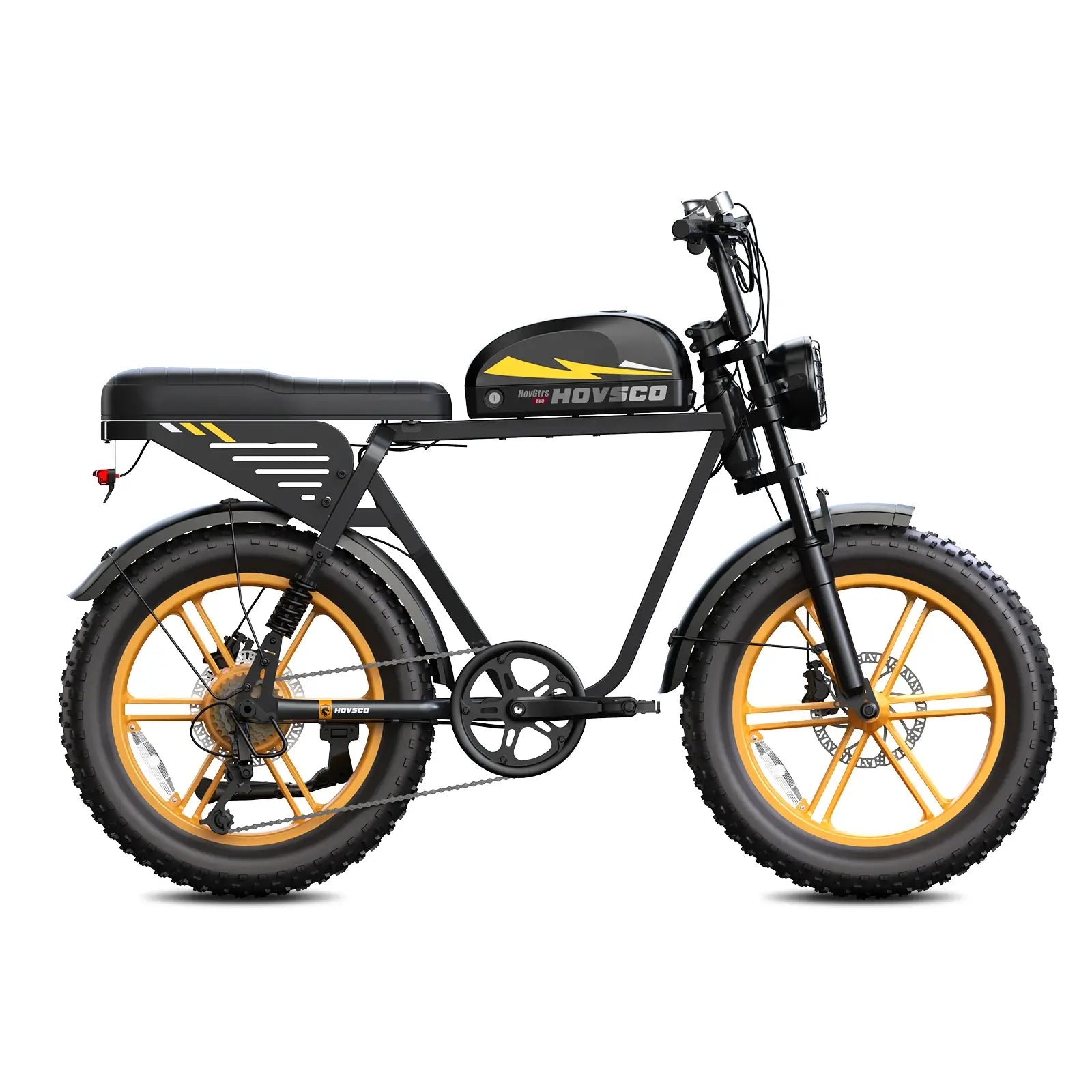
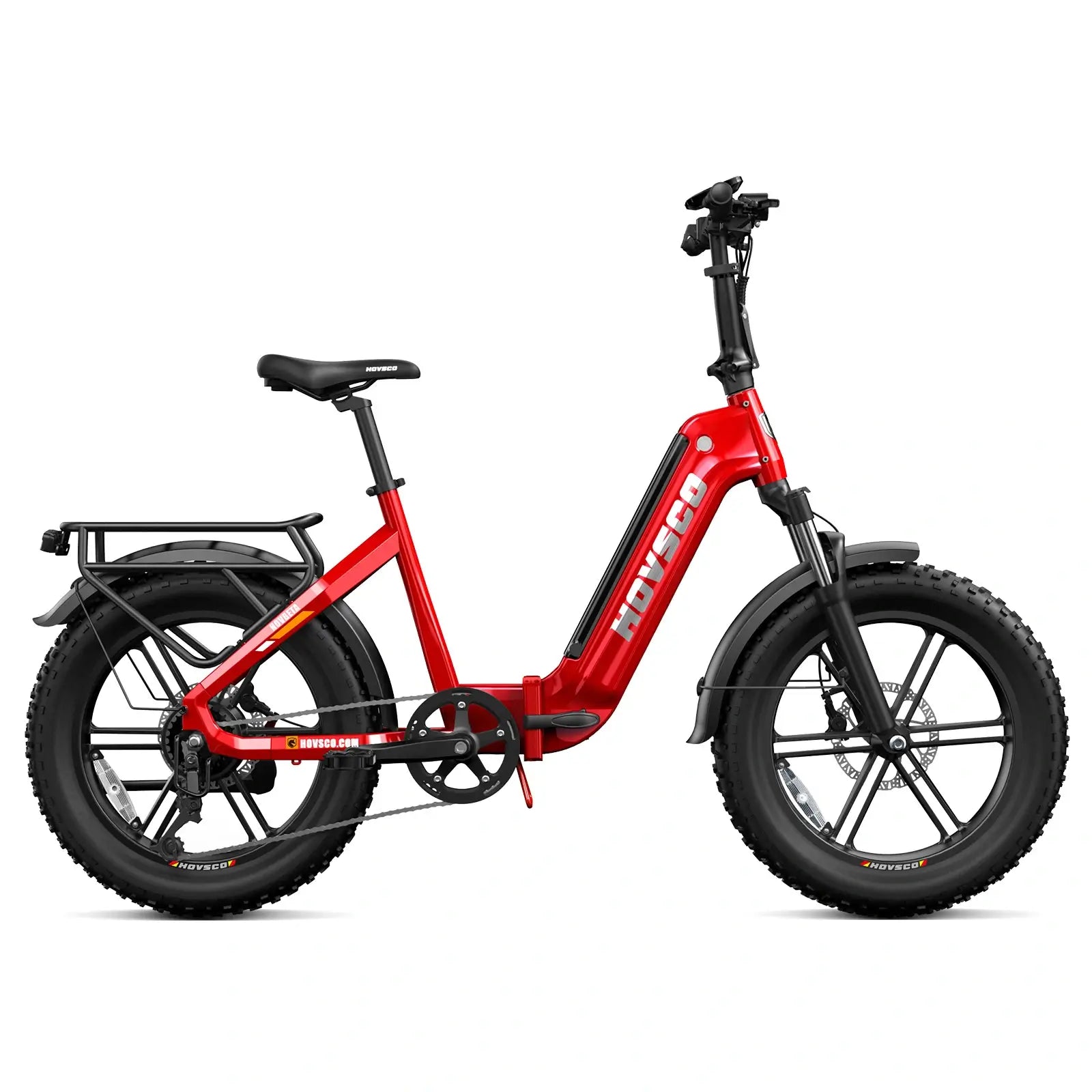
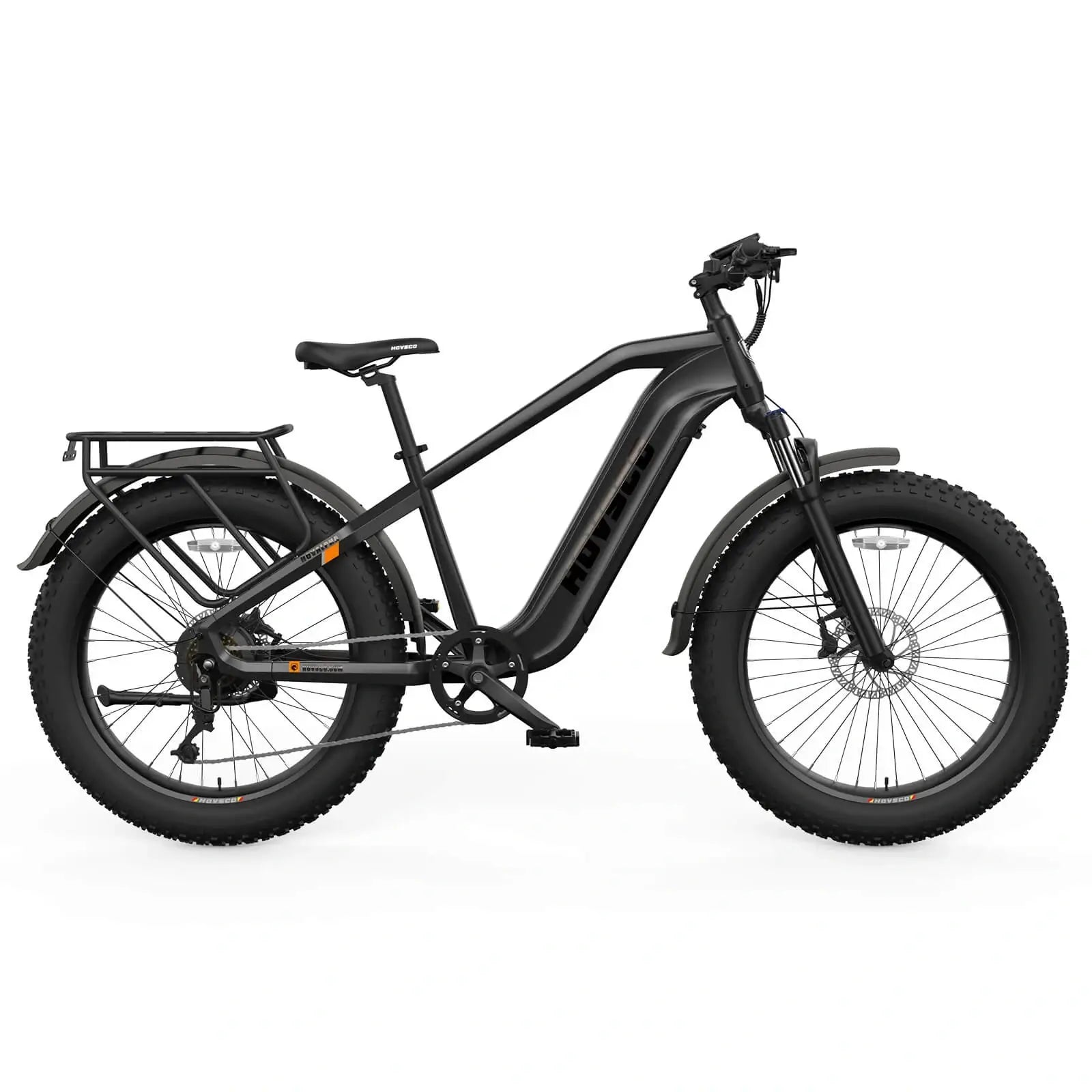
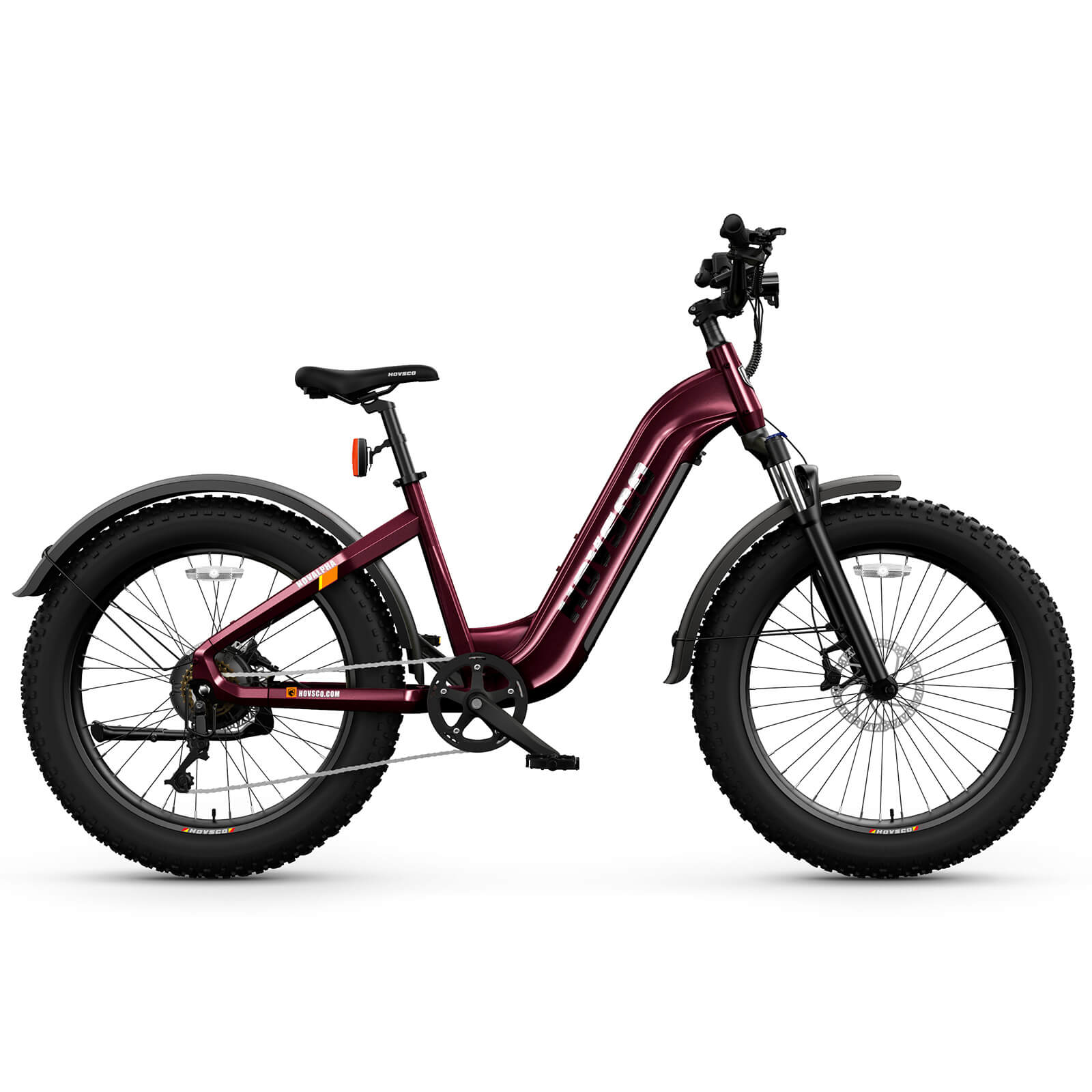
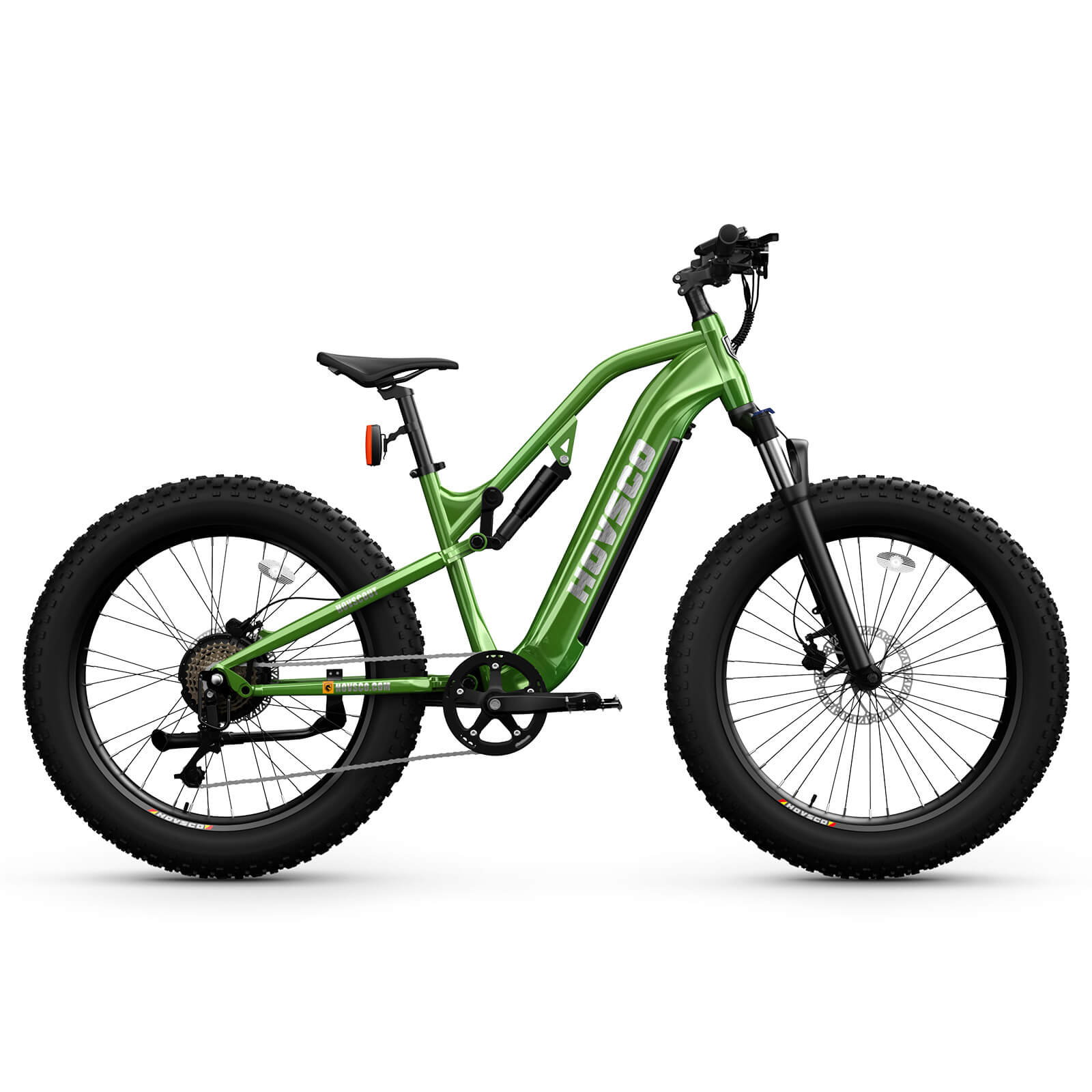
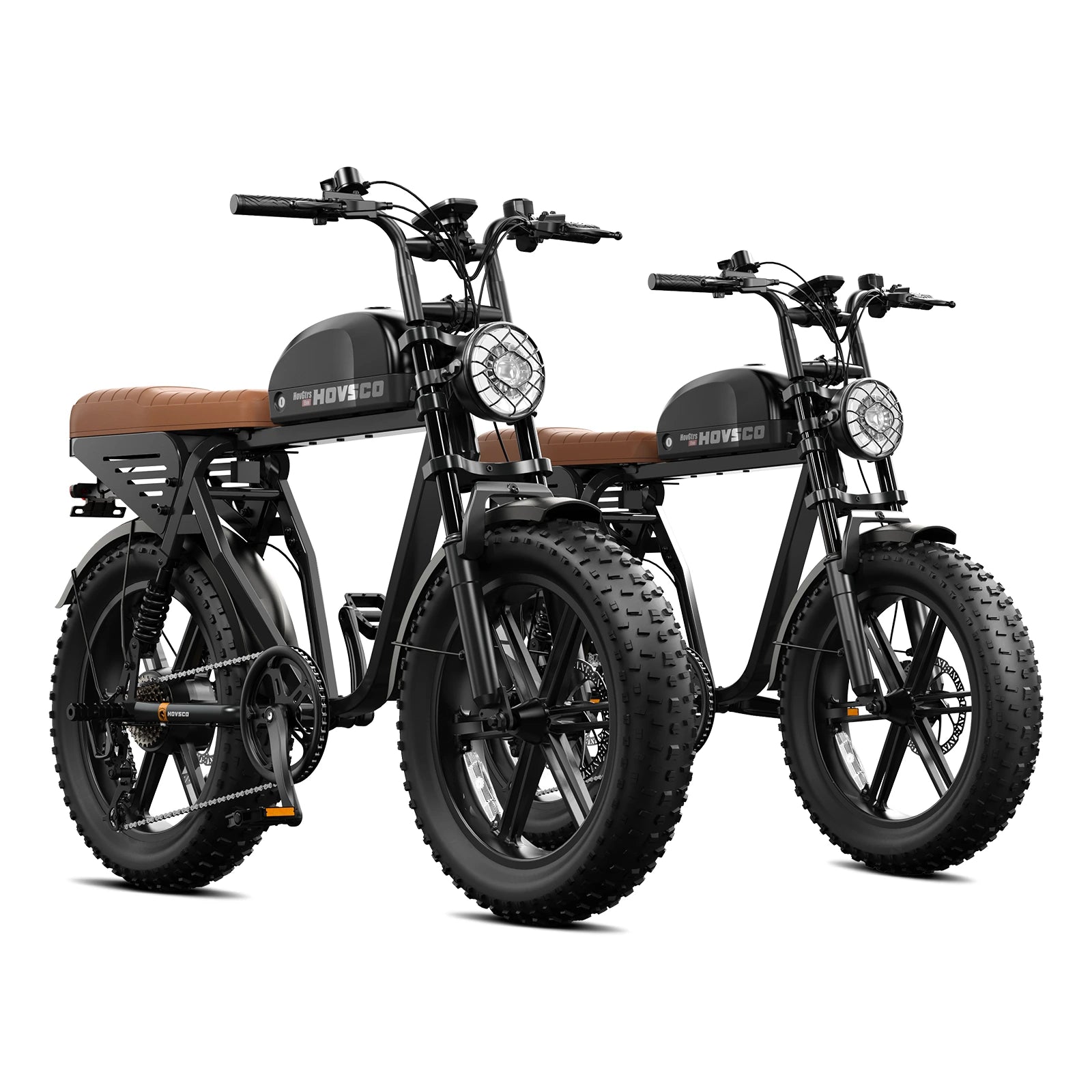
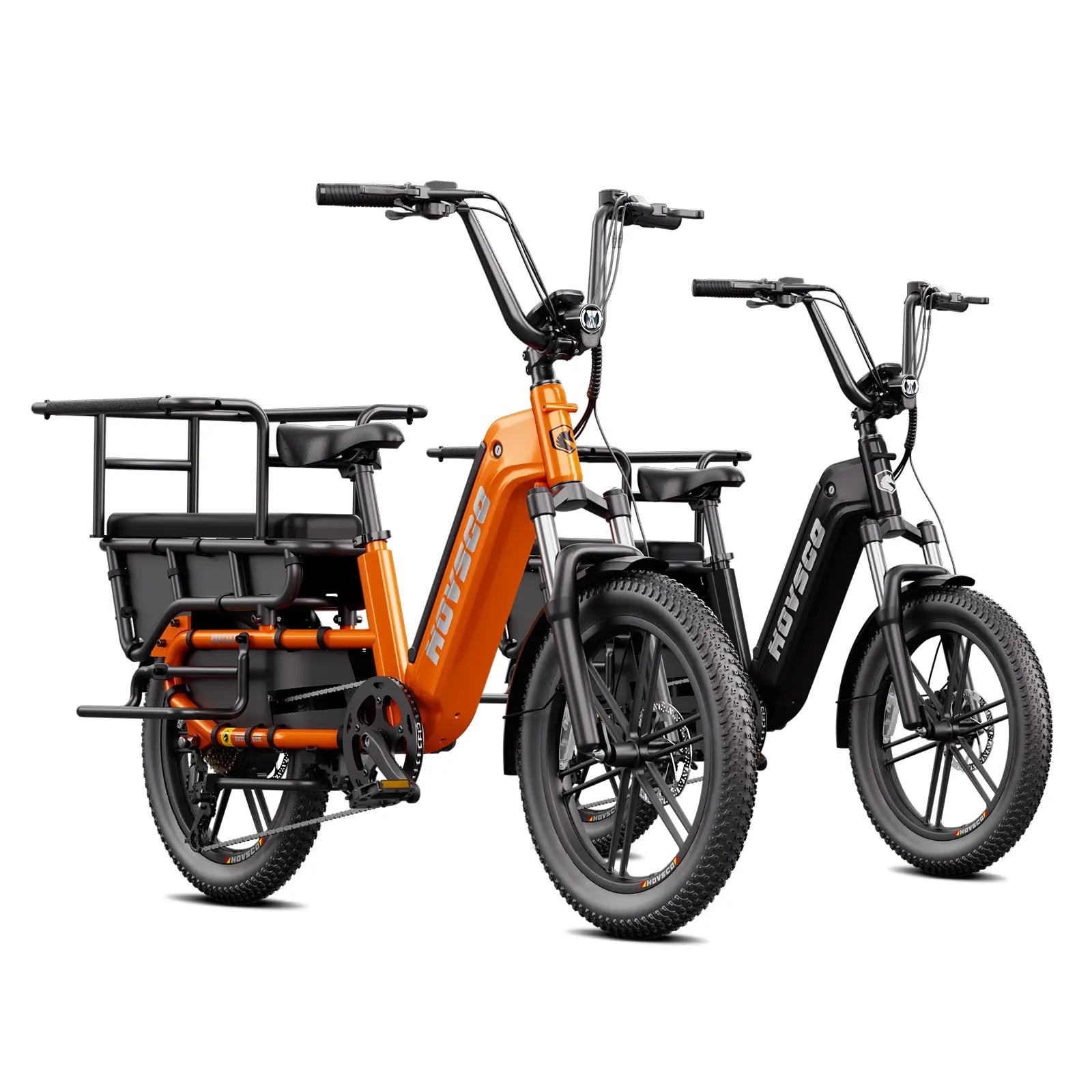
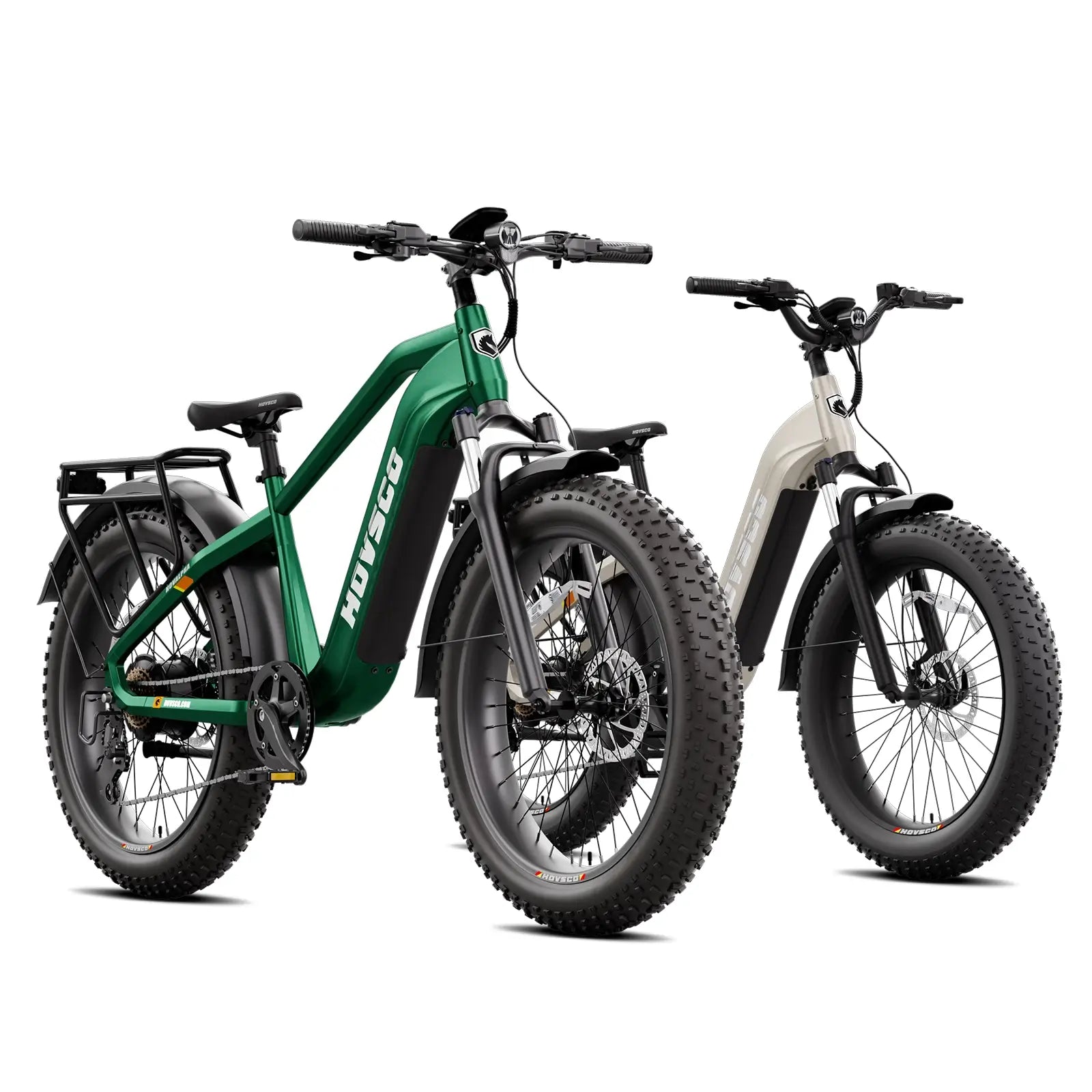
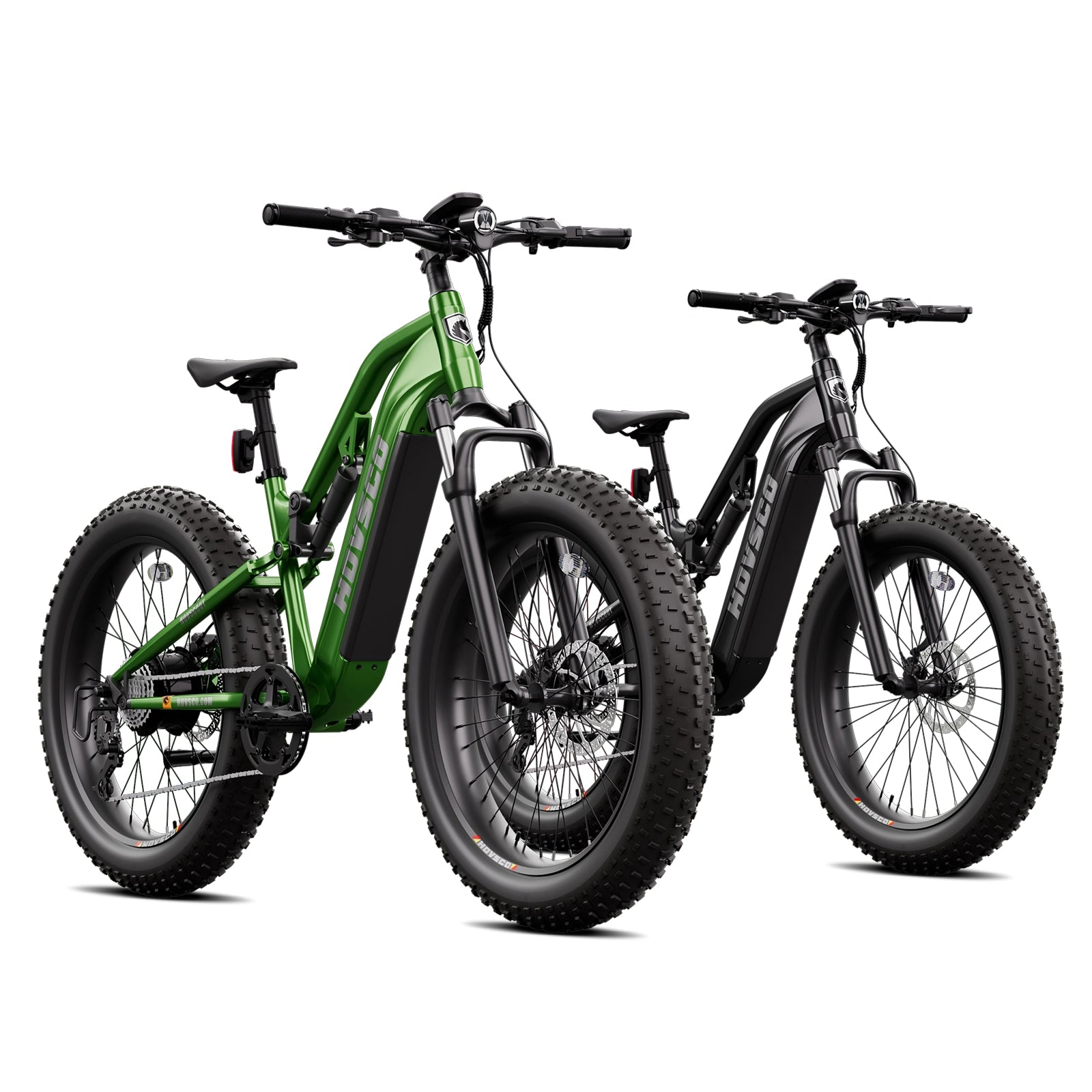
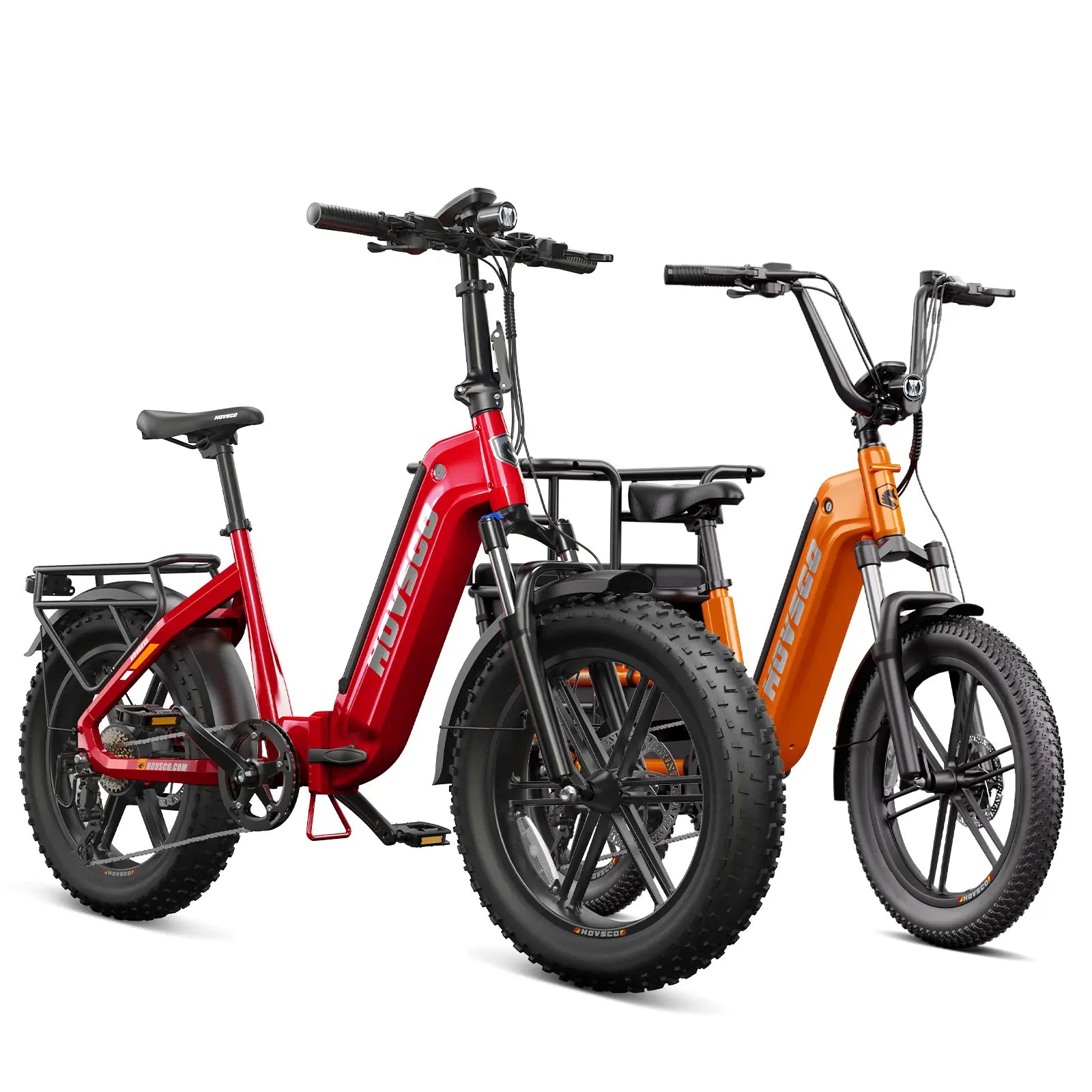
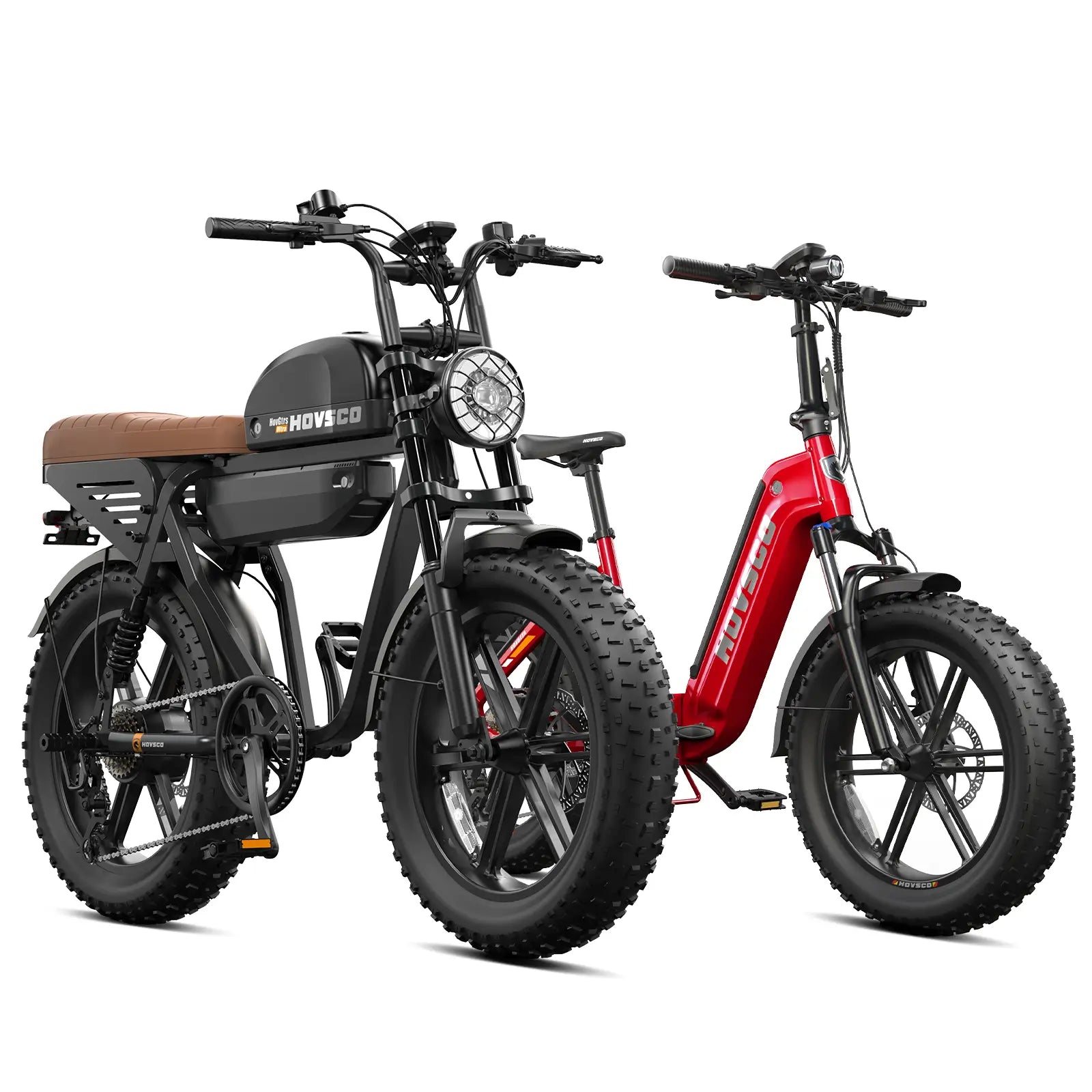
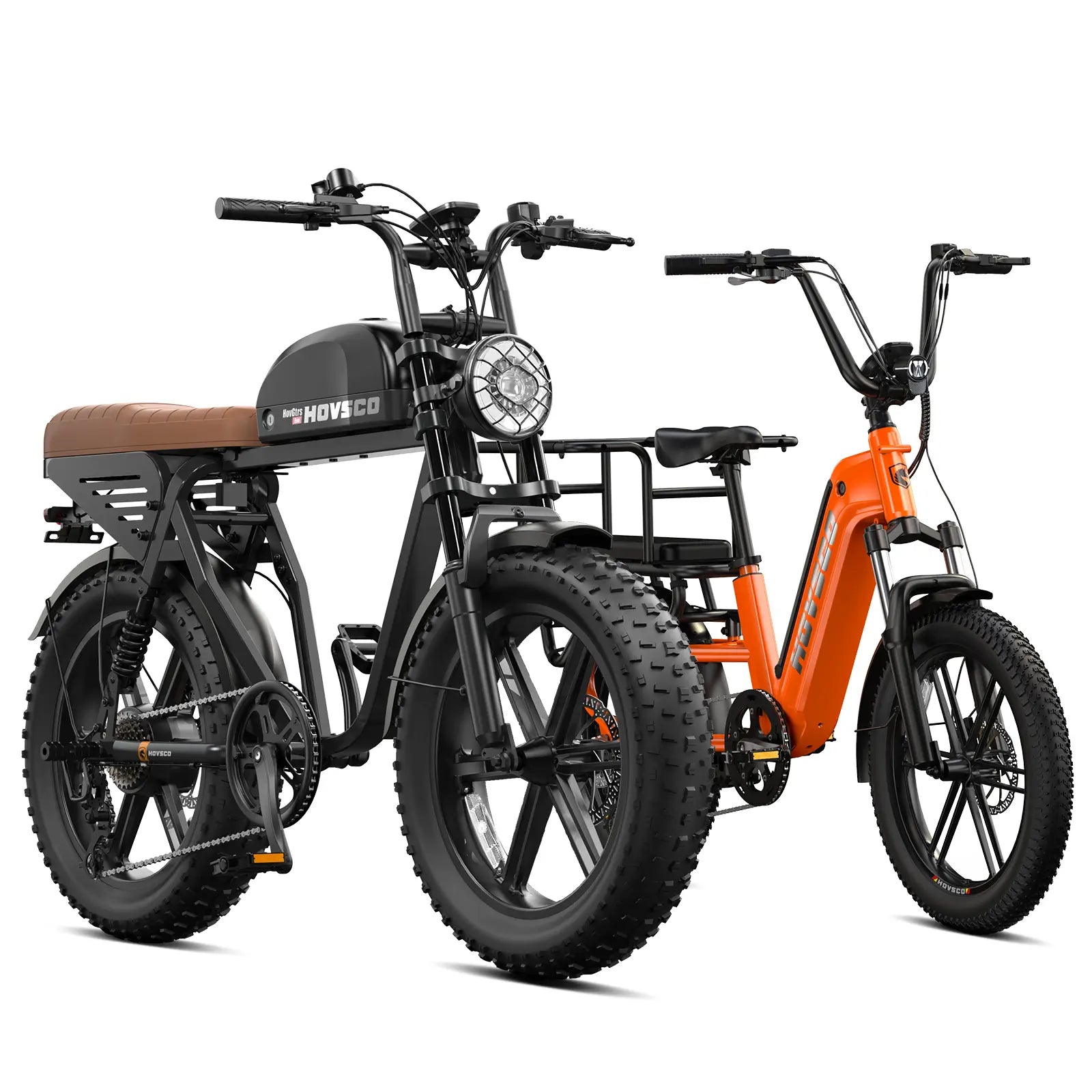
HOVSCO is a U.S.-based e-bike company focused on long‑range, utility and adventure‑ready electric bikes, including fat tire and cargo models. Its lineup includes full‑suspension fat tire bikes like the M20 platform, foldable fat tire models such as the Portola and HovBeta, and larger 26 × 4 inch fat‑tire bikes like the HovAlpha.
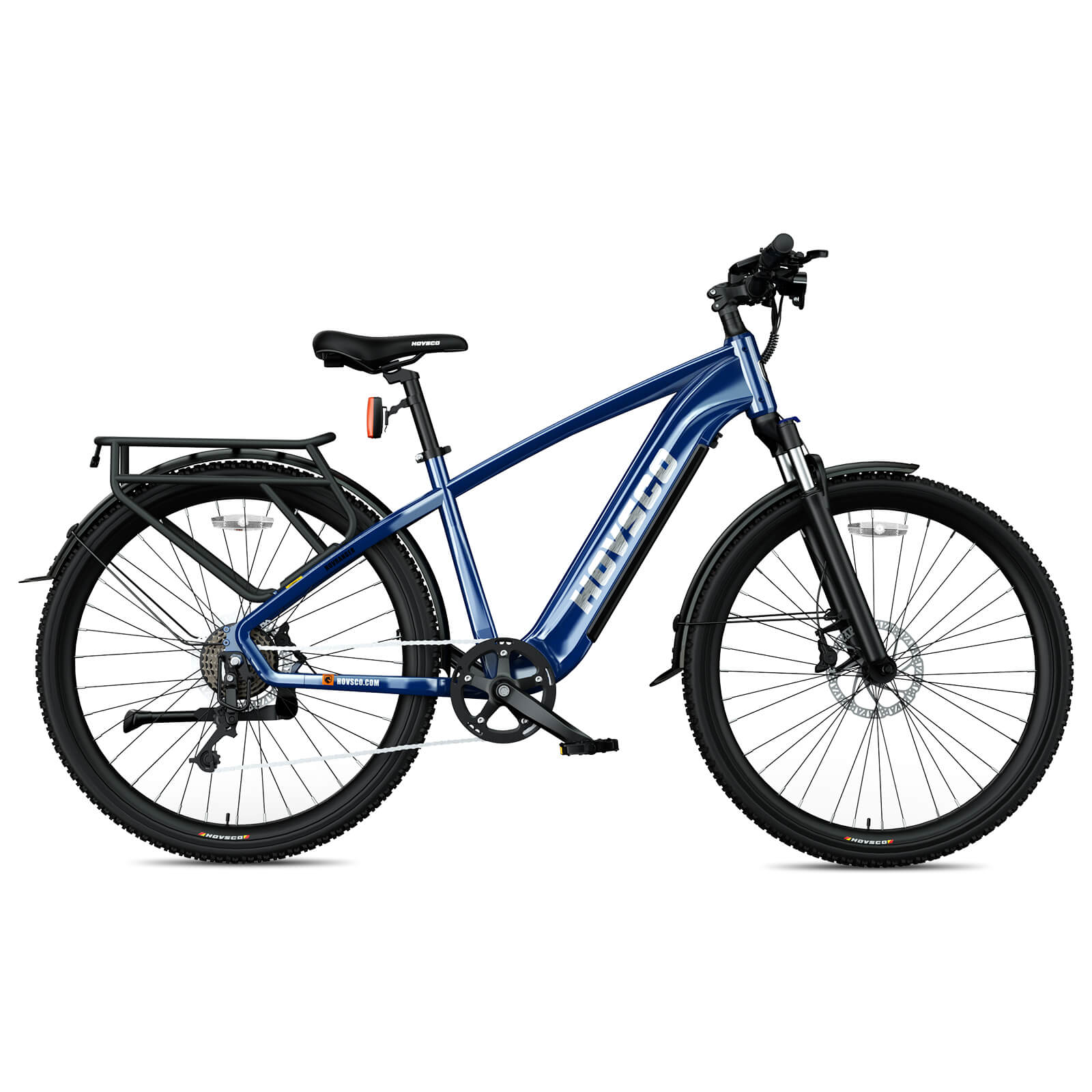
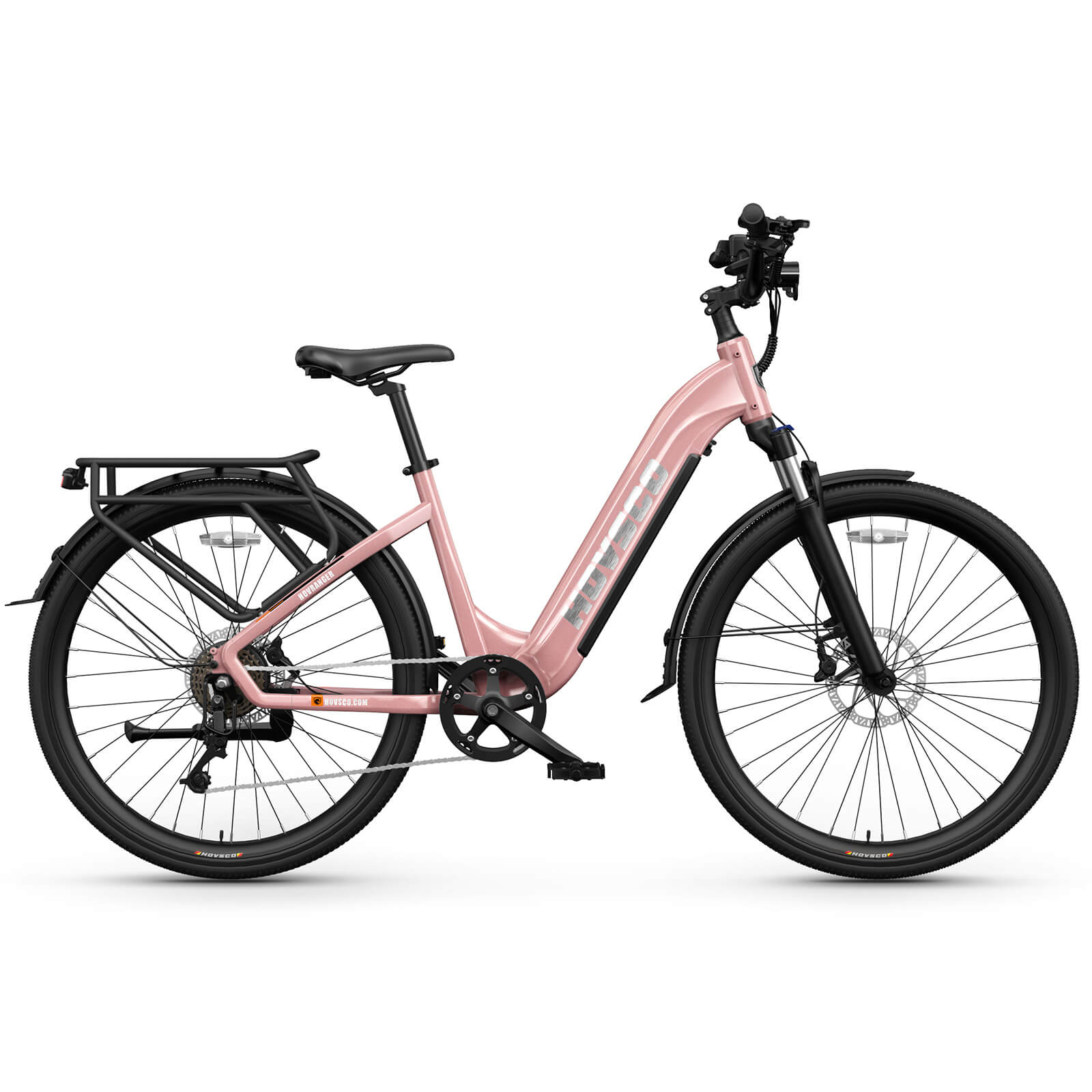
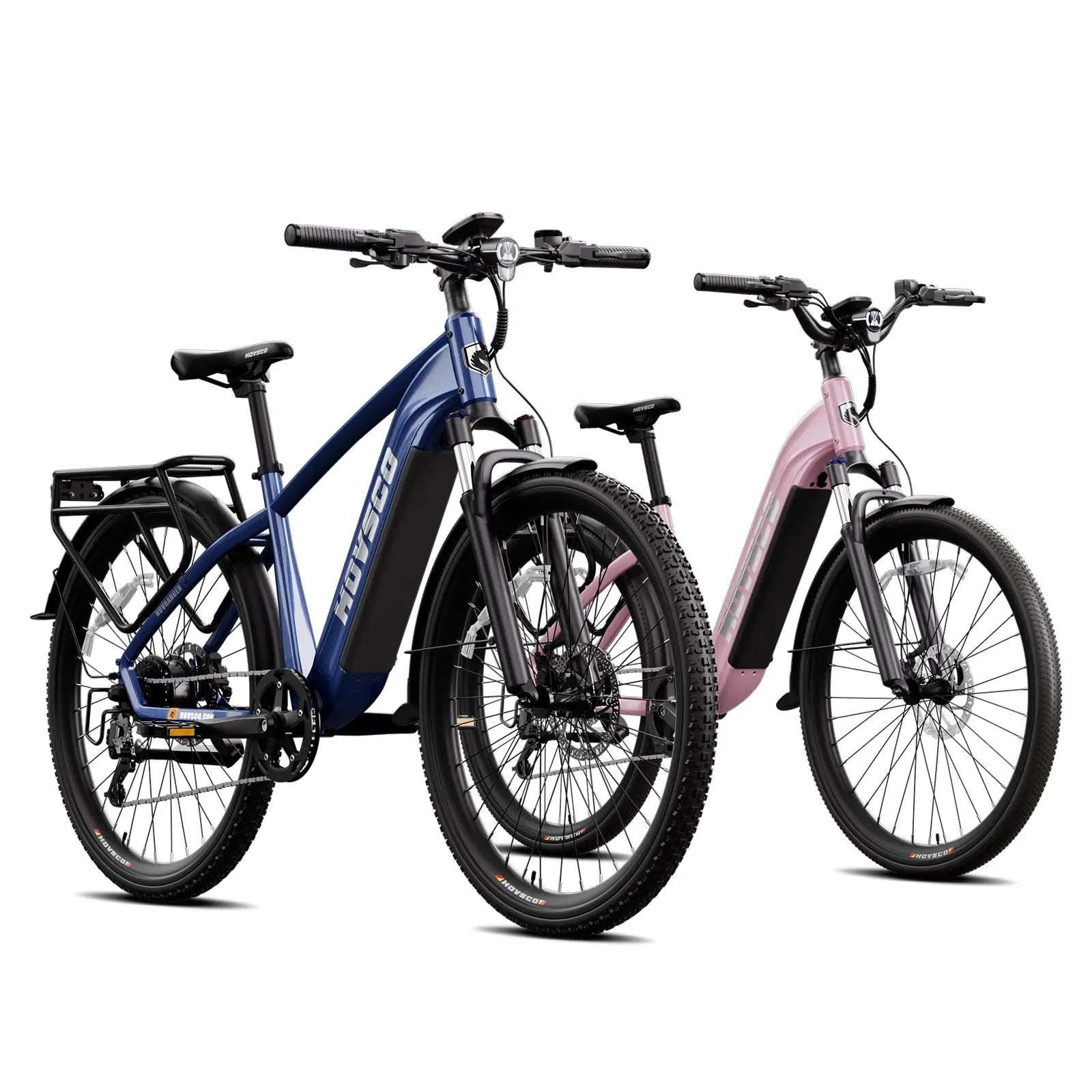
Across these platforms, HOVSCO typically pairs 500–750W class motors with wide 4.0–4.8 inch tires, robust aluminum frames, and front or dual suspension to balance power, comfort, and control on mixed terrain. Riders can explore the brand’s broader range of e-bikes on its main Ebikes collection, which highlights models tuned for commuting, trail use, and foldable portability.
What is a fat tire e‑bike and how do its dynamics work?
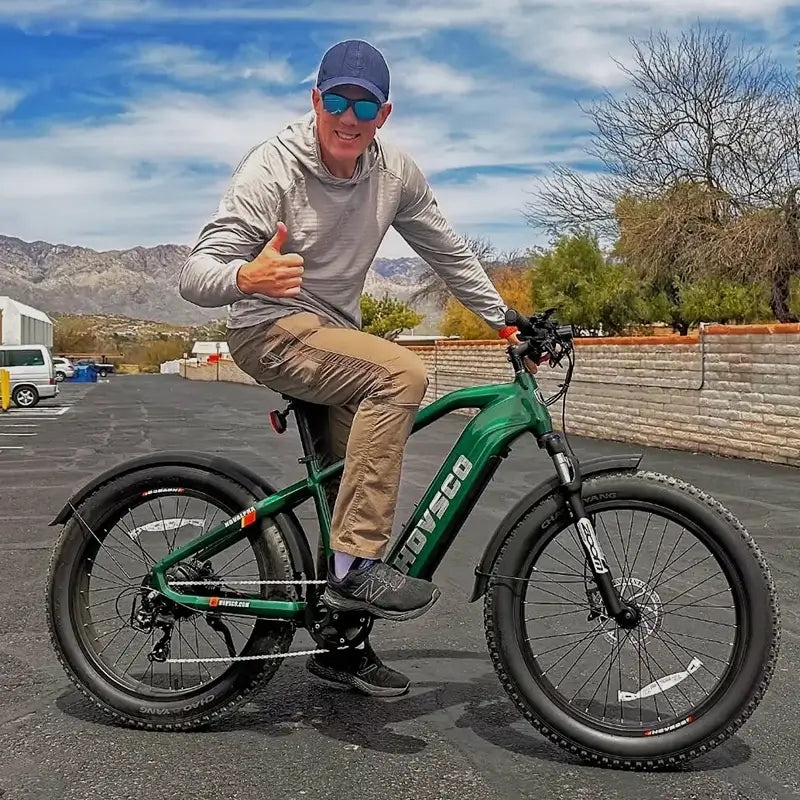
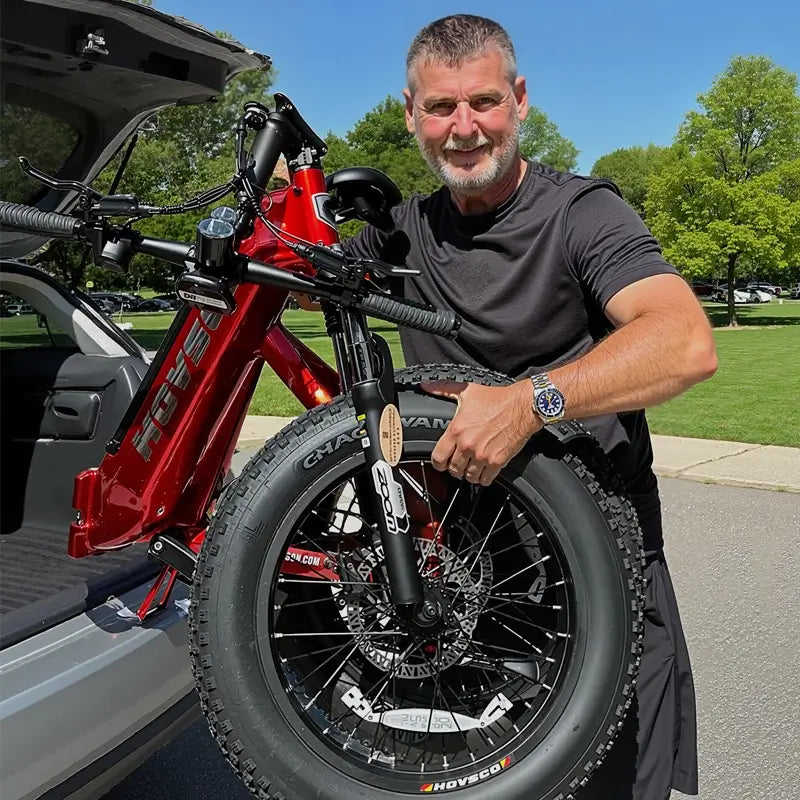
A fat tire e-bike is an electric bicycle built around extra‑wide tires—typically 4.0–4.8 inches—designed to increase traction, flotation, and stability on soft or uneven surfaces such as sand, mud, snow, and loose gravel. In dynamics terms, the larger contact patch, lower tire pressure, and compliant casing allow the tire to deform over bumps and irregularities, smoothing the ride and maintaining grip where narrower tires would dig in or slip.
When this tire behavior is combined with a mid‑ or high‑torque hub motor and tuned suspension, the result is a bike that accelerates predictably, tracks straight through rough sections, and keeps the rider more composed over hits and chatter. The trade‑offs are slightly slower acceleration at the same power level and somewhat higher rolling resistance, which makes intelligent motor tuning and battery capacity especially important.
Pain points fat tire e-bike dynamics can solve
Urban commuters and recreational riders share a common problem: traditional bikes often feel unstable or uncomfortable on real‑world surfaces that include potholes, curb cuts, wet leaves, and gravel patches. Thin tires transmit harsh impacts and can lose traction quickly in rain or on loose debris, which undermines rider confidence and discourages longer or more frequent trips.
For riders who want to extend their season into winter or venture off pavement, conventional e-bikes can also hit a hard limit on sand, snow, or muddy trails. Wheels dig into soft surfaces, steering becomes twitchy, and the motor may spin out without moving the bike forward efficiently, wasting battery and energy.
There is also a comfort and fatigue dimension: sustained vibration and shocks from rough pavement or unmaintained paths can cause arm, back, and hand fatigue, especially on longer rides. When riders arrive at work or back home feeling shaken and sore, they are less likely to replace car trips with e-bike trips—even though the environmental and cost benefits are compelling.
Maintenance and reliability are additional friction points. Riders may worry about punctures, wheel damage, or over‑stressing components when they leave smooth bike paths, which nudges them back to conservative route choices and limits the bike’s practical utility. Without the right combination of tires, frame design, and brakes, heavier e-bikes can also feel difficult to control when fully loaded or descending, further undermining trust.
This is precisely where well‑engineered fat tire e-bikes like HOVSCO’s M20, Portola, and HovAlpha platforms change the dynamics: they add margin for error in grip and stability while using motor and suspension technology to keep effort and fatigue in check.
Fat tire e-bike dynamics in one striking statistic
In 2023, shared micromobility in North America hit at least 172 million trips—and 64% of those rides were on electric devices, underscoring how rapidly riders are embracing powered, stable two‑wheel travel.
How HOVSCO fat tire e-bikes compare
Below is an illustrative comparison of how a HOVSCO fat tire e-bike stacks up against two common alternatives from a dynamics and use‑case perspective.
Key dynamics features explained
Tire width, pressure, and contact patch
Fat tires in the 4.0–4.8 inch range create a broad contact patch that spreads rider and cargo weight over a larger surface, reducing ground pressure and enabling “flotation” on sand, snow, and mud. Running lower pressures allows the casing to deform over obstacles, improving grip and comfort while reducing the risk of sudden wash‑outs on loose surfaces.
Suspension and frame geometry
Full‑suspension setups like HOVSCO’s M20 pair front forks with rear shocks to absorb impacts before they reach the rider, while carefully chosen geometry keeps the bike stable yet responsive at speed. On folding fat tire models like the Portola, dual suspension helps counteract the shorter wheelbase, contributing to predictable handling over potholes and trail chatter.
Motor torque, braking, and weight distribution
Motors in the 500–750W class supply enough torque to overcome the higher rolling resistance of fat tires and maintain momentum on climbs or soft ground, especially when combined with intelligent pedal‑assist levels. Hydraulic disc brakes, common on higher‑end fat‑tire e-bikes, offer consistent stopping power in wet or dirty conditions, while robust frames and balanced weight distribution ensure that added battery and motor mass doesn’t compromise control.
Real‑world dynamics: three usage snapshots
A commuter uses a foldable fat tire e-bike to float over cracked city pavement and wet leaves, arriving at work less fatigued and with more confidence in slippery shoulder lanes.
A winter rider switches from a narrow‑tire city bike to a full‑suspension fat tire model to maintain traction on snowy paths and icy patches while keeping braking distances predictable.
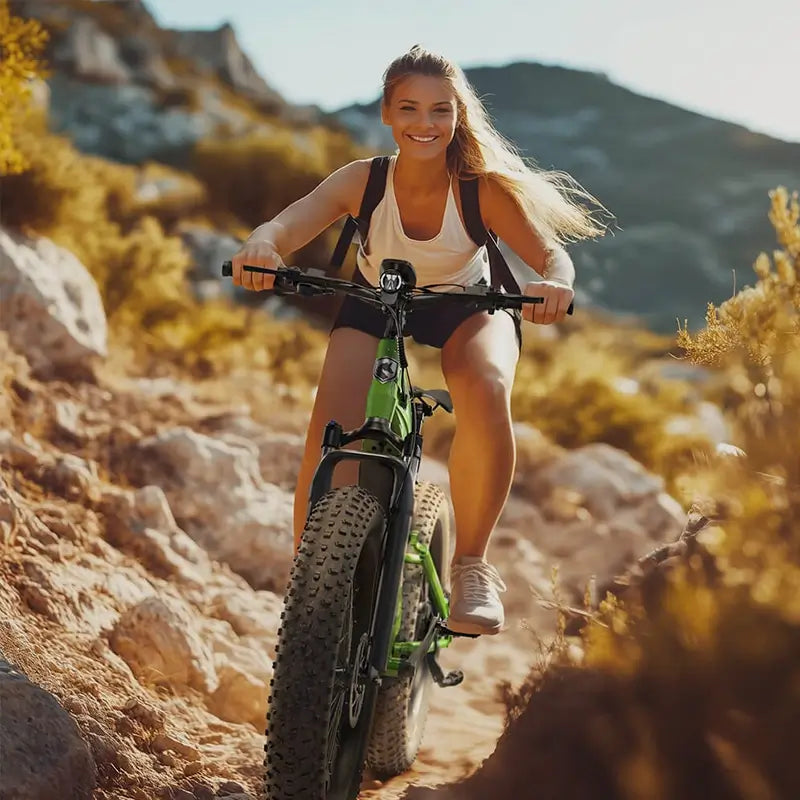
An adventure‑focused rider loads bikepacking bags onto a 26 × 4 inch fat tire e-bike and tackles sandy fire roads and rough forest tracks without constant fear of wash‑outs or rim damage.
Related HOVSCO platforms worth considering
HOVSCO does not restrict fat tire technology to a single frame shape—it extends it into multiple formats to match rider lifestyles. Riders who prioritize compact storage and multimodal commuting can look at the Portola Foldable Fat Tire Electric Bike, which combines 4.0‑inch tires, a 500W rear hub motor, dual suspension, and a quick‑folding frame for easy transport and apartment living.
For riders who want a bigger‑wheel feel and higher power, the HovAlpha fat tire e-bike offers 26 × 4 inch e-bike‑rated tires, a 750W (1300W peak) hub motor, and a removable internal 48V battery, a configuration aimed at long‑range stability and performance. The broader Ebikes collection also includes cargo and step‑through options that, while not all fat‑tire, share the same focus on torque sensors, front suspension, and long‑range capability.
Riders who want to stay current on fat tire innovation, full‑suspension systems, and setup tips can also explore HOVSCO’s own blog content, such as its detailed explainer on the M20 Full Suspension Fat Tire E-Bike.
How to get the most out of fat tire e-bike dynamics
-
Set tire pressure for terrain, not habit
Many riders over‑inflate fat tires, which reduces the very grip and comfort they paid for. Lower pressures within the manufacturer’s safe range improve traction and vibration damping, especially on sand, snow, and loose gravel.
-
Dial in assist levels with the surface in mind
On smooth pavement, lower assist levels conserve battery, while on soft or steep terrain, higher assist reduces wheel spin and helps maintain momentum. Exploring pedal‑assist modes on a quiet route helps riders understand how torque delivery interacts with tire grip.
-
Use body position to complement dynamics
Shifting weight slightly back on descents and over the rear wheel in loose climbs helps fat tires maintain traction without over‑relying on the motor. Riders can stand lightly over rough patches to let suspension and tires absorb hits more effectively.
-
Maintain brakes and drivetrains rigorously
Heavier bikes with powerful motors demand well‑maintained hydraulic or mechanical disc brakes for safe stopping, especially in wet or muddy conditions. Regular drivetrain cleaning and lubrication ensures smooth power delivery and reduces energy loss.
-
Plan routes that exploit strengths
Rather than restricting themselves to perfectly smooth bike lanes, fat tire e-bike owners can choose routes that leverage stability—gravel paths, parks, canal trails, and winter maintenance routes—turning formerly “sketchy” segments into pleasant, efficient connections.
-
Respect speed and mass
Even with great traction, fat tire e-bikes carry more kinetic energy due to higher system weight and assist‑enabled speeds. Giving extra distance to brake and moderating speed on crowded paths keeps the benefits of fat tires aligned with safety.
Fat tire e-bike dynamics in core scenarios
Scenario 1: Daily city commute
-
Traditional approach
A rider uses a narrow‑tire city bike or light e-bike, avoiding rough backstreets and riding cautiously over cracks and trolley tracks, often arriving stressed by near‑misses in wet weather.
-
After switching to a HOVSCO fat tire e-bike
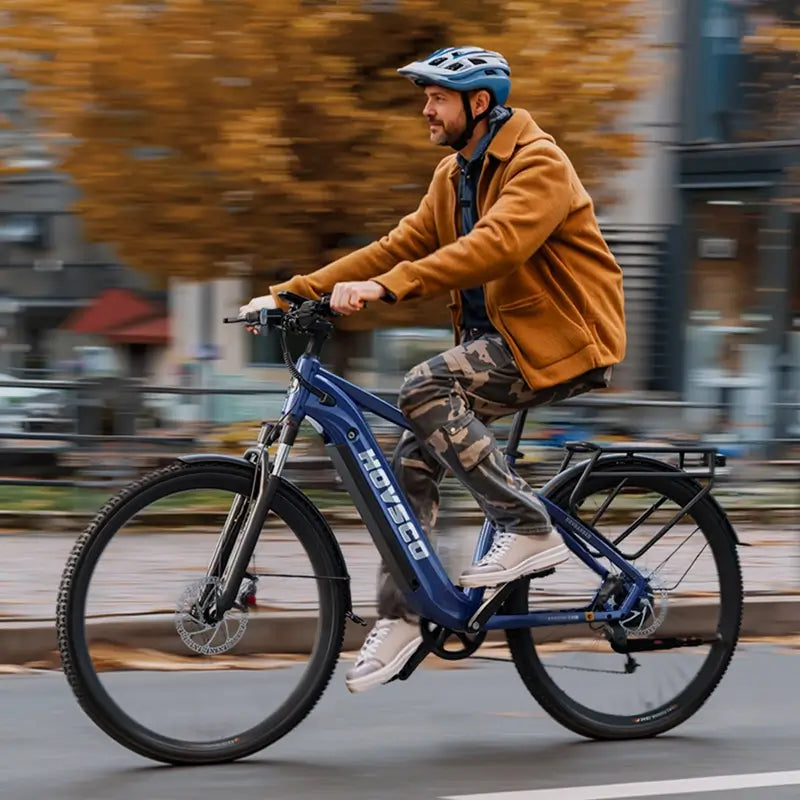
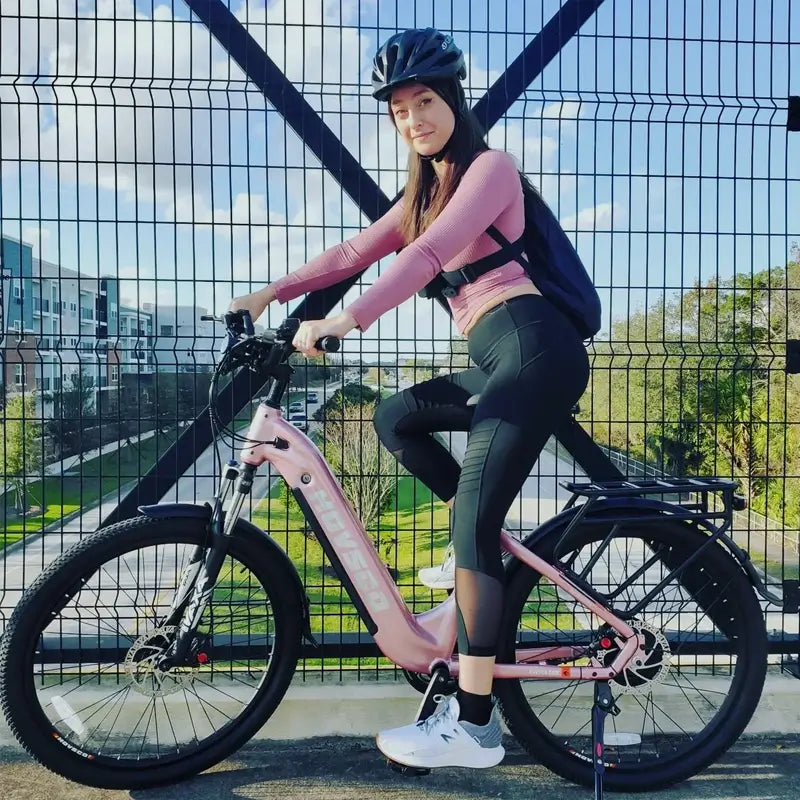
With 4.0‑inch tires and front or dual suspension, the rider can comfortably use patched asphalt, brick sections, and painted bike lanes with more consistent grip and less jarring. The motor smooths out headwinds and overpasses, while disc brakes maintain stopping confidence in the rain, making daily bike commuting feel less like a compromise and more like an upgrade.
Scenario 2: Four‑season recreation
-
Traditional approach
Recreational riders often hang up their bikes once snow, ice, or deep leaves cover local paths, relying on cars for even short trips and seeing fitness gains slide during the colder months.
-
After switching to a HOVSCO fat tire e-bike
Running lower pressures on fat tires, riders can continue riding in winter, using the motor’s torque to maintain steady low‑speed traction while the tires float over packed snow and soft edges. This turns what used to be an “off-season” into a quieter, scenic riding period with less crowding and more consistent exercise.
Scenario 3: Utility and light cargo
-
Traditional approach
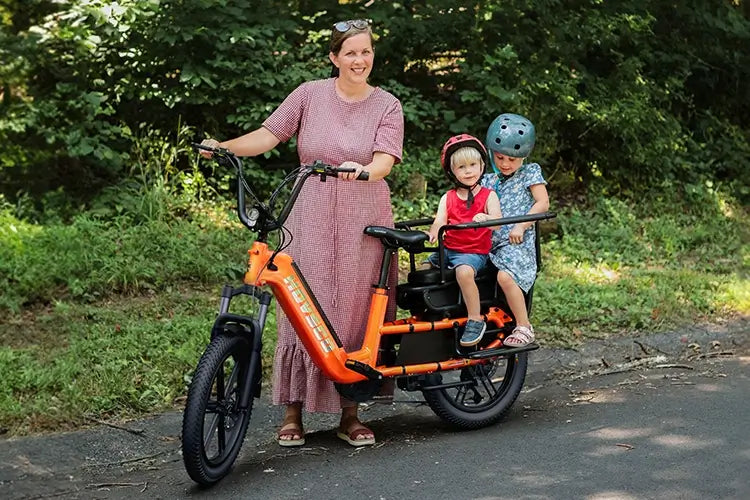
Riders who try to use standard bicycles for grocery runs or child transport often face wobble at low speeds, front‑wheel skittering on gravel or wet leaves, and limited confidence on uneven alleys or driveways.
-
After switching to a HOVSCO fat tire e-bike
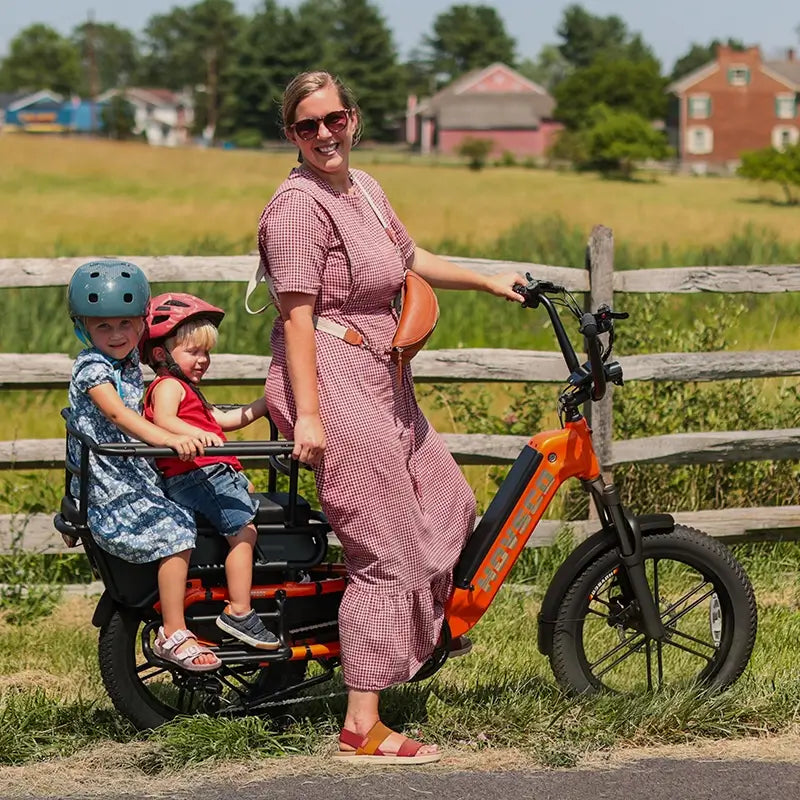
The combination of a more stable footprint, higher load ratings, and assist power helps maintain balance and control even when loaded with panniers or a rear rack full of goods. Fat tires roll smoothly over curbs and driveway lips, while hydraulic brakes ensure controlled descents with extra mass, making car‑free errands more realistic and repeatable.
FAQ about fat tire e-bike dynamics
How do fat tire e-bike dynamics improve traction on sand and snow?
Fat tires increase the surface area in contact with the ground, lowering ground pressure and allowing the tire to “float” rather than sink into soft surfaces. When combined with appropriate low pressure and steady motor torque, this reduces wheel spin and helps the bike track straight on sand, snow, and mud.
Do fat tire e-bikes feel slower or less efficient on pavement?
Fat tires do introduce more rolling resistance than narrow road tires, which can reduce absolute efficiency on perfectly smooth pavement. However, in real‑world city conditions with cracks, joints, and debris, the extra compliance can actually maintain speed better because the bike doesn’t lose as much momentum over small obstacles.
What motor power is ideal for fat tire e-bike dynamics?
Most all‑terrain fat tire e-bikes use motors in the 500–750W range to balance hill‑climbing, acceleration, and battery life. HOVSCO, for example, typically tunes its fat tire models around this band, sometimes with peak outputs above 1000W to handle demanding surfaces or heavier riders.
How does suspension interact with fat tires for overall ride feel?
Fat tires act as a first line of suspension by deforming around obstacles, while front or dual suspension handles larger impacts and rapid sequences of bumps. When designed together, as in HOVSCO’s M20 full‑suspension fat tire platform, the result is a more composed chassis that reduces arm fatigue and improves control at speed.
Are fat tire e-bikes safe at higher speeds given their weight?
Safety at speed depends on brakes, geometry, and rider behavior as much as tire width. Quality fat tire e-bikes use hydraulic disc brakes and stable frame designs to manage higher system weight, but riders should still allow extra stopping distance and avoid sudden maneuvers in crowded environments.
What maintenance practices best preserve fat tire e-bike performance?
Regularly checking tire pressure, inspecting sidewalls for cuts, cleaning and lubricating the drivetrain, and servicing hydraulic brakes at recommended intervals are critical for consistent dynamics. Because fat tire e-bikes encourage all‑weather riding, wiping down the frame and components after wet or salty rides helps prevent corrosion and keeps suspension and folding mechanisms functioning smoothly.
Why fat tire e-bike dynamics matter in 2026
Fat tire e-bike dynamics are not just a niche technical topic—they shape whether bikes can realistically replace a car for many trips, across all seasons and road conditions. With shared micromobility ridership at record highs and the North American e-bike market accelerating, riders increasingly expect stability, comfort, and confidence as standard, not as luxury add‑ons.
By combining 4.0–4.8 inch tires, tuned suspension, balanced geometry, and 500–750W motors, HOVSCO’s fat tire platforms aim to deliver this experience across commuting, recreation, and light cargo use without over‑promising or sacrificing reliability. For riders who want one e-bike that can handle potholes on Monday, snow on Wednesday, and trails on Saturday, understanding fat tire dynamics is the first step toward choosing a setup that feels stable today and adaptable as their riding evolves.
Try HOVSCO fat tire dynamics for yourself
If you are ready to feel how fat tire dynamics change traction, comfort, and confidence in your own city, explore HOVSCO’s fat tire and full‑suspension offerings—starting with platforms like the HovAlpha and M20 and compact options like the Portola Foldable Fat Tire Electric Bike. With robust frames, thoughtfully tuned motors, and wide, terrain‑ready tires, HOVSCO focuses on making all‑terrain performance and everyday practicality accessible in a single electric bike.
Would you like the next piece to focus more on a deep technical breakdown of tire pressure and motor tuning, or on purchase guidance and model choice for different rider profiles?
Sources



![[ New Arrival ] Porto Max Electric Scooter For Commute & Grocery Shopping - HOVSCO](http://www.hovsco.com/cdn/shop/files/PotroMax-3.jpg?v=1706927007&width=1200)
Share:
Eco-Friendly Travel Lifestyle With E-Bikes: How HOVSCO Makes Low-Carbon Adventures Easy (June 2026)
All-Terrain Electric Biking: How HOVSCO Elevates Every Ride (June 2026)