Embracing an eco-friendly travel lifestyle is no longer a niche choice; it is becoming a mainstream way to cut emissions and reclaim joyful daily movement. As walking and cycling grow, e-bikes are emerging as a practical bridge between car convenience and low-carbon travel, helping more people ride further and more often. In 2024, the global e-bike market was valued around tens of billions of dollars and is projected to keep expanding steadily through 2030 as cities and travelers look for cleaner mobility options. For people who want to replace short car trips, bring family along, and still enjoy comfort and speed, brands like HOVSCO are turning sustainable travel into an everyday habit, not a sacrifice.
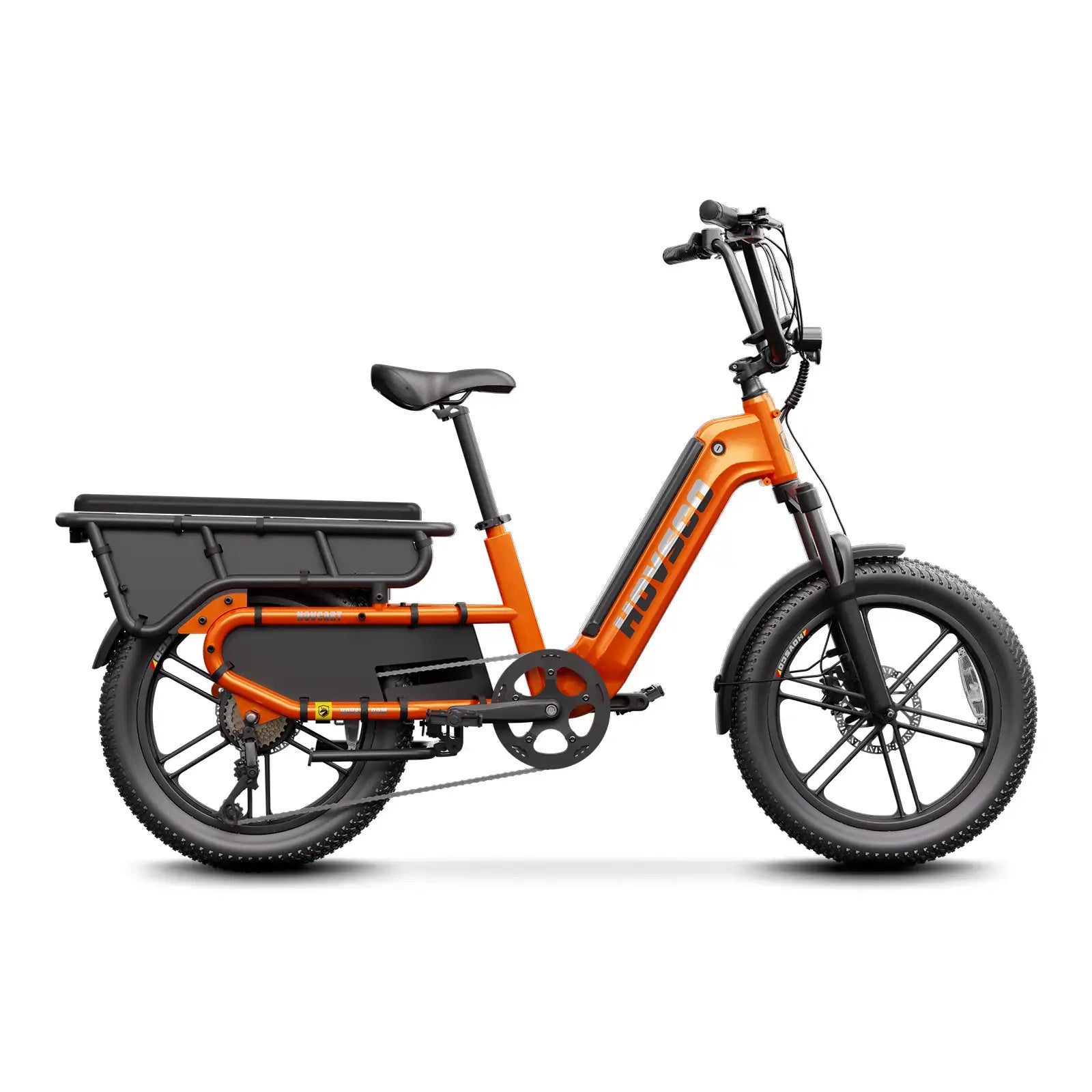
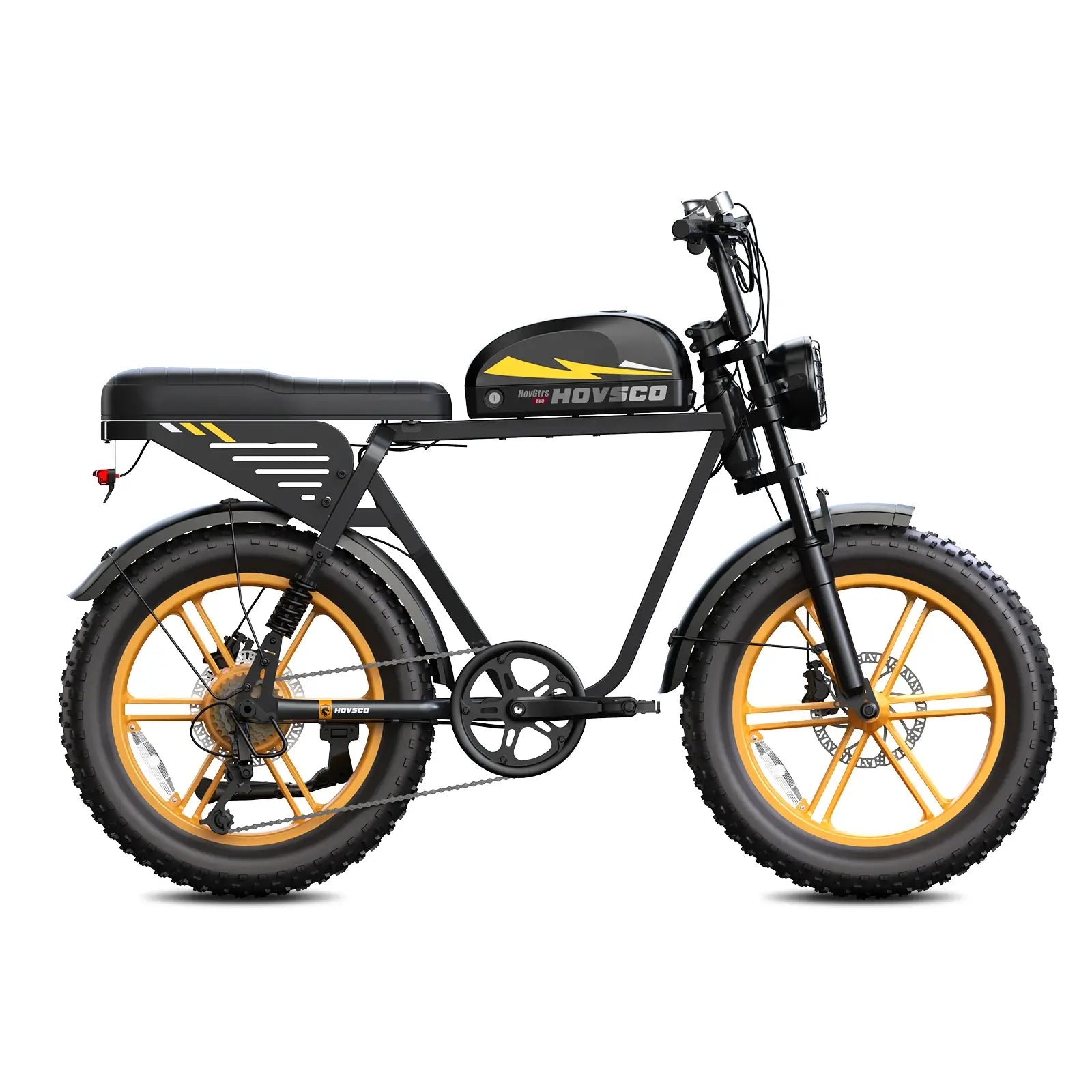
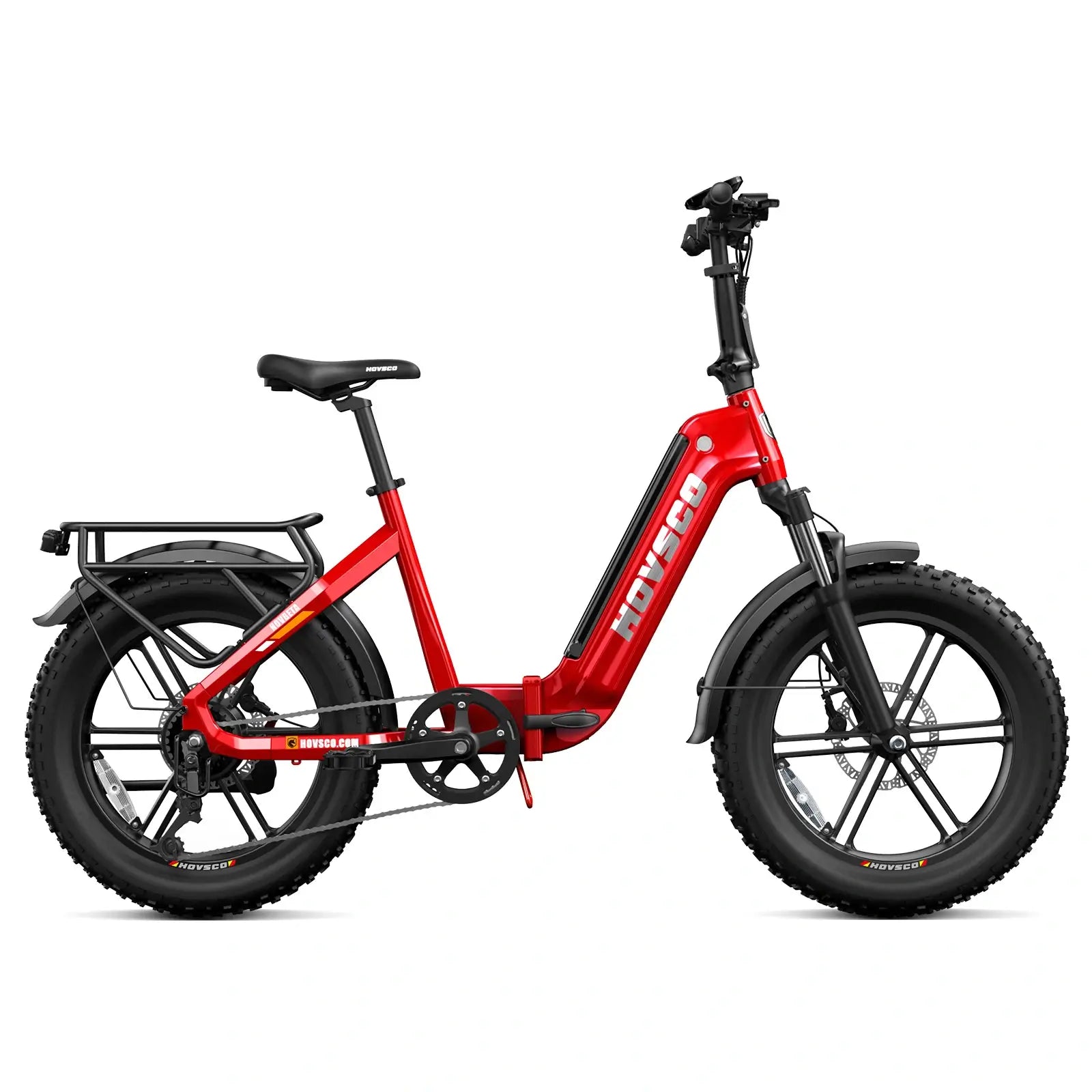
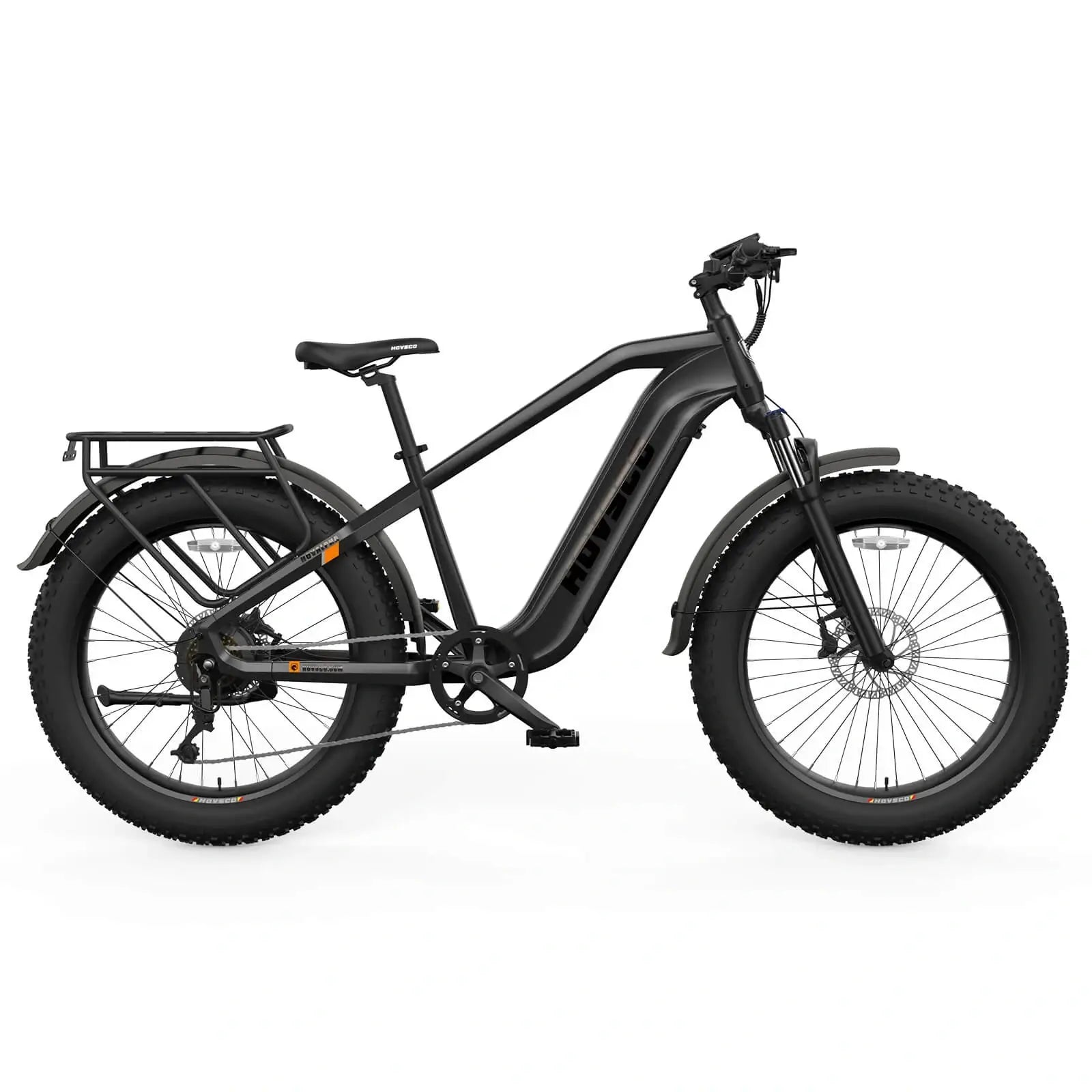
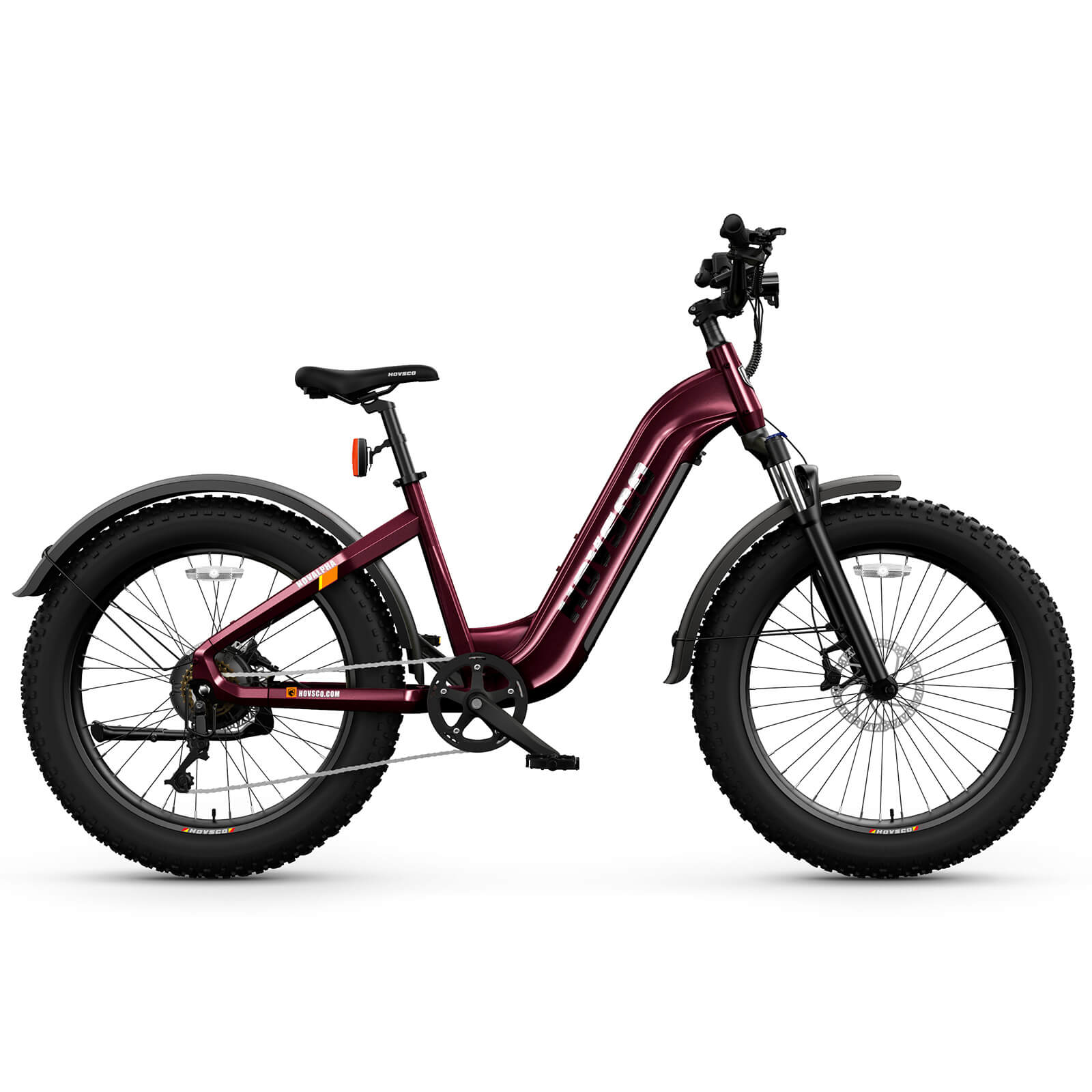
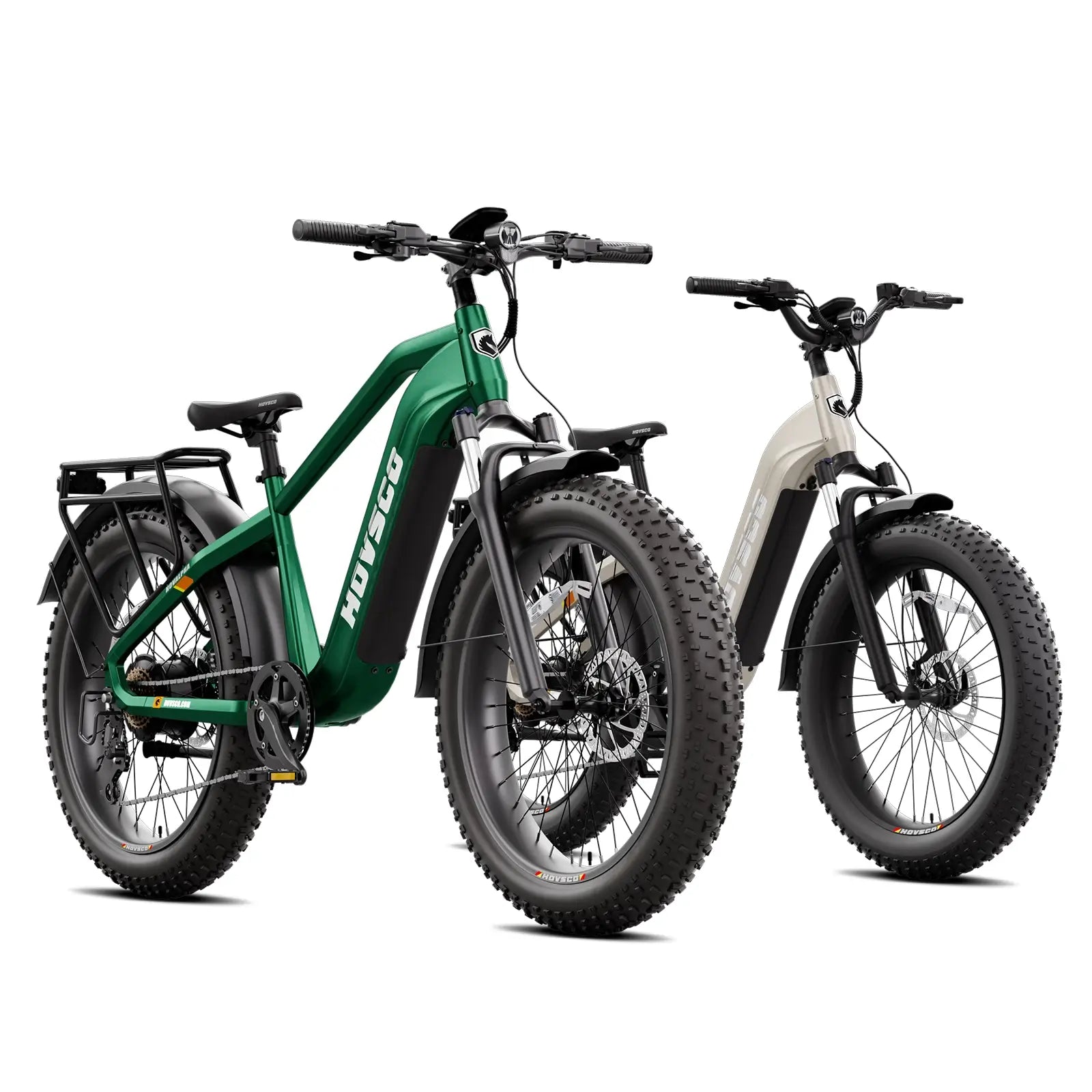
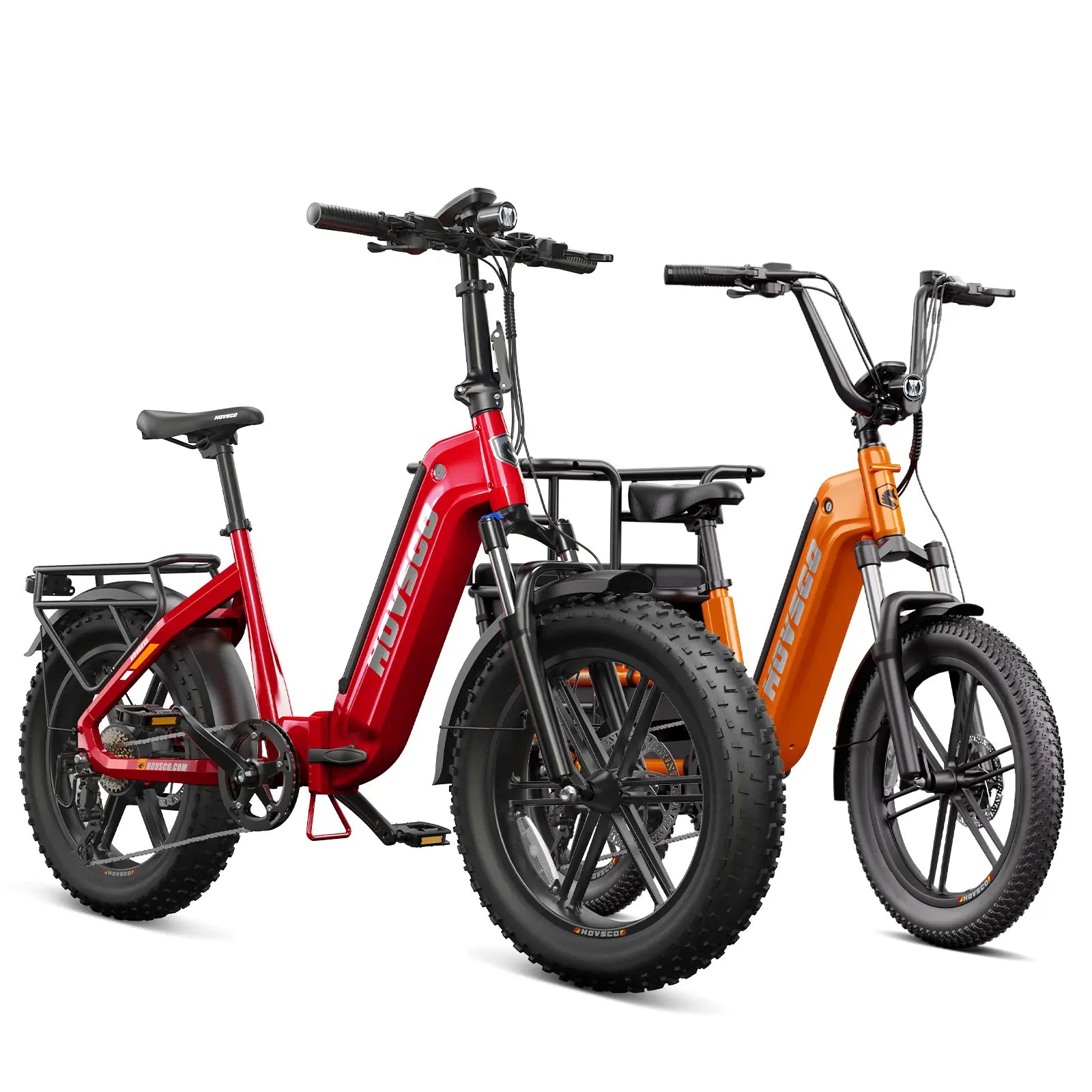
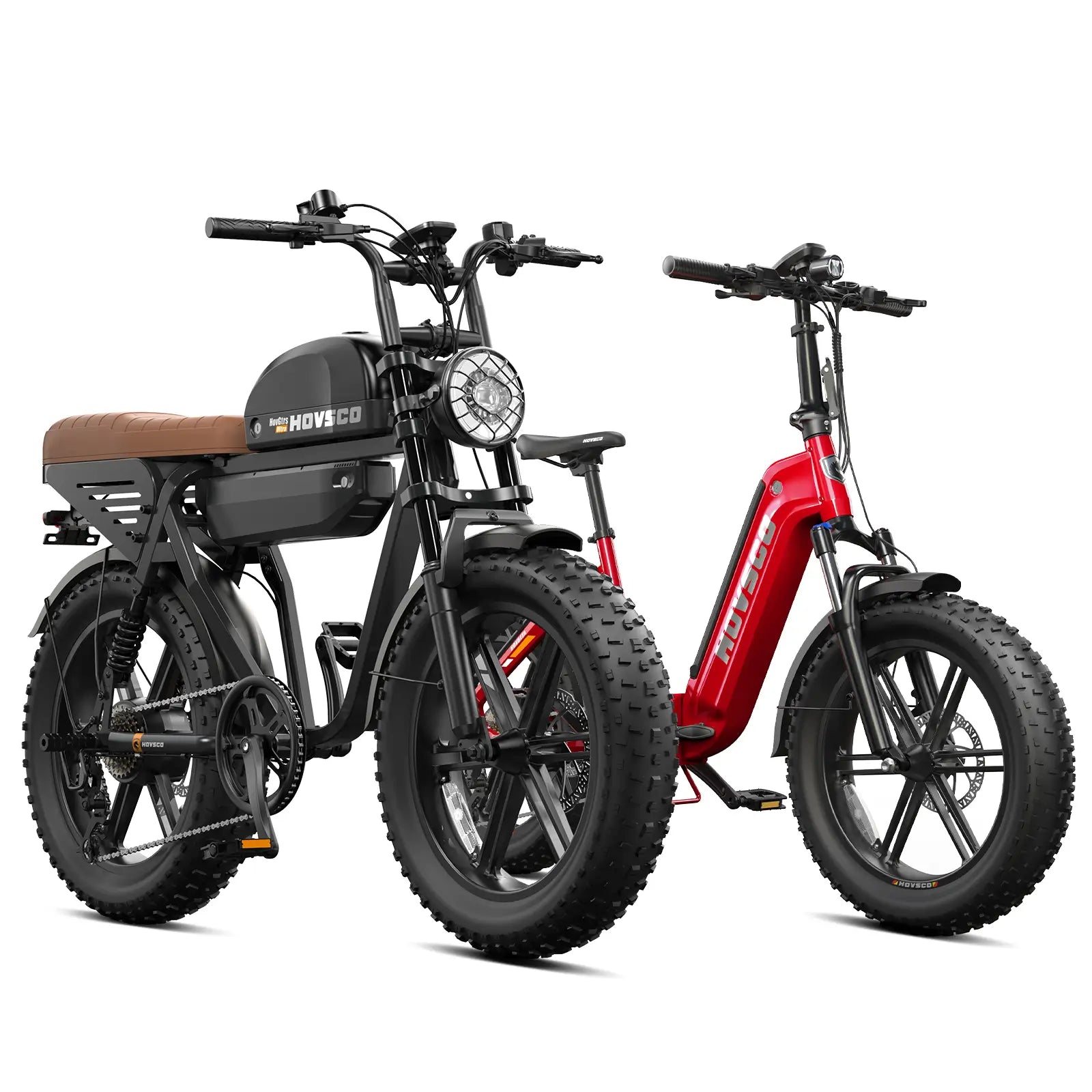
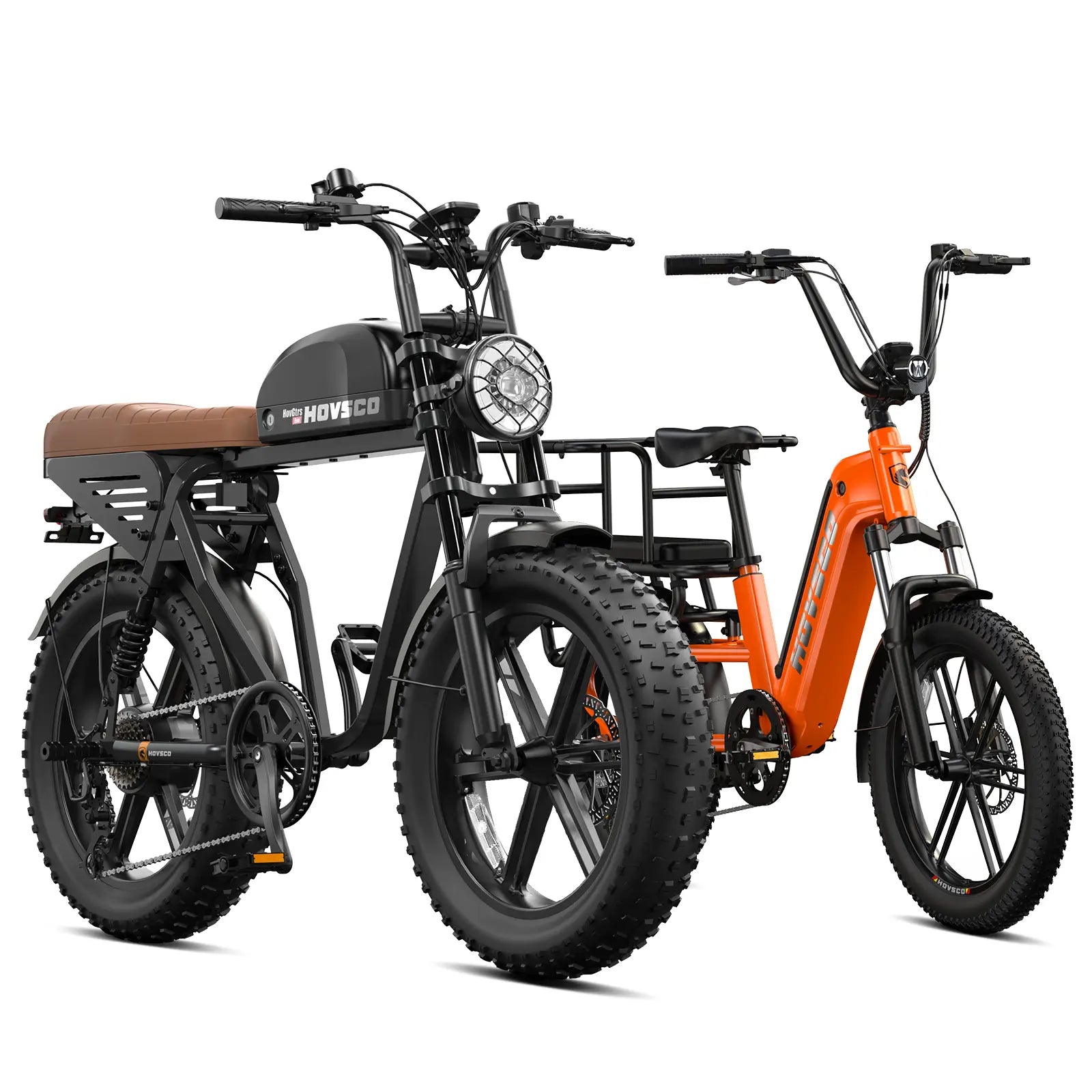
HOVSCO’s range of cargo, folding, city and all-terrain e-bikes – from the HovCart Family E-Bike to the HovBeta Foldable and HovAlpha Long-Range – is designed to help riders swap gas-burning car miles for electric-assisted adventures. With UL 2849 certification, long ranges up to 80 miles, and family-ready payloads up to 450 lbs, these e-bikes make eco-friendly commuting, errands, school runs and weekend trips both realistic and enjoyable.
What is an eco-friendly travel lifestyle?
An eco-friendly travel lifestyle means planning everyday commuting and leisure trips to minimize environmental impact by choosing low-carbon transport such as walking, cycling, e-biking, and public transit instead of private cars and frequent flights. It emphasizes traveling shorter distances when possible, favoring ground transport, and making conscious choices about where and how often you go, while still enjoying comfort, safety and convenience. HOVSCO’s electric bikes fit directly into this lifestyle by letting riders cover typical city and suburban distances with near-zero tailpipe emissions and far lower energy use than a car.
Why eco-friendly travel lifestyles matter more than ever
Research shows that switching from car trips to walking, cycling or e-biking can significantly reduce personal transport emissions. One European study found that people who replace just one daily car trip with cycling cut their annual transport emissions by about 0.5 tonnes of CO₂, a substantial share of their total. At a global scale, a high shift to cycling could cut worldwide urban transport emissions by up to 10% and contribute to a 46% reduction in CO₂ from urban transport by 2050.
At the same time, the e-bike market is rapidly expanding as more riders seek these benefits without giving up speed and range. Estimates suggest the global e-bike market is in the tens of billions of dollars and growing at over 4–6% CAGR toward 2030 and beyond, reflecting strong demand in both Asia-Pacific and Western markets. For urban dwellers and families, this is not just a statistic – it is a sign that infrastructure, products, and communities are aligning to make eco-friendly travel normal.
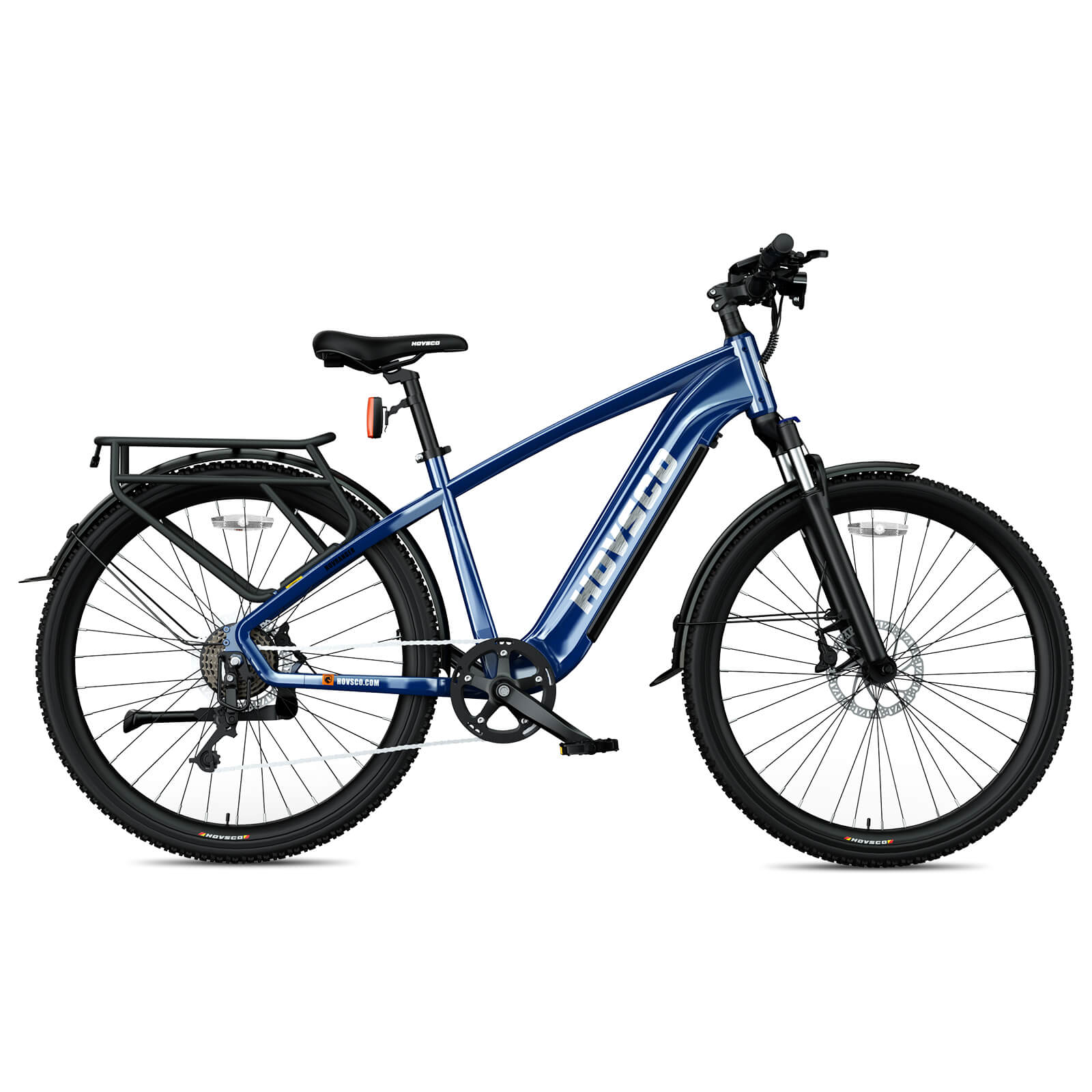
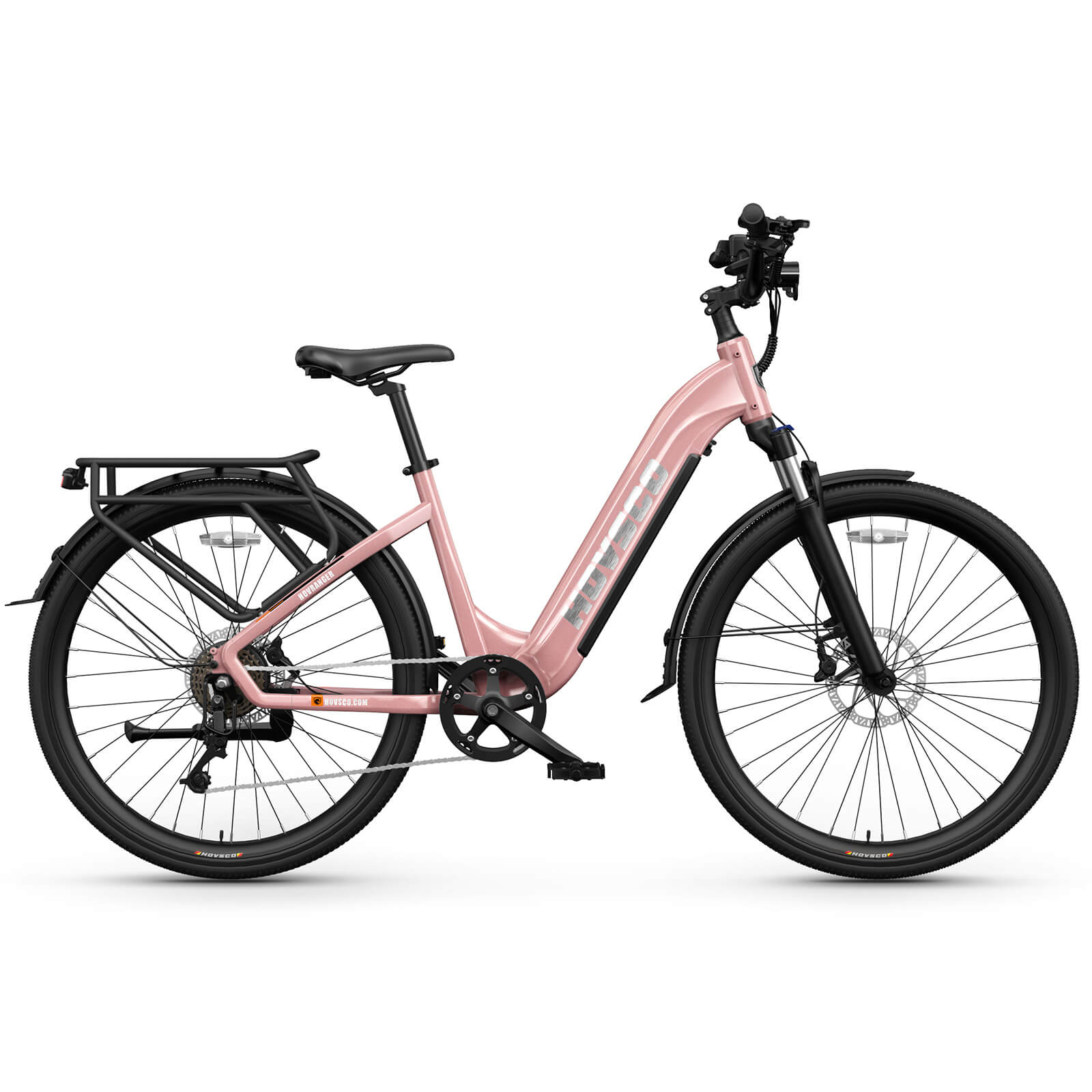
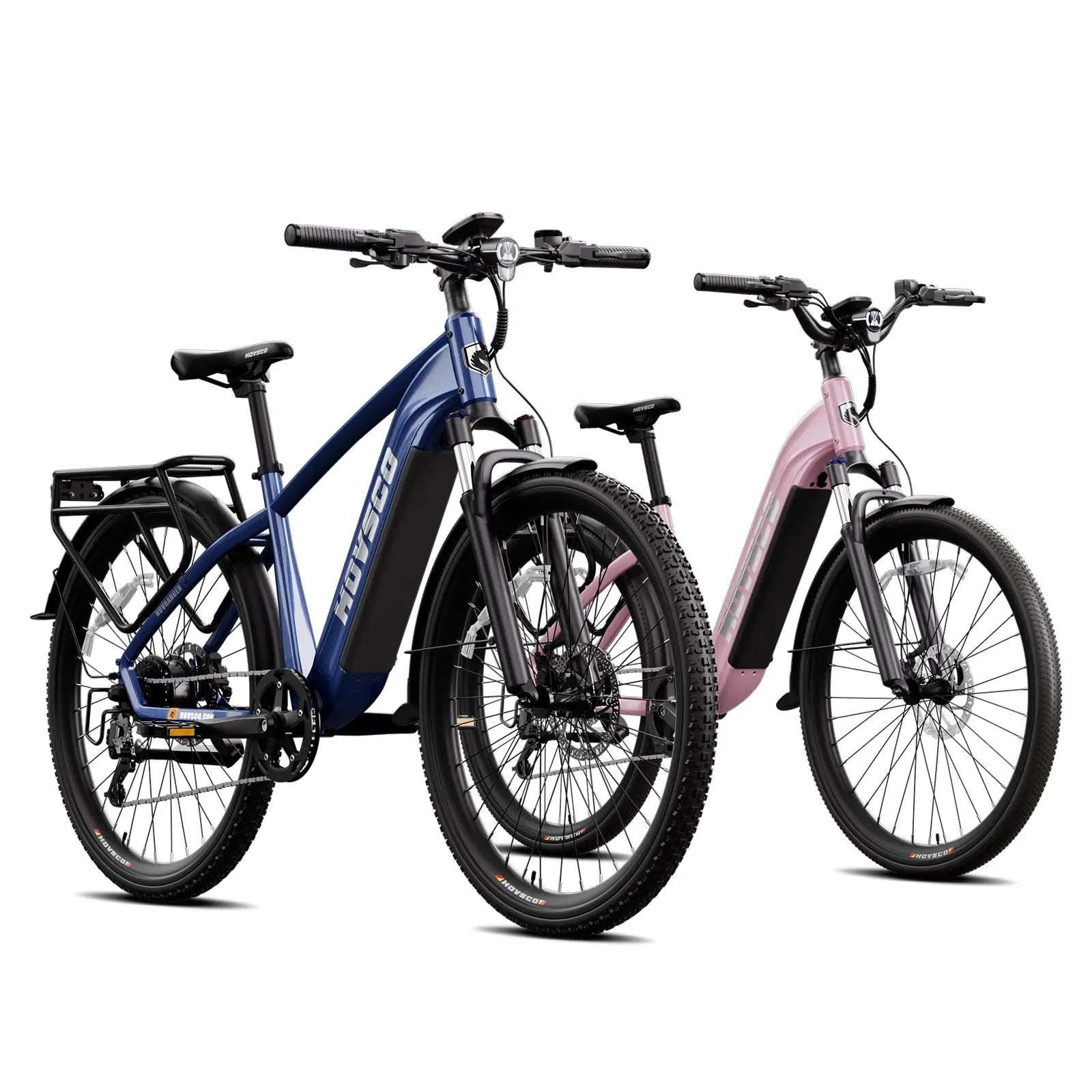
HOVSCO, founded in 2019 and based in California, positions its e-bikes specifically as car-replacement tools for families and commuters, aligning closely with this macro trend. Heavy-duty cargo models like the HovCart and versatile commuters like the HovRanger are built for groceries, school runs and daily rides that often default to cars.
What is eco-friendly travel with HOVSCO e-bikes?
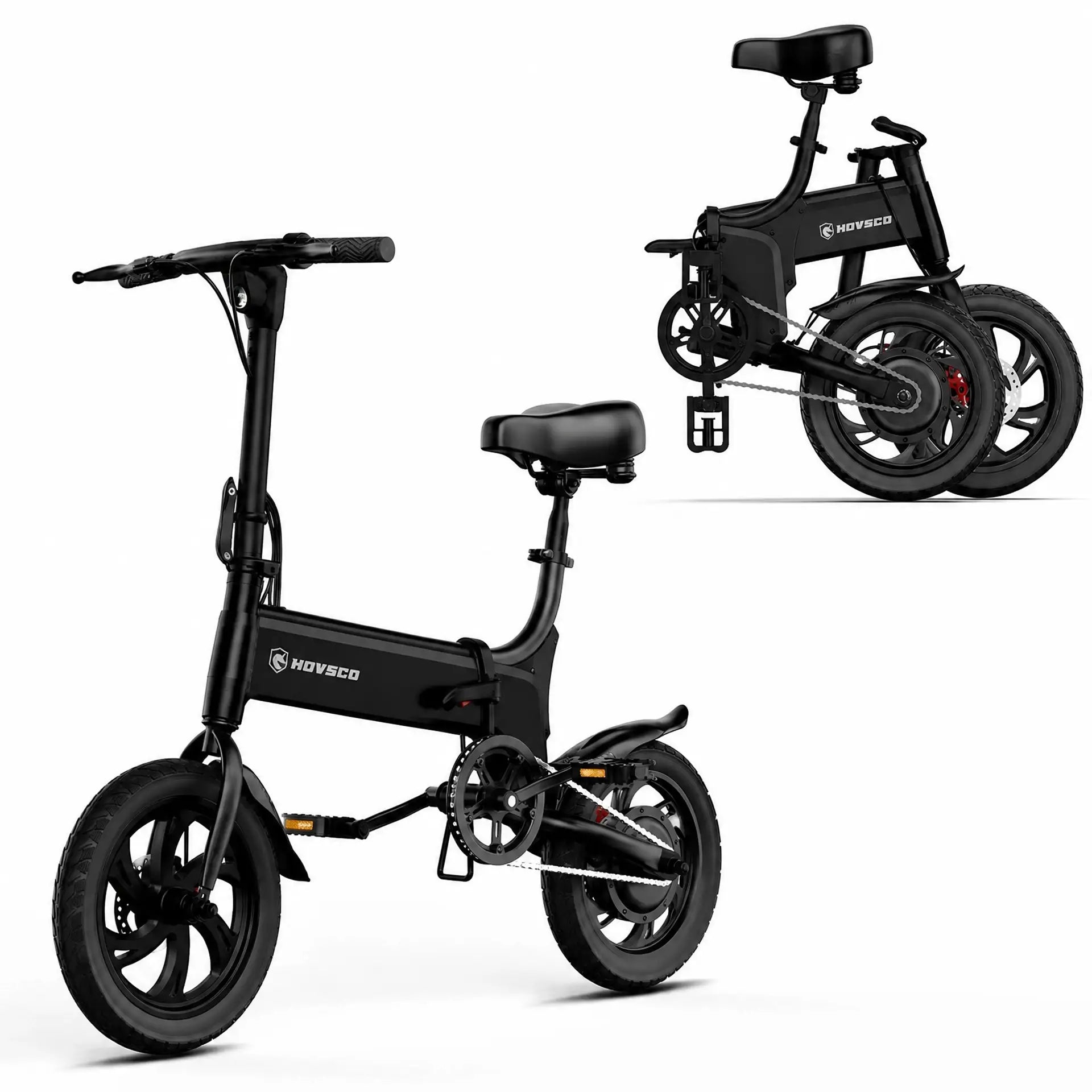
Eco-friendly travel with HOVSCO e-bikes means using electric-assist bicycles such as the HovCart Family E-Bike, HovBeta Foldable Ebike, or HovAlpha Long-Range to replace short and medium-distance car trips for commuting, errands, and leisure, thereby reducing emissions and fuel use. Riders tap into efficient motors up to 1500 W, ranges up to 80 miles or more per charge, and family-oriented payloads up to 450 lbs to make low-carbon travel practical for real-life schedules and responsibilities.
The pain points of traditional travel habits
Traditional travel patterns still revolve around private cars for even the shortest errands, which creates several persistent pain points for individuals, families, and cities.
First, there is the emissions burden. Private cars remain one of the largest sources of urban transport emissions, and even small shifts from driving to cycling or e-biking produce meaningful reductions in CO₂. Yet many commuters default to cars for trips under 5–10 km because alternatives feel slow, inconvenient, or unsafe. This mismatch between distance and mode locks in high per-person emissions day after day.
Second, the cost and stress of driving add up. Fuel prices, parking fees, insurance, and maintenance make car ownership expensive, particularly when vehicles are used mainly for short trips that an e-bike could easily cover. Congested streets and limited parking also increase travel time and frustration, especially in dense urban cores and popular tourist areas. By contrast, cycling and e-biking can often maintain more predictable door-to-door times in cities.
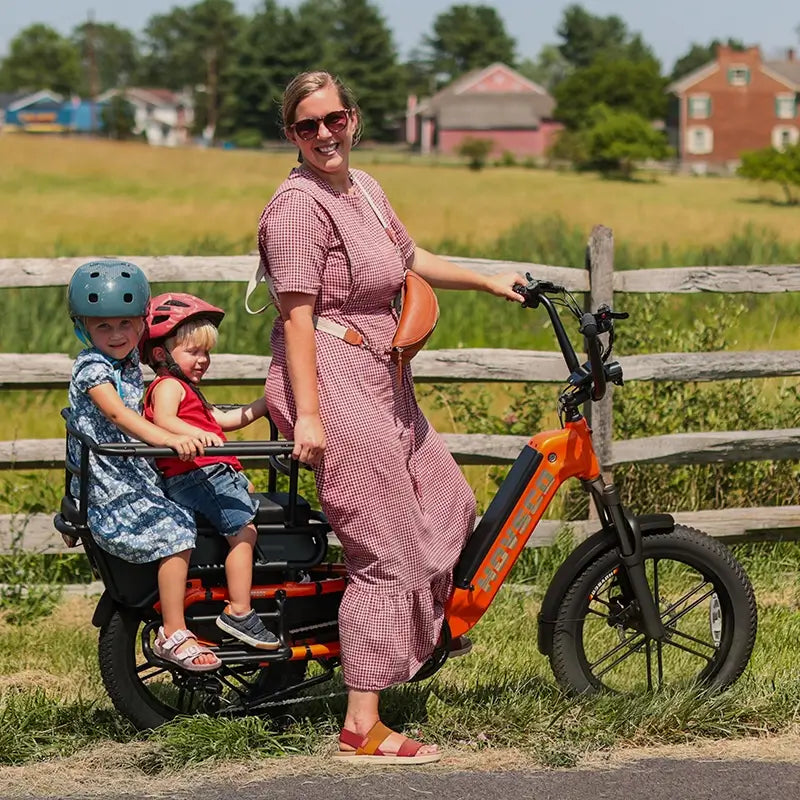
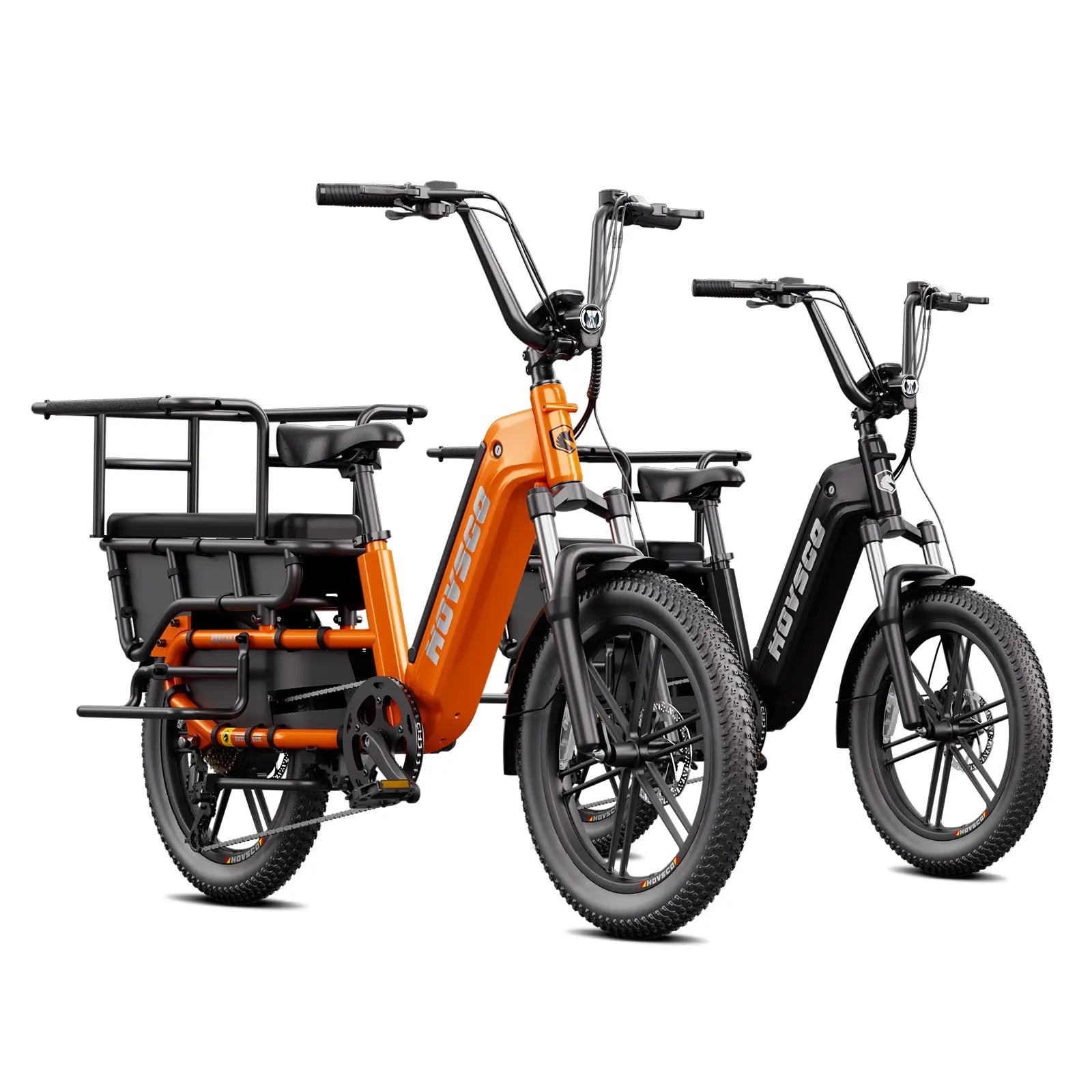
Third, families have unique constraints. Parents need to move children, bags, and gear safely and reliably, which makes fully “car-free” living seem unrealistic. Standard bikes may not offer enough capacity or stability for multiple passengers and cargo. HOVSCO addresses this with cargo-focused models, available through the homepage at HOVSCO’s official site, which highlight family-ready payloads and stable frames so that school runs, park trips, and weekend errands become feasible by e-bike instead of car.
Finally, even travelers who care about sustainability often feel overwhelmed by complexity: carbon calculators, offset schemes, and route comparisons can feel abstract. What many people need is a simple, tangible habit change – such as replacing specific, repeatable car journeys with e-bike rides – that delivers immediate benefits in fuel savings, mood, and time, without requiring perfect lifestyle overhauls.
Replacing just one daily car trip with cycling or e-biking can cut an individual’s annual transport emissions by around 0.5 tonnes of CO₂, while wider cycling adoption could reduce urban transport emissions by up to 10%.
HOVSCO e-bikes vs other eco-friendly travel options
Key features that enable an eco-friendly travel lifestyle
High-efficiency electric drive and long range
HOVSCO equips many models with motors up to 1300–1500 W, supporting top speeds around 28–32 mph (within local regulations) to keep commute times competitive with cars. Long-range batteries allow 60–80 miles per charge on long-range models, reducing range anxiety for commuters and travelers.
Family-ready cargo capacities
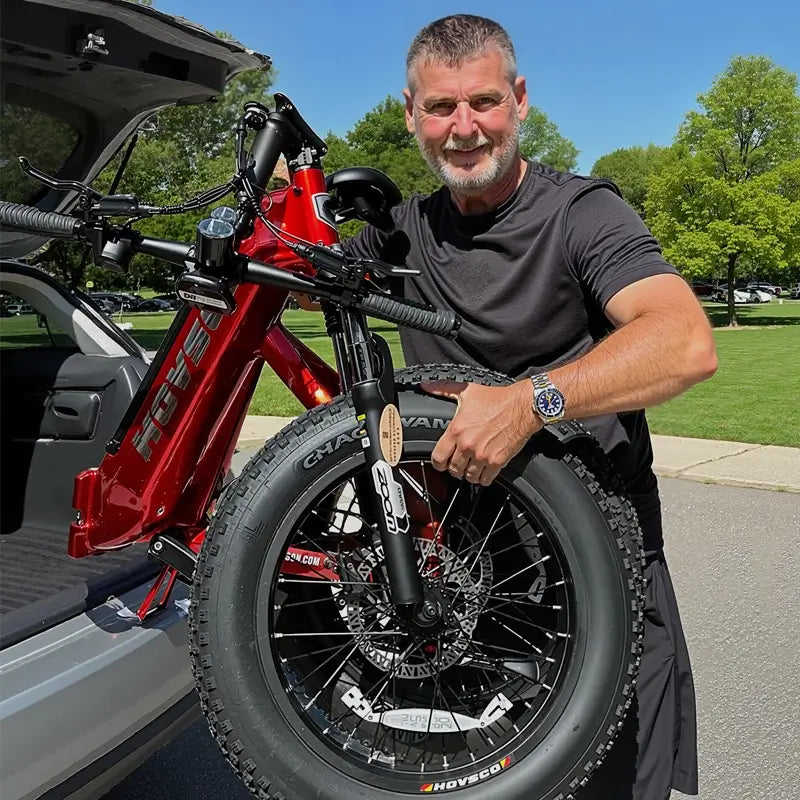
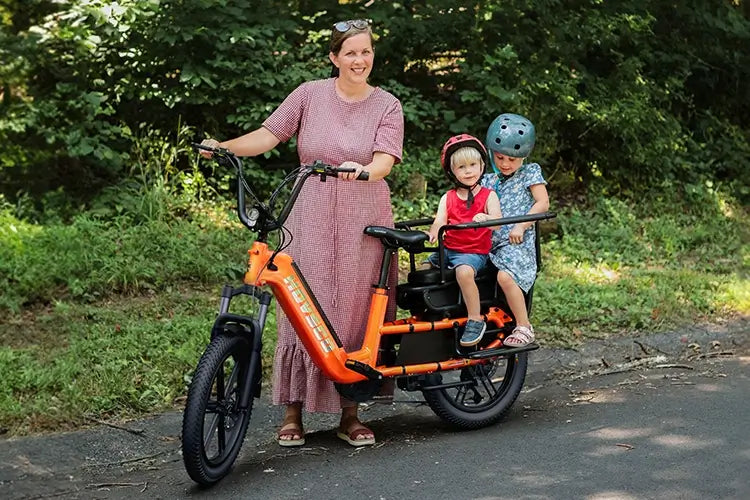
HOVSCO highlights heavy-duty, family-oriented e-bikes on its homepage, showing payload capacities up to 450 lbs and configurations capable of carrying kids and groceries together. This makes it realistic for families to replace car-based school runs and errands with electric-assisted rides without sacrificing convenience.
Certified safety and connected comfort
HOVSCO emphasizes UL 2849 certification for electrical system safety and offers torque or cadence sensors for smoother, more intuitive power delivery. Integrated app connectivity for iOS and Android provides ride data and potential diagnostics, while suspension and fat tires on adventure models improve comfort on rough city streets or trails.
Real-world examples of eco-friendly travel with HOVSCO
“We use our HOVSCO e-bike for school pick-up, park trips, lunch dates, and just cruising. It’s become our favorite family way to get around.”
“I chose a HOVSCO e-bike for commuting instead of my fuel-hungry truck. After months of regular rides, it’s fun, reliable, and saving me a lot on gas.”
“The long-range HOVSCO model has let us travel, camp and explore without relying on the train every time, riding up to dozens of miles on a single charge in an eco-friendly way.”
Cross-selling: building a complete eco travel setup with HOVSCO
Eco-friendly travel is easier when your gear matches different types of trips – from quick solo commutes to full family weekends. HOVSCO’s lineup lends itself naturally to building a flexible low-carbon “fleet” for one household.
Families who start with a family-focused cargo e-bike, easily found via the HOVSCO homepage, can cover school runs and grocery trips with a single, stable vehicle designed for high payloads. The same household might add a more agile city or folding model for multi-modal commuting and travel, taking advantage of compact storage and lighter frames.
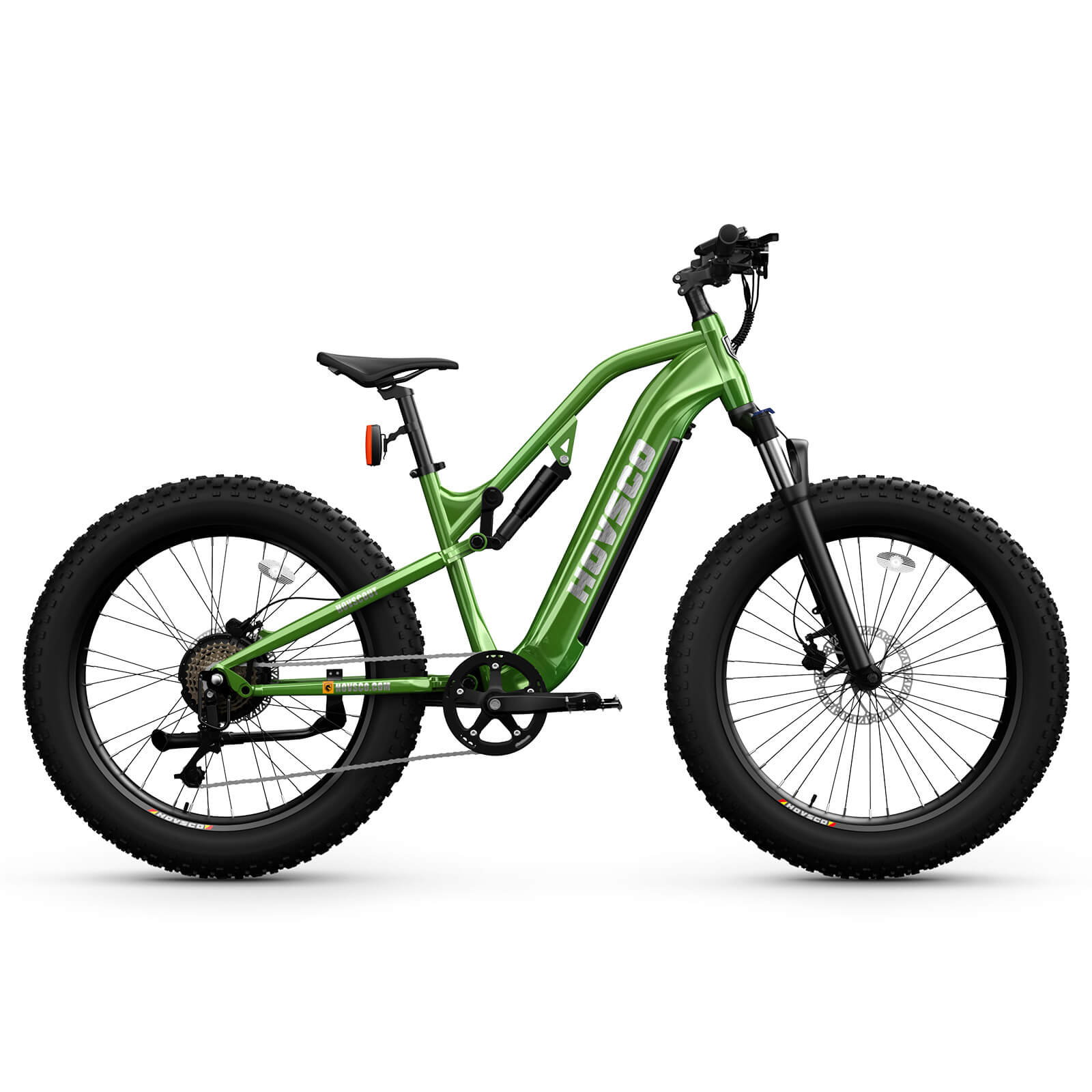
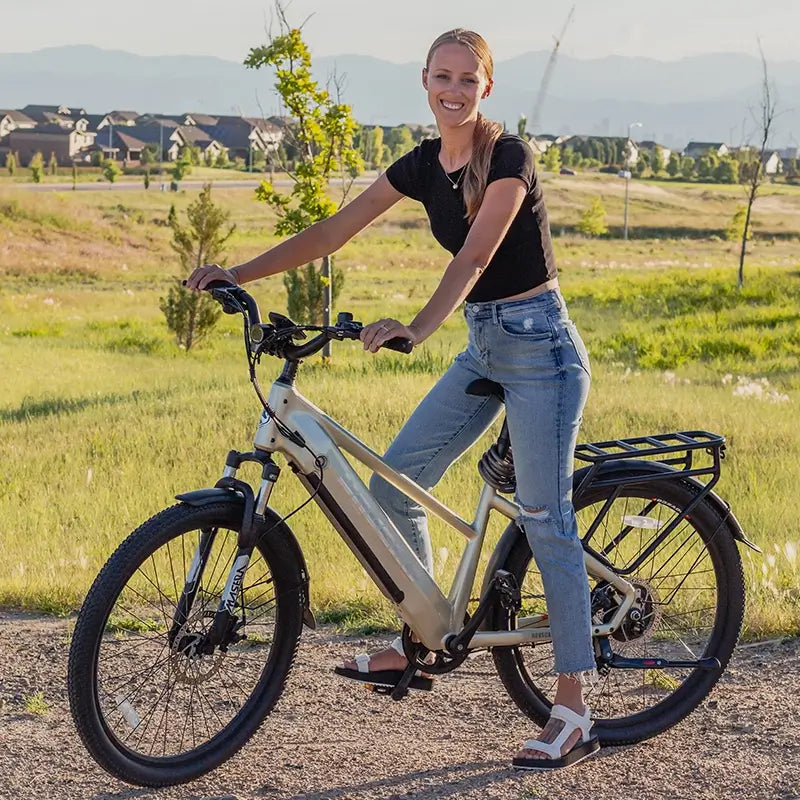
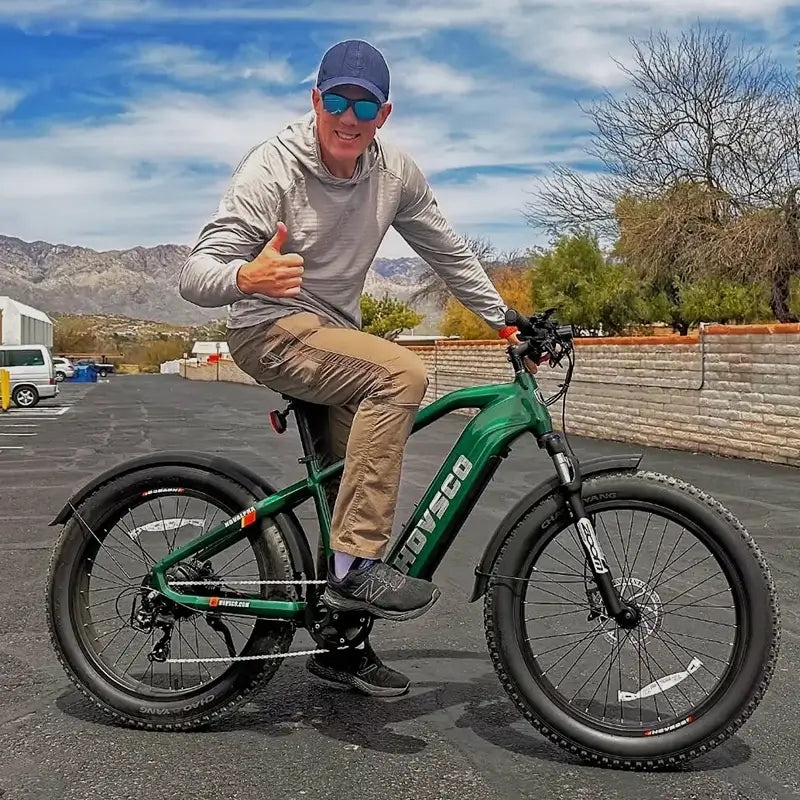
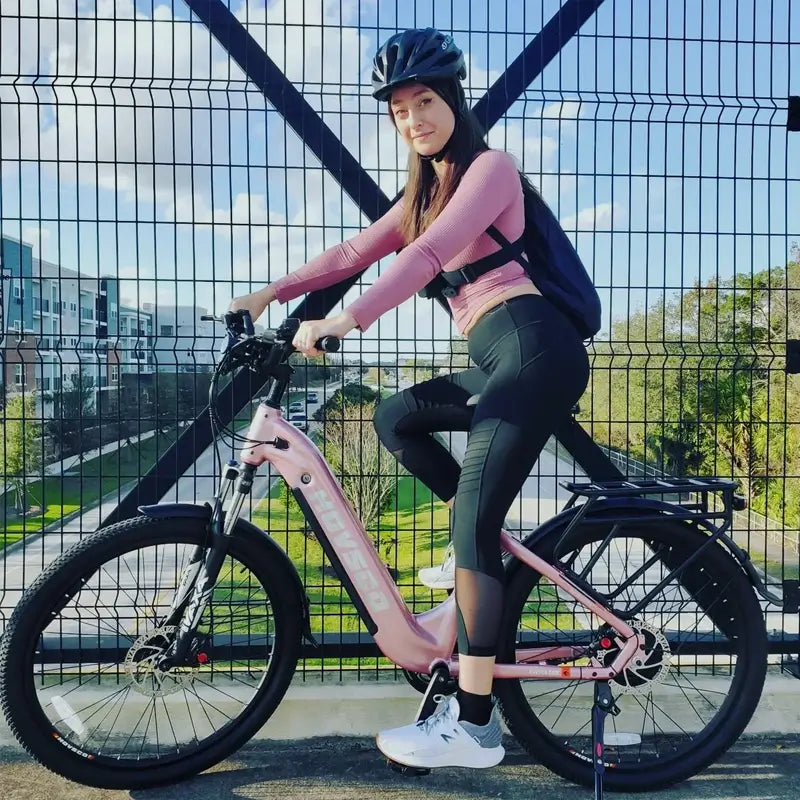
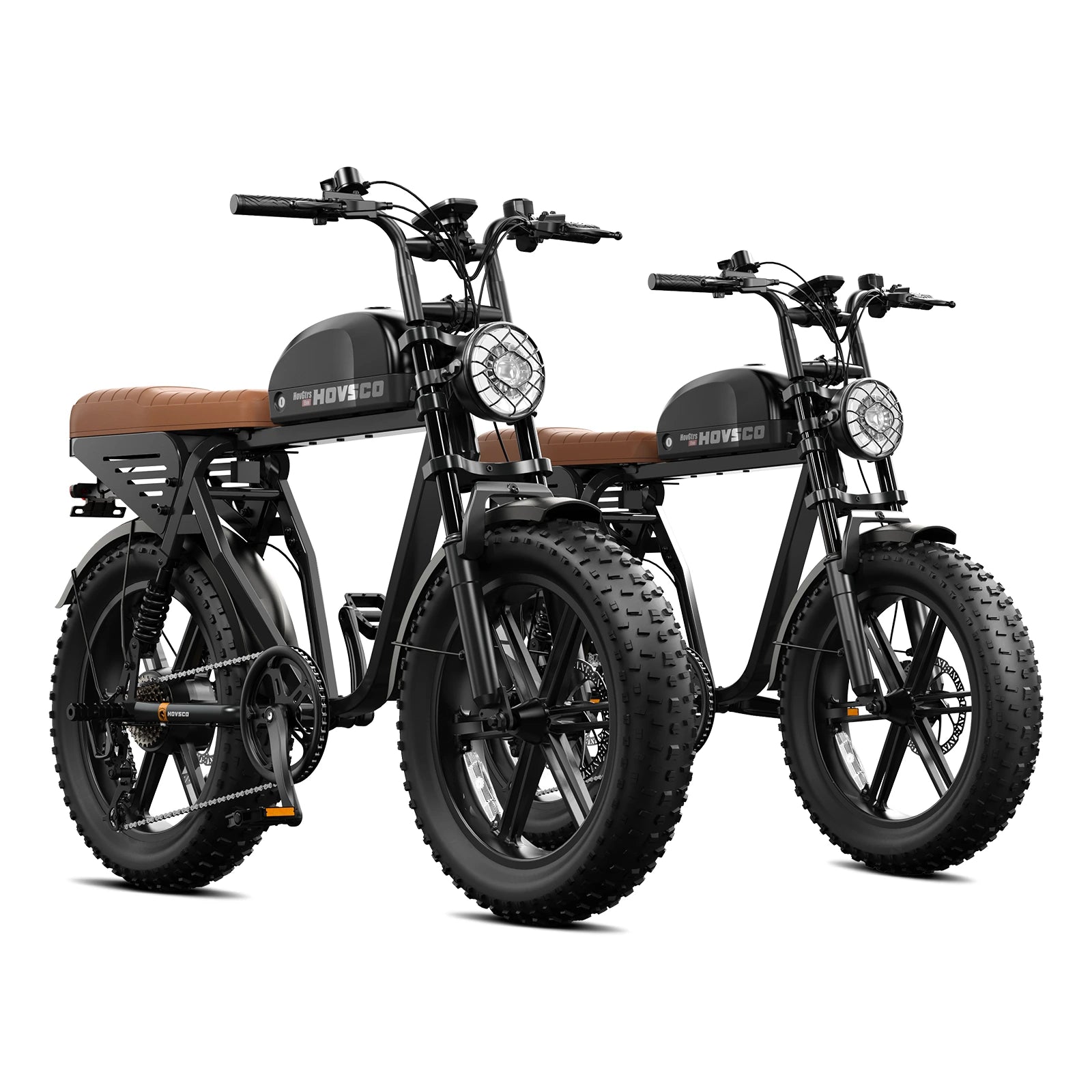
For riders exploring mixed terrain or longer distances, long-range fat-tire models highlighted on HOVSCO’s site deliver extended mileage with comfort on gravel, trails, and rough roads, making them ideal for eco-friendly weekend escapes. Meanwhile, upright city bikes provide practical ranges and comfort for everyday urban rides, expanding the number of trips that can shift from car to e-bike.
How to shift into an eco-friendly travel lifestyle with HOVSCO (6 steps)
-
Audit your weekly travel habits
List your recurring trips: commutes, school runs, grocery visits, gym, and social outings, noting distance and typical mode (car, transit, etc.). Highlight all trips under 10–15 km one way; these are the strongest candidates for e-bike replacement.
-
Define your primary use case
Decide whether your main need is commuting, carrying kids and cargo, or flexible leisure travel. If you regularly transport family or heavy loads, a family-oriented cargo e-bike from HOVSCO is likely best; if you need to fold and store the bike, a compact, foldable model is ideal.
-
Choose the right HOVSCO model
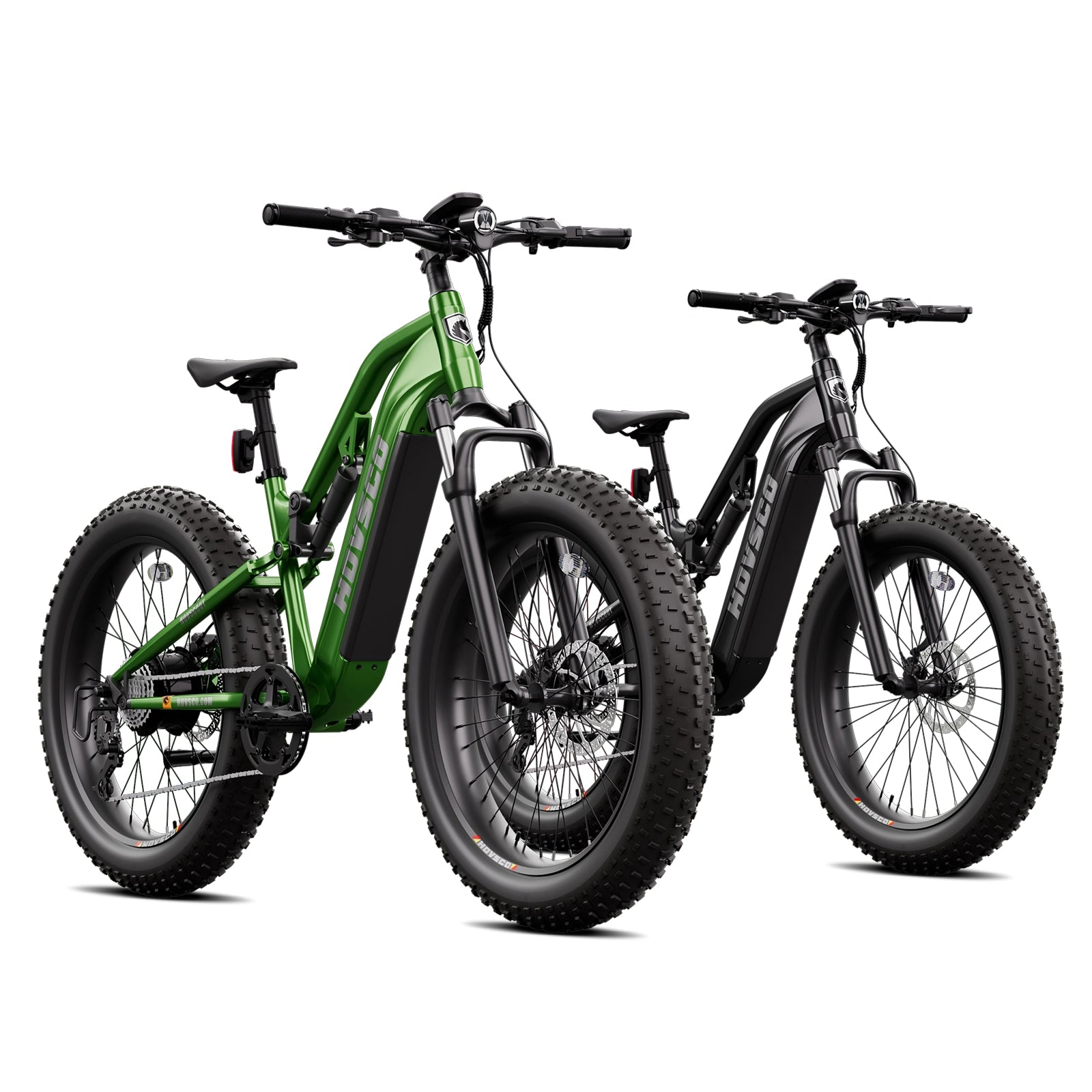
Use HOVSCO’s product pages to match range, terrain, and payload requirements with specific bikes. City riders may lean toward upright commuters, while off-road and adventure-oriented users may favor long-range fat-tire or full-suspension models.
-
Start with “anchor” trips to build habit
Pick two or three easy, repeatable trips (such as commuting twice a week or weekend grocery runs) to always do by e-bike. Consistency matters more than perfection; each replaced car trip compounds emissions savings and cost reductions over time.
-
Optimize your setup for comfort and safety
Add accessories like panniers, child seats, lights, mirrors and locks to fit your lifestyle and local conditions. Ensure you have a secure charging routine at home or work, and follow recommended tire pressure and maintenance to maintain efficiency and range.
-
Layer in wider sustainable travel practices
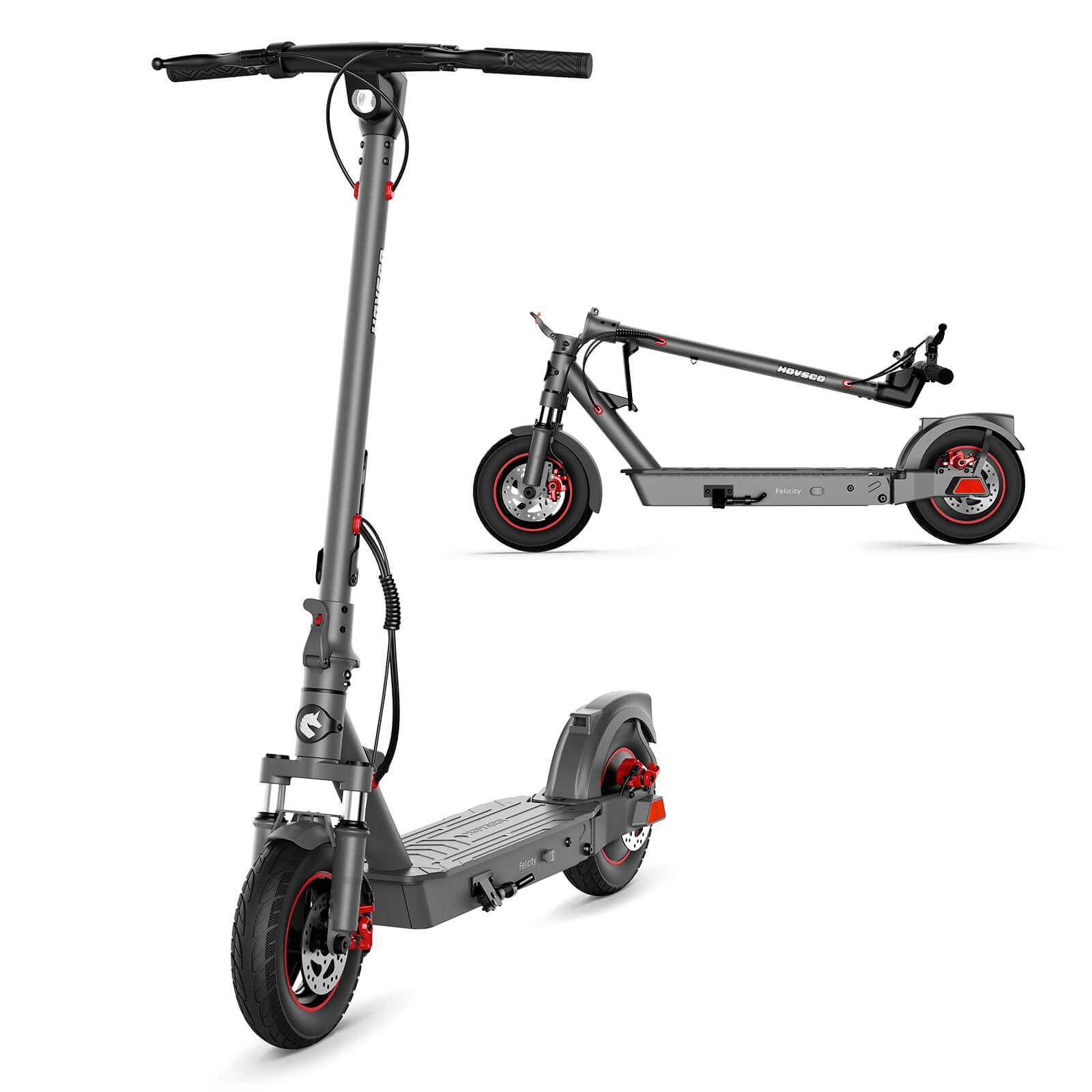
Beyond daily riding, adopt low-carbon habits when traveling further: favor trains, buses or carpooling, pack lighter, and choose accommodations with sustainability commitments. Your e-bike can often serve as a last-mile solution in new cities, especially compact or folding models that store easily in small spaces.
Everyday scenarios: before and after HOVSCO
Scenario 1: Urban commuting to work
-
Traditional approach
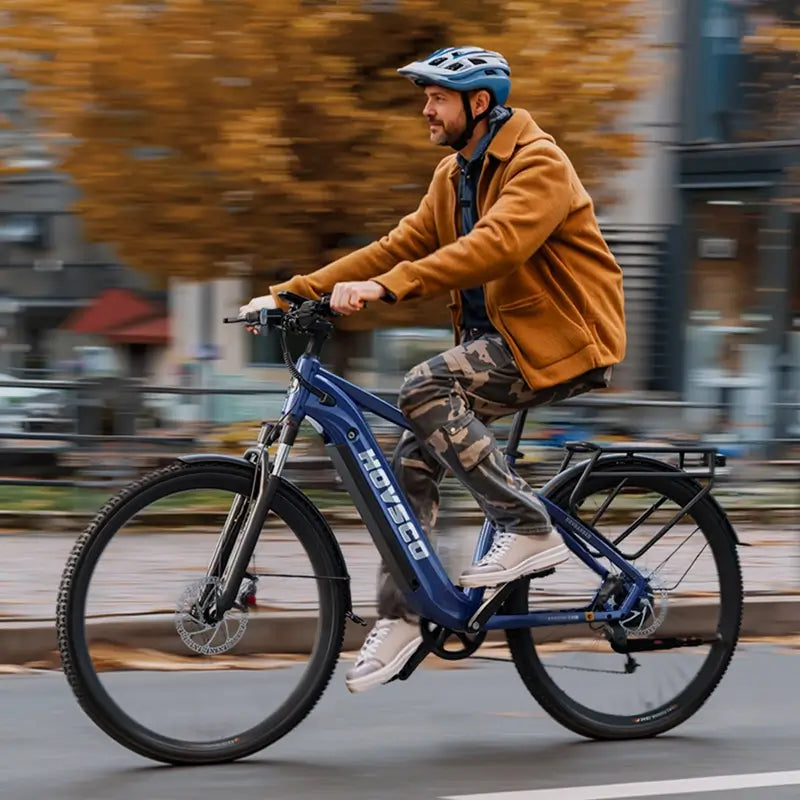
A 10 km each-way commute is done by car five days a week, facing traffic congestion, parking fees, and fluctuating fuel costs. Emissions accumulate quickly, and exercise is limited to separate gym time.
-
With HOVSCO
The rider switches to a city-focused HOVSCO e-bike for most workdays, using electric assist to maintain around 20–25 mph and cover the commute comfortably. Over a year, dozens of car trips disappear, saving fuel and cutting CO₂ emissions while integrating daily low-impact exercise into the routine.
Scenario 2: Family errands and school runs
-
Traditional approach
Parents drive children to school, then stop at the supermarket or local shops, often circling for parking and idling in queues. Short distances still involve a full vehicle, leading to disproportionate emissions and urban congestion.
-
With HOVSCO
A family-oriented cargo e-bike from HOVSCO handles the same route, with children seated safely and groceries stored in cargo space, supported by a strong motor and generous payload. The family reduces car dependency, kids experience the city at slower speed, and the trip becomes a shared outdoor moment rather than a stressful drive.
Scenario 3: Weekend eco-adventures
-
Traditional approach
Weekend getaways involve driving long distances to crowded attractions or taking short flights for quick breaks, which carry high per-trip emissions. Even local outings often rely on cars to reach parks or trails.
-
With HOVSCO
Riders plan regional adventures around long-range HOVSCO models, leveraging extended range and fat tires to explore coastal paths, lakeside routes, and countryside roads. They travel slower and closer to home but more deeply, cutting emissions while still satisfying the desire for exploration and time in nature.
FAQ: eco-friendly travel lifestyle and HOVSCO e-bikes
How can an eco-friendly travel lifestyle really lower my personal carbon footprint?
Switching from car trips to walking, cycling, or e-biking has an outsized impact because transport is a major part of individual emissions. Studies show that replacing even one daily car trip with cycling can cut personal transport emissions by about 0.5 tonnes of CO₂ per year, and wider shifts to active travel could reduce urban transport emissions by 2–10%.
Are HOVSCO e-bikes truly a low-carbon alternative to driving?
Yes, when charged from typical electricity grids, e-bikes use far less energy per kilometre than internal combustion vehicles and emit virtually no local pollution. HOVSCO designs its e-bikes to be used as daily commuters and cargo haulers, so each replaced car trip compounds the environmental benefit over the bike’s lifetime.
Which HOVSCO model is best for starting an eco-friendly travel lifestyle?
This depends on your primary trips. For daily city commutes, upright commuter and city step-thru models balance comfort and generous range, all easily explored via the HOVSCO homepage. If you need to transport kids or heavy cargo often, choose a family-ready cargo e-bike; for flexible storage and multi-modal travel, look at foldable options.
How far can I realistically travel on a HOVSCO e-bike in a day?
Ranges vary by model, terrain, rider weight, and assist level, but many HOVSCO e-bikes offer 60 miles per charge, with long-range models reaching up to 80 miles in optimal conditions. For most urban and suburban riders, this comfortably covers daily commuting and errands without recharging, and longer weekend rides are also feasible with route planning.
Is an eco-friendly travel lifestyle compatible with long-distance trips and vacations?
Yes, the goal is not to eliminate all long-distance travel but to reduce unnecessary high-emission journeys and choose lower-carbon options when possible. Many travelers now prioritize fewer, longer trips by train or bus, use bikes and e-bikes for local mobility, and reserve flights for special cases, making their overall footprint much smaller without giving up exploration.
How does HOVSCO support safety and reliability for daily eco-friendly travel?
HOVSCO emphasizes certified quality such as UL 2849 compliance, strong frames, reliable braking systems, and robust suspension for comfort and control. The brand also highlights real-world customer stories and community engagement to refine designs around family needs, ensuring that riders feel confident replacing car trips with e-bike journeys.
Moving toward a more sustainable way of moving
Choosing an eco-friendly travel lifestyle means linking everyday freedom of movement with responsibility for the climate and the places we visit. By shifting short and medium-distance trips from cars to e-bikes, walking, and public transit, individuals can significantly reduce their transport emissions while often saving money and time. HOVSCO’s family of cargo, city, folding and adventure e-bikes offers a practical, comfortable pathway into this lifestyle, especially for families and commuters who thought “car-free” or “car-light” living was out of reach.
Start your eco-friendly journeys with HOVSCO
If you are ready to turn sustainability from a concept into a daily habit, your next step can be as simple as choosing the right e-bike and reimagining your weekly routes. Explore HOVSCO’s full range of cargo, city, folding and adventure e-bikes on the official HOVSCO website, and use their product information to match a bike to your lifestyle. One ride at a time, you can cut emissions, trim transport costs, and rediscover the joy of moving through your world at a more human pace – with electric assist whenever you need it.
Sources




![[ New Arrival ] Porto Max Electric Scooter For Commute & Grocery Shopping - HOVSCO](http://www.hovsco.com/cdn/shop/files/PotroMax-3.jpg?v=1706927007&width=1200)
Share:
Electric Vehicle Innovation: How HOVSCO Is Redefining Everyday Mobility (June 2026)
Fat Tire E-Bike Dynamics: How Wide Tires Transform Control, Comfort, and Confidence (June 2026)