
























- by SEO
Electric Vehicle Innovation: How HOVSCO Is Redefining Everyday Mobility (June 2026)
- by SEO
E-Bikes
 Free Shipping
 15-Day Returns
 2-Year Warranty
Shop By Models
Shop By Style
Electric vehicle innovation is reshaping how cities move, and e-bikes are becoming one of the most agile, low-cost ways to electrify daily life. HOVSCO sits at the center of this shift by focusing on high‑performance electric cargo and commuter bikes that can realistically replace many car trips for families, commuters, and small businesses.
Electric vehicle innovation is accelerating fast. Discover how HOVSCO’s cargo and commuter e-bikes turn daily errands and commutes into efficient, low‑carbon electric mobility in June 2026.
The global e‑bike market reached around 26–49 billion USD in 2024 and is projected to grow strongly through the 2030s as cities and consumers seek affordable electric mobility. At the same time, cargo e‑bikes are emerging as a key solution for last‑mile logistics and household transport, offering lower emissions and congestion than vans while remaining highly flexible in dense urban environments. Governments, logistics operators, and individual riders increasingly view electric bikes as practical “micro EVs” that can cut fuel costs and emissions without the high upfront price of electric cars.
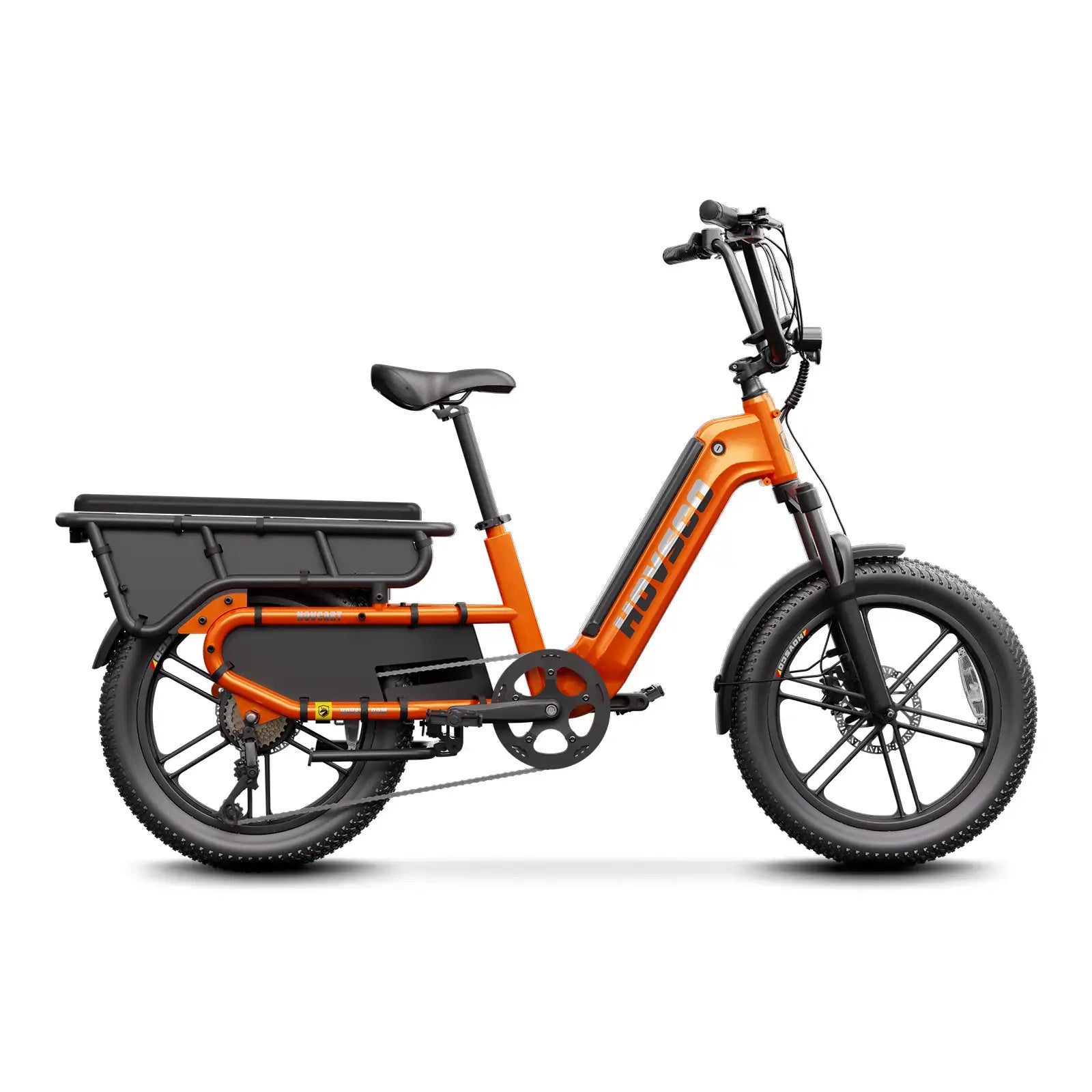
HOVSCO’s strategy directly targets this shift with high‑capacity electric cargo bikes like the HovCart cargo e‑bike, designed to handle family hauling and urban delivery loads while staying easy and fun to ride. By pairing robust frames, powerful hub motors, and long‑range batteries with torque‑sensor control and app connectivity, HOVSCO positions its e‑bikes as versatile electric vehicles rather than just leisure bicycles.
To frame the rest of this article, we will use “electric vehicle innovation” to include the rapid evolution of e‑bikes, especially cargo and utility designs that realistically replace short car and van trips in everyday life. This perspective highlights how brands like HOVSCO are expanding the EV story beyond cars into more compact, energy‑efficient formats.
Electric vehicle innovation in the e‑bike world refers to advances in motors, batteries, frames, connectivity, and design that turn electric bikes into practical replacements for many car journeys. For HOVSCO, this means cargo and commuter e‑bikes that combine powerful rear‑hub motors, long‑range Samsung/LG battery cells, torque sensors, and modular racks to move people and goods efficiently through modern cities.
Urban mobility today faces several structural challenges that legacy vehicles and infrastructure struggle to solve alone.
First, congestion and parking pressure have become everyday pain points in dense cities, pushing commute times higher and making short car trips increasingly frustrating and inefficient. Even highly efficient gasoline cars still sit idle in traffic, wasting time and fuel on journeys that could be handled by lighter electric modes. Electric cargo and commuter bikes can often bypass congestion using bike lanes and smaller streets, shrinking trip times without requiring massive new infrastructure.
Second, cost and complexity remain major obstacles in traditional vehicle ownership. Fuel, maintenance, insurance, and parking all add up, particularly for families and small businesses that do many short trips. In contrast, e‑bikes have much lower running costs per mile, require simpler maintenance, and avoid many of the fixed costs associated with cars and vans. This cost gap widens further as regulations and low‑emission zones tighten around internal‑combustion vehicles in many cities.
Third, conventional bikes alone are not always enough to replace car trips. Load capacity, hills, distance, and rider fatigue limit how far and how often people can realistically ride unassisted. Electric vehicle innovation in e‑bikes—particularly high‑torque motors, larger batteries, and cargo-optimized frames—directly tackles these issues, making it easier to carry kids, groceries, or parcels over longer distances.
Finally, businesses face growing pressure to decarbonize last‑mile delivery and urban logistics without sacrificing speed or reliability. Vans and trucks produce significant emissions in stop‑and‑go traffic, yet switching to large electric vans can be expensive and infrastructure‑heavy. Cargo e‑bikes offer a nimble, low‑emission alternative that can slip through congested streets, avoid parking fines, and serve dense delivery routes efficiently.
Electric‑assist cargo bikes can replace a significant share of urban delivery van trips while reducing emissions, noise, and congestion in city centers.
High‑capacity cargo and family hauling
Models like the HovCart cargo e‑bike are built around structural‑grade, reinforced frames rated for payloads up to about 450 lbs, allowing riders to carry children, groceries, or delivery loads without compromising stability. Modular rear racks and baskets support a variety of cargo configurations, from kid seats to delivery boxes.
Smart motor and torque‑sensor systems
HOVSCO emphasizes torque‑sensor integration across its cargo and premium commuter lines, which synchronizes motor assistance with the rider’s pedaling force in real time. This creates smoother acceleration, better traction under load, and more efficient power use than basic cadence‑sensor systems.
Long‑range batteries and connectivity
The brand uses Samsung and LG battery cells, giving select models ranges on the order of 40–60 miles per charge depending on load and assist level. App connectivity in the latest lineup enables riders to customize assist profiles, track rides via GPS, and unlock higher Class 3 speeds where local regulations allow.
A family replaces a second car by using a HOVSCO cargo e‑bike for school runs, grocery trips, and weekend outings, cutting fuel costs and parking stress.
A small café uses an electric cargo bike to deliver orders within a 5–10 mile radius, navigating bike lanes and avoiding congestion that slows traditional delivery vans.
Office workers switch from driving to HOVSCO commuter e‑bikes for 10–15 mile daily trips, arriving sweat‑free yet still gaining light daily exercise.
HOVSCO’s innovation strategy extends beyond cargo bikes into other dedicated platforms.
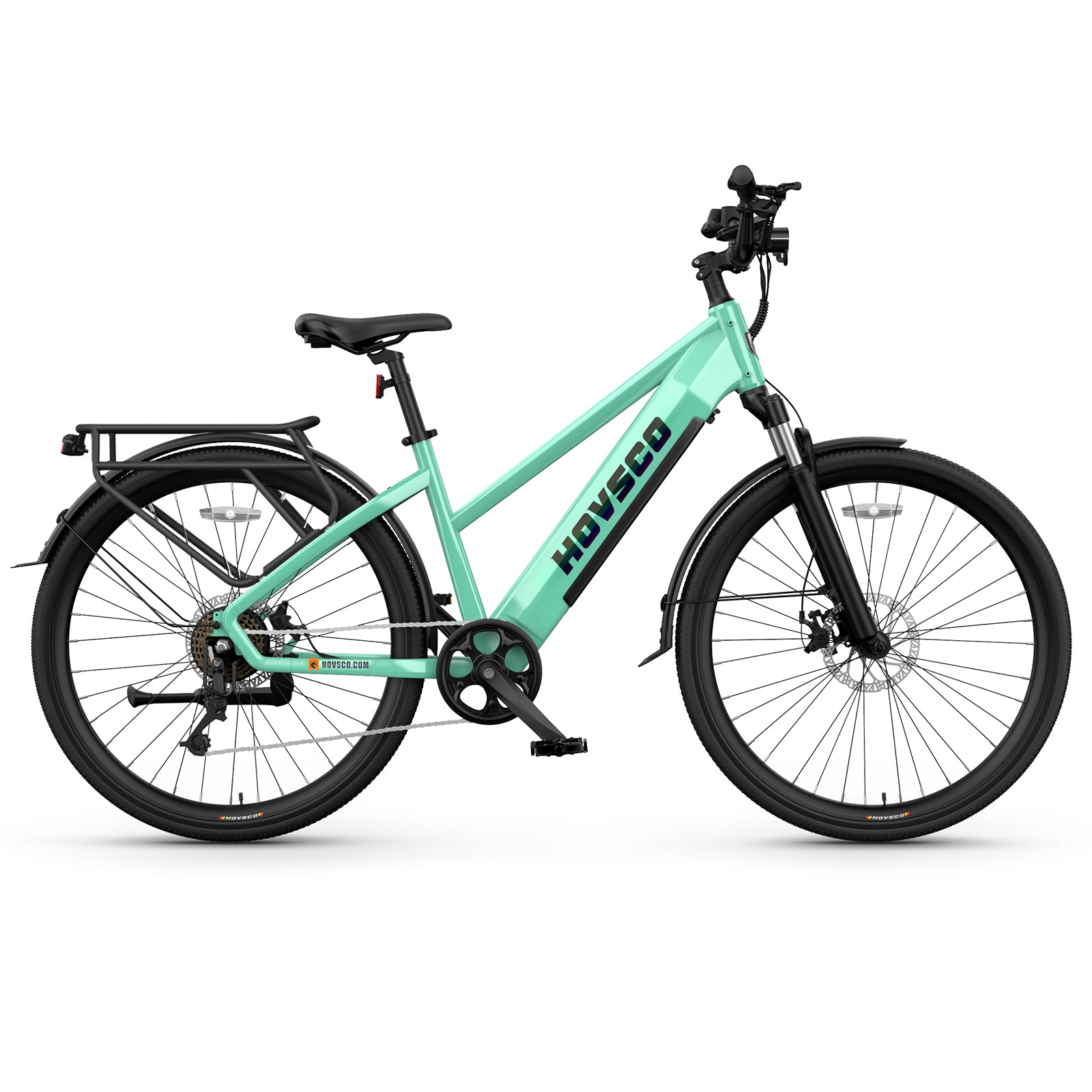
The HovRanger series, available as a utility mountain and commuter e‑bike, targets riders who need a capable city and trail bike with a 500W motor and 48V battery balanced for range and performance. This supports electric vehicle innovation by offering an all‑rounder for mixed urban and recreational use.
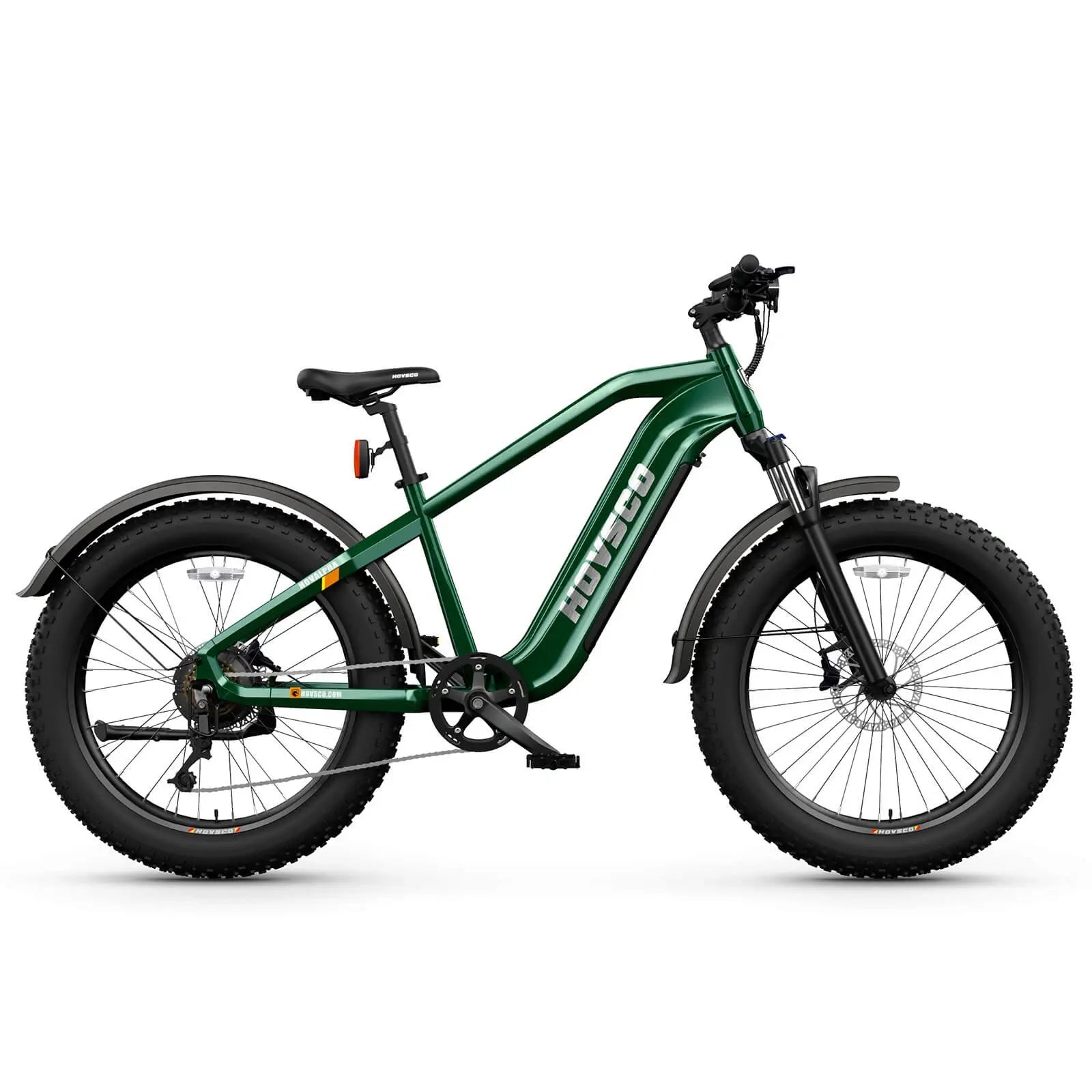
Fat‑tire models under the HovAlpha and HovBeta series focus on all‑terrain riders who need traction and comfort on sand, snow, and rough paths while still enjoying the efficiency of an electric drivetrain. The broader cargo and utility lineup, presented in HOVSCO’s cargo category, captures families and businesses looking for long‑range utility e‑bikes as car alternatives.
For readers exploring options, the cargo lineup is a good starting point to understand how HOVSCO positions its bikes as everyday electric vehicles rather than niche leisure products.
Clarify your main use cases
Decide whether your primary need is family hauling, last‑mile deliveries, or commuting, as this will guide you toward cargo, utility, or commuter models. Estimating typical load weight and daily distance helps narrow battery and frame requirements.
Explore the cargo and utility range
Review HOVSCO’s cargo‑focused models such as the HovCart cargo e‑bike, paying attention to payload ratings, wheel sizes, and accessory compatibility. Consider whether you need passenger kits, child seats, or delivery‑oriented racks.
Check motor, battery, and assist features
Look at motor wattage, torque ratings, and battery capacity, along with whether the bike uses torque sensors for smoother assistance. Match these specifications to your terrain and desired top speeds within your local regulations.
Plan charging and storage logistics
Identify where you will store the bike and charge the battery—home garages, bike rooms, or commercial spaces—ensuring easy access to power outlets. For business use, consider how charging schedules align with operating hours.
Assess accessories and safety equipment
Choose suitable accessories such as lights, locks, helmets, and cargo straps to keep loads secure and rides safe. For cargo operations, double‑locking and weather protection can be critical for reliability.
Pilot and refine your routine
Start with a defined route—school runs, a delivery loop, or a daily commute—and measure time, effort, and cost compared with your previous vehicle. Adjust routes, loads, and assist levels over several weeks as you gain experience with the electric bike’s capabilities.
Scenario 1: Urban family transport
Traditional approach: A family uses a second car for school drop‑offs, groceries, and weekend outings, often stuck in traffic and competing for parking in busy neighborhoods. Fuel costs, insurance, and parking fees create ongoing expense for relatively short trips.
With HOVSCO: A HOVSCO cargo e‑bike with a reinforced frame and modular rear rack carries one or two children plus weekly groceries on a single trip. The family uses bike lanes where available, cutting travel time and parking hassle while dramatically reducing fuel and maintenance costs.
Scenario 2: Last‑mile delivery and small business logistics
Traditional approach: Small retailers and local delivery services rely on vans to move goods, facing congestion, parking tickets, and rising fuel prices. Short routes with frequent stops are particularly inefficient for larger vehicles.
With HOVSCO: Electric cargo bikes take over dense urban routes, carrying parcels in cargo baskets and racks that are optimized for repeated loading and unloading. Riders navigate side streets and bike lanes, increasing drop‑off rates per hour and cutting emissions without the need for expensive fleet electrification.
Scenario 3: Commuting and active lifestyles
Traditional approach: Office workers drive or use crowded public transport for daily commutes, losing time in traffic or on indirect routes. Traditional bikes may not feel viable for longer or hillier trips due to distance and effort.
With HOVSCO: Commuters adopt HOVSCO urban and utility e‑bikes like the HovRanger to cover 10–20 km trips at steady speeds with electric assistance smoothing out hills. Riders arrive at work with minimal sweat while still integrating gentle physical activity into their day.
How does electric vehicle innovation in e‑bikes help reduce urban congestion?
Electric bikes occupy far less space than cars and vans and can often use dedicated bike lanes or alternative routes, which helps reduce congestion in busy corridors. By replacing short car trips with e‑bike journeys, cities can free up road and parking capacity while maintaining mobility.
What makes HOVSCO’s cargo e‑bikes suitable replacements for a second car?
HOVSCO cargo models like the HovCart cargo e‑bike are built with high payload ratings, powerful rear‑hub motors, and long‑range batteries, supporting common family tasks such as school runs and grocery shopping. The ability to carry children and bulky loads in one trip makes them a practical alternative to a second household vehicle.
How far can a HOVSCO e‑bike travel on a single charge?
Range varies by model, riding style, and load, but HOVSCO’s cargo and commuter e‑bikes generally achieve around 40–60 miles per charge under typical pedal‑assist conditions. This is sufficient for most daily commutes and delivery routes without mid‑day charging.
Are HOVSCO e‑bikes designed for both city streets and light off‑road use?
Yes, certain HOVSCO series such as HovAlpha, HovBeta, and HovRanger are engineered for mixed terrain, combining robust frames and capable tires with electric assistance for trails, gravel, and city riding. Riders can choose between cargo‑optimized and adventure‑oriented platforms depending on their primary use case.
How does torque‑sensor technology improve the riding experience?
Torque sensors continuously read how hard the rider is pedaling and modulate motor output accordingly, resulting in smoother and more predictable assistance than simple cadence‑based systems. This is especially valuable on cargo bikes, where gradual, controlled power delivery improves safety when starting, cornering, or climbing with heavy loads.
What role do HOVSCO e‑bikes play in the broader electric vehicle innovation trend?
By focusing on practical, load‑capable bikes for families and businesses, HOVSCO extends electric vehicle innovation beyond cars into everyday micro‑mobility. This helps more people participate in the transition to cleaner transport without the cost and infrastructure demands of full‑size electric vehicles.
Electric vehicle innovation is not limited to large, high‑priced cars; it also lives in compact, efficient e‑bikes that handle the bulk of our daily trips. With high‑capacity cargo platforms, torque‑sensor control, and long‑range battery systems, HOVSCO’s e‑bikes demonstrate how smart design can transform short car journeys into smooth, low‑carbon rides that fit seamlessly into city life.
If you are looking for a practical entry point into electric vehicle innovation, exploring HOVSCO’s cargo and commuter e‑bikes is an efficient way to start reshaping your daily mobility. With robust frames, proven battery technology, and a focus on real‑world utility, the brand offers compact electric vehicles that turn everyday errands and commutes into cleaner, more enjoyable rides.
ResearchAndMarkets — E‑Bike Market Report 2024
MarketsandMarkets — E‑Bike Market 2024
SkyQuest — Global E‑Bike Market 2024
Urban Freight Lab — Biking the Goods 2024
Pembina Institute — Cargo E‑Bikes for Urban Deliveries
ScienceDirect — E‑Cargo Bikes as a Personal Transport Mode in the UK
HOVSCO — HovCart Family E‑Bike Product Page
HOVSCO — Cargo Electric Bikes Category
HOVSCO — HovRanger Utility Mountain E‑Bike Coverage
HOVSCO — Electric Cargo Bike Market Leader Announcement 2026
Share:
Future of Urban Commuting: Why E-Bikes Like HOVSCO Lead the Next Decade (June 2026)
Eco-Friendly Travel Lifestyle With E-Bikes: How HOVSCO Makes Low-Carbon Adventures Easy (June 2026)