



![[ New Arrival ] Porto Max Electric Scooter For Commute & Grocery Shopping - HOVSCO](http://www.hovsco.com/cdn/shop/files/PotroMax-3.jpg?v=1706927007&width=1200)
- by SteveJames
Eco-Friendly Family Travel: Make Local Adventures Lighter This
- by SteveJames
E-Bikes
Accessories
 Free Shipping
 15-Day Returns
 2-Year Warranty
Free Shipping
15-Day Returns
2-Year Warranty
2-Year Warranty
Free Shipping
15-Day Returns
2-Year Warranty
Eco-friendly family travel starts with lower-impact local trips, thoughtful packing, and practical electric cargo-bike planning.
Eco-friendly family travel is no longer limited to choosing a green hotel or refusing daily towel changes. It also includes the everyday journeys that shape a family’s routine: school runs, grocery trips, park afternoons, campground loops, and exploring nearby destinations.
Tourism has a meaningful climate footprint, while transportation remains one of the largest sources of greenhouse-gas emissions in the United States. For families, the most repeatable opportunity is often closer to home: reducing unnecessary driving for short trips and making local adventures easier to reach through active or electric mobility.
A more sustainable family trip does not need to be expensive, complicated, or perfectly zero-waste. It begins with choosing practical alternatives for journeys that would otherwise become automatic car rides.
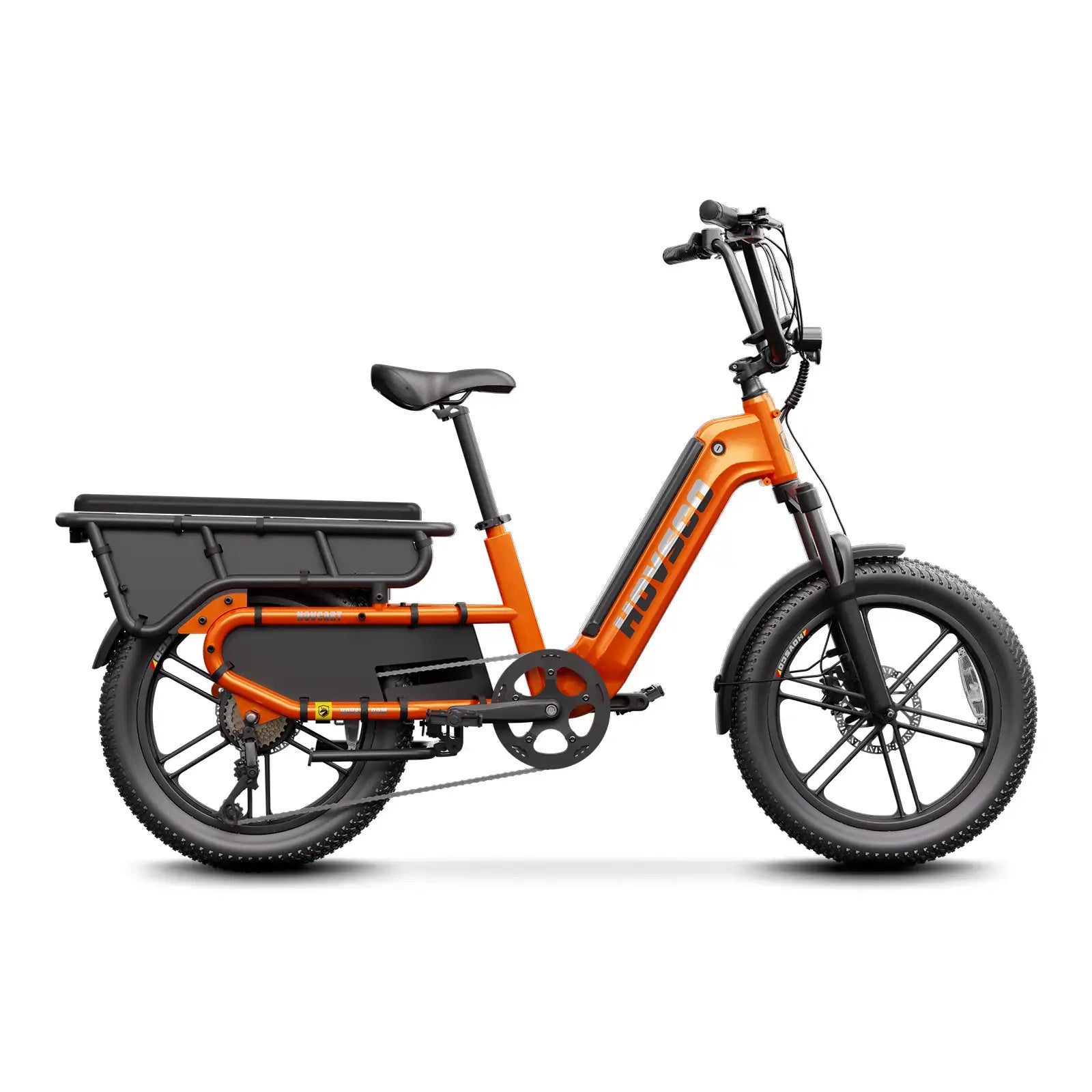
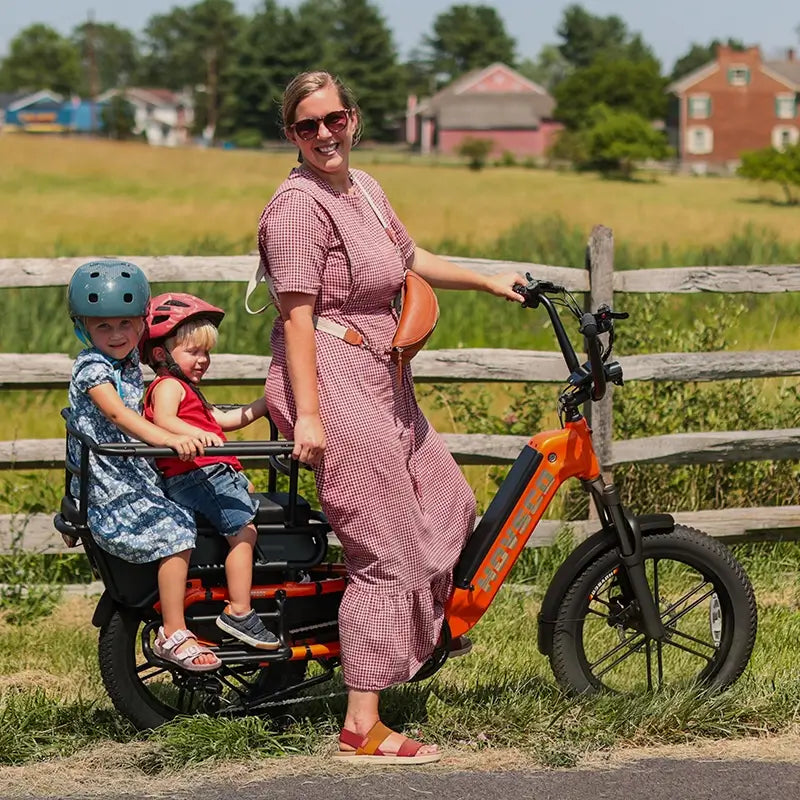
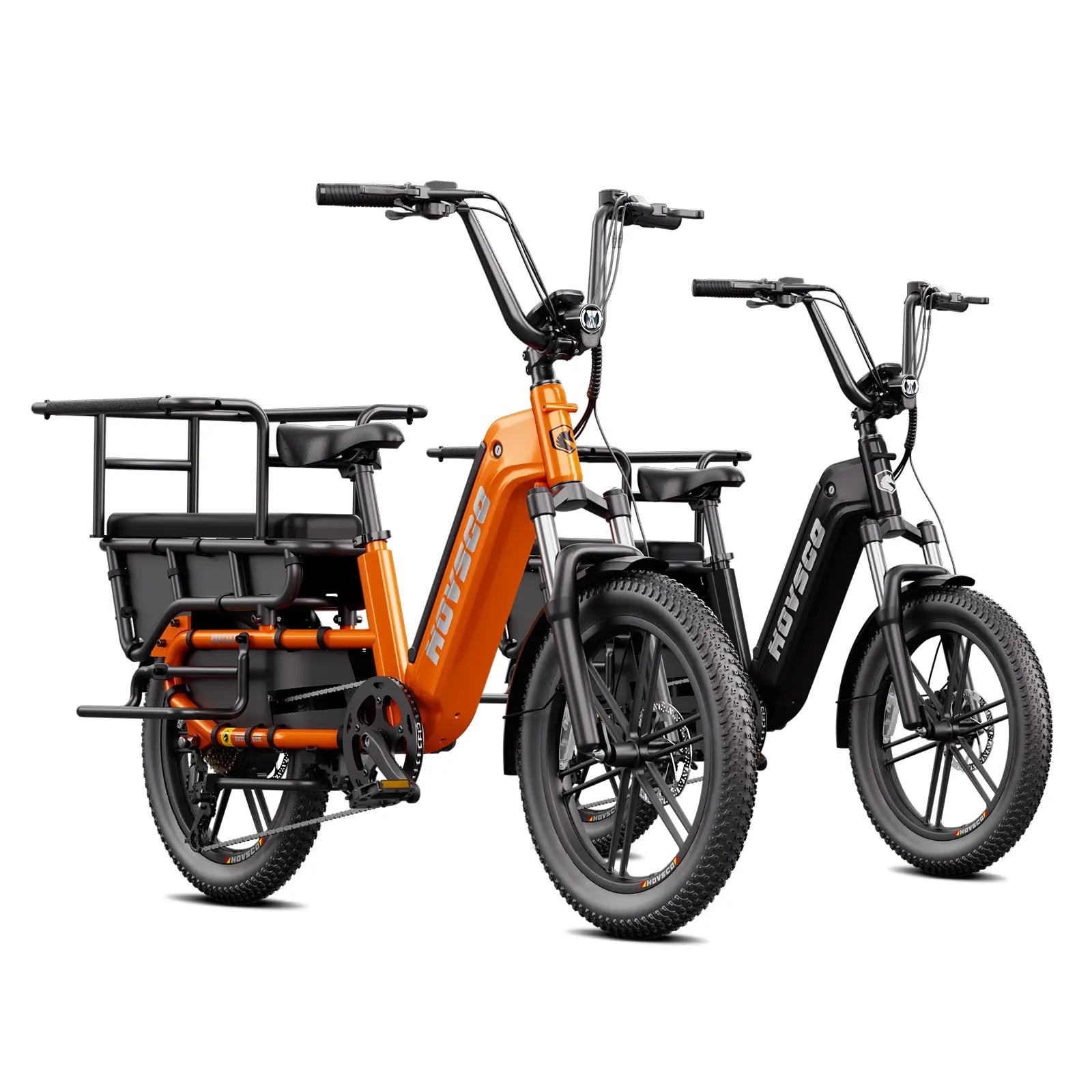
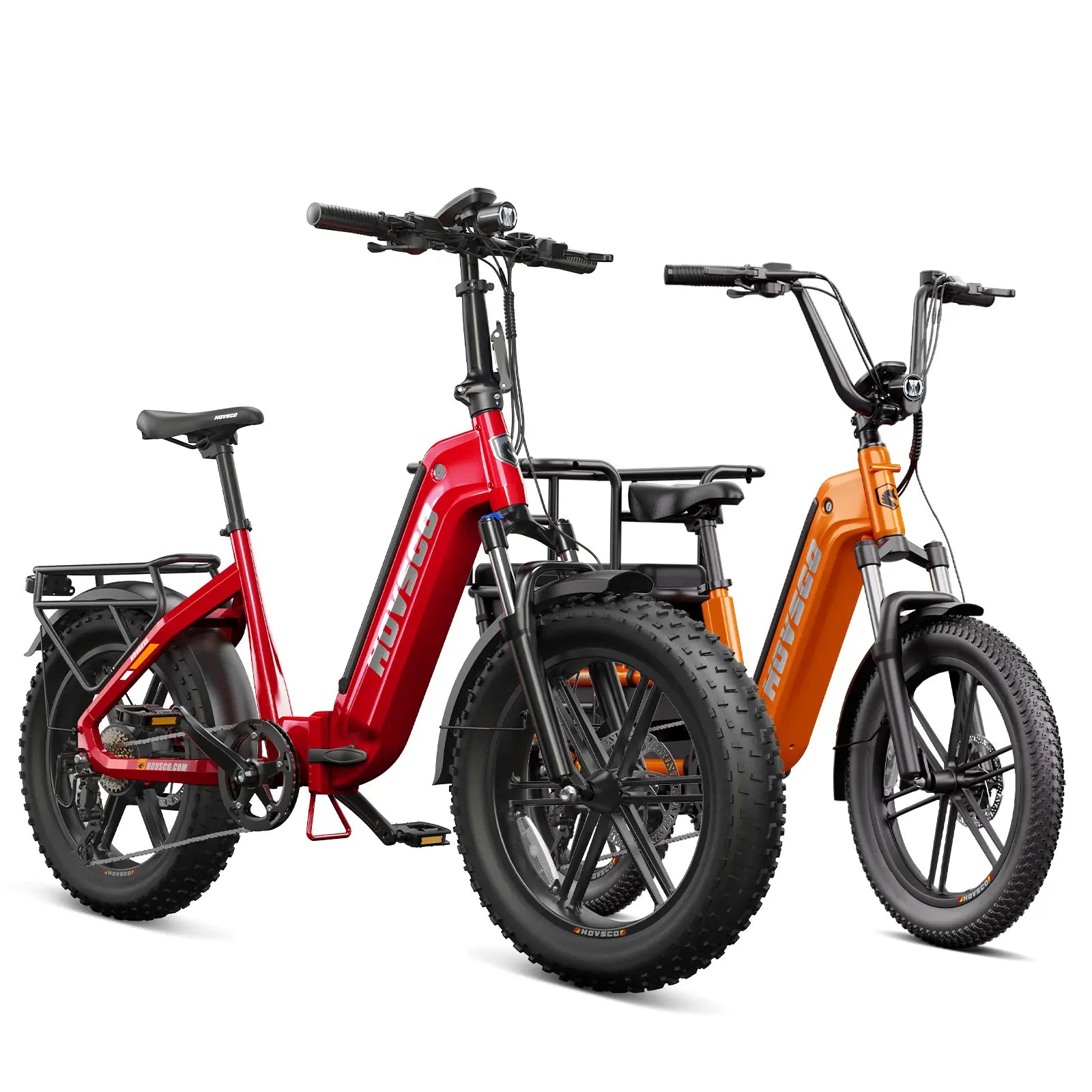
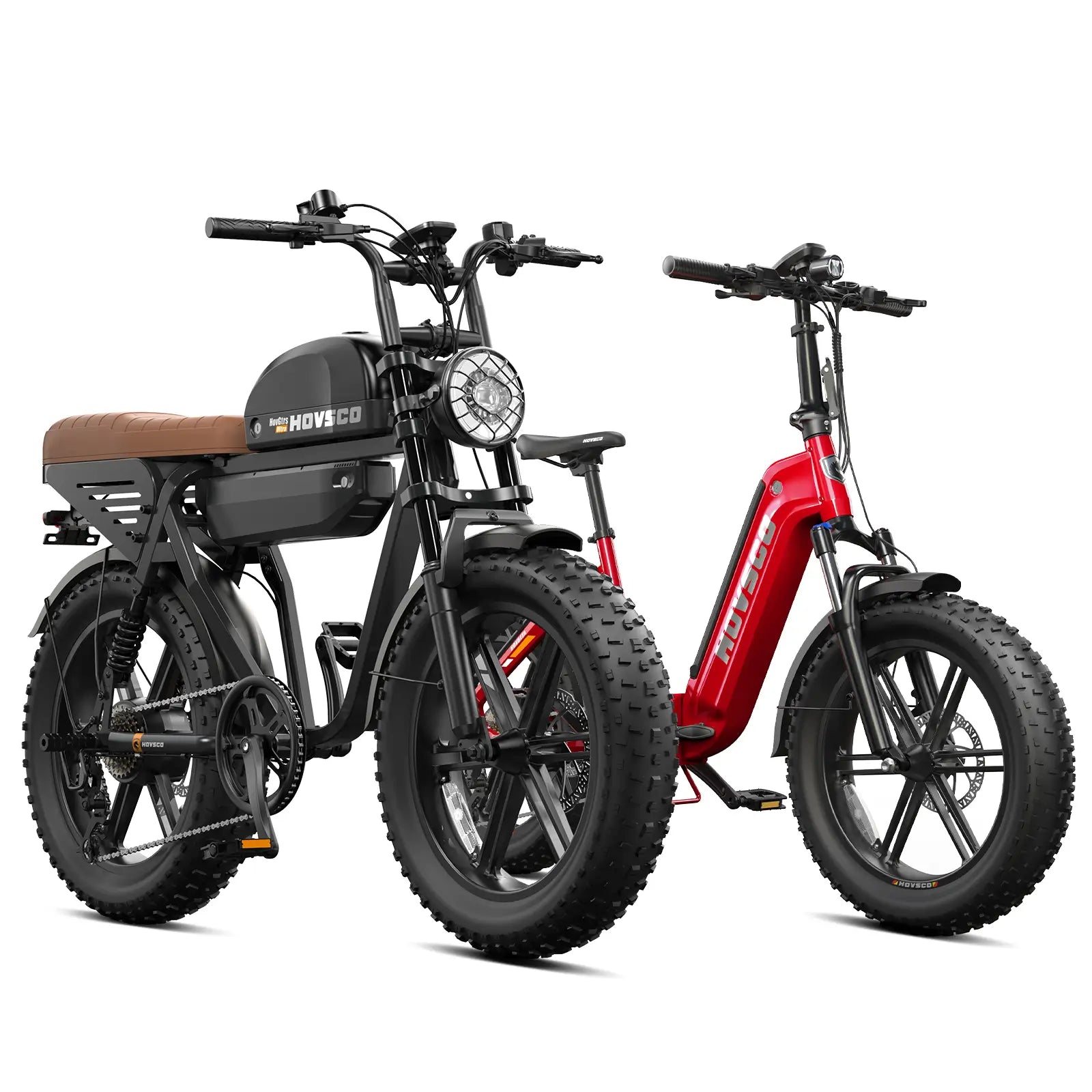
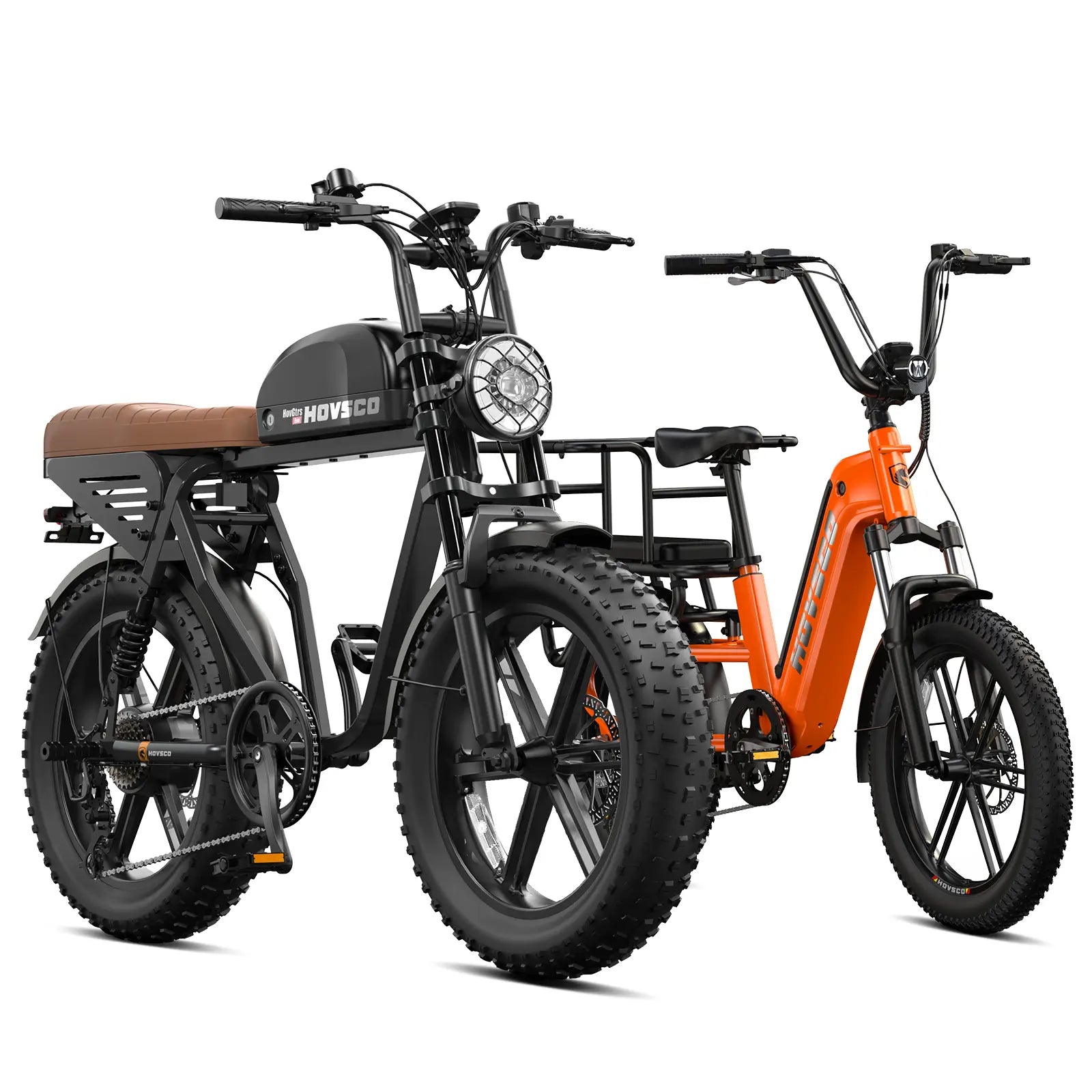
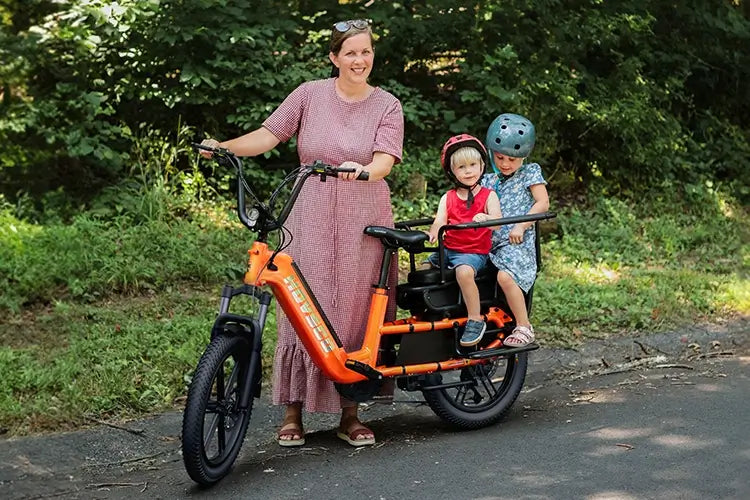
For families seeking to replace selected short car trips, the HOVSCO HovCart Family E-Bike is designed around carrying people and daily gear. Its rear cargo setup, family-oriented seating options, removable battery, and long-range design can support local outings where a full-size vehicle may be unnecessary.
The HovCart is not intended to replace every family vehicle or every long-distance journey. Instead, it offers a practical option for neighborhood errands, school travel, parks, local trails where permitted, and weekend recreation.
Eco-friendly family travel means planning transportation, accommodations, food, activities, and packing in ways that reduce avoidable environmental impact. It favors lower-impact travel choices, reusable essentials, closer destinations, responsible behavior in nature, and support for local communities.
For many households, sustainable family travel starts before a vacation begins. It starts with how the family moves through its own town.
Families often want to make more environmentally conscious choices, but daily logistics can make driving feel unavoidable. Children need snacks, water, layers, helmets, books, toys, and sometimes nap supplies. Grocery bags are awkward to carry. A park may only be a few miles away, yet traffic, weather, parking, hills, and limited time can turn a simple outing into a complicated plan.
There is also the all-or-nothing mindset. Parents may think eco-friendly family travel requires a major international rail trip, a luxury eco-resort, or a perfectly waste-free holiday. That pressure can make sustainable choices feel unrealistic. In practice, the most meaningful habits are often modest and repeatable.
A family can make progress by combining errands, choosing local attractions, taking transit, bringing reusable supplies, or replacing one safe short drive each week with a ride, walk, or e-bike trip.
Safety concerns are also valid. Carrying children or heavy cargo changes how a bicycle handles. Riders should understand local e-bike regulations, secure passengers correctly, use age-appropriate helmets, inspect brakes and tires, and select routes that reduce conflicts with traffic.
The best sustainable travel habit is not the most ambitious one. It is the one a family can repeat safely and comfortably.
Transportation remains one of the largest sources of greenhouse-gas emissions in the United States, making short-trip choices an important part of practical eco-friendly family travel.
Cargo-ready design
The HovCart is a cargo e-bike built for carrying more than a commuter backpack. Its rear cargo area can support family essentials such as groceries, picnic equipment, school supplies, or compatible child-carrying accessories.
Assisted riding support
Pedal assistance can make hills, headwinds, and loaded rides more manageable than they may feel on a conventional bicycle. This can be especially helpful when a parent is carrying supplies for a full family outing.
Everyday visibility and control
The HovCart includes practical riding components such as hydraulic disc brakes, integrated lighting, a display, and a removable battery. These features support routine usability, but they do not replace careful riding, regular maintenance, or safe route planning.
School-run reset: Practice the route alone first, then begin with one low-pressure morning each week.
Market mission: Carry reusable bags and shop for only what can be secured safely on the bike.
Campground explorer: Park once, then use the e-bike for permitted short rides around the surrounding area.
A family e-bike works best when its setup matches the trip. For grocery-heavy outings, the HOVSCO accessories collection includes options that can help organize cargo and make daily use more practical. A compatible rear basket can separate bags from seating space and reduce the chance of loose items shifting during a ride.
Families carrying children should use purpose-built, compatible seating solutions and follow every manufacturer instruction before riding. Passenger weight, attachment methods, rider experience, and local regulations should all be reviewed before a child joins the trip.
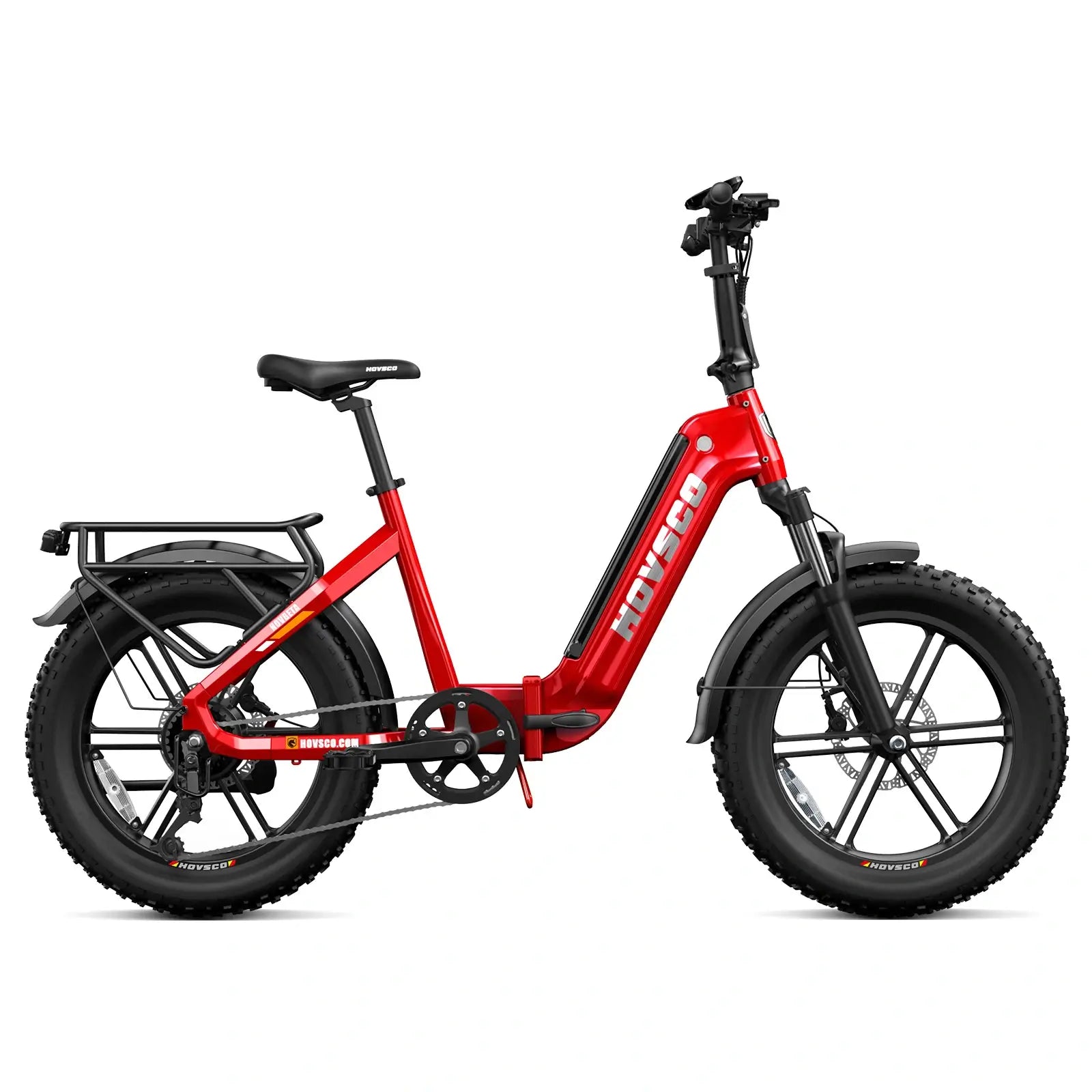
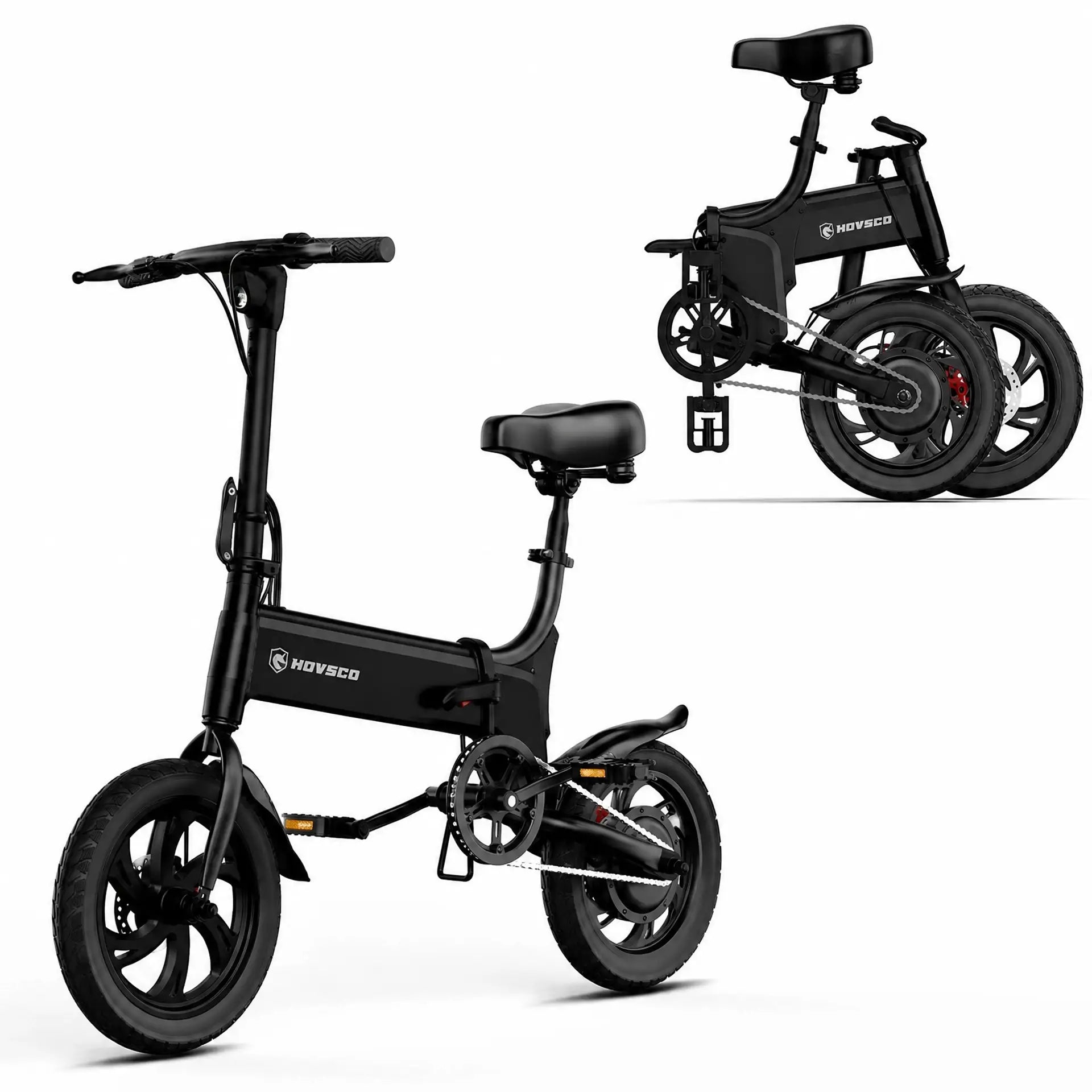
For adult-only errands or compact storage needs, a folding option may be useful. The HOVSCO HovBeta Foldable Fat Tire E-Bike offers a different format for riders who value portability. It should be selected for its intended use rather than treated as a substitute for a family cargo-bike configuration.
Start with the trip, not the product. List the journeys your household makes most often, including school runs, playground visits, grocery stops, library trips, cafés, and transit connections.
Choose a realistic route. Look for protected bike lanes, lower-speed streets, approved multi-use paths, and routes with fewer difficult intersections. Confirm whether e-bikes are permitted on any planned trail or path.
Build a safety routine. Check helmet fit, tire pressure, brakes, lights, cargo straps, and child-seat attachments before every family ride.
Load low and secure. Keep heavy items low and centered. Avoid hanging unstable bags from handlebars, and do not exceed the bike’s stated payload limit.
Ride conservatively. Begin with lower pedal-assist settings, leave more braking distance, turn more slowly, and avoid sudden movements when carrying children or cargo.
Reduce disposable items. Pack refillable water bottles, reusable snack containers, weather layers, a compact repair kit, and a small bag for collecting trash until it can be disposed of properly.
Scenario: The weekday school run
Traditional approach: A parent drives a short distance, waits in a pickup line, searches for curb space, and repeats the same routine later in the day.
With HOVSCO: On a safe and legal route, a parent can use a cargo e-bike configured for a child and school essentials. The objective is not to rush. It is to create a predictable outdoor routine that reduces parking stress and makes a short daily journey more enjoyable.
Scenario: The Saturday grocery and park loop
Traditional approach: A family drives once for errands, returns home, then gets back into the car for a separate trip to the park or local attraction.
With HOVSCO: A short shopping list, reusable bags, picnic supplies, and a park visit can become one planned loop. The cargo setup can carry practical essentials while helping turn an errand into shared family time.
Scenario: The local vacation day
Traditional approach: A family drives from attraction to attraction, spending time in traffic, moving car seats, and searching for parking spaces.
With HOVSCO: The family chooses one walkable or bike-friendly neighborhood, waterfront, historic district, or campground area and explores it at a slower pace. The day becomes less about rushing between stops and more about engaging with the destination.
What is the best e-bike for eco-friendly family travel with kids?
The right e-bike depends on the number and age of passengers, total load, rider confidence, route conditions, storage space, and local laws. A cargo e-bike such as the HOVSCO HovCart may suit families that need rear cargo capacity and compatible child-carrying options. Always verify compatibility and stay within the manufacturer’s stated limits.
Can a cargo e-bike replace a car for family travel?
A cargo e-bike can replace selected local car trips, especially school runs, small grocery trips, library visits, transit connections, and neighborhood recreation. It may not be appropriate for every journey, including long highway travel, severe weather, large family groups, or routes without safe cycling infrastructure.
How can families travel sustainably on a budget?
Start with habits that cost little or nothing. Choose nearby destinations, pack reusable food containers, refill water bottles, combine errands, use public transportation, borrow rarely used equipment, and visit parks, beaches, libraries, and community events. Sustainable travel is often more about planning than spending.
How far can the HOVSCO HovCart travel on one charge?
HOVSCO lists an average range of 40 to 60 miles for the HovCart. Real-world range can change based on rider and cargo weight, terrain, temperature, tire pressure, wind, riding speed, and pedal-assist level. Families should plan conservatively and charge before longer outings.
Is an electric cargo bike safe for family school runs?
Safety depends on the route, rider experience, child-seat setup, traffic conditions, weather, local regulations, and regular equipment checks. Practice riding without passengers first, then add light cargo before carrying children. Riders should use helmets, lights, safe speeds, and routes that minimize interaction with fast-moving traffic.
What should families pack for a sustainable local e-bike trip?
Pack helmets, water bottles, weather layers, a lock, lights, reusable bags, basic tire-repair supplies, snacks in reusable containers, and a small first-aid kit. Keep the kit practical rather than excessive, and avoid single-use purchases when a reusable item will work.
Eco-friendly family travel is not about abandoning every car journey or creating a flawless sustainability routine. It is about making practical choices that fit real family life.
Choosing a closer destination, combining errands, packing reusable supplies, using transit, or turning one safe local journey into an e-bike trip can all move a household in a more sustainable direction. A cargo e-bike can be especially valuable when it removes the barriers created by children, groceries, picnic supplies, and daily gear.
HOVSCO is a U.S.-based e-bike brand offering cargo, folding, commuter, fat-tire, and full-suspension models. Families considering lower-impact local travel can explore the HovCart family cargo e-bike and select a configuration that fits their route, passengers, and everyday needs.
UN Tourism — Tourism Makes History at COP29, 2024
U.S. Environmental Protection Agency — Transportation Sector Emissions, 2025
International Energy Agency — Global EV Outlook 2024
Centers for Disease Control and Prevention — Bicycle Safety, 2025
National Highway Traffic Safety Administration — Bicycle Safety
Centers for Disease Control and Prevention — Improving Health Through Transportation Policy, 2024
World Wildlife Fund — Have an Environmentally Friendly Vacation
Share:
E-Bike Range Anxiety Solutions: How HOVSCO Helps You Ride Further With Confidence
Electric Moped Revival: More Freedom for Everyday Rides