



![[ New Arrival ] Porto Max Electric Scooter For Commute & Grocery Shopping - HOVSCO](http://www.hovsco.com/cdn/shop/files/PotroMax-3.jpg?v=1706927007&width=1200)
- by SEO
Battery Range Optimization for E-Bikes: How HOVSCO Helps You Ride Further (June 2026)
- by SEO
E-Bikes
Accessories
 Free Shipping
 15-Day Returns
 2-Year Warranty
Free Shipping
15-Day Returns
2-Year Warranty
2-Year Warranty
Free Shipping
15-Day Returns
2-Year Warranty
Ride further with confidence: mastering battery range optimization lets e-bike riders turn “range anxiety” into reliable daily mobility, and HOVSCO’s long-range batteries and smart designs make that easier in real-world riding.
Daily commuters and weekend explorers increasingly depend on e-bikes, and battery range now ranks among the top buying criteria worldwide. Recent market research projects the global e-bike market to more than double in value between 2024 and 2030, driven largely by improvements in battery and motor efficiency that expand real-world range. At the same time, rider forums and consumer surveys show that “range anxiety” is common, especially when riders are still learning how terrain, temperature, and riding style affect how many miles they can truly achieve on a charge. Against this backdrop, brands like HOVSCO focus on high-capacity lithium-ion systems, torque and cadence sensors, and app-connected controls to help riders get the most out of every watt-hour.
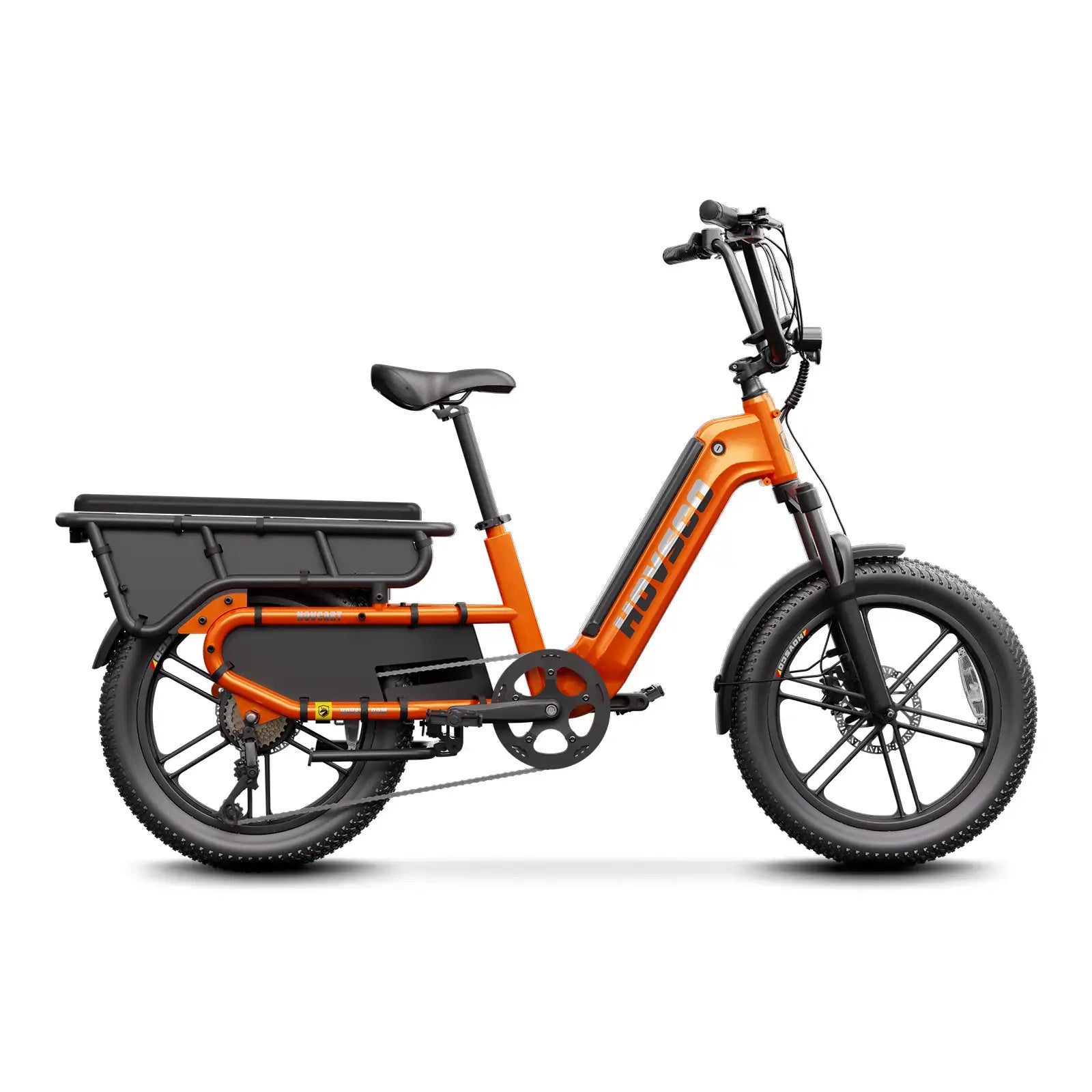
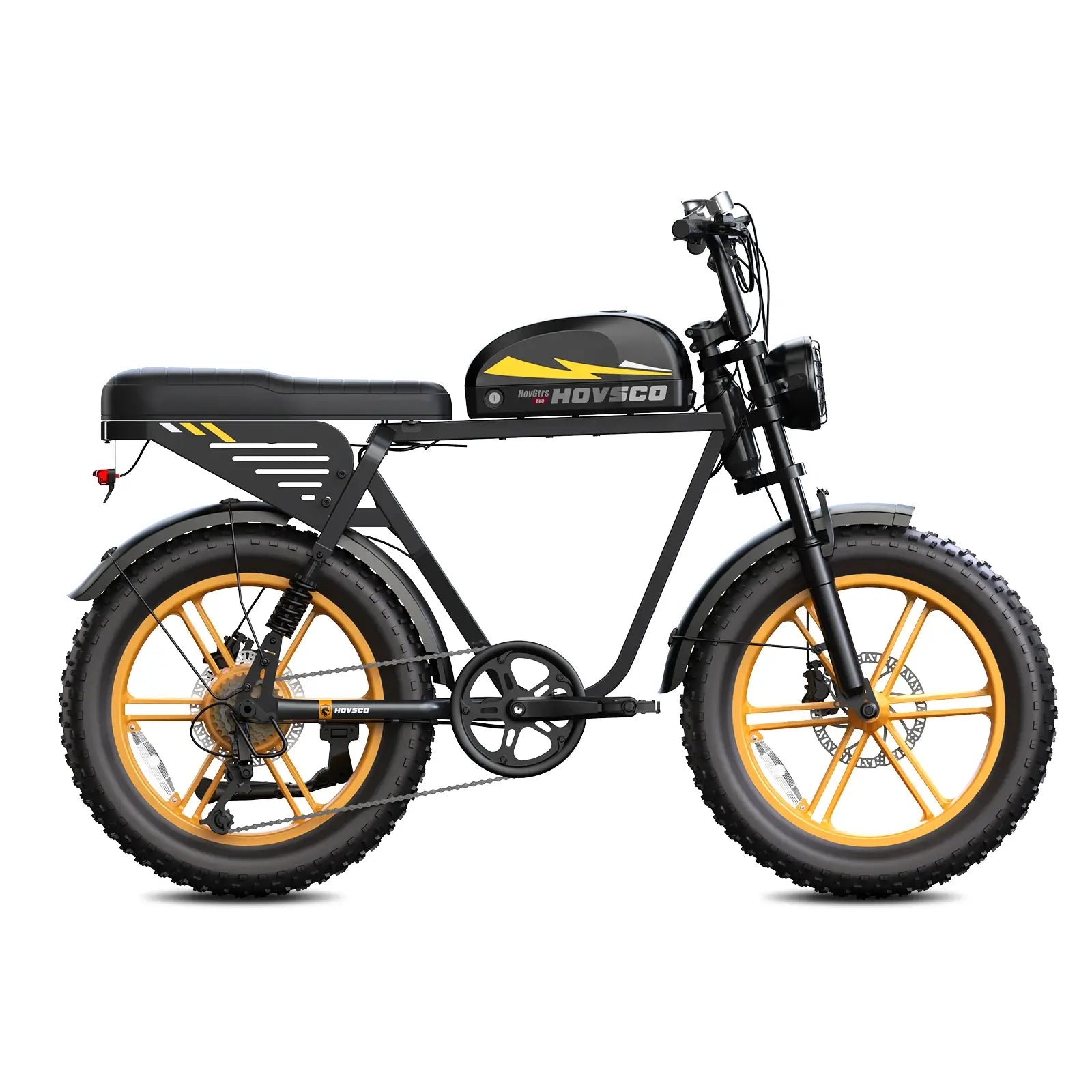
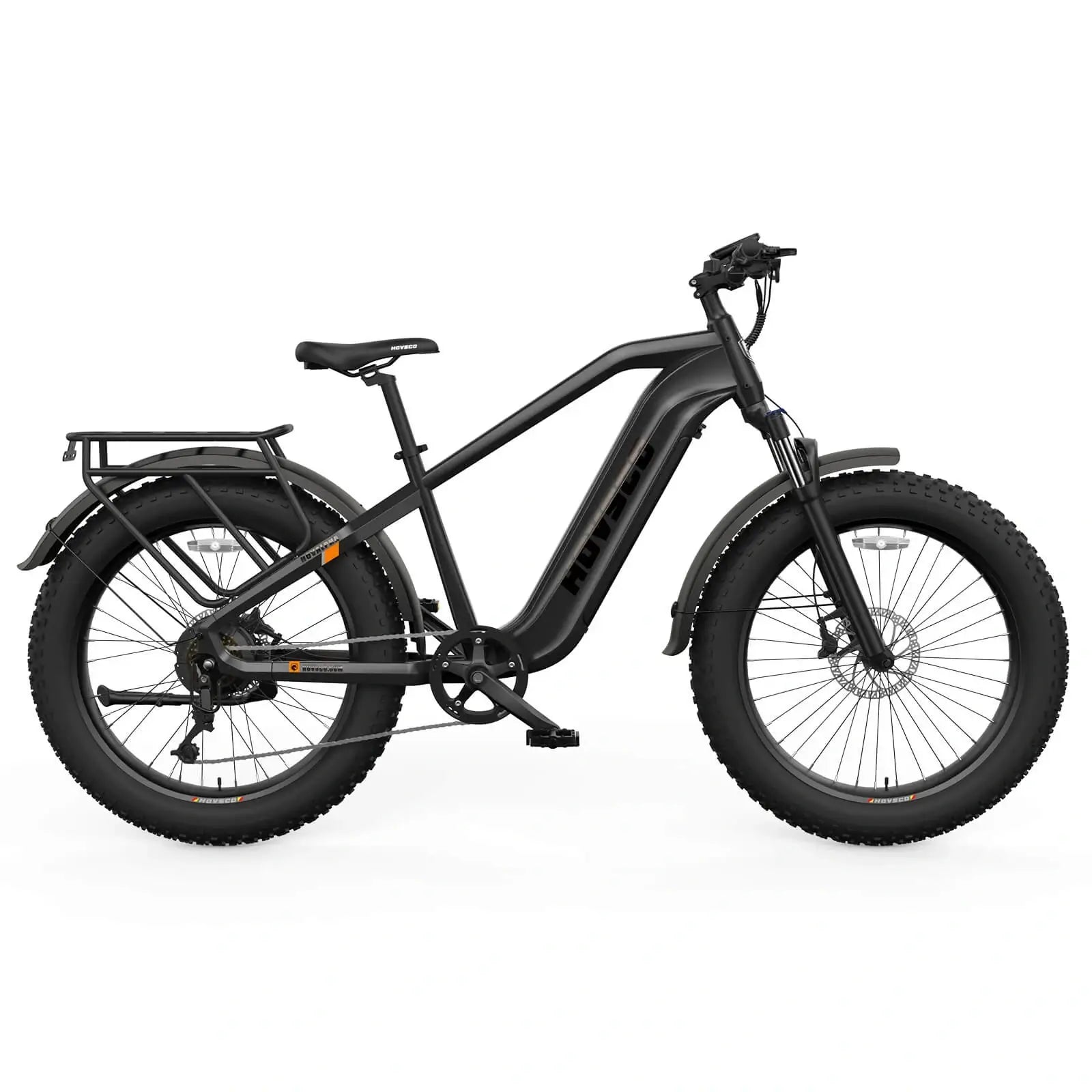
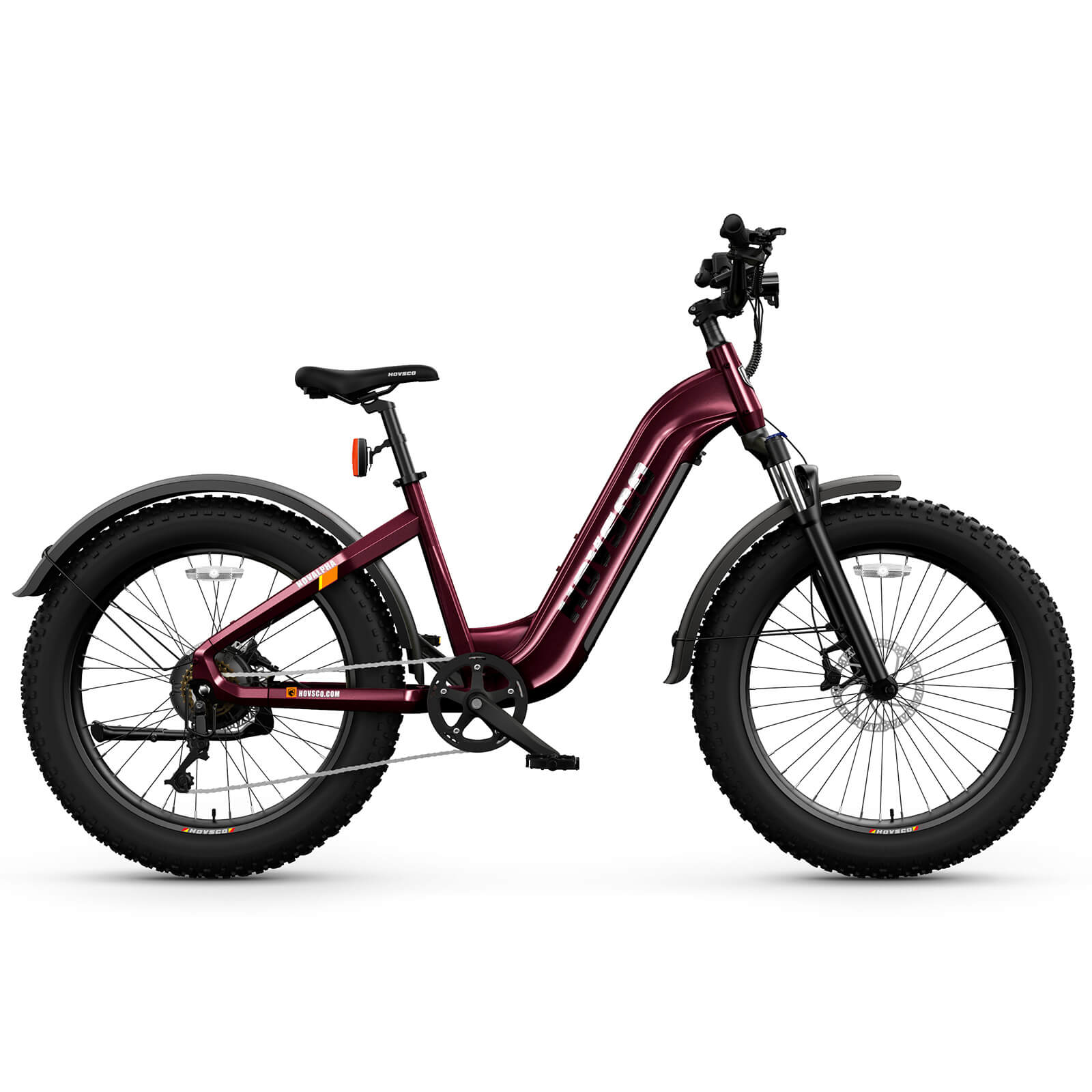
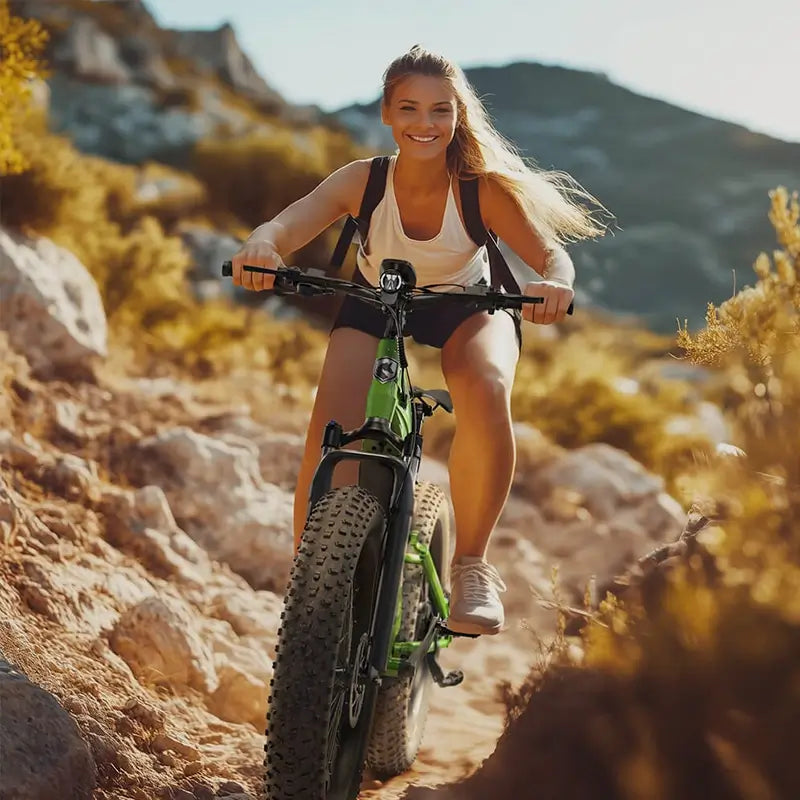
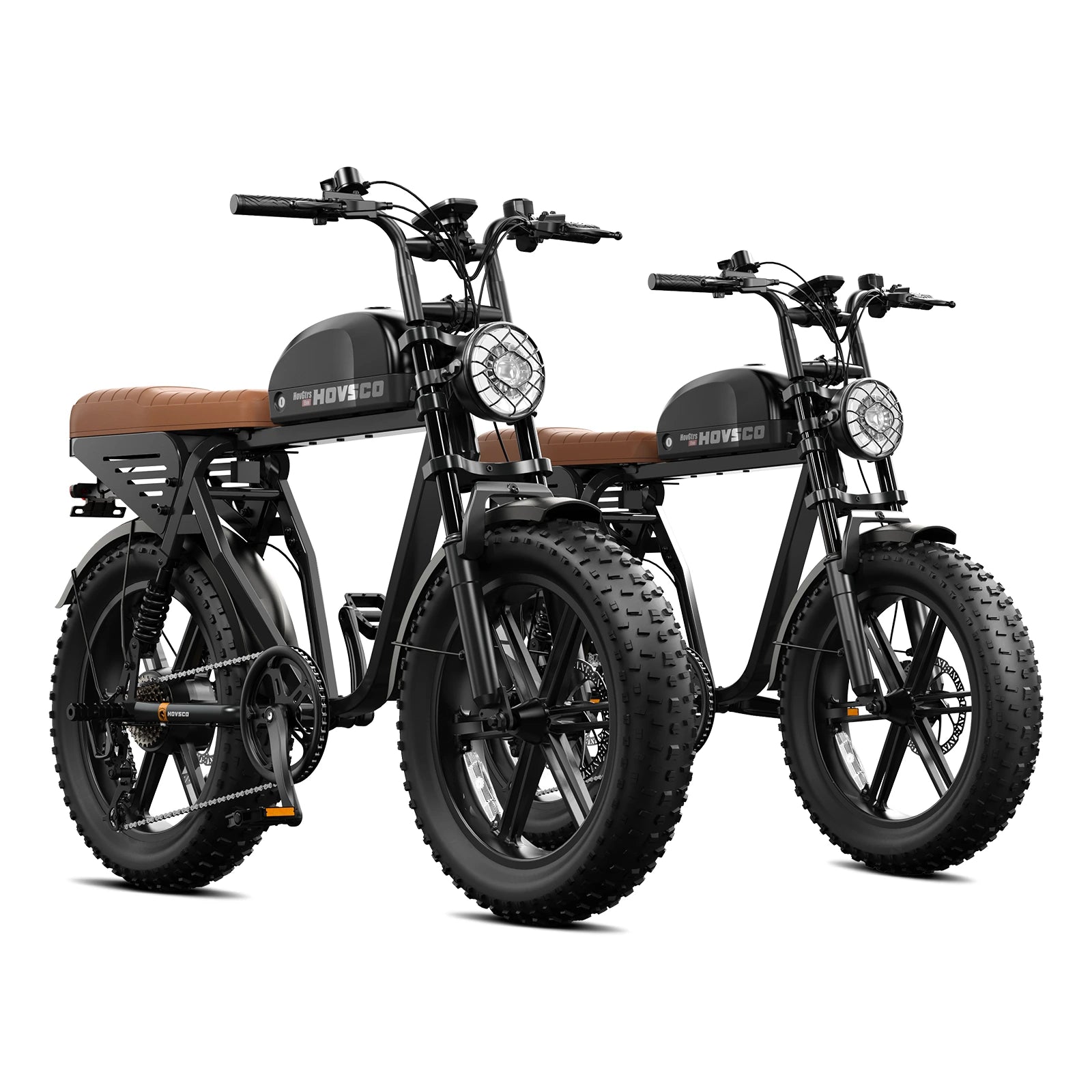
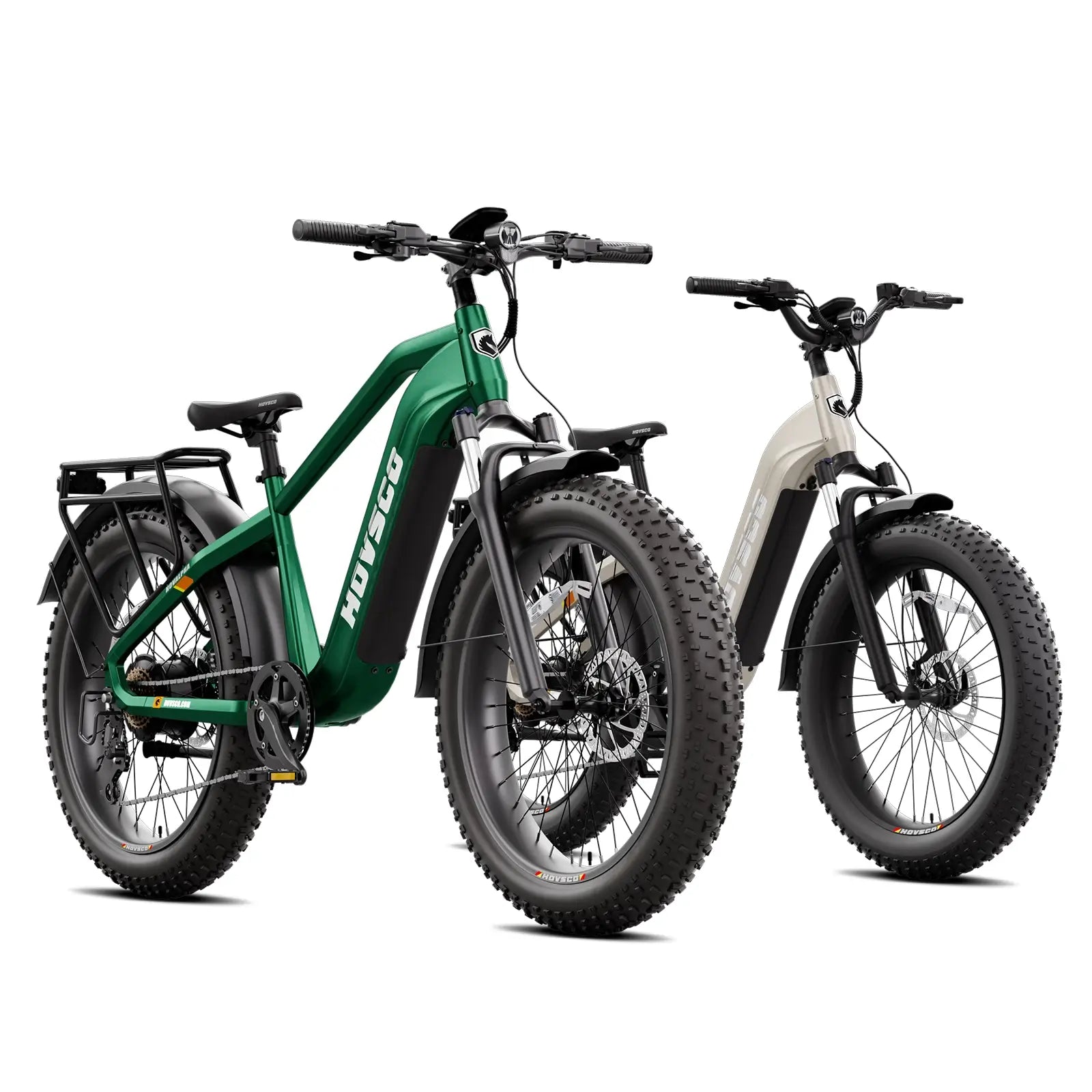
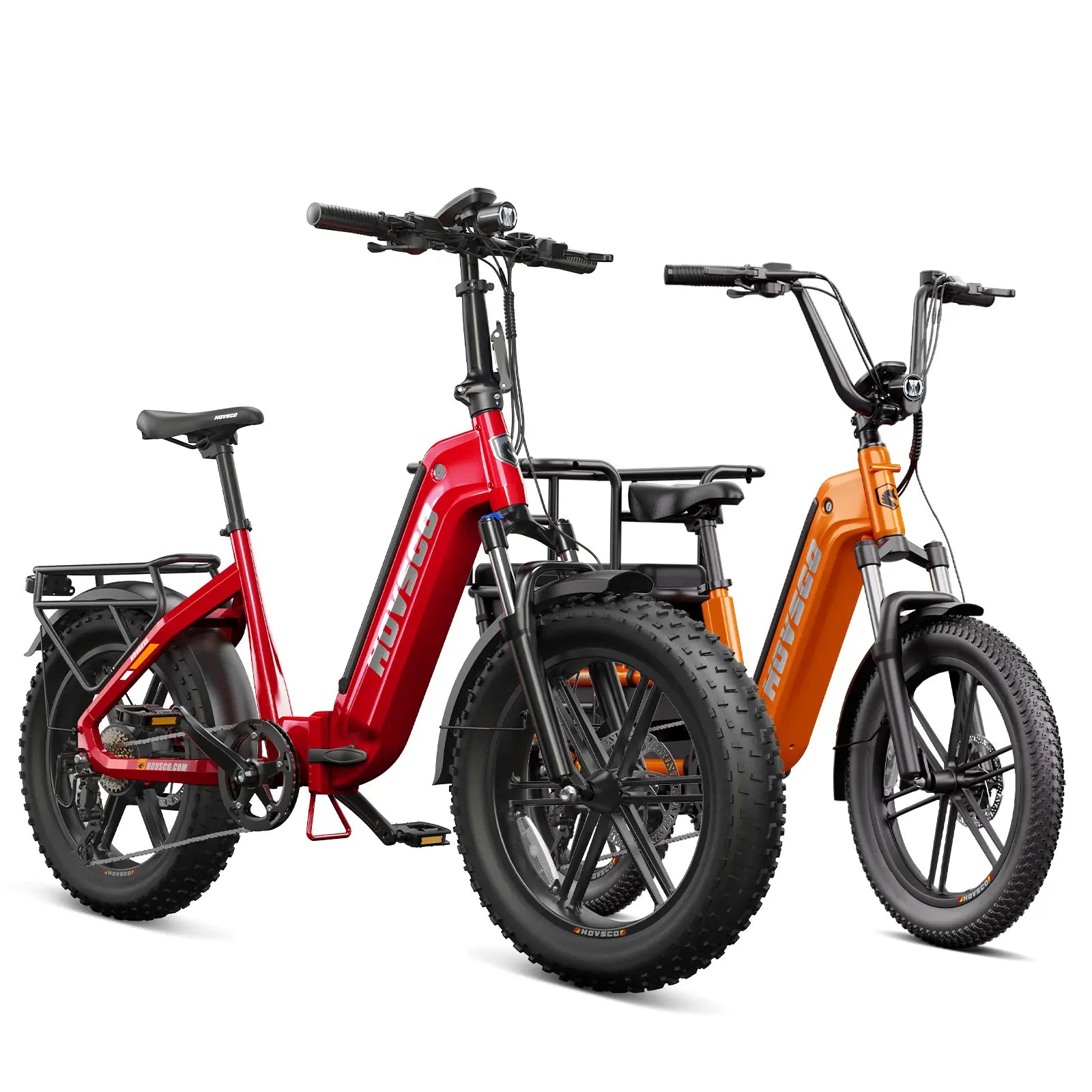
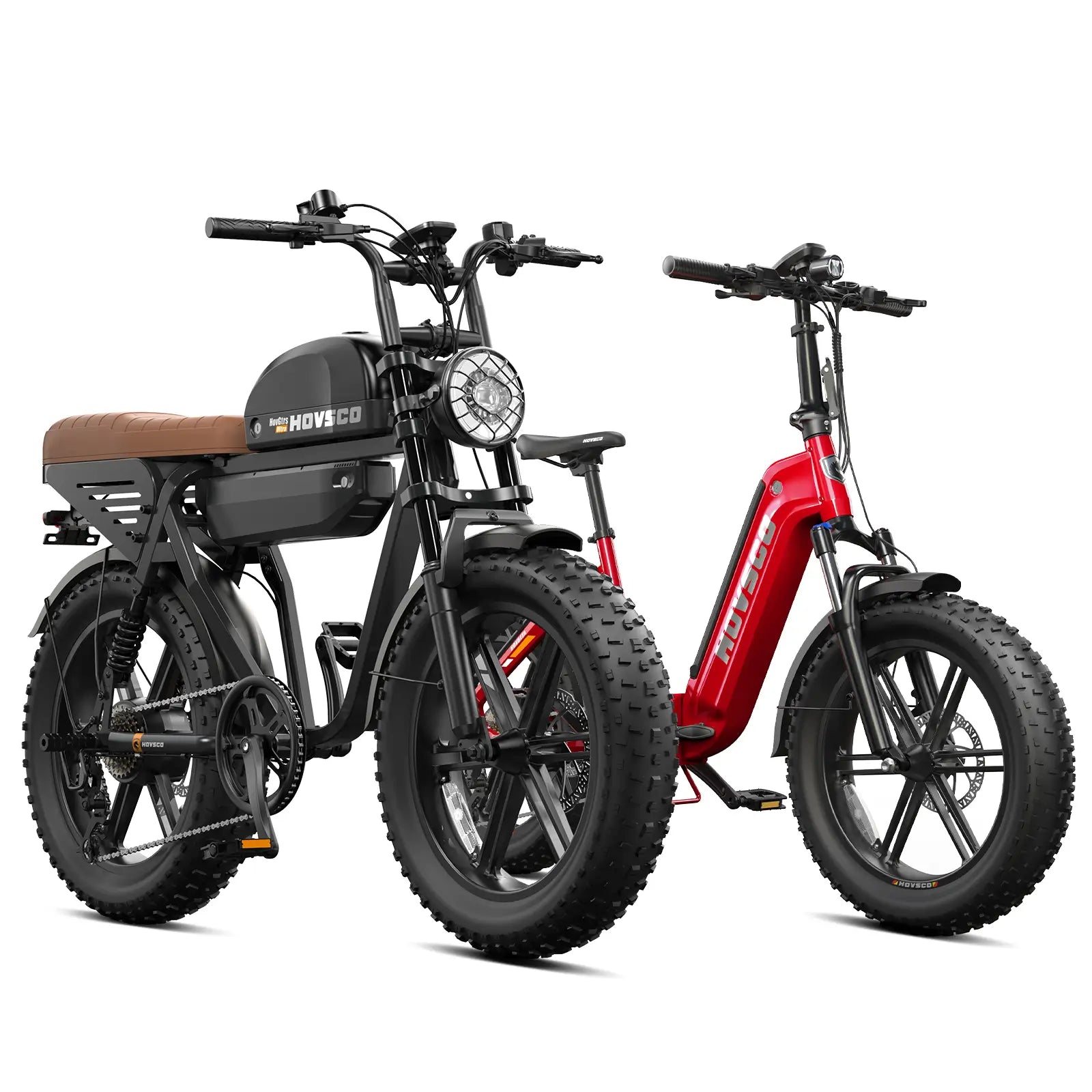
HOVSCO positions its line-up—such as the HovAlpha long-range fat-tire e-bike, HovGtrs moped-style e-bike, HovCart cargo bike, and modular replacement batteries—as solutions for riders who want dependable range, strong hill-climbing capability, and family-ready payloads without constantly worrying about the next charge. With models delivering up to 80 miles of range on pedal assist from a single battery and up to 65–150 miles on certain moped-style platforms, the brand is clearly tuned to real-world range performance rather than just peak speed.
What is battery range optimization?
Battery range optimization is the set of strategies, habits, and technology choices that help e-bike riders get the maximum safe and realistic mileage from their batteries in everyday conditions without shortening battery life. For HOVSCO riders, that means combining high-capacity LG/Samsung-core batteries, smart sensors, and thoughtful charging and riding practices to consistently hit the upper end of the advertised range.
Range optimization matters because most riders do not travel in lab conditions; they ride in headwinds, over hills, and with cargo or kids on board. Under these real-world loads, a poorly managed battery can lose 20–40% of its expected range, while a well-managed system can keep daily range close to the claimed figures. Given that many e-bikes are now replacing car trips—especially for commuting and family errands—consistent range becomes not just a convenience but a key factor in whether people keep using their bikes as primary transport.
For brands and riders alike, optimizing range also directly impacts long-term battery health and total cost of ownership. Lithium-ion packs can often deliver 800–1,000 cycles before noticeable degradation if they are charged and stored properly, but that lifespan can be cut dramatically by deep discharges, chronic overcharging, or heat. Range optimization therefore sits at the intersection of performance and longevity: riders want more miles today without sacrificing the battery’s capacity tomorrow.
Many riders encounter the same cluster of frustrations as they start depending on their e-bikes more heavily.
First, there is uncertainty about real-world range. Spec sheets might claim 60 or 80 miles, but riders soon discover that headwinds, hills, higher assist levels, and heavy loads can cut this down significantly. Without a clear understanding of these factors, riders either underuse their bikes or risk running out of power mid-ride.
Second, “range anxiety” becomes an emotional barrier. Riders in forums often describe planning routes obsessively, avoiding spontaneous detours, or pedaling unassisted on a heavy e-bike after misjudging their battery. This anxiety makes e-bikes feel less like freedom machines and more like something that must be constantly managed.
Third, some owners discover, too late, that their charging habits are silently eroding battery life. Keeping batteries at 100% for long periods, repeatedly draining them below 20%, or charging in very hot or cold environments all accelerate chemical wear, reducing both capacity and future range. Because this degradation is gradual, riders may only recognize it after many months, when their “new” bike no longer covers their daily route reliably.
Fourth, practical constraints can get in the way of good habits. Not everyone has easy indoor charging space or a climate-controlled garage, and shared storage rooms are not always equipped with safe charging setups. Riders juggling commutes, family schedules, or apartment living often struggle to balance ideal battery care with their daily realities.
Finally, the market is crowded and confusing. With numerous brands quoting different watt-hours, nominal ranges, and motor powers, riders can find it difficult to compare what those numbers actually mean for a specific use case—such as hauling kids to school, combining a train and bike commute, or riding off-road on weekends. Without clear guidance, it is easy to under-buy range capacity or overestimate what a given configuration can deliver.
E-bike riders can often gain 20–30% more usable range simply by combining better riding habits, smarter charging routines, and a well-matched battery-motor system—without increasing battery size.
To ground the discussion, here is a simplified comparison between a representative HOVSCO long-range model and two generic alternatives described in recent market research and consumer guides. (Data for non-HOVSCO options is generalized rather than tied to a specific brand.)
This illustrates how a high-capacity long-range e-bike, combined with torque sensing and robust payload support, gives riders more margin to optimize range without constantly riding in the lowest assist.
Battery capacity and chemistry
For a given rider and route, watt-hours (Wh) are the core determinant of potential range, provided the motor and drivetrain are reasonably efficient. High-quality lithium-ion packs from established cell suppliers, like LG and Samsung in HOVSCO replacement batteries, offer stable performance and predictable degradation when properly cared for.
Motor control, sensors, and assist modes
Motor efficiency is strongly influenced by how precisely power delivery matches rider input. Torque sensors, widely used in HOVSCO models, respond proportionally to pedal force, reducing waste when riders do not actually need maximum output. Cadence-only systems can be more binary, but careful use of assist levels and throttle still allows riders to keep consumption under control.
Charging and storage routines
Daily charging between roughly 20% and 80% state of charge significantly slows lithium-ion aging, preserving capacity and therefore future range. Storing batteries at 40–60% in a cool, dry place when not in use for weeks or months further reduces long-term capacity loss, compared with leaving them full at high temperatures.
“I switched my work commute to Eco assist, kept my HOVSCO battery between 30–80%, and started topping up every few days instead of every night. After six months, I still get nearly the same range as when the bike was new, even on hilly routes.”
“Using regenerative braking where available, softening my acceleration, and avoiding full-throttle starts made more difference to my scooter’s range than any hardware tweak I tried.”
“For long weekend rides, I charge my HOVSCO battery to 100% just before departure but go back to partial charges during the week, following the 20–80 rule to keep the pack healthy.”
Optimizing range is not only about riding technique; the right hardware makes it easier and safer to apply best practices.
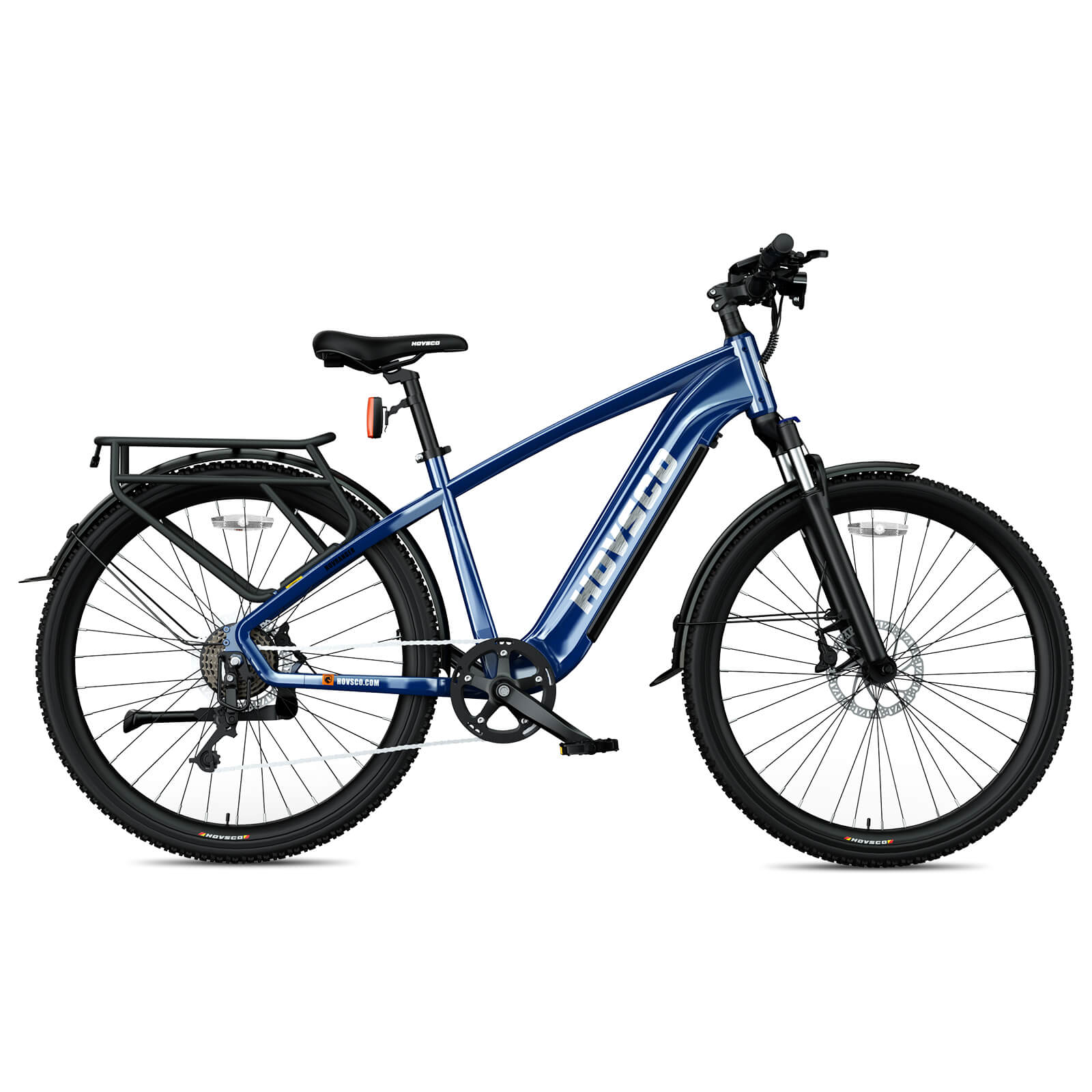
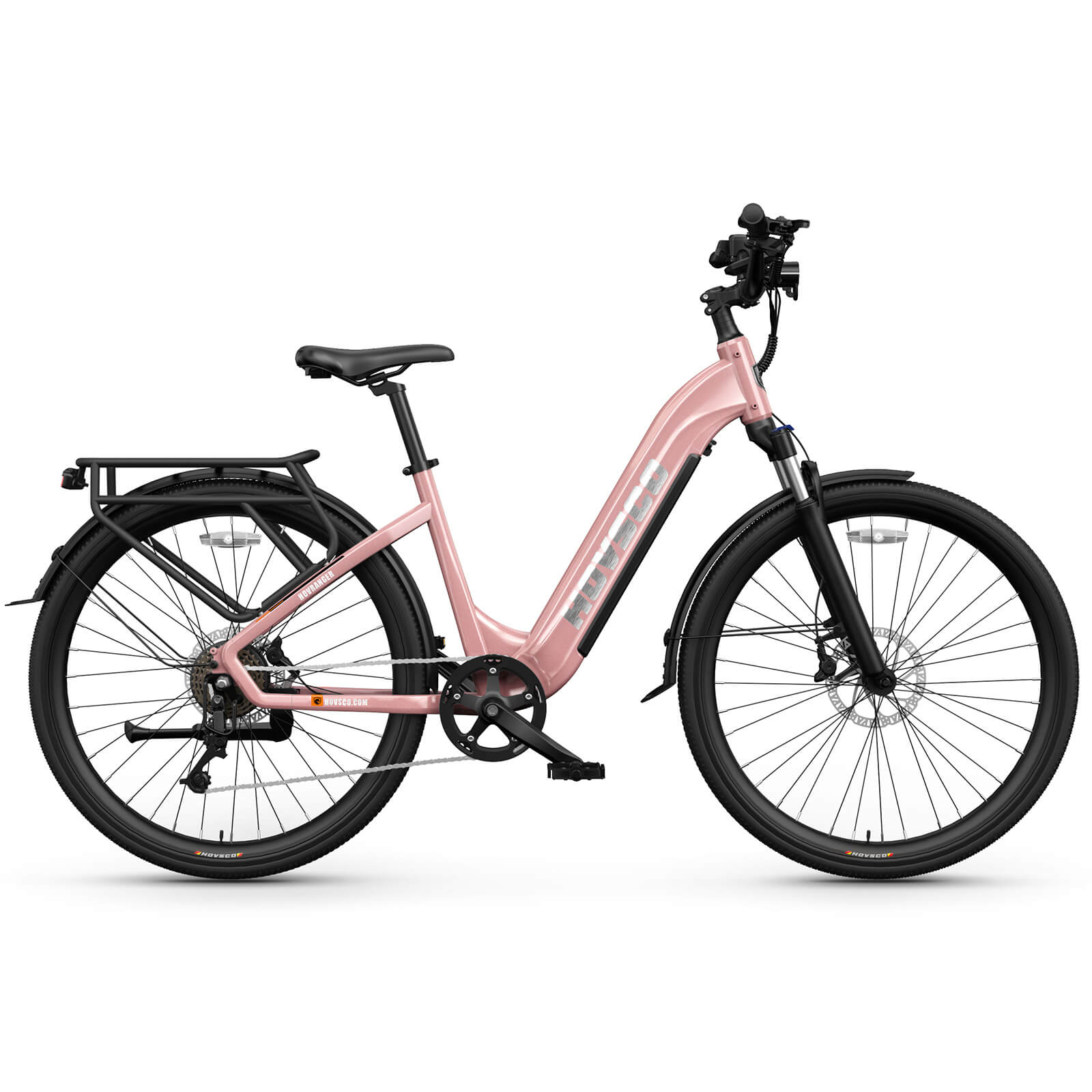
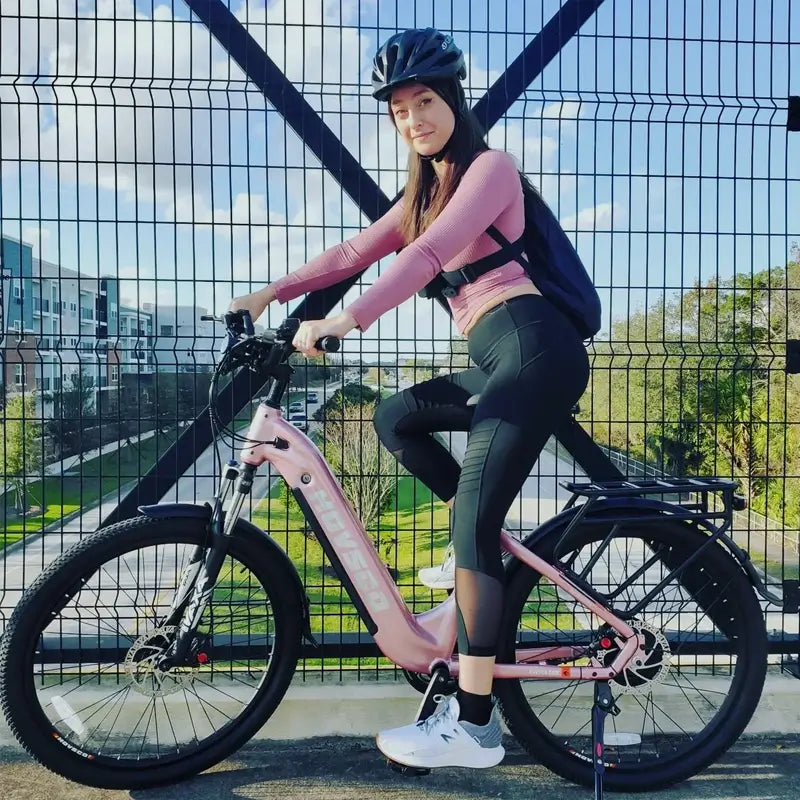
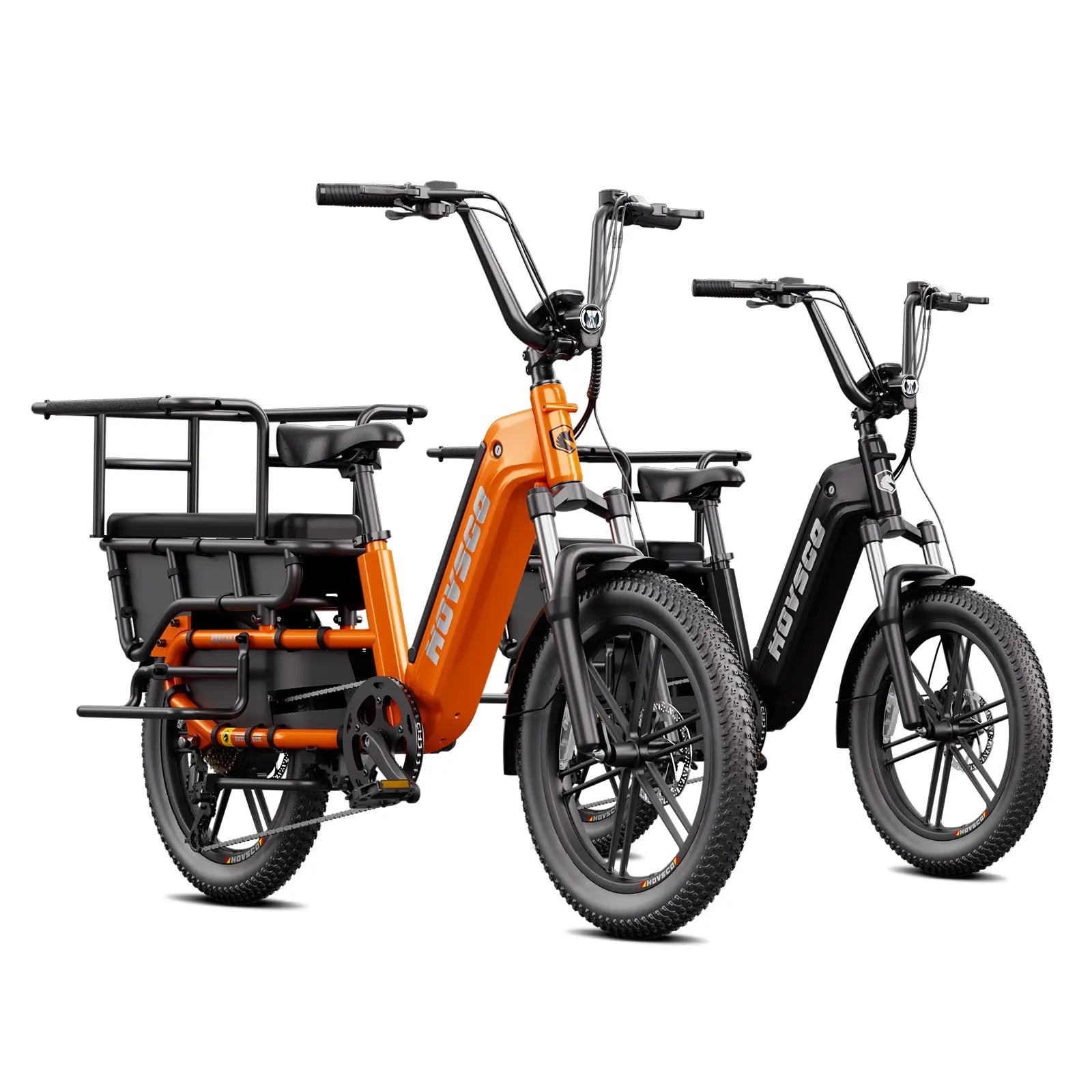
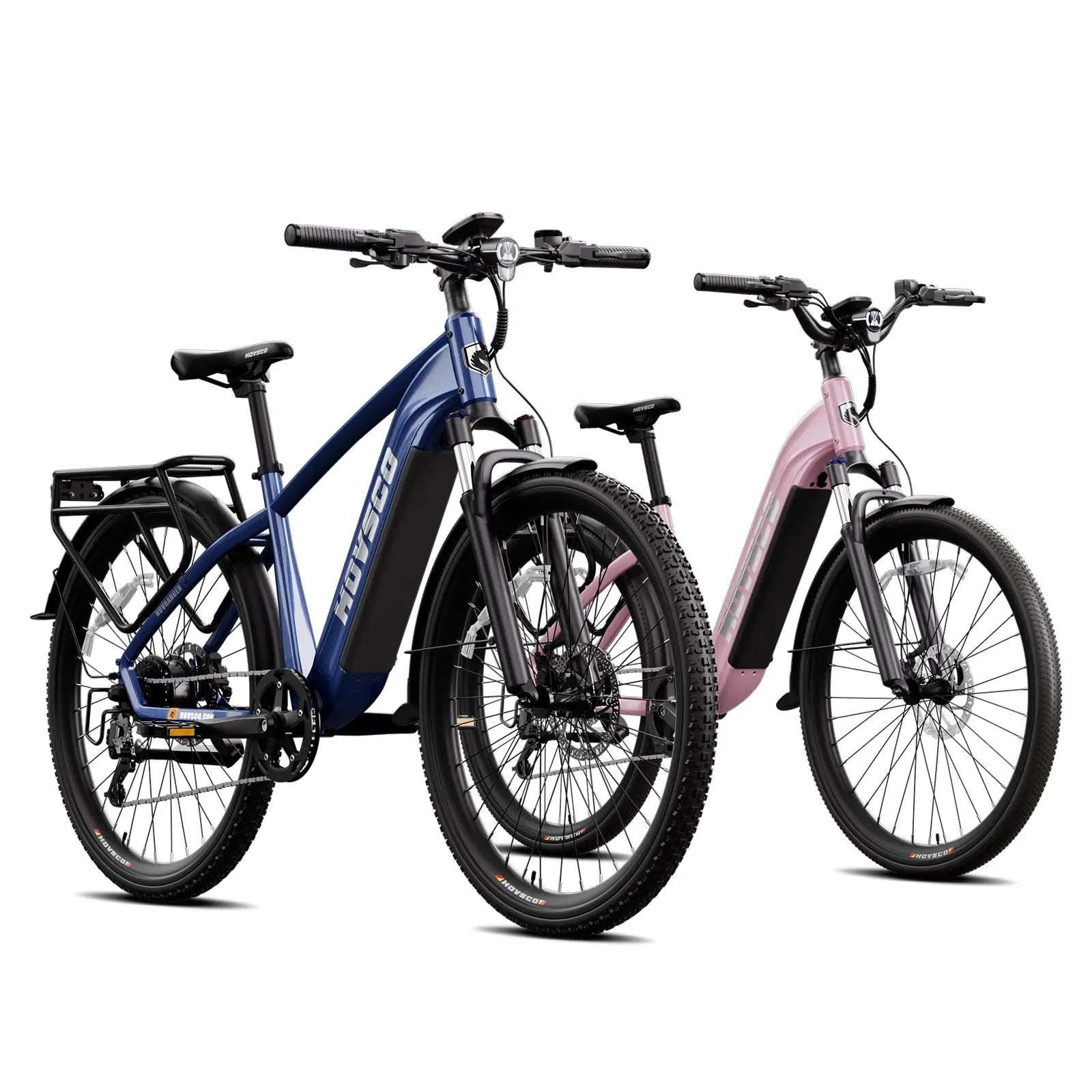
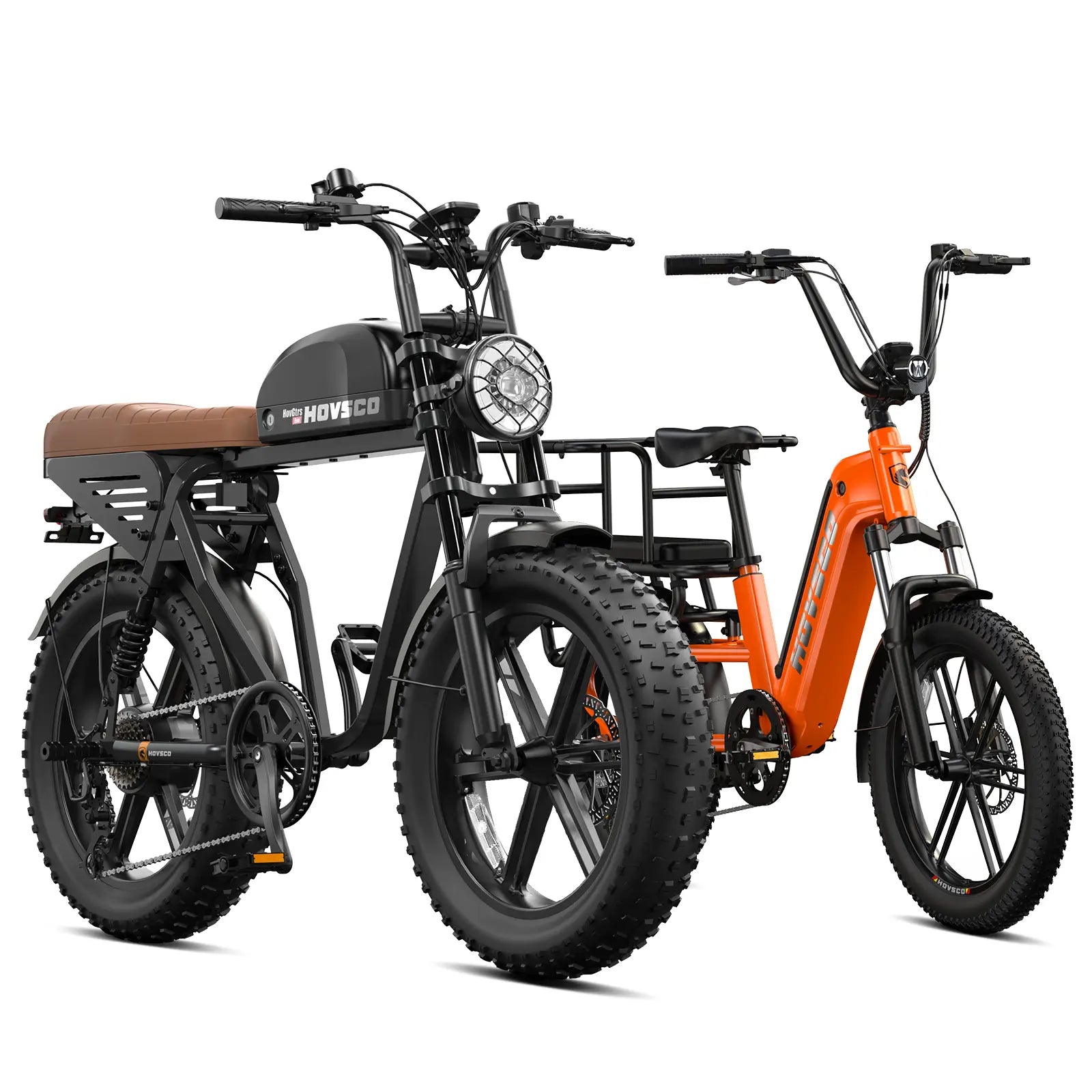
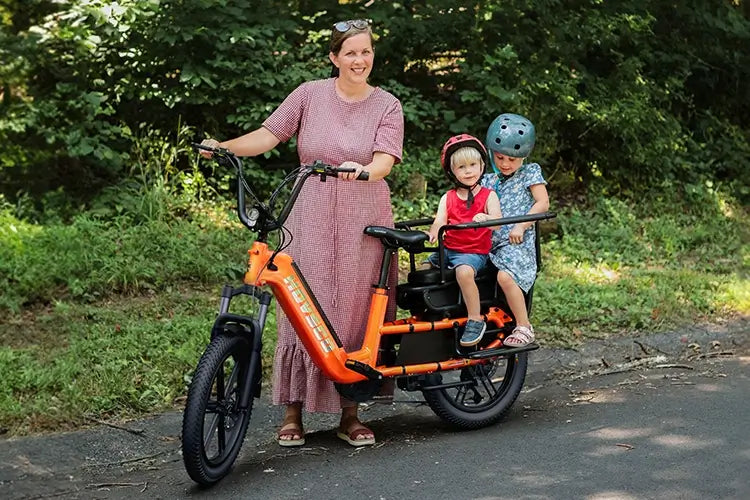
HOVSCO’s long-range models, such as the HovAlpha Long-Range E-Bike and HovRanger 27.5" Ebike, combine motors up to 1300W peak, class-3 capable speeds, and carefully tuned assist profiles to deliver ranges of 60–80 miles for typical riders. Riders who regularly carry children or cargo can choose platform-style bikes like the HovCart Family E-Bike, which maintains up to 60 miles of range while supporting a 450 lb payload—vital for replacing car trips with predictable, real-world range.
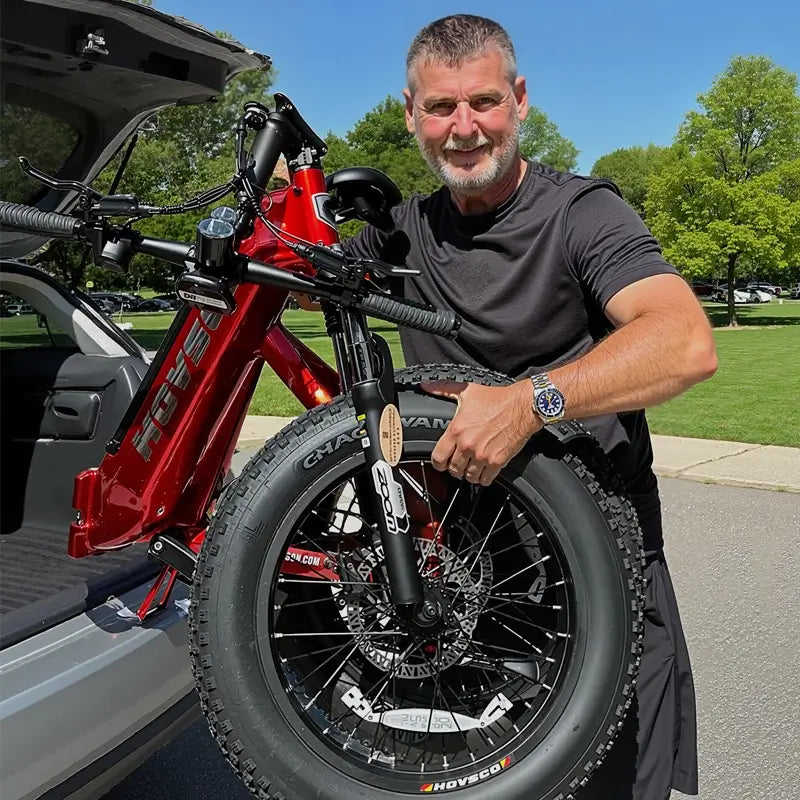
For even more flexibility, the dedicated HOVSCO E-Bike Battery lets riders extend or restore range by swapping packs rather than replacing a whole bike. Because this LG/Samsung-core battery can deliver up to 80 miles on pedal assist when paired with compatible HOVSCO models, carrying a spare becomes a practical strategy for touring or high-mileage users. Together, these options allow riders to tailor their setups—bike plus batteries—to their specific routes and range needs.
1. Start with a realistic baseline ride
Choose a typical route—such as your daily commute—and ride it at your normal pace using mid-level pedal assist, noting distance, elevation, and remaining battery percentage at the end. This baseline shows how current habits translate into real-world range and reveals whether you already have a margin or are close to the limit.
2. Optimize your assist levels and throttle use
On subsequent rides, experiment with lower assist levels where terrain allows and reserve higher modes for hills, headwinds, or heavy loads. Smooth throttle application, rather than full-on bursts from a standstill, can significantly reduce consumption, especially on powerful models like HOVSCO’s moped-style HovGtrs.
3. Adopt smarter charging habits
Whenever possible, keep your daily charge window between roughly 20–80% rather than going from near-empty to full each time. Use full 100% charges strategically—before unusually long rides, trips, or events—rather than as the default pattern. Smart plugs with timers can help stop charging automatically before the battery sits at full for hours.
4. Manage temperature and storage
Charge and store your battery in moderate temperatures; avoid charging in very hot garages or outdoors in freezing weather, since both extremes accelerate wear and reduce immediate range. For multi-week storage, remove the battery from the bike, leave it at around 40–60% state of charge, and check it every month or two.
5. Reduce avoidable load and rolling resistance
Check tire pressure regularly, especially on fat-tire bikes, since underinflated tires greatly increase rolling resistance and energy consumption. Remove unnecessary cargo and accessories when not needed, because every kilogram you carry forces the motor to work harder, particularly on hills and stop-start city routes.
6. Plan range with redundancy, not tight margins
Use your baseline data and improved habits to plan rides with a comfortable reserve—aim to complete typical routes with at least 20% battery remaining. HOVSCO riders can further de-risk long rides by adding a second battery or choosing models with larger capacity upfront, ensuring that even challenging conditions do not push the pack to its limits.
Scenario 1: Urban commuter with hills
Traditional approach: A rider with a 12-mile round-trip commute uses high assist or throttle almost all the time to “arrive less sweaty,” charges to 100% every night, and occasionally arrives home with under 10% battery after detours or headwinds. Over time, range shrinks, and the rider starts bringing the charger everywhere.
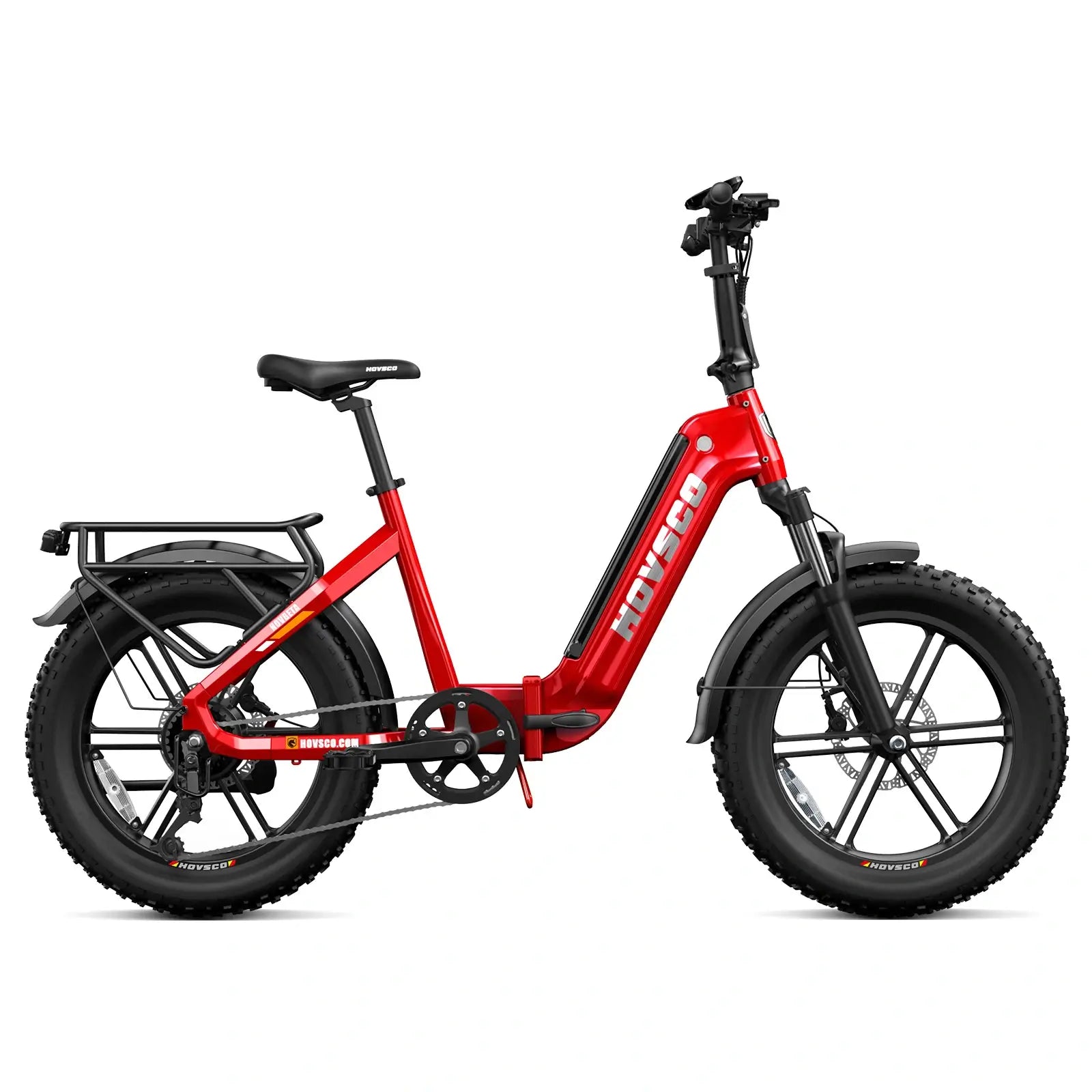
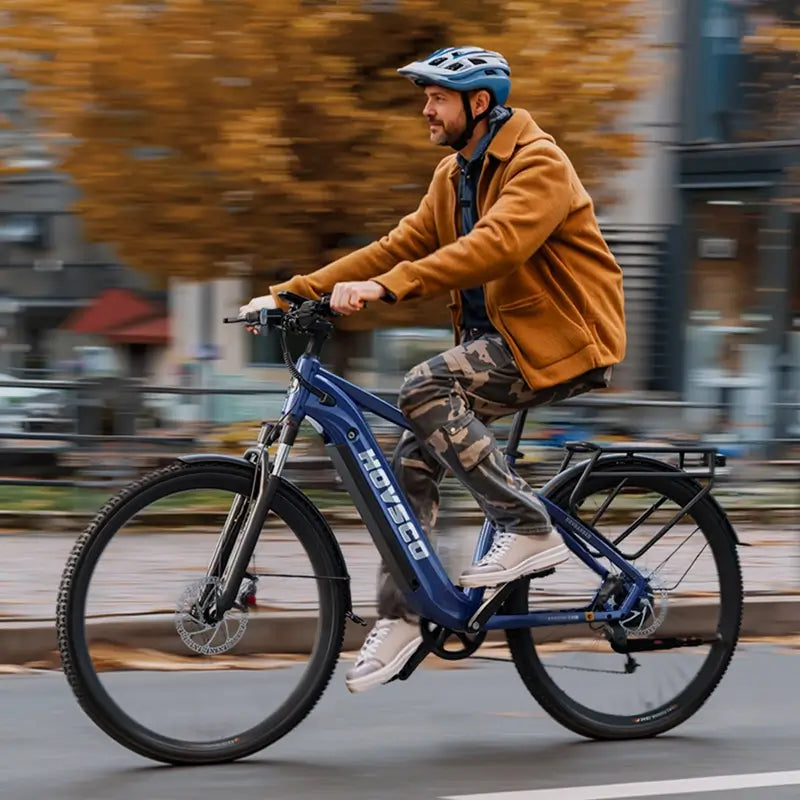
With HOVSCO and optimization: On a HOVSCO commuter bike like the HovRanger or HovCity, the rider uses torque-based pedal assist, chooses mid-level support, and reserves the highest mode for steep sections only. They charge every few days between roughly 30–80%, store the battery indoors, and maintain proper tire pressure. After months, the rider still finishes most days with 40–50% remaining, allowing spontaneous errands without anxiety.
Scenario 2: Family cargo and school runs
Traditional approach: A parent uses a basic cargo e-bike at or near its payload limit, always in the highest assist mode, carrying kids and gear on variable terrain. Range often falls short of the claimed numbers, and morning plus afternoon school runs push the battery close to empty, forcing mid-day charging or backup transport.
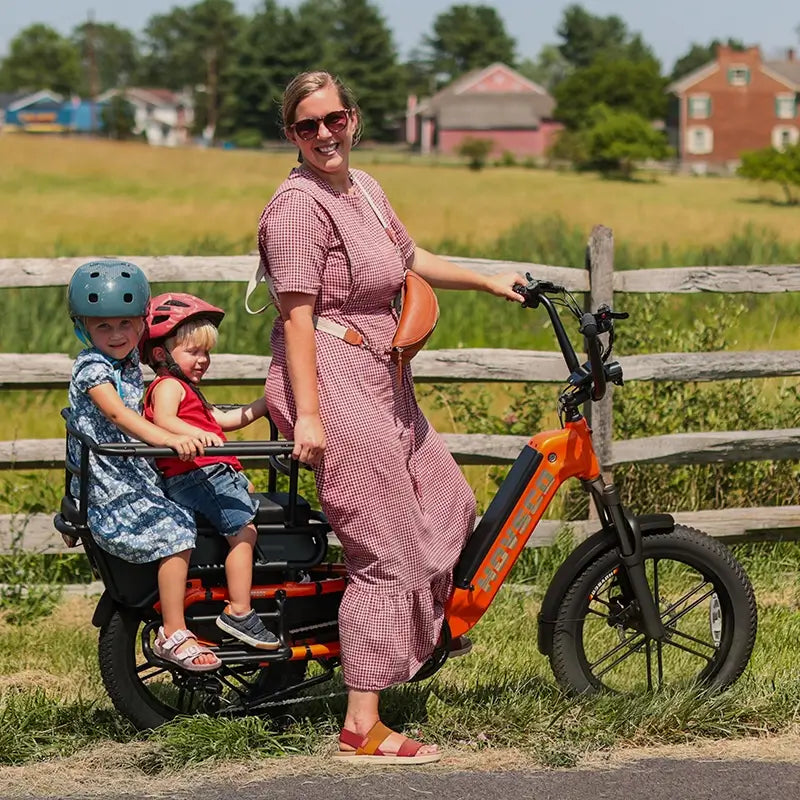
With HOVSCO and optimization: On a high-capacity cargo platform like the HovCart, rated for up to 450 lbs and up to 60 miles of range, the parent sets a balanced assist that lets them contribute more on flatter sections while still enjoying motor support. They follow temperature-aware charging guidance and keep the pack between 20–80% most days, using a spare HOVSCO battery on unusually heavy or long days. Range remains consistent across seasons, and the bike reliably replaces short car trips.
Scenario 3: Adventure rider and weekend explorer
Traditional approach: An off-road or mixed-terrain rider sets their e-bike to maximum power for the entire ride, accelerates aggressively, and spends long stretches at top speed. On a long route, this often results in a dead battery miles from the trailhead and discourages exploration beyond known loops.
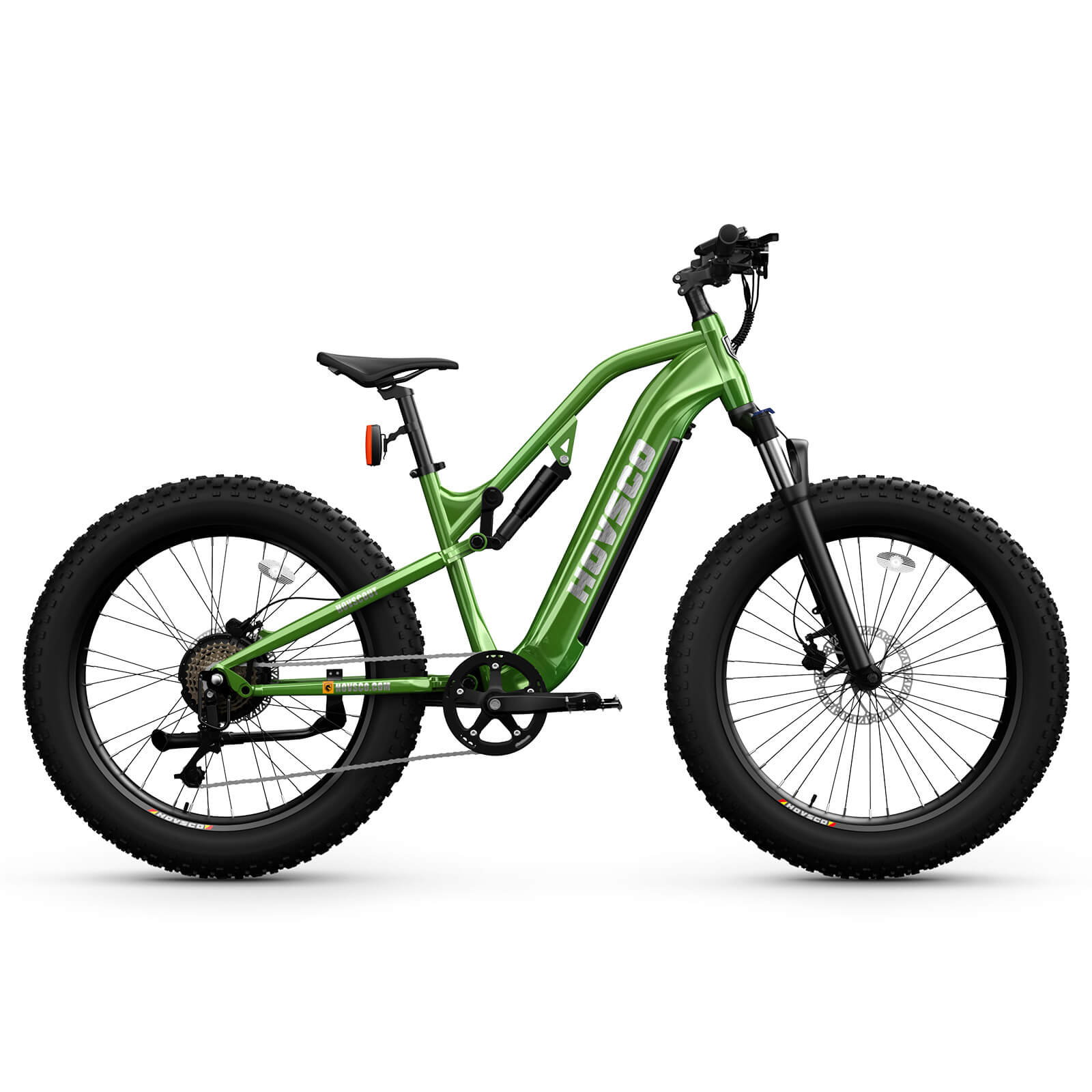
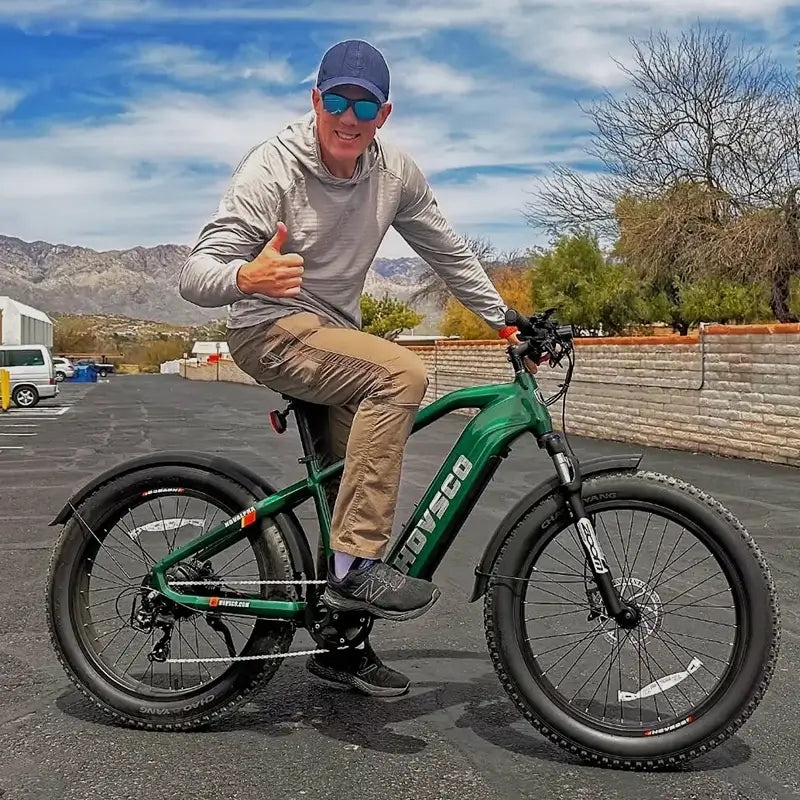
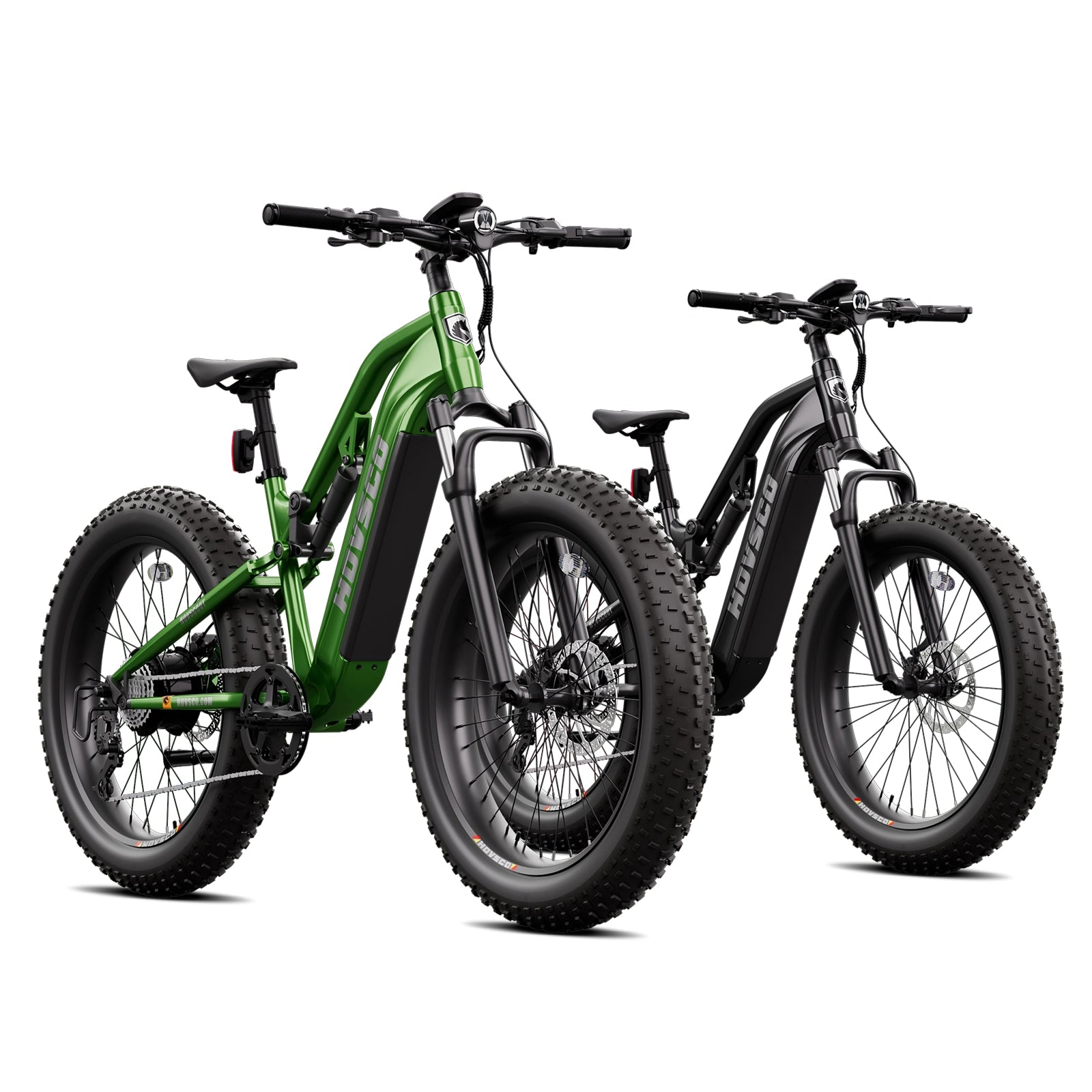
With HOVSCO and optimization: A rider on a HOVSCO HovAlpha or HovScout uses mid-level assist on flats, boosts power only for technical climbs, and leverages the bike’s torque sensor to match output to effort. Before big days, they charge to 100% shortly before departure but return to partial charges after. They may also carry a second HOVSCO battery as a safety net for remote routes. As a result, formerly “edge of range” routes become comfortable, and trip planning revolves around terrain, not charging outlets.
How can I improve my HOVSCO e-bike battery range without upgrading hardware?
The most impactful changes are smoothing your acceleration, using lower assist levels whenever terrain allows, and keeping your tires properly inflated. Combining these habits with smart charging—staying within roughly 20–80% for daily use and avoiding deep discharges below 20%—can significantly boost effective range and slow battery wear.
What riding habits drain e-bike battery range the fastest?
Frequent full-throttle starts, riding at or near top speed for long periods, and using the highest assist level continuously all increase energy consumption per mile. Heavy payloads, steep hills, and soft or underinflated tires amplify this effect, making it easier to hit the lower end of your bike’s advertised range in everyday use.
How should I charge my HOVSCO battery to maximize long-term range?
Use the supplied or manufacturer-approved charger, avoid leaving the battery at 100% for extended periods, and prioritize partial charges that keep the pack between roughly 30–80% state of charge for routine rides. Save full 100% charges for especially long trips, and unplug once full rather than keeping the charger connected overnight by default.
What is the best way to store my e-bike battery if I won’t ride for a few weeks or months?
Store the battery indoors at a moderate temperature, ideally 10–20°C (50–68°F), with a state of charge around 40–60%. Check the battery every 1–2 months and top it back into that range if it falls significantly, rather than leaving it near empty or full for long periods, both of which accelerate capacity loss.
Does using a second HOVSCO battery really help with range optimization?
Carrying a second compatible HOVSCO battery does not change the efficiency of each pack, but it dramatically expands your usable range envelope and reduces range anxiety, especially for touring or heavy cargo use. Because each battery can be kept within healthier charge windows and cycled less aggressively, total usable lifespan across both packs can also improve compared with pushing a single battery to its limits daily.
How does temperature affect e-bike battery range during daily riding?
Cold weather temporarily reduces available capacity and power, while high temperatures increase internal resistance and accelerate long-term degradation, both of which cut effective range. For best results, avoid charging in very hot or freezing environments, let the battery cool after hard rides before recharging, and expect some seasonal variation in range even with optimal habits.
Battery range optimization is not about riding slowly or constantly worrying about state of charge; it is about aligning the right hardware with informed daily habits. HOVSCO’s line-up, from long-range fat-tire models and full-suspension explorers to family cargo platforms and modular replacement batteries, is built around high-capacity, quality cells and intelligent control systems that give riders real headroom in daily use. When combined with proven best practices in charging, storage, and riding style, these bikes allow commuters, families, and adventurers to treat their e-bikes as truly dependable vehicles—not just weekend toys—with range that remains usable and predictable for years.
If you want to ride farther with confidence, start by evaluating your current routes and habits, then pair them with a HOVSCO e-bike and battery setup that fits your real-world range needs. Whether that means a long-range HovAlpha, a cargo-ready HovCart, a city-focused HovRanger or HovCity, or an additional LG/Samsung-core battery for extended journeys, HOVSCO offers a practical path from theory to miles on the ground. Explore the range, apply a few simple optimization habits, and turn every ride—from school runs to weekend adventures—into a low-stress, high-range experience.
Fortune Business Insights — Electric Bike Market 2024–2034 (2024)
Strategic Market Research — Electric Bike Market Report (2024)
HOVSCO — Hovsco Cargo Electric Bikes | Long-Range Utility E-Bikes (2025)
HOVSCO — Essential Electric Bike Battery Maintenance Tips for Longevity (2025)
Share:
E-Bike Motor Efficiency: How HOVSCO Helps You Go Further With Less Energy (June 2026)
Smart E-Bike Connectivity With HOVSCO: Turning Every Ride Into a Connected Experience (June 2026)