



![[ New Arrival ] Porto Max Electric Scooter For Commute & Grocery Shopping - HOVSCO](http://www.hovsco.com/cdn/shop/files/PotroMax-3.jpg?v=1706927007&width=1200)
- by EO S
Are Moped-Style E-Bikes the Best Option for City Commuting?
- by EO S
E-Bikes
Accessories
 Free Shipping
 15-Day Returns
 2-Year Warranty
Free Shipping
15-Day Returns
2-Year Warranty
2-Year Warranty
Free Shipping
15-Day Returns
2-Year Warranty
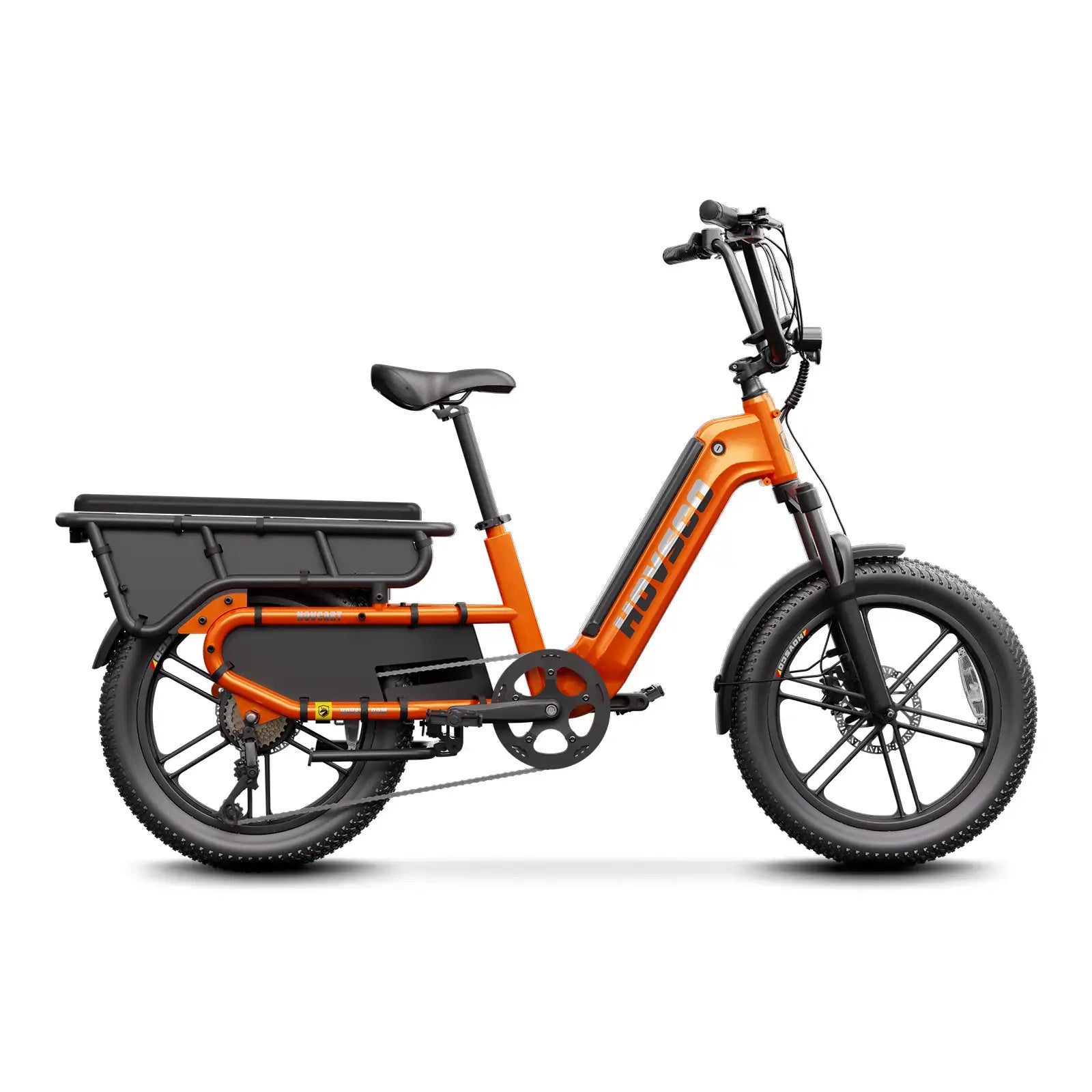
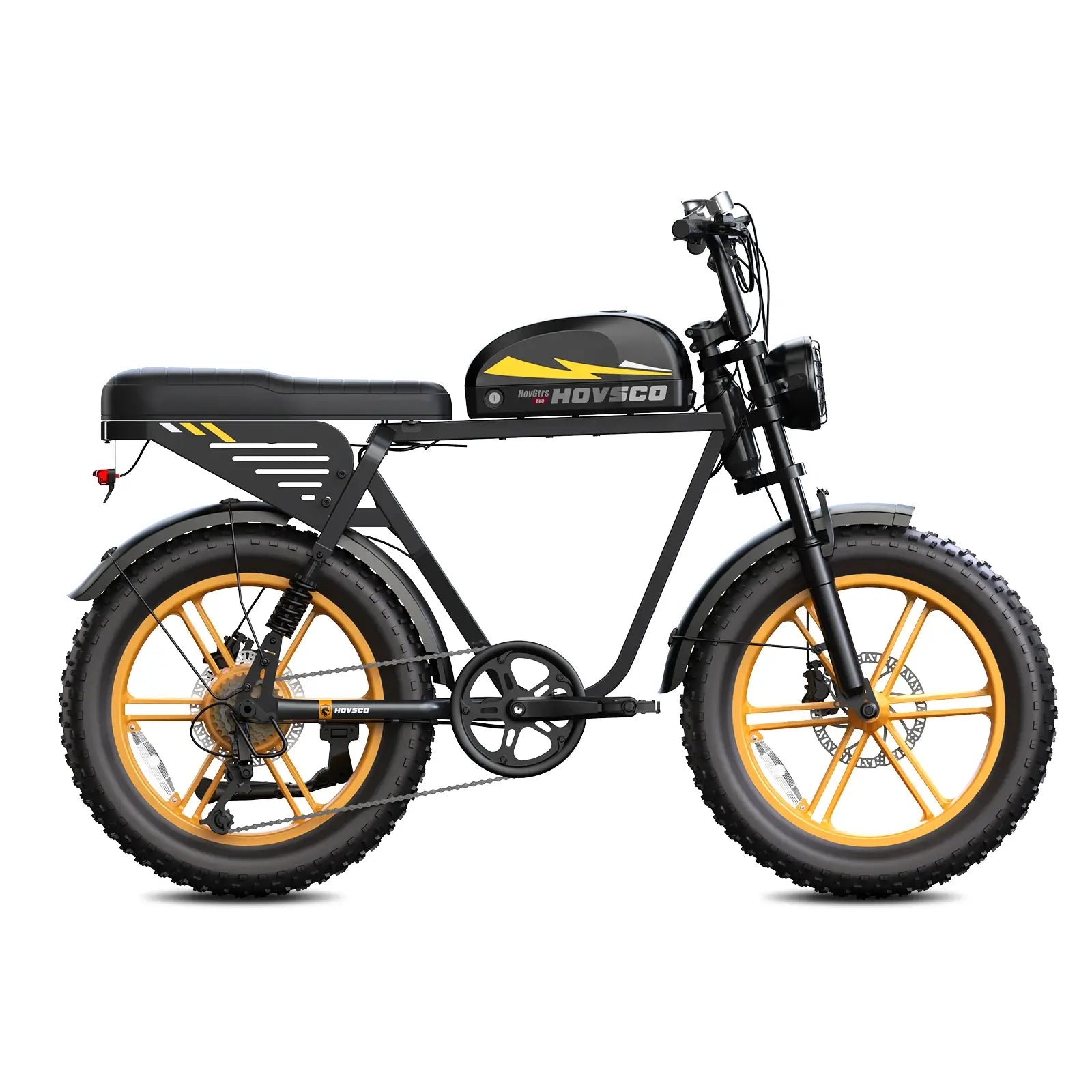
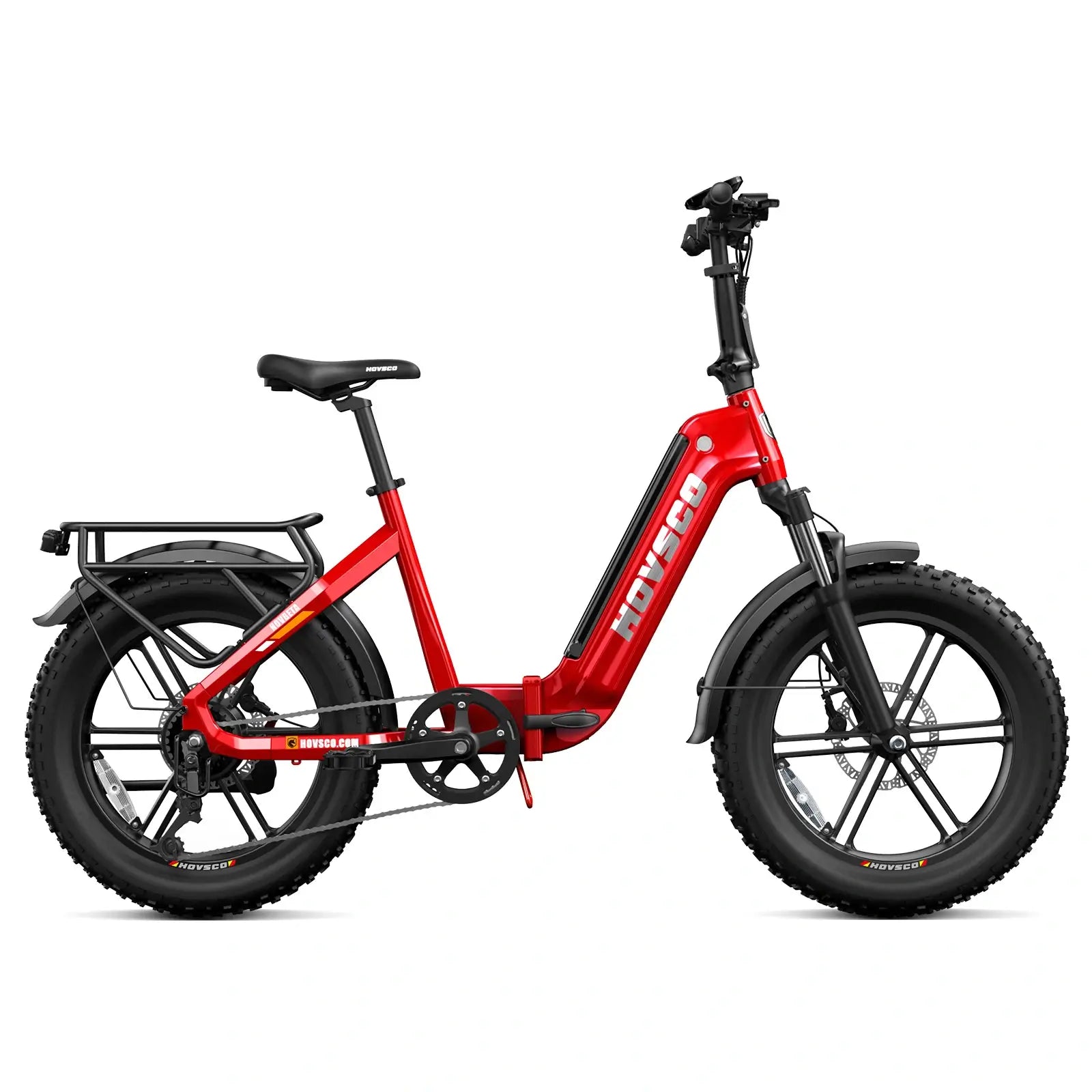
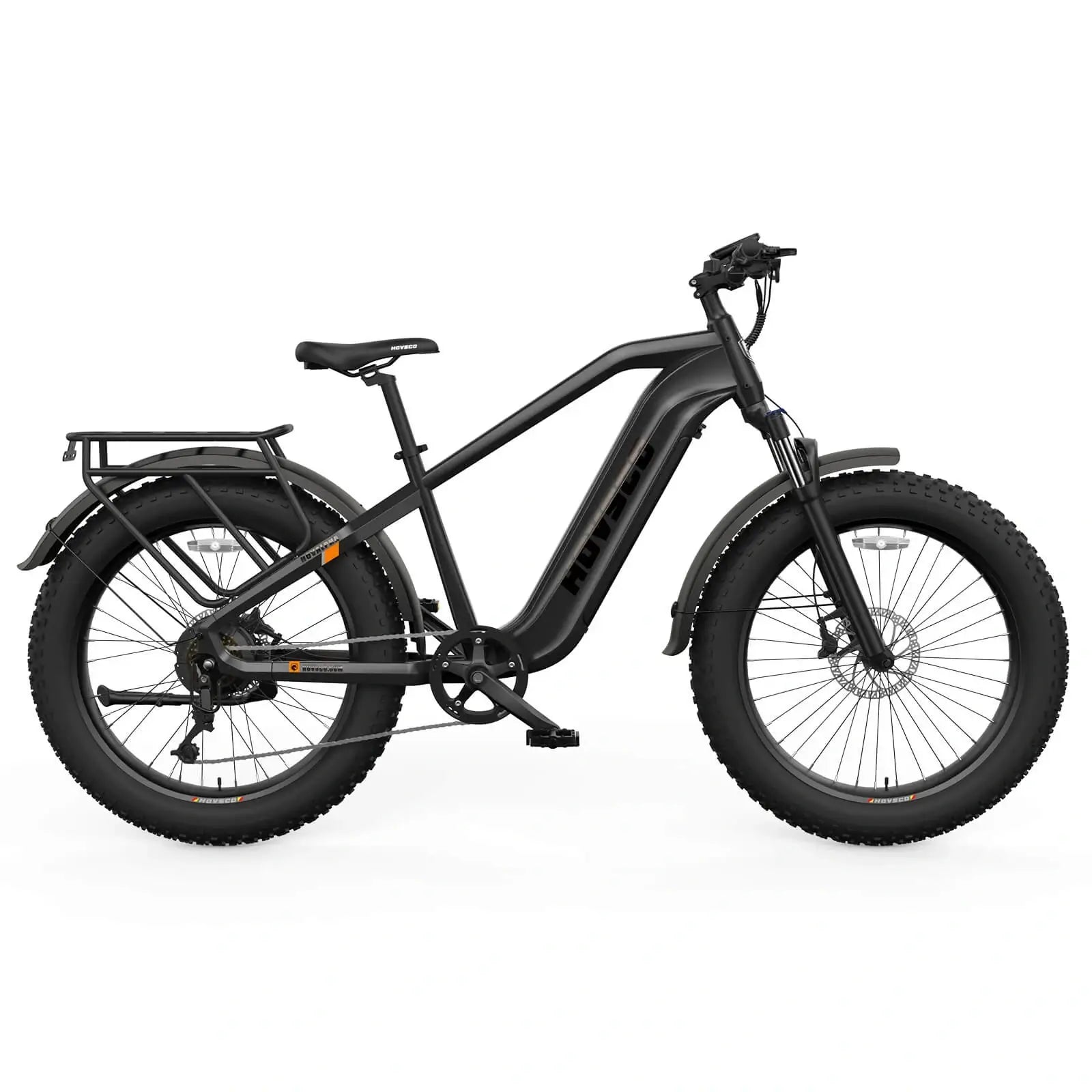
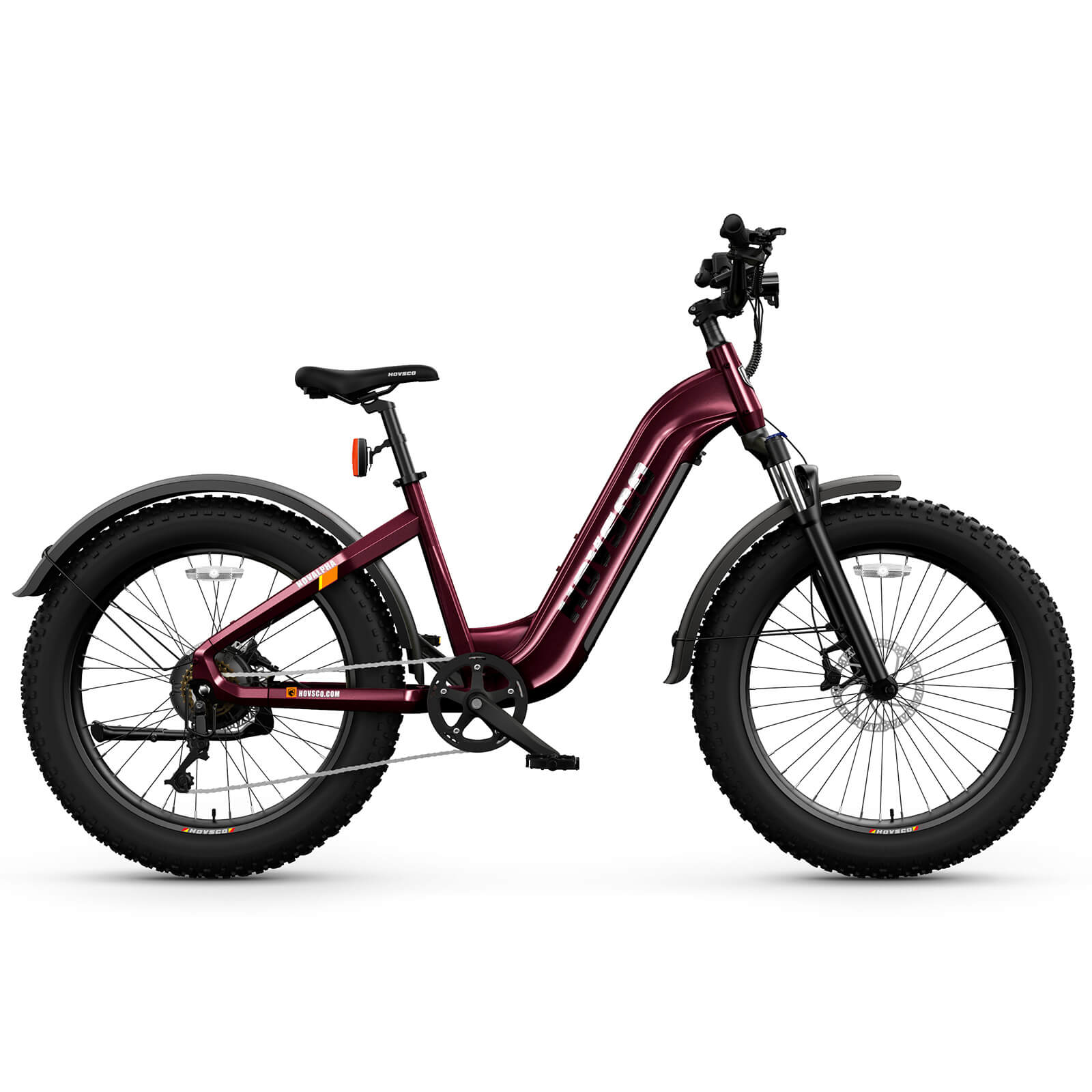
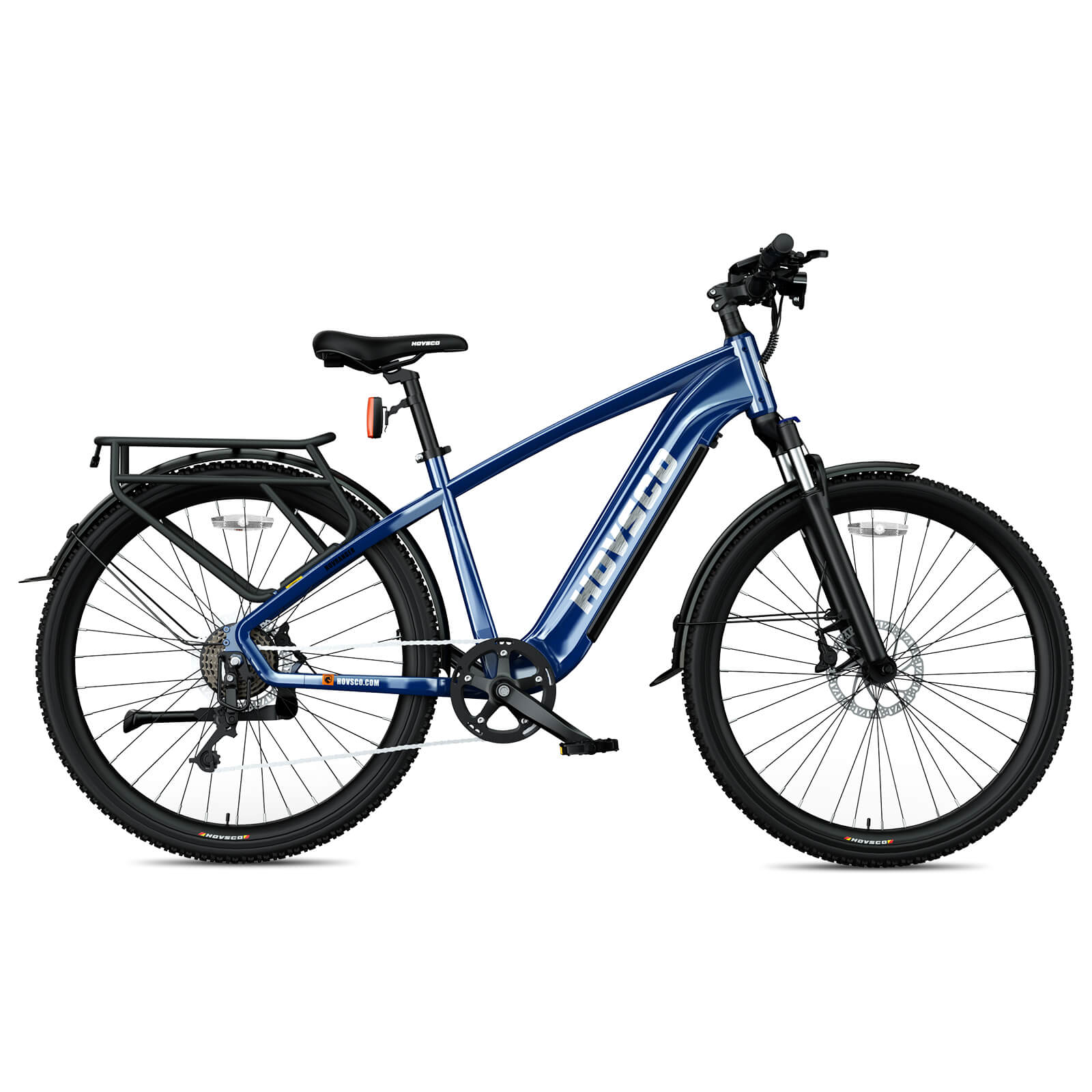
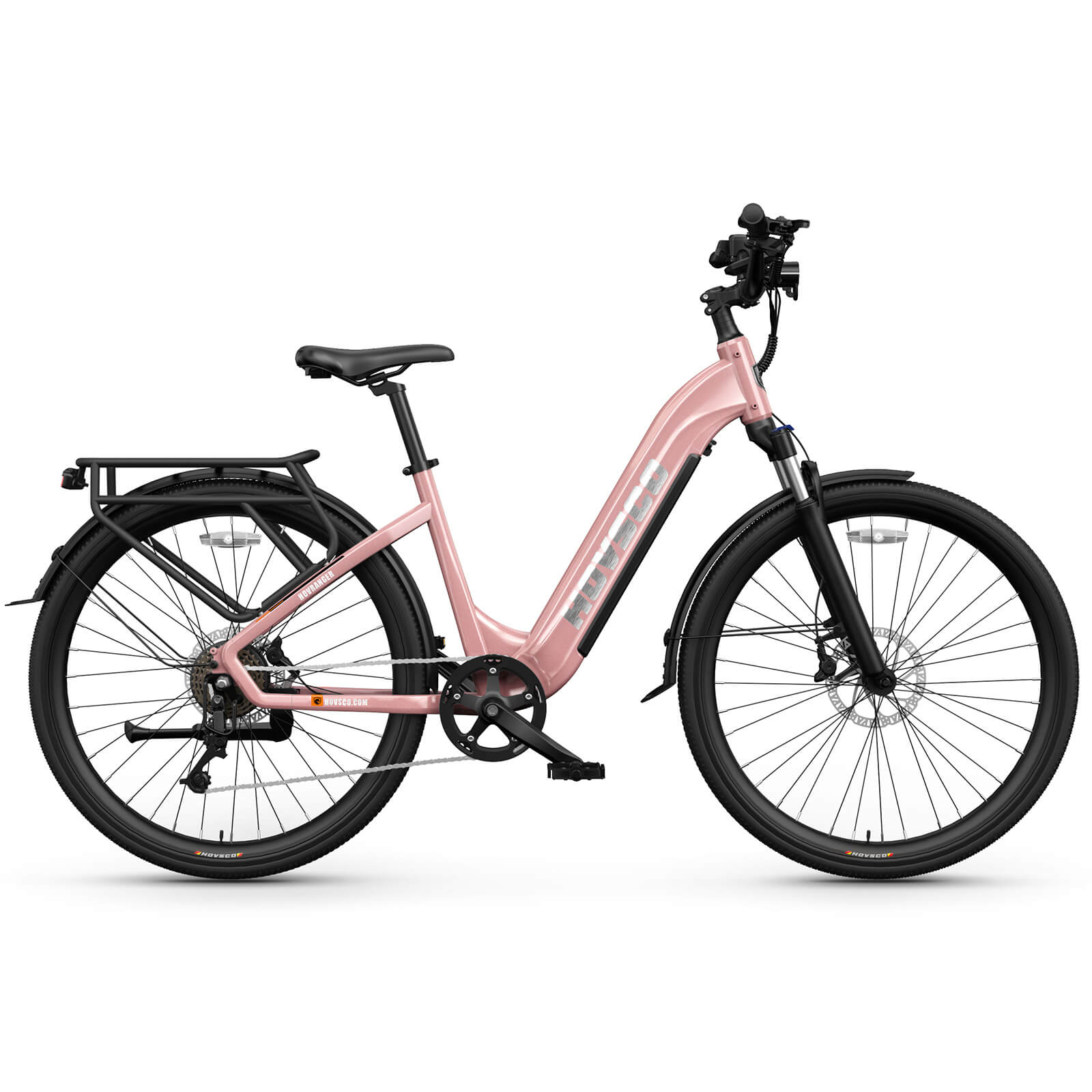
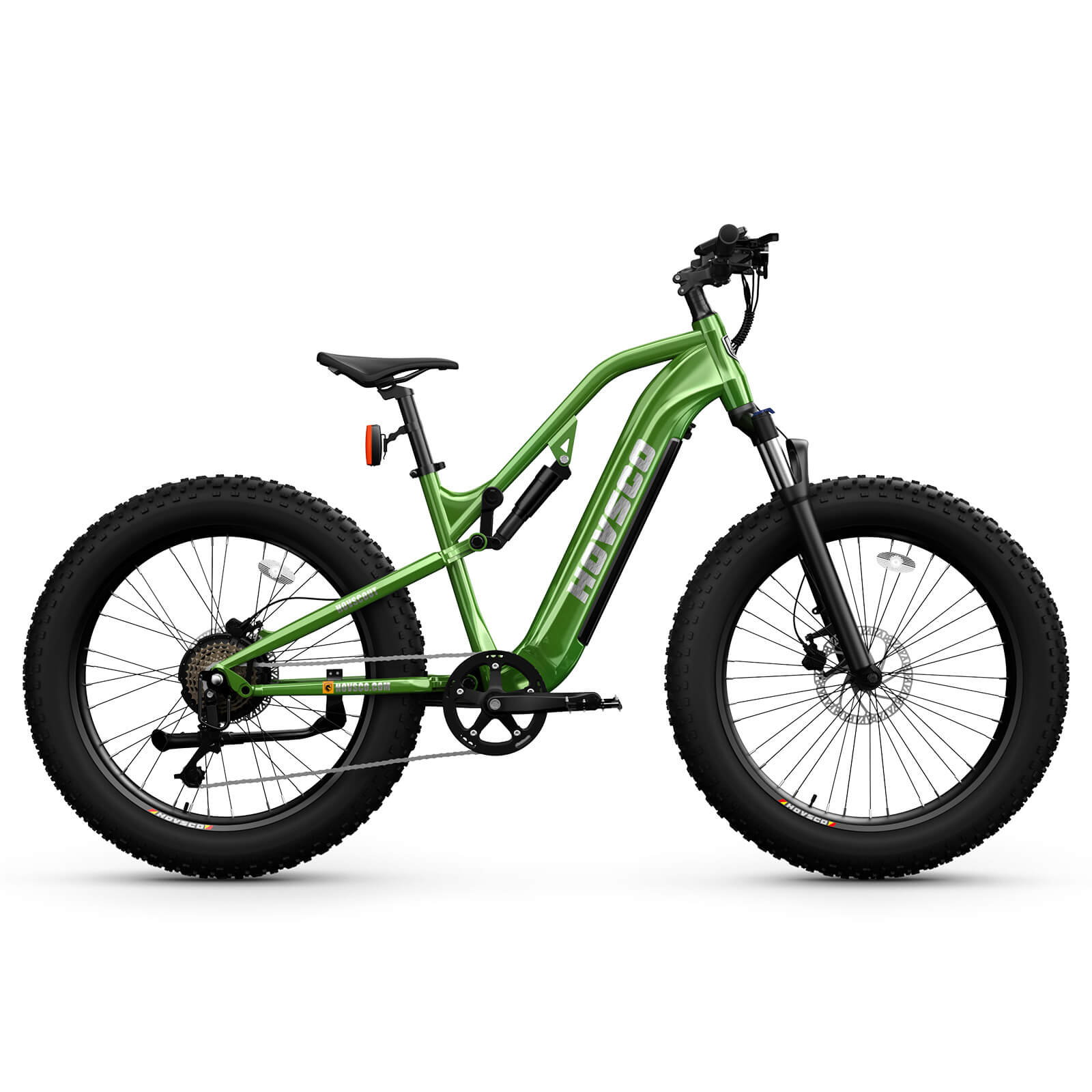
E-bikes are reshaping urban commuting by offering a fast, flexible, and sustainable alternative to cars and public transit. For city dwellers seeking comfort, speed, and practicality in daily travel, moped-style e-bikes—especially models from trusted brands like HOVSCO—provide a compelling solution that blends convenience with performance.
Urban transportation is undergoing a significant shift as cities grapple with congestion, emissions, and rising fuel costs. Across North America, e-bike sales have surged as commuters look for efficient alternatives to cars. In the U.S., e-bikes now represent roughly 30% of the bicycle market, with nearly 920,000 units sold in 2024. This growth is driven by demand for short-to-medium-distance commuting solutions that reduce vehicle trips. Urban commuters increasingly rely on e-bikes to replace an average of 3.5 car trips per week. (GlobeNewswire)
Despite this rise, many commuters still face long delays and high costs with traditional transportation. Traffic congestion in major cities has worsened travel times and stress, while parking scarcity and fuel price volatility continue to burden daily commuters. These challenges have heightened demand for alternative transport options that are affordable, reliable, and capable of navigating dense traffic.
However, conventional electric bikes often lack the comfort and power desired by riders covering longer urban distances or carrying heavier loads. Many commuters also struggle with infrastructure gaps, such as limited secure parking and charging facilities, which hinder broader adoption of e-mobility solutions in metropolitan environments. (Market Growth Reports)
As urban populations grow and city governments invest in micromobility infrastructure, the need for versatile and robust commuting vehicles is more pressing than ever. Moped-style e-bikes—offering comfort, higher speeds, and long-range capability—are uniquely positioned to meet these evolving demands.
Traditional commuting methods like cars, buses, and standard e-bikes each have limitations:
Cars: High cost of ownership, parking challenges, and traffic contribute to inefficiency and stress.
Public Transit: Fixed schedules and routes can add significant time to daily commutes.
Standard E-Bikes: While eco-friendly, many lack the torque, seating comfort, and weather protection needed for daily, longer urban use.
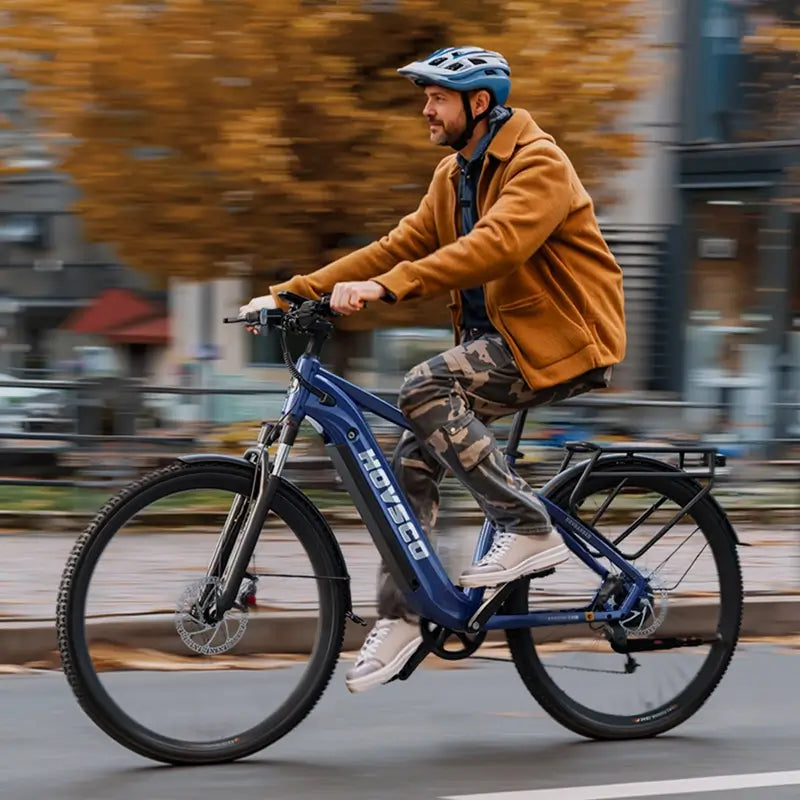
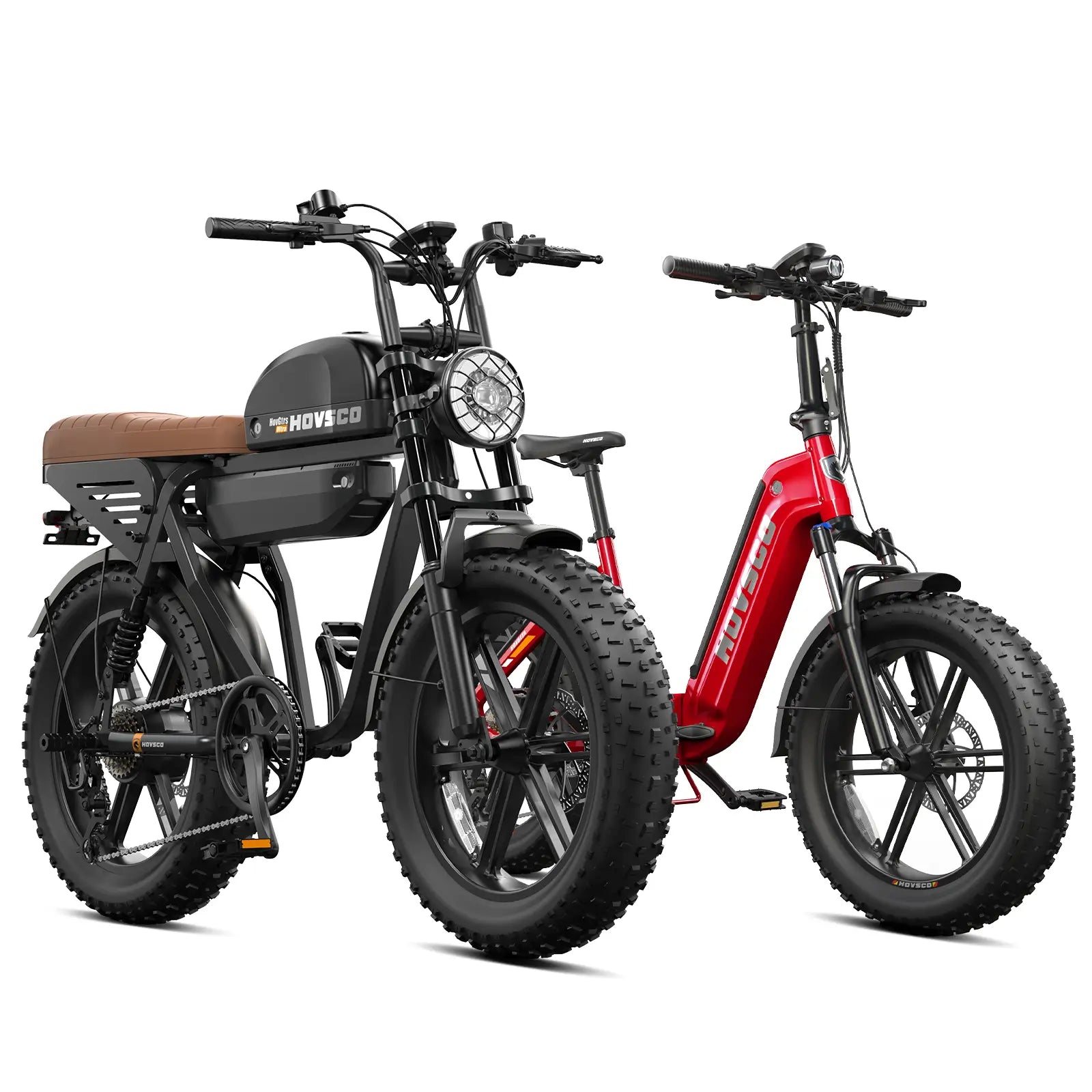
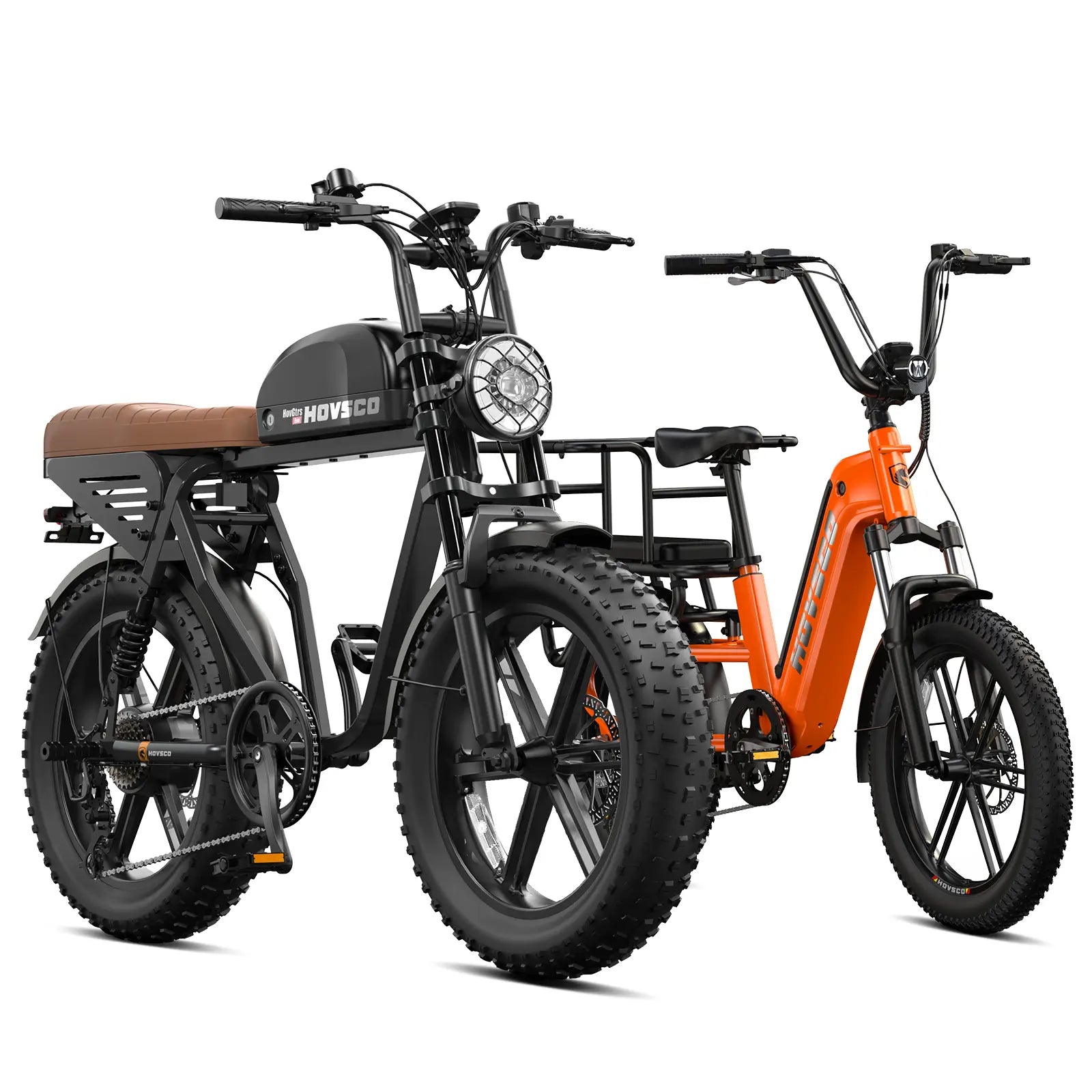
Compared to these, moped-style e-bikes like those from HOVSCO provide a middle ground—combining motorized assistance with ergonomic design that eases longer rides and frequent stop-start city traffic.
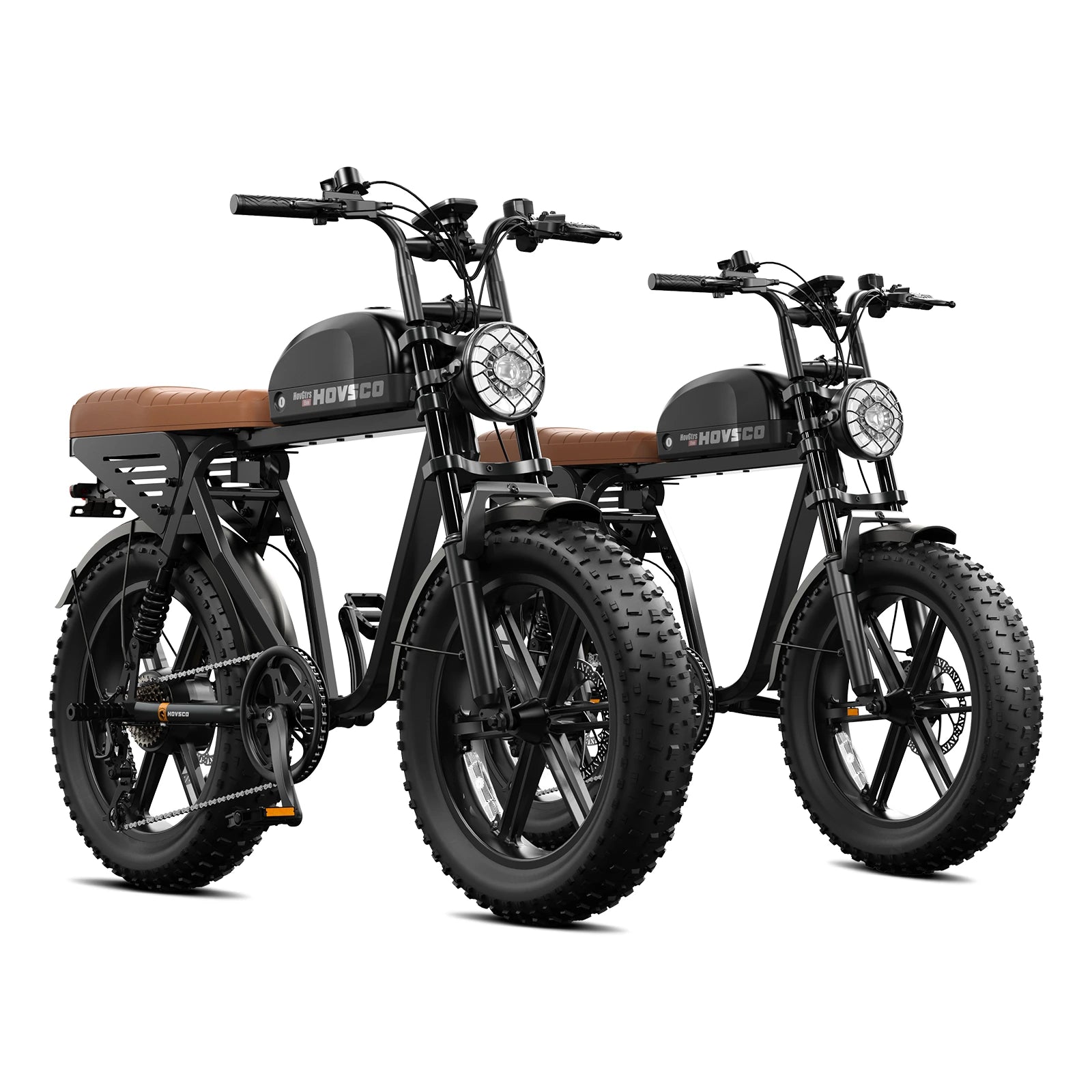
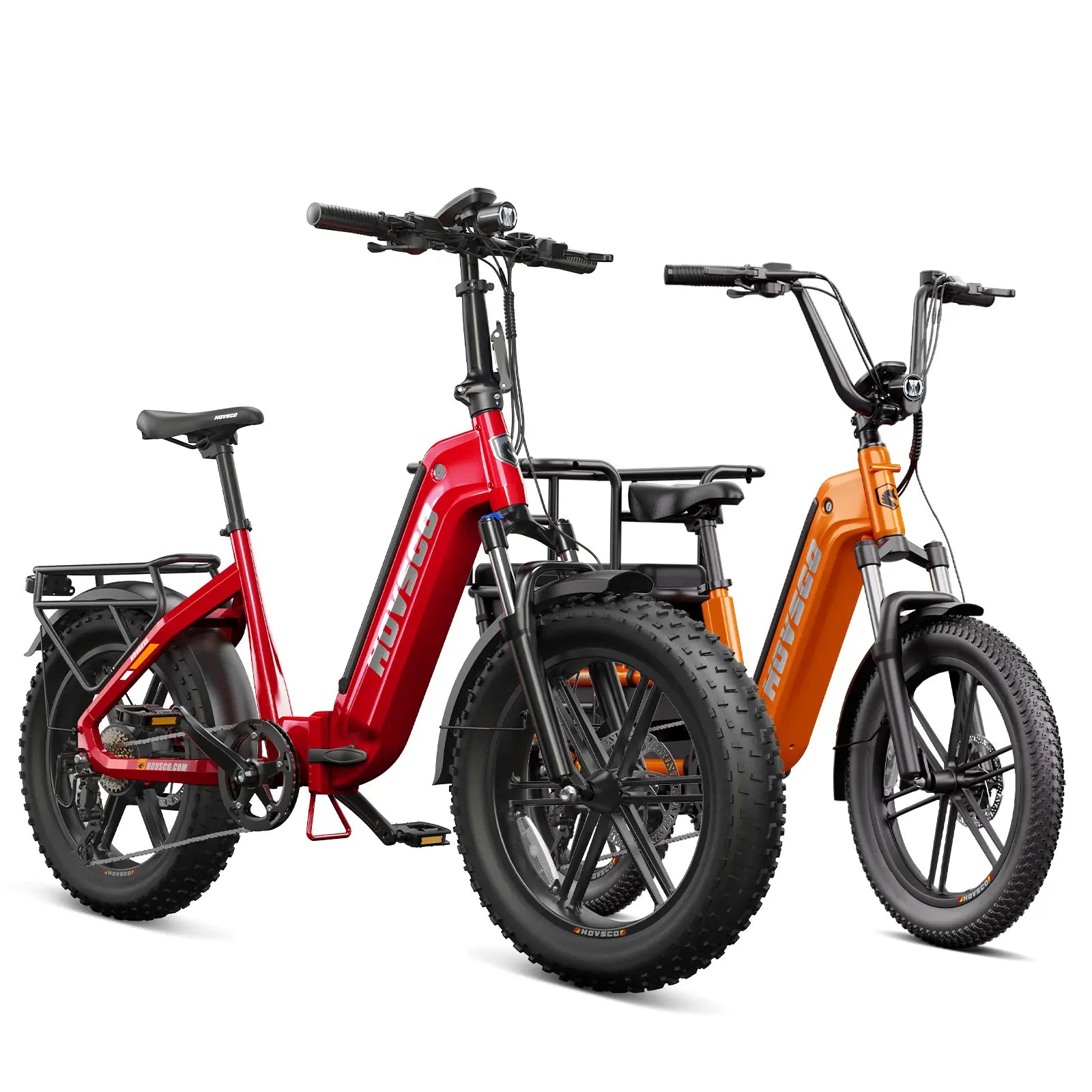
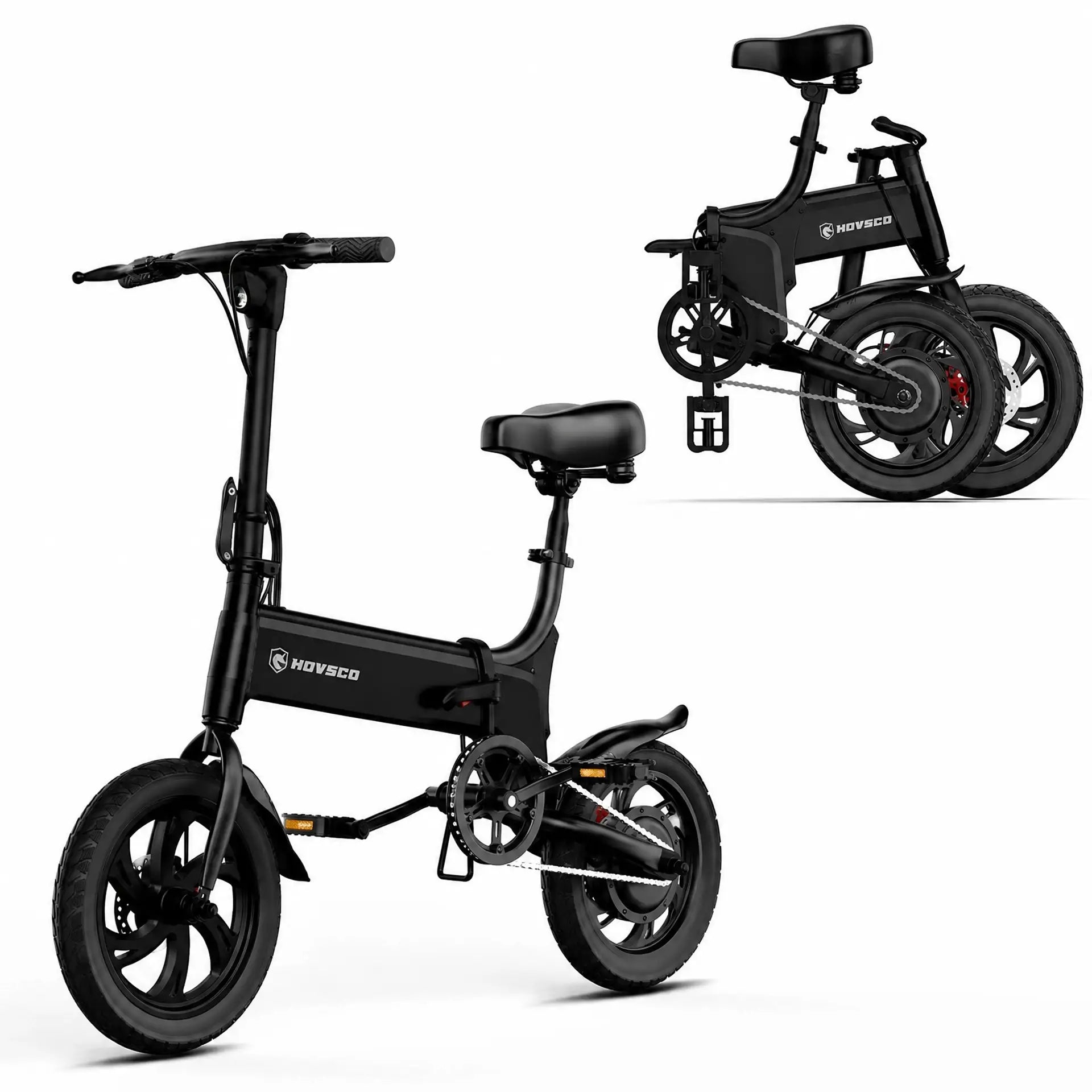
A moped-style e-bike is a hybrid between a traditional bicycle and a scooter. These bikes typically come with:
Throttle-on-demand power, allowing riders to accelerate without pedaling.
Comfortable seating and upright riding position suitable for urban travel.
Stronger motors and larger battery capacity than typical commuter e-bikes.
Integrated features like lights, cargo racks, and robust braking systems.
Brands like HOVSCO have refined this concept, focusing on urban commuting needs with models that deliver both performance and reliability for daily travel.
| Feature | Traditional E-Bike | Moped-Style E-Bike (e.g., HOVSCO) |
|---|---|---|
| Motor Power | Moderate | High |
| Throttle | Limited or None | Standard |
| Comfort | Basic | Enhanced ergonomic design |
| Range | Short to Moderate | Longer with larger battery |
| Urban Agility | Good | Excellent |
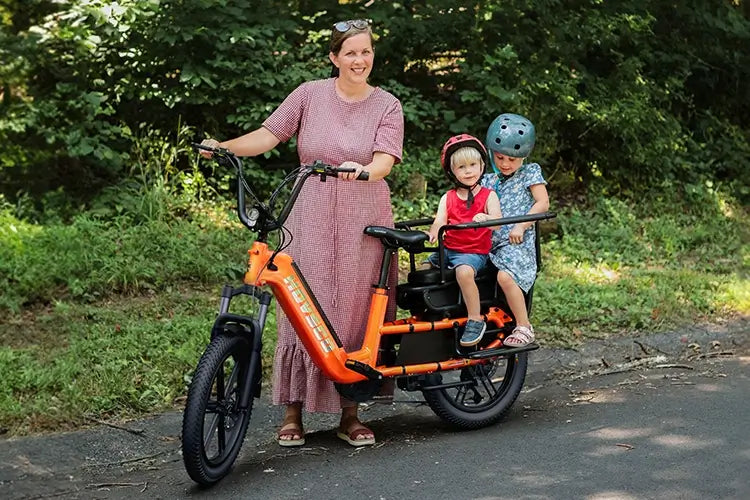
| Load Carrying | Limited | Better with built-in racks |
| Cost Efficiency | High | Competitive to car costs |
Choose the Right Model: Compare motor power, range, and features for your city’s terrain and commute distance.
Understand Local Regulations: Some jurisdictions classify high-speed e-bikes differently; ensure compliance.
Plan Your Route: Use bike lanes and low-traffic streets when possible for safety.
Regular Charging: Plug in nightly to maintain battery health and full commute readiness.
Routine Maintenance: Keep tires, brakes, and electrical systems checked for optimal performance.
Problem: Rush-hour traffic delays make car commuting inefficient.
Traditional Approach: Driving or taking crowded public transit.
With Moped-Style E-Bike: Faster travel times through dedicated bike lanes at lower cost.
Key Benefit: Saves time and reduces commuter stress.
Problem: Running errands by car adds fuel and parking cost.
Traditional Approach: Driving for every small task.
With Moped-Style E-Bike: Quick stops with easy parking near destinations.
Key Benefit: Reduced cost and environmental impact.
Problem: First-mile/last-mile gaps when using public transit.
Traditional Approach: Walking long distances or ride-hail services.
With Moped-Style E-Bike: Seamless transition between transit hubs and work/home.
Key Benefit: More flexible daily travel.
Problem: Cars or public transit restrict spontaneous city routes.
Traditional Approach: Unplanned trips lead to inconvenience.
With Moped-Style E-Bike: Leisurely rides around town at your own pace.
Key Benefit: Enhances lifestyle and fitness.
E-bike adoption is projected to grow significantly over the next decade as urban infrastructure expands and sustainability goals tighten. The moped-style segment is expected to lead this transformation by offering performance and comfort that meet the needs of daily commuters. Choosing solutions like those from HOVSCO now positions riders to benefit from lower transportation costs, reduced carbon emissions, and improved urban mobility.
What makes a moped-style e-bike different from a standard e-bike?
Moped-style e-bikes typically have stronger motors, throttle-on-demand, and ergonomics designed for comfort, whereas standard e-bikes focus more on pedal assist.
Can moped-style e-bikes replace cars for daily commuting?
For many urban commuters, yes—especially for distances under 15 miles and areas with good bike infrastructure.
Are there safety considerations unique to moped-style e-bikes?
Higher speeds and urban traffic require proper helmets, visibility gear, and awareness of local e-bike laws.
How far can a typical moped-style e-bike travel on a single charge?
Range varies by model and riding conditions but is generally longer than standard commuter e-bikes due to larger battery capacity.
Do moped-style e-bikes require a license or registration?
This depends on local regulations; in some regions, high-power models may be classified differently than bicycles.
United States Electric Assisted Bicycles (Non-Rental) Market Report – Market growth and commuting use data.
E-bikes in USA cycling participation and market share.
Electric Bike (Pedelec) Market Size and trends including infrastructure and adoption patterns.
Electric Bicycles Market Share & Trends (Americas) projections to 2030.
Share:
What Are the Best eBikes for Family Adventure?
Are Electric Cargo Bikes With Large Baskets the Smart Choice for Urban Mobility and Daily Transport?