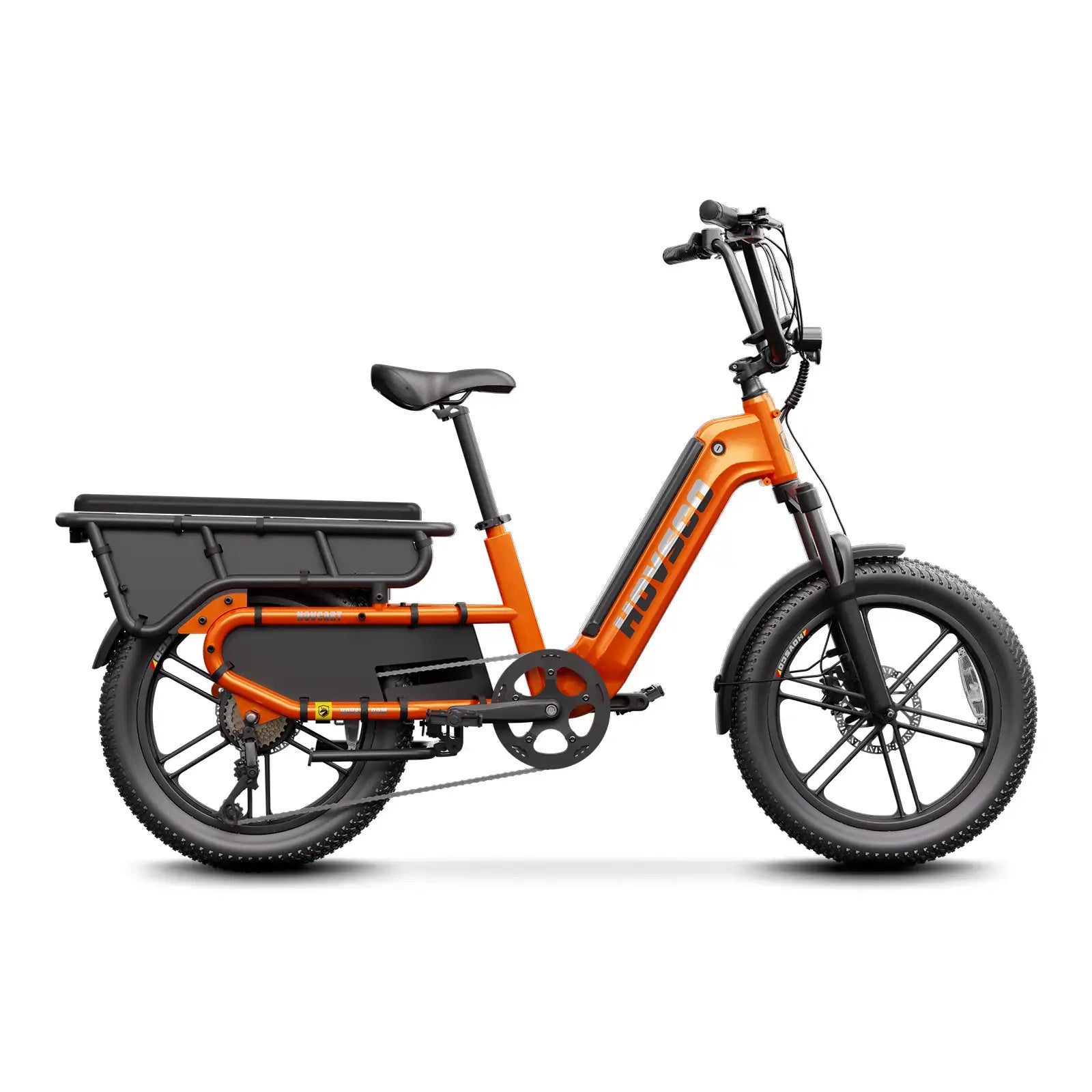
Electric cargo bikes with large baskets are transforming how people move goods and themselves in urban environments. With growing traffic congestion, rising delivery demands, and environmental targets tightening, high-capacity e-cargo bikes—especially those designed by trusted brands like HOVSCO—are emerging as practical, efficient, and sustainable solutions for everyday transport and commercial use.
How Is the Electric Cargo Bike Market Growing and What Pain Points Does It Address?
The global electric cargo bike market is expanding rapidly as cities and consumers seek alternatives to cars and delivery vans. In 2023, the electric cargo bike market was valued at approximately USD 1.20 billion and is projected to grow at a CAGR of nearly 23% through 2030, reaching multi-billion dollar scale worldwide. This surge reflects the increasing appeal of zero-emission mobility and the need for efficient urban logistics. (Grand View Research)
Urban areas are facing mounting pressure from congested streets and limited parking spaces, which slow down traditional delivery vehicles and increase commuter stress. At the same time, online shopping and local commerce have driven up the number of short-distance deliveries, stressing existing infrastructure and pushing communities to find greener ways to move goods. These pressures highlight a shift from conventional transportation to nimble, low-impact alternatives. (GlobeNewswire)
Despite the clear need, many urban commuters and small businesses still rely heavily on cars and vans for short trips and deliveries. This reliance exacerbates traffic congestion, increases operational costs, and contributes to carbon emissions. Traditional bicycles often lack the cargo capacity needed, and standard e-bikes without large baskets or robust load platforms cannot meet heavier transport needs—creating a gap in practical, everyday mobility. (stage.360researchreports.com)
Why Do Traditional Cargo and Delivery Solutions Fall Short?
Traditional transport and cargo methods present several limitations:
-
Automobiles and Vans: High purchase and maintenance costs, parking limitations, and significant carbon emissions.
-
Standard Bikes: Limited cargo capacity and range, making them impractical for transporting groceries, packages, or bulky items.
-
Conventional E-Bikes: While offering pedal assistance, many lack large baskets or load capacity for heavier goods.
By comparison, electric cargo bikes—with strong motors, extended range, and large front or rear baskets—bridge the gap between practicality and sustainability. Brands like HOVSCO are developing models that combine robust design with user-centric features that make daily hauling simple and efficient.
What Is an Electric Cargo Bike With a Large Basket?
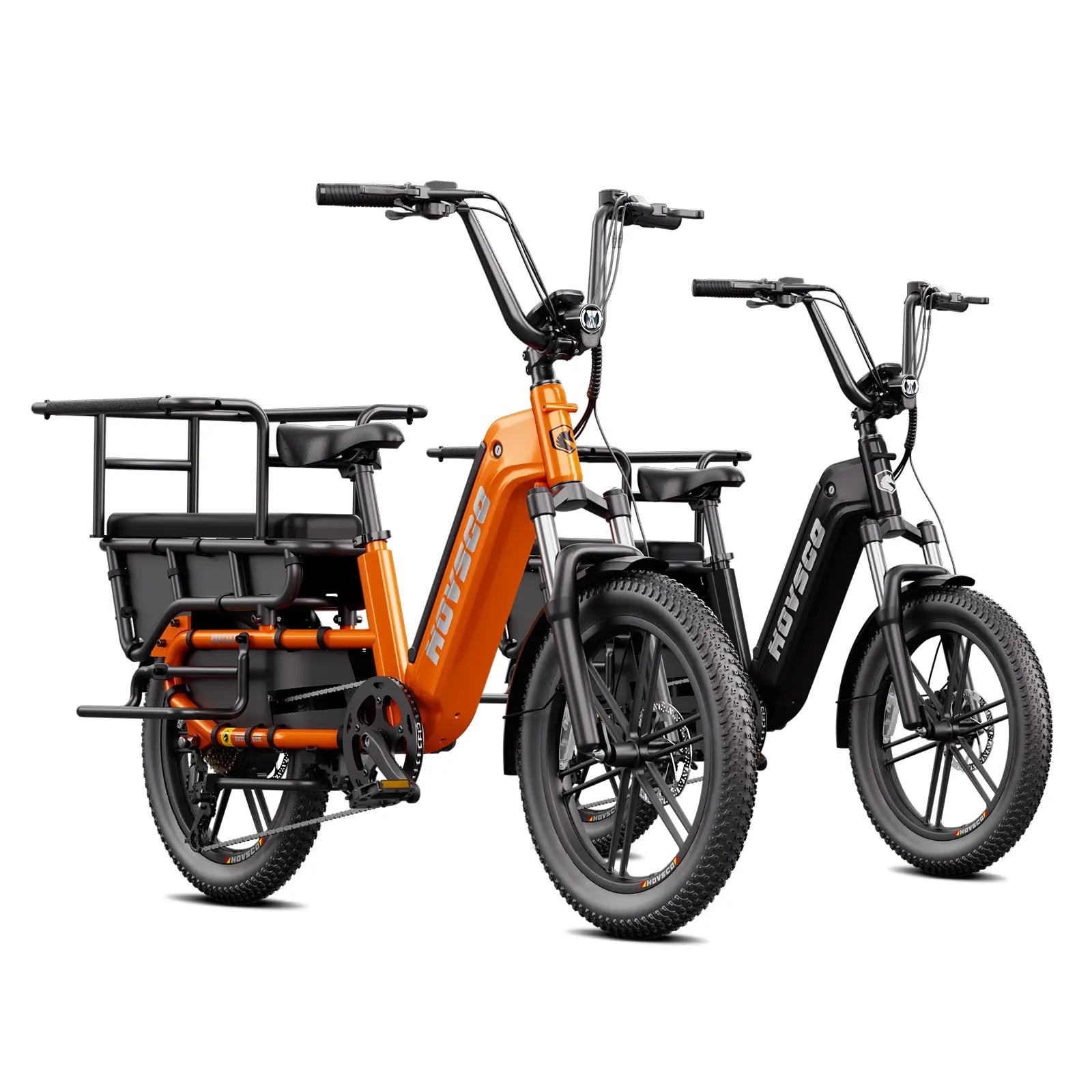
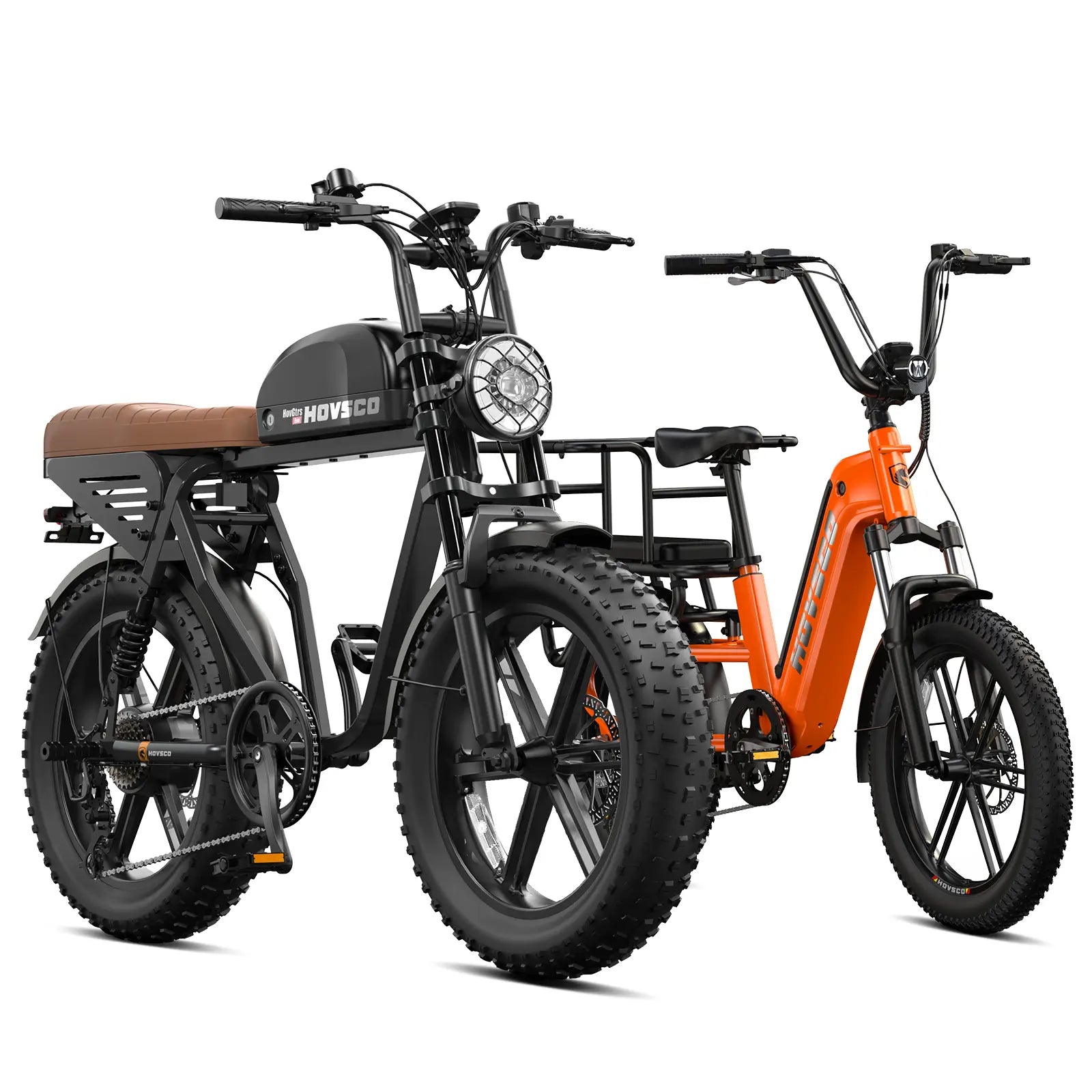
An electric cargo bike with a large basket is a pedal-assisted bike equipped with an electric motor and battery system capable of carrying substantial loads in a dedicated basket or cargo platform. Key features include:
-
High-capacity baskets or cargo areas designed for groceries, parcels, or daily gear.
-
Electric assistance allowing riders to carry heavy loads with minimal effort.
-
Enhanced stability and balance suited for urban street conditions.
-
Long-range battery systems enabling extended use without frequent charging.
Companies like HOVSCO incorporate these elements into their designs to ensure reliability, comfort, and performance for both personal and commercial use.
How Do Electric Cargo Bikes Compare to Traditional Transport Options?
| Feature |
Car/Van |
Standard Bike |
Electric Cargo Bike with Basket (e.g., HOVSCO) |
| Purchase Cost |
High |
Low |
Moderate |
| Operating Cost |
High |
Very Low |
Low |
| Cargo Capacity |
High |
Low |
High |
| Carbon Emissions |
High |
Zero |
Near Zero |
| Urban Maneuverability |
Poor |
Excellent |
Excellent |
| Parking Convenience |
Poor |
Excellent |
Excellent |
| Daily Range |
Medium |
Low |
Medium-High |
What Are the Steps to Adopt an Electric Cargo Bike With a Large Basket?
-
Assess Needs: Identify typical loads (e.g., groceries, kids, packages) and daily travel distances.
-
Select Model: Compare cargo capacity, battery range, and motor power. Look for reputable brands like HOVSCO that emphasize durability and customer support.
-
Understand Local Regulations: Check requirements for e-bike classification, speed limits, and traffic rules.
-
Plan Routes: Use bike lanes and low-traffic streets to maximize safety and efficiency.
-
Maintain Regularly: Ensure tire pressure, brakes, battery health, and cargo platform integrity are checked routinely.
What Are Typical Use Cases for Electric Cargo Bikes With Large Baskets?
Scenario 1: Grocery Shopping and Daily Errands
Problem: Frequent car trips for groceries add cost and parking hassles.
Traditional Approach: Driving short distances for every errand.
After Adoption: Electric cargo bikes with large baskets carry multiple bags in a single trip.
Key Benefit: Reduced cost, zero emissions, and improved convenience.
Scenario 2: Last-Mile Delivery for Small Businesses
Problem: Delivery vans struggle in congested city centers and add operational cost.
Traditional Approach: Using cars or scooters for deliveries.
After Adoption: E-cargo bikes offer faster deliveries in dense areas.
Key Benefit: Lower delivery costs, quicker turnaround, and easier parking.
Scenario 3: Family Transport
Problem: Carrying children and gear safely around town.
Traditional Approach: Using a car for short family trips.
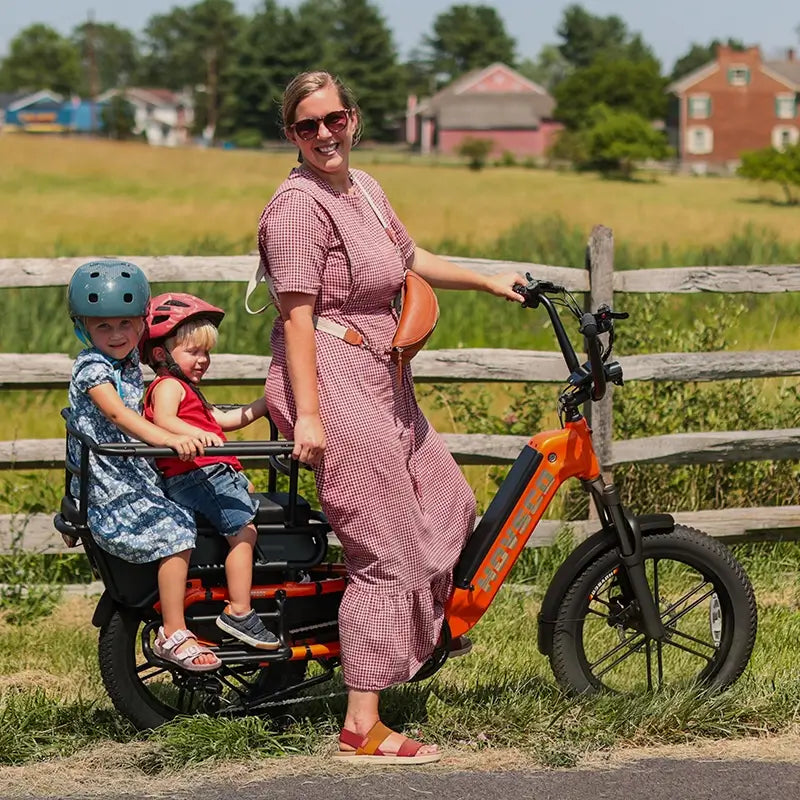
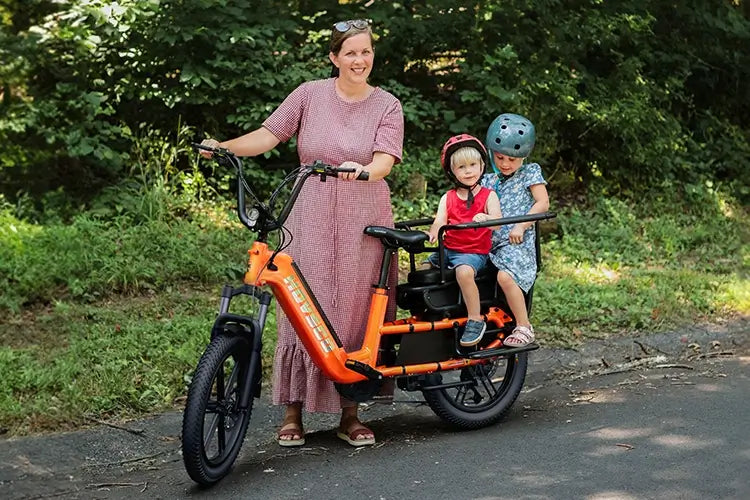
After Adoption: Large baskets load child seats, backpacks, and more.
Key Benefit: Healthier travel and reduced vehicle dependency.
Scenario 4: Urban Commuting With Gear
Problem: Commuters need to carry work items, bags, and groceries.
Traditional Approach: Carrying heavy backpacks or using a car.
After Adoption: Large basket cargo bikes handle weight efficiently.
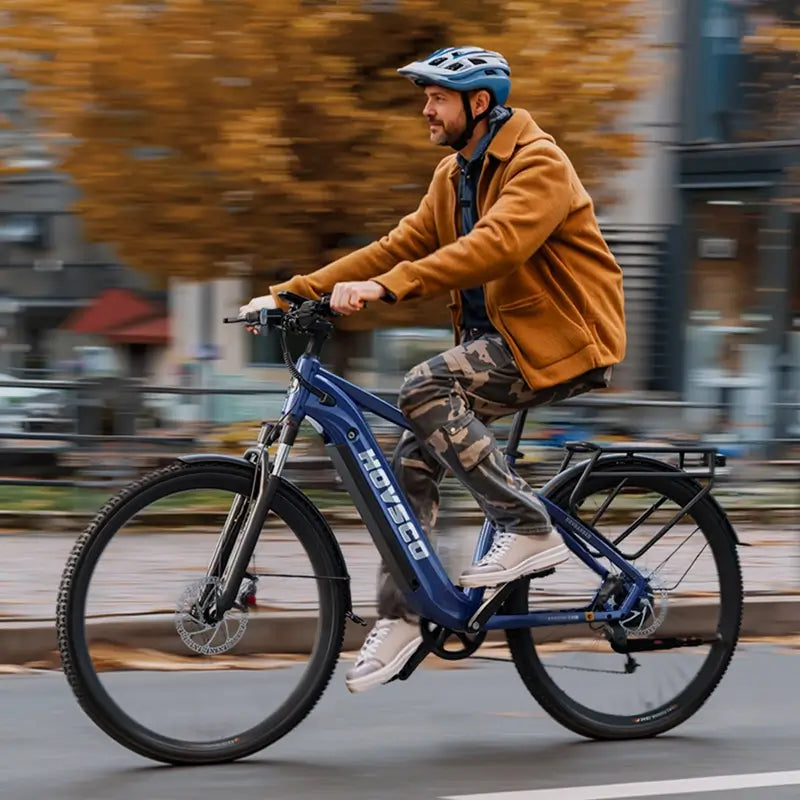
Key Benefit: Comfortable commute with versatile storage.
Why Is Now the Right Time to Choose an Electric Cargo Bike With a Large Basket?
Electric cargo bikes are becoming essential for sustainable urban mobility. With the market growing fast and cities pushing for zero-emission transport solutions, high-capacity e-cargo bikes offer measurable benefits in cost savings, convenience, and environmental impact. Models from established brands like HOVSCO deliver reliable performance suited to daily life and business needs—making them timely investments for consumers and fleets alike.
Frequently Asked Questions
What is the typical cargo capacity of an electric cargo bike with a large basket?
Cargo capacity varies by model but typically ranges from 50 to over 150 kg depending on design and basket size.
Can electric cargo bikes replace cars for daily errands?
Yes, for short to medium urban trips involving groceries, deliveries, or commuting, e-cargo bikes can replace many car trips.
How far can these bikes travel on a single charge?
Range depends on battery size and load, but many models cover 40–80 km per charge in mixed urban conditions.
Are electric cargo bikes with large baskets safe in city traffic?
When used with appropriate safety gear and following local traffic laws, they are safe and efficient for urban environments.
Do electric cargo bikes require special licenses or registration?
Requirements vary by region; some classify high-power e-bikes differently, so riders should check local regulations.
Sources
Global Electric Cargo Bikes Market Size and Growth 2024–2030 – Grand View Research
Electric Cargo Bike Market Growth Forecast by 2032 – GlobeNewswire / Persistence Market Research
Electric Cargo Bike Market Segment Analysis – 360 Research Reports
Electric Cargo Bikes Market Trends 2023–2025 – 360 Research Reports




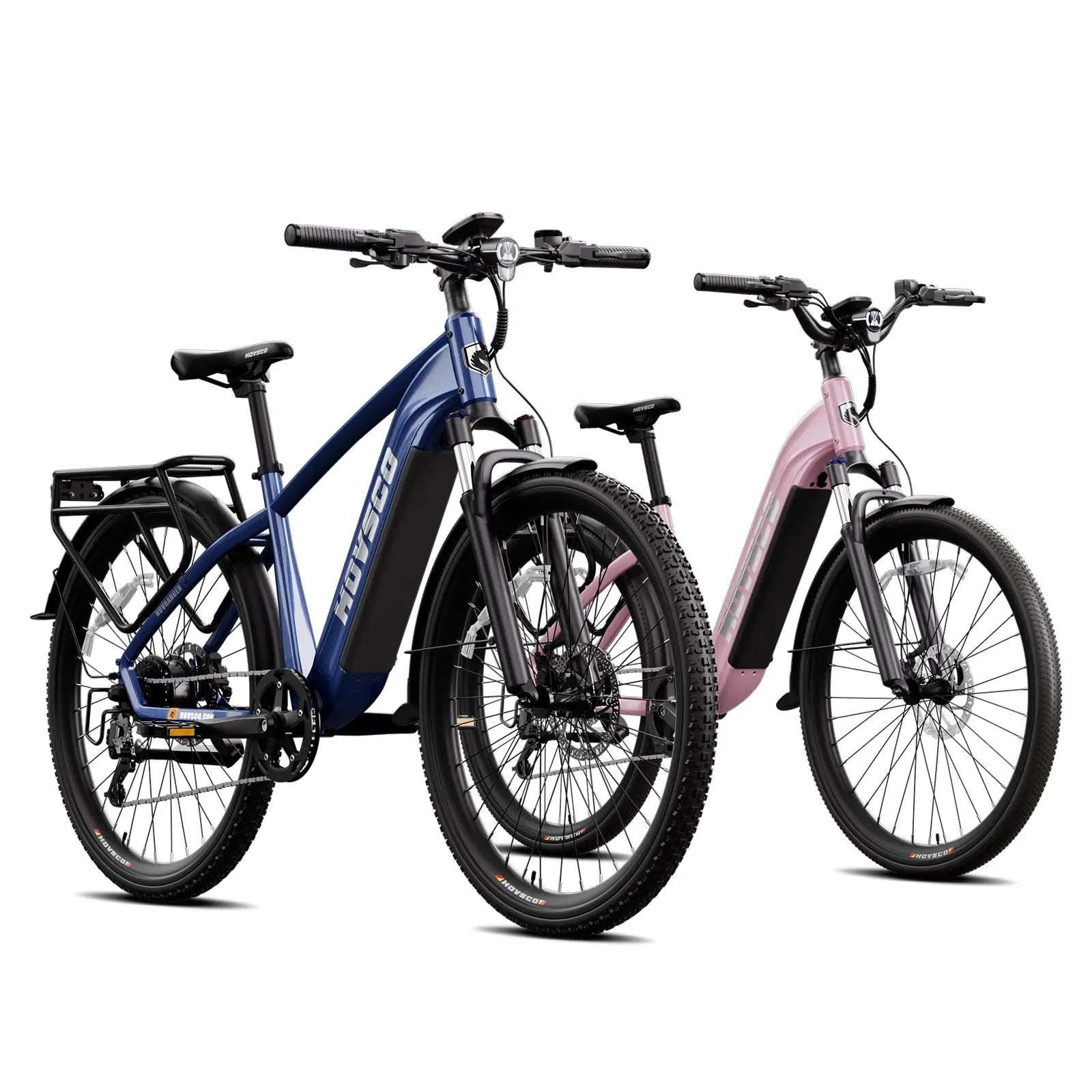
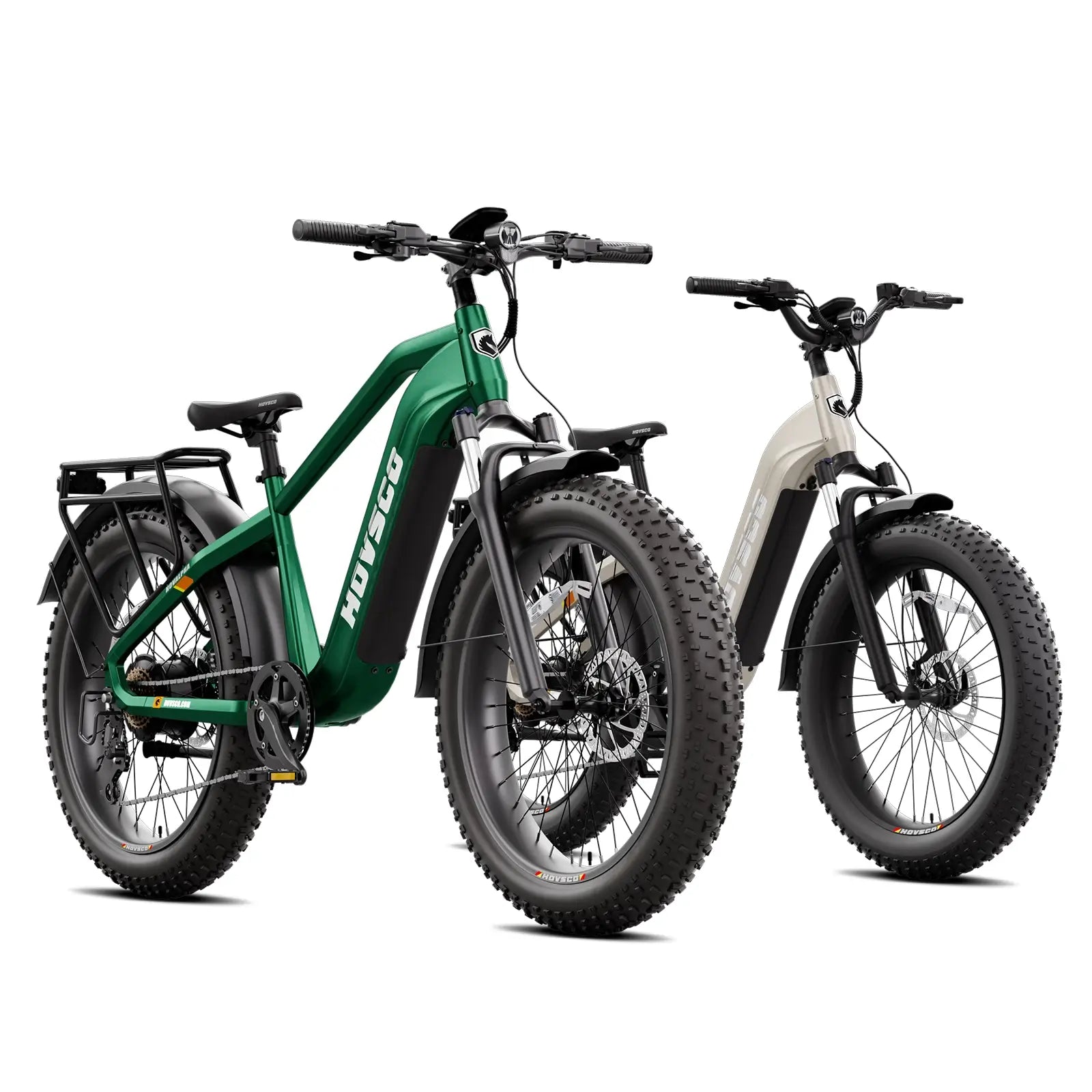
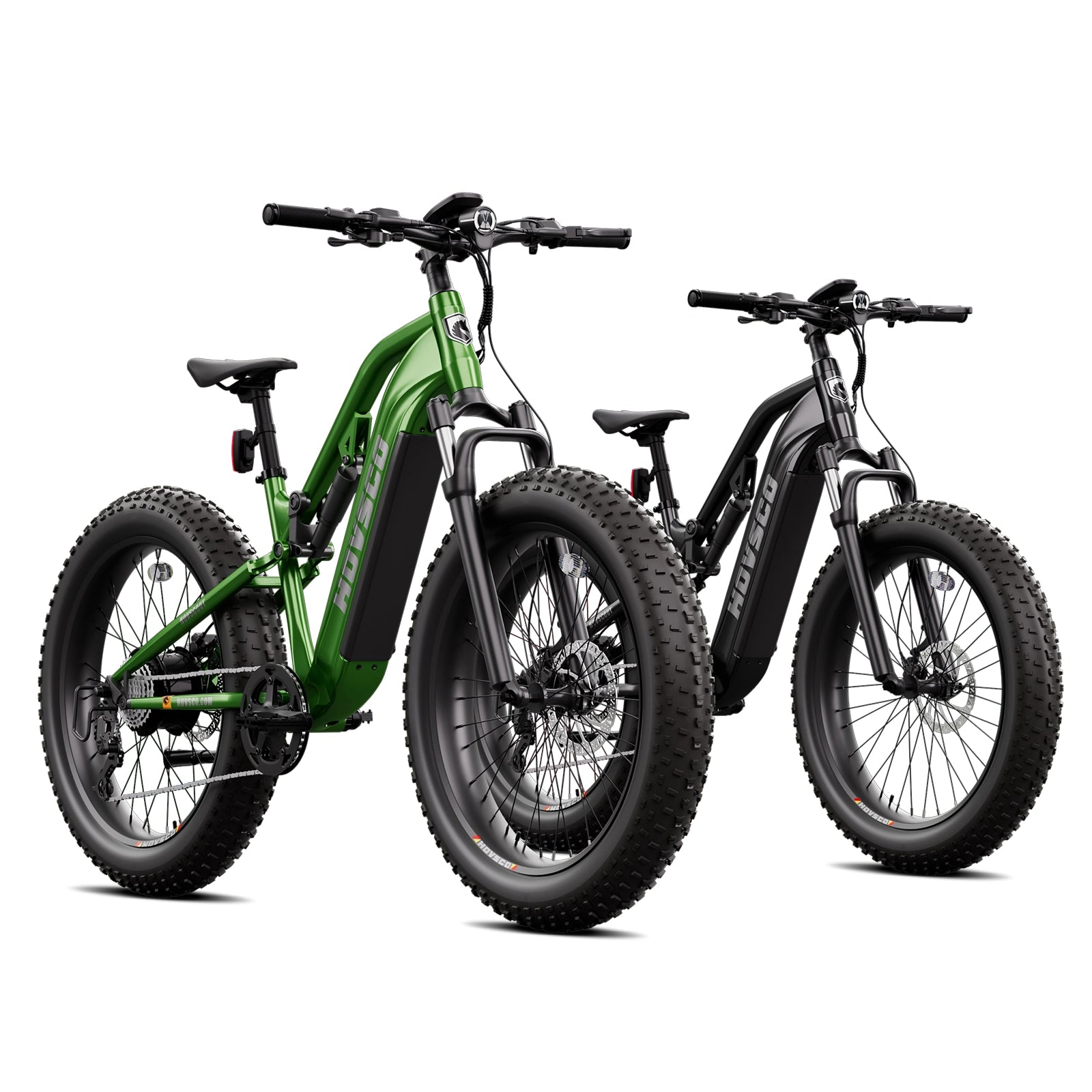
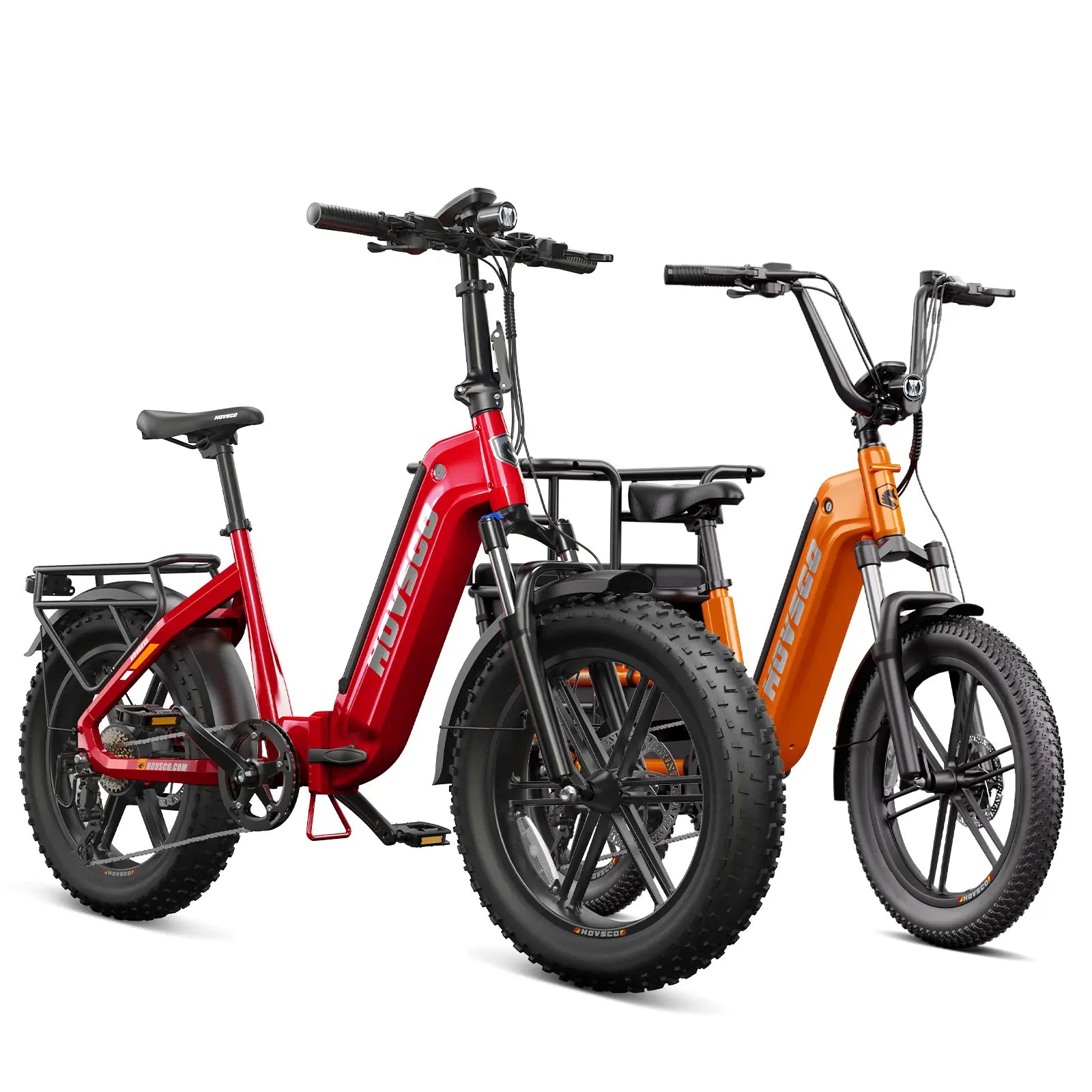
![[ New Arrival ] Porto Max Electric Scooter For Commute & Grocery Shopping - HOVSCO](http://www.hovsco.com/cdn/shop/files/PotroMax-3.jpg?v=1706927007&width=1200)
Share:
Are Moped-Style E-Bikes the Best Option for City Commuting?
Are Leather Saddles the Best Accessory for Retro Electric Bikes?