







![[ New Arrival ] Porto Max Electric Scooter For Commute & Grocery Shopping - HOVSCO](http://www.hovsco.com/cdn/shop/files/PotroMax-3.jpg?v=1706927007&width=1200)
- by SEO
Are Compact Cargo Bikes the Future of Urban Storage?
- by SEO
E-Bikes
Accessories
 Free Shipping
 15-Day Returns
 2-Year Warranty
Free Shipping
15-Day Returns
2-Year Warranty
2-Year Warranty
Free Shipping
15-Day Returns
2-Year Warranty
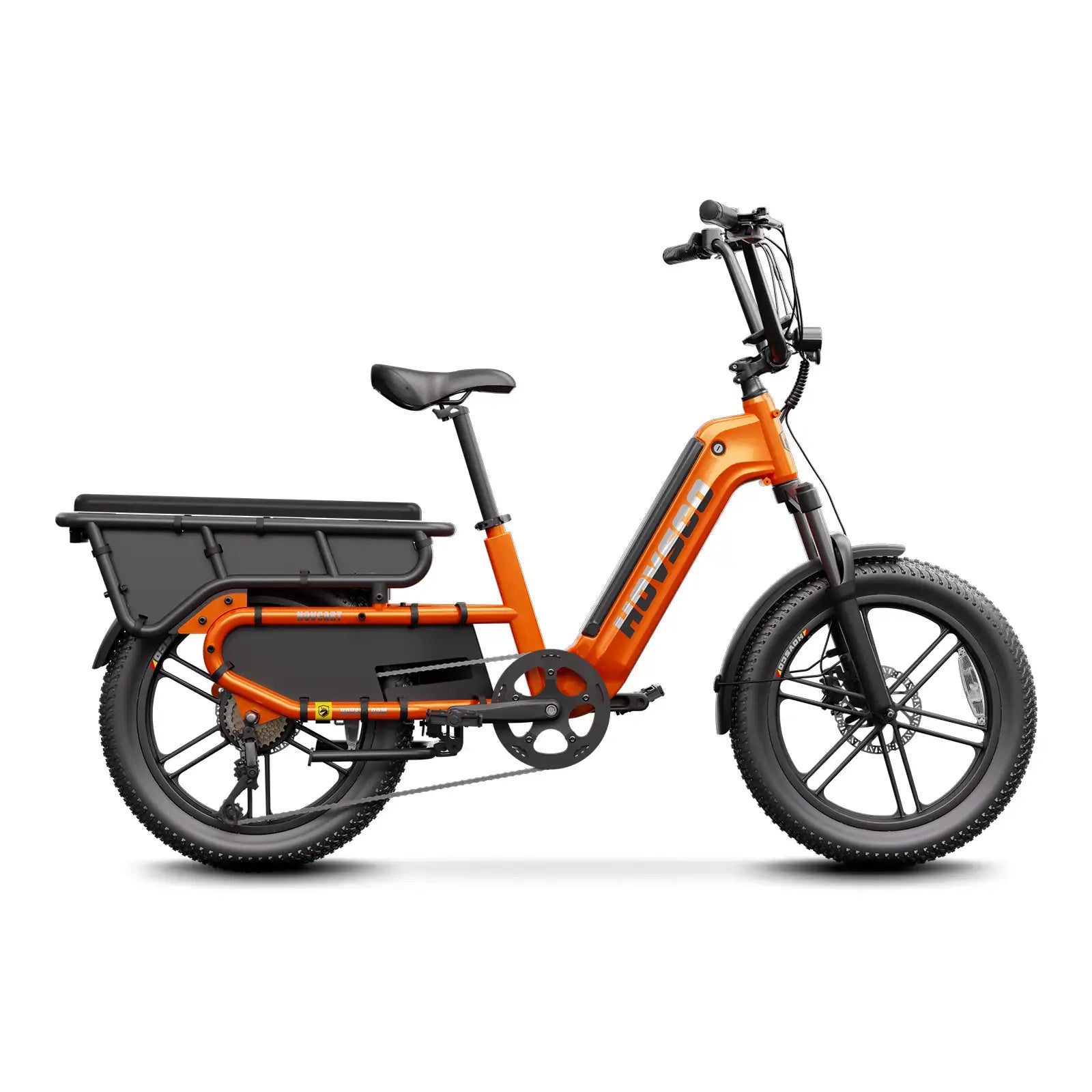
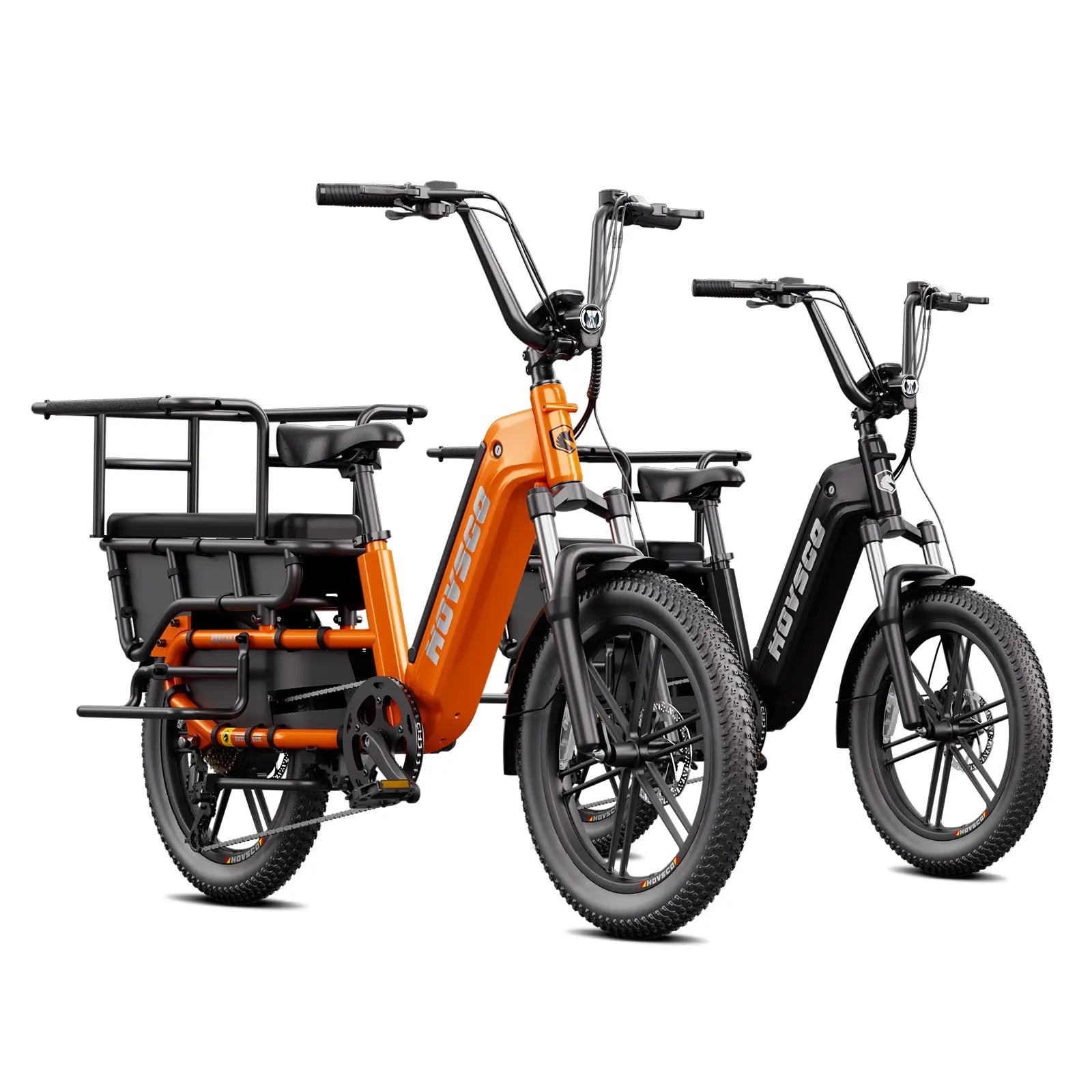
Compact cargo bikes are rapidly becoming essential in modern cities because they balance growing transport needs with tight living spaces. As urban infrastructure evolves, riders increasingly prioritize shorter wheelbases, modular frames, and vertical storage compatibility. These designs allow families to benefit from cargo capacity without sacrificing apartment or garage usability.
Which Cargo Bike Is Best for Families and Daily Hauling?
Compact cargo bikes are gaining traction due to changing urban infrastructure, limited storage space, and increased demand for flexible transportation solutions.
Cities are redesigning streets around people rather than cars. I’ve seen this firsthand when testing bikes in dense neighborhoods: curb extensions and protected lanes now favor wider bikes, but storage hasn’t caught up. That tension is pushing innovation toward Compact cargo bikes that balance payload and footprint.
Municipal e-mobility programs are also incentivizing cargo bike adoption, but many overlook storage constraints. This mismatch is why Micro-mobility storage solutions are now as important as motor power or battery size.
Urban infrastructure changes directly affect bike geometry, size, and usability requirements.
Wider bike lanes and cargo-friendly curbs encourage larger frames, but residential constraints force designers to rethink length and height. In my experience working with frame geometry, reducing wheelbase by even 200 mm dramatically improves indoor maneuverability without sacrificing stability.
Urban infrastructure also pushes integration of folding handlebars and adjustable racks, making Compact cargo bikes viable in apartments while still aligning with Municipal e-mobility programs.
Vertical storage solves the biggest urban challenge: limited floor space in garages and apartments.
A Vertical garage mount allows riders to store bikes upright, reducing footprint by up to 70%. However, not all cargo bikes are structurally suited for this. I’ve tested frames where uneven weight distribution caused stress at the head tube when mounted vertically.
This is where Micro-mobility storage innovation matters. Brands like HOVSCO are increasingly engineering frames with reinforced mounting points specifically for Vertical garage mount systems.
Compact cargo bikes offer easier storage and maneuverability, while long-tail bikes provide higher payload capacity.
From a design perspective, Compact cargo bikes trade maximum load for usability. In real-world testing, most urban families rarely exceed 60% of long-tail capacity, making compact designs more practical within evolving Urban infrastructure.
The best solutions combine vertical mounting, wall reinforcement, and modular accessories.
In tight garages, I recommend a Vertical garage mount anchored into studs with at least 150 kg load capacity. Many riders underestimate dynamic loading when lifting the bike into place.
Micro-mobility storage systems are also evolving to include pulley-assisted lifts and rotating mounts. These innovations align with Municipal e-mobility programs encouraging adoption without addressing storage limitations.
Yes, for many urban households, compact cargo bikes can replace cars for daily tasks.
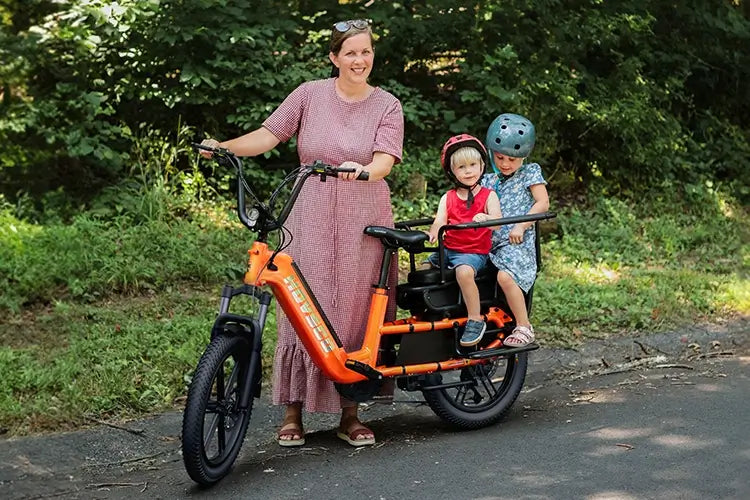
In practice, I’ve seen families transition entirely by pairing Compact cargo bikes with smart route planning. The key is matching cargo capacity to actual needs, not worst-case scenarios.
Urban infrastructure improvements and Municipal e-mobility programs make this shift easier, but storage remains the bottleneck. That’s why Micro-mobility storage solutions are critical to full adoption.
Municipal e-mobility programs accelerate adoption through incentives, infrastructure, and policy support.
However, most programs focus on purchase subsidies rather than storage education. From an industry standpoint, this creates friction after purchase. Riders quickly realize that Urban infrastructure supports riding—but not storing.
Forward-thinking cities are now integrating Micro-mobility storage into building codes, a move that will further boost Compact cargo bikes adoption.
Choose based on total length, handlebar width, and vertical compatibility.
From my engineering perspective, the critical threshold is 2.1 meters. Anything longer becomes difficult to store vertically in standard garages. Also, check weight distribution—front-heavy bikes are harder to mount on a Vertical garage mount.
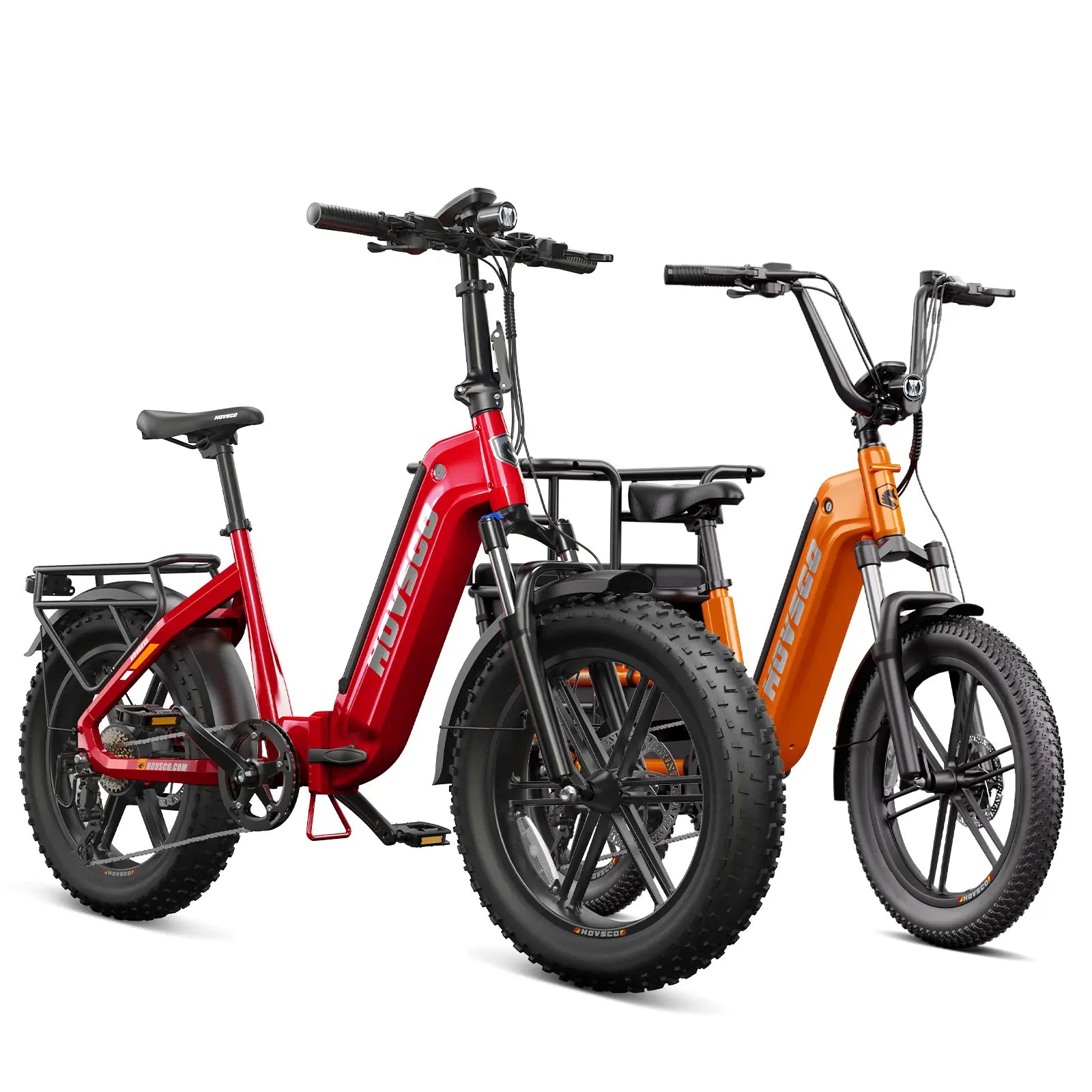
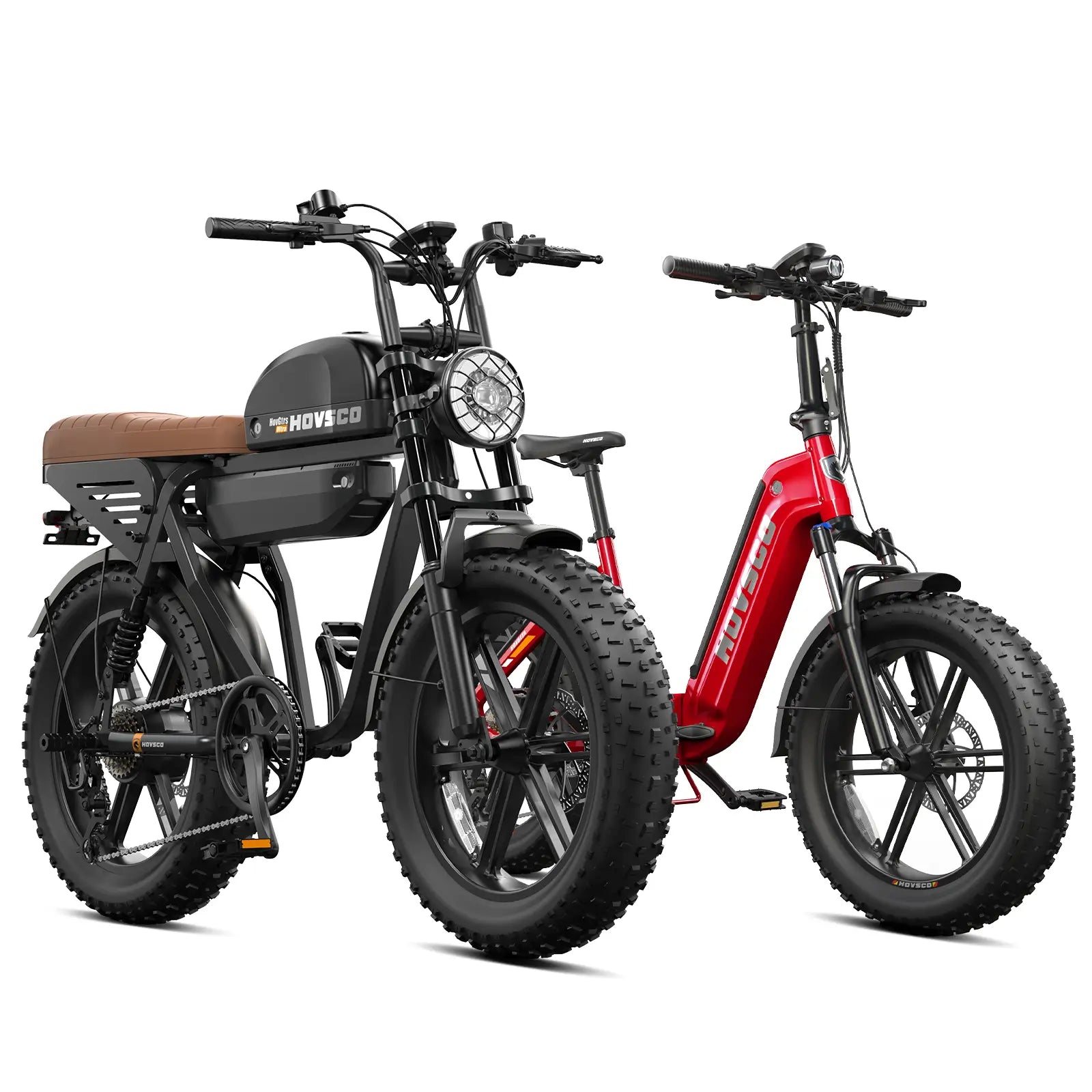
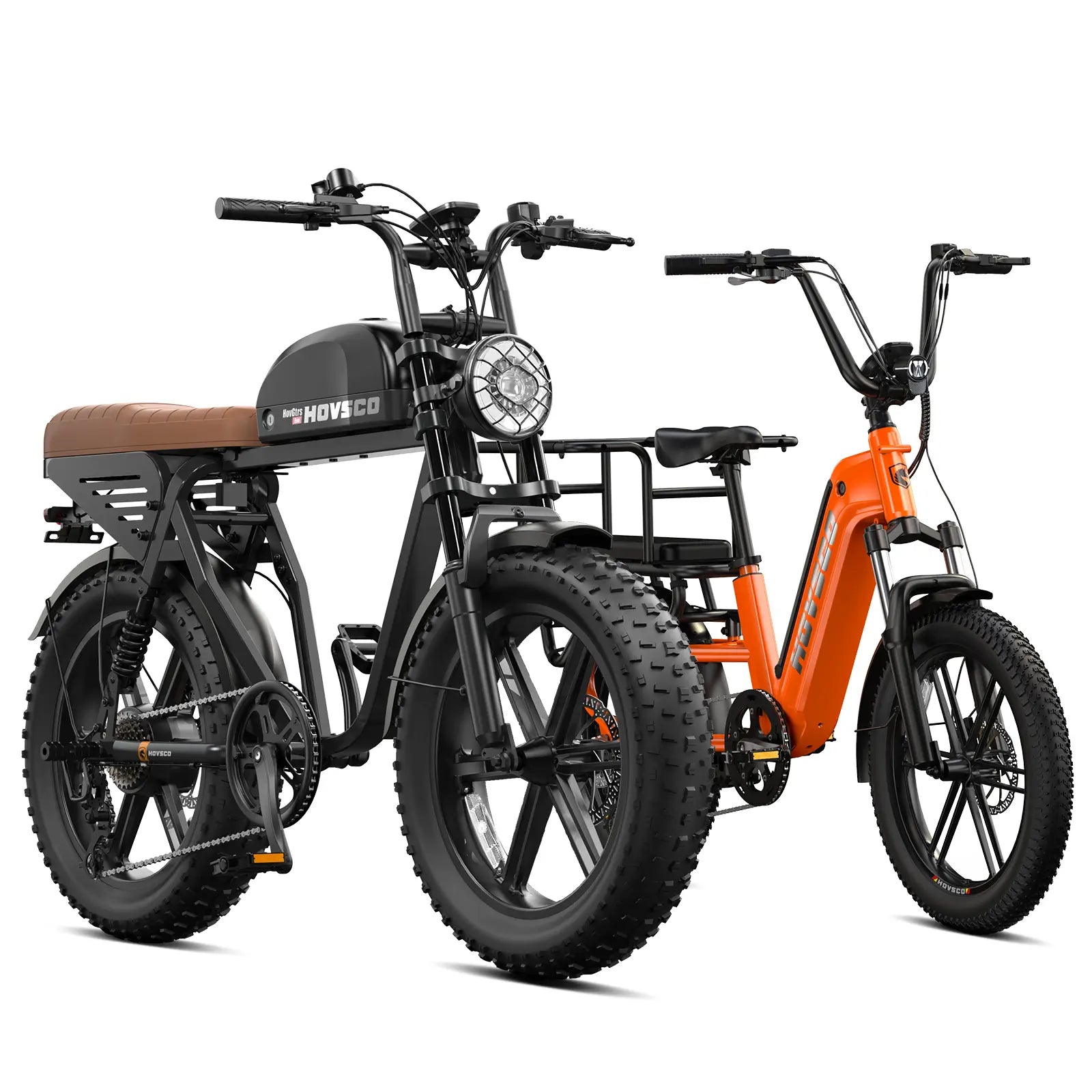
Brands like HOVSCO are designing Compact cargo bikes with storage in mind, integrating balanced frames and mounting-friendly geometry that aligns with modern Urban infrastructure needs.
Yes, when properly installed and matched to the bike’s weight and geometry.
In my testing, the biggest failure point isn’t the mount—it’s the wall anchor. Always secure into structural studs. Micro-mobility storage safety is often overlooked, but it’s critical for long-term use.
“Designing for urban riders today means solving two problems at once: movement and storage. At HOVSCO, we approach Compact cargo bikes with a systems mindset—frame geometry, weight distribution, and mounting compatibility must all work together. Urban infrastructure is evolving fast, but storage remains the hidden constraint. The brands that win will be those that treat Micro-mobility storage as a core design feature, not an afterthought.”
The rise of Compact cargo bikes reflects a deeper shift in how cities function. Urban infrastructure and Municipal e-mobility programs are enabling new forms of transportation, but storage remains the critical barrier.
To adapt, riders should prioritize bikes under 2.1 meters, invest in a reliable Vertical garage mount, and evaluate real-world cargo needs rather than theoretical maximums. Brands like HOVSCO are already addressing these challenges by integrating storage-aware design.
Ultimately, the future of urban mobility will not just depend on how we ride—but where and how we store.
What size cargo bike fits in a standard garage?
Most garages comfortably fit bikes under 2.1 meters, especially when using a Vertical garage mount for space efficiency.
Are compact cargo bikes powerful enough for hills?
Yes, modern models offer strong motors and torque, making them suitable for urban gradients and daily commuting.
Do I need special walls for vertical bike storage?
Yes, secure installation into wall studs or reinforced surfaces is essential for safe Micro-mobility storage.
How do municipal programs support cargo bike users?
Municipal e-mobility programs often provide subsidies, infrastructure improvements, and sometimes parking or storage incentives.
Is HOVSCO a good choice for urban cargo bikes?
HOVSCO designs bikes with urban practicality in mind, including balanced geometry and compatibility with modern storage solutions.
Share:
Are Cargo E-Bikes Reshaping Urban Mobility?
How Do 2026 E-Bike Regulations Affect Family Bikes?