



![[ New Arrival ] Porto Max Electric Scooter For Commute & Grocery Shopping - HOVSCO](http://www.hovsco.com/cdn/shop/files/PotroMax-3.jpg?v=1706927007&width=1200)
- by SteveJames
What Should You Check Before Buying a High-Payload E-Bike?
- by SteveJames
E-Bikes
Accessories
 Free Shipping
 15-Day Returns
 2-Year Warranty
Free Shipping
15-Day Returns
2-Year Warranty
2-Year Warranty
Free Shipping
15-Day Returns
2-Year Warranty
A high-payload electric bike should be evaluated on its published total payload rating (rider plus cargo), frame and wheel construction, motor torque, core safety components like hydraulic disc brakes and a torque sensor, and local Class 1–3 regulations. Confirm component-level limits, not just the headline number, and test-ride under a realistic load before purchase. This checklist walks through every category before you shortlist a best high payload electric bike.
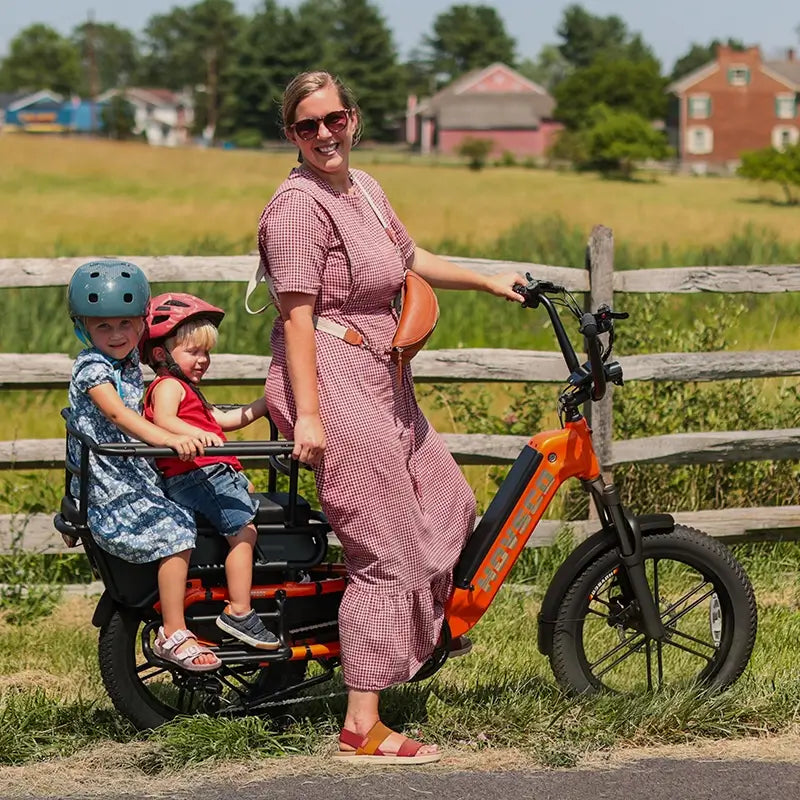
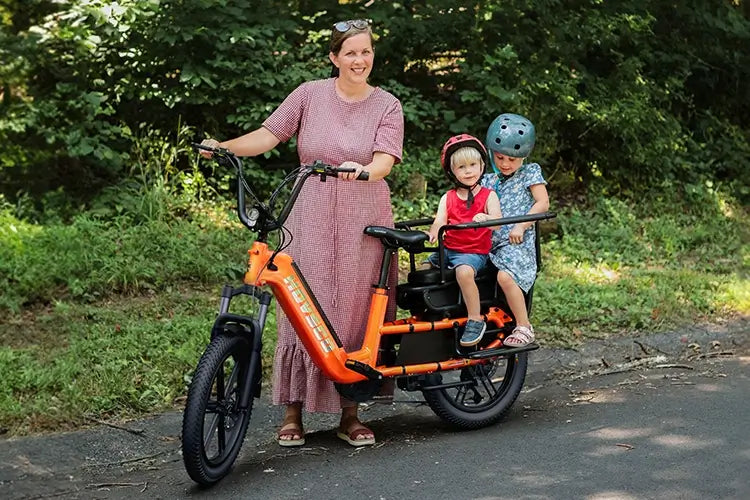
A high-payload electric bike is generally one rated to carry 400 lbs or more in total payload, combining rider body weight, clothing, cargo, and any rack or basket load. Anything below roughly 300 lbs is considered standard capacity, while cargo-specific frames can exceed 450–550 lbs depending on construction.
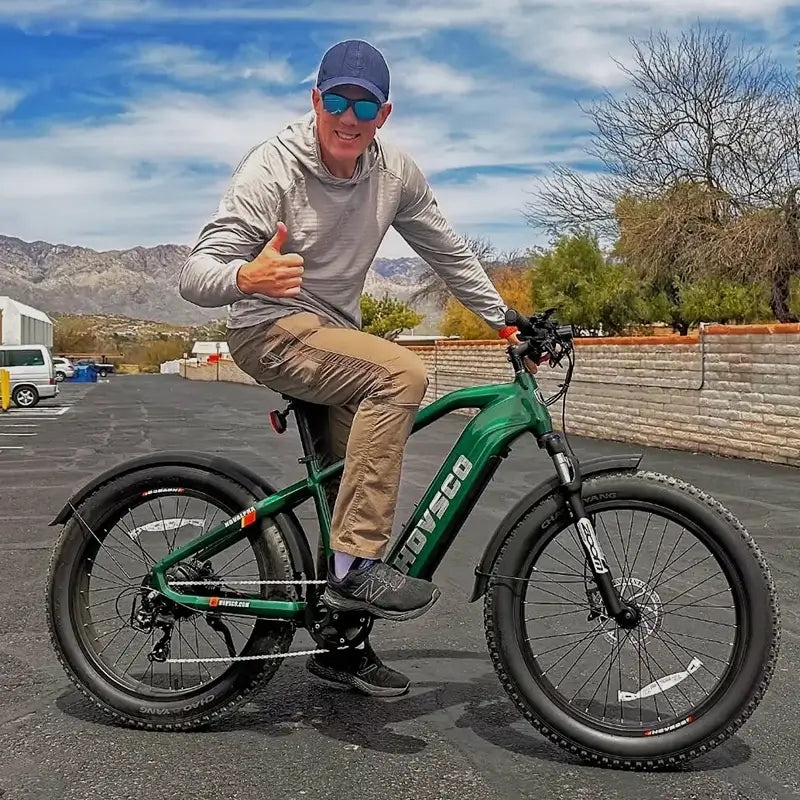
The industry doesn't use a single legal cutoff for "high-payload," so the number is really a manufacturer engineering claim rather than a certified class. That said, most models marketed this way share a few traits: reinforced aluminum or steel frames, wider fat tires (20x4" or similar), and hub or mid-drive motors rated at 750W nominal. I've seen buyers assume "high-payload" automatically means "cargo bike," but plenty of standard-looking commuters and fat-tire trail bikes now carry 400+ lb ratings without a cargo rack in sight. When you're comparing spec sheets, check whether the payload figure already includes the bike's own weight or excludes it — this single wording difference changes the real-world number by 60–90 lbs. A removable battery is worth checking here too, since it affects both how the payload figure is measured and how easy the bike is to charge or swap on the go.
The specs that matter most are total payload rating, motor torque (Nm), battery capacity (Wh), frame material, wheel spoke count, and brake rotor size. Torque above 80 Nm and at least 32 spokes per wheel are practical minimums for sustained heavy loads on hills or rough terrain.
Payload capacity numbers on a box or product page rarely tell you how that number was reached, and that's where a factory-floor perspective helps. A frame can be rated for 450 lbs statically, but the component that fails first under repeated dynamic loading — potholes, curb hops, stop-and-go braking — is almost always the wheel, not the frame tube. Spoke count and gauge matter more than most buyers realize; a 36-spoke wheel with 13-gauge spokes distributes load far more evenly than a lighter 28-spoke wheel, even if both are marketed under the same bike-wide payload figure. Hydraulic disc brakes and a responsive torque sensor are two components worth treating as non-negotiable line items rather than nice-to-haves, since both directly affect control once total weight climbs. Below is a quick reference for the specs worth scrutinizing on any best high payload electric bike shortlist.
Match frame fit by comparing your height and inseam against the manufacturer's geometry chart, then verify the wheel and rack ratings separately from the bike-wide payload figure. A frame rated for 450 lbs is only as strong as its weakest attached component — usually the rack or the rear wheel.
Fit isn't only about standover height and reach, though those remain essential first checks. On payload-rated bikes, frame geometry also affects how weight is distributed across the wheelbase. A longer wheelbase, common on cargo and longtail designs, keeps the center of gravity lower and more centered when the rear rack is loaded, which noticeably improves low-speed balance compared to a standard-geometry frame with an aftermarket heavy-duty rack bolted on. When I've compared component sheets across brands, the rack rating is frequently lower than the total bike payload rating — some brands cap the rear rack at 330 lbs even when the frame itself is rated to 450 lbs. Always check rack, fork, and seatpost limits individually rather than assuming the headline number applies to every attachment point. A smart LCD display that shows real-time torque or power draw can also help you gauge, ride by ride, whether you're approaching a component's practical limit rather than just its rated one.
Motor torque matters more for hill-starts and loaded acceleration, while battery size matters more for maintaining range as total weight increases. Both interact: higher torque draws more current per pedal stroke, so a heavy-duty motor without a correspondingly large battery will lose range faster under load than the Wh rating alone suggests.
A torque sensor, rather than a cadence sensor, becomes increasingly valuable as payload rises. Torque sensors measure actual pedaling force and scale motor output proportionally, which means the bike responds to how hard you're working rather than firing a fixed preset power level the instant the pedals rotate. Under a loaded cargo rack or a heavier rider, a cadence-sensor bike often either underpowers on the first pedal stroke of a hill start or overshoots with a jerky burst — neither is ideal when you're balancing extra weight at low speed. In my experience reviewing spec sheets and rider reports side by side, bikes pairing 80 Nm-plus torque with a torque sensor and 700+ Wh removable batteries hold their assist curve far more consistently past the 350-lb combined-load mark than lower-torque, cadence-only setups, and a bike offering 60-80 miles of range gives you real cushion once that combined weight is factored in.
Maintain a high-payload e-bike with more frequent wheel-truing checks, brake pad inspections, and spoke-tension "twang" tests than a standard bike, since heavier loads accelerate wear on wheels and brakes specifically. Battery care — partial charging and moderate storage temperature — also protects range retention over multiple seasons of heavier use.
Component wear doesn't scale evenly across a heavily loaded e-bike. Brake pads and rotors wear noticeably faster because stopping a heavier combined mass requires more kinetic energy dissipation per stop, so I'd recommend inspecting pad thickness roughly every 500 miles rather than the 1,000-mile interval typical for lighter commuter bikes — hydraulic disc brakes make this easier to judge, since lever feel changes predictably as pads wear. Spokes should get a quick tension check monthly if you're regularly near the top of the payload rating — a loose spoke under heavy load can snowball into wheel taco failure faster than on a lightly loaded bike. Chain and drivetrain wear also accelerates under sustained torque, so cleaning and lubricating more frequently protects against premature stretch. A removable battery simplifies this routine too, since it can be pulled off for cleaning around the mounting area without disturbing the rest of the electrical system. None of this is dramatic extra work, but skipping it on a heavily loaded bike has faster consequences than on a standard commuter. Assembly for most high-payload models takes about 45-60 minutes out of the box, and that same setup window is a good opportunity to torque-check bolts and confirm brake alignment before the first ride.
Steep or sustained hill climbs, wet or loose terrain, and repeated stop-and-go city riding all reduce the effective, comfortable payload capacity below the bike's rated maximum. Manufacturers rate payload under near-ideal static or moderate conditions, so real-world margins should be built in for anything beyond flat, dry pavement.
This is one area where published specs can mislead buyers who don't ride in ideal conditions. A bike rated to 450 lbs on a flat test track may feel noticeably strained hauling that same weight up a 10% grade, especially if the motor's continuous torque output (not just its peak) is modest. Wet weather also reduces effective traction and braking performance, which matters more when total mass is higher — stopping distances increase disproportionately, not linearly, with added weight, and this is exactly where hydraulic disc brakes earn their keep over cheaper mechanical setups. As a practical rule I've applied when advising on bike selection: treat the published maximum as a lab number and plan your everyday load around 80–85% of that figure if your routes include hills, wet climates, or frequent stop-and-go traffic.
High-payload e-bikes are legal under the same federal Class 1, 2, and 3 e-bike framework as standard e-bikes — legality depends on motor wattage and top assisted speed, not payload rating. Most US states cap motor output at 750W nominal and assisted speed at 20 mph (Class 1/2) or 28 mph (Class 3, pedal-assist only).
Payload capacity itself isn't regulated by federal or most state law; what's regulated is how the motor engages and how fast it assists. Class 1 e-bikes are pedal-assist only up to 20 mph, Class 2 adds throttle capability up to the same 20 mph cap, and Class 3 allows pedal-assist up to 28 mph but typically excludes throttle-only operation and may restrict access to certain bike paths or trails. A high-payload bike with a 750W motor generally falls into one of these three classes regardless of its weight rating, but local trail and greenway access rules sometimes add extra restrictions for wider or heavier bikes, so checking municipal and trail-specific rules is worth the five minutes it takes before you commit to a route-dependent purchase.
Judge trustworthiness by looking past the payload number itself and checking what stands behind it: warranty length, return window, where the bike ships from, and how accessible support is if something goes wrong. A strong payload rating paired with a short warranty or unclear support is a weaker overall purchase than a slightly lower rating backed by real service infrastructure.
This is a step buyers frequently skip because the spec sheet feels like the whole story, but a heavier-duty bike sees more mechanical stress over its lifespan, so after-sale support matters proportionally more. A 2-year warranty and a 15-day return window give you a real evaluation period once you've loaded the bike the way you actually intend to use it — a quick parking-lot test ride rarely reveals wheel or brake stress that only shows up after a few weeks of real cargo runs. Shipping origin matters too: a bike shipped from a California warehouse with local pickup available typically reaches West Coast buyers faster and with fewer transit-damage risks than one crossing the country. A network of 500+ partner bike shops backed by 24/7 customer service also means that if a wheel needs truing or a brake needs bleeding under warranty, you're not limited to mail-in service alone. None of this replaces checking the mechanical specs first, but it's the difference between a bike that's rated well on paper and one that's realistically supportable for years of heavy use.
"We size wheel spoke counts and rear rack mounting points independently from the frame's static load rating, because in real testing the rack and hub are almost always the first points of stress under sustained heavy use — not the main tube. On our higher-capacity platforms we pair reinforced 20x4-inch wheels with a torque sensor rather than a cadence sensor specifically because torque response scales more predictably once combined rider-and-cargo weight climbs past 300 lbs. Our recommendation to shoppers evaluating any high-payload electric bike, including our own lineup, is to treat the published maximum as an engineering ceiling, not a daily target, and plan routine load around 80% of that figure for long-term component health."
— HOVSCO Product Engineering Team
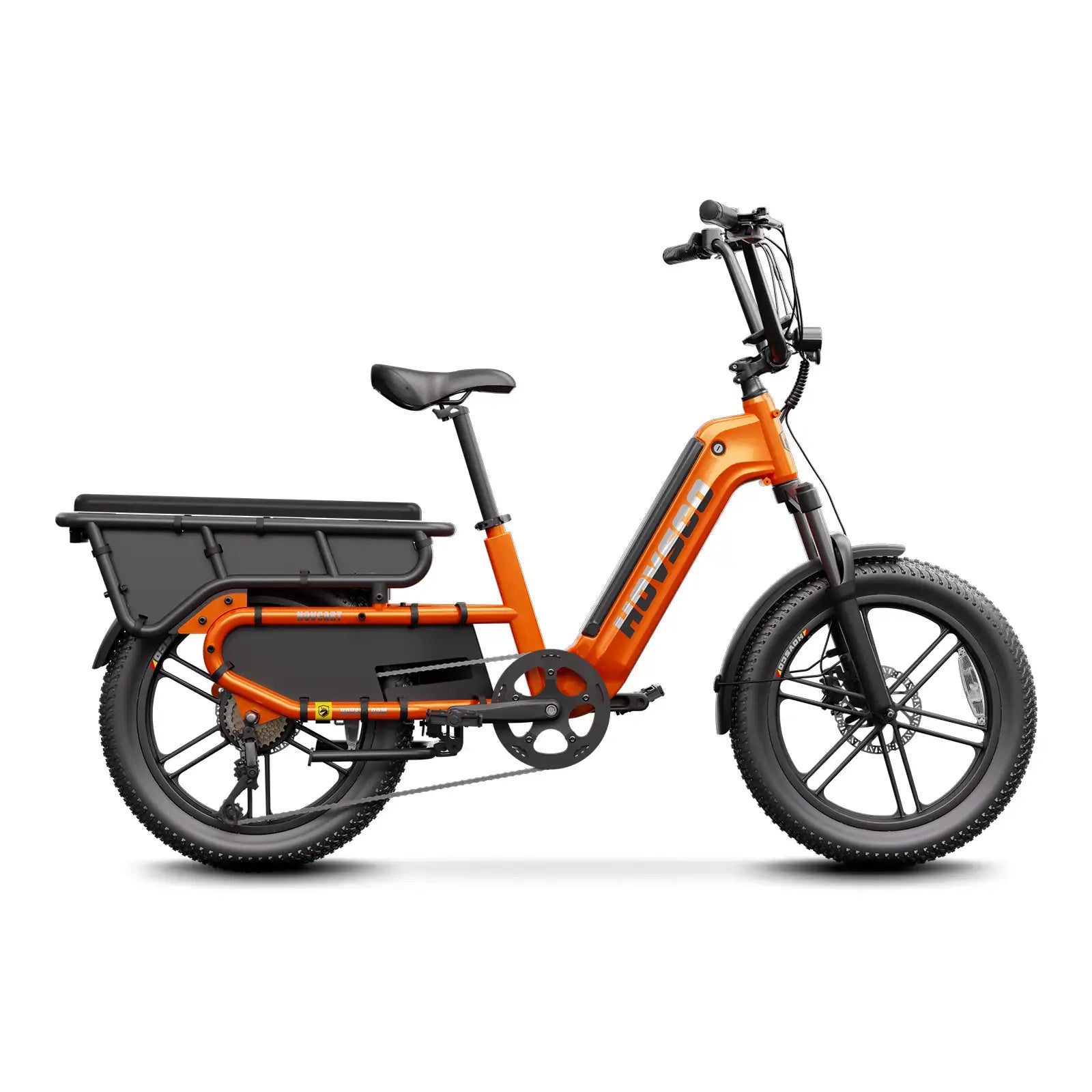
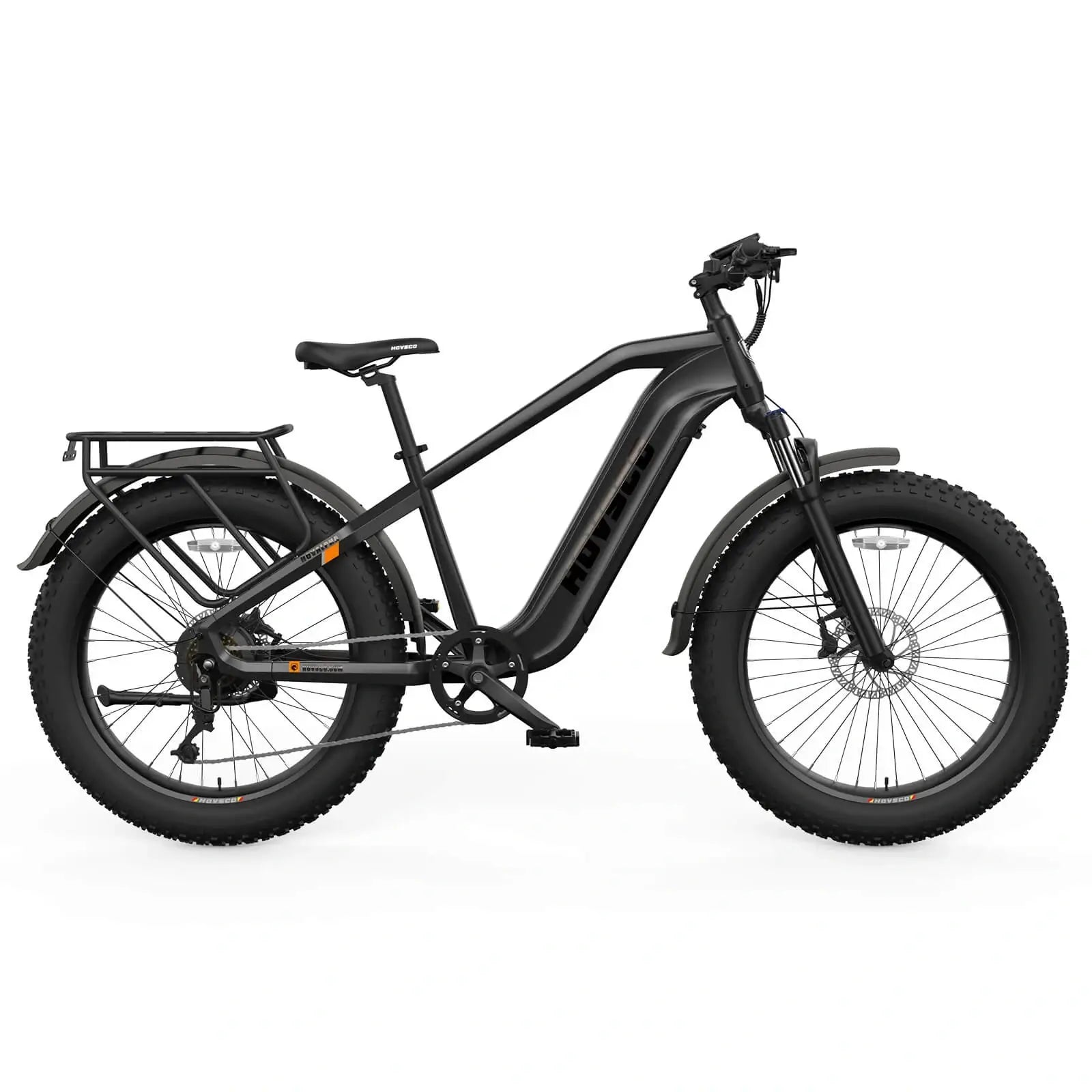
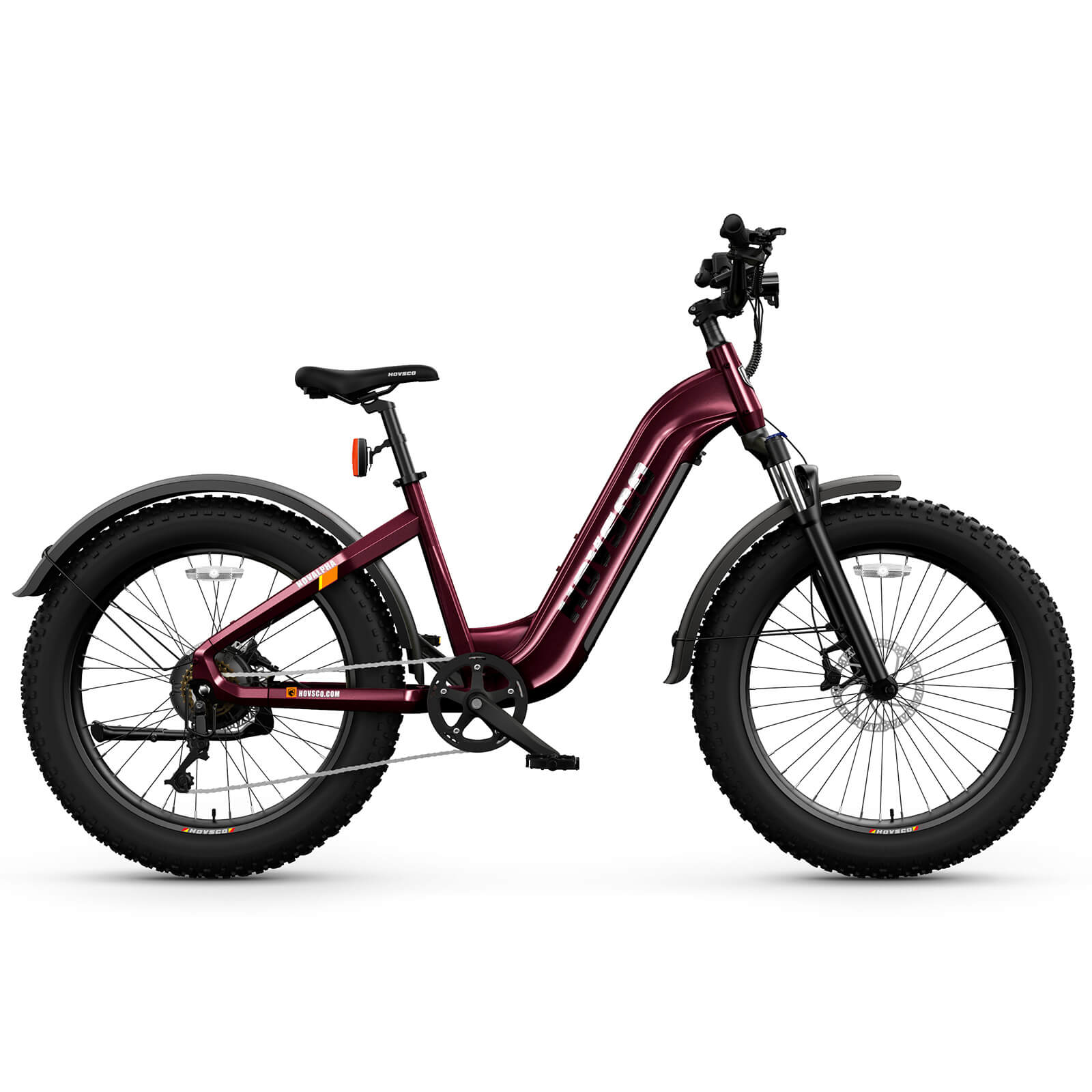
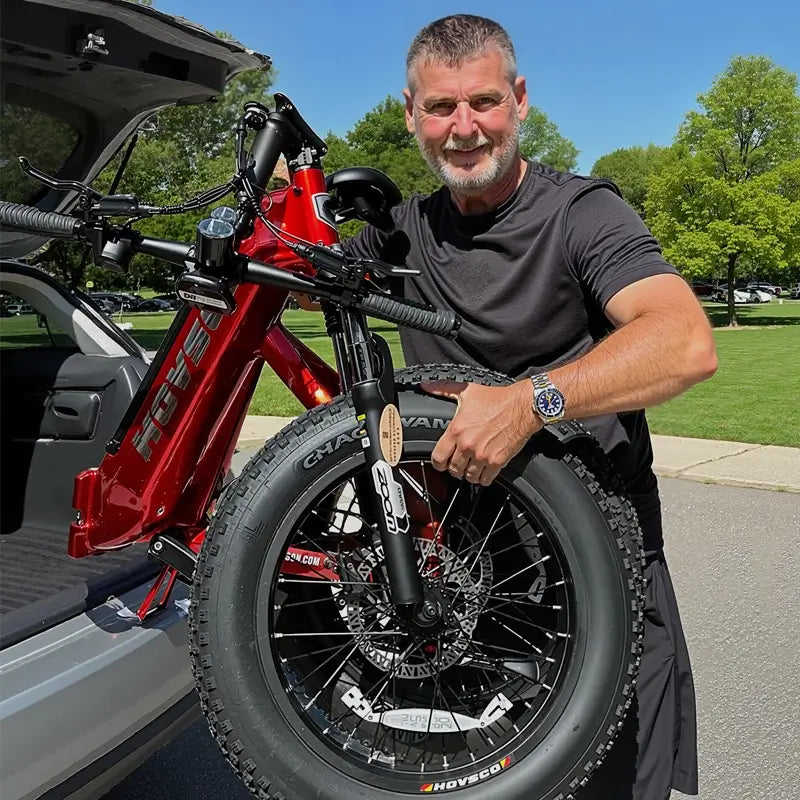
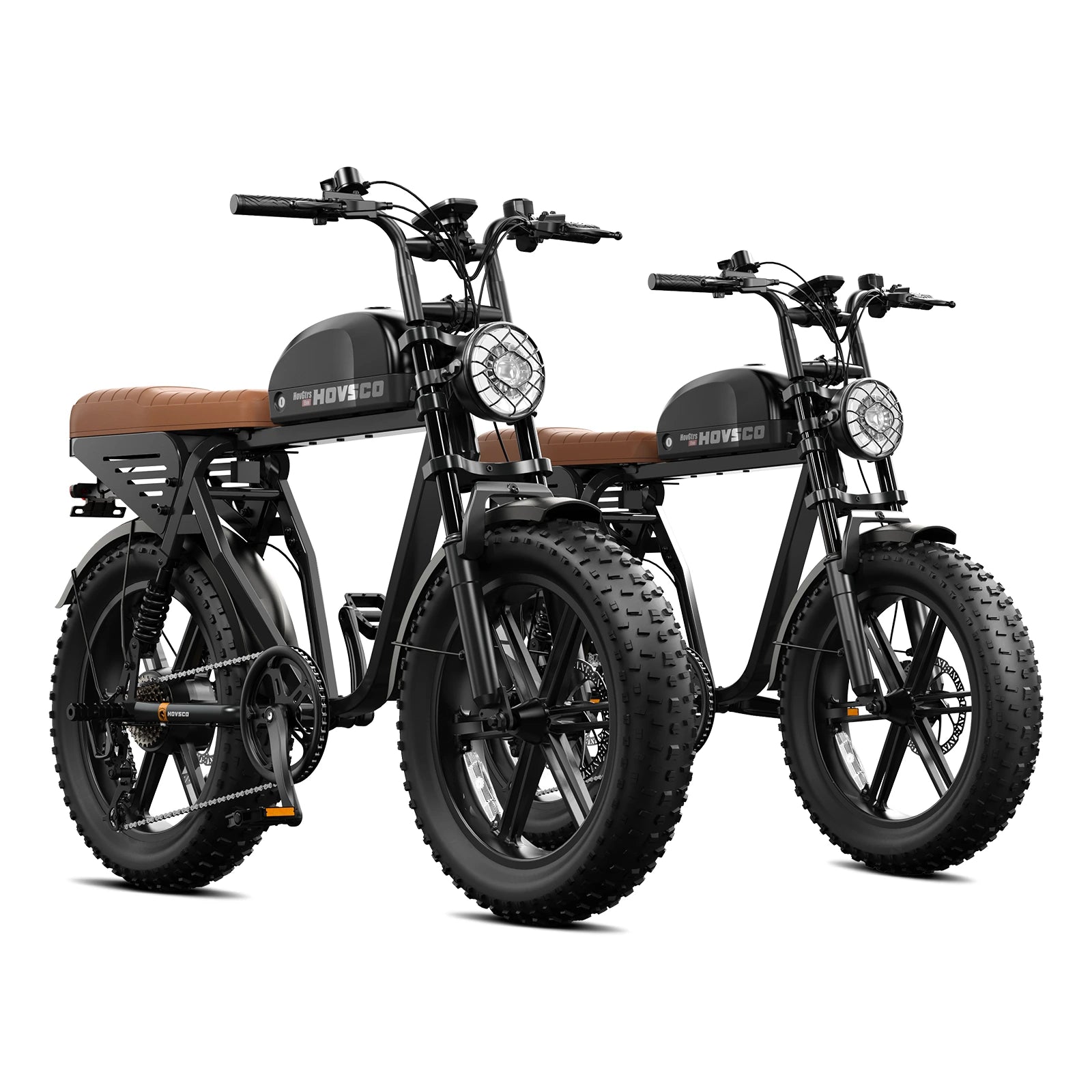
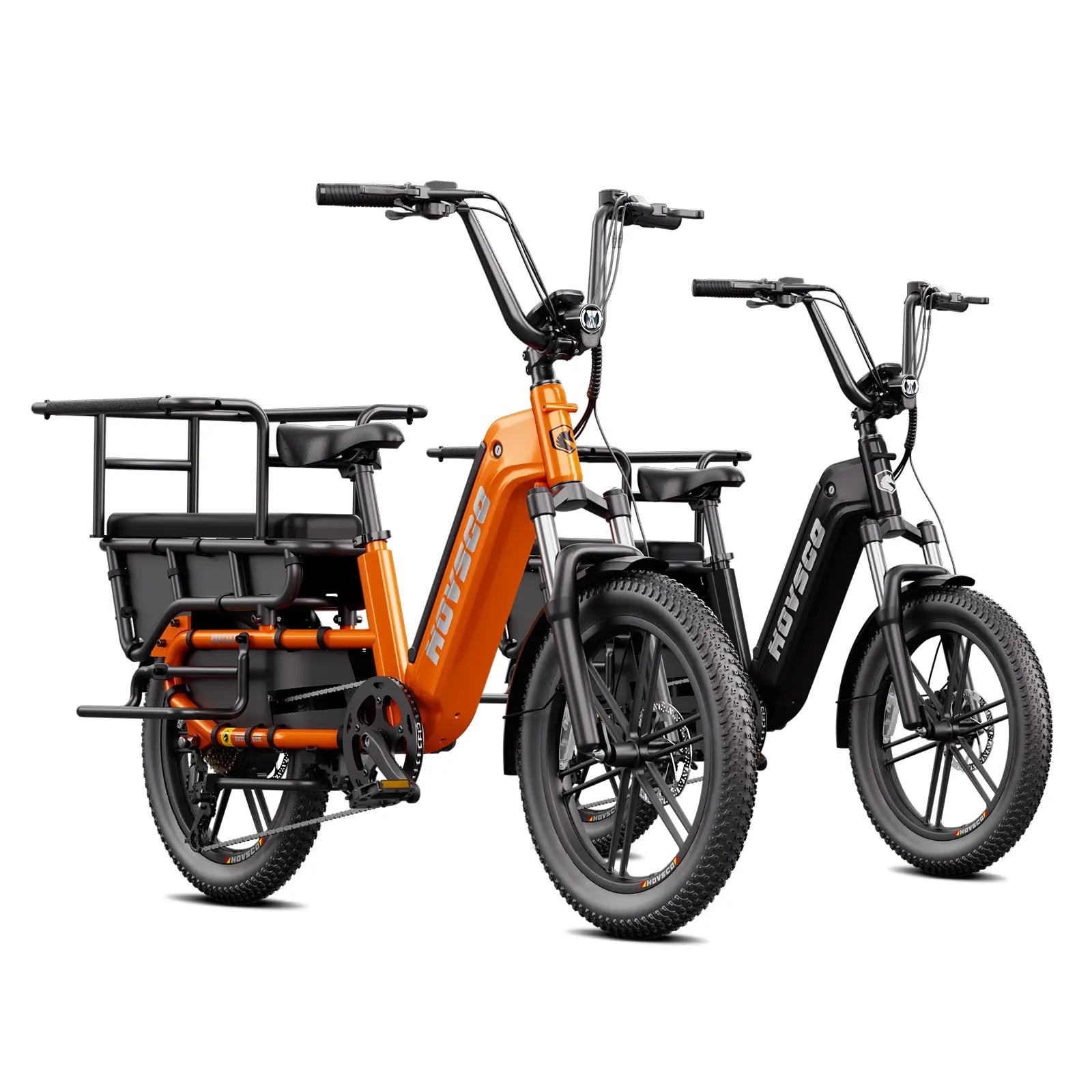
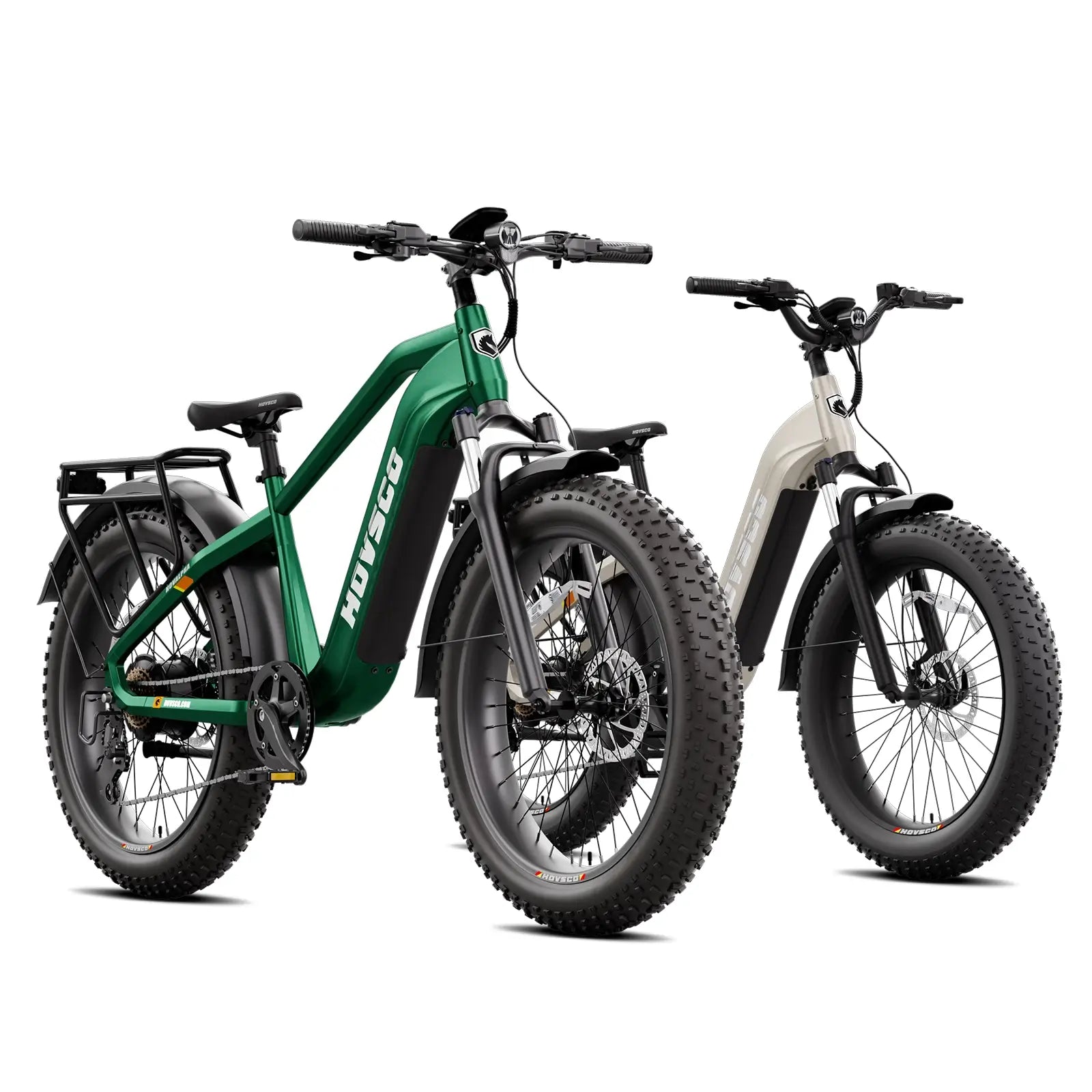
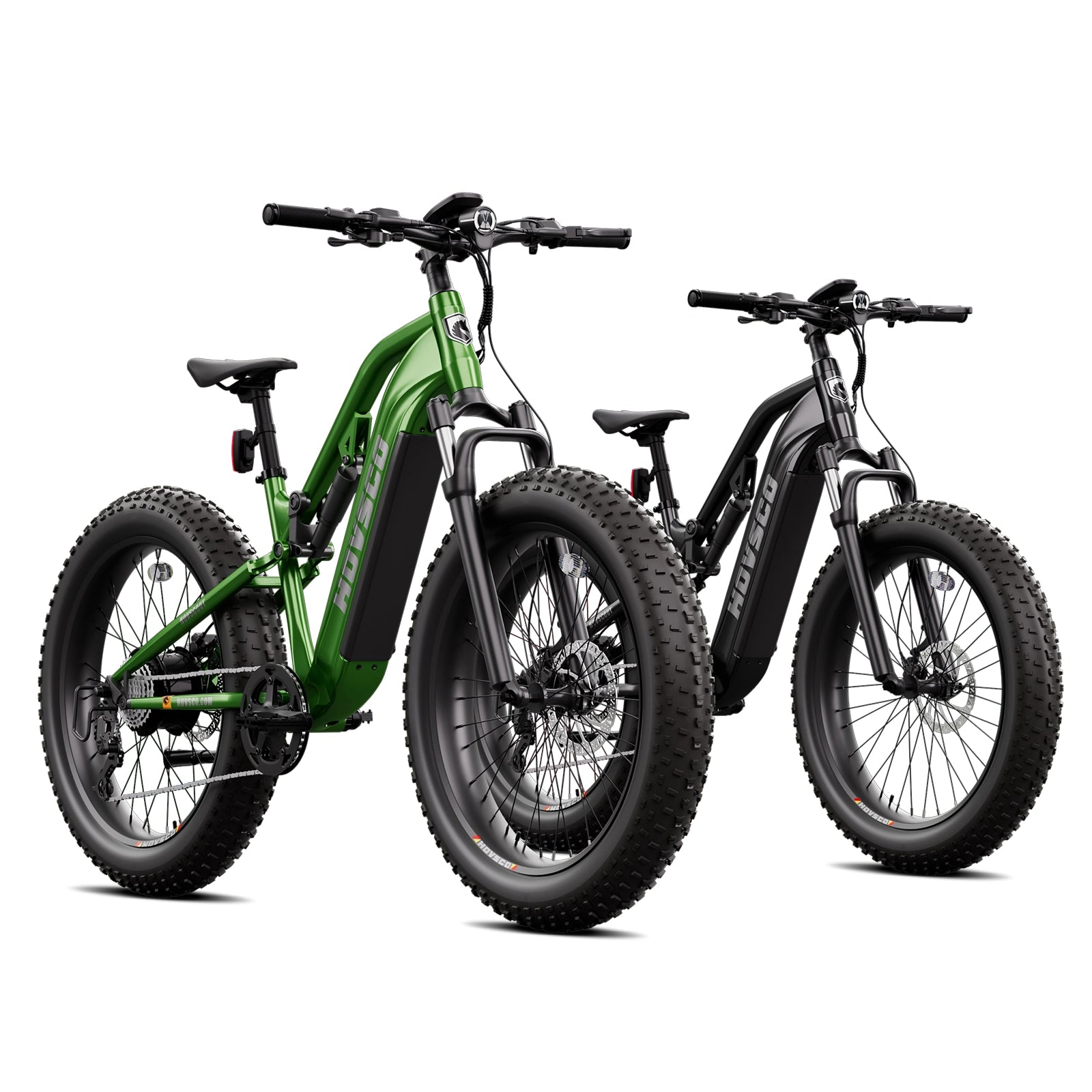
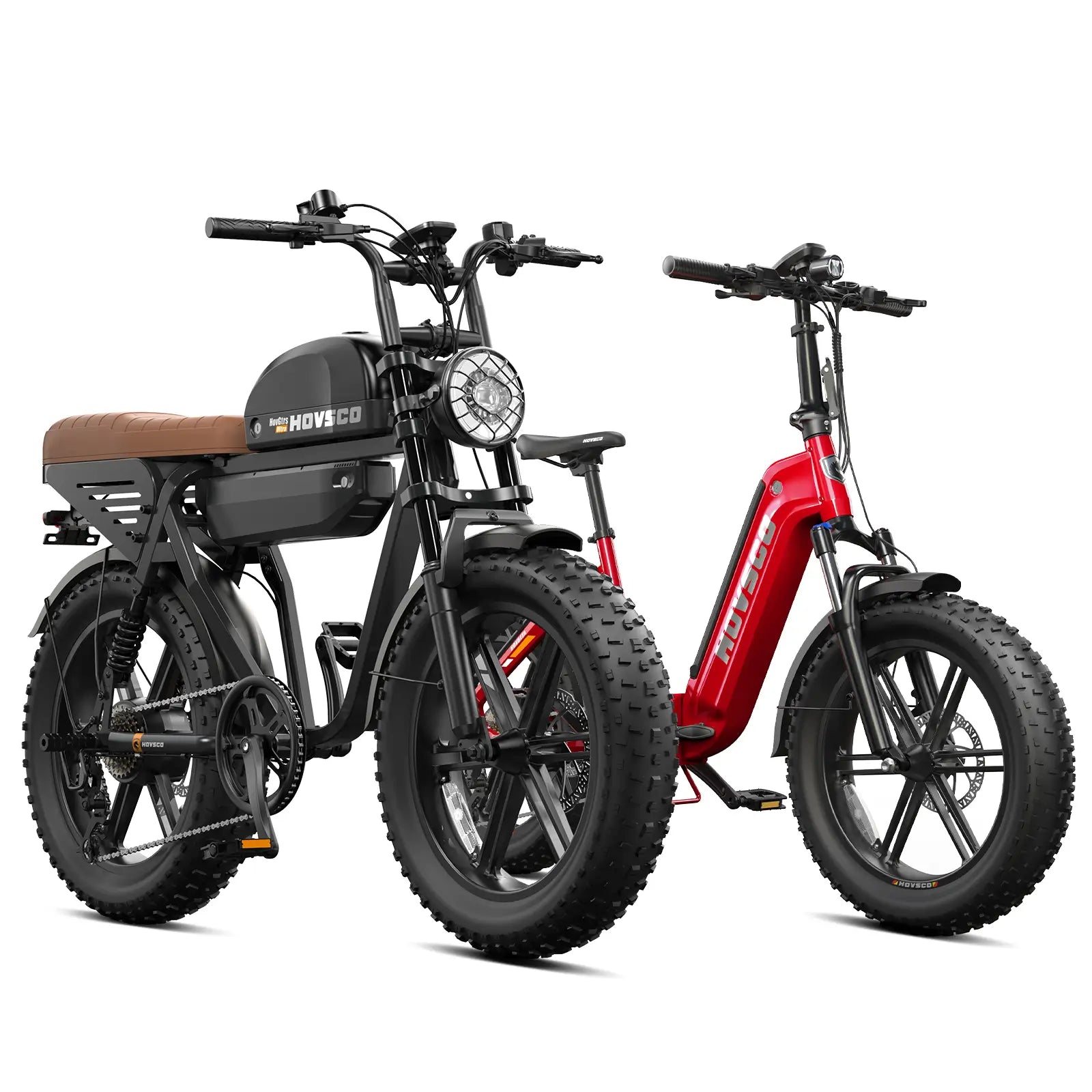
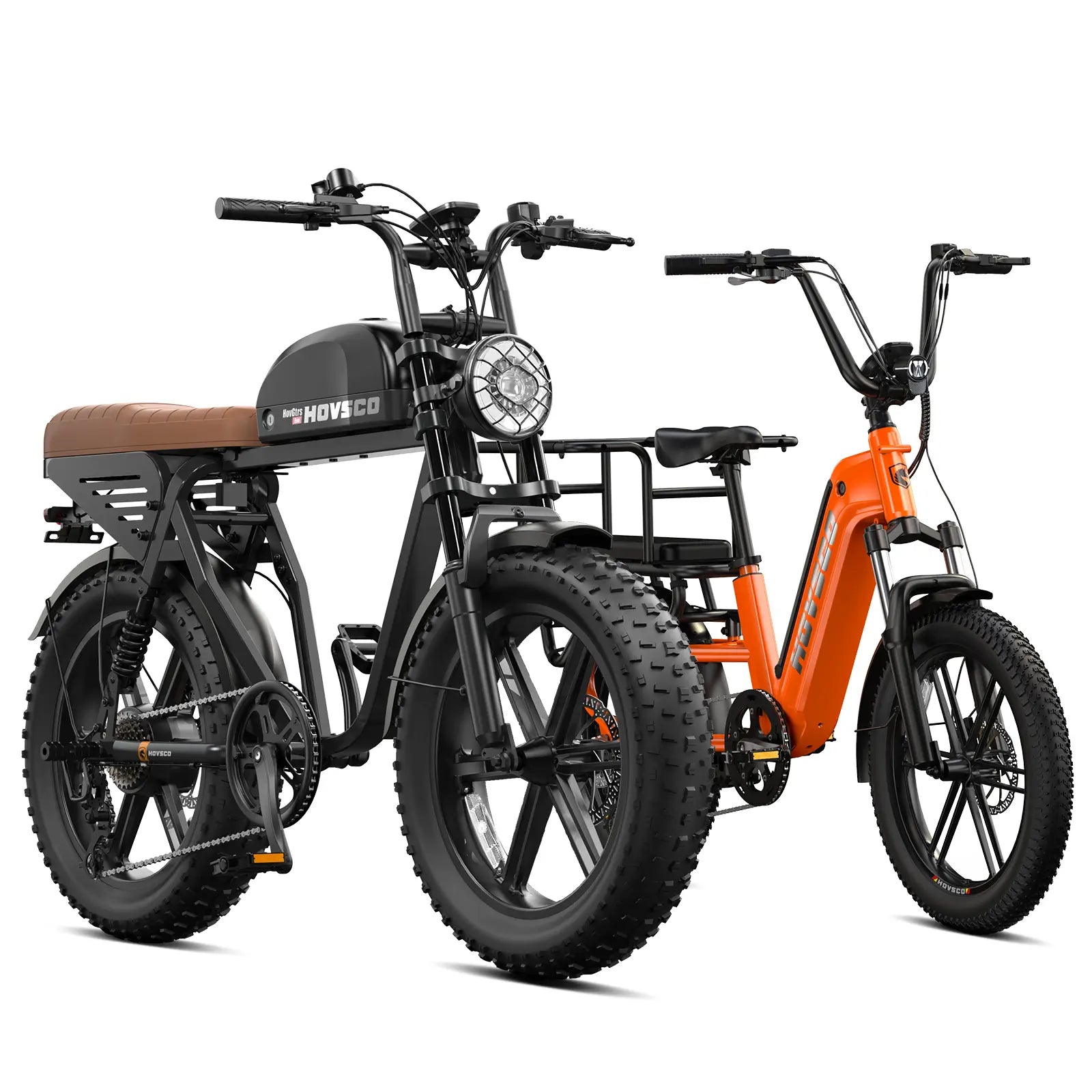
Choosing among high-payload options means separating marketing numbers from engineering reality. HOVSCO's published models — including the HovAlpha and HovCart — list payload ratings up to 450 lbs alongside 750W motors, torque in the 80–90 Nm range, hydraulic disc brakes, and removable batteries delivering 60-80 miles of range, illustrating the spec combination worth comparing against any competitor. Whether or not HOVSCO fits your specific use case, the checklist above — payload definition, component-level ratings, torque and battery pairing, maintenance cadence, real-world condition derating, regulatory class, and after-sale support — applies to evaluating any best high payload electric bike on the market today.
Before finalizing a purchase, calculate your true everyday payload (body weight plus typical cargo), confirm rack and wheel limits separately from the headline figure, check the warranty and return terms, and verify your state and local trail rules for the bike's Class designation. A short test ride under a load close to your real one will tell you more than any spec sheet.
What is considered a good payload capacity for a heavy-duty e-bike?
Most heavy-duty or cargo-focused e-bikes rate between 400 and 450 lbs total payload, with some cargo-specific longtail models exceeding 500 lbs. Anything above 350 lbs is generally considered high-capacity for daily use.
Does a higher payload rating mean a slower or heavier bike?
Not necessarily. Higher-payload bikes often use reinforced frames and wider tires, which can add a few pounds to the bike itself, but motor torque and battery sizing are typically increased to compensate, so performance stays comparable to lighter-rated models.
Can I exceed the published payload rating occasionally without damage?
Occasional small overages are unlikely to cause immediate failure, but repeated or sustained overloading accelerates wear on wheels, brakes, and the frame, and may affect warranty coverage, so it's best treated as a hard limit rather than a flexible guideline.
Do high-payload e-bikes require a special license to ride?
No, as long as the bike falls within Class 1, 2, or 3 definitions (750W motor, 20–28 mph assisted top speed), no special license is required in most US states. Payload rating itself doesn't change the legal classification.
How often should I service a high-payload e-bike compared to a standard one?
Plan for more frequent checks — brake pads roughly every 500 miles instead of 1,000, monthly spoke-tension checks, and more regular drivetrain cleaning — since higher sustained loads accelerate wear on these specific components.
Share:
What Should Your Electric Bikes for Hills Checklist Cover?
How to Choose an Electric Bike for Fishing?