



![[ New Arrival ] Porto Max Electric Scooter For Commute & Grocery Shopping - HOVSCO](http://www.hovsco.com/cdn/shop/files/PotroMax-3.jpg?v=1706927007&width=1200)
- by SteveJames
Throttle vs Pedal Assist: Which Is Better for Beginners?
- by SteveJames
E-Bikes
Accessories
 Free Shipping
 15-Day Returns
 2-Year Warranty
Free Shipping
15-Day Returns
2-Year Warranty
2-Year Warranty
Free Shipping
15-Day Returns
2-Year Warranty
Every e-bike moves you in one of two ways: pedal assist adds power as you pedal, and a throttle moves the bike without pedaling. Most HOVSCO models offer both, and beginners usually learn them in a specific order. Understanding how each works — and which one to start with — matters because it changes how you control speed and, in some regions, where the bike is allowed. The riding sequence is covered in our how to ride an electric bike guide.
Pedal assist senses your pedaling and adds motor power in proportion to the assist level you select. A throttle, by contrast, delivers power when you twist or press it, with or without pedaling.
Both modes draw from the same battery, but they feel and consume differently. Pedal assist tends to feel like a strong tailwind; a throttle feels like a scooter. Most HOVSCO models include both, so the real question is which one you should learn first and use when.
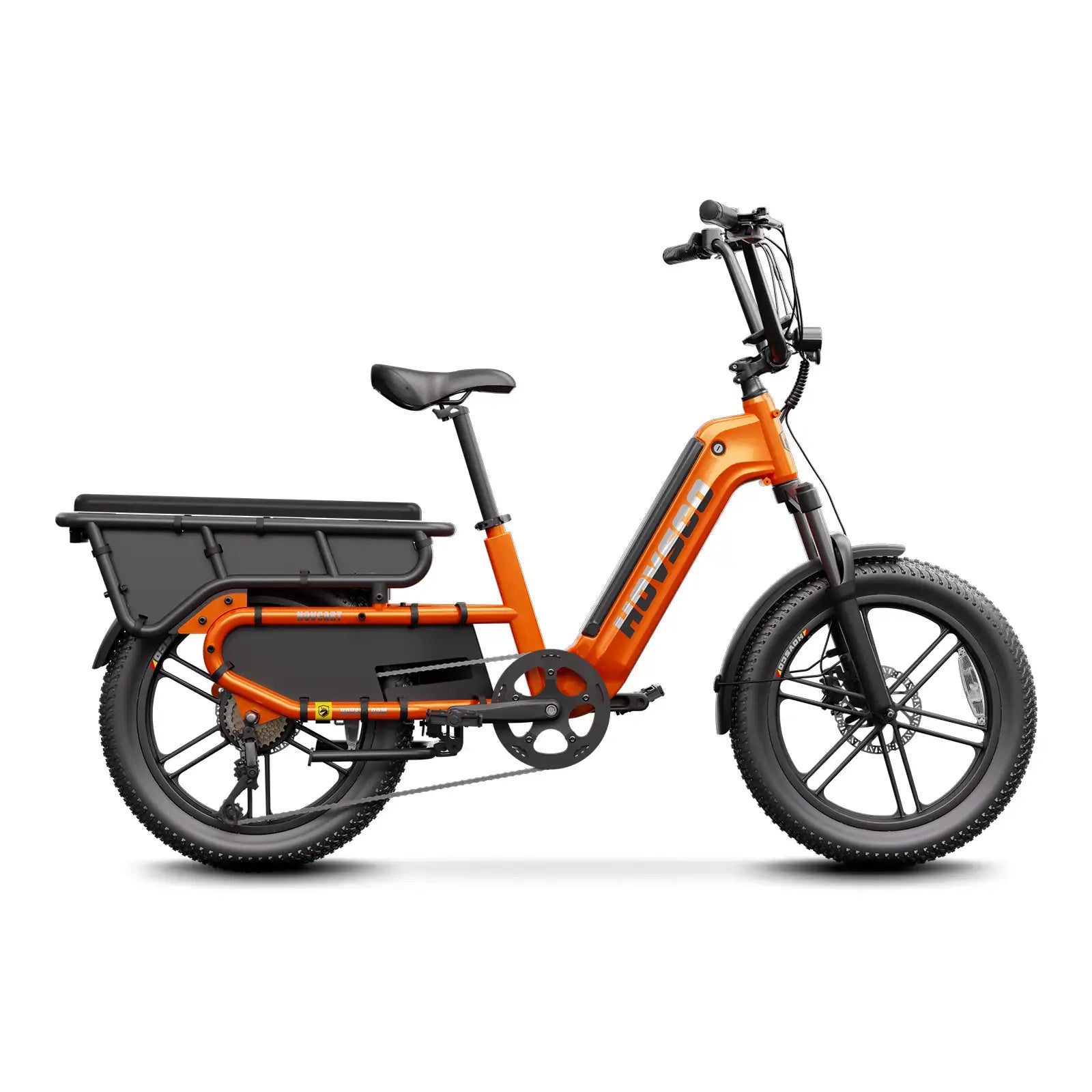
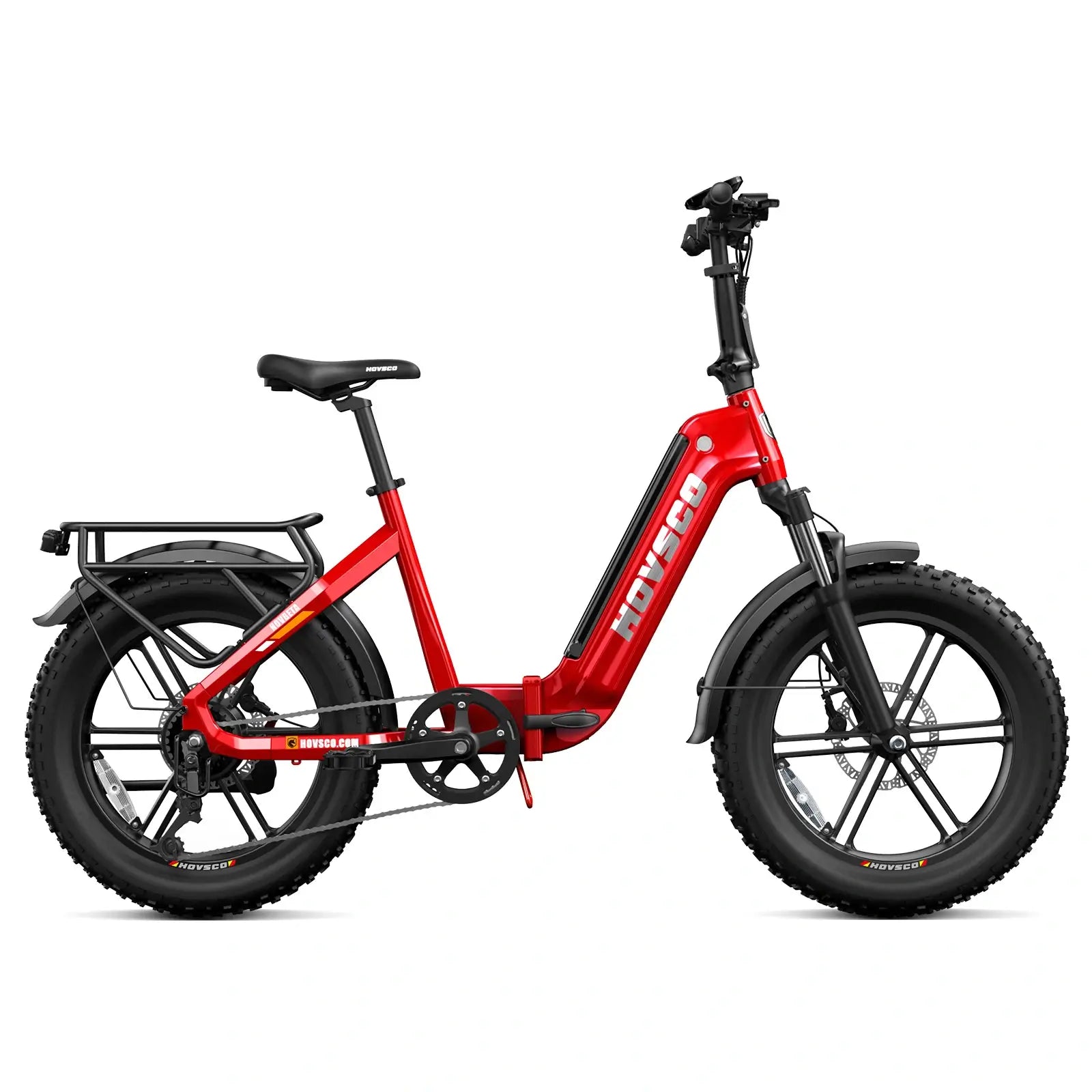
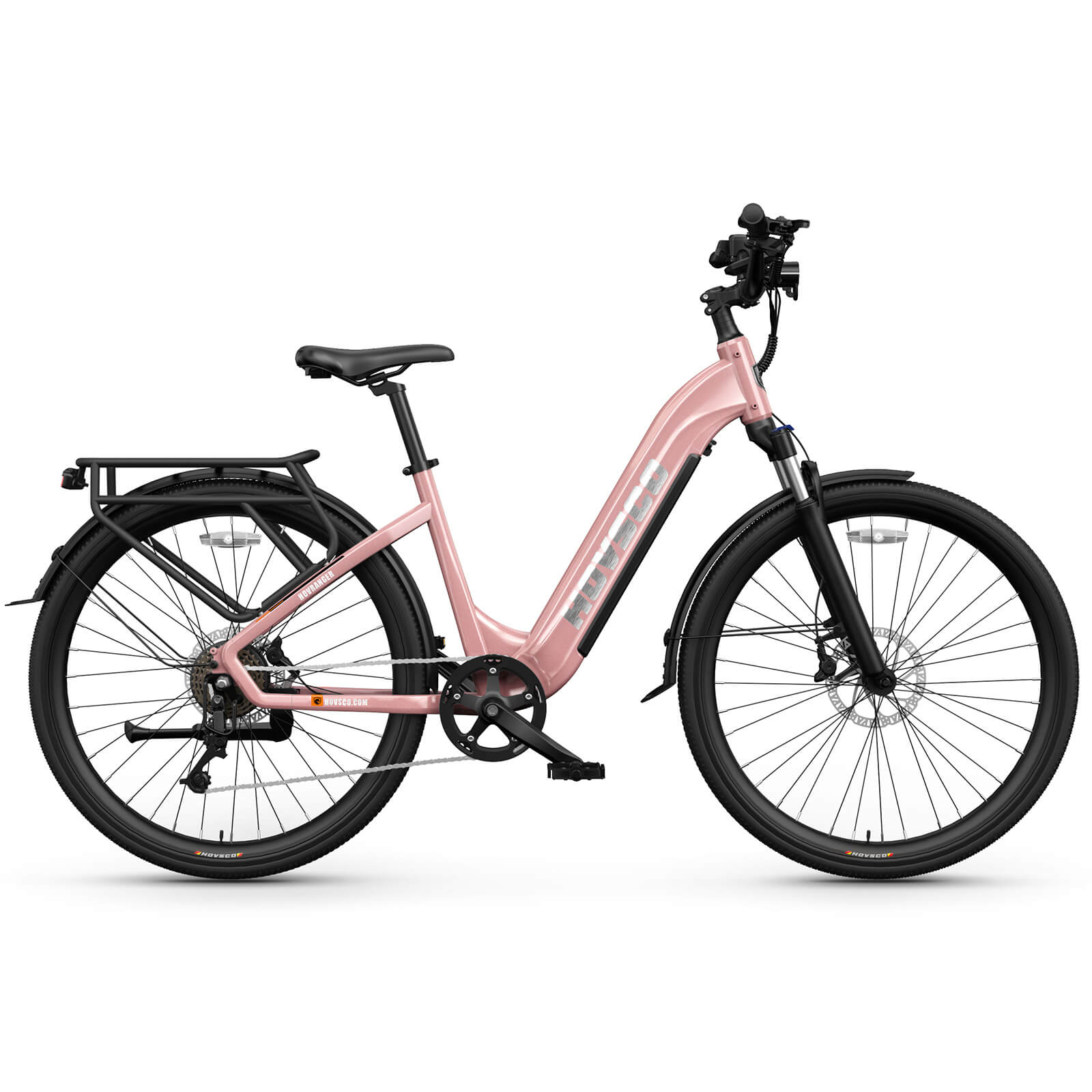
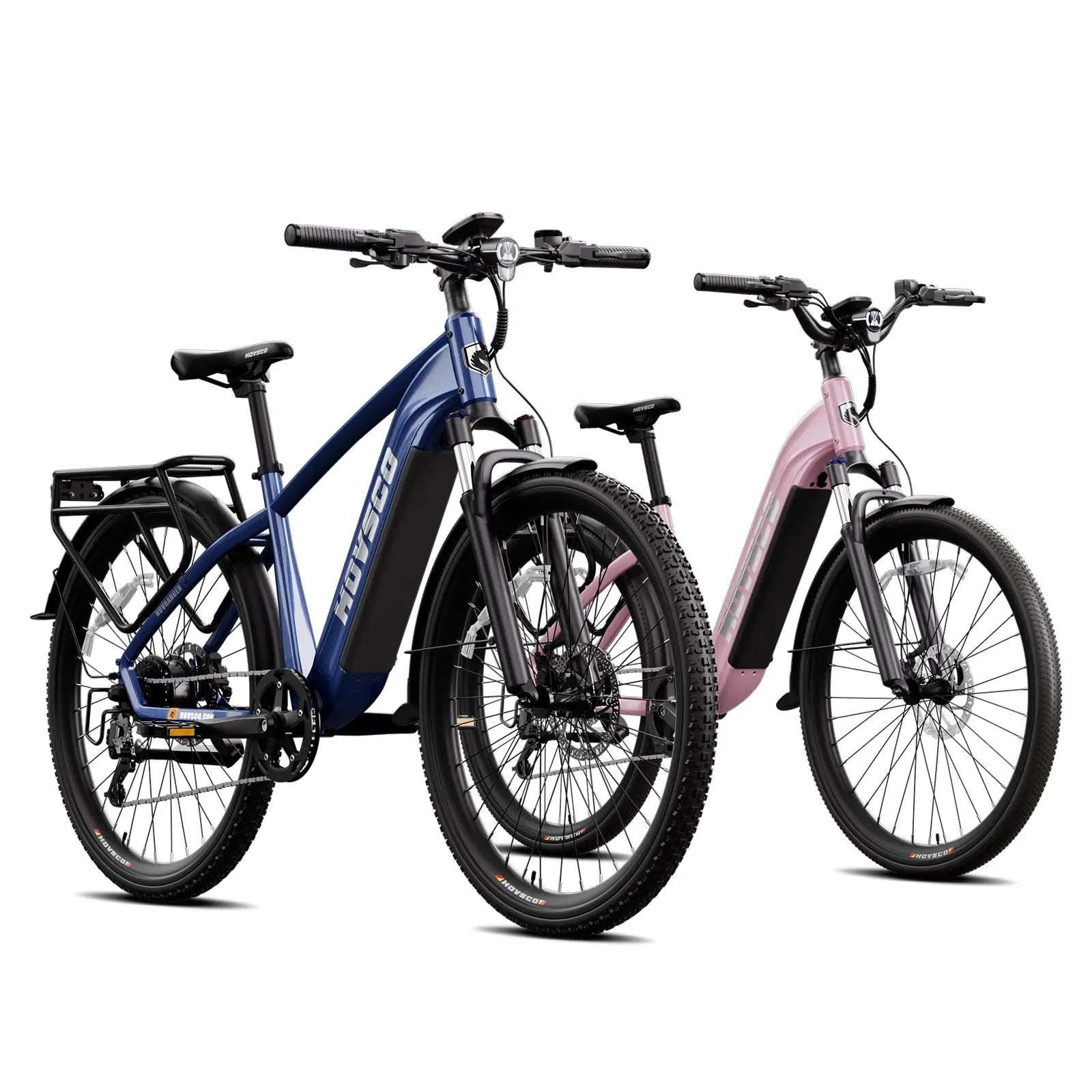
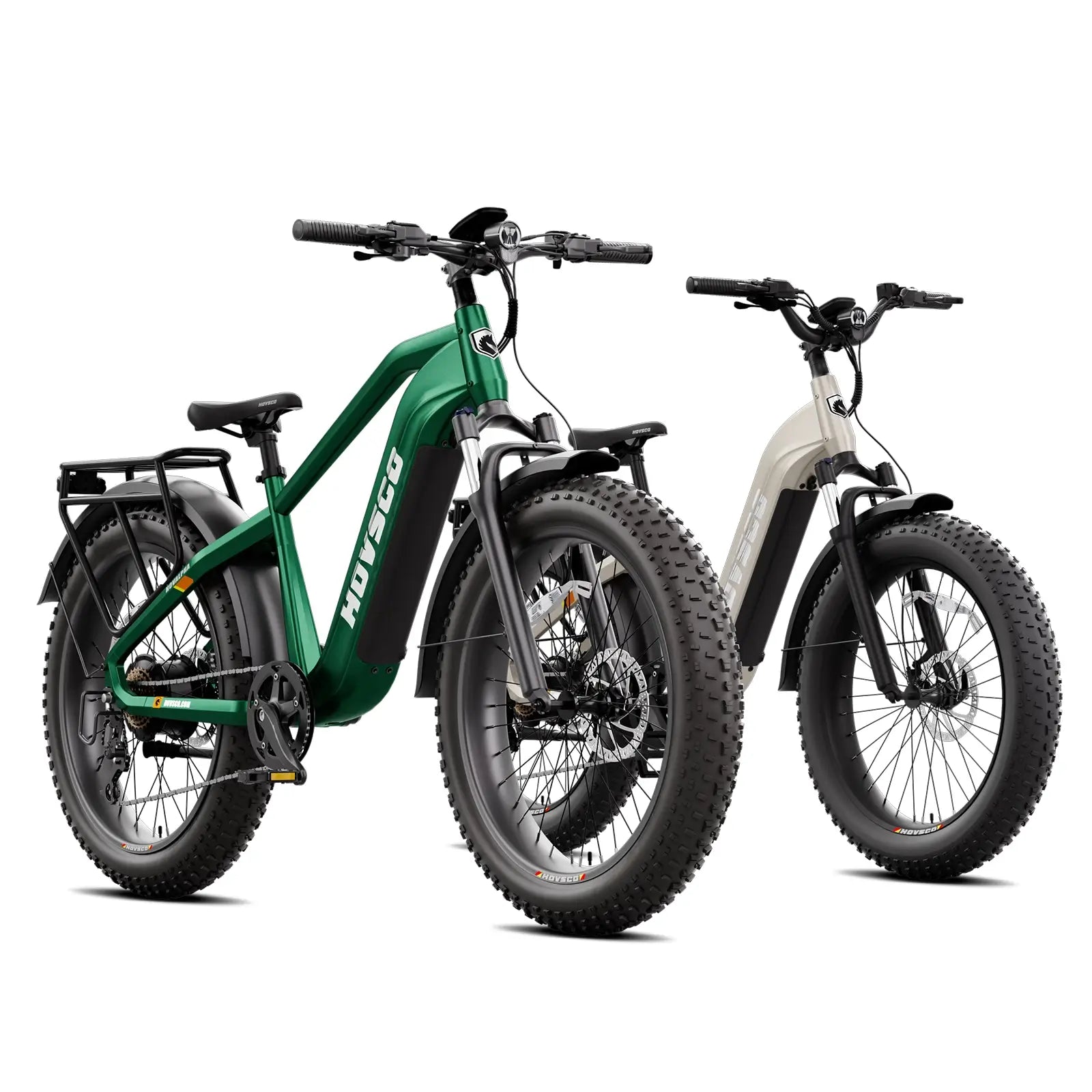
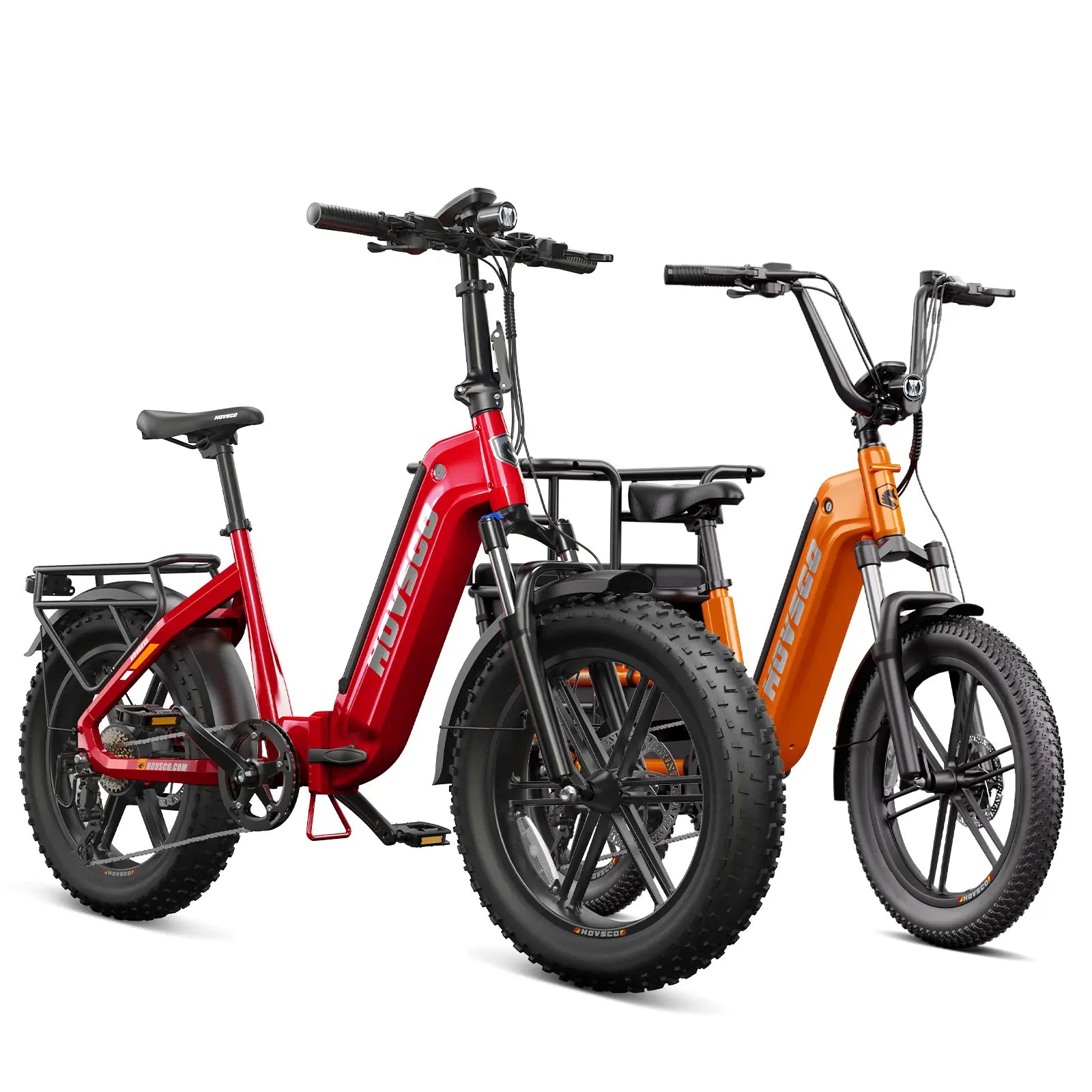
Among the HOVSCO beginner collection, the HovRanger Step-Thru, HovBeta, and HovCart publish throttle specifications, while the Sync Max is assist-focused. That split is a useful reminder: a bike does not need a throttle to be beginner-friendly, and a bike with one still rewards learning pedal assist first.
On a pedal-assist bike, the motor engages when you pedal and stops when you stop. HOVSCO models use a torque sensor, so the power matches how hard you push — pedal gently for a modest boost, push harder on a hill and the motor responds.
Pedal assist is the mode that keeps e-bikes feeling like bicycles. It extends range because you are contributing power, and it keeps your speed tied to your pedaling rather than to a grip. For a beginner, that predictability is the biggest advantage.
The assist level you select sets the ceiling of that help, and it is worth understanding the difference between levels before the first ride. A low level adds a gentle push that suits flat practice loops; a high level turns a moderate pedal stroke into brisk acceleration. Start at the lowest level and move up one step at a time, testing each on a straight, empty stretch.
A throttle gives you power on demand: twist or press, and the motor moves the bike even at a standstill. That makes it genuinely useful for starting on a hill, crossing an intersection quickly, or giving tired legs a rest.
The trade is control and consumption. Throttle-only riding uses battery faster than pedaling, and the acceleration is instant enough that a new rider should learn its activation and cutoff in a parking lot before using it in traffic. On the HovRanger Step-Thru, the throttle works from a complete stop, so practice its gentlest touch first.
Spend ten minutes on throttle technique before riding with it: start from a standstill with the gentlest press, roll a few meters, release, and stop. Repeat until the acceleration feels boring. The goal is a smooth, controllable surge — not the full twist, which on any model is more power than a beginner needs in week one.
The table below lines up the differences that matter to a new rider.
| Factor | Pedal assist | Throttle |
|---|---|---|
| How it starts | When you pedal | When you twist or press |
| Feel | Like a strong tailwind | Like a scooter |
| Battery use | More efficient per mile | Drains faster at the same speed |
| Learning curve | Gentle and predictable | Instant, needs practice |
| Best for | Most riding | Hills, stops, tired legs |
| Legal notes | Widely allowed | Varies by region |
Neither mode is wrong. They serve different moments, and a bike with both lets you choose per ride.
Learn pedal assist first. It keeps the rider in control of speed, feels like a natural extension of pedaling, and builds the braking and balance habits that matter most. Once starts, stops, and turns are consistent, add the throttle for specific moments.
The reason is timing: a throttle lets you reach a speed before you have the braking habit for it. Pedal assist limits speed to what you are willing to pedal into, which is exactly the training wheel a new rider needs.
There is also a physical learning benefit. Pedal assist keeps your legs moving, which keeps your balance inputs familiar and your speed tied to your own effort. Riders who start on the throttle often pedal less in the first week and take longer to feel at home on the bike; riders who start on pedal assist usually try the throttle with confidence by the second session.
After the basics, the throttle earns its place: launching from a steep stop, crossing a busy intersection from a standstill, or riding home on tired legs. Riders with knee concerns or long commutes often use a throttle for the hardest minutes of a ride.
Use it as a tool with a budget, not as the default. If you find yourself using the throttle for an entire commute, you are essentially riding a scooter — fine if that is the goal, but it is not the most efficient use of the battery.
For most riders the pattern that works is a hybrid: pedal assist for the body of the ride, throttle for the five or six hardest moments. That pattern keeps the ride active, protects range, and still delivers the help where it matters. It also means the throttle is a known, practiced control when you genuinely need it in a hurry.
Class, throttle, and access rules vary by region, so confirm the local position before buying or riding a model with a throttle. Some areas treat throttle-only operation differently from pedal assist, and some paths or trails restrict one mode or the other.
The HovRanger Step-Thru, HovBeta, and HovCart publish throttle and assist specifications on their product pages; the Sync Max is assist-focused. Where you ride should be checked against local rules, not assumed from a spec sheet.
Check three things before you buy, not after: whether the model's throttle is permitted where you live, whether the places you plan to ride allow throttle use, and whether any registration or speed rules apply. A five-minute search of your local rules saves the disappointment of a bike you cannot ride the way you expected.
One 30-minute session in an empty space covers both modes:
Keep the session in an empty space and finish with the mode that felt harder. Two such sessions are usually enough to make both modes predictable.
On HOVSCO models, pedal assist uses a torque sensor, which means the motor's response is proportional to how hard you push. That makes the transition between modes easy to feel: pedal softly and the bike responds gently; push harder and the power builds smoothly rather than arriving in a surge.
The throttle, by contrast, responds to the grip, not your pedaling, so the power arrives the moment you ask for it. That is the practical difference to remember: pedal assist is a conversation between your legs and the motor, while the throttle is a request you make with your hand. Both are predictable once you have practiced each for ten minutes — and that practice is exactly what the session plan above builds.
" We advise beginners to learn pedal assist first. It keeps the rider in control of speed and feels like a natural extension of pedaling; the throttle is a tool, not a starting point." — HOVSCO Engineering & Content Team
Pedal assist is the beginner's default: predictable, efficient, and tied to your pedaling. The throttle is a useful tool for hills, stops, and tired legs once the basics are consistent — and local rules decide where either mode is allowed.
What is the difference between throttle and pedal assist?
Pedal assist adds motor power when you pedal, matching the power to your effort; a throttle delivers power on demand without pedaling. Most HOVSCO models offer both, and each suits different moments.
Is throttle easier for beginners?
It feels easier at first because you do not need to pedal, but it is harder to control: acceleration is instant and battery use is higher. Learning pedal assist first builds the braking and balance habits that keep you safe.
Do all e-bikes have a throttle?
No. Many models are pedal-assist only. Among HOVSCO's beginner collection, the HovRanger Step-Thru, HovBeta, and HovCart publish throttle specifications, while the Sync Max is assist-focused.
Can I use pedal assist on hills?
Yes — that is one of its best uses. A torque-sensor bike like the HovRanger Step-Thru adds more power as you push harder, so hills stay manageable without a throttle.
Are throttles legal everywhere?
No. Class, throttle, and access rules vary by region. Confirm local regulations before buying or riding a model with a throttle.
Share:
What Are the Best Electric Bikes for Short Riders?
How Much Does an Electric Bike Weigh? A Complete Breakdown