



![[ New Arrival ] Porto Max Electric Scooter For Commute & Grocery Shopping - HOVSCO](http://www.hovsco.com/cdn/shop/files/PotroMax-3.jpg?v=1706927007&width=1200)
- by SteveJames
How Do You Ride an Electric Scooter Safely in the City?
- by SteveJames
E-Bikes
Accessories
 Free Shipping
 15-Day Returns
 2-Year Warranty
Free Shipping
15-Day Returns
2-Year Warranty
2-Year Warranty
Free Shipping
15-Day Returns
2-Year Warranty
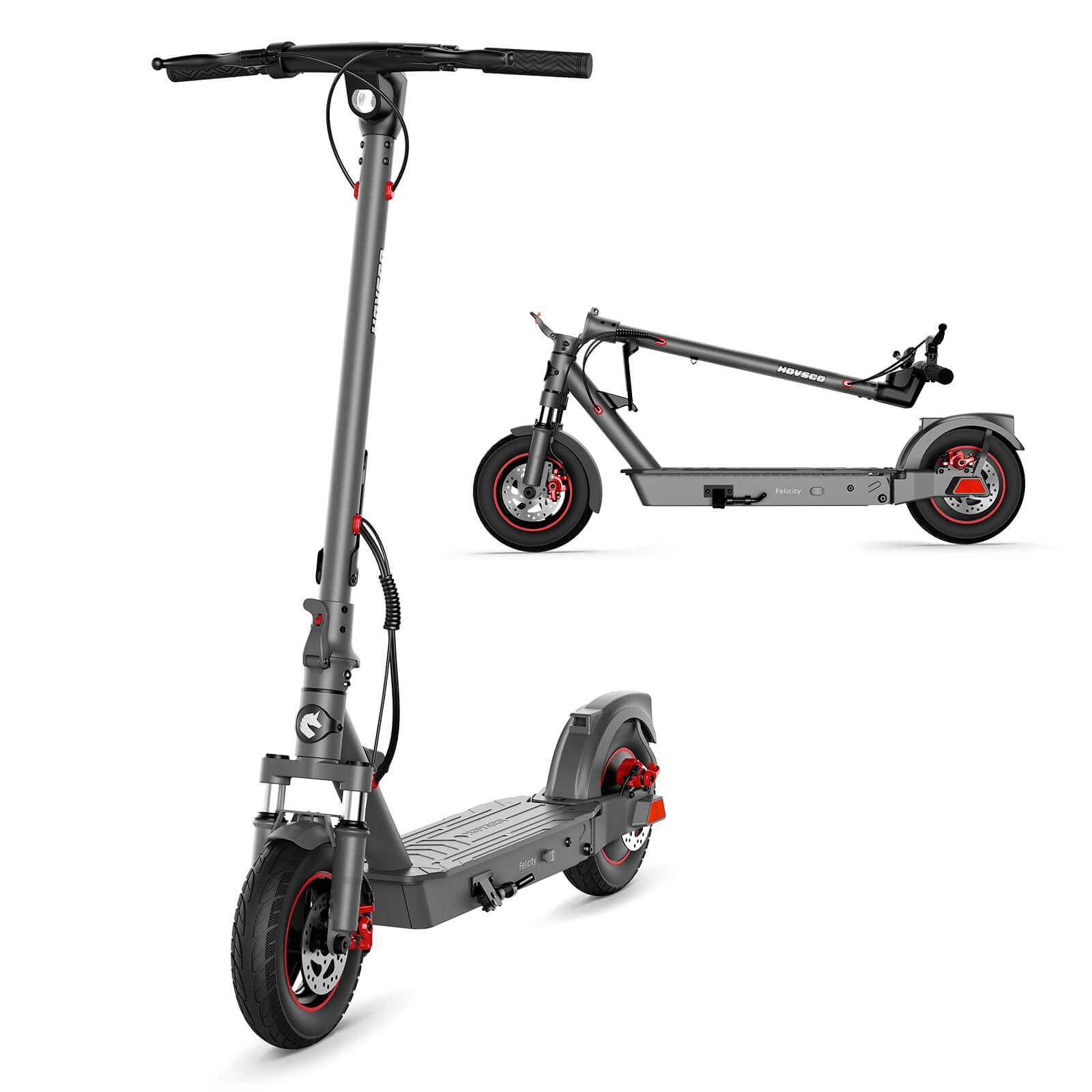
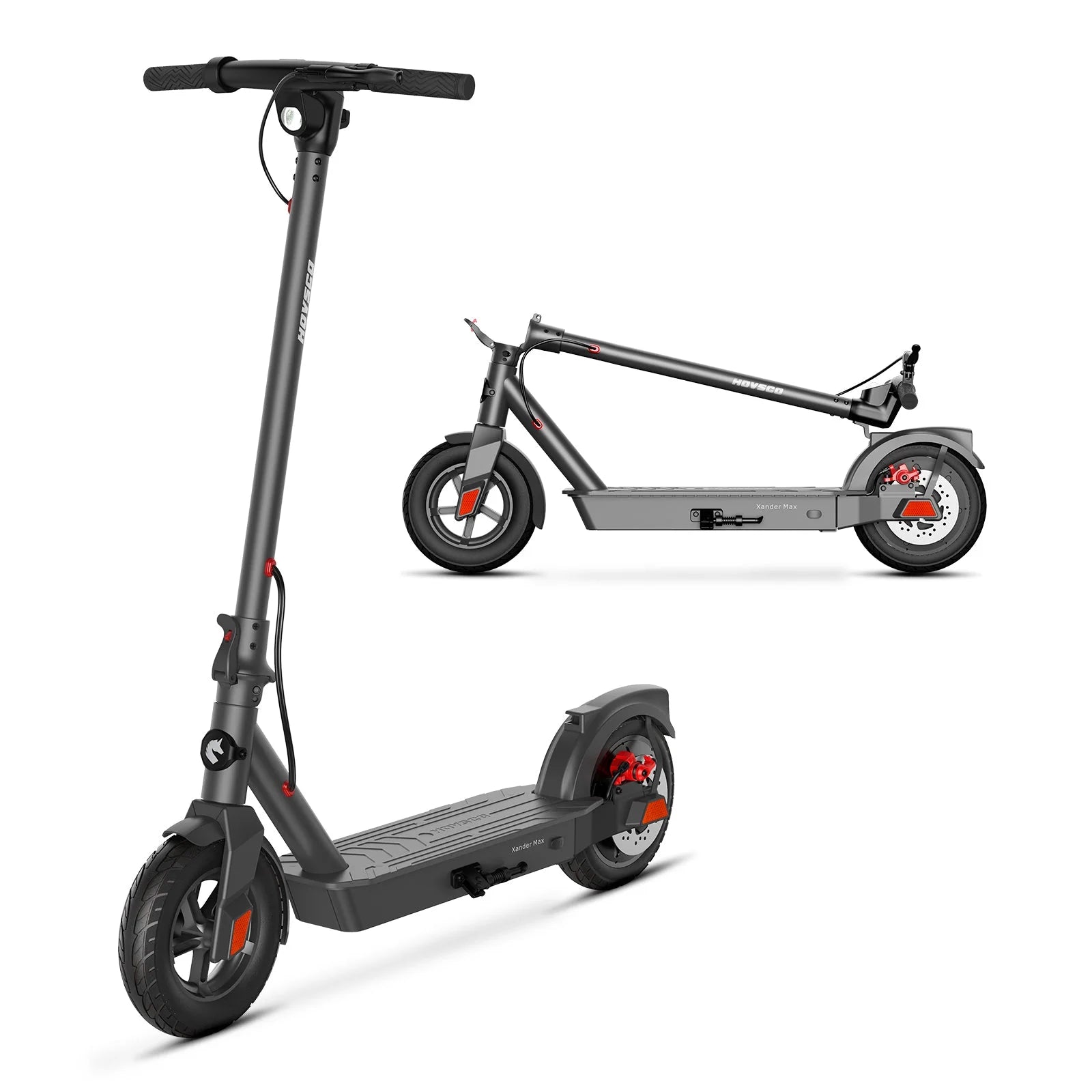
A scooter rider stands on a small deck with small wheels, and that changes every safety skill: foot position, braking distance, and visibility all work differently than on a bike. Scooter-specific safety for city riding is the subject here — the standing-ride skills, the pre-ride check, and the practice that makes the commute safer. The bike riding technique is covered in the how-to-ride guide; the scooter rules that affect the route are in our scooter rules guide.
A scooter has no saddle and no frame to hold; the rider stands on a deck and balances with the handlebar. The smaller 10–12 inch wheels also react to cracks and debris more than a bicycle's wheels, so the rider feels every surface and must read the road earlier.
The practical result is that scooter safety is its own skill set: foot position, weight distribution, and braking habits matter more than raw speed. The 19–21 mph top speed of these models is fast enough that the skills need to be solid before the commute gets busy.
Stand with both feet on the deck, the front foot angled forward and the rear foot behind the front, knees slightly bent. Keep the feet planted through stops and turns, and shift weight back before braking so the front wheel does not take the whole load.
Riding with a foot off the deck, or standing too far forward, reduces control at exactly the moments the city demands it. Practice the stance at low speed until it is automatic before adding traffic.
The disc and electronic brakes on these scooters stop reliably, but the smaller wheels and higher center of gravity mean braking needs more care: brake early, shift weight back, and avoid hard front-brake grabs that can upset the balance.
Test the stopping distance at the speeds the commute actually uses, and add extra room on wet surfaces, painted lines, and metal covers. A rider who knows the scooter's stopping distance plans stops with that distance in mind.
A standing rider is lower than a cyclist and easier to miss in traffic, so visibility gear matters more: a rear light, reflective clothing, and a front light in low light are the difference between being seen and being assumed.
Position the scooter where drivers can see it, make eye contact at intersections, and avoid the blind spots of larger vehicles. The scooter's lower profile is a real visibility disadvantage, and the gear and positioning are the answer.
Run a two-minute check before every ride: tires at pressure, brakes engaging firmly, the fold latch fully home, the lights working, and the deck free of debris. The check is the same idea as the bike pre-ride inspection, adapted to the scooter's parts.
| Check | Pass condition |
|---|---|
| Tires | At pressure, no cuts or bulges |
| Brakes | Both levers engage firmly |
| Fold latch | Fully home, no play in the handlebar |
| Lights | Front and rear working |
| Deck | Clean and free of debris |
The two minutes protect the whole ride, and the fold-latch check is the one the fold-care guide covers in detail.
The scooter's balance and braking feel different from a bike, so practice in a low-traffic area before the busy route: starts, stops, slow turns, and the shoulder check, with the same load the commute carries.
Progress the same way the bike guide does: empty space first, quiet streets next, then the real route. A rider who practiced the standing-ride skills and the braking distance is a rider who arrives at the busy intersection ready for it.
Add one variable at a time — the backpack, the transit leg, the errand stop — so each new element is practiced before it becomes part of the daily route.
The practice session should also include the fold-and-carry at the end of a ride, because the tired version of the fold is the one that happens on the way home.
Safety gear is part of the practice: the helmet, the lights, and the reflective clothing should be worn from the first session so the routine is the same on every ride.
If the scooter is shared, each rider practices the stance and the braking before the first solo commute, because fit and experience are personal even on the same vehicle.
Run this before the first commute and weekly after that.
| Check | Pass condition |
|---|---|
| Stance practiced | Both feet planted, knees bent |
| Braking checked | Stopping distance known at commute speed |
| Visibility gear | Lights and reflective clothing ready |
| Pre-ride check | Tires, brakes, latch, lights, deck |
| Practice done | Skills practiced with the real load |
" A scooter is ridden standing on small wheels, which changes every safety skill: foot position, braking distance, and visibility matter more than speed. Practice the stance, test the stops, and ride visible." — HOVSCO Engineering & Content Team
Scooter safety is a standing-ride skill set: plant the feet, brake early with weight back, ride visible in the lower profile, and run the two-minute pre-ride check. Practice before the busy commute, and treat the 19–21 mph speed as a ceiling, not a target.
Is an electric scooter safe for city commuting?
Yes, with the standing-ride skills practiced: foot position, early braking with weight back, visibility gear, and a two-minute pre-ride check. The skills are different from a bike and need practice first.
How should I stand on an electric scooter?
Both feet on the deck, front foot angled forward, knees slightly bent, and weight shifted back before braking. Keep the feet planted through stops and turns.
Do scooter brakes work differently from bike brakes?
The brakes are reliable, but the smaller wheels and higher center of gravity mean braking needs more care: brake early, shift weight back, and avoid hard front-brake grabs.
Why is visibility more important on a scooter?
A standing rider is lower than a cyclist and easier to miss in traffic. A rear light, reflective clothing, and careful positioning are the answer to the lower profile.
What should I check before every scooter ride?
Tires at pressure, brakes engaging firmly, the fold latch fully home, the lights working, and the deck clear of debris — a two-minute check that protects the whole ride.
Share:
How Do You Keep a Folding Scooter in Shape?
How Do You Charge and Care for Dual-Battery Mopeds?