
























![[ New Arrival ] Porto Max Electric Scooter For Commute & Grocery Shopping - HOVSCO](http://www.hovsco.com/cdn/shop/files/PotroMax-3.jpg?v=1706927007&width=1200)
- by SteveJames
How Do You Keep a Folding Scooter in Shape?
- by SteveJames
E-Bikes
Accessories
 Free Shipping
 15-Day Returns
 2-Year Warranty
Free Shipping
15-Day Returns
2-Year Warranty
2-Year Warranty
Free Shipping
15-Day Returns
2-Year Warranty
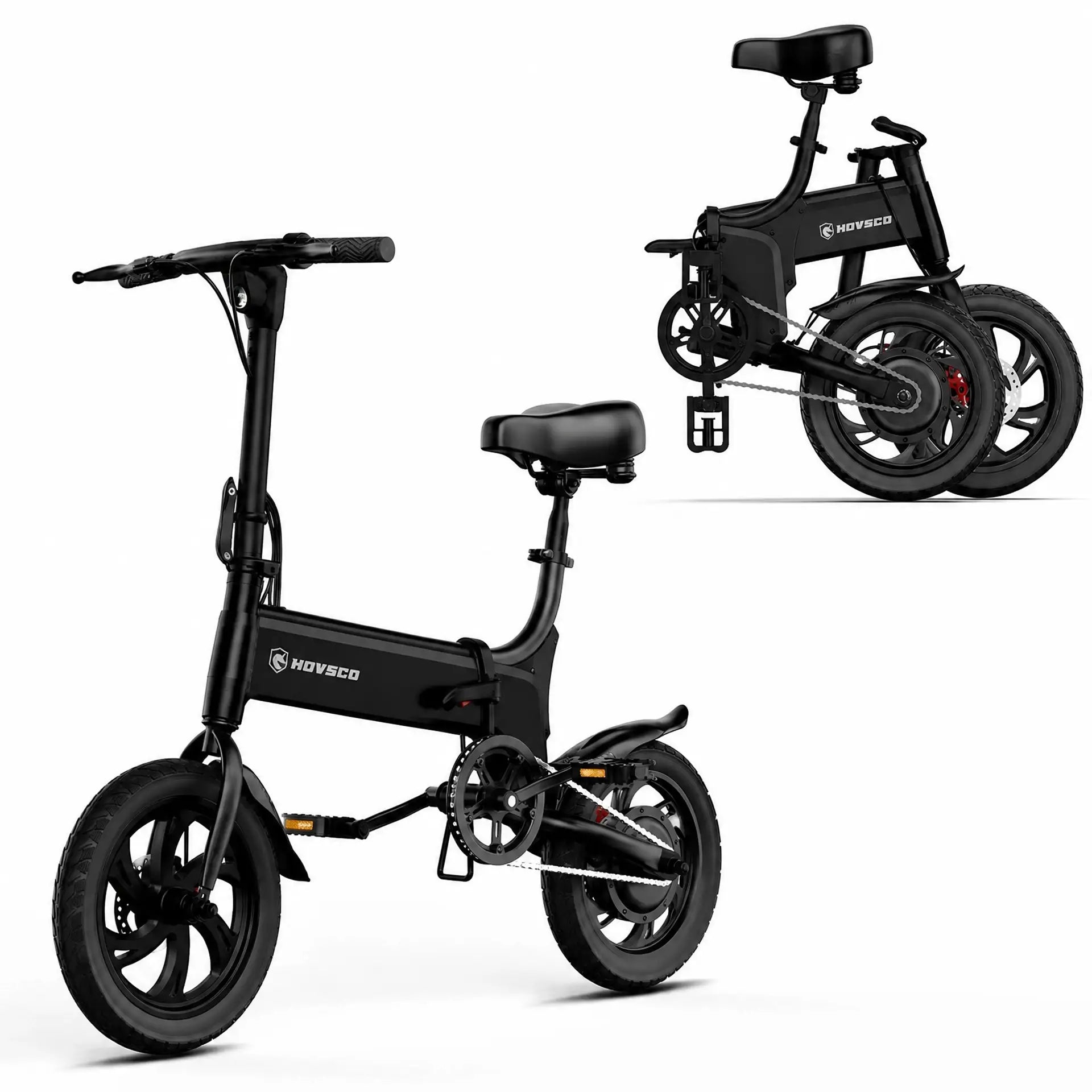
The folding joint is the part that makes a folder a folder, and it is the part that wears first. A latch that loosens, a hinge that binds, or a lock that slips turns a portable scooter into a hazard and defeats the fold. Fold-mechanism care for folding scooters is covered here; the general tire, brake, and electrics maintenance lives in our commuter scooter maintenance guide.
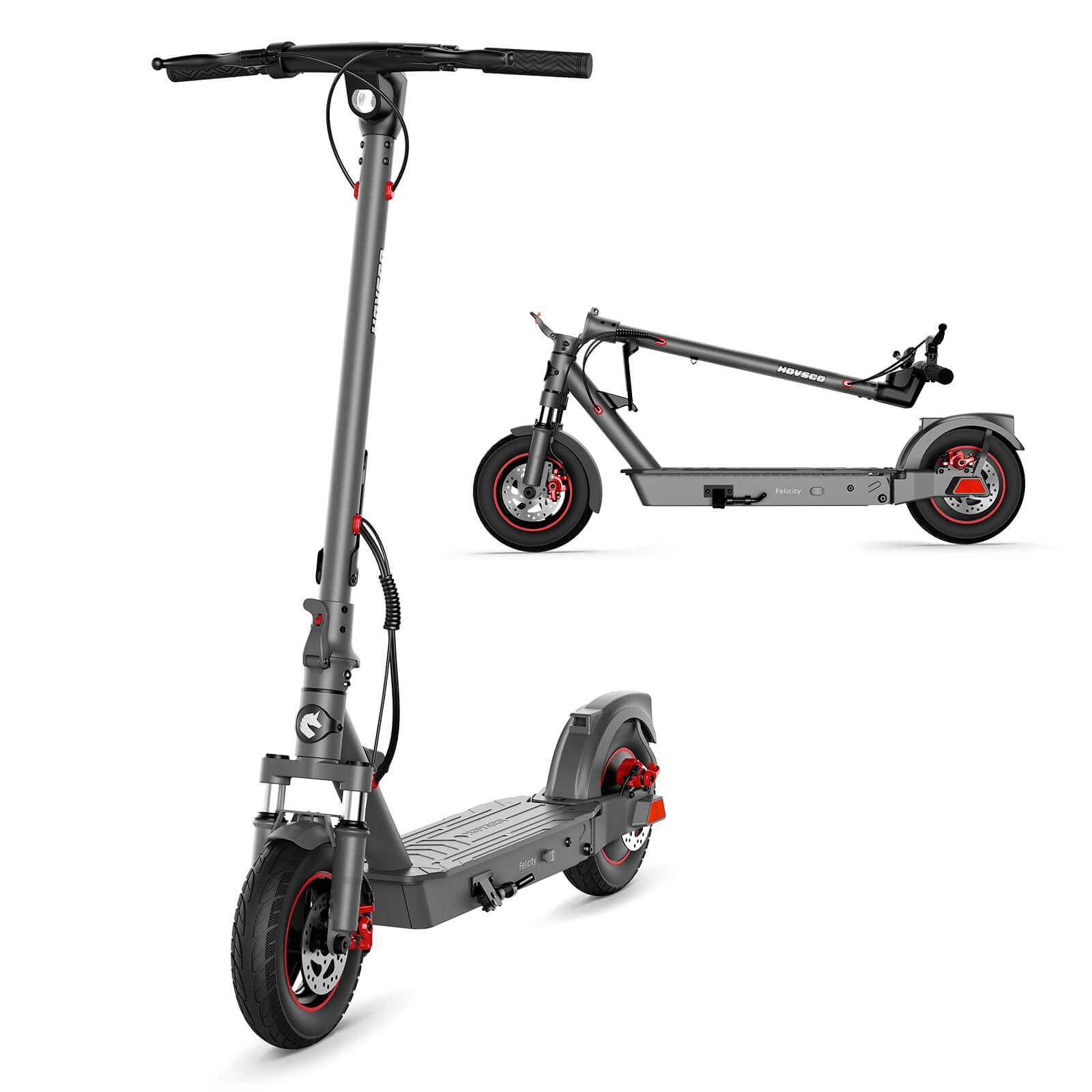
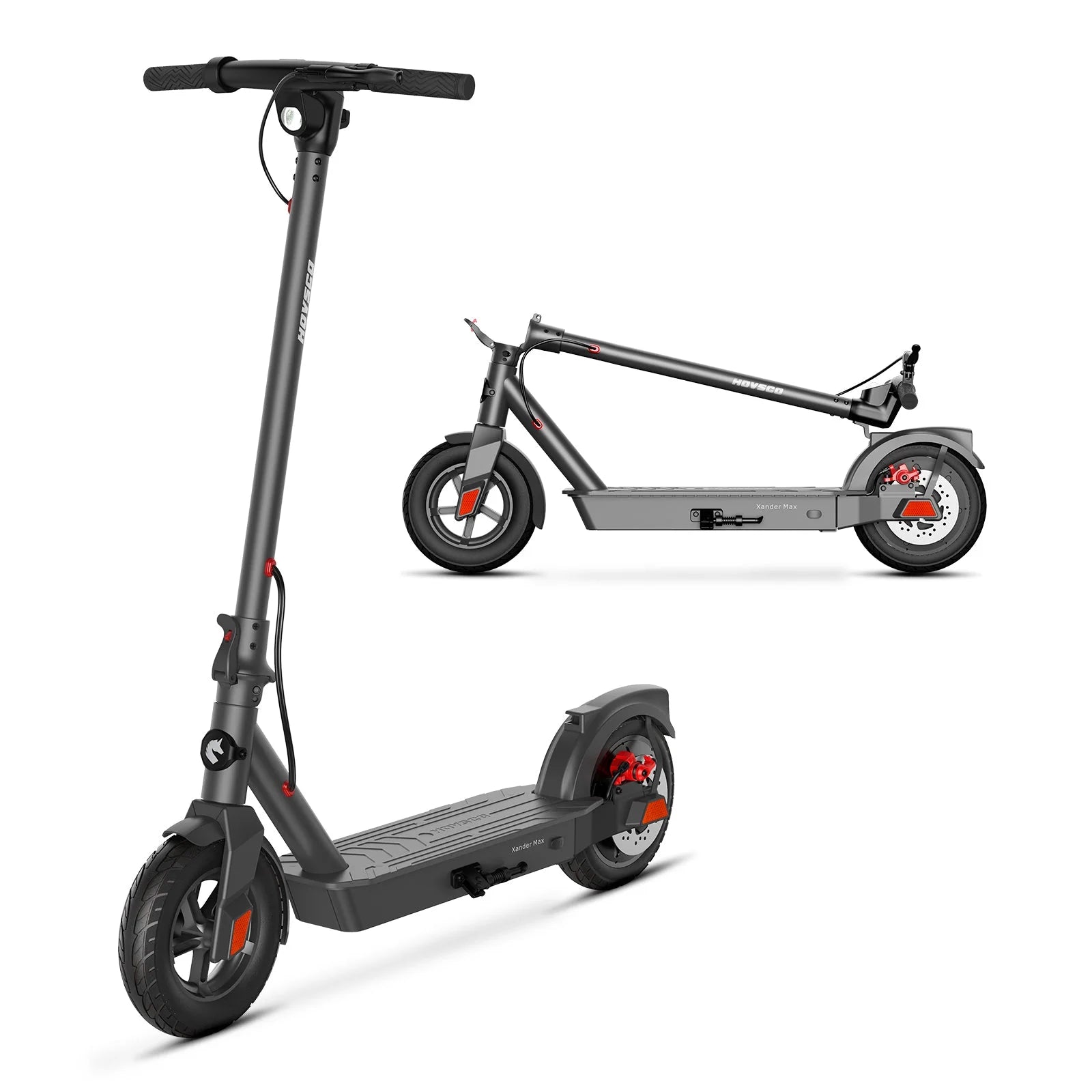
A folding scooter folds and unfolds hundreds of times a year, and every cycle works the same hinge and latch. Unlike a fixed-frame scooter, the folder carries its own structural weak point — and the fold mechanism is also a safety component, because it holds the handlebar column rigid while riding.
The care routine follows from the design: check the latch, clean the joint, and service the mechanism on a schedule, not when it starts to feel loose. A fold that is maintained is a fold that stays safe.
Before every ride, check the latch that locks the handlebar column and the fold joint: it should click fully home, hold with no play, and release only when the release lever is pressed. A latch that feels loose or half-engaged is a ride-stopper.
| Check | Pass condition |
|---|---|
| Latch click | Fully home, no half-engaged position |
| Handlebar play | No movement at the joint when pressure is applied |
| Release lever | Works smoothly, no forcing |
| Fold hinge | Opens and closes without binding or grinding |
The check takes ten seconds and it is the one that keeps the ride upright.
Dirt and grit work into the hinge and latch over time, causing binding and wear. Wipe the joint clean after wet or dusty rides, and lubricate the pivot points sparingly with the lubricant recommended for the model.
Lubricate the latch mechanism, not the latch face — a slippery latch face can fail to hold. A thin, clean coat on the pivots keeps the fold smooth without compromising the lock.
Store the scooter upright or on its kickstand rather than leaning on the folded latch or the hinge. Constant pressure on the joint in one position can stress the mechanism and the frame.
The storage position is also battery care, since the battery is internal: a dry, room-temperature spot protects both the pack and the mechanism at the same time.
If the latch develops play, the hinge binds, or the fold stops clicking home, stop riding and have the mechanism serviced before the next trip. A fold that fails at speed is a different problem from a fold that fails at home.
Follow the model's service guidance for the mechanism, and keep the fold check in the same weekly routine as the tire and brake checks from the commuter maintenance guide. The fold is part of the scooter's safety system, not a convenience feature.
Watch for the early signs of wear in the latch area — a scrape, a change in the click, or a hinge that starts to move differently — and route them to the service record before they become a ride-stopping issue.
The fold care also protects the ride: a mechanism that binds mid-fold is a mechanism that can bind mid-ride if the latch was not fully home, which is why the pre-ride click check is non-negotiable.
Keep the manual's torque or adjustment values with the service records, so a loose fastener is corrected to the specification rather than to a guess.
Review the fold care with the same weekly rhythm as the tire pressure: one check day for the whole scooter keeps the mechanism, the tires, and the brakes on the same schedule.
The service record should note the fold count as well as the miles, since the mechanism wears by cycles, and a scooter folded ten times a day wears faster than one folded twice.
If the scooter is shared between riders, the fold check belongs to whoever rides next: a ten-second latch check before every ride is the rule regardless of who is at the handlebar.
Keep the release lever and latch free of grit after wet rides, because the same moisture that affects the battery also affects the mechanism that holds the handlebar rigid.
The fold care budget is small and the payoff is large: a latch check, a wipe, and a scheduled service cost minutes and prevent the one failure that turns a folder into a hazard.
When the mechanism is serviced, ask the technician to confirm the latch wear and the hinge alignment, so the service record shows the fold was inspected, not just lubricated.
Build the fold care into the same rhythm as the rest of the scooter: a ten-second latch check before every ride, a wipe after wet or dusty rides, and a mechanism service on the schedule from the product manual.
Record the checks in the same place as the tire and brake notes, so the maintenance history shows the fold was watched. A scooter whose mechanism is checked is a scooter whose fold stays trustworthy for years.
Run this weekly, alongside the tire and brake checks.
| Check | Pass condition |
|---|---|
| Latch holds | Full click, no play in the handlebar |
| Hinge smooth | Folds without binding or grinding |
| Mechanism clean | Wiped after wet or dusty rides |
| Storage correct | Upright, dry, room temperature |
| Service logged | Mechanism service recorded with the manual schedule |
" The folding joint is a safety component, not a convenience feature: a latch that fails at speed is a crash, and a hinge that binds is a fold that stops working. Check it every ride, clean it weekly, and service it on schedule." — HOVSCO Engineering & Content Team
Fold care is a ten-second latch check before every ride, a wipe after wet days, and a mechanism service on schedule. Store the scooter upright and dry, and treat any play or binding as a stop-riding signal. The fold is part of the safety system.
Why does the folding mechanism need care?
Because it folds and unfolds hundreds of times a year and holds the handlebar column rigid while riding. The latch is a safety component, and wear shows up there first.
How often should I check the fold latch?
Before every ride, as a ten-second check: the latch should click fully home with no play. Add a weekly wipe and a scheduled mechanism service from the manual.
Can I lubricate the folding mechanism?
Yes, sparingly, on the pivot points only — never on the latch face, where a slippery surface can fail to hold. Use the lubricant recommended for the model.
How should I store a folding scooter?
Upright or on the kickstand, in a dry room-temperature spot, rather than leaning on the folded latch or hinge. The position protects the mechanism and the internal battery.
What should I do if the fold feels loose?
Stop riding and have the mechanism serviced before the next trip. A fold that fails at speed is a different problem from a fold that fails at home.
Share:
How Do You Plan a Scooter Route Around the Return Trip?
How Do You Ride an Electric Scooter Safely in the City?