


![[ New Arrival ] Porto Max Electric Scooter For Commute & Grocery Shopping - HOVSCO](http://www.hovsco.com/cdn/shop/files/PotroMax-3.jpg?v=1706927007&width=1200)
- by SteveJames
E-Bike Fenders in 2026: Which to Buy and Why
- by SteveJames
E-Bikes
Accessories
 Free Shipping
 15-Day Returns
 2-Year Warranty
Free Shipping
15-Day Returns
2-Year Warranty
2-Year Warranty
Free Shipping
15-Day Returns
2-Year Warranty
This guide covers e-bike fenders: what they do, full vs clip-on, fit and clearance, installation, and fat tire options. For riding in wet weather, see our rain riding guide.
E-bike fenders are the difference between a dry commute and a stripe up the back: they stop water, grit, and road film from spraying the rider and the drivetrain. The e-bike fenders decision is about coverage, fit, and tire clearance — the ebike mudguards options divide into full fenders for year-round riders and clip-ons for quick weather protection. This guide covers the fat tire fenders fit math and the install that stays rattle-free.
Fender fit depends on tire width, wheel diameter, and frame mounts — check the fender's size range against your tires and mounts before ordering.
Fenders at a Glance
Full fenders cover best · match width and diameter to your tires · check mount points · install with clearance · rattle-free means torqued.
Fenders catch the spray before it reaches the rider and the bike: rain off the front wheel, road film off the rear, and grit that would otherwise wear the drivetrain. The fenders for ebike rain riders are a comfort upgrade and a maintenance upgrade in one.
The protection is not just about staying dry — a fendered bike keeps the chain cleaner, the brakes less gritty, and the rider's clothes work-ready. The e-bike fenders payoff compounds on every wet mile.
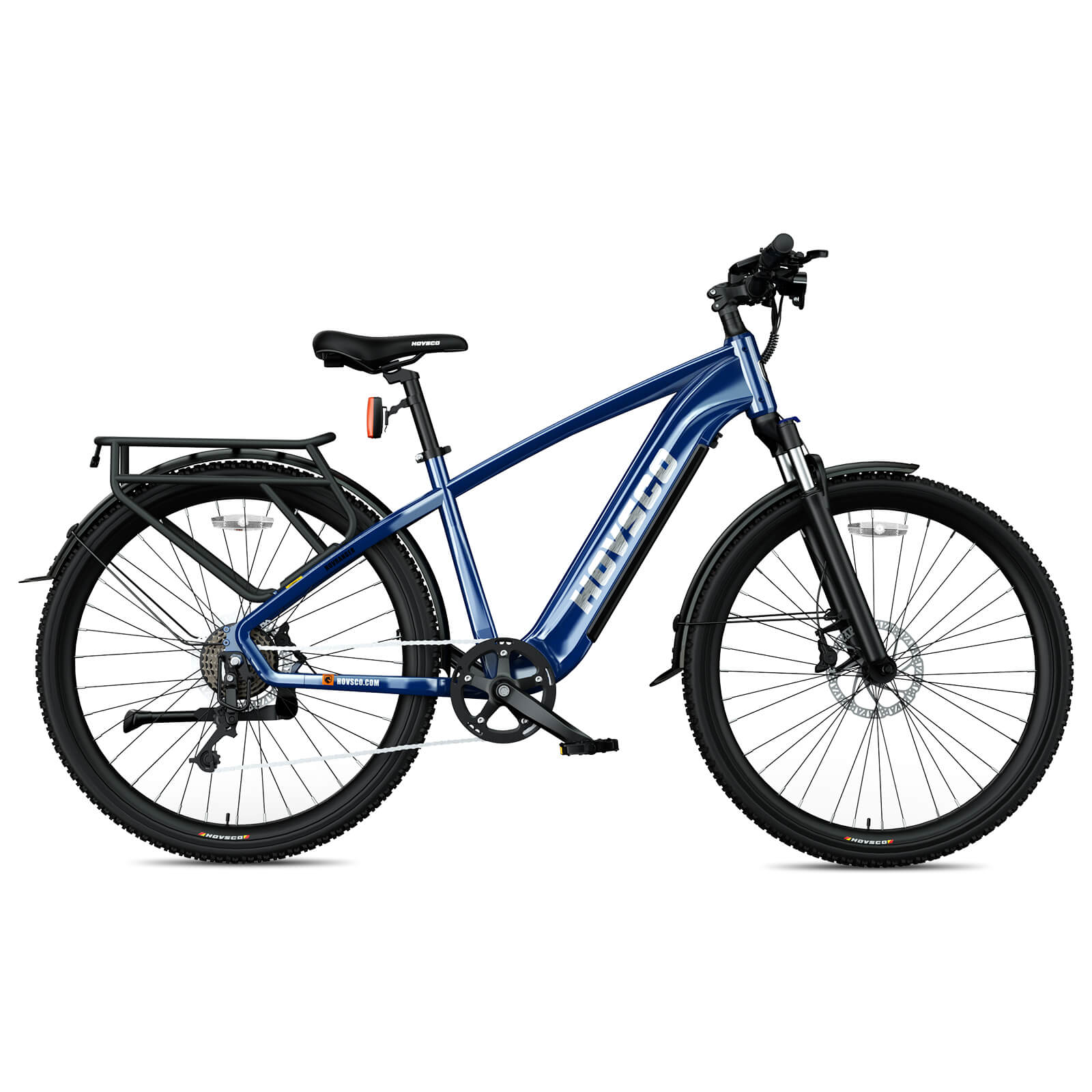
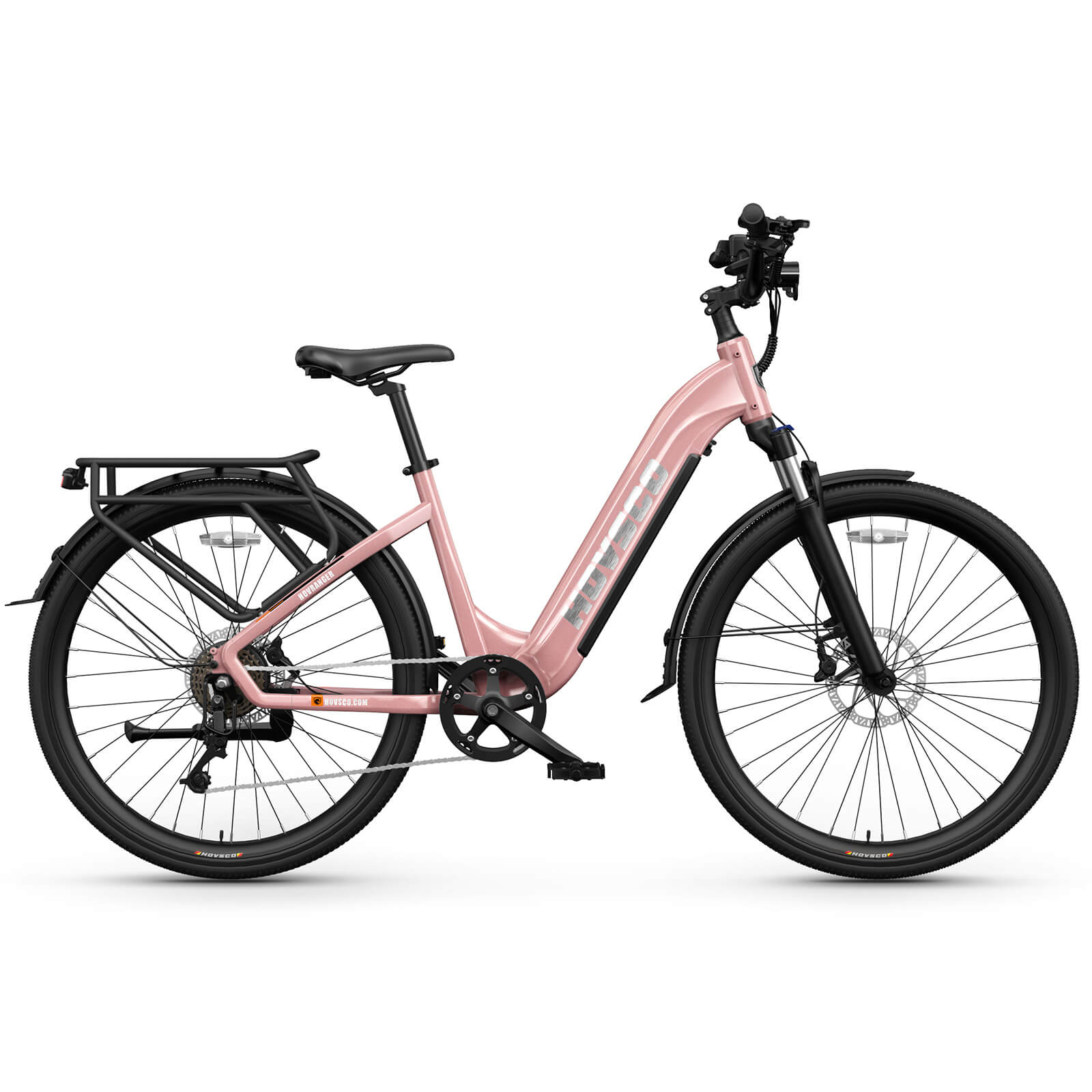
Full fenders wrap most of the wheel for maximum coverage and suit year-round riders; clip-on fenders attach quickly, fit more bikes, and protect the rider's back without full wheel coverage. The ebike mudguards choice is coverage versus convenience.
Fender types compared
| Type | Coverage | Fit |
|---|---|---|
| Full fenders | Most of the wheel | Frame mounts required |
| Clip-on fenders | Rider's back | Fits most bikes |
| Fat tire fenders | Wide coverage | Sized to tire width |
Full fenders need frame mounts and correct clearance; clip-ons work on more models but rattle more if not fitted well. The fenders for ebike rain riders who ride daily usually end up with full fenders.
Fit is the math that matters: the fender must clear the tire width and match the wheel diameter, with room for debris and wheel movement. A fender that rubs or catches is worse than none.
Check the tire sidewall for width and the wheel for diameter, then match the fender's range. The e-bike fenders fit question is answered with a tape measure before the order, not after the install.
Installation is alignment plus torque: mount the fender centered on the wheel, set even clearance side to side, and tighten every fastener to spec. A rattle-free fit is a torqued fit.
Test the clearance by spinning the wheel after install, and again after the first rough ride — a fender that shifts needs its fasteners checked. The ebike mudguards install ends with a quiet wheel.
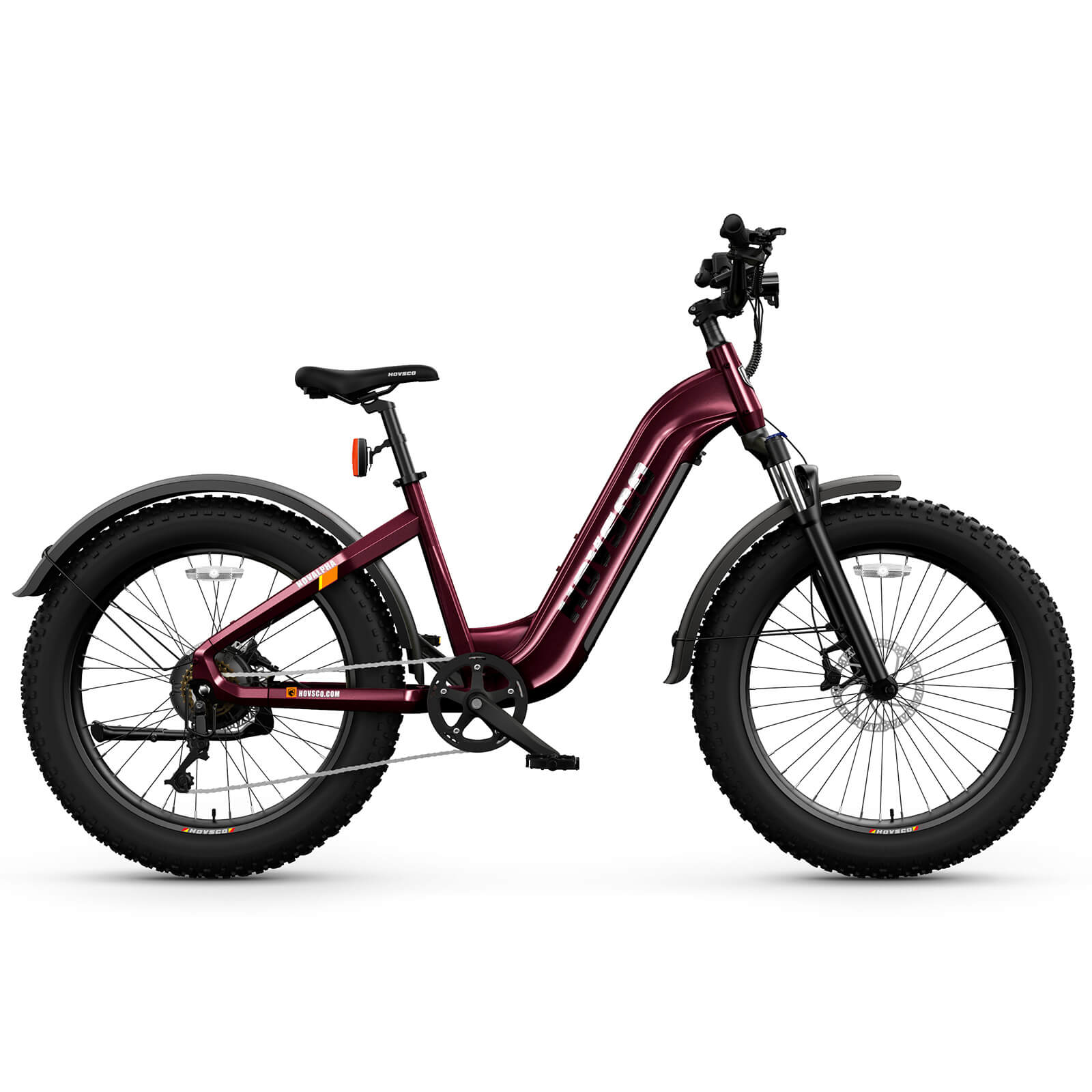
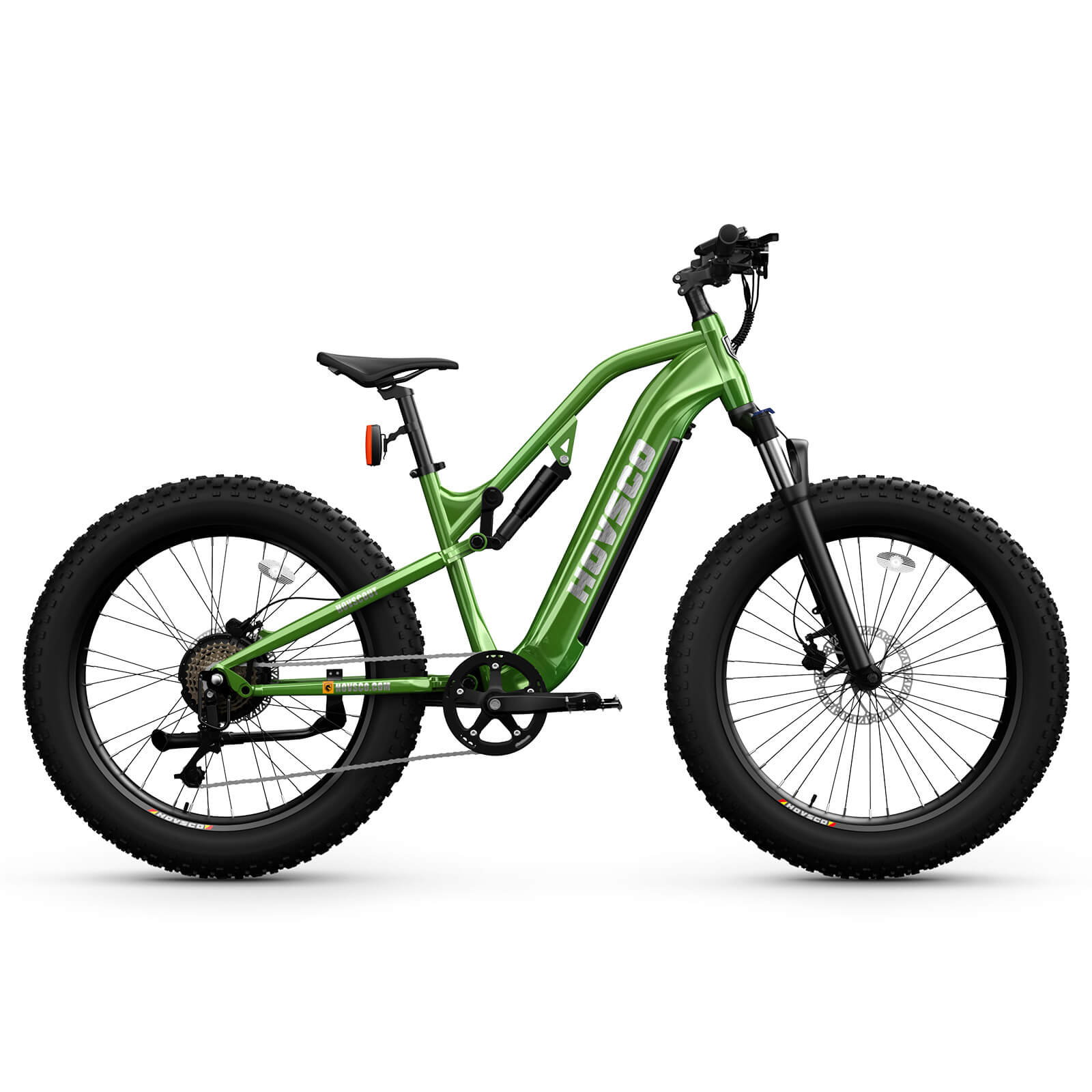
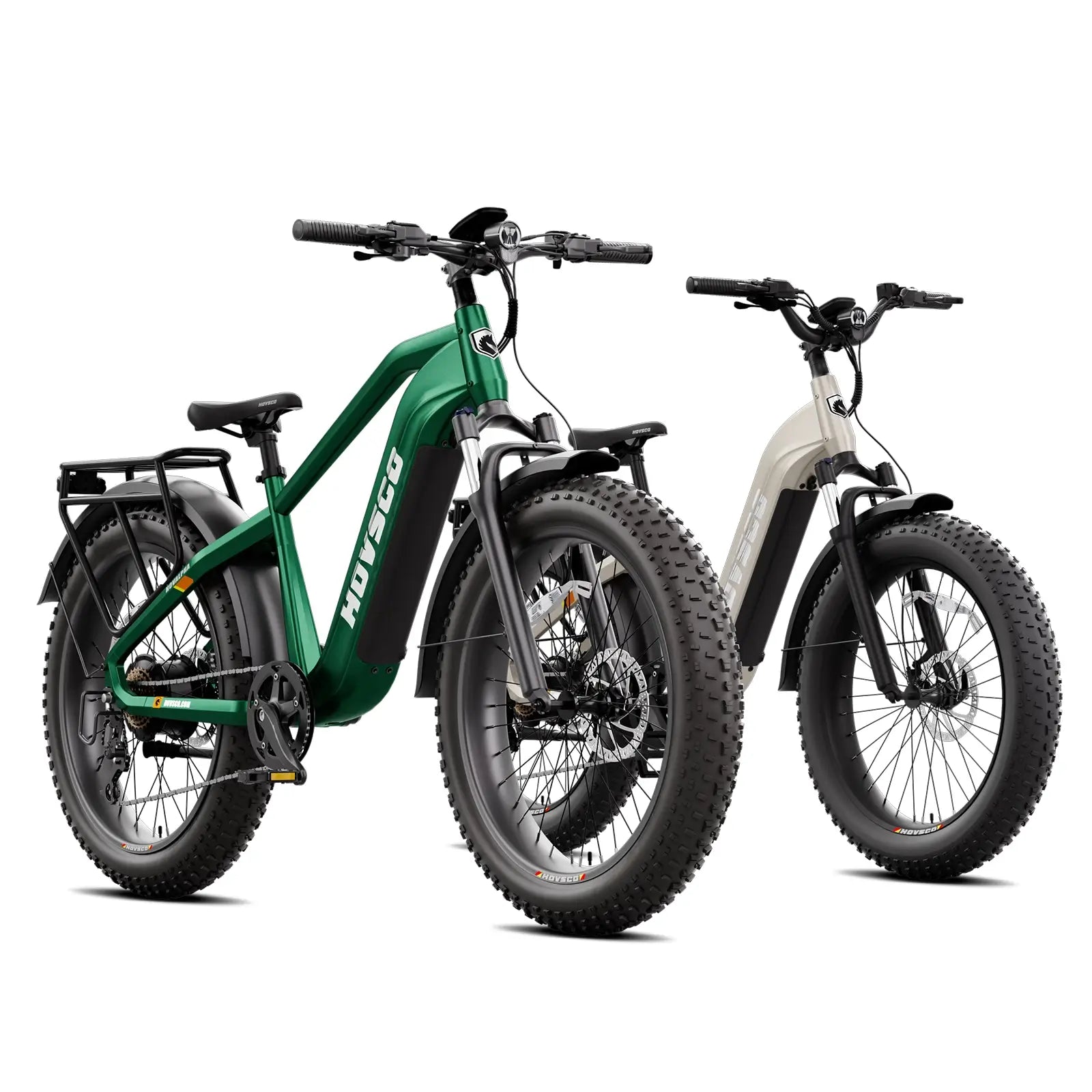
Fat tire fenders are the specialized case: wider tires need wider fenders, and the fat bike's clearance is often tight. The fat tire fenders that work are sized to the actual tire width with margin, and mounted with the suspension travel in mind.
The fat tire fenders choice matters most for riders who ride sand, snow, and slush — the spray is heavier and the grit worse. Wide coverage without the rub is the whole job.
The recommendation follows the model: commuters get a full fender set sized to their tires, fat tire riders get the wide set with suspension clearance, and quick-weather riders get clip-ons they can install in minutes.
HOVSCO's fender set matches the commuter platform, with the fat tire collection covering wide-tire models. The e-bike fenders that get installed and stay installed are the ones that fit the model the first time.
Ride dry — the fenders collection, the fender set, and the fat tire collection.
In product engineering, the fender complaints we hear are always fit problems: a rub on the tire, a rattle at speed, or a mount that never aligned. Measure the tire and wheel, match the fender range, install with even clearance, and torque the fasteners. The fenders for ebike rain riders that fit the model the first time are the ones that stay on the bike.
— HOVSCO Product Engineering Team
E-bike fenders protect the rider, the drivetrain, and the day: choose full coverage for year-round riding or clip-ons for quick protection, match the width and diameter to your tires, and install with clearance and torque. Fat tire fenders need the wide fit — measure first, install once.
Fenders keep the rider dry and the drivetrain clean.
Full fenders cover best; clip-ons fit more bikes quickly.
Match fender width and diameter to your tires with margin.
Install centered with even clearance; torque every fastener.
Fat tire fenders need wide fit and suspension clearance.
What is my tire width and wheel diameter?
Does my bike have mounts for full fenders?
How much do I ride in rain — full coverage or clip-ons?
Does the fender clear the tires and suspension travel?
What fasteners and torque do the mounts need?
Are e-bike fenders worth it?
Yes for any rider who meets rain or grit — fenders keep the rider dry, the drivetrain cleaner, and the brakes less gritty. The fenders for ebike rain riders are comfort and maintenance in one upgrade.
What is the difference between full and clip-on fenders?
Full fenders wrap most of the wheel for maximum coverage and need frame mounts; clip-on fenders install quickly, fit more bikes, and protect the rider's back with less coverage.
Do fenders fit fat tire e-bikes?
Yes, with the right width — fat tire fenders are sized to the actual tire width with clearance margin. Check the fender's range against your tires and suspension travel.
How do I stop fenders from rattling?
Rattle is a fit problem: center the fender, set even clearance, and torque every fastener to spec. Re-check after the first rough ride.
Can I install fenders myself?
Yes for most bikes — measure the tires, match the fender, mount it centered, and torque the fasteners. If your bike lacks mount points, clip-on fenders are the easier route.
Share:
DIY E-Bike Repair vs Professional Service: What to Do Yourself
What Is a Cargo E-Bike? Why Families Are Switching