



![[ New Arrival ] Porto Max Electric Scooter For Commute & Grocery Shopping - HOVSCO](http://www.hovsco.com/cdn/shop/files/PotroMax-3.jpg?v=1706927007&width=1200)
- by SEO
Smoother Rides with 10-Inch Pneumatic Tires and Suspension — June 2026
- by SEO
E-Bikes
Accessories
 Free Shipping
 15-Day Returns
 2-Year Warranty
Free Shipping
15-Day Returns
2-Year Warranty
2-Year Warranty
Free Shipping
15-Day Returns
2-Year Warranty
10-inch pneumatic tires paired with a front suspension fork can dramatically reduce the harsh, high-frequency vibration that city riders feel on cracked asphalt and patched roads, especially in stop-and-go urban commuting. In 2025, RAC patrol data linked 26,048 breakdowns to damaged shock absorbers, broken springs, or distorted wheels, while pothole-related puncture calls were up 20% year over year, underscoring how road damage keeps punishing both vehicles and riders. For riders choosing a compact urban scooter, the comfort gap between hard plastic wheels and air-filled, suspension-assisted setups is not subtle; it is the difference between being rattled and staying composed.
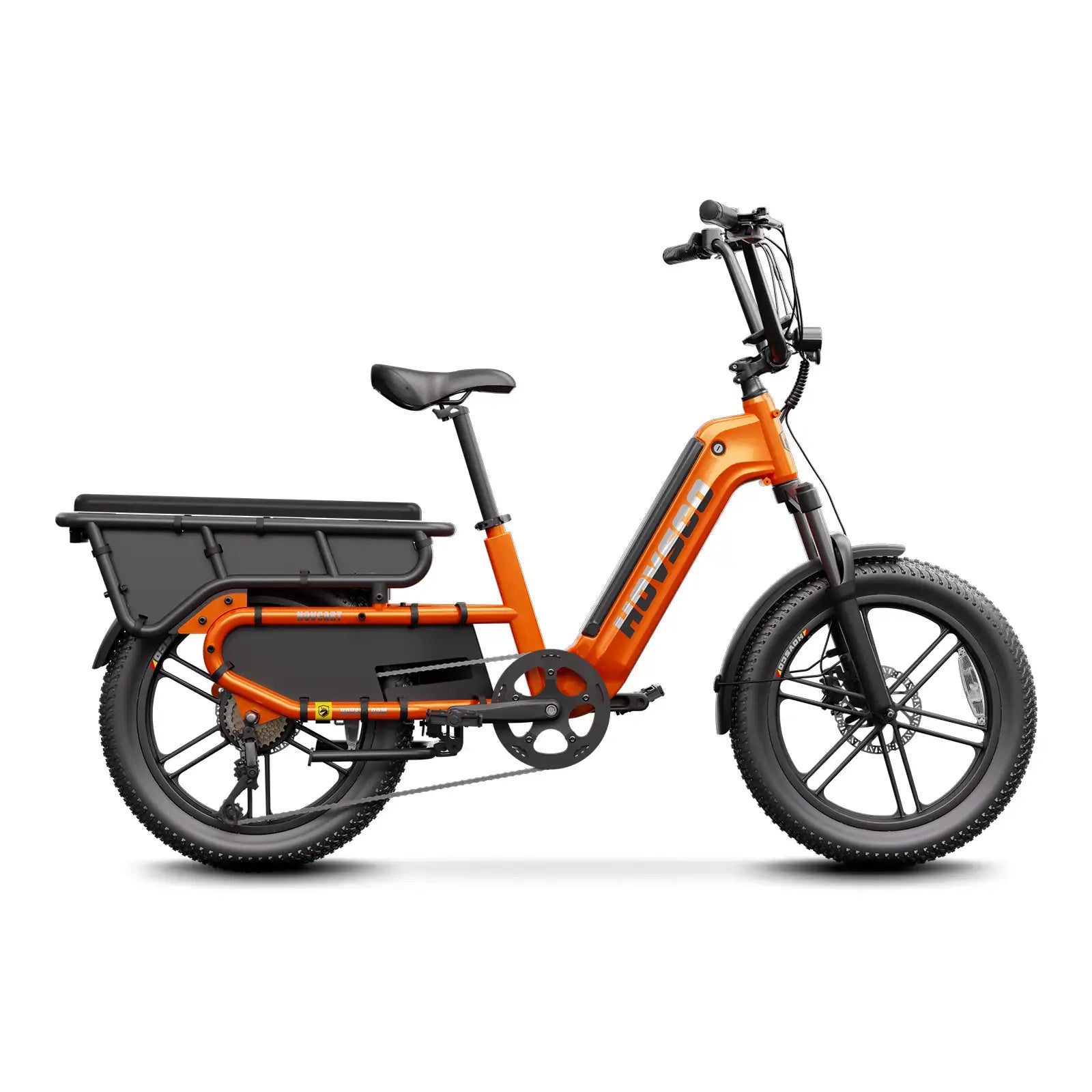
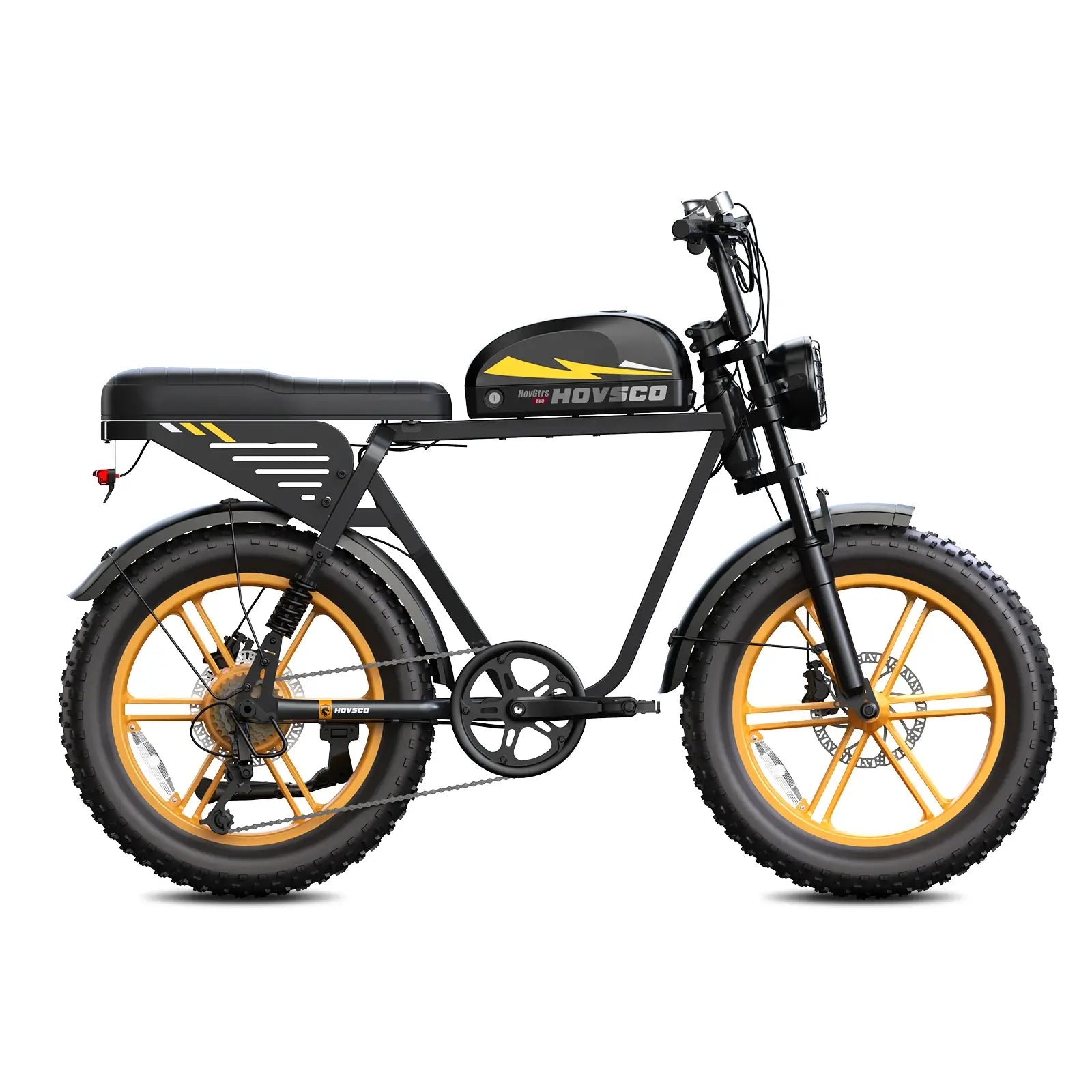
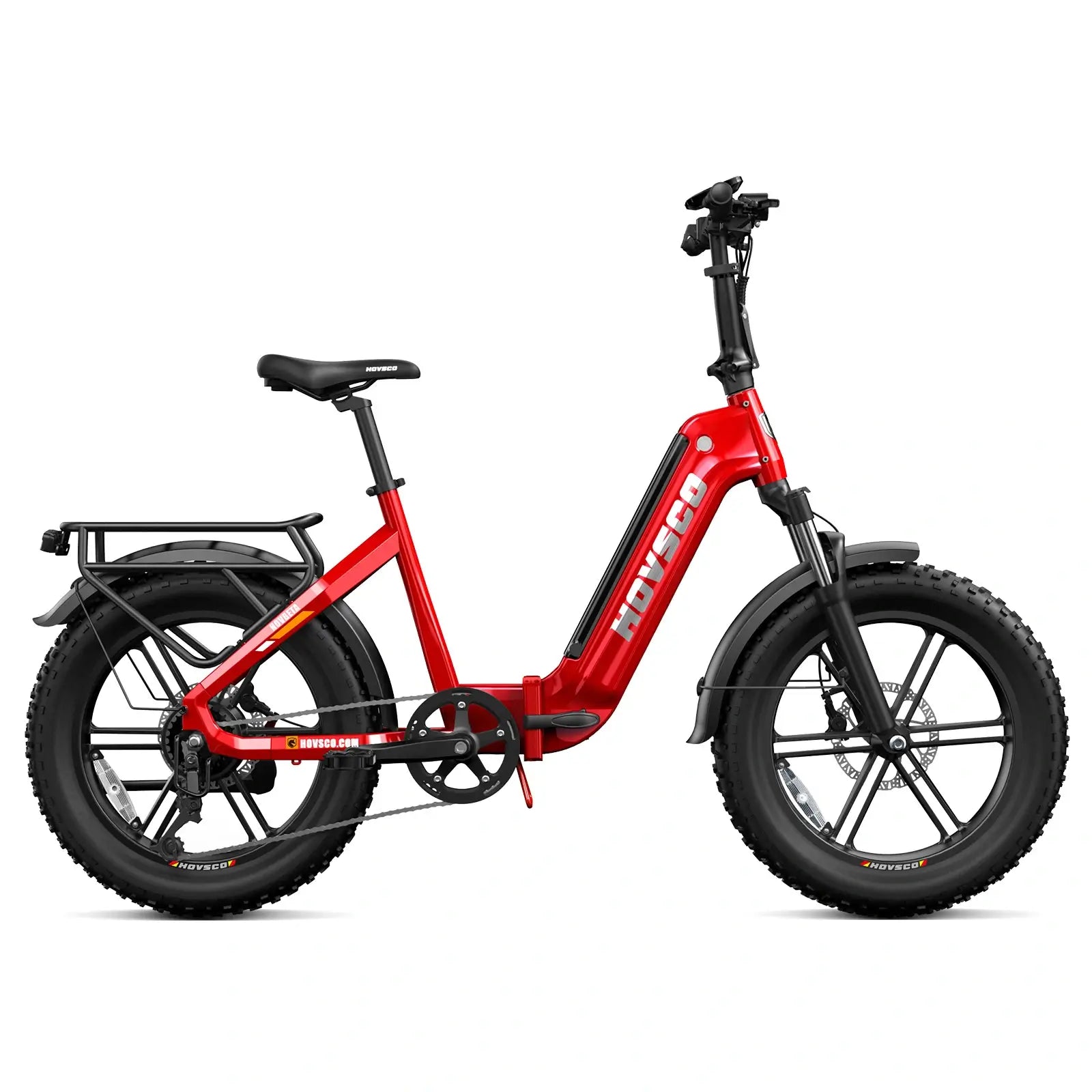
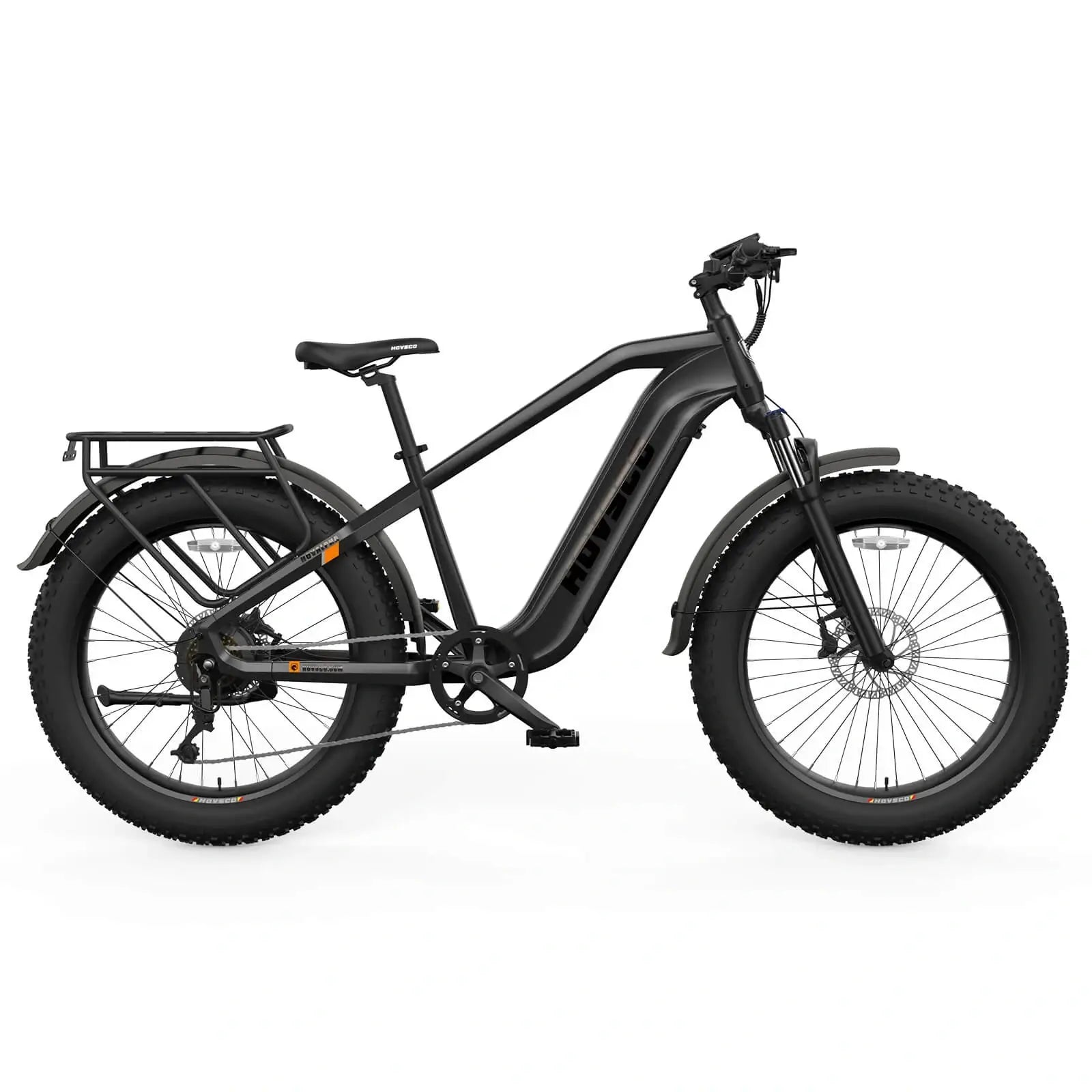
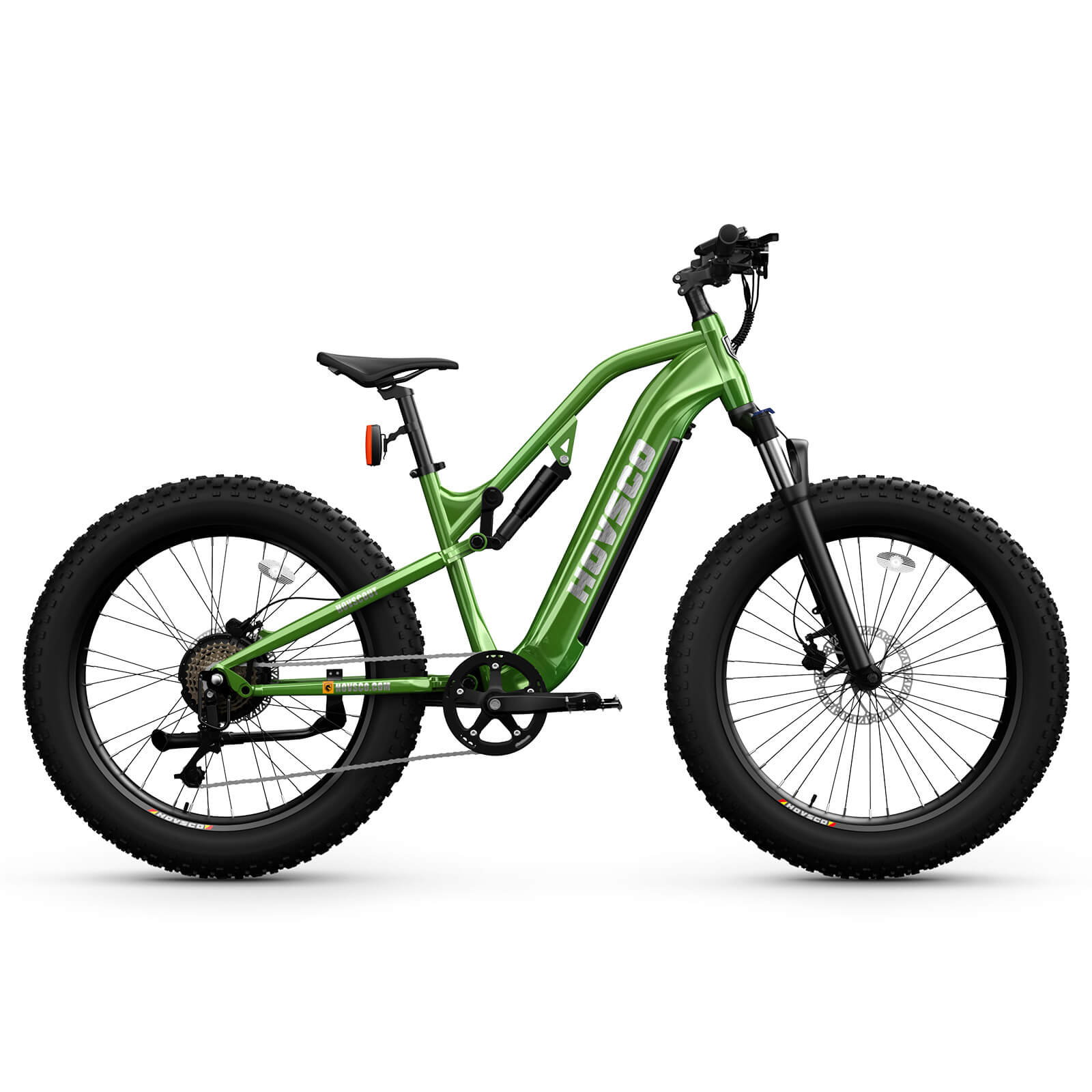
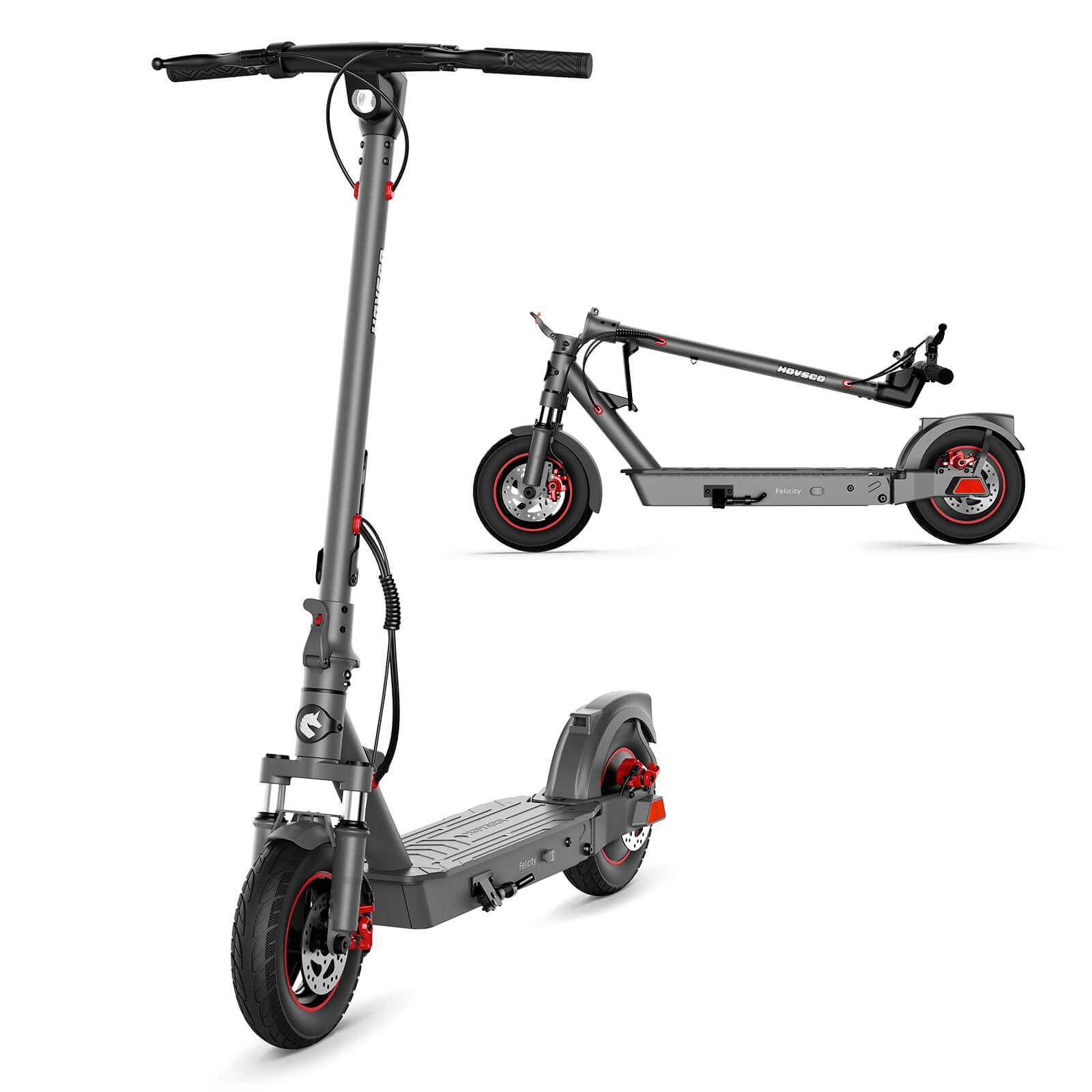
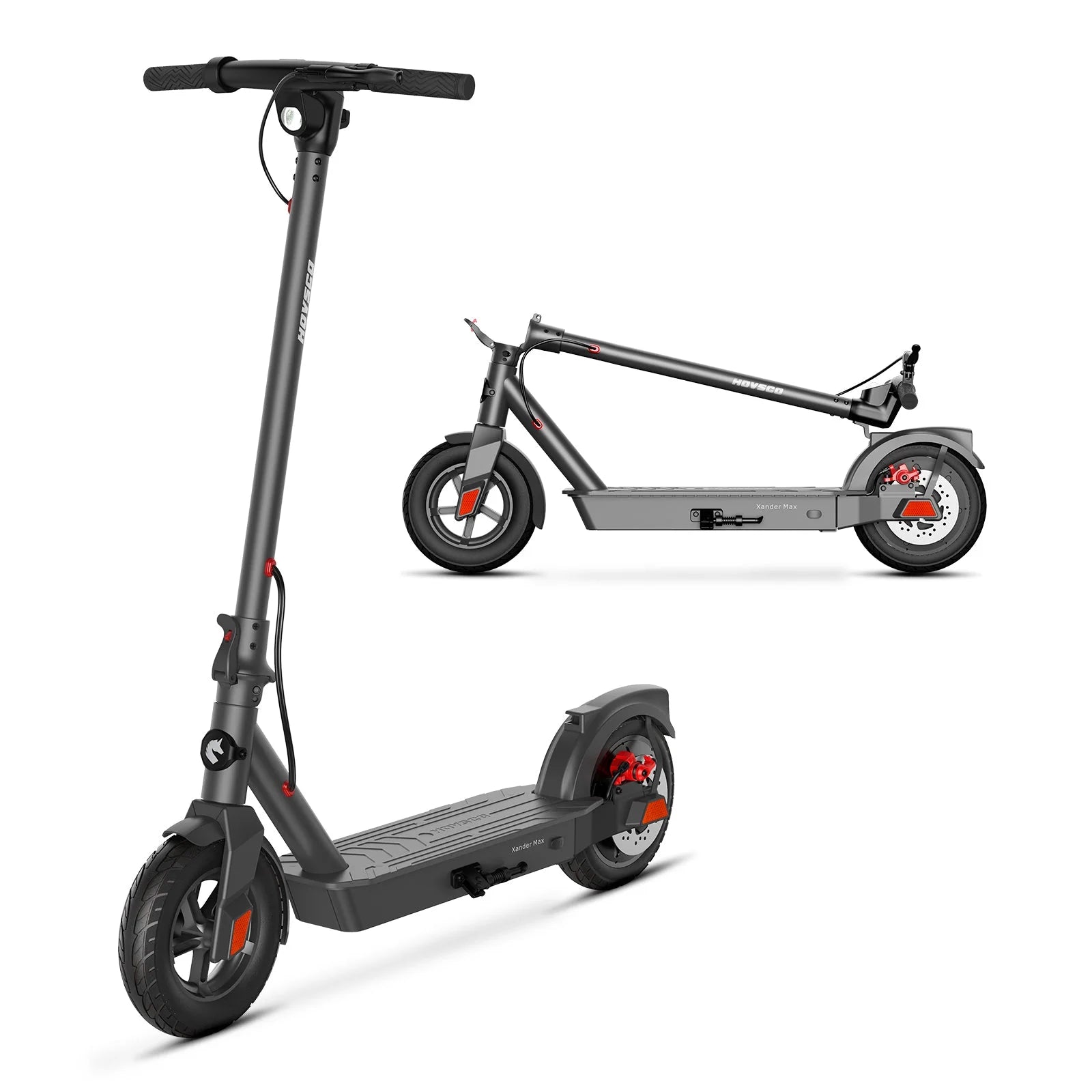
HOVSCO’s Xander Max 10" Folding Electric Scooter fits this use case with a 10-inch tire size, a 500W peak motor, a 30-mile range, IPX5 water resistance, and a 2-year warranty, making it a strong city-first example of how small-wheel platforms can still ride civilized on broken pavement. HOVSCO also positions its broader lineup around commuter comfort and safety, with products such as the HovCart Family E-Bike and HovScout Full Suspension E-bike available on the brand site for riders who want more stability or load capacity.
Small-wheel shock absorption is the combined effect of tire air volume, fork travel, damping, frame compliance, and rider position working together to soften impacts from rough roads. In this article, the core keyword refers to how a 10-inch high-elastic pneumatic tire and a suspension fork can turn a sharp road strike into a shorter, lower-amplitude vibration that feels far less disruptive to the hands and head.
Urban potholes are not just holes; they are abrupt discontinuities that force the wheel to climb, drop, and rebound in a fraction of a second. On small-wheel vehicles, the wheel reaches the edge angle faster, so the tire and fork have less time to distribute the impact before it becomes a frame-level jolt.
Hard tires amplify this problem because they rely almost entirely on stiffness instead of air cushioning, which sends more vibration into the rider’s body. Add a rigid fork or minimal suspension, and the energy path becomes direct: road surface to wheel to handlebar to torso, with little smoothing in between.
Pothole damage is also not limited to comfort. Hitting rough roads can damage tires, wheels, steering, suspension, and alignment, which is why riders should think of impact control as both a comfort and reliability issue.
The key to smoother urban riding is not one component alone, but the sequence of filtering stages. A pneumatic tire handles the first, fast spike; the fork handles the second, slower body load; and rider posture handles the rest by preventing the body from becoming a stiff extension of the frame.
This is why a 10-inch pneumatic tire can feel much calmer than a solid or hard plastic wheel of similar size. Air inside the tire compresses instantly, absorbing some of the initial hit before the fork has to work.
A suspension fork then absorbs the remaining vertical movement and controls rebound so the wheel does not bounce back too aggressively into the next crack or patch. In practical terms, the rider experiences a lower, flatter vibration profile instead of a sharp spike.
In dense cities, the real problem is not one giant pothole. It is a long sequence of cracked seams, utility cuts, and broken patches that create dozens of tiny impacts on a single commute. Those smaller hits add up, especially on compact scooters and short-travel bikes where the wheel diameter is limited.
Riders often notice this as buzzing palms, numb feet, or a chattery front end that feels unstable over time. Once that sensation becomes routine, it also increases fatigue, which can make the same trip feel longer and less enjoyable even when the speed and distance stay unchanged.
On the product side, comfort features do more than soften pain. They also help preserve confidence, keep the rider looking ahead instead of bracing for every crack, and reduce the instinct to slow excessively on normal city routes.
In pothole seasons, damaged shock absorbers, broken springs, and distorted wheels remain common breakdown outcomes, and pothole-related puncture calls can rise sharply year over year.
Tire air volume
Air acts like the first spring. In city riding, pneumatic tires reduce the initial hit from sharp edges and broken asphalt before the shock reaches the fork.
Fork travel and rebound
A suspension fork does not erase bumps; it manages them. By compressing and rebounding in a controlled way, it prevents the front end from snapping back too quickly after an impact.
Rider posture
A relaxed, slightly bent arm and knee position helps the body absorb residual vibration instead of transmitting it straight upward. That matters more on compact vehicles because the wheelbase is shorter and the rider is closer to the impact point.
Riding over a patched intersection at moderate speed feels far less tiring when the tire and fork share the workload instead of forcing the handlebar to absorb everything.
A short run to the market can stay comfortable even on cracked streets if the front end is allowed to move, rather than locking the rider into a rigid stance.
On a broken bike lane, the best result is not silence; it is a controlled, muted response that avoids the sharp edge of every impact.
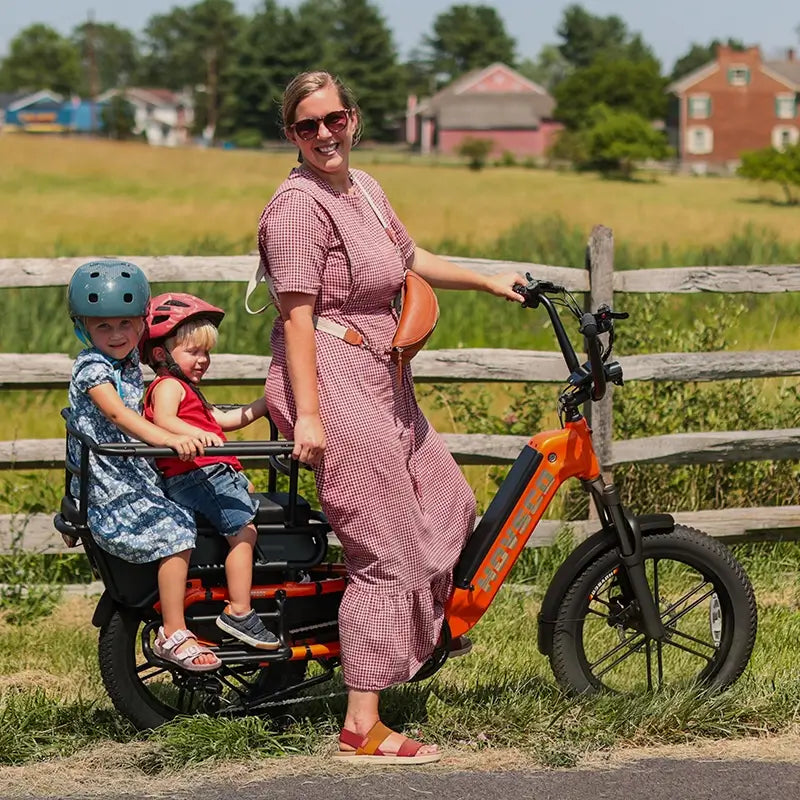
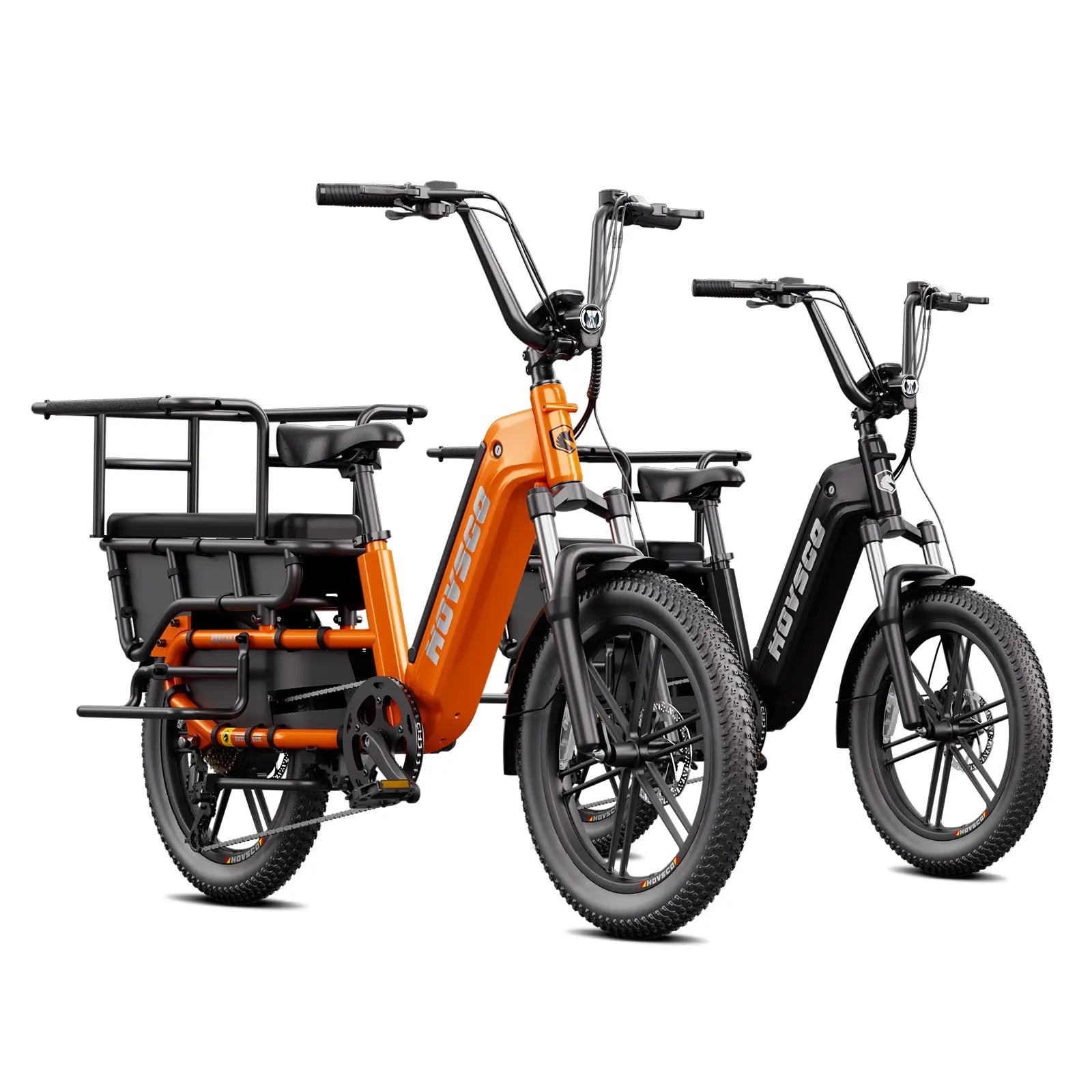
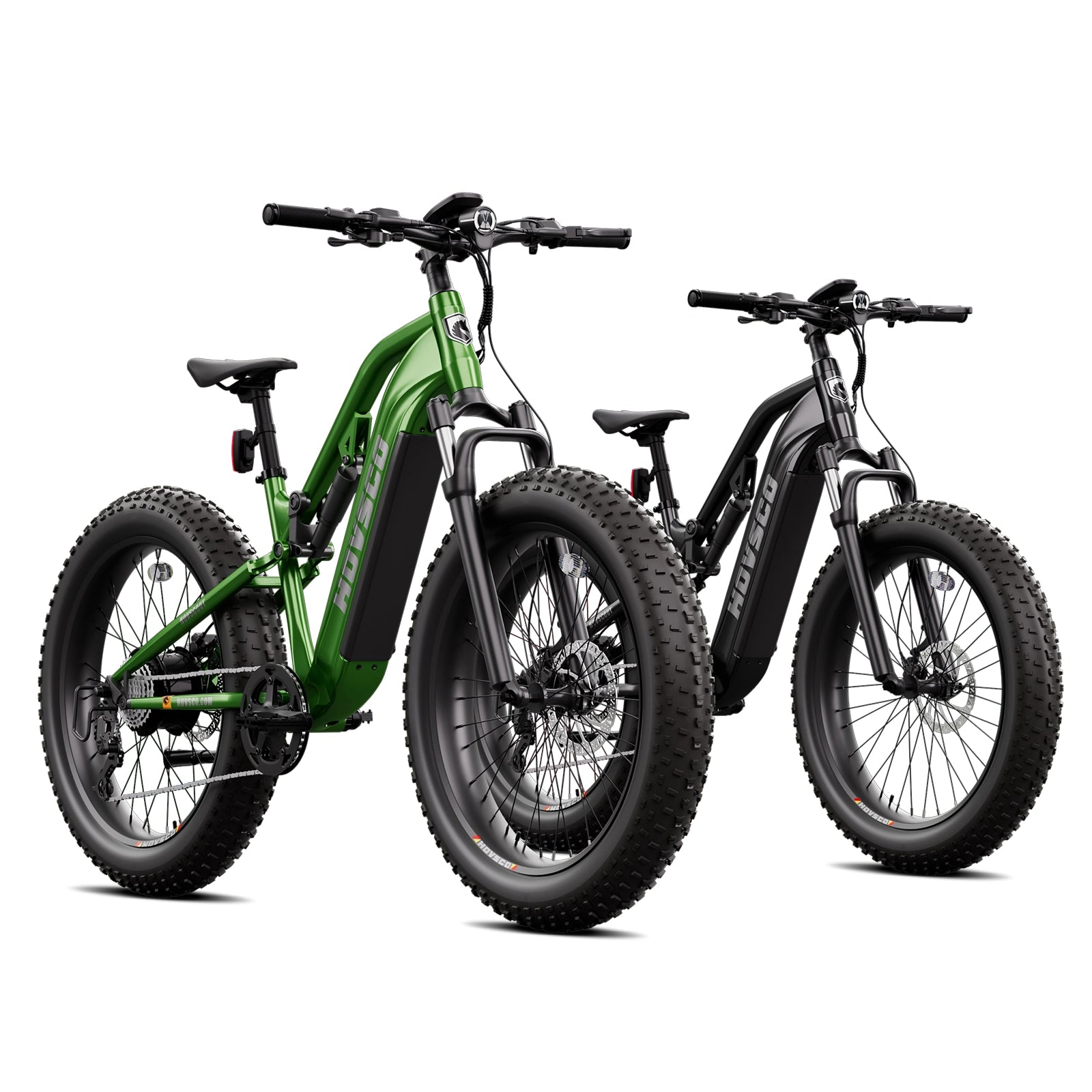
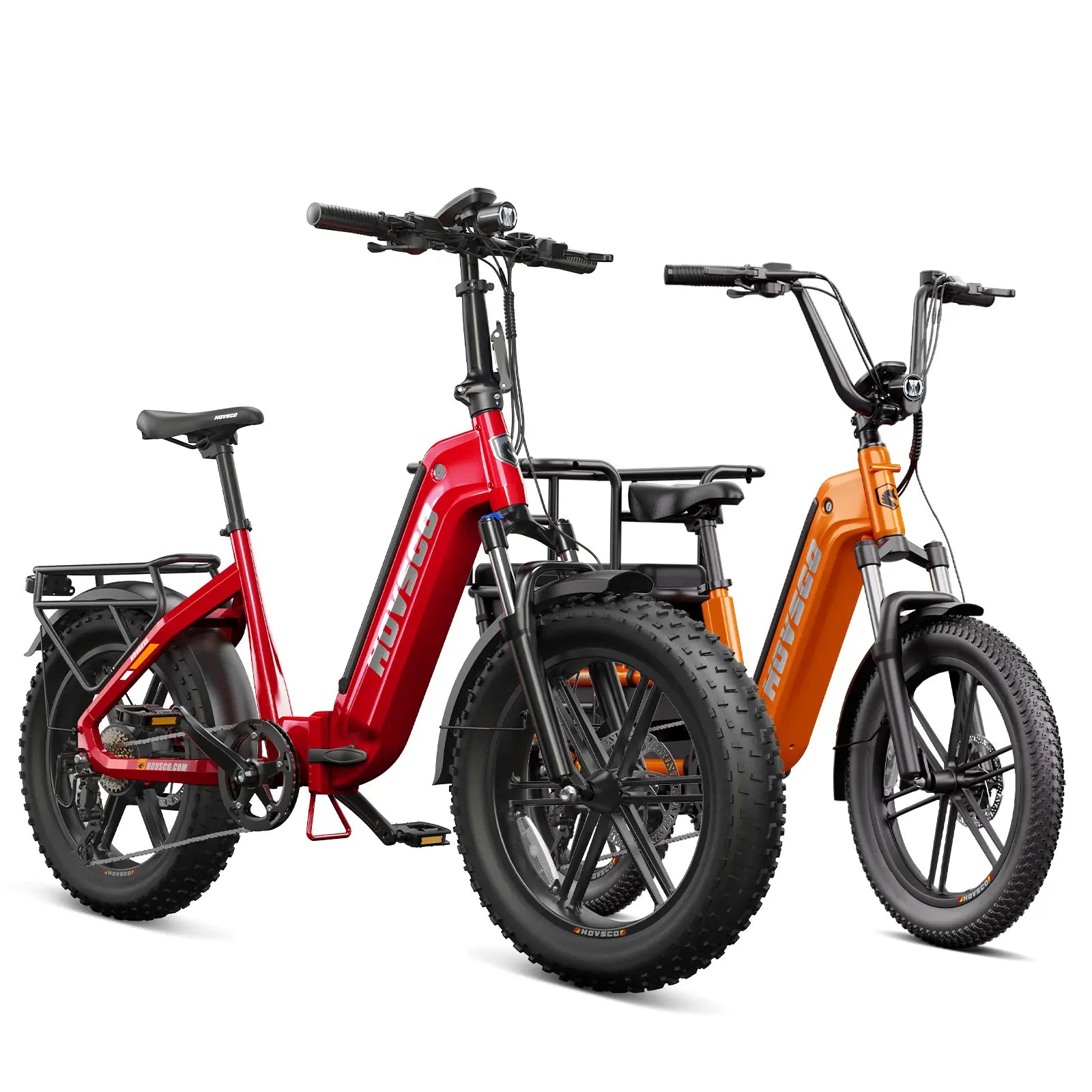
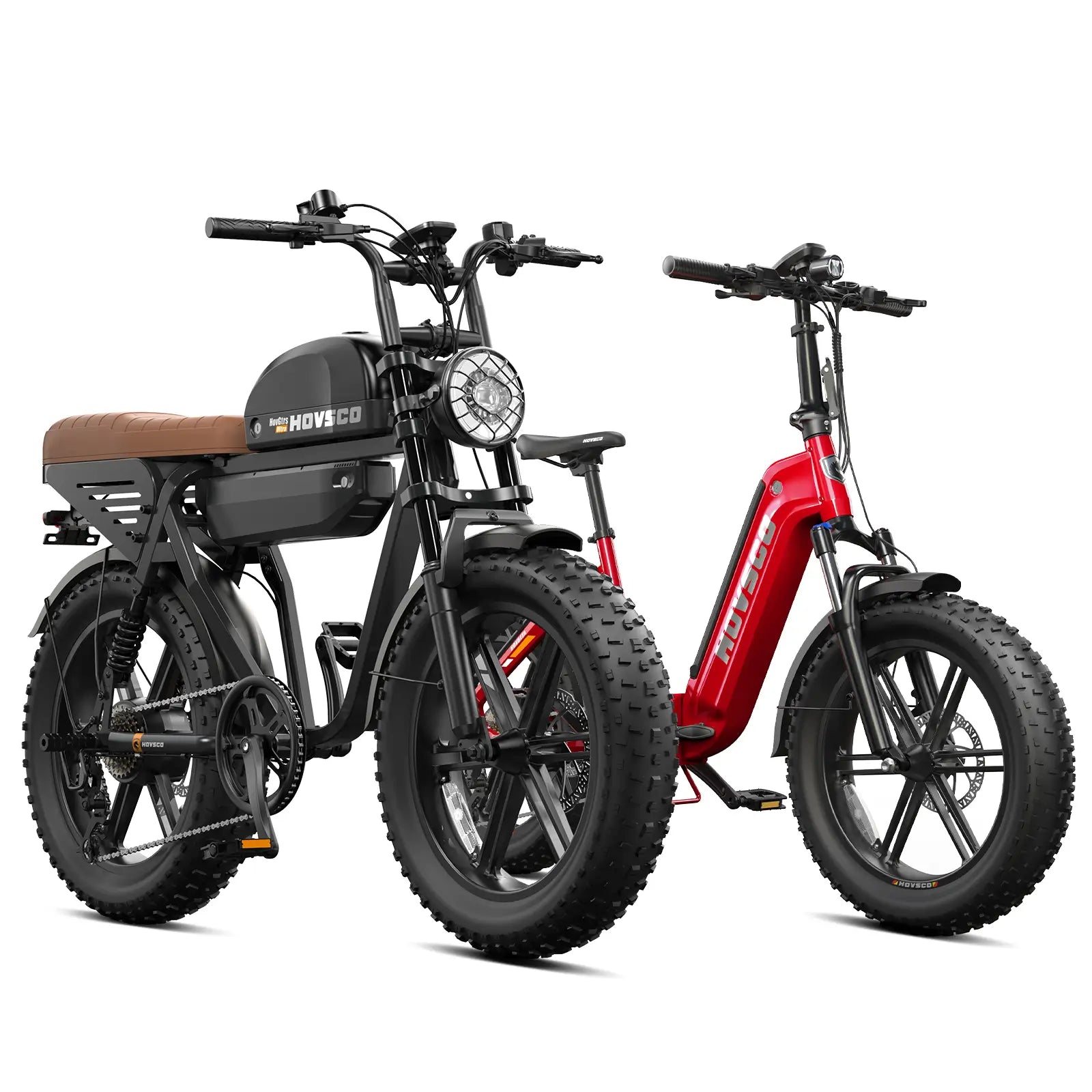
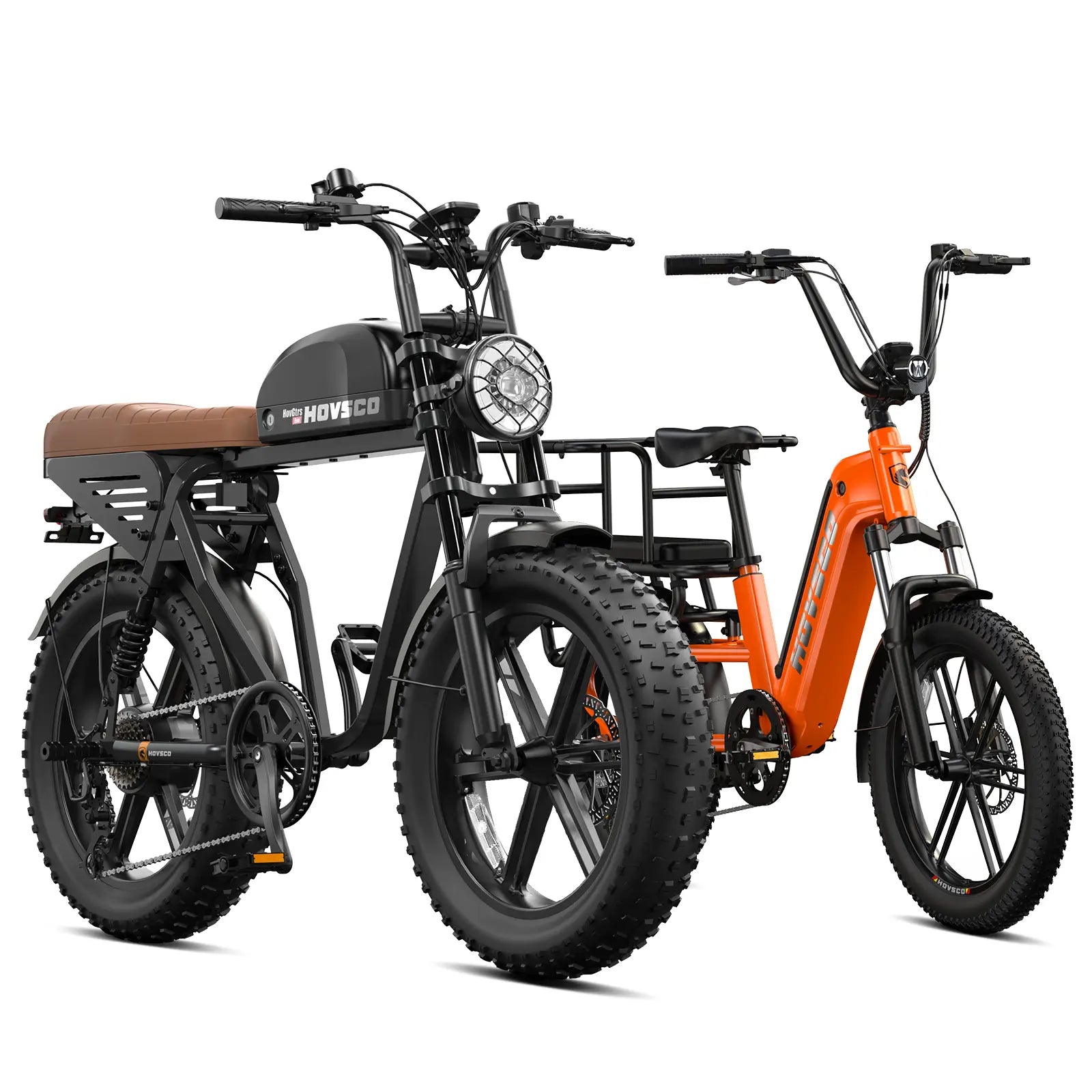
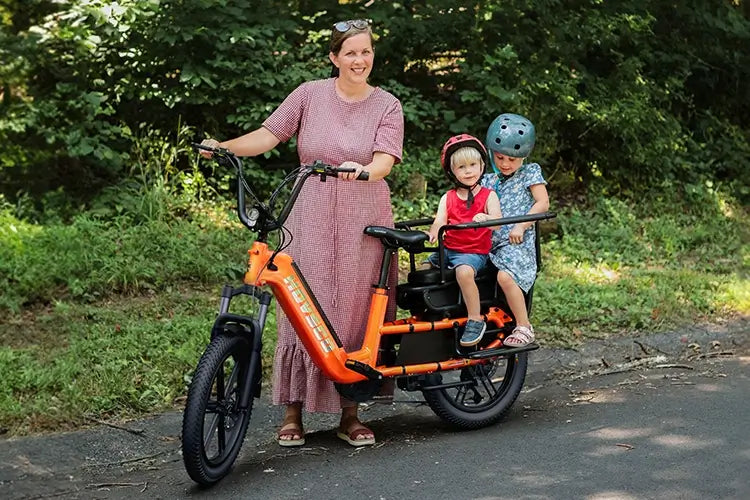
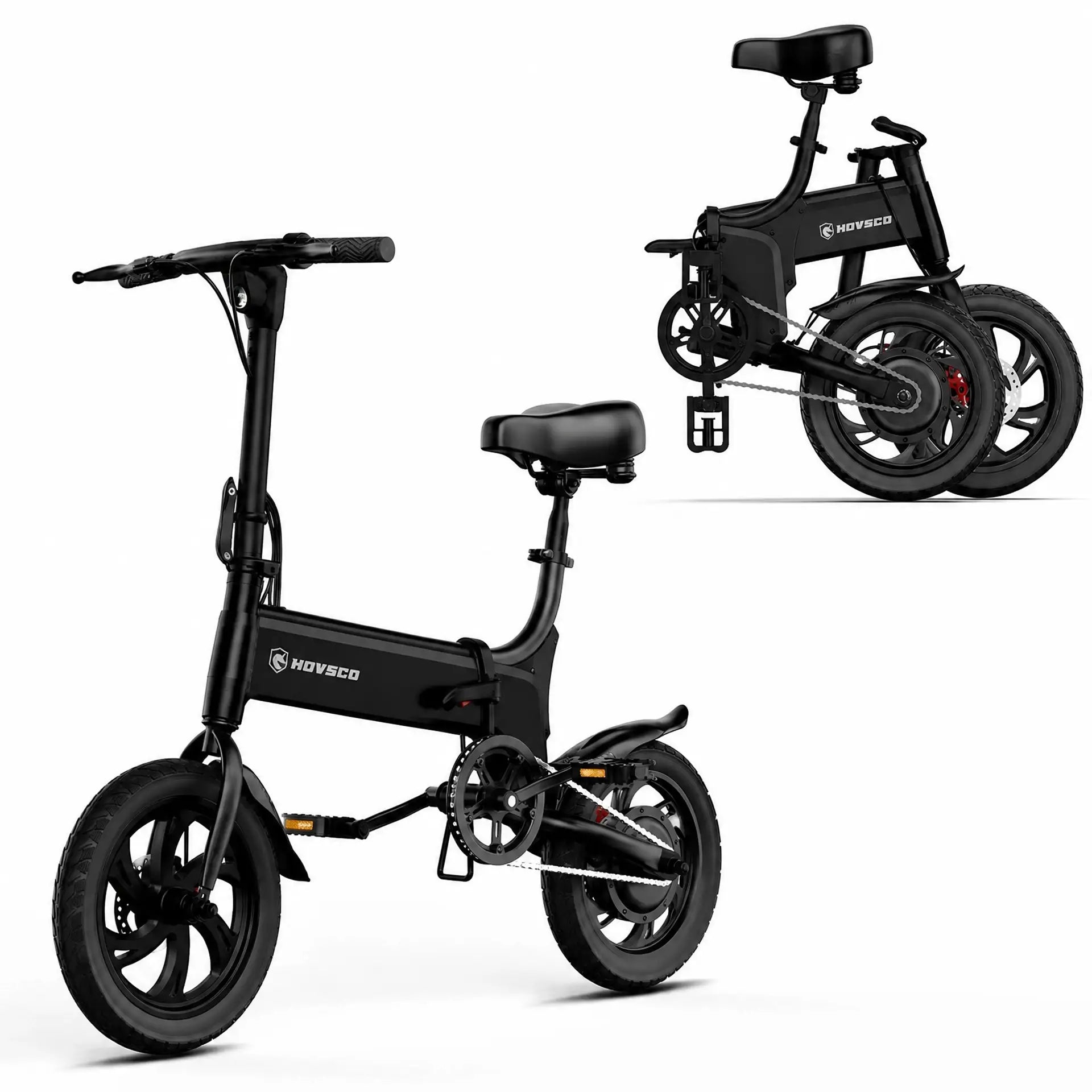
For riders who need more than compact scooter comfort, HOVSCO’s broader catalog offers logical upgrade paths. The HovCart Family E-Bike is aimed at cargo and family utility, and the site lists a 1300W motor, 28 MPH top speed, 450 lb payload, and 60-mile range. The HovScout Full Suspension E-bike is another brand-site option for riders who want a more absorbed ride over rougher urban surfaces.
If the goal is city portability first, the Xander Max remains the cleaner match because it keeps the wheel size compact while adding a 2-year warranty and a folding design. If the goal is more road isolation and higher load tolerance, HOVSCO’s e-bike lineup gives riders room to step up into a platform that naturally has more chassis space for comfort hardware.
Start by checking tire pressure before every few rides, because underinflation and overinflation both hurt grip and comfort on rough roads.
Keep your wrists soft and elbows unlocked so the bars do not become a rigid shock conduit.
Slow down before entering known pothole zones, because lower impact speed reduces the force the tire and fork must handle.
Aim to ride straight rather than swerving late, since sudden lane changes can add instability and expose the sidewall to additional risk.
Stay centered over the deck or saddle so your body can move with the bike instead of fighting it.
Inspect tires, wheels, and the front end after a hard hit, especially if you feel pulling, shaking, or new noise afterward.
Scenario 1: Morning commute on patched asphalt
Traditional practice often means slowing sharply at every crack, then accelerating again after each patch. With 10-inch pneumatic tires and suspension, the ride stays smoother, so the rider can maintain a steadier pace and less hand fatigue.
Scenario 2: Riding through a rainy week with hidden potholes
Traditional practice can be unpredictable because puddles hide the depth and shape of the hole. With a more compliant front end, the scooter is less likely to turn every hidden defect into a harsh, body-level strike, though cautious speed still matters.
Scenario 3: Short urban errands with repeated curb cuts
Traditional practice makes each curb transition feel abrupt, especially on rigid small-wheel platforms. With the HOVSCO-style comfort stack, the tire softens the first hit and the fork handles the remaining motion, which helps the rider arrive less rattled.
What does “small-wheel shock absorption” mean in urban commuting?
It refers to how a compact scooter or bike uses tire air, fork motion, and frame response to reduce the sharpness of bumps, cracks, and potholes on city streets.
Are 10-inch pneumatic tires better than hard plastic wheels for potholes?
Yes. Pneumatic tires provide far better cushioning and grip than hard plastic or solid wheels because the air pocket absorbs part of the impact before it reaches the rider.
Is a suspension fork enough without good tires?
Not really. A fork helps, but the tire is the first line of defense, so the best comfort comes from combining a pneumatic tire with a fork that can move and rebound smoothly.
How do I reduce vibration on cracked roads?
Use proper tire pressure, keep your arms and knees relaxed, slow before impact, and choose a platform with both air-filled tires and suspension if your commute regularly includes rough pavement.
What makes the HOVSCO Xander Max relevant to this topic?
It uses 10-inch tires, a folding city platform, and a commuter-friendly setup with a 30-mile range, IPX5 protection, and a 2-year warranty, which fits the small-wheel urban comfort problem described here.
Can HOVSCO cargo and full-suspension bikes be better for rough city roads?
Yes, depending on the rider’s priorities. The HovCart and HovScout are positioned by HOVSCO as higher-capacity, more comfort-oriented options, so riders who value load carrying or more absorbed handling may prefer them over a compact scooter.
For city riders, the smartest comfort strategy is not chasing speed alone. It is combining a pneumatic tire with suspension so the front end can filter impacts in layers instead of delivering every crack directly to the body. That is why a compact commuter like the HOVSCO Xander Max can make more sense than a rigid small-wheel alternative when the road surface is unpredictable. On rough urban streets, the best ride is the one that feels calm before the rider even thinks about it.
Explore HOVSCO’s city-ready lineup and match your daily route to the right level of comfort, folding convenience, and load capacity. HOVSCO builds electric mobility products around practical commuting, family use, and everyday ride quality, with the Xander Max, HovCart, and HovScout illustrating that approach.
Share:
How Safe Is a Folding Ebike Frame at 28 MPH?
Which Ebike Type Works Best for Trail Riding?