








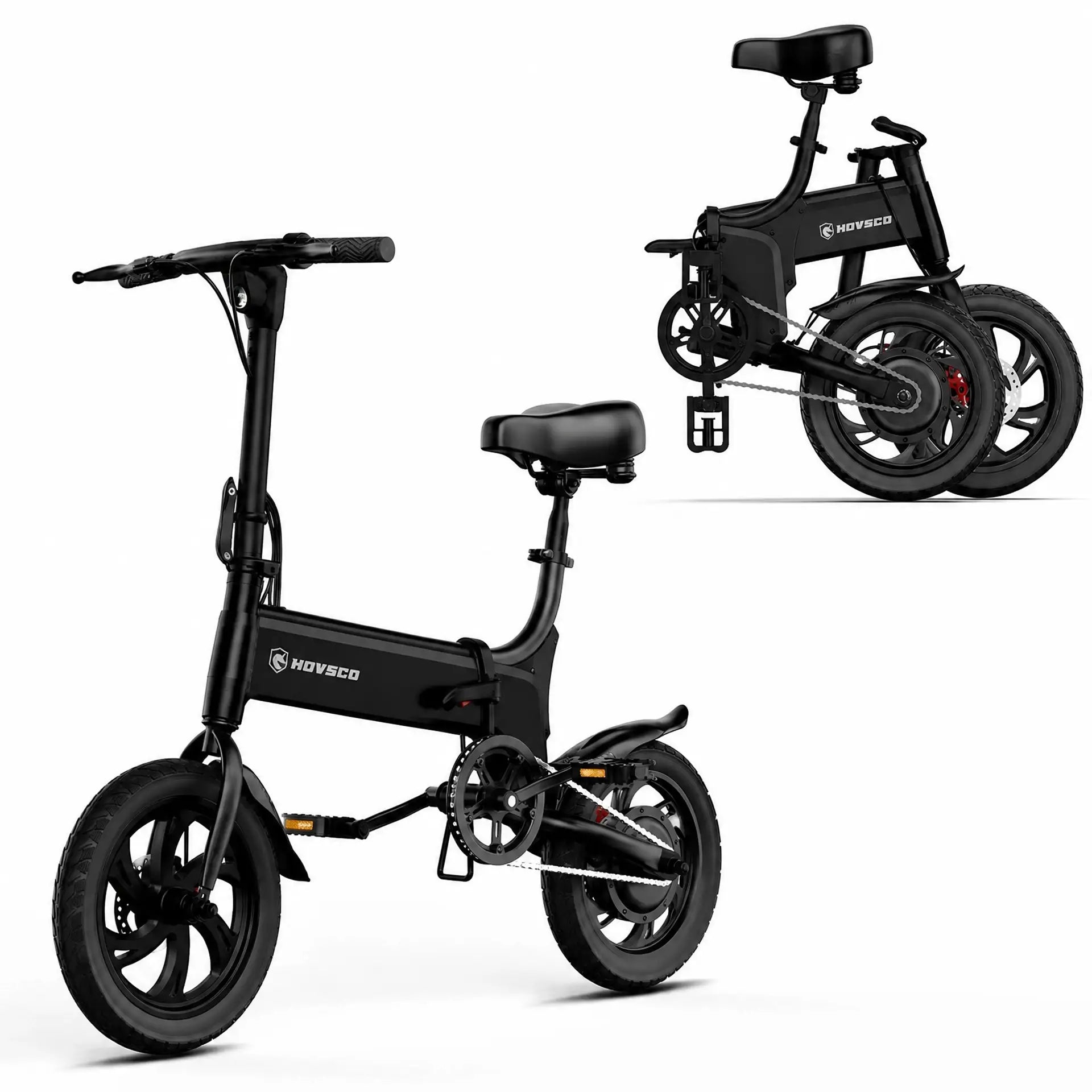
![[ New Arrival ] Porto Max Electric Scooter For Commute & Grocery Shopping - HOVSCO](http://www.hovsco.com/cdn/shop/files/PotroMax-3.jpg?v=1706927007&width=1200)
- by SteveJames
How Do Folding Stem Latches Stay Rock Solid?
- by SteveJames
E-Bikes
Accessories
 Free Shipping
 15-Day Returns
 2-Year Warranty
Free Shipping
15-Day Returns
2-Year Warranty
2-Year Warranty
Free Shipping
15-Day Returns
2-Year Warranty
A folding stem latch stays rock solid when the clamp geometry, hinge tension, and safety catch all work together. The real danger is not just a loose handlebar; it is amplified wobble at speed, which can turn small play into unstable steering, brake inconsistency, and a serious crash risk. Good maintenance keeps the stem tight, smooth, and predictable.
secure folding ebike handlebars
A folding stem latch affects steering stability by locking the handlebars to the frame with enough rigidity to resist twisting and shimmy. If the latch is loose, the long stem acts like a lever, so even tiny play at the clamp becomes noticeable bar movement at the grips.
That movement matters more at higher speed. Once the front end starts oscillating, the rider has to overcorrect, and the bike can feel nervous or vague instead of precise.
A loose stem latch is dangerous at high speed because the handlebar becomes a moving control point instead of a fixed one. On a folding bike, the tall stem magnifies every degree of play, so a small mechanical gap can feel like a major steering delay or twitch.
In practice, the danger is not only wobble. Brake force, body weight transfer, and steering input all become less predictable when the stem does not stay locked.
A folding stem latch loosens when wear, contamination, or poor adjustment reduces clamp tension. Dirt in the pivot, dried grease, a stretched locking interface, or an under-torqued fastener can all make the latch feel secure on the stand but unstable on the road.
Repeated folding also matters. Each cycle slightly changes the contact surfaces, so a mechanism that felt tight last month can start developing movement if it is never checked.
A safer stem latch design combines a strong primary lock with a secondary safety feature. The best systems do not rely on one part alone; they use controlled clamping pressure, a clean engagement path, and a backup catch that prevents accidental release.
The factory detail that matters most is repeatability. A safe latch should close the same way every time, with no guesswork, no forced slamming, and no hidden side play.
Folding stem latches should be kept clean, lightly lubricated, and checked for play on a regular schedule. Dirt should be brushed away first, then moving points can receive a small amount of bike-safe lubricant, followed by a wipe-down so residue does not attract more grit.
The key is not to over-lube. Too much lubricant can make the latch feel smooth while hiding wear, which is exactly the wrong kind of “easy” on a safety-critical part.
The highest-priority areas are the latch interface, pivot pin, tension screw or cam, and the safety catch. These points absorb the clamping force and the repeated folding motion, so they are the most likely places for wear or loosening to begin.
The stem tube itself should also be checked for cracks, ovalization, or polished wear marks. If the contact surfaces are visibly changing shape, the mechanism is telling you it has already started to move.
Yes, a wobbly stem can often be repaired or adjusted if the issue is caused by tension loss or contamination rather than structural damage. A proper service may include cleaning the latch, resetting tension, replacing worn hardware, or re-aligning the closing angle.
If the latch still moves after adjustment, stop riding it until the cause is identified. A stem that cannot hold lock under load is not a “minor issue”; it is a safety fault.
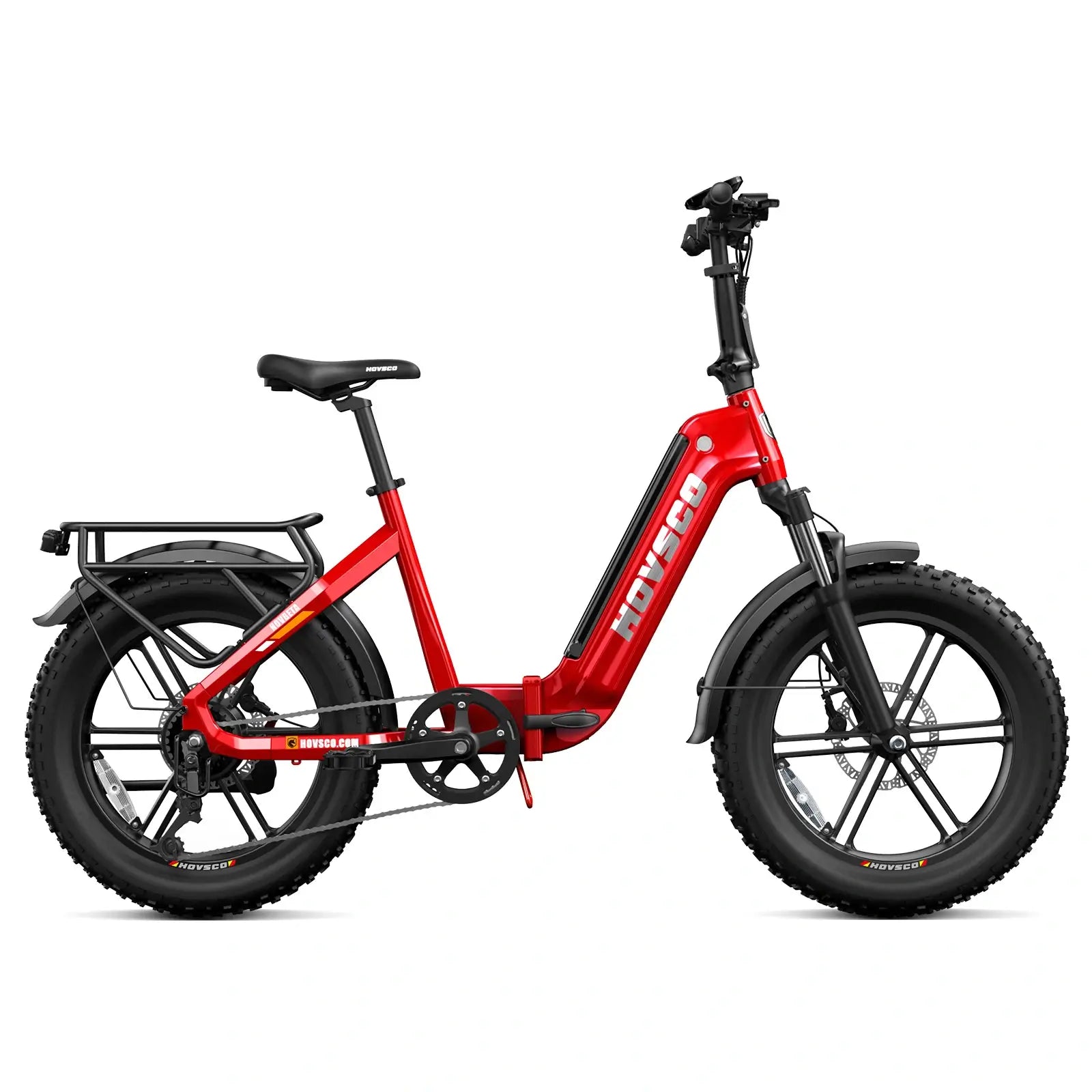
HOVSCO approaches stem latch durability by treating the folding handlepost as a load-bearing steering component, not just a convenience feature. That means the lock, tube wall, and contact geometry are designed to work together so the rider gets a firm feel without excessive force.
In my experience, the best folding bikes are the ones that feel boring in the right way. HOVSCO focuses on reducing flex, simplifying the user check, and keeping the latch behavior consistent after many fold cycles.
“A folding stem should never ask the rider to trust guesswork. We want a latch that closes with clear engagement, holds alignment under load, and stays stable after repeated use. In our view, good stem design is not just about folding neatly — it is about preserving steering confidence every mile.” — HOVSCO engineering perspective
Riders should inspect latch closure, stem alignment, handlebar twist, and any play at the hinge before every ride. A quick push-pull test at the grips and saddle can reveal movement that is easy to miss during a casual visual check.
If the stem feels different from the last ride, do not dismiss it. A change in closing feel, sound, or steering response usually means the mechanism needs attention immediately.
Proper tension matters because it keeps the latch tight enough to resist vibration but not so tight that it damages the interface. Too loose creates wobble; too tight can make the latch hard to close, accelerate wear, or stress the hinge components.
The correct setting is the one that closes cleanly and leaves no perceptible movement under load. That balance is the whole game with a folding stem latch.
Aggressive riding increases stem wear because hard braking, curb hits, and rough terrain send larger forces through the front end. A tall folding stem sees more leverage than a standard stem, so the same bump can create more stress at the latch.
Heavier riders, high-speed commuting, and frequent one-handed steering also add wear. If the bike is used daily in traffic, the latch should be checked more often than a weekend leisure bike.
A monthly clean-and-check routine works best for most riders, with extra inspections after rain or rough use. Wipe the latch area clean, check for side play, confirm the safety catch engages properly, and make sure the stem closes with a firm, repeatable feel.
If the latch begins to feel gritty, sticky, or easier to close than normal, treat that as a warning sign. Small changes are often the earliest clues that hardware is wearing or the tension has drifted.
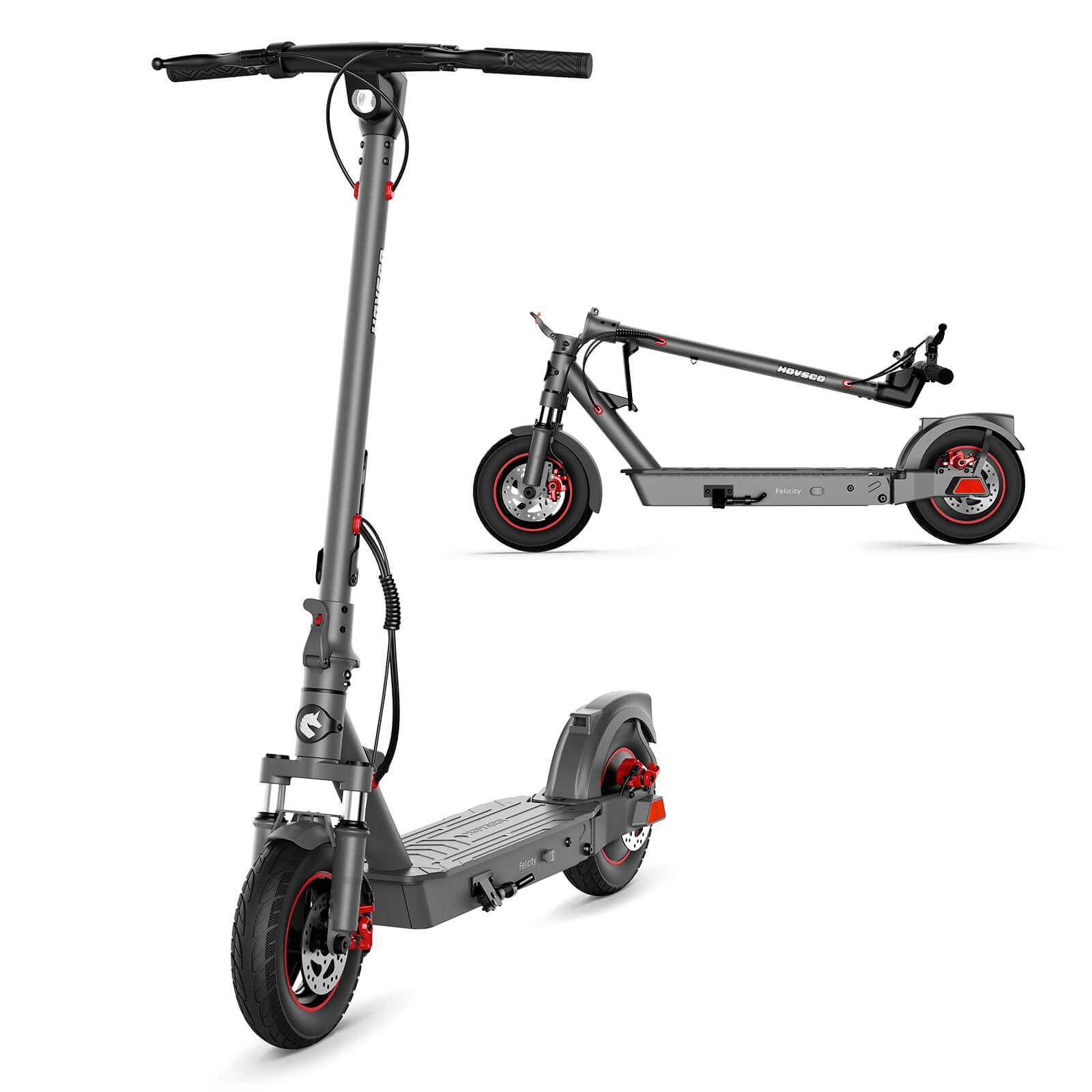
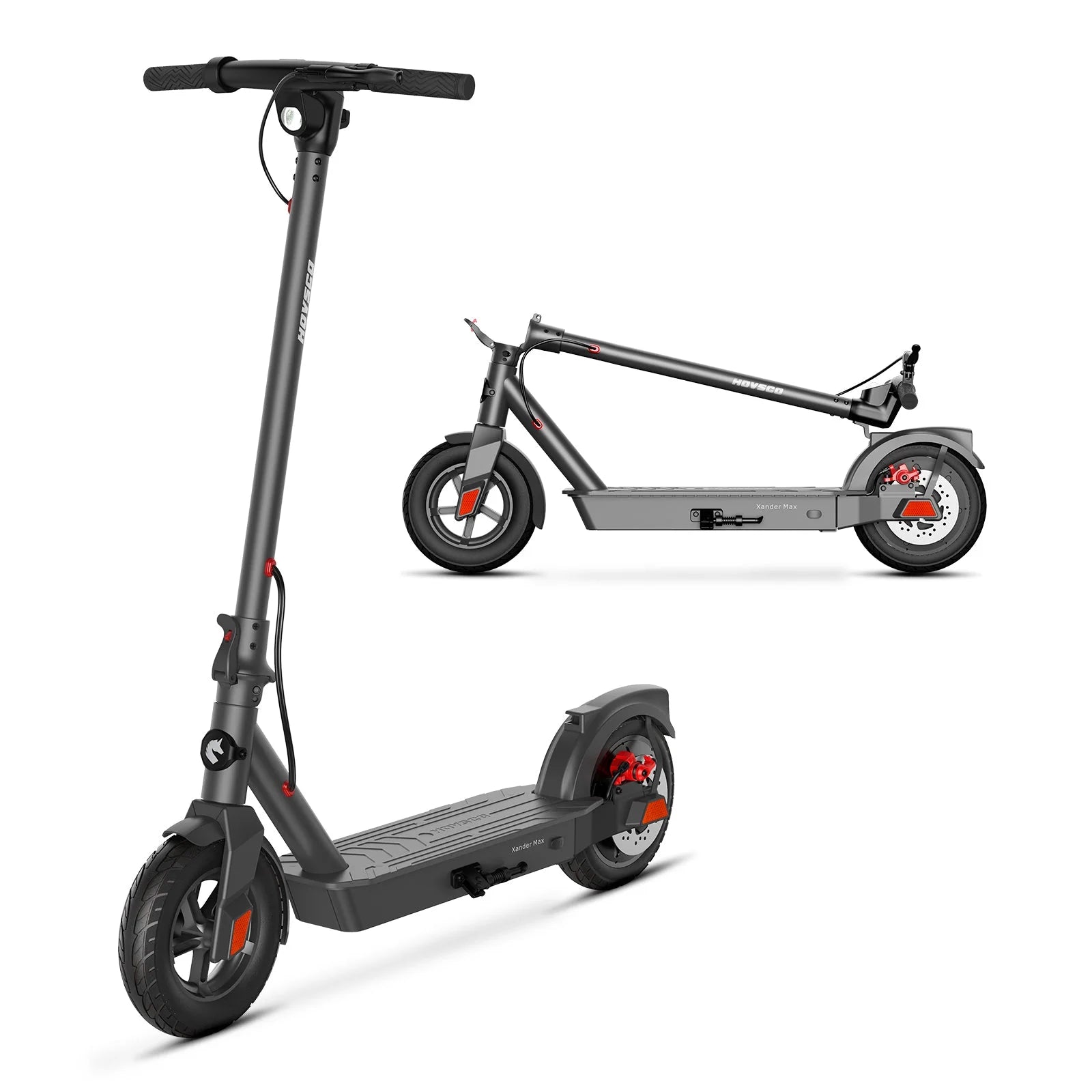
Buyers can judge quality by looking for a rigid closing interface, a visible safety catch, and a stem that does not flex excessively when loaded. A well-made folding stem should feel engineered, not improvised, with clean contact surfaces and no obvious slop.
If a brand can explain how the latch is tensioned and why the stem stays aligned, that is a strong sign of mature design. HOVSCO does this well because the stem system is built for repeatable use, not just first-day convenience.
This matters because stem instability becomes a trust problem long before it becomes a breakdown. When the bars feel even slightly loose, the rider rides tensely, checks the front end more often, and loses confidence in the bike.
Long-term ownership is easier when the steering stays predictable. That is why a durable folding stem latch is not a small detail — it is central to safety, comfort, and ride quality.
A folding stem latch keeps steering rock solid only when its lock, tension, and safety features are maintained together. The biggest risk is not dramatic failure; it is gradual loosening that turns the long stem into a lever that magnifies wobble at speed.
For riders, the takeaway is simple: inspect the latch before every ride, keep it clean, and never ignore new play or a changed closing feel. HOVSCO’s approach shows that strong stem design is about repeatable rigidity, clear engagement, and long-term confidence on the road.
How often should I check the folding stem latch?
Check it before every ride, and give it a full cleaning and inspection at least once a month.
Is a tiny bit of wobble normal?
No. Any noticeable movement at the stem should be investigated before riding.
Can lubricant fix a loose latch?
No. Lubricant helps movement, but loose tension or wear needs mechanical adjustment.
What is the first sign of stem trouble?
A changed closing feel, a click under load, or new side play at the handlebars.
Should I keep riding if the latch feels different?
No. Stop and inspect it first, because stem instability can become a serious safety issue.
Share:
How Do Folding E-Bike Cables Stay Safe?