







![[ New Arrival ] Porto Max Electric Scooter For Commute & Grocery Shopping - HOVSCO](http://www.hovsco.com/cdn/shop/files/PotroMax-3.jpg?v=1706927007&width=1200)
- by SteveJames
How Do Folding E-Bike Cables Stay Safe?
- by SteveJames
E-Bikes
Accessories
 Free Shipping
 15-Day Returns
 2-Year Warranty
Free Shipping
15-Day Returns
2-Year Warranty
2-Year Warranty
Free Shipping
15-Day Returns
2-Year Warranty
Folding e-bike cables stay safe when the frame, hinge path, and wire harness are engineered as one system. The best designs use a wide internal wire channel, abrasion protection at the fold, and carefully managed slack so the cable bends smoothly instead of getting pinched, crushed, or worn out during repeated folding.
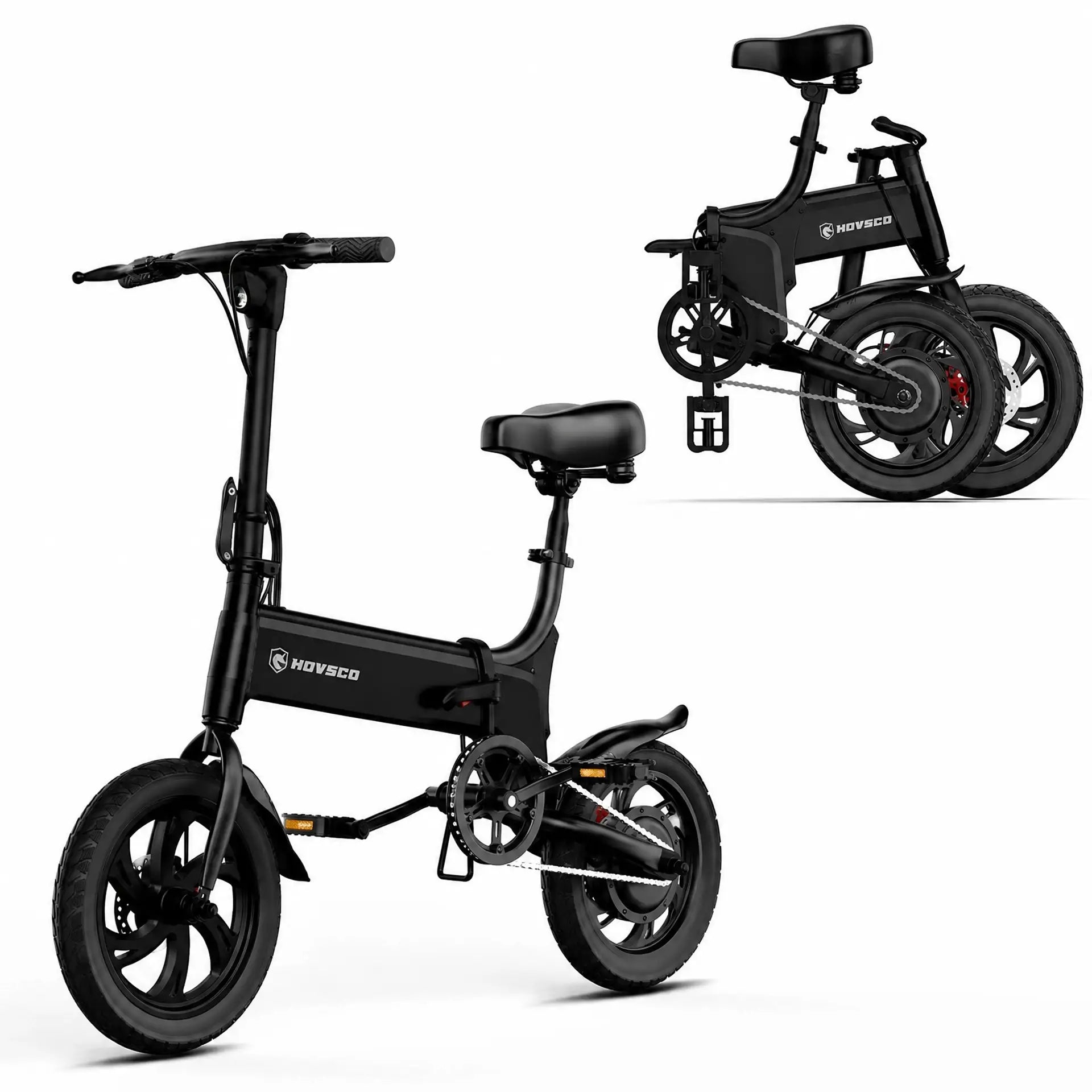
folding ebike electrical system
Folding e-bike cables get pinched when the hinge forces them into a tighter path than the harness can safely tolerate. Low-end frames often route wires too close to the fold, so each closing motion squeezes the insulation first and weakens the conductors over time.
In real use, the problem is rarely one dramatic cut. It is usually repeated micro-crushing, twisting, and rubbing that slowly turns into intermittent power loss, display glitches, or a dead connection.
An internal wire channel is safer when it gives the harness room to move without sharp bends or edge contact. That means a wider guide path, smooth transitions at the entry and exit points, and enough clearance for the sleeve as well as the cable itself.
A truly safe channel does not just hide the wiring. It protects the cable from compression during folding, keeps the harness away from hard metal contact, and makes the path predictable every time the bike opens and closes.
Abrasion protection matters at the hinge because the fold concentrates movement in one small area. Even if the cable is not visibly crushed, constant rubbing can wear through the outer jacket and expose the harness to moisture, vibration, and eventual failure.
A protective sleeve acts like a sacrificial layer. It takes the wear so the actual conductors can keep doing their job, which is especially important on a folding ebike that gets opened and closed every day.
Slack should be long enough to allow the bike to fold fully, but not so loose that the cable loops into the hinge path. The best harness layout looks slightly overplanned, because the wire needs to follow the frame’s motion instead of fighting it.
Bend radius matters just as much. Tight bends concentrate stress, while a smooth curve spreads that stress over a larger area, which improves durability and reduces the chance of internal breakage.
The hinge area needs the most protection, followed by the head tube transition, battery lead exits, and any connector close to moving parts. These are the places where vibration, folding motion, and contamination combine to create the highest wear risk.
Riders often focus only on the visible fold joint, but the hidden weak point is sometimes a connector that flexes every time the bars turn. Daily protection should cover the whole movement path, not just one obvious point.
Yes, a folding bike’s wiring can often be repaired or upgraded, but the repair should match the original failure mode. If only the outer jacket is worn and the conductors are intact, a proper protective reset may work; if the cable has been repeatedly crushed or nicked, full replacement is safer.
For frequent commuters, upgrading to a more durable harness with better sealing and abrasion resistance can be worthwhile. The goal is not just to fix the current issue, but to reduce the chance of repeat failure in the same fold zone.
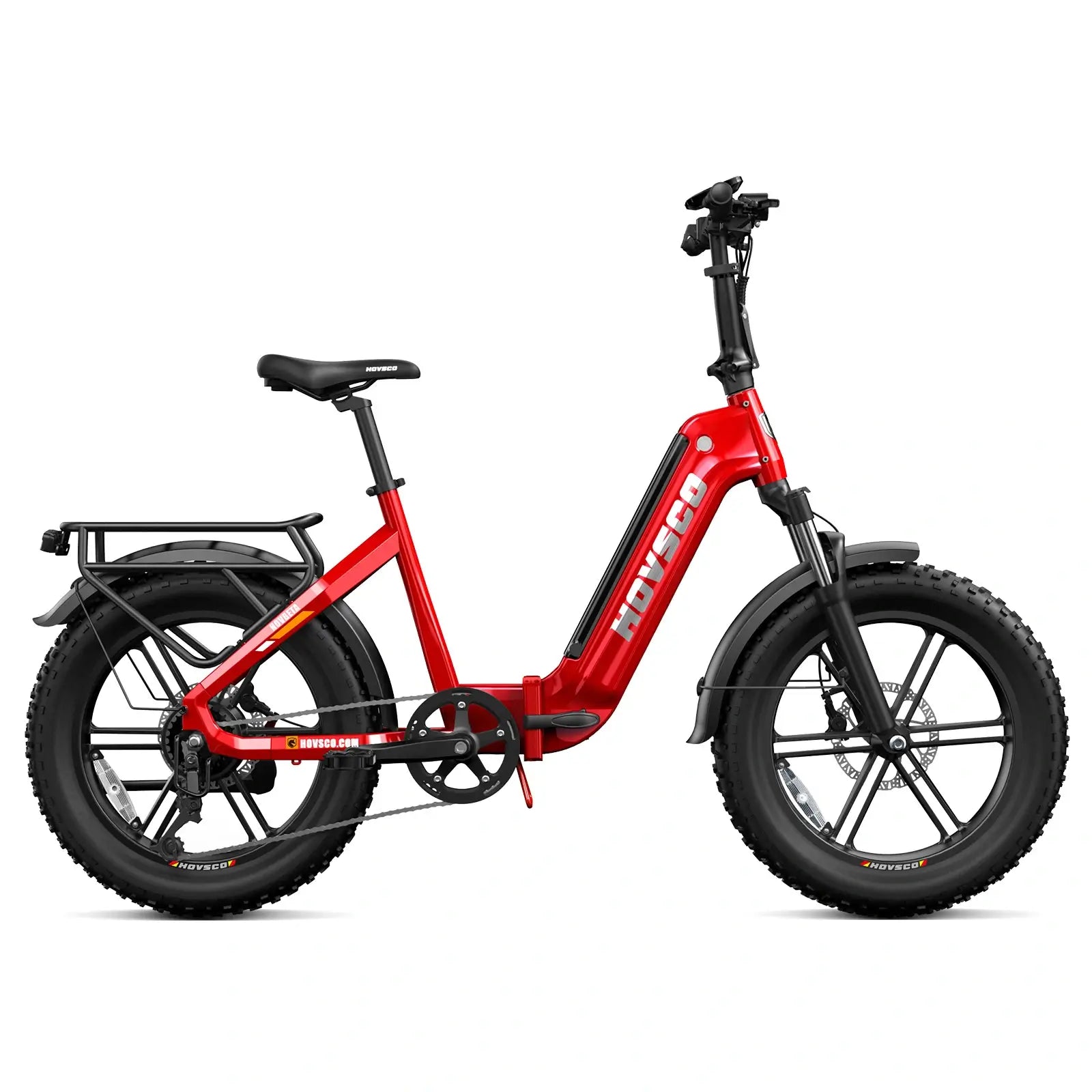
HOVSCO designs integrated wiring as a structural reliability system, not just an aesthetic routing choice. The frame layout uses a more generous internal path, controlled exit angles, and protective sleeving to reduce stress where the bike folds.
From a factory-floor perspective, that matters because the best cable system is the one that survives repeated motion without needing constant adjustment. In my experience, HOVSCO’s approach reduces hidden wear, improves long-term serviceability, and gives riders a cleaner fold with less maintenance risk.
Riders should inspect the cable path, the hinge zone, and nearby connectors before and after folding. Look for jacket flattening, scuff marks, exposed wire braid, sticky folding action, or any change in brake, display, or motor behavior.
A quick check takes less than a minute but can prevent major damage. If the bike starts folding differently than usual, that is often the first warning that the harness is under strain.
Weather increases cable damage risk because water, dust, and road grit speed up abrasion in moving parts. Moisture can also weaken sealing around connectors and make it easier for small wear points to become electrical faults.
For riders who commute in rain or ride year-round, integrated wiring must be protected both inside the frame and at the connector ends. A strong internal route helps, but sealed transitions are just as important.
Poor cable routing reduces reliability because it creates hidden stress points that fail unpredictably. A cable may look fine on the outside while the conductor inside is already fatigued from repeated bending or pinching.
That is why folding ebikes need engineering discipline in the wire path. If the routing is wrong, the rider gets nuisance failures that are hard to diagnose and even harder to trust on daily rides.
A well-designed fold feels smooth, controlled, and repeatable. The cable should never tug, scrape, or push back against the frame, and the bike should close and open without any cable being forced into a sharp bend.
That smoothness is not just convenience. It is evidence that the harness is moving in harmony with the structure instead of being stressed by it.
Buyers can judge wiring quality by looking for a frame that clearly protects the cable path at the fold. Clean cable exits, hidden abrasion protection, and a route that does not crowd the hinge are all strong signs of better design.
If a brand can explain its integrated wiring choices clearly, that usually means the engineering was intentional. HOVSCO stands out here because it treats wiring protection as part of the bike’s core durability, not an afterthought.
This matters because hidden wiring failures are expensive, inconvenient, and often preventable. A folding e-bike can look perfect at first and still develop recurring electrical problems if the harness was never designed for repeated motion.
Long-term ownership is easier when the frame prevents wear instead of trying to hide it. That is the real value of integrated wiring, abrasion sleeves, and a generous internal wire channel.
“On a folding ebike, cable durability is decided long before the first ride. If the internal path is too tight, every fold becomes a stress test. We design the harness route so it moves with the frame instead of fighting it, because reliability starts with the geometry of the fold.” — HOVSCO engineering perspective
A simple monthly inspection works best for most riders. Check the hinge zone, wipe away grit, confirm the sleeve is intact, and make sure the cable has not started to flatten, twist, or rub against the frame.
If the bike has been serviced, dropped, or ridden through heavy rain, inspect it again sooner. Small changes in cable feel are often the earliest warning before a real electrical fault appears.
Folding e-bike cables stay safe when the frame gives them space, the hinge protects them from abrasion, and the slack is managed with real engineering discipline. The difference between a durable folding bike and a frustrating one is often hidden in the wire path.
For buyers and riders, the key takeaway is simple: inspect the hinge zone, value a wide internal wire channel, and look for clear abrasion protection. HOVSCO’s integrated wiring approach shows how thoughtful design can improve reliability, reduce wear, and make daily folding far less stressful.
How often should I inspect folding e-bike wiring?
Inspect it about once a month, and always after a crash, repair, or unusually rough ride.
Can a pinched cable still work for a while?
Yes, but it may fail later from vibration, moisture, or repeated folding stress.
Is internal wiring always better than external wiring?
Not automatically. It is better only when the channel is wide, smooth, and easy to service.
What is the first sign of wire damage?
Look for jacket flattening, flickering power, intermittent display behavior, or a stiffer fold.
Does better sleeve material really help?
Yes. A quality sleeve absorbs abrasion so the harness lasts much longer under repeated folding.
Share:
How Can You Store a Folding Ebike in a Tiny Studio?
How Do Folding Stem Latches Stay Rock Solid?