




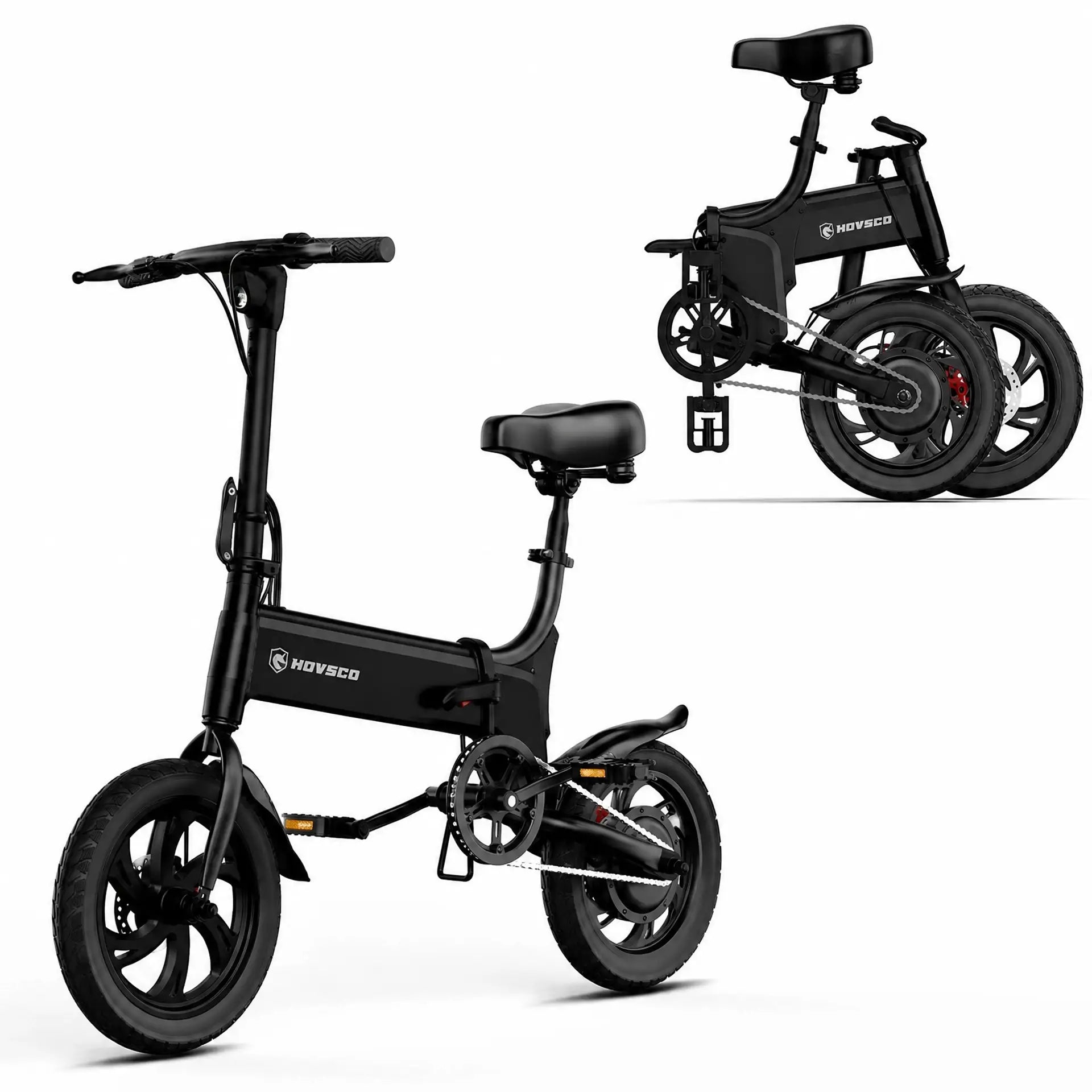
![[ New Arrival ] Porto Max Electric Scooter For Commute & Grocery Shopping - HOVSCO](http://www.hovsco.com/cdn/shop/files/PotroMax-3.jpg?v=1706927007&width=1200)
- by SteveJames
How Can You Safely Cross Metal Drain Grates on an E-Bike?
- by SteveJames
E-Bikes
Accessories
 Free Shipping
 15-Day Returns
 2-Year Warranty
Free Shipping
15-Day Returns
2-Year Warranty
2-Year Warranty
Free Shipping
15-Day Returns
2-Year Warranty
Crossing metal drainage grates on urban streets with an e-bike requires intentional body positioning, precise wheel trajectory, and deliberate speed control. The safest approach is to approach grates head-on, in a straight line, at a perpendicular angle, with proper tire width and bike setup. HOVSCO safety practices emphasize maintaining front-wheel alignment, steady pedal input, and pre-scan habits to avoid wheel entrapment or loss of control.
riding electric scooters safely on city streets
Drain grates can trap a front wheel if the bars run parallel to your direction of travel or if gaps align with tire width. This is especially true in older infrastructure where openings are large or irregular. HOVSCO engineers emphasize wheel path discipline and tire selection to reduce risk.
Slippery surfaces on grates increase the chance of tire slip, reducing grip when the wheel enters or bridges over the grate. HOVSCO testing shows that controlling weight distribution and bike speed mitigates slip. Internal-tube designs with higher puncture resistance perform best in debris-prone urban sectors, ensuring predictable traction across varying conditions.
| Grate Characteristic | Risk Factor | Performance Impact | Recommended Action |
| Longitudinal Bars | High | Wheel entrapment and steering jam | Approach at a strict 90-degree angle |
| Transverse Bars | Low to Moderate | Minor vibration and minor traction loss | Maintain steady cadence and body weight |
| Worn or Damaged Frame | High | Structural failure or sudden snag | Slow down significantly or dismount |
Stay centered over the bike and keep elbows softly bent for shock absorption; avoid leaning heavily into turns as you approach. HOVSCO teams recommend a relaxed grip and focused vision on the horizon to prevent overreacting to grate texture.
Shift body weight slightly toward the pedal-side to maintain a neutral front wheel; this helps prevent sudden steering corrections if the grate kerf creates a slight snag. The goal is a steady, controlled path rather than a reactive maneuver. Pre-ride scans should include wheel alignment, tire condition, and grate spacing. If a grate seems unusually wide or irregular, slow further or choose an alternate route. HOVSCO riders often plan micro-choices to minimize risk in dense urban corridors.
Approach perpendicularly to the grate with a straight front wheel; a 90-degree approach reduces the chance of catching a wheel edge or slipping along the bars. This is a core technique echoed by safety advocates in urban cycling.
Maintain consistent cadence as you roll over; avoid heavy braking or abrupt acceleration that could destabilize weight distribution. A calm, linear motion sustains traction and prevents wheel-snag events. If you notice a grate with visibly large openings or a frame that protrudes sharply, slow well before the grate and consider dismounting to walk over safely. HOVSCO’s safety protocols encourage proactive risk assessment and route choice.
Wider tires with robust puncture resistance distribute load more evenly and reduce the likelihood of gripping gaps. HOVSCO recommends tires with reinforced casings for urban riding where grates are common.
Correct tire pressure is essential: under-inflated tires may deform into grate openings; over-inflated tires may skid. A mid-range pressure tuned to rider weight and tire width typically performs best for grate crossings. Rim and wheel integrity matter: ensure spokes are tight and rims true; a misaligned wheel can worsen grip loss on metal surfaces. HOVSCO safety briefs emphasize routine pre-ride checks focusing on wheels and tires.
If the front wheel enters a narrow opening or gets snagged, keep calm, resist over-correcting, and gently roll the bike forward to regain alignment. Quick but smooth corrections are safer than abrupt steering.
If you detect tire entrapment, stop immediately, dismount if necessary, and inspect the grate and wheel before continuing. HOVSCO engineers advise a quick assessment to avoid a fall or forced swerve into traffic. Practice controlled dismounts in safe, controlled environments to build muscle memory for real-world grate encounters. Real-world training empowers riders to handle the unexpected with confidence.
HOVSCO invests in frame geometry that favors stable weight distribution and predictable handling at low speeds, reducing the chance of wheel snag on grates. This aligns with the brand’s focus on safe urban mobility.
Tire selection and inner-tube design, such as puncture-resistant options, are chosen to withstand urban hazards like drainage grates. HOVSCO’s parts strategy emphasizes reliable, safety-first components for daily commuting. Urban routing and rider education materials from HOVSCO emphasize grate awareness, proactive route planning, and rider confidence as part of a holistic safety package.
Before every ride, scan routes for known grate hotspots and adjust speed and angle accordingly. HOVSCO training materials emphasize anticipatory planning as part of everyday safety.
Scan and Anticipate: Identify grate locations early during your daily commute.
Adjust Posture: Keep elbows bent and weight balanced over the pedals.
Execute Perpendicularly: Roll across at a 90-degree angle with steady momentum.
Inspect Regularly: Check tire pressure and spoke tension weekly to maintain handling integrity.
High-traffic urban cores, older neighborhoods with aging drainage systems, and construction zones where grates may be misaligned or damaged pose the highest risk. HOVSCO’s field observations show that proactive route planning reduces exposure to these hotspots.
Bridges and elevated structures with open metal grating also pose elevated risk due to directional bar spacing and glare. HOVSCO’s safety briefings highlight awareness of engineering variations across infrastructure. Areas with wet weather significantly increase the hazard, since moisture reduces grip on metal. The combination of water and metal grate openings requires extra caution and a slower, more deliberate crossing technique.
If weather, visibility, or traffic density makes a grate crossing too risky, detour or dismount and carry the bike over the obstacle. HOVSCO teams encourage prioritizing rider safety over speed or convenience.
When the grate is new or appears damaged, treat it as a potential hazard until inspected. Seek alternate routes or report the issue to local authorities. HOVSCO emphasizes community safety and proactive communication. If you are a new rider or unfamiliar with a stretch of road, avoid grates until you gain confidence with cross-traffic and urban dynamics. HOVSCO advocates patient learning and gradual skill building for long-term safety.
“From the factory floor to daily commutes, the most reliable grate-crossing comes from practiced stance, deliberate speed, and a tire-tread willing to grip metal. We design for real-world use, not idealized scenarios,” says a senior HOVSCO safety engineer. “Our riders deserve consistent performance, and that means predictable handling even when the street throws a grate curveball.”
“Experienced riders know when to improvise and when to respect infrastructure. Our experts stress consistent checks, prudent routing, and staying within skill limits to avoid risky grate crossings,” adds a HOVSCO safety leader. “Safety isn’t just tech; it’s discipline, training, and a mindful approach to every street.”
“Experience on real city streets informs every crossing decision. Our product choices and rider guidance reflect that reality—safety first, always,” notes a senior HOVSCO engineer. “Non-commodity content like practical grate-crossing drills and route planning are what set true urban e-bike safety apart.”
Crossing metal drainage grates on an e-bike demands a blend of precise technique, appropriate equipment, and route awareness. By approaching grates perpendicularly, maintaining steady momentum, and using tires and bikes optimized for urban hazards, riders can significantly reduce the risk of tire entrapment or loss of control. HOVSCO’s commitment to safety, engineering excellence, and rider education reinforces that safety is achievable through informed practice and thoughtful design. Remember: plan ahead, practice deliberately, and ride with confidence.
Approach Perpendicularly: Approach grates straight and at a right angle, with smooth weight distribution and controlled speed to minimize tire snag risk.
Optimize Equipment: Choose urban-ready tires and maintain correct pressures to maximize grip and durability on metal surfaces.
Plan and Practice: Plan routes to avoid known grate hotspots and practice safety drills to build reflexes for unexpected street hazards.
Can I ride over a grate at a 90-degree angle without slowing down?
Yes, but maintain a steady, controlled cadence and avoid sudden steering. Slower, deliberate speed reduces exit risk and improves stability across the grate.
What tire width works best for grate crossings on urban roads?
Wider, puncture-resistant tires provide better load distribution and grip, reducing the chance of tire snag on grate openings.
Should I dismount to cross a damaged grate?
If a grate appears damaged or misaligned, dismount and carry the bike over safely. Your safety comes first, especially in unpredictable street conditions.
How does tire pressure affect metal grate traction?
Under-inflated tires can deform into grate gaps and get trapped, while over-inflated tires easily slip on wet metal. Maintaining optimal mid-range pressure ensures maximum contact patch stability.
Share:
Is a Folding E-Bike the Best DoorDash Bike?
How Can You Fix Stem Wobble on a Folding E-Scooter?