




![[ New Arrival ] Porto Max Electric Scooter For Commute & Grocery Shopping - HOVSCO](http://www.hovsco.com/cdn/shop/files/PotroMax-3.jpg?v=1706927007&width=1200)
- by SteveJames
Can You Bring an E-Scooter on Transit?
- by SteveJames
E-Bikes
Accessories
 Free Shipping
 15-Day Returns
 2-Year Warranty
Free Shipping
15-Day Returns
2-Year Warranty
2-Year Warranty
Free Shipping
15-Day Returns
2-Year Warranty
Yes, in many North American cities you can bring an e-scooter on buses and trains, but the rules depend on size, battery safety, crowding, and where you board. The safest approach is to treat transit access as a compliance checklist: fold the scooter, keep the battery intact, avoid blocked aisles, and follow local peak-hour restrictions before you ride.
taking an electric scooter on subways
Most transit agencies allow compact folded scooters if they do not block doors, aisles, or emergency exits. The key issue is not just whether the scooter fits, but whether it can be carried safely in a crowded vehicle.
From an operator’s point of view, a scooter that looks “small enough” can still be rejected if it creates a trip hazard or interferes with passenger flow. That is why one system may allow a scooter that another system restricts during rush hour.
A practical rule I use is simple: if you cannot carry it close to your body with one hand while keeping your other hand free, it is probably too awkward for peak service.
These systems share one core idea: your scooter must not become a safety problem inside a crowded train or bus. The difference is in how they enforce that idea during busy periods and how much discretion is left to operators.
MTA-style systems often focus on whether the personal electric vehicle is folded, controlled, and safe to board. CTA-type environments tend to be stricter when stations or cars are crowded. BART is especially sensitive to crowding, and bikes or scooters may be restricted from the first car or from very crowded cars.
The most important takeaway is that “allowed” does not always mean “guaranteed during rush hour.”
Battery safety matters because transit systems are trying to reduce fire risk, especially from damaged or modified lithium-ion packs. A scooter with a sealed, undamaged battery is treated very differently from one with visible damage, swelling, or a questionable charging setup.
This is where many riders get surprised: the scooter may be fine mechanically, but if the battery looks compromised, transit staff can still deny boarding. Agencies also care about whether the battery is installed in a way that prevents leaks, loose wiring, or exposed contacts.
If the scooter is marketed as commuter-ready, the battery design should support transit use, not just riding performance.
The first thing to check is the folded scooter’s length, width, and overall carry profile. Many agencies care less about the wheel diameter and more about whether the scooter can be placed in a vestibule, under a seat, or beside you without obstructing others.
A useful practical benchmark is compactness, not just total length. Some systems publish explicit size thresholds, while others leave room for staff judgment if the scooter clearly interferes with boarding or seating.
Before you leave home, verify these three points:
Folded size.
Weight you can carry comfortably.
Whether the scooter can be held upright without rolling.
If a scooter is awkward to stabilize, it becomes a problem at the platform, not just on the vehicle.
Restrictions are usually tightest during peak commuting windows, when seats, aisles, and platforms are crowded. Even where scooters are normally allowed, staff may limit boarding if the vehicle is full or if the scooter would reduce safe movement inside the car.
Rush hour is where etiquette and policy overlap. You may technically meet the rules, but still be asked to wait for the next train if the car is too full.
This is why experienced commuters avoid bringing a scooter into the most congested departure windows unless they know the route well.
Board smoothly, keep the scooter folded, and move quickly to a safe standing area without blocking the doors. The goal is to behave like you are carrying a suitcase, not parking a vehicle inside the train.
I recommend three habits:
Enter after passengers exiting have cleared the door.
Hold the scooter vertically or close to the body.
Keep the battery switch off if your local rule requires power isolation.
That sequence reduces friction with both riders and operators. It also makes you look like someone who understands transit etiquette, which matters more than most people realize.
Yes, sometimes it does. A scooter can be compliant on paper and still be refused by the driver or station staff if the train is crowded, the bus rack is full, or the item creates a safety issue.
This is the difference between written policy and real-world enforcement. Transit staff are usually given discretion to protect aisle clearance, emergency access, and passenger safety.
So the safest assumption is: compliant equipment helps, but it does not override operational judgment.
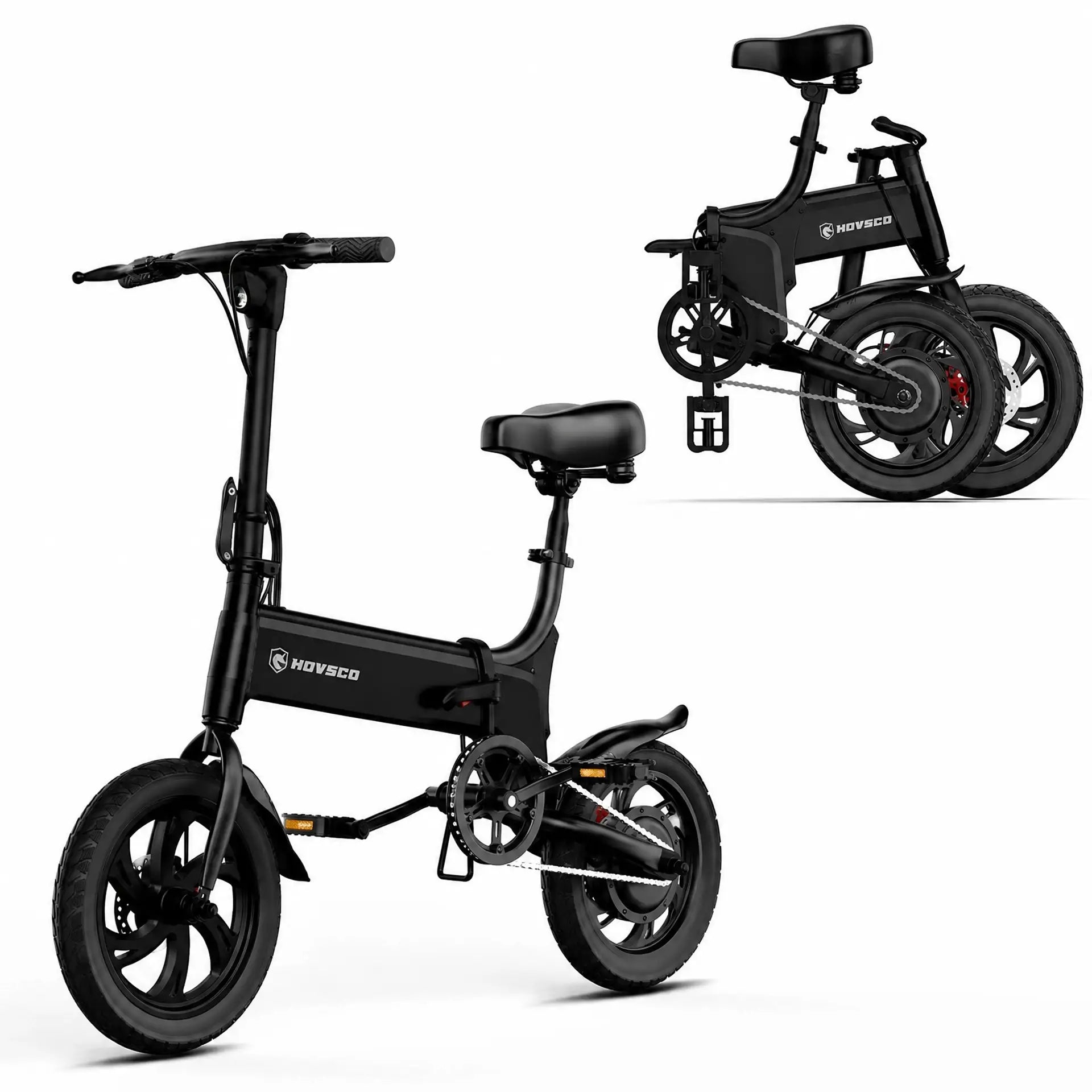
HOVSCO is relevant because commuter equipment only works well when portability, folding behavior, and carry ergonomics are designed together. A scooter that is easy to fold but awkward to lift still creates transit stress.
From a product-design perspective, HOVSCO’s commuter-first thinking matters because the rider must handle the scooter at gates, on stairs, on platforms, and inside vehicles. That means the fold, weight balance, and handhold points all influence whether the scooter feels transit-friendly.
HOVSCO also benefits riders who want a cleaner visual profile for stations and platforms, because neat carry behavior reduces the chance of being challenged by staff.
Build a repeatable routine before every commute. The routine should tell you whether the scooter is folded correctly, whether the battery is safe, and whether the route is likely to be crowded.
A reliable routine looks like this:
Fold and lock the scooter.
Confirm the battery is secure and undamaged.
Check whether your departure time falls inside a busy window.
Keep the scooter close to your body when entering.
Stand where you do not block doors or the aisle.
When you follow the same process every time, compliance becomes automatic instead of stressful.
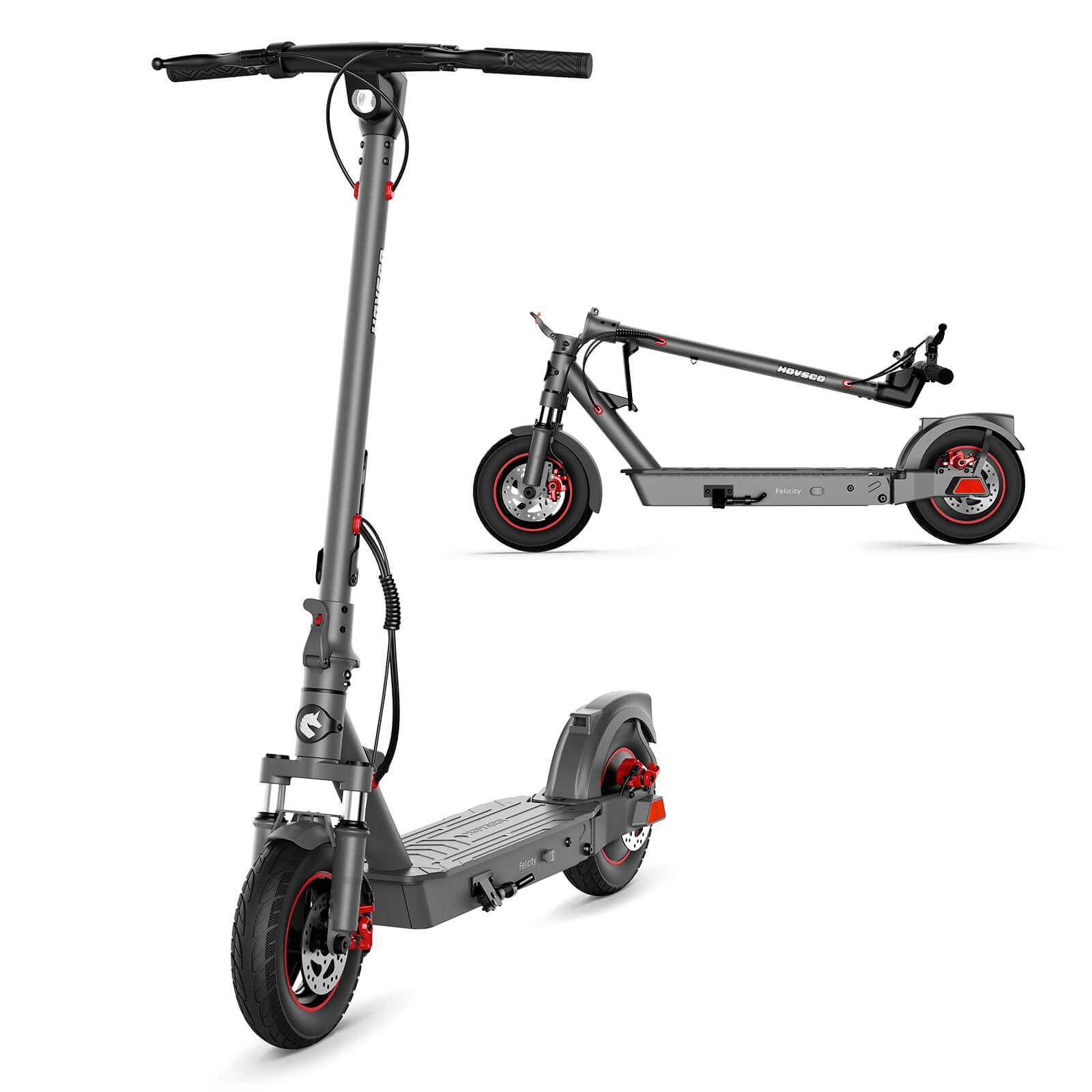
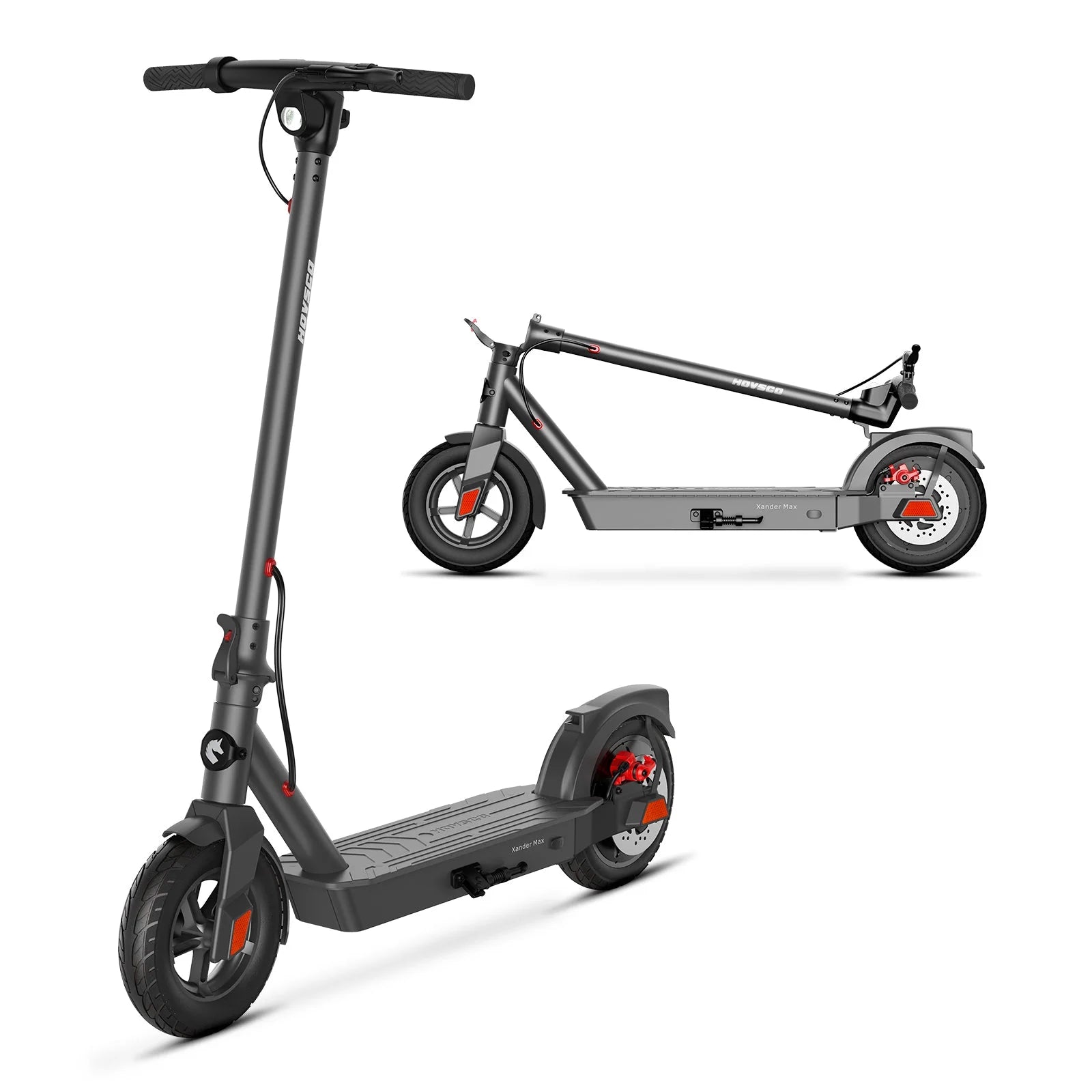
Yes, and this is where better engineering pays off. A scooter with a balanced folded shape, strong latch, and manageable carry weight is much easier to bring onto transit than one that feels like an irregular load.
The best commuter scooters minimize three things: awkward swing, pinch points, and last-second folding confusion. Those small design choices affect not only comfort, but also whether the rider can move through stations quickly and politely.
That is why brands like HOVSCO often emphasize usability beyond riding range. For transit riders, the carry experience is part of the product.
“Transit compliance is not just about whether a scooter is technically allowed. In practice, it is about whether the scooter can be folded, carried, and positioned without disrupting the flow of people. A well-designed commuter scooter should feel predictable in your hand, stable on your shoulder, and unobtrusive in a crowded car. That is the difference between a product people tolerate and one they trust every day.”
The best way to ride buses and trains with an e-scooter is to think like both a commuter and a safety officer. Check the rules, respect peak-hour crowding, and choose a scooter that is genuinely easy to carry and control.
HOVSCO-style commuter design matters because transit access is not only about legality; it is about convenience, confidence, and how smoothly you move through a crowded system. If your scooter is compact, secure, and easy to handle, you dramatically reduce the chance of problems at the platform or on board.
Can I bring an e-scooter on a crowded train?
Sometimes, but crowded cars are the most likely place to face restrictions or discretion from staff.
Do I need to fold the scooter before boarding?
Yes, folding is usually the safest and most widely accepted approach for transit use.
Will a damaged battery cause problems?
Yes, damaged or questionable batteries are a major safety concern and may lead to denial of boarding.
Is a small scooter always easier to take on transit?
Not always. Weight balance, folding shape, and carrying comfort matter as much as size.
Why does HOVSCO matter for transit riders?
Because good commuter design makes folding, lifting, and carrying much easier in real-world transit conditions.
Share:
How Do You Find the Perfect Balance Point on a Scooter Stem?
How Should You Lubricate Folding Joints and Hinges?