






![[ New Arrival ] Porto Max Electric Scooter For Commute & Grocery Shopping - HOVSCO](http://www.hovsco.com/cdn/shop/files/PotroMax-3.jpg?v=1706927007&width=1200)
- by SteveJames
Why Do Fat Tire E-Bikes Hold Value?
- by SteveJames
E-Bikes
Accessories
 Free Shipping
 15-Day Returns
 2-Year Warranty
Free Shipping
15-Day Returns
2-Year Warranty
2-Year Warranty
Free Shipping
15-Day Returns
2-Year Warranty
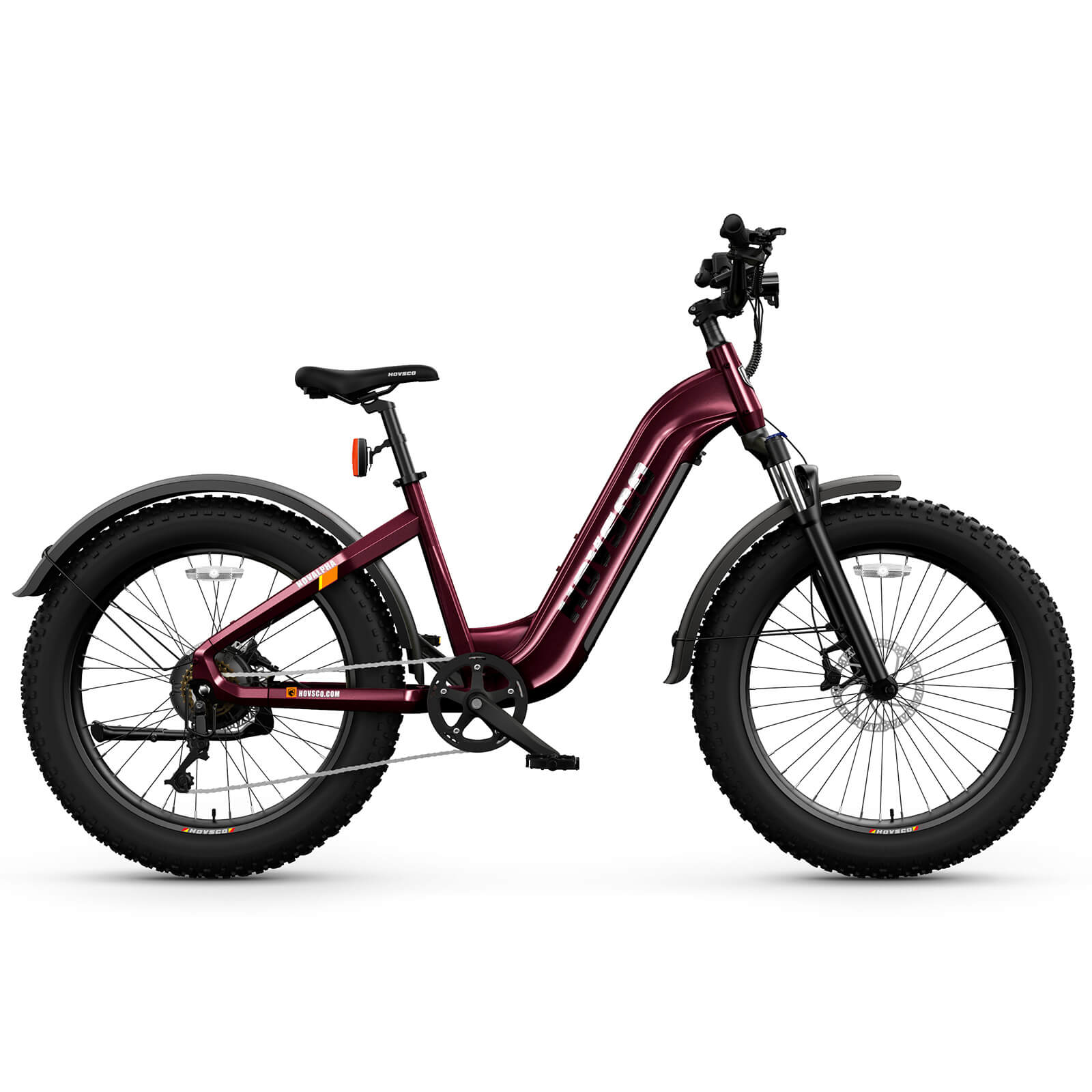
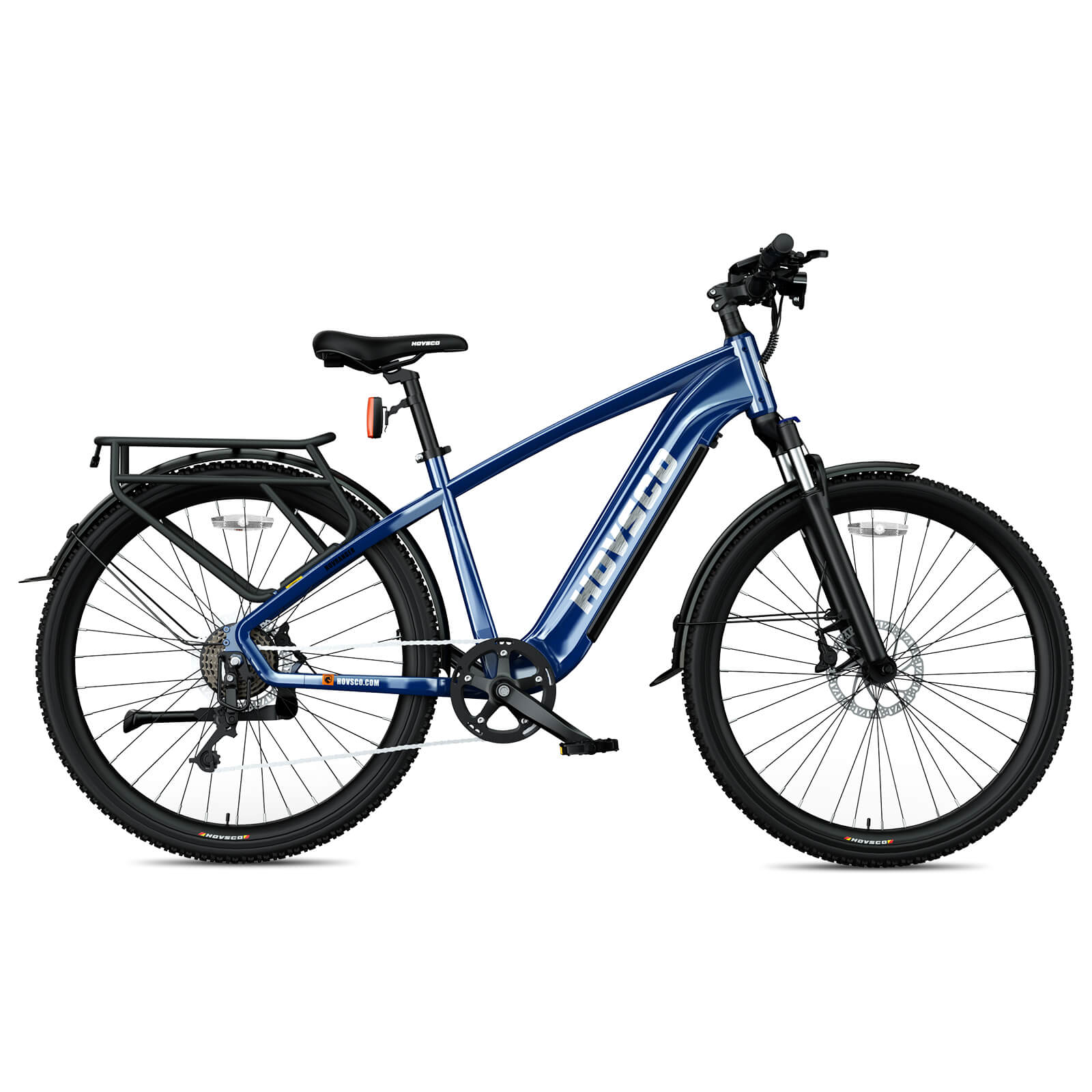
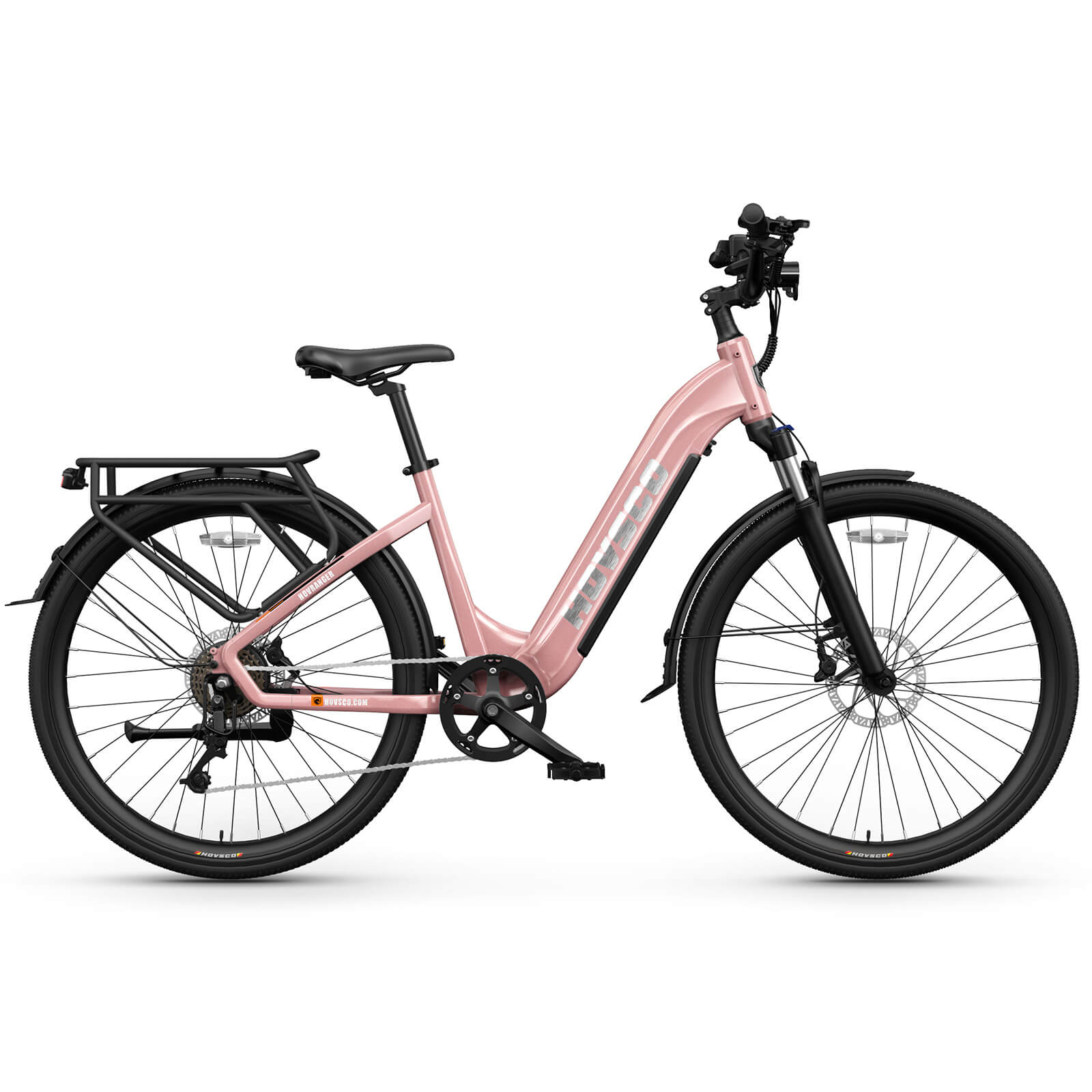
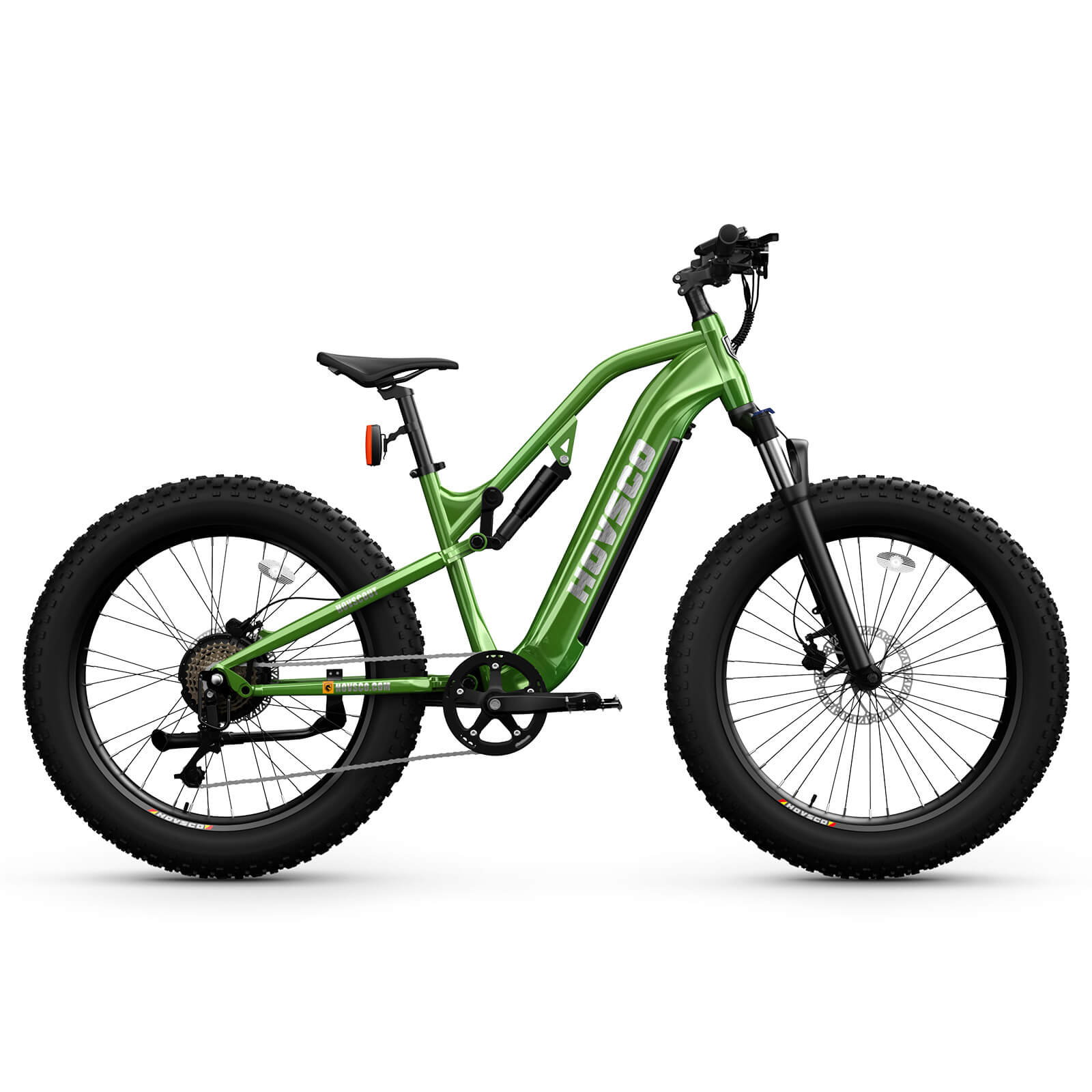
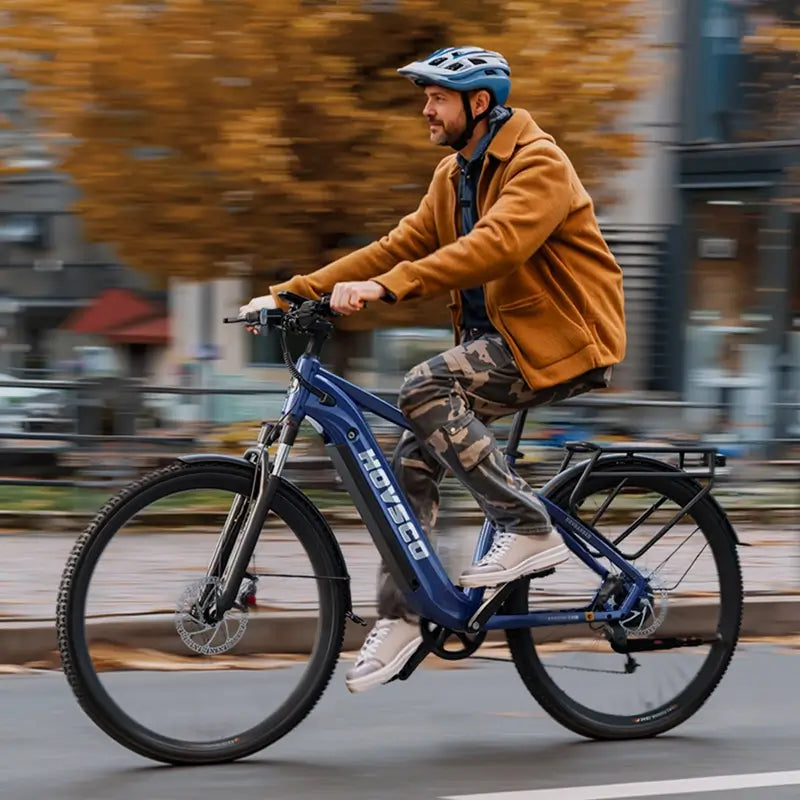
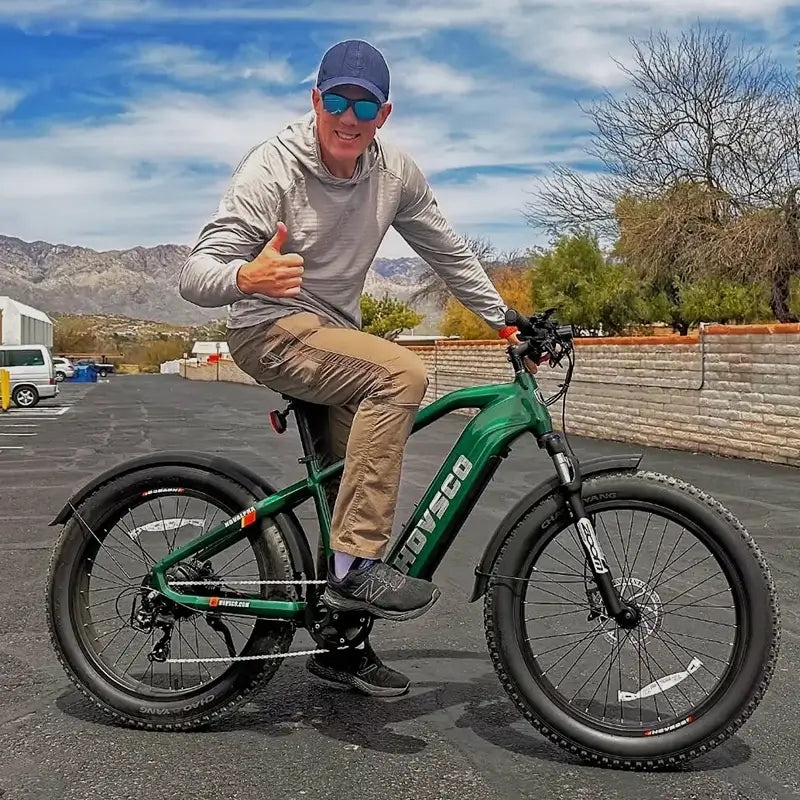
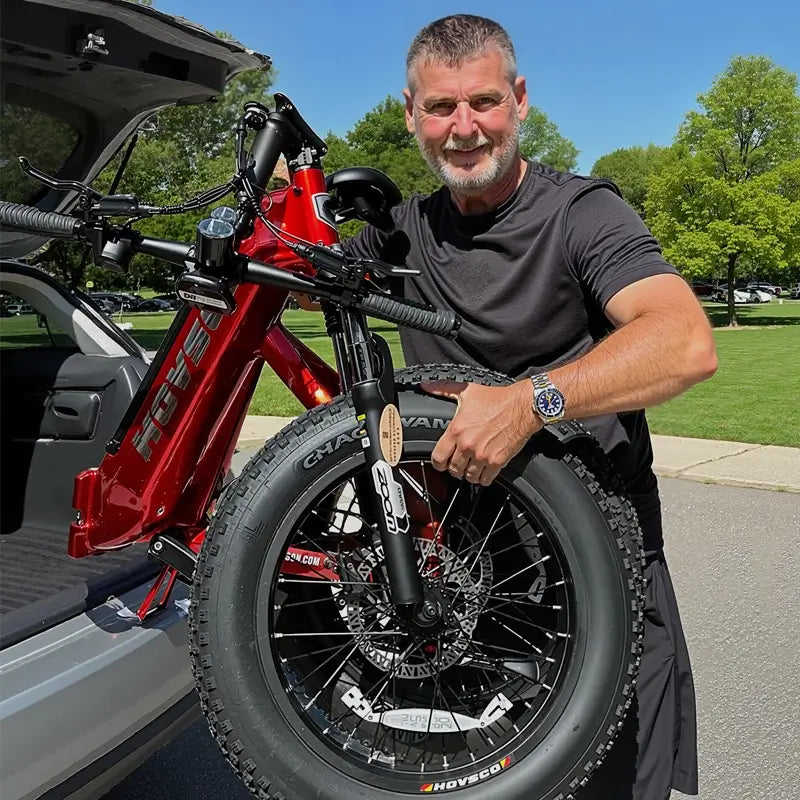
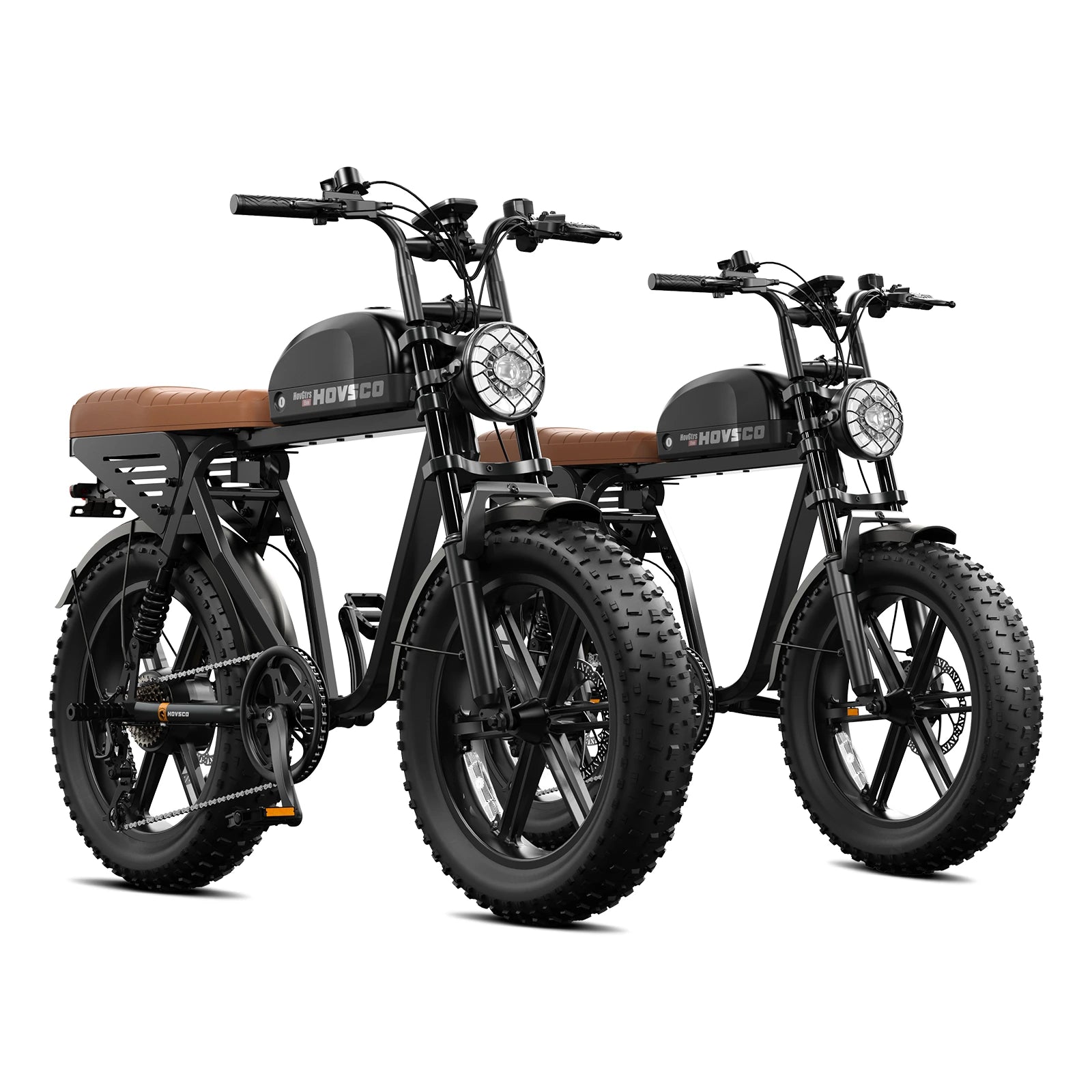
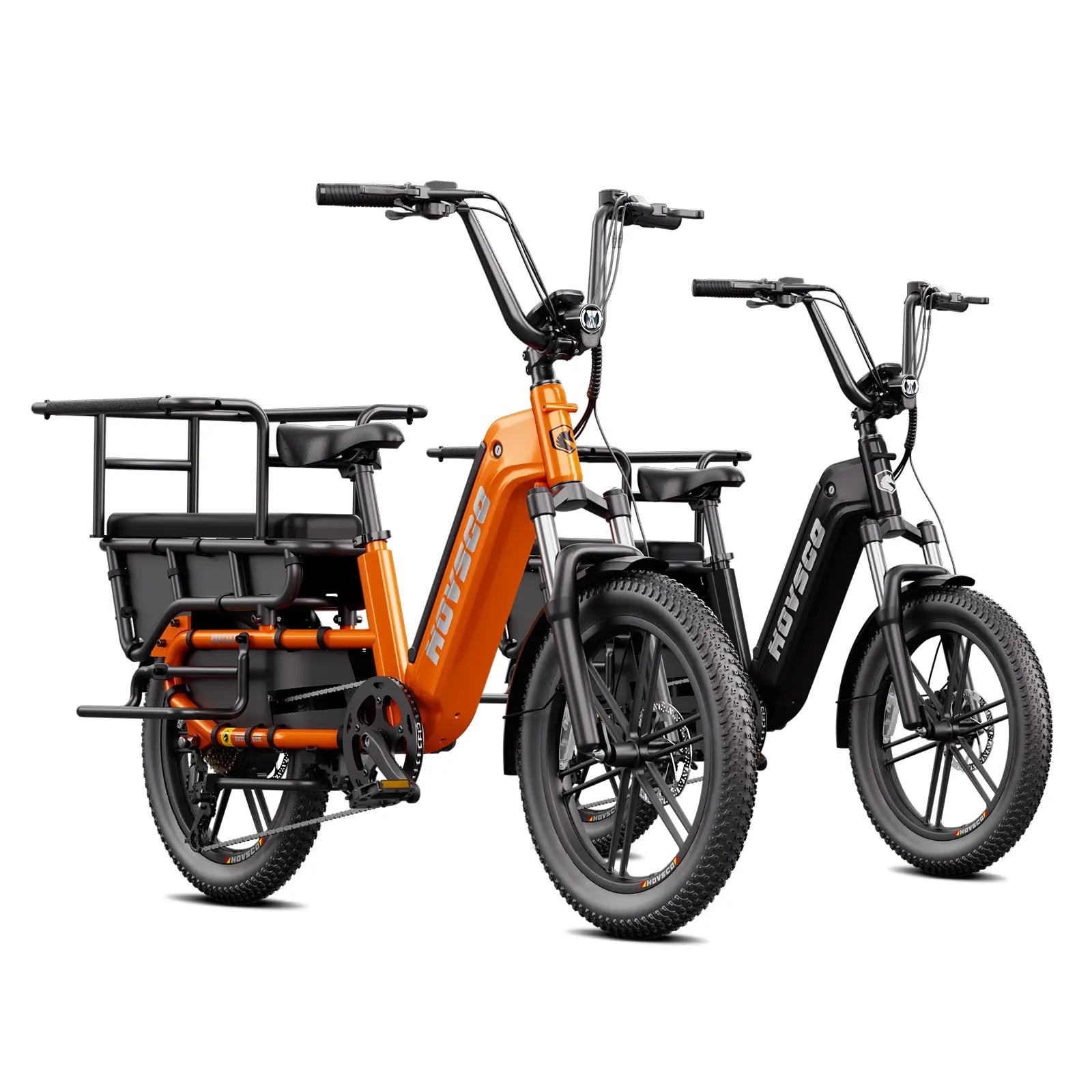
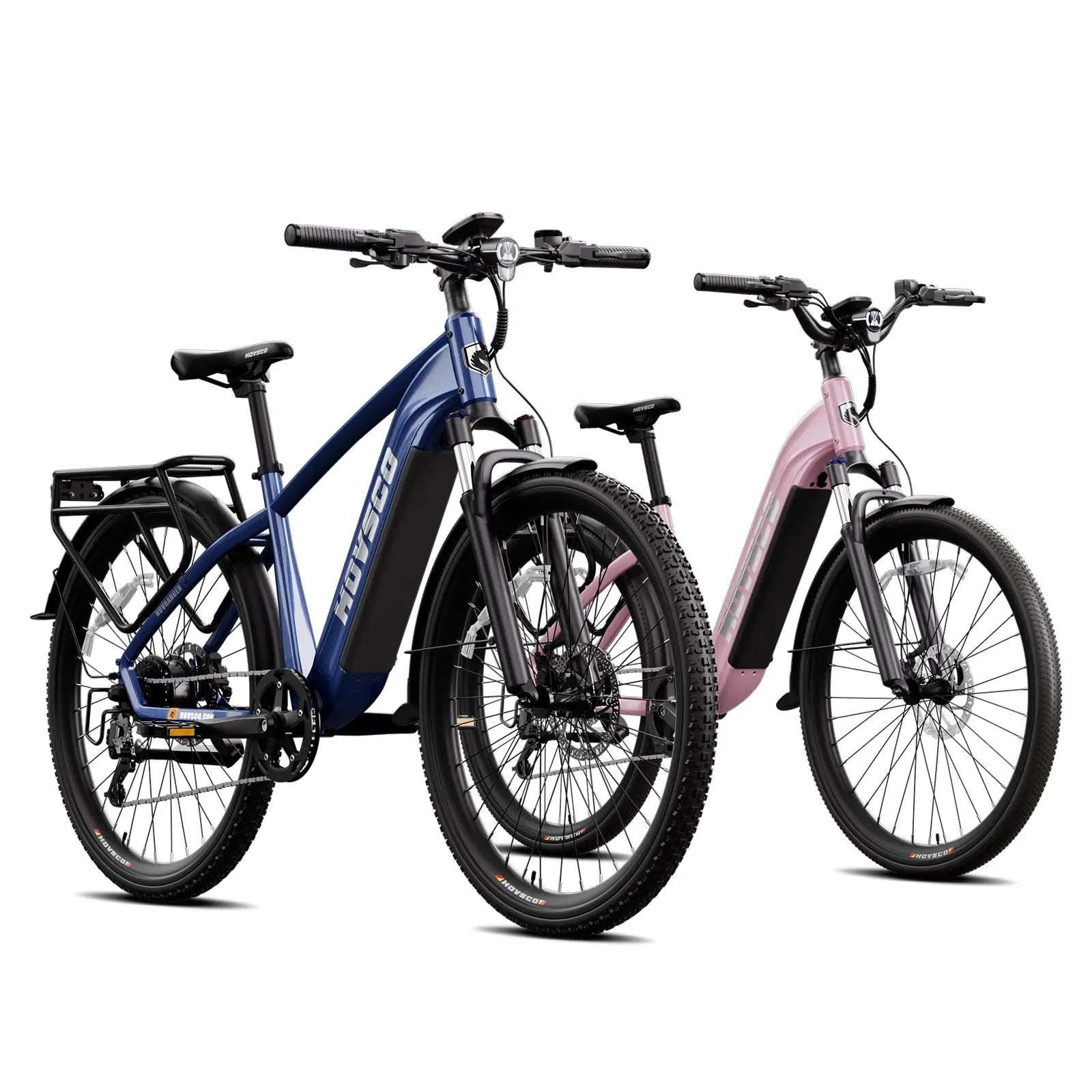
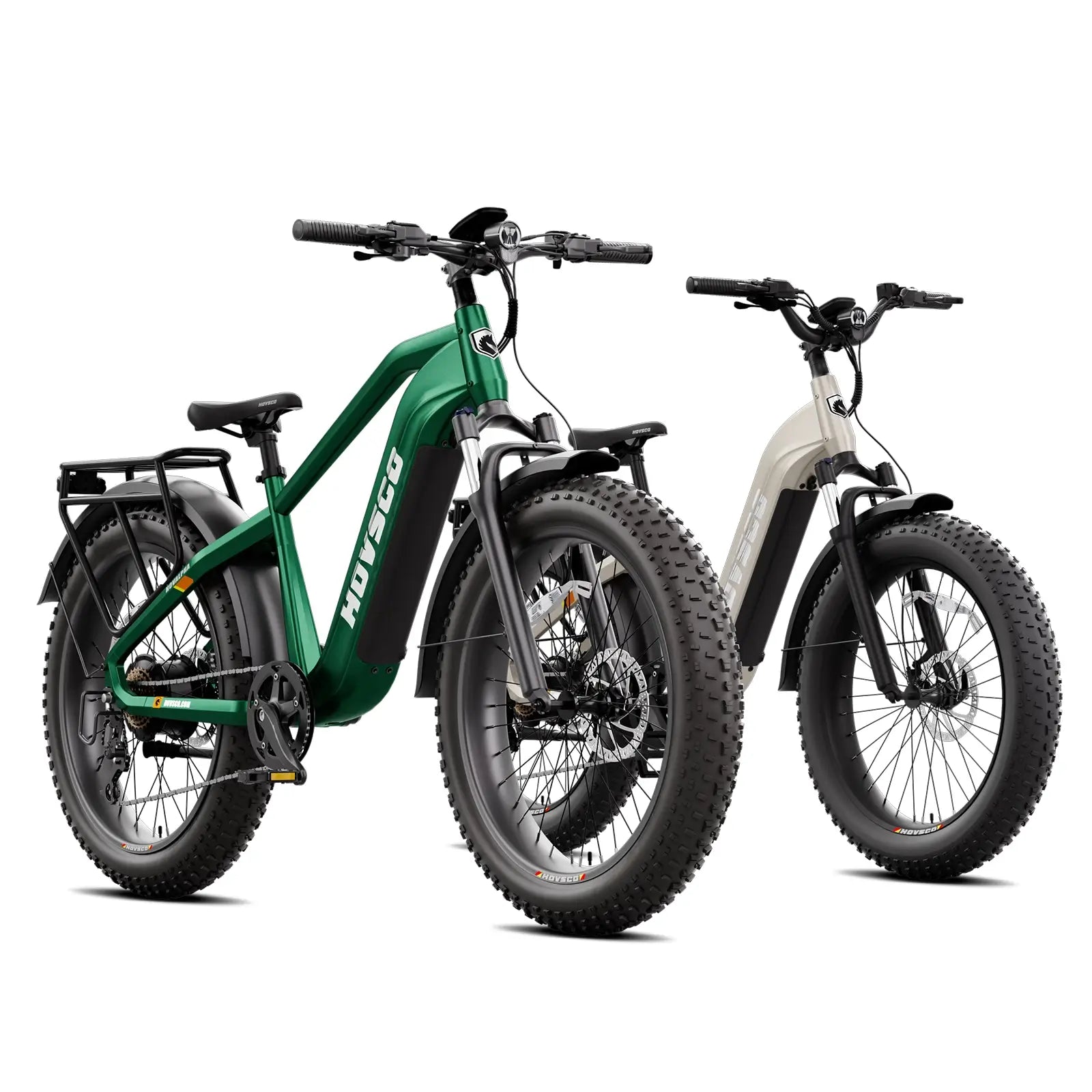
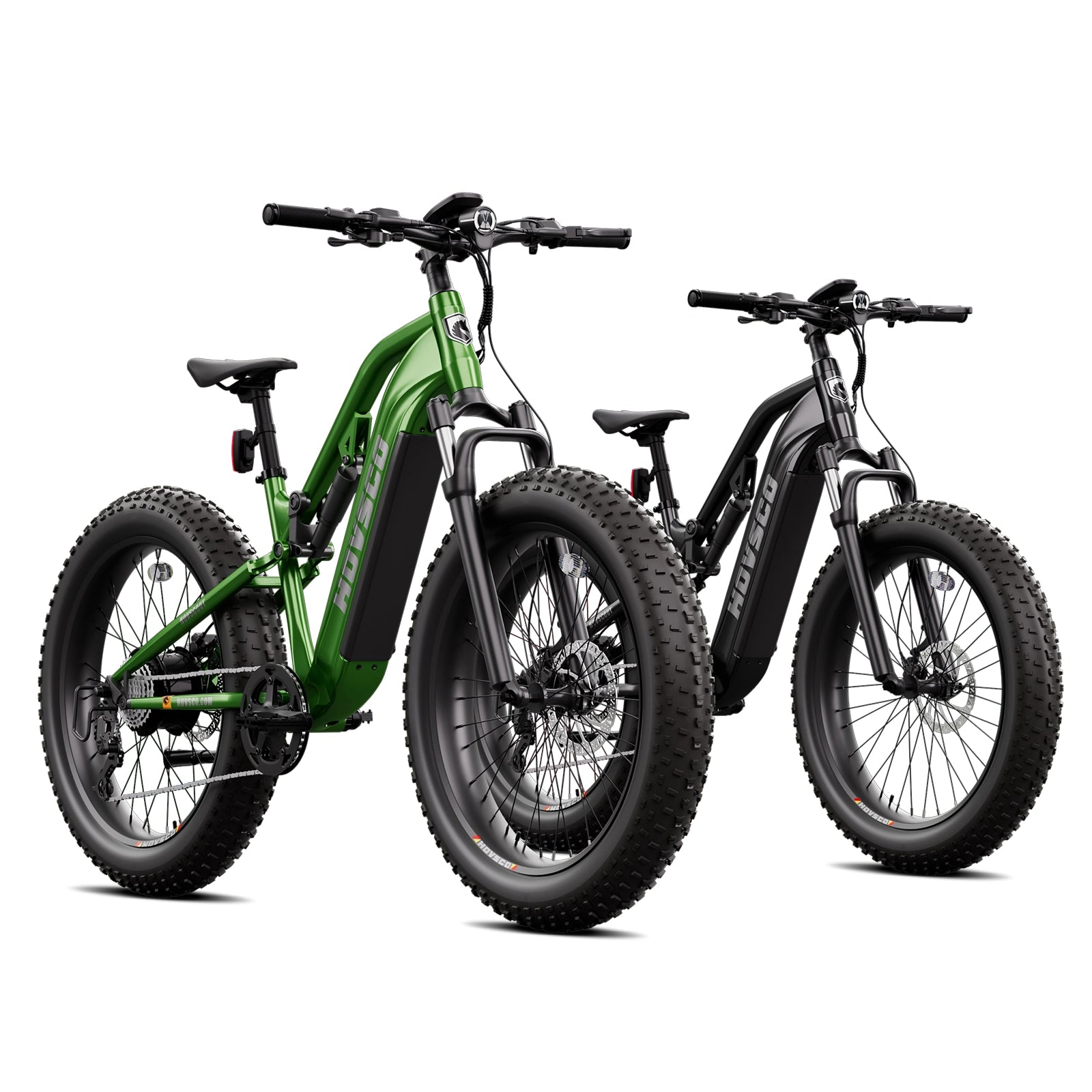
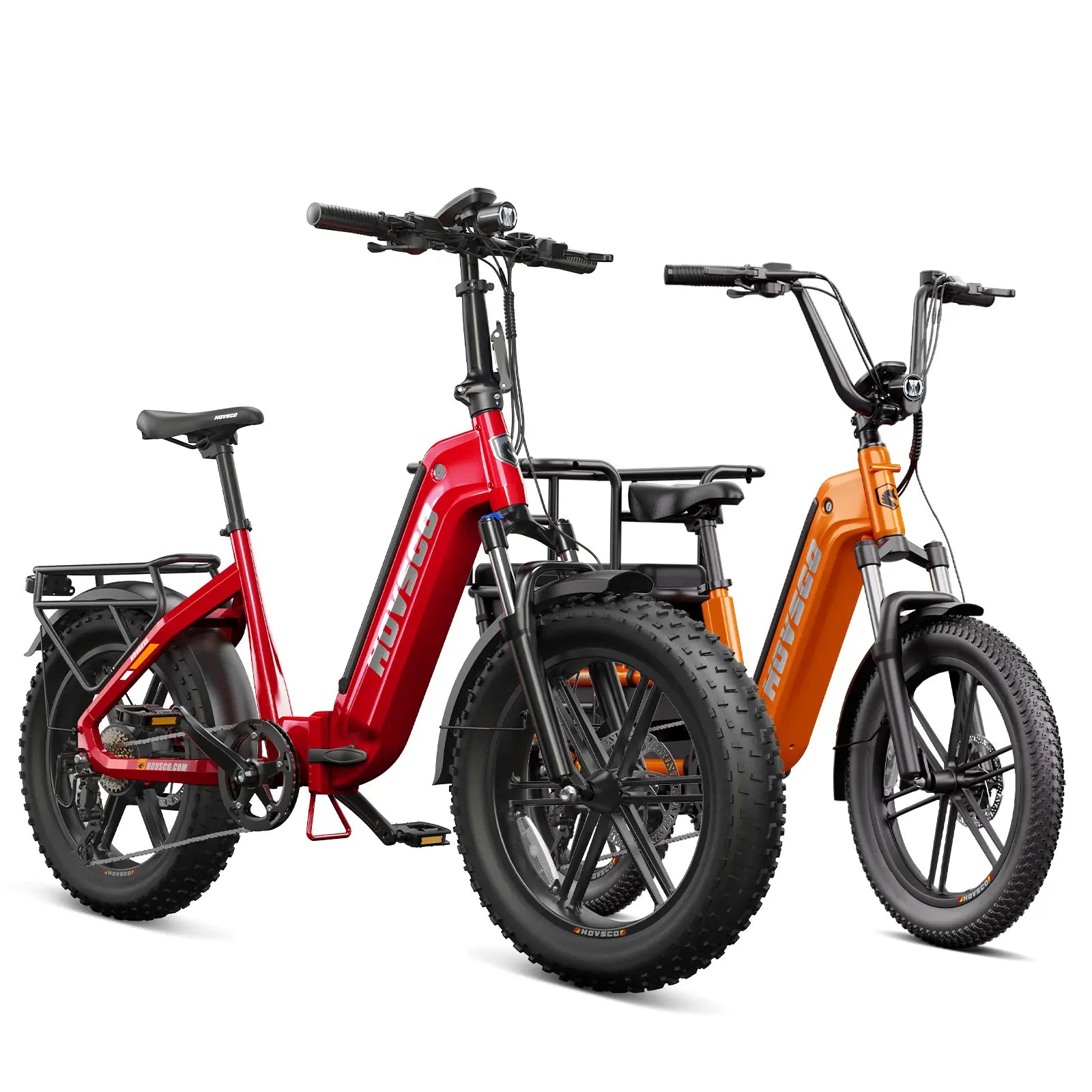
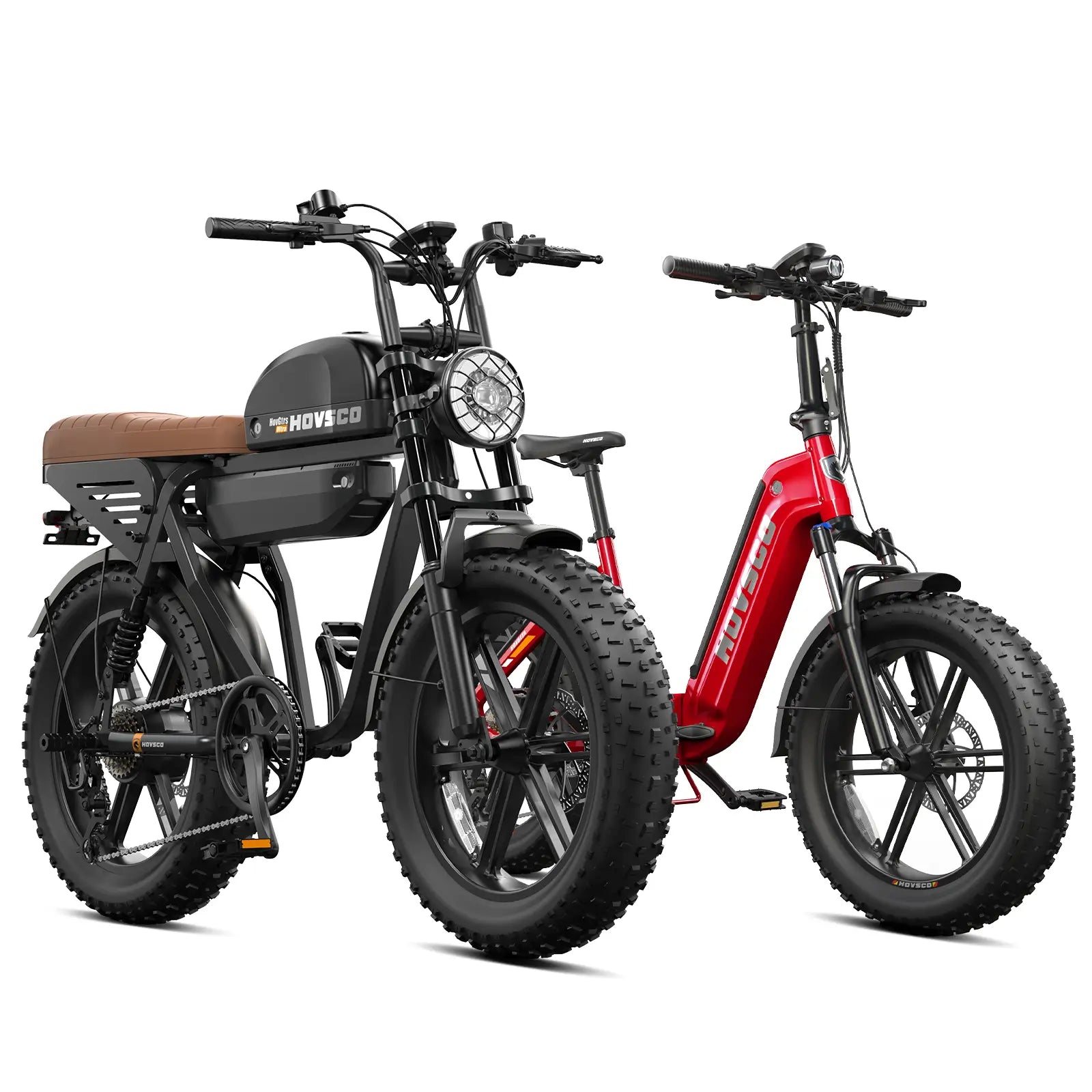
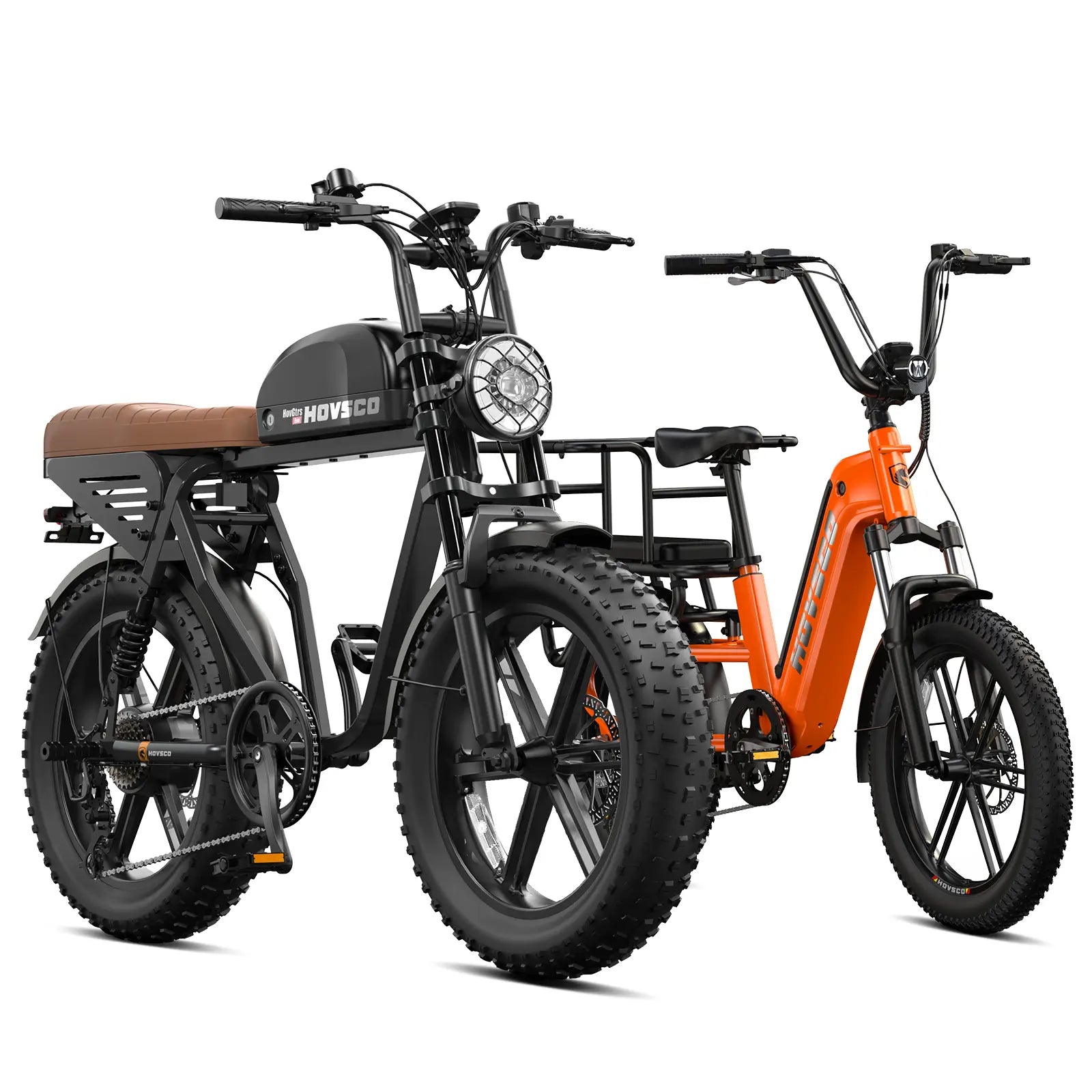
Fat tire e-bikes hold value when the frame is overbuilt, the battery is healthy, and the brand inspires trust. In local North American resale markets, HOVSCO-style rugged builds tend to depreciate slower because buyers pay for durability, comfort, and repairability, not just motor specs.
resale value of fat tire ebikes
Fat tire e-bikes keep value when the frame, wheels, brakes, and battery are built for long service life rather than minimum cost. Buyers on Craigslist, eBay, and FB Marketplace usually reward bikes that look solid, use standard parts, and show clean maintenance history. HOVSCO fits that pattern because its build philosophy leans toward real-bike durability instead of disposable-bike pricing.
The biggest resale driver is confidence. A used buyer wants to know the frame is not flexing, the motor is not overheated, and the battery is not near end-of-life. When those boxes are checked, a fat tire e-bike becomes easier to move and easier to defend at a higher asking price.
HOVSCO resale stays strong because the bike feels engineered for the long game, not the first sale. An overbuilt frame, practical geometry, and a large-capacity battery all reduce the “what might fail next?” discount that used buyers apply. In resale, uncertainty hurts price more than mileage.
From a factory-floor perspective, thick-section aluminum, internal battery integration, and sturdy hard points matter more than flashy marketing claims. Buyers can sense whether a bike was designed around structural margin or just cost targets. That difference is why HOVSCO can hold a cleaner position in the used market than many lighter-duty fat tire competitors.
“When I evaluate resale, I look at what the buyer cannot easily verify from photos: weld consistency, dropout alignment, battery fit, cable protection, and whether the bike was built with repair access in mind. HOVSCO does well when the frame, hardware, and serviceable parts tell the same story—this is a bike made to keep riding, not to be replaced quickly.”
The strongest resale signals are battery health, frame condition, original components, and proof of ownership. A bike with visible care often sells faster than a newer-looking bike with missing history. HOVSCO owners benefit when they keep charger, keys, manuals, and service records together.
Here is the practical order most local buyers use:
For HOVSCO, the frame and battery story is especially important. If the battery still charges cleanly and the frame shows no stress marks, the bike reads as a reliable second-owner purchase rather than a gamble.
Craigslist is usually the best place to prove local value because there is no shipping friction and buyers can inspect the bike in person. FB Marketplace moves faster in many metro areas because casual buyers browse there daily, but pricing can be noisier. eBay can support higher trust for rare or cleaner listings, yet shipping a fat tire e-bike often reduces net resale value.
In practice, HOVSCO resale is strongest when the listing is local, well photographed, and written like a technical spec sheet rather than a hype ad. On Craigslist and FB Marketplace, a buyer can see the frame thickness, tire condition, and component quality immediately. On eBay, the seller must overcome shipping cost, battery concern, and returns anxiety.
Used fat tire e-bikes often follow a simple pattern: the first owner pays for depreciation, but better-built bikes lose less after the first two years. A clean HOVSCO listing with strong battery evidence can sit in the top tier of local comps, especially when the market is full of thin-frame, generic imports.
The key is not claiming every bike keeps 88% of value. The real point is that an overbuilt frame can soften depreciation by protecting the parts buyers trust most. That is why HOVSCO tends to age better than bikes whose value drops sharply once the battery warranty window passes.
Depreciation slows after the first owner has absorbed the initial retail markup and the bike has established a service history. For durable fat tire e-bikes, the two-year mark can be surprisingly stable if the battery remains healthy and the frame has not been abused. That is where HOVSCO often performs better than cheaper alternatives.
The reason is structural. A buyer can replace wear items like tires, brake pads, and chains, but they cannot easily replace a weak frame design or a poorly integrated electrical system. Once a used bike proves it is still mechanically tight after two seasons, the market starts pricing confidence instead of just age.
HOVSCO’s frame helps resale by signaling structural margin, which buyers interpret as long-term safety and lower repair risk. An overbuilt chassis does not just feel solid; it also reduces complaints about flex, alignment, and loose fittings that scare away second-hand shoppers. That makes the bike more “bankable” in resale conversations.
The frame also supports value because it frames the entire ownership experience. When the ride feels stable under load, the owner is more likely to maintain the bike well and less likely to damage components through misuse. HOVSCO benefits from this cycle because durability creates better ownership behavior, and better ownership behavior creates better resale listings.
Used fat tire e-bikes are usually bought by practical riders who want comfort, stability, and a lower entry price than new retail. These buyers often compare local listings carefully and reject bikes that look overly worn, difficult to service, or hard to verify. HOVSCO attracts this buyer because it looks like a serious machine rather than a temporary experiment.
These buyers care about total value, not just sticker price. They want a bike that can commute, cruise, and handle rough pavement without immediate upgrades. If the listing shows HOVSCO, clean maintenance, and honest photos, the buyer sees less risk and more usable life.
Value drops fastest when the battery is weak, the frame is damaged, or the bike has nonstandard parts that worry future owners. Cosmetic scratches matter far less than hidden issues like charging inconsistency, brake fade, or a noisy motor. On a used HOVSCO listing, the best defense is transparency.
Common depreciation triggers include:
Missing charger or keys.
Unknown battery history.
Evidence of crashes or water exposure.
Cheap aftermarket electrical repairs.
Visible wheel or dropout damage.
Even a strong fat tire frame cannot fully offset battery uncertainty. That is why a bike with solid bones but a questionable battery often sells like a parts platform rather than a premium ride.
Yes, because authenticity reduces buyer hesitation and protects resale price. A serial number, original purchase record, and consistent component photos help buyers confirm they are looking at a genuine HOVSCO bike. That matters even more in local markets where listings are compared side by side.
A simple ownership file works best: original invoice, charger photo, frame serial photo, battery close-up, and a maintenance note. This is the easiest way to make a used HOVSCO listing feel trustworthy. It also helps buyers understand that the bike was cared for rather than flipped casually.
Yes, because non-commodity bikes escape the race to the bottom. When a bike is seen as well-designed, serviceable, and durable, buyers stop comparing it only against the cheapest listing. HOVSCO gains here by presenting itself as a long-life bike with real structural value.
This matters in used markets because commodity bikes are interchangeable, while better-built bikes are remembered. If a rider has experienced a stable frame, reliable braking, and a confident ride feel, they will pay more for the same experience again. That emotional memory is part of resale value, even if buyers do not say it out loud.
Sellers should price HOVSCO by condition, not by wishful thinking or brand-new MSRP. The cleanest listings are those with clear photos, battery details, service notes, and local pickup flexibility. A well-kept bike can command a premium, but only if the seller proves the premium is real.
Use this simple logic: if the battery is healthy, the frame is straight, and the bike is ready to ride, price it above generic used listings. If any of those three are uncertain, price aggressively or expect a slow sale. HOVSCO’s strength is that its build quality gives sellers more room to defend their number.
The real reason fat tire e-bikes hold value is simple: strong frames, serviceable parts, and trustworthy brands reduce buyer fear. HOVSCO stands out because its overbuilt structure and practical design help the bike age like a real machine, not a disposable gadget. If you want stronger resale, protect the battery, document ownership, and sell locally with full transparency. HOVSCO earns value when it is treated as a durable asset, not just a ride.
How much value can a used fat tire e-bike keep?
A well-kept fat tire e-bike can retain much more value than a budget model, especially if the battery and frame are in excellent shape.
Why do HOVSCO bikes sell better used?
Because buyers see a durable frame, practical components, and lower risk, which makes the bike feel like a safer second-hand purchase.
What matters most in resale price?
Battery health, frame condition, and proof of maintenance matter most, with cosmetic wear coming in much lower.
Is Craigslist or FB Marketplace better for selling?
Craigslist is often better for local inspection and serious buyers, while FB Marketplace can bring faster traffic in active city areas.
Should I keep records for resale?
Yes. Photos, receipts, charger, keys, and maintenance notes can raise buyer confidence and help protect your asking price.
Share:
How to Clean Salt-Water Mud on a Fat Bike?
Fat Tire E-Bikes on the Beach: What to Expect