


![[ New Arrival ] Porto Max Electric Scooter For Commute & Grocery Shopping - HOVSCO](http://www.hovsco.com/cdn/shop/files/PotroMax-3.jpg?v=1706927007&width=1200)
- by SteveJames
Fat Tire E-Bikes on the Beach: What to Expect
- by SteveJames
E-Bikes
Accessories
 Free Shipping
 15-Day Returns
 2-Year Warranty
Free Shipping
15-Day Returns
2-Year Warranty
2-Year Warranty
Free Shipping
15-Day Returns
2-Year Warranty
This guide covers fat tire e-bikes on the beach: sand performance, tire pressure, salt and sand care, access rules, and what to bring. For fat-tire basics, see our fat tire guide; for cleaning, see the cleaning guide.
Fat tire e-bikes on the beach work — soft sand is their home turf — but the beach ebike ride has its own rules: lower tire pressure for float, a rinse routine for salt, and local access rules that vary by beach. This guide covers how fat tires perform on sand, the ebike on sand technique, the fat bike beach riding care routine, and what to expect from the ride.
Beach access rules vary by state, county, and park — verify where e-bikes are allowed before riding, and follow posted signs.
Beach Ride at a Glance
Lower pressure for float · ride the firm, wet sand line · rinse salt and sand after · check beach access rules · carry a pump and water.
Fat tires float on sand the way wide skis float on snow — a fat tire e-bike beach ride starts with that surface-area math. On firm, wet sand near the waterline, a fat tire e-bike rolls smoothly; on dry soft sand, it still sinks some, and the motor does the work the float cannot. The beach cruiser ebike experience is best where the sand is packed.
The honest expectation is a slower, easier ride than pavement: drag increases, steering softens, and power use climbs. That is normal — the beach ebike ride is about the scenery, not the speed.
Pressure is the sand lever: lower pressure widens the footprint and floats better. Many beach cruiser ebike riders drop to single-digit PSI on soft sand, but the right number depends on rider weight, tire width, and the surface — and too-low pressure risks rim damage on hidden obstacles.
The fat bike beach riding pressure rule is to start at the manual's range, test on firm sand, and adjust down in small steps. The ebike on sand rule is to lower pressure for float and raise it back for pavement — a pump is part of the beach kit.
Salt is the real enemy of any fat tire e-bike beach ride: it corrodes metal, dries seals, and clings in every crevice. After a beach ride, rinse the bike with fresh water — low pressure, never a pressure washer — dry it, and re-lubricate the chain and exposed pivots.
Pay attention to the drivetrain and electrical contacts: sand grit wears the chain fast, and salt on connectors invites corrosion. The fat bike beach riding routine ends at the hose, not at the door.
Beach rules decide where the ride happens: many beaches allow bikes on the firm sand or designated routes, some restrict e-bikes to paths, and protected dunes and wildlife zones are off-limits everywhere. Check the beach authority's rules before loading the bike.
When in doubt, ride where bicycles are allowed and follow posted signs — the ebike on sand access question is answered locally, and the fine or the conflict is not worth the shortcut.
The beach kit is short: a pump and pressure gauge for sand adjustments, water for the rider, a towel or cover for the seat, and a plan for rinsing afterward. A phone in a waterproof case handles photos and the tide check.
Beach ride prep list
| Item | Why |
|---|---|
| Pump and gauge | Adjust pressure for sand |
| Water | Rider hydration |
| Towel or cover | Protect the seat |
| Phone case | Photos and tide check |
Check the tide before you go: the firm sand line moves with the water, and a rising tide can turn the best route into a walking section. The beach cruiser ebike ride is best planned around the low-tide window.
The classic US beach rides mix firm sand and ocean views: the wide beaches of the Southeast, Pacific coast strands with designated bike routes, and Great Lakes shorelines that ride like beaches without the salt. Each has access rules, so pair the route with the local e-bike policy.
The best ebike on sand routes share one trait: a long, firm, low-tide line with access at both ends. Start with a short ride, learn the tide and the sand, and the fat tire e-bike beach ride becomes a repeat favorite.
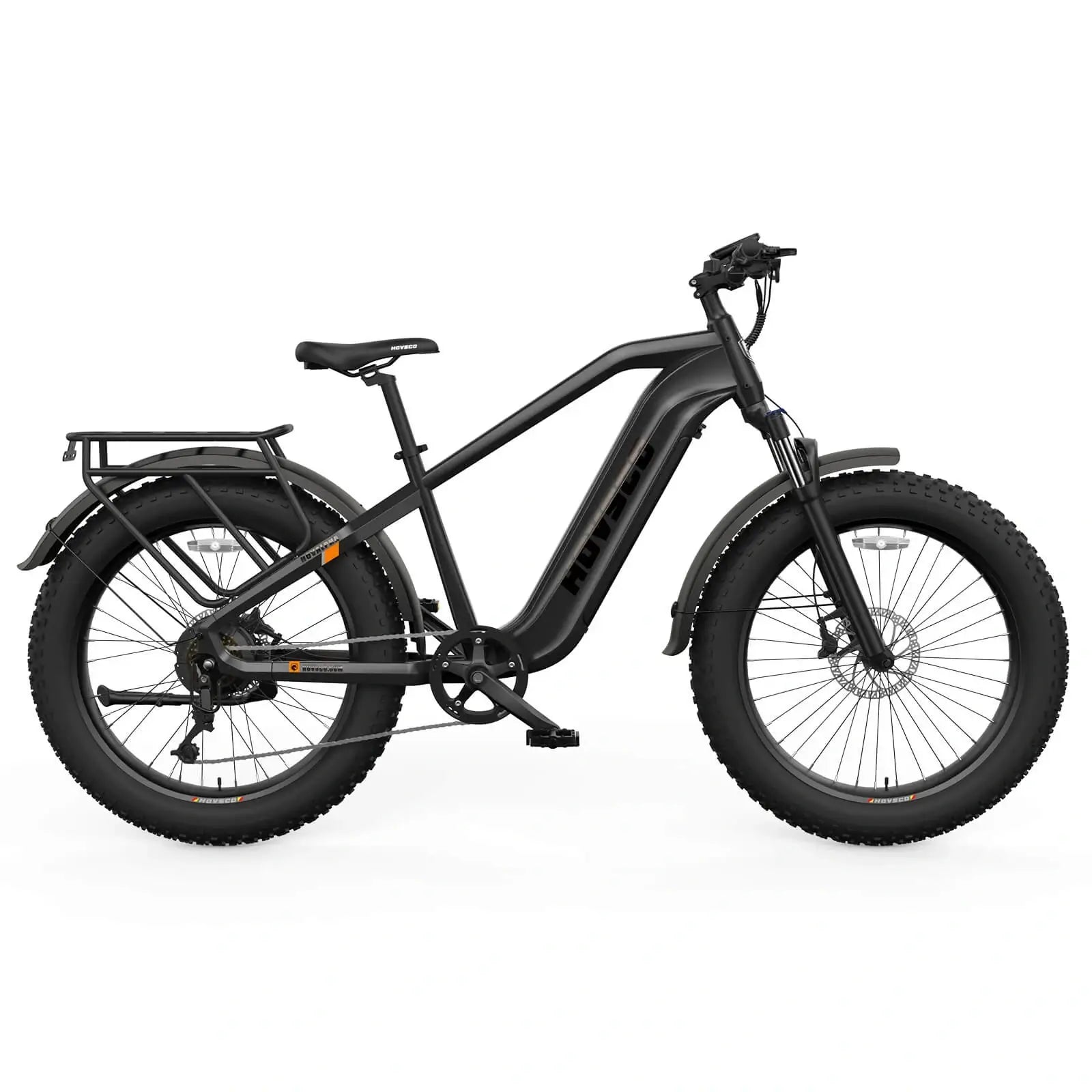
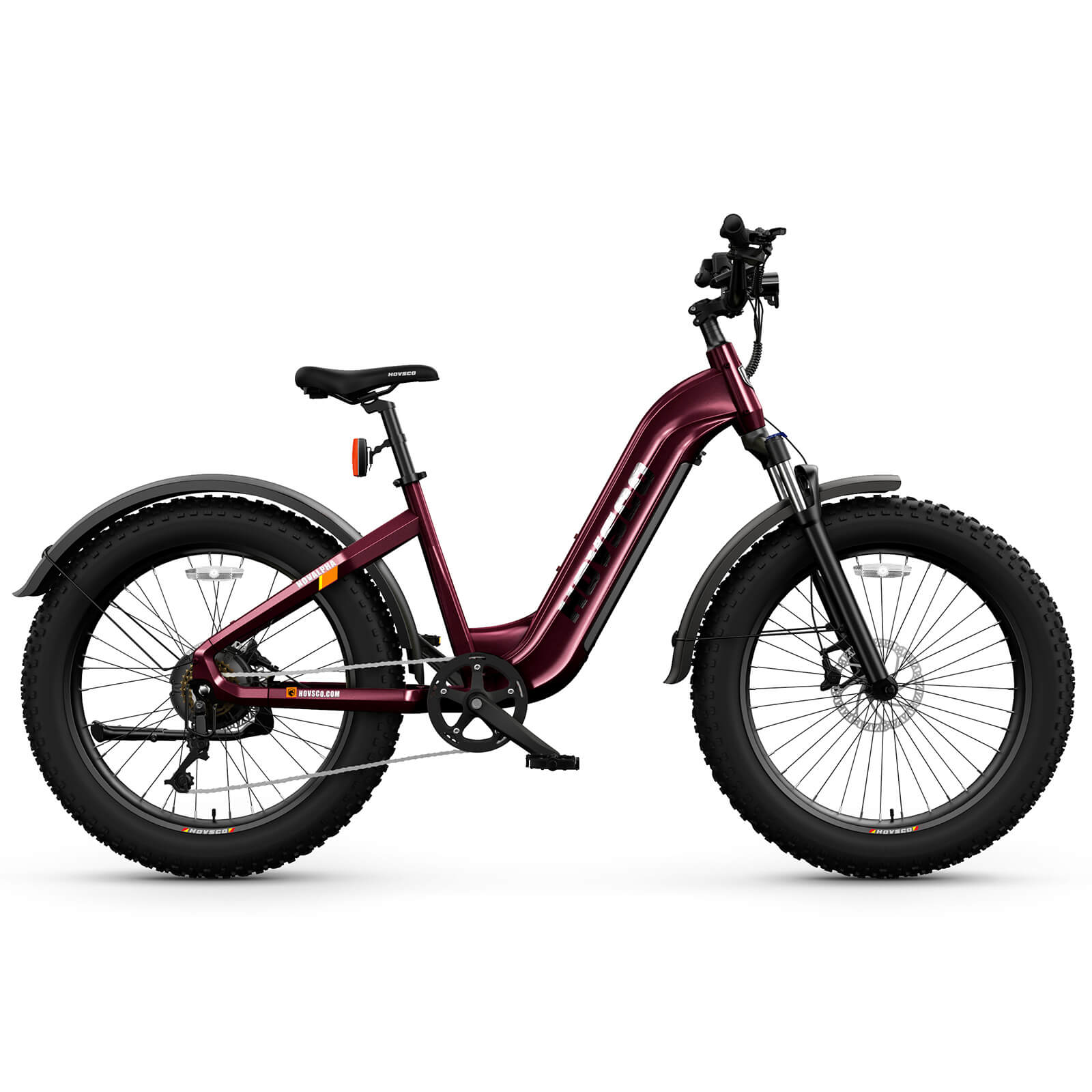
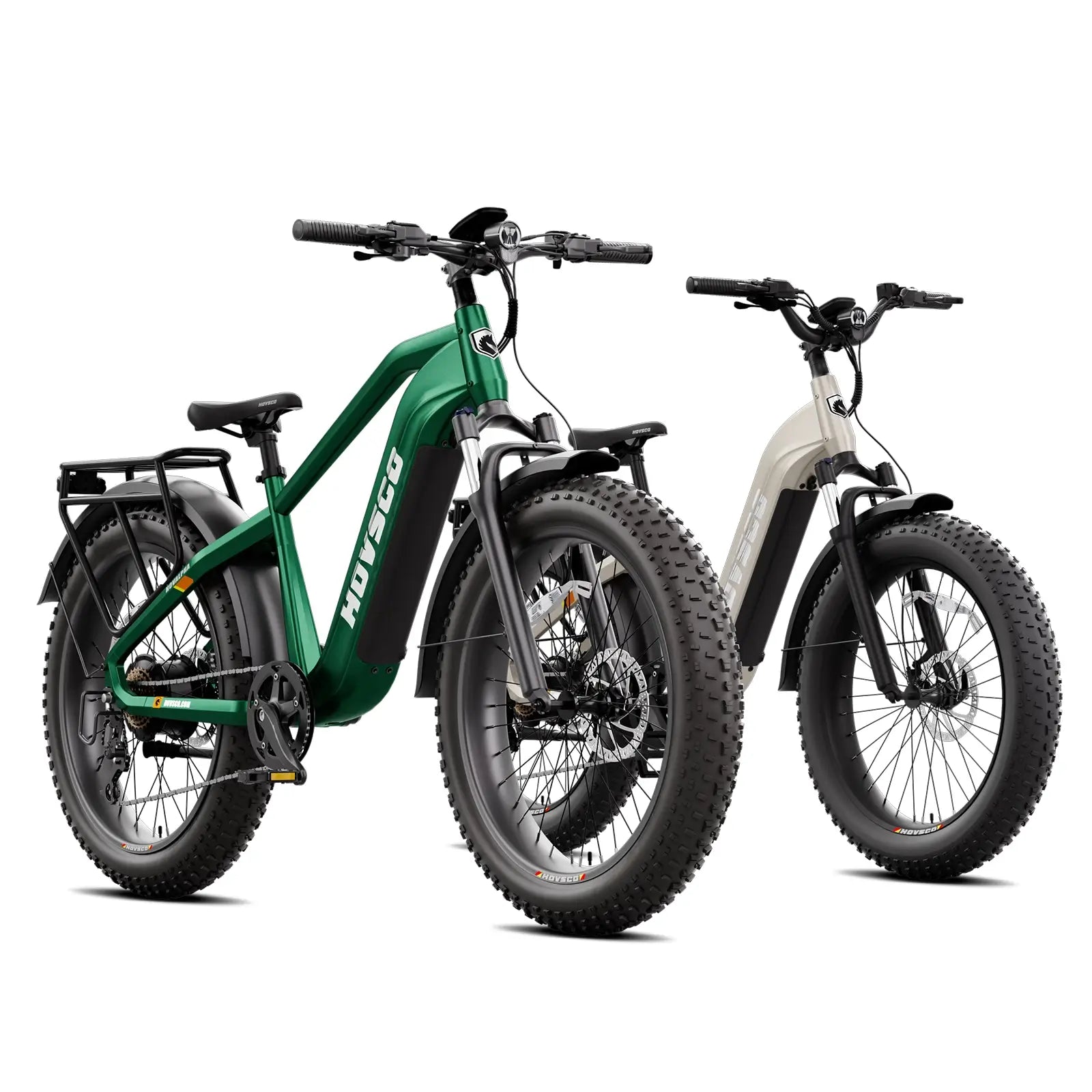
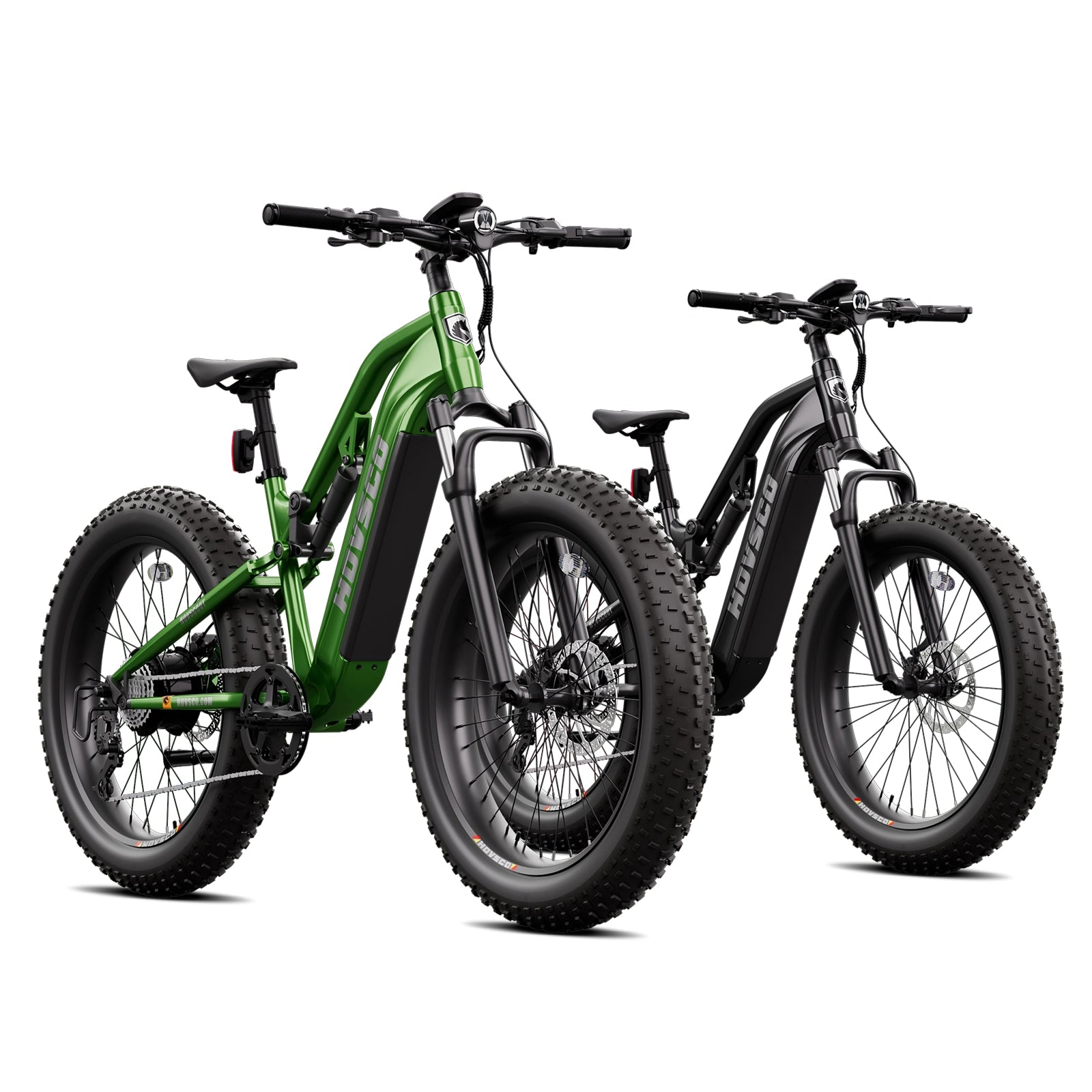
Ride where the sand is firm — explore the beach and sand collection, the HovAlpha fat e-bike, and the fat tire collection.
In product engineering, the beach ride is the fat tire's best argument and its worst case: float on firm sand, drag in soft sand, and salt everywhere. Lower the pressure for float, ride the firm line, and rinse at the end — the care routine is what makes the beach a repeat ride instead of a one-time experiment.
— HOVSCO Product Engineering Team
Fat tire e-bikes on the beach deliver the ride you picture when the setup is right: lower pressure for float, the firm wet-sand line, a pump and water in the bag, local access rules checked, and a rinse-and-lube routine after. The fat tire e-bike beach ride is slower than pavement and worth every minute.
Fat tires float best on firm, wet sand — ride the low-tide line.
Lower tire pressure in small steps for soft sand; raise it for pavement.
Rinse salt and sand off and re-lubricate after every beach ride.
Check beach access rules — e-bike allowances vary by beach.
Bring a pump, water, and a tide check; plan around low tide.
Does this beach allow e-bikes, and on which routes?
What tire pressure floats on this sand without risking the rims?
What is the tide doing to the firm-sand line?
Where can I rinse the bike after the ride?
What do I need — pump, water, and a phone case?
Can fat tire e-bikes ride on sand?
Yes — fat tires float on sand better than any other e-bike tire, especially on firm, wet sand. Soft dry sand is rideable with lower pressure and more power, but slower.
What tire pressure should I use for sand?
Lower pressure widens the footprint and improves float — many riders drop into single-digit PSI on soft sand. Start from the manual's range and adjust in small steps based on rider weight and sand firmness.
Is salt water bad for an e-bike?
Salt accelerates corrosion on metal, drivetrain, and electrical contacts. Rinse the bike with fresh water after beach rides, dry it, and re-lubricate the chain and pivots.
Are e-bikes allowed on beaches?
It varies by beach — some allow bikes on firm sand or designated routes, some restrict e-bikes to paths, and protected areas are off-limits. Check the local beach authority before riding.
How do I clean an e-bike after the beach?
Rinse with low-pressure fresh water, dry the frame and contacts, and re-lubricate the drivetrain. Never use a pressure washer, which can force water into seals.
Share:
Why Do Fat Tire E-Bikes Hold Value?
What to Check Before Buying a Long-Range Fat Tire Ebike?