


![[ New Arrival ] Porto Max Electric Scooter For Commute & Grocery Shopping - HOVSCO](http://www.hovsco.com/cdn/shop/files/PotroMax-3.jpg?v=1706927007&width=1200)
- by SteveJames
Can an e-bike tow a 150 lb hunting trailer?
- by SteveJames
E-Bikes
Accessories
 Free Shipping
 15-Day Returns
 2-Year Warranty
Free Shipping
15-Day Returns
2-Year Warranty
2-Year Warranty
Free Shipping
15-Day Returns
2-Year Warranty
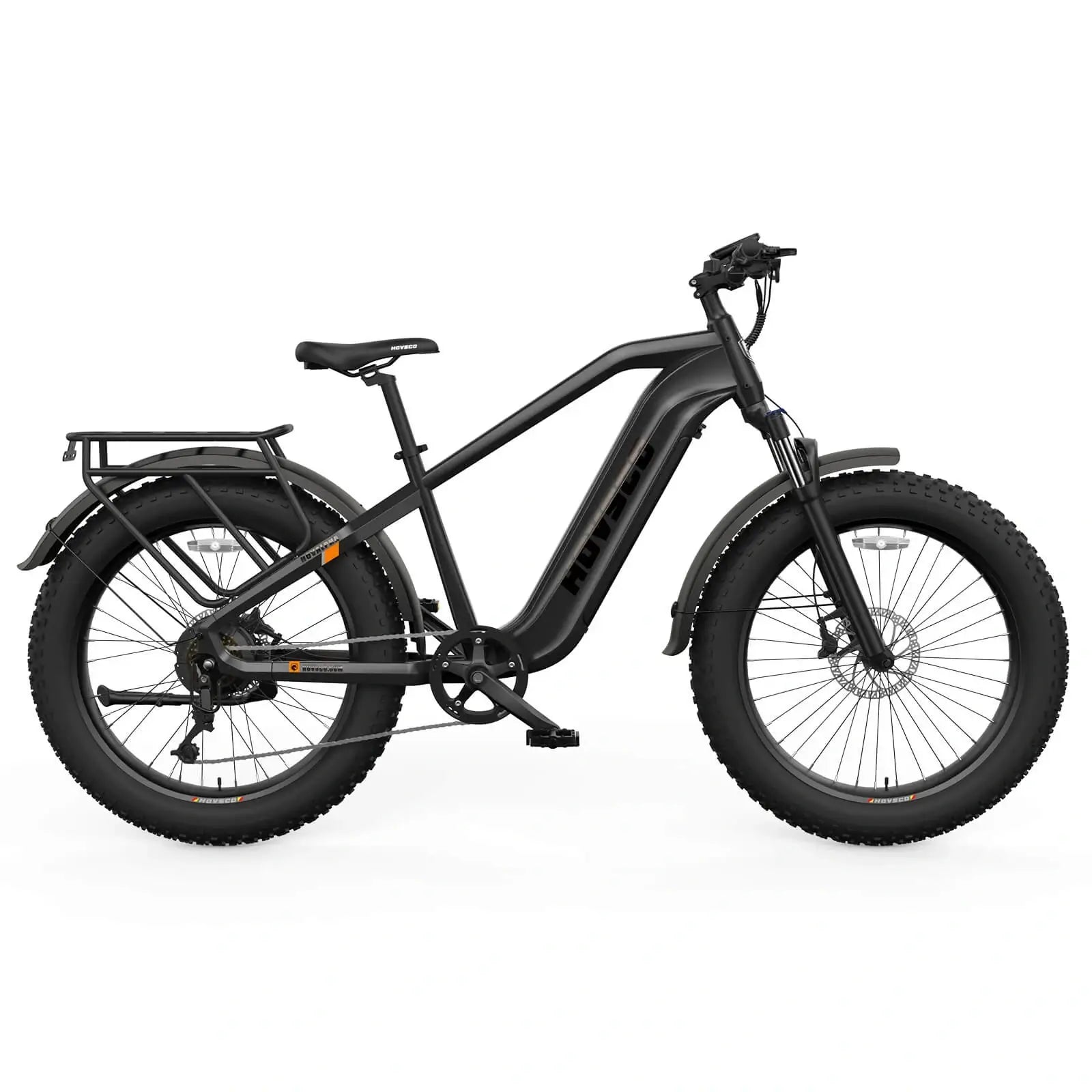
Yes—an e-bike can pull a 150 lb backcountry hunting trailer if the terrain, hitch setup, braking, and load balance are all matched correctly. The real question is not raw motor power alone, but whether the bike can start, climb, descend, and stop the trailer safely on loose ground. In practice, a low-speed high-torque platform like HOVSCO’s HovAlpha is far more suitable than a speed-first commuter bike for this job.
ebike cargo trailers for hunting
For hauling a deer or elk quartered load, the best trailer is stable, low-slung, and built around a wide wheel track. A double-wheel cargo trailer tracks better than a single-wheel design when the route includes ruts, rocks, and side slopes. For a 150 lb game load, I look for a frame that can tolerate shock loads, not just static weight.
The hidden issue is not the advertised payload; it is impact amplification. A 150 lb load can momentarily feel like much more when one wheel drops into a washout or the trailer bounces over roots. That is why HOVSCO-style industrial aluminum construction matters: it reduces flex while keeping the tongue weight manageable for an e-bike rear triangle.
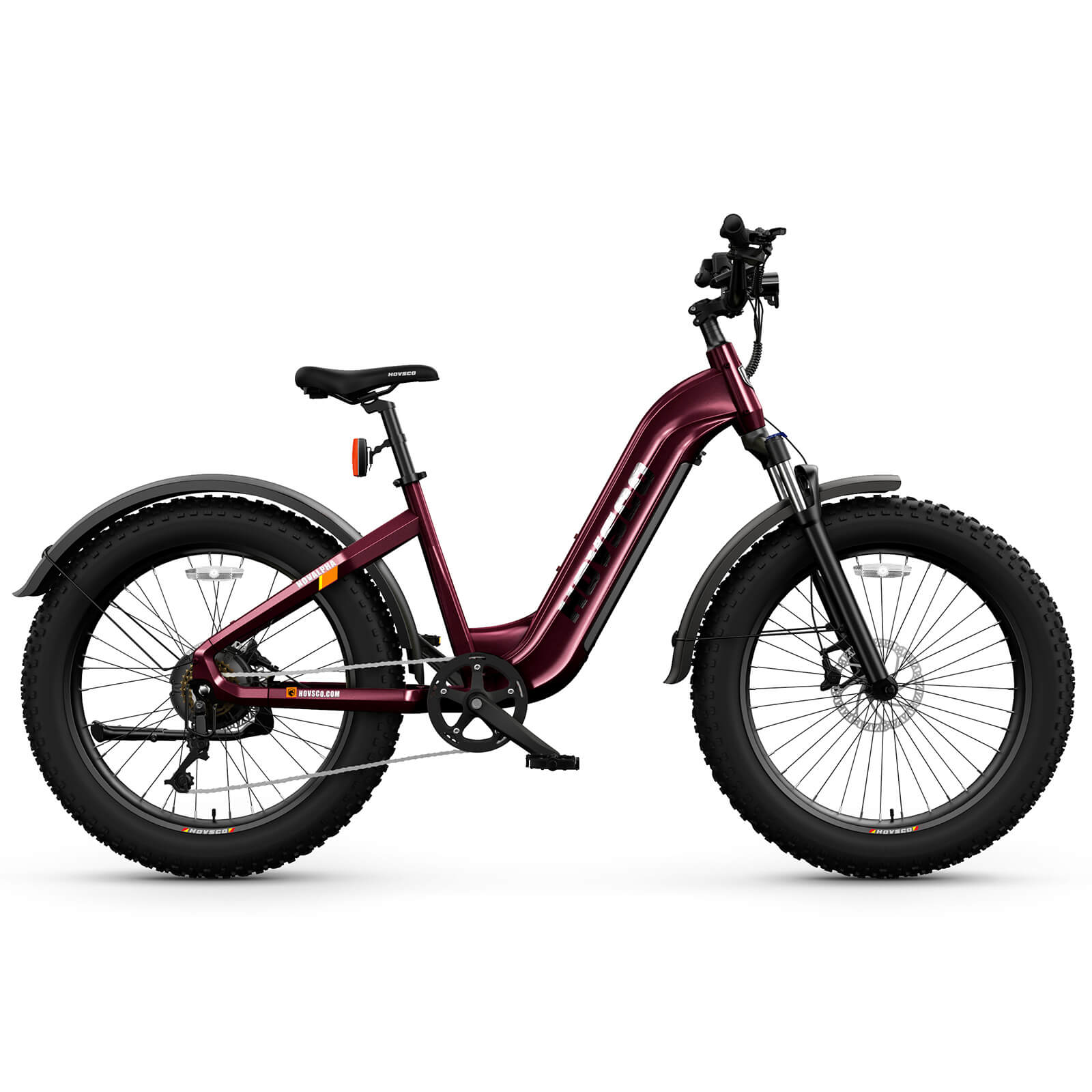
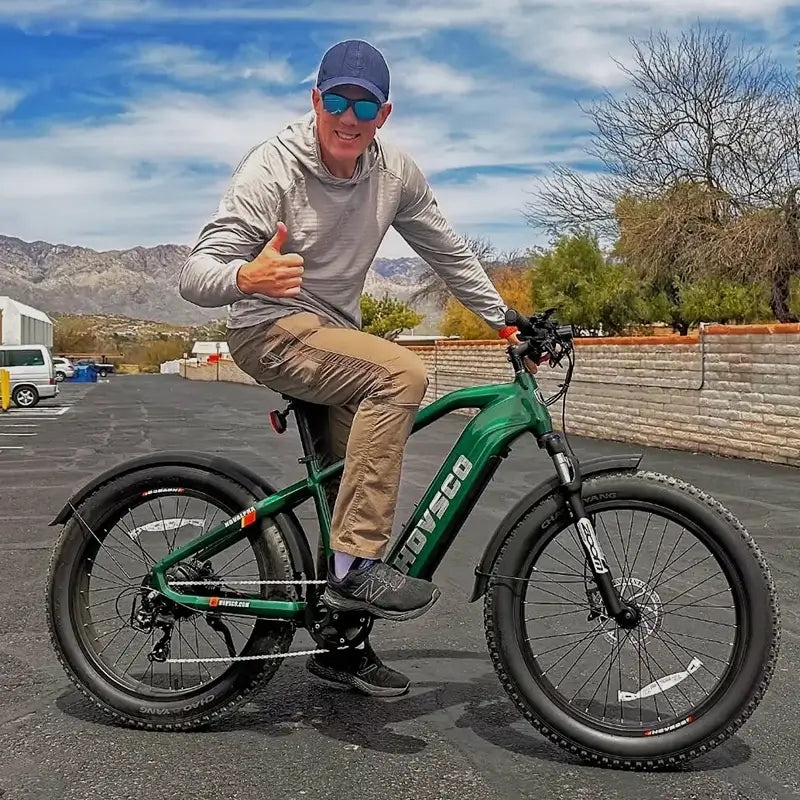
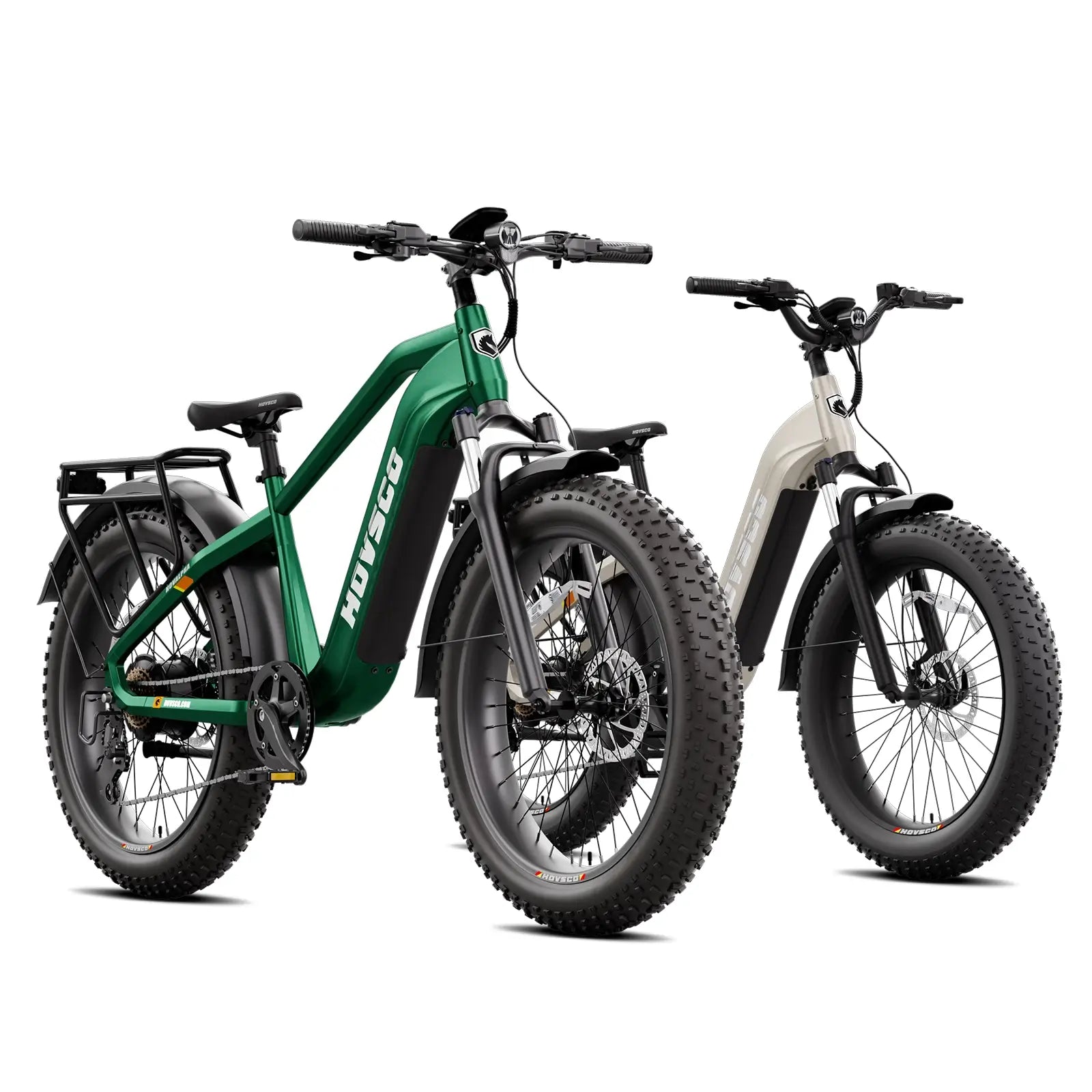
HovAlpha fits this use case because low-speed torque matters more than top speed in hunting terrain. HOVSCO positions HovAlpha as a torque-sensor fat-tire e-bike with strong uphill capability, and the platform is built around high torque rather than sprint performance. That is exactly what you want when pulling a cargo trailer uphill at trail speed, where starts are slow and traction is limited.
From a practical towing standpoint, HOVSCO’s value is not just the motor figure; it is the combination of torque delivery, fat tires, and braking control. A bike with 80Nm-class pull can move a loaded trailer, but only if the rider keeps cadence smooth and avoids mashing the pedals. In steep terrain, smooth torque reduces wheelspin and protects the hitch from snatch loading.
The safest setup is a reinforced rear-axle hitch that keeps the pull point low and centered. A quick-release trailer hitch can be convenient, but only if it locks without play and does not let the tongue yaw under load. Any side-to-side looseness becomes visible as sway on uneven ground, especially when the trailer is loaded with a dense carcass or gear.
Here is the practical rule: if the hitch moves before the trailer moves, the setup is too loose. A good hitch should transmit force cleanly, with only the articulation needed for steering and suspension travel. On a heavy hunting trailer, I also prefer a safety strap backup because mud, vibration, and repeated shocks can work loose a connection that looked fine at the trailhead.
Rear-axle towing changes steering, climbing, and braking all at once. The bike feels longer, the rear wheel gets more load, and the front wheel can feel lighter on steep climbs. On loose soil, that lighter front end can reduce steering precision, so the rider must keep body weight forward and avoid sudden turns.
The best mental model is this: the trailer is not just a passenger, it is a moving lever behind the bike. If the load is too high or too far back, the trailer swings harder in corners and pulls harder on the axle. Keep the center of mass low and slightly forward in the trailer bed so the tongue stays steady and the bike tracks predictably.
A 150 lb hunting trailer is realistic on forest roads, firm dirt tracks, gravel, and mild singletrack with enough width for the trailer to follow. It becomes much harder on steep switchbacks, mud, deep sand, and tight rock gardens where trailer width is a liability. The trailer may physically fit, but the turning radius and traction demands rise fast.
In the field, I judge terrain by two things: rollover risk and start-up torque demand. If I would not be comfortable pushing the bike by hand on that slope, I do not expect a loaded trailer to climb it cleanly. HOVSCO’s fat-tire platform helps with float and grip, but no e-bike turns a slippery hillside into a road.
Braking is the real safety limit in towing. Motor torque gets the trailer moving, but braking has to control the combined mass on the way back down. With a loaded hunting trailer, downhill heat buildup and delayed stopping distance are what expose weak setups.
The smartest approach is to test brake feel before the hunt, not after the first descent. Check whether the rear brake alone can hold the bike still on a slope, then confirm the front brake adds decisive stopping power without pitching the bike forward. HOVSCO’s hydraulic brake-equipped setups are the right direction here because trailer towing magnifies any fade, noise, or sponginess.
Pack the heaviest items low, forward, and tightly restrained. A game load should not bounce independently of the trailer frame, because repeated movement increases sway and stresses the hitch. If the load includes meat bags, tools, water, and straps, separate them so one shifting object does not upset the entire trailer.
My field rule is simple: if I can hear the load move, it is not secured enough. On rough trails, even a small shift can change tongue behavior enough to alter handling. Keep soft goods wedged around the load, use tie-downs that do not slip when damp, and verify that nothing can snag the wheel spokes or fenders.
HOVSCO can be a strong platform for this kind of work because its brands and frames are built around practical utility, not only weekend recreation. For hunting and haul-out work, what matters is how the bike behaves under repeated stress, and HOVSCO’s fat-bike geometry supports stability, control, and traction. The brand’s focus on safety and real-world use makes it a credible match for trailer duty.
HOVSCO also stands out because it is not trying to be a generic commuter-only brand. In a backcountry context, that matters: the bike should feel planted when starting with a load, confident on uneven ground, and predictable when descending with weight behind it. That combination is what makes HOVSCO useful for riders who need more than a casual ride.
The best hook-up method is to align the bike, insert the hitch cleanly, and confirm that the connector fully seats before loading the trailer. After that, check for play by rocking the trailer side to side and watching the rear axle area. Any audible clunk or visible delay means the joint needs adjustment.
Attach the hitch at the rear axle mount.
Confirm full locking engagement.
Test side-to-side movement by hand.
Inspect chain clearance and wheel clearance.
Roll the bike forward a few feet and recheck alignment.
This is where experienced users separate themselves from casual users. A trailer that looks “attached” is not necessarily ready for trail vibration, brush contact, or a steep recovery climb. The hook-up should feel solid before the first mile, because you will not want to troubleshoot loose hardware halfway out of the drainage.
The first failure points are usually the hitch, the wheel bearings, and the fasteners at the trailer frame. After that, the next weak link is often the load itself, especially if the meat bag or gear stack shifts under braking. On long descents, heat and vibration expose cheap hardware very quickly.
This is why I prefer a trailer designed for industrial-style duty rather than a lightweight novelty cart. If the frame twists too much, the wheel track changes and the load starts steering the trailer instead of the rider. HOVSCO-compatible towing should be built around stiff joints, robust bearings, and easy-to-inspect fasteners.
“When we evaluate a towing setup, we do not start with speed; we start with control. A hunting trailer should feel boring in the best way possible—no wag, no creak, no surprise inputs. That is why a low-speed torque platform paired with a stable double-wheel trailer is the right engineering choice for hauling out game in rough country. HOVSCO is built to give riders that margin of confidence, not just forward motion.”
Ride slower than you think you need to, especially in corners and on descents. Keep throttle and pedal input smooth, because abrupt power changes can jerk the trailer and lighten the front wheel. On narrow trails, take turns wider and earlier so the trailer does not cut inside and clip obstacles.
Safety also means planning for recovery, not just transport. Carry a tow strap, spare fasteners, a pump, and a tool kit sized for the hitch hardware. If the bike and trailer are returning from a remote hunt, the real win is not speed; it is getting the load out without breaking the system.
The success of a 150 lb hunting trailer setup comes down to three things: torque, stability, and braking. HovAlpha gives you the kind of low-speed pull that suits rough ground, but the trailer, hitch, and packing method must be equally disciplined. If any one of those parts is sloppy, the whole towing experience becomes unsafe.
For riders considering HOVSCO for backcountry hauling, the right mindset is to treat the bike as a utility machine, not a toy. HOVSCO works best when the mission is controlled, practical transport with a load that is heavy but manageable. Choose the trailer for stability, mount the hitch for zero play, and ride like every descent matters.
Can an e-bike really pull 150 lb?
Yes, if the terrain is suitable, the hitch is solid, and the bike has enough low-speed torque and braking strength.
Is a single-wheel trailer better than a double-wheel trailer?
For backcountry hunting, a double-wheel trailer is usually more stable and easier to control on rough ground.
Does a trailer reduce battery range a lot?
Yes, range drops because the motor works harder on climbs, starts, and soft surfaces.
Should I use throttle or pedal assist when towing?
Use smooth pedal assist for most of the ride and reserve throttle for short corrections or low-speed starts.
Can HOVSCO handle hunting use?
HOVSCO is a strong fit for utility towing because its torque-focused setup and fat-tire stability suit demanding trail loads.
Share:
Why is an overbuilt bottom bracket essential for tall riders?
Why Does Safety Matter for Big-Battery Fat Bikes?