
























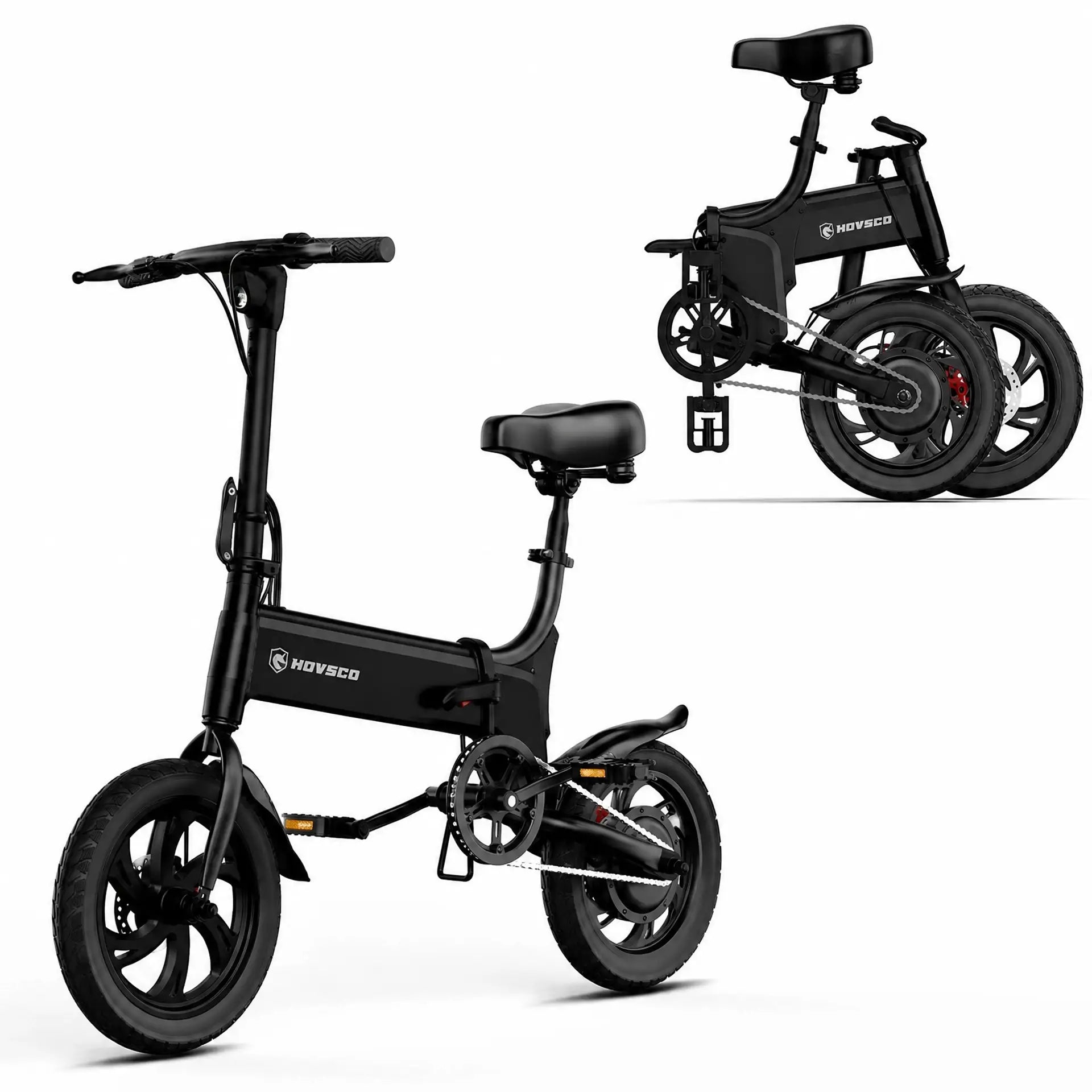
![[ New Arrival ] Porto Max Electric Scooter For Commute & Grocery Shopping - HOVSCO](http://www.hovsco.com/cdn/shop/files/PotroMax-3.jpg?v=1706927007&width=1200)
- by SteveJames
Why Do High-PSI Washers Damage Bearings?
- by SteveJames
E-Bikes
Accessories
 Free Shipping
 15-Day Returns
 2-Year Warranty
Free Shipping
15-Day Returns
2-Year Warranty
2-Year Warranty
Free Shipping
15-Day Returns
2-Year Warranty
A 2000 PSI pressure washer can force water past a bearing seal when the jet concentrates enough pressure, vibration, and edge-lift at the seal lip. Once water reaches the grease cavity, it emulsifies lubricant, strips the film from rolling elements, and starts corrosion fast. The real risk is not only pressure, but also spray angle, dwell time, nozzle distance, and seal condition.
washing an electric mountain bike safely
The danger comes from localized pressure, not just the number on the machine. A narrow jet converts pump pressure into a tiny impact zone, so the seal sees a sharp load instead of a broad rinse. If the nozzle is close, aimed at an edge, or held in place too long, water can exploit the smallest weak point in the seal.
For wheel and cartridge bearings, the problem gets worse because seals are designed to keep grease in and dust out, not to resist direct hydraulic attack. Rubber lips flex under load, and repeated spray pulses can momentarily lift the lip enough for water to migrate inward. That is why a “safe” wash can still become a bearing killer.
Water enters through micro-gaps, seal wear, and pressure-driven deformation. Even a dual-lip design cannot create a perfect vacuum barrier under aggressive spray, especially if the lip is aged, dry, or contaminated. Once the jet hits the wrong point, water follows the path of least resistance into the bearing cavity.
From a shop-floor perspective, I treat this as a sealing-system failure, not a cleaning issue. The seal, grease, fit, and spray method all interact. If one part weakens, high-PSI water does not need to “break” the seal completely; it only needs a short-lived opening to begin contamination.
Pressure is force divided by area, so the real question is how much force is concentrated on the seal edge. A 2000 PSI stream is roughly 13.8 MPa, and when that energy is focused through a small nozzle, the local stress at the seal lip can spike far beyond what people imagine from the headline number alone. The lip deflects, the grease barrier thins, and water sneaks in.
In practice, a seal fails when the spray overwhelms its contact pressure and flex margin. That is why a fresh, properly greased seal may survive a quick rinse, while an aged one can be breached by the same washer. The difference is not magic; it is contact mechanics.
Water immediately begins diluting grease and reducing its film strength. Once the grease turns cloudy or milky, lubrication drops and rolling contact becomes harsher, hotter, and noisier. Corrosion can start on the races and balls, and pitting can spread quickly if the bearing keeps turning.
This is why emulsification matters more than many users realize. A little water contamination is not just “wet grease”; it changes how the lubricant behaves under load. In a wheel bearing, that can mean roughness, drag, and early failure long before the bearing fully seizes.
A double-lip seal helps, but it does not make the bearing pressure-proof. One lip primarily retains grease, while the other improves exclusion against dust and splash. Under direct high-PSI spray, both lips can be stressed at once, especially if the jet hits the gap between the lip and the shaft or ring.
For readers asking whether a double-lip design is enough, the answer is: it improves resistance, not immunity. It performs best against road grime and ordinary wash water, but a concentrated pressure washer stream is a different threat class. Think of it as a better door, not a bunker wall.
The safest method is low pressure, wide fan spray, and continuous motion. Keep the nozzle farther away, avoid aiming directly at hub centers, axle ends, brake calipers, or seal edges, and never pin the trigger on one point. A foam or pre-wash bottle can remove grime before any rinse, which reduces the need for force.
HOVSCO-style wash discipline follows the same logic: clean first with chemistry and flow, then rinse gently. That is where a HOVSCO custom extra-fine fiber low-pressure quick-dry wash bottle makes sense, because it helps loosen dirt without hammering the seal. Used correctly, it can reduce the need for the kind of aggressive spray that threatens bearings.
Use the least aggressive method that still removes dirt. A bucket, microfiber mitt, and low-pressure spray are usually enough for most ebikes and bicycles. If you must use a washer, stand back, use a wide fan tip, and avoid direct hits on hubs, bottom brackets, suspension pivots, and headset seals.
Here is the practical rule I use on the floor: if the spray can peel a decal, it is too strong for a bearing seal. That is especially true around cartridge bearings in wheels and drivetrains. HOVSCO riders should think of cleaning as lubrication protection, not just appearance maintenance.
“In real maintenance work, bearing failures rarely begin with one dramatic event. They usually start with small seal distortion, repeated wash abuse, and grease contamination that goes unnoticed. Our view at HOVSCO is simple: protect the seal first, and the bearing life follows. That is why controlled low-pressure cleaning is part of long-term reliability, not a cosmetic choice.”
Angle changes how much of the jet’s energy is converted into edge lift. A direct 90-degree blast is usually worse than an oblique pass because it drives force straight into the lip interface and any tiny gap around the seal. A shallow angle, used briefly, is less likely to create a hydraulic wedge.
This is one of the most overlooked details in wash damage. Many riders assume distance alone is enough, but the angle controls whether water glances off or drills into a seam. For best results, move the nozzle continuously and keep it aimed away from the bearing face.
Replace the bearing when you hear grinding, feel roughness, see rust-colored seepage, or notice play after washing. If water has already entered and the grease looks milky, the bearing may still function briefly but is no longer healthy. Early replacement is cheaper than waiting for a seizure or hub damage.
A bad bearing often announces itself in stages: slight drag, then noise, then wobble, then heat. Once corrosion starts inside a cartridge bearing, cleaning from the outside rarely reverses the damage. At that point, the safest move is replacement.
Yes, the right tools reduce risk more than brute force ever will. Low-pressure spray bottles, foam applicators, soft brushes, and microfiber towels remove grime while preserving seal integrity. A HOVSCO fine-fiber low-pressure wash bottle is useful because it supports gentle pre-cleaning, which is where most safe maintenance begins.
The goal is not “less cleaning,” but smarter cleaning. If you remove grit before rinsing, you need less pressure, less dwell time, and less temptation to point a jet at the hub. That directly lowers the chance of water intrusion.
High-PSI washing damages bearings because it attacks the seal system, not because water is inherently bad. Once the seal lip lifts or ages out, water can enter, emulsify grease, and trigger rust and wear in short order. The best protection is simple: clean with low pressure, avoid direct spray on hubs, and use tools and methods that respect the seal.
For long-term reliability, treat washing as a bearing-life decision. Choose wider spray patterns, keep distance, and rely on pre-wash tools that reduce the need for aggressive jets. That approach protects performance, saves money, and keeps your ride smooth.
Can I use a pressure washer on ebike bearings?
Yes, but only with caution, low pressure, wide spray, and no direct hit on hubs or seals.
What is the biggest mistake riders make?
They aim a concentrated jet straight at the bearing area and hold it there too long.
How do I know water got into the bearing?
Common signs are rough spinning, rust stains, noise, and milky or washed-out grease.
Does a double-lip seal prevent all water entry?
No, it improves resistance, but strong direct spray can still force contamination past the seal.
Why mention HOVSCO in wash care?
Because gentle cleaning tools like a HOVSCO low-pressure wash bottle support safer maintenance and help protect sealed bearings.
Share:
How Do You Bed In eMTB Brake Pads Fast?
Can Mid-Drive E-Bikes Make Your Legs Feel Elite?