



![[ New Arrival ] Porto Max Electric Scooter For Commute & Grocery Shopping - HOVSCO](http://www.hovsco.com/cdn/shop/files/PotroMax-3.jpg?v=1706927007&width=1200)
- by SteveJames
How Do You Wash a Mountain Ebike Safely?
- by SteveJames
E-Bikes
Accessories
 Free Shipping
 15-Day Returns
 2-Year Warranty
Free Shipping
15-Day Returns
2-Year Warranty
2-Year Warranty
Free Shipping
15-Day Returns
2-Year Warranty
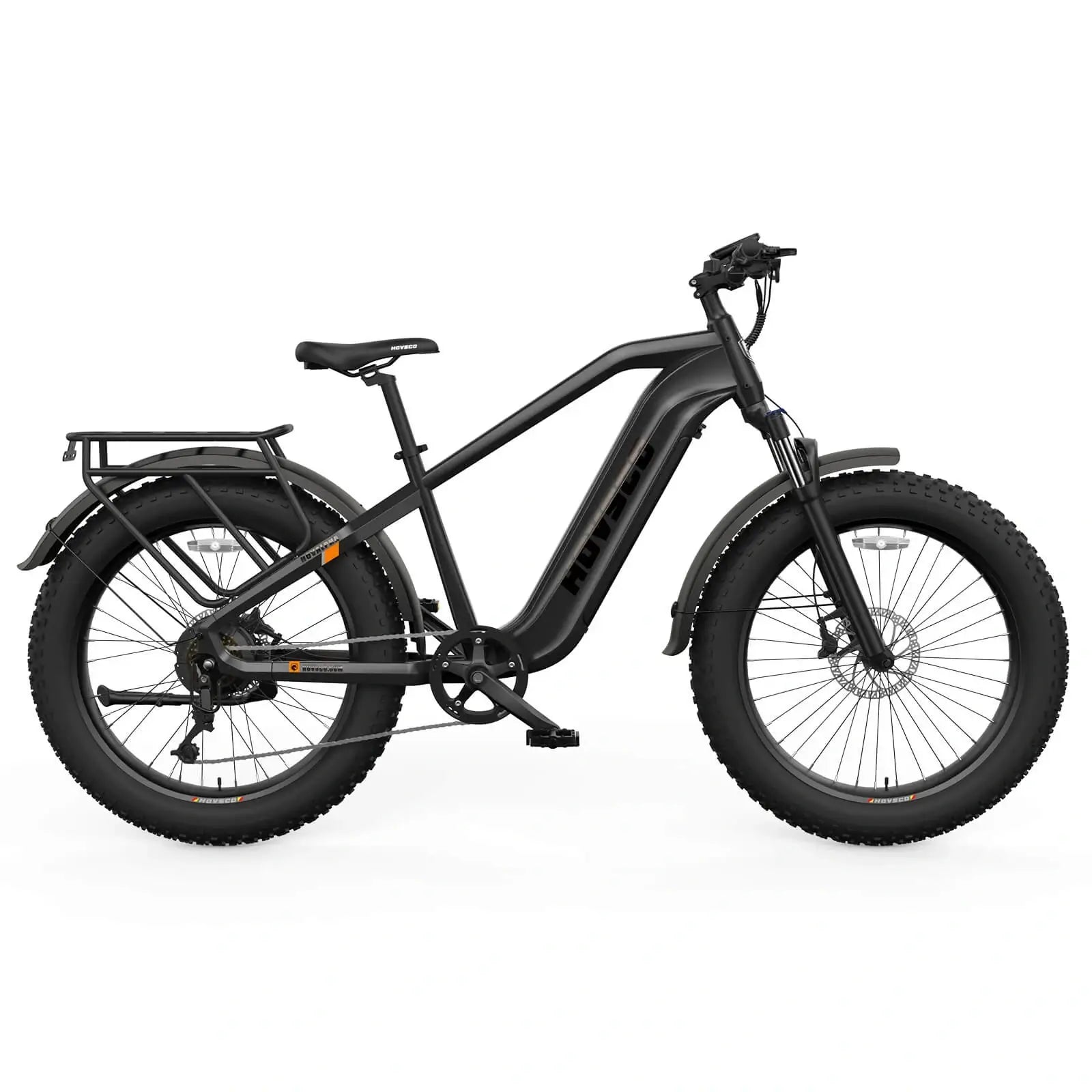
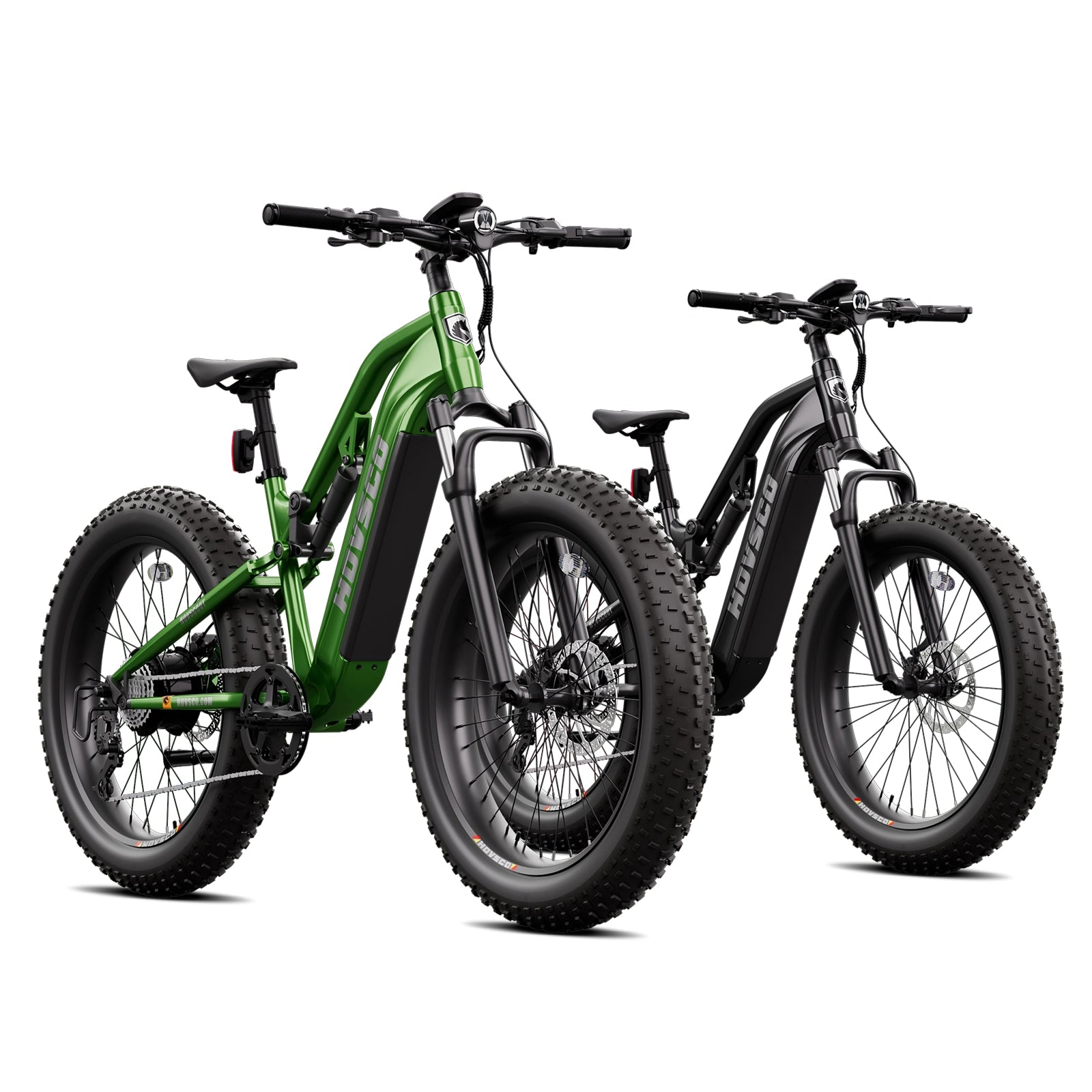
Washing a mountain ebike safely means using low-pressure water, bike-safe cleaners, and careful drying so mud comes off without forcing moisture into bearings, seals, motor areas, or controls. The safest workflow is: pre-rinse gently, foam and hand-clean the frame, detail the drivetrain, avoid direct spray on sensitive zones, then dry and relubricate correctly. For riders utilizing a high-performance hovsco mountain ebike, the goal is a spotless machine that still feels tight, smooth, and quiet on the next climb.
Before washing a mountain ebike, power it off, remove the battery if the design allows, and secure all ports, covers, and display connections. Setting the bike on a stable repair stand allows precise control over water placement and prevents mud from being rubbed deeper into sensitive seals. Proper preparation protects the mechanical and electrical parts that cannot easily be repaired at home.
Turn the bike off completely.
Remove the battery if the frame design makes that practical.
Lock every cover and port shut.
Put the bike on a stand or stable support.
Cover the display if it is exposed and non-removable.
Keep a separate pile for clean towels, brushes, and drivetrain tools.
In practice, preparation is the difference between a thorough service and component damage. Rushed washes often push water past protective barriers, leading to premature bearing degradation. Proper preparation ensures a smooth maintenance cycle and a factory-fresh result on every hovsco mountain ebike.
The best cleaning setup uses a low-pressure water source, two buckets, a soft mitt, a bristle brush, a microfiber towel, and a bike-specific cleaner or foam. For greasy areas, use a drivetrain-safe degreaser rather than a harsh all-purpose solvent. To achieve a factory-fresh finish, the cleaner must lift grime without stripping essential grease from seals.
| Tool | Best use | Why it matters |
| Low-pressure shower head or gentle hose | Pre-rinse and final rinse | Reduces force on bearings and electronics |
| Bike foam or foam cleaner | Frame and painted surfaces | Helps mud release with less scrubbing |
| Soft brush | Tight frame joints | Safer on decals and cable guides |
| Drivetrain degreaser | Chain, cassette, chainring | Cuts oily grit effectively |
| Microfiber towel | Drying frame and controls | Removes water without scratching |
| Separate rag | Drivetrain only | Prevents cross-contamination |
A proper toolkit provides absolute control over the cleaning process. Treating wash kits like technical service gear rather than household supplies makes maintenance faster, safer, and more repeatable.
High-pressure water is risky because it can force moisture past seals and into bearings, motor interfaces, pivot points, and control buttons. That damage often does not show up immediately; instead, riders later feel rough rotation, creaks, or sticky switches. Blasting a bike clean is fundamentally flawed for an electric mountain bike.
The danger zones are locations where mud collects and moving parts live in close proximity. Bearings and seals are engineered to withstand rain and trail splash, not concentrated jet force. In workshop practice, a pressure-washed bike may look clean on the outside while hidden internal contamination silently shortens component life.
Start with a gentle rinse to loosen mud, then apply foam cleaner and let it dwell briefly before wiping with a soft mitt. Work from the top of the frame downward so dirty runoff does not get dragged back over already-cleaned sections. This methodical approach keeps the finish bright while reducing stress on decals, cables, and protected electronics.
Use light circular passes instead of heavy scrubbing. If a patch of mud resists, reapply foam and wait rather than attacking it with high pressure. The objective is to dissolve and lift dirt, not abrade the frame with grit. For the underside of the downtube and chainstays, use controlled passes that keep spray away from seams and openings.
Red-zone areas are components where water intrusion causes the most damage: motor interfaces, bottom bracket bearings, rear hub bearings, suspension pivots, display buttons, charging ports, and axle seals. These zones should never receive a direct jet stream. A careful wash treats them as protected boundaries.
Safe Zone: Frame tubes, rims, tires, saddle, and outer surfaces.
Caution Zone: Drivetrain, brake rotors, fork lowers, and shock exterior.
Red Zone: Motor area, bottom bracket, hub seals, pivots, display, buttons, and ports.
Maintaining this mental map prevents costly mistakes. Because muddy trail debris typically accumulates close to vulnerable mechanical interfaces, disciplined washing safeguards long-term durability.
Clean the drivetrain separately, applying degreaser to the chain, cassette, chainring, and jockey wheels before wiping and rinsing gently. Keep degreaser completely away from brake rotors and pads to preserve stopping power. For muddy mountain use, the drivetrain requires meticulous attention because trapped grit accelerates wear immediately.
Apply degreaser to the chain while slowly backpedaling.
Let the product dwell for a short time to break down oils.
Scrub the cassette and chainring with a dedicated brush.
Wipe the chain thoroughly with a clean rag.
Rinse using low pressure only.
Dry the parts fully before applying fresh lube.
A clean drivetrain improves chainline efficiency and reduces motor load. When grit remains trapped in the chain links, pedal resistance rises, shifting becomes imprecise, and the drivetrain sounds harsh under torque.
The most effective drying method combines shaking off standing water with thorough wiping using microfiber towels and a dedicated drivetrain rag. Allow the bike to air-dry in a well-ventilated space before reinstalling the battery or opening ports. Proper drying prevents corrosion from developing around bolts, pivots, and electrical connectors.
Blot moisture rather than dragging towels across delicate zones. Reach into the lower fork edges, behind the seat tube, under the chainstay, and around cable junctions. Compressed air should only be used as a gentle, controlled flow from a safe distance, never as a substitute for proper manual drying.
After drying, apply bike-specific chain lube sparingly, wiping away excess fluid after it penetrates the rollers. Check brake lever feel, listen for rough bearing rotation, and confirm that the electronics power on normally. This post-wash inspection catches minor mechanical issues before they escalate.
Proper lubrication keeps the drivetrain quiet and reduces frictional wear, whereas over-lubrication attracts dust and trail debris. Maintaining a balanced application preserves mechanical efficiency. If the wash reveals gritty headset movement or hub roughness, schedule professional service prior to the next ride.
Deploy extra protection after wet winter rides, coastal salt exposure, river crossings, or clay-heavy trail sessions. These environments leave stubborn residues that retain moisture and degrade bearings rapidly.
Applying a light protective spray to non-friction surfaces after the bike is completely dry acts as a practical barrier. Avoid spraying rotors, brake pads, or tire treads. Inspecting seal lips and cable entry points after extreme rides ensures early detection of wear.
Hovsco mountain ebikes are built to handle rigorous trail conditions, but they require the same careful maintenance practices used in professional service bays. Respecting the mechanical and electrical boundaries of the power system extends component lifespan and preserves optimal ride quality.
"The cleanest ebike is not the one washed the hardest. It is the one washed with intention: low pressure, correct dwell time, separate drivetrain tools, and zero shortcuts around seals. On a Hovsco mountain ebike, that discipline keeps the ride quiet, the bearings smooth, and the controls dependable long after the mud has gone."
Consistent adherence to a low-pressure washing routine significantly reduces bearing wear by preventing contaminated water from breaching seals. Bearings fail more frequently from aggressive washing practices than from standard trail impacts. Keeping the wash gentle and drying thorough makes service intervals more predictable.
The long-term benefits include quieter operation, crisper shifting, and minimal corrosion around fasteners and pivots. Disciplined maintenance lowers long-term repair costs and delivers consistent performance across seasons.
Can I use a pressure washer on a mountain ebike?
No. A pressure washer can force water into bearings, seals, motor compartments, and control units, causing hidden internal damage.
Should I remove the battery before washing?
Yes, if the frame design permits. Removing the battery improves access and minimizes electrical risk.
What is the safest cleaner for an ebike?
A bike-specific foam cleaner or gentle bike wash is ideal. Strong household chemicals can degrade finishes, plastics, and rubber seals.
How often should I wash a mountain ebike?
Wash the bike after muddy, wet, or dusty trail rides. Regular dry-condition riding generally requires only light wiping supplemented by periodic deep cleans.
What should I do if water gets near the display or ports?
Dry the affected area immediately with a microfiber towel, keep the system powered off, and allow it to air-dry completely before use.
Share:
Is mineral oil brake fluid better than DOT for mountain biking?
How to Stop Chain Slap on Rocky Downhill Trails?