






![[ New Arrival ] Porto Max Electric Scooter For Commute & Grocery Shopping - HOVSCO](http://www.hovsco.com/cdn/shop/files/PotroMax-3.jpg?v=1706927007&width=1200)
- by SteveJames
How Does a 67° Head Tube Angle Balance Climbs and Control?
- by SteveJames
E-Bikes
Accessories
 Free Shipping
 15-Day Returns
 2-Year Warranty
Free Shipping
15-Day Returns
2-Year Warranty
2-Year Warranty
Free Shipping
15-Day Returns
2-Year Warranty
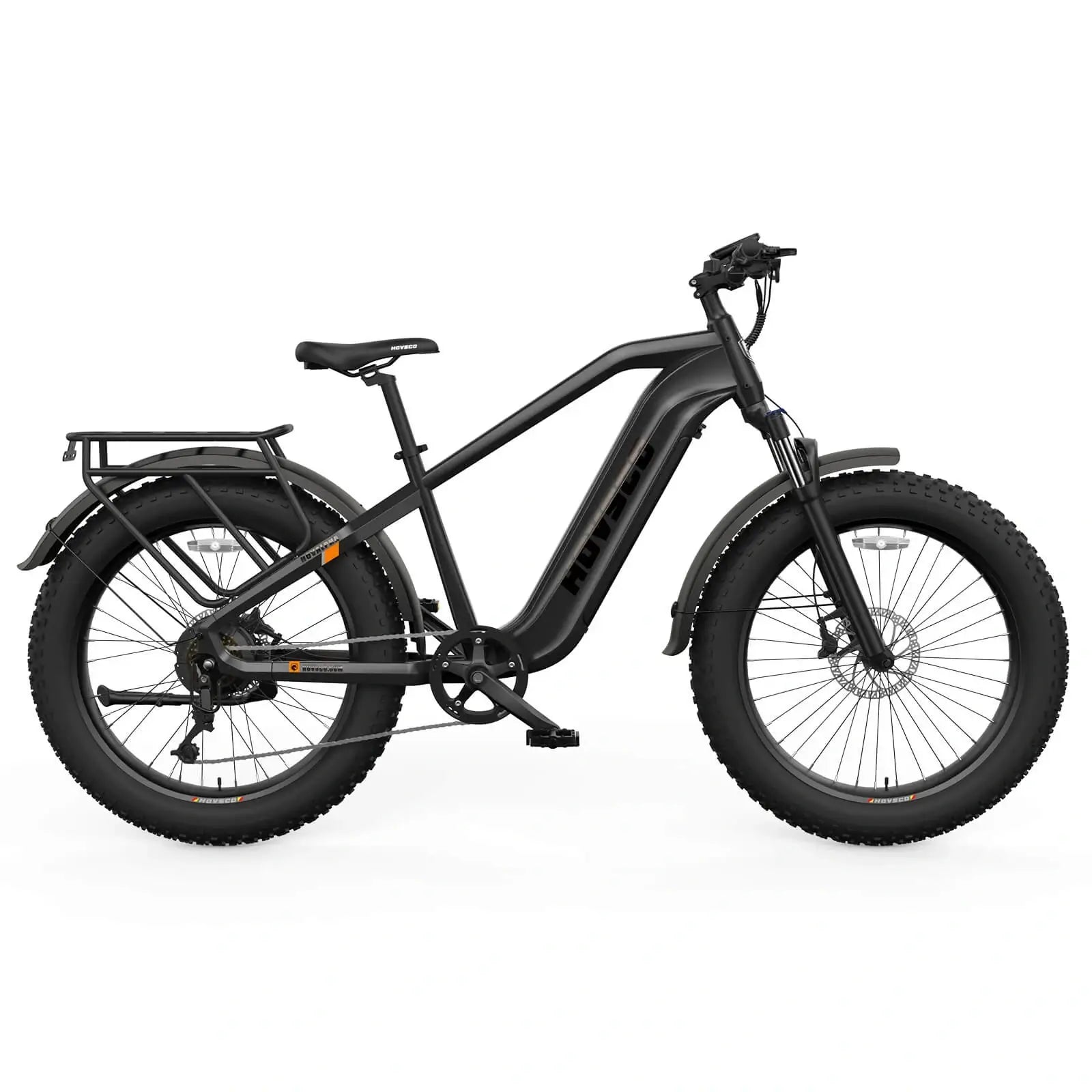
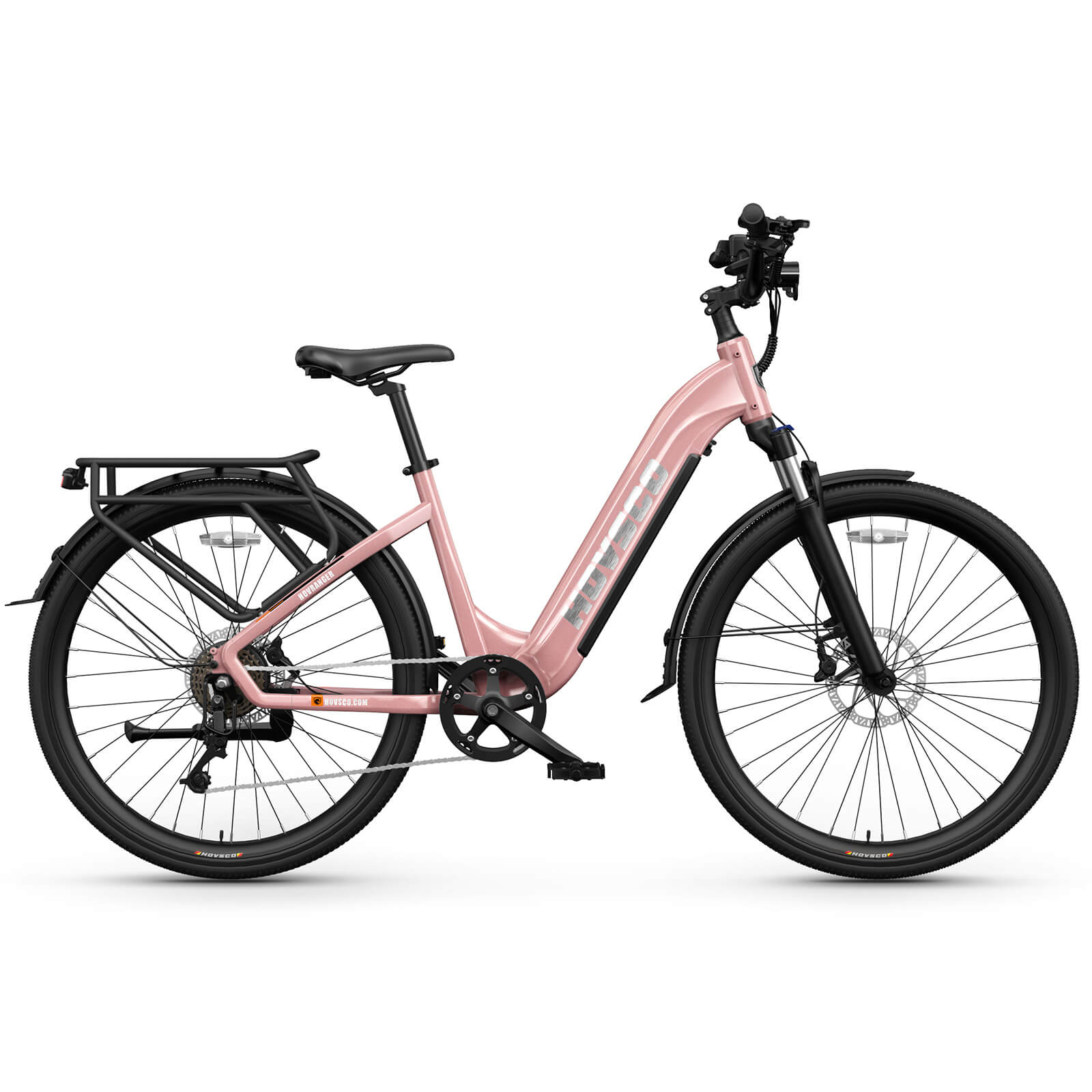
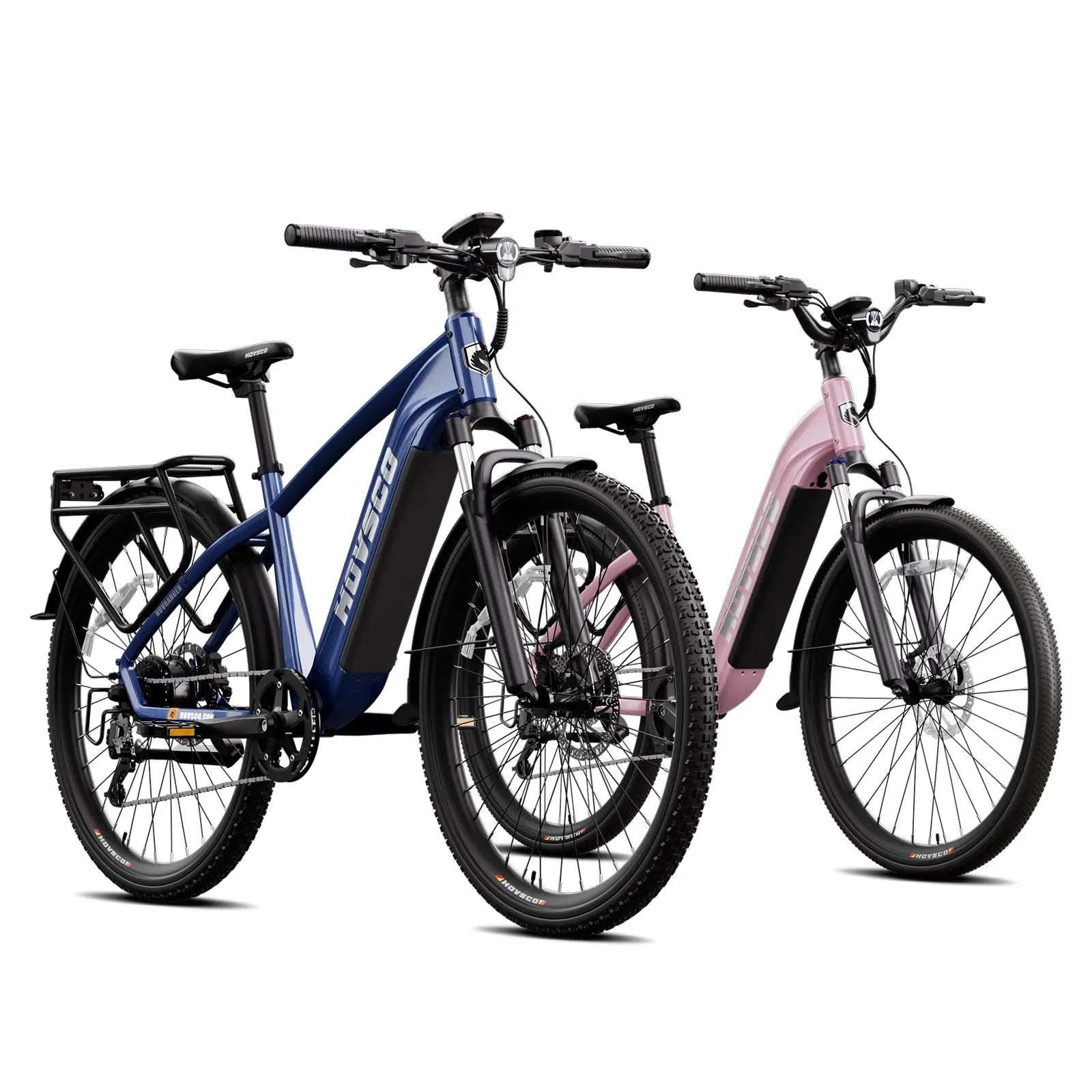
A 67° head tube angle gives the HovRanger a “sweet spot” between steep-climbing agility and downhill stability. It keeps the front wheel planted on steep ascents while still providing enough trail for high-speed control on descents, especially when paired with HOVSCO’s 31.8 mm short stem and optimized fork offset.
Head tube angle (HTA) is the angle of the steering axis relative to the ground. A 67° HTA is moderately steep for an off-road e-bike, promoting quick steering on climbs while still offering stable tracking at speed when combined with proper trail.
Head tube angle defines how “laid back” the front end is. At 67°, the HovRanger sits between aggressive trail/enduro slacker angles (64–65°) and xc-style steep angles (68–70°), enabling HOVSCO to tune handling for mixed terrain without sacrificing too much in either direction.
Head tube angle is measured from the horizontal ground to the steering axis (the line through the head tube and steerer).
Steeper (higher number, e.g., 68–70°): faster, more agile steering at low speed, better for technical climbs.
Slacker (lower number, e.g., 63–65°): more stable at high speed, confidence on steep descents, but slower, vaguer steering at low speed.
For an off-road e-bike like the HovRanger, 67° is a deliberate compromise: steep enough to keep the front wheel tracking well on climbs, yet not so steep that the bike becomes twitchy on fast, rough descents.
A steeper HTA moves the front wheel closer under the rider, reducing the tendency for the bike to “loop out” or lift the front on steep ascents. At 67°, the HovRanger keeps the front tire planted while still allowing quick steering adjustments on technical climbs.
On very steep climbs, geometry and rider position determine whether the front wheel lifts. A steeper head tube angle shortens the front center relative to a slacker setup, bringing the contact patch closer to the rider’s center of mass. This reduces the moment that tries to rotate the bike backward, helping the front wheel stay down.
The 67° HTA of the HovRanger is chosen to:
Keep the front wheel grounded on steep, technical climbs.
Allow precise, responsive steering in tight switchbacks and rooty sections.
Avoid the “floppy” low-speed feel that can occur with very slacker angles.
With a steeper angle:
Front wheel is more likely to stay planted.
Steering is quicker at low speed.
The bike can feel less stable at very high speeds on long descents.
With a slacker angle:
More stable at speed.
Front wheel can wander or lift more easily on steep climbs.
Low-speed steering feels heavier and less immediate.
The 67° HTA is a compromise that prioritizes climb confidence and control without completely sacrificing downhill stability.
A slacker HTA generally increases trail and stability at speed, but 67° still provides enough trail for confident descending when paired with correct fork offset and wheel size. For the HovRanger, this balance helps maintain control at high flow speeds without becoming overly sluggish in tight sections.
Downhill stability is not just about HTA; it’s mostly about trail, which depends on:
Head tube angle
Fork offset (rake)
Wheel size
A 67° HTA, when combined with HOVSCO’s chosen fork offset, yields a trail value tuned for off-road e-bike use: stable enough for fast descents, yet responsive enough for technical terrain.
The relationship can be summarized as:
Trail ≈ R / cos(HTA) − Offset / sin(HTA)
where R is wheel radius.
Lower HTA → larger trail (more stability).
Larger offset → smaller trail (more agility).
By selecting a 67° HTA and a carefully matched offset, HOVSCO can:
Keep trail high enough for downhill confidence.
Avoid excessive “wheel flop” that very slacker bikes can suffer.
Maintain quick, precise steering in tight, technical sections.
Trail is the horizontal distance between where the steering axis meets the ground and where the front tire contacts the ground. Larger trail = more self-centering and stability; smaller trail = quicker steering. HTA and fork offset together determine trail, so 67° only works as intended when paired with the right offset.
Trail is the key “hidden number” behind head tube angle. Two bikes with the same HTA can feel completely different if their fork offsets or wheel sizes differ. For the HovRanger, the 67° HTA is part of a system designed to achieve a target trail range suitable for off-road e-bike use.
For the HovRanger, HOVSCO targets a trail in the middle of this range, enabled by the 67° HTA plus optimized fork geometry.
A 31.8 mm short stem (HOVSCO™ 31.8mm racing short stem) reduces leverage at the handlebars, making steering more direct and less twitchy. This complements the 67° HTA by sharpening low-speed control on climbs while keeping high-speed handling stable and predictable.
Short stems change how the rider interacts with the bike’s geometry:
Less leverage = faster, more precise steering input.
Reduced “wobble” at high speed compared to very long stems.
Better weight distribution forward, aiding climbing stability.
On the HovRanger, the short stem helps translate the 67° HTA’s potential into real-world handling: quick enough for technical climbs, but not overly nervous on descents.
Improves steering precision in tight terrain.
Helps keep the rider’s center of mass forward on climbs.
Reduces the chance of over-rotating the bike at high speeds.
This is especially important on e-bikes, where higher speeds and motor torque can amplify any instability caused by poor geometry or stem choice.
HTA, trail, and stem length are not independent; they form a handling system. The 67° HTA sets the base steering axis, trail converts that into self-centering force, and the short stem tunes how the rider inputs affect that system. Together, they define how the HovRanger feels on climbs and descents.
Changing one element affects the others:
Slackening HTA → increases trail, lengthens front center.
Increasing fork offset → reduces trail, makes steering quicker.
Shortening stem → increases steering directness, reduces high-speed wobble.
HOVSCO’s design philosophy for the HovRanger is to treat these as a coordinated package, not isolated numbers. The 67° HTA is only “golden” because of the supporting fork offset and short stem.
“The 67° head tube angle on the HovRanger isn’t a magic number; it’s the result of balancing climb confidence, downhill stability, and rider input feel. We pair it with a carefully chosen fork offset and a 31.8 mm short stem so the bike doesn’t just look good on a spec sheet—it actually tracks well on steep climbs and stays calm at high flow speeds. That system view is what separates a real engineering solution from a generic geometry copy.” — HOVSCO Engineering Team
Riders who do mixed terrain—steep climbs, technical switchbacks, and fast descents—benefit most. The 67° HTA gives the HovRanger a versatile feel that suits day-trippers, trail explorers, and urban-to-mountain commuters who want both climb efficiency and downhill confidence.
This geometry is ideal for:
Trail riders who climb and descend in the same ride.
Commuters who occasionally hit rough or hilly routes.
E-bike newcomers who want stability without feeling sluggish.
What is the ideal head tube angle for an off-road e-bike?
For mixed off-road use, 65–68° is common. 67° is a strong middle ground that balances climb agility and downhill stability, as seen on the HovRanger.
Does a steeper head tube angle make climbing easier?
Yes, a steeper angle helps keep the front wheel planted and improves low-speed steering, making technical climbs more controllable.
Can I change the head tube angle on my e-bike?
Not directly; HTA is fixed by the frame. However, fork offset, wheel size, and stem length can significantly change how that angle feels.
Is 67° head tube angle good for downhill riding?
Yes, when paired with appropriate trail and a short stem, 67° provides stable, predictable handling even at higher speeds on descents.
How does the HOVSCO short stem improve handling?
The 31.8 mm short stem reduces leveraged wobble and sharpens steering response, making the 67° HTA feel more precise and controlled.
Share:
How can you master Shimano 7-speed shifting under high motor torque?
How does descent control with hydraulic discs prevent brake fade?